
Driving in major American cities often involves dealing with road conditions that can test even well engineered vehicles.
From New York to Chicago to Los Angeles, aging infrastructure, heavy traffic loads, construction zones, and harsh seasonal weather all contribute to pavement deterioration.
The result is a landscape filled with potholes, cracked asphalt, uneven manhole covers, and rough expansion joints that can quickly punish vehicles with stiff suspensions or low ground clearance.
Potholes are more than just an inconvenience. Repeated impacts can damage suspension components, bend wheels, misalign steering, and even cause tire sidewall failures.
For drivers who regularly commute through these environments, choosing a vehicle with the right suspension tuning and durability features can significantly reduce long term maintenance costs.
One of the most important qualities in a pothole friendly vehicle is suspension compliance. Cars with well tuned suspension systems can absorb impacts rather than transferring harsh shocks into the chassis. Tire sidewall height also matters.
Vehicles with slightly taller tire profiles often handle impacts better because the tire itself acts as an additional cushion.
Ground clearance is another practical consideration. While extreme height is not necessary for city driving, a little extra clearance can help prevent underbody scraping when encountering broken pavement or poorly maintained speed bumps. Vehicles designed with real world usability in mind often balance ride height with stability.
Wheel size also plays a role. Larger wheels with very thin tires may look attractive but can be more vulnerable to damage. Cars designed for durability often use more practical wheel and tire combinations that prioritize resilience over styling.
This list highlights ten vehicles known for handling rough urban pavement through strong suspension engineering, durable construction, or smart design choices. Each vehicle takes a different approach, whether through comfort oriented ride tuning, strong structural engineering, or proven reliability in high mileage urban use.
In cities filled with broken pavement, comfort and durability often matter more than speed or appearance.
Also Read: 10 Cars with Short Waiting Periods With Quick Delivery And Better Deals
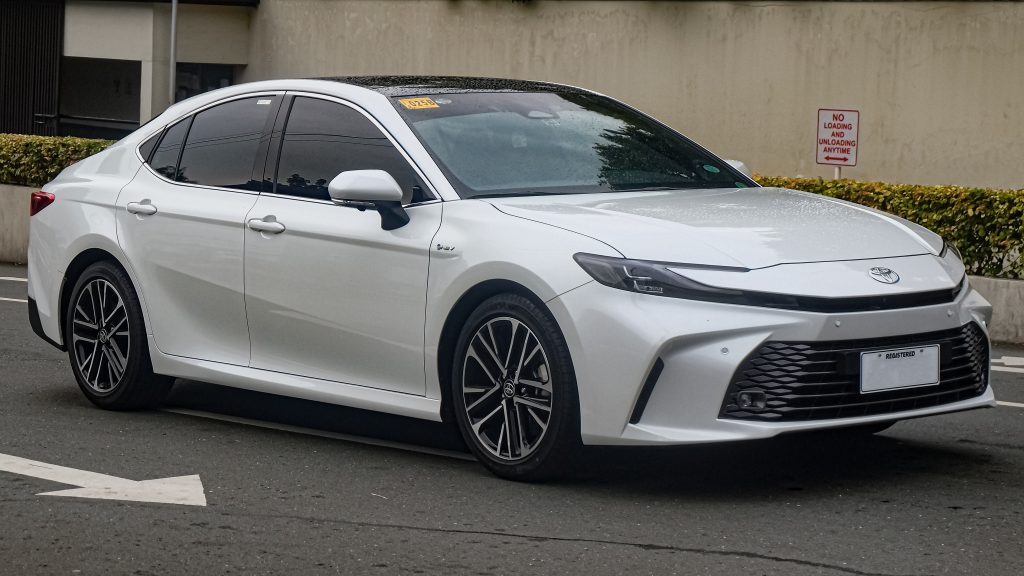
1. Toyota Camry
City drivers often discover that the best pothole vehicle is not always an SUV or truck. The Toyota Camry proves that a well engineered sedan can handle rough pavement surprisingly well when designed with comfort and durability as priorities.
One of the Camry’s biggest strengths is its suspension tuning. Toyota typically focuses on ride comfort rather than aggressive handling in this model. This results in a suspension setup that absorbs impacts rather than transmitting them sharply into the cabin.
For drivers dealing with broken pavement every day, this type of tuning can make a noticeable difference in fatigue levels.
The car also benefits from practical wheel sizing. Many Camry trims avoid extremely large wheels, which allows for tires with more sidewall. This extra rubber helps cushion impacts from potholes and reduces the likelihood of wheel damage. Drivers often underestimate how much tire design contributes to durability.
Another advantage comes from long term reliability. City driving often includes frequent braking, acceleration, and steering corrections. Toyota’s conservative engineering approach helps the Camry tolerate these stresses without excessive wear. This makes it a common choice among high mileage urban commuters.
Steering stability also plays a role. The Camry is known for predictable handling, which helps drivers maintain control when unexpectedly encountering rough pavement. A stable steering feel can help prevent overcorrection when hitting uneven surfaces.
Interior durability also supports its city usability. Materials are selected to tolerate constant use, which matters for drivers who spend hours in traffic. Strong assembly quality also helps reduce rattles that can develop in vehicles exposed to constant vibration.
The Camry works well in harsh city conditions because it focuses on everyday usability. It does not try to be overly sporty or complex. Instead it delivers the kind of ride comfort and durability that urban drivers depend on over years of real world use.
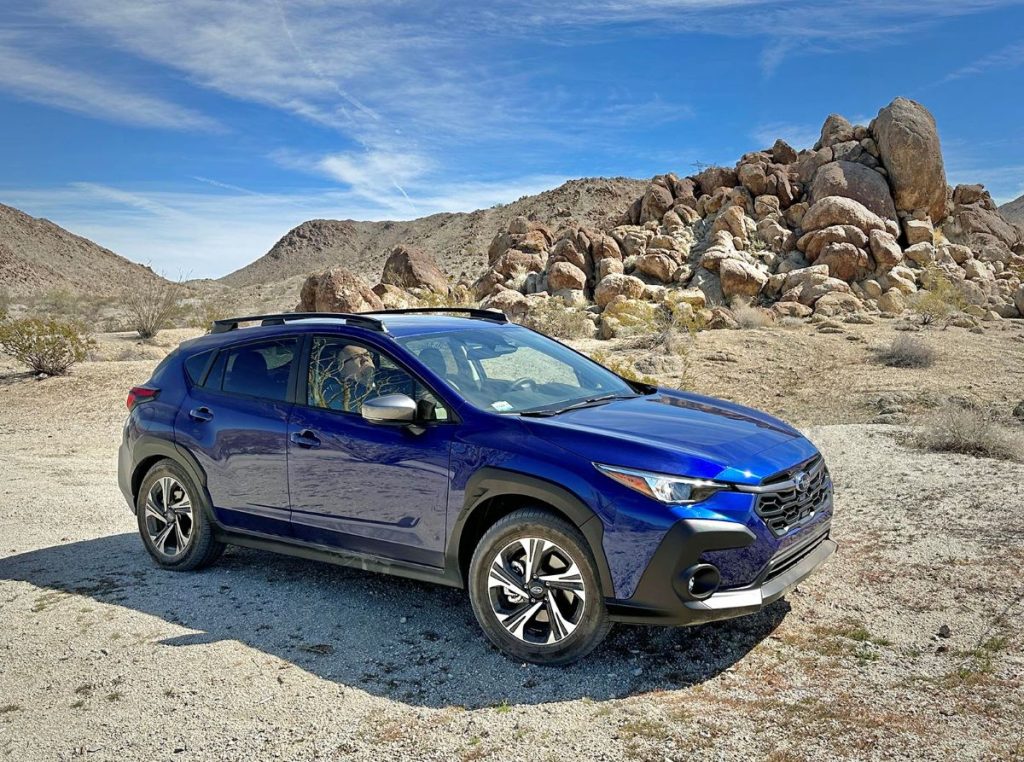
2. Subaru Crosstrek
Some vehicles are naturally better suited for rough urban streets because they combine car like maneuverability with SUV inspired durability. The Subaru Crosstrek fits this description well, offering a combination of ground clearance and suspension flexibility that makes it particularly well suited for cities with deteriorating pavement.
One of its most obvious advantages is its higher ride height compared to typical compact cars. This extra clearance allows it to pass over broken pavement sections and deep potholes with less risk of underbody contact. For drivers dealing with unpredictable road damage, this added margin can be very reassuring.
The Crosstrek also benefits from Subaru’s approach to suspension tuning. Rather than focusing purely on sporty performance, the vehicle is designed to handle mixed surfaces including gravel and uneven pavement. This translates well to urban environments where road quality can change block by block.
All wheel drive also provides an indirect advantage. While primarily intended for weather traction, the balanced drivetrain layout contributes to stable handling when encountering uneven surfaces. Stability helps prevent sudden directional changes after hitting potholes.
Tire design also contributes to its strength. Crosstrek models often use practical tire sizes with enough sidewall to absorb impacts. This reduces the chance of rim damage and helps maintain ride comfort on rough pavement.
Another factor is structural durability. Subaru vehicles are known for strong body construction, which helps prevent squeaks and rattles even after repeated exposure to rough roads. This becomes noticeable after years of city driving where constant vibration can affect build quality.
The Crosstrek succeeds because it was designed to handle more than just smooth highways. Its extra clearance, stable handling, and durable construction make it a smart choice for drivers who face rough pavement as part of their daily routine.
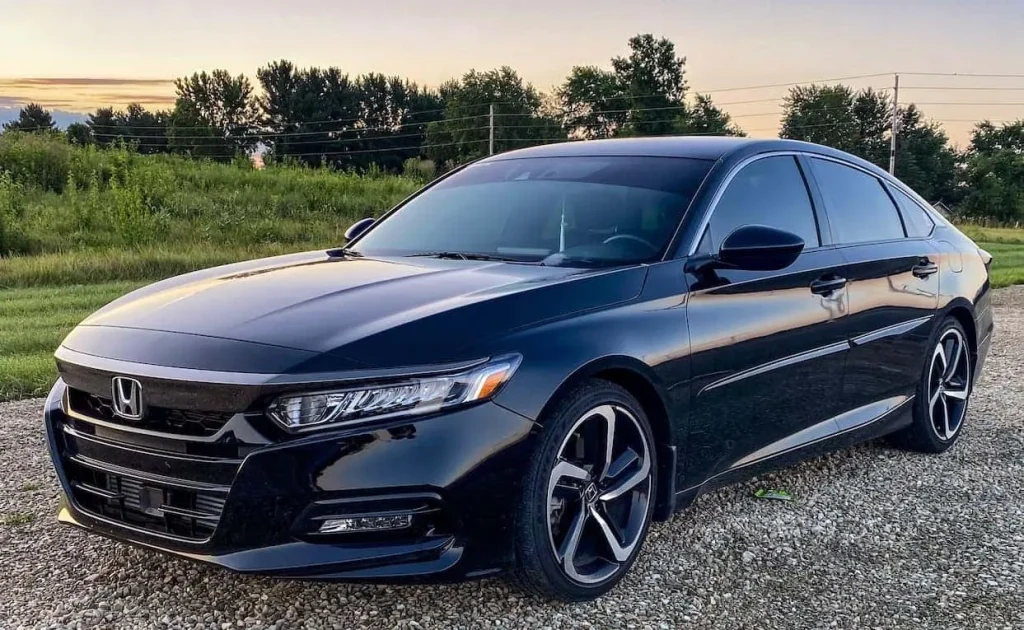
3. Honda Accord
Urban drivers often assume that only taller vehicles can survive poor road conditions, yet the Honda Accord shows how careful chassis engineering can allow a midsize sedan to handle broken pavement with impressive composure. Instead of relying on height, the Accord relies on balance, damping control, and structural refinement.
Honda engineers have traditionally focused on suspension response that feels controlled rather than overly soft. The Accord’s suspension manages to soften harsh impacts without creating excessive body movement.
This balance becomes noticeable when driving over patched asphalt or uneven city intersections where cheaper suspensions can feel unsettled.
Another advantage comes from chassis rigidity. A strong body structure helps distribute impact forces more evenly when the vehicle encounters potholes.
Instead of allowing the shock to concentrate in one area, the structure helps absorb and spread the stress. Over time, this helps maintain interior integrity and reduces the likelihood of developing rattles.
The Accord also benefits from thoughtful tire selection across most trims. Honda tends to avoid extremely aggressive low profile tire combinations on mainstream versions, which helps preserve ride comfort and wheel durability. Taller sidewalls continue to provide that extra impact buffer that city drivers benefit from.
Steering feedback is also well judged. The Accord does not react nervously to bumps, which helps the driver maintain control when encountering sudden pavement damage. Calm steering behavior is often overlooked, but it contributes significantly to driver confidence on rough streets.
Cabin durability also plays a role in long term ownership satisfaction. Interior controls feel solid and well assembled, which helps prevent the buzzes and vibrations that can appear in vehicles constantly exposed to rough city conditions.
The Accord proves that a well designed sedan does not need off road credentials to survive difficult pavement. Through careful suspension engineering and strong structural design, it remains a dependable option for drivers navigating deteriorating urban streets.
4. Ford Escape
The Ford Escape represents a practical middle ground between sedan comfort and SUV toughness. For drivers who want a vehicle capable of handling daily pothole exposure without stepping into a large SUV, it offers a useful balance of ride compliance, durability, and city friendly size.
One of the Escape’s key advantages lies in its suspension travel. Compared to many compact cars, it offers slightly more movement in the suspension, allowing it to better absorb sudden impacts. When driving through cities where potholes appear unexpectedly, this extra travel helps prevent harsh jolts.
The vehicle also benefits from moderate ride height. While not excessively tall, it sits high enough to reduce the chance of scraping the lower body structure. This helps protect vulnerable components such as exhaust routing and splash guards.
Ford also tuned the Escape with daily commuting in mind. The suspension is not overly stiff, which helps it remain comfortable on broken pavement. Drivers often notice that the vehicle maintains composure even when encountering poorly maintained city streets.
Wheel design also contributes to its practicality. Many Escape versions come with sensible wheel sizes rather than oversized designs. This allows tires to maintain enough cushioning effect to reduce impact severity.
Another advantage is its urban maneuverability. A tight turning radius makes it easier to avoid road hazards when possible. In cities filled with construction zones and patched asphalt, the ability to quickly position the vehicle can help reduce unnecessary impacts.
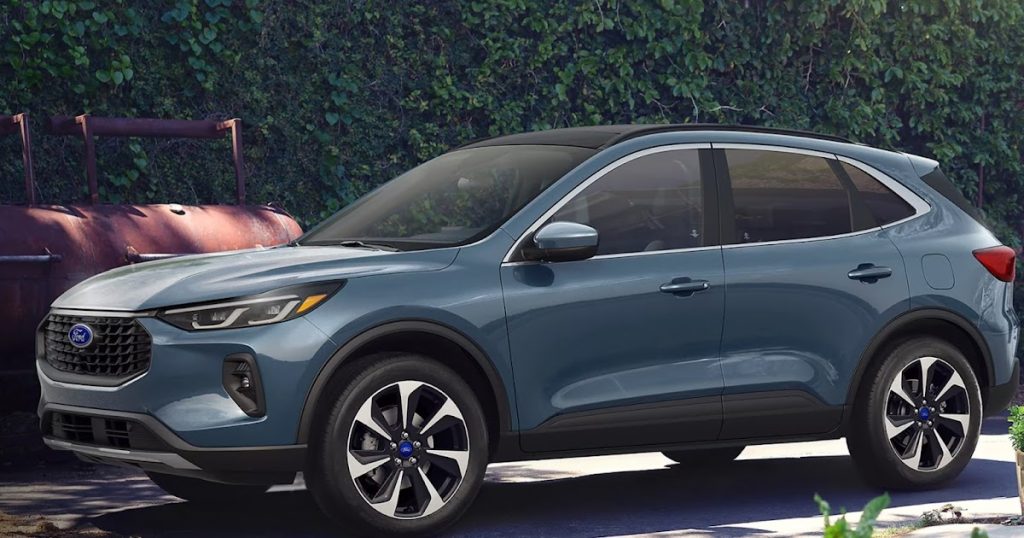
Interior packaging also supports daily city use. Comfortable seating and good outward visibility help drivers stay alert while dealing with unpredictable road conditions. Reduced fatigue can improve reaction times when navigating rough sections.
The Escape performs well because it focuses on the realities of daily driving rather than extreme performance claims. Through practical suspension design and urban friendly proportions, it becomes a dependable companion for drivers dealing with damaged pavement every day.
5. Chevrolet Impala
Large sedans were once the default choice for dealing with rough city streets, and the Chevrolet Impala reflects why that formula worked so well. Its longer wheelbase and comfort focused suspension tuning give it natural advantages when dealing with broken pavement and repeated pothole encounters.
The Impala’s size helps it absorb impacts differently compared to smaller cars. A longer chassis can bridge gaps in damaged pavement more smoothly, reducing the sharp vertical movements that shorter vehicles sometimes experience. This results in a ride that feels more composed over uneven road sections.
Suspension calibration also focuses heavily on ride comfort. Chevrolet tuned the Impala to isolate passengers from road harshness rather than deliver aggressive handling. For drivers who spend hours navigating rough city streets, this kind of comfort oriented engineering becomes far more valuable than sporty response.
Wheel and tire combinations also support durability. Many Impala models were equipped with practical tire sidewall height, helping reduce the risk of rim damage when encountering potholes. This design choice reflects an emphasis on real world durability rather than visual appeal.
Another often overlooked benefit is weight distribution. A heavier sedan can sometimes feel more planted when encountering rough surfaces. The Impala’s mass helps it settle quickly after impacts rather than bouncing excessively, which improves stability on poorly maintained roads.

Interior quietness also deserves attention. Larger sedans often include more sound insulation, which helps reduce the noise created when driving over rough pavement. This contributes to a calmer driving experience even when road quality is poor.
The Impala demonstrates why traditional full size sedans were long favored by taxi fleets and government vehicles.
Their ability to absorb punishment while maintaining comfort made them ideal for city environments. Even today, it remains a strong example of how size and comfort tuning can work together to handle difficult pavement.
6. Hyundai Santa Fe
The Hyundai Santa Fe shows how modern crossover engineering can create a vehicle that is both comfortable and tough enough for daily city punishment. Designed with family usability in mind, it emphasizes ride quality and durability, two qualities that translate directly into pothole resilience.
A major advantage of the Santa Fe comes from its carefully tuned suspension damping. Hyundai engineers focused on reducing harshness without allowing excessive body movement.
This allows the vehicle to absorb rough pavement impacts while maintaining stability, an important factor when traffic conditions require quick reactions.
The vehicle also benefits from practical ride height. While not designed for off road use, it sits high enough to avoid many of the clearance concerns faced by lower sedans. This added clearance helps protect the underside from contact with damaged pavement edges.
Another strength lies in its chassis refinement. Hyundai invested heavily in structural rigidity improvements in recent generations. A more rigid structure helps prevent vibration related wear and helps maintain long term interior quality even after years of driving on rough roads.
Tire selection also contributes to its city suitability. The Santa Fe is often equipped with balanced tire sizes that prioritize ride comfort. Avoiding extremely thin tire profiles helps maintain durability when impacts occur.
Driver assistance visibility also plays a small but useful role. Clear camera systems and good outward visibility help drivers identify hazards early. While potholes cannot always be avoided, better awareness can reduce the number of direct impacts.
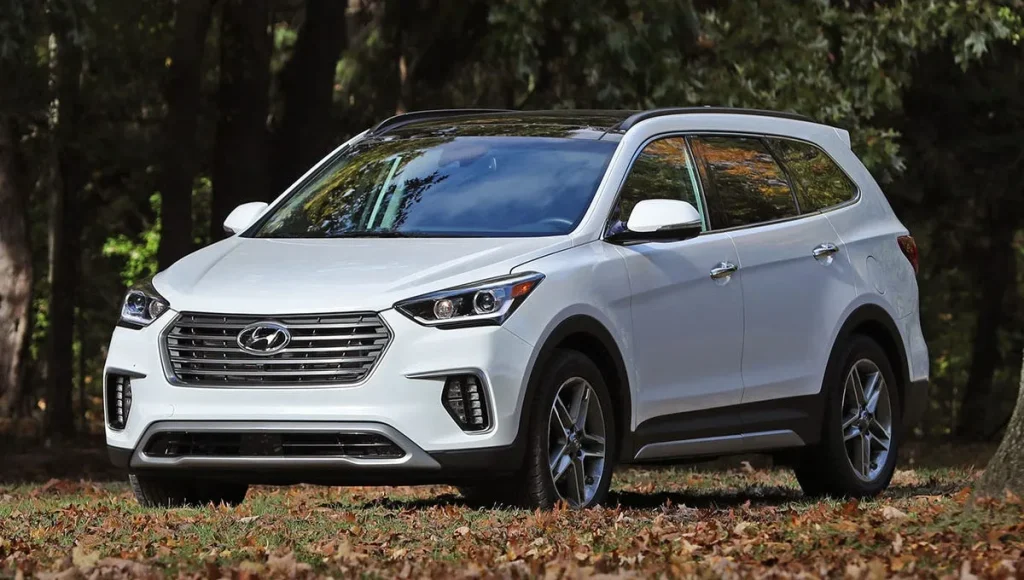
Cabin comfort also supports long term use. Supportive seating and a well insulated interior help reduce fatigue caused by constant road imperfections. For drivers who spend significant time commuting, this comfort becomes an important benefit.
The Santa Fe succeeds because it blends comfort and resilience. It was built for daily use in real conditions, and that practical design philosophy helps it handle the constant punishment of rough urban pavement.
7. Toyota RAV4
City streets rarely stay consistent for long. A smooth stretch of pavement can suddenly turn into patched asphalt, uneven utility covers, or deep potholes caused by weather and traffic wear. The Toyota RAV4 handles these conditions well because it was engineered with durability and predictability as priorities rather than aggressive driving character.
One reason the RAV4 performs well in these environments is its suspension balance. Toyota tuned it to provide a controlled ride that filters out harshness without feeling disconnected from the road. This allows the vehicle to absorb repeated bumps without feeling unsettled, which is valuable when pavement conditions constantly change.
The RAV4 also benefits from moderate ground clearance. This extra height compared to a traditional sedan helps protect the underbody from unexpected road damage. Drivers often encounter broken pavement edges that can scrape lower vehicles, and this added clearance helps reduce that risk.
Durability also comes from Toyota’s long standing focus on reliability. Components such as bushings and suspension mounts are typically designed with longevity in mind. For drivers dealing with rough roads daily, this kind of engineering focus can help reduce repair frequency.
Wheel and tire sizing also plays a role. Most RAV4 trims avoid extreme wheel sizes, allowing tires to maintain enough cushioning to handle impacts. Practical tire choices help reduce both ride harshness and the risk of wheel damage.
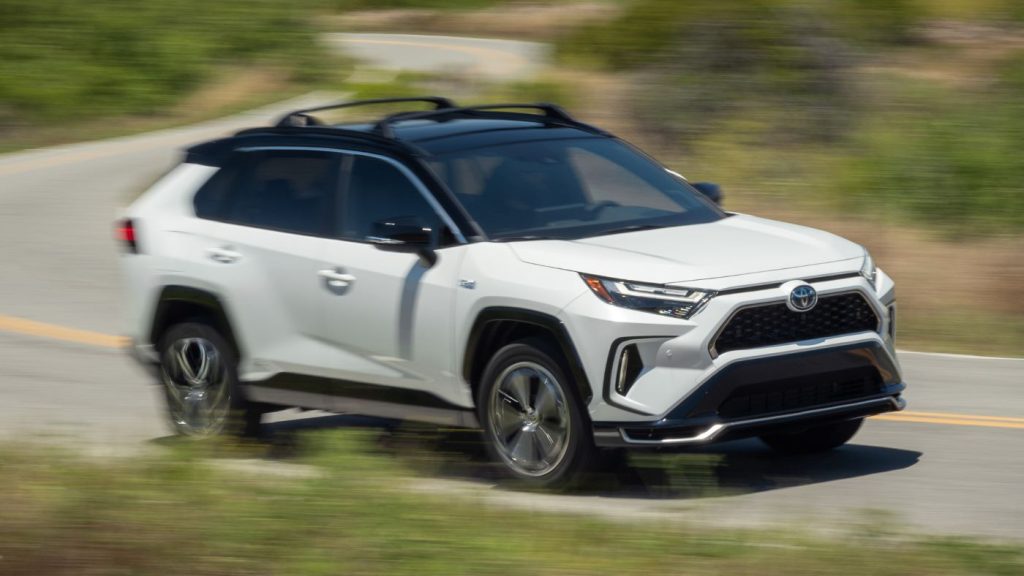
Another useful trait is its easy driving nature. Smooth steering response helps drivers correct course naturally after encountering bumps. Sudden or overly sensitive steering can make pothole encounters more stressful, but the RAV4 maintains a calm driving character.
The RAV4 remains popular because it delivers dependable everyday performance. It does not rely on dramatic claims or specialized hardware. Instead, it offers the kind of consistent ride quality and durability that city drivers come to appreciate after years of dealing with imperfect roads.
8. Mazda CX-5
The Mazda CX-5 takes a slightly different approach compared to many vehicles in this category. Instead of focusing purely on softness, it combines structural strength with carefully controlled suspension tuning. This allows it to feel composed over rough pavement while still maintaining a refined driving experience.
Mazda engineers paid particular attention to chassis stiffness. A strong body structure helps reduce the secondary vibrations that can occur after hitting potholes. This makes the vehicle feel more solid and reduces the rattling sensations sometimes experienced in less rigid designs.
The CX-5 also benefits from carefully calibrated shock absorbers. Rather than allowing the vehicle to bounce after impacts, the damping system helps it settle quickly. This controlled response improves driver confidence when navigating streets filled with irregular surfaces.
Another advantage comes from the vehicle’s seating position. Slightly elevated seating helps drivers better see road hazards ahead. Better visibility often gives drivers a chance to reduce speed or adjust positioning before encountering major pavement damage.
Mazda also focused on interior assembly quality. Tight panel fit and solid switch construction help prevent noise development over time. This is especially important for vehicles driven in cities where constant vibration can slowly loosen interior components.
The CX-5 also uses tire sizes that balance style and practicality. While it maintains a premium appearance, most versions still allow enough tire cushioning to protect against sharp impacts.
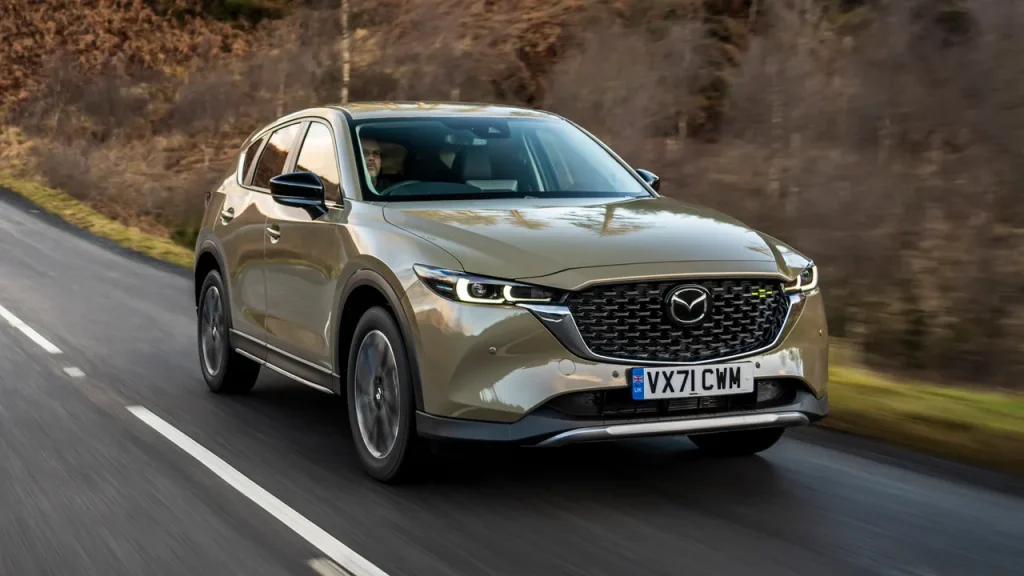
Instead of simply softening the ride, Mazda chose to control it. The CX-5 feels stable and refined even when the road is not. For drivers who want both durability and a sense of quality while dealing with rough city streets, it offers a compelling balance.
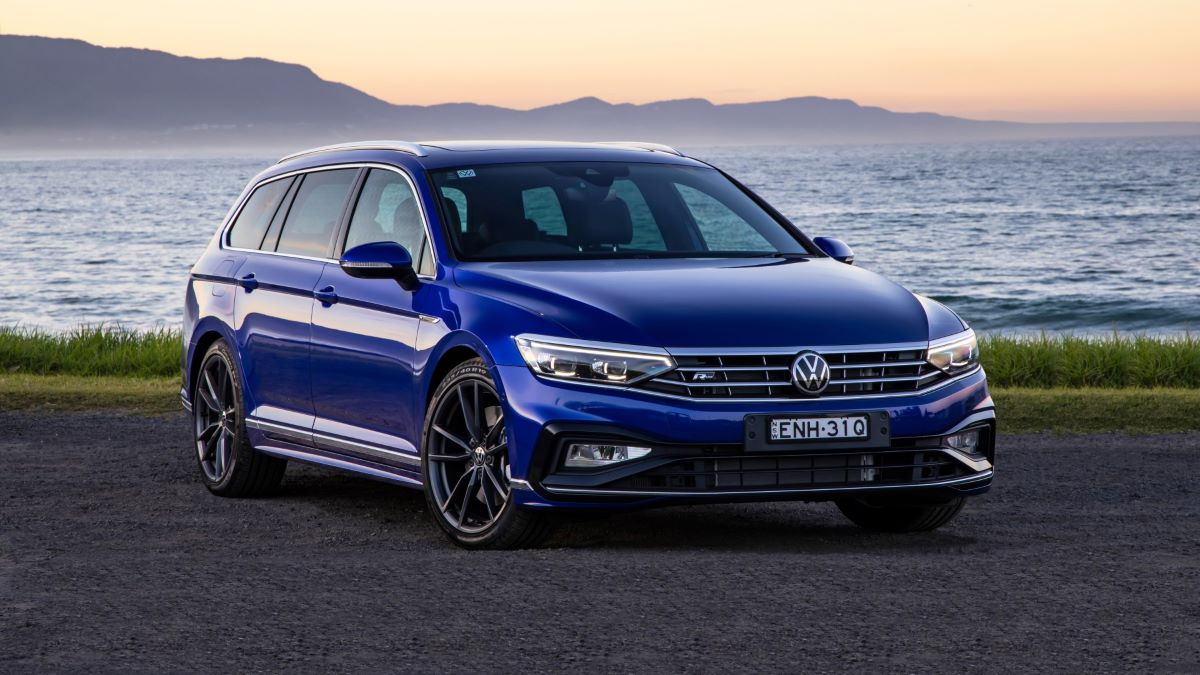
9. Volkswagen Passat
Urban driving often rewards vehicles that emphasize stability and ride composure over aggressive performance. The Volkswagen Passat follows this approach through a focus on balanced suspension geometry and solid structural engineering.
This allows it to handle uneven pavement with a level of control that many drivers appreciate after long daily commutes.
A key strength of the Passat lies in how it manages impact recovery. When the car encounters a pothole, the suspension is designed to settle quickly rather than continuing to oscillate. This helps maintain directional control and reduces the sense of instability that can sometimes follow a hard impact.
The Passat also benefits from a relatively long wheelbase, which helps smooth out broken pavement. When a vehicle has more distance between the front and rear wheels, it can distribute road impacts more gradually. This helps reduce the abrupt vertical movements sometimes experienced in shorter vehicles.
Another factor is German engineering focus on structural strength. Volkswagen designed the Passat with a strong body shell that helps maintain alignment even after repeated exposure to rough conditions. Over time, this helps reduce unwanted noises and maintains a solid feel.
Practical wheel choices also contribute to its durability. Most versions use wheel sizes that allow reasonable tire cushioning. Avoiding extremely thin tire profiles helps protect both wheels and suspension components from harsh impacts.
The Passat also provides stable braking behavior, which becomes important when drivers must slow suddenly after spotting road damage. Smooth braking response helps maintain balance even on uneven pavement.
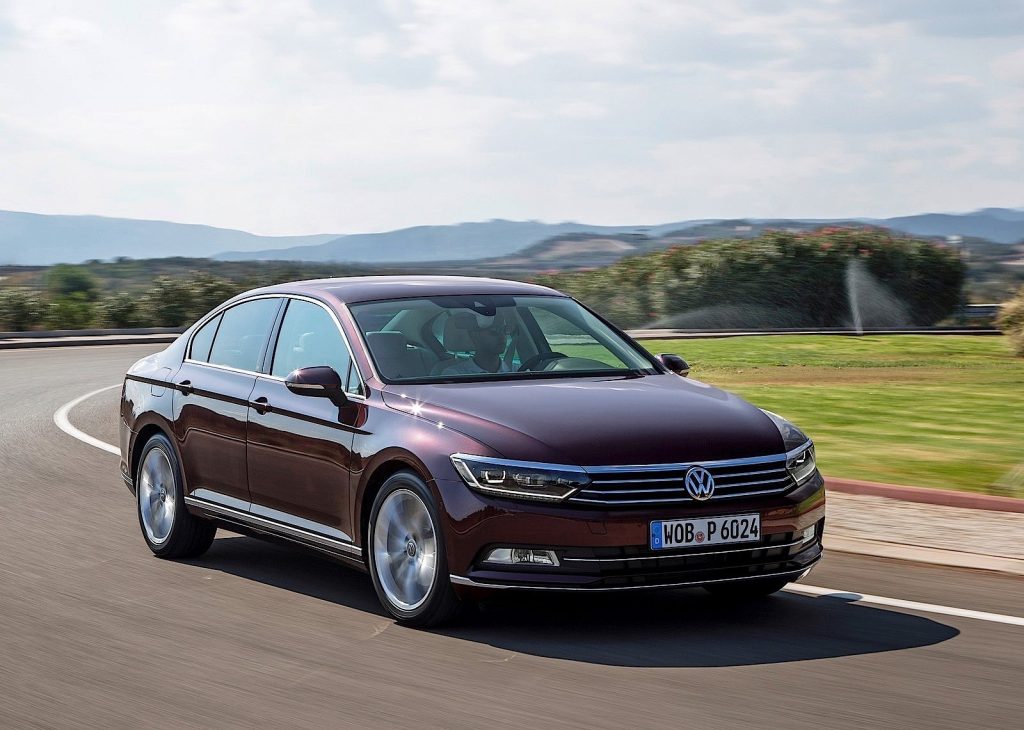
Interior design also supports long term city use. Supportive seating and a straightforward control layout help drivers remain comfortable during long periods of stop and go traffic combined with rough road exposure.
The Passat succeeds by focusing on fundamentals. Through controlled suspension response, structural integrity, and practical design decisions, it offers the kind of durability that urban drivers often need but rarely think about until road quality becomes a daily concern.
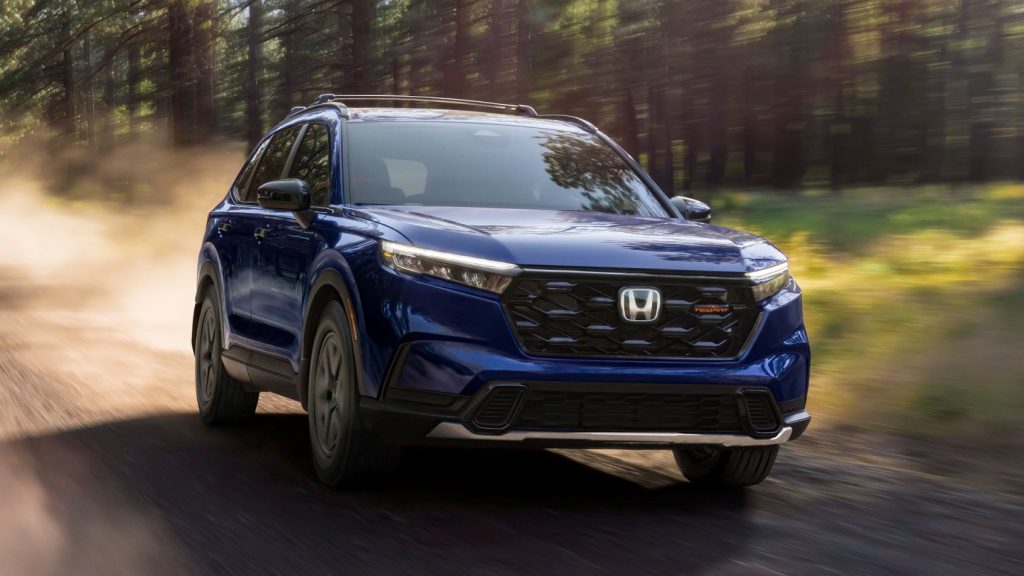
10. Honda CR-V
For drivers who want a vehicle that can handle rough pavement without feeling oversized, the Honda CR-V offers a well balanced solution. It combines crossover ride height with car like handling, making it especially effective for navigating the unpredictable surfaces often found in large cities.
One of the CR-V’s biggest advantages is its suspension compliance. Honda tuned the vehicle to provide enough softness to absorb impacts while still maintaining body control. This allows the vehicle to glide over moderate potholes without the harsh rebound that can make city driving tiring.
Ground clearance also provides a practical benefit. While not designed as an off road vehicle, the CR-V sits high enough to avoid scraping on broken pavement or poorly maintained speed bumps. This makes it suitable for older city areas where infrastructure repairs may lag behind traffic demands.
Another strength is its reputation for mechanical reliability. Frequent exposure to rough roads can accelerate wear, and Honda’s history of durable suspension components gives owners confidence that the vehicle can handle long term urban use.
The CR-V also benefits from excellent outward visibility. Large windows and a comfortable seating position help drivers identify pavement hazards earlier. In dense city traffic, early recognition can sometimes be the only way to reduce impact severity.
Cargo flexibility also helps with city life. The CR-V offers space for spare tires, emergency kits, or even portable air pumps. Many experienced city drivers carry basic equipment to deal with tire damage caused by potholes.
The CR-V works well because it focuses on everyday realities. Through practical ride height, comfortable suspension tuning, and dependable engineering, it provides the kind of resilience that drivers need when smooth pavement cannot be taken for granted.
Pothole damaged streets are an unavoidable reality in many major cities. Weather cycles, construction activity, and heavy traffic all contribute to road surfaces that can quickly challenge vehicles not designed with durability in mind.
For drivers who regularly face these conditions, choosing the right vehicle can make a meaningful difference in both comfort and long term ownership costs.
The vehicles in this list show that there are several ways to handle rough urban pavement. Some, such as the Toyota Camry and Honda Accord, rely on carefully tuned suspensions and strong structural engineering. These sedans demonstrate that height is not always necessary when a vehicle is engineered for ride balance.
Crossovers such as the Subaru Crosstrek, Honda CR-V, and Toyota RAV4 highlight another approach. By combining moderate ground clearance with compliant suspension systems, they provide additional protection without sacrificing maneuverability. This makes them especially popular among drivers who want versatility.
Larger vehicles like the Chevrolet Impala and Hyundai Santa Fe demonstrate how size and comfort focused design can absorb road harshness effectively. Their longer wheelbases and softer tuning often help smooth out broken pavement.
Vehicles such as the Mazda CX-5 and Volkswagen Passat show how structural refinement and precise damping can also play a major role. Careful engineering often matters more than marketing claims when dealing with real world conditions.
A common theme across all these models is practicality. Wheel and tire choices, suspension travel, structural strength, and seating comfort all contribute to how well a vehicle handles poor road quality. No single feature defines success. It is always the result of multiple thoughtful engineering decisions.
For city drivers, the best vehicle is not the fastest or the most powerful. It is the one that can handle the daily reality of imperfect roads while keeping both occupants and components protected over the long term.
Also Read: 10 Cars That Are Cheap to Buy But Cost a Fortune to Insure for Young Drivers
