
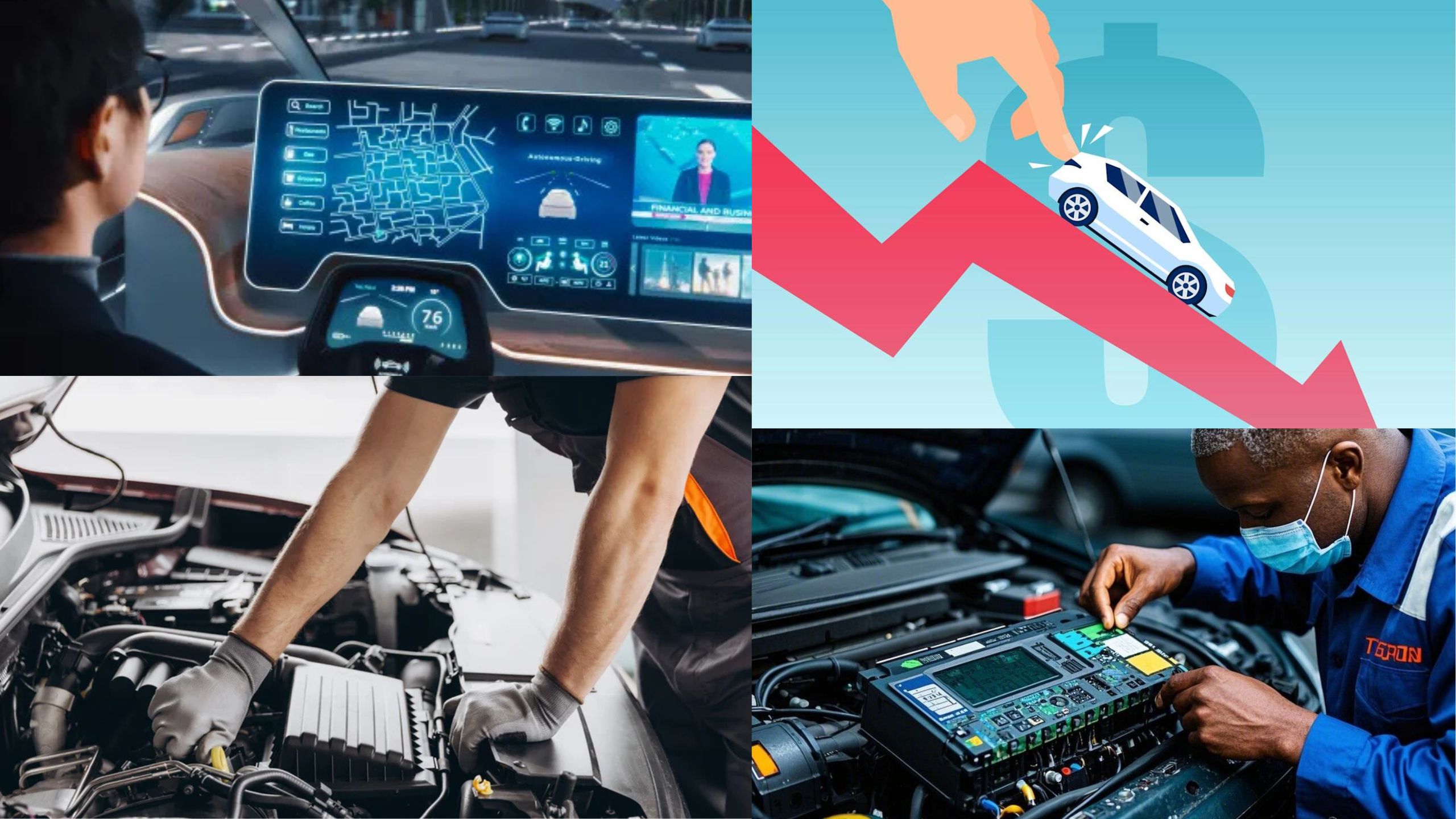
Every year, automakers roll out their latest vehicles packed with promises of cutting-edge innovation. The 2026 model lineup is no different manufacturers are racing to stuff their newest cars, trucks, and SUVs with first-generation technology that sounds revolutionary on the showroom floor.
Touchscreens that replace entire dashboards, battery chemistries that have never seen real-world winters, driver-assistance systems trained on limited datasets, and over-the-air software platforms still riddled with undiscovered bugs. It all looks spectacular in the brochure.
But here’s the uncomfortable truth that seasoned car buyers have learned the hard way: being first is rarely the same as being best. First-generation technology in automobiles carries a uniquely high cost.
Unlike a smartphone you replace in two years, a car is a long-term financial commitment often a five-to-seven-year relationship involving insurance, maintenance, depreciation, and safety. When something goes wrong with an unproven system in a vehicle, the consequences extend far beyond inconvenience.
The auto industry has a long and well-documented history of launching features before they are truly ready. From Ford’s early Sync infotainment disasters to the fitful rollout of early semi-autonomous driving systems, first-generation automotive tech has repeatedly punished early adopters with frustration, expense, and in some cases, genuine danger.
The 2026 models arriving at dealerships right now are no exception. Before you sign on the dotted line, here are eight powerful reasons to think twice.
1. Unproven Reliability in Real-World Conditions
One of the most significant and underappreciated dangers of buying a 2026 vehicle loaded with first-generation technology is the simple, stark reality that nobody truly knows how it will hold up over time.
Testing environments, no matter how sophisticated, can never perfectly replicate the chaos of real-world driving. Laboratory stress tests, simulated weather chambers, and controlled road surfaces are engineered proxies for reality but reality has a way of exposing weaknesses that no engineer anticipated.
This is particularly relevant for the wave of new electrical and software-driven components appearing in 2026 models. Consider the new generation of steer-by-wire systems being introduced by several manufacturers this year.
These systems eliminate the mechanical connection between the steering wheel and the front wheels entirely, replacing it with electronic actuators and software algorithms. In testing, they perform beautifully.
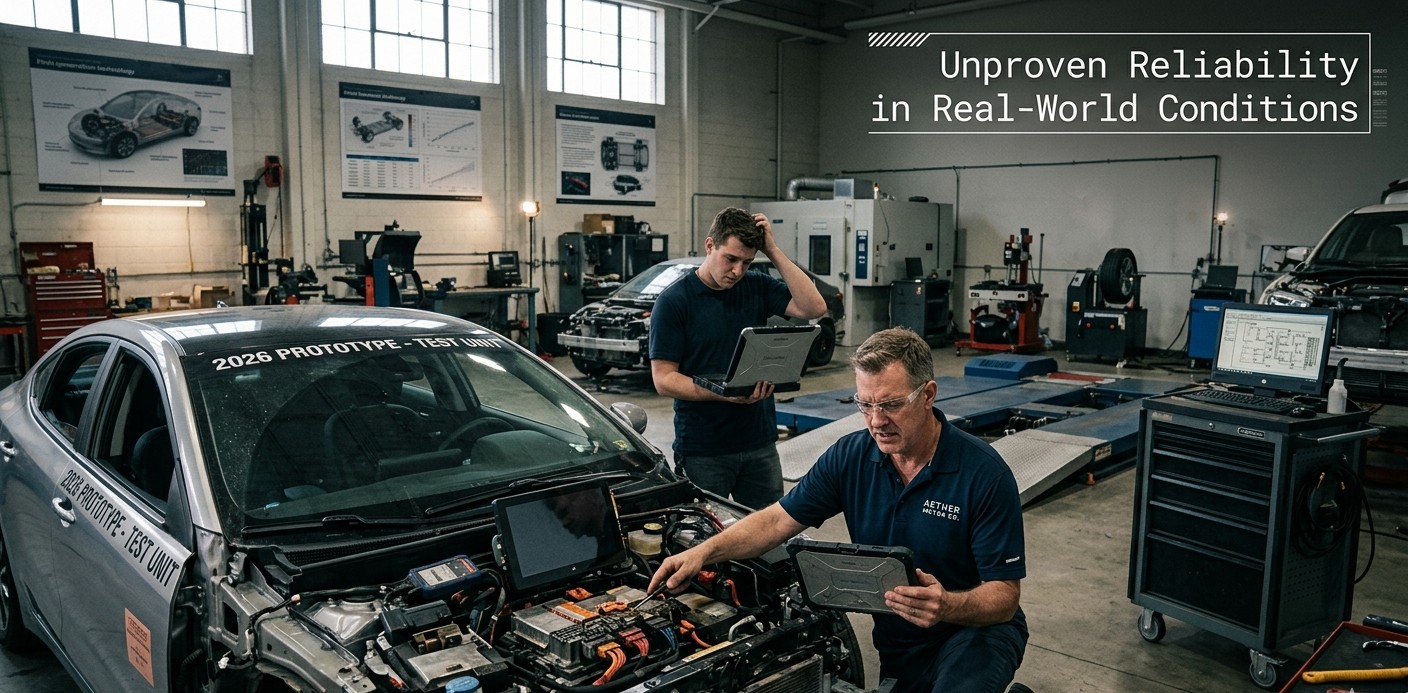
But steer-by-wire has never been exposed to years of pothole impacts, extreme temperature cycling, moisture intrusion, or the gradual degradation of sensor calibration. Nobody knows yet what happens at 80,000 miles.
The same logic applies to new battery thermal management systems in 2026 electric vehicles, freshly designed suspension control modules, and novel braking-by-wire configurations.
Each of these systems has been engineered with care, validated by talented teams, and approved by regulators. But regulatory approval means a system is safe enough to sell it does not mean the system has been proven reliable across a diverse population of real drivers over real time.
History gives us ample warning. The dual-clutch transmissions launched by Ford and Volkswagen in the early 2010s were tested extensively before launch.
Both arrived in vehicles with significant, widely reported reliability problems that took years to fully resolve. Ford’s PowerShift transmission became the subject of class-action lawsuits.
Volkswagen’s DSG units shuddered, slipped, and confused drivers for years before software and hardware updates brought them into acceptable shape. The early adopters of those vehicles paid the price literally in repair bills, diminished resale value, and headaches.
With 2026 models, buyers face an environment where the density of first-generation systems in a single vehicle is higher than it has ever been. It is not one new technology per car it is five, six, or seven simultaneously.
Each one represents an unknown variable. The cumulative uncertainty is genuinely substantial. Waiting even one model year for long-term ownership data to emerge from real drivers is not excessive caution it is basic financial prudence.
2. Software Bugs and Cybersecurity Vulnerabilities
Modern vehicles are rolling computers, and the 2026 models take that reality to an entirely new level. The average new car today contains over 100 million lines of code more than a commercial aircraft.
The newest 2026 platforms are pushing that figure even higher, incorporating new centralized computing architectures, AI-assisted driver interfaces, and deeply integrated cloud connectivity. With that complexity comes an unavoidable truth: software bugs are not a possibility. They are a certainty.
First-generation software platforms are especially vulnerable. When a new vehicle architecture launches, its software has been tested rigorously by the manufacturer’s internal teams and contracted QA specialists.
But those testers, no matter how skilled, represent a tiny fraction of the population of drivers who will actually use the system. Edge cases that nobody imagined a specific sequence of voice commands, an unusual GPS routing scenario, a particular combination of active safety features triggered simultaneously will inevitably surface bugs that remained invisible during development.
The consequences of automotive software bugs range from the merely annoying to the genuinely dangerous. On the mild end, owners of early 2026 models with new infotainment platforms are already reporting screen freezes, phantom touch inputs, Bluetooth connectivity failures, and navigation system errors.
These are frustrating but manageable. More alarming are bugs that affect safety-critical systems. Failures in adaptive cruise control logic, unexpected behavior from lane-keeping assistance, or errors in automatic emergency braking calibration represent a fundamentally different category of problem.
Cybersecurity adds another layer of concern specific to 2026’s new always-connected architecture. Several manufacturers are launching vehicles this year with persistent cloud connections that enable remote diagnostics, over-the-air updates, and third-party app integration.
These features are genuinely useful but they also expand the attack surface available to malicious actors. First-generation security implementations in connected vehicle platforms have historically been the ones that researchers find most vulnerable, because the integration between new hardware and new software creates unforeseen pathways that experienced attackers can exploit.
Waiting for the second-generation version of a software platform or at minimum, waiting for a model year where the manufacturer has had time to issue substantial post-launch patches is a meaningful way to reduce exposure to these risks.
The difference between a 2026 launch-day software stack and the same vehicle’s software after eighteen months of real-world data and over-the-air updates is often dramatic.
3. Higher Cost of Ownership and Repair Bills
Purchasing a vehicle with first-generation technology is not just a gamble on reliability it is a financial commitment with a risk profile that most buyers do not fully understand at the point of sale.
The hidden costs associated with being an early adopter of automotive technology can be substantial, and they manifest in several distinct ways that compound over the ownership period.
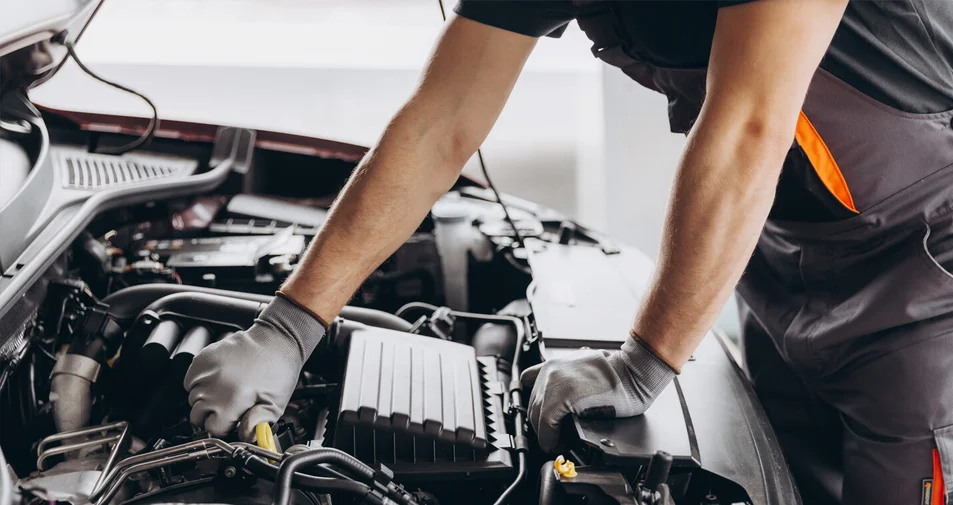
The most direct cost comes from repairs to novel systems that fall outside the training and tooling of most independent mechanics.
When a first-generation battery management system, a new steer-by-wire actuator, or a freshly designed electric motor controller fails, the repair almost certainly requires a visit to a franchised dealership.
Independent shops simply do not yet have the diagnostic software, the specialized tooling, or the trained technicians to work on systems that did not exist eighteen months ago. Dealer-exclusive repairs are significantly more expensive than independent service, and the labor rates at franchised dealerships for complex electronic systems can be eye-watering.
Parts availability is a related and equally important concern. First-generation components are produced in relatively small quantities during the initial launch phase.
If a part fails and is on backorder which happens routinely with new technology in high demand, a vehicle can sit at a dealership for weeks awaiting repair.
For owners who depend on their vehicle for daily transportation, this is not merely inconvenient. It translates into rental car costs, disrupted schedules, and significant frustration.
Warranty coverage provides some protection, but warranties have limits. They cover manufacturing defects, not wear-related failures or software-related issues that fall into grey areas of coverage interpretation.
And once a warranty expires, the owner of a vehicle with first-generation technology faces full exposure to repair costs on systems for which market-rate pricing has not yet been established and for which the failure modes are still being discovered.
Insurance costs also merit consideration. Vehicles with novel safety-critical technology can carry higher comprehensive repair estimates, which influences insurance premiums.
A first-generation sensor array that costs three times what an established system costs to replace after a minor collision will affect insurance pricing over the life of the vehicle. Taken together, the financial case for allowing someone else to be the test market for 2026’s first-generation technology is compelling.
Also Read: Top 10 Most Reliable Japanese Sedans From the 1970s Era
4. Depreciation Hits Harder on Unproven Tech
Depreciation is the single largest cost of vehicle ownership for most buyers, and first-generation technology has a documented and powerful negative effect on resale value in ways that catch many buyers off guard.
The mechanism is straightforward: the used car market is rational. Buyers of pre-owned vehicles do their research, and when they discover that a particular model carries a reputation for technology-related problems, they discount their offers accordingly.
The timing of this depreciation effect is particularly punishing for 2026 first-gen tech buyers. Vehicles typically experience their steepest depreciation in the first two to three years of ownership.
For buyers who have purchased a 2026 model with first-generation technology, that depreciation window aligns almost exactly with the period during which real-world reliability problems are most likely to surface and generate negative press coverage.
The double hit normal new-vehicle depreciation combined with technology-related reputation damage can be severe. Consider what typically happens when a manufacturer issues a significant technical service bulletin or a recall affecting a novel system.
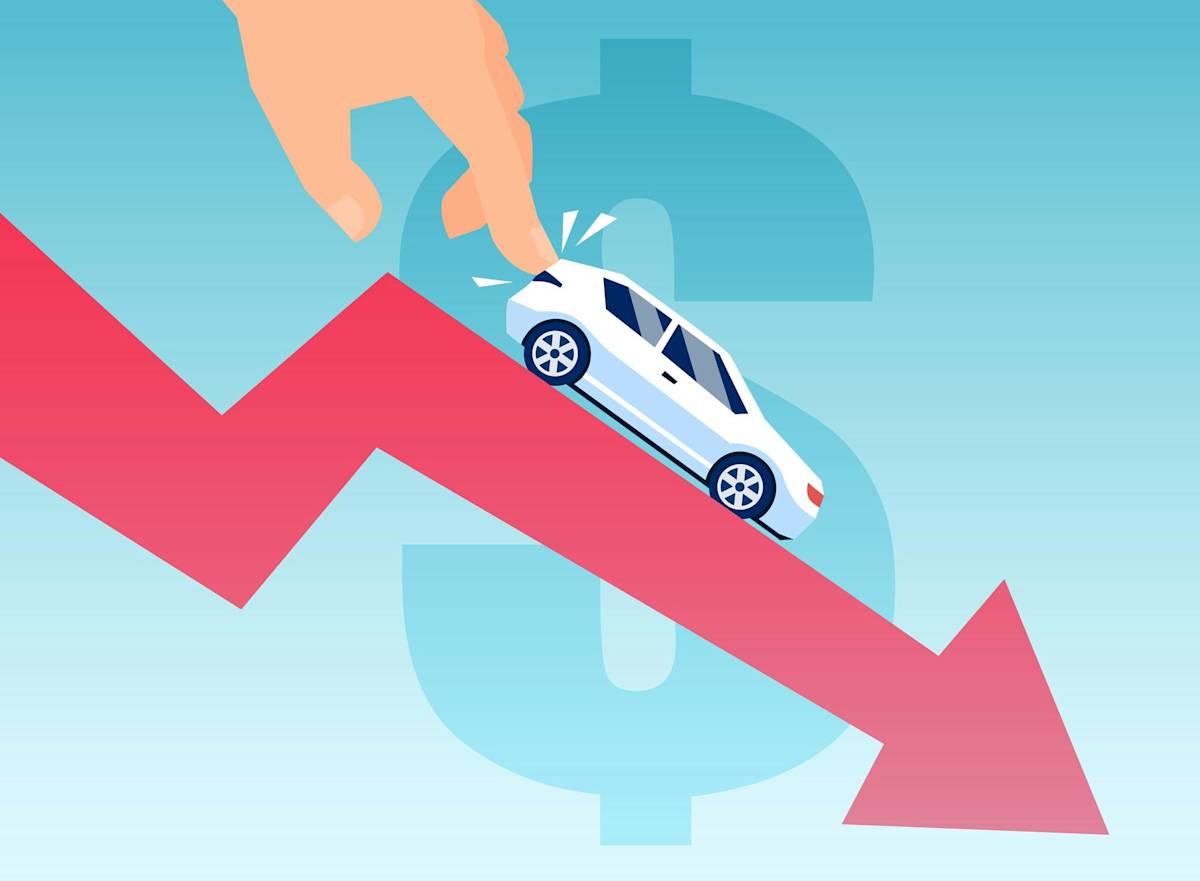
Trade-in values for affected models drop measurably within weeks. Dealers reduce their offers. Private buyers become cautious. The vehicle’s desirability in the used market compresses, and the original owner absorbs that compression entirely.
The buyer who purchased a 2025 version of the same vehicle before the first-generation technology was introduced often sees their resale value hold comparatively well.
There is also the accelerating pace of technological obsolescence to consider. When a manufacturer introduces a new centralized computing architecture in 2026, they typically have a successor platform already in development.
By 2028 or 2029, the second-generation version of that system will be noticeably more capable, more refined, and better supported. A 2026 first-generation system that was cutting-edge at launch can feel dated surprisingly quickly and the used car market prices that datedness in.
Buyers who prioritize strong resale value would be well served to choose 2026 models that use established, proven technology rather than paying a premium for features that the market will reprice downward the moment real-world performance data begins to accumulate.
5. Limited Dealer Technician Training and Diagnostic Capability
A vehicle is only as good as the service network that supports it, and in 2026, that service network is struggling to keep pace with the accelerating complexity of automotive technology.
Manufacturer training programs for dealer technicians are extensive and well-funded, but they operate on a timeline that consistently lags behind the launch of new technology.
The gap between when a first-generation system arrives in showrooms and when the average dealership technician has the depth of hands-on experience needed to diagnose and repair it efficiently is measured in years, not months.
This creates a very specific and frustrating experience for early adopters of 2026 technology. When a novel system malfunctions a new 48-volt mild hybrid architecture behaving erratically, a first-generation hands-free highway driving system giving false alerts, a freshly designed thermal management system failing to regulate battery temperature correctly the owner brings the vehicle to a dealer.
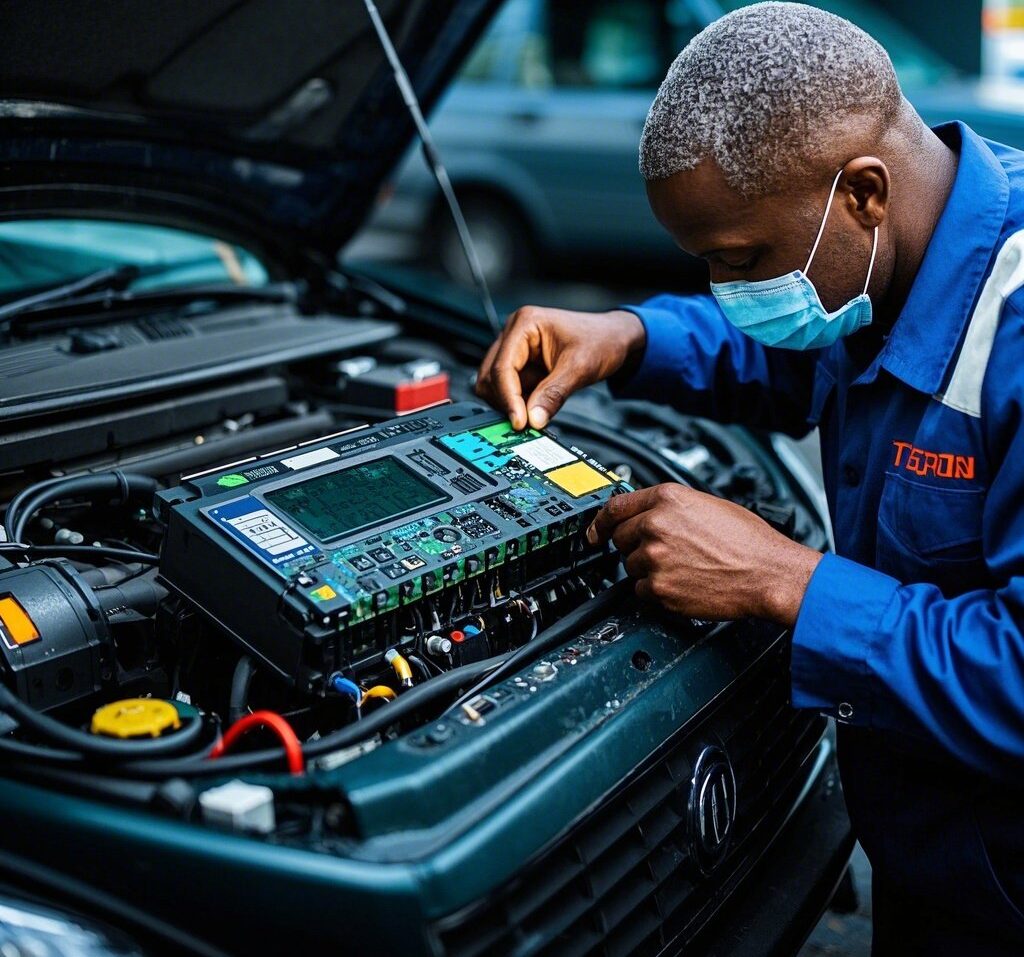
The technician pulls diagnostic codes, consults service manuals that were finalized under time pressure before launch, and attempts to apply general principles to a specific system they have rarely or never encountered in an actual repair scenario.
The result is often extended repair timelines, misdiagnoses, and parts replaced speculatively rather than diagnostically. Owners of first-generation technology vehicles frequently report multiple visits to the dealership for the same issue, each time leaving with the hope that the latest attempted fix will prove permanent.
The frustration of paying for and waiting through repair attempts that do not resolve the underlying problem is one of the most consistently cited complaints from early adopters of novel automotive technology.
Specialized diagnostic equipment compounds the issue. First-generation systems often require proprietary scan tools and software that are not available through the standard dealer tooling pipeline on launch day.
Manufacturers rush to certify and distribute these tools, but the rollout takes time. Until that tooling is fully available and technicians are genuinely comfortable using it, diagnosis of complex first-generation failures remains more art than science.
6. Safety Systems That Are Not Fully Mature
The marketing language around 2026 driver-assistance and active safety systems is impressive. Manufacturers are announcing hands-free highway driving, automated lane changing, AI-powered collision prediction, and sophisticated pedestrian and cyclist detection.
These features represent genuine progress in automotive safety but first-generation implementations of safety-critical technology deserve a specific and serious level of skepticism that goes beyond the concerns associated with infotainment or convenience features.
The distinction matters enormously. A first-generation touchscreen that freezes is annoying. A first-generation automatic emergency braking system that fires unexpectedly at highway speeds, or a lane-centering system that misreads road markings and steers toward a barrier, is dangerous.
The stakes of immature safety technology are fundamentally different from the stakes of immature comfort technology, and buyers should weigh them accordingly.

Real-world performance of early autonomous and semi-autonomous systems has consistently fallen short of laboratory and controlled testing results.
The operational design domain of these systems the specific conditions under which they function as intended is always narrower in practice than manufacturers suggest at launch.
First-generation systems encounter unfamiliar scenarios that their training data did not adequately cover: unusual road markings, unexpected construction configurations, rare weather conditions, atypical vehicle behavior from other road users.
In these edge cases, the system either disengages abruptly or, in worst-case scenarios, responds inappropriately. NHTSA data and independent safety organization testing have repeatedly documented meaningful gaps between the marketed capability of first-generation driver-assistance systems and their real-world performance.
Buyers who rely on these systems particularly those who allow themselves to be less attentive behind the wheel because they trust the technology are placing themselves at risk.
The second-generation version of any given safety system, trained on years of real-world operational data and refined through thousands of miles of diverse conditions, is invariably safer than the system that rolled out on launch day.
Choosing a 2026 model that relies on established, well-validated safety technology rather than brand-new first-generation implementations is not technophobia. It is a rational safety decision informed by the documented history of how automotive safety systems mature.
7. Over-the-Air Update Dependency Creates Long-Term Uncertainty
Over-the-air software updates have transformed the relationship between vehicle owners and manufacturers in ways that are genuinely positive but they have also introduced a new category of risk that is particularly acute for buyers of first-generation technology in 2026 models.
The promise is compelling: your vehicle gets better over time, bugs get fixed remotely, new features appear without a dealer visit.
The reality is more complicated, and the long-term implications deserve careful consideration. First-generation systems that depend heavily on OTA updates to reach their promised functionality are essentially being sold in an incomplete state.
Several 2026 models have launched with features described as “coming soon via software update” driver-assistance capabilities, performance modes, interface improvements, and connectivity features that are listed in the vehicle’s marketing materials but are not yet active in delivered vehicles.
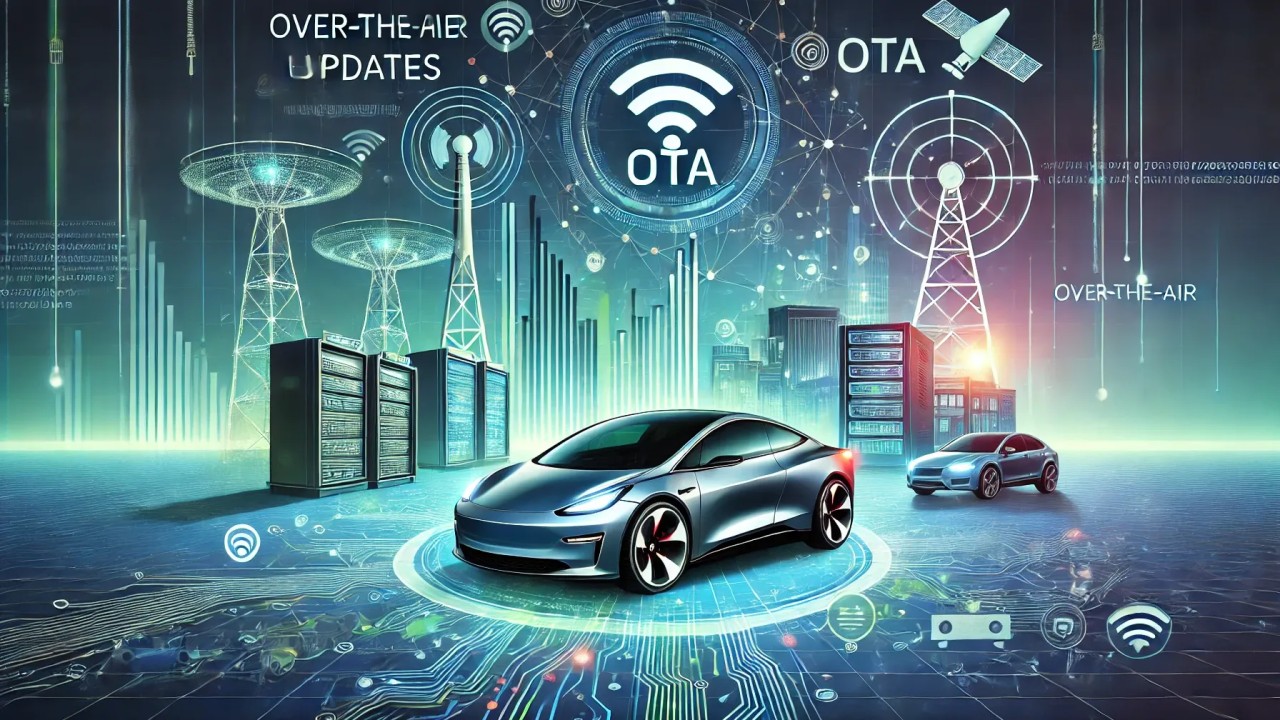
Buyers are paying for technology that does not yet exist in a usable form, with no legally binding commitment about when or whether it will be delivered.
The precedent for this concern is well established. Tesla’s various Autopilot and Full Self-Driving promise timelines have repeatedly slipped.
Features announced for specific hardware configurations were later restricted or removed. Other manufacturers have quietly cancelled or indefinitely postponed promised OTA features when the development timeline proved more challenging than anticipated.
Buyers of those vehicles received a product that was demonstrably less capable than what was implied at the point of sale, with limited legal recourse.
There is also the long-term software support question. When a manufacturer moves to a third-generation computing platform, the first-generation architecture enters a period of diminishing support.
OTA updates become less frequent, new feature development stops entirely, and eventually security patches slow or cease. A 2026 vehicle with a first-generation computing architecture may find itself effectively obsolete from a software standpoint within five to seven years precisely when many buyers are still paying off their loan.
The vehicle continues to function mechanically but becomes increasingly disconnected from the manufacturer’s evolving ecosystem of services and features.
8. The Second-Generation Will Almost Always Be Better
This final reason is both the simplest and the most powerful argument against adopting first-generation technology in a brand-new 2026 model. Across virtually every domain of technology, the second-generation version of any significant innovation is meaningfully better than the first more reliable, more refined, better supported, more thoroughly understood, and almost always less expensive.
The automotive industry is no exception, and the gap between first and second generation in automotive technology tends to be particularly large.
The reason for this consistent pattern is structural rather than accidental. The first generation of any automotive technology serves, despite manufacturer intentions, as a large-scale real-world validation program.
The diverse population of actual owners, driving in diverse conditions across diverse geographies, generates a volume and variety of operational data that no pre-launch testing program can match.
That data reveals failure modes, edge cases, software interactions, and calibration needs that were invisible during development. The engineering team uses this information to develop the second-generation version, which benefits from years of real-world learning compressed into a substantially improved product.
In the specific context of 2026 first-generation technology, buyers can look forward to second-generation versions that will likely offer improved range and charging speed for new EV platforms, dramatically more confident and capable driver-assistance systems, infotainment software that has been refined through millions of user hours of feedback, better-integrated 48-volt mild hybrid architectures, and steer-by-wire systems with proven track records across varied conditions.
The wait for a second-generation product is typically one to two model years a relatively short period in the context of a five-to-seven-year vehicle ownership cycle.
A buyer who waits for the 2027 or 2028 version of a technology-forward model will almost certainly receive a substantially better vehicle at a price that reflects the competitive pressure created by a broader market.
They will also benefit from real ownership data, established repair networks, better-trained technicians, and a used car market that has had time to validate resale values.
In a world of relentless automotive innovation, patience is not timidity it is strategy. The early adopter pays a premium, absorbs the risk, and funds the learning curve. The second-generation buyer reaps the benefit.
In 2026, with more first-generation technology packed into new vehicles than at any previous point in automotive history, that distinction has never mattered more.
Also Read: 8 Ways Your Car Is Collecting Data on You and How to Opt Out
