Detroit, historically known as the Motor City, has long been the heart of automotive innovation in the United States. The city’s car manufacturers have consistently pushed the boundaries of design and engineering, often creating vehicles that seemed more like science fiction than something you could drive on public roads.
Concept cars, in particular, serve as a playground for automotive designers, allowing them to experiment with shapes, materials, and technology without the constraints of mass production.
Over the decades, several Detroit-based concept cars have captured the imagination of the public and the automotive press alike because they look like spacecraft, with futuristic lines, unique lighting, and cockpit-style interiors. These vehicles were designed to make statements, challenge conventions, and hint at what the future of mobility might hold.
The fascination with space and flight has influenced car design in Detroit for decades. Designers often borrowed ideas from rockets, satellites, and fighter jets, translating those inspirations into cars that appear sleek, aerodynamic, and almost otherworldly.
The focus was not just aesthetics; many concept cars included experimental technology intended to improve safety, performance, and efficiency. In some cases, the features were purely imaginative, intended to wow audiences at auto shows and generate excitement for the brand.
The combination of Detroit’s industrial resources, talented engineers, and bold designers made it possible to create vehicles that seemed as though they belonged on another planet, while still functioning on the streets of Earth.
Interiors often included futuristic controls, touchscreens, and seats that felt more like pilot pods than conventional car seating. The attention to detail in both the exterior and interior design contributed to the perception that these vehicles were crafted for space travel rather than daily commuting.
Finally, these concept cars are a testament to the boldness of Detroit automakers and their willingness to challenge the norms of vehicle design. They represent a unique period in automotive history when imagination could take precedence over regulations, budgets, and mass-market appeal.
Each model reflects the city’s industrial prowess and its designers’ fascination with technology and the unknown. While not all of these cars reached production, their legacy persists in modern vehicles that incorporate futuristic styling, advanced materials, and new technology. They continue to inspire enthusiasts and engineers who see Detroit as a place where the future of the automobile can take flight.
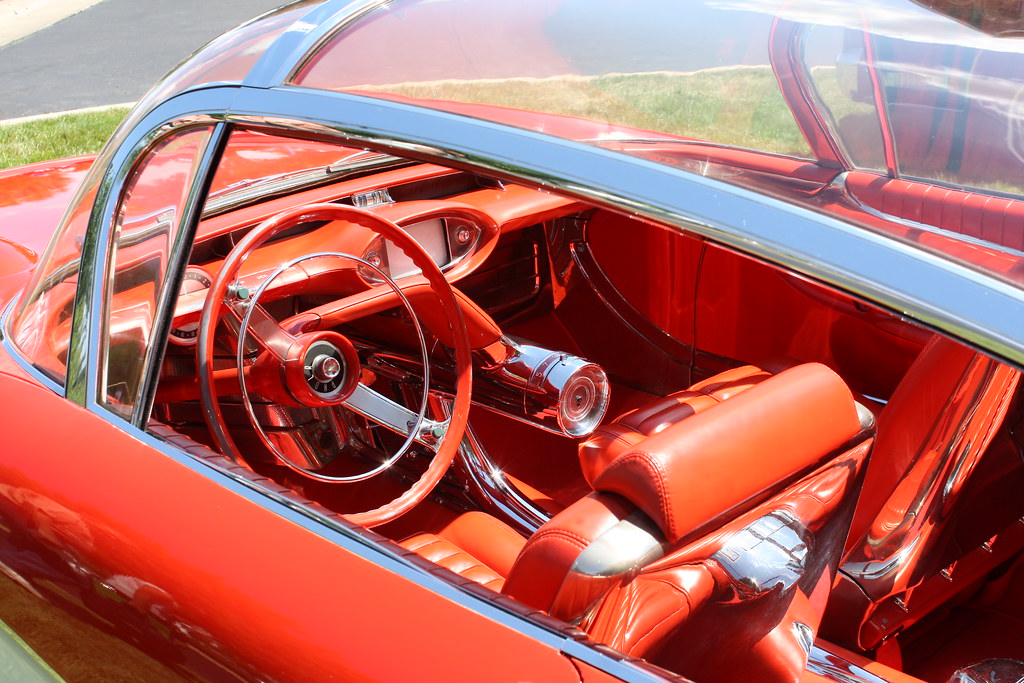
1. 1956 Buick Centurion
The 1956 Buick Centurion concept car was designed to make a bold statement about the future of personal transportation. Its design borrowed heavily from aviation, with a pointed nose, bubble canopy, and sweeping tail fins that resembled a jet.
The concept featured a wraparound windshield and a low-profile body that emphasized speed even when parked. Its styling suggested the kind of vehicle one might imagine piloting through outer space rather than city streets.
Inside, the Centurion had a futuristic cockpit layout with bucket seats and a steering wheel resembling an aircraft yoke. Instrument panels were designed to mimic airplane gauges, giving the driver a sense of control similar to a pilot. Chrome accents and metallic finishes added to the spaceship-like feel. This approach highlighted Buick’s commitment to innovation, showing the public that the brand could envision vehicles beyond traditional designs.
The Centurion also experimented with lighting and detailing that would become influential in later models. It featured hidden headlights and taillights integrated into the fins, creating a clean, uninterrupted body line.
This attention to aerodynamics was ahead of its time, suggesting a focus not just on aesthetics but on performance efficiency. Designers intended the car to turn heads and challenge expectations at auto shows.
Buick presented the Centurion during a period when American automakers were experimenting with futuristic styling influenced by the Space Race. Designers were inspired by rockets, satellites, and the new fascination with space exploration. The Centurion captured this cultural moment with its sculpted body and imaginative approach. It became an icon of mid-century automotive optimism, a symbol of what Detroit thought the future could look like.
Though the Centurion never reached production, it influenced Buick’s subsequent vehicles. Elements such as aerodynamic bodywork, cockpit-style interiors, and integrated lighting appeared in later models. The Centurion remains a key example of Detroit’s ability to merge imagination and industrial capability into a single, stunning vehicle.
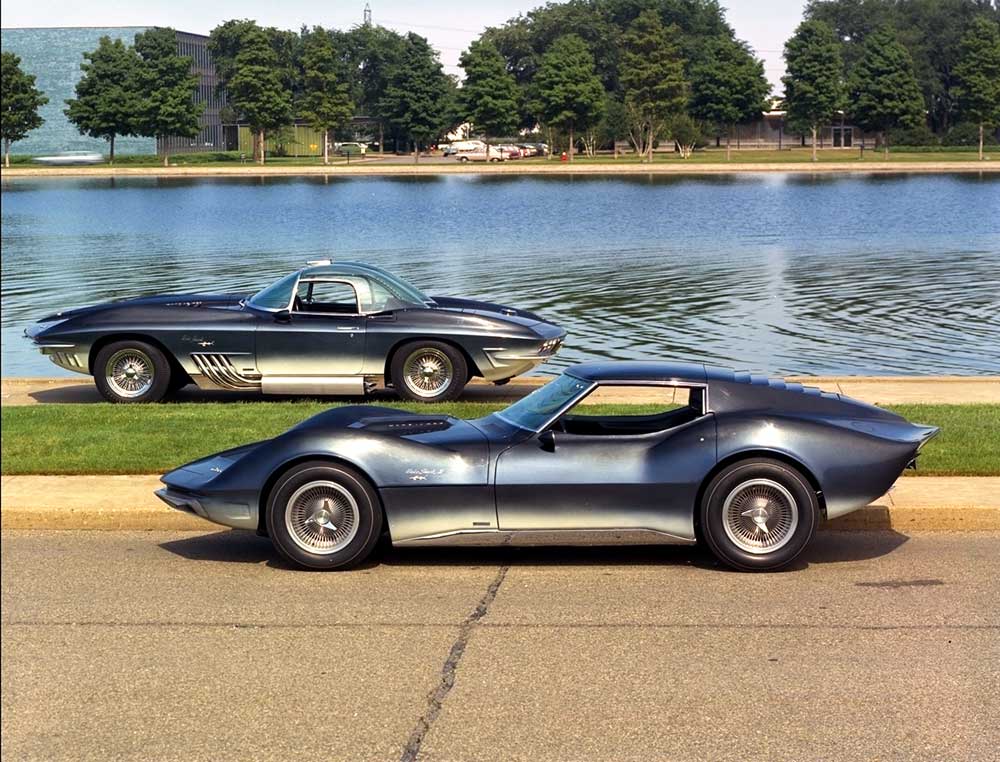
2. 1963 Chevrolet Mako Shark II
Chevrolet’s Mako Shark II concept was intended to showcase futuristic sports car design while drawing inspiration from marine and aerospace themes. Its sleek bodylines and sharply pointed nose resembled a predator from the ocean but also evoked spacecraft styling. The car had an aggressive stance, low ground clearance, and a curved glass canopy that gave it a fighter jet appearance. It embodied the idea of speed and power, even at a standstill.
The interior emphasized the pilot-like experience with bucket seats and a driver-focused dashboard. Controls were designed for efficiency and visual impact, combining form and function. The Mako Shark II pushed the limits of automotive ergonomics and hinted at features that would become standard in high-performance vehicles. The cockpit feel reinforced the impression that this was a vehicle designed for a futuristic adventure.
Chevrolet engineers experimented with materials and finishes to enhance the car’s space-inspired aesthetic. Chrome trim and metallic paint accentuated the flowing curves and sharp edges. The rear fenders extended dramatically, giving a sense of forward motion, while the bubble canopy allowed panoramic views. These elements created a dramatic visual effect at auto shows, drawing attention to Chevrolet’s commitment to bold design.
The Mako Shark II also played a role in inspiring the iconic Corvette Stingray production models. While the concept remained unique, many styling cues carried over, including the pointed nose, fastback roofline, and integrated taillights. This demonstrates how Detroit concept cars could influence mass-market vehicles while still being fantastical in appearance.
Culturally, the Mako Shark II reflected the optimism of the 1960s. Space exploration, technological advancement, and futuristic thinking shaped Detroit’s automotive industry. Chevrolet captured this spirit in a car that seemed ready for orbit, blending elements of jet aircraft and marine predators into a vehicle that remains a celebrated example of mid-century innovation.
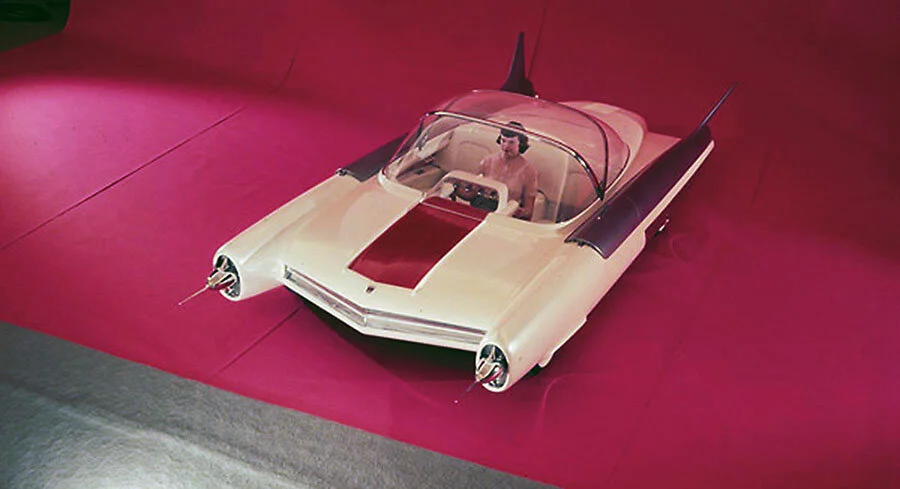
3. 1970 Ford FX-Atmos
Ford introduced the FX-Atmos concept in 1970 as a statement about advanced automotive technology and design freedom. The car’s body was low and wide, with sharply curved lines that suggested a spacecraft rather than a road vehicle. Large canopy-style windows provided visibility in all directions, emphasizing a connection to both driver and environment. Its futuristic exterior made it a standout at auto shows.
The interior of the FX-Atmos featured controls and seating that prioritized an immersive driving experience. The dashboard contained aviation-style instrumentation, and the seats were molded to fit the human body while suggesting the pilot seat of a spaceship. Designers experimented with materials and finishes that added a sense of sophistication and futurism. It was an imaginative take on how cars might evolve in coming decades.
Lighting was an important element in the FX-Atmos design. Hidden headlights, sleek taillight designs, and integrated turn signals contributed to a seamless look. The car’s aerodynamic design minimized drag, giving it a spacecraft-like silhouette. Designers were clearly influenced by contemporary advances in aeronautics and space exploration.
Ford used the FX-Atmos to test ideas about how drivers might interact with cars in the future. Touch-sensitive panels and modular dashboards were envisioned as replacements for traditional knobs and switches. While these concepts did not reach production at the time, they foreshadowed technology trends that would appear in later vehicles.
The FX-Atmos represents Detroit’s willingness to experiment and challenge conventional automotive design. It is a symbol of creativity and industrial capability, showing how concept cars could combine art, technology, and cultural influences into a single, striking package. Its spacecraft-like form remains a hallmark of visionary automotive design from the Motor City.
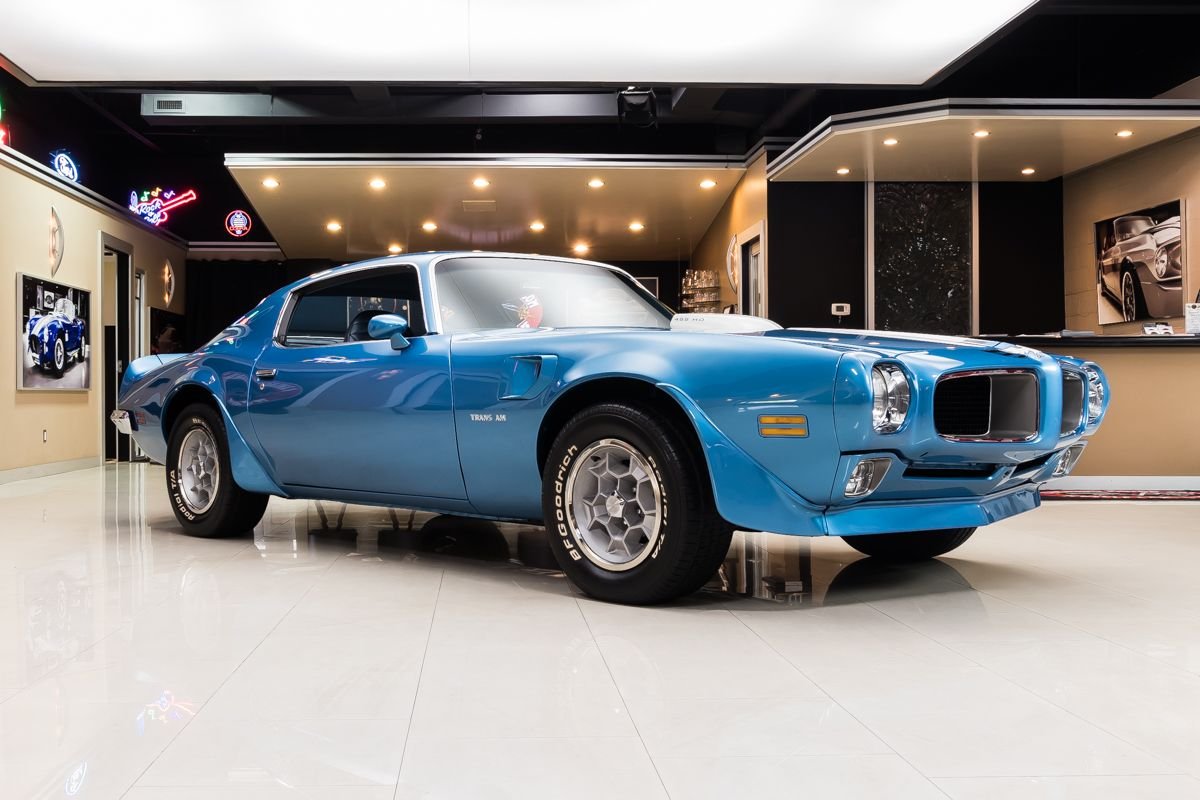
4. 1971 General Motors Firebird IV
The General Motors Firebird IV concept car of 1971 was designed as a radical vision of the future of driving and urban transportation. Its aerodynamic body had a sharply pointed nose, smooth flowing curves, and a low-profile canopy that resembled a fighter jet cockpit.
The car’s exterior was polished to a metallic sheen, giving it a reflective, almost otherworldly quality. Designers incorporated futuristic wheel covers that created the impression of hovering technology.
Inside, the Firebird IV emphasized a driver-focused experience, resembling a spacecraft’s control module. The seats were molded and positioned low to enhance the sense of speed and immersion. Instrumentation was digital and experimental for the time, with touch-sensitive panels replacing traditional knobs and switches. The steering system was reimagined to resemble a flight control stick, reinforcing the vehicle’s pilot-like feel.
The Firebird IV incorporated advanced ideas about propulsion and efficiency, even if only theoretical. GM engineers explored turbine-powered engines and alternative control systems, showcasing what vehicles might be capable of in a future where technology had surpassed traditional combustion engines. The design suggested motion and energy even while the car was stationary, giving spectators a glimpse of futuristic mobility.
Lighting and exterior detailing were also important elements of the design. Hidden headlights, integrated turn signals, and elongated taillights contributed to the seamless appearance of the vehicle.
The car’s silhouette emphasized forward momentum and aerodynamics, creating a visual effect similar to a spacecraft gliding through the atmosphere. GM used this design to signal its technological leadership and creative ambition.
Culturally, the Firebird IV reflected optimism about the intersection of automotive innovation and space exploration. Detroit designers combined their knowledge of aerodynamics with imagination drawn from rockets and fighter jets. The result was a concept car that looked as if it had descended from orbit, a testament to the Motor City’s willingness to push the limits of design and technology simultaneously.
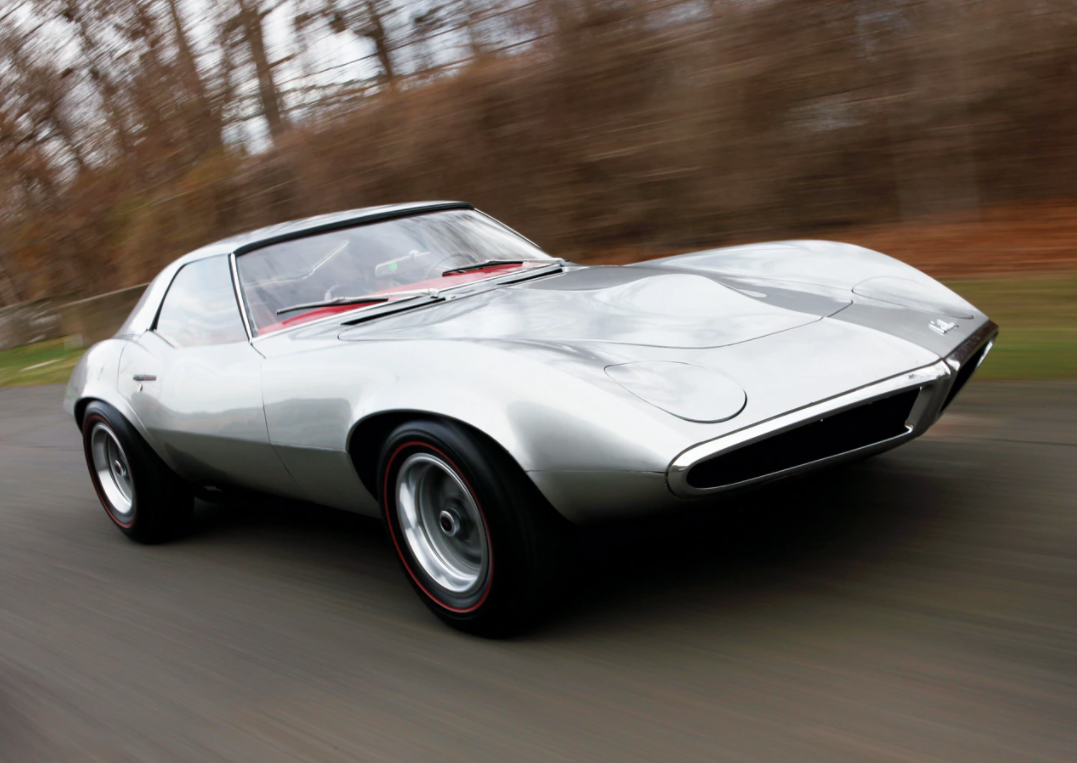
5. 1982 Pontiac Banshee IV
Pontiac’s Banshee IV concept, revealed in 1982, was designed to blend aggressive sports car performance with a futuristic spacecraft aesthetic. Its sharply angled body, wide stance, and bubble canopy gave it an appearance of speed even while parked.
The low front end and sharply tapering rear evoked jet fighters, while the extended wheel arches created the illusion of hovering. Pontiac intended the Banshee IV to signal a bold new direction for sports car design in the 1980s.
The interior of the Banshee IV featured a cockpit-like environment, with ergonomic bucket seats and controls that wrapped around the driver. Gauges were digital, a cutting-edge feature for the early 1980s, and the steering system resembled that of a fighter plane. Metallic finishes and high-contrast materials added a sense of technology and sophistication. Designers prioritized a futuristic atmosphere that made the driver feel like a pilot operating an advanced vehicle.
Pontiac experimented with futuristic materials in the Banshee IV, including lightweight metals and plastics that improved both aesthetics and performance. The canopy roof provided visibility in all directions, a design element inspired by aviation. Exterior lines flowed seamlessly, emphasizing aerodynamics and visual continuity. Even the wheel designs were integrated into the body to minimize drag, contributing to the spacecraft-like illusion.
The Banshee IV’s design influenced later Pontiac sports cars, particularly in styling cues such as sharp angles, sloping hoods, and integrated spoilers. While the car itself remained a concept, its technological and design experiments demonstrated how futuristic thinking could be incorporated into real-world vehicles. The Banshee IV became a symbol of Pontiac’s willingness to embrace radical ideas.
The Pontiac Banshee IV captured the cultural fascination with speed, technology, and space travel that defined the early 1980s. Its design blended aerospace inspiration with automotive engineering, creating a visually striking vehicle. Detroit’s designers once again demonstrated their ability to merge imagination, industrial capability, and cultural trends into a single, innovative package that remains memorable today.
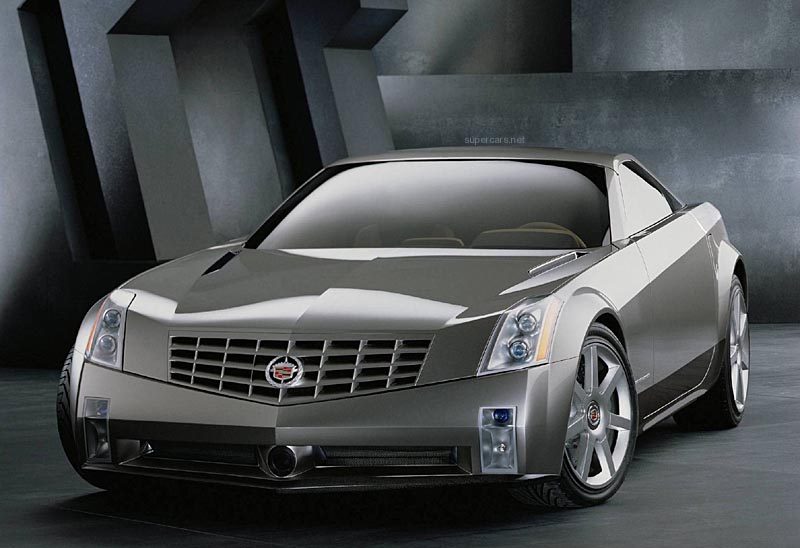
6. 1990 Cadillac Evoq
The 1990 Cadillac Evoq was a concept car designed to showcase advanced technology and futuristic styling for luxury vehicles. Its sharp, angular design and glass canopy gave it a spacecraft-like profile. The front fascia featured integrated lighting elements and smooth surfaces, while the rear emphasized aerodynamics with a tapered shape. Designers aimed to create a car that could serve as both a luxury sedan and a visual representation of the future.
Inside, the Evoq featured a high-tech, driver-oriented cockpit with digital displays, advanced control interfaces, and sculpted seats. Materials were chosen for both comfort and futuristic aesthetics, with brushed metals, soft leather, and illuminated panels creating a sense of sophistication. The cabin was spacious but focused on enhancing the experience of operating an advanced machine rather than simply providing seating.
Cadillac experimented with advanced powertrain concepts for the Evoq, including hybrid and electric propulsion ideas. Although these technologies were not fully realized at the time, they highlighted the brand’s interest in anticipating future automotive trends. The vehicle’s aerodynamic body and advanced suspension systems further reinforced the impression of a car designed to operate efficiently at high speeds.
Lighting and detailing were essential to the spacecraft-inspired aesthetic of the Evoq. The front and rear lights were seamlessly integrated into the body, while the glass canopy allowed light to pass through, enhancing the futuristic appearance. Designers were clearly influenced by both aerospace engineering and science fiction visions of personal transportation.
Culturally, the Cadillac Evoq reflected the growing interest in blending technology and luxury during the late 20th century. It symbolized the ability of Detroit’s automakers to combine advanced materials, innovative controls, and dramatic styling into a cohesive vehicle. The Evoq remains an example of how futuristic thinking can inspire luxury design while retaining functional possibilities for real-world driving.
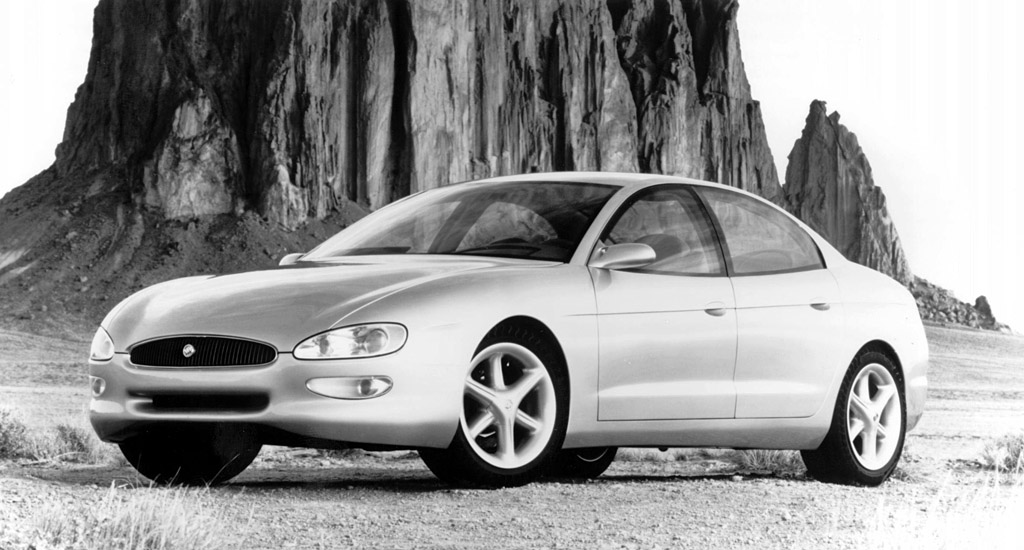
7. 1996 Buick XP2000
Buick’s XP2000 concept car of 1996 was created to explore what personal transportation could look like in the new millennium. The vehicle’s elongated, sleek body, bubble roof, and aerodynamic lines gave it a spacecraft-like impression. The design featured hidden lighting elements, flowing surfaces, and a low stance to emphasize futuristic performance. It was intended to showcase Buick’s vision of a technologically advanced, high-performance sedan.
Inside, the XP2000 featured advanced controls and seating designed for comfort and functionality. Digital displays and an ergonomic dashboard were intended to make operation intuitive while maintaining a high-tech aesthetic. The seats were molded to resemble pilot capsules, reinforcing the vehicle’s spacecraft-inspired design. Designers experimented with new materials that were lightweight yet luxurious, blending performance and comfort.
The exterior of the XP2000 emphasized smooth transitions and aerodynamic efficiency. The body flowed seamlessly from front to back, minimizing drag and creating a visual impression of movement. Wheel designs were integrated into the body to reduce turbulence, while chrome and metallic finishes added a futuristic shine. The vehicle’s canopy roof also allowed for panoramic visibility, enhancing the cockpit-like feel.
Buick used the XP2000 to test both technology and public perception of advanced vehicles. While many features were purely conceptual, the car influenced subsequent production models with subtle design cues and interior technologies. It represented a balance between imagination and the practical direction of automotive engineering.
The XP2000 exemplified Detroit’s fascination with spacecraft-inspired designs in the 1990s. Its combination of advanced materials, ergonomic interiors, and aerodynamic styling demonstrated how concept cars could serve as both design experiments and cultural symbols. The XP2000 remains a standout example of Buick’s vision for the future of personal transportation.
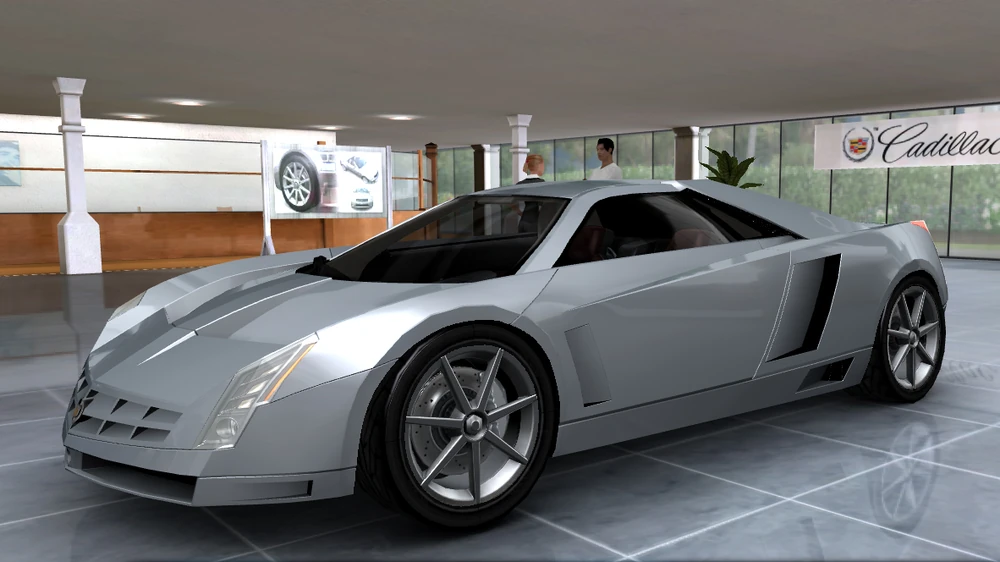
8. 2000 Cadillac Cien
The Cadillac Cien, introduced in 2000, was designed as a high-performance concept car that blended luxury with spacecraft-inspired styling. Its sharp, angular lines, low-slung body, and canopy-style cockpit made it appear as if it could launch into orbit.
The exterior combined brushed aluminum panels with sharp edges that caught light dramatically, emphasizing its futuristic profile. Designers emphasized a forward-leaning stance, giving the impression of controlled aggression and technological sophistication.
Inside, the Cien featured a cockpit-like layout with driver-focused controls and seats that resembled pilot pods. The dashboard included touch-sensitive displays and an integrated heads-up interface, giving the driver access to information without distraction. Materials were chosen for both tactile quality and visual impact, including premium leather, polished metals, and carbon fiber accents. The interior reinforced the idea of operating a high-tech vehicle rather than a conventional car.
The vehicle’s powertrain was designed to match its futuristic appearance. Cadillac engineers equipped the Cien with a V12 engine capable of extraordinary performance, demonstrating that spacecraft-inspired design could coexist with real-world automotive engineering.
Advanced suspension systems and aerodynamics complemented the body design, ensuring the car not only looked fast but could handle extreme driving conditions. The Cien represented Cadillac’s ambitions for innovation in both technology and style.
Lighting and detailing were essential to the Cien’s otherworldly aesthetic. Hidden headlights and taillights created uninterrupted surfaces, while the angular panels and wide stance reinforced its aggressive, spacecraft-like appearance. The canopy roof enhanced visibility while giving the exterior a seamless, aerodynamic silhouette.
Designers clearly drew inspiration from jet fighters and futuristic spacecraft to create a vehicle that was visually striking from every angle.
Culturally, the Cien demonstrated Detroit’s ability to combine luxury, performance, and imagination into a cohesive design statement. It served as a symbol of Cadillac’s forward-thinking approach, showing how concept cars could inspire production models while pushing boundaries. The Cien remains one of the most iconic spacecraft-inspired concept cars to emerge from the Motor City at the turn of the millennium.
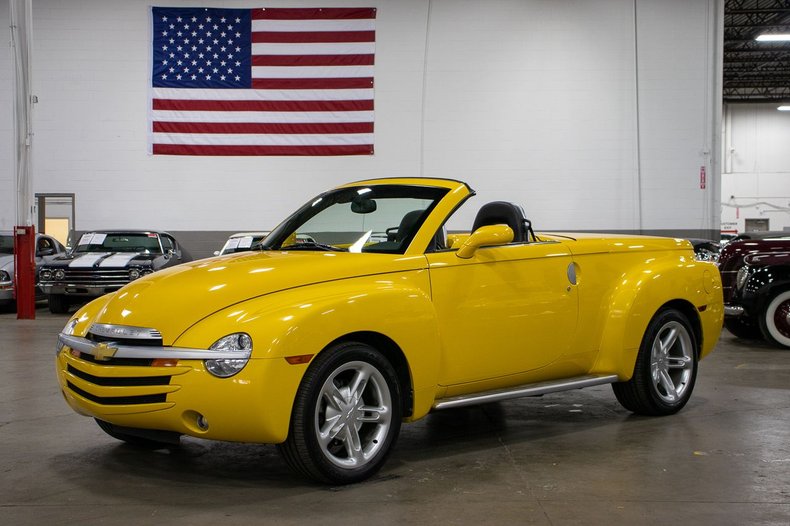
9. 2003 Chevrolet SSX
The Chevrolet SSX, revealed in 2003, was a futuristic concept SUV designed to combine performance, versatility, and spacecraft-like aesthetics. Its angular body panels, bubble canopy, and integrated lighting gave it an appearance that was part vehicle, part spacecraft.
The front fascia was pointed and aggressive, while the roofline sloped dramatically to enhance aerodynamics. The SSX projected an image of a vehicle capable of rapid acceleration while maintaining futuristic styling cues.
Inside, the SSX offered a highly ergonomic cockpit with a driver-focused layout. Seats were contoured like capsules, and controls were arranged to resemble aviation instruments. Digital displays replaced traditional gauges, giving the driver real-time feedback on performance, navigation, and vehicle systems. The combination of advanced materials, ergonomic design, and futuristic technology created an environment reminiscent of a pilot’s cockpit.
Chevrolet experimented with advanced powertrains for the SSX concept, including all-wheel drive systems and high-performance engines. The design emphasized capability without sacrificing style, ensuring the vehicle could handle a variety of terrains while maintaining its sleek, spacecraft-inspired appearance. Engineers paid attention to aerodynamics, with smooth underbody panels and integrated spoilers enhancing performance.
Exterior detailing contributed significantly to the SSX’s otherworldly feel. Headlights and taillights were integrated into the body for seamless lines, while sharp edges and wide fenders reinforced a high-tech, aggressive appearance. The large canopy roof enhanced visibility while providing a futuristic silhouette.
Designers clearly intended the vehicle to look like it had descended from a sci-fi universe rather than simply being a traditional SUV.
The SSX reflected Detroit’s early-2000s focus on combining utility with forward-looking design. It showcased how concept vehicles could push the boundaries of imagination while still hinting at real-world applicability. By blending SUV practicality with spacecraft-inspired aesthetics, the SSX became a memorable representation of Chevrolet’s vision for futuristic mobility.
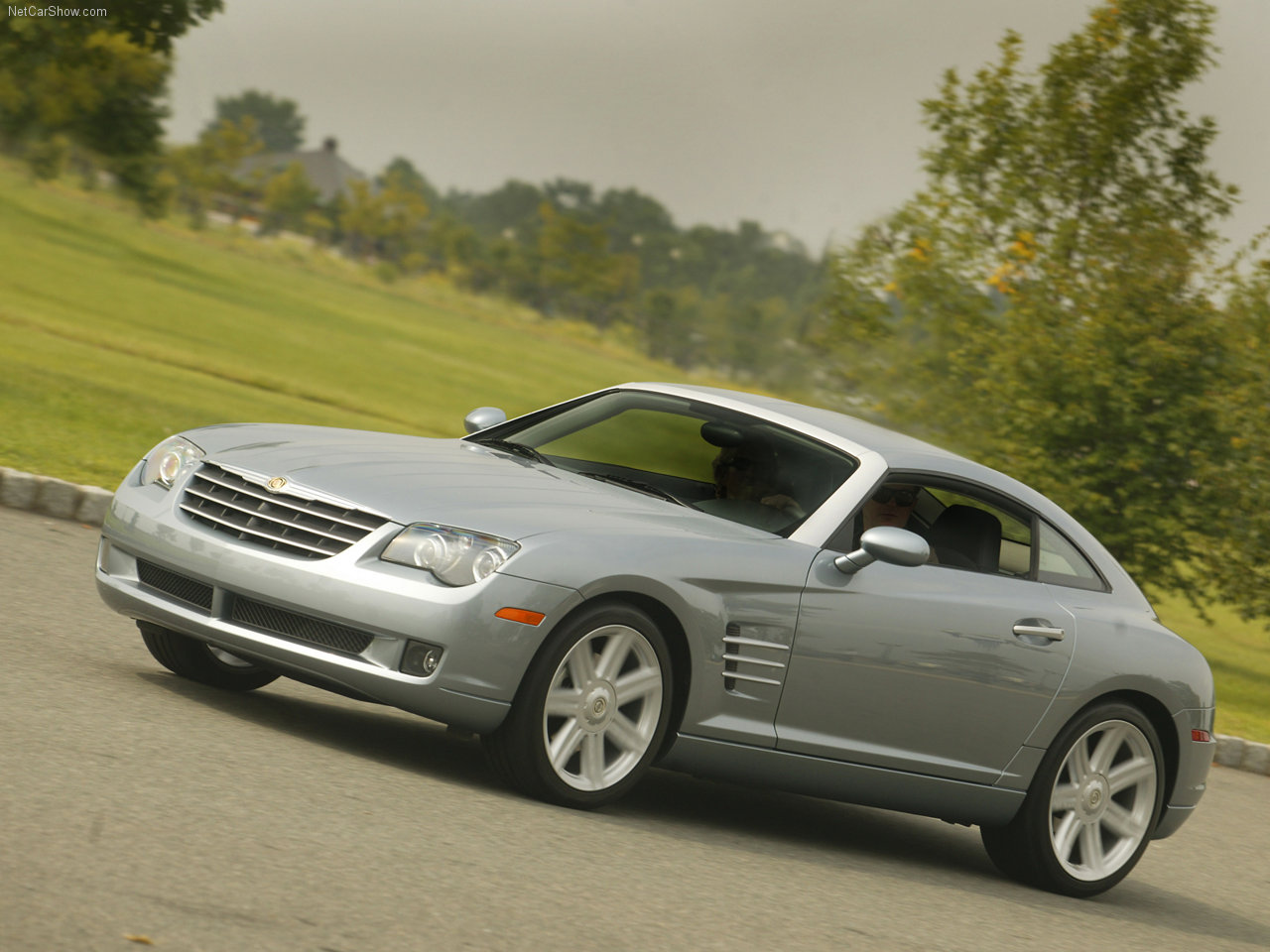
10. 2005 Chrysler Airflite
The Chrysler Airflite concept of 2005 was envisioned as a compact, futuristic vehicle that combined aerodynamic efficiency with spacecraft-like design. Its wedge-shaped profile, low canopy roof, and sharply defined body panels created a silhouette reminiscent of a fighter jet or shuttle.
Chrysler emphasized smooth transitions between panels, hidden lighting, and metallic finishes to give the Airflite a polished, high-tech appearance. The effect was of a car built for speed, style, and futuristic exploration.
Inside, the Airflite featured a cockpit-oriented interior with ergonomic seats and advanced digital controls. The dashboard included integrated touch-sensitive panels and innovative display technology, creating a high-tech environment that prioritized driver experience.
Materials were chosen for both comfort and futuristic appeal, including brushed metals, soft-touch plastics, and illuminated trim elements. The interior design reinforced the sense that this vehicle was a spacecraft for the road.
Chrysler explored advanced propulsion and safety technologies with the Airflite. While these were largely conceptual, the car included ideas about alternative powertrains, regenerative systems, and lightweight construction.
Aerodynamic efficiency was central to the design, with smooth underbody panels, tapered rear sections, and integrated spoilers enhancing both performance and aesthetics. The Airflite’s design reflected a forward-thinking approach to engineering and visual impact.
Lighting and exterior details played a critical role in its spacecraft-inspired look. Headlights, taillights, and turn signals were seamlessly integrated into the body, creating clean lines and a futuristic aesthetic. The canopy roof allowed for expansive visibility, while sharp edges and sculpted panels emphasized speed and agility. Every element contributed to a cohesive design that suggested advanced technology and futuristic performance.
The Chrysler Airflite demonstrates Detroit’s ongoing fascination with blending imagination, technology, and automotive design. By creating a vehicle that looks like it belongs in space but remains grounded in reality, Chrysler joined other Motor City manufacturers in showcasing how concept cars could inspire innovation. The Airflite remains a striking example of how Detroit designers continue to imagine the future of personal transportation.