

Modern vehicles rely heavily on Advanced Driver Assistance Systems (ADAS) to enhance safety, especially during challenging conditions like heavy rain. Features such as automatic emergency braking, lane-keeping assist, and adaptive cruise control depend on cameras, radar, and ultrasonic sensors to “see” the road clearly.
However, these sensors are highly sensitive to dirt, water, and debris. Even a thin layer of grime or a single water spot can distort their readings, leading to false alerts or complete system failure.
That is why proper sensor maintenance is no longer optional but essential. Simple habits such as regular cleaning, using the right materials, and preventing buildup can make a significant difference in how reliably these systems perform.
This guide, “8 Tips for Keeping Your Sensors Clean to Prevent Safety Tech Failure in Rain,” outlines practical steps every driver can follow to protect their vehicle’s safety technology and ensure it functions accurately when visibility is at its worst.
1. Perform Bi-Weekly Cleaning
Maintaining vehicle sensors through bi-weekly cleanings is essential to ensure proper performance and prevent safety system failures. Many drivers wait until a dashboard warning appears before checking sensors. By that time, environmental grime, including exhaust soot, road oils, and microscopic minerals, has already bonded to the sensor surfaces.
This residue acts like a frosted lens, distorting the data collected by cameras, radar, and ultrasonic sensors. This can result in delayed reactions, ghost braking, or false alerts. Regular bi-weekly cleaning prevents dirt and minerals from sticking to sensor housings under heat or wind.
It is similar to cleaning eyeglasses regularly to maintain clear vision. Consistent maintenance ensures that infrared and ultrasonic waves function accurately, keeping the car’s sensors fully effective regardless of mileage.
Bi-weekly cleaning is especially important in rainy conditions. Rainwater mixes with accumulated dirt, road salt, and minerals to form residues that can block sensors. This can cause Advanced Driver Assistance Systems (ADAS), such as collision warnings, blind-spot detection, and automatic braking, to malfunction.
Clean sensors allow these systems to operate correctly, distinguishing between light rain and real obstacles. Regular maintenance prevents adaptive cruise control or automatic braking from shutting down unexpectedly.
Performing bi-weekly cleanings addresses several key issues. It removes mineral deposits and grime before they permanently impair sensor lenses, prevents false alerts and system failures, and ensures sensors perform well in adverse weather. This routine also prevents buildup from reaching a level that could damage protective coatings or become difficult to remove.
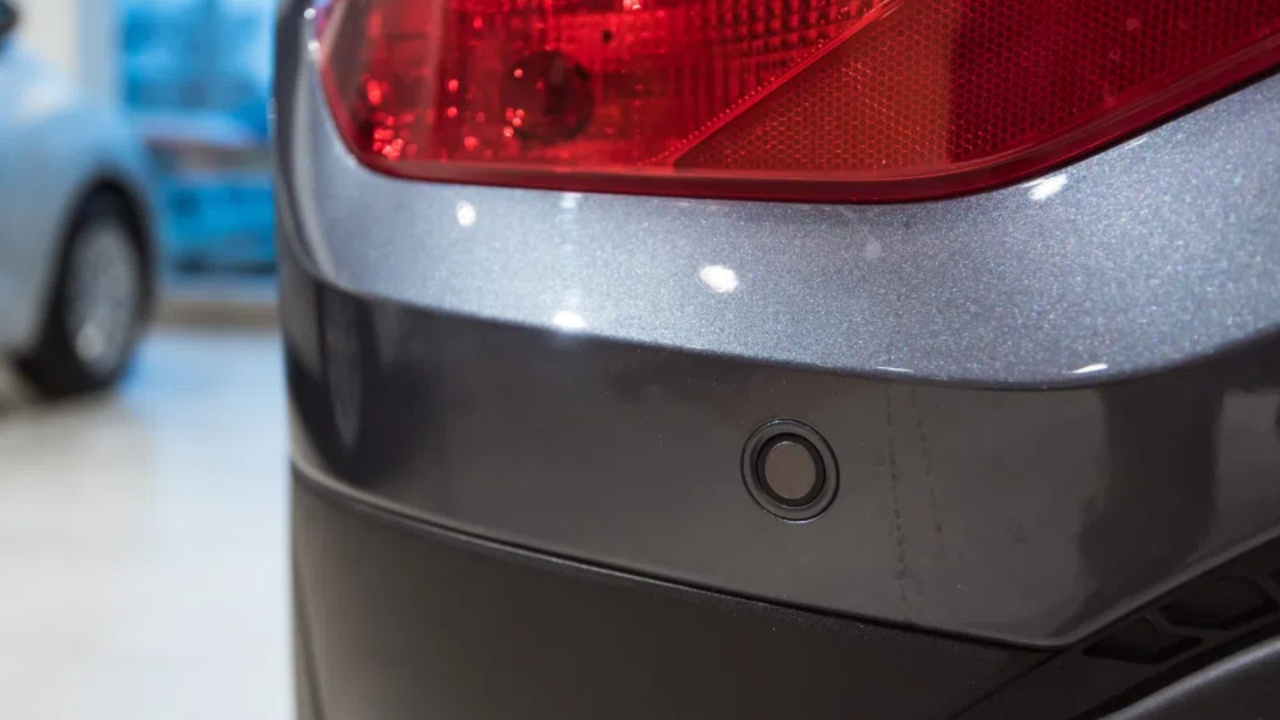
Key sensors to focus on include cameras on the windshield near the rearview mirror, parking and collision sensors on the front and rear bumpers, and radar sensors behind the front grille or bumper.
Best practices include using soft, lint-free microfiber cloths, avoiding harsh chemicals that could scratch lenses, and performing additional cleaning after heavy rain, mud, or driving on salted winter roads, even if a bi-weekly schedule is in place.
Following a disciplined cleaning routine preserves sensor functionality, maintains the reliability of ADAS, and ensures safety systems operate at peak performance in all weather conditions.
2. Use a Damp Microfiber Cloth
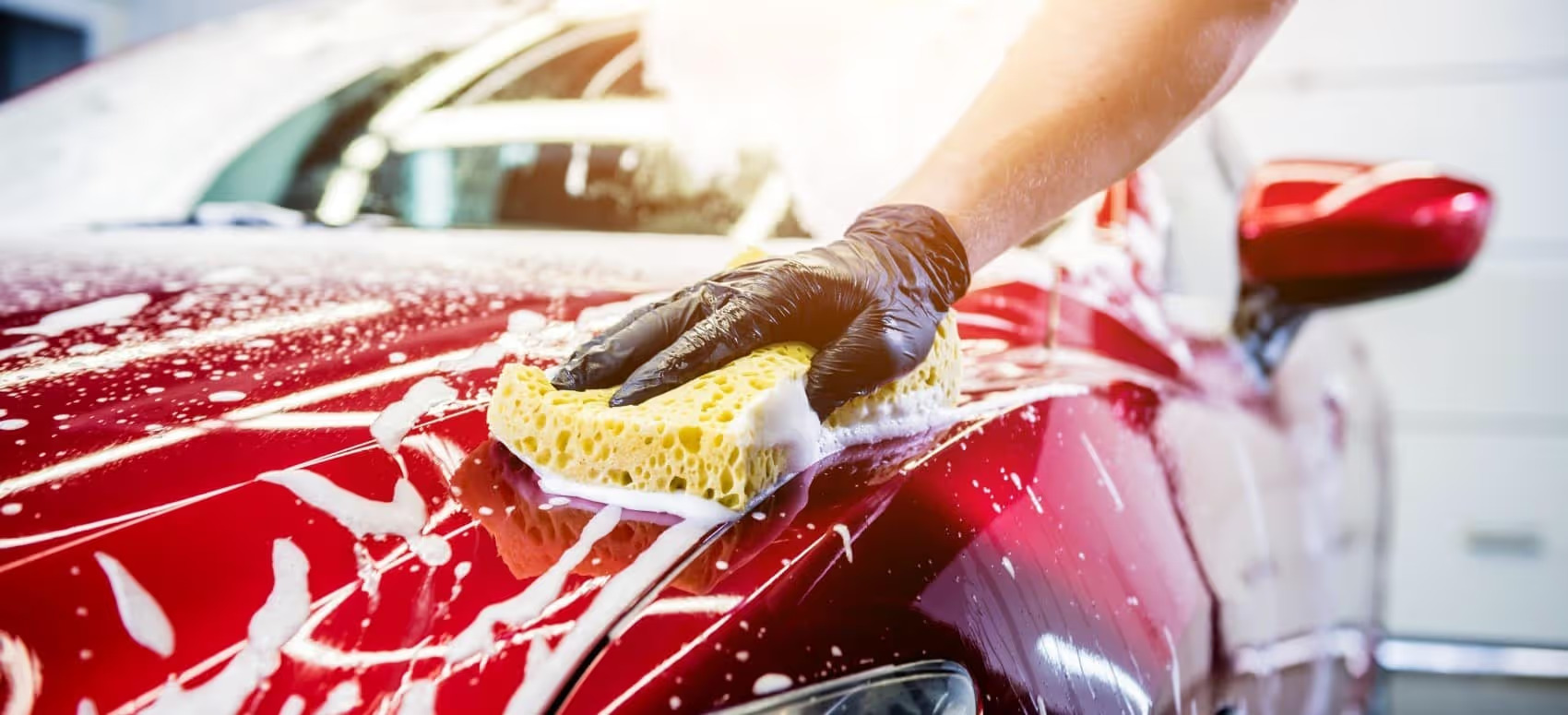
Using the right material to clean vehicle sensors is just as important as the cleaning agent. Modern sensors are often protected by polycarbonate plastics or specialized glass with delicate anti-reflective or hydrophobic coatings. Using paper towels, rags, or clothing can create tiny scratches, known as micro-marring, which are invisible to the eye but can scatter light and radar waves.
A high-quality, damp microfiber cloth is the safest tool for cleaning because its split-fiber design lifts dirt from the surface and traps it within the fabric instead of dragging particles across the sensor. The recommended technique is a gentle lift and wipe motion rather than circular scrubbing to avoid grinding stray debris into the lens. Keeping a dedicated microfiber cloth in the glovebox ensures you always have a safe cleaning tool at hand.
A damp microfiber cloth is particularly important for preventing safety system failures in rainy conditions. Dirt, oils, and grime can combine with rainwater to form a film that blocks sensors, creating blind spots and causing Advanced Driver Assistance Systems (ADAS) such as automatic braking, lane-keeping assist, or collision warnings to fail.
Cleaning with a damp cloth removes oily residues, bug remains, and dried mud that a dry cloth cannot lift, while also preventing the buildup of static electricity that attracts more dust. A damp cloth can break water-repellent films that cause water to bead, restoring the sensor’s visibility.
Using a damp microfiber cloth provides several advantages. It is gentle on sensitive coatings, preventing scratches or permanent damage to anti-reflective layers. It removes accumulated grime without over-saturating electronic seals, protecting sensors from corrosion. It also ensures that cameras and laser-based systems maintain a clear field of vision, which is critical for reliable operation during rain or wet conditions.
For best results, clean the sensor first with a damp microfiber cloth to remove debris and water-repellent films, then follow up with a dry microfiber cloth to eliminate any remaining water spots. By using this method, drivers maintain sensor clarity, protect sensitive coatings, and ensure that ADAS and other safety technologies continue to operate effectively in all weather conditions.
3. Apply Hydrophobic Coatings
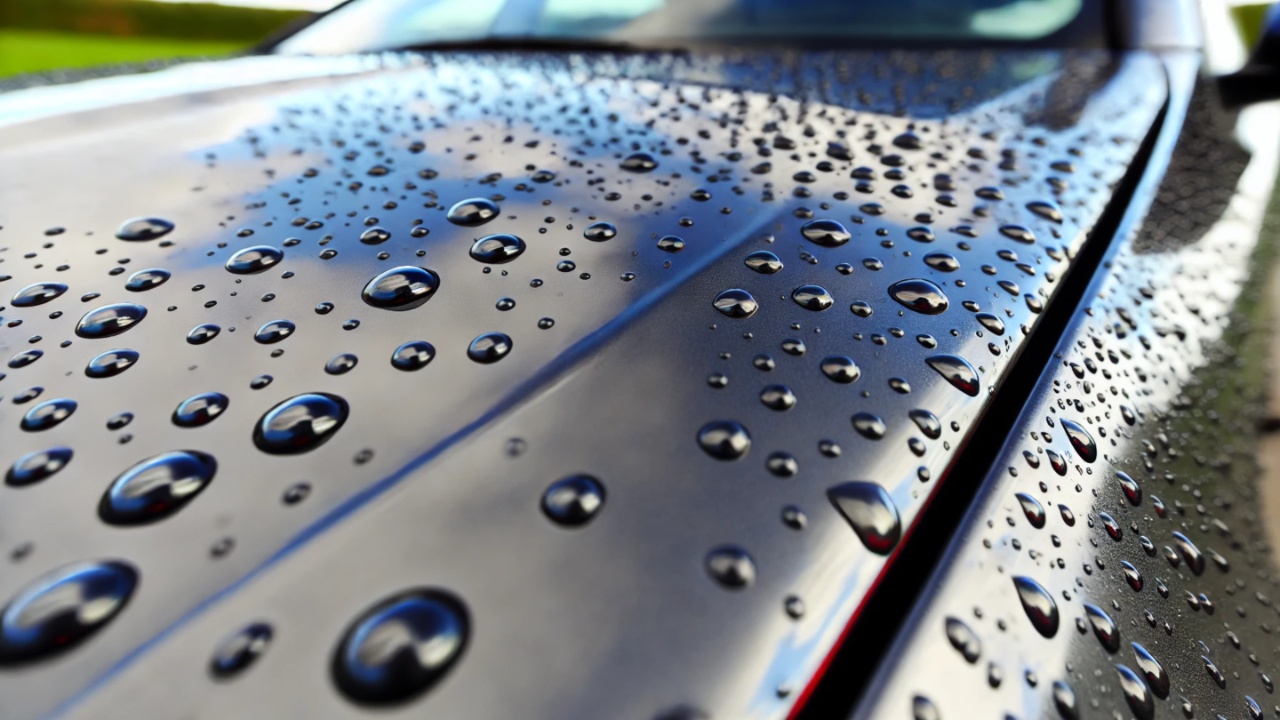
Rain poses a major challenge for vehicle optical sensors, including cameras used for lane-centering. On standard glass or plastic surfaces, water tends to form sheets or large droplets that distort light, reducing sensor accuracy. Hydrophobic coatings, such as those in Rain-X or specialized ceramic sprays, change the surface tension of sensor housings.
This causes water to bead into tiny spheres that can be blown away by the wind while driving. In heavy rain, this simple modification can be the difference between a lane-keeping system functioning correctly and disengaging due to poor visibility.
For radar units behind grilles or emblems, hydrophobic coatings prevent slush and ice buildup, which can block signals. Applying these coatings once a month ensures water slides off quickly, maintaining sensor functionality.
Hydrophobic coatings are critical for preserving the performance of Advanced Driver Assistance Systems (ADAS) in wet conditions. By converting water films into rolling beads, they maintain optical clarity for cameras, LiDAR, and radar sensors, which are highly susceptible to rainfall-induced failure.
These coatings prevent “blinding” caused by water sheets, which can scatter light, reduce detection range, and trigger false alerts. With water removed efficiently, cameras and radar maintain accurate readings of lane markers, obstacles, and surrounding vehicles.
In addition to preventing water interference, hydrophobic coatings provide self-cleaning benefits. Rolling water droplets pick up dirt, dust, and grime, reducing muddy buildup that can deactivate safety systems. They also minimize mineral deposits left behind when rainwater dries, protecting sensor surfaces from spotting and etching caused by acid rain.
Hydrophobic layers also protect sensitive electronics. By creating a non-stick, monomolecular barrier, they prevent water pooling that could enter housing seals and cause electrical malfunctions.
These coatings further enhance performance in specific weather scenarios by reducing fog droplet formation on cameras and minimizing ice adhesion during cold rain, allowing sensors and wipers to shed water and ice more effectively.
Key sensors that benefit from hydrophobic coatings include vision cameras, radar units, and LiDAR systems. Cameras benefit the most from these coatings, remaining clear of films and streaks, while radar and LiDAR experience reduced signal interference and debris buildup.
Hydrophobic coatings ensure sensors remain clear, reliable, and fully operational, supporting safe automatic braking, lane-keeping, and collision avoidance systems in harsh weather conditions.
4. Stick to Mild Soap and Water
When cleaning vehicle sensors, it is important to avoid harsh chemicals such as household glass cleaners, degreasers, or products containing ammonia or strong alcohols. These substances can strip away factory-applied UV protectants on sensor covers, causing clouding or yellowing over time and permanently reducing sensor range.
Instead, using a pH-neutral automotive soap or plain distilled water is the safest approach. For stubborn debris, such as bird droppings or dried bug remains, soak the area with a damp cloth for several minutes to soften it before gently wiping, rather than scraping or picking. This gentle method preserves the structural integrity and clarity of the sensor housing.
Sticking to mild soap and water is particularly important for cameras, radar units, parking sensors, and other Advanced Driver Assistance Systems (ADAS) components. These sensors rely on unobstructed vision to function correctly.
Harsh chemicals can corrode delicate coatings or damage lenses, leading to safety technology failures during rain or other adverse weather conditions. Mild detergents safely remove dirt, road salt, snow, and grime without leaving residues that could interfere with sensor performance.
Regular cleaning ensures that rain sensors, forward-facing cameras, and radar units continue to provide accurate readings for automatic braking, lane-keeping assist, and blind-spot monitoring.
The benefits of using mild soap and water include preventing chemical damage, safely removing buildup without leaving residue, and protecting delicate electronics from corrosion. These practices help maintain sensor accuracy and extend their operational lifespan.
Dirty or obstructed sensors can compromise safety features, particularly in rainy weather, when dirt and grime mix with water to form films that block camera and radar signals. This can cause adaptive cruise control, automatic braking, and forward collision warning systems to fail or behave unpredictably.
Best practices for sensor cleaning include using soft materials such as microfiber cloths to avoid scratches, applying gentle cleaning techniques with mild, automotive-specific detergents, and regularly clearing the areas around bumpers, headlights, and windshields where sensors are commonly located.
Avoid high-pressure washers, as they can damage seals and allow water intrusion. Following these guidelines preserves sensor clarity and ensures that safety systems operate reliably in all conditions.
Also read: 10 Reasons Why Your Transmission Fluid Change Is More Critical for Modern 8 Speed Units
5. Clear Obstructions Immediately
Physical blockages are the most common cause of “Sensor Blocked” warnings on modern vehicles. While mud, ice, and snow are obvious culprits, many drivers overlook accidental obstructions. Front-mounted bike racks, improperly placed toll-pass transponders, or decorative license plate frames can interfere with the field of view for radar and ultrasonic sensors.
Radar units, often located behind a vehicle’s front emblem or lower bumper, are especially sensitive to metallic objects. Even wet leaves trapped in a grille can reflect radar waves back, causing the system to detect a false obstacle. Performing a quick “walk-around” after driving in heavy rain, snow, or off-road conditions ensures that all sensor areas are free from debris.
Immediate clearing of obstructions is crucial for maintaining the functionality of Advanced Driver Assistance Systems (ADAS) during rain.
Raindrops combined with road grime, mud, or ice can block cameras and radar sensors, leading to failures in key safety features such as automatic emergency braking, adaptive cruise control, and lane-keeping assistance. When these sensors are obstructed, drivers lose critical support exactly when they need it most.
There are several reasons why prompt clearing of sensor areas is essential. Obstructions can trigger system shutdowns, disabling features like adaptive cruise control or lane departure warnings. Water, mud, or debris on sensors can reduce visibility or cause false readings, such as detecting obstacles that do not exist or missing actual hazards.
Continuous exposure to water, especially when mixed with road salt, can lead to corrosion or damage to sensor connectors, resulting in costly repairs. Obstructed sensors are particularly dangerous at high speeds, as they limit the vehicle’s ability to detect its surroundings, increasing the risk of accidents.
Key areas to monitor and clean include the windshield near the rearview mirror, which houses forward-facing cameras for lane departure and collision warnings; front and rear bumpers, where parking sensors and radar units are located; and side mirrors or 360-degree camera lenses for lane change assistance.
Regularly wiping down these areas after driving in wet or dirty conditions ensures that sensors remain clear and fully functional. By keeping sensor surfaces free from physical debris, drivers maintain the reliability of ADAS features, supporting safe operation even in challenging weather.
6. Keep the Windshield Pristine
The windshield in modern vehicles serves as the primary housing for critical safety systems, including Forward-Facing Cameras (FFC) and rain sensors. These components support important features such as Pedestrian Detection, Traffic Sign Recognition, Lane Departure Warning, and automatic braking.
Any obstruction on the windshield, including smudges, streaks from worn wiper blades, chips, or interior haze from plastic outgassing, can reduce the effectiveness of these systems. Even a small streak over the camera lens during a rainstorm can temporarily blind the sensor when safety features are most needed. Replacing wiper blades every six months helps prevent streaking and maintains clear sensor vision.
Maintaining a clean windshield is essential to prevent sensor failures during rain. Rain sensors work by sending infrared light through the glass and measuring the reflection. Dirt, streaks, bugs, or grime can distort this reflection, causing the sensors to activate wipers unnecessarily or fail to detect actual rainfall.
Similarly, ADAS cameras require a clear view of the road to accurately monitor lane markings and detect obstacles. Rain on a dirty windshield can distort the camera image, causing false alerts or complete system shutdowns.
A clean windshield also preserves the function of water-repellent coatings. Residue or improper cleaning can interfere with the sensor’s optical path, resulting in erratic wiper performance.
Over time, mineral deposits from dried rainwater, such as calcium and magnesium, can build up directly over sensors, creating hazy spots that reduce the ability to detect rain intensity. A dirty windshield can also lead to dry wiping, where wipers operate on a dry surface, damaging the blades and leaving streaks that further block sensor vision.
To ensure maximum safety, the windshield must be free from dirt, grease, and residue, particularly in areas where cameras and sensors are mounted. Regular cleaning of both interior and exterior surfaces, combined with timely wiper replacement and proper maintenance of hydrophobic coatings, keeps rain sensors and ADAS fully operational.
A clean windshield allows accurate light reflection, unobstructed camera vision, and reliable activation of safety features, helping drivers stay protected in rainy or adverse weather conditions.
7. Use a Puff of Air for Debris
Sometimes the safest way to clean a sensor is without touching it at all. In dry or dusty environments, fine silt can settle into recessed areas, such as the ultrasonic parking sensors on bumpers or the honeycomb grille where radar units are located. Attempting to wipe this debris while dry can act like sandpaper, scratching delicate lenses or pushing grit deeper into sensor housings. Using a puff of air from a can of compressed air or a rubber bulb blower dislodges dust and grit without direct contact. This touchless method is a common professional detailing technique to preserve the integrity and clarity of high-tech components. By removing loose debris with air first, any subsequent cleaning with a damp cloth avoids grinding abrasive particles into the sensor.
Using air to clean sensors is critical for maintaining Advanced Driver Assistance Systems (ADAS) functionality, especially in rainy conditions. Dust that has settled on sensors can mix with water to form mud, water spots, or films that obscure cameras, radar, and LiDAR. Blocked sensors can cause automatic emergency braking, lane-keeping systems, or collision warnings to fail, creating dangerous driving situations.
A puff of air provides several advantages. It prevents damage to delicate optical coatings and radar surfaces, removes dry debris before it can interact with rain, and allows quick, precise cleaning without introducing moisture that could harm electronics. Rubber bulb blowers are generally preferred to canned compressed air because they avoid propellant residue and excessive force that could damage sensitive components.
Cleaning sensors with air ensures clear imaging for camera-based systems, maintaining accurate detection of lanes, obstacles, and traffic conditions. It also reduces temporary sensor “blindness” caused by dirt accumulation and preserves radar and LiDAR accuracy, preventing false readings caused by debris mixed with water.
Performing this touchless cleaning while the vehicle is dry prepares the sensors for optimal performance when rain begins. It is a simple yet highly effective preventative measure that protects the operation of ADAS and other safety technologies. By routinely removing dust and grit with air, drivers can reduce the risk of sensor errors, maintain precise detection capabilities, and ensure that safety systems remain reliable in all weather conditions.
8. Dry Sensors Properly After Washing
Cleaning your car’s sensors is only part of the process. Proper drying is equally important to maintain their accuracy and performance. When water is left to air dry on sensor surfaces, especially in areas with hard tap water, it leaves behind mineral deposits such as calcium and magnesium.
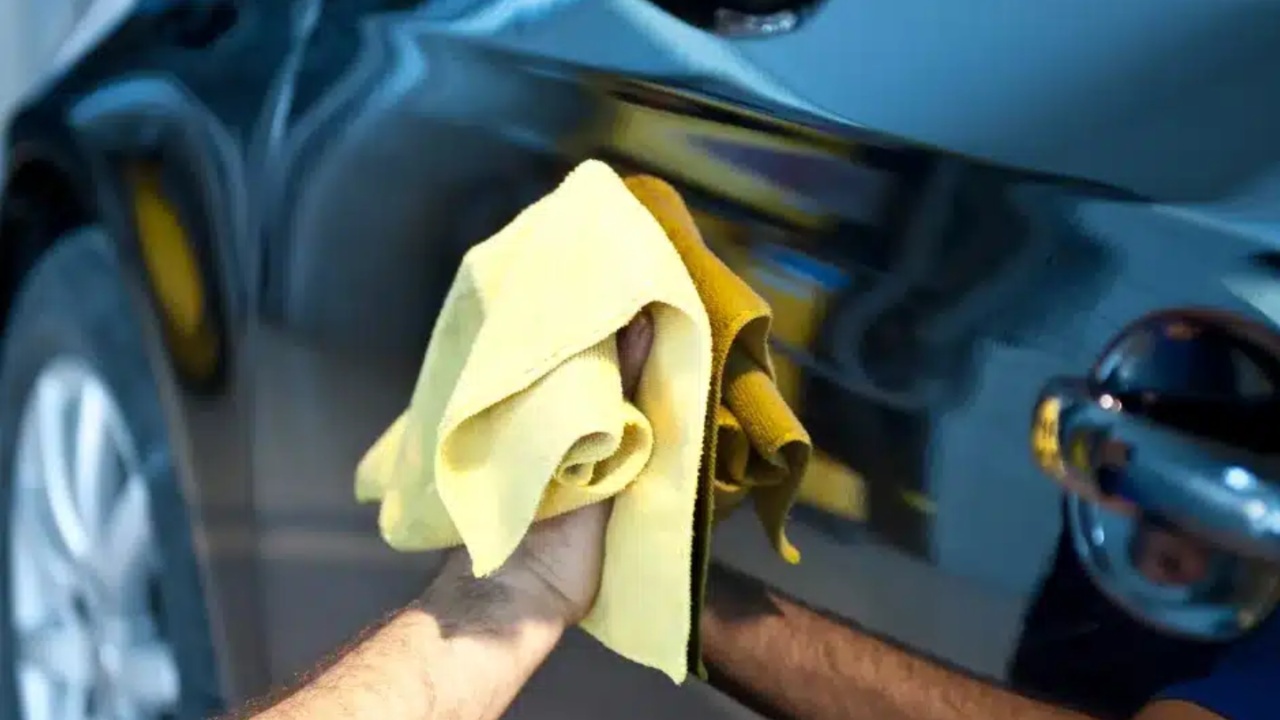
These deposits form water spots that act like tiny obstructions on the lens. For optical cameras, these spots can appear as persistent distortions, making it harder for systems to recognize objects correctly. To prevent this, sensors should be gently dried using a clean microfiber cloth. Instead of rubbing or buffing, a light patting motion is recommended to absorb moisture without causing scratches.
Drying sensors correctly plays a critical role in preventing failures in Advanced Driver Assistance Systems (ADAS), particularly in rainy conditions. Residual water droplets or mineral residue can interfere with how sensors interpret their surroundings.
For example, rain sensors may mistake leftover droplets for rainfall, causing wipers to activate unnecessarily or fail to respond when needed. Similarly, camera-based systems and radar sensors can misinterpret water spots as debris or obstacles, leading to false warnings or reduced performance.
Another key benefit of proper drying is the prevention of corrosion and electrical damage. Moisture that lingers around sensor housings or connectors can lead to rust or oxidation over time. This can degrade sensor performance or even cause complete failure. Removing moisture promptly helps protect sensitive electronic components and reduces the risk of costly repairs.
Failing to dry sensors can also lead to issues such as “dry wiping,” where wipers operate on a dry windshield due to incorrect sensor readings. This can damage wiper blades and create additional streaks that further obstruct sensor visibility. In some cases, mineral residue left behind after improper drying can combine with rain to form a film that significantly reduces detection accuracy.
To ensure optimal performance, always dry sensors and nearby surfaces thoroughly after washing or rainfall. A clean, dry microfiber cloth, careful technique, and attention to sensor areas such as the windshield, bumpers, and grille will help maintain clear, unobstructed surfaces and keep safety systems functioning reliably in all weather conditions.
Keeping your vehicle’s sensors clean is one of the simplest yet most effective ways to ensure your safety systems perform reliably in the rain. From maintaining a bi-weekly cleaning routine to using microfiber cloths, applying hydrophobic coatings, and properly drying surfaces, each step plays a role in preserving sensor clarity and accuracy.
Small details, such as clearing obstructions or keeping the windshield spotless, can prevent major issues like false warnings or system shutdowns.
Modern safety technology is only as effective as the condition of the sensors that support it. Neglecting them can compromise critical features at the exact moment they are needed most.
By following these eight practical tips, drivers can reduce the risk of sensor-related failures, extend the lifespan of their vehicle’s components, and drive with greater confidence in wet or unpredictable conditions. Consistent care ensures that your car’s “eyes” stay sharp, helping you stay safe on every journey.
Also read: 10 Tips to Make Any Car Last Beyond 15 Years Without Expensive Repairs or Replacements
