Front-wheel-drive cars are often associated with practicality, efficiency, and everyday usability. Yet, throughout automotive history, a select group has gone far beyond those expectations, delivering handling precision, driver engagement, and outright fun that rivals more exotic machines.
This list of the “10 Best Handling Front Wheel Drive Cars Ever Sold in the US” highlights models that redefined what FWD platforms could achieve, from lightweight classics to modern performance icons.
At the heart of this story is the Classic Mini (1959–2000), a car that proved brilliant engineering matters more than raw power. Its compact size, low weight, and innovative layout created a driving experience centered on momentum and precision. It laid the groundwork for decades of front-wheel-drive innovation, influencing everything from hot hatches to track-focused machines.
Each car on this list shares a common philosophy: maximize grip, balance, and feedback while maintaining accessibility. Whether through clever suspension design, limited-slip differentials, or lightweight construction, these vehicles demonstrate that driving excitement is not limited by drivetrain layout. Instead, they show how ingenuity can turn simplicity into something extraordinary.
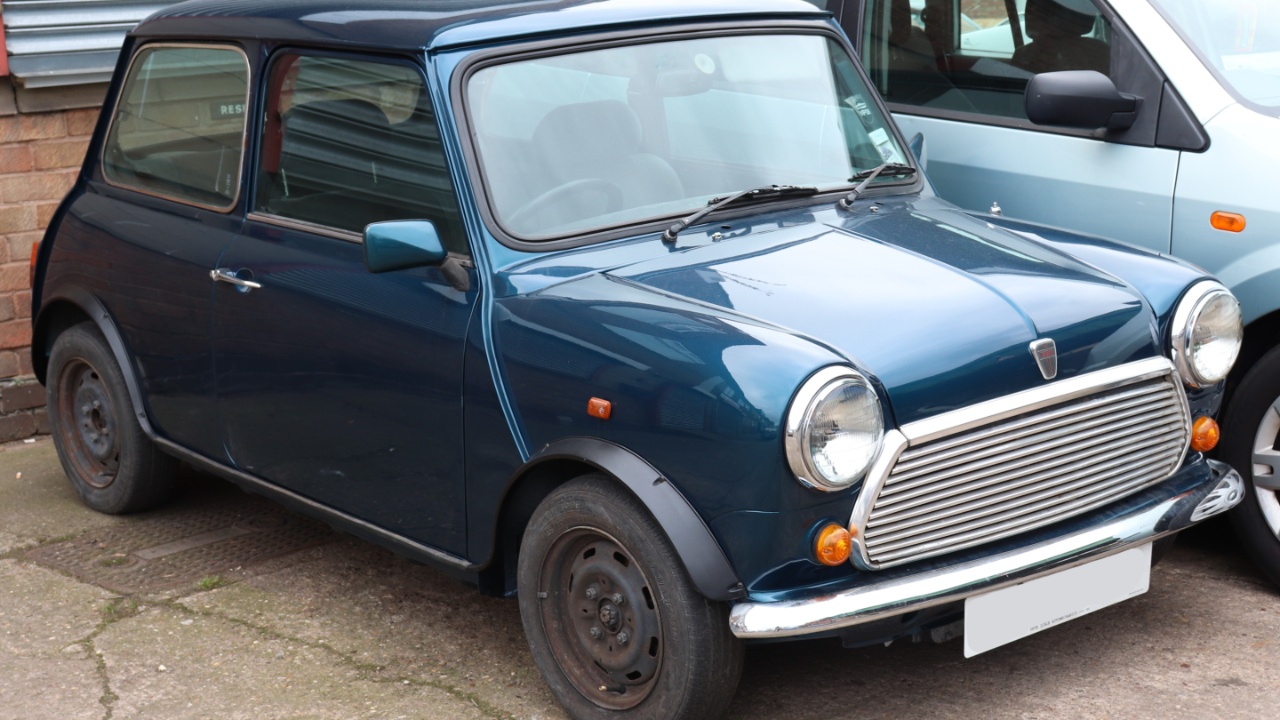
1. Classic Mini (1959–2000): The Iconic British City Car
The classic Mini, produced from 1959 to 2000, is one of the most influential small cars in automotive history. Often described as having “go-kart-like handling,” this label only partially captures its essence.
The Mini is best understood as a momentum car, rewarding smooth, precise driving rather than raw speed. Originally designed to be small, affordable, and economical in post-war Britain, it surprised drivers with its agility and responsive cornering.
Weighing around 1,400 lbs and powered by 998–1275cc inline-four engines producing 35–75 hp, the Mini offered a fun, lively driving experience. Transmission options included 4- and 5-speed manuals or a 4-speed automatic.
Its lightweight construction, near-perfect weight distribution, and innovative transverse engine layout allowed for exceptional cornering and stability. Wheels positioned at the extreme corners, a low center of gravity, and precise rack-and-pinion steering gave the Mini its legendary handling, making it a standout both on the road and in motorsport.
Several design features contributed to its success. The compact transverse engine maximized cabin space, enabling four adults to sit comfortably in a 10-foot-long, 5-foot-wide body.
The car’s light front-wheel-drive architecture provided excellent traction and predictable control, while the low stance kept it flat and stable in corners. With the right tires, the Mini delivers an intense, highly engaging driving experience, though it lacks modern safety aids like ABS.
Driving a Mini is a tactile and communicative experience, with no power steering, stiff brakes, and a firm ride. Early models were simple and functional, while later Rover Minis (1990–2000) featured fuel-injected 1.3-liter engines producing roughly 63 bhp. Practicality came from clever packaging, though the car is prone to rust on front wings, doors, and the scuttle, and its interior can be noisy.
For collectors and restorers, the Mini remains a highly desirable classic. Rust inspection is essential, particularly in key areas, and well-preserved or fully restored models are increasingly valuable. Its combination of compact size, precise handling, and historical significance ensures the Mini’s lasting appeal as a highly customizable and iconic British city car.
2. Volkswagen Rabbit GTI (Mk1, 1983–1984): The Original Hot Hatch
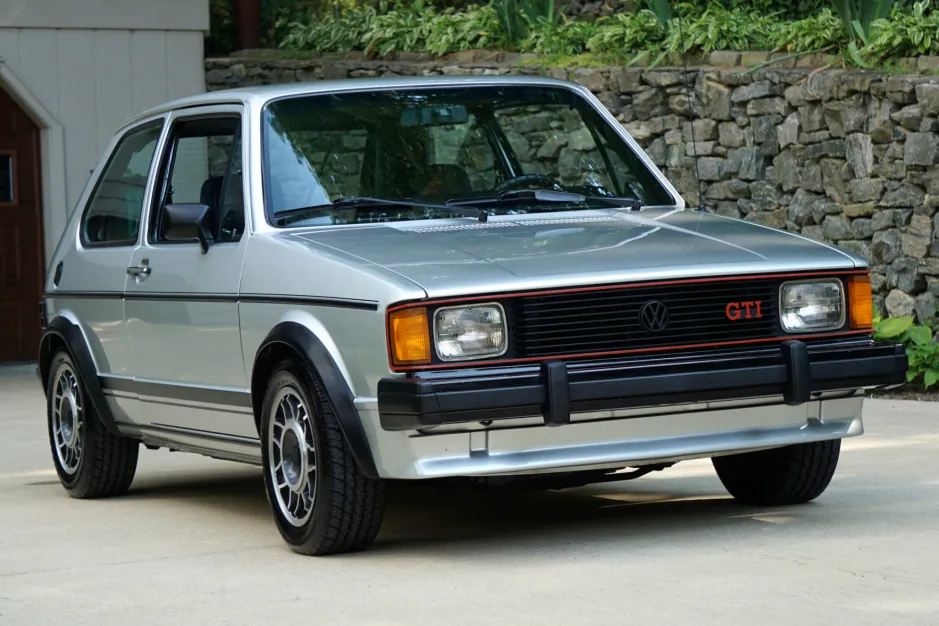
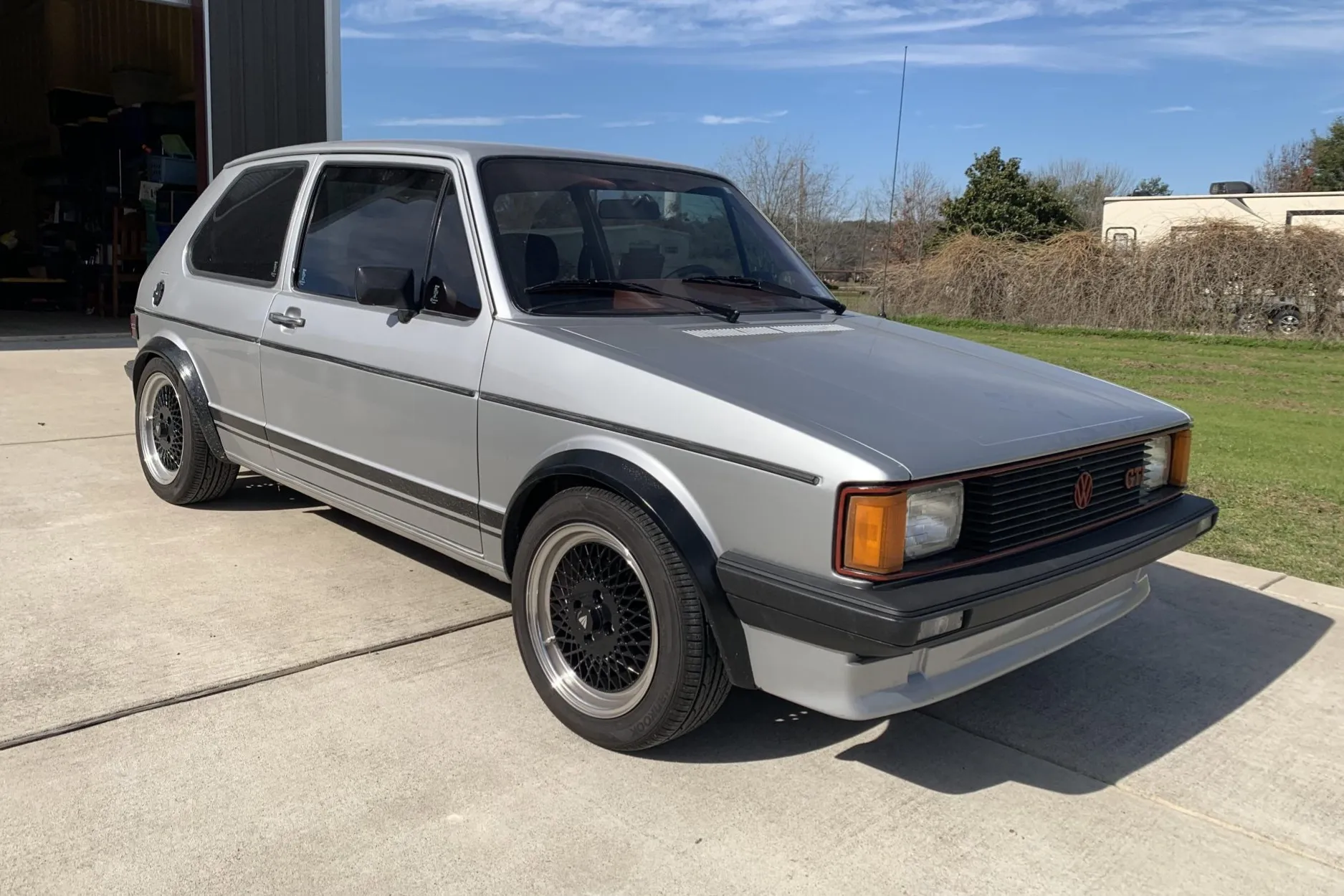
The 1983–1984 Volkswagen Rabbit GTI (Mk1) is widely regarded as a pioneering hot hatch, blending lightweight design, responsive handling, and practical hatchback utility into a compact, fun-to-drive package.
Though it produced just 90 horsepower from its 1.8-liter naturally aspirated inline-four engine, the Rabbit GTI’s true appeal lay in its mechanical engagement and nimble dynamics. With a curb weight of around 1,950 lbs and a close-ratio 5-speed manual transmission, it rewarded drivers who kept the engine in its lively power band.
Designed by Giorgetto Giugiaro, the Mk1 GTI’s styling was understated yet sporty, featuring blacked-out rear hatch trim, fender flares, and red accent stripes.
Inside, the car offered supportive bolstered seats, a functional cabin layout, and the iconic golf ball shift knob. Its compact dimensions and hatchback practicality allowed for ample passenger and cargo space, making it a versatile vehicle for everyday use while still providing spirited driving thrills.
Handling was a defining characteristic. The Rabbit GTI featured independent front suspension with MacPherson struts and a rear torsion beam, delivering a balanced, tossable chassis that felt exceptionally responsive for a front-wheel-drive car of its era.
Steering was unassisted, giving the driver direct feedback, while the suspension and low curb weight allowed the car to corner confidently with minimal body roll. This “slow car fast” philosophy made the GTI a favorite on twisty backroads, where its lightness and precision could be fully appreciated.
Performance was modest by modern standards: 0–60 mph came in roughly 9.7 seconds, with a top speed around 106 mph. Yet its agility, steering feedback, and rev-happy engine created a deeply engaging driving experience that many enthusiasts still cherish. While the car lacked modern refinement, such as sound insulation or power steering, it offered an analog, mechanical connection that remains rare in today’s market.
The Mk1 Rabbit GTI’s combination of lightweight engineering, balanced handling, and practical design established the blueprint for the modern hot hatch. Collectors highly value well-preserved examples, with pristine models commanding significant prices. Its legacy endures not just as a car, but as an icon of driving enjoyment, a small, precise, and endlessly entertaining front-wheel-drive classic that defined a generation.
3. Lotus Elan (M100, 1989–1995): The Front-Wheel-Drive Revolution
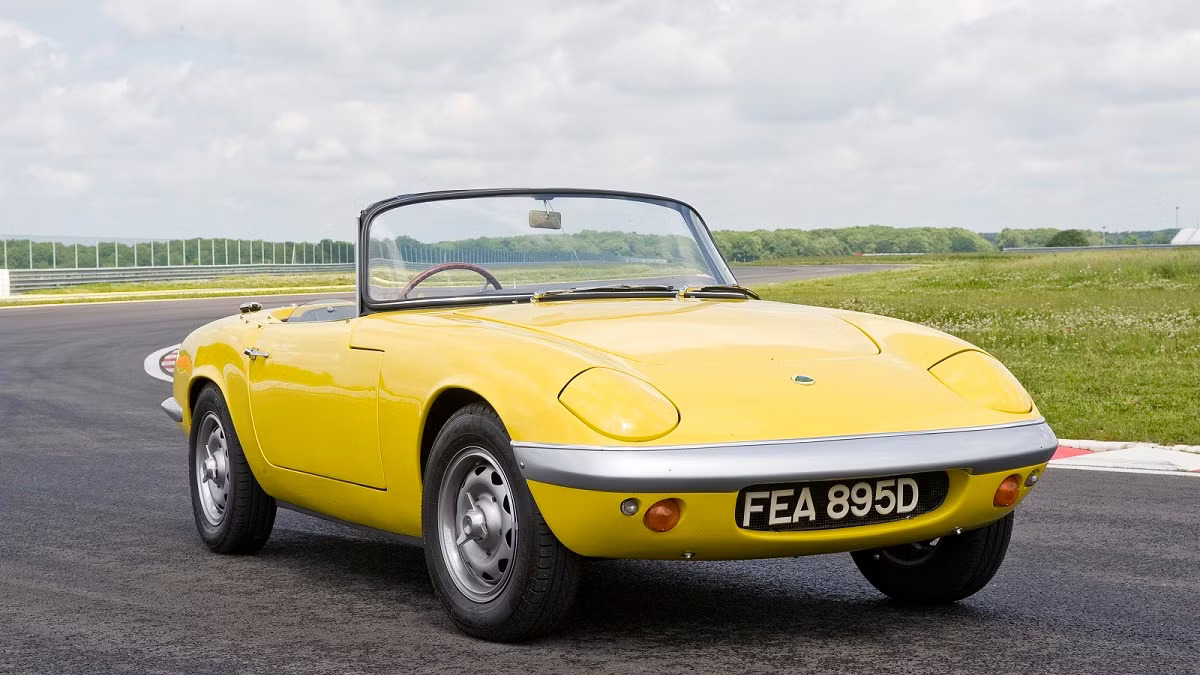
The Lotus Elan (M100), produced from 1989 to 1995, stands as one of the most innovative and controversial sports cars of its era. Departing from Lotus tradition, it featured a front-wheel-drive layout and an Isuzu-sourced 1.6-liter turbocharged inline-four engine producing around 165 horsepower and 148 lb-ft of torque.
While purists initially doubted its credentials, the Elan quickly proved itself as one of the best-handling front-wheel-drive cars ever built.
Weighing approximately 2,400 lbs and paired with a 5-speed manual transmission, the M100 delivered strong performance, reaching 0–60 mph in about 6.5–6.7 seconds. However, its true brilliance lay not in straight-line speed, but in its handling. Lotus engineers focused intensely on eliminating the common flaws of front-wheel-drive cars, such as torque steer and understeer.
Through advanced engineering, including a patented “interactive wishbone” suspension system and equal-length driveshafts, the Elan achieved remarkable balance, grip, and steering precision.
The car’s rigid structure combined a steel backbone chassis with a lightweight fiberglass body, ensuring both strength and agility. Custom-developed tires further enhanced grip, offering progressive feedback at the limits.
Unlike typical front-wheel-drive cars, the Elan maintained a neutral cornering attitude, allowing drivers to carry impressive speeds through turns with confidence. Its responsiveness and stability led some reviewers to describe it as one of the fastest “point-to-point” cars of its time.
Despite its technical excellence, the M100 struggled commercially. Its high price, especially in the U.S., and the release of the more affordable, rear-wheel-drive Mazda MX-5 Miata overshadowed its success. Only around 3,855 units were produced during its initial run, with a later limited Series 2 and a brief continuation under Kia.
Ownership comes with quirks, including a leaky soft top, occasional electrical issues, and vulnerability to underbody damage due to low ground clearance. However, its fiberglass body resists rust, making it relatively durable in that regard.
Today, the Lotus Elan M100 is considered a “forgotten gem,” a technologically advanced, highly capable sports car that challenged conventions and delivered exceptional handling, securing its place as a unique and respected classic.
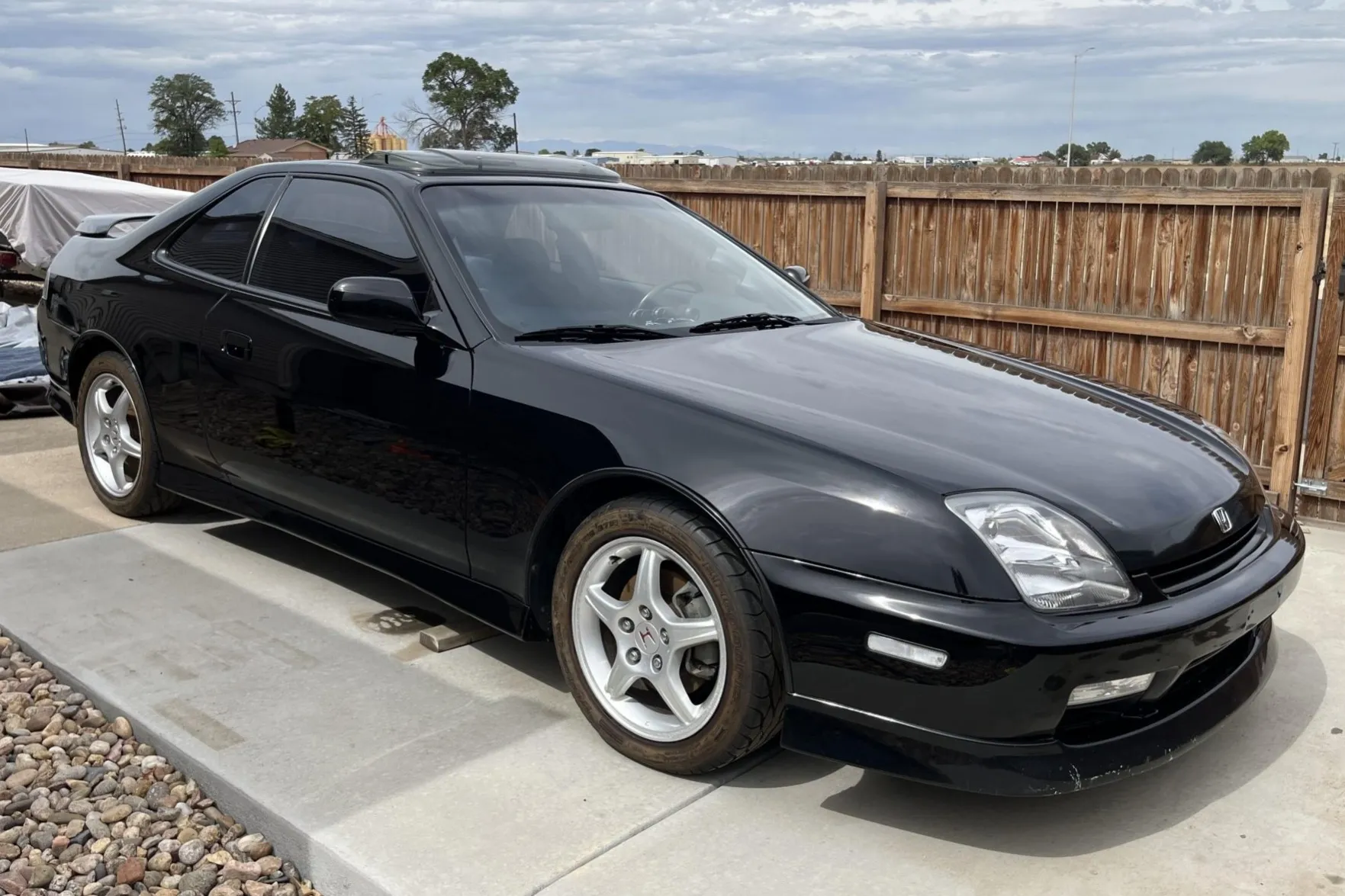
4. Honda Prelude Type SH (1997–2001): Precision Engineering in a Front-Wheel-Drive Coupe
The 1997–2001 Honda Prelude Type SH represents one of the most refined and technologically advanced front-wheel-drive sports coupes of its era.
Powered by a 2.2-liter naturally aspirated inline-four VTEC engine producing around 200 horsepower and 156 lb-ft of torque, it paired strong performance with a focus on balance and precision. With a curb weight of about 3,040 lbs and a 5-speed manual transmission, the Prelude emphasized handling sophistication over outright speed.
At the heart of the Type SH was Honda’s innovative Active Torque Transfer System (ATTS), an early form of torque vectoring. This system directed power to the outside front wheel during cornering, reducing understeer and improving agility.
The result was a car that felt unusually neutral for a front-wheel-drive platform, with sharper turn-in and greater stability through corners. Combined with a rigid chassis and double-wishbone suspension on all four corners, the Prelude delivered exceptional grip and composure, often compared to more expensive sports cars.
Driving dynamics were a standout feature. Steering was precise and responsive, body roll was minimal, and the car maintained excellent balance even under aggressive driving.
While some understeer remained, it was subtle and predictable, allowing skilled drivers to exploit the car’s limits with confidence. The high-revving VTEC engine added to the experience, delivering power smoothly at higher RPMs and reinforcing the Prelude’s sporty character.
The design reflected its performance-focused nature. Exterior styling was clean and understated, with modern touches such as distinctive headlights and crisp body lines. Inside, the cabin was functional and driver-oriented, featuring a straightforward instrument layout and improved comfort compared to earlier models. Rear seats were more usable than before, adding a degree of practicality to the coupe format.
Despite its excellence, the Prelude faced declining sales as consumer preferences shifted toward SUVs and other vehicle types. Even with multiple awards and critical praise, it struggled to maintain popularity.
Today, the Prelude Type SH is regarded as an underappreciated classic. Its combination of advanced engineering, precise handling, and everyday usability makes it a standout example of Honda’s performance capabilities during the late 1990s.
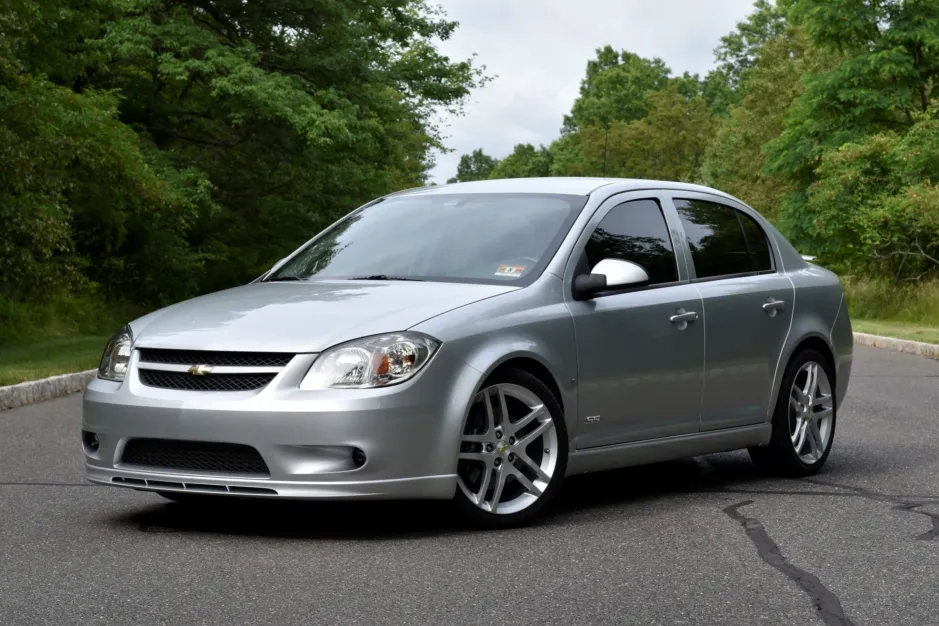
5. Chevrolet Cobalt SS Turbo (2008–2010): The Budget Track Weapon
The 2008–2010 Chevrolet Cobalt SS Turbo stands as one of the most impressive performance bargains of its era, transforming an ordinary economy car into a legitimate track contender. Powered by a 2.0-liter turbocharged inline-four engine producing 260 horsepower and 260 lb-ft of torque, it delivered serious performance through a 5-speed manual transmission.
Weighing around 2,925 lbs, the Cobalt SS Turbo combined strong acceleration with surprising agility, achieving 0–60 mph in approximately 5.5 seconds and a top speed near 155 mph.
This turbocharged version marked a major leap forward from the earlier supercharged model, offering significantly more power and refinement. Developed by General Motors’ Performance Division, the car benefited from extensive track testing, including development at the Nürburgring.
Its capabilities were proven when it recorded a lap time faster than the BMW E46 M3, highlighting its exceptional performance relative to its price point.
Handling was a defining strength. The Cobalt SS Turbo featured a specially tuned FE5 suspension system that balanced firmness with control, reducing body roll while maintaining usability on public roads.
An available limited-slip differential (LSD) played a crucial role in maximizing traction, allowing the car to effectively put its power down without excessive torque steer. This setup gave the car strong cornering ability and stability, making it highly competitive against more expensive sports cars.
Additional performance features included 4-piston Brembo front brakes, providing excellent stopping power, and a “competitive mode” within the stability control system, which allowed spirited driving while maintaining a safety net. Despite using a simple rear axle design, the car remained remarkably composed and responsive in demanding conditions.
Inside, the Cobalt SS Turbo reflected its economy-car origins, with basic materials and noticeable use of cheap plastics. However, it offered supportive sport seats and functional performance-oriented features such as a boost gauge.
While generally reliable, some common issues included ignition and timing-related problems. Despite these drawbacks, the Cobalt SS Turbo remains highly regarded today as a “hidden gem,” a practical, affordable car that delivers thrilling performance, exceptional handling, and remarkable value for enthusiasts seeking a capable front-wheel-drive sports compact.
Also read: 5 Cars With Simple Interiors That Age Well vs 5 With Too Much Fragile Plastic
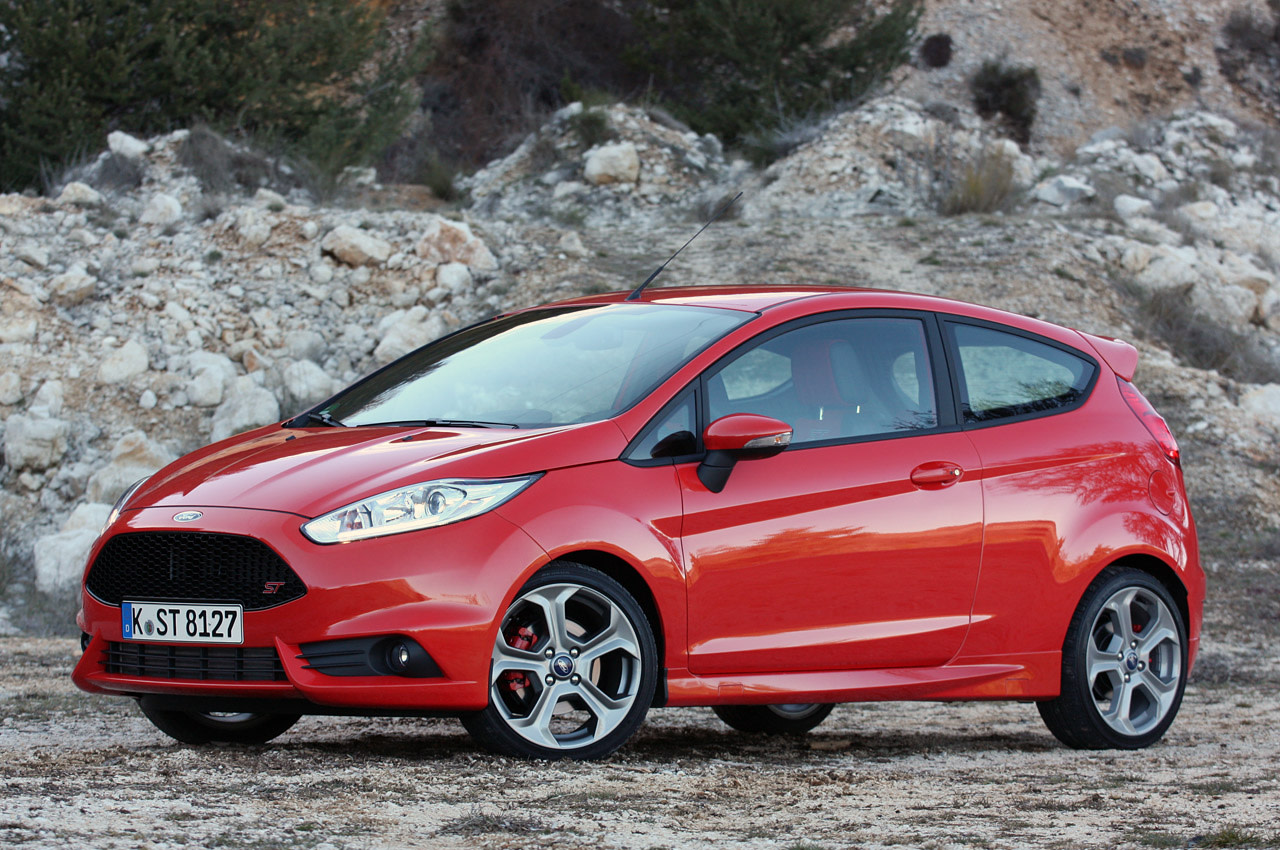
6. Ford Fiesta ST (2014–2019): A Benchmark for Driving Fun
The 2014–2019 Ford Fiesta ST is widely regarded as one of the most entertaining front-wheel-drive hot hatchbacks ever built. It combines a lightweight chassis, sharp handling, and a turbocharged engine to create a car focused on engagement rather than outright speed.
Powered by a 1.6-liter turbocharged inline-four producing 197 horsepower and 202 lb-ft of torque, it is paired exclusively with a 6-speed manual transmission, appealing strongly to enthusiasts.
Weighing about 2,720 lbs, the Fiesta ST stands out for its agility and responsiveness. Its compact size allows quick direction changes, while the steering is precise and communicative. A torque vectoring system helps reduce understeer by applying braking force to individual wheels, improving corner entry and stability. This setup gives the car a level of control and sharpness that few rivals in its class could match.
One of its defining traits is its playful chassis. When pushed hard, the car can rotate into corners through lift-off oversteer, making it feel lively and adjustable. It is also known for lifting an inside rear wheel during aggressive cornering, a behavior often called “tripoding.” These characteristics make it highly engaging on twisty roads, even if it is not the most powerful car in its segment.
The Fiesta ST maintains practicality with a simple and functional design. The interior features supportive sport seats and driver-focused controls, though materials are not particularly premium. Ride quality can be firm, especially on rough roads, but it remains usable as a daily driver.
Despite strong praise and a loyal fanbase, the Fiesta ST was discontinued as consumer demand shifted toward SUVs and crossovers. Its departure marked a significant loss for fans of small performance cars.
Today, the Fiesta ST is recognized as a modern hot hatch icon. Its blend of lightweight design, sharp handling, and driver involvement ensures its lasting appeal among enthusiasts seeking an affordable and thrilling driving experience.
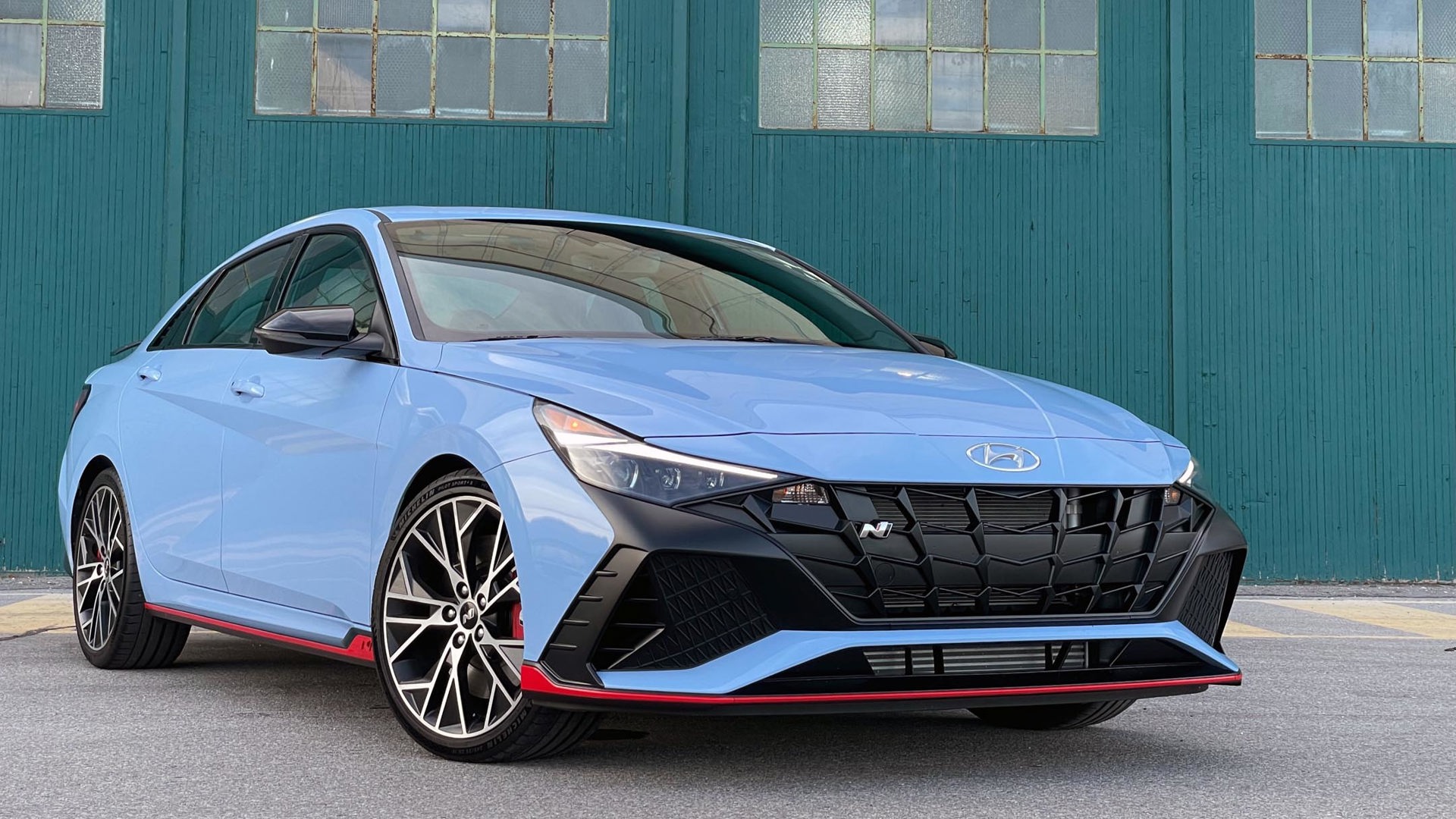
7. Hyundai Elantra N (2022–Present): Modern Performance Meets Everyday Usability
The Hyundai Elantra N, introduced in 2022, has quickly established itself as one of the most capable and engaging front-wheel-drive performance sedans on the market.
Powered by a 2.0-liter turbocharged inline-four engine producing 276 horsepower and 289 lb-ft of torque, it offers a choice between a 6-speed manual transmission and an 8-speed dual-clutch automatic. With a curb weight of around 3,200 lbs, the Elantra N balances strong performance with everyday practicality.
A major highlight of the Elantra N is its advanced handling technology. The car features Hyundai’s “N Corner Carving” electronic limited-slip differential, which improves traction and reduces understeer by distributing power effectively between the front wheels.
Combined with a stiff chassis and adaptive dampers, the car delivers impressive cornering ability while remaining comfortable enough for daily driving. Steering is highly communicative, providing drivers with confidence and precise control in a variety of conditions.
Performance is equally strong. The Elantra N accelerates quickly, with the dual-clutch version reaching 60 mph in as little as 4.8 seconds. A unique “N Grin Shift” feature temporarily boosts power in automatic models, enhancing acceleration when needed.
The car also benefits from strong braking performance and track-ready durability, allowing it to compete with more expensive performance cars in demanding environments.
Inside, the Elantra N offers a driver-focused cabin with sport seats, a digital instrument cluster, and a large infotainment display. Despite its sporty focus, it remains practical, with usable rear seats and a decent-sized trunk. Fuel efficiency is respectable for its class, and Hyundai’s long warranty coverage adds to its appeal as a daily driver.
While its bold styling may not appeal to everyone, the Elantra N delivers a rare combination of performance, technology, and value. It manages to be both aggressive and approachable, offering high levels of driver engagement without sacrificing comfort. This balance has helped it earn recognition as one of the best modern front-wheel-drive performance cars available today.
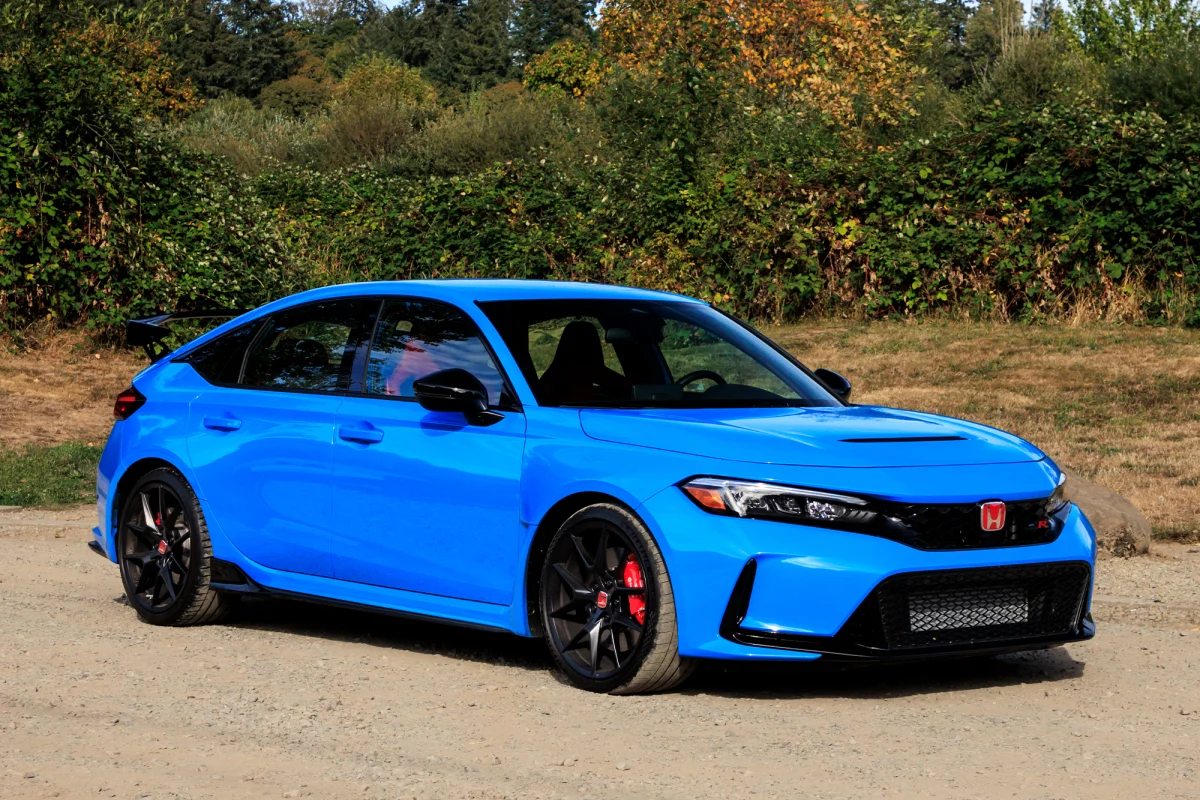
8. Honda Civic Type R (FL5, 2023–Present): The Peak of Front-Wheel-Drive Performance
The 2023–present Honda Civic Type R (FL5) represents the pinnacle of front-wheel-drive performance, combining track-ready capability with improved refinement and everyday usability.
Powered by a 2.0-liter turbocharged inline-four engine producing 315 horsepower and 310 lb-ft of torque, it is paired exclusively with a 6-speed manual transmission. With a curb weight of around 3,150 lbs, the FL5 delivers exceptional speed and control while maintaining balance and composure.
A major strength of the FL5 lies in its advanced engineering. The car features a dual-axis front suspension system that effectively minimizes torque steer, even under hard acceleration.
A standard helical limited-slip differential further enhances traction by distributing power efficiently between the front wheels. Combined with a highly rigid chassis and adaptive dampers, the Civic Type R offers precise steering response and outstanding stability in corners.
Handling is where the FL5 truly excels. Equipped with high-performance tires and powerful Brembo brakes, it provides immense grip and confidence at high speeds. The car feels planted and controlled, yet remains agile enough to rotate through corners when pushed.
Its ability to deliver power smoothly without overwhelming the front wheels sets it apart from most front-wheel-drive competitors. This balance allows it to perform at a level that rivals more expensive all-wheel-drive sports cars.
The driving experience is highly engaging. The manual gearbox is widely praised for its precision and satisfying feel, while the steering offers clear feedback that helps drivers place the car accurately on the road or track. Despite its performance focus, the FL5 is more refined than its predecessor, offering improved ride comfort and reduced harshness, making it suitable for daily driving.
Styling has also matured, featuring a cleaner and more understated design while retaining functional aerodynamic elements such as a rear wing. Inside, the cabin is driver-focused, with supportive sport seats and a minimalist layout.
The Civic Type R FL5 stands as a benchmark for modern performance cars, proving that front-wheel-drive platforms can deliver extraordinary speed, precision, and driver engagement.
9. Mazdaspeed3 (First Gen, 2007–2009): The Wild Hot Hatch Icon
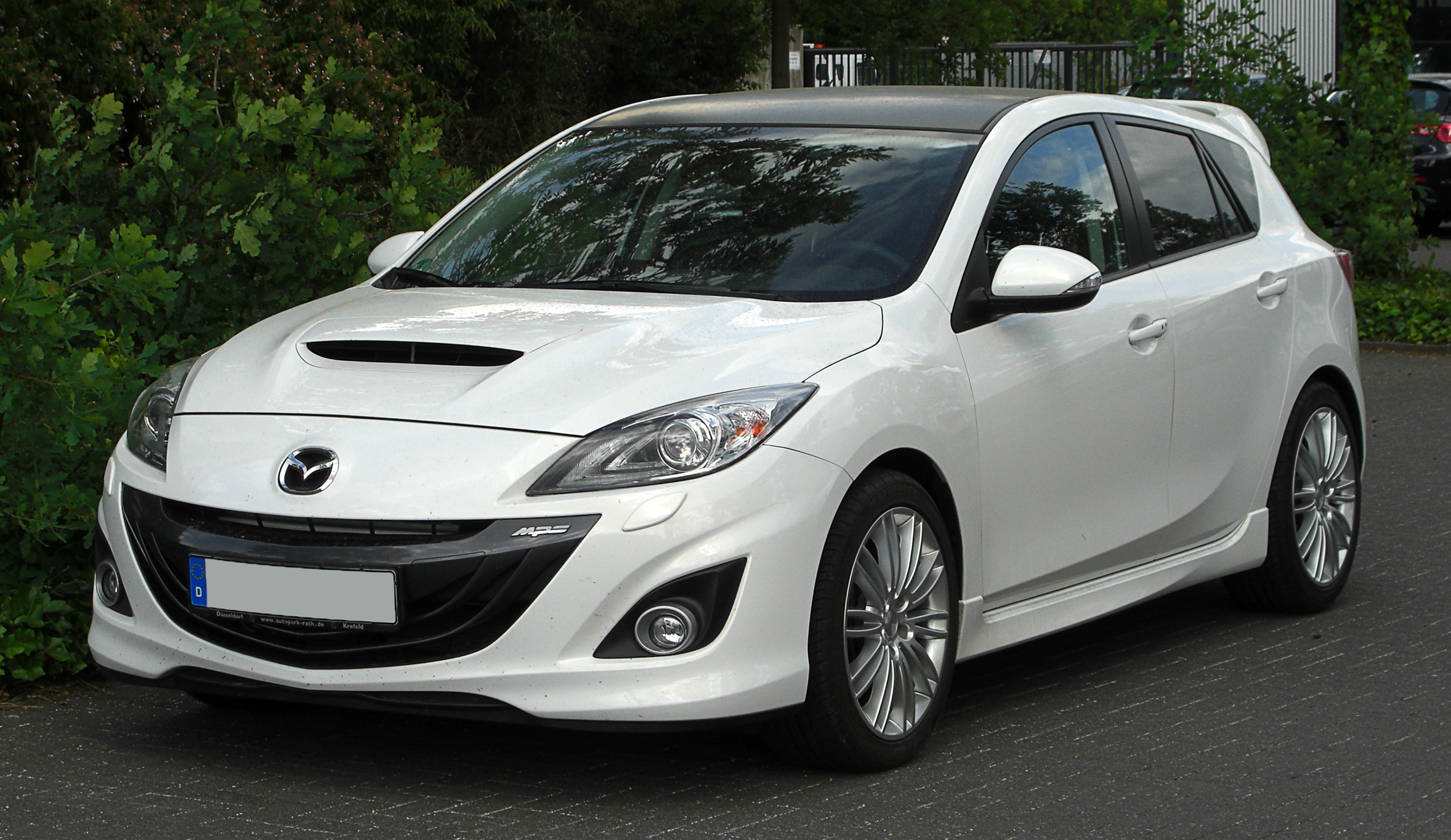
The first-generation Mazdaspeed3, produced from 2007 to 2009, is remembered as one of the most aggressive and engaging front-wheel-drive hot hatchbacks of its time. Built on the Mazda3 platform, it transformed a practical compact car into a high-performance machine with a raw and energetic personality.
Powered by a turbocharged 2.3-liter inline-four engine producing 263 horsepower and 280 lb-ft of torque, it delivered strong acceleration and thrilling performance, reaching 0–60 mph in under six seconds.
What set the Mazdaspeed3 apart was its combination of power and chassis capability. Mazda reinforced the car’s structure with additional bracing to increase rigidity, allowing the suspension to operate more effectively under stress. It featured a sophisticated setup with MacPherson struts in the front and a multi-link rear suspension, offering better stability and grip compared to many rivals that used simpler designs.
A key component of its handling was the GKN-supplied mechanical, limited-slip differential, which helped distribute power to the wheel with the most traction. This significantly improved cornering performance and reduced understeer, making the car feel planted and confident on twisty roads. Sticky performance tires and upgraded brakes further enhanced its ability to handle aggressive driving.
Despite these strengths, the Mazdaspeed3 was also known for its pronounced torque steer, especially under hard acceleration. Mazda addressed this with a torque management system that adjusted power delivery based on steering input, helping maintain control without completely removing the car’s wild character. This balance between control and chaos became a defining trait.
On the road, the Mazdaspeed3 felt raw and highly communicative. Steering was sharp and full of feedback, while the stiff suspension minimized body roll and kept the car composed during fast transitions. Though the shifter could feel vague and the ride firm, it remained surprisingly usable for daily driving.
Today, the Mazdaspeed3 is a cult favorite among enthusiasts. Its blend of practicality, power, and intense driving dynamics makes it a memorable and exciting hot hatch that continues to stand out as a bold and uncompromising performance machine.
10. Mini Cooper S (R53, 2002–2006): Modern Go-Kart Handling Perfected
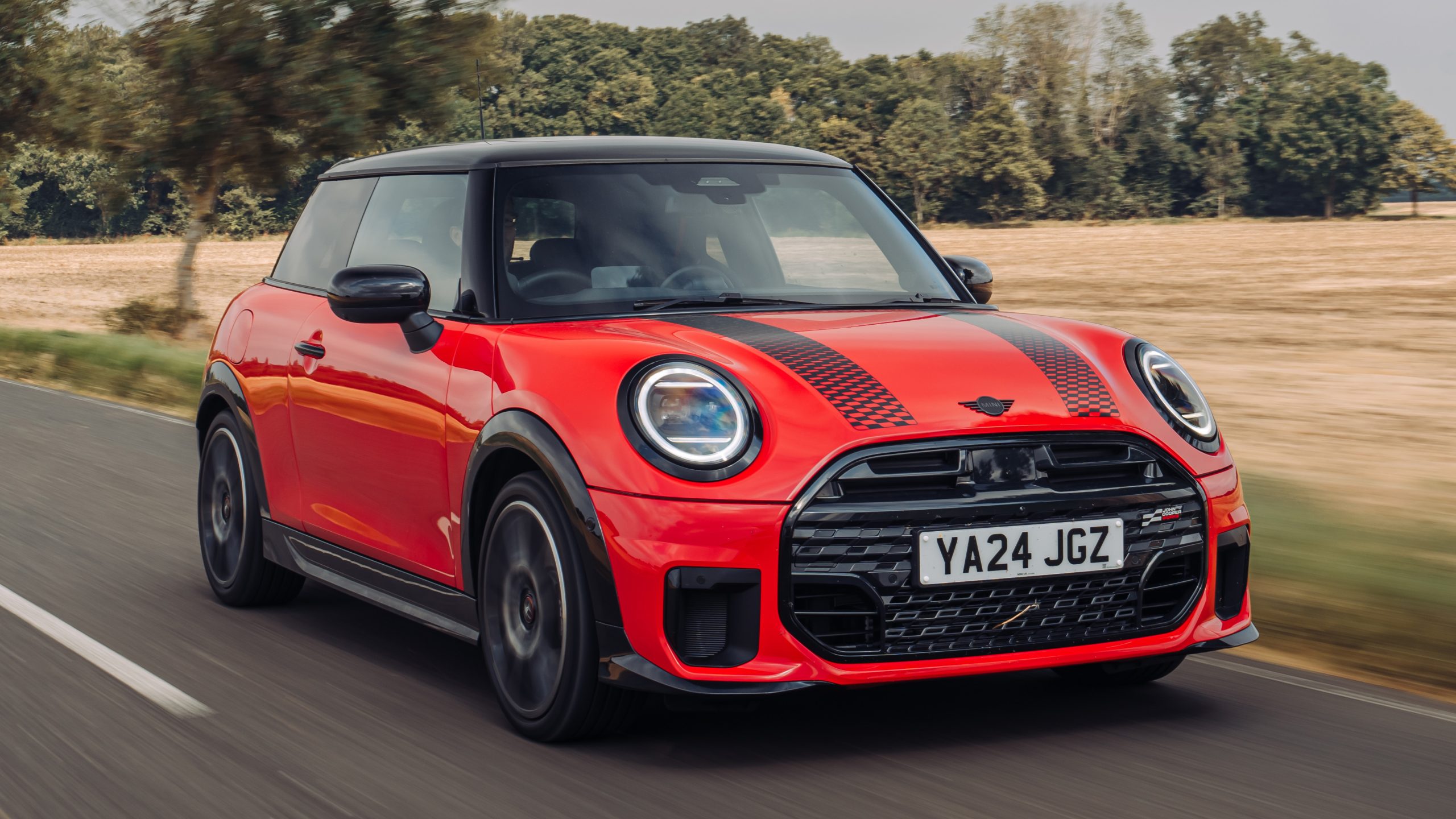
The Mini Cooper S (R53), produced from 2002 to 2006 under BMW ownership, successfully revived the spirit of the original Mini while introducing modern engineering and performance. Known for its signature “go-kart” handling, the R53 combined compact dimensions, sharp steering, and a rigid chassis to deliver one of the most engaging front-wheel-drive driving experiences of its time.
At the heart of the Cooper S was a 1.6-liter supercharged inline-four engine producing between 168 and 210 horsepower. Unlike later turbocharged engines, the supercharger provided immediate and linear power delivery with no lag, making it especially effective when exiting corners. Paired with a 6-speed manual transmission, the car encouraged active driving and precise control.
A major factor behind the R53’s handling was its design. The wheels were positioned at the extreme corners of the chassis, creating a wide stance and enhancing stability.
The suspension setup featured MacPherson struts at the front and a sophisticated multi-link rear system, which was uncommon in small hatchbacks at the time. This configuration allowed for excellent grip, minimal body roll, and strong mid-corner balance, making the car feel planted and responsive on twisty roads.
Steering was another highlight. The electro-hydraulic system provided direct feedback and quick response, giving drivers a strong sense of connection to the road. Combined with the car’s lightweight construction and low center of gravity, the R53 could change direction rapidly and maintain composure even under aggressive driving.
Despite its strengths, the Mini Cooper S R53 had some drawbacks. The ride was notably firm, especially with run-flat tires, and the cabin could feel cramped and noisy. Maintenance could also be demanding, with common issues including supercharger servicing, power steering pump failures, and clutch wear.
Inside, the car featured a distinctive retro-inspired design with a large central speedometer and toggle switches. Practicality was limited, with minimal cargo space, but it remained usable for daily driving.
Today, the R53 is considered a modern classic. Its combination of raw performance, sharp handling, and distinctive character continues to make it a favorite among enthusiasts seeking a fun and highly engaging hot hatch.
The cars featured in this list represent more than just technical achievements; they embody a philosophy of driving that prioritizes connection, agility, and enjoyment. From the humble beginnings of the Classic Mini to modern machines like the Civic Type R and Elantra N, front-wheel-drive performance has evolved into something remarkably sophisticated.
Despite often being dismissed in favor of rear-wheel or all-wheel-drive setups, these cars prove that FWD platforms can deliver world-class handling when engineered with care. They excel not only on racetracks but also on real-world roads, where balance, predictability, and responsiveness matter most.
What makes these cars special is their accessibility. Many were affordable when new and remain attainable today, allowing enthusiasts to experience genuine performance without high cost. They also highlight how innovation, not just horsepower, defines greatness.
In the end, the best-handling FWD cars are not just fast; they are engaging, communicative, and rewarding. They invite drivers to push limits, refine skills, and enjoy every corner, ensuring their legacy continues for generations to come.
Also read: 10 Cars That Are Cheap to Buy But Cost a Fortune to Insure for Young Drivers