The charm of a naturally aspirated engine is something that cannot be replicated by turbochargers or superchargers. These engines offer a direct connection between the driver and the machine, with a mechanical purity that brings a unique thrill.
Unlike forced induction engines, which rely on pressurized air to generate power, naturally aspirated engines deliver linear power and a predictable response. This means every press of the accelerator translates immediately into movement, giving a sense of control and intimacy.
For enthusiasts, the sensation of climbing through the rev range, feeling the engine’s character as it approaches redline, creates a bond that is unmatched in modern vehicles. The sound, too, is distinctive. High-revving naturally aspirated engines produce a sharp, clean note that often becomes the defining personality of the car, whether it’s a smooth scream from a sports car or a raw howl from a muscle machine.
Over the decades, engineers have perfected these engines to achieve impressive power outputs without compromising reliability, proving that performance does not always require complex forced induction. From small, high-strung four-cylinder engines to large V12 powerhouses, these motors represent the pinnacle of mechanical engineering and driver engagement.
Enthusiasts often appreciate the simplicity, as fewer components mean less potential for failure, allowing the driver to focus purely on the experience. The naturally aspirated engine teaches patience, precision, and respect for mechanical limits, as the thrill often comes from maintaining momentum and keeping the revs high.
This list will examine ten of the most celebrated naturally aspirated engines, each known for its ability to spin freely, deliver exhilarating power, and leave a lasting impression on anyone fortunate enough to experience them. These engines have shaped automotive history, inspired generations of drivers, and continue to set benchmarks for performance without relying on external aids to boost output.
1. Honda S2000 F20C
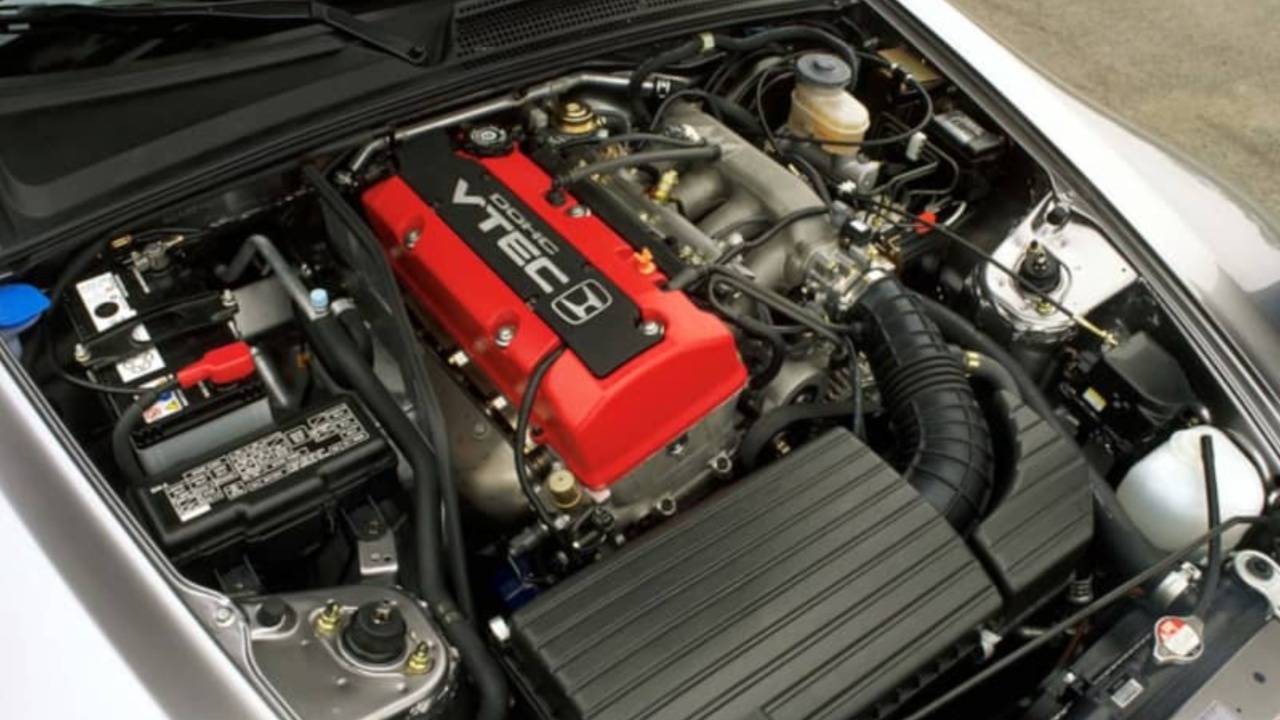
The F20C engine in the Honda S2000 is one of the most revered four-cylinder engines of its era. With a displacement of just 2.0 liters, it manages to produce nearly 240 horsepower thanks to its high-revving nature. The redline sits at an impressive 9,000 rpm, allowing drivers to extract every ounce of performance. Its short stroke and aggressive cam profile make it extremely responsive and rewarding to drive.
The engine’s design focuses on maximizing efficiency and power without sacrificing reliability. Lightweight internals reduce inertia, which helps the engine rev quickly and smoothly. Honda engineers implemented a sophisticated VTEC system that alters valve timing at high rpm. This transition gives a sudden surge of power, adding excitement as the driver climbs through the rev range.
Cooling and lubrication systems were carefully calibrated to handle high-speed operation. Even after prolonged spirited driving, the F20C maintains consistent performance and prevents overheating. This reliability contributes to its legendary status among enthusiasts who push their cars hard on track days. Maintenance remains straightforward due to the engine’s simple design.
The sound of the F20C is as iconic as its performance. Its high-pitched scream reflects the engine’s character and helps the driver gauge performance intuitively. The note changes dynamically as revs climb, rewarding precise throttle inputs. This feedback loop makes every shift satisfying and encourages keeping the revs high.
Its influence extends beyond the S2000. Automotive engineers study the F20C as a benchmark for naturally aspirated high-revving engines. It combines reliability, performance, and emotion, proving that a small displacement engine can deliver enormous excitement. Many owners cherish the ability to explore the full rev range without fear of damage, which is a testament to Honda’s engineering prowess.
2. Ferrari F136 E V8
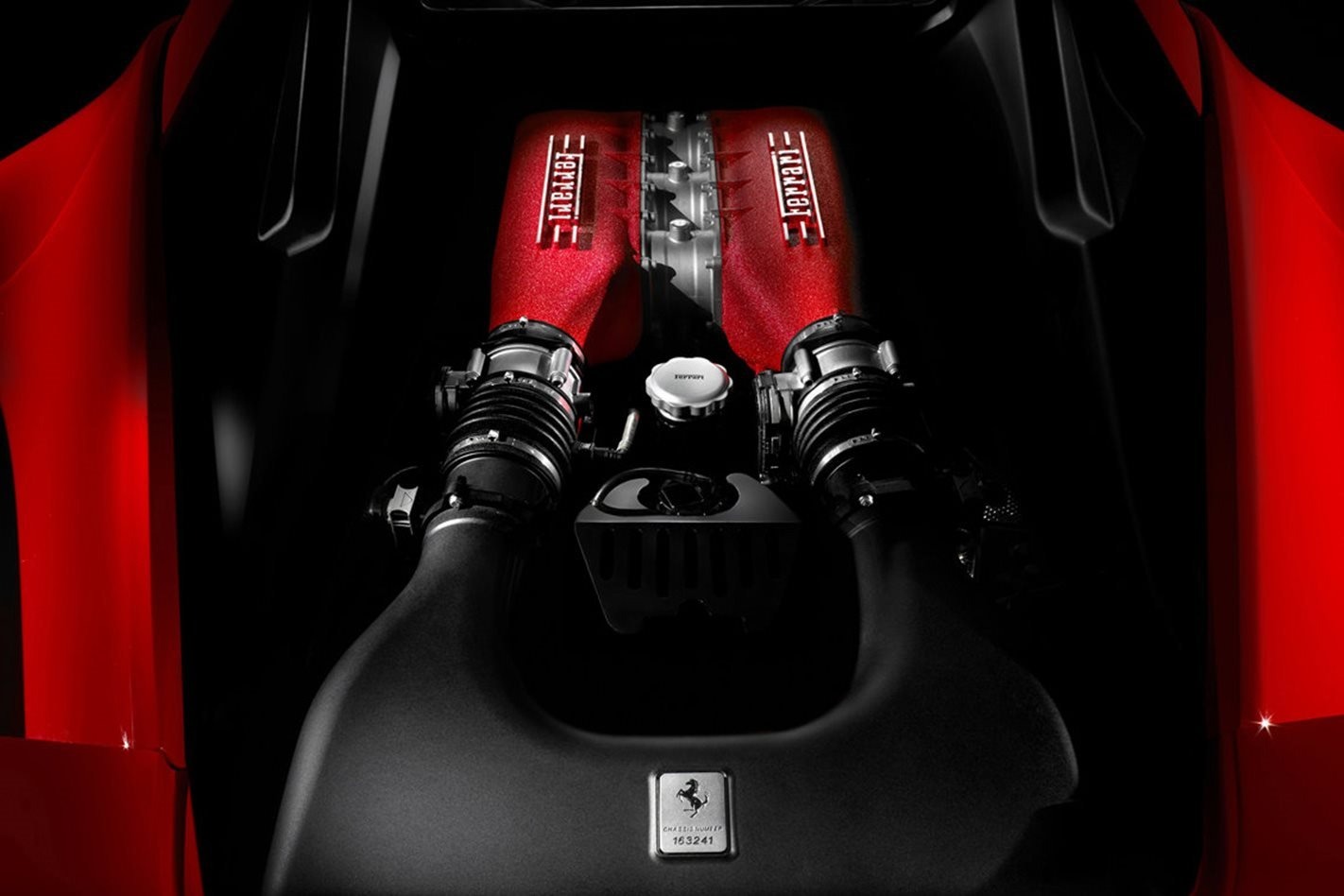
The F136 E V8 engine powers several Ferrari models and stands out for its combination of refinement and aggression. With a displacement of 4.3 liters, it produces an exhilarating 505 horsepower. Ferrari designed it to rev beyond 8,500 rpm, delivering a seamless surge of power. This engine balances extreme performance with drivability, making it suitable for both track and road use.
The architecture emphasizes lightweight materials and precision engineering. Aluminum construction and forged internals reduce weight while maintaining strength. Advanced intake and exhaust systems optimize airflow at high rpm. Every component is designed to withstand the intense stresses of sustained high-speed operation.
Ferrari’s attention to detail includes precise ignition mapping and valve timing. These systems allow the engine to respond instantly to throttle inputs. The high rev ceiling enables drivers to experience the full power band, which translates into thrilling acceleration and cornering dynamics. Smooth power delivery remains consistent even near the redline.
The auditory experience is equally significant. The F136 E produces a signature Ferrari note that rises in pitch as the engine spins faster. It communicates performance directly to the driver, enhancing the driving experience. This sound has become symbolic of Ferrari’s naturally aspirated V8s, embodying passion and precision engineering.
Reliability and serviceability were carefully considered despite its performance focus. Regular maintenance ensures the engine maintains peak condition. Ferrari’s expertise guarantees that this high-revving V8 can be enjoyed without compromising long-term durability. Its reputation solidifies its position among the most revered naturally aspirated engines in modern automotive history.
3. Porsche 911 GT3 4.0L Flat-Six
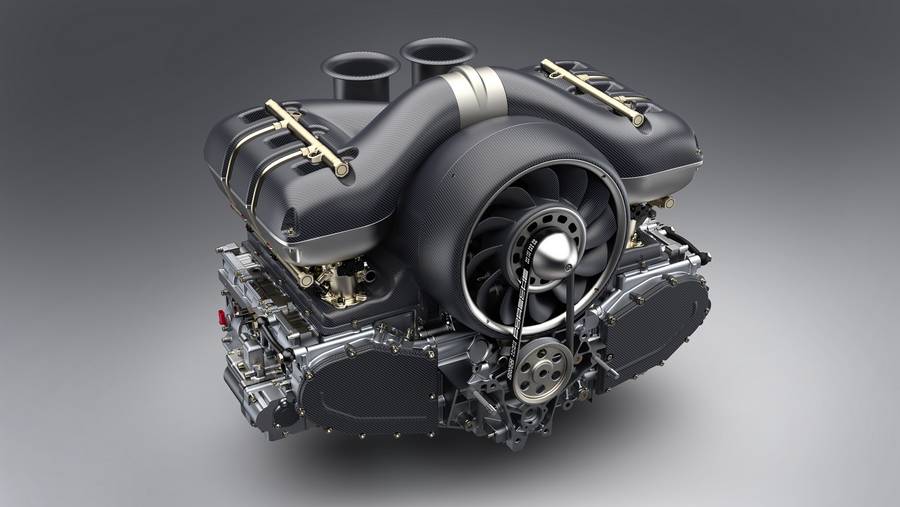
Porsche’s 4.0L flat-six in the 911 GT3 is a benchmark for high-revving engines. Its 500 horsepower output comes from precise engineering and naturally aspirated design. The engine can reach 9,000 rpm, demonstrating Porsche’s commitment to performance without forced induction. Its layout provides a low center of gravity, enhancing handling and driver confidence.
The flat-six configuration allows for smooth power delivery. Each cylinder contributes evenly, which reduces vibration and increases longevity. Advanced cooling and lubrication systems maintain stability during prolonged high-speed driving. These features allow drivers to exploit the full rev range with confidence.
Porsche engineers focused on maximizing throttle response. The engine reacts instantly to inputs, making it exceptionally communicative. Every gear change and cornering maneuver becomes a coordinated effort between driver and machine. Its mechanical precision fosters a connection rarely found in other cars.
Sound quality is a critical aspect of its appeal. The flat-six produces a sharp, throaty exhaust note that intensifies as rpm rises. This auditory feedback signals performance thresholds and motivates drivers to explore higher revs. The engine’s voice becomes part of the driving experience, creating a lasting impression.
Durability is remarkable given the aggressive design. Porsche tested components extensively to ensure reliability under extreme conditions. Owners benefit from a combination of thrilling performance and confidence in mechanical integrity. The 911 GT3 engine exemplifies what a naturally aspirated high-revving engine can achieve with engineering excellence.
4. Lexus LFA V10
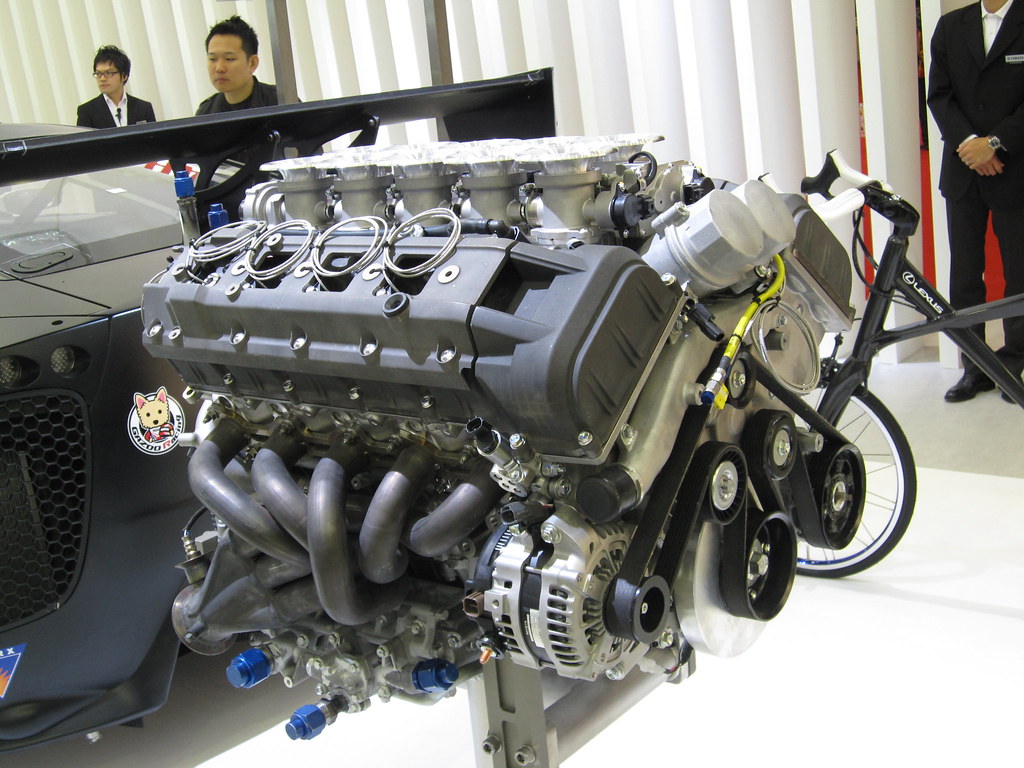
The Lexus LFA’s 4.8L V10 engine is a masterpiece of engineering, celebrated for its ability to rev to 9,000 rpm. Producing 552 horsepower, it demonstrates the potential of naturally aspirated engines in the supercar segment. Every component was engineered for precision, from lightweight titanium connecting rods to a carbon fiber intake manifold.
This engine’s design emphasizes balance and smoothness. Its narrow-angle V10 configuration allows for a compact and rigid structure. Reducing internal friction and weight enables it to spin freely and respond instantly. It reflects a philosophy that performance should be both exhilarating and controllable.
Throttle response is instantaneous due to advanced electronics and mechanical refinement. Each gear change flows seamlessly, maintaining momentum and maximizing acceleration. The engine’s high-revving nature encourages drivers to remain in the optimal power band. This synergy between driver input and engine output is the hallmark of a naturally aspirated supercar.
The sound of the LFA is legendary. The V10 produces a screaming exhaust note that changes character as the revs climb. It is one of the few engines whose auditory signature becomes an emotional highlight. The sound communicates power, speed, and precision in equal measure.
Maintenance was considered in its design despite extreme performance. Advanced materials and robust engineering ensure longevity when serviced properly. The LFA’s V10 exemplifies what naturally aspirated engines can achieve in terms of power, revving capability, and driver satisfaction. It remains a benchmark for high-performance engineering.
5. BMW S65 V8
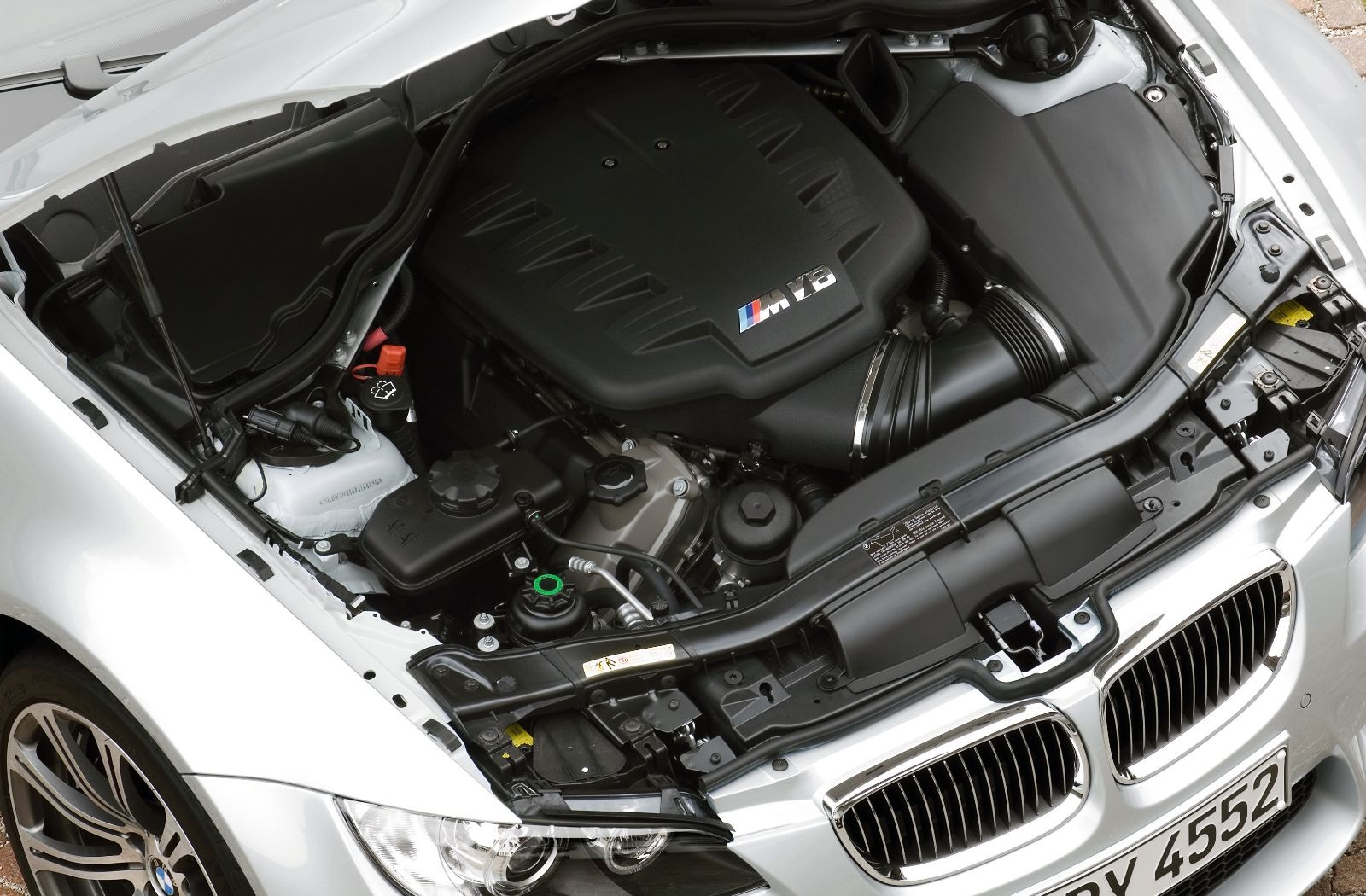
The BMW S65 engine powers the E92 M3 and is renowned for its high-revving nature. With a displacement of 4.0 liters, it produces 414 horsepower while achieving a 8,400 rpm redline. This V8 embodies BMW’s philosophy of delivering precision and responsiveness through naturally aspirated engineering. Its lightweight construction contributes to excellent handling balance.
Every component in the S65 was designed for high-speed reliability. Aluminum block and heads reduce weight, while forged internals withstand extreme stress. Valvetronic and double VANOS systems optimize valve timing, ensuring smooth power delivery. The engine remains responsive throughout the rev range, rewarding precise driving.
BMW engineers focused on driver engagement. The S65 responds immediately to throttle changes and gear shifts. Its linear power curve allows for predictable acceleration and cornering dynamics. The mechanical connection between driver and car is evident with every gear change and rev climb.
The exhaust note is another defining feature. The high-pitched scream of the V8 communicates performance thresholds intuitively. Each engine rotation produces a rhythm that encourages maintaining high revs. The sound becomes a key component of the driving experience.
Reliability is noteworthy for a high-revving engine. Proper maintenance ensures longevity and consistent performance. The S65 proves that a naturally aspirated V8 can combine excitement, reliability, and refinement, making it one of BMW’s most celebrated powerplants.
6. Nissan GT-R R35 VR38DETT (Naturally Aspirated Variant)
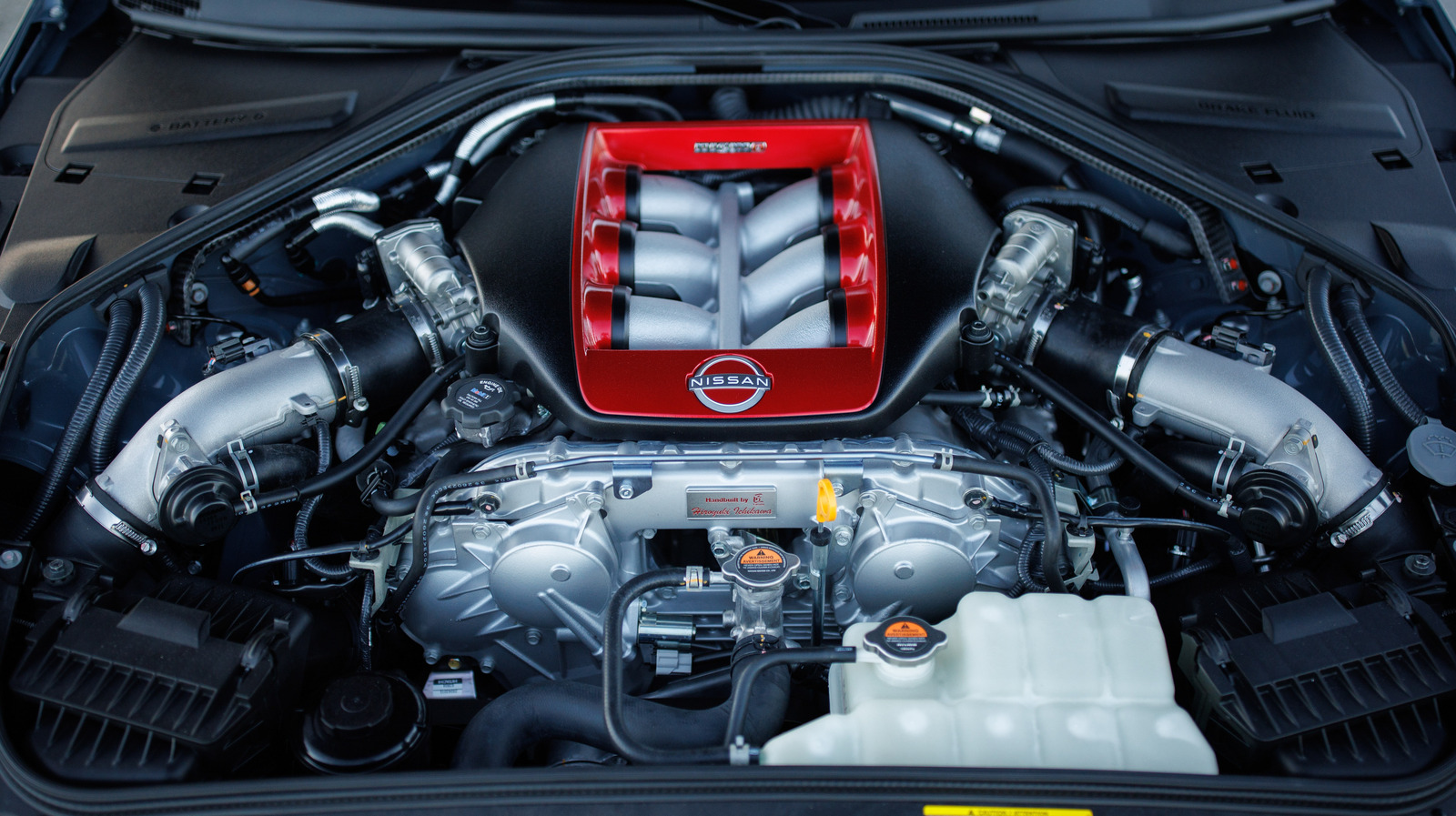
While the VR38DETT in the R35 GT-R is famous for its twin-turbo configuration, the naturally aspirated variants in concept and early prototypes demonstrated the engine’s incredible design potential. The VR38 is a 3.8L V6 engineered with exceptional attention to durability and high-rev performance.
Even without forced induction, it has a rev limit approaching 8,000 rpm, showcasing the balance of lightweight internals and precise engineering. Nissan’s engineers focused on optimizing airflow, combustion efficiency, and friction reduction to create an engine capable of exciting performance without turbochargers.
The engine employs a high-strength forged crankshaft and pistons, allowing for aggressive acceleration and consistent high-rpm operation. Its DOHC design and variable valve timing ensure that power delivery remains linear and responsive throughout the rev range.
Each component is designed for repeatable performance, meaning enthusiasts can explore the higher revs without compromising longevity. The naturally aspirated VR38 provides a glimpse into what makes the GT-R lineage so revered among performance enthusiasts.
One of the highlights of this engine is its smooth throttle response. Unlike turbocharged variants, there is no lag, providing an immediate reaction to driver input. Every shift is precise, and maintaining momentum through corners becomes an engaging experience.
The sound profile of the naturally aspirated VR38 is also a revelation. Without turbos muffling the exhaust note, the engine emits a clean, high-pitched howl as revs climb, adding excitement and clarity to the driving experience.
The VR38’s design also emphasizes cooling and lubrication under demanding conditions. Even when the engine is operated near redline repeatedly, thermal management prevents loss of performance or mechanical stress.
This allows drivers to push the engine in spirited driving situations confidently. Nissan’s careful calibration ensures that the naturally aspirated version retains durability while delivering exhilarating high-rpm performance.
The VR38DETT in its naturally aspirated form demonstrates the potential of a modern high-performance engine. It combines the compact V6 layout with advanced engineering techniques to provide a connection between the driver and car that is both intuitive and thrilling. Its mechanical purity and rev-happy character exemplify why high-revving naturally aspirated engines remain timeless in the world of sports cars.
7. Ford Mustang GT Coyote V8
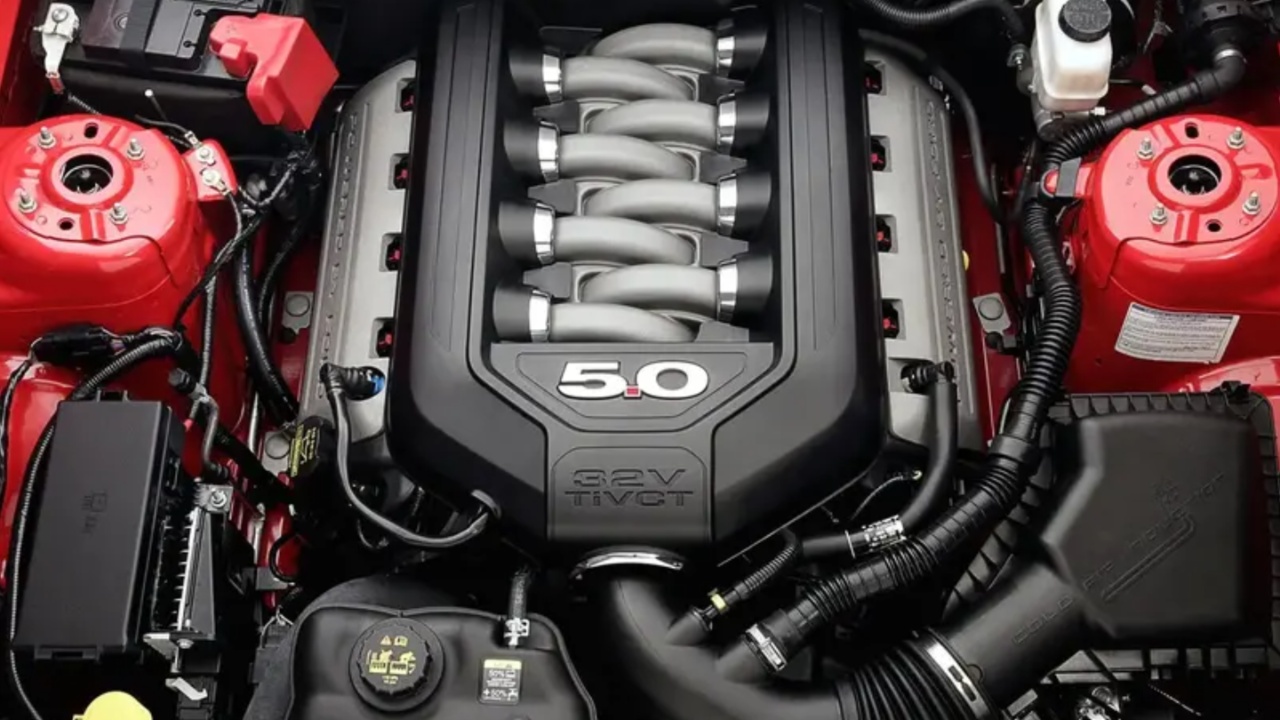
The Ford Mustang GT’s 5.0L Coyote V8 is a modern naturally aspirated legend. Producing over 460 horsepower in stock form, it combines high-revving excitement with impressive reliability. With a redline around 7,500 rpm, it demonstrates the classic American V8 ability to deliver power instantly while encouraging spirited driving. The engine’s design balances raw power with refinement, ensuring that performance is accessible on both street and track.
Ford’s engineering emphasizes lightweight components and robust construction. Forged pistons, aluminum block and heads, and a dual overhead cam layout reduce internal friction while increasing responsiveness.
The engine’s intake and exhaust systems are tuned for optimal airflow, allowing it to breathe freely at high rpm. This enhances both performance and the characteristic sound of a naturally aspirated V8.
Throttle response is immediate, with the engine reacting to every input with linear precision. Drivers enjoy a sense of mechanical harmony, where acceleration can be modulated precisely, and every gear change complements the momentum of the vehicle. The naturally aspirated Coyote rewards drivers who maintain high revs, as maximum performance resides near the top of the rev range.
The exhaust note is a defining characteristic of this V8. Deep, resonant at lower rpm, and screaming as the engine climbs toward redline, it communicates power intuitively. This combination of auditory and mechanical feedback enhances the visceral connection between the driver and the car. Enthusiasts often cite the engine’s sound as one of the most satisfying naturally aspirated V8 notes in modern vehicles.
Ford also engineered the Coyote for longevity, with maintenance intervals and component durability designed to support spirited driving. Even when pushed hard, the engine retains reliability and performance consistency. Its combination of high-rev capability, sound, and mechanical integrity ensures that it stands among the most iconic naturally aspirated engines in contemporary automotive history.
8. Chevrolet Corvette LS7
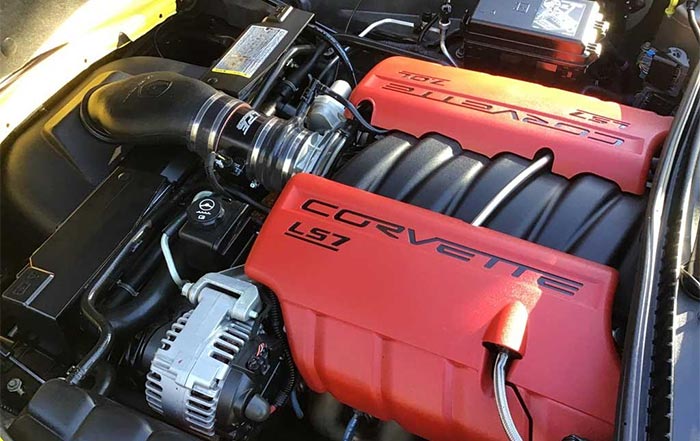
The 7.0L LS7 engine in the Chevrolet Corvette Z06 represents the pinnacle of naturally aspirated American V8 engineering. Producing 505 horsepower, it achieves a remarkable balance between displacement and rev-happy performance.
The engine redlines at 7,000 rpm, allowing drivers to enjoy the classic V8 experience while still exploiting high-rev power. Every design element is optimized for strength, efficiency, and driver engagement, making it a standout in Corvette’s long lineage.
The LS7 features an aluminum block and heads, forged pistons, and titanium connecting rods, allowing it to endure sustained high-rpm operation. Its high-lift camshafts and dry-sump lubrication system ensure oil flow remains consistent during aggressive driving. This engineering ensures that the engine maintains performance under track conditions without compromising reliability.
The naturally aspirated design provides instantaneous throttle response, free from the lag associated with turbocharged alternatives. Drivers can modulate acceleration precisely, and the linear power curve rewards maintaining momentum through corners.
This encourages a connection between the driver and car that is increasingly rare in modern vehicles. The LS7’s rev-happy character makes every acceleration feel immediate and exhilarating.
Its sound is as iconic as its performance. The LS7 emits a muscular, resonant growl at lower rpm, evolving into a thrilling scream as it approaches redline. The auditory feedback helps drivers gauge performance intuitively, creating a natural rhythm for spirited driving. Many enthusiasts consider this sound a defining aspect of the Corvette Z06 experience.
Reliability is a cornerstone of LS7 design. Even with extreme performance, it remains robust due to high-quality materials and precise engineering. Combined with its high-revving nature, exceptional sound, and linear power delivery, the LS7 stands as one of the finest examples of naturally aspirated engine design in American sports cars.
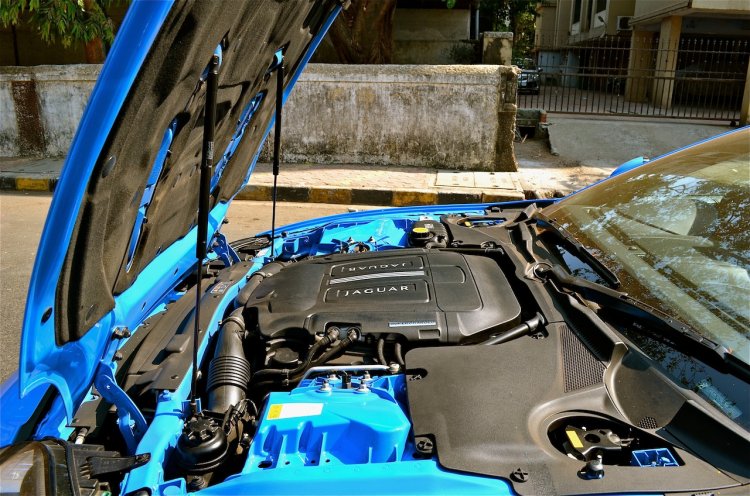
9. Jaguar XK-R 5.0L AJ-V8
The 5.0L AJ-V8 engine in the Jaguar XK-R offers a smooth, naturally aspirated experience with an emphasis on refinement and high-rpm excitement. Producing over 500 horsepower in its most potent variants, it blends performance with sophistication.
The engine can comfortably rev past 7,500 rpm, demonstrating a careful balance of mechanical strength, lightweight design, and responsive valvetrain geometry. Jaguar designed this V8 to be both exhilarating and refined, ensuring it performs beautifully on highways, backroads, and track circuits alike.
The AJ-V8 employs an aluminum construction with forged internals to reduce weight while maximizing strength. Variable valve timing and a sophisticated intake system provide exceptional breathing efficiency, which translates to linear power and quick response. The high-rev characteristics allow the driver to access maximum performance without forcing the engine, emphasizing the joy of naturally aspirated design.
Throttle response is instantaneous, delivering power in a manner that feels connected and predictable. Each shift through the gearbox is complemented by the engine’s linear torque delivery, giving drivers a tactile sense of control. Its high-revving nature encourages spirited driving while maintaining composure and refinement, a combination few engines achieve with such elegance.
The exhaust note is melodic yet aggressive, combining a deep growl at lower revs with a thrilling crescendo near redline. This tonal shift communicates the engine’s capabilities directly to the driver and enhances the experience. The AJ-V8’s sound and rev characteristics make it a signature of Jaguar’s naturally aspirated engineering prowess.
Durability and serviceability were considered during development. Despite high performance, the engine can be maintained reliably with proper care. Its combination of rev-happy personality, elegant sound, and mechanical precision positions it as a top contender in the naturally aspirated V8 category, beloved by enthusiasts who appreciate refinement without sacrificing excitement.
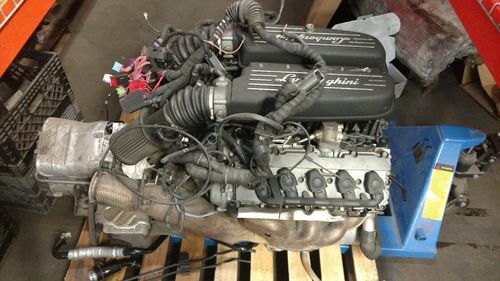
10. Lamborghini Gallardo 5.2L V10
The 5.2L V10 in the Lamborghini Gallardo is a prime example of a naturally aspirated supercar engine designed to excite at every rpm. Producing over 500 horsepower and revving past 8,000 rpm, it provides a thrilling, high-energy experience.
Lamborghini’s engineering philosophy emphasizes minimal compromise between power, weight, and sound, resulting in an engine that is both responsive and emotionally engaging. The V10 configuration allows for a compact yet potent layout, contributing to the car’s agility and handling precision.
Every component is designed for strength and responsiveness. Lightweight pistons, forged connecting rods, and aluminum heads reduce internal friction while allowing for high-rpm operation. Intake and exhaust systems are tuned to maximize airflow, ensuring smooth and continuous power delivery across the rev range. This mechanical harmony translates directly to driver confidence and satisfaction.
Throttle response is instantaneous, with linear power delivery that encourages keeping the revs high. Shifts are crisp and fluid, reinforcing the connection between driver input and vehicle motion. The engine’s natural aspiration allows drivers to experience the entire power band without relying on external aids, creating a visceral, engaging ride.
The exhaust note is among the most celebrated in the automotive world. The V10 produces a distinctive scream as rpm climbs, creating a symphony of performance that enhances the emotional experience. Each upshift, downshift, and acceleration is accompanied by an evolving note that motivates the driver to explore the engine’s full potential.
Reliability and longevity were carefully considered during design. Despite the high-performance focus, advanced materials and precise engineering ensure durability under spirited driving. The naturally aspirated V10 of the Gallardo exemplifies a perfect balance between power, sound, and driving engagement, cementing its status as one of the most iconic engines to rev freely and enthusiastically.