Owning a car is more than just the upfront price you pay at the dealership. It also includes fuel, repairs, insurance, depreciation, and a variety of other ongoing expenses that add up over time. When buyers plan to own a vehicle for many years, deciding based on long‑term ownership costs can be more practical and financially wise than just looking at the sticker price.
For the 2026 model year, manufacturers have responded to consumer demand for greater efficiency, reliability, and value by introducing a range of models designed to cost less during ownership. From hybrid economy cars to efficient crossovers, and from compact utility vehicles to all‑electric designs, there is a broad spectrum of options that help reduce lifetime costs while meeting daily needs.
What makes a model inexpensive to own? It includes strong fuel economy, dependable engineering that minimizes service needs, readily available parts, good resale value, and safety features that keep insurance rates lower. In many cases, vehicles that are built with simplicity in mind, and that have strong reputations for durability, end up costing less over years of ownership because they avoid frequent, costly repairs.
Additionally, electric vehicles with predictable energy costs and fewer moving parts may offer significant savings compared with traditional internal combustion engine vehicles. Buyers who are committed to long‑term ownership often research warranty terms, expectations for reliability, dealer service experiences, and real‑world performance reports before making a decision.
This article will examine the ten models for the 2026 model year that are most likely to offer the lowest total ownership costs. These models represent a mix of body styles and powertrains, but they share common advantages such as strong reliability forecasts, competitive efficiency ratings, and less depreciation pressure over time.
Some have become favorites among cost‑conscious drivers because they have proven themselves over multiple years and across many markets. Others are new or updated for 2026 with features that enhance value without adding unnecessary complexity. All of them balance practical needs with savings potential, helping owners retain more money in the long run.
Rather than offering abstract rankings, the following sections present each model with a thoughtful look at how it manages to keep ownership costs low. Each model section discusses key attributes such as powertrain efficiency, maintenance expectations, typical insurance considerations, typical resale prospects, and real‑world reliability performance.
For drivers who plan to keep their next vehicle for many years, this list can serve as a guide for comparing real financial outcomes instead of only focusing on initial purchasing incentives and rebates. Now, let’s examine these ten models in depth and see what sets them apart in the 2026 lineup.
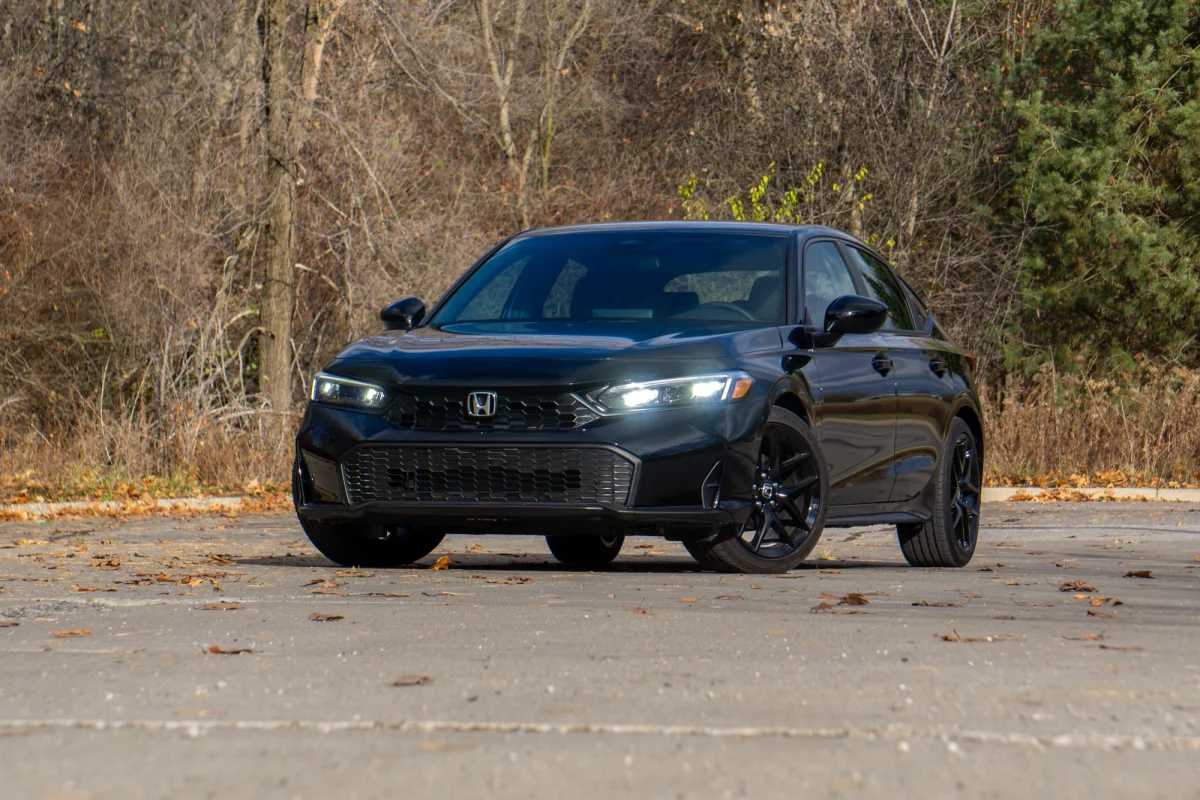
2026 Honda Civic
The 2026 Honda Civic has been a mainstay in the compact sedan and hatchback market for years because it blends efficiency and reliability into a practical daily driver. Owners tend to enjoy predictable fuel usage even in city conditions, whether equipped with a standard internal combustion engine or a more fuel‑efficient variant.
Honda’s approach to engineering keeps many of the moving parts simple and robust, reducing frequent visits to the service center for minor issues. Maintenance costs are generally manageable, with common parts and service knowledge widely available across most regions.
Ownership costs also remain moderate due to strong resale values when compared with competitors in the same class. Civics traditionally hold value well at trade‑in time because of their reputation for durability and longevity, so owners recoup more of their investment if they choose to sell or trade later.
Insurance companies often assign favorable risk profiles to Civics thanks to safety standards and the low incidence of expensive claims. This contributes to lower premium costs over many years of ownership. The model also benefits from solid warranty coverage that extends peace of mind during early years of ownership.
Fuel economy figures for the 2026 Civic are competitive in the compact segment, which adds up to meaningful savings over time for drivers who cover regular commuting distances. In situations where drivers encounter variable weather or road conditions, the Civic’s workhorse suspension and drivetrain continue to offer dependable performance without drastic compromises in efficiency.
Predictable ownership experiences have made this model a go‑to recommendation for new drivers and longtime enthusiasts alike. Daily reliability means fewer surprise repair bills and a sense of confidence when planning long‑term budgets.
All these factors reinforce the Civic’s place among the 2026 vehicles with the lowest anticipated ownership costs. Its balance of reliability, efficiency, safety, and resale potential continues to make it attractive to practical buyers who seek to minimize long‑term expenses. Whether chosen for urban navigation or regional travel, the 2026 Civic delivers predictable returns on investment long after the initial purchase has been made.
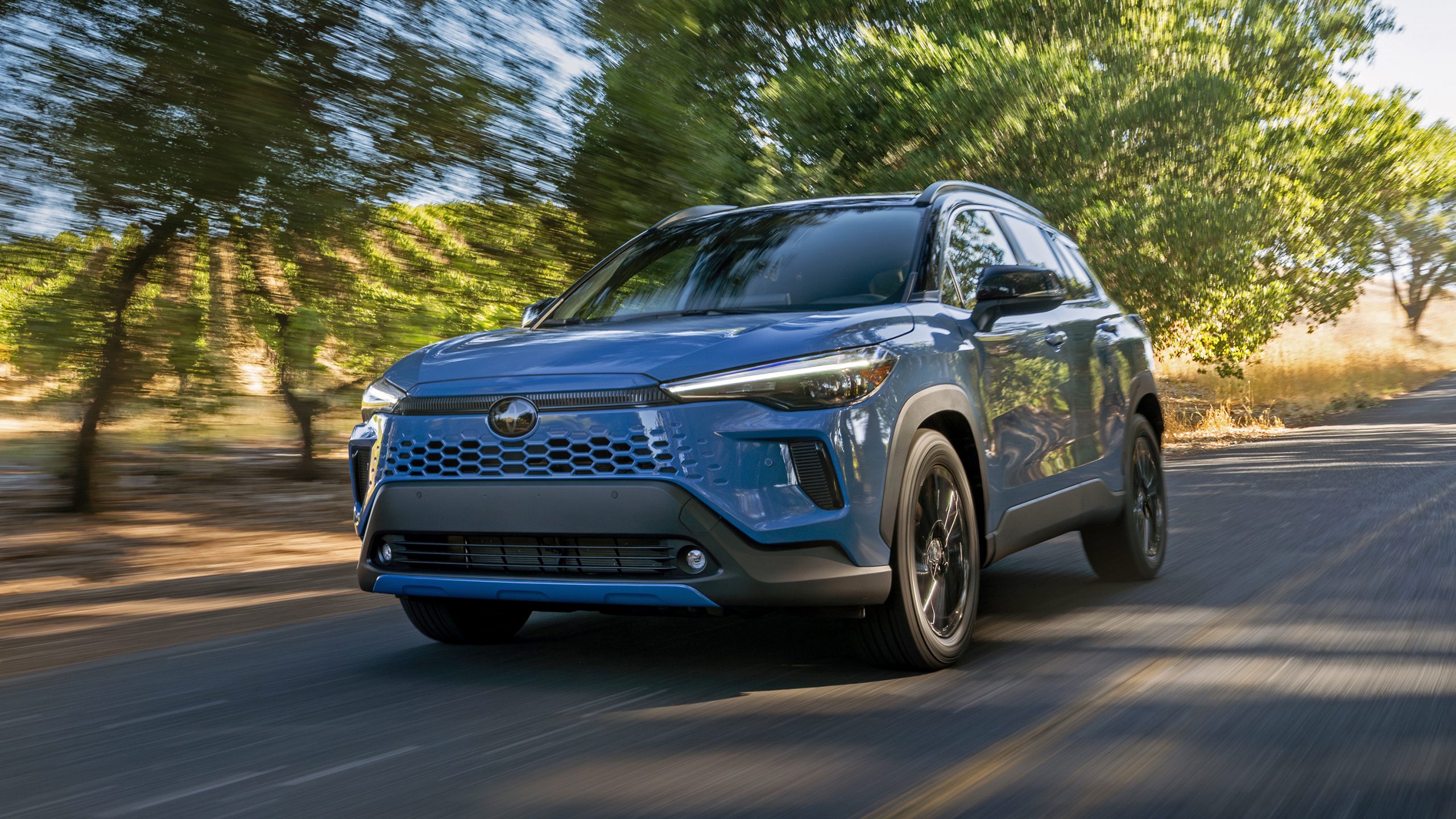
2026 Toyota Corolla Cross
The 2026 Toyota Corolla Cross has expanded Toyota’s reputation for practical compact crossovers, combining utility with commendable fuel economy and reliable performance that contribute to low ownership costs.
As a crossover rather than a traditional sedan, this model appeals to drivers who need extra cargo space and a higher seating position while still maintaining manageable energy usage. Toyota’s proven engineering approach emphasizes durability and straightforward service access that supports long‑term ownership planning without unexpected financial strain.
Fuel efficiency remains a strong point for the Corolla Cross, especially in hybrid variants that optimize energy usage in both city and highway driving scenarios. Owners who frequently encounter stop‑and‑go traffic benefit from hybrid regenerative braking, which lessens wear on conventional brake components and extends maintenance intervals.
Whether powered by a gasoline motor or a hybrid system, this crossover achieves respectable miles per gallon figures that help offset fuel spending over many years of driving. With typical commuting demands in mind, these efficiencies translate to real cost reductions for owners.
Routine maintenance and service tend to follow familiar patterns for Toyota models, with widespread availability of parts and experienced service technicians across many regions. The simplicity of many mechanical systems versus high‑complexity alternatives can reduce labor costs and shorten service times, which contributes to lower labor charges during scheduled upkeep.
Toyota also includes extended warranty options and supportive customer service channels that help manage unexpected repairs within reasonable cost expectations, enhancing peace of mind for long‑term owners.
The 2026 Corolla Cross’s combination of crossover versatility, fuel economy, durable design, and strong resale position ensures it remains one of the most cost‑effective ownership choices in its segment. Drivers seeking comfort, reliability, and predictability in their automotive budgets will appreciate the model’s established strengths that align with reducing long‑term expenditure without sacrificing everyday practicality or comfort.
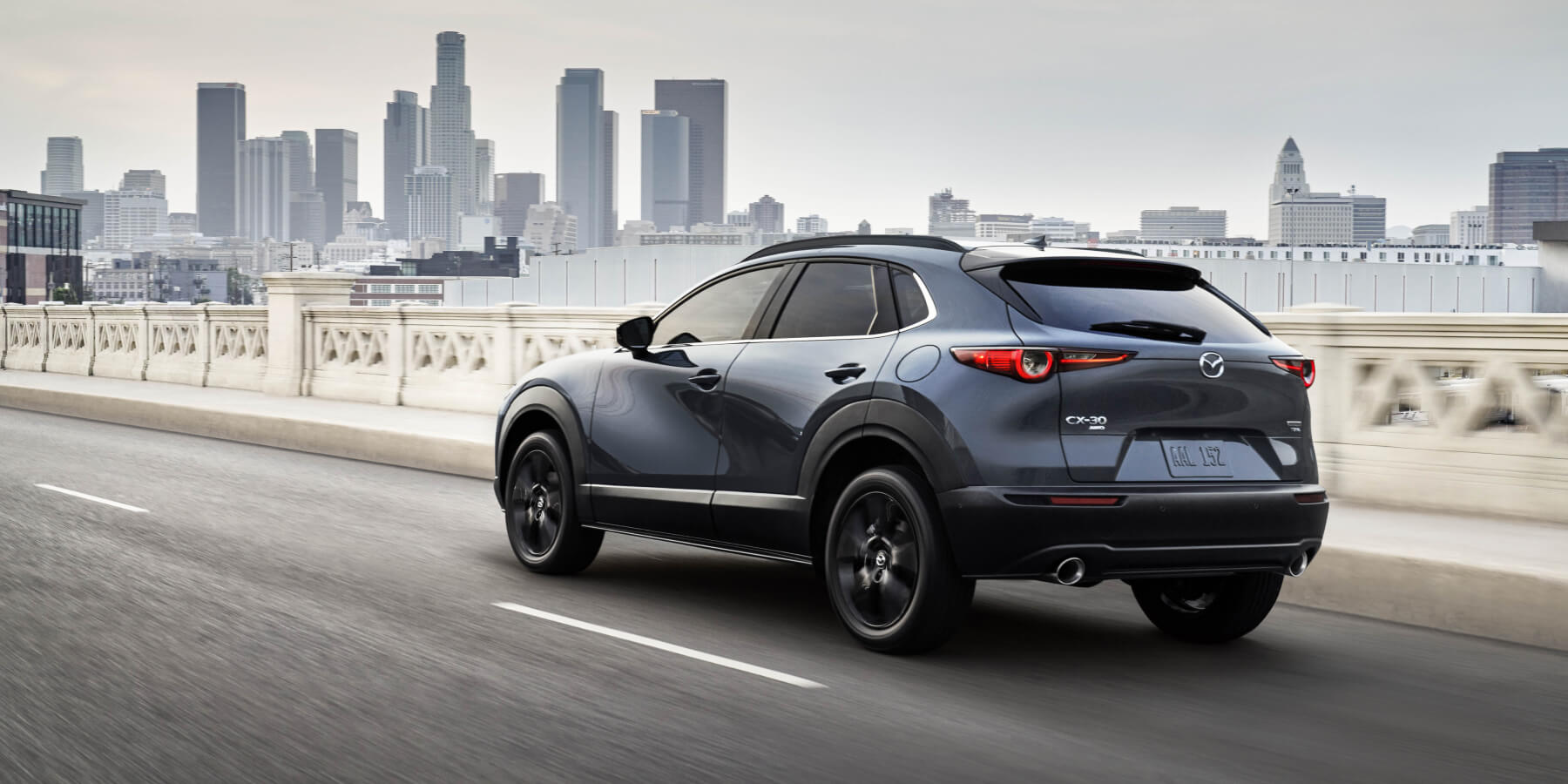
2026 Mazda CX‑30
The 2026 Mazda CX‑30 delivers a blend of style and substance that has helped it maintain strong appeal among consumers who value both performance and economy. Its thoughtfully engineered powertrains provide competitive fuel efficiency that eases the financial load during extended ownership periods.
While Mazda often emphasizes driving dynamics, it does not neglect practical cost‑saving measures such as reasonable service intervals and durable mechanical assemblies. This model strikes a balance that favors owners who want engaging performance without a cost penalty over time.
Depreciation trends for the CX‑30 show strength relative to many rivals, thanks to steady demand in the subcompact crossover category. Buyers who choose to part with their CX‑30 after several years in possession often find appealing resale values compared with vehicles that lose value faster.
Relatively low depreciation contributes meaningfully to total ownership cost calculations. Maintenance items are straightforward, with many common service parts available at competitive prices because of Mazda’s strong parts distribution network.
Taken together, the economical aspects of fuel use, insurance friendliness, resale resilience, and manageable maintenance costs position the 2026 Mazda CX‑30 among the vehicles that are likely to demand the lowest long‑term ownership expenses in its class. For drivers who prioritize a combination of dynamic driving feel and financial practicality, this model remains a compelling choice that can serve reliably and cost efficiently.
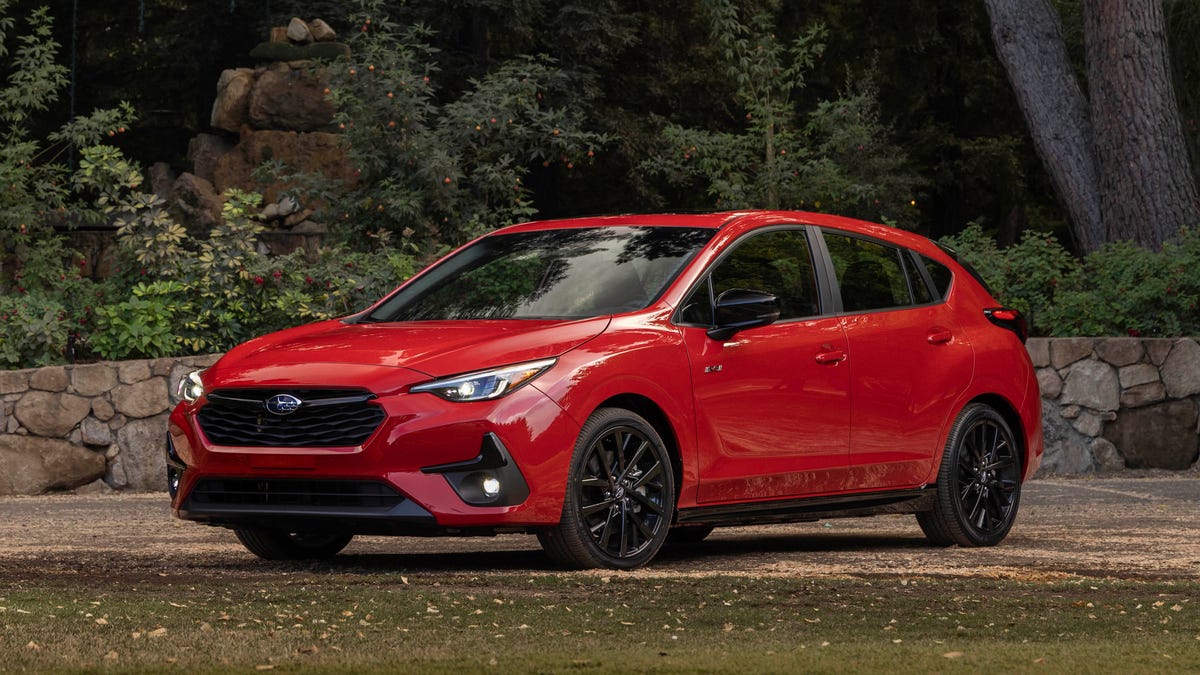
2026 Subaru Impreza
The 2026 Subaru Impreza has long been recognized for its unwavering commitment to all‑wheel‑drive capability and dependable performance, traits that contribute to stable ownership experiences and predictable cost patterns.
While all‑wheel drive adds mechanical complexity, Subaru’s engineering has matured to the point where routine maintenance remains reasonable and repair needs are manageable when compared with less dependable alternatives. This consistency in performance and service requirements supports long‑range budgeting for owners who expect longevity from their vehicle.
Fuel economy for the Impreza remains reasonable given its drivetrain configuration, helping owners with everyday commuting costs and regional travel needs.
Subaru’s focus on balanced power delivery and efficient engine calibration ensures that energy consumption does not become excessive over time, particularly in highway environments where constant cruising efficiency becomes important. Owners who routinely cover long distances appreciate this fine balance between capability and resource use in varied driving situations.
Strong resale value is a hallmark of many Subaru models, and the Impreza is no exception. Buyers in the pre‑owned market appreciate the presence of all‑wheel drive, which does not significantly inflate purchase prices, but it does support steady demand that keeps resale figures robust.
This can have a tangible impact on ownership costs when the vehicle is sold or downgraded toward another purchase many years after the original acquisition. Insurance costs are also moderated by the presence of standard safety systems and established crash test performance.
Routine maintenance items are familiar to most service centers, and Subaru’s parts are reasonably available, which helps curb labor charges and waiting times for repairs. Warranty support covers initial years and provides a structured framework for addressing early issues, enabling owners to plan for out‑of‑pocket expenses realistically.
Subarus commonly have loyal followings in markets that experience varied weather conditions, which speaks to the model’s capabilities without imposing frequent repair burdens.
All these factors, viewed together, reinforce the 2026 Subaru Impreza’s presence among vehicles with lower expected long‑term ownership costs. Its reliable performance, combined with balanced operating expenses, results in a predictable total cost of ownership profile for drivers who want capability without sacrificing financial prudence.
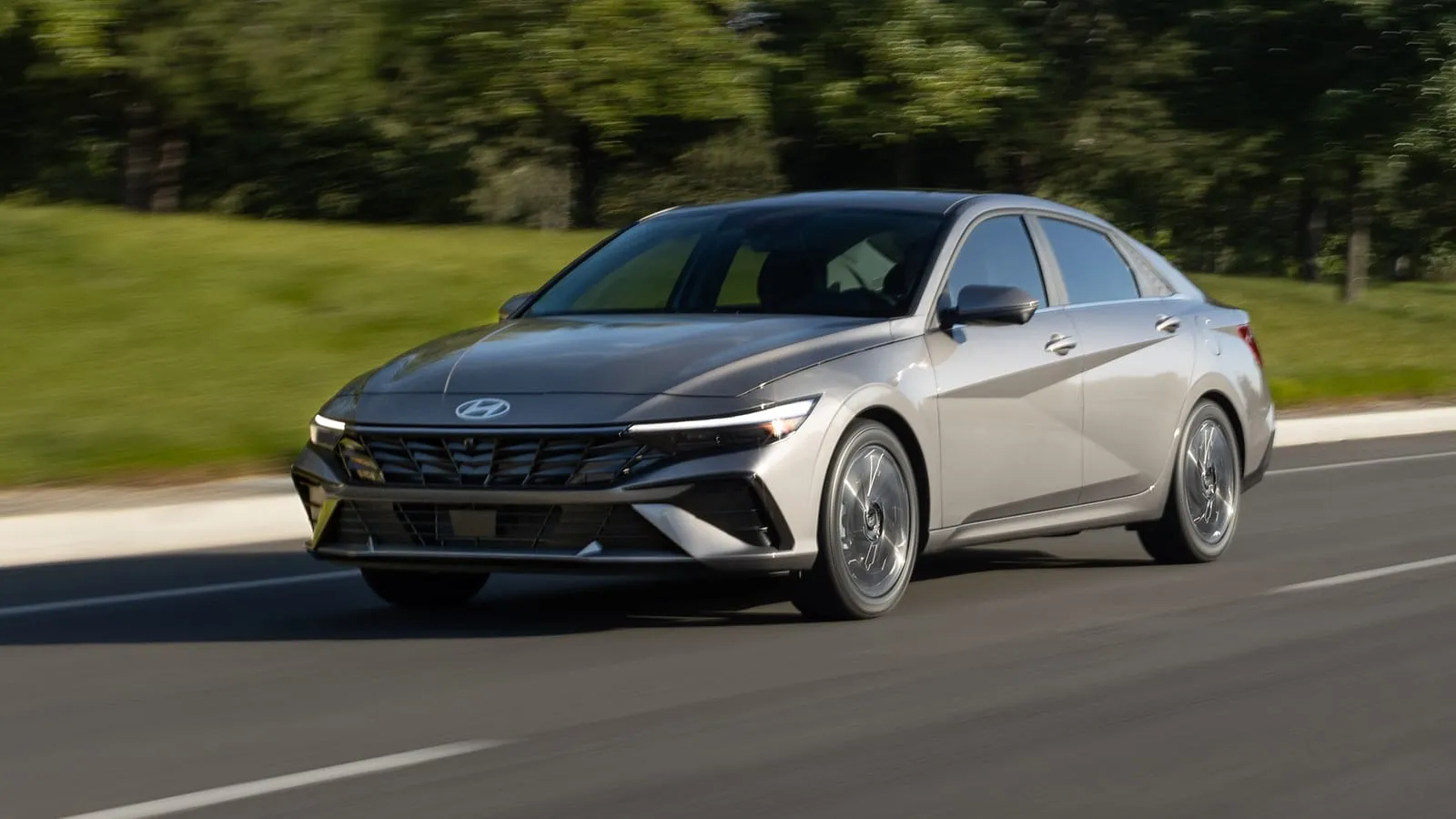
2026 Hyundai Elantra Hybrid
The 2026 Hyundai Elantra Hybrid represents a strategic effort to combine broad daily usability with exceptional fuel economy that helps owners experience significantly lower energy costs over the life of the vehicle.
Hybrid technology allows the Elantra to operate efficiently in a range of driving conditions, particularly urban environments with frequent stopping and starting. This reduces dependency on gasoline and extends the intervals between fuel fill‑ups, which is especially meaningful for owners who cover substantial yearly mileage.
Hyundai’s warranty offerings are among the more generous in the industry, often including extended coverage for powertrain components that reduce the risk of unexpected repair costs in the early and middle years of ownership.
This reassurance allows owners to plan long‑term budgets with fewer unknowns, particularly around hybrid system elements that can be costly if not covered. The automaker’s support also extends to complimentary maintenance items in certain periods, which adds further predictability to ownership planning.
Routine maintenance on Hyundai vehicles is generally structured with familiar service items that many independent shops can handle, promoting competitive pricing for common tasks such as oil changes, tire rotation, and brake servicing. Hybrid system checks are often part of scheduled maintenance routines that do not typically involve high‑cost interventions unless neglected.
Taken together, the 2026 Hyundai Elantra Hybrid provides an appealing option for cost‑conscious owners who want to reduce long‑term expenses through fuel efficiency, predictable maintenance, warranty support, and respectable resale prospects. For commuters and distance drivers alike, this model offers a sensible balance between technology and economics that rewards extended ownership commitments.
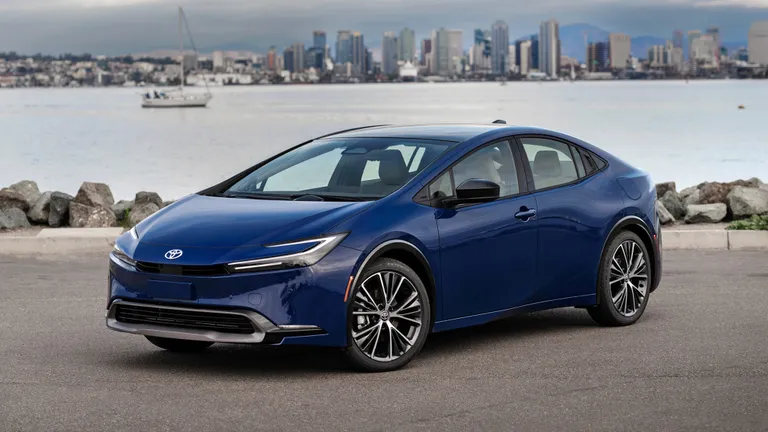
2026 Toyota Prius
The 2026 Toyota Prius continues its legacy as a symbol of efficiency and practicality, consistently achieving remarkable fuel economy that helps owners reduce one of the largest ongoing ownership costs: energy consumption.
The hybrid drivetrain has been refined over numerous model generations, resulting in smooth, efficient performance and dependable operation that withstands years of regular use. Owners commonly report fewer fuel‑related concerns even when annual mileage is high, which translates to real savings over multiple years of driving.
Because the Prius has been a popular hybrid choice for many years, there is an abundance of service knowledge and parts availability that helps keep maintenance costs reasonable over time. Technicians across many regions are familiar with hybrid systems and typical service requirements, which supports competitive labor rates and quicker turnaround for scheduled work. Toyota’s approach to simplicity of design in key areas also avoids unnecessary complexity that could otherwise raise service bills.
In the pre‑owned market, the Prius often retains value better than many traditional gasoline‑only cars in the compact class, partly due to its reputation for long‑lasting hybrid components and strong brand trust.
This translates into better resale values, which reduces the net expenditure experience for owners who eventually move on to different vehicles. Insurance costs for Prius models are generally favorable compared with some other hybrid or electric vehicles, due to positive safety ratings and a lower frequency of costly claims.
Toyota’s warranty coverage provides structured support for powertrain and hybrid components, offering additional reassurance during early ownership years. Even after warranty periods end, many Prius owners find that actual repair expenses remain modest if routine care schedules are observed. Reliability records compiled over many model years lend confidence to prospective buyers who plan to keep their vehicles for extended periods.
Considering sustained fuel savings, dependable performance, a strong service ecosystem, and solid resale potential, the 2026 Toyota Prius remains one of the top vehicles for low long‑term ownership costs. Commuters and frequent travelers alike benefit from its economical driving characteristics and manageable maintenance expectations, making it a practical choice for drivers seeking both efficiency and financial sense.
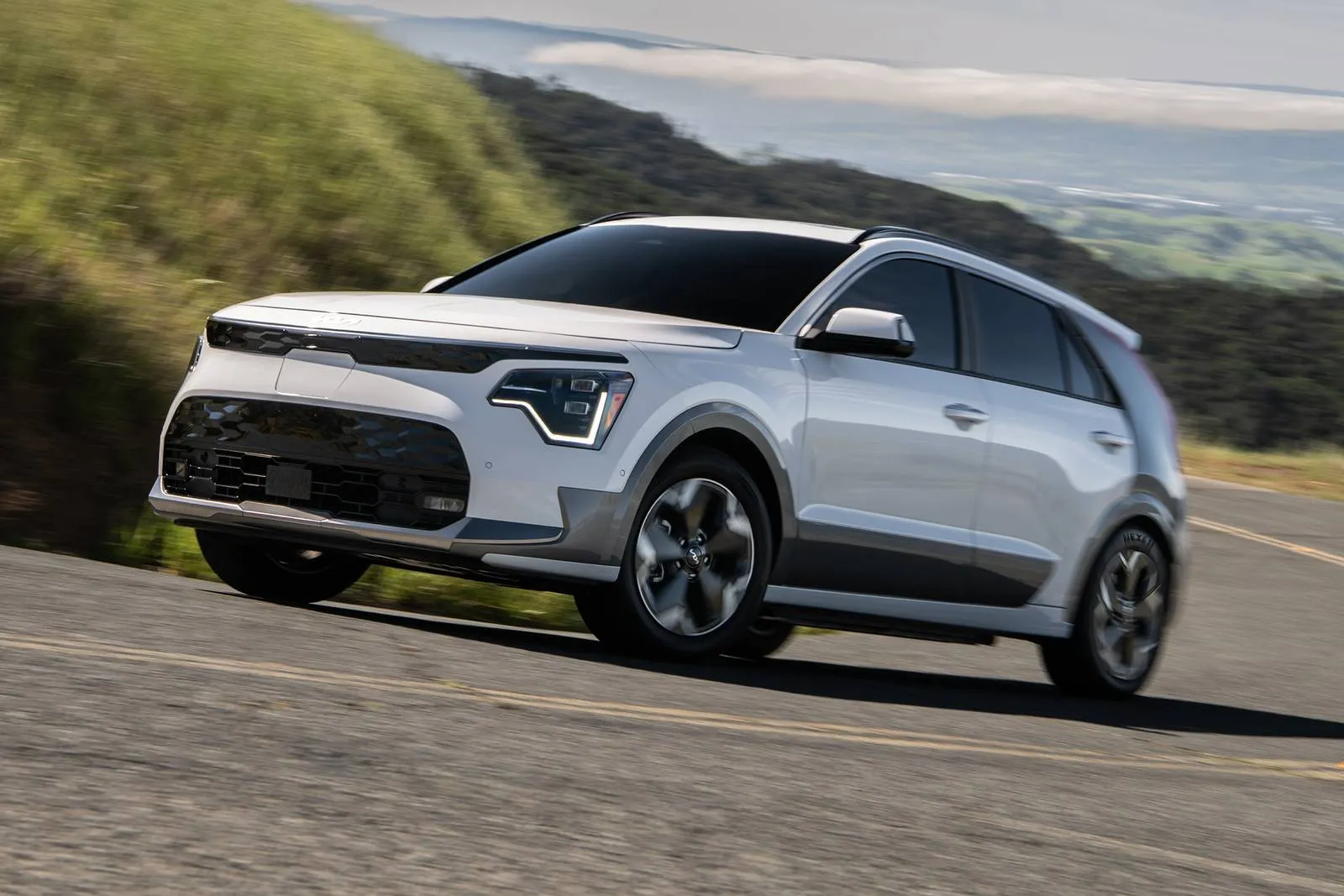
2026 Kia Niro EV
The 2026 Kia Niro EV combines the environmental advantages and operating efficiencies of electric propulsion with pragmatic design elements that help reduce long‑term ownership costs. Electric vehicles inherently have fewer moving parts than traditional gasoline cars, which means fewer components that might wear out or require complex repairs.
For daily commuting and typical travel needs, the Niro EV’s efficient battery system and electric motor deliver predictable performance and reduced energy costs over time compared with internal combustion alternatives.
Charging an EV at home can significantly reduce everyday energy expenses when electricity rates are favorable and the driver manages usage outside peak pricing periods. This aspect of ownership can translate into lower “fuel” costs compared with gasoline, particularly for drivers who cover regular mileage.
Even public charging networks now offer competitive pricing, and many regions have incentives that reduce charging costs further over long‑term usage. These cumulative savings become more apparent as the years go by, especially for owners who consistently use electric mode for most of their driving.
Insurance premiums for electric vehicles can vary, but models like the Niro EV that include advanced safety features and strong safety engineering often achieve competitive insurance ratings. Safety technologies that aid collision avoidance help mitigate the likelihood of expensive claims, which can contribute to stable insurance costs over time.
Depreciation trends for EVs have improved in recent years as used EV markets become more established and buyers recognize the value of dependable electric models.
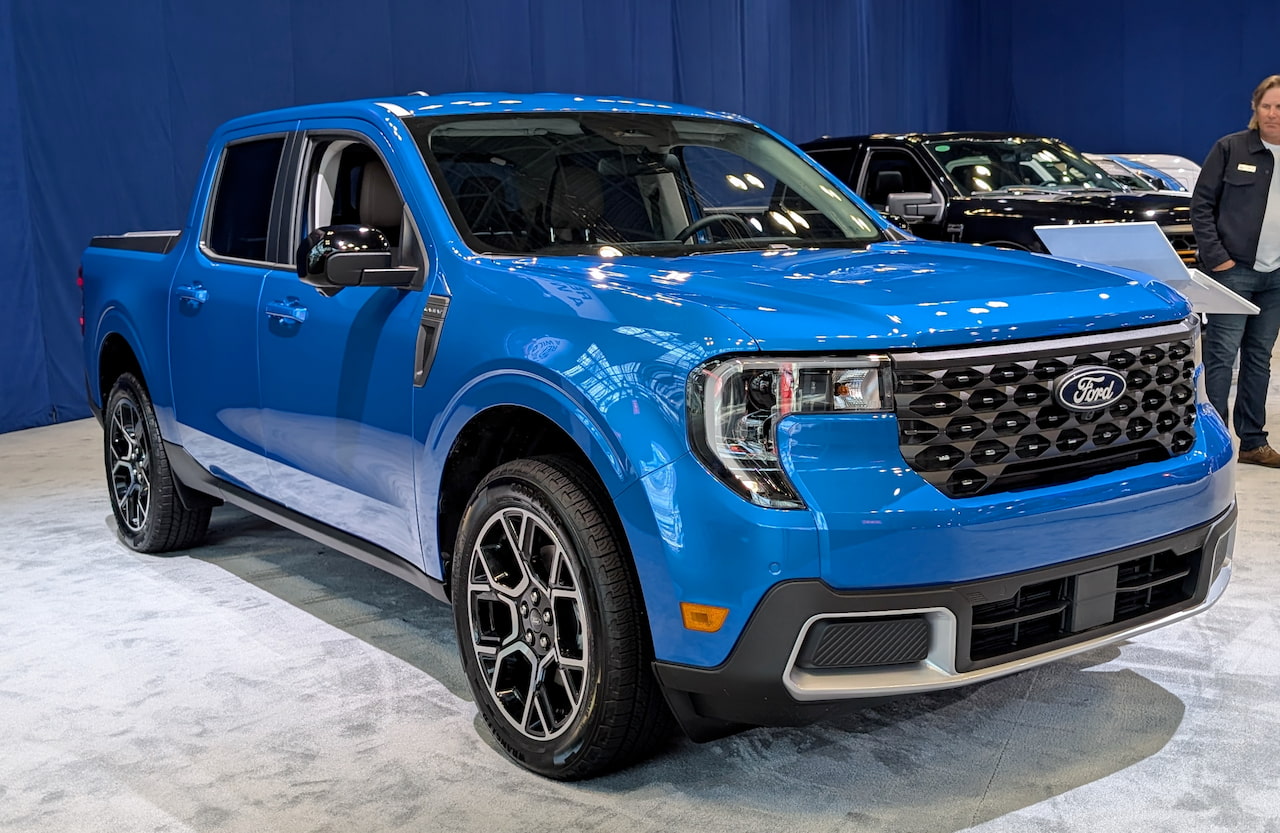
2026 Ford Maverick Hybrid
The 2026 Ford Maverick Hybrid offers a unique proposition in the compact pickup segment, combining truck utility with hybrid efficiency that helps curb everyday operating costs.
As a hybrid, the Maverick benefits from improved fuel economy compared with traditional trucks, making it practical for both work and personal use without excessive energy expenditure. Its smaller footprint, combined with versatile cargo solutions, appeals to drivers who need functionality without the high ongoing costs often associated with larger utility vehicles.
Ford’s design emphasizes accessible maintenance and widely available service centers, which supports reasonable labor costs and quick resolution of routine issues.
The hybrid system’s components are engineered for everyday use and are supported by a growing network of technicians familiar with hybrid pickup configurations. Owners often find that regular maintenance intervals and part availability help keep non‑fuel expenses predictable over time.
Resale value for hybrid pickups has shown strength in recent years as consumers appreciate the balance of capability and fuel savings. Because the Maverick Hybrid fulfills a niche that combines city‑friendly efficiency with pickup utility, it attracts a wide audience in the used market, supporting better retention of value when owners choose to sell.
Insurance rates for this model are competitive, influenced by safety systems and a moderate risk profile compared with heavier duty trucks.
Routine inspections and preventive service are streamlined, with many common parts available at reasonable prices due to Ford’s broad parts distribution. Warranty coverage for powertrain and hybrid components helps owners avoid large unexpected bills during the initial ownership years, while scheduled service remains comfortably within typical cost expectations.
The 2026 Ford Maverick Hybrid provides a practical solution for drivers who want the flexibility of a truck with the cost advantages of hybrid fuel efficiency. Its balanced ownership profile supports lower long‑term costs without sacrificing the utility that pickup drivers require for daily tasks and leisure activities alike.
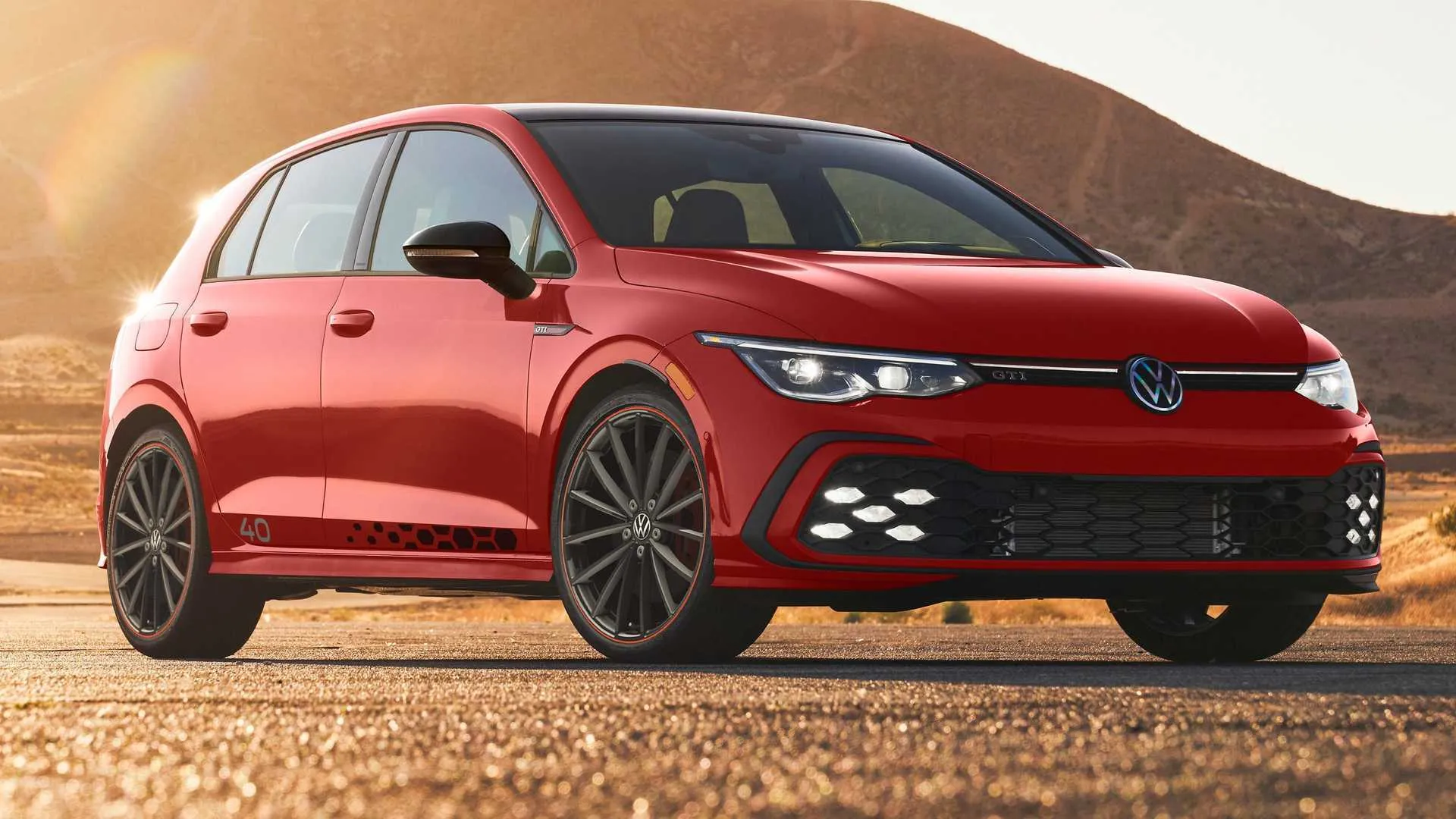
2026 Volkswagen Golf
The 2026 Volkswagen Golf continues a long tradition of offering a compact car that combines engaging driving dynamics with solid ownership economics. While the Golf has seen many refinements over the years, its focus on quality engineering and sensible packaging remains consistent, contributing to long‑lasting performance and manageable operating costs.
For owners who appreciate refined handling and daily practicality, the Golf presents a compelling option that does not impose excessive maintenance demands when cared for responsibly.
Fuel economy figures for the Golf remain competitive in the compact class, helping owners reduce ongoing energy costs relative to larger or thirstier vehicles. Whether used for daily commuting, weekend trips, or mixed driving patterns, the balance of efficiency and performance helps keep fuel or energy spending within predictable boundaries.
Regular service intervals for the Golf are familiar to most independent shops, which supports competitive pricing for common maintenance tasks such as fluid changes, brake servicing, and tire care.
Resale value for the Golf is supported by the model’s reputation for quality and broad consumer recognition that translates well into the pre‑owned market.
Buyers in the used segment often seek vehicles with a balanced combination of performance, economy, and reliability, which helps maintain steady demand for well‑ maintained examples. Insurance costs tend to stay reasonable thanks to Volkswagen’s safety engineering and available assistive features that reduce potential claim severity.
Routine maintenance items benefit from widespread parts availability, and many technicians are experienced with Golf models, which shortens diagnostic times and limits labor charges relative to more exotic or rare vehicles. Volkswagen’s warranty support during the early ownership period also helps cap potential out‑of‑pocket costs, adding a layer of predictability to the ownership experience.
All these attributes help position the 2026 Volkswagen Golf as a cost‑efficient choice in the compact car category. For owners who value a blend of driving enjoyment and practical budgeting, this model remains an attractive option that aligns with long‑term financial planning.
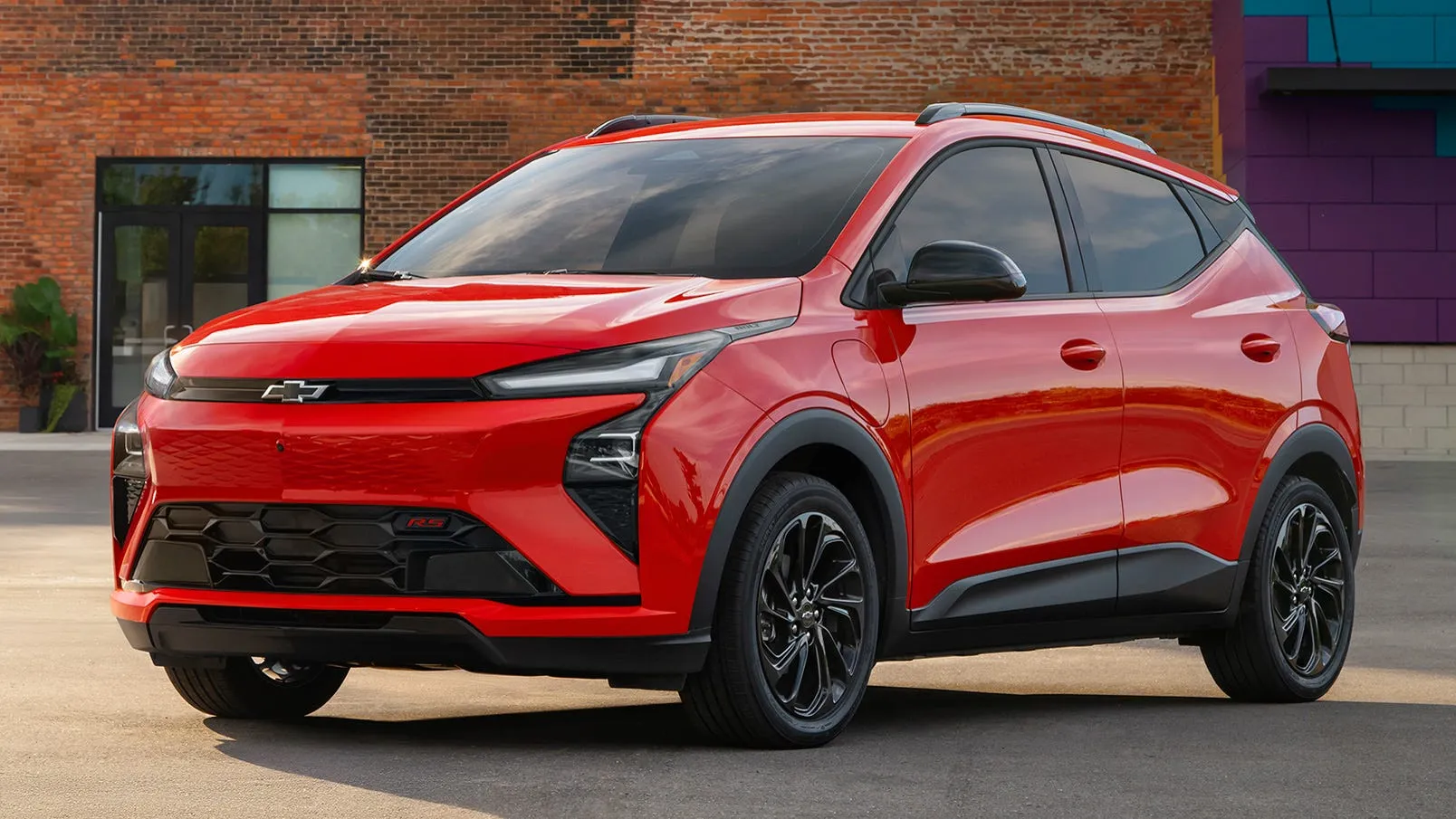
2026 Chevrolet Bolt EV
The 2026 Chevrolet Bolt EV combines accessible electric driving with everyday practicality and predictable operating expenses, making it a choice for drivers seeking low long‑term ownership costs. Electric propulsion dramatically reduces mechanical complexity in contrast with traditional internal combustion engines, which translates to fewer potential points of failure and lower routine service demands.
Owners benefit from predictable energy costs when charging at home or public stations, especially in regions with affordable electricity or incentive programs that reward off‑peak usage.
Battery technology in the Bolt EV is designed for durability under typical driving patterns, and thermal management systems help optimize performance over many years of use. While electric vehicles may have higher initial acquisition costs, their energy cost savings and reduced maintenance requirements often offset that in a multi‑year ownership horizon.
Owners of the Bolt EV report meaningful drops in “fuel” spending compared with gasoline vehicles, and routine maintenance needs are limited to common service items such as tires and brake system checks.
Insurance premiums for the Bolt EV are generally competitive, influenced by solid safety ratings and advanced driver support features that contribute to crash avoidance. Insurance underwriters often recognize the value of these features, which helps moderate premium costs over long periods.
Depreciation trends for electric vehicles are improving as used EV markets strengthen and consumer confidence grows in battery longevity and post‑warranty support networks.
Routine service centers increasingly offer support for electric vehicles, including the Bolt EV, which helps maintain reasonable labor costs when service is required. As technicians become more familiar with electric systems and diagnostic procedures, owners benefit from efficient and affordable maintenance visits.
Warranty coverage for battery systems and electric drive components further enhances long‑term cost predictability during the early years of ownership.
Considering the combination of energy efficiency, simplified mechanical needs, mature service ecosystem, and manageable insurance costs, the 2026 Chevrolet Bolt EV is a strong option for cost‑conscious drivers who want the benefits of electric driving without frequent expensive repairs. Its balanced ownership profile aligns with long‑term savings and daily practicality.
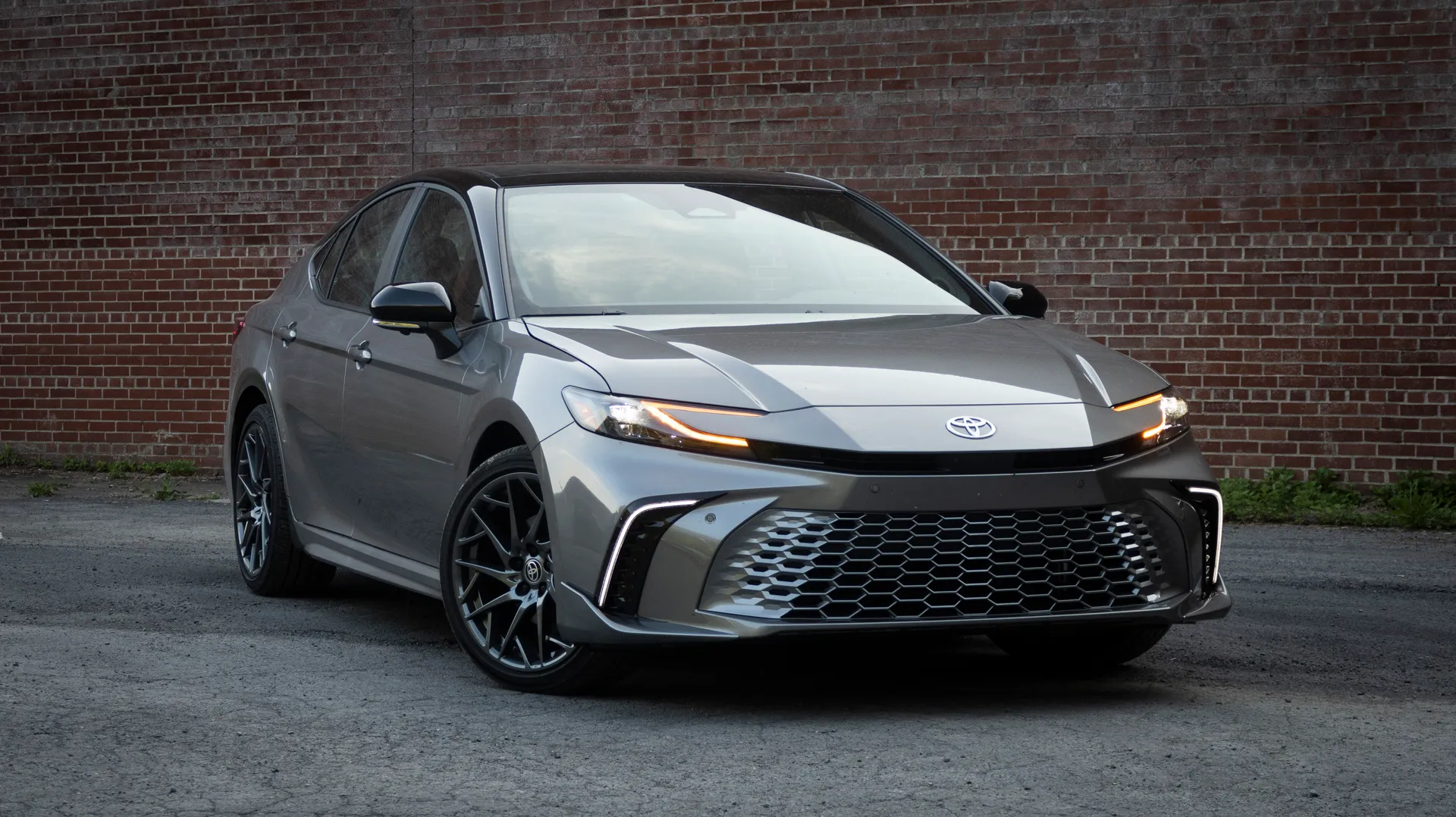
2026 Toyota Camry Hybrid
The 2026 Toyota Camry Hybrid brings together midsize sedan comfort with strong fuel economy that benefits owners in scenarios ranging from daily commuting to long road trips. Its hybrid system is tuned to provide smooth transitions between electric assist and traditional power delivery, maximizing efficiency without compromising performance.
This approach helps reduce fuel spending over time, particularly for drivers covering significant annual distances. The Camry Hybrid has become a popular choice for drivers focused on stable, long‑term transportation costs.
Toyota’s long history of hybrid engineering contributes to dependable operation and a supportive service network that helps keep repair bills predictable rather than frequent or exorbitant. Parts and expertise are widely available, which supports competitive pricing for routine maintenance and minor repairs.
Owners also benefit from Toyota’s structured warranty coverage, which includes powertrain and hybrid components that matter most in early ownership years.
Resale values for the Camry Hybrid tend to hold up well compared with many gasoline‑only midsize sedans, partly due to sustained demand for efficient vehicles in the used market. A strong resale profile reduces the net cost of ownership when the vehicle is eventually sold or traded, particularly if it has been well maintained throughout its lifespan.
Insurance companies often consider hybrid models like the Camry favorably in terms of risk profiles, which can lead to reasonable premium costs over time.
Routine service items such as brake checks, tire rotation, and system diagnostics are practical to manage and schedule, with many independent shops able to handle tasks efficiently because of ample training and parts availability. Toyota’s mission to reduce unnecessary complexity in nonessential systems enhances predictability, helping owners avoid unexpected costs linked to exotic or highly sophisticated features that some premium vehicles impose.
The 2026 Toyota Camry Hybrid thus represents a balanced choice for drivers who want a blend of efficiency, comfort, and long‑standing reliability in a midsize sedan. Its focus on cost‑effective operation and ownership stability makes it a smart option for those committed to long‑term vehicle use without excessive expenditure.