Turbocharged engines from the last five years have redefined the balance between performance and reliability. Engineers have focused on combining high output with longevity, using forged internals, advanced thermal management, and precision fuel delivery systems. Modern turbo engines now deliver thrilling acceleration, responsive power, and consistent durability, making them suitable for both daily driving and track use.
The 10 Most Reliable Turbocharged Performance Engines From the Last 5 Years showcase powerplants that excel not only in horsepower and torque but also in build quality and engineering foresight. Engines such as the BMW B58 and Honda K20C1 demonstrate meticulous internal construction and optimized cooling.
Porsche’s 9A2EVO and Audi’s 2.5L TFSI incorporate race-inspired technologies that improve performance while maintaining long-term reliability. These engines illustrate that modern turbocharged designs can achieve high performance without sacrificing dependability.
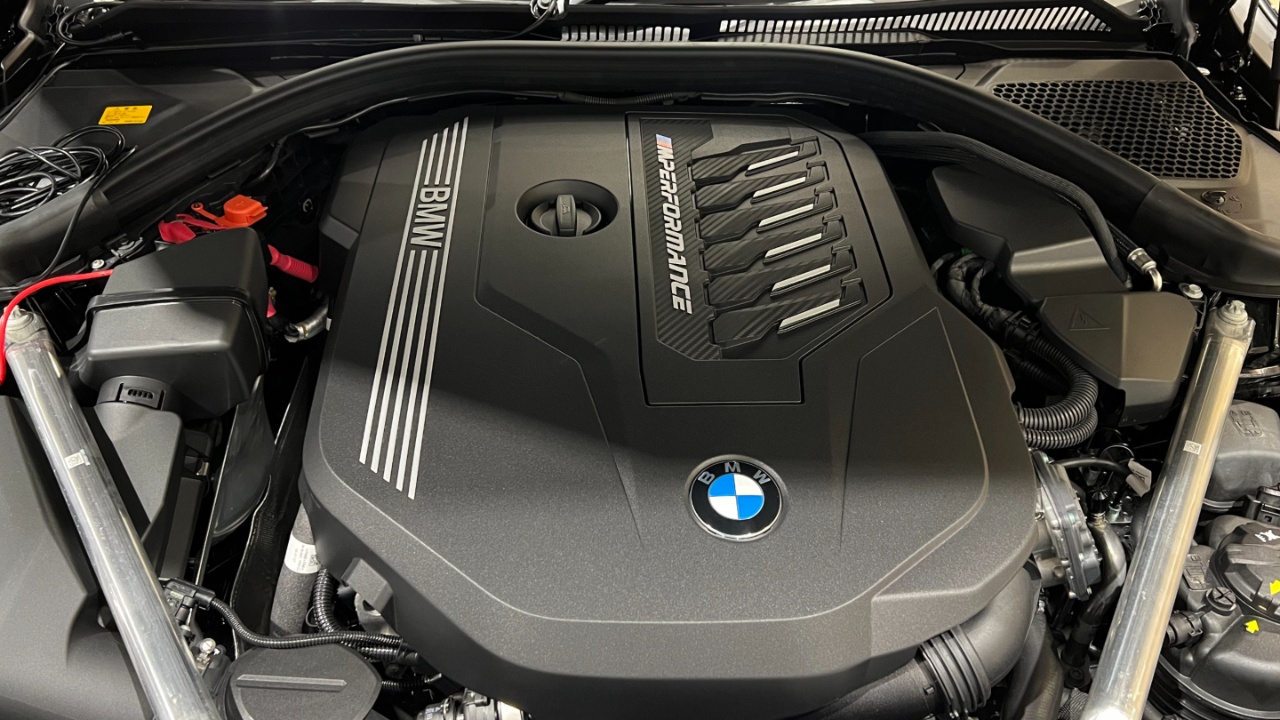
1. BMW B58
The BMW B58 is widely regarded as one of the most reliable and capable modern performance engines, often compared to the legendary “2JZ” for its durability and tuning potential. Introduced around 2015, this 3.0-liter turbocharged inline-six powers vehicles such as the BMW M340i and the Toyota Supra, reflecting its strong reputation across both BMW and Toyota platforms.
A major contributor to the B58’s reliability is its closed-deck block design, which provides enhanced structural rigidity compared to older open-deck engines. This allows the engine to handle higher cylinder pressures without compromising durability.
Internally, it features high-strength components such as a drop-forged crankshaft, forged connecting rods, and arc-wire sprayed cylinder walls. These elements reduce friction, improve heat dissipation, and ensure long-term resilience, even under demanding conditions.
Thermal management is another standout feature. The B58 integrates a water-to-air intercooler directly into the intake plenum, reducing intake temperatures and improving efficiency. This compact design not only enhances performance but also contributes to the engine’s consistent reliability. Additionally, BMW addressed past timing chain issues by relocating the chain to the rear of the engine, minimizing wear caused by vibrations.
Performance-wise, the B58 delivers strong low-end torque with smooth, linear power delivery. Stock output ranges from approximately 320 to over 380 horsepower, while the engine’s robust construction allows it to handle 500–550 horsepower with simple modifications, and even more with advanced tuning. Despite its performance, it remains relatively fuel-efficient, often achieving over 25 MPG on highways.
While generally dependable, minor issues can arise over time, such as coolant system wear, oil filter housing leaks, or failure of plastic cooling components. However, these are typically manageable with proper maintenance.
The B58 stands out as a refined, durable, and highly tunable engine. Its balance of reliability, efficiency, and performance makes it a top choice for both daily driving and enthusiast-level upgrades.
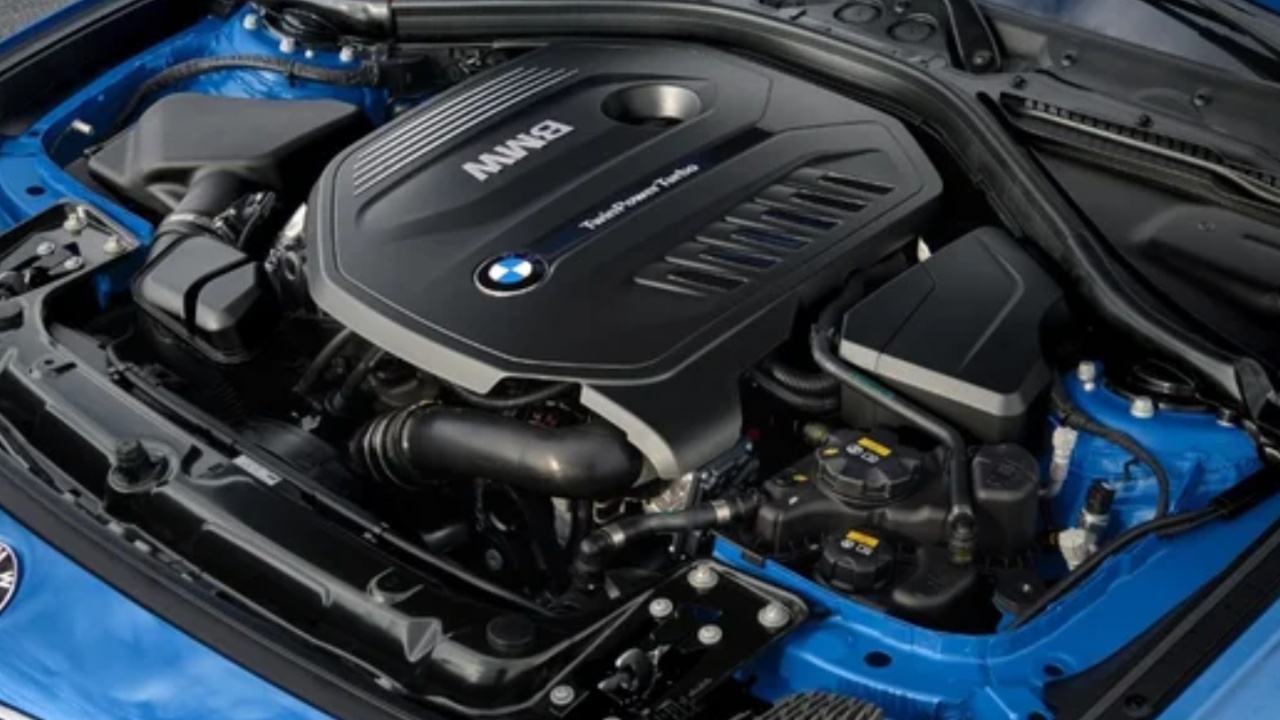
2. Honda K20C1
The Honda K20C1 represents Honda’s successful transition into modern turbocharged performance while preserving the durability that defined its earlier engines. Found in cars like the Honda Civic Type R and Acura Integra Type S, the K20C1 produces over 300 horsepower while maintaining impressive long-term reliability, making it one of the most respected engines in its class.
A key reason for its strength lies in its robust internal construction. Unlike many competitors that rely on cost-saving cast parts, the K20C1 uses a forged steel crankshaft and strong forged connecting rods, paired with a reinforced aluminum block featuring iron cylinder liners.
Its closed-deck design further enhances structural rigidity, allowing it to handle high boost pressures with minimal risk of deformation. Additionally, an offset crankshaft reduces internal friction, improving both efficiency and engine longevity.
Heat management is another major highlight. Honda engineered the K20C1 to withstand extreme thermal stress, which is crucial for turbocharged engines. It features an integrated, liquid-cooled exhaust manifold built directly into the cylinder head, significantly lowering exhaust temperatures.
Sodium-filled exhaust valves help dissipate heat more effectively, while piston cooling jets spray oil underneath the pistons to prevent overheating during high-load conditions. Together, these systems ensure consistent performance even during aggressive driving or track use.
The turbocharging system is equally refined. A low-inertia mono-scroll turbocharger delivers quick response with minimal lag, while an electronic wastegate precisely controls boost pressure, reducing the risk of engine damage. This setup provides strong, usable power across the rev range without compromising reliability.
One of the most notable aspects of the K20C1 is its “overbuilt” nature. Although factory output sits just above 300 horsepower, the engine can reliably handle 400+ horsepower with basic modifications, and significantly more with advanced tuning. Its track-focused design, proven in demanding environments, ensures it can sustain prolonged high RPM operation.
The K20C1 combines high performance, advanced engineering, and exceptional durability, making it a standout turbocharged engine for both daily driving and motorsport use.
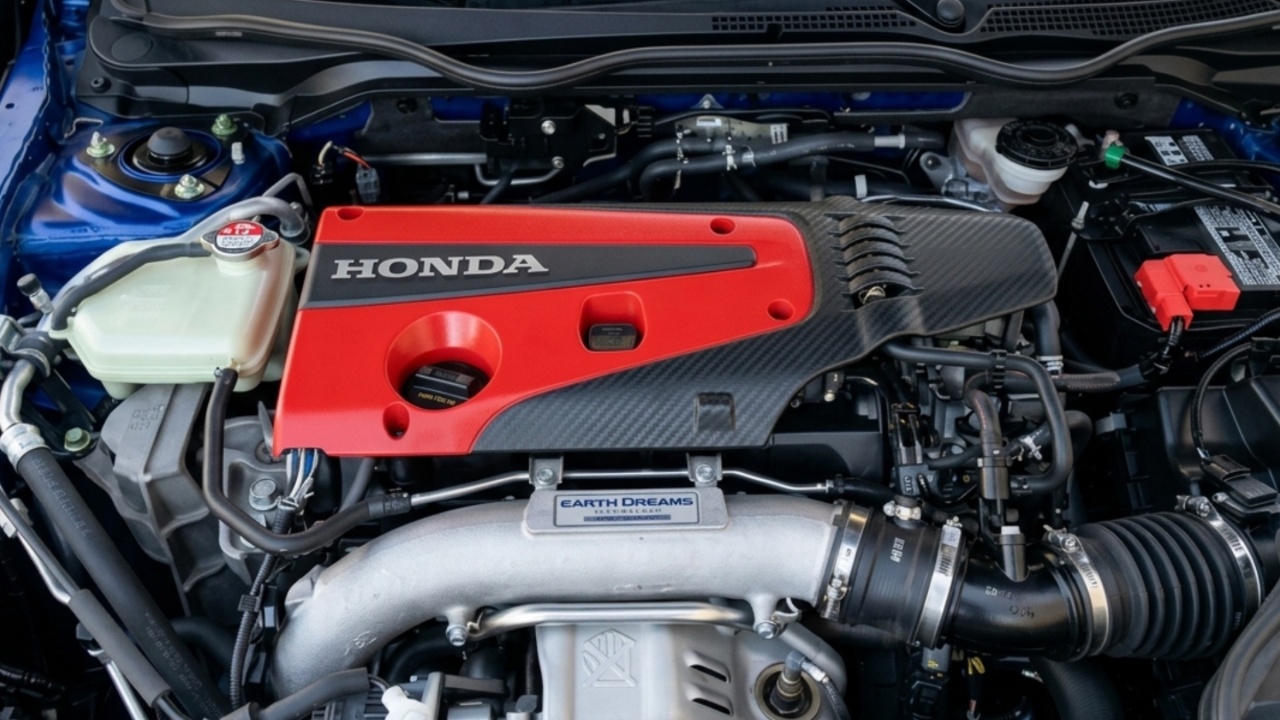
3. Porsche 9A2EVO
The Porsche 9A2EVO is a standout example of modern sports car engineering, powering the latest generations of the Porsche 911 Carrera lineup. Known for blending high performance with exceptional durability, this engine has redefined expectations for turbocharged reliability in premium sports cars.
Introduced as an evolution of the earlier 9A2 engine, the 9A2EVO benefits from Porsche’s philosophy of refinement rather than reinvention.
By improving an already proven platform, Porsche strengthened key components and addressed prior weaknesses, resulting in an engine with a highly dependable foundation. This iterative development ensures consistent performance even under demanding conditions, including long-term daily use and track driving.
A major strength of the 9A2EVO lies in its advanced engineering and component design. It features larger, symmetrical turbochargers paired with electronic wastegates, allowing for precise boost control and reduced mechanical stress.
The engine also uses centrally mounted intercoolers positioned above the engine, increasing cooling capacity by approximately 14 percent. This enhanced thermal efficiency helps maintain stable intake temperatures, reducing the risk of heat-related wear and preserving engine longevity.
In addition, the engine employs plasma-coated cylinder liners, which reduce friction and improve durability, as well as piezoelectric fuel injectors that deliver highly precise fuel atomization.
These technologies contribute to cleaner combustion, improved efficiency, and lower operating temperatures. A sophisticated oiling system further supports reliability by preventing oil starvation during high-G cornering, making the engine well-suited for aggressive driving environments.
Structurally, the 9A2EVO features rigid engine mounts that minimize movement under stress, reducing strain on surrounding components. This design, combined with Porsche’s rigorous testing standards, ensures the engine can withstand sustained high loads without compromising reliability. Notably, it avoids many of the issues seen in older Porsche engines, such as bore scoring or intermediate shaft failures.
With power outputs reaching up to 473 horsepower in higher trims, the 9A2EVO delivers strong, responsive performance with minimal turbo lag. It represents a balance of precision engineering, thermal efficiency, and long-term durability, making it one of the most reliable high-performance engines available today.
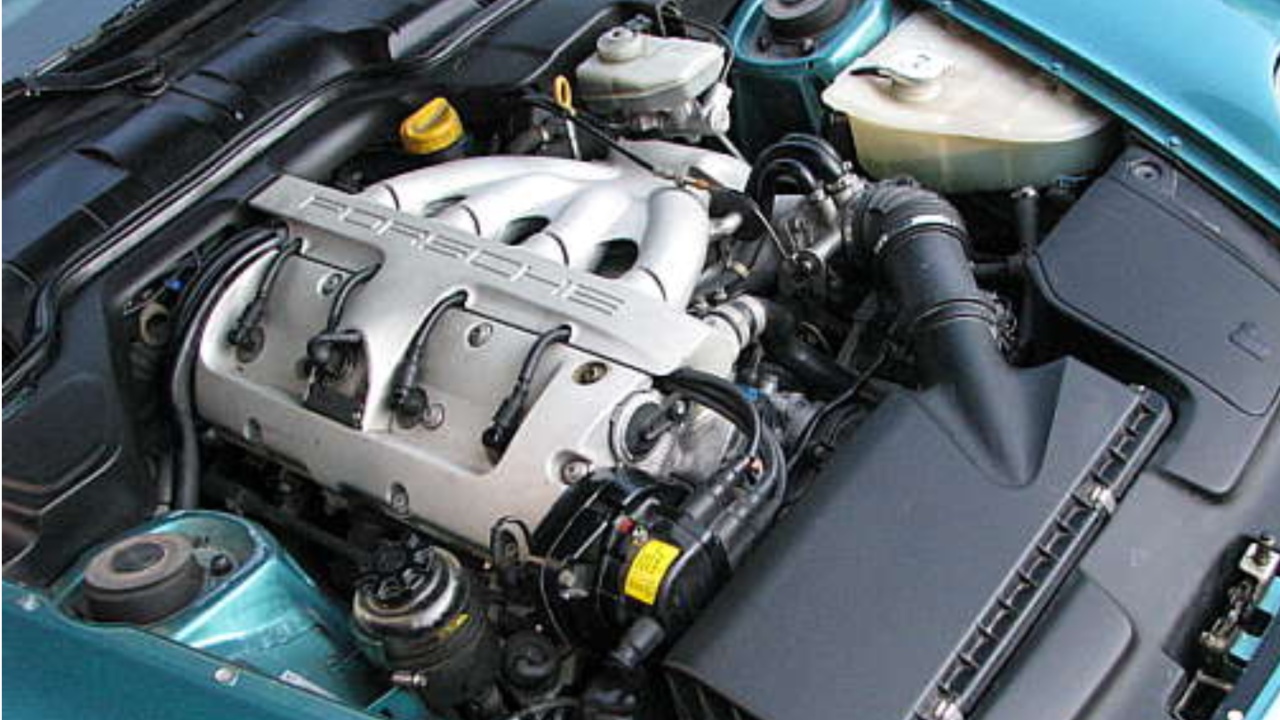
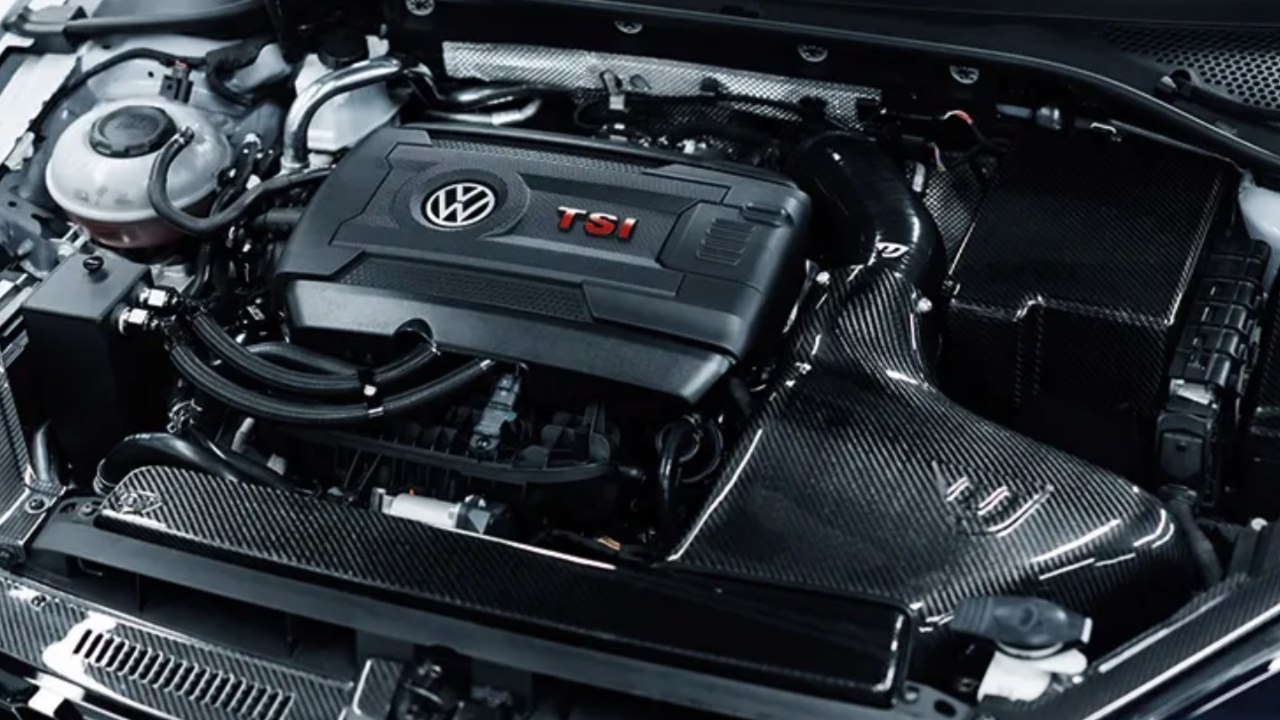
4. Volkswagen EA888 Gen 4
The Volkswagen EA888 Gen 4 is the latest evolution of Volkswagen Group’s widely used performance engine. It delivers a strong balance of power, efficiency, and long-term reliability. This engine powers models such as the Volkswagen Golf R and Audi S3, where it serves as both a daily driver engine and a high-performance unit.
One of the most important improvements in the EA888 Gen 4 is the correction of earlier reliability concerns. Previous generations were known for oil consumption and timing chain issues, but this version builds on the more stable Gen 3 design and refines it further. The result is a mature and dependable engine with reinforced internals that can handle higher boost pressure without sacrificing durability.
A major highlight is the dual injection system, which combines direct and port injection. Direct injection provides strong performance, while port injection helps prevent carbon buildup on intake valves.
This significantly improves long-term reliability and reduces maintenance needs compared to engines that rely solely on direct injection. The high-pressure fuel system also enhances efficiency and power by improving fuel delivery precision.
Thermal management has also been carefully engineered. The exhaust manifold is integrated into the cylinder head, which helps regulate heat and protect the turbocharger.
This design also allows the engine to warm up faster, reducing wear during cold starts. In addition, the turbocharger features an electronic wastegate that enables precise control of boost pressure, improving responsiveness while reducing stress on engine components.
In terms of performance, the EA888 Gen 4 produces up to around 320 horsepower in performance models. It delivers strong torque at low engine speeds, making it smooth and responsive in everyday driving. At the same time, it has excellent tuning potential. Simple modifications can unlock noticeable power gains while maintaining reliability.
Some minor issues can still occur, such as water pump or thermostat housing wear, but these are less common than in earlier versions. With proper maintenance, including regular oil changes, the engine remains highly dependable.
The EA888 Gen 4 stands out as a versatile and refined engine that successfully combines performance, efficiency, and durability.
5. Toyota G16E-GTS
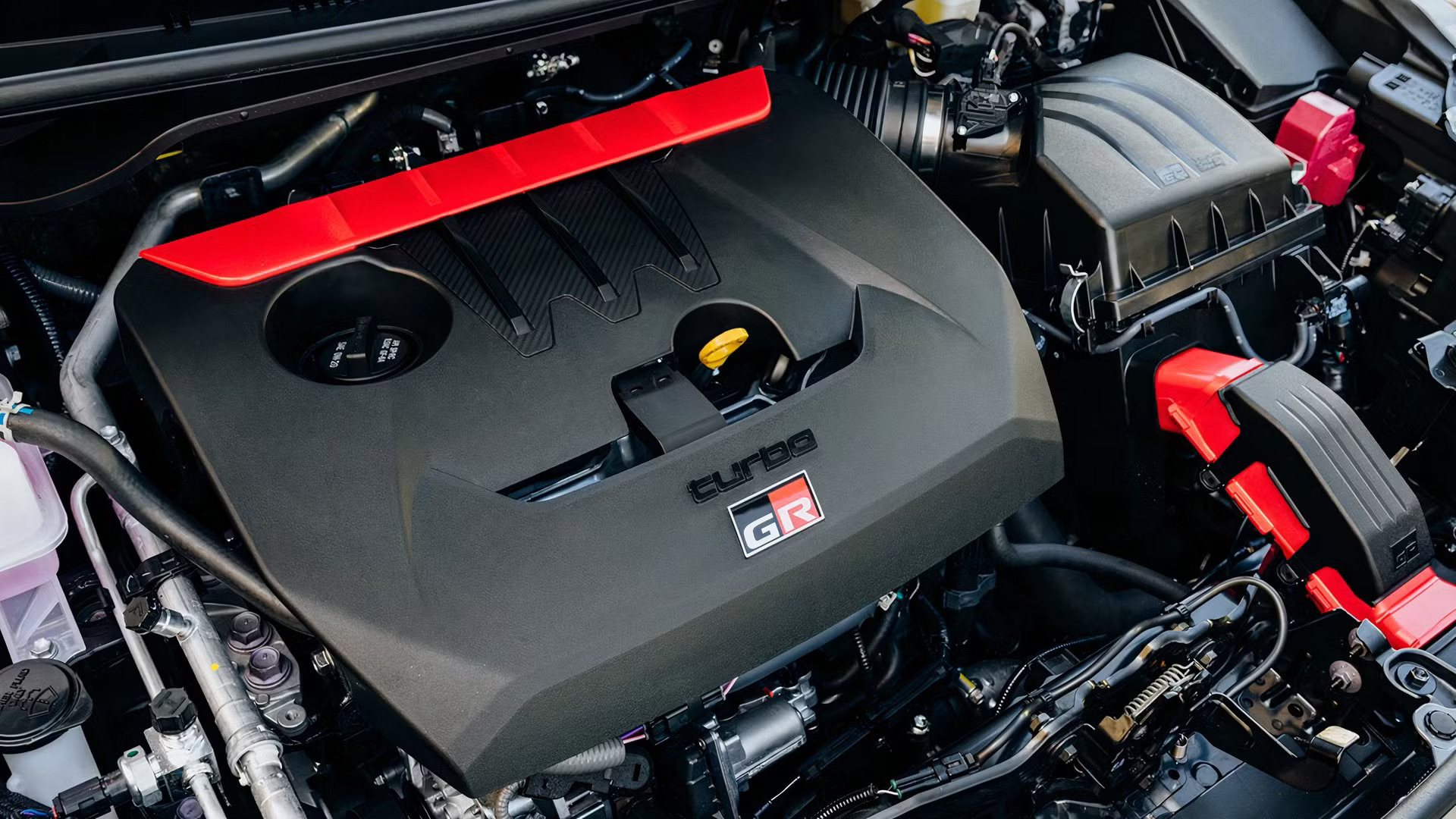
The Toyota G16E-GTS is a compact yet highly sophisticated performance engine developed with direct input from Toyota’s rally racing programs. It powers models such as the Toyota GR Corolla and Toyota GR Yaris, producing more than 300 horsepower from just three cylinders. This remarkable output gives it one of the highest power densities of any production engine while maintaining strong reliability.
Its durability comes largely from its rally-focused engineering. Built to meet World Rally Championship standards, the engine is intentionally over-engineered to survive extreme stress. It uses forged connecting rods, high-strength pistons, and a reinforced crankshaft.
The cylinder walls are also significantly thicker than those of typical three-cylinder engines, improving strength and resistance to heat and pressure. These design choices allow the engine to handle high boost levels without compromising long-term structural integrity.
Advanced thermal management is another defining feature. The G16E-GTS uses multi-oil jet piston cooling, where oil is sprayed beneath the pistons to control temperatures during intense combustion.
Sodium-filled exhaust valves help dissipate heat more effectively, reducing the risk of overheating. In addition, the engine is supported by a highly efficient intercooling system, with later versions receiving extra cooling components to improve performance during extended high-load driving.
The engine also benefits from modern fuel and turbocharging technologies. Toyota’s D-4ST system combines direct and port injection to improve combustion efficiency while reducing carbon buildup on intake valves.
A ball-bearing turbocharger enhances response and durability by minimizing friction and maintaining efficiency at high speeds. These features provide smooth yet powerful performance across a wide operating range.
Real-world testing has shown that the G16E-GTS is exceptionally robust. It produces more than 100 horsepower per cylinder and has been pushed beyond 500 horsepower in tuned applications while retaining stock internals. This demonstrates a high margin of engineering tolerance and reliability.
Although a few early concerns, such as oil management under extreme conditions, have been noted, proper maintenance greatly reduces these risks. The engine remains a standout example of how motorsport engineering can translate into a durable and high-performing road engine.
Also read: 5 Cars With Simple Mechanical Cooling Fans vs 5 With Complex Electric Fan Modules
6. Mercedes-AMG M139
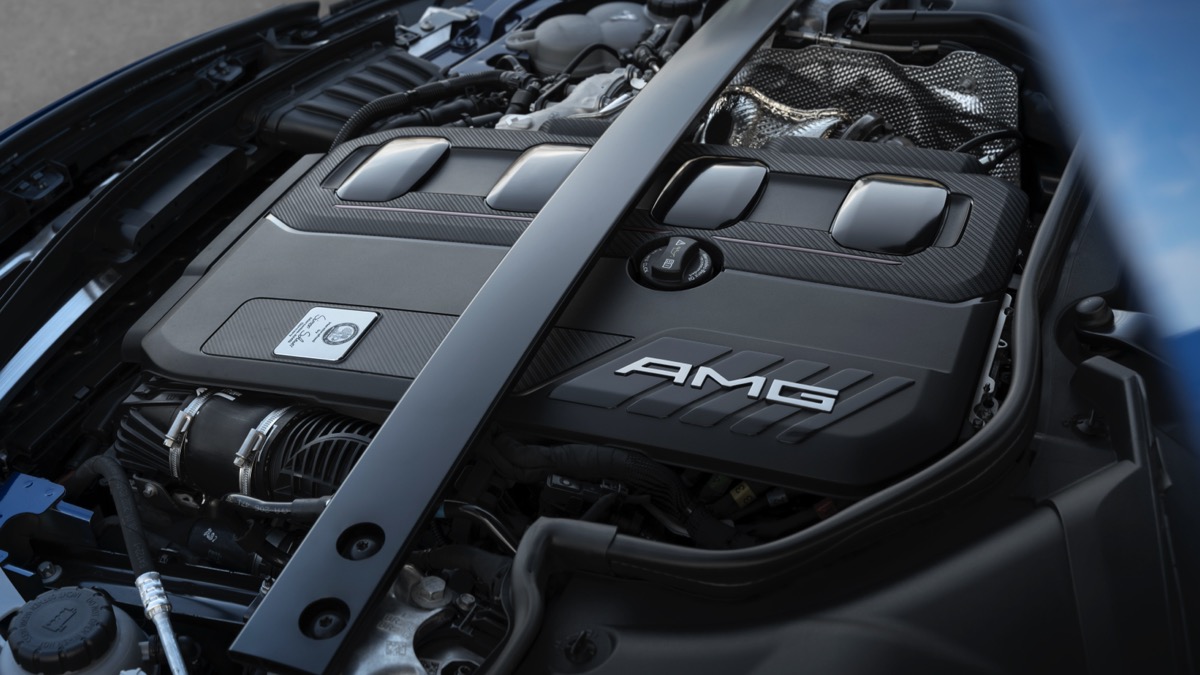
The Mercedes-AMG M139 is a landmark in modern performance engineering, holding the title as the most powerful production four-cylinder engine in the world. Found in vehicles like the Mercedes-AMG CLA 45, it produces up to 416 horsepower while maintaining a reputation for surprising durability despite its extreme output.
A defining characteristic of the M139 is its meticulous construction. Built under AMG’s “One Man, One Engine” philosophy, each unit is hand-assembled by a single technician, ensuring a high level of precision and quality control. This approach contributes significantly to its reliability, especially given the engine’s high-performance nature and complex design.
Structurally, the engine is engineered to handle immense stress. It features a closed-deck block created using a specialized chill-casting process, which provides exceptional rigidity under high combustion pressures.
This is paired with a reinforced crankcase, forged steel crankshaft, and forged aluminum pistons, all designed to withstand boost pressures of up to 30 psi. In addition, the cylinder walls are coated with Nanoslide technology, a low-friction surface that reduces wear and improves long-term durability.
Thermal management is another critical strength. The M139 uses an advanced cooling system that includes multiple radiators, an electric water pump, and a sophisticated oil cooling setup.
These systems work together to maintain stable operating temperatures even under sustained high-performance driving. The engine’s unique reversed layout, where the intake is positioned at the front and the turbocharger at the rear, improves airflow and reduces heat exposure to key components.
Performance is enhanced by a twin-scroll turbocharger with roller bearings and an electronic wastegate, allowing precise control of boost pressure and improved responsiveness. The engine also uses a dual injection system that combines direct and port injection, helping to optimize combustion while reducing carbon buildup.
Despite its complexity and high specific output, the M139 has demonstrated strong early reliability, with testing suggesting a long service life when properly maintained. Some potential concerns, such as increased wear under extreme tuning or high oil consumption, can arise, but these are generally manageable with careful upkeep.
The M139 stands as a highly advanced and durable engine that successfully combines race-inspired engineering with real-world usability.
7. BMW S58
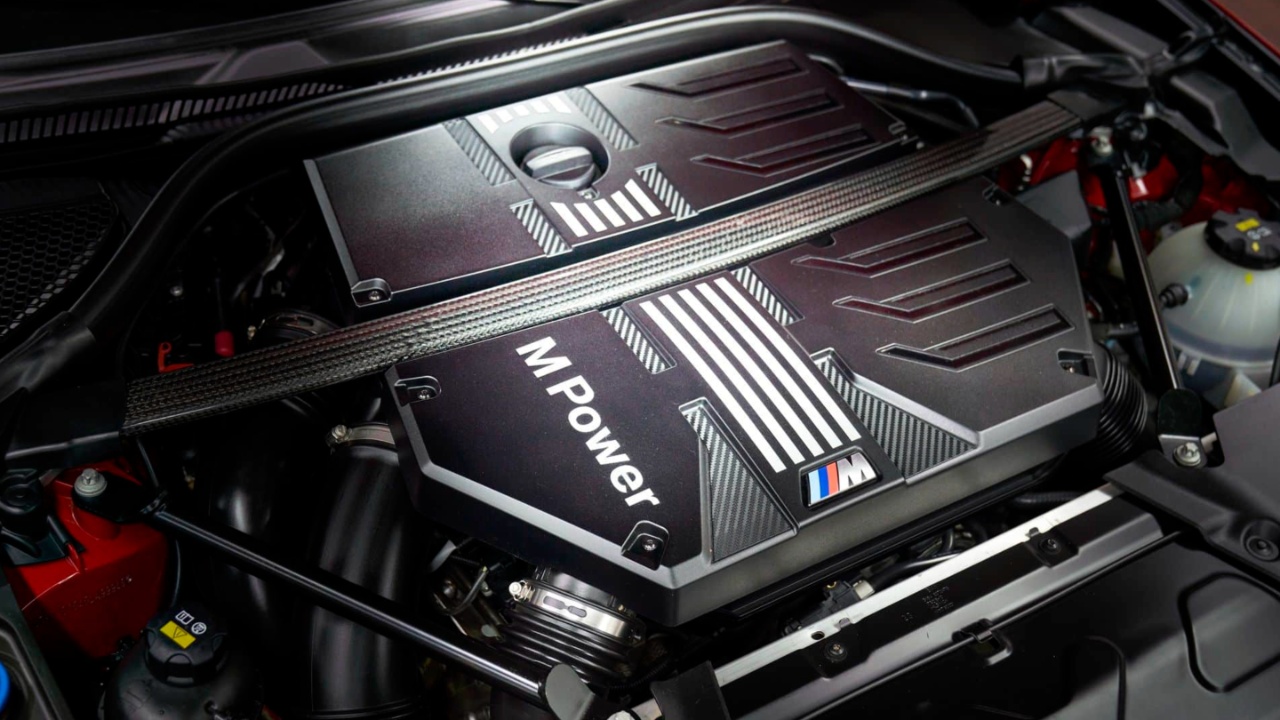
The BMW S58 is a high-performance engine developed by BMW’s M division, powering models such as the BMW M3 and BMW M4. As a more aggressive evolution of the B58 platform, the S58 is engineered specifically for track use while maintaining strong reliability for daily driving.
A major strength of the S58 lies in its over-engineered construction. It features a closed-deck block design that enhances structural rigidity and allows the engine to handle high cylinder pressures without failure. Internally, it uses a fully forged setup, including a forged crankshaft, connecting rods, and pistons.
These components are designed to withstand significant boost levels and sustained high-performance use. The engine also incorporates a one-piece crank hub, eliminating a major failure point seen in earlier BMW M engines.
One of the most advanced features of the S58 is its 3D-printed cylinder head core. This allows for optimized coolant routing, improving heat dissipation and ensuring consistent performance even under extreme conditions. The engine is supported by a comprehensive cooling system that includes multiple radiators and dedicated cooling circuits, reducing the risk of heat soak during track driving.
Performance is delivered through a twin mono-scroll turbocharger setup, with each turbo serving three cylinders. This configuration improves airflow and helps maintain strong power delivery across the rev range.
The engine produces between approximately 473 and over 500 horsepower in stock form, with a redline of around 7,200 RPM. Its power characteristics favor strong mid-range torque and a high-revving top end, making it both responsive and aggressive.
The S58 is also known for its exceptional tuning potential. Many enthusiasts have pushed the engine beyond 700 horsepower on stock internals while retaining reliability and drivability. This highlights the engine’s significant performance headroom and durable design.
Although some owners report higher oil consumption under heavy use, this is typical for engines of this performance level. With proper maintenance, the S58 has shown strong early reliability and minimal widespread issues.
The S58 stands as a highly capable and durable performance engine that successfully combines track-ready engineering with everyday usability.
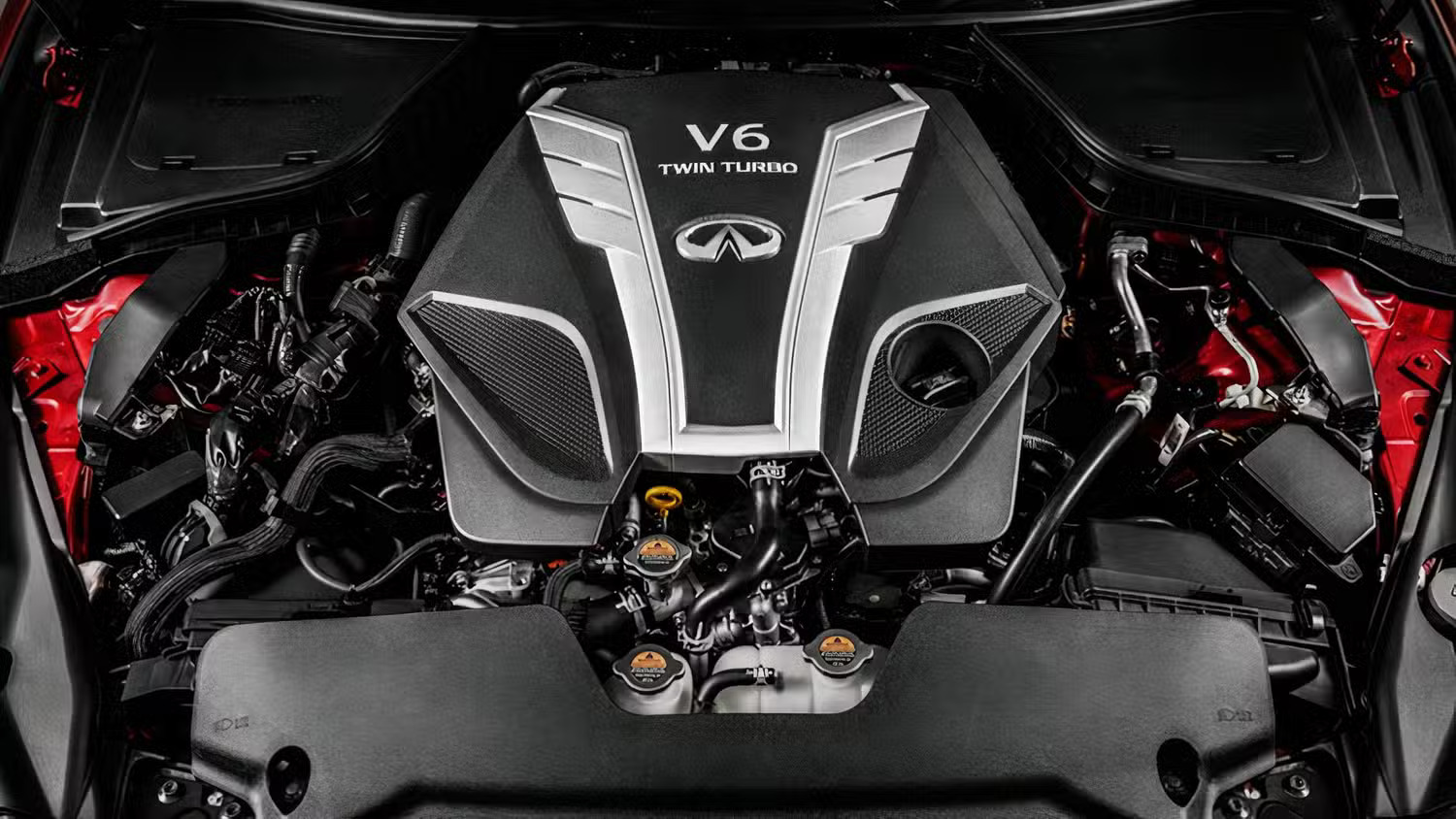
8. Nissan VR30DDTT
The Nissan VR30DDTT is a modern performance engine that continues Nissan’s legacy of durable and high-output powertrains. It is used in vehicles such as the Nissan Z and Infiniti Q50 Red Sport, delivering between 300 and over 400 horsepower depending on the variant. Designed as a successor to the well-known VQ series, it combines strong performance with improved refinement and reliability.
A major factor in the VR30DDTT’s durability is its robust construction. The engine features an aluminum block and cylinder heads, paired with strengthened internal components such as forged connecting rods and a reinforced crankshaft. It also uses a low-friction mirror-bore coating inside the cylinders, which reduces wear, improves efficiency, and helps maintain long-term reliability under high-performance conditions.
Thermal management is a key strength of this engine. It uses integrated exhaust manifolds built directly into the cylinder heads, which reduce complexity and improve heat control. This design also helps the turbochargers respond more quickly.
In addition, the VR30DDTT employs water-to-air intercoolers that maintain stable intake temperatures during repeated acceleration, reducing the risk of heat-related performance loss and engine stress.
The twin-turbo setup is designed for both performance and durability. Compact, water-cooled turbochargers reduce lag and improve responsiveness, while updated seals and internal revisions in newer models have addressed earlier reliability concerns. These improvements, particularly in engines produced after 2018, have made the platform significantly more dependable.
Earlier versions of the engine experienced some issues, including belt alignment problems and occasional concerns with porous engine blocks. However, these have largely been resolved in more recent models, resulting in a much stronger reliability record for current production vehicles.
Performance is another highlight. The engine delivers a smooth and responsive powerband, with strong torque available at low RPM. It also offers substantial tuning potential, with many examples reliably producing 450 to 500 horsepower with basic modifications.
Proper maintenance remains important, especially regular oil changes, due to the demands placed on the turbochargers. Like many direct-injection engines, some carbon buildup may occur over time, though it is generally manageable.
The VR30DDTT stands as a refined, powerful, and reliable engine that balances modern technology with proven performance engineering.
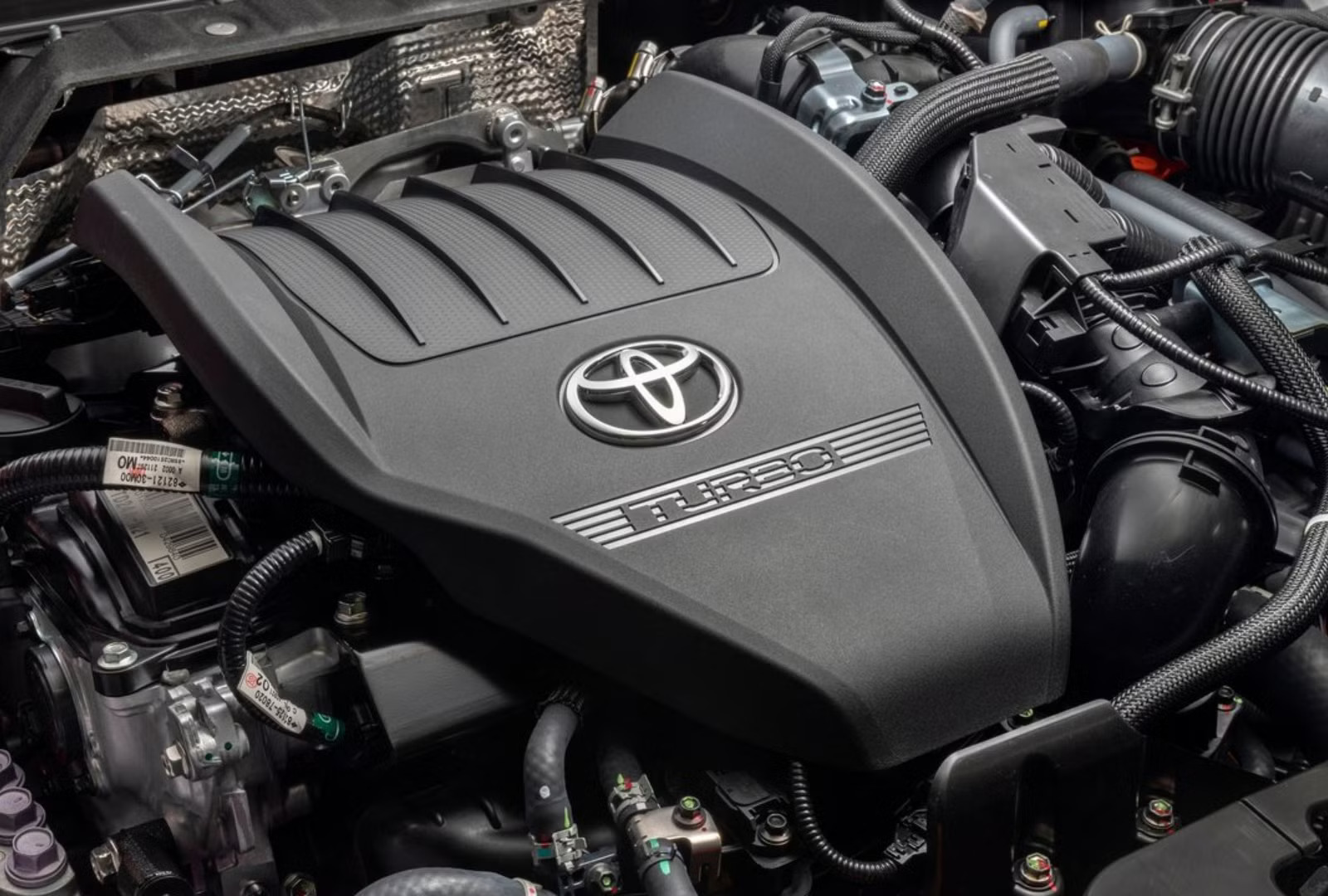
9. Toyota T24A-FTS 2.4L Inline-4
The Toyota T24A-FTS is the centerpiece of Toyota’s Dynamic Force engine family, powering vehicles such as the Lexus NX350, Toyota Tacoma, and Toyota Highlander. Introduced in 2021, this 2.4-liter turbocharged engine is designed to emphasize low-end torque, thermal efficiency, and long-term durability rather than peak horsepower.
Its engineering ensures that it operates well within its mechanical limits, making it capable of long service life with proper maintenance.
The T24A-FTS features a robust open-deck aluminum block with cast-in iron liners and a solid cast bottom-end structure. This design, combined with forged connecting rods and lightweight pistons with polymer-coated skirts, ensures high mechanical strength under forced-induction pressures.
The crankshaft has a 10-millimeter offset with a separate balancing mechanism driven by polymer gears, reducing vibration and wear. The cylinder head is aluminum with laser-clad intake valve seats and an integrated, water-cooled exhaust manifold. Camshafts are housed separately, driven by a roller timing chain, and feature variable valve timing with roller rockers and hydraulic lash adjusters for precise operation.
Fuel delivery is handled by Toyota’s D-4ST system, combining direct injection and port fuel injection. This dual system minimizes carbon buildup and supports high-pressure operation, with an additional high-pressure pump driven by the exhaust camshaft.
The engine also features a twin-scroll turbocharger with vacuum-controlled WGT, a water-cooled intercooler, and a plastic intake manifold, ensuring efficient boost delivery while keeping temperatures in check.
Thermal management and lubrication are central to the T24A-FTS’s reliability. Oil is cooled through a water-type oil cooler, while an electric pump manages the intercooler and turbocharger cooling circuits.
Sodium-filled exhaust valves help manage high temperatures, and oil squirters cool the pistons directly. The engine retains a conventional belt-driven coolant pump for ease of maintenance, and electronic controls optimize performance under varying conditions.
Power output ranges from 228 to 278 horsepower and 243 to 339 lb-ft of torque, depending on application. Early reports indicate strong durability, with the engine showing no significant mechanical failures when properly maintained.
While modern small-displacement turbo engines are inherently more complex and sensitive to high-quality fuel and oil, the T24A-FTS incorporates many features to minimize carbon buildup and mechanical stress. With careful maintenance, this engine is expected to provide reliable performance for at least 150,000 miles, offering a balance of efficiency, torque, and longevity in a compact, turbocharged package.
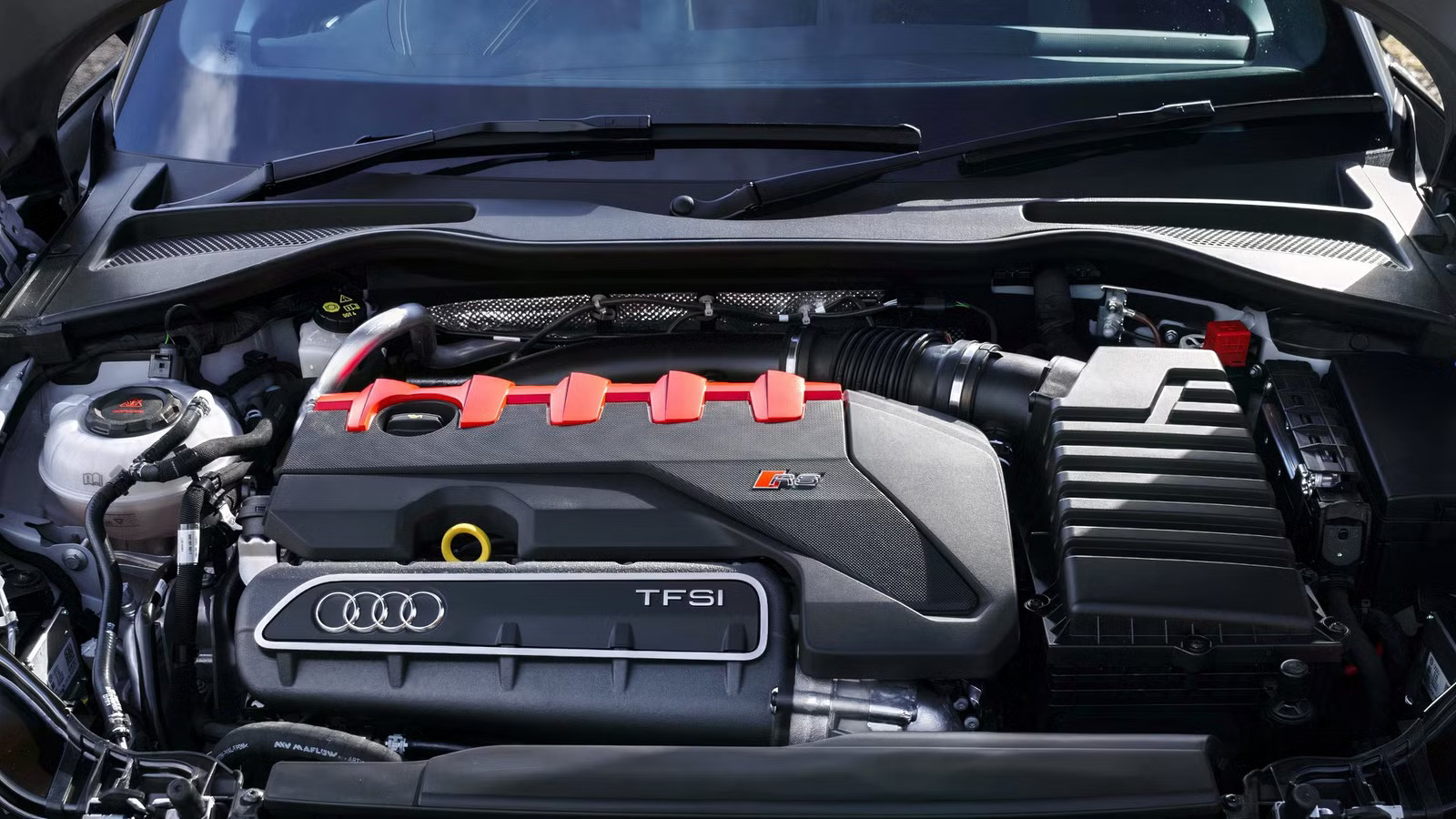
10. Audi 2.5L TFSI Inline-5
The Audi 2.5L TFSI is one of the most iconic powerplants in the VW Group, powering high-performance models like the Audi RS3, Audi TT RS, and Audi RS Q3. Introduced in its current EA855 Evo form, this five-cylinder turbo engine combines racing heritage with modern engineering, producing 394–401 horsepower and 369 lb-ft of torque.
Its distinctive 1-2-4-5-3 firing order not only creates a unique “baby Lamborghini” exhaust note but also balances internal forces to reduce vibration and improve longevity.
The engine is built around a lightweight aluminum block that reduces mass by approximately 40 pounds compared to earlier designs while maintaining exceptional strength to handle high boost pressures. Its forged internals, including pistons, rods, and crankshaft, provide durability capable of handling over 500 horsepower with minimal modifications.
Plasma-coated cylinder walls reduce friction and heat, while dual fuel injection (direct and port) improves combustion efficiency and prevents carbon buildup on intake valves, a common issue in turbo engines. A switchable water pump and sophisticated cooling system further enhance thermal management, reducing wear during cold starts and extended high-load operation.
Performance characteristics make the 2.5L TFSI highly versatile. Its twin-scroll turbocharger delivers immediate throttle response, while the Audi Valvelift System (AVS) improves torque delivery and reduces turbo lag.
The engine’s compact 160 kg weight enhances vehicle handling, and its linear power curve ensures smooth acceleration to the 7,000+ rpm redline. Early reports indicate high reliability, with many engines surpassing 150,000 to 200,000 miles when properly maintained.
The engine is also highly tunable. Moderate aftermarket modifications can push output beyond 500 horsepower without compromising the stock bottom end, making it a favorite among enthusiasts seeking high-performance upgrades.
Its combination of lightweight construction, robust internal components, and advanced thermal management makes it a rare example of a high-output turbocharged engine that balances daily drivability with track-capable performance.
The Audi 2.5L TFSI inline-5 is a benchmark for modern performance engines. It offers a unique exhaust character, impressive acceleration, high tunability, and durable construction. While the market is shifting toward electrification, this engine remains a standout for those seeking a lightweight, high-revving, and long-lasting turbocharged powerplant with a distinctive personality and proven reliability.
Recent turbocharged engines prove that performance and reliability can coexist. Models like the Toyota T24A-FTS and Mercedes-AMG M139 combine strong structural design, advanced cooling, and efficient turbo systems to endure high boost levels and extended use. Many of these engines also allow for safe tuning, enabling enthusiasts to increase power while preserving durability.
These ten engines deliver impressive power, responsive acceleration, and sustained performance under demanding conditions. They reflect the evolution of turbocharged technology, where efficiency, strength, and refinement are integrated into each design. For drivers seeking both reliability and exhilaration, these engines represent the pinnacle of modern turbocharged performance engineering.
Also read: Top 10 Cars That Look Like They Are From the Future But Are From the 70s