

Buying a used performance car is thrilling, but it can quickly turn into a costly nightmare if you end up with a “lemon.” High-performance vehicles are engineered for speed and excitement, not forgiving mechanical margins, which means even minor neglect or hidden damage can lead to major failures.
To navigate this high-stakes market, buyers must go beyond a casual glance or short test drive and adopt a systematic, informed approach. From understanding model-specific weaknesses to verifying meticulous service records, inspecting modifications, checking fluids, and performing rigorous test drives, every step matters.
Each tip in this guide equips you with practical strategies to identify potential pitfalls, assess the true condition of the vehicle, and make smarter purchasing decisions. By combining technical knowledge with professional insight, you can enjoy the thrill of owning a performance car without being blindsided by unexpected repairs or unsafe conditions.
1. Research Model-Specific “Achilles Heels” Before Buying a Performance Car
Before purchasing a used performance car, it is essential to understand the specific weaknesses of the make and model you are considering. Every high-performance vehicle has certain engineering flaws that often appear at a particular mileage or under specific driving conditions.
For example, early 2000s Porsche 911s are prone to IMS bearing failures, while E92 BMW M3s are known for rod bearing and throttle actuator problems. Knowing these common issues can prevent catastrophic mechanical failures and save you from expensive repairs.
The best way to begin your research is by joining owner communities and forums dedicated to that model. Many of these communities have stickied “Buyer’s Guide” threads that document the typical problems and preventative maintenance steps recommended by experienced owners.
If a model is known for transmission failure at 60,000 miles, a car with 65,000 miles that has not had that repair should be considered very risky. Understanding the cost of common repairs is also critical because some issues are relatively inexpensive to fix, while others, such as an engine-out repair, can exceed ten thousand dollars.
This knowledge helps you negotiate a fair price or decide to walk away from a car where the risk is too high.
Researching model-specific weaknesses also allows you to avoid hidden problems that are not visible during a test drive or basic inspection. Timing chain failures, rod bearing wear, and coolant system issues are often invisible but can lead to catastrophic damage.
By knowing what to look for, you can request service records and verify that high-risk parts have been maintained. This research also allows for a more targeted inspection, focusing on areas where the car is known to leak or fail.
Forums and owner reports help you assess whether a potential issue is minor or a major multi-thousand-dollar problem. Informed buyers can leverage this knowledge when negotiating the price or deciding whether to pursue a particular vehicle.
Joining specialty forums, checking service histories, and commissioning a pre-purchase inspection from a mechanic familiar with the model are essential steps. By researching the specific “Achilles heels” of a performance car, you can transform a general inspection into a focused evaluation, greatly reducing the likelihood of buying a vehicle that will require unexpected and costly repairs.
2. Verify Full and Transparent Service History for Performance Cars
When buying a used performance car, verifying a full and transparent service history is critical. High-output engines are far less forgiving than standard economy cars, and missing or deferred maintenance can lead to costly failures. A thorough service history provides proof that the car was cared for consistently, showing that preventative maintenance was prioritized over short-term savings.
Ideally, you want detailed receipts from professional shops rather than just verbal assurances from the owner. These receipts verify both the mileage and the date of work performed, offering third-party confirmation that scheduled maintenance was actually completed.
Routine oil changes are the foundation of performance car care. Engines operating at high RPMs rely on fresh oil to protect vital bearings, and stretching intervals too long can significantly accelerate wear. Beyond oil, performance cars require major services at milestone intervals, typically around 60,000 or 100,000 miles.
These include replacements for water pumps, timing belts, spark plugs, differential fluids, and in some cases, dual-clutch transmission components. If a car has surpassed these milestones without documented maintenance, it likely represents deferred upkeep that shifts expensive repairs onto the new owner.
A complete service history also reveals the quality of parts used. Original Equipment Manufacturer (OEM) components or reputable aftermarket brands indicate the owner invested in the car’s longevity, whereas a lack of documentation often signals cost-cutting.
Furthermore, service records can expose “invisible” wear caused by aggressive driving or improper handling, helping you assess whether the car was treated by an enthusiast or neglected. Comparing the mileage in service records to the odometer helps detect potential tampering, preventing costly surprises from hidden wear.
A full and transparent service history transforms a high-risk purchase into an informed investment. It protects against hidden failures, confirms crucial milestone services, validates the use of correct parts, and highlights patterns of recurring problems that may indicate a lemon.
Buyers should insist on detailed receipts rather than just stamps in a service book. Any hesitation from the seller in providing complete documentation is a strong warning sign and often warrants walking away. For used performance cars, meticulous record-keeping is the single most reliable indicator of a vehicle that will remain dependable and enjoyable long after the purchase.
3. Screen for Poorly Executed Modifications Before Buying
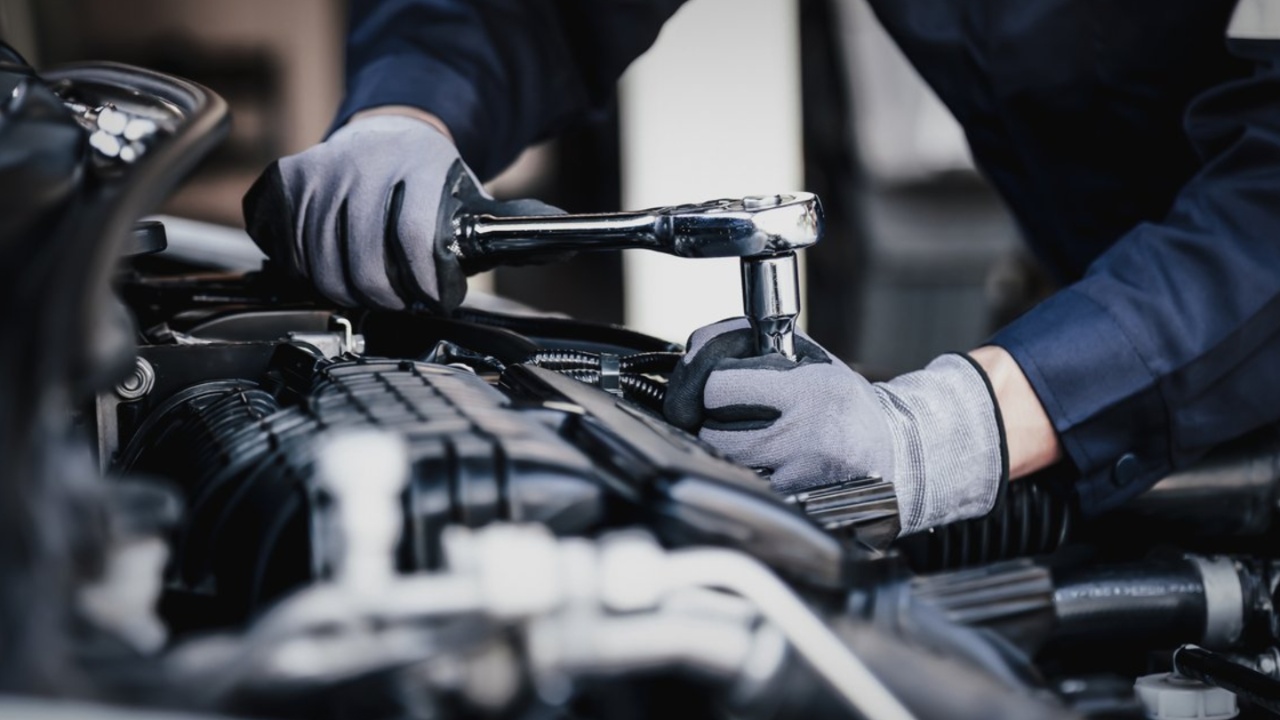
Modifications on a performance car can enhance driving enjoyment, but poorly executed or sloppy upgrades are often a red flag for reliability issues. When inspecting a modified vehicle, look for “OEM+ cleanliness,” meaning wiring should be neatly routed, bolts properly tightened, and components installed without makeshift fixes such as zip ties or hammering. Sloppy modifications are a direct reflection of the owner’s approach to maintenance and care, often indicating that the car was pushed beyond safe limits.
Incomplete builds are especially dangerous. For example, installing a larger turbocharger without upgrading fuel injectors or tuning the ECU correctly can leave the engine running lean, potentially destroying pistons. Ask who performed any engine tuning and request invoices from reputable shops, as well as dyno sheets showing safe air-fuel ratios.
Similarly, suspension modifications require attention. Cutting springs or using cheap aftermarket coilovers can ruin suspension geometry, causing premature tire wear and stress on bushings and joints. Other small but telling signs include “vampire clips” on wiring harnesses, which bite into wires to power aftermarket devices and are notorious for electrical shorts and phantom battery drains.
Screening for poorly executed modifications helps reveal the owner’s philosophy. Professionally installed, high-quality upgrades generally indicate careful maintenance and responsible use. In contrast, messy work, mismatched parts, or signs of extreme lowering suggest neglect and potentially abusive driving, such as drifting or track use.
These signs often correlate with hidden mechanical and safety hazards. Improper engine modifications, sloppy wiring, and cheap suspension components can lead to blown engines, electrical failures, and unsafe handling.
Poor modifications also highlight the potential for high ownership costs. Reversing bad work or repairing damage often requires significant investment, and extensive modifications can void warranties or complicate insurance coverage.
When inspecting a modified car, check under the hood for exposed wires or leaks, the underside for damaged or altered suspension and exhaust components, and the interior for hacked-up panels, poorly installed gauges, or aftermarket electronics.
In short, a performance car with sloppy modifications is often a warning that the vehicle has been pushed hard and poorly maintained. Recognizing and avoiding these warning signs is essential to prevent buying a high-risk, expensive-to-fix lemon and ensure that your investment is both safe and reliable.
4. Perform a Strict Cold Start Inspection
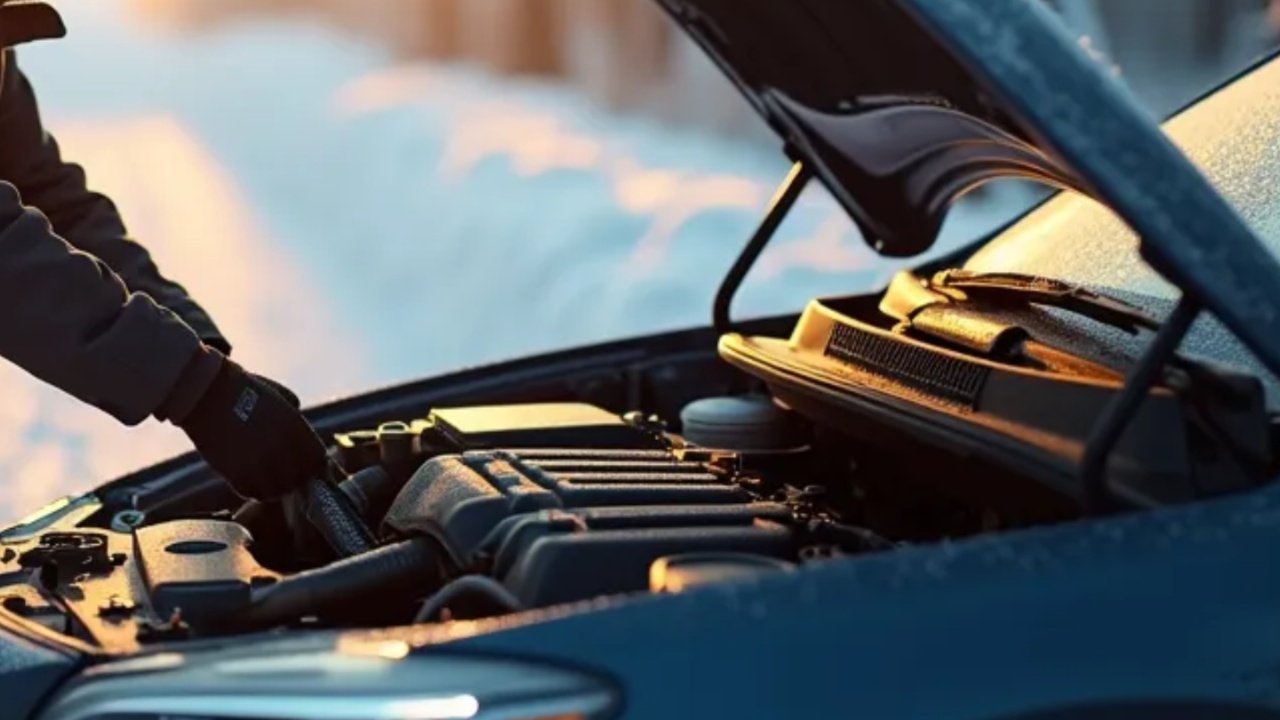
A cold start inspection is one of the most effective ways to evaluate the true condition of a used performance car. Many sellers will warm up the engine before a viewing, which masks problems such as worn valve seals, piston slap, or internal leaks. To avoid being misled, insist that the engine has been off for at least six to eight hours and verify this by touching the engine block to ensure it is cold.
When the car is started cold, immediately observe the exhaust. A brief puff of moisture is normal, but blue smoke indicates oil burning from worn piston rings or valve guides. Thick white smoke with a sweet smell signals burning coolant, often caused by a blown head gasket or a cracked engine block.
Listening carefully to the valvetrain during the first 30 seconds is crucial. Light ticking that fades as oil pressure builds may be acceptable, but heavy knocking or clunking suggests rod bearing problems, which are terminal for an engine. The idle should settle into a smooth, steady rhythm as the engine warms; bouncing needles or a rough idle indicate vacuum leaks, ignition issues, or other underlying mechanical faults.
Cold starts reveal engine and valvetrain wear because metal components have not expanded, making noises like piston slap, timing chain rattle, or lifter clicks more apparent. The condition of the oil also becomes obvious, with dirty or neglected oil amplifying sounds and indicating poor maintenance. Exhaust smoke serves as a clear signal for internal leaks or oil burning.
Additionally, cold start inspections expose transmission and drivetrain problems. Automatic transmissions may jerk or delay engagement, while manual clutches can reveal warped plates or worn release bearings. Belts, pulleys, and exhaust systems can also show issues that heat normally hides, including squeaks, hissing, or ticking sounds.
A proper cold start ensures that you see the car at its most vulnerable, unmasked state. Sellers who insist on warming up the engine are likely attempting to conceal maintenance issues or underlying wear.
By conducting this inspection, you gain an accurate understanding of the engine’s internal health, the condition of the drivetrain, and any early warning signs of costly mechanical failures. For a high-performance car, assessing its cold-start behavior is a critical step in avoiding a hidden lemon and ensuring a reliable purchase.
Also read: 5 Reasons Why Lightweight Sports Cars Are Better for US Backroads
5. Check for Accident History and Under-Body Trauma
Performance cars are often driven hard, which makes them more prone to accidents and underbody damage. While a CARFAX or similar report is a useful starting point, it only shows incidents reported to insurance. Many enthusiasts pay for repairs out of pocket to maintain a clean title, so a car with no reported accidents may still have hidden structural issues. A careful inspection is necessary to uncover these potential problems.
Start by examining the exterior body panels. Check the gaps between the hood, doors, and trunk for uniformity. Uneven gaps can indicate a misaligned frame from a previous collision.
Look for overspray on rubber seals or inside wheel wells, which can reveal a quick respray to cover up damage. Using a small magnet wrapped in a cloth can help detect body filler, or Bondo; if the magnet does not stick to a fender, the metal underneath may have been patched.
Because performance cars often have low ground clearance, inspecting the undercarriage is essential. Look for scrapes, dents, or other signs of impact on the oil pan, subframe, exhaust system, and suspension components. Cars that have been lowered or “stanced” are especially vulnerable to frame rail damage from potholes, speed bumps, or debris.
Examine the inner sidewalls of the tires for uneven wear, which can indicate misaligned suspension geometry caused by a past accident or poorly executed modifications. A vehicle with a compromised frame or alignment not only risks expensive repairs but also poses serious safety hazards at high speeds.
Inspecting for under-body trauma helps identify hidden structural damage, compromised safety systems, and signs of aggressive use.
It reveals whether crumple zones, suspension, or drivetrain components have been weakened, which could lead to dangerous handling inconsistencies. Detecting these issues before purchase can save thousands in repairs and prevent inheriting a car that has been abused on the street or track.
Key steps include lifting the car to inspect the frame, checking panel gaps, listening for clunking or rubbing noises during a test drive, and inspecting fluid lines for leaks caused by impacts. By carefully screening for accident history and under-body trauma, buyers can avoid hidden mechanical or structural flaws, ensuring the performance car is both safe and reliable rather than a costly, high-risk lemon.
6. Analyze Fluid Quality and Vital Signs
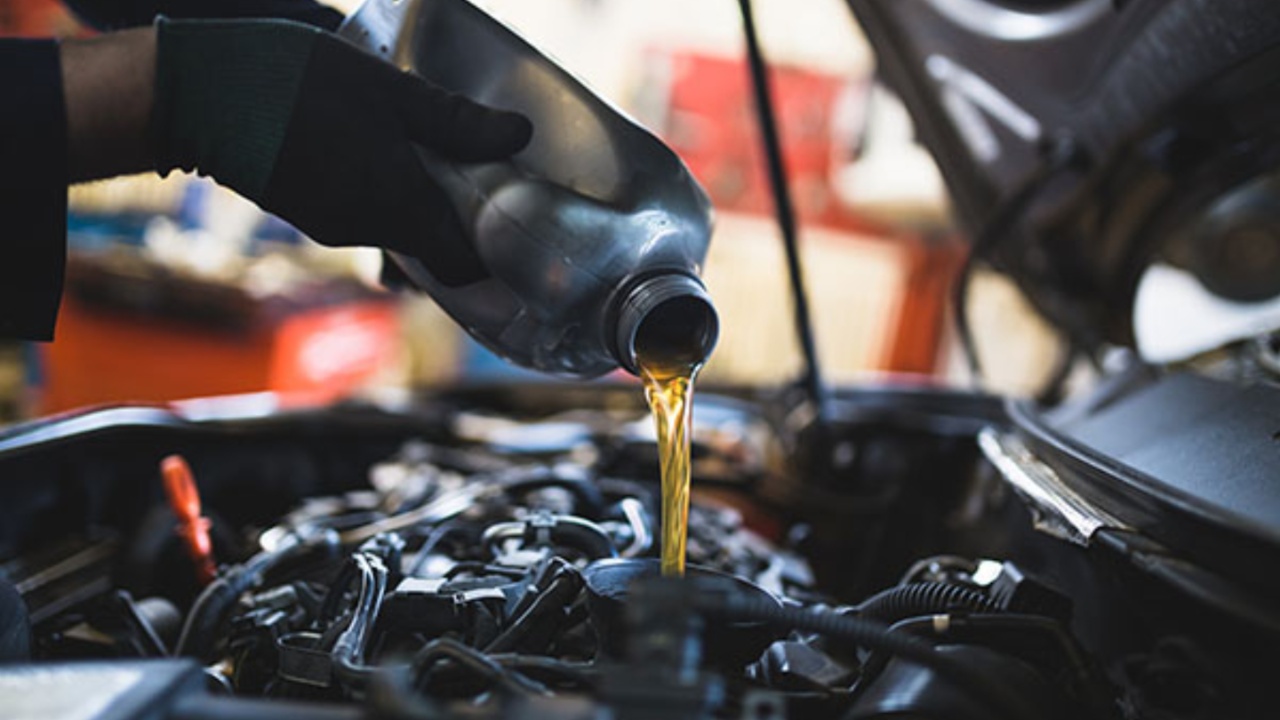
Fluids are the lifeblood of a performance car, and their condition reveals how well the vehicle has been maintained and its mechanical health. Inspecting engine oil, coolant, brake fluid, and transmission fluid can uncover hidden issues that a visual check or test drive might not reveal.
Start with the engine oil using the dipstick. It should be amber or black and free of milkiness or frothy bubbles. Milky, chocolate-milk oil indicates coolant mixing with the oil, often a sign of a failed head gasket. Metallic particles or gritty sludge in the oil signal internal wear or neglected maintenance.
Next, examine the coolant reservoir. The fluid should be translucent and the correct color for the make, such as green, blue, or orange. Oil droplets or gritty sediment in the coolant indicate contamination or poor care. For performance engines, which generate high heat, a compromised cooling system can quickly warp cylinder heads and lead to severe engine damage.
Brake and transmission fluids provide additional insight. Brake fluid should be clear or light gold; dark brown or black fluid has absorbed moisture and could boil under high-speed driving, compromising braking performance. Transmission fluid also requires attention.
In manual cars, verify when the gear oil was last changed. In automatic or dual-clutch transmissions, burnt-smelling fluid suggests clutch slippage or repeated aggressive launches, which can result in repair costs ranging from $5,000 to $15,000. This is a strong reason to walk away.
Analyzing fluid quality helps detect internal damage, signs of neglect, and active leaks, while also giving buyers leverage to negotiate price adjustments or repairs before purchase. Checking the exhaust for blue smoke indicates oil burning, while white smoke suggests a coolant leak. Sludge under the oil filler cap is another red flag indicating poor maintenance.
Taking the time to inspect these vital fluids, or having a professional conduct a pre-purchase inspection, provides crucial insight into the vehicle’s condition. This step helps protect buyers from hidden engine, transmission, and cooling issues, reduces the risk of expensive repairs, and ensures that the car is safe and reliable. For used performance cars, evaluating fluid quality is one of the most effective ways to avoid buying a lemon.
7. Conduct a High-Stress Test Drive
A casual drive around the block will not reveal the flaws in a performance car. To accurately assess the vehicle, you need a safe, controlled, and high-stress test drive that pushes the engine, transmission, brakes, and suspension.
Begin with the clutch and gearbox. In a manual car, test the clutch by accelerating in a high gear at low speed. If the RPM rises without corresponding acceleration, the clutch is slipping. Check gear engagement for smoothness and responsiveness.
Brakes should be tested on a flat, empty road. Apply firm pressure while observing the steering and pedal feel. If the steering wheel jerks to one side, a caliper may be sticking or a suspension bushing could be damaged. Vibrating pedals indicate warped rotors. Listen for whining from the rear, which often points to a worn differential, and clicking during tight turns, which signals failing CV joints.
Acceleration through the full power band is critical. Power delivery should be smooth and linear. Stutters, coughing, or sudden power loss at high RPMs can indicate issues with the fuel system, spark plugs, or turbocharger boost.
These intermittent problems are often the hardest and most expensive to repair. Monitor the temperature gauge carefully. It should remain centered during hard driving; rising temperatures suggest an undiagnosed cooling problem.
A high-stress test drive exposes hidden mechanical weaknesses that gentle driving or stationary inspections cannot. It helps identify powertrain issues such as transmission slipping, turbo lag, or gear hesitations, while also revealing suspension and brake faults that only occur under load.
Engine noises, including knocking, ticking, or whining, are more apparent when the engine is pushed, allowing you to spot internal damage early. In manual cars, it also confirms the clutch and gearbox health under realistic driving conditions.
To conduct the test drive safely, first warm the engine to operating temperature. Find a quiet highway or open road for acceleration and braking tests. Shift through the gears at higher RPMs, listen closely for unusual sounds, and perform firm braking maneuvers to evaluate stability. Ideally, the drive should last 45 to 60 minutes to provide a thorough assessment of how the car behaves under stress.
Performing this high-stress evaluation is one of the best ways to ensure that a used performance car is mechanically sound, safe, and free from hidden defects that could result in costly repairs, helping buyers avoid a high-risk “lemon.”
8. Get a Professional Pre-Purchase Inspection (PPI)
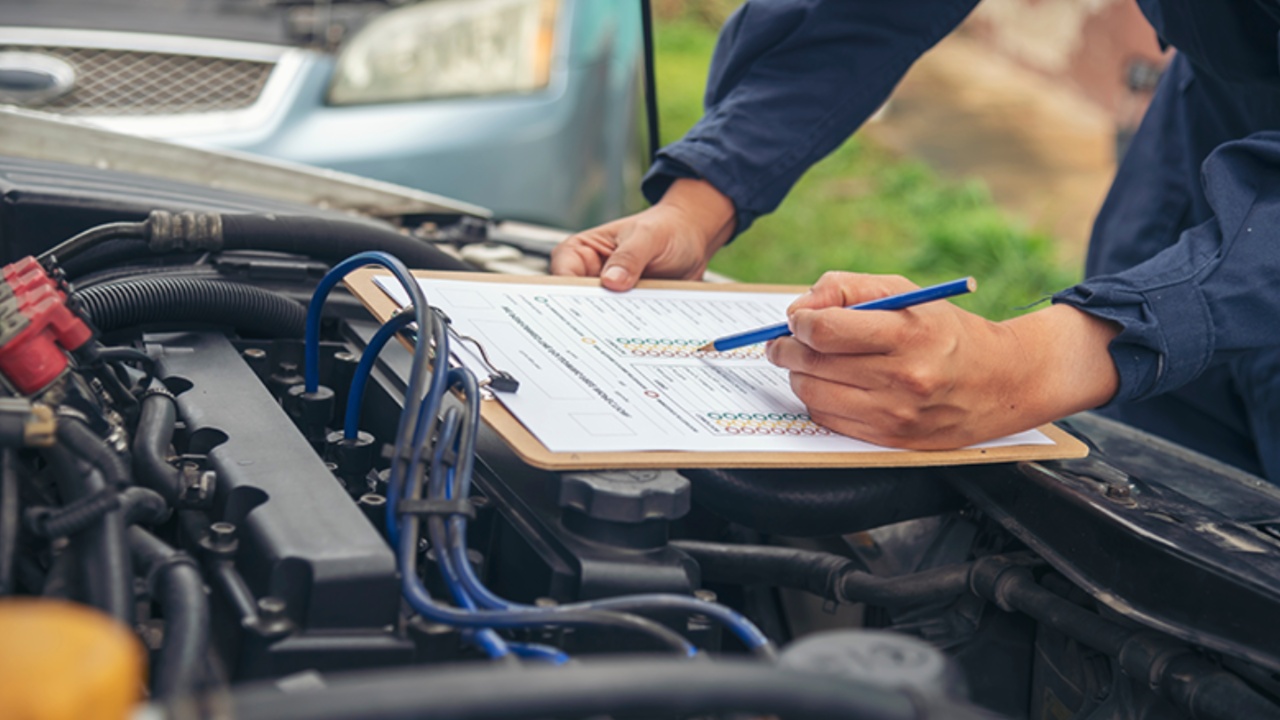
A professional Pre-Purchase Inspection (PPI) is the single most important step when buying a used performance car. Enthusiasts may trust their instincts, but specialized mechanics have diagnostic tools and expertise to uncover hidden problems that casual inspection or test drives cannot reveal.
A PPI typically costs between $200 and $500, a small investment compared to the potential expense of repairing a failed engine, transmission, or damaged frame.
During a PPI, the mechanic performs tests such as a compression or leak-down test to evaluate the health of the engine cylinders. Uneven compression is a strong indicator of internal engine wear that can lead to catastrophic failure.
Mechanics also use professional OBD-II scanners to detect pending trouble codes. Even if a seller clears the “Check Engine” light, the system retains mileage history since the last reset, exposing attempts to hide issues.
The vehicle is lifted to inspect hard-to-see components, including rear main seals, turbo housings, and suspension mounts. Inspectors can identify hidden leaks, frame damage from previous accidents, or signs of heavy track or aggressive street use.
Sloppy modifications, poorly tuned ECUs, or non-standard parts are also flagged, as these can compromise longevity and performance. Sellers who refuse a PPI are sending a strong warning signal; a confident seller with a well-maintained car should have no issue allowing a professional inspection.
A PPI provides financial protection by revealing “polished” problems that sellers attempt to hide. Detecting issues such as worn clutches, superchargers, or upcoming major services can save thousands and also provide leverage for negotiating a lower price. Additionally, a PPI verifies the car’s safety by checking suspension, brake lines, tires, and structural integrity, ensuring the vehicle can perform safely at high speeds.
Beyond uncovering defects, a PPI offers an unbiased, expert assessment. Mechanics work for the buyer, not the seller, protecting against undisclosed flood damage, odometer rollbacks, or VIN tampering.
For used performance cars, where engines and drivetrains are often stressed and modified, skipping a PPI is a high-risk gamble. Conducting a professional inspection transforms an emotional purchase into a calculated investment, providing peace of mind, financial security, and confidence that the car is both safe and reliable.
Buying a used performance car requires careful research, attention to detail, and a disciplined approach. Ignoring warning signs or skipping inspections can turn a dream car into an expensive liability.
By applying these eight tips, including researching model-specific weaknesses, verifying service history, evaluating modifications, performing cold starts, and arranging a professional pre-purchase inspection, buyers can uncover hidden mechanical, structural, and safety issues.
Checking fluids, inspecting the underbody, and conducting a high-stress test drive further reveal problems that may not appear during casual use. These steps allow you to differentiate between a well-maintained enthusiast car and a high-risk lemon.
Taking the time to perform these checks transforms your purchase into a confident and informed investment, giving you the assurance that your performance car will deliver reliability, safety, and driving excitement for many years.
Also read: 10 Tips for Keeping Your Car Turbocharger Cool and Healthy
