
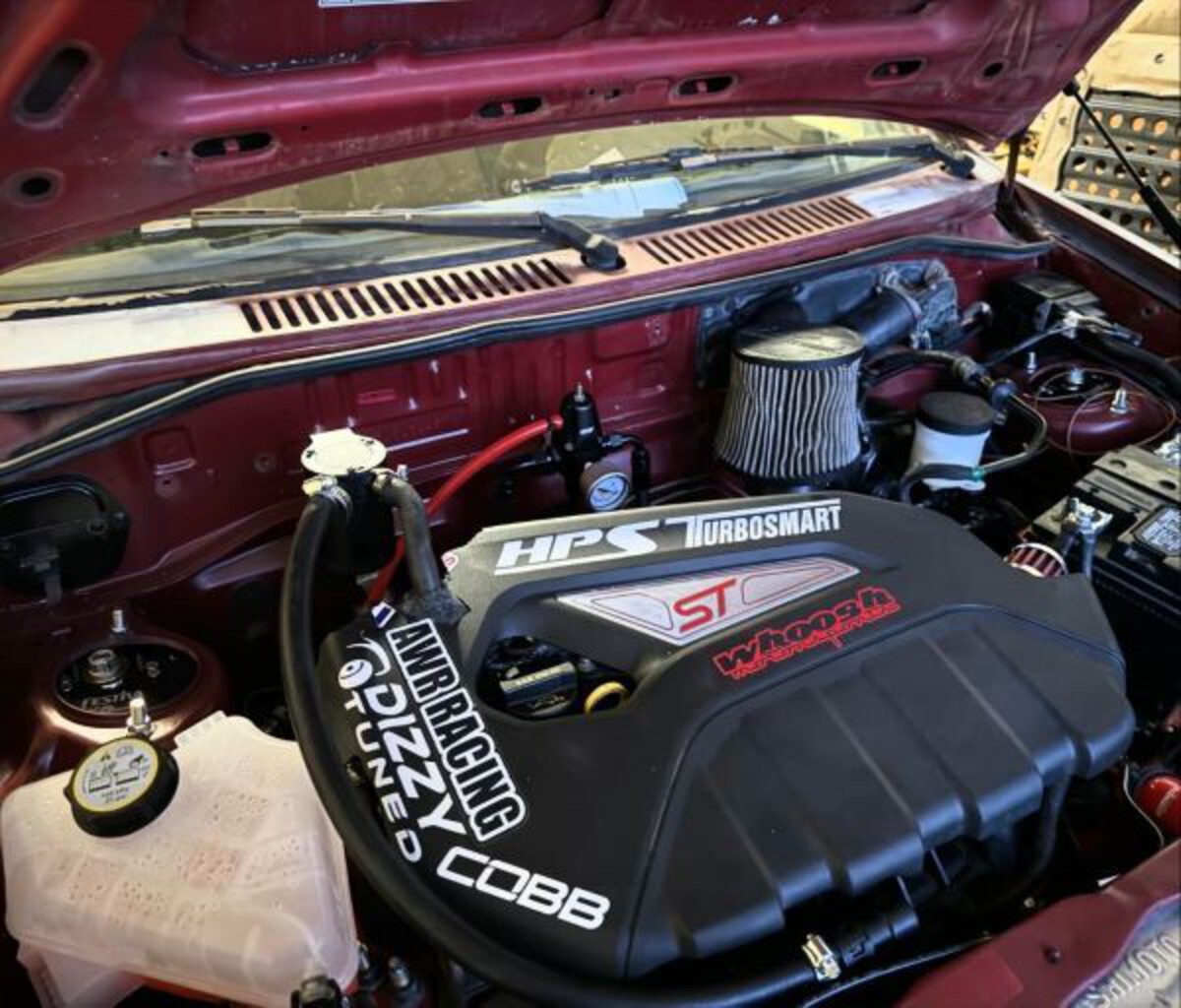
Ford EcoBoost engines changed the modern automotive landscape by proving that smaller turbocharged engines could deliver the power of larger naturally aspirated motors while improving fuel efficiency.
By combining direct injection, turbocharging, and advanced engine management systems, Ford created a lineup that promised both performance and practicality.
However, as these engines accumulated mileage across different vehicle platforms, real world ownership began revealing a clear divide between designs that proved extremely durable and others that showed sensitivity to heat related stress.
Some EcoBoost engines earned a strong reputation for surviving high mileage use with minimal internal wear when properly maintained. These engines tend to feature stronger cooling strategies, better block designs, and more conservative tuning that allows them to tolerate long term thermal cycling.
On the other hand, certain EcoBoost variants developed a pattern of heat related complaints such as coolant intrusion, turbo heat soak, or accelerated gasket wear, especially in demanding driving environments.
Understanding this difference matters because EcoBoost is not a single engine but a large family of designs with different reliability outcomes. Buyers often assume all EcoBoost engines behave the same, which is not accurate.
Some are excellent long term ownership choices while others require more careful maintenance planning. This comparison looks at five EcoBoost engines known for durability and five that developed heat related concerns, helping clarify which designs proved most resilient over time.
Also Read: 10 Used Luxury Cars With Surprisingly Simple Mechanical Layouts
5 Ford EcoBoost Engines Built for the Long Haul
Not every turbocharged engine ages gracefully, but some Ford EcoBoost designs have demonstrated that forced induction does not automatically mean reduced longevity.
Several EcoBoost engines have shown the ability to cross 200,000 miles with proper maintenance, largely due to conservative boost pressure, strong bottom end construction, and effective thermal management systems.
These engines often appear in vehicles designed for heavy use such as trucks, larger SUVs, and performance oriented sedans where durability expectations are higher.
What separates these long lasting EcoBoost engines is not just strength of materials but also engineering philosophy. Ford refined oil cooling, piston design, and cooling channel layouts in certain engines after early lessons from the first generation EcoBoost rollout.
Some later engines benefited from improved head gasket sealing, revised coolant flow paths, and better turbo heat shielding.
This section highlights five EcoBoost engines that developed positive reputations among mechanics and long term owners. The purpose is not to claim perfection but to explain why these engines are frequently cited in discussions about durability.
Each one earned attention for a different reason, whether because of strong internal architecture, predictable wear patterns, or proven performance in high load conditions.
Understanding these examples helps show how good thermal design can allow a turbocharged engine to remain reliable even after years of demanding service.
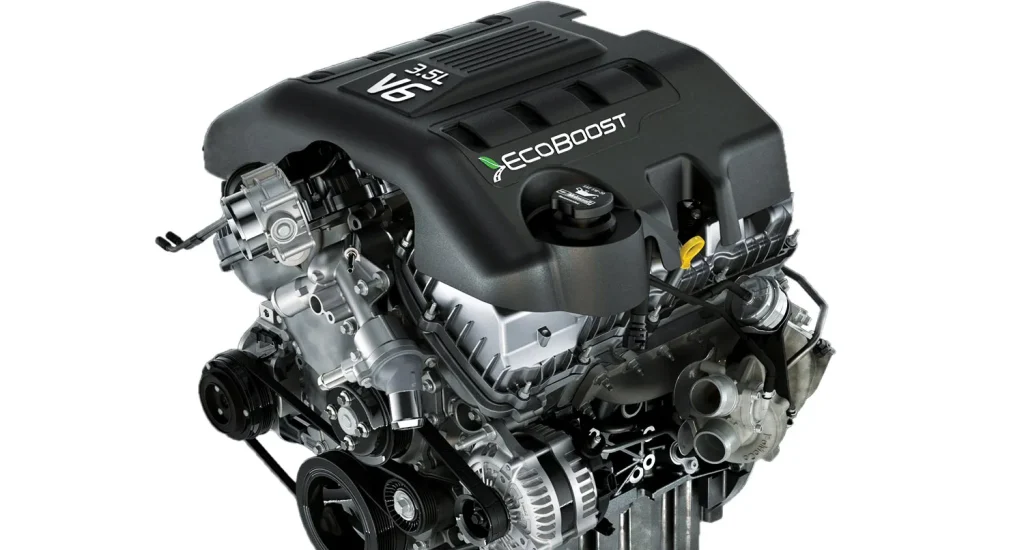
1. Ford 3.5L EcoBoost V6 (First Generation) – F150 Workhorse Reputation
When Ford introduced the 3.5 liter EcoBoost V6 in the F150, many buyers were skeptical that a turbocharged V6 could replace a V8 in a full size truck. What changed that perception was not marketing claims but long term fleet usage.
Construction companies and highway contractors began reporting high mileage durability that challenged early fears about turbo longevity.
One reason this engine appears on this list is its ability to handle sustained load conditions. Trucks equipped with this engine often spend hours towing or hauling, which generates continuous heat.
The fact that many examples survived these conditions with only routine servicing suggests Ford built significant safety margins into the cooling and lubrication systems.
Another factor worth mentioning is how this engine aged in real world maintenance environments rather than ideal service conditions. Many units survived imperfect oil change intervals without catastrophic failure, which often separates durable engines from fragile ones.
This engine also deserves mention because it proved turbocharging could be practical in work trucks rather than just performance cars. The strong forged crankshaft and robust block design contributed to that confidence.
It is included here because it helped redefine expectations. Instead of being remembered as an experimental downsizing effort, it became known as a dependable alternative to traditional V8 engines.
That reputation did not happen quickly. It developed after years of hard use, which is usually the most honest durability test any engine can face.
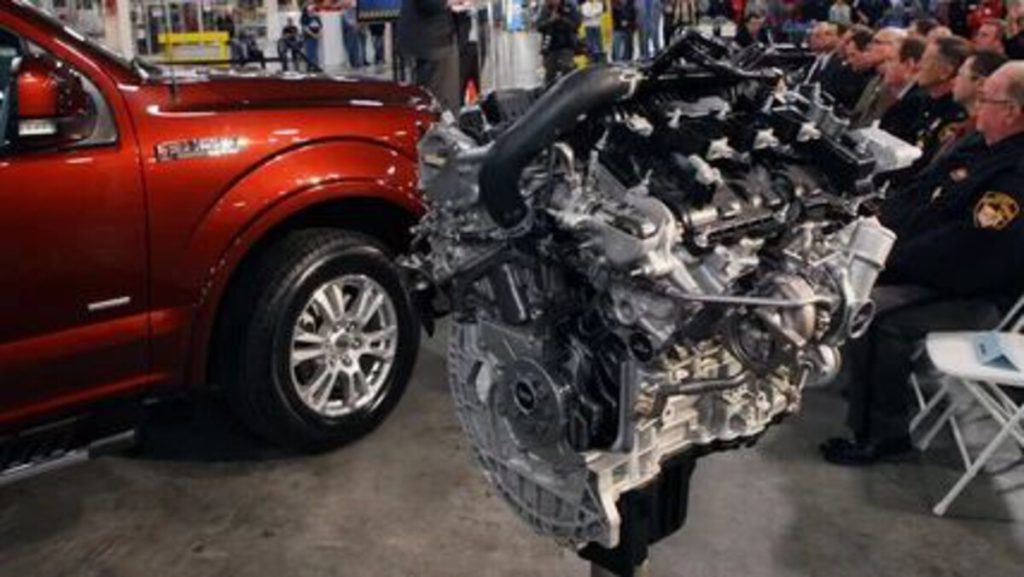
2. Ford 2.7L EcoBoost V6 – Compact Design With Unexpected Strength
The 2.7 liter EcoBoost V6 often surprises people because its compact size leads to assumptions that it is a light duty engine. In reality, this engine introduced several design decisions that showed Ford was thinking carefully about long term stress resistance rather than just power output.
Unlike many engines in its class, this one uses a compacted graphite iron block, a material normally seen in diesel engines. This choice is significant because it improves rigidity and heat tolerance. By reducing block flex under load, Ford improved head gasket durability and internal sealing stability.
This engine also makes this list because it represents a second wave of EcoBoost thinking. Engineers already understood the thermal challenges of turbocharged gasoline engines by the time it was released. As a result, details such as piston cooling jets and integrated exhaust manifolds showed lessons learned from earlier designs.
Mechanics often point out that this engine does not develop a single defining failure pattern when maintained properly. That absence of a common fatal flaw is sometimes a better reliability indicator than any marketing claim.
There is also something notable about how quietly this engine built its reputation. It did not become famous through advertising hype but through consistent owner experiences. That slow reputation growth tends to indicate genuine durability rather than short term excitement.
This engine is included because it shows how thoughtful material selection and incremental engineering improvements can create a turbocharged engine that behaves predictably even after years of use.
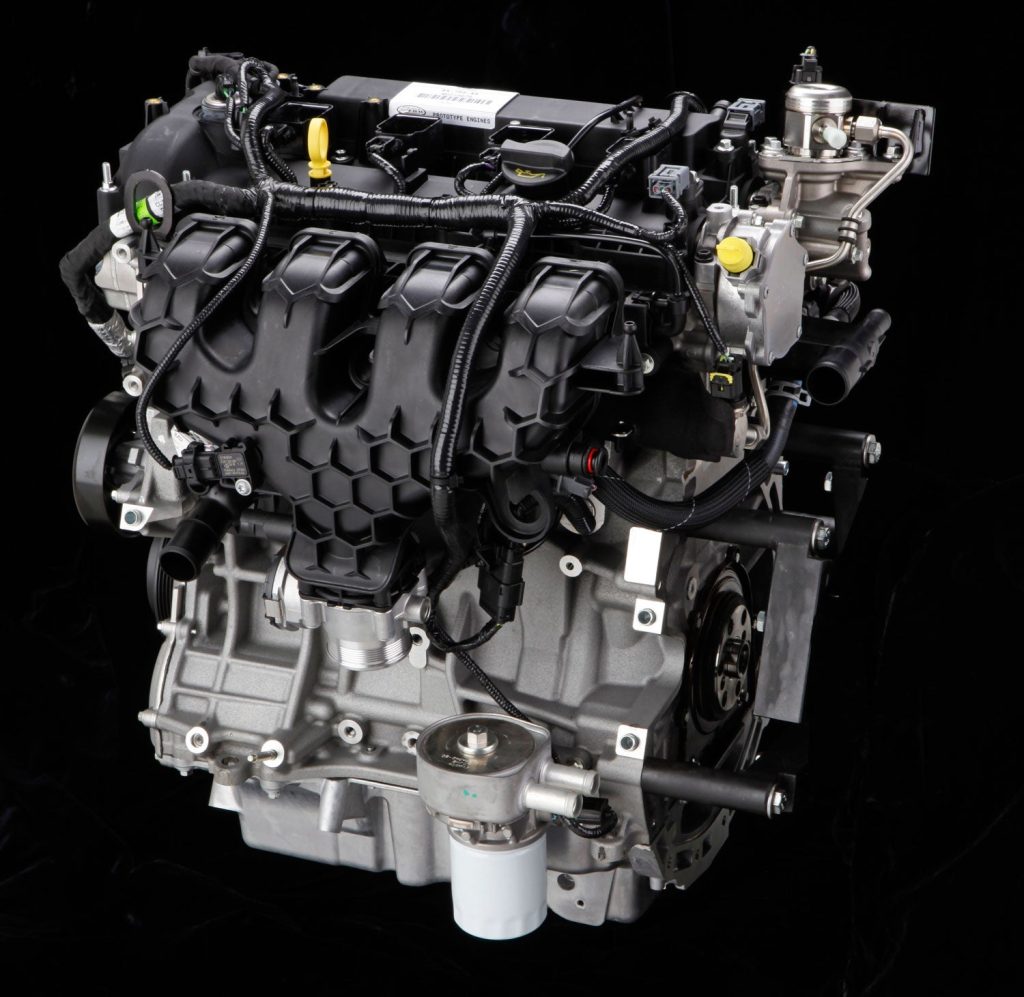
3. Ford 2.0L EcoBoost (Second Generation) – The Quiet Reliability Improver
Some engines earn attention because they produce impressive power figures, while others deserve recognition because they quietly fix the problems of their predecessors.
The second generation 2.0 liter EcoBoost belongs in the second category. It rarely becomes the center of dramatic discussions, yet that is exactly why it deserves attention in a durability focused comparison.
This version matters because Ford revised several internal and cooling related aspects after early EcoBoost feedback. The block design was strengthened, coolant routing was improved, and the twin scroll turbo helped reduce heat buildup compared to earlier layouts.
These changes did not just improve performance response. They also helped reduce thermal stress during repeated acceleration cycles.
Another reason this engine appears here is its wide usage across vehicles like the Edge, Escape, and Fusion, which exposed it to very different driving patterns. From city commuting to highway travel, it showed consistent wear behavior rather than developing unpredictable weaknesses.
An interesting aspect of this engine is how it demonstrates maturity in engineering evolution. Instead of trying to dramatically increase output, Ford focused on refinement. This often produces better long term results than aggressive tuning.
This engine is being highlighted because it represents what happens when a manufacturer listens to early reliability feedback and responds with structural improvements rather than cosmetic changes. That kind of engineering response usually produces engines that owners can trust for the long term rather than just during the warranty period.
4. Ford 3.0L EcoBoost V6 – Performance Engine With Unexpected Durability
Performance engines are often assumed to have shorter service lives because they operate under higher stress levels. The 3.0 liter EcoBoost V6 challenges that assumption. Originally developed for performance applications such as the Ford ST and Lincoln performance models, this engine demonstrated that high output and durability do not always conflict.
It earns a place here because Ford treated it like a performance engine structurally rather than just tuning a standard engine to higher output. The block structure, cooling passages, and turbo sizing all suggest the design expected aggressive driving rather than occasional bursts of speed.
What makes this engine interesting from a reliability discussion standpoint is how it manages heat despite producing substantial horsepower. Effective intercooling and careful boost management reduce temperature spikes that often shorten turbo engine life.
Another reason to mention this engine is how it shows the benefits of designing for stress rather than reacting to it later. Engines that are built expecting demanding use often survive normal driving with less strain.
There is also value in looking at owner experiences with this engine because they often report consistent performance even after extended mileage. That consistency suggests the internal components are not operating close to their maximum limits during everyday use.
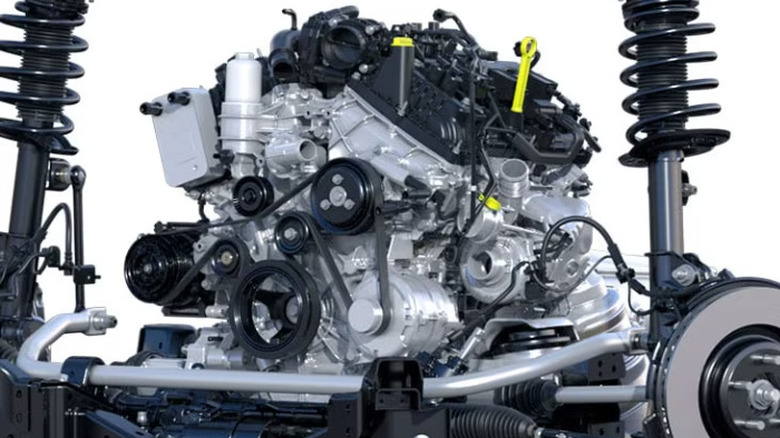
This engine is included because it demonstrates that when performance engineering is done with durability in mind, a turbocharged engine can deliver both excitement and long term dependability without forcing owners to compromise.
5. Ford 1.6L EcoBoost – The Underrated Survivor After Early Fixes
The story of the 1.6 liter EcoBoost is not a simple one. Early production models faced scrutiny due to cooling related concerns, but what makes this engine worth including among the long lasting designs is how well it performed after Ford addressed those early issues.
It stands as an example of how engineering corrections can completely change an engine’s long term reputation.
What makes this engine interesting is not that it started perfect, but that it improved. Revised cooling calibration, better heat shielding, and updated components helped later versions demonstrate far more predictable durability.
Many vehicles equipped with the updated design have accumulated high mileage without developing chronic overheating behavior.
This engine also deserves attention because it operates in compact vehicles where airflow and packaging constraints can make heat management more difficult. Despite this limitation, properly maintained examples often show stable operating temperatures even in demanding urban traffic conditions.
Another reason it belongs here is because it highlights the importance of updates rather than just original design. Some engines fail to recover from early reliability concerns, but this one managed to rebuild trust through real world performance after improvements were implemented.
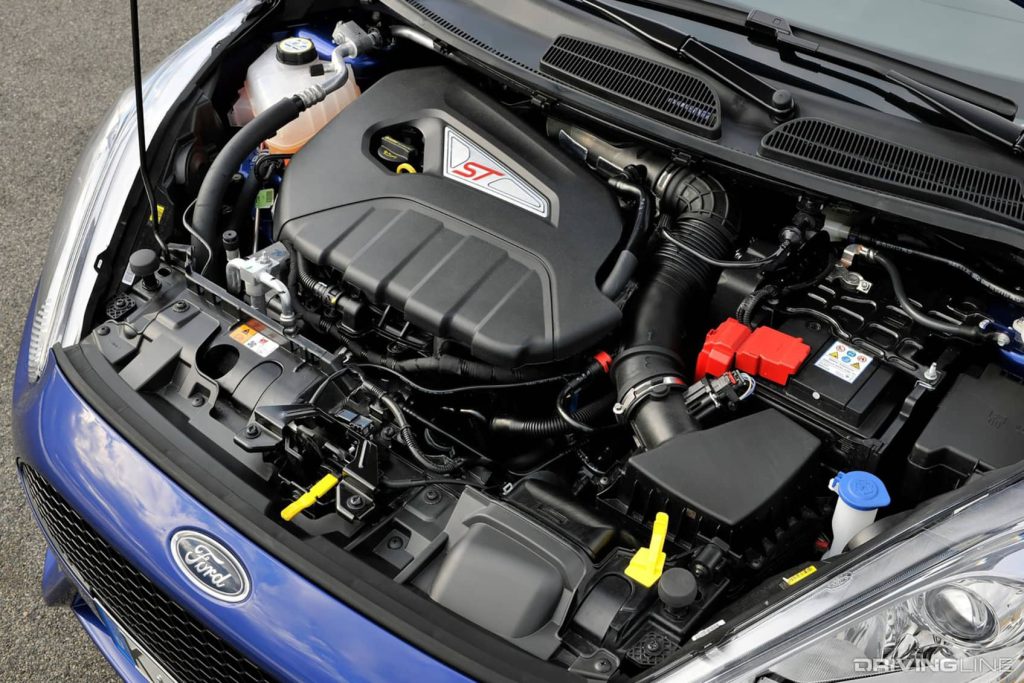
It is also worth discussing because it reminds buyers that reliability discussions should always consider production year differences. A later revision can behave very differently from an early version.
This engine is included because it represents a successful course correction, proving that a troubled start does not always define an engine’s long term outcome.
5 That Struggle With Heat
Turbocharged engines operate under higher thermal loads than naturally aspirated engines, which means cooling system design becomes just as important as horsepower output.
Some EcoBoost engines developed patterns where heat became a contributing factor in long term reliability complaints. This does not mean every unit fails, but it does mean certain designs became known for needing closer monitoring.
Heat related problems often do not come from a single dramatic failure. Instead, they develop gradually through repeated thermal expansion and contraction cycles.
Over time this can affect head gaskets, coolant passages, turbo bearings, and plastic cooling components. Engines that run close to their thermal limits leave less margin for extreme climates or heavy driving loads.
This section focuses on engines that attracted discussion because of how they handled temperature stress. The goal is not to criticize but to explain why these engines are frequently mentioned in owner reports and mechanic observations.
Each engine is included for a different reason, whether due to design layout, packaging constraints, or early production issues.
Looking at these examples also helps illustrate how small differences in coolant routing or turbo placement can create very different ownership experiences.
Understanding these cases helps buyers make informed decisions and helps current owners understand where preventative maintenance can make the biggest difference in long term reliability.
1. Ford 1.0L EcoBoost – Small Size, Big Thermal Demands
There is something impressive about extracting strong performance from a very small displacement engine, and the 1.0 liter EcoBoost achieved exactly that.
However, pushing high output from a compact three cylinder engine also means every component operates in a tighter thermal window, which is why it often appears in discussions about heat sensitivity.
One of the main reasons this engine is discussed is because of how much work it is asked to do relative to its size. Producing strong torque from a small engine requires higher boost pressure and higher combustion temperatures. This naturally increases the importance of cooling efficiency.
Another factor that brings attention to this engine is its early cooling system layout. Some versions used cooling hose designs that later required updates. These situations do not affect every engine, but they shaped public perception and placed this engine in reliability discussions.
This engine is also important to mention because it demonstrates the tradeoff between efficiency and thermal margin. When engineers prioritize fuel economy and power density, the engine sometimes operates closer to its limits.
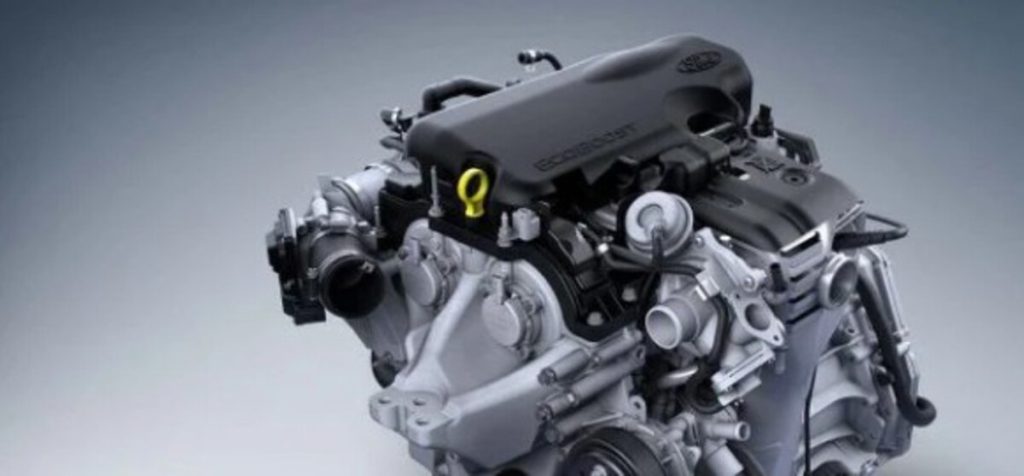
It also deserves discussion because many owners are unaware that small turbo engines often require stricter maintenance discipline than larger engines. Skipping coolant service or ignoring warning signs can have larger consequences in tightly engineered designs.
This engine is included not because it is universally unreliable, but because it clearly shows how aggressive engineering targets can make heat management a critical factor in long term durability.
2. Ford 1.5L EcoBoost (Early Version) – Coolant Intrusion Discussions
The early version of the 1.5 liter EcoBoost gained attention largely because of discussions surrounding coolant intrusion issues that appeared in certain production periods. While not every engine experienced this, the pattern was visible enough to become a commonly referenced example in reliability debates.
What makes this engine worth discussing is how the issue appeared gradually rather than suddenly. In many reported cases, small coolant leaks into the combustion chamber developed slowly, sometimes appearing first as minor misfires during cold starts.
This type of progression makes heat related design stress an important topic rather than just a failure statistic.
This engine is also notable because it demonstrates how thermal expansion differences between materials can affect sealing surfaces. Even small differences in how metals expand under heat can influence long term gasket performance.
Another reason to include this example is because it highlights how modern engines are often engineered with very tight tolerances. While this improves efficiency and emissions performance, it can also reduce the margin for long term wear if operating temperatures fluctuate frequently.
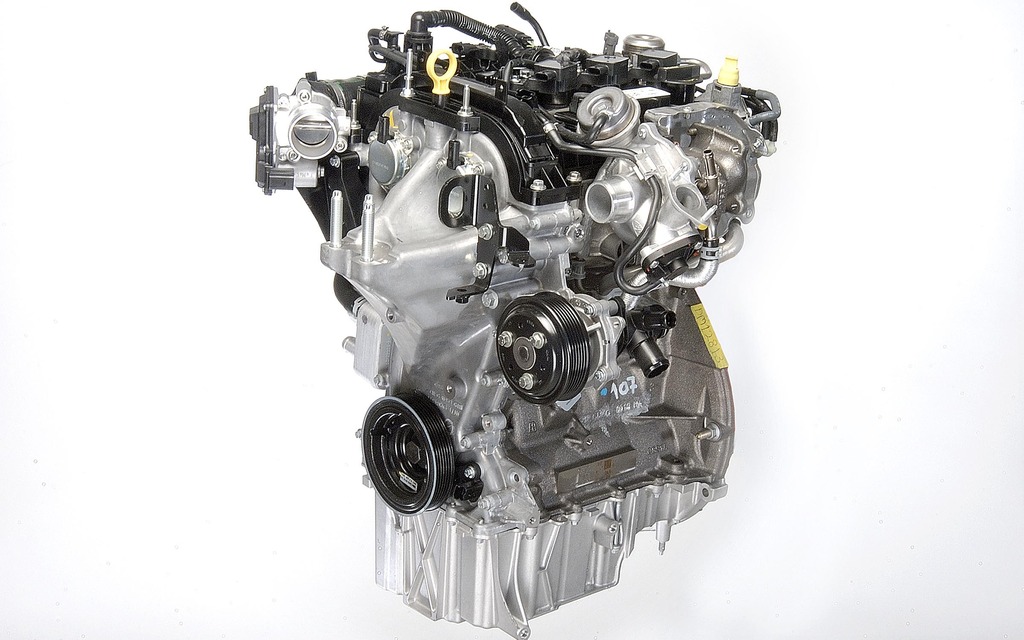
It is also relevant because it shows how Ford later responded with design revisions and updated components. That response is part of the broader EcoBoost development story.
This engine is included because it helps illustrate how heat related reliability conversations are often about gradual wear patterns rather than dramatic mechanical failure, making it a useful case study in how design refinement evolves over time.
3. Ford 2.0L EcoBoost (First Generation) – Early Thermal Learning Curve
The first generation 2.0 liter EcoBoost represents an important chapter in Ford’s turbocharging expansion period. It arrived at a time when Ford was rapidly introducing EcoBoost technology across multiple vehicle categories.
While it delivered strong performance and good efficiency, it also became part of early discussions about how turbocharged engines respond to long term heat exposure.
This engine deserves mention because it reflects what often happens during the first wave of any major engineering transition.
Manufacturers learn the most not during testing but during years of customer use across different climates, traffic conditions, and maintenance habits. The early 2.0 EcoBoost became one of those real world learning platforms.
One aspect that brought this engine into heat discussions was how certain components reacted to repeated high temperature cycles. Some owners reported water pump issues and cooling component wear appearing earlier than expected. These situations did not affect every vehicle but they did help shape long term perception.
There is also a broader reason this engine is worth discussing. It shows how modern turbo engines depend heavily on cooling system health. Unlike older naturally aspirated engines that could sometimes tolerate neglected coolant, turbo engines operate with less forgiveness when maintenance is delayed.
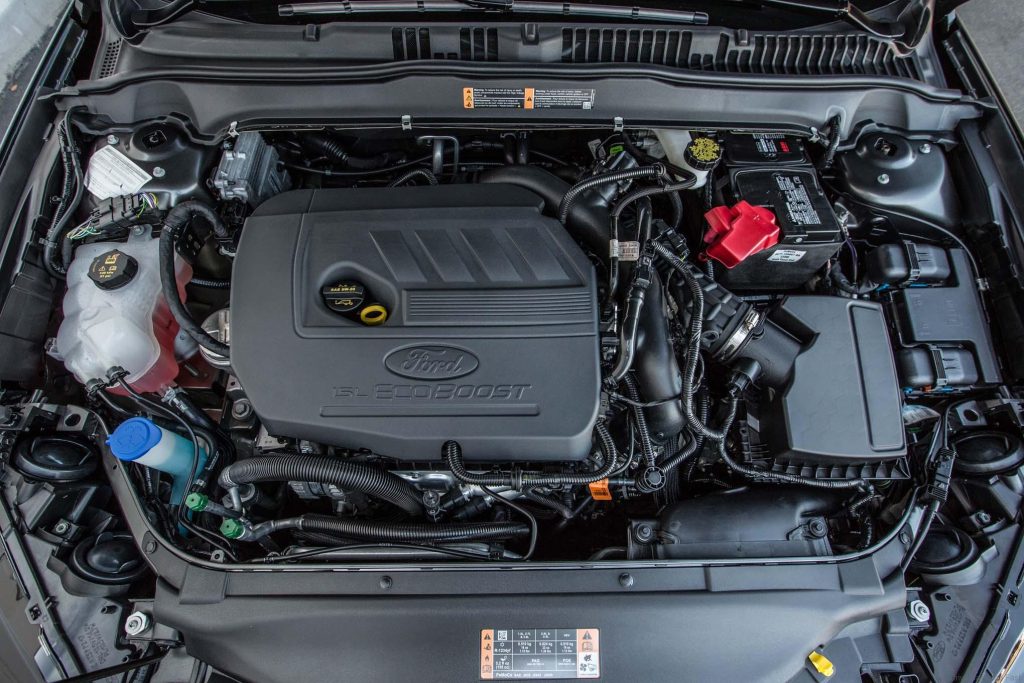
Another reason this engine is being included is because it helps explain why later EcoBoost revisions became more robust. Many improvements seen in later engines can be traced back to lessons learned from engines like this one.
Looking at this engine is useful because it reminds buyers that first generation designs often serve as stepping stones toward stronger future versions rather than final perfected products.
4. Ford 3.5L EcoBoost (Early Transit and Explorer Calibration) – Heat Under Constant Load
While the 3.5 EcoBoost is also known for durability in many applications, certain early calibrations used in heavier vehicles such as larger SUVs and vans generated discussion due to how they handled sustained operating temperatures under continuous load conditions.
This version is worth including because it highlights how the same engine can behave differently depending on vehicle application. An engine performing well in a pickup used for mixed driving may experience very different thermal stress when installed in a heavier vehicle that sees constant passenger or cargo loads.
One reason mechanics often mention these applications is because commercial style usage creates a very different durability test compared to private ownership. Vehicles that idle frequently, operate in stop and go traffic, or carry heavy loads tend to accumulate heat without the cooling benefits of steady highway airflow.
This example also shows how calibration plays a major role in engine temperature behavior. Transmission shift patterns, throttle response mapping, and cooling fan programming can all influence how often an engine operates near its upper temperature range.
It is also important to include this case because it demonstrates that reliability conversations should consider how a vehicle is used rather than just which engine it has. Duty cycle often matters more than design specifications.
This engine appears here because it helps illustrate that even strong engines can show stress patterns if used in environments that continuously test their thermal capacity, making it a valuable example in understanding how usage affects longevity.
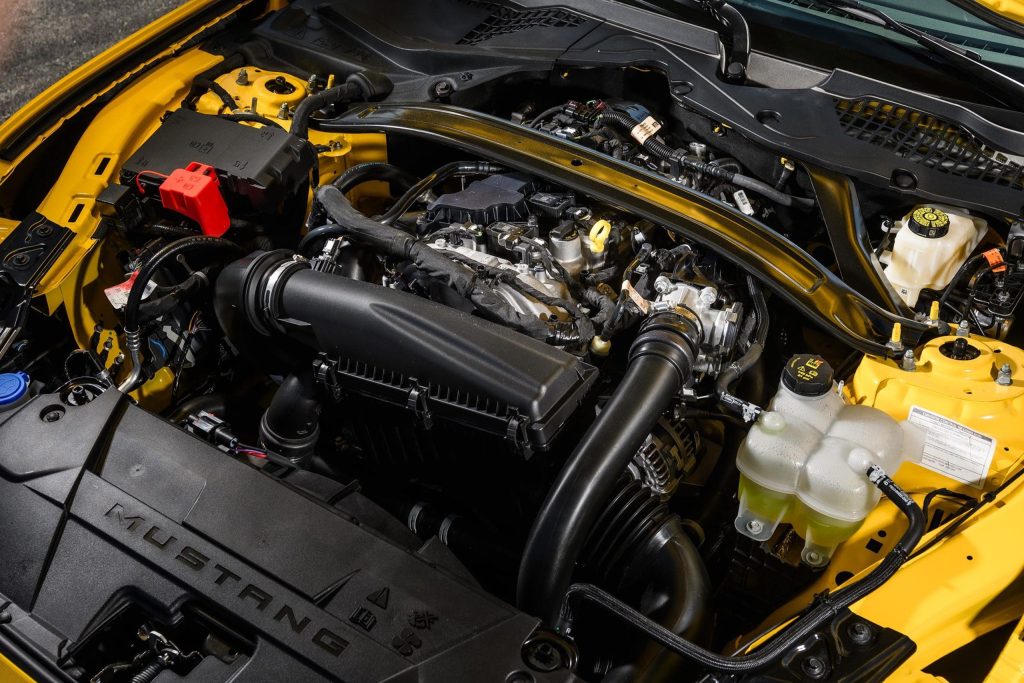
5. Ford 2.3L EcoBoost (Focus RS and Mustang Tune) – Performance Heat Tradeoffs
The 2.3 liter EcoBoost became widely recognized because of its use in performance focused vehicles like the Focus RS and the Mustang.
It is an engine that demonstrates how performance tuning can sometimes introduce additional thermal challenges, especially when an engine is expected to deliver repeated high output rather than occasional acceleration bursts.
This engine is included in this discussion because some early high performance applications generated conversations about head gasket durability and temperature management under aggressive driving.
In performance environments where engines regularly see high boost pressure, temperature control becomes far more difficult than in normal commuting use.
What makes this engine particularly important to discuss is how it shows the difference between engineering intent and user behavior.
While designed for performance, repeated track use or aggressive driving without proper cooldown practices can push any turbocharged engine toward its heat limits. That context matters when evaluating reliability discussions.
Another reason this engine deserves attention is because it highlights how performance variants often require a different ownership mindset. Things such as warm up time, oil quality, and intercooler efficiency become more important when an engine is tuned closer to its maximum potential.
This example is also relevant because Ford later addressed known concerns with revised components and updated specifications, again showing the pattern of engineering evolution within the EcoBoost family.
This engine is included because it shows that heat struggles are not always the result of weak engineering. Sometimes they are the natural result of pushing performance boundaries, which makes it an important example of how power and durability must always be balanced carefully in turbocharged design.
Ford’s EcoBoost engine family shows how modern turbocharged gasoline engines can deliver both impressive performance and long term usability, but also how engineering differences within the same engine family can produce very different reliability outcomes.
This comparison between durable EcoBoost engines and those that developed heat related concerns shows that design details matter more than the EcoBoost name itself.
The engines known for long term durability typically benefited from stronger block materials, improved cooling flow design, and more refined second generation engineering updates.
These engines proved that turbocharging does not automatically reduce engine life when proper thermal management and conservative tuning are part of the design strategy. In many cases, these engines earned their reputation through demanding real world use rather than laboratory testing.
On the other side, the engines discussed for heat related struggles show how pushing efficiency and performance targets can sometimes reduce thermal margins.
Smaller displacement engines producing high output naturally operate under greater stress, while early generation designs often reveal weaknesses that later revisions correct. These examples show how reliability is often a process of refinement rather than a fixed outcome.
Another important takeaway is that usage patterns play a major role in how these engines age. Heavy loads, aggressive driving, delayed maintenance, and poor cooling system care can accelerate wear even in strong designs.
At the same time, careful maintenance can significantly extend the life of engines that may have known weaknesses.
Overall, the EcoBoost story is not about good versus bad engines. It is about engineering evolution. Some designs clearly benefited from lessons learned from earlier models. For buyers and owners, the real lesson is simple.
Understanding the specific EcoBoost engine matters far more than judging the technology as a whole.
Also Read: 10 Best Tires for People Who Spend Half Their Time Off Road
