

Extreme summer temperatures can expose weaknesses in a vehicle faster than almost any other environmental condition. When outside temperatures climb above safe operating thresholds, engines depend heavily on cooling systems to prevent overheating, oil breakdown, and long term mechanical damage.
While most vehicles are designed to function in warm climates, only a few are engineered with cooling systems that provide large safety margins for extreme heat environments such as deserts, tropical regions, and high load driving conditions.
A well engineered cooling system is more than just a radiator and coolant. It involves airflow management, thermostat precision, water pump capacity, cooling fan strength, transmission cooling support, and even engine tuning strategies that prevent excessive heat buildup.
Vehicles designed for harsh environments often feature oversized radiators, high capacity fans, additional oil coolers, and improved coolant circulation paths.
Manufacturers that expect their vehicles to operate in demanding regions often test them in extreme environments such as Arizona deserts, Middle Eastern climates, and Australian outback conditions.
These tests reveal weaknesses that may never appear in moderate climates. Vehicles that pass these durability programs usually end up with cooling systems capable of surviving prolonged heat exposure without performance decline.
Another important aspect of heat durability is how vehicles handle stress situations such as traffic congestion, towing, mountain climbing, and long highway drives in hot weather.
Some cooling systems perform well while moving but struggle during idle conditions. The best designs maintain stable temperatures regardless of whether the vehicle is parked in traffic or climbing steep grades.
Long term durability also depends on how cooling components age. Vehicles with oversized cooling systems often maintain safe temperature ranges even after radiators collect debris or coolant efficiency drops slightly. This extra margin can be the difference between long engine life and repeated overheating issues.
The following vehicles have earned strong reputations for having cooling systems designed with extreme heat tolerance in mind. Through strong engineering, airflow design, and robust cooling hardware, they demonstrate how proper thermal management can protect engines even under the harshest summer conditions.
Also Read: 10 Luxury Car Models That Share Cheap Parts With Economy Cars
1. Toyota Land Cruiser (J200)
The Toyota Land Cruiser J200 has long been respected for its ability to operate in some of the hottest regions on earth. Built with global expedition use in mind, this vehicle was engineered to handle desert climates where cooling system failure could mean more than just inconvenience.
One of the biggest reasons for its heat resistance is its oversized radiator design. Toyota equipped the Land Cruiser with a cooling system that has more capacity than what normal daily driving requires. This allows the system to maintain stable temperatures even when airflow is reduced or when the vehicle is under heavy load.
The cooling fan system also plays a major role. High capacity mechanical fans combined with strong shrouding help ensure consistent airflow across the radiator core. Proper airflow direction is often just as important as radiator size, and Toyota clearly prioritized this detail.
Another important factor is the transmission cooling support. Vehicles operating in extreme heat often suffer transmission overheating before engine overheating. Toyota addressed this by integrating strong transmission cooling solutions to prevent heat buildup during towing or off road driving.
The engine tuning also helps control temperature. Instead of pushing maximum performance output, Toyota calibrated the engine for stable operation in difficult environments. Engines that operate within safe limits tend to produce more manageable heat loads.
Coolant routing efficiency is another strength. Engineers designed the system to avoid stagnant heat zones inside the engine. Consistent coolant movement helps prevent localized overheating, which is often the root cause of gasket failures.

Owners who use these vehicles in desert environments often report very stable temperature readings even in extreme conditions. This real world evidence supports the vehicle’s engineering focus on heat resistance.
The Land Cruiser’s cooling durability reflects Toyota’s philosophy of designing for worst case conditions. By building excess cooling capacity into the system, the vehicle is able to maintain reliability even when exposed to severe summer temperatures for extended periods.
2. Chevrolet Suburban (K2500 Heavy Duty)
The heavy duty versions of the Chevrolet Suburban were designed with towing and long distance hauling in mind. Because of this purpose, GM engineered cooling systems capable of handling extreme thermal loads that go far beyond what most passenger vehicles encounter.
A major advantage comes from the large radiator surface area used in heavy duty models. Greater cooling surface allows heat to dissipate more effectively, especially during slow traffic where airflow is limited. Larger cooling capacity often means lower stress on individual cooling components.
Another strength lies in the auxiliary coolers. Many heavy duty Suburban models include separate transmission and oil cooling systems. By distributing heat across multiple systems, the vehicle prevents any single component from becoming overwhelmed.
Fan design also contributes to reliability. Heavy duty clutch driven fans provide strong airflow when temperatures rise. Unlike smaller electric fans, these systems can move large volumes of air when required.
Another interesting feature is the vehicle’s cooling system redundancy. Even when operating under heavy towing conditions, the system is capable of maintaining stable temperatures because it was designed for commercial style use patterns.
Long distance drivers often report that these vehicles maintain consistent temperature readings even during summer highway travel. This stability suggests strong coolant circulation and effective radiator efficiency.
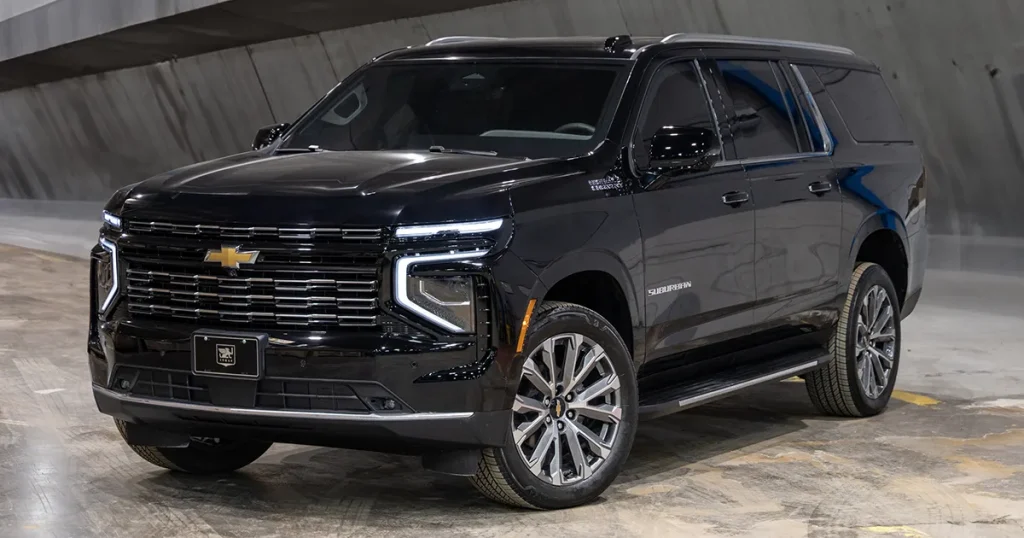
The engine bay layout also supports cooling efficiency. Adequate spacing between major components helps heat escape rather than becoming trapped. Good thermal layout can be just as important as component size.
Another overlooked advantage is the durability of hoses and connectors used in these systems. Heavy duty components tend to resist degradation from heat exposure better than lighter duty parts.
The Suburban heavy duty platform shows how vehicles built for towing often receive cooling systems strong enough to survive extreme heat simply because they were designed for sustained heavy workloads rather than occasional use.
3. Ford F150 SVT Raptor (First Generation)
Ford developed the first generation SVT Raptor to survive high speed desert driving, which naturally required a cooling system capable of handling constant punishment. Unlike normal pickup trucks, this vehicle was expected to operate in hot off road environments where sand, heat, and heavy engine load all combine to challenge thermal stability.
One of the most interesting aspects of the Raptor is how airflow management was treated as a performance feature rather than just a maintenance necessity. The front grille design was intentionally opened to allow large volumes of air to reach the radiator.
This type of design shows how cooling was integrated into the vehicle’s overall engineering rather than added as an afterthought.
The radiator itself is also larger than what is found in standard F150 models. Ford understood that sustained high RPM desert driving produces far more heat than ordinary road use. By increasing radiator capacity, the Raptor can absorb temperature spikes without quickly reaching danger levels.
Another important detail is the inclusion of additional heat exchangers. Power steering cooling and transmission cooling were given serious attention. In extreme off road conditions, these systems can generate significant heat, and Ford made sure they would not become weak points.
The fan system is also calibrated to respond aggressively to rising temperatures. Instead of waiting until temperatures become critical, the cooling fans activate earlier. This proactive approach helps prevent heat buildup rather than reacting after it appears.
Field testing in desert racing style conditions proved the effectiveness of this setup. Vehicles subjected to extended off road testing maintained stable temperature readings even under harsh testing scenarios.
The engine calibration also supports cooling performance. By managing throttle response and fuel delivery during extreme heat operation, the system avoids unnecessary heat spikes.
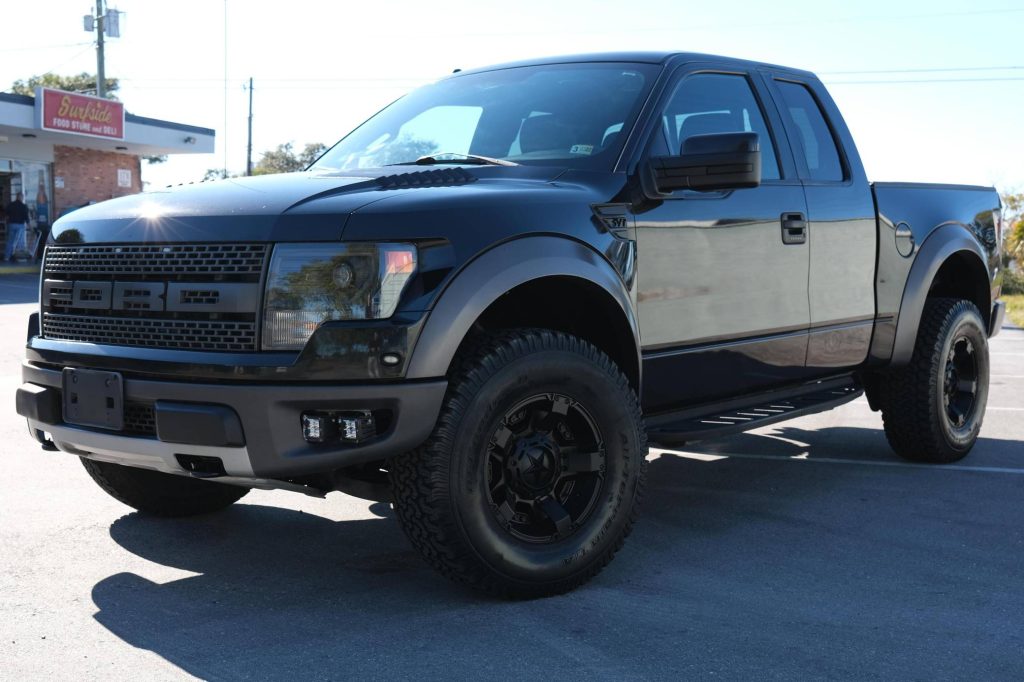
Owners who use Raptors in hot climates often mention how rarely overheating warnings occur, even during demanding use. That kind of consistency usually indicates that engineers built significant thermal safety margins into the design.
The Raptor proves that when a vehicle is designed for extreme off road speed, cooling must become part of the performance package, resulting in durability advantages for everyday drivers as well.
4. Dodge Charger Pursuit Police Package
Police vehicles operate under some of the harshest temperature conditions imaginable. Long idle periods, sudden acceleration, and continuous operation require cooling systems far stronger than those found in typical consumer vehicles. The Dodge Charger Pursuit package reflects this reality through several specialized cooling upgrades.
One of the most important features is the high output radiator combined with heavy duty coolant circulation components. Police duty often involves leaving the engine running for hours in hot weather. The cooling system must therefore function effectively even without consistent vehicle movement.
Another improvement involves upgraded engine oil cooling. Law enforcement vehicles frequently undergo rapid acceleration after long idle periods. This type of operation can quickly raise oil temperatures, so Dodge included improved oil cooling capability to maintain lubrication quality.
The Charger Pursuit also benefits from enhanced fan control programming. Cooling fans are configured to engage earlier and operate more aggressively than in civilian models. This helps maintain safe temperatures during prolonged stationary operation.
Brake cooling was also considered. While not part of the engine cooling system directly, better brake heat management helps prevent heat from spreading through the engine bay during intense use.
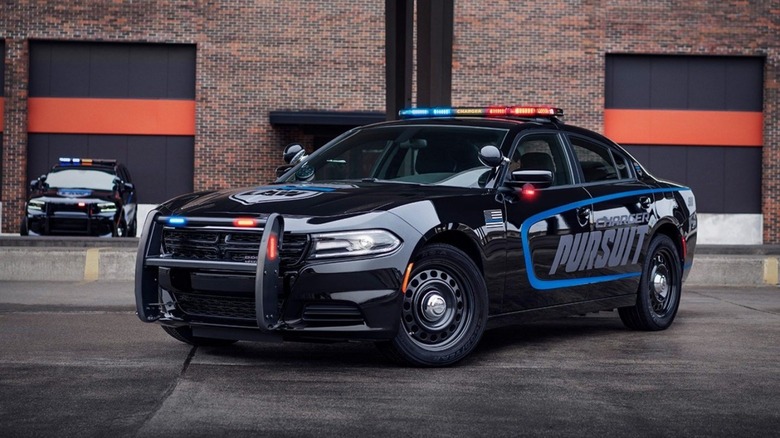
Another factor is the use of heavy duty hoses and connectors designed for continuous high temperature exposure. Police fleets require components that can withstand years of punishment without frequent failure.
Testing standards for these vehicles are also more demanding than civilian vehicles. Manufacturers must prove these cars can survive extreme duty cycles, which naturally results in stronger cooling systems.
Maintenance records from police fleets often show these engines maintaining temperature stability even after extensive service life. This kind of data provides real world confirmation of cooling system strength.
The Charger Pursuit demonstrates how vehicles designed for emergency services often receive cooling systems capable of surviving extreme summer temperatures simply because failure is not an option in their line of duty.
5. Nissan Patrol (Y62)
The Nissan Patrol Y62 was engineered with a clear focus on markets where extreme heat is part of daily life. Widely used in the Middle East and Australia, this vehicle had to prove it could survive not just occasional hot days but constant exposure to high ambient temperatures combined with demanding driving conditions.
A major factor behind its cooling durability is the use of a very large radiator supported by a carefully designed airflow path. Nissan engineers ensured that air entering the front grille is directed efficiently through the radiator instead of escaping around it. This type of airflow discipline significantly improves cooling performance under stress.
Another strength lies in the dual cooling fan arrangement. By using multiple fans with strong airflow capacity, the vehicle maintains temperature control even in slow moving desert traffic. Maintaining airflow when vehicle speed is low is essential for survival in extreme climates.
The Patrol also includes additional cooling support for the automatic transmission. High temperatures can quickly degrade transmission fluid, but Nissan reduced this risk by including a strong auxiliary cooler. Separating heat loads between systems helps the entire drivetrain remain stable.
Engine calibration also reflects heat tolerance priorities. The V8 engine is tuned to deliver smooth torque rather than pushing aggressive performance numbers. Engines that avoid extreme tuning often produce more manageable heat output.
Coolant passage design inside the engine also helps long term durability. Engineers ensured that heat is removed evenly from critical areas such as cylinder heads. Balanced cooling helps prevent long term warping issues.

Another interesting aspect is how the vehicle performs during extended highway driving in hot climates. Many owners report stable temperature readings even during long trips through desert regions.
The durability of supporting components also matters. Nissan used strong materials for radiators, connectors, and cooling hardware, helping the system resist heat related deterioration.
The Patrol demonstrates how vehicles developed for global extreme environments often receive cooling systems that exceed normal requirements, allowing them to perform reliably even in some of the harshest summer conditions on earth.
6. Jeep Wrangler Rubicon (JK)
The Jeep Wrangler Rubicon JK was designed to operate in environments where airflow is often limited and terrain demands constant engine effort. Off road crawling in hot weather can be especially difficult for cooling systems because vehicles move slowly while engines continue to produce heat.
Jeep addressed this challenge by equipping the Rubicon with a cooling system designed to function even when natural airflow is minimal. Strong electric cooling fans help compensate for the lack of speed related airflow, ensuring that radiator performance does not depend entirely on vehicle movement.
Another durability feature is the heavy duty radiator construction. Built to withstand debris and vibration from off road use, the radiator also benefits from strong thermal capacity. Durable construction often results in longer service life under harsh conditions.
The Wrangler also benefits from careful engine compartment ventilation. Heat must be able to escape rather than becoming trapped inside the engine bay. Jeep designed airflow channels that allow hot air to exit effectively, which improves overall cooling efficiency.
Another factor is how the engine produces torque. The V6 engine is designed to provide usable power at low speeds. This reduces the need for constant high RPM operation during off road driving, which helps limit heat generation.
The cooling system also supports additional off road equipment. Vehicles equipped with winches, skid plates, and auxiliary lighting still maintain cooling performance because engineers accounted for these real world modifications.
Durability testing also included operation in rocky environments where debris could affect airflow. Protective design elements help ensure that cooling performance remains consistent even after exposure to dirt and dust.
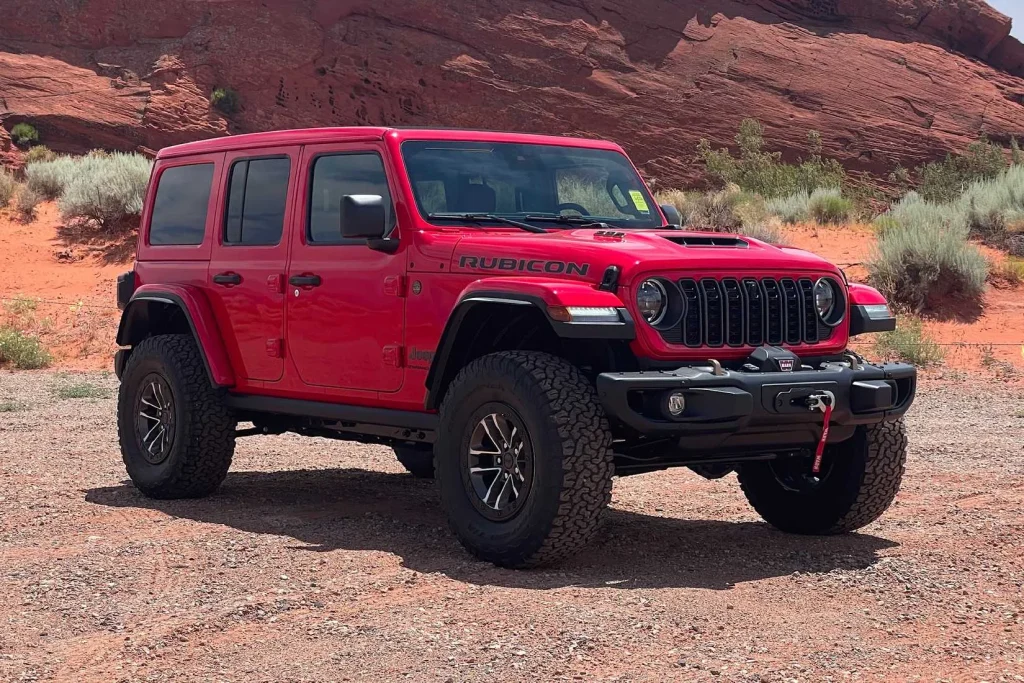
Many off road users report that the Wrangler maintains stable operating temperatures even during long trail sessions in hot climates. This type of real world feedback supports the vehicle’s reputation for thermal resilience.
The Rubicon shows how vehicles designed for slow speed extreme environments must rely on strong active cooling solutions, resulting in a system capable of handling intense summer conditions with confidence.
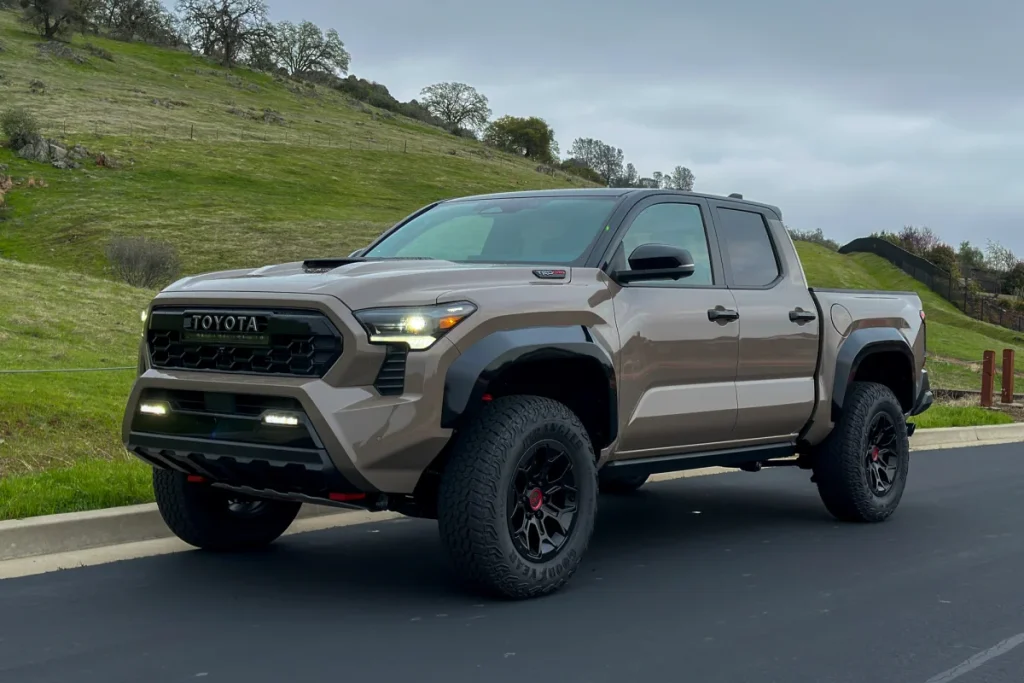
7. Toyota Tacoma (TRD Off Road)
The Toyota Tacoma TRD Off Road was built with durability as a central priority, particularly for drivers who operate in remote regions where high temperatures and rough terrain combine to test mechanical limits.
Toyota understood that overheating in such locations could leave drivers stranded, so the cooling system was given significant strength margins.
One of the major strengths of this truck is its high capacity radiator paired with a carefully tuned thermostat system. Instead of allowing temperature swings, the system works to maintain a very narrow operating temperature range. Stable thermal control is often a sign of a well engineered cooling strategy.
The Tacoma also benefits from strong electric cooling fans designed to activate progressively rather than suddenly. This allows the system to manage heat buildup gradually, which reduces sudden thermal stress on engine components.
Another advantage comes from the truck’s coolant flow design. Engineers worked to ensure that coolant reaches the hottest areas first before circulating through the rest of the system. Prioritizing critical hot spots helps reduce the risk of long term engine damage.
The TRD Off Road package also includes components designed to support extreme usage patterns. Skid plates and protective hardware were designed in a way that does not significantly block airflow, which is a common problem with poorly designed off road modifications.
Another durability factor involves the transmission cooling support. Trucks used for climbing trails or hauling gear often place extra heat load on the transmission. By adding cooling support, Toyota ensured drivetrain temperatures remain balanced.
Owners frequently report that these trucks maintain stable temperature readings even after years of use in hot regions. Such consistency usually reflects both good design and strong component quality.
Another important observation is how rarely these trucks experience cooling related failures when maintenance is performed properly. Radiators, pumps, and hoses tend to last many years compared to lighter duty vehicles.
The Tacoma shows how designing for off road reliability often results in cooling systems that can easily handle extreme summer heat, even when the vehicle is pushed hard in difficult terrain.
8. Ford Crown Victoria Police Interceptor
The Ford Crown Victoria Police Interceptor became famous not only for durability but also for its ability to handle extreme operating temperatures. Built for law enforcement fleets, these vehicles often ran for entire shifts without being shut down, which required a cooling system capable of constant thermal management.
One of the biggest advantages of this platform was the heavy duty radiator combined with upgraded coolant circulation components. Ford designed the system to handle long idle times in hot weather, something normal passenger vehicles are rarely designed to do.
The cooling fan system was also strengthened. Police models often received higher output fans capable of maintaining airflow even when the vehicle was stationary. Maintaining radiator airflow during idle is critical for temperature stability.
Another key difference was the inclusion of improved engine oil cooling. Continuous operation under high ambient temperatures can quickly degrade oil, so Ford ensured that lubrication temperatures remained controlled.
The vehicle also featured improved alternator and electrical cooling support. Police equipment generates heat and electrical load, which can indirectly affect engine temperatures. By managing these factors, the vehicle maintained overall thermal balance.
Fleet service records often show these vehicles reaching very high mileage while maintaining cooling system effectiveness. This type of real world testing often reveals strengths that laboratory testing alone cannot show.
Another factor is how the engine itself was tuned. Instead of pushing maximum horsepower, Ford focused on predictable operation. Engines tuned conservatively tend to generate less heat and maintain durability longer.

Taxi fleets that later purchased retired police vehicles often found that the cooling systems remained reliable even after years of previous service. This extended usefulness highlights how overbuilt cooling systems can benefit second owners.
The Crown Victoria Police Interceptor remains a strong example of how vehicles designed for emergency services often end up with cooling systems capable of handling extreme summer heat far better than standard consumer cars.
9. Chevrolet Tahoe PPV Police Package
The Chevrolet Tahoe PPV was developed specifically for law enforcement agencies that required a larger pursuit vehicle capable of carrying equipment while still surviving harsh operating environments.
Because these vehicles often operate in hot climates while idling for extended periods, the cooling system had to be engineered with significant thermal reserves.
One of the most noticeable differences compared to civilian Tahoe models is the upgraded radiator and cooling fan combination. The PPV version uses higher capacity cooling hardware designed to maintain temperature stability even when the vehicle is stationary for long periods with the air conditioning running.
Another key improvement involves the auxiliary transmission cooling system. Police vehicles often perform rapid acceleration after long idle times, which can create sudden temperature spikes. Chevrolet addressed this by ensuring the transmission cooling system could quickly dissipate excess heat.
The PPV package also includes heavy duty coolant hoses and reinforced fittings. Components exposed to continuous heat cycles can degrade over time, but stronger materials help extend the service life of the cooling system.
Engine oil cooling also plays a role in long term durability. By maintaining stable oil temperatures, internal friction surfaces remain protected even during extended operation in high heat conditions.
Another important design decision involves alternator and electrical system cooling. Police vehicles rely on radios, computers, and lighting equipment. Managing the heat from these systems prevents additional thermal strain on the engine compartment.
Field reports from law enforcement fleets often show these vehicles maintaining stable temperature readings despite severe duty cycles. Such real world validation demonstrates the effectiveness of the cooling upgrades.
Another interesting point is how these vehicles perform after retirement from police service. Many continue operating in civilian use without developing overheating problems, suggesting the cooling system was designed with significant extra capacity.

The Tahoe PPV shows how vehicles engineered for emergency response often include cooling systems strong enough to handle the most demanding summer conditions simply because their operational requirements demand absolute reliability.
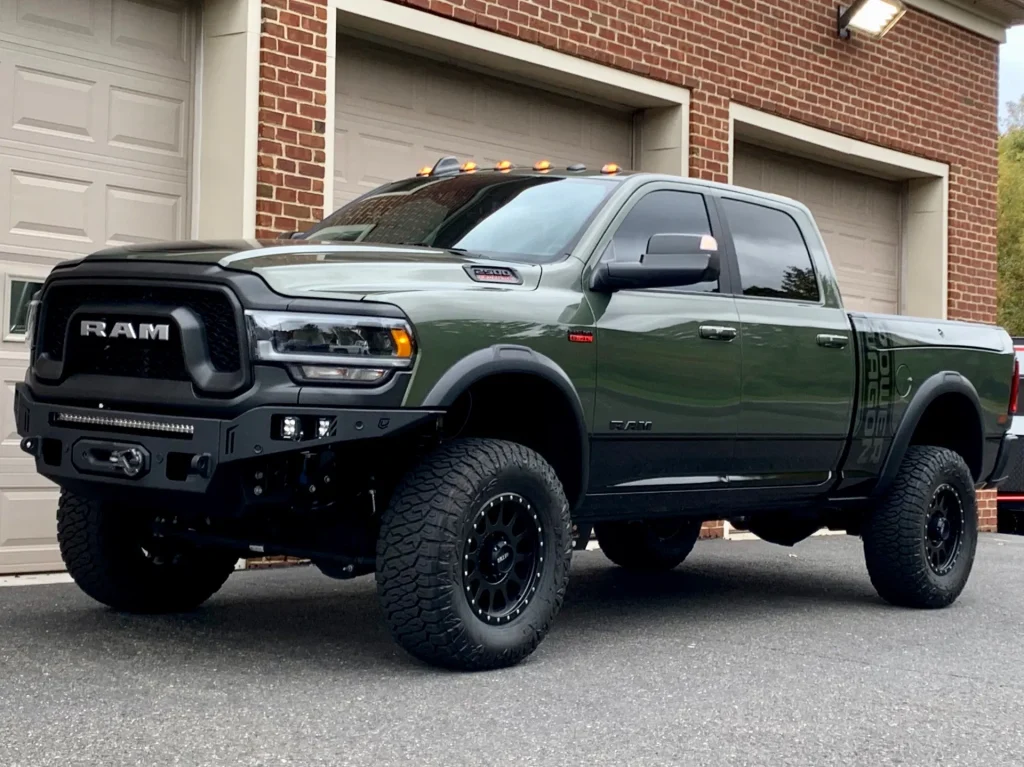
10. Ram Power Wagon (2500)
The Ram Power Wagon stands out as a heavy duty off road truck designed to handle extreme terrain while also supporting heavy loads. These combined expectations naturally required a cooling system capable of managing significant heat output without risking engine reliability.
A major contributor to its heat resistance is the large heavy duty radiator used in the 2500 platform. Designed for work truck applications, this cooling system has the capacity to handle continuous stress from towing and low speed off road climbing.
The truck also benefits from a powerful engine driven cooling fan. Mechanical fans of this type can move very large volumes of air when engine temperature rises. This makes them particularly effective in situations where electric fans might struggle to match airflow demand.
Another durability advantage is the presence of multiple auxiliary coolers. The Power Wagon includes dedicated cooling support for transmission and power steering systems. Dividing heat loads between multiple cooling systems helps maintain overall thermal balance.
The engine itself is also tuned with durability in mind. Strong low speed torque means the engine does not need to operate at high RPM to overcome obstacles. Reduced RPM demand helps limit heat buildup during difficult driving conditions.
Another strength is the airflow design through the front fascia. Ram ensured that off road equipment such as winches would not completely block airflow to the radiator. Maintaining cooling effectiveness even after modifications reflects thoughtful engineering.
Users who operate these trucks in desert regions often report very stable engine temperatures even during long trail drives. This suggests strong real world cooling system performance.
Another point worth noting is how these trucks maintain cooling performance even as they age. Oversized components often continue working effectively even after some efficiency loss from normal wear.
The Power Wagon demonstrates how trucks built for both heavy labor and extreme terrain often receive cooling systems that naturally excel in extreme summer heat, giving them strong long term reliability advantages.
Also Read: 10 Used Cars That Are Cheap to Buy but Impossible to Insure for Teens
