
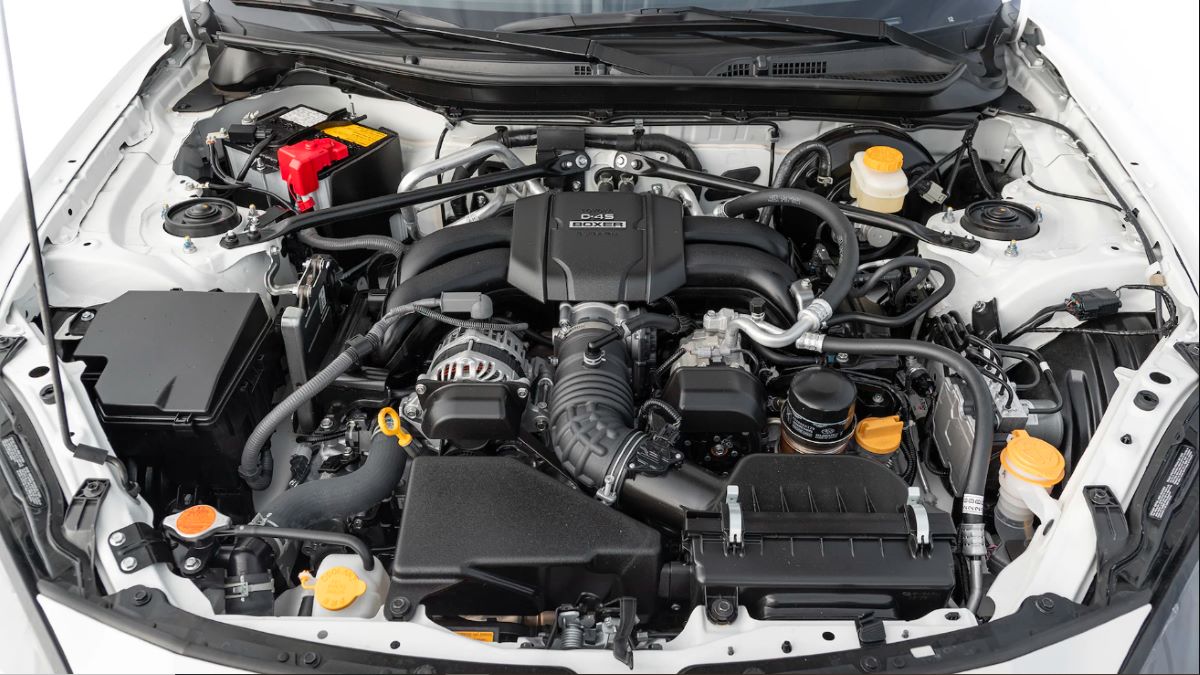
Oil consumption has been one of the most frustrating hidden problems in modern engines. Unlike visible mechanical failures, excessive oil burning often develops quietly. Many drivers only discover the issue when the oil level warning appears or when routine servicing reveals that the engine has been consuming more oil than expected.
Over the past decade, several major automakers faced criticism because some of their engines developed reputations for using oil faster than owners anticipated.
The reasons behind oil consumption problems are usually complex. Modern engines are designed with tighter emissions standards, lower friction targets, and improved fuel economy goals.
To achieve these targets, manufacturers often use low tension piston rings, thinner oil grades, and higher operating temperatures. While these improvements help efficiency, they sometimes reduce the margin for wear tolerance if not engineered perfectly.
Another major factor has been the widespread adoption of turbocharging and direct fuel injection. These technologies improve performance and efficiency but also increase internal heat and pressure.
When combined with extended oil change intervals, some engines developed carbon buildup around piston rings, leading to increased oil consumption as mileage increased.
Customer feedback played a major role in forcing improvements. Warranty claims, class action lawsuits in some markets, and long term reliability surveys pushed manufacturers to revisit their designs.
Many brands responded by redesigning piston rings, improving crankcase ventilation systems, updating software calibration, and in some cases even changing cylinder surface treatments.
By 2026, several manufacturers have introduced updated engine families or revised versions of existing engines that show clear improvements.
These fixes often came after years of engineering refinement and real world testing. The changes may not always be visible from the outside, but internally they represent significant lessons learned from earlier mistakes.
It is also important to understand that solving oil consumption is not about a single fix. It often involves a combination of better metallurgy, improved piston coatings, revised oil control ring designs, and more precise engine management software.
Some companies also shortened recommended oil change intervals after discovering that real world driving conditions were harsher than laboratory testing suggested.
Another interesting development is how data analytics has helped manufacturers. Modern vehicles constantly transmit performance data that helps engineers identify long term wear patterns faster than ever before. This allows problems to be corrected in future model years before they become widespread reliability concerns.
Consumers today are also more informed than ever. Online owner forums, mechanic channels, and reliability reports quickly expose patterns. This transparency has forced manufacturers to take durability concerns more seriously because reputation damage spreads quickly in the digital era.
The brands highlighted here did not just quietly update parts. Many of them made fundamental design improvements that show how seriously they took these issues. In some cases, entirely new engine generations were introduced with durability as a primary focus rather than just performance improvements.
This article explores five automotive brands that have made notable progress in addressing their past oil consumption concerns by 2026.
Each example shows a different technical approach and engineering lesson. More importantly, these improvements demonstrate how manufacturers can evolve when reliability becomes just as important as innovation.
Let us begin with the first two brands that made significant technical corrections after years of customer complaints and engineering reassessment.
Also Read: 5 Modern Engines That Still Use Simple Hydraulic Lifters to Avoid Adjustments
1. Toyota 2.5L Dynamic Force Engine (A25A FKS Revision)
Toyota built its global reputation on reliability, which made earlier reports of oil consumption in some previous generation engines particularly damaging to its image.
The company responded by putting significant engineering focus into improving its Dynamic Force engine family, especially the revised versions of the A25A FKS engine entering the mid 2020s.
Instead of making minor adjustments, Toyota engineers approached the problem from multiple angles.
They revised piston ring tension to improve long term oil control without sacrificing efficiency. At the same time, they refined cylinder wall finishing techniques to create more consistent oil film behavior during operation.
An important change involved oil control ring drainage improvements. Earlier designs in the industry sometimes allowed carbon buildup to restrict oil return passages. Toyota addressed this by optimizing ring groove geometry to help prevent clogging over long mileage cycles.
The company also improved its PCV system calibration. Crankcase ventilation plays a larger role in oil consumption than many drivers realize. By refining pressure management inside the engine, Toyota reduced the likelihood of oil vapor being pulled into the combustion process.
Another interesting improvement came through software rather than hardware. Engine control programming was adjusted to manage combustion temperatures more carefully under certain driving conditions. Lower peak temperatures can help reduce oil breakdown and deposit formation.
Toyota also increased its focus on real world testing. Instead of relying only on controlled testing environments, updated engines were subjected to extended urban driving simulations, short trip cycles, and high temperature testing. These conditions better reflect how customers actually use their vehicles.
Material science also played a role. Updated piston coatings reduced friction while maintaining durability. These coatings help maintain proper clearances over time, which can influence oil consumption behavior as engines age.
From an ownership standpoint, early reports from mechanics suggest the updated engines are maintaining more stable oil levels between service intervals. While long term data will always take years to confirm, early reliability indicators appear promising fully.
Toyota also quietly educated dealerships about monitoring oil usage patterns more closely during routine service visits. Early detection allows small issues to be addressed before they become major complaints.
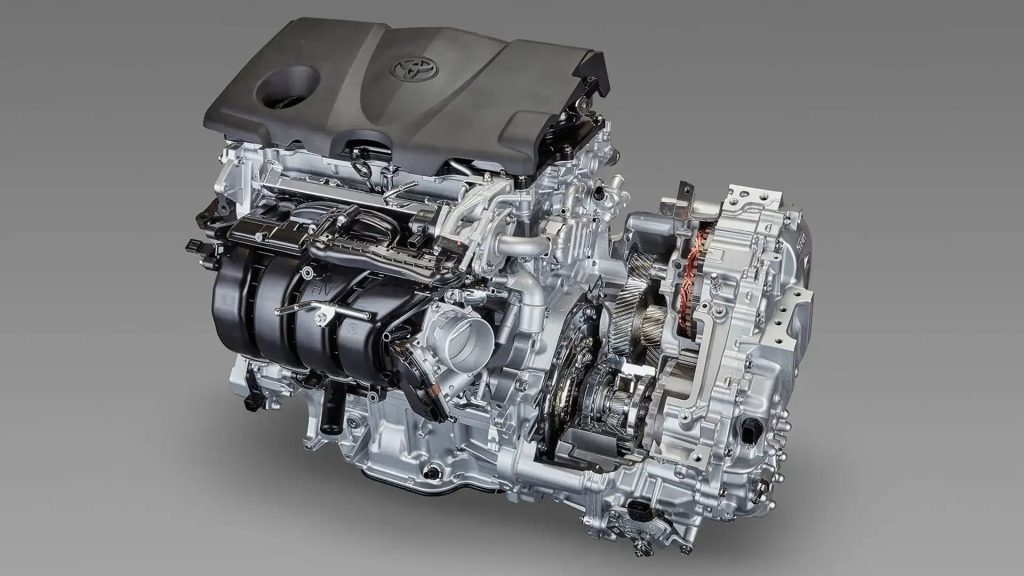
Perhaps most importantly, Toyota did not treat the issue as a public relations problem. Instead, it treated it as an engineering problem. That mindset is often what separates companies that recover quickly from reliability concerns from those that struggle to regain customer trust.
This revised engine shows how a company known for reliability reacts when its standards slip. By addressing small technical details rather than applying quick fixes, Toyota appears to have restored confidence in one of its most widely used modern engines.
2. Honda 1.5L Turbo (L15CA Updated Version)
Honda faced significant scrutiny when some early versions of its small turbocharged engines experienced oil dilution and consumption concerns. The company responded with a series of engineering updates that by 2026 appear to have significantly improved long term behavior in updated versions of the 1.5 liter turbo platform.
Rather than abandoning the engine concept, Honda chose to refine it. Engineers improved fuel injection timing strategies to reduce the chance of excess fuel washing cylinder walls. Fuel washdown can dilute oil and accelerate wear if not properly controlled.
Honda also introduced piston redesigns with improved oil control ring profiles. These changes focused on maintaining sealing effectiveness over longer mileage periods. Even small adjustments in ring geometry can make measurable differences in oil control over years of operation.
Another area of focus involved engine warm up behavior. Updated thermal management strategies allow the engine to reach optimal temperature more efficiently. Engines that reach proper temperature quickly tend to accumulate fewer deposits, which helps maintain piston ring effectiveness.
Honda also updated software to manage turbo boost pressure during cold operation better. This reduced stress during the period when oil viscosity is still stabilizing. Protecting the engine during this early operating phase can significantly improve long term wear patterns.
A different type of improvement involved customer communication. Honda revised maintenance guidance in some markets, encouraging more realistic oil change intervals for severe driving conditions. This helped align maintenance schedules with real world usage rather than ideal conditions.
Testing procedures were also expanded. Honda reportedly increased long duration endurance testing to confirm improvements. Modern durability testing often includes thousands of simulated start stop cycles to identify issues that might not appear in steady highway testing.
The company also refined oil separator designs within the crankcase ventilation system. Better oil vapor separation reduces the amount of oil entering the intake system, which directly affects consumption rates.
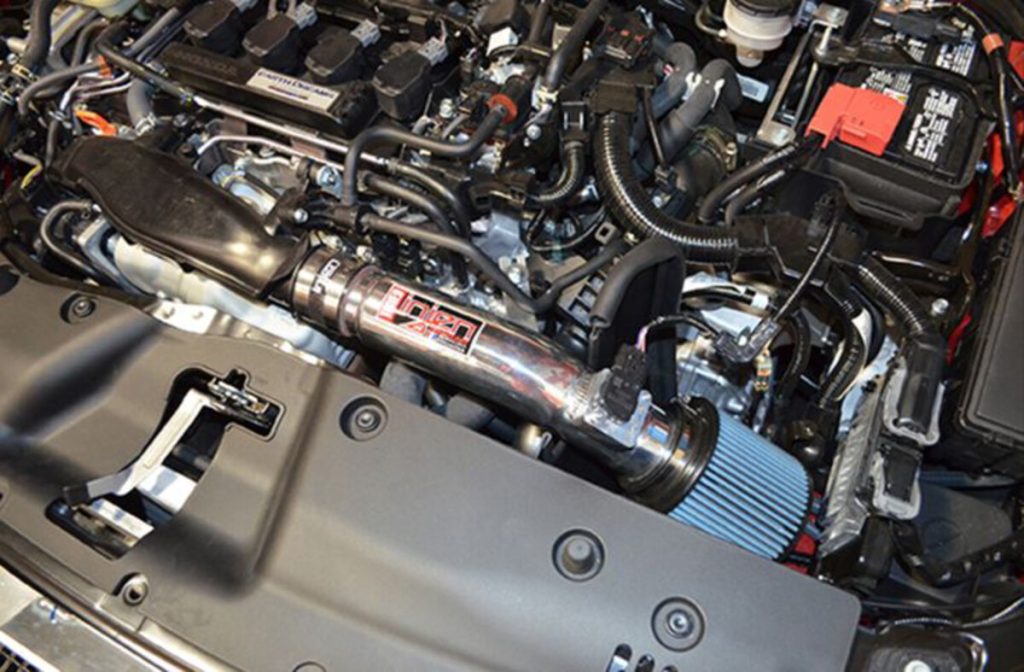
Technicians who service newer Honda turbo engines have noted fewer repeat complaints compared to early production years. This kind of service department feedback often provides the earliest real world confirmation of engineering improvements.
Honda also maintained its traditional strength in precision manufacturing. Consistent machining tolerances and improved quality control processes helped ensure that design improvements translated into consistent real world results.
These updates demonstrate how a manufacturer known for naturally aspirated engine reliability adapted to the challenges of turbocharged engine design. By refining rather than replacing the platform, Honda showed that even complex modern engines can be improved through careful engineering evolution.
3. Subaru 2.4L FA24 Turbo Engine Improvements
Subaru’s journey with oil consumption issues goes back to certain naturally aspirated boxer engines from the early 2010s. Those experiences forced the company to rethink how it approached piston ring sealing, cylinder finishing, and oil control in later engine families.
By the time the FA24 turbo engine reached its refined 2026 form, many of those earlier lessons had clearly shaped its development.
To understand Subaru’s correction strategy, it helps to look at how the company approached internal friction. Engineers focused on balancing efficiency with durability rather than pushing friction reduction too aggressively.
Earlier industry trends sometimes prioritized fuel savings at the expense of long term oil control stability. Subaru adjusted that balance.
The FA24 engine also received updated piston skirt coatings designed to maintain consistent expansion characteristics across heat cycles. Stable piston movement inside the cylinder helps maintain proper oil film control. Even minor instability at this level can lead to gradual oil usage increases over time.
Instead of focusing only on the pistons themselves, Subaru also revised the cylinder honing process. The microscopic texture of cylinder walls plays a critical role in oil retention and ring sealing.
By refining this process, Subaru improved the engine’s ability to maintain proper lubrication without allowing excess oil into the combustion chamber.
Another change appeared in the oil return pathways within the cylinder heads. Engineers improved oil drainage efficiency so that oil would return to the sump more effectively during sustained high speed driving. This reduced the possibility of oil accumulation in upper engine areas.
Subaru also approached the issue from a thermal perspective. Updated cooling flow management helped maintain more consistent temperatures across cylinder banks. Boxer engines have unique cooling challenges due to their layout, and improved thermal balance can significantly influence long term wear.
Rather than making bold marketing claims, Subaru allowed the improvements to prove themselves through owner experience. Early service data suggests that the FA24 engines are showing stable oil usage patterns even under enthusiastic driving conditions, which is important given Subaru’s performance oriented customer base.
The company also invested in improved oil specification recommendations. By working closely with lubricant manufacturers, Subaru ensured that oil formulations matched the thermal and pressure characteristics of the updated engine design.
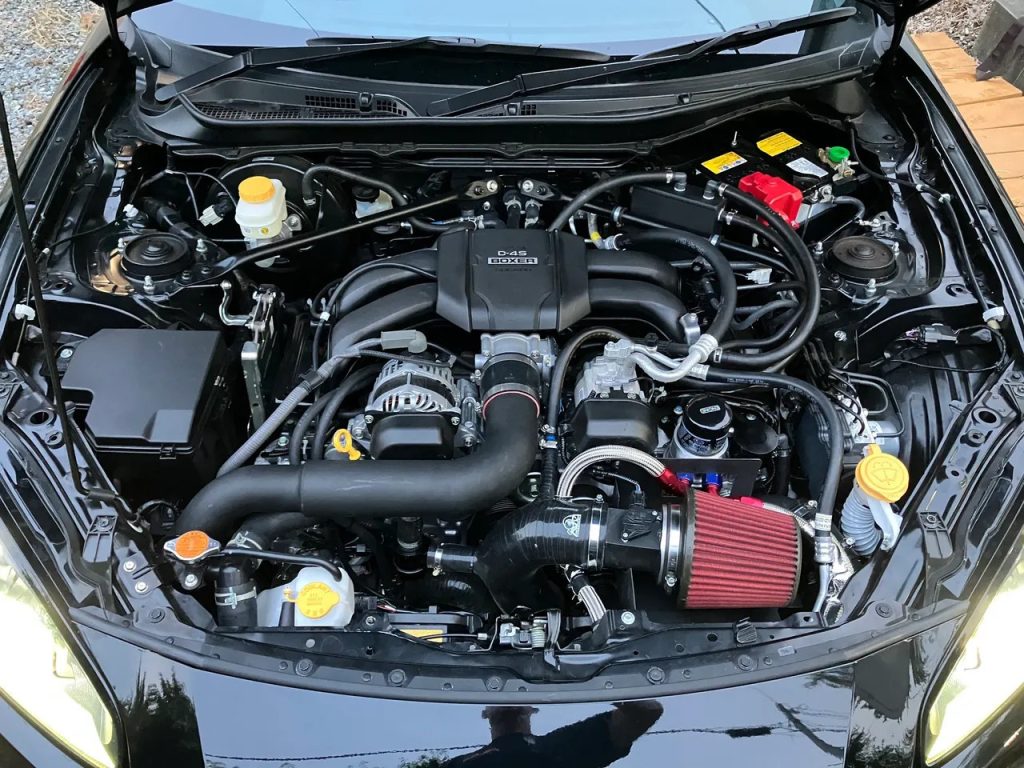
Interestingly, Subaru’s engineers also paid attention to how drivers actually use turbocharged vehicles. Real world testing included mountain driving, cold starts, and repeated short trip cycles. These scenarios often expose weaknesses that controlled testing may miss.
Feedback from independent repair shops suggests fewer oil related complaints on these newer engines compared to some earlier boxer generations. When independent technicians begin reporting fewer issues, it often indicates that improvements are meaningful rather than cosmetic.
Subaru’s response to its earlier oil consumption reputation shows how a brand can learn from criticism. By addressing root mechanical causes rather than symptoms, the company appears to have strengthened the long term durability profile of its latest turbocharged boxer engines.
4. BMW B48 Four-Cylinder Engine Technical Updates
BMW’s reputation has always centered around performance and driving dynamics, but earlier turbocharged engines sometimes faced criticism related to oil usage as mileage increased. With the evolution of the B48 engine platform leading into 2026, BMW focused on improving long term durability while maintaining its performance identity.
Instead of approaching the issue from a single direction, BMW treated oil consumption as a system wide engineering challenge. Improvements involved piston design, turbocharger sealing, crankcase ventilation refinement, and updated engine management logic working together rather than independently.
One of the most significant changes involved piston ring material updates. BMW moved toward more wear resistant coatings designed to maintain consistent sealing over longer mileage intervals. Long term sealing stability is critical in turbocharged engines where cylinder pressures are significantly higher than naturally aspirated designs.
The company also revised the oil separator system integrated into the PCV assembly. Turbocharged engines generate more crankcase pressure variation, which can influence oil vapor movement. Improved separation technology helped reduce oil carryover into the intake tract.
From a performance engineering standpoint, BMW also adjusted how boost pressure builds during transient acceleration. Smoother boost transitions reduce sudden pressure spikes that can influence ring sealing behavior. This type of calibration work often goes unnoticed by drivers but can have meaningful durability benefits.
Manufacturing precision also played a role. BMW increased the use of automated optical inspection systems during engine production. These systems verify machining consistency at microscopic levels, ensuring that improvements in design translate into consistent production quality.
Another interesting development came from lubrication flow modeling. Engineers used advanced simulation tools to study how oil moves through the engine during aggressive driving. These studies resulted in small but important revisions to oil passage geometry.
BMW also refined service recommendations to better match real performance driving patterns. High performance engines often experience more demanding usage than average commuter vehicles, so aligning maintenance advice with actual usage helps prevent long term issues.
Rather than presenting these updates as fixes, BMW positioned them as part of continuous improvement. This approach reflects how performance brands often prefer to frame durability improvements as technical evolution rather than correction.
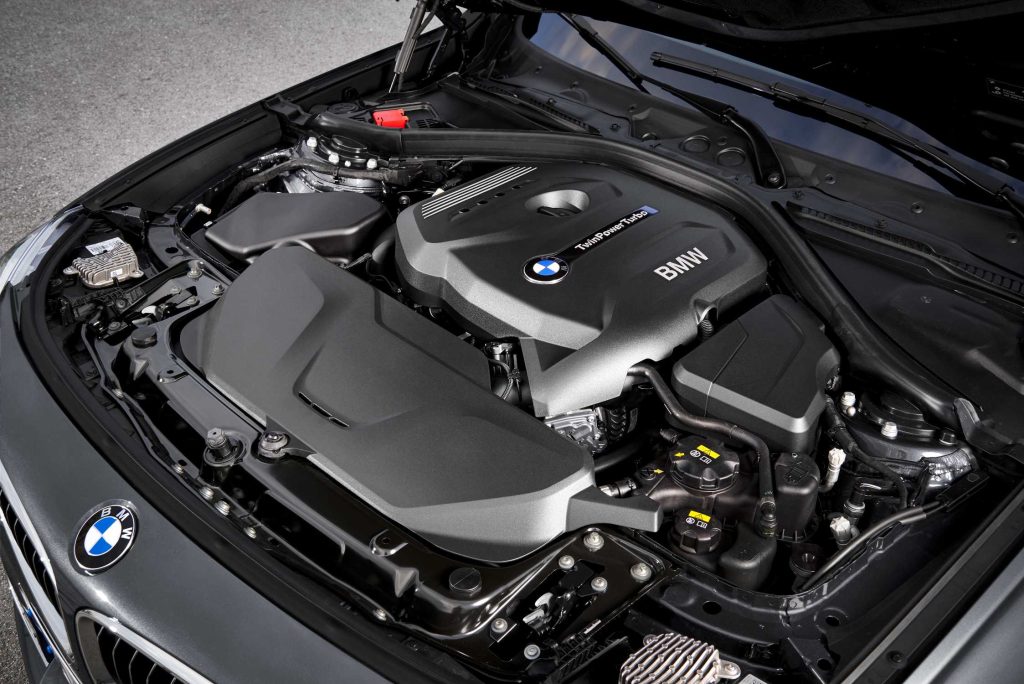
Reports from newer B48 equipped vehicles indicate improved oil stability between service intervals. While performance engines will always require attentive maintenance, early indications suggest BMW has made meaningful progress in controlling consumption compared to earlier turbo generations.
The B48’s improvements demonstrate how a brand focused on driving enjoyment can still strengthen durability through careful engineering refinement. It also shows how modern engine development increasingly depends on software, materials science, and precision manufacturing working together.
5. Hyundai Smartstream 2.5L Engine Updates
Hyundai’s rapid growth over the past decade has been driven by aggressive engineering development, but that speed also brought challenges. Some earlier engines faced criticism related to oil consumption and long term wear behavior.
By 2026, Hyundai’s Smartstream engine family shows how the company responded by placing much greater emphasis on durability validation and internal component redesign.
The Smartstream 2.5L engine represents a shift in Hyundai’s engineering priorities. Instead of focusing mainly on efficiency improvements, the company began placing equal importance on long term stability. This meant revisiting how piston rings behaved after extended mileage rather than just how they performed when new.
Engineers started with the fundamentals. Revised oil control rings were developed with improved tension consistency to prevent gradual loss of sealing effectiveness. Maintaining this consistency over time is critical because many oil consumption problems only appear after significant mileage accumulation.
Hyundai also improved the piston crown structure to better manage combustion heat. When heat distribution becomes more controlled, it reduces the likelihood of localized expansion differences that can affect oil sealing performance.
The company also strengthened its cylinder surface treatment processes. Improved crosshatch finishing helps maintain the thin oil layer necessary for lubrication without allowing excessive oil migration.
This microscopic surface work rarely gets public attention, yet it often determines whether an engine develops consumption issues later.
Another interesting improvement involved oil pump control strategy. Variable pressure oil pumps were recalibrated to maintain more consistent lubrication during changing driving conditions. This helped ensure proper oil distribution without creating excess oil pressure that could contribute to unwanted oil movement.
Hyundai also expanded its long duration testing cycles. Instead of focusing only on standard durability tests, the company added extended high temperature idle testing and repeated cold start sequences. These conditions are often where oil control weaknesses reveal themselves.
Quality control procedures also received upgrades. Hyundai increased random teardown inspections of production engines to verify wear patterns. Studying engines after simulated long term use allowed engineers to confirm whether improvements were working as intended.
Dealership service feedback was also integrated more quickly into engineering updates. Faster communication between field technicians and engineering teams allowed quicker identification of potential trends before they became widespread.
Another important step involved better owner education. Hyundai began emphasizing the importance of correct oil specifications and realistic service intervals based on driving habits. This helped align maintenance practices with engineering expectations.
Initial ownership reports indicate that the updated Smartstream engines are maintaining more stable oil levels between services. While long term confirmation always takes time, early trends suggest Hyundai’s increased focus on durability testing is producing positive results.
Hyundai’s improvements show how quickly a manufacturer can evolve when it commits resources to solving reliability concerns. The Smartstream program demonstrates a more mature engineering strategy focused not just on innovation but also on long term ownership satisfaction.
Oil consumption problems have taught the automotive industry an important lesson. Efficiency gains and performance improvements must always be balanced with durability. The brands highlighted here show how manufacturers can respond when real world experience reveals weaknesses that laboratory testing did not fully expose.
Toyota demonstrated how detailed mechanical refinement can restore confidence. Honda showed that turbocharged efficiency can still be dependable when properly calibrated. Subaru proved that unique engine layouts can be improved through careful material and thermal management changes.
BMW illustrated how performance engineering and durability improvements can develop together rather than conflict. Hyundai showed how rapid improvement is possible when a company aggressively invests in testing and quality monitoring.
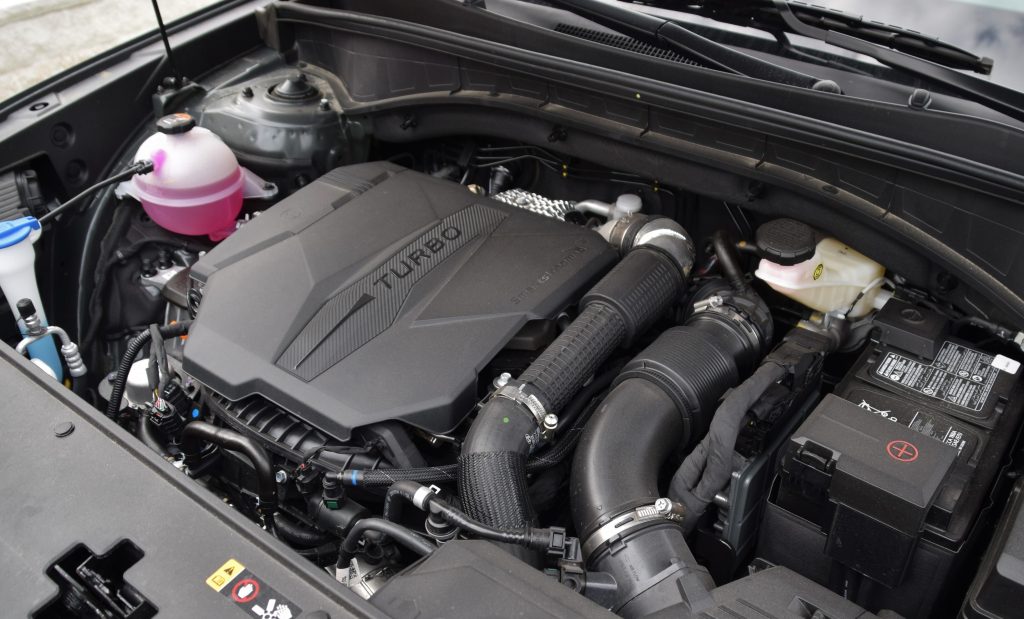
A shared pattern among all five brands is that none relied on a single solution. Oil consumption is rarely caused by one defective part.
It usually results from the interaction of temperature, pressure, materials, and maintenance practices. The companies that solved these issues treated them as complete system challenges.
Another important takeaway is the growing role of data. Modern vehicles provide engineers with long term usage information that was not available decades ago. This allows faster identification of wear patterns and more effective design corrections in future models.
These improvements also highlight how customer feedback now shapes engineering priorities. Online discussions and reliability reporting have created an environment where problems cannot remain hidden. Manufacturers must respond quickly or risk losing trust.
Despite these improvements, proper maintenance remains essential. Even the best engineered engines depend on correct oil quality, timely service, and good operating habits. Engineering improvements reduce risk, but responsible ownership still determines ultimate longevity.
Looking forward, the industry appears to be moving toward a more balanced approach. Instead of chasing efficiency numbers alone, manufacturers are increasingly recognizing that long term durability is equally important to buyers.
The progress made by these five brands shows that engineering mistakes do not have to define a company permanently.
What matters more is how quickly and seriously those mistakes are addressed. In these cases, the results suggest that meaningful progress has been made toward more dependable modern engines.
Also Read: 5 Engines With Sodium Filled Valves Built for Continuous High Speed Use
