
As automotive technology has evolved, many manufacturers have moved toward continuously variable transmissions and dual clutch systems in the pursuit of efficiency and performance.
While these newer transmission designs can offer benefits in fuel economy and shift speed, many long term owners still prefer traditional torque converter automatic transmissions. These conventional automatics have built a reputation for durability, predictable maintenance needs, and the ability to survive high mileage with proper servicing.
Traditional automatic transmissions use hydraulic pressure, planetary gearsets, and torque converters to deliver smooth and reliable power. Their designs have been refined over decades, and many models became known for surviving well past 200,000 miles with only routine maintenance.
Because of their long development history, mechanics also understand these transmissions well, making repairs more straightforward compared to newer technologies.
One reason these transmissions often last longer is their ability to handle heat and load variation. Torque converter automatics are generally more tolerant of towing, stop and go traffic, and rough usage compared to some newer designs that prioritize efficiency. Their fluid coupling also helps absorb shock loads, reducing stress on internal gears.
Used SUVs equipped with these transmissions are especially attractive to buyers looking for dependable long term ownership.
Many of these vehicles were designed for family transport, off road use, or towing, which required transmissions capable of handling demanding workloads. As a result, certain models developed strong reputations not only for engine reliability but also for transmission durability.
Another factor contributing to longevity is serviceability. Traditional automatics often allow fluid changes and filter replacements, which can significantly extend transmission life. Vehicles that allow preventative maintenance often remain dependable longer than sealed systems.
The following used SUVs stand out for pairing proven torque converter automatic transmissions with strong reliability records. These vehicles continue to be sought after by buyers who value mechanical durability and the reassurance that comes from transmission designs with long established track records.
Also Read: 10 Vehicles With Tires That Cost 400 Dollars Each to Replace
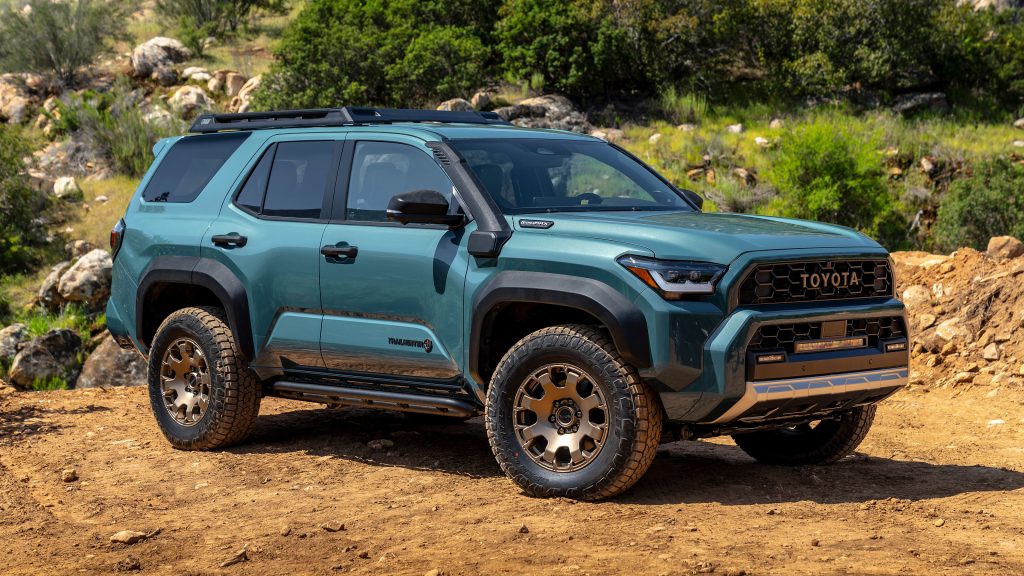
1. Toyota 4Runner (2003 to 2009)
The fourth generation Toyota 4Runner is widely respected among used SUV buyers because of its proven drivetrain combination. One of the most important contributors to its long term durability is the traditional five speed automatic transmission that emphasizes reliability over complexity.
Toyota paired this SUV with a transmission known for smooth hydraulic operation and strong internal gearsets. Instead of chasing fast shift speeds, the transmission focuses on gradual engagement, which reduces shock loads on internal components. Reduced internal stress often results in longer service life.
Another advantage is how well the transmission handles heat. SUVs frequently encounter heavy loads from cargo or off road conditions, yet this transmission was engineered with sufficient cooling capacity to manage these demands. Stable fluid temperature is one of the most important factors in automatic transmission longevity.
The vehicle also benefits from Toyota’s conservative programming. Shift timing is designed to protect the transmission rather than maximize performance feel. This approach reduces clutch wear and promotes long term durability.
Maintenance accessibility also contributes to survival rates. Owners can perform fluid changes relatively easily, and regular fluid replacement is known to significantly extend the life of these gearboxes.
Off road enthusiasts also appreciate how predictable the transmission behaves on trails. Smooth torque delivery helps prevent sudden traction loss and reduces drivetrain shock.
Another reason this SUV remains popular is how often examples reach very high mileage without requiring transmission rebuilds. Real world reliability reports often show these transmissions continuing to operate smoothly with only routine servicing.
The 4Runner demonstrates how pairing a durable SUV platform with a proven automatic transmission can create a vehicle that remains dependable many years after its original purchase date.
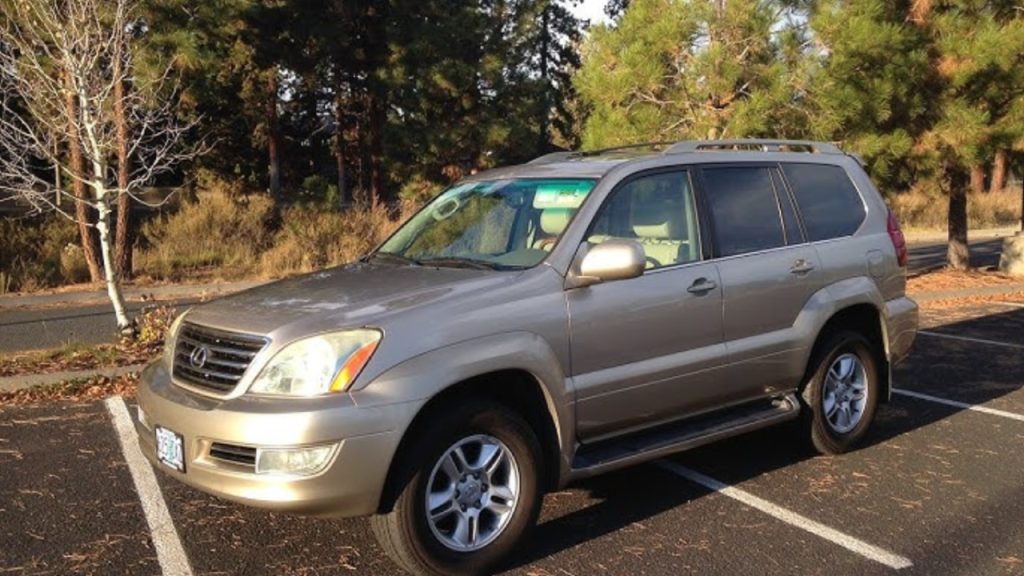
2. Lexus GX 470 (2003 to 2009)
The Lexus GX 470 shares much of its engineering with the Toyota Land Cruiser Prado, which explains its reputation for long term mechanical strength. A major contributor to this durability is its traditional five speed automatic transmission, designed with luxury smoothness but built with truck level strength.
Unlike some luxury SUVs that rely on complex transmission behavior, this model uses a straightforward hydraulic automatic that prioritizes smooth engagement and internal strength. The transmission is known for handling both highway cruising and off road driving without excessive wear.
One advantage of this system is how it distributes torque. The torque converter allows gradual power transfer, which helps protect gears and clutch packs. This smooth torque delivery often reduces internal fatigue compared to more aggressive transmission designs.
The GX 470 also benefits from strong cooling integration. The transmission cooling system helps maintain stable fluid temperatures even during towing or hot weather driving. Heat management often determines whether an automatic transmission lasts for decades or fails prematurely.
Another important durability factor is Lexus build quality. Tight assembly tolerances and strong materials help internal transmission components maintain alignment. Proper alignment helps prevent uneven wear patterns.
Owners who perform regular fluid changes often report extremely long service life from these transmissions. Preventative maintenance plays a major role in the long reputation of this vehicle.
Another advantage is how well the transmission matches the V8 engine’s power delivery. Smooth torque characteristics reduce sudden stress on the gearbox.
Long term ownership reports frequently show this SUV maintaining excellent drivetrain behavior even after extensive mileage. This consistency explains why these vehicles remain desirable in the used market.
The GX 470 shows how combining luxury engineering with proven mechanical systems can result in an SUV capable of maintaining both comfort and durability long after many competitors begin to show drivetrain problems.
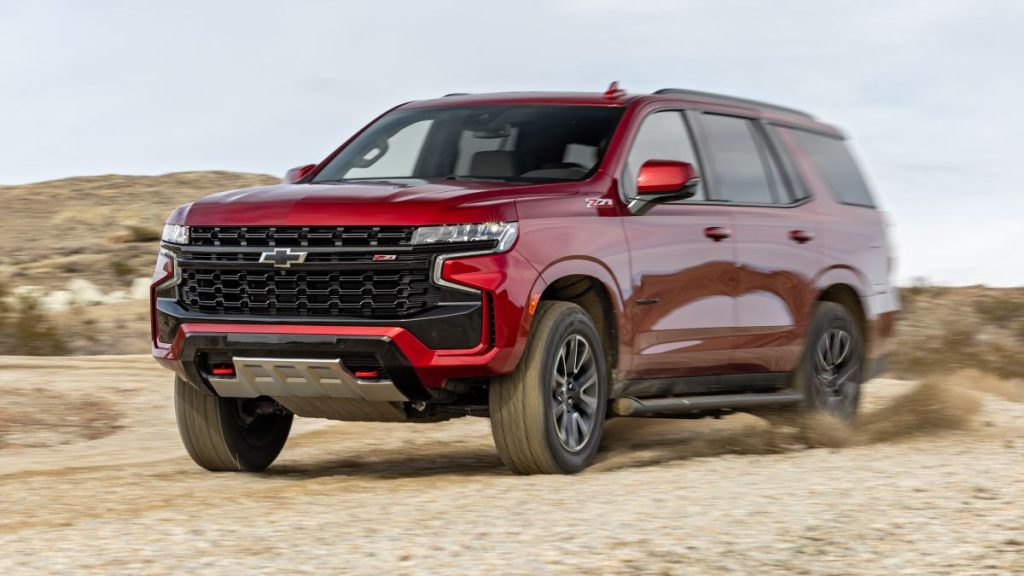
3. Chevrolet Tahoe (2007 to 2014)
The Chevrolet Tahoe from this generation became a common sight among families, government fleets, and long distance drivers who needed a vehicle capable of handling years of service. A major reason these SUVs remain on the road is the traditional six speed automatic transmission designed with truck level durability in mind.
General Motors engineered this transmission to handle the torque output of large V8 engines while still providing smooth daily driving behavior. Instead of designing it purely for efficiency, the focus remained on strength and predictable operation.
This approach helped the transmission develop a reputation for surviving high mileage when properly maintained.
One of the most important durability factors is the use of strong planetary gearsets. These components distribute load evenly across multiple gear teeth, reducing concentrated wear. Even load distribution often translates into slower internal degradation.
The Tahoe also benefits from a well designed transmission cooling system. Because these SUVs are often used for towing or carrying passengers, engineers ensured that fluid temperatures remain controlled under heavy load conditions.
Another strength is the transmission’s gradual shift programming. Instead of harsh gear engagement, the system allows controlled transitions that reduce clutch pack shock. Gentle shifting behavior often helps internal components last longer.
Fleet usage also helped prove the transmission’s durability. Many of these vehicles were used in municipal service, where they accumulated high mileage while maintaining drivetrain stability.
Maintenance is another advantage. The transmission allows fluid servicing, which helps remove contaminants that could otherwise cause wear. Vehicles that support regular fluid service often remain dependable longer.
Owners often report that even high mileage examples continue to deliver smooth shifting. This consistency usually indicates strong internal component durability.
Another point worth noting is how the transmission handles highway travel. Long steady driving conditions often allow the gearbox to operate under minimal stress, contributing to long life.
The Tahoe shows how traditional automatic transmissions built for full size SUVs often benefit from engineering intended for demanding use rather than purely comfort focused driving.
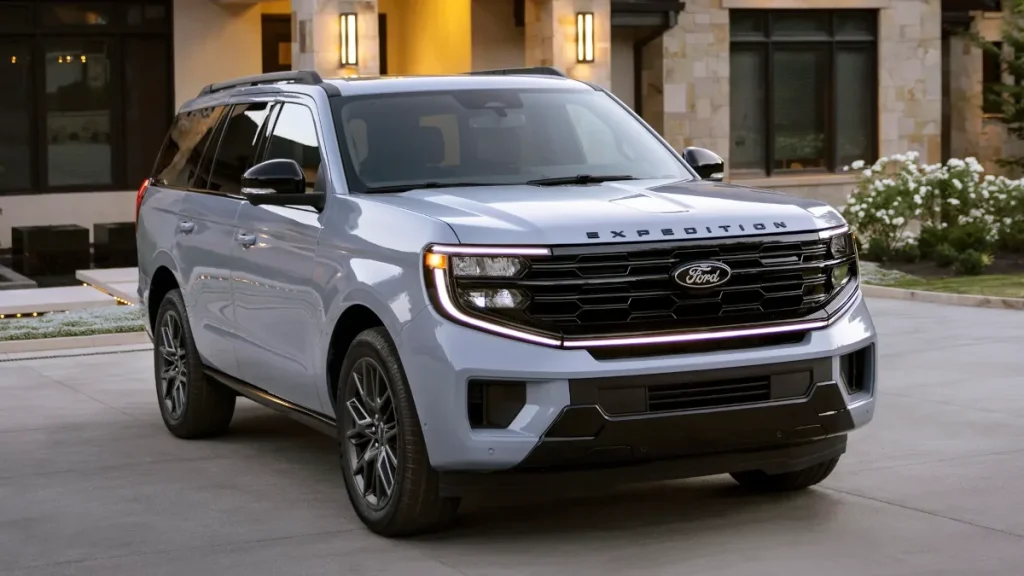
4. Ford Expedition (2007 to 2017)
The Ford Expedition earned a strong reputation among large SUV buyers for its balance of passenger comfort and mechanical durability. A major reason for this reputation is the use of a traditional six speed automatic transmission built to handle the torque demands of full size SUV use.
Ford developed this transmission to operate reliably under conditions such as towing, long highway driving, and heavy passenger loads. Instead of prioritizing aggressive shift performance, the focus was on smooth gear transitions and internal component longevity.
One of the most important strengths of this transmission is its robust clutch design. By using clutch materials designed to tolerate heat, Ford reduced the risk of early wear. Heat resistant components are often essential in vehicles expected to carry large loads.
Another durability advantage comes from the adaptive shift logic. The system learns driving patterns and adjusts pressure accordingly. By optimizing hydraulic pressure, the transmission reduces unnecessary wear.
Cooling also plays a major role. The Expedition uses an effective transmission cooling setup that helps maintain fluid condition even in hot climates. Proper cooling is often the deciding factor in whether a transmission survives beyond high mileage.
Another factor contributing to longevity is the torque converter design. Smooth engagement helps absorb drivetrain shock and reduces gear stress. Torque converters often act as a protective buffer in traditional automatics.
Many long distance drivers report that these transmissions maintain consistent shift quality even after many years of use. Consistent behavior often reflects strong internal engineering.
Service records also show that vehicles receiving regular fluid replacement often achieve impressive lifespan. Clean transmission fluid remains one of the most important factors in durability.
The Expedition illustrates how full size SUVs designed for heavy family and towing use often receive transmissions built with durability priorities rather than short term performance targets.
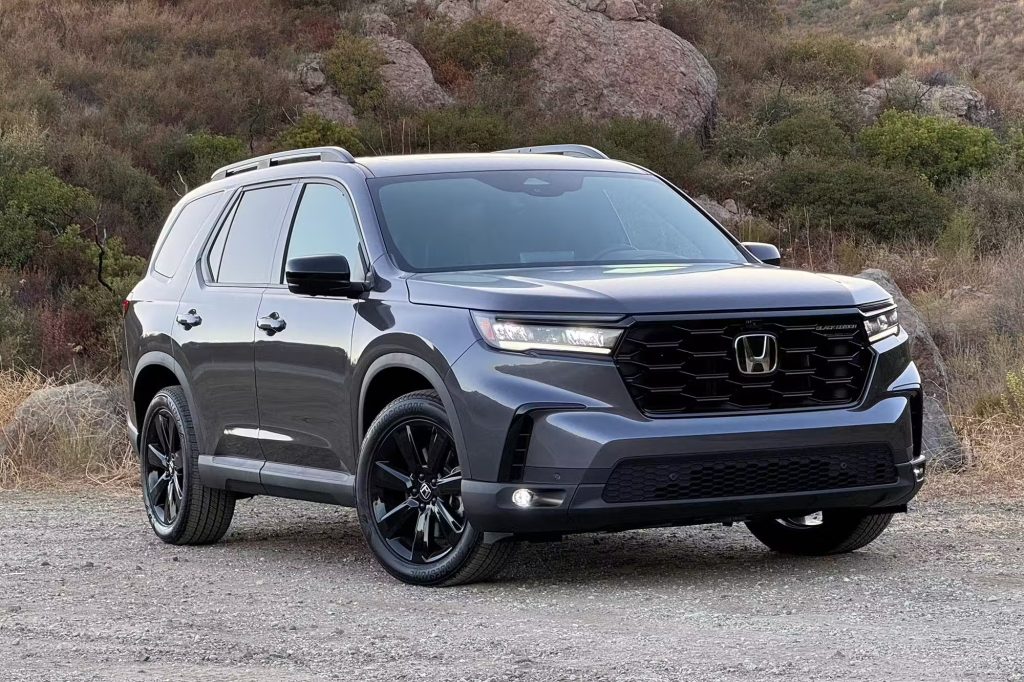
5. Honda Pilot (2009 to 2015)
The Honda Pilot from this generation gained a reputation as a dependable family SUV, partly because of its use of a conventional five speed automatic transmission designed with long term usability in mind. Honda avoided unnecessary transmission complexity in this model, focusing instead on predictable operation and steady reliability.
One interesting aspect of this transmission is how it emphasizes smoothness rather than speed. The gear changes are calibrated to occur gradually, which helps reduce wear on internal clutch packs. Smooth operation often contributes directly to extended mechanical life.
Honda also paid close attention to lubrication management inside the transmission. Proper fluid circulation ensures that heat is removed effectively from critical internal components. Heat control is often the most important factor in transmission survival.
Another durability strength comes from the transmission’s compatibility with the engine’s power delivery. The V6 engine produces power in a progressive manner, which helps reduce sudden torque shocks. This kind of drivetrain harmony often improves component lifespan.
The Pilot also benefits from a relatively lightweight workload compared to larger truck based SUVs. Because the vehicle is not usually subjected to extreme towing demands, the transmission often operates within safe limits.
Another factor contributing to durability is how well the system responds to preventative maintenance. Regular transmission fluid replacement helps maintain shift quality and prevents debris buildup.
Many owners report that these transmissions maintain smooth shifting behavior well into high mileage ownership. This kind of long term consistency usually reflects strong hydraulic control systems.
Another interesting observation is how the transmission behaves in daily commuting. Because it is tuned for comfort, it rarely experiences aggressive stress cycles.
The Pilot shows how family oriented SUVs with traditional automatic transmissions can achieve impressive reliability when manufacturers prioritize balanced engineering and long term ownership expectations.
6. Nissan Xterra (2005 to 2015)
The Nissan Xterra developed a loyal following among drivers who wanted a rugged SUV without unnecessary electronic complexity. A major reason for its durability reputation is the use of a traditional five speed automatic transmission built to support off road driving and everyday reliability.
Unlike crossovers focused mainly on comfort, the Xterra was designed with durability as a core goal. Its transmission reflects this philosophy by emphasizing strong internal gearing and dependable hydraulic control rather than advanced efficiency technologies.
One important factor behind its longevity is the transmission’s ability to handle uneven terrain. Off road driving often places irregular loads on drivetrains, and Nissan engineered this system to tolerate those variations without internal damage.
Cooling support is another advantage. The vehicle uses a transmission cooling setup designed to maintain stable temperatures even during trail driving. Proper temperature control helps prevent fluid breakdown.
Another strength comes from how the transmission distributes torque through its gearsets. By spreading load effectively, the system reduces localized wear and promotes long term durability.
Many long term owners note that the transmission continues functioning reliably even after years of outdoor use. Vehicles exposed to dirt and varying climates often reveal engineering weaknesses quickly, yet this model often proves resilient.
Another factor is service simplicity. Because the transmission design is relatively straightforward, maintenance and repair procedures remain manageable. This encourages owners to keep the vehicle in service longer.
The engine’s torque characteristics also help. Strong low speed pulling power reduces the need for constant high RPM driving, which lowers transmission stress.
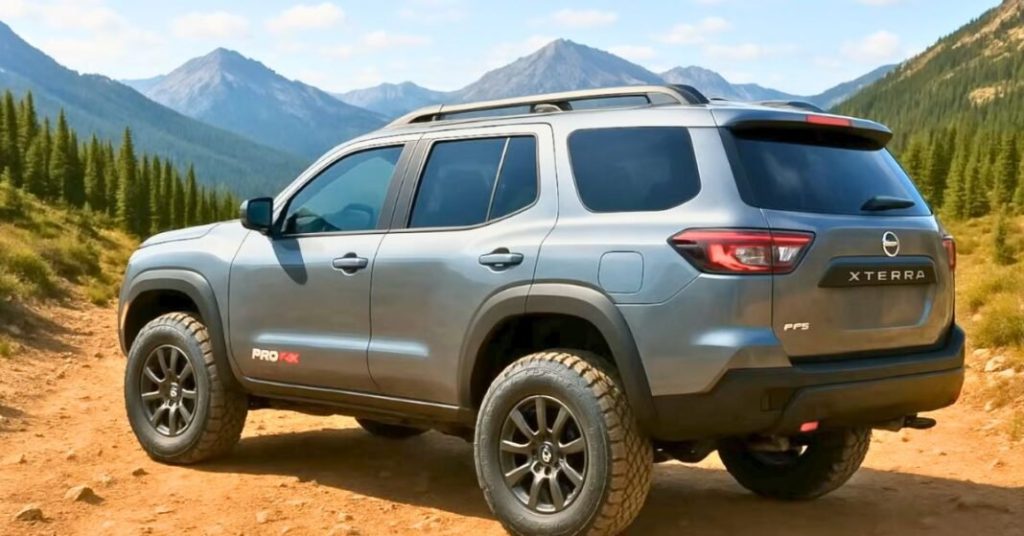
The Xterra demonstrates how SUVs built with adventure use in mind often benefit from traditional automatic transmissions that value toughness and reliability over technological experimentation.
7. Toyota Sequoia (2008 to 2017)
The Toyota Sequoia stands as one of the largest SUVs produced by Toyota, and its drivetrain reflects the brand’s focus on longevity. A major reason this vehicle continues to be respected in the used market is its traditional six speed automatic transmission, which was engineered to support the demands of a full size V8 powered SUV.
Toyota designed this transmission with strength reserves because the Sequoia was expected to handle towing, long road trips, and heavy passenger loads.
Rather than designing the transmission at the edge of its capacity, engineers allowed extra durability margin. Components operating below maximum stress limits often last significantly longer.
Another reason for its reliability is the controlled shift behavior. The transmission emphasizes smooth transitions rather than aggressive gear engagement. This helps protect clutch packs and reduces internal shock loads that can shorten service life.
The Sequoia also benefits from strong thermal management. The transmission cooling system helps maintain fluid temperature stability even when the vehicle is used for towing or summer travel. Proper cooling is often the difference between a transmission that fails early and one that survives extreme mileage.
Another important durability factor is the large fluid capacity. More fluid helps maintain consistent lubrication and reduces heat concentration. A stable fluid environment supports internal component longevity.
Owners often report that these transmissions continue to shift smoothly even after long periods of ownership. This consistent behavior usually indicates strong hydraulic system durability.
Another interesting strength is how the transmission matches the V8 engine’s relaxed torque delivery. Smooth low RPM power reduces drivetrain stress and helps preserve transmission components.
Routine service also contributes to long life. Vehicles that receive fluid changes at proper intervals often avoid the wear issues associated with contaminated fluid.
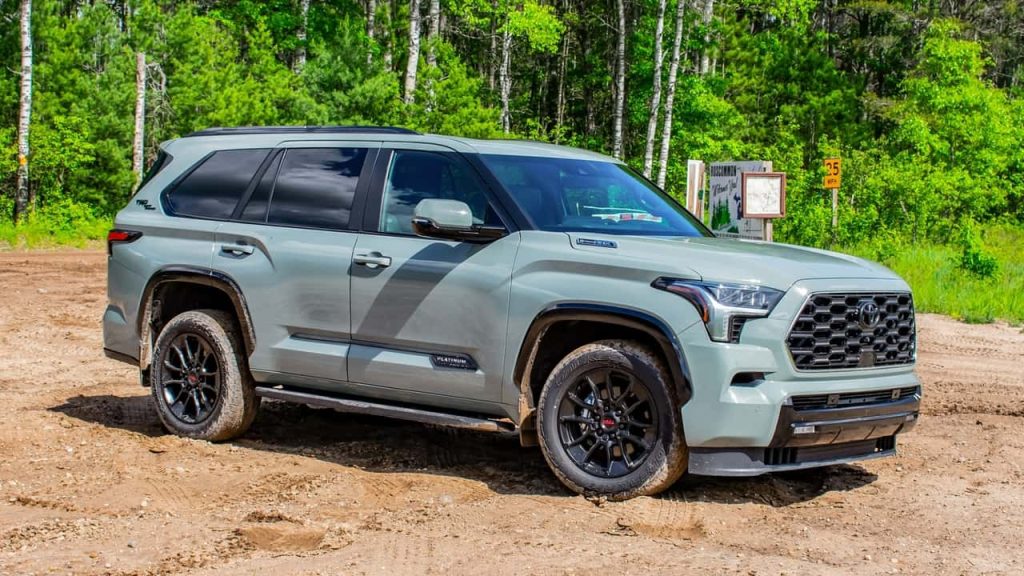
The Sequoia demonstrates how large SUVs designed for family and towing use often receive transmissions capable of surviving demanding workloads, making them dependable choices in the long term used vehicle market.
8. Jeep Grand Cherokee (2010 to 2013 with 5 Speed Automatic)
The Jeep Grand Cherokee from this period combined traditional SUV capability with proven transmission engineering. Models equipped with the conventional five speed automatic transmission developed a strong reliability record, particularly among drivers who valued mechanical predictability.
This transmission was known for its straightforward hydraulic operation. Rather than relying heavily on experimental technology, Jeep used a design that had already proven itself in multiple applications. Proven designs often bring reliability advantages because their weaknesses are already well understood and corrected.
Another strength lies in the way the transmission handles torque transfer. The system allows gradual application of engine power, which helps protect internal gearsets. Smooth torque application often reduces the risk of premature wear.
The Grand Cherokee also benefits from effective cooling integration. Engineers ensured that the transmission fluid remains within safe temperature ranges even during demanding use such as climbing hills or driving in hot weather.
Another factor supporting longevity is the vehicle’s drivetrain calibration. Instead of overly aggressive shifting, the system focuses on balanced performance. This helps maintain internal component health.
Off road capability also played a role in the transmission’s design. Vehicles expected to handle rough surfaces often require stronger driveline components, which benefits long term durability even in normal driving.
Many owners have reported that these transmissions remain dependable even after extensive daily use. Long term consistency often reflects a well balanced mechanical design.
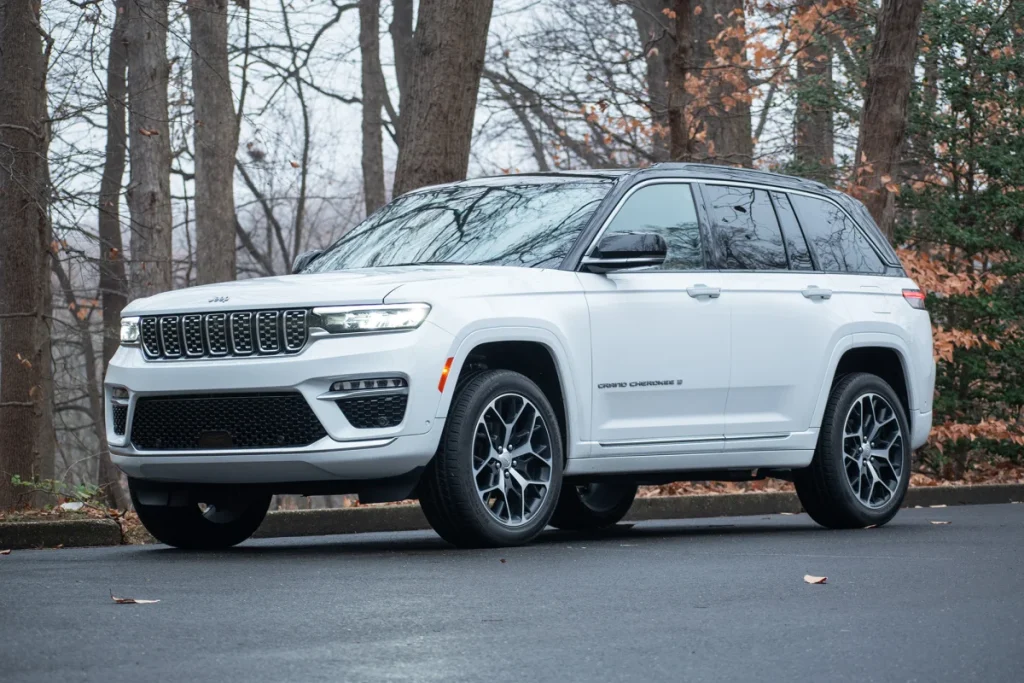
Another advantage comes from maintenance familiarity. Because the transmission is widely used, mechanics are familiar with servicing it. Easy serviceability often keeps vehicles on the road longer.
The Grand Cherokee shows how using a well proven automatic transmission can provide reliability benefits that remain valuable long after newer technologies have entered the market.
9. Chevrolet TrailBlazer (2006 to 2009)
The Chevrolet TrailBlazer from the final years of its original production run continues to attract used SUV buyers who value mechanical simplicity. One of the most important reasons for its continued usability is the traditional four speed automatic transmission, a design that prioritizes durability through simplicity rather than technological experimentation.
This transmission is often praised for its straightforward hydraulic control system. With fewer complex control strategies compared to modern gearboxes, it tends to develop predictable wear patterns. Predictable behavior makes long term maintenance easier and often prevents unexpected failures.
Another important durability advantage comes from the strength of the internal geartrain. Built to support both inline six and V8 engines, the transmission was designed with a reasonable strength margin. Components that operate below their maximum stress capacity usually show slower fatigue progression.
The TrailBlazer also benefits from balanced torque delivery. The engines paired with this transmission produce smooth acceleration rather than sudden spikes in power. This helps reduce clutch wear and improves gear longevity.
Cooling support also contributes to reliability. The transmission fluid cooling setup helps maintain safe operating temperatures even during summer driving. Proper heat management often determines how long automatic transmissions survive.
Many owners have noted that these transmissions continue to perform consistently with only basic fluid maintenance. Regular fluid replacement helps remove debris that could otherwise damage internal components.
Another factor supporting durability is how well the transmission tolerates daily commuting. Vehicles used for steady driving cycles often experience less stress compared to performance focused use.
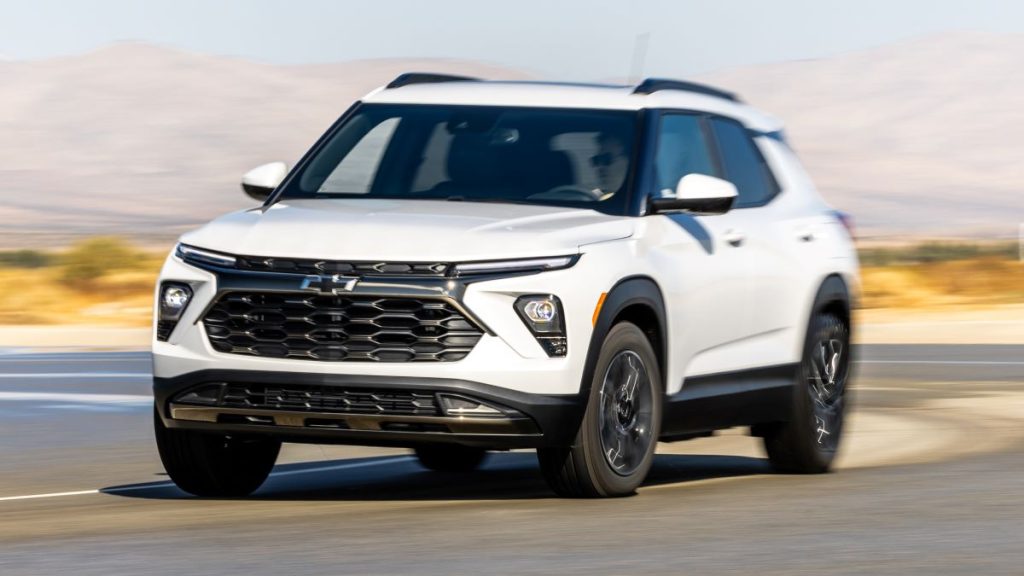
Another practical advantage is the availability of replacement parts. Because this transmission was widely used, parts availability remains strong. Accessible parts often allow vehicles to remain in service longer.
The TrailBlazer demonstrates how traditional automatic transmissions built with simple and strong engineering can continue delivering reliable operation long after newer designs have appeared.
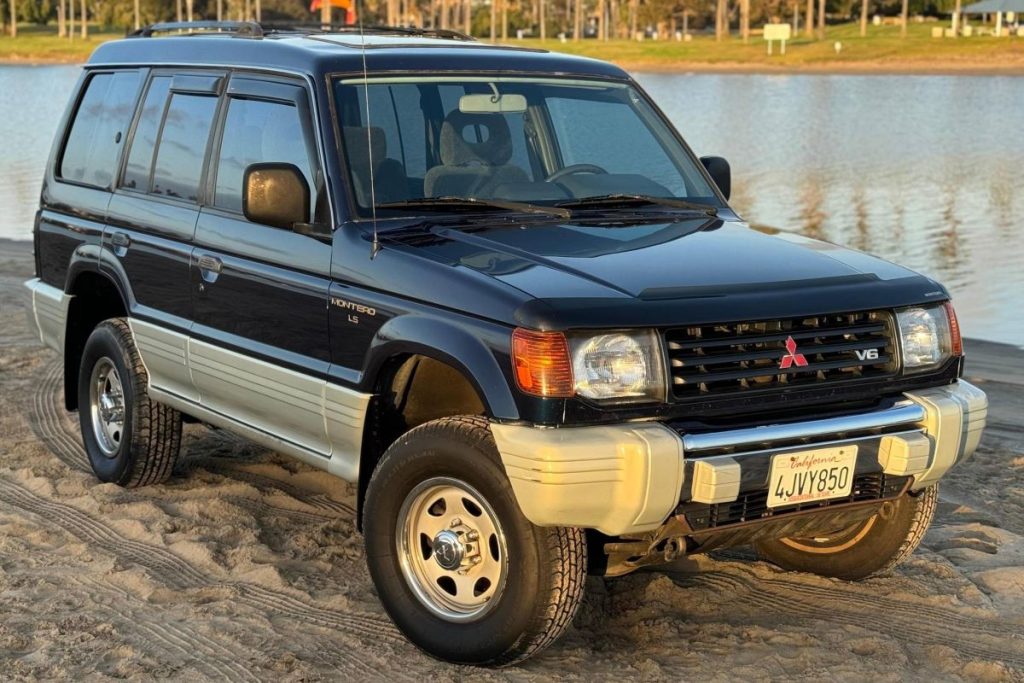
10. Mitsubishi Montero (2003 to 2006)
The Mitsubishi Montero represents an older style SUV built with durability as a core design goal. Although not as commonly discussed as some competitors, it developed a strong reputation among owners who needed a dependable vehicle for long term use.
A major contributor to this reputation is its traditional automatic transmission known for rugged construction.
The transmission used in this SUV was designed to support both highway driving and demanding terrain. Mitsubishi engineered it with strong internal gearsets capable of tolerating irregular load conditions. Gear strength is often a defining factor in long transmission life.
Another important durability feature is how the transmission manages torque delivery. Smooth engagement characteristics help reduce shock loads that might otherwise shorten component lifespan. Gradual torque application is often a hidden factor behind reliable gearboxes.
The Montero also benefits from transmission cooling design suited for global climates. Vehicles expected to operate in both hot and mountainous environments must maintain fluid stability. Mitsubishi ensured the transmission could handle these challenges.
Another strength lies in the conservative shift logic. Instead of aggressive performance shifting, the system focuses on mechanical protection. This helps maintain clutch material condition over long periods.
Many long term owners report that these transmissions remain dependable when fluid changes are performed regularly. Clean fluid helps preserve valve body operation and internal hydraulic passages.
Another point often mentioned is how well the transmission matches the vehicle’s off road capability. Strong drivetrain components allow the SUV to handle uneven surfaces without excessive wear.
Service simplicity also helps extend lifespan. Straightforward mechanical layouts encourage maintenance instead of abandonment.
The Montero shows how SUVs developed for global durability often rely on traditional automatic transmissions that continue to provide dependable service long after newer and more complex alternatives have entered the market.
Traditional automatic transmissions continue to prove their value in the used SUV market because they were built during a time when long term durability was often more important than chasing the latest efficiency trends.
The vehicles in this list demonstrate how torque converter automatics, when combined with strong engines and proper cooling, can remain dependable even after many years of use. Their continued presence on the road is strong evidence of their mechanical strength.
Another important takeaway is that simplicity often contributes to reliability. Many of these SUVs use proven transmission designs that had already been refined through years of real world use.
Because of this, they tend to show gradual wear instead of sudden failure, allowing owners to maintain them without unexpected expenses. Regular fluid service also plays a major role in helping these transmissions reach high mileage.
These SUVs also highlight how vehicles designed for towing, off road driving, or family transport often receive stronger drivetrain components.
Because they were built to handle demanding tasks, they often last even longer when used in normal driving conditions. This built in durability margin is one of the main reasons they remain popular in the used vehicle market.
Overall, buyers looking for long term reliability often find confidence in SUVs equipped with traditional automatic transmissions because they offer predictable performance, easier maintenance, and a long history of proven dependability.
Also Read: 10 Used Cars That Are Cheap to Buy but Impossible to Insure for Teens
