Wheel bearings are one of the most overlooked components in any vehicle, yet they play a critical role in how a car handles daily driving abuse.
These small but highly engineered parts allow the wheels to rotate smoothly while supporting the full weight of the vehicle, absorbing impacts from potholes, broken pavement, gravel roads, and constant highway use.
When wheel bearings are weak or poorly designed, the result is often premature noise, vibration, uneven tire wear, and costly repairs that many owners do not anticipate.
American roads present a unique challenge for wheel bearing durability. From frost heaves in northern states to cracked concrete highways, rural dirt roads, construction zones, and long distance interstate travel, vehicles must endure a wide range of harsh driving conditions.
Add in heavy loads, towing, and temperature swings, and wheel bearings must be built with strong sealing, quality lubrication retention, and high load tolerance to survive long term use.
Some vehicles stand out because manufacturers engineered their hubs and bearings with long term durability in mind rather than just cost savings.
These vehicles often use larger bearing assemblies, better sealing designs to keep contaminants out, and hub structures capable of handling repeated shock loads. As a result, they develop a reputation among mechanics and owners for rarely needing wheel bearing replacements even after high mileage use.
Durability also depends on how well a vehicle distributes weight and absorbs impacts through its suspension. Vehicles designed for off road use, commercial duty, or heavy daily driving often receive stronger bearing assemblies because engineers expect them to face harsher environments.
This difference becomes obvious after years of ownership when some vehicles begin developing humming noises while others continue operating quietly.
The following vehicles have earned strong reputations for wheel bearing strength through real world use, fleet service feedback, and long term ownership reports. Each demonstrates how engineering decisions can make a major difference in long term durability when driving on rough American roads.
Also Read: 5 Modern Engines That Still Use Simple Hydraulic Lifters to Avoid Adjustments
1. Toyota 4Runner
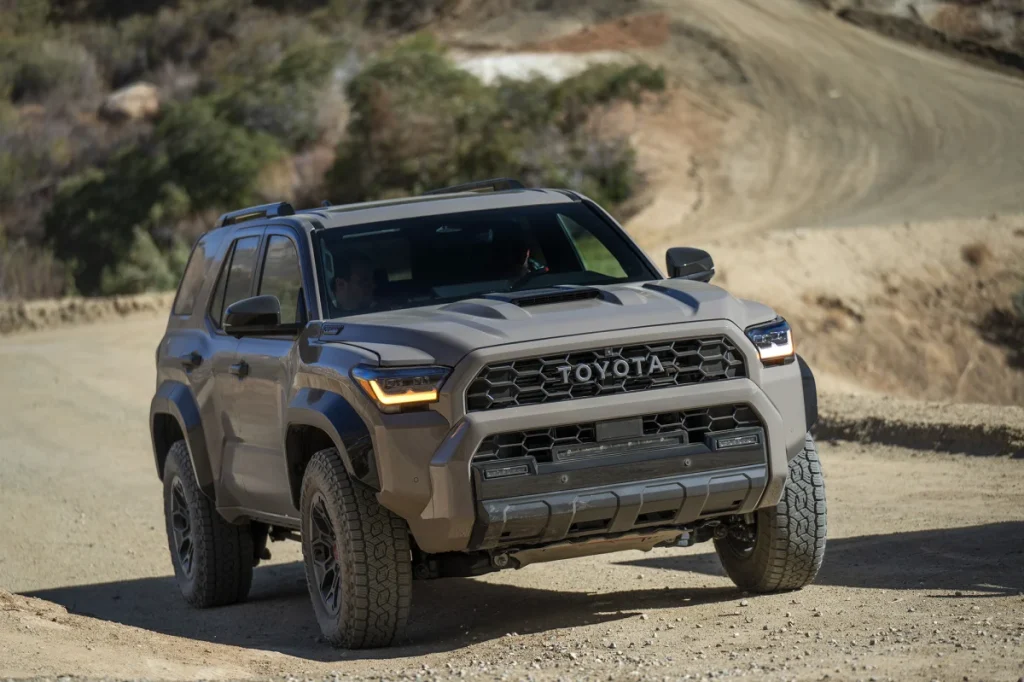
The Toyota 4Runner has built its reputation on durability, and its wheel bearing design reflects the same philosophy that defines the rest of the vehicle.
Built on a body on frame platform originally intended for rugged use, the 4Runner uses heavy duty hub assemblies that are designed to tolerate repeated shock loads rather than just smooth pavement driving. This foundation alone contributes greatly to long bearing life.
Unlike many crossover SUVs that focus primarily on comfort, the 4Runner was engineered with trail use as a priority. Engineers understood that off road driving introduces lateral forces and vertical impacts that quickly expose weak hub components.
Because of this, Toyota designed bearing housings that can handle both slow speed rock crawling and high speed highway driving without excessive wear.
One reason these bearings last is the quality of sealing used in the hub units. Dust, water, and road salt are major causes of bearing failure.
Toyota uses tight sealing designs that reduce contamination entry, which is especially important for drivers who frequently travel through mud or winter conditions. Keeping lubrication clean dramatically increases service life.
Owners often report that wheel bearings on this vehicle last well beyond 150,000 miles unless the vehicle has seen severe off road abuse. Even then, failure usually comes from impact damage rather than gradual wear. That distinction matters because it shows the bearings themselves are strong enough for normal punishment.
Another advantage comes from the suspension geometry. The 4Runner uses a design that distributes weight effectively across the wheel hub instead of concentrating stress on a small contact area. This reduces heat buildup and friction stress inside the bearing assembly, which helps preserve the internal races and rolling elements.
Fleet vehicles used by park services and utility companies have also demonstrated the model’s bearing strength. Vehicles used on forest access roads and maintenance routes often accumulate high mileage without needing hub replacements. This kind of real world durability says more than laboratory testing.
Maintenance also plays a role. Because the 4Runner attracts owners who follow preventative service schedules, lubrication integrity and suspension condition often remain good, indirectly protecting the bearings. Good shocks and balanced tires reduce vibration loads transferred to the hub.
Put simply, the Toyota 4Runner demonstrates how designing a vehicle for extreme use often results in exceptional durability even for drivers who never leave pavement. Its wheel bearing system reflects a conservative engineering approach focused on longevity instead of minimum production cost.
2. Ford F150
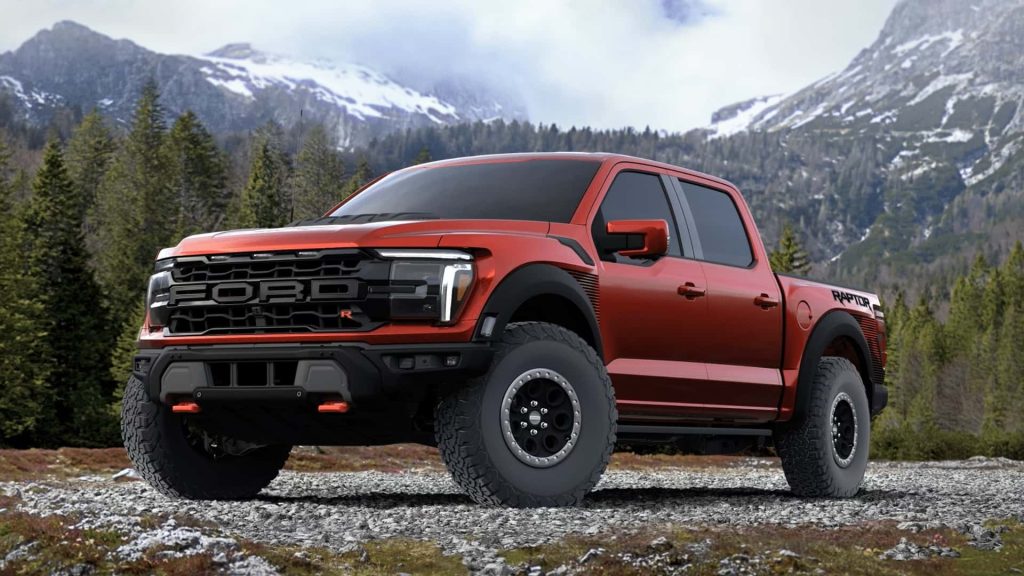
America’s best selling truck has to survive a wide range of uses, from construction duty to daily commuting, and the Ford F150 reflects that requirement through robust hub construction.
Wheel bearings on this truck are expected to support payload stress, towing loads, and rough jobsite terrain, which naturally results in stronger components than what is found in typical passenger vehicles.
Ford engineers designed the truck with large hub assemblies capable of handling substantial radial and axial loads. When a truck carries weight in the bed or pulls a trailer, the wheel hubs must deal with additional pressure that would quickly damage smaller bearing units. The F150’s design anticipates this reality rather than treating heavy use as an exception.
A key durability factor comes from material thickness. The hub flanges and mounting structures are built with strength margins that reduce flex under stress. Less flex means the bearing maintains proper alignment, which prevents uneven wear patterns that commonly lead to premature humming or grinding sounds.
Another advantage comes from the truck’s popularity in commercial fleets. Vehicles used by contractors often accumulate high mileage in harsh conditions.
Reports from fleet maintenance operations frequently note that wheel bearings are not among the most common failure points on properly maintained F150 trucks, which speaks to the effectiveness of the design.
Heat management is another area where the F150 performs well. Bearings fail faster when exposed to high temperatures caused by friction or braking loads. The truck’s hub design allows effective heat dissipation, which protects grease integrity and prevents internal damage during long highway towing trips.
Drivers who regularly travel on gravel roads often point out that the truck maintains quiet wheel operation even after years of exposure to dust and vibration. This consistency suggests the sealing systems are doing their job effectively by preventing contamination from degrading internal lubrication.
There is also a structural benefit from the truck’s frame design. Because the F150 uses a full frame rather than a unibody layout, impact forces from rough roads are distributed across a stronger structure. This reduces concentrated stress on individual wheel hubs compared to lighter duty platforms.
Mechanics often describe the truck’s bearing replacements, when eventually needed, as predictable wear rather than sudden failure. That predictability is usually a sign of a well engineered component reaching the end of its service life rather than suffering design weakness.
The Ford F150 shows that when a vehicle is engineered to handle the toughest work expectations in America, strong wheel bearing durability becomes a necessary part of the package rather than an optional benefit.
3. Chevrolet Tahoe
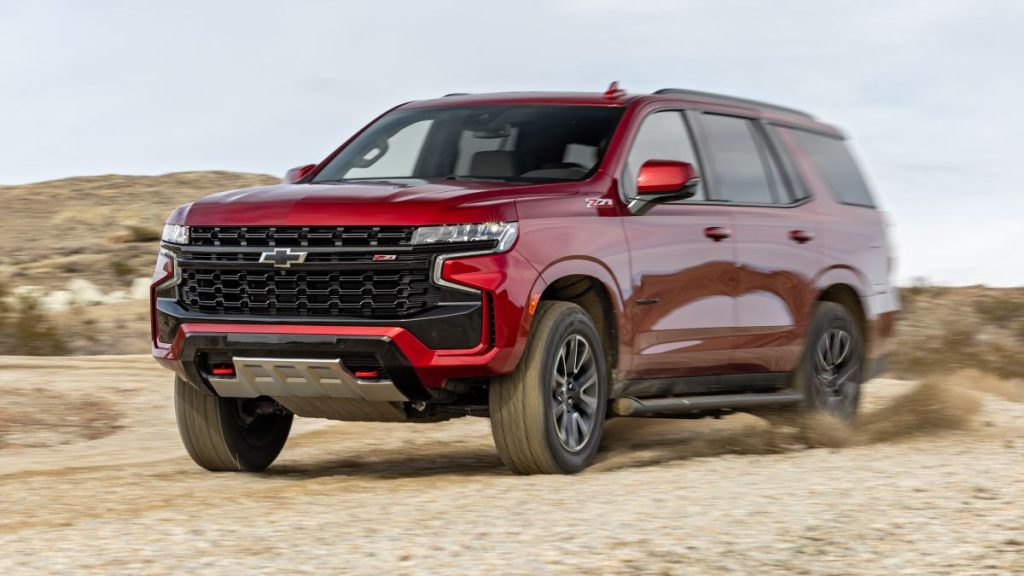
Full size SUVs often face a difficult balancing act between passenger comfort and heavy duty durability, and the Chevrolet Tahoe manages to achieve both partly because of its strong wheel hub and bearing assemblies.
Designed on a truck based architecture, this SUV inherits many structural advantages that naturally benefit long term bearing reliability.
A major factor contributing to the Tahoe’s wheel bearing strength is its intended purpose. This vehicle was never meant to operate only as a suburban family transporter.
It is widely used by law enforcement agencies, airport fleets, and government services where vehicles idle for long hours, jump curbs, and operate on poorly maintained service roads. These usage patterns demand components that can tolerate punishment without frequent downtime.
Rather than focusing only on ride softness, the Tahoe uses suspension components sized for durability. The wheel hubs are built to support the SUV’s substantial curb weight while also dealing with cargo and passenger loads.
This extra structural margin reduces stress fatigue that often shortens bearing life in lighter vehicles pushed beyond their comfort zone.
Police fleet usage provides one of the best real world tests of bearing durability. Patrol vehicles frequently experience rapid acceleration, sudden braking, and aggressive cornering. Despite this demanding environment, maintenance records often show that wheel bearings tend to last long service intervals unless physical impact damage occurs.
Another interesting strength comes from how the Tahoe handles long distance travel. Many examples spend years traveling interstate highways at sustained speeds.
Continuous rotation at highway velocity can expose lubrication weaknesses, but the Tahoe’s bearing design maintains stability due to consistent grease protection and well engineered internal tolerances.
Owners also benefit from the vehicle’s weight distribution. Because the Tahoe spreads its mass across a long wheelbase, it reduces concentrated loading on individual hubs compared to shorter heavy SUVs. This design characteristic may not be obvious to most drivers, yet it quietly improves component lifespan.
In colder climates, corrosion often destroys wheel bearings faster than mileage does. The Tahoe’s hub sealing helps prevent moisture intrusion, which slows rust formation inside the assembly. This is particularly important in regions where road salt is heavily used during winter months.
What also stands out is how rarely Tahoe owners report repeated bearing failures. Some vehicles develop a pattern where replacement hubs fail again quickly. The Tahoe usually avoids this pattern, suggesting the surrounding suspension structure supports the bearing properly instead of creating misalignment stress.
The Chevrolet Tahoe demonstrates how designing an SUV for professional duty can indirectly benefit private owners. A component that survives years of municipal service will usually have little trouble handling the demands of ordinary driving.
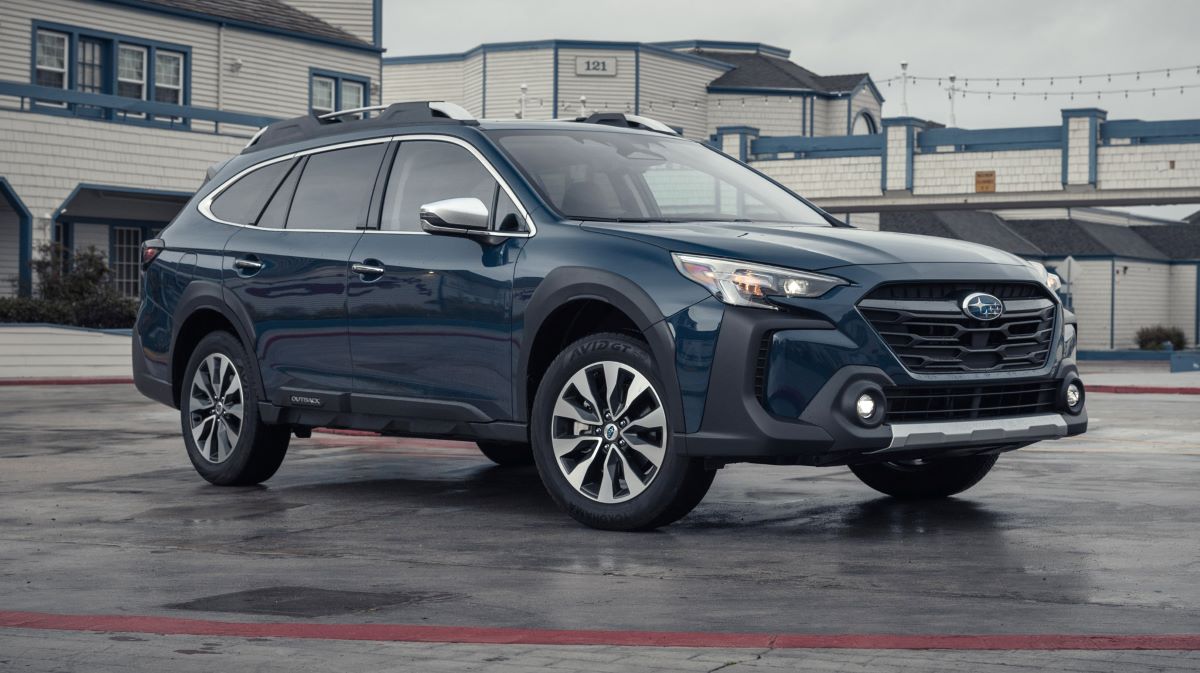
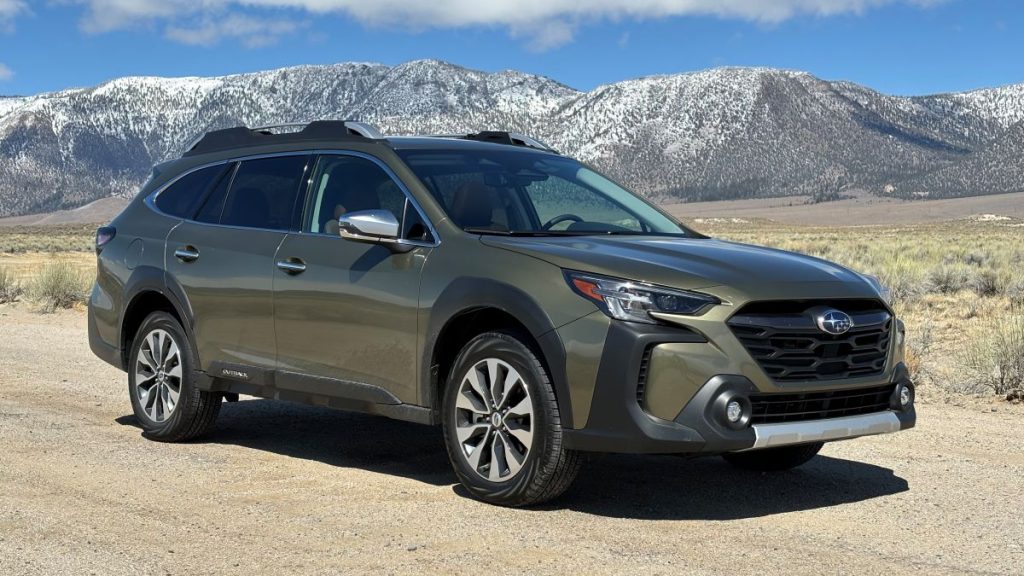
4. Subaru Outback
Not every durable wheel bearing belongs to a truck or large SUV. The Subaru Outback proves that a midsize wagon can also deliver impressive hub longevity when engineered for challenging environments.
Built with standard all wheel drive and intended for drivers who frequently travel beyond perfect pavement, the Outback reflects a very different durability philosophy compared to traditional sedans.
Subaru designed the Outback for regions where weather and terrain constantly challenge vehicles. Snow covered roads, uneven mountain highways, and gravel access routes all create conditions where wheel hubs must tolerate constant micro impacts.
Because all wheel drive places continuous rotational demand on all four hubs, Subaru had to ensure bearing reliability across the entire system.
One subtle advantage comes from symmetrical drivetrain layout. Subaru’s drivetrain design keeps forces balanced across both sides of the vehicle. Balanced load distribution prevents one side from experiencing higher stress cycles, which can sometimes happen in vehicles with uneven torque transfer characteristics.
The Outback also benefits from relatively moderate vehicle weight compared to full size SUVs. While strength matters, excessive mass can accelerate bearing fatigue. Subaru manages to strike a balance by combining moderate weight with strong hub construction, reducing long term wear accumulation.
Drivers who live in rural America often choose the Outback because it handles broken pavement comfortably without developing the rattles common in smaller cars. This composure indicates that impact energy is being absorbed properly through suspension tuning rather than being transferred directly into the wheel hubs.
Another factor working in its favor is tire sizing. Subaru typically avoids extremely large wheel packages on the Outback. Taller sidewalls on moderately sized wheels help absorb shocks before they reach the bearing. This indirect design decision can significantly improve durability without most owners ever realizing it.
Long term owner discussions often highlight that when bearing noise does appear, it usually happens gradually after substantial mileage rather than unexpectedly. Gradual wear progression often indicates good internal metallurgy and lubrication protection.
The Outback’s reputation in cold weather states also reinforces its durability image. Vehicles operating in snowy regions constantly face slush, ice, and freeze thaw cycles. Bearing seals that survive these conditions without rapid deterioration indicate thoughtful engineering.
Instead of brute strength alone, the Subaru Outback shows how intelligent balance between weight, traction design, and suspension compliance can create excellent wheel bearing longevity. Its approach is less about oversizing parts and more about reducing unnecessary stress from the beginning.
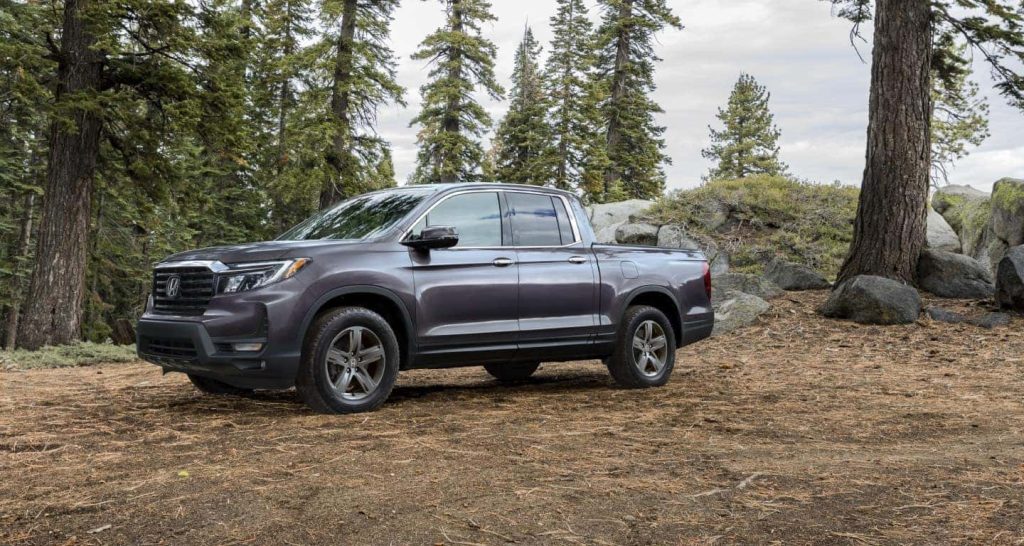
5. Honda Ridgeline
The Honda Ridgeline approaches durability from a completely different direction compared to traditional pickup trucks. Instead of relying on a heavy body on frame layout, it uses a reinforced unibody structure.
At first glance this might not seem ideal for rough road durability, yet the engineering behind this structure actually contributes to stable wheel bearing performance in ways many drivers do not expect.
Because the Ridgeline shares architecture concepts with SUVs rather than work trucks, Honda focused heavily on reducing vibration transfer throughout the chassis. Less vibration reaching the wheel hubs means the bearings experience fewer micro shocks over time. This strategy focuses on stress reduction instead of simply increasing part size.
The independent rear suspension is another unusual advantage in the pickup segment. While solid rear axles are known for strength, they can transmit harsh impacts directly across both wheels.
The Ridgeline’s independent layout allows each wheel to react separately, reducing shock transfer into the hub assemblies and helping preserve bearing smoothness over long periods.
Honda also engineered tight manufacturing tolerances into the hub assemblies. Precision alignment inside the bearing reduces uneven load contact, which is a major cause of premature noise. When internal rollers maintain consistent contact patterns, friction remains predictable and heat buildup stays controlled.
Owners who use the Ridgeline for long distance commuting often notice how quiet the vehicle remains even after years of driving. Wheel bearing noise is often one of the first aging symptoms in vehicles, so the absence of that noise after extended use suggests that the bearing assemblies are not being overstressed.
Another interesting observation comes from how the Ridgeline handles broken urban roads. Instead of feeling harsh or unsettled, the vehicle tends to absorb imperfections with controlled movement. This controlled suspension response reduces the sudden load spikes that normally shorten bearing lifespan.
The truck’s intended usage profile also plays a role. While it can handle moderate hauling, it is rarely subjected to the extreme overload situations that damage bearings in heavy duty trucks.
By designing the vehicle around realistic usage rather than maximum theoretical loads, Honda created a platform where components often operate comfortably within their design limits.
Long term service reports also show that when bearing replacement is eventually needed, it typically happens at mileage levels comparable to or better than many traditional trucks. This is notable because the Ridgeline achieves this without relying on oversized components.
The Honda Ridgeline demonstrates that durability can be achieved through refinement and balance just as effectively as through brute strength. By minimizing unnecessary stress pathways, Honda created a pickup that quietly preserves its wheel hub integrity over years of mixed road use.
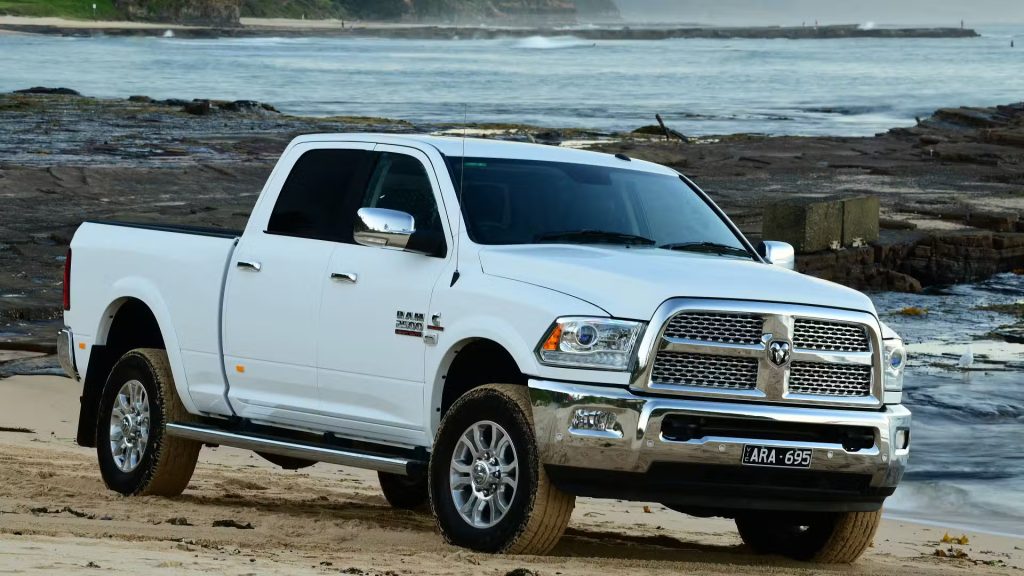
6. Ram 2500
If durability were measured purely by structural confidence, the Ram 2500 would immediately stand out. Built for heavy duty workloads, this truck uses wheel bearing assemblies designed to support serious towing, commercial hauling, and demanding terrain.
Everything about its design reflects an expectation of hard use rather than occasional inconvenience.
One of the defining characteristics of the Ram 2500 is its sheer component size. Larger hub assemblies allow for larger rolling elements inside the bearing, which increases load carrying capacity. Bigger internal components also tend to resist heat buildup better because they distribute stress across a wider contact area.
The truck’s solid axle configuration in certain trims also contributes to durability. While not always associated with comfort, solid axles are extremely effective at maintaining alignment under heavy stress. Proper alignment keeps bearing loads evenly distributed instead of concentrating pressure on one section.
Another area where the Ram shows strength is towing stability. Pulling heavy trailers places continuous forward stress on the rear hubs and dynamic side loads during turning. The Ram’s bearing assemblies are designed with this constant stress in mind, allowing them to survive workloads that would quickly fatigue lighter vehicles.
Agricultural use provides another real world example of durability. Many Ram 2500 trucks spend their lives on farm roads, hauling equipment and navigating uneven terrain daily. Bearings that survive this kind of repetitive punishment demonstrate genuine engineering strength rather than theoretical capability.
Thermal endurance is also important. Heavy braking while carrying loads can increase hub temperatures. The Ram’s design allows bearings to tolerate these temperature changes without rapid grease breakdown, which helps prevent internal scoring.
Drivers often comment on how planted the truck feels even when traveling over rough pavement. That sense of stability usually indicates that suspension and hub components are working together effectively to control unwanted wheel movement.
What separates the Ram 2500 from lighter trucks is not just strength but margin. Components are often designed with extra capacity beyond expected loads. This reserve strength helps the bearings avoid operating at their limits during normal driving, which is a major reason they tend to last longer.
The Ram 2500 serves as an example of how designing for the harshest possible duty cycles naturally creates excellent longevity for everyday use. When a truck is prepared for the toughest environments, surviving rough American roads becomes routine rather than challenging.
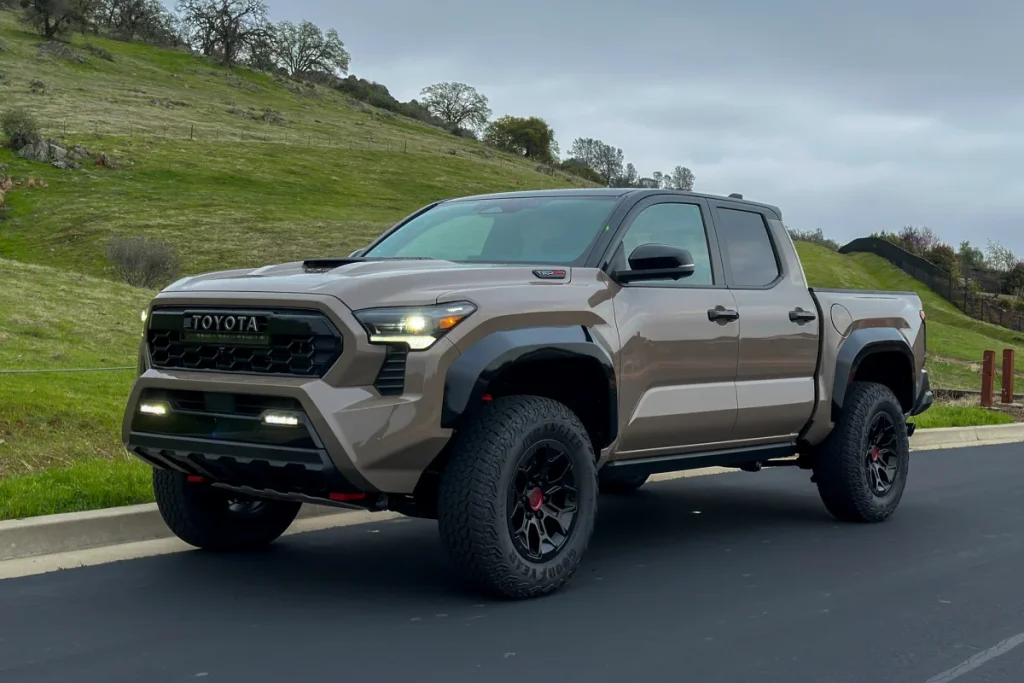
7. Toyota Tacoma
The Toyota Tacoma has spent decades building a reputation as one of the most abuse tolerant midsize trucks on the American market.
While much attention is usually given to its engine reliability and resale value, one of the quieter strengths of the Tacoma is how well its wheel hubs and bearings tolerate years of punishment from uneven terrain and unpredictable road surfaces.
Unlike trucks that are tuned mainly for highway comfort, the Tacoma has always been engineered with durability as a core priority. This philosophy shows up in the way its wheel assemblies are built to handle repeated vertical impacts.
When a vehicle frequently encounters potholes, expansion joints, and washboard gravel, those repeated hits can fatigue weak bearings quickly. The Tacoma tends to resist this pattern.
There is also a practical explanation rooted in how the truck is typically used. Many Tacomas are owned by outdoor enthusiasts who regularly drive on forest trails and rocky access roads. Because Toyota anticipated this usage pattern, the hub assemblies were designed with durability expectations closer to off road vehicles than city pickups.
An interesting advantage comes from the truck’s moderate size. Compared to full size trucks, the Tacoma places slightly less absolute load on each hub while still using robust components. This combination of reasonable weight and strong construction helps create favorable longevity conditions for the bearings.
Drivers often describe a specific kind of long term reliability with this truck. Instead of developing sudden mechanical complaints, the Tacoma usually ages gradually.
That gradual aging pattern often indicates that critical rotating components such as bearings are operating within comfortable stress levels rather than being pushed close to failure thresholds.
The truck’s steering response also contributes indirectly. Predictable steering behavior reduces sudden side loading forces during emergency maneuvers. Less shock loading means internal bearing races maintain smooth contact surfaces for longer periods.
Service technicians frequently mention that when Tacomas arrive with wheel noise, the cause is sometimes tire wear rather than bearing damage. That detail may seem minor, yet it suggests that the hubs themselves often outlast other wear items in the suspension system.
Environmental resistance also deserves mention. Trucks operating in desert states face fine dust intrusion while northern trucks face corrosion threats. Tacoma hub seals have proven capable of managing both environments with relatively low failure rates.
Perhaps the strongest endorsement comes from resale inspections. High mileage Tacomas often pass mechanical checks without needing immediate hub replacements, which reinforces the idea that the design emphasizes durability over minimal production cost.
The Toyota Tacoma shows how designing for adventure use can benefit every owner. Even drivers who never leave paved roads gain the advantage of components originally intended to survive far worse conditions.
8. Chevrolet Suburban
The Chevrolet Suburban represents one of the longest running vehicle nameplates in America, and its longevity as a product is matched by the durability of many of its mechanical components.
Because this vehicle has historically served families, commercial operators, and government fleets, it has always required components capable of handling heavy usage without constant repair interruptions.
Wheel bearing strength in the Suburban begins with the simple reality of its size. Supporting a large three row SUV requires hubs that can manage significant static and dynamic loads. Engineers compensate by using bearing assemblies built with strength reserves instead of designing strictly for minimum capacity.
A unique aspect of Suburban durability comes from long distance travel patterns. Many of these vehicles spend their lives covering interstate miles for family trips or shuttle service.
Continuous highway rotation can reveal weaknesses in bearing metallurgy or lubrication breakdown. The Suburban’s ability to remain quiet under these conditions suggests stable internal bearing temperatures and consistent grease performance.
Commercial shuttle service provides another revealing test environment. Vehicles that transport passengers between airports and hotels often operate nearly nonstop.
Components that fail frequently would make such usage financially unsustainable. The Suburban’s continued popularity in these roles indirectly confirms the reliability of its wheel hub systems.
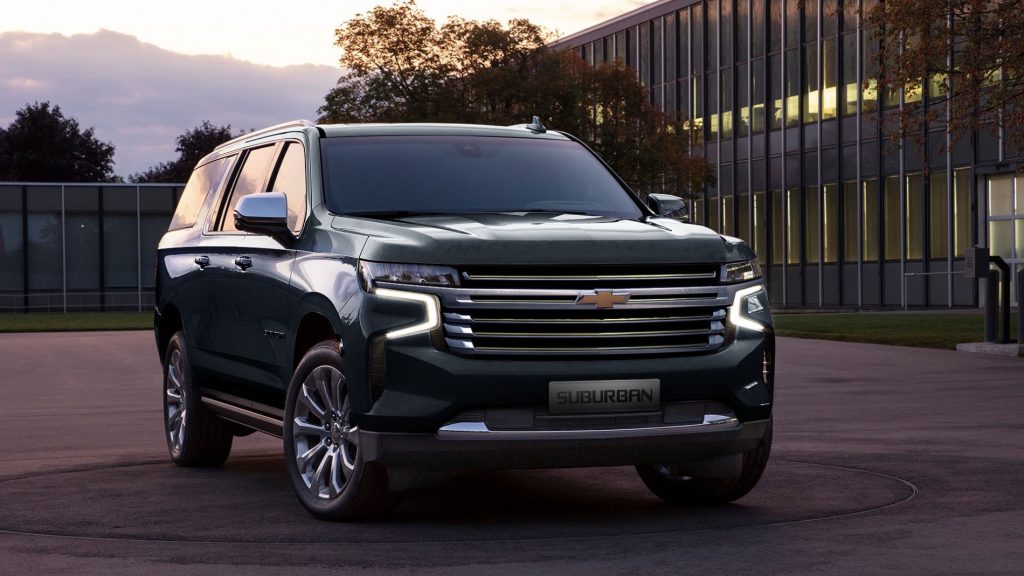
Ride composure also plays a supporting role. The Suburban’s long wheelbase allows it to bridge bumps rather than striking them sharply.
When a vehicle spreads impact forces over a longer structure, it reduces instantaneous loads reaching the wheel bearings. This structural advantage helps explain why large SUVs sometimes show surprisingly low bearing failure rates.
Another interesting factor is parts availability and design maturity. Because the Suburban platform has evolved gradually rather than changing radically every few years, engineers have had time to refine hub durability across generations. Incremental improvements often produce more reliable results than constant redesign.
Owners frequently report that wheel bearing replacement, when required, usually happens after very high mileage rather than early ownership. This pattern supports the idea that the bearings are wearing out naturally rather than failing due to design weaknesses.
There is also a confidence factor associated with vehicles built for multi purpose duty. When one model must serve as a family hauler, a tow vehicle, and sometimes a fleet transporter, engineers tend to specify stronger rotating components to avoid reputation damage from failures.
The Chevrolet Suburban closes this list by demonstrating a simple engineering truth. When a vehicle is built to carry weight, travel far, and operate daily without complaint, strong wheel bearing durability becomes a necessity rather than an afterthought.
Also Read: 5 Vehicles With the Best Air Conditioning Systems for the Deep South