
Half ton trucks sit in a unique position in the automotive market because they must balance daily driving comfort with real work capability.
While engines often receive the most attention in marketing, the transmission is just as important because it determines how effectively power reaches the wheels.
A strong transmission can make a light duty truck feel confident under stress, while a weaker unit can make even a powerful truck feel strained during towing or hauling.
Modern half ton trucks use a wide variety of transmissions ranging from traditional six speed automatics to advanced ten speed designs.
Some of these units have proven they can tolerate heavy towing, high mileage use, and repeated load cycles without showing major wear patterns. Others developed reputations for rough shifting, heat sensitivity, or premature wear when pushed close to their rated limits.
This difference usually comes down to internal component strength, cooling capacity, shift programming, and how much torque reserve engineers built into the design. Some transmissions were clearly engineered with long term durability margins, while others were optimized more for fuel economy targets and smoothness.
This comparison looks at five transmissions that developed strong reputations for durability in half ton trucks and five that sometimes receive criticism for feeling less robust under stress.
The goal is to show how design choices influence long term ownership confidence and why transmission selection matters just as much as engine choice.
Also Read: 10 Reasons Why Your Timing Belt Replacement Cannot Be Delayed Another Day
5 Heavy Duty Transmissions Found in Half Ton Trucks
Not all half ton truck transmissions are built with the same priorities. Some are engineered with significant internal strength reserves because they are shared with heavier duty platforms or designed to handle torque levels well beyond what they normally see.
These transmissions tend to earn strong reputations because they operate below their maximum stress levels during normal use.
A heavy duty feeling transmission is not just about towing numbers. It is often defined by consistent shift quality under load, resistance to overheating, and predictable wear patterns after high mileage. Owners and mechanics often recognize these transmissions because they continue performing smoothly even after years of demanding service.
Another important factor is how manufacturers sometimes overbuild transmissions to reduce warranty risks. When this happens, the result is usually a gearbox that develops a reputation for toughness simply because it is rarely pushed to its limits in real world driving.
The following transmissions were selected because they frequently appear in discussions about dependable half ton truck drivetrains. Each example represents a different engineering approach to durability, from traditional hydraulic automatics to newer multi speed designs.
Looking at these examples helps explain why some trucks maintain strong resale value and owner confidence. Transmission durability often becomes one of the biggest factors in whether a truck is remembered as dependable or problematic after years of ownership.
1. ZF 8HP75 (Ram 1500) – The Benchmark for Modern Strength
The ZF 8HP75 transmission used in the Ram 1500 deserves attention because it represents one of the clearest examples of a transmission that feels stronger than the vehicle class requires. Originally developed for higher torque luxury and performance vehicles, its use in a half ton truck gave it a comfortable safety margin.
One reason this transmission stands out is its torque capacity relative to what most Ram 1500 engines actually produce. Because it was designed for applications with higher stress potential, its internal clutch packs and gearsets tend to operate with less strain in truck duty. This often translates into smoother long term operation.
Another reason it belongs in this discussion is its thermal behavior. Many owners report stable performance even when towing near rated limits, suggesting the cooling integration and fluid management were well thought out. Heat is often the enemy of automatic transmissions, and this design appears to manage it effectively.
It also deserves mention because of how refined it feels without sacrificing durability. Some heavy duty transmissions feel harsh, but this one balances smooth shifts with strong engagement, which is not easy to achieve.
This transmission is included because it demonstrates what happens when a manufacturer adopts a design that already proved itself in demanding environments. Instead of developing a completely new unit, using a proven architecture often produces better long term results.
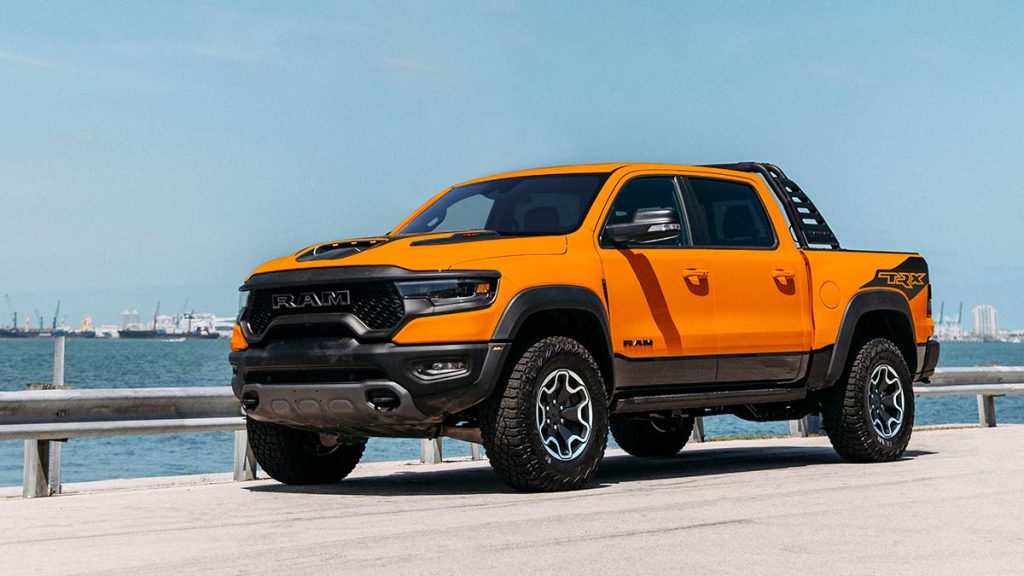
Its reputation continues to grow largely because it rarely becomes the focus of failure discussions, which is often the strongest compliment any transmission can receive.
2. Ford 10R80 (F150) – Multi Speed Engineering Done Right
The Ford 10R80 transmission represents a different philosophy compared to traditional heavy duty gearboxes. Instead of relying purely on large internal components, it uses gear ratio optimization and intelligent shift logic to distribute stress more effectively across ten forward speeds.
This transmission is worth discussing because it showed that adding more gears does not automatically reduce durability. Early skepticism suggested that complexity might hurt long term reliability, but many high mileage examples have shown stable operation when properly maintained.
Another reason this transmission appears here is because of how it manages torque delivery. By keeping the engine within optimal power ranges more often, it reduces sudden shock loads that can shorten transmission life. This approach shows that durability can come from intelligent engineering rather than just physical size.
There is also value in discussing this transmission because it highlights the role of software in modern durability. Shift timing, adaptive learning, and temperature management strategies all play a role in how long a transmission lasts.
It is also relevant because it appears in a wide range of F150 configurations, from basic work trucks to high output versions. That range provides strong real world testing across many driving styles.
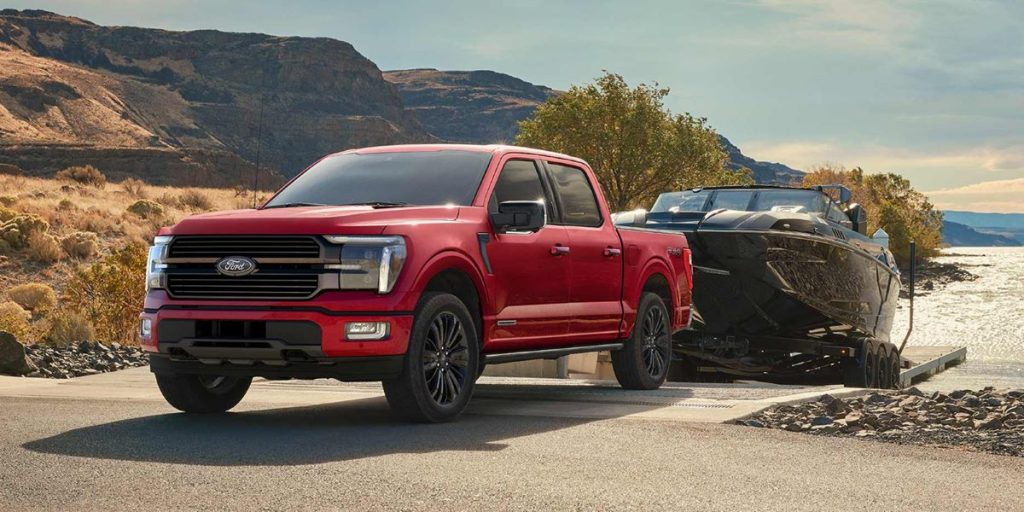
This transmission is included because it reflects how modern engineering can produce a transmission that feels both advanced and durable. It shows that strength can come from efficiency and design precision just as much as from heavy internal construction.
3. GM 10L80 (Chevrolet Silverado 1500) Strong Torque Management Philosophy
The GM 10L80 transmission entered the half ton truck segment with a clear purpose. It was designed to manage increasing torque figures from modern turbocharged and V8 engines while also improving efficiency.
What makes it interesting in durability discussions is not just its specification sheet but how it distributes mechanical stress during real driving conditions.
Unlike older transmissions that relied on fewer gears and larger ratio gaps, this design spreads load transitions across more shift points. That reduces the shock that normally happens when a transmission has to make a large ratio jump. In practical terms, this means less sudden internal stress during acceleration and towing.
Another important reason this transmission deserves discussion is how it behaves under repeated towing cycles.
Many Silverado owners who regularly tow report that the transmission maintains consistent shift behavior rather than developing erratic patterns as mileage increases. Consistency is often one of the first signs of good internal durability.
From a design perspective, it also shows how collaboration can produce strong results. This transmission came from a joint development effort focused on improving both strength and drivability. The end result feels engineered for long term stability rather than short term performance headlines.
This transmission is also being included because it represents a modern trend where durability is achieved through balance rather than brute strength. Smart fluid control, clutch material improvements, and torque converter calibration all contribute to its reputation.
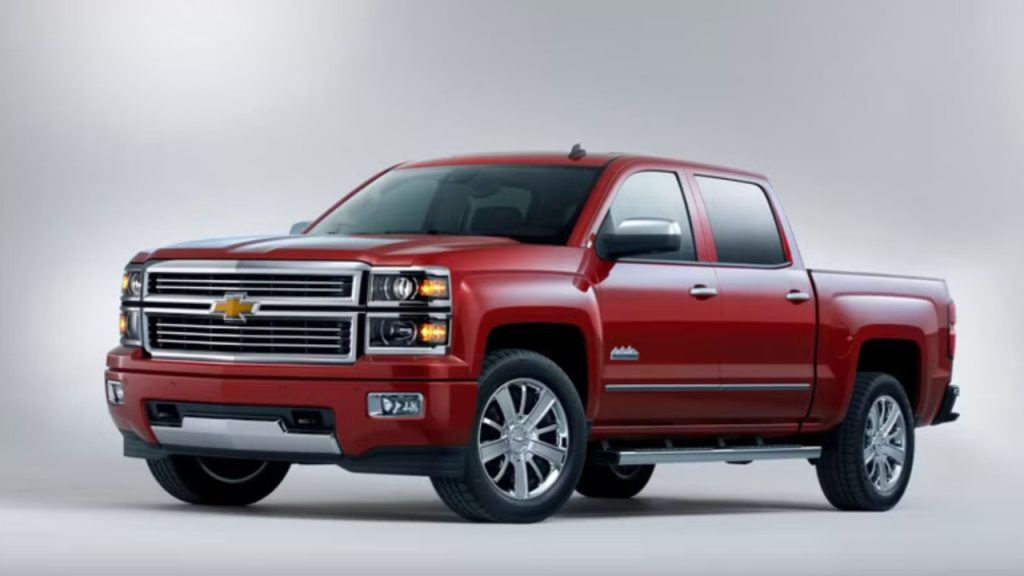
It earns its place here because it demonstrates that a well tuned modern transmission can deliver both refinement and strength without forcing owners to choose between comfort and capability.
4. Toyota Aisin AB60F (Toyota Tundra) Traditional Strength Approach
There is a different kind of respect given to transmissions that rely on proven mechanical strength rather than complex innovation. The Aisin AB60F transmission used in the Toyota Tundra represents this traditional durability philosophy. Instead of focusing on adding more gears, this transmission built its reputation through predictability and mechanical robustness.
This transmission deserves attention because it reflects Toyota’s long standing engineering strategy. Rather than chasing the newest technology trends immediately, Toyota often refines existing designs until they become extremely dependable. This transmission reflects that thinking through its conservative design choices.
What makes it stand out is how it behaves after years of use. Many high mileage Tundra trucks show very gradual wear patterns rather than sudden failures. Mechanics often describe this type of transmission as honest because it gives warning signs before developing serious problems.
Another reason to highlight this transmission is how well it tolerates imperfect maintenance. While proper service is always important, transmissions with strong internal tolerances often survive longer even when maintenance timing is not perfect. That characteristic often defines real world durability.
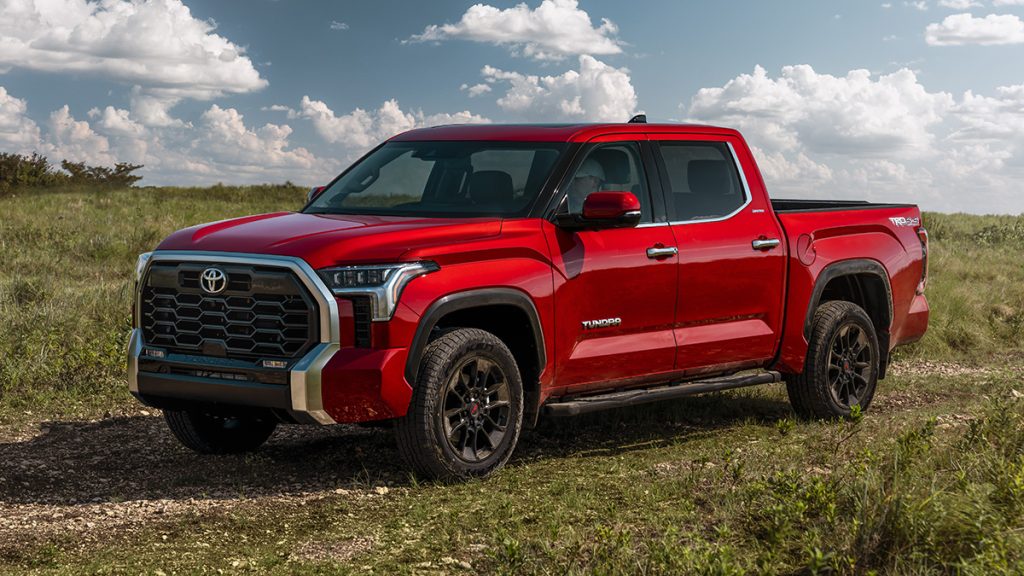
It also belongs here because it shows the value of simplicity. Fewer gears sometimes mean fewer internal shift events and fewer opportunities for complex failures. While this may slightly reduce fuel efficiency compared to newer designs, it can improve long term confidence.
This transmission is included because it represents the old school belief that strength comes from proven mechanical design, careful refinement, and avoiding unnecessary complexity where reliability is the priority.
5. Chrysler 8HP70 (Ram 1500 Classic) Proven Design With Long Service History
Some transmissions earn their place on durability lists not because they are the newest or most advanced, but because they have accumulated a long history of dependable service.
The Chrysler calibrated version of the ZF based 8HP70 used in the Ram 1500 Classic falls into this category. Its strength comes from refinement through years of real world use rather than experimental engineering.
One of the strongest arguments for including this transmission comes from longevity data seen in older Ram trucks that accumulated serious mileage in commercial fleets.
Delivery operators, contractors, and utility companies tend to expose weaknesses quickly. The fact that this transmission continued operating smoothly in those environments helped build confidence in its internal strength.
Another aspect worth noting is how balanced its character feels. Some transmissions prioritize either comfort or strength, but this one tends to deliver firm but controlled shifts that feel appropriate for truck use. That balance helps reduce clutch slip, which is one of the main causes of long term wear in automatic transmissions.
There is also something to be said about how predictable this transmission behaves. Predictability often matters more than perfection because consistent behavior makes maintenance planning easier. Owners are less likely to be surprised by sudden changes in operation.
This transmission also represents the advantage of evolutionary improvement. By the time it reached the Ram 1500 Classic, many small improvements had already been incorporated through earlier production cycles.
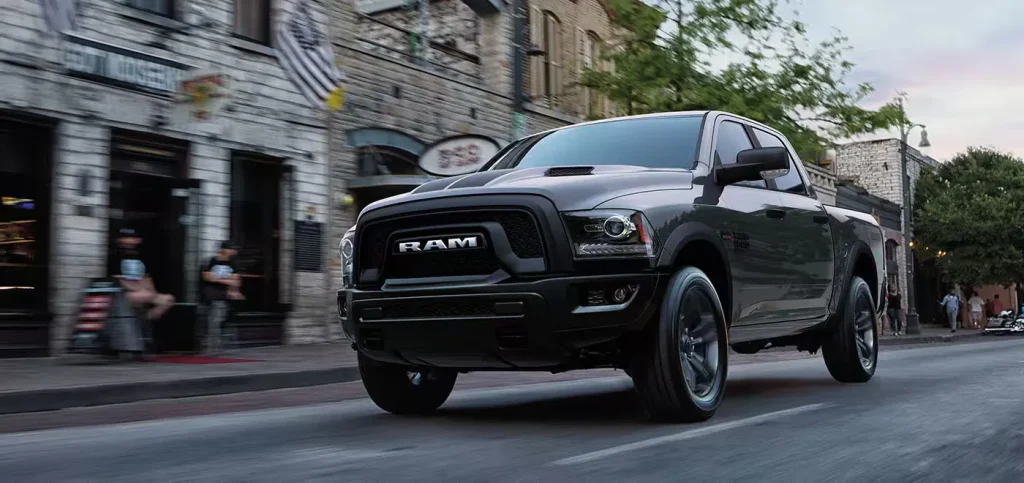
It is included because it demonstrates that sometimes the most dependable designs are those that have simply had enough time to prove themselves under every kind of workload imaginable.
5 That Feel Weak
Not every transmission problem shows up as a complete failure. Sometimes the earliest warning sign is simply how a transmission feels during everyday driving.
A transmission may technically function correctly while still feeling strained, hesitant, or less confident when placed under load. These subjective experiences often shape owner opinions long before any mechanical failure occurs.
Transmissions that feel weak often share certain characteristics. They may hunt between gears during towing, hesitate before downshifting, or show signs of temperature sensitivity during heavy use. While these behaviors do not always mean immediate failure, they can indicate designs operating closer to their intended limits.
Another important factor is expectation. Modern trucks advertise impressive towing numbers, which can sometimes create a mismatch between marketing capability and how the transmission feels when actually pushed. Even if the drivetrain meets its rating, driver confidence may still be affected by shift behavior.
The following examples were selected because they are often mentioned in discussions where owners expected a more heavy duty feel. Each one is included for a different reason, whether related to calibration, early production tuning, or long term wear patterns.
Understanding these examples helps explain that durability is not just about whether a transmission survives, but also about how confidently it performs its job over many years of demanding use.
1. GM 6L80 (Chevrolet Silverado 1500) Early Six Speed Limitations
The GM 6L80 transmission played an important role during the transition period when six speed automatics became the new standard in half ton trucks. At the time, it represented progress compared to older four speed designs.
However, as truck capabilities increased, some owners began to feel that this transmission was working near its comfort zone.
One reason this transmission appears in discussions about feeling less robust comes from how it behaves under repeated towing situations.
Some drivers reported frequent downshifting on grades, which can create the impression that the transmission is working harder than expected. Even when operating normally, that behavior can affect driver confidence.
Another factor that brings attention to this transmission is how heat management becomes more important as mileage increases. Like many transmissions of its era, fluid condition plays a major role in shift quality. When maintenance is delayed, shift firmness can change noticeably.
This transmission is also worth discussing because it shows how quickly expectations change in the truck market. What once felt advanced can begin to feel dated as newer transmissions with more gears and better ratio spacing enter the market.
There is also educational value in examining this transmission because it highlights how gear count affects perceived strength. Fewer ratios sometimes mean larger performance gaps between gears, which can make the drivetrain feel less flexible.
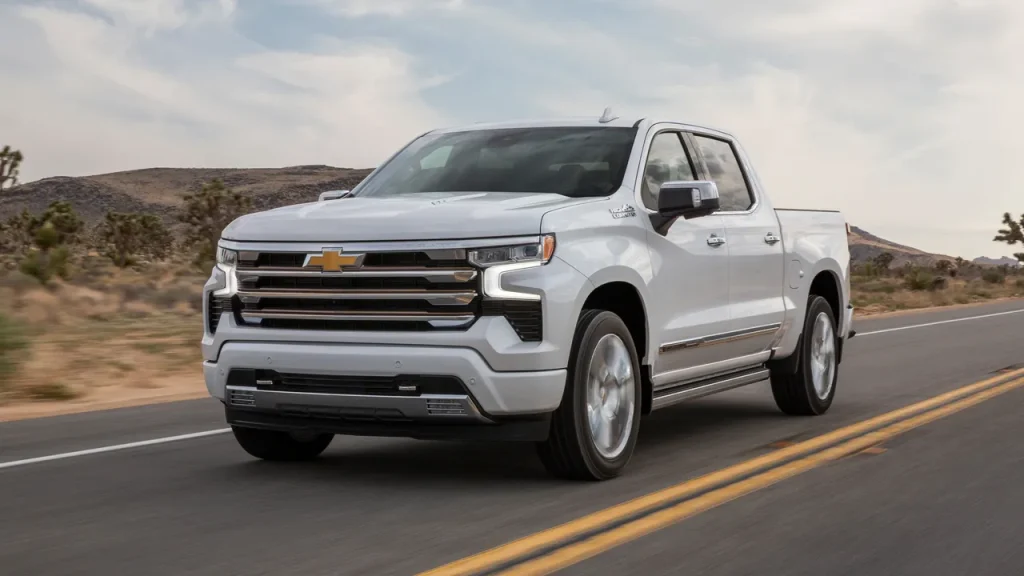
It is included because it helps illustrate how a transmission can still be functional and widely used while gradually feeling less confidence inspiring compared to newer heavy duty designs.
2. Ford 6R80 (F150) Aging Design in a Rapidly Advancing Segment
The Ford 6R80 transmission spent many years as a dependable part of the F150 drivetrain lineup. It built a respectable record for reliability and was widely considered a solid unit during its prime years.
However, as newer transmissions with more speeds entered the market, some drivers began noticing that it no longer felt as confident when compared to newer alternatives.
One reason this transmission is included here is not because of widespread failure but because of how driver expectations evolved.
As ten speed transmissions became common, the six speed layout began to feel less responsive during situations such as highway merging or towing on rolling terrain. The wider gear spacing sometimes required larger RPM changes.
There is also a discussion to be had about how this transmission behaves when approaching its towing limits. Some users observed that it needed more frequent gear changes to maintain speed compared to newer gearboxes. That behavior can sometimes give the impression of mechanical strain even when everything is functioning as designed.
This transmission also represents how durability alone does not always define perception. A unit may last a long time yet still feel outdated in how it delivers power. That difference between actual reliability and perceived strength is important to understand.
Another reason it is mentioned is because it shows how technology progression changes standards. What once felt strong may later feel average simply because engineering moved forward.
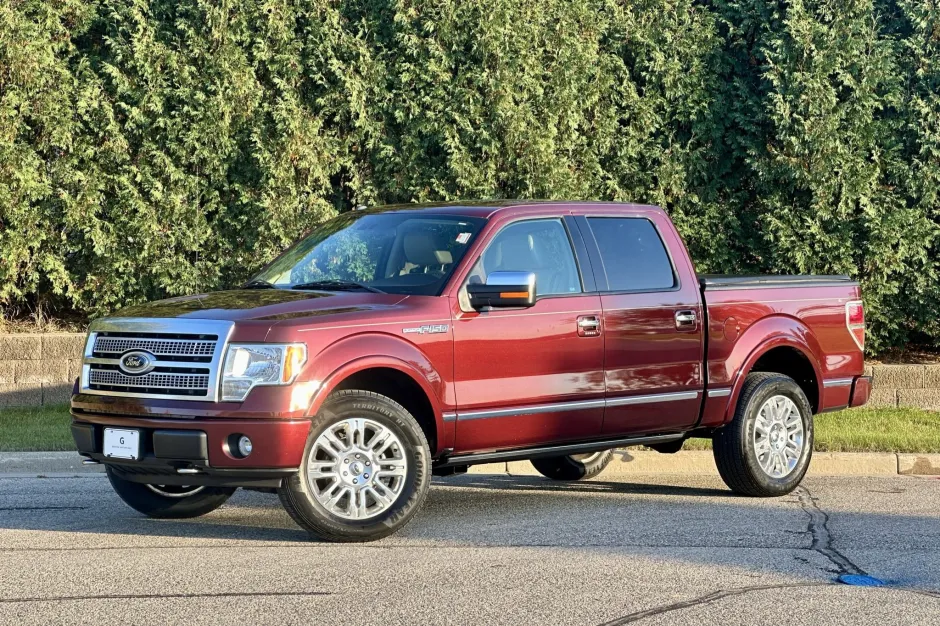
It is included because it demonstrates how a transmission can remain mechanically respectable while gradually losing its heavy duty feel as newer designs redefine what drivers expect from modern half ton trucks.
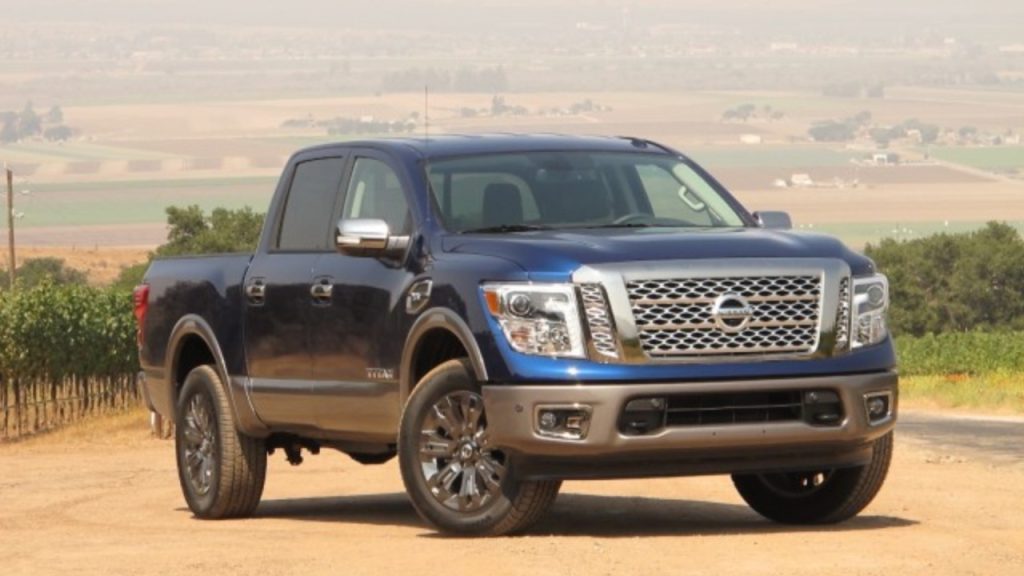
3. Nissan RE7R01A (Nissan Titan) Smoothness Priority Over Heavy Feel
The RE7R01A transmission used in the Nissan Titan followed a different design philosophy compared to some domestic truck competitors. Instead of focusing primarily on delivering a heavy mechanical feel, this transmission emphasized smoothness and daily drivability.
While that approach improved comfort, it sometimes created the perception that the transmission was less robust during demanding use.
This transmission is worth discussing because it highlights how calibration choices affect driver confidence. A transmission tuned for smooth engagement may intentionally allow slightly softer shifts. While this improves comfort, some drivers interpret softer engagement as reduced strength even when it does not indicate a mechanical weakness.
Another reason this transmission appears in this comparison is because of how it behaves during aggressive acceleration or towing. Some drivers noted that it preferred gradual power delivery rather than aggressive gear holding. That personality can feel less truck like to drivers expecting firmer behavior.
There is also value in examining this transmission because it shows how brand philosophy influences engineering. Nissan often prioritized refinement in many of its vehicles, and this transmission reflects that priority. The result is a unit that feels more like a large SUV transmission than a traditional work truck gearbox.
It also deserves mention because perception plays a major role in reputation. A transmission does not need to fail to be criticized. Sometimes driver expectation alone shapes discussion.
This example is included because it shows how tuning decisions can influence whether a transmission feels confident under stress, even when the underlying mechanical design remains competent.
4. Toyota Aisin AC60 (Early Tundra 10 Speed Transition Period) Calibration Growing Pains
When Toyota introduced newer multi speed transmissions into the half ton segment, expectations were high because of the brand’s reputation for durability. The Aisin AC60 entered this environment during a time when manufacturers were rapidly increasing gear counts to improve both efficiency and performance.
While technically advanced, some early driving impressions suggested the calibration still needed refinement to deliver a truly heavy duty feel.
This transmission is included because it shows how software tuning can influence perception just as much as hardware strength.
Some early drivers noted that shift timing occasionally prioritized fuel economy over holding power under load. This sometimes created a sensation of hesitation when stronger response was expected.
Another reason to discuss this transmission is because transition periods often reveal small behavior issues rather than major failures. Moving from fewer gears to more complex gear spacing requires extensive real world adaptation. Even well engineered hardware can take time to reach ideal programming.
There is also a broader lesson here about how modern transmissions are no longer purely mechanical devices. Software now plays a major role in how confident a transmission feels. Small changes in throttle mapping or shift logic can dramatically change driver impressions.
This transmission also deserves mention because later updates improved behavior, which suggests the foundation was solid even if early tuning created mixed impressions.
It appears on this list because it helps demonstrate that perceived weakness is sometimes the result of calibration maturity rather than physical limitations. This makes it a useful example of how modern transmission development continues even after vehicles reach customers.
5. Ram 65RFE (Ram 1500 Older Generation) A Workhorse That Began Showing Its Age
The 65RFE transmission represents an earlier generation of Ram half ton engineering, and for many years it served reliably in a wide range of driving situations. However, as truck power figures increased and towing expectations grew, this transmission gradually began to feel less substantial compared to newer designs entering the market.
This transmission is worth including because it shows how engineering that was once completely adequate can begin to feel undersized as performance standards increase. Earlier Ram trucks equipped with this transmission performed well within the expectations of their time, but later comparisons sometimes highlighted its limitations.
One reason drivers sometimes describe it as feeling less robust is related to shift spacing. With fewer ratios available, the transmission occasionally needed to choose between holding higher RPM or dropping to a lower gear sooner than drivers expected. That behavior can make the drivetrain feel busy during highway towing.
Another reason it is discussed is because of how transmission technology progressed rapidly during the following decade. As eight speed transmissions became more common, the difference in shift smoothness and torque distribution became more noticeable.
This transmission is also important historically because it shows how truck engineering priorities evolved. Earlier designs focused on basic durability, while newer designs aim to combine strength, efficiency, and refinement together.
It is included because it provides a clear example of how a transmission can still function dependably yet feel outdated when compared with newer heavy duty designs that benefit from improved engineering tools.
Half ton truck transmissions play a major role in determining how strong a truck feels during real world use. Some transmissions develop strong reputations because they are engineered with extra durability margins, better heat control, and smoother torque delivery.
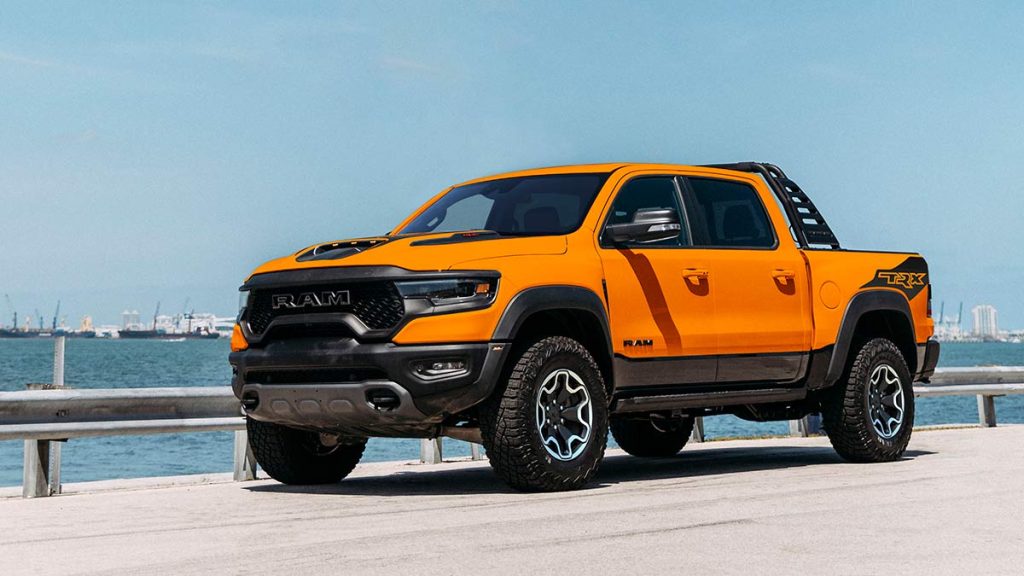
These designs often come from proven architectures or benefit from careful refinement over time, which helps them maintain consistent performance even after years of demanding use.
At the same time, some transmissions gain a reputation for feeling less robust not because they constantly fail, but because they may show hesitation under load, wider gear spacing, or tuning focused more on comfort than strength. In many cases, these perceptions come from changing market expectations rather than serious design flaws.
The biggest lesson is that transmission reputation depends on engineering design, software tuning, maintenance, and how the truck is used.
A well maintained transmission can often outlast expectations, while neglected service can shorten the life of even strong designs. Understanding these differences helps buyers choose wisely.
Also Read: 10 Engines With Steel Internal Components That Handle Heavy Towing
