
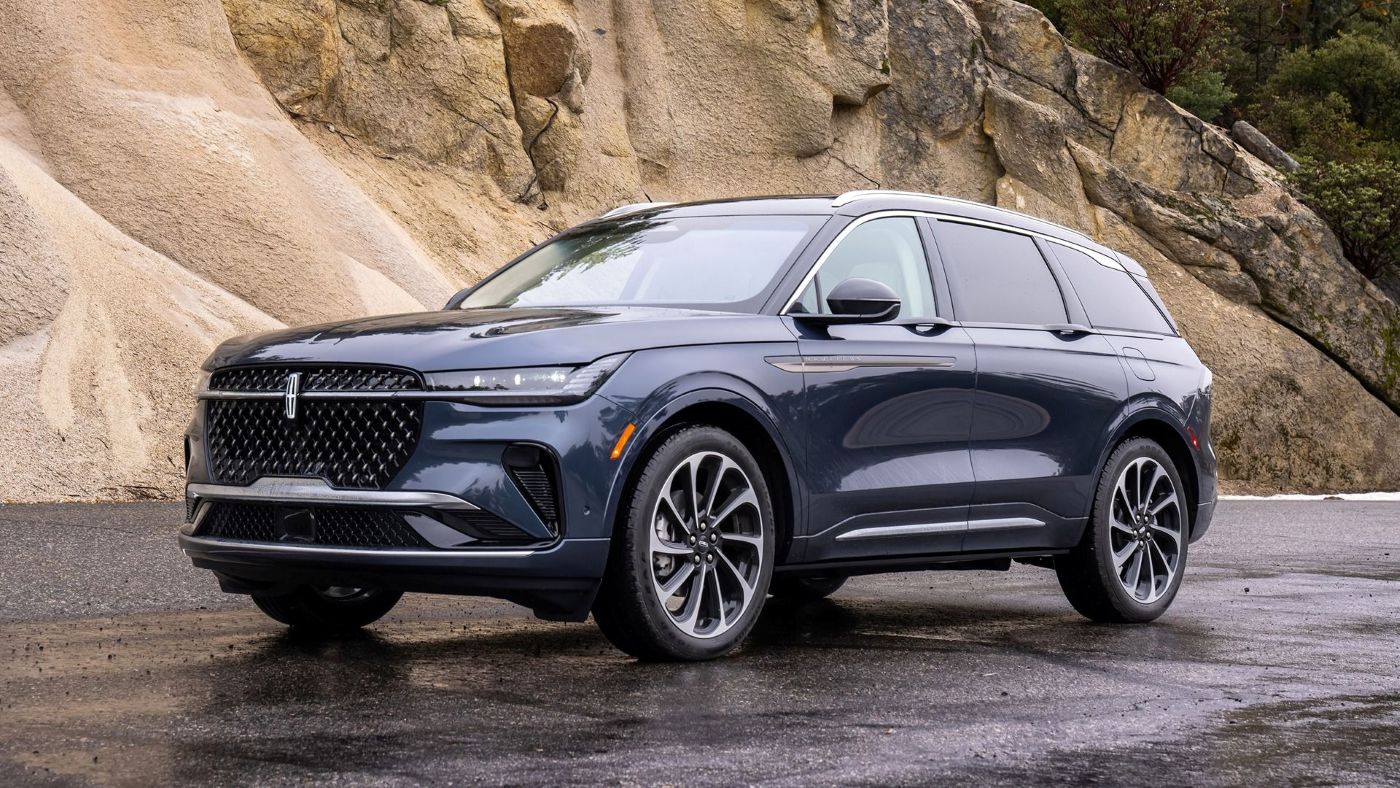
The Ford Explorer is once again at the center of a major recall, joined by several Lincoln models including the Navigator, Nautilus, and Aviator. According to newly released information, a total of 254,640 vehicles are affected by a software-related defect that could interfere with critical safety systems.
At the core of the issue is a fault tied to the rearview camera system, but the implications extend further. This time, the malfunction may also disrupt advanced driver assistance systems (ADAS), which are designed to help prevent collisions.
The National Highway Traffic Safety Administration (NHTSA) reports that the problem originates from the vehicles’ image processing modules. These units may “unexpectedly reset,” potentially disabling both the rearview camera feed and multiple driver-assist features. Such failures could reduce driver awareness and increase the likelihood of an accident.
The recall specifically impacts the following models and production years:
- 2025 Ford Explorer
- 2025 Lincoln Aviator
- 2024–2025 Lincoln Nautilus
- 2022–2025 Lincoln Navigator
Regulatory filings indicate that the Image Processing Module A (IPMA) may reset without warning. When this occurs, drivers could temporarily lose access to key systems such as pre-collision assist, lane-keep assist, and blind-spot monitoring.

The root cause has been identified as a “computational overload when tracking a high volume of moving objects in dense vehicle and pedestrian environments.” In such conditions, the system may become overwhelmed, triggering a reset.
During these resets, safety features may become unavailable, and repeated occurrences across multiple ignition cycles could lead to a more “persistent” loss of functionality.
In most cases, drivers will receive alerts through the instrument cluster indicating issues such as a front camera fault, unavailable automatic emergency braking, or a disabled lane-keeping system. However, a subtler symptom has also been noted: blind-spot warning indicators may activate even when no vehicle is present.
Ford initially identified this ADAS-related issue in March of last year and has been analyzing it since. Over the past two months, the automaker has met with the NHTSA “several times” to further assess the situation. Investigations revealed that all related warranty claims involved vehicles equipped with five radar sensors.
Additionally, the issue appears to have occurred most frequently in vehicles used for livery or chauffeur services, suggesting there may be an unknown variable tied to specific configurations or usage patterns.
To address the problem, Ford has developed a software fix that will be delivered via an over-the-air update. Owners may also choose to have the update installed at a dealership. Notification letters are expected to be mailed between March 30 and April 6, while affected vehicle identification numbers (VINs) will become searchable beginning March 25.
