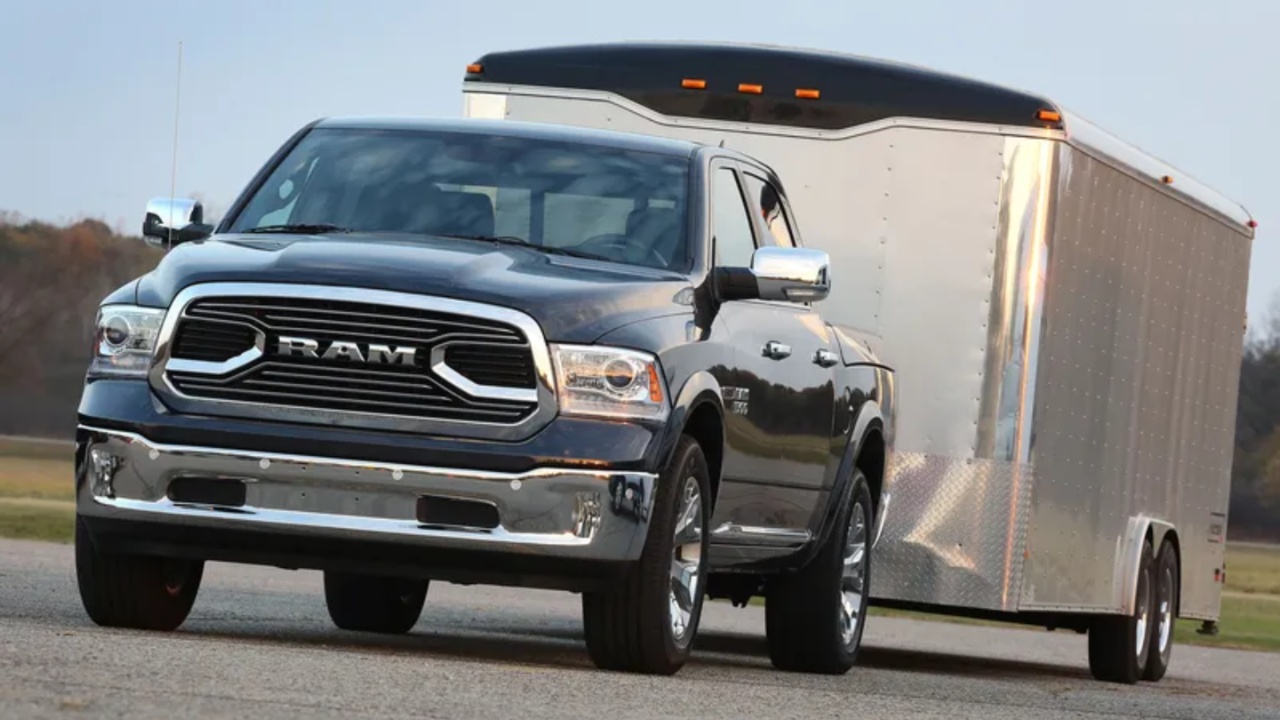
When choosing a truck or SUV, many drivers focus on towing capacity, the number that indicates how much weight a vehicle can pull behind it. While towing is important for occasional trailers or equipment, it is payload capacity that truly defines a vehicle’s safety, performance, and long-term durability.
Payload measures the weight a vehicle can carry internally, including passengers, cargo, gear, and even the tongue weight of a trailer. Unlike towing, which mainly stresses the engine, transmission, and brakes, payload directly impacts the frame, suspension, axles, and tires.
Overloading these components can lead to structural damage, reduced handling, brake fade, and higher accident risk. It also affects everyday usability, legal compliance, efficiency, and resale value.
Understanding payload capacity is essential for making informed vehicle choices, preventing mechanical failures, and ensuring safe operation under real-world conditions. In many cases, payload capacity is the more critical number for both drivers and vehicle longevity.
1. Direct Mechanical Strain on Vehicle Fundamentals
Payload capacity defines the maximum weight a vehicle can safely carry, directly impacting its structural integrity, while towing capacity measures how much a vehicle can pull. Unlike towing, which primarily stresses the engine, transmission, and brakes, payload weight is applied directly to the vehicle’s frame, suspension, axles, and tires.
Overloading these components doesn’t just make the ride uncomfortable, it causes metal fatigue, structural cracks, and extreme tire stress that can result in sudden blowouts at highway speeds.
The force from the excess payload is transferred to leaf springs, coil springs, and shock absorbers. Repeatedly exceeding payload limits can bend or crack the frame over time. Tires also have specific load ratings; exceeding them causes the sidewalls to flex excessively, generating heat that may lead to catastrophic failure.
This direct strain on fundamental components makes payload a more critical measure of vehicle safety than towing capacity, which mainly affects the drivetrain.
Payload overload also has immediate safety consequences. Excess weight increases braking distances because the brakes must counter higher inertia, accelerating wear on brake pads. Handling and stability are compromised as the center of gravity shifts, raising the risk of rollovers. Tires, already under additional stress, operate at higher temperatures, making blowouts more likely.
Over the long term, regularly exceeding payload limits can permanently damage the vehicle. Frames and bodies may bend, crack, or experience metal fatigue, while suspension and drivetrain components face accelerated wear. Adhering to payload limits ensures the vehicle remains safe, functional, and durable throughout its lifespan.
Legal and operational considerations further emphasize the importance of payload. Overloading may void warranties, invalidate insurance claims, and lead to fines in commercial applications.
Payload capacity is the key metric for vehicle safety and longevity because it measures the direct weight-bearing limits of the chassis, suspension, tires, and axles. While towing capacity indicates how much a vehicle can pull, payload defines what it can safely carry, making it the primary factor in preventing structural damage, loss of control, and mechanical failure.
2. The Steering and Handling “Teeter-Totter”
Payload capacity is a key safety factor because it directly affects a vehicle’s steering and handling, while towing capacity mainly measures how much weight a vehicle can pull. Overloading the rear of a vehicle, which is the most common location for payload, creates a teeter-totter or pendulum effect.
Extra weight on the rear axle lifts the front wheels, which are responsible for steering and most of the braking. This makes the front end feel light and unresponsive, reducing the vehicle’s ability to turn, stay in its lane, or brake effectively. In emergency maneuvers, an overloaded vehicle can experience severe body roll, making it very difficult to maintain control and increasing the risk of rollover even at moderate speeds.
This effect shows why payload capacity is often more important than towing capacity. Towing capacity measures how much weight the engine and transmission can pull in a straight line, but payload capacity determines how much weight the frame, suspension, axles, and tires can safely carry without compromising control.
When a trailer is attached, its tongue weight adds to the rear axle load and increases the teeter-totter effect. Even if the trailer weight is within the towing limit, too much rear weight can lift the front end, reducing traction and steering ability.
In practical terms, payload is often reached before towing capacity. The weight of passengers, cargo in the bed, and the hitch all count toward payload, leaving many drivers over the limit while still under the maximum tow rating. Weight distribution hitches can help by transferring some weight back to the front axle, but they do not change the vehicle’s legal or manufacturer-rated payload limit.
Payload directly affects steering, braking, and stability, making it the primary factor for safe vehicle operation. Towing capacity measures the ability to move weight, but payload determines whether a vehicle can safely control that weight, showing why respecting payload limits is essential for safety and vehicle longevity.
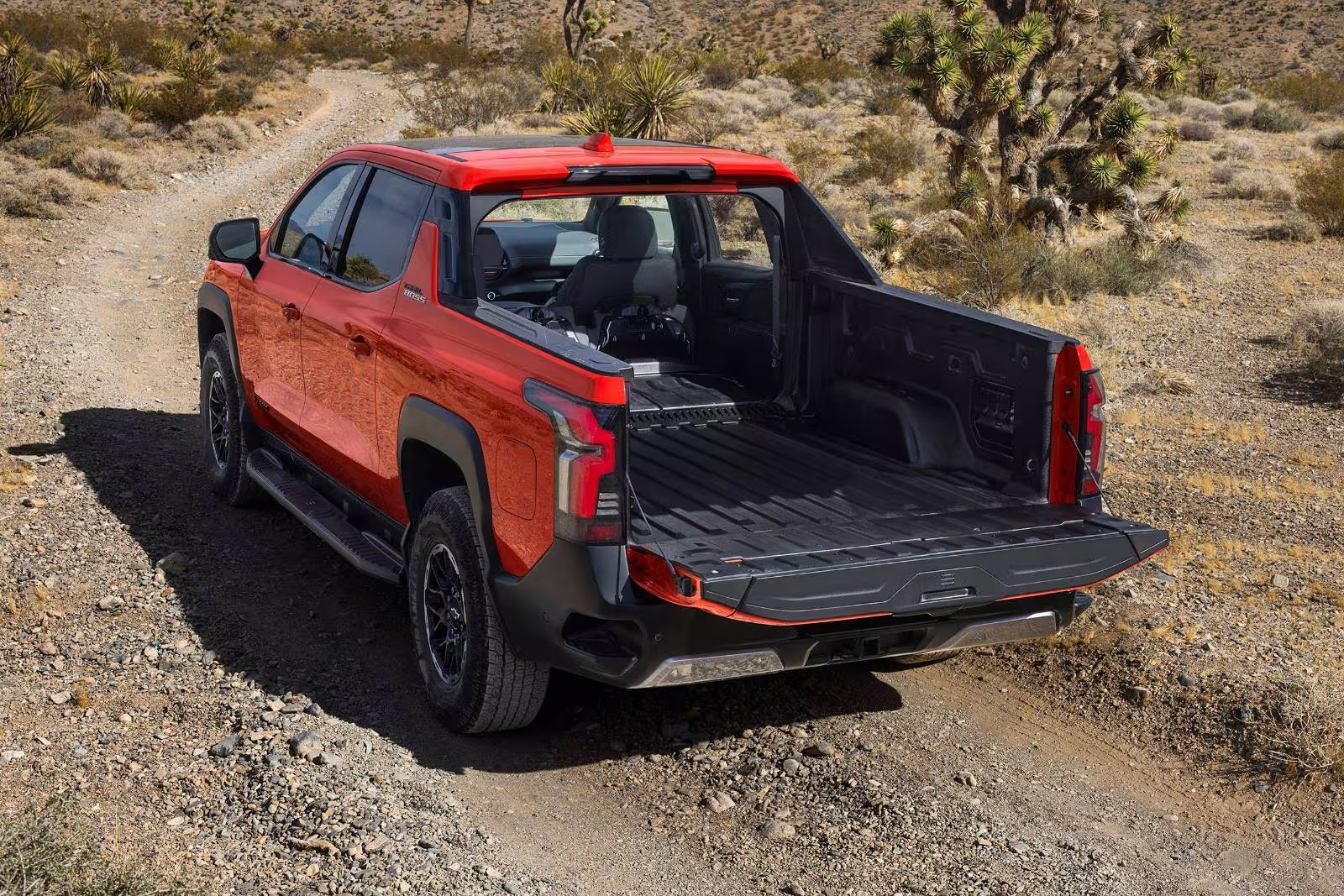
3. Braking Efficiency and Heat Management
Payload capacity is critical because it directly affects a vehicle’s braking performance, stability, and structural stress, while towing capacity mainly measures how much weight a vehicle can pull. Modern trailers often have their own braking systems, but every pound of payload inside the vehicle relies entirely on the truck’s factory brakes.
Braking works by converting kinetic energy into heat, and exceeding payload limits causes brakes to generate heat faster than it can dissipate. This leads to brake fade, a dangerous situation where the pedal feels firm, but the vehicle does not slow effectively. Payload, therefore, impacts stopping distance more unpredictably than towing a trailer.
When the payload is overloaded, the truck’s brakes must handle the entire direct momentum of passengers and cargo. Increased mass means higher kinetic energy, resulting in longer stopping distances and faster brake overheating.
Excess heat can glaze brake pads, warp rotors, or create hot spots, reducing braking power and accelerating component wear. Unlike towing, where trailer brakes help share the load, payload places the full thermal and structural burden on the vehicle’s own brakes, suspension, and tires.
Payload also affects stability and vehicle control. Extra weight raises the center of gravity, making the vehicle more top-heavy and reducing braking responsiveness. Overloaded suspension components, tires, and axles further compromise handling, increasing the risk of rollovers and making emergency stops more dangerous.
Unlike towing capacity, payload is limited by the vehicle’s own systems and chassis. Weight placement directly on the axles, combined with total reliance on internal brakes, means that exceeding payload limits has an immediate effect on safety.
Maintaining payload within manufacturer limits ensures that the braking system, suspension, and tires operate within design parameters, keeping the vehicle stable, responsive, and capable of stopping safely under load.
4. The Hidden Tongue Weight Factor
Payload capacity is often the real limit for towing because of tongue weight, the portion of a trailer’s weight that presses directly onto a truck’s rear axle. A truck may be rated to tow 10,000 pounds, but 10 to 15 percent of that trailer weight, or 1,000 to 1,500 pounds, sits on the hitch. When combined with passengers, fuel, and cargo, this can exceed the vehicle’s payload limit before the trailer even moves.
Tongue weight acts as cargo rather than a pulled load. While towing capacity measures how much weight a vehicle can pull, payload capacity determines how much weight the truck can safely carry on its own axles.
High tongue weight causes the rear suspension to sag, reducing front-wheel traction, limiting steering control, overworking the brakes, and increasing the risk of suspension failure. Because the weight sits behind the rear axle, it also leverages the truck’s load, decreasing front-wheel contact and responsiveness. This makes handling more difficult and increases the risk of accidents.
In real-world situations, trucks advertised with maximum towing capacity often assume a stripped-down vehicle with only a driver. Passengers, cargo, and trailer tongue weight can consume most of the available payload, meaning the payload limit is reached before the maximum towing capacity.
Payload capacity is therefore a more important safety measure than towing capacity. Towing numbers are largely based on engine and drivetrain power, while payload limits are determined by the structural capacity of the suspension, frame, axles, and tires.
Respecting payload limits ensures the truck can safely carry passengers, cargo, and trailer tongue weight while maintaining proper steering, braking, and structural integrity. Understanding payload as the primary constraint keeps the vehicle safe and stable under real-world towing conditions.

Also read: 10 Reasons to Document Every Step of Your Restoration for Resale Value
5. Legal and Insurance Risks Make Payload Critical
Payload capacity is often more important than towing capacity because exceeding it can lead to immediate legal and financial consequences. The Gross Vehicle Weight Rating (GVWR) represents the maximum safe weight a vehicle can carry, including passengers, cargo, and trailer tongue weight.
Operating a vehicle above this limit can create a situation of strict liability in an accident, where the driver is automatically considered at fault. Insurance companies frequently include clauses that allow them to deny claims if the vehicle was overloaded, leaving the driver personally responsible for damages, injuries, and property loss.
Overloaded trucks are also easier for authorities to identify, as sagging rear ends or overfilled beds are visible signs of excessive payload.
Payload overloading poses regulatory and legal risks. Transport authorities and police routinely check commercial and private vehicles for overloading, issuing fines, mandating offloading, or declaring the vehicle unfit to proceed.
In the event of an accident, drivers and owners may face civil or criminal liability, including potential lawsuits, penalties, and even license suspension. Towing capacity rarely triggers these issues because it mainly involves the engine and drivetrain, while payload directly affects the vehicle’s interaction with the road.
Exceeding payload limits also has immediate safety and mechanical implications. Extra weight strains the tires, suspension, and axles, reducing handling and braking performance.
It increases the likelihood of tire blowouts, suspension failure, or brake degradation, all common causes of single-vehicle accidents. Overloading can also void manufacturer warranties, leaving the owner responsible for repair costs if critical components fail.
Unlike towing, payload capacity is the true measure of a vehicle’s safe carrying limit. Heavy trailers may remain within towing limits, but tongue weight can push the vehicle over its payload rating.
Law enforcement and insurance companies focus on payload because it directly determines the safety, stability, and legal compliance of the vehicle. Respecting payload limits protects drivers from accidents, legal liabilities, and financial losses while keeping the vehicle safe and structurally sound.
6. Everyday Frequency and Utility Make Payload the Real Limit
Payload capacity is often more important than towing capacity because it determines a vehicle’s daily usability, safety, and operational limits. While towing is used only occasionally for trailers or heavy equipment, payload is a factor every time a truck or SUV is driven.
Passengers, cargo, tools, roof racks, and even a full tank of fuel all count toward payload. A family of four with gear and a pet can easily use 600–800 pounds of a 1,200-pound payload, leaving very little room for additional cargo. Understanding payload is essential for everyday safety and practical utility.
Payload affects handling, braking, and stability because the weight sits directly on the suspension and axles. Exceeding payload regularly, even with smaller loads like construction materials, groceries, or camping gear, can weaken steering, increase braking distances, and accelerate tire and suspension wear.
Trucks with identical towing capacities may have very different payload ratings, meaning one vehicle may reach its safe limit far sooner during normal use.
Even when towing, payload remains the critical constraint due to tongue weight. Most bumper-pull trailers transfer 10–15 percent of their total weight to the truck’s hitch. A 6,000-pound trailer can add 600–900 pounds of tongue weight, consuming a significant portion of the truck’s payload before factoring in passengers or gear. This shows that towing numbers alone can be misleading if the payload limit is ignored.
Prioritizing payload ensures the truck operates within its design limits, protecting suspension, brakes, and tires while maintaining stable and safe handling. Vehicles kept within payload capacity respond better on daily drives, feel more secure under load, and experience less long-term wear. Payload defines what a truck can realistically carry day-to-day, making it the most important metric for practical use, safety, and longevity.
7. Structural Longevity and Resale Value Depend on Payload
Payload capacity is a key factor for the long-term durability and resale value of a truck. While towing primarily stresses “disposable” components such as transmission, brakes, and coolant, payload directly affects the vehicle’s permanent structural parts. Overloading the cargo area consistently places excess weight on the frame, axles, suspension, and tires.
Over time, this can cause rattles, door misalignment, sagging suspension, and other signs of frame fatigue that are difficult or impossible to repair. Trucks that have been regularly overloaded are immediately noticeable to buyers and mechanics, which significantly lowers trade-in and resale value.
Payload represents the weight pressing directly on the chassis and suspension. Consistently exceeding payload limits accelerates wear on the frame, leaf springs, axles, and tires, as well as the drivetrain.
While towing stresses the engine and transmission, carrying too much weight in the vehicle’s bed produces constant, direct pressure on the vehicle’s structure, leading to premature failure. A truck maintained within payload limits remains serviceable and reliable for many years, whereas overloading leads to a truck that is effectively ruined over time.
Resale value is directly tied to structural integrity. Vehicles with intact frames, properly functioning suspension, and no visible sag or deformation are more desirable in the used market. Trucks that appear overworked or mistreated due to exceeding payload limits sell for less, as buyers anticipate costly repairs.
Safety and legal compliance are also affected by payload. Overloaded trucks have higher centers of gravity, reduced stability, and longer stopping distances, increasing the risk of accidents. Exceeding payload can also void insurance claims and lead to fines or impoundment, further emphasizing its importance.
While towing measures what a vehicle can pull, payload measures what it can carry safely over time. Focusing on payload capacity provides a better indication of a truck’s structural longevity, everyday utility, safety, and resale value.

8. Efficiency and Power Delivery Depend on Payload
Payload capacity is a crucial factor for vehicle efficiency, power delivery, and performance. While towing primarily affects engine load in a straight line and adds aerodynamic drag, payload directly impacts rolling resistance because the weight rests on the axles, suspension, and chassis.
Overloading a vehicle forces the engine to work harder to maintain speed, increases transmission temperatures, and accelerates wear on drivetrain components. For electric vehicles, excess payload reduces the effectiveness of regenerative braking and sharply lowers range, making proper weight management essential for both fuel and energy efficiency.
Operating within payload limits ensures the engine and transmission deliver optimal power and acceleration. A properly loaded vehicle responds better to throttle input and braking, while exceeding payload reduces acceleration and places additional stress on mechanical components. Excess weight also causes sagging suspension, increased tire wear, and higher stress on the frame, which can compromise power delivery and safety.
Payload also affects handling and stability more than towing. Added weight raises the center of gravity, making the vehicle harder to control during turns and in emergency maneuvers. Staying within payload limits keeps steering and braking responsive, reduces the risk of rollovers, and ensures safer daily operation.
Even when towing, payload remains the limiting factor. Trailer tongue weight presses down on the rear axle and counts toward the vehicle’s payload capacity. A truck may be rated to tow a heavy trailer, but if the payload is near its limit, handling, braking, and efficiency are all compromised.
In short, payload capacity determines the internal weight a vehicle can safely carry, directly affecting fuel or energy efficiency, power delivery, handling, and structural longevity. While towing capacity measures how much a vehicle can pull, payload dictates how much it can carry safely, making it the key factor in daily performance, safety, and vehicle durability.
Payload capacity is the true measure of what a vehicle can safely carry, and it influences every aspect of performance, safety, and durability. From steering, handling, and braking to structural integrity and efficiency, exceeding payload limits places immediate and long-term stress on the vehicle’s critical systems.
Legal and insurance consequences, combined with reduced resale value, further underscore the importance of staying within payload limits. Even when towing, the tongue weight of a trailer contributes to payload, often limiting a truck’s practical capacity before its towing number is reached.
While towing capacity may grab headlines, it is payload that dictates everyday safety, stability, and performance. Prioritizing payload ensures a vehicle remains reliable, controllable, and cost-effective over time.
Understanding and respecting payload capacity allows drivers to maximize utility, protect mechanical systems, and maintain confidence behind the wheel, proving that it is the key metric for safe and efficient vehicle operation.
Also read: 10 Cars That Prove Gas Engines Still Make Sense in 2026