
The relationship between fuel quality and engine longevity has always been a topic of debate among automotive enthusiasts, engineers, and everyday drivers.
Premium fuel is often marketed as the superior choice, but not every engine genuinely needs it to perform at its best. In fact, a significant number of modern and legacy engines have been designed, tested, and tuned specifically to run on standard grade fuel also known as regular 87-octane fuel in most markets without any meaningful compromise to their lifespan or performance.
Understanding which engines handle regular fuel without long-term damage requires looking at how these powerplants manage knock, heat, and combustion timing.
Engines built with lower compression ratios, adaptive knock-sensing technology, and robust engineering tolerances can reliably burn regular-grade fuel for hundreds of thousands of miles. The key is not always the fuel grade itself, but rather how well an engine is designed to work with the fuel it receives.
This article explores ten remarkable engines that have proven themselves perfectly capable of thriving on standard grade fuel. From everyday commuter cars to reliable trucks, these engines demonstrate that longevity and performance are achievable without premium fuel costs.
1. Honda K-Series Engine (K20 / K24)
The Honda K-Series engine is widely regarded as one of the most durable and refined four-cylinder engines ever produced for the mass market. Honda introduced this family of engines in 2001, and they have continued to power countless vehicles with impressive reliability. The K20 and K24 variants represent the core of this legendary lineup.
These engines feature a sophisticated VTEC (Variable Valve Timing and Lift Electronic Control) system that intelligently adjusts valve timing depending on engine load and RPM.
This system allows the engine to operate efficiently across a wide range of driving conditions. The compression ratios on most K-Series variants sit between 9.7:1 and 11.0:1, which places them comfortably within the range where regular 87-octane fuel performs without causing detonation issues.
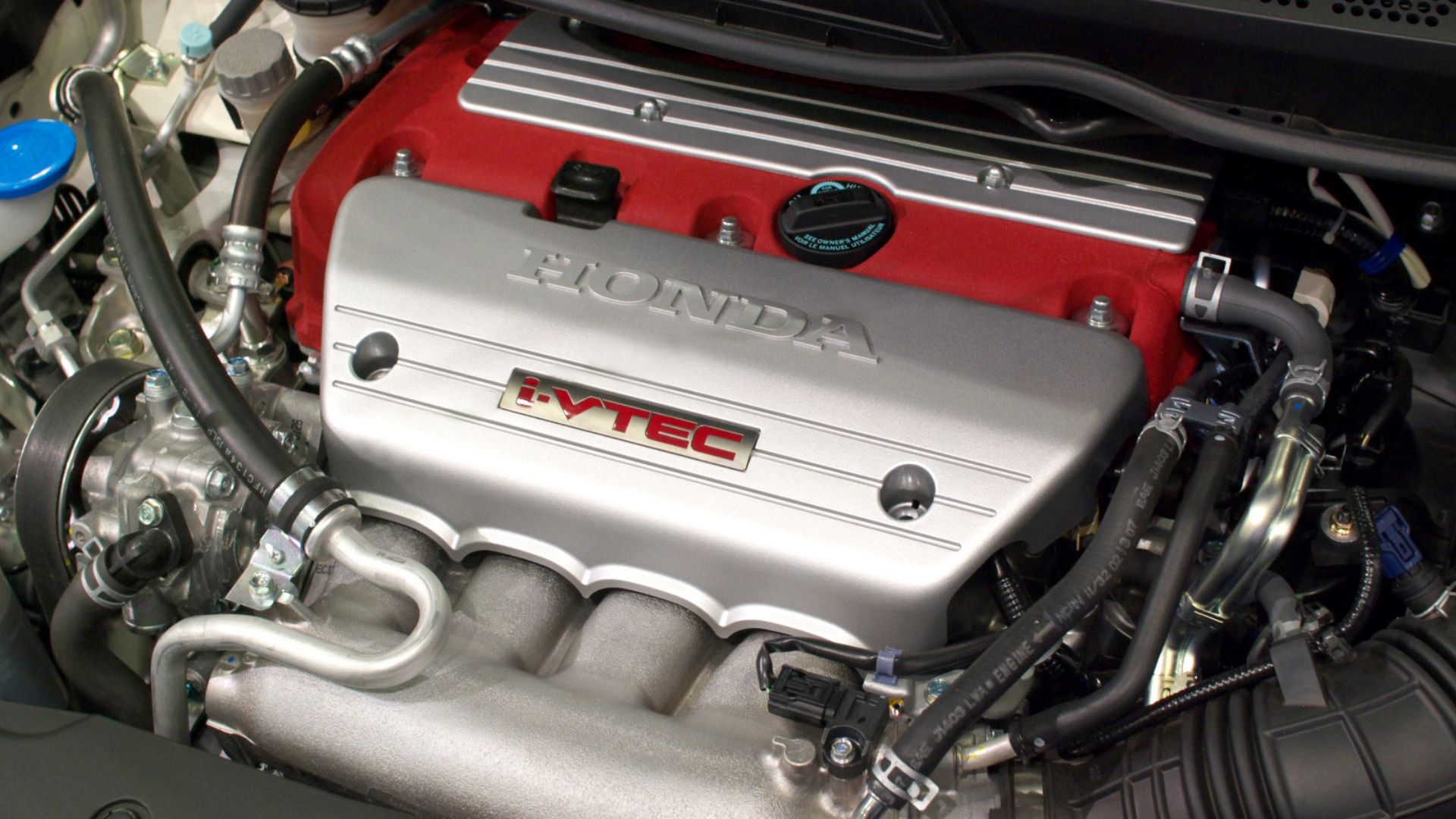
One of the key reasons the K-Series handles standard fuel so well is its precision combustion chamber design. Honda engineers designed the combustion chambers to promote thorough fuel-air mixing. This results in cleaner, more complete combustion even with lower octane fuel, reducing the chance of harmful pre-ignition events.
The engine block is constructed from aluminium alloy with cast iron cylinder liners, giving it excellent thermal stability. This combination manages heat effectively during extended use. The result is an engine that maintains tight tolerances over a long service life without warping or excessive wear.
K-Series engines are also known for their robust oil delivery systems. The oil pump is designed to maintain pressure effectively at both low and high RPMs. This consistent lubrication prevents premature wear on the bearings, cam lobes, and valve train components.
Real-world evidence of the K-Series durability is overwhelming. Owners regularly report engines surpassing 250,000 miles on regular fuel with only basic maintenance. Honda Accords, CR-Vs, and Civics powered by these engines continue to run reliably for decades. The K24 in particular has earned a strong reputation in markets where premium fuel is less accessible.
The engine also benefits from Honda’s attention to tight manufacturing tolerances. Components are machined to precise dimensions that reduce vibration and uneven wear. This precision, combined with the robust VTEC system, makes the K-Series one of the finest examples of engineering designed for longevity on standard fuel.
Mechanics and enthusiasts consistently praise the K-Series for its simplicity of maintenance. Routine oil changes, timing chain inspection, and basic valve clearance adjustments are largely all that is needed. There are no exotic parts or special fuel requirements that complicate long-term ownership.
2. Toyota 2GR-FE V6 Engine
The Toyota 2GR-FE is a naturally aspirated 3.5-litre V6 engine that has earned an exceptional reputation for durability and reliability. Introduced in 2005, this engine has been used across a wide range of Toyota and Lexus vehicles. It represents Toyota’s commitment to building engines that last without demanding premium fuel grades.
The 2GR-FE operates with a compression ratio of 10.8:1, which is tuned to function optimally on 87-octane regular fuel. Toyota engineers incorporated Dual VVT-i (Variable Valve Timing with intelligence) technology into this engine. This system adjusts intake and exhaust valve timing independently to maximise both efficiency and power output.
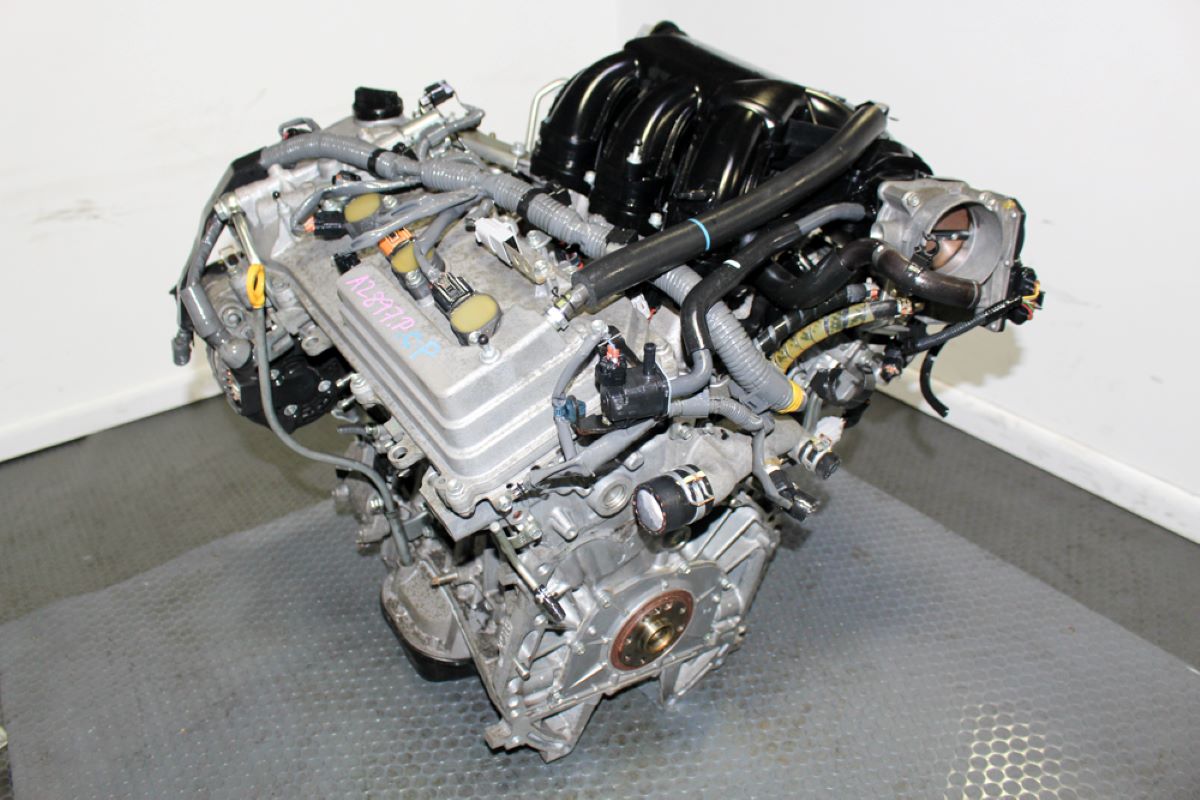
Dual VVT-i plays a critical role in allowing the engine to burn standard fuel without detonation. By precisely adjusting when the valves open and close, the system controls combustion pressures in real time. This prevents knock conditions that would otherwise arise from using lower-octane fuel at high load.
The engine block and cylinder head are made from aluminium, which helps manage weight while still providing excellent thermal conductivity. Heat is dispersed efficiently, preventing localised hot spots that could otherwise lead to detonation with regular fuel. Cooling passages are carefully engineered to direct coolant where it is needed most.
Toyota also uses a timing chain rather than a timing belt in the 2GR-FE. Chains require less frequent replacement than belts and are inherently more durable over long service intervals. This design choice contributes significantly to the engine’s impressive long-term reliability.
Lubrication in the 2GR-FE is handled by a robust oil delivery system that maintains consistent pressure even during hard acceleration or extended highway driving. The oil passages are generously sized to ensure all critical components receive adequate lubrication. This is particularly important for the variable valve timing actuators, which depend on oil pressure to function correctly.
Owners of Camrys, RAV4s, Highlanders, and other Toyota models equipped with this engine frequently report service lives exceeding 300,000 miles. This is achieved with routine maintenance and standard grade fuel. The engine’s design leaves very little on the table in terms of demanding high-octane fuel to achieve reliable combustion.
The 2GR-FE is also known for its smooth power delivery and quiet operation throughout its service life. These characteristics suggest that internal components remain within tolerance for many years of use. Few V6 engines in the mass-market segment can match the 2GR-FE for proven longevity on regular fuel.
3. Ford 5.0L Coyote V8 Engine
The Ford 5.0-litre Coyote V8 is a modern performance engine that made its debut in the 2011 Ford Mustang GT. Despite being a high-performance powerplant, the Coyote is designed to run satisfactorily on regular 87-octane fuel. It delivers strong performance metrics while maintaining durability across a long service life.
The Coyote engine features Twin Independent Variable Camshaft Timing (Ti-VCT), which gives Ford engineers precise control over combustion characteristics. This technology allows the engine to adapt its valve timing to suit different fuel grades and operating conditions. When running on regular fuel, the system adjusts timing to prevent knock.
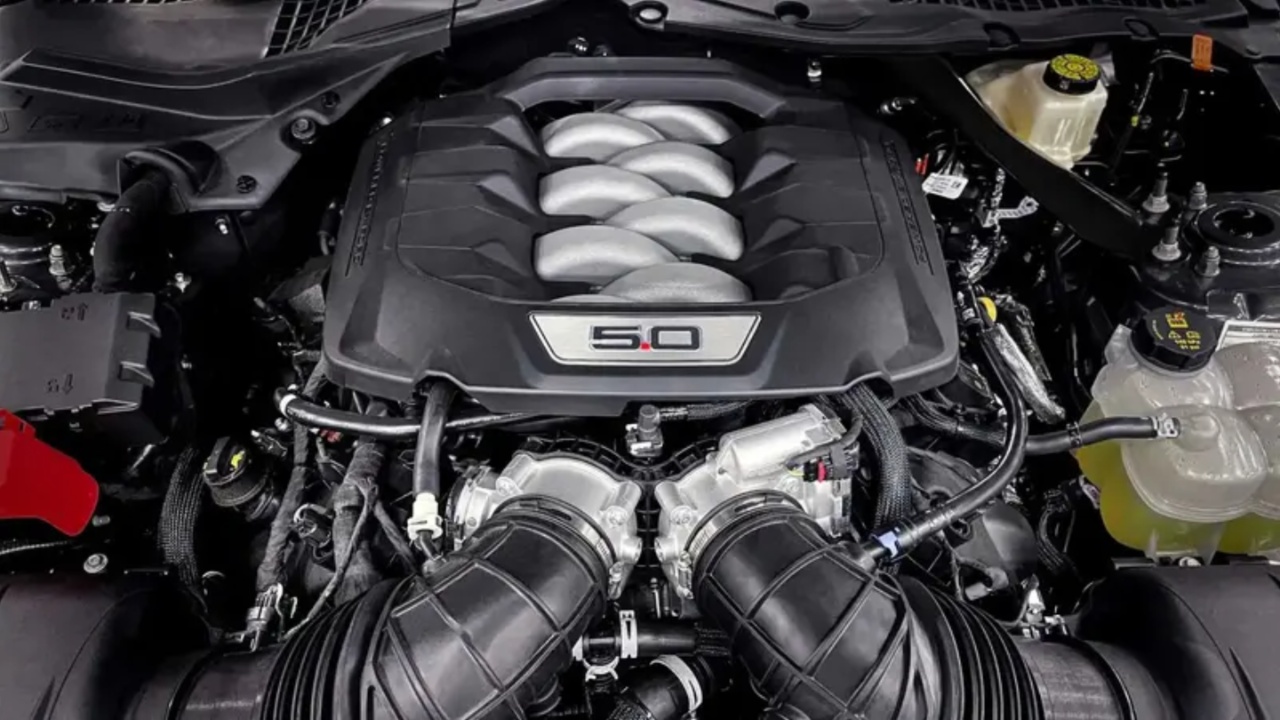
The compression ratio of the Gen 2 and Gen 3 Coyote sits at 11.0:1. While this is on the higher side for a naturally aspirated engine running regular fuel, Ford’s knock sensing system compensates effectively. The ECU retards ignition timing when sensors detect conditions that could lead to detonation, protecting the engine at the expense of only minor power reduction.
Forged steel crankshafts and powdered metal connecting rods give the Coyote a robust internal structure. These components are engineered to handle the stresses of high-performance use without premature wear. The bottom end of the Coyote is considered exceptionally strong by V8 engine standards.
Cylinder head design on the Coyote features aggressive port geometry that promotes efficient airflow. This improves combustion efficiency and helps the engine extract more energy from standard fuel. Better combustion efficiency means the engine works less hard for the same output, which reduces internal wear over time.
Ford also uses a sophisticated engine management system that monitors dozens of parameters in real time. Fuel delivery, ignition timing, and variable cam positions are all adjusted continuously to maintain optimal combustion. This level of electronic management is a key reason the Coyote handles regular fuel without significant long-term consequences.
Many Mustang GT and F-150 owners who use the Coyote on regular fuel report mileage figures well into the 150,000 to 200,000 mile range without major engine issues. Regular oil changes and periodic maintenance are the primary requirements. The Coyote is a testament to how modern engine management technology can bridge the gap between performance and fuel flexibility.
4. GM LS Engine Family (LS1 / LS3 / LS6)
The General Motors LS engine family is one of the most celebrated V8 engine series in automotive history. Originally introduced in 1997 with the C5 Corvette’s LS1, this engine architecture has been refined and expanded across numerous variants. The LS family runs effectively on regular 87-octane fuel in its standard configuration.
GM designed the LS engines with relatively moderate compression ratios for their performance output. The LS1 operates at 10.1:1 compression, while the LS3 sits at 10.7:1. These figures are tuned to allow reliable combustion on standard grade fuel without requiring constant timing retard. The combustion chamber shape promotes efficient flame propagation even without premium octane.
The Gen III and Gen IV LS engines use an Active Fuel Management system (in later variants) and individual cylinder knock sensors. These sensors detect detonation events in each cylinder independently. The engine management system responds within milliseconds, adjusting ignition timing to prevent any harm from knocking.
The LS architecture features a deep-skirt engine block that provides exceptional rigidity. This structural integrity prevents the block from flexing under load, which maintains cylinder bore roundness over time. Consistent bore geometry is essential for maintaining compression and preventing excessive oil consumption in high-mileage engines.
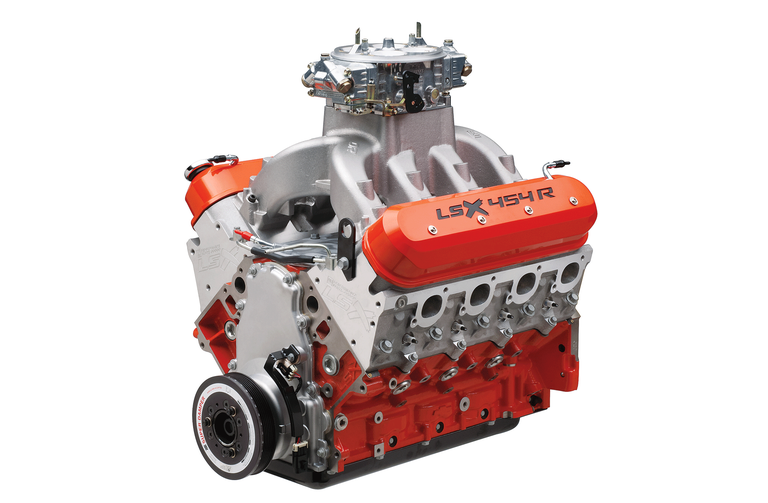
Aluminium cylinder heads on LS engines are known for their excellent port design. The cathedral port design on earlier LS engines and the rectangular ports on later variants both promote excellent combustion efficiency. This efficiency means the engine extracts maximum energy from each fuel charge, reducing the need for high-octane fuel to manage combustion pressures.
The LS’s pushrod architecture, while considered old-fashioned compared to overhead cam designs, delivers distinct advantages for longevity. Fewer moving parts in the valvetrain translate to fewer components that can wear out. The hydraulic roller lifters used in LS engines maintain valve clearances automatically, eliminating the need for periodic manual adjustments.
LS engines in trucks, performance cars, and even marine applications are well-documented for lasting 200,000 to 300,000 miles on regular fuel. The simplicity and robustness of the design contribute enormously to this reputation. Few engine families demonstrate as clearly that brilliant engineering can make regular fuel entirely adequate for long-term performance.
Also Read: 10 Best Infotainment Systems That Support Full Wireless Integration
5. Subaru EJ257 Engine
The Subaru EJ257 is a turbocharged 2.5-litre boxer four-cylinder engine that powers the iconic Subaru WRX STI. While this engine is commonly associated with premium or race fuel in high-performance applications, the base engine architecture is designed to function on standard grade fuel when operated within normal parameters.
Subaru’s horizontally opposed, or boxer, engine layout provides a low centre of gravity and inherent balance advantages. The flat configuration means pistons move in opposition to each other, cancelling vibrations that would otherwise stress engine components. This smooth operation reduces mechanical fatigue over a long service life.
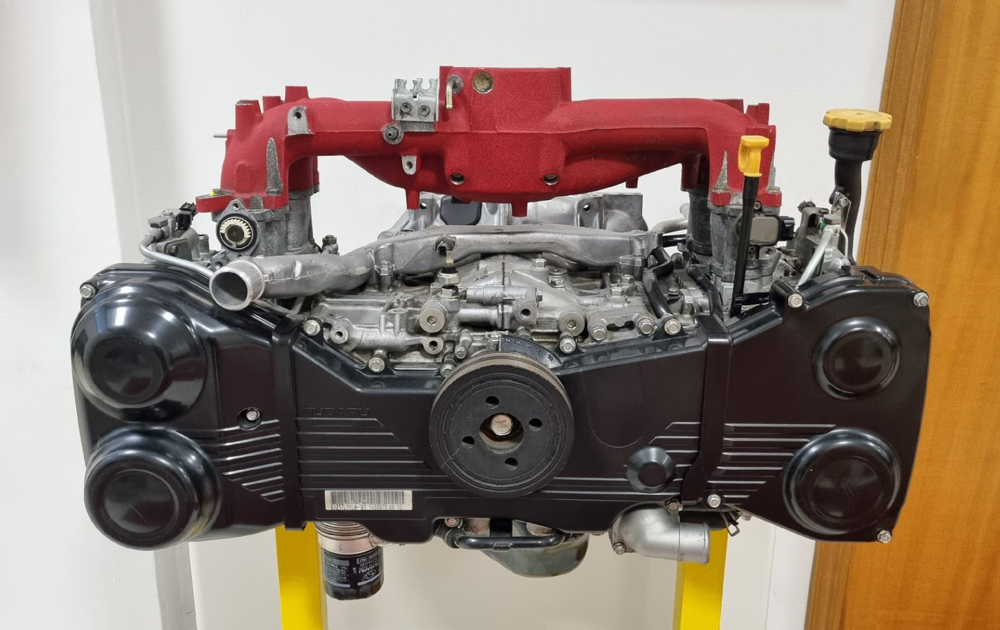
The EJ257 is equipped with a twin-scroll turbocharger that improves boost response and efficiency. In stock form and with conservative tuning, the engine’s electronic control unit can manage boost pressure and ignition timing to accommodate standard 87-octane fuel in non-performance driving scenarios. However, for sustained performance use, higher octane is beneficial.
Where the EJ257 earns its place in this list is through its proven architectural durability when maintained correctly. Owners who operate these engines conservatively on regular fuel and prioritise cooling system and oil maintenance report impressive service lives. The boxer layout aids in natural cooling due to exposed cylinder walls, which assists thermal management.
The engine uses a closed-deck block design in its later variants, which provides excellent structural rigidity under boost. This helps maintain cylinder bore integrity and head gasket seal, which is particularly important for turbocharged applications. Maintaining these seals is critical for long-term reliability on any fuel grade.
Subaru also engineered the EJ257 with generous oiling passages that deliver lubrication efficiently to all critical components. The hydraulic lash adjusters maintain consistent valve clearances without manual intervention. This reduces wear on valve seat and guide surfaces, contributing to long-term cylinder head health.
The EJ257, when driven sensibly and maintained regularly, demonstrates that even a turbocharged performance engine can handle standard fuel without catastrophic consequences. It stands as proof that engineering architecture matters as much as fuel grade in determining engine longevity.
6. Chevrolet Ecotec 2.4L Engine
The Chevrolet Ecotec 2.4-litre four-cylinder engine is a practical, everyday workhorse that has powered millions of General Motors vehicles over more than two decades. Found in models ranging from the Chevrolet Malibu to the Buick Regal and Saturn Vue, this engine is engineered specifically for regular grade fuel operation. It is a clean, modern design focused on accessibility and long-term reliability.
The Ecotec 2.4L uses a dual overhead camshaft layout with continuously variable valve timing on both the intake and exhaust camshafts. This system, known as Dual Continuous Variable Cam Phasing, allows the engine to optimise combustion timing continuously. It enables efficient operation on 87-octane regular fuel without sacrificing meaningful performance or engine health.
With a compression ratio of 11.2:1, the Ecotec operates in territory where one might expect premium fuel demands. However, the combination of variable cam phasing and a modern knock sensing system allows the engine to pull optimal timing from regular fuel reliably. The ECU makes real-time adjustments that prevent knock events from damaging piston crowns or ring lands.
The engine block is made from aluminium with cast iron cylinder liners. This combination provides lightweight construction alongside the superior wear resistance that cast iron offers. Cylinder walls maintain their dimensional accuracy over hundreds of thousands of miles, ensuring stable compression and oil consumption figures.
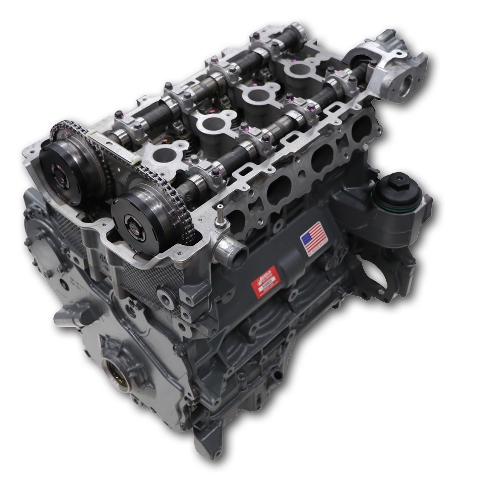
GM designed the Ecotec with direct port fuel injection in later variants, which improves fuel atomisation and combustion efficiency. Better atomisation means more consistent combustion events, which reduces the stress placed on pistons, valves, and connecting rods during each firing cycle. Consistent combustion is a key driver of long engine life.
The timing chain system used in the Ecotec is known for its durability when oil changes are performed regularly. Chains stretch gradually over time, and the Ecotec’s design incorporates a robust tensioner system to maintain correct chain tension throughout its service life. This prevents timing errors that could cause misfires or engine damage.
Routine maintenance on the Ecotec is straightforward and inexpensive. The engine does not require exotic lubricants, special fuel additives, or unusual service procedures. Consistent oil changes, spark plug replacement, and cooling system maintenance are the pillars of keeping an Ecotec running well on regular fuel for many years.
7. Toyota 1ZZ-FE Engine
The Toyota 1ZZ-FE is a 1.8-litre four-cylinder engine that was produced from 1998 through to 2007. It powered popular models including the Toyota Corolla, Celica, and Matrix, as well as the Pontiac Vibe. While this engine has some well-documented early version oil consumption concerns related to piston ring design, its fundamental architecture is built for regular grade fuel and long service when those ring issues are addressed.
Toyota designed the 1ZZ-FE with variable valve timing on the intake camshaft using its VVT-i system. This allows the engine to optimise intake valve opening relative to piston position, improving volumetric efficiency across a wide range of operating conditions. The result is smooth, efficient combustion on 87-octane fuel without any need for premium grades.
The compression ratio of the 1ZZ-FE sits at 10.0:1 in most variants, which is an appropriate ratio for regular fuel operation. At this compression level, the engine can achieve efficient combustion without generating excessively high cylinder pressures that would demand higher octane fuel to prevent detonation. The combustion chambers are shaped to promote a fast, complete burn.
Toyota constructed the 1ZZ-FE block from aluminium with an open-deck design, keeping the engine lightweight. The open-deck layout does present some limitations in terms of heat management compared to closed-deck designs, but Toyota compensated with a well-engineered cooling system. Effective coolant circulation prevents the hot spots that could trigger knock on regular fuel.
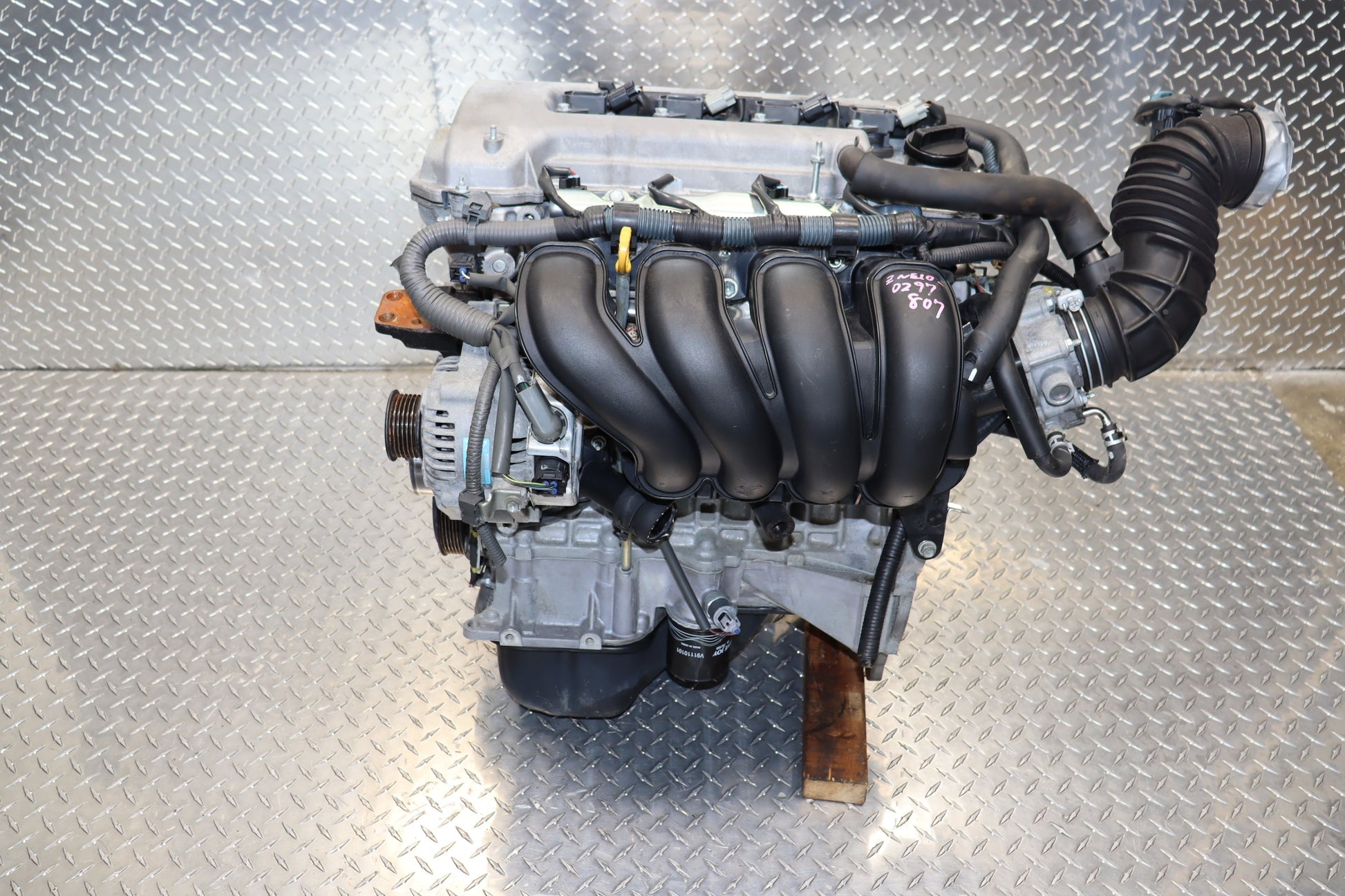
The engine’s valve train uses hydraulic lash adjusters that automatically maintain correct valve clearances. This eliminates the need for periodic manual valve adjustments, reducing maintenance complexity and cost. Correct valve clearances are important for maintaining compression consistency and preventing uneven combustion events.
Later revisions to the piston ring design, implemented during mid-cycle production updates, addressed the oil consumption concerns that plagued early versions. Corrected-build 1ZZ-FE engines with updated rings have proven to be reliable, long-serving powerplants. When maintained with regular oil and filter changes, these engines regularly achieve 200,000 miles or more.
The 1ZZ-FE demonstrates that even an engine with documented early design compromises can achieve excellent longevity on regular fuel when those issues are resolved and maintenance is performed consistently. It remains a strong example of Toyota’s engineering philosophy focused on accessible, long-lasting performance.
8. Ford EcoBoost 2.3L Engine
The Ford 2.3-litre EcoBoost is a turbocharged four-cylinder engine that represents the modern direction of fuel-efficient performance. Used in applications ranging from the Ford Mustang EcoBoost to the Ford Explorer and Focus RS, this engine delivers strong output while maintaining flexibility with regular grade fuel in standard driving conditions.
The EcoBoost 2.3L uses direct fuel injection combined with a single-scroll turbocharger to maximise both efficiency and performance. Direct injection sprays fuel directly into the combustion chamber, improving charge cooling and combustion control. This process has a natural knock-suppressing effect, allowing the engine to tolerate lower octane fuel more effectively than port-injected engines.
Ford engineers equipped the 2.3L EcoBoost with Ti-VCT variable cam timing technology, similar to the system used in the Coyote V8. This allows the engine to adjust intake and exhaust valve timing to suit different load conditions. When operating on standard fuel at moderate loads, the system optimises timing for clean, knock-free combustion.
The engine block features cast iron cylinder liners within an aluminium block structure. This construction provides excellent bore wear resistance without adding excessive weight to the vehicle. Cylinder bore integrity is maintained over high mileages, which is essential for consistent compression and power output across the engine’s service life.
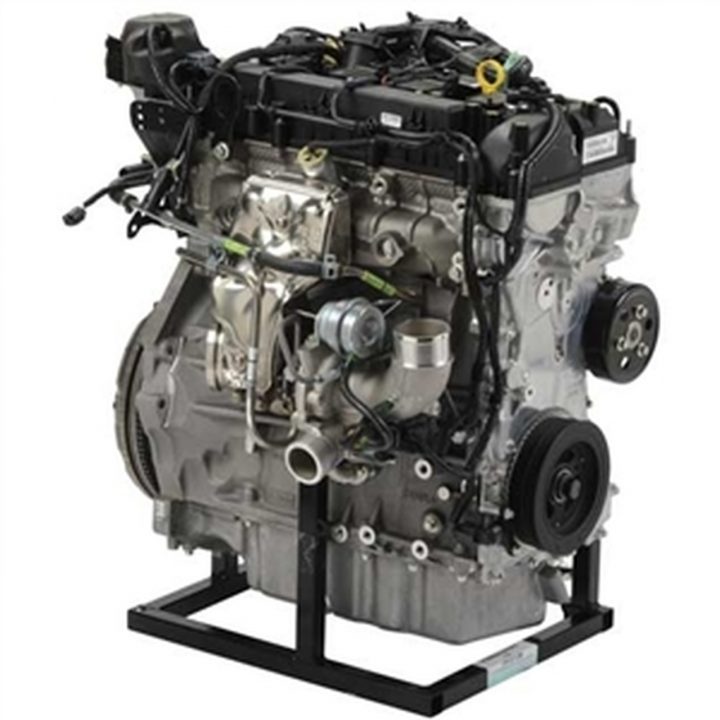
Ford’s engine management system continuously monitors knock sensor data, intake air temperature, engine load, and fuel quality. If it detects conditions associated with poor fuel quality or knock risk, the system automatically retards timing and adjusts boost levels. This real-time calibration capability makes the 2.3L EcoBoost highly adaptable to standard grade fuel.
Proper maintenance is particularly important for turbocharged engines, and the EcoBoost 2.3L is no exception. Regular oil changes using the correct viscosity specification are essential for protecting turbocharger bearings and the engine’s oil-cooled piston undersides. When maintenance is performed to schedule, the EcoBoost 2.3L has demonstrated strong longevity in diverse real-world use cases.
Ford Mustang EcoBoost owners, in particular, have documented extensive mileage on regular fuel without internal engine issues when adhering to maintenance schedules. The 2.3L EcoBoost stands as evidence that modern turbocharged engines with sophisticated electronic management can reliably run on standard fuel without compromising long-term durability.
9. Nissan VQ35DE Engine
The Nissan VQ35DE is a 3.5-litre naturally aspirated V6 engine that has been in production since 2000. It powers numerous Nissan and Infiniti models, including the 350Z, Altima, Maxima, Murano, and Pathfinder. The VQ35DE has earned a legendary reputation for reliability and longevity, and it is designed to operate effectively on regular grade fuel.
Nissan engineers gave the VQ35DE a compression ratio of 10.3:1 in most applications, which sits in the comfortable operating range for 87-octane regular fuel. The engine uses Nissan’s CVTCS (Continuously Variable Timing Control System) on the intake camshaft, allowing it to optimise valve timing for efficiency and smooth combustion across various driving conditions. This technology contributes directly to the engine’s ability to burn regular fuel without knock.
The VQ series has received considerable praise from automotive publications for its balance between performance and durability. The engine produces strong power output while maintaining internal component stresses at manageable levels. Moderate internal stresses translate directly into longer bearing, piston, and valve life over the engine’s service period.
Cylinder head design on the VQ35DE features pentroof combustion chambers with four valves per cylinder. This design promotes excellent combustion efficiency and a fast burn rate, which is beneficial when running regular fuel. A faster, more complete burn reduces the time window during which uncontrolled combustion could occur, lowering the risk of detonation.
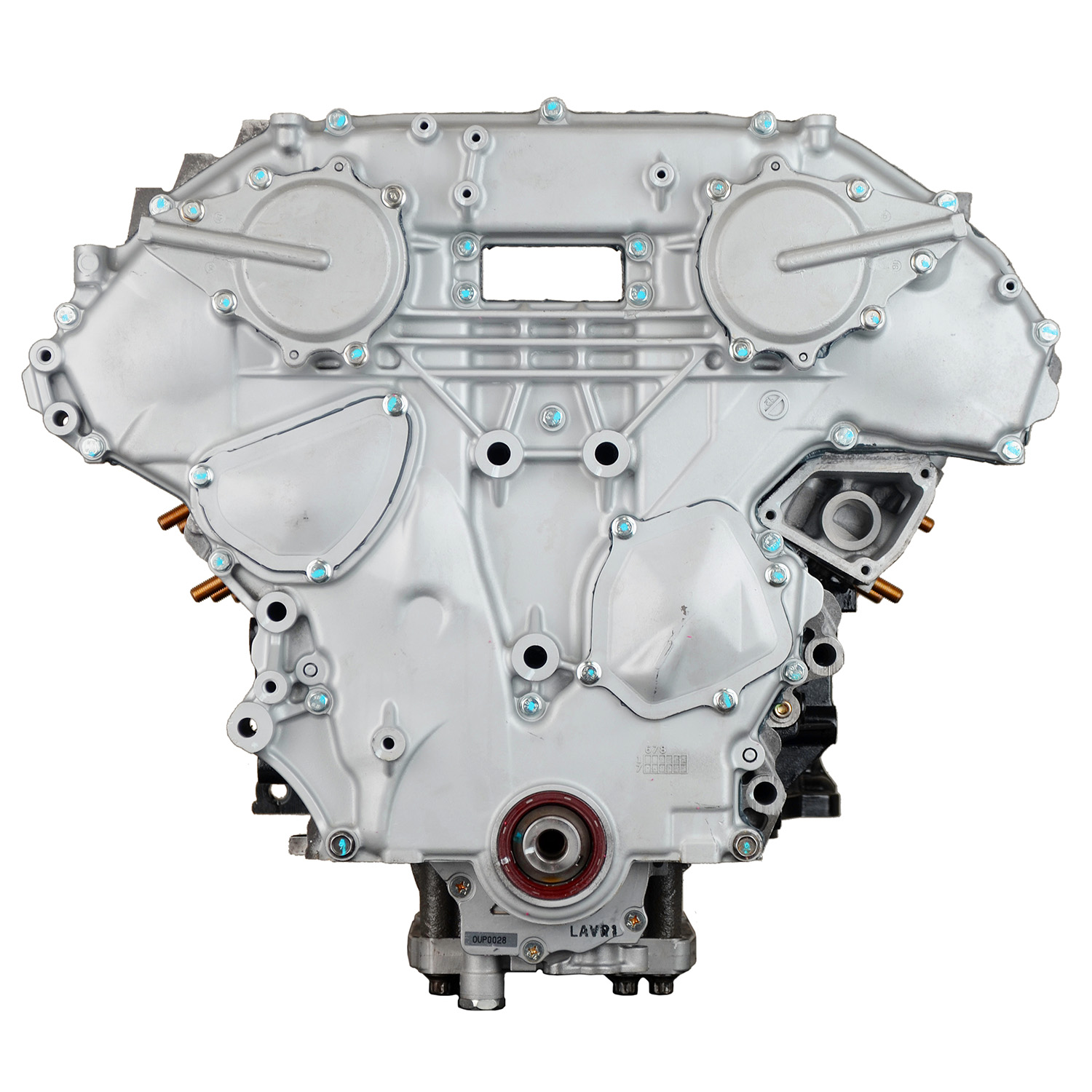
The crankshaft in the VQ35DE is forged steel, providing superior fatigue resistance compared to cast iron cranks. This is particularly relevant for a V6 producing respectable power output on regular fuel, as the crankshaft must handle torque pulses reliably for hundreds of thousands of firing cycles. Forged components are inherently more tolerant of occasional high-stress events.
Nissan’s lubrication system in the VQ35DE delivers oil effectively to high-wear areas including the variable cam timing phasers, main bearings, and valve train. The oil pump capacity is well-matched to the engine’s demands, ensuring that the lubrication film is never compromised during normal driving. Consistent lubrication is the foundation of this engine’s remarkable service life.
Real-world longevity data for the VQ35DE is extensive and consistently positive. Vehicles equipped with this engine routinely exceed 200,000 miles with regular oil changes and basic maintenance. Its compatibility with standard grade fuel makes it an economical engine to operate over the long term, reinforcing its standing as one of the most trusted V6 engines in the modern era.
10. Toyota 2JZ-GE Engine
The Toyota 2JZ-GE is the naturally aspirated version of the legendary 2JZ engine family, displacing 3.0 litres across an inline-six configuration. While its turbocharged sibling, the 2JZ-GTE, is more famous in performance circles, the GE variant deserves equal recognition for its extraordinary longevity on standard grade fuel. It powered the Toyota Supra non-turbo, Aristo, Lexus IS300, and GS300 during its production run.
Toyota built the 2JZ-GE with a conservative compression ratio of 10.5:1, allowing it to operate cleanly on 87-octane regular fuel in most markets. The engine uses a dual overhead cam layout with 24 valves and a sophisticated intake manifold design that improves volumetric efficiency at higher RPMs. This engineering approach allows the engine to breathe deeply without requiring high-octane fuel for controlled combustion.
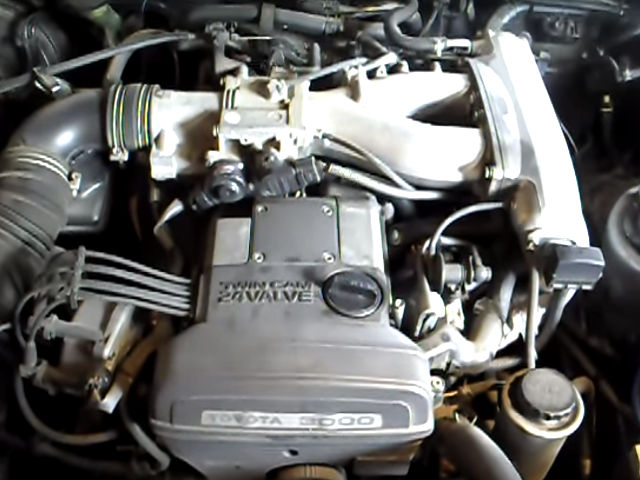
The iron engine block of the 2JZ is its most celebrated structural asset. Cast iron blocks provide superior rigidity and thermal stability compared to aluminium alternatives. The block resists warping, maintains precise cylinder bore dimensions over time, and provides a solid foundation for the cylinder head gasket seal. This structural integrity is a fundamental reason the 2JZ earns its reputation for almost unlimited durability.
Toyota’s engineering of the 2JZ-GE head gasket and cooling system is particularly noteworthy. Head gasket failure is a common mortality factor for many engines, yet the 2JZ-GE rarely suffers this issue under normal operating conditions. The generous coolant passages and robust gasket design handle the thermal cycles of everyday driving without degradation.
The inline-six configuration of the 2JZ-GE offers inherent primary and secondary balance that reduces vibration. Less vibration means less mechanical stress on bolted joints, gaskets, and precision-machined surfaces over a long service life. This smooth operation contributes to the engine maintaining its tolerances over very high mileage.
Toyota also fitted the 2JZ-GE with variable valve timing on intake camshaft in later versions, further improving combustion efficiency on standard fuel. This addition allowed the engine to extract additional efficiency from each combustion event, reducing the likelihood of any knock-related concerns even under demanding driving conditions.
Lexus IS300 and GS300 owners frequently report 250,000 to 350,000 miles on these engines with standard grade fuel and disciplined maintenance habits. The 2JZ-GE does not demand anything extraordinary from its owner beyond regular servicing. It stands as perhaps the most compelling evidence that conservative engineering decisions, applied consistently and with manufacturing precision, produce engines of genuinely exceptional and lasting quality.
Also Read: 10 Best Used Cars Under 10000 Dollars That Parents Can Actually Trust
