

Buying a used luxury SUV feels like a dream come true. You get the plush leather seats, the commanding road presence, and the prestigious badge all at a fraction of the original price. But here is the harsh truth nobody tells you at the dealership: the purchase price is often the cheapest part of owning one of these vehicles.
Luxury SUVs are engineered with complex systems, proprietary parts, and labor-intensive designs. When something goes wrong and it will go wrong you are not calling your neighborhood mechanic. You are calling a specialist who charges three times the rate, ordering parts that take weeks to arrive, and writing checks that make your stomach drop.
The depreciation curve on these vehicles is brutal. A $90,000 SUV drops to $25,000 in five years, and suddenly everyone thinks it is a bargain. What those buyers do not realize is that the engineering complexity did not depreciate at all. The air suspension still costs $4,000 to fix. The twin-turbocharged engine still demands premium everything. The infotainment system still requires dealer-level diagnostics.
This list covers ten used luxury SUVs that look like incredible deals on paper. In reality, they are financial traps waiting to spring. Read every word before you hand over that check.
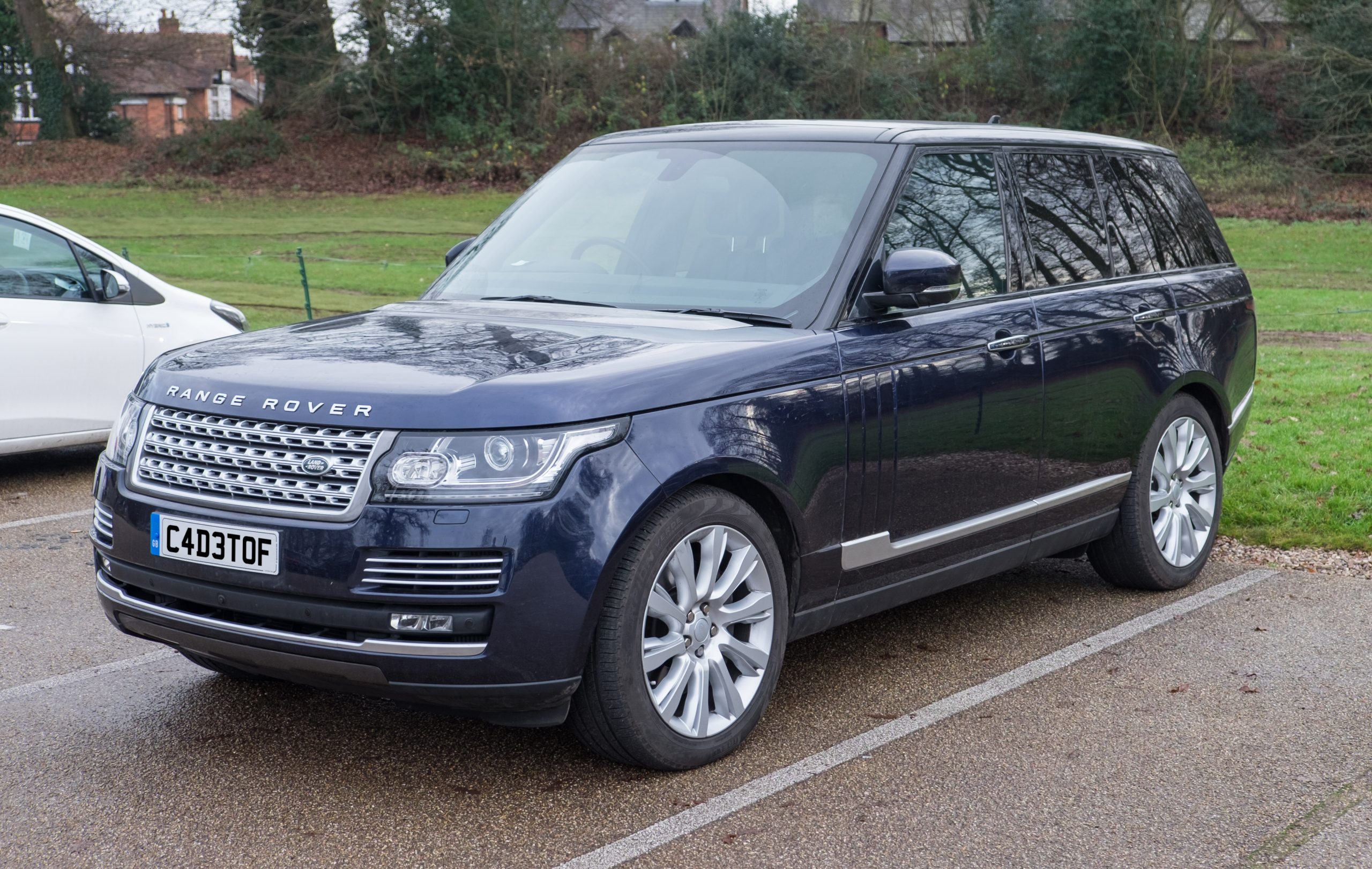
1. Range Rover (L405, 2013–2021)
The Range Rover is arguably the most desirable used luxury SUV on the planet. It is also arguably the most financially dangerous one you can buy.
The air suspension system on the L405 generation is where most owners first feel the pain. All four corners ride on air struts that can and do fail often all at once.
Replacing a single air spring at an independent shop runs between $800 and $1,200. Replacing all four, which is the recommended approach when one fails, can cost $4,000 to $6,000 including labor. Land Rover dealers charge significantly more.
The ZF eight-speed transmission, while buttery smooth when functioning properly, develops valve body issues and solenoid failures around the 70,000-mile mark. A full transmission rebuild or replacement sits firmly in the $5,000 to $8,000 range. Many owners discover this cost shortly after the warranty expires, which feels like a scheduled ambush.
The supercharged 5.0-liter V8 engine is a mechanical marvel with a very specific appetite for destruction. Timing chain tensioner failures are documented extensively across Range Rover forums. Left unaddressed, a tensioner failure becomes a full engine replacement conversation. That replacement conversation costs between $15,000 and $25,000 at a Land Rover dealer.
Oil consumption is another persistent issue. Many L405 owners report adding a quart of oil every 1,000 miles. This is not a catastrophic failure by itself, but it signals deeper wear that compounds over time. Neglecting it leads to accelerated bearing wear and eventual engine damage.
The electrical architecture is breathtaking in its complexity and infuriating in its failure modes. The Terrain Response system, the electronic air suspension controls, and the InControl infotainment platform all communicate through a web of modules. When one module develops a fault, it can trigger phantom warning lights across multiple systems. Diagnosing the root cause requires a Jaguar Land Rover-specific IDS diagnostic tool that independent shops rarely own.
Coolant system failures are another budget killer unique to this generation. The supercharged V8 runs extremely hot, and the cooling system components particularly the water pump and thermostat housing have documented failure rates above average. A water pump replacement on this engine requires significant disassembly and runs $1,500 to $2,500 in labor alone.
The final insult is parts pricing. Land Rover prices its genuine parts at luxury premiums, and aftermarket alternatives for many components simply do not exist at quality levels you would trust. You are largely captive to the dealer parts department or to expensive OEM suppliers.
A used 2016 Range Rover might cost you $35,000 at purchase. Budget another $8,000 to $15,000 in the first two years of ownership, and that is only if nothing catastrophic surfaces. Many owners have spent far more.
2. BMW X5 (F15, 2014–2018)
The BMW X5 F15 generation represents everything people love and fear about German luxury engineering. It is precise, powerful, and spectacularly expensive to maintain.
The N55 and N63 twin-turbocharged engines that power most F15 X5s are known for excessive oil consumption. The N63 in particular has been flagged by BMW itself, resulting in a customer care package that addressed some issues but only for vehicles still under warranty. Used buyers inherit the problem without the solution.
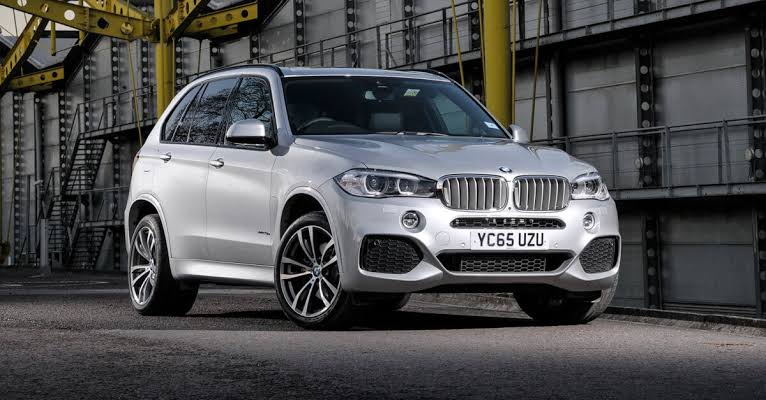
The air suspension option, fitted to many X5s in this generation, adds another layer of potential expense. Air strut failures are common around 80,000 miles. Converting to conventional coilover springs eliminates the problem but costs about $2,500. Repairing the air system properly costs more.
Fuel injector failures are a recurring complaint on turbocharged BMW engines. When injectors leak, fuel washes the cylinder walls, dilutes the oil, and damages piston rings. A full injector replacement runs $1,500 to $2,500, and if ring damage has already occurred, you are looking at a much larger repair.
The electronics package is extensive and occasionally temperamental. iDrive system glitches, failed head-up displays, and malfunctioning active cruise control systems all require dealer-level diagnostics. Many of these repairs fall outside the expertise of general mechanics.
Brake service on the X5 is significantly more expensive than on mainstream vehicles. The large-diameter rotors, multi-piston calipers, and electronic parking brake system make a standard brake job cost $800 to $1,500 per axle at a reputable shop.
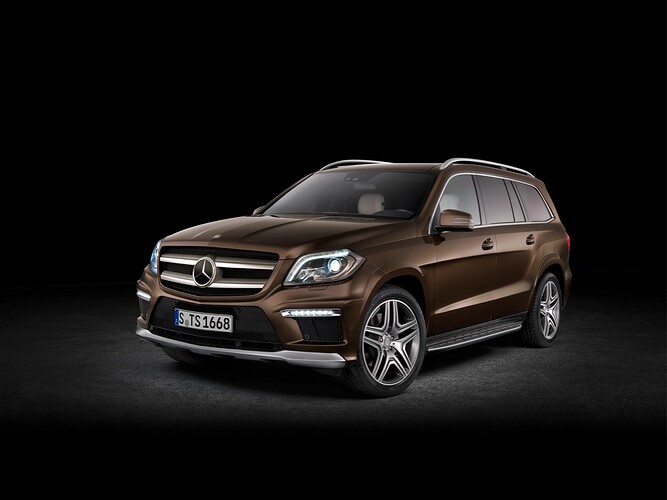
3. Mercedes-Benz GL-Class (X166, 2013–2016)
The Mercedes-Benz GL-Class offers an appealing proposition: full-size luxury SUV seating for seven, with a three-pointed star on the hood, at a used price that seems almost reasonable. Emphasize the word “seems.”
The AIRMATIC air suspension system fitted to the GL-Class is the first major financial concern for prospective buyers. Air strut failures on the X166 are widespread, particularly in cold climates where temperature cycling accelerates rubber diaphragm degradation.
Replacing all four struts at a Mercedes dealer costs between $5,000 and $8,000. Independent shops charge less, but finding one with genuine AIRMATIC expertise is difficult.
The BlueTEC diesel engines fitted to many GL350 models have their own expensive issues. The exhaust gas recirculation system, the diesel particulate filter, and the AdBlue injection system all require periodic maintenance and occasional replacement. A clogged DPF requires either a professional cleaning ($500–$800) or replacement ($2,500–$4,000). EGR valve replacements run $800 to $1,500.
The 7G-Tronic transmission is generally reliable, but “generally” is doing significant work in that sentence. When it develops issues and heavily loaded X166s do develop transmission issues the repair costs are substantial. A valve body replacement runs $2,000 to $3,500. A full rebuild runs $5,000 to $8,000.
Panoramic sunroof failures are disproportionately common on this generation. The drain tubes clog, directing water into the headliner and electrical modules. Water damage repairs on a GL-Class interior are extraordinarily expensive easily $3,000 to $10,000 depending on what gets saturated.
The ABC (Active Body Control) hydraulic suspension system, fitted to sportier GL variants, is a engineering triumph that becomes a financial nightmare at high mileage. Hydraulic pump failures, accumulator failures, and strut leaks are all documented and all expensive. A full ABC system repair can exceed $10,000 at a Mercedes dealer.
Wiring harness issues plague high-mileage examples. The complex electronics network that controls everything from the seat adjusters to the adaptive cruise control develops intermittent faults that are maddeningly difficult to diagnose. Labor charges accumulate rapidly while technicians chase gremlins through pages of wiring diagrams.
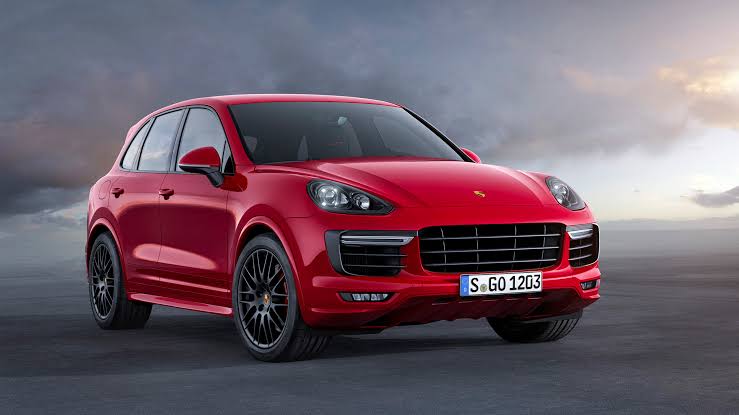
4. Porsche Cayenne (958, 2011–2018)
The Porsche Cayenne is the SUV that made other manufacturers realize premium buyers would accept anything from the right brand. It is also a vehicle that will charge you Porsche prices for every single repair.
The V6 and V8 engines in the 958 Cayenne are fundamentally shared with Volkswagen and Audi platforms, which sounds like it should mean affordable parts. It does not. Porsche charges premium prices for identical components, and many shops insist on Porsche-specific parts for warranty and liability reasons.
The transfer case and all-wheel drive system on high-mileage Cayennes develop chain wear and differential issues. A transfer case rebuild runs $3,000 to $5,000. This is not a question of if on a high-mileage example it is a question of when.
Air suspension failures follow the same pattern seen across every luxury SUV on this list. Air springs on the Cayenne cost $900 to $1,500 each at dealer pricing, and the compressor that maintains system pressure costs another $1,200 to $2,000 to replace. The compressor typically fails not long after one of the struts develops a slow leak the compressor overworks itself trying to compensate and burns out.
Coolant pipes and hoses on the Cayenne V8 are routed through and around the engine in complex configurations. They are made from materials that degrade around the 80,000-mile mark.
Replacing the coolant pipe network is a half-day labor job that runs $1,000 to $2,000 in labor alone. Neglecting cracked coolant lines leads to overheating, which leads to head gasket failures, which leads to conversations you do not want to have.
Brake service on the Cayenne, especially models equipped with Porsche Ceramic Composite Brakes (PCCB), is jaw-dropping. Standard steel rotors run $400 to $700 each. Ceramic rotors which look beautiful and cannot be used with conventional pads run $3,000 to $5,000 per axle. Check what braking system is fitted before you buy.
The PCM infotainment system and associated electronics are Porsche proprietary. Dealer diagnostics are essentially mandatory for any significant electrical fault. Each diagnostic session runs $200 to $400, and that is before any actual repairs begin.
Also Read: 10 Best Vehicles for Digital Nomads With Massive Battery Inverters
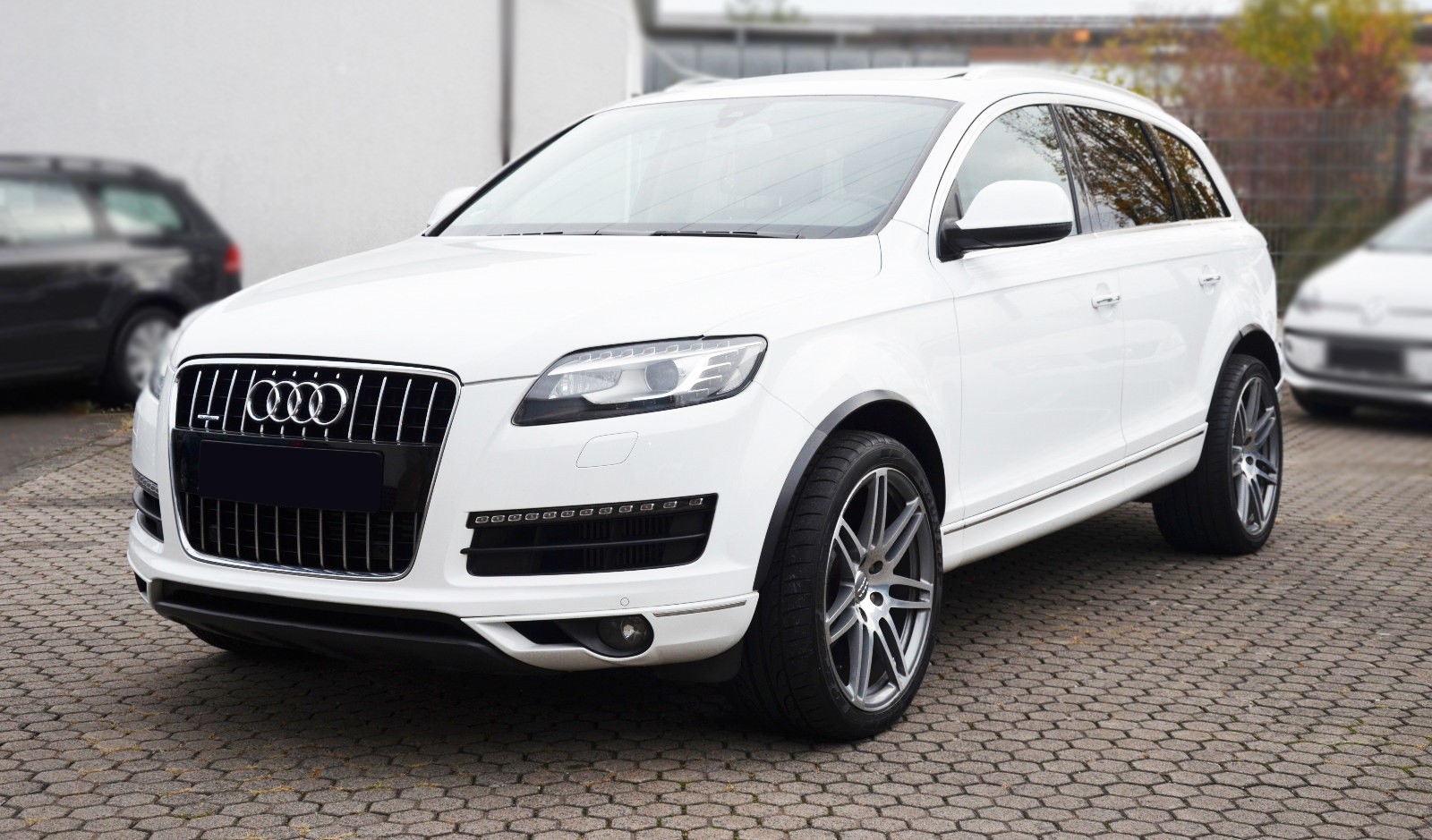
5. Audi Q7 (4L, 2007–2015)
The original Audi Q7 is a three-row luxury SUV built on the Volkswagen Touareg platform and sold at a significant price premium. At used prices, it attracts buyers looking for Audi prestige on a budget. What they find instead is a masterclass in German complexity.
The air suspension Audi calls it Adaptive Air Suspension is the most predictable source of expensive repairs. Air springs on the 4L Q7 have a documented failure rate that practically guarantees at least one replacement in any used example with significant mileage.
A complete four-corner air suspension rebuild runs $4,000 to $7,000. Many owners convert to conventional springs for around $2,000 and never look back. The 3.0 TFSI supercharged engine sounds sporty and performs well until the carbon buildup on intake valves reaches a critical level. Direct injection engines do not wash the intake valves with fuel, allowing carbon deposits to accumulate.
A professional walnut blasting service costs $600 to $900 and needs repeating every 40,000 to 60,000 miles. This is a maintenance item unique to direct injection engines that most buyers do not anticipate.
The timing chain system on the 3.0 TFSI has documented stretch issues. When the chain stretches beyond tolerance, the engine management system flags codes and performance suffers. A timing chain replacement on the Q7 requires substantial teardown and costs $3,000 to $6,000.
Differential and transfer case issues are significant on high-mileage Q7s. The rear differential in particular develops bearing wear and seal failures around 100,000 miles. A rear differential rebuild runs $2,000 to $3,500. A replacement differential from Audi costs significantly more.
The MMI infotainment system in first-generation Q7s is old technology by current standards, but it is still Audi proprietary technology. Screen failures, control unit failures, and navigation system issues all require Audi-specific expertise and parts. A replacement MMI unit can cost $1,500 to $3,000 for the hardware alone.
Brake service is expensive and frequent given the Q7’s substantial curb weight. The large rotors and calipers required to stop nearly three tons of luxury SUV wear out faster than comparable equipment on lighter vehicles.
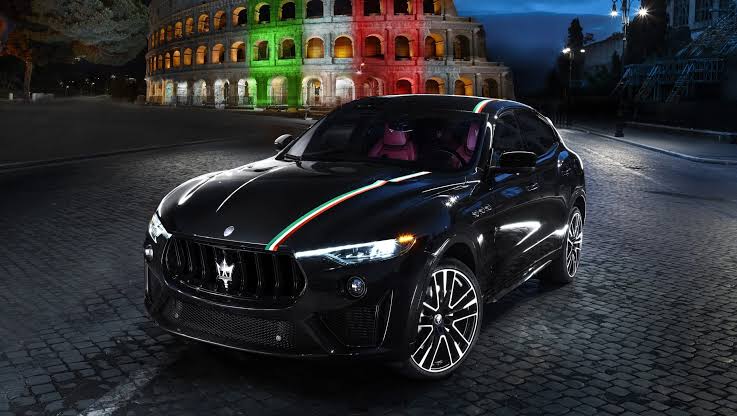
6. Maserati Levante
The Maserati Levante is perhaps the most emotionally seductive SUV on this list. The exhaust note alone could justify the purchase for certain buyers. The repair bills cannot be justified by anything rational.
Maserati dealer networks are sparse. In many cities, the nearest authorized Maserati service center is hours away. This geographic reality means that any serious repair requires either a long tow or a long drive, followed by a wait for parts that may take weeks to arrive from Italy.
The twin-turbocharged V6 and V8 engines are derived from Ferrari technology, which sounds glamorous until you learn that Ferrari-derived technology requires Ferrari-adjacent pricing to maintain.
A timing belt service on the Levante V6 a service that must be performed on schedule runs $2,500 to $4,000. Missing this service can result in catastrophic engine failure, turning a $2,500 expense into a $20,000 engine replacement.
The ZF eight-speed transmission is reliable in many applications, but in the Levante, it operates in a context of higher-than-average service demands and dealer-dependent calibration. Any transmission software updates or adaptive resets must be performed at a Maserati dealer.
Air suspension failures on the Levante follow the same pattern as every other luxury SUV on this list, but with Maserati-level parts pricing. Individual air springs cost $1,500 to $2,500 each. A full suspension overhaul can exceed $10,000 at dealer rates.
Electrical gremlins are a consistent complaint from Levante owners. The integration between the Italian electronics platform and the ZF transmission, Bosch braking systems, and various continental suppliers creates diagnostic complexity that stumps even experienced European car specialists. Only Maserati-trained technicians with the specific STAR diagnostic system can access all fault codes.
Depreciation on the Levante is catastrophic, which is what makes used examples appear so attractive. A $90,000 Levante from 2018 might sell for $28,000 today. The maintenance costs did not depreciate with it.
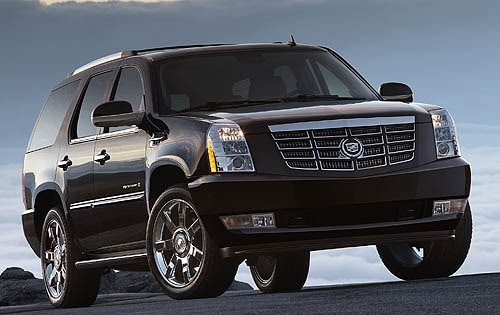
7. Cadillac Escalade (GMT900, 2007–2014)
The Cadillac Escalade is a cultural icon. It is also a GMT900 platform truck wearing a formal suit, and while that platform is more mechanically straightforward than the European entries on this list, the Escalade has its own expensive quirks.
The magnetic ride control suspension system, standard on most Escalades, uses magnetorheological fluid dampers that require specialized replacement.
Each shock absorber costs $800 to $1,200 at dealer pricing. Replacing all four at once which is advisable given their shared age and mileage runs $4,000 to $6,000 including labor.
The 6.2-liter V8 engine is fundamentally sound but develops active fuel management (AFM) system failures with discouraging regularity. The AFM system collapses cylinder count during light-load driving to save fuel.
When the system fails, it takes lifters, pushrods, and sometimes camshafts with it. An AFM-related engine failure runs $4,000 to $9,000 to repair properly. Many owners disable AFM immediately through aftermarket tune to prevent the failure mode entirely.
Active fuel management failures are often preceded by excessive oil consumption, a warning sign that many owners misread as normal for a high-displacement engine. By the time the lifter noise becomes undeniable, significant internal damage has often already occurred.
The transmission in early GMT900 Escalades is a 4L70-E that handles the torque adequately but shows wear on high-mileage examples. Rebuilt transmissions run $2,500 to $4,500. This generation also has documented intermediate shaft bearing failures that can destroy the transmission suddenly and without much warning.
Air conditioning evaporator failures are disproportionately common on this generation. Replacing the evaporator requires complete dashboard removal, which is a two-day job at any shop. Labor alone runs $1,200 to $2,000, and the part is another $400 to $600. Total bill: $1,600 to $2,600 for something that should cost $400 on a mainstream vehicle.
Entertainment system and electrical issues accumulate with age. The Navigation Radio unit fails regularly, and OEM replacements are priced accordingly. The rear entertainment system, with its integrated screens and disc players, is an older technology platform that is expensive to repair and impossible to upgrade without significant modification.
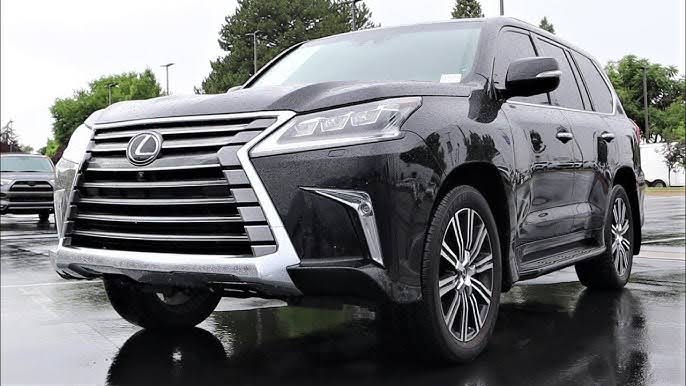
8. Lexus LX 470/570
Lexus built its reputation on Toyota reliability. The LX series leverages Land Cruiser underpinnings genuinely one of the most durable vehicle architectures ever engineered. So why is it on this list? Because when an LX does have problems, the Lexus premium pricing structure applies to every repair.
The hydraulic height control suspension system on the LX 470 is the most common source of expensive repairs. Height control actuators, the hydraulic pump, and the accumulator all wear out on high-mileage examples.
A complete suspension overhaul costs $3,000 to $6,000. This is not a question of mechanical complexity but of parts pricing the same Toyota Land Cruiser components are significantly cheaper when ordered through Toyota channels.
The 4.7-liter V8 in the LX 470 is enormously durable but requires timing belt replacement every 90,000 miles. This is not a catastrophic repair, but it is a significant one at $1,200 to $1,800. Neglecting it converts a scheduled maintenance item into a $10,000-plus engine replacement.
Fuel injector cleaning and replacement become necessary around 120,000 miles on many LX 470s. The V8’s eight injectors, when replaced with genuine Lexus parts, run $150 to $250 each. The complete service with cleaning and labor runs $1,500 to $2,500.
The LX 570 introduced a more complex air suspension system and a 5.7-liter V8 with more modern fuel management technology. Air suspension components on the 570 follow the same failure patterns as every other luxury SUV on this list, but the Toyota reliability engineering means they tend to last longer before failing. When they do fail, Lexus parts pricing applies not Toyota parts pricing, despite the shared components.
Differential service on the LX series is more involved than on most SUVs due to the mechanical center differential and available locking rear differential. Complete drivetrain fluid service runs $600 to $900 at a Lexus dealer expensive for a fluid change, but necessary on any example used for genuine off-road driving.
9. Volkswagen Touareg V8 (2004–2010)
The first-generation Volkswagen Touareg is the mechanical foundation under the Porsche Cayenne, the Audi Q7, and its own successors. It is also one of the most complex vehicles Volkswagen ever produced and Volkswagen charged Volkswagen prices, not Porsche prices, which is why used examples attract buyers expecting budget European luxury.
The air suspension on the first-gen Touareg is a system of genuine engineering ambition and genuine maintenance expense. Air springs, compressors, and ride height sensors all require periodic replacement. Parts are moderately priced but labor is intensive given the platform complexity. A full suspension overhaul runs $3,000 to $5,000.
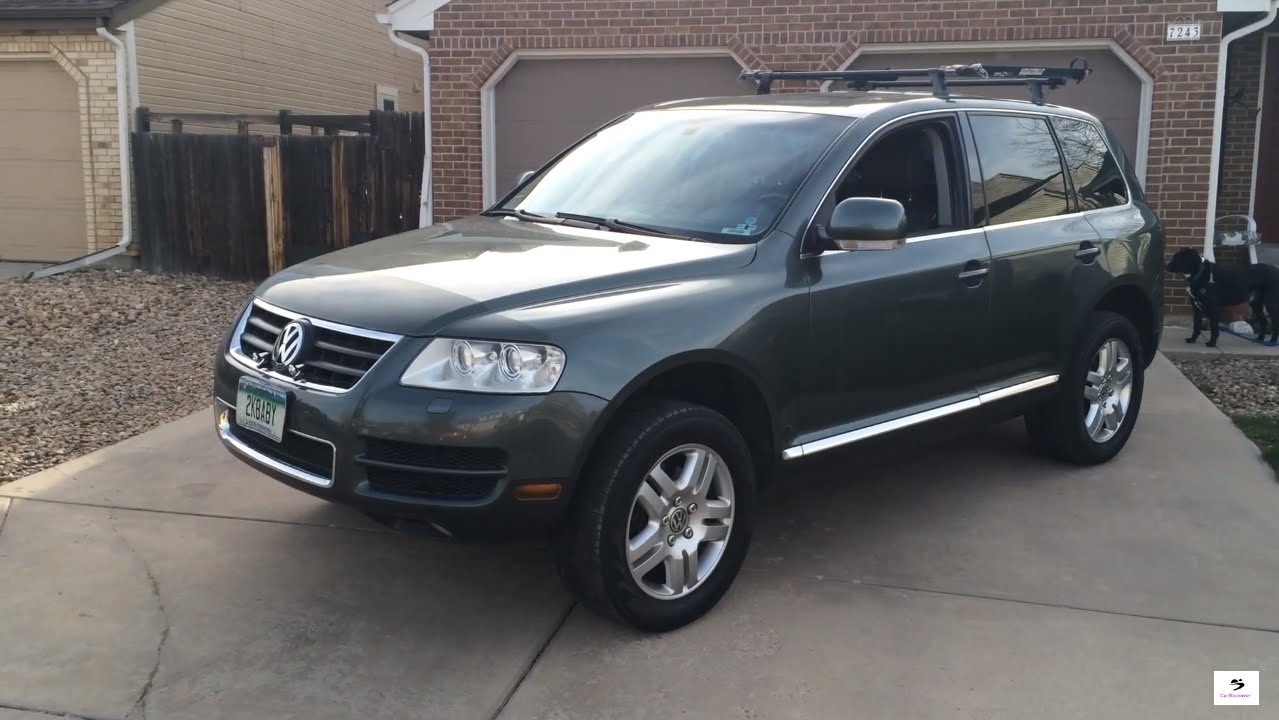
The V8 engine in the Touareg is a 4.2-liter unit that develops timing chain stretch, cam follower wear, and oil consumption issues with regularity. The timing chain service requires dropping the engine the same procedure as in the Cayenne with the same price tag of $5,000 to $8,000.
The transfer case on the Touareg has documented chain wear issues. Replacement transfer cases are not cheap, and the labor to access and replace the unit is substantial. Budget $2,500 to $4,500 for a transfer case repair on a high-mileage example.
Coolant pipe failures plague the Touareg V8 in the same way they affect its Porsche sibling. Plastic coolant pipes routed through the valley of the V8 crack with age, leak coolant onto hot engine components, and trigger overheating conditions. A coolant pipe replacement is around $1,500 in labor before parts.
The sunroof drainage system clogs reliably, saturating interior modules and creating electrical faults that are difficult to trace. Interior water damage on a Touareg can run $2,000 to $8,000 depending on severity and what electronics were affected.
10. Infiniti QX80
The Infiniti QX80 is based on Nissan’s Patrol/Armada platform a large, body-on-frame SUV architecture that is conceptually simpler than most European rivals. Conceptually. In practice, the QX80 layers Infiniti-level complexity onto that platform and charges Infiniti-level prices for every service interaction.
The 5.6-liter V8 is a fundamentally solid engine but consumes oil at rates that many owners find alarming. Consumption of a quart per 1,500 miles is not uncommon on higher-mileage examples. Sustained oil consumption at that rate without diligent monitoring leads to bearing wear and eventual engine failure. A replacement 5.6-liter V8 runs $8,000 to $14,000 installed.
The hydraulic power steering system develops rack and pinion leaks on high-mileage QX80s with frustrating frequency. A rack replacement runs $1,500 to $2,500. The steering column intermediate shaft also develops clunking noises around 80,000 miles, a $600 to $1,000 repair that owners frequently describe as too expensive for what feels like a minor issue.
Brake service on the QX80 is expensive relative to its truck-based architecture. The large rotors and calipers required to manage the QX80’s 5,800-pound curb weight wear quickly in stop-and-go urban conditions. A complete brake job front and rear runs $1,500 to $2,500.
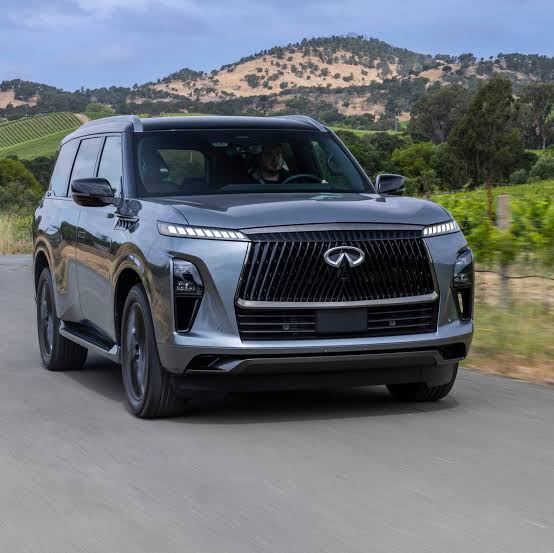
The BOSE audio system, fitted to most QX80 trims, develops amplifier failures around 100,000 miles. Replacing the amplifier with a genuine Infiniti unit costs $800 to $1,500. The navigation system and Around View Monitor camera system also develop age-related failures that require dealer-level programming to resolve.
Transmission service on the QX80’s seven-speed automatic is frequently neglected by used car buyers who are not aware that Infiniti recommends fluid changes every 60,000 miles. Neglected transmissions on high-mileage QX80s develop harsh shifting and torque converter issues. A transmission rebuild runs $4,000 to $7,000.
The final caution on any QX80 is the frame inspection. Body-on-frame SUVs used in snowy, salt-treated regions develop frame corrosion that is invisible until the vehicle is on a lift. Severe frame corrosion can render a QX80 structurally unsafe and economically irreparable a total loss scenario with no warning signs visible at ground level.
Also Read: 5 Future Tech Features That Will Make Your Current Car Look Ancient
