
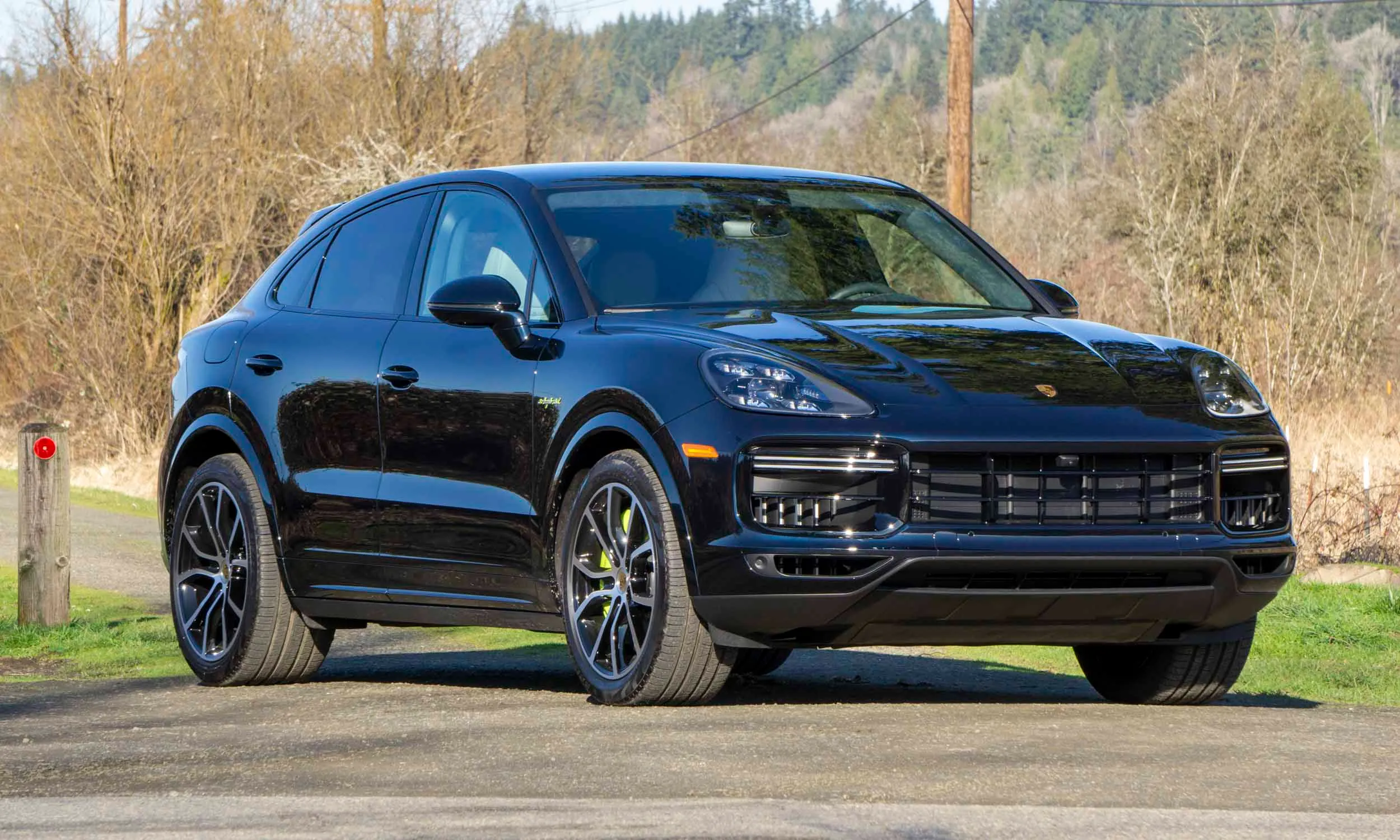
Air suspension systems were once reserved exclusively for luxury limousines and high-end flagship vehicles. Over the decades, automakers expanded this technology across a wide range of cars, trucks, and SUVs promising smoother rides, adjustable ride heights, and a premium driving experience. On paper, air suspension sounds like a dream. In reality, for many owners, it quietly becomes one of the most expensive regrets of their automotive lives.
Unlike traditional coil or leaf spring setups, air suspension relies on a complex network of air compressors, airbags, height sensors, control modules, and solenoid valves. Every single one of those components can and eventually will fail. When they do, repair bills can climb into the thousands of dollars without warning.
The problem is not just the cost of parts. It is the labor intensity, the proprietary software required for diagnosis, and the scarcity of affordable aftermarket solutions. Many owners discover the true cost of air suspension only after their warranty expires and the first compressor dies on a cold morning.
This article examines ten vehicles whose air suspension systems have earned a particularly notorious reputation for draining owner wallets. These are not bad vehicles by any measure many are genuinely excellent machines. But their air suspension systems deserve serious financial consideration before purchase.
1. Land Rover Range Rover (2003–Present)
The Range Rover is arguably the most iconic luxury SUV ever built. It offers a commanding road presence and a genuinely sophisticated interior. However, its air suspension system has made it one of the most financially punishing vehicles to own outside of warranty.
The Range Rover’s Electronic Air Suspension (EAS) system controls ride height across multiple terrain modes. It uses air springs at all four corners along with a central compressor and a complex network of sensors. The system is impressively capable when everything works. The trouble is that “everything working” is not a state that lasts very long.
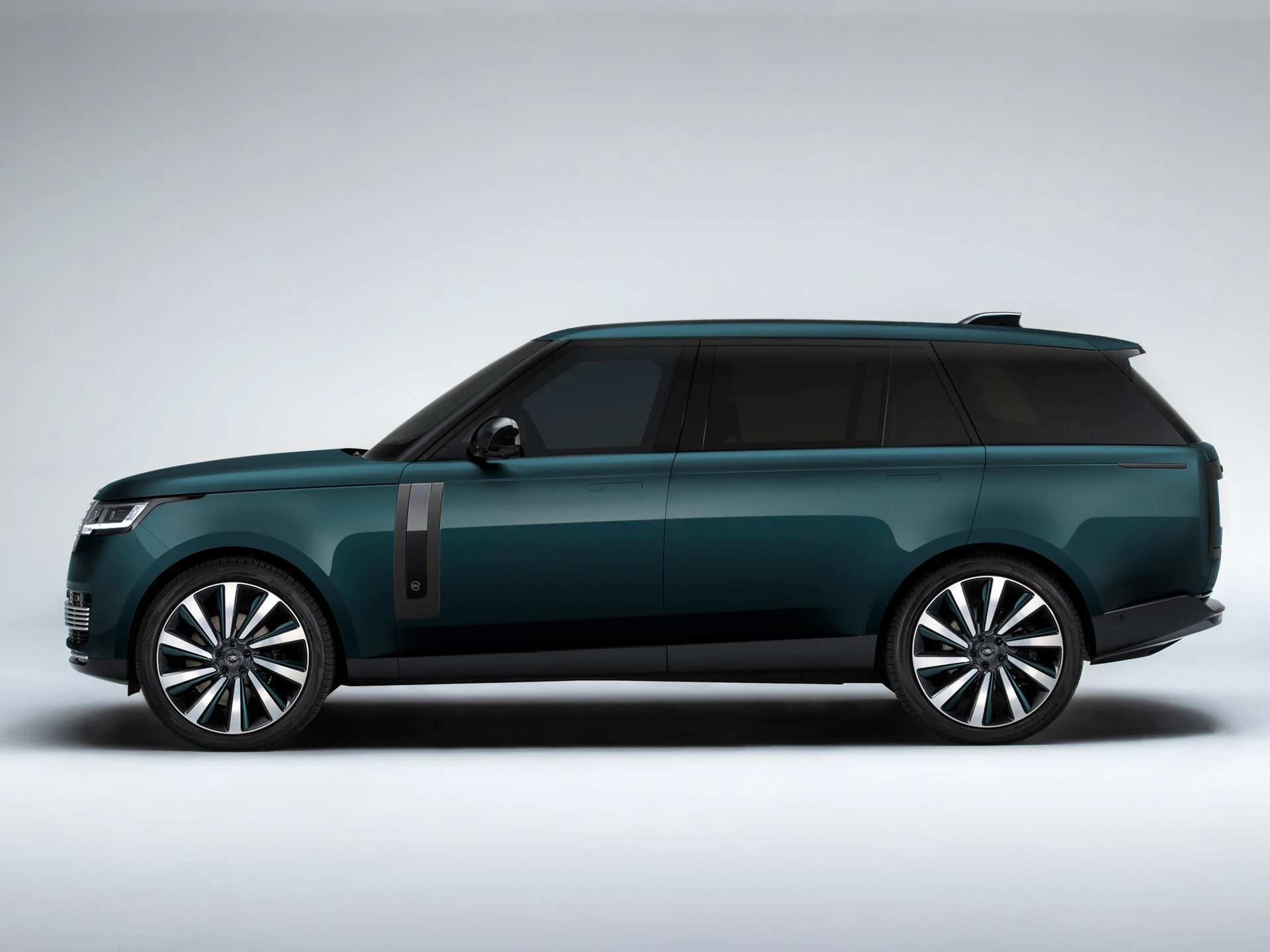
Compressor failure is among the most common complaints. The compressor runs frequently to maintain correct ride height and is prone to burning out, particularly in colder climates. A genuine Land Rover replacement compressor costs upward of $800. With labor charges from a Land Rover dealer, owners often face bills exceeding $1,500 for this single repair.
Air springs themselves are another recurring weak point. Each air spring can cost between $400 and $700 for a genuine part. When one fails and in older Range Rovers, they tend to fail in sequence the vehicle will sag noticeably at one corner or sit entirely on the bump stops. Driving in this condition accelerates damage to other components.
The height sensors are small but surprisingly expensive to replace. A failed sensor causes the system to misread ride position, triggering fault codes and preventing the suspension from functioning correctly. Sensor replacement typically runs between $300 and $600 per corner at a dealership.
Control module failures add another layer of financial pain. The air suspension ECU communicates with the vehicle’s broader electronic architecture. When it fails, diagnosis alone requires Land Rover’s proprietary IDS software. Independent shops without that software cannot reliably repair the vehicle, which pushes owners back toward dealerships.
Older Range Rovers from the 2003–2012 generation are especially vulnerable. Rubber air spring components degrade with age, moisture gets into air lines, and compressor seals fail. It is not uncommon for a 10-year-old Range Rover to require $3,000 to $5,000 in air suspension repairs.
Many owners eventually convert to aftermarket coilover kits. Companies like Arnott and Strutmaster offer conversion kits ranging from $500 to $1,500. This eliminates the air suspension entirely and replaces it with traditional spring-based components. It sacrifices the adjustable ride height but delivers long-term peace of mind. For many owners, it is the only financially rational solution.
The Range Rover remains a spectacular vehicle in many respects. But prospective buyers should budget seriously for suspension maintenance, especially when purchasing used examples outside of their certified pre-owned coverage.
2. BMW 7 Series (E65/E66, 2002–2008)
The BMW 7 Series has always positioned itself as a technology showcase. The E65 and E66 generation, designed by Chris Bangle, pushed that philosophy aggressively. Optional air suspension was part of the package on higher-spec models, and it remains one of the most expensive ownership headaches associated with this generation.
The system uses air struts at the rear axle combined with conventional coil springs at the front on many configurations. This partial air suspension setup aimed to improve ride comfort without the full complexity of a four-corner air system. Despite being a simpler arrangement than some competitors, it proved remarkably costly to maintain.
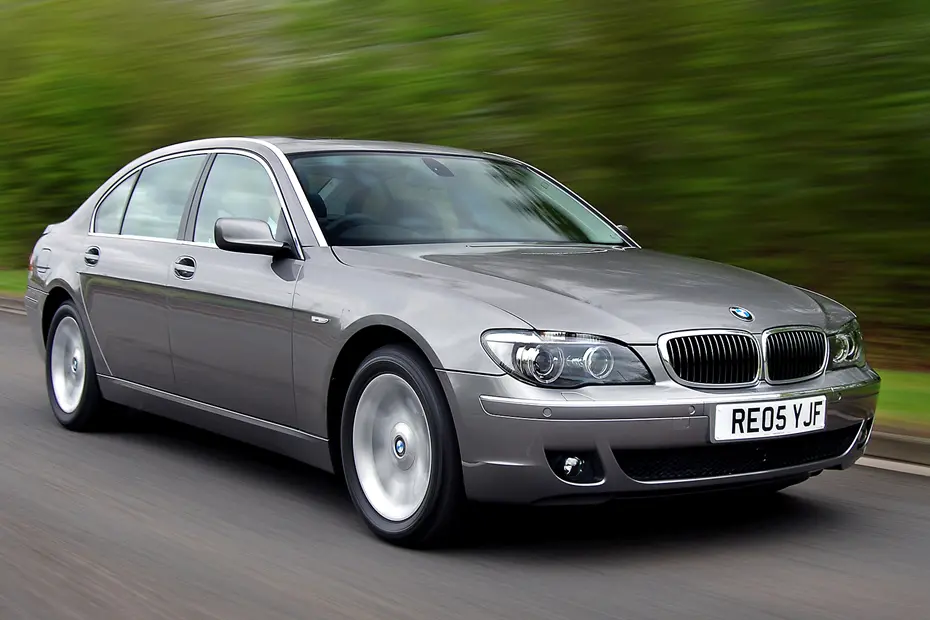
Rear air strut failure is the primary complaint. The struts on the E65/E66 are not cheap components. Genuine BMW parts can cost over $1,200 per strut. When both rear struts fail which they often do in close succession owners face bills approaching $3,000 or more including installation.
The compressor on this generation 7 Series is also prone to failure. It works overtime trying to compensate for leaking struts or degraded air lines. Running a struggling compressor for extended periods causes it to burn out prematurely. Replacement compressors typically cost between $600 and $1,000 for quality aftermarket units.
Electrical issues compound the mechanical problems. The E65 generation is already notorious for iDrive system faults and numerous electronic gremlins. The air suspension control module can trigger fault codes that mimic other suspension-related problems, making accurate diagnosis challenging. Misdiagnosis at an independent shop is frustratingly common with these vehicles.
Depreciation on the E65 7 Series has been severe. Many examples can be purchased for under $10,000 today. This creates a dangerous financial trap buyers acquire a vehicle cheaply without realizing the air suspension may be approaching complete failure. A $6,000 car requiring $4,000 in suspension work quickly becomes a difficult financial decision.
Aftermarket solutions exist but are more limited than those available for Range Rovers or Mercedes-Benz products. Arnott offers replacement rear air struts at more affordable prices than OEM parts. Full conversion kits to traditional springs are also available, though some owners report minor ride quality changes after conversion.
The E65 7 Series is a genuinely rewarding car to drive when properly maintained. Its air suspension, when functioning correctly, delivers an effortlessly smooth ride quality. The critical word is “when.” For buyers on tight budgets, the word “when” carries enormous financial risk.
3. Mercedes-Benz S-Class (W220, 1999–2006)
The W220 S-Class redefined luxury sedan benchmarks when it launched. Its AIRMATIC air suspension system was part of what made this generation so impressive. It also became one of the most discussed air suspension failures in automotive history.
AIRMATIC uses air springs at all four corners combined with adaptive damping. The system monitors road conditions continuously and adjusts accordingly. When new, the ride quality of the W220 S-Class was genuinely extraordinary. As these cars aged, the AIRMATIC system began earning a reputation that frightens even experienced mechanics.
Air spring failure is the most common issue. The original Contitech air springs used on W220 models are notorious for cracking at the rubber bellows. Once cracked, the spring deflates and the car sinks at that corner. A single OEM air spring costs between $400 and $700. Replacing all four which most experienced technicians recommend doing simultaneously can cost $2,500 or more including labor.
The AIRMATIC compressor on the W220 is positioned in a location that makes it vulnerable to water ingress. Water enters through the intake filter and causes internal corrosion and premature failure. A quality replacement compressor costs between $400 and $700, but labor charges at a Mercedes dealer add significantly to the total.
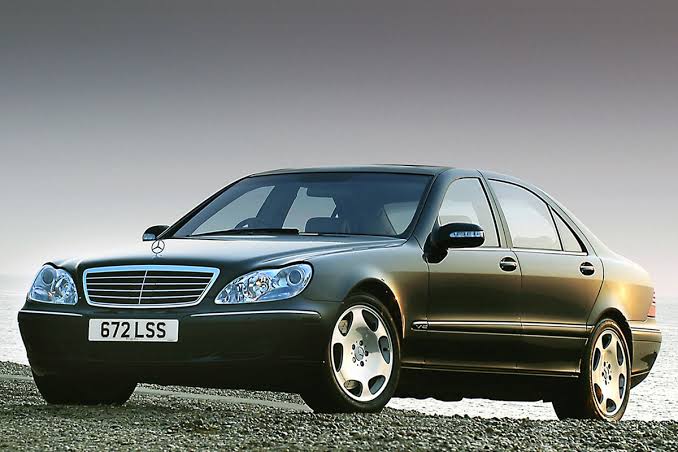
Front air spring mounting points are a specific W220 weak point. The strut mount design allows moisture to accumulate, accelerating rubber degradation. Front strut replacements on this model are considerably more labor-intensive than rear replacements, which raises repair costs further.
The CDC (Continuous Damping Control) system works in conjunction with AIRMATIC. When CDC sensors fail, they can create confusing fault codes that intermix with AIRMATIC faults. Sorting out which system is actually malfunctioning requires careful diagnosis. Shoddy diagnostic work leads to unnecessary part replacements and escalating bills.
W220 S-Class values have dropped dramatically. Excellent examples with documented service history can be found for $5,000 to $10,000. This tempts budget-minded buyers who want a prestigious vehicle at an accessible price. What they often receive alongside the prestige is an aging AIRMATIC system that is already partway through its failure cycle.
Conversion kits to standard coilover setups are available and increasingly popular. Many W220 owners who have converted report no meaningful loss in daily ride comfort and a significant reduction in maintenance anxiety. For anyone purchasing a high-mileage W220, a conversion budget should be planned from the moment of purchase.
4. Volkswagen Touareg (2004–2010, First Generation)
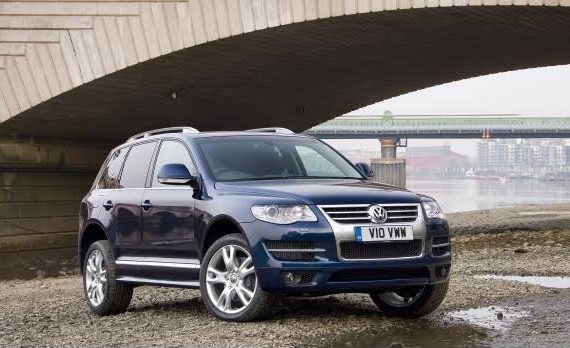
The first-generation Volkswagen Touareg was a remarkably ambitious vehicle. It shared its platform with the Porsche Cayenne and introduced levels of off-road capability and luxury that the Volkswagen brand had never previously offered. Optional air suspension was part of its sophisticated character. It was also the beginning of expensive trouble for many owners.
The Touareg’s air suspension system offers adjustable ride height with multiple settings. It works impressively well in normal operation and genuinely improves the vehicle’s off-road performance. The problem is that the system uses components that do not age gracefully.
Compressor failure rates on the first-generation Touareg are high. The compressor is tasked with maintaining pressure across four air springs and has to work harder as springs develop micro-leaks over time. Replacement compressors from genuine Volkswagen suppliers are expensive, and many aftermarket alternatives have poor reliability reputations.
Air spring failure is frequent in examples over ten years old. Cold weather accelerates rubber degradation in the air spring bellows. Touaregs in northern climates tend to develop air spring issues significantly earlier than those in temperate regions. When one spring fails, owners should budget for all four, as the remaining springs are typically at a similar stage of wear.
Electrical fault codes related to the air suspension are notoriously difficult to interpret on first-generation Touaregs. The system uses Volkswagen’s proprietary CAN bus architecture. Proper diagnosis requires VCDS or similar specialized diagnostic software. Many general repair shops lack either the software or the experience to work on these systems confidently.
Height sensor failures create additional complications. A single faulty height sensor can prevent the entire air suspension system from operating correctly. The sensor itself is not hugely expensive, but identifying which sensor has failed without proper diagnostic equipment often leads to unnecessary replacements.
Porsche Cayenne parts compatibility offers some relief. Since the Cayenne shares its platform, owners sometimes find better pricing on Cayenne-branded components that are mechanically identical to Touareg parts. This minor advantage does not significantly alter the cost picture, but it provides more sourcing options.
First-generation Touaregs have depreciated heavily. Purchasing one for under $8,000 is straightforward. The air suspension repair potential, however, can easily consume that entire purchase price. Buyers should insist on a full air suspension inspection from a specialist before any purchase.
Also Read: 8 Reasons to Avoid First Generation Tech in Brand New 2026 Models
5. Cadillac Escalade (2003–2006, Second Generation)
The Cadillac Escalade represents American luxury at its most dramatic. The second-generation model introduced Magnetic Ride Control on higher trims and offered Autoride air suspension on some configurations. What it also offered, though less prominently advertised, was a suspension system with a talent for expensive failures.
The Escalade’s rear load-leveling air suspension is the primary area of concern. Unlike full four-corner systems, the Escalade uses air components at the rear to maintain level ride height under varying loads. This sounds straightforward, but the components involved have shown a disappointing track record for longevity.
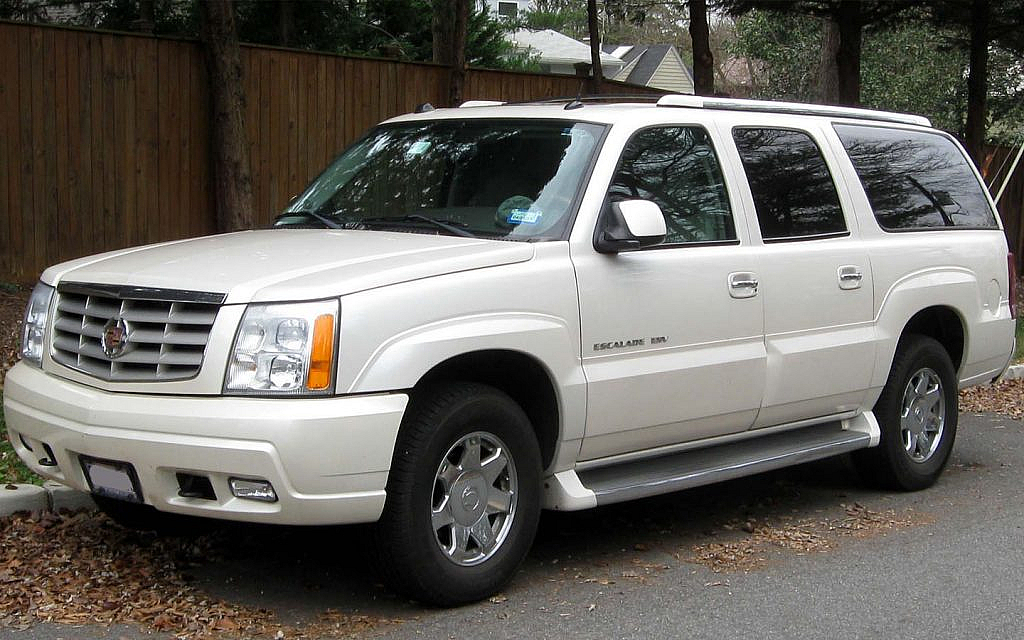
Rear air spring failure is the most reported problem. The air springs on this generation Escalade typically begin developing leaks between 80,000 and 120,000 miles. Given how many second-generation Escalades have been driven well beyond those mileage figures, the majority of surviving examples are approaching or past that threshold. Replacement air springs from AC Delco cost approximately $300 to $500 per unit.
The compressor on the rear system is another common failure point. Escalade compressors are known to struggle in cold weather and tend to fail when air springs develop leaks and force the compressor to run continuously. A quality replacement compressor runs between $300 and $600. Labor for compressor replacement on the Escalade is moderately intensive due to its location within the vehicle.
Ride height sensors tied to the rear system can generate fault codes that affect the vehicle’s broader electronic systems. A rear suspension fault can trigger warning messages that appear unrelated to the suspension itself. This confuses owners and sometimes leads to unnecessary diagnostic expenditure at dealerships.
Second-generation Escalades are popular used vehicle purchases. Their combination of size, presence, and relatively affordable pricing creates broad appeal. Many buyers do not research suspension maintenance requirements before purchasing. The result is an unpleasant surprise when the rear air suspension fails within months of ownership.
Aftermarket air spring replacements from companies like Monroe and Arnott are available at lower price points than OEM components. Quality varies significantly between brands. Installing substandard air springs only delays an inevitable repeat repair, making initial quality the more economical choice.
The Escalade remains a compelling vehicle for those who want American luxury SUV character. But suspension maintenance budgets should be factored firmly into any used purchasing calculation.
6. Audi A8 (D3 Platform, 2004–2010)
The Audi A8 occupies a prestigious position in the automotive world. Its all-aluminum space frame construction and quattro all-wheel drive system set it apart from competitors. Air suspension, branded as Audi Air Suspension, was standard on most A8 configurations. It delivers an exceptional ride in working order and delivers exceptional repair bills when it is not.
The D3 A8’s air suspension uses air springs at all four corners with continuously variable damping. The system communicates with the vehicle’s MMI interface and can be adjusted through different drive modes. It is genuinely impressive technology from the mid-2000s. It is also aging technology, and aging air suspension components are consistently expensive.
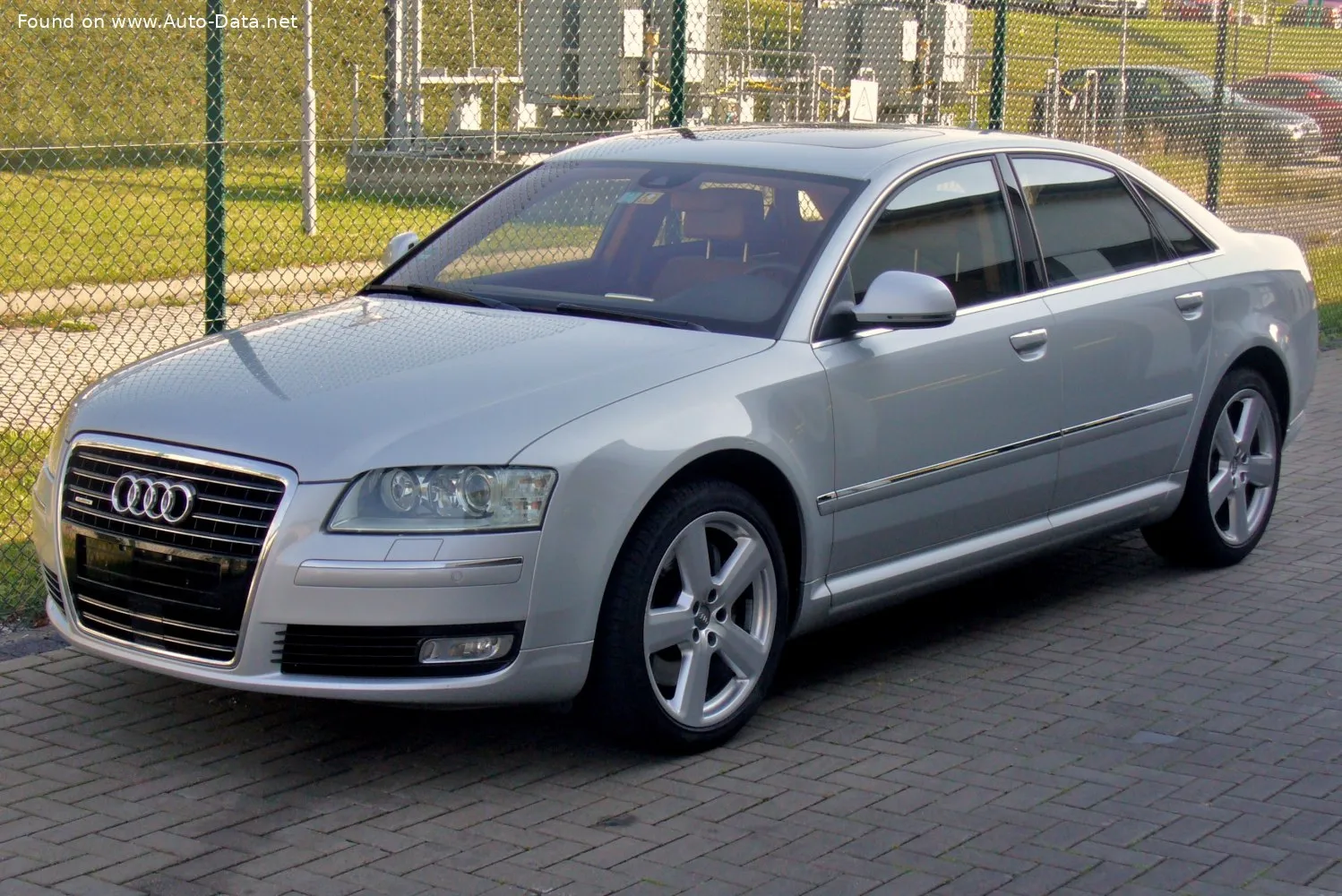
Front air spring failure is common in D3 A8 examples over 100,000 miles. The front strut configuration on the A8 is complex. The air spring sits around the damper in a way that complicates replacement compared to simpler rear-spring configurations. Front air strut replacement on an A8 at an Audi dealer can cost over $2,000 per corner including parts and labor.
The air suspension compressor on D3 A8 models has a moderate but noteworthy failure rate. When it fails, the vehicle sits on its bump stops and will not move safely until repaired. An OEM Audi compressor assembly costs upward of $900. Aftermarket alternatives from reputable suppliers like Arnott offer meaningful savings.
Level control sensors on the D3 A8 fail with relative frequency. They are small and inexpensive components individually. However, when they fail, they prevent the suspension system from self-leveling correctly. Replacing them requires vehicle-specific diagnostic software and careful calibration after installation.
The quattro drivetrain and complex A8 architecture mean that access to suspension components often requires significant disassembly. Labor time on A8 suspension work is high by any standard. This adds substantially to final repair costs even when individual parts are sourced at competitive prices.
D3 A8 values have fallen sharply. Clean examples with full service records sell for between $8,000 and $15,000 today. Without that service record, much lower prices are common. Buyers drawn by the low acquisition cost frequently discover that the air suspension is already presenting issues. Budgeting $3,000 to $5,000 for air suspension repair potential is a reasonable precaution on any high-mileage D3 A8 purchase.
7. Lincoln Navigator (2003–2006, Second Generation)
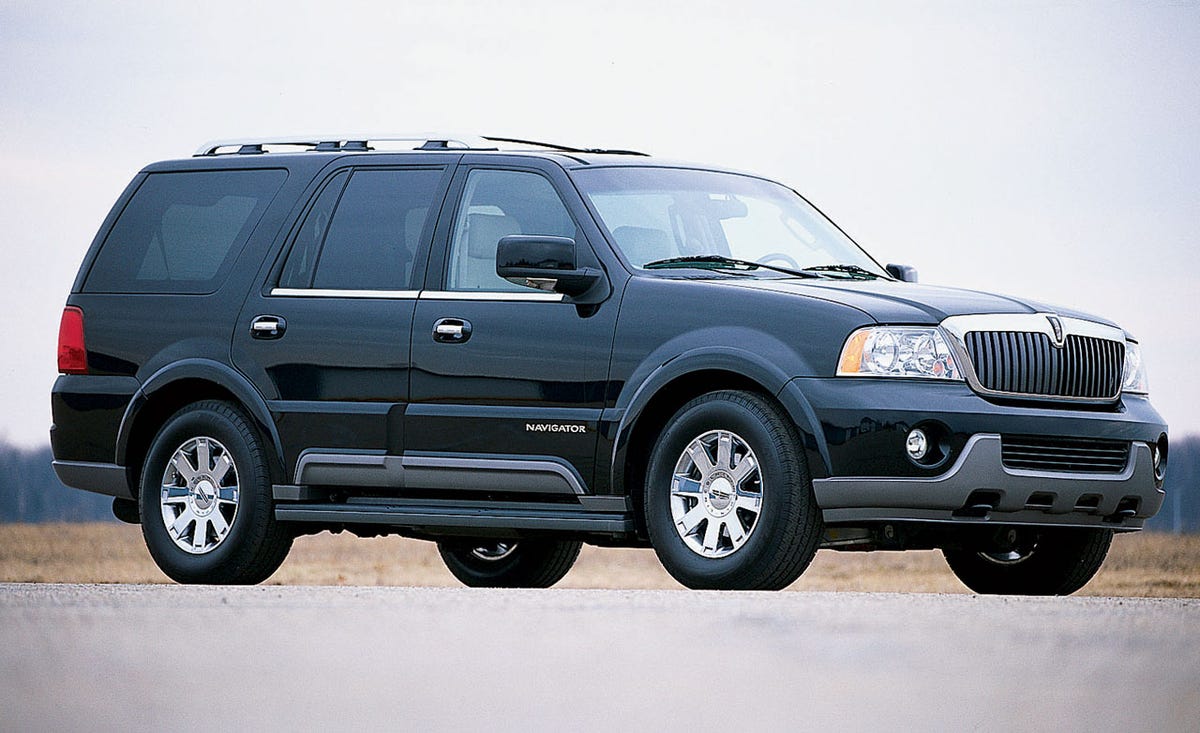
The Lincoln Navigator established a template for American luxury SUVs that competitors have followed ever since. The second-generation model brought genuine refinement improvements over its predecessor and offered a rear air suspension system that earned the Navigator many positive reviews. It also earned countless repair invoices.
The Navigator’s air suspension handles rear load leveling and ride height management. It uses a single compressor to supply both rear air springs. The system is designed for durability but has proved sensitive to the type of neglect that accumulates on high-mileage trucks.
Compressor failure is the dominant complaint among Navigator owners. The compressor works continuously on examples with developing air spring leaks. Once a compressor has been running under strain for extended periods, it typically fails completely rather than gradually. Replacement compressors for the Navigator range from $200 for budget aftermarket units to over $600 for OEM-equivalent quality parts.
Rear air spring failure follows a predictable pattern. Rubber bellows crack with age and exposure. Cold-weather operation accelerates deterioration. Many second-generation Navigators currently in circulation have air springs approaching or past the point of failure. Genuine Ford/Lincoln air springs are moderately expensive. Quality aftermarket alternatives from companies like Firestone are available and generally reliable.
Air dryer failure is specific to the Navigator and frequently overlooked. The system uses an air dryer to remove moisture from the compressed air supply. When the dryer fails, moisture enters the air springs and compressor, accelerating corrosion and shortening component lifespan. Replacing the dryer promptly when it fails is essential to protecting the broader system.
Diagnostic complexity on the second-generation Navigator is manageable by Ford-savvy independent shops. Unlike European luxury vehicles with highly proprietary software requirements, the Navigator’s air suspension faults can typically be addressed with a good Ford-compatible scan tool. This makes diagnosis more accessible and affordable than on many competitors.
Second-generation Navigators are common in the used market. Their combination of size and Lincoln branding makes them attractive at prices often between $5,000 and $10,000. But air suspension condition should be among the first considerations in any pre-purchase inspection. A comprehensive air suspension check takes under an hour and can prevent thousands of dollars in unpleasant surprises.
8. Porsche Cayenne (First Generation, 2003–2010)
The first-generation Porsche Cayenne divided automotive opinion at launch. A Porsche SUV felt wrong to many enthusiasts. But the Cayenne proved itself as a genuinely capable and rewarding vehicle. Its optional air suspension system Porsche Active Suspension Management (PASM) combined with air springs was part of its premium character. It is also one of the most expensive air suspension systems to maintain outside of warranty.
The Cayenne’s air suspension enables adjustable ride height across terrain modes. It uses air springs at all four corners and is closely related to the first-generation Volkswagen Touareg system due to their shared platform. But Porsche parts pricing is considerably higher than Volkswagen pricing for essentially the same components, which dramatically changes the ownership cost equation.
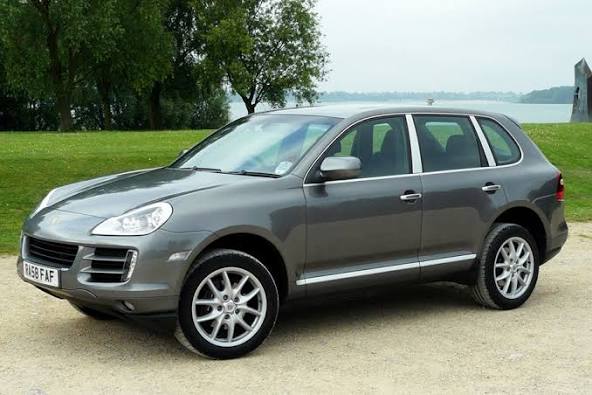
Air spring failure on first-generation Cayennes is widely reported. The air spring bellows degrade with age and become susceptible to cracking. A single genuine Porsche air spring costs significantly more than its Volkswagen Touareg equivalent. Buying Touareg-equivalent parts for Cayenne applications is a common cost-saving strategy, though it requires verification of compatibility.
The compressor on the Cayenne air suspension works under considerable demand. When air springs develop micro-leaks, the compressor compensates by running more frequently. This accelerated duty cycle shortens compressor lifespan substantially. Replacement compressors from Porsche dealers are among the most expensive in this category, often approaching $1,500 or more for genuine parts.
Height sensor failures on first-generation Cayennes create suspension fault codes that can confuse even experienced technicians. The PASM system and air suspension communicate through the same control architecture, meaning a height sensor fault can manifest as a broader PASM warning. Differentiating between the two requires careful diagnostic work.
Self-leveling failures are particularly frustrating on Cayenne owners. The system may work correctly in isolation but fail to self-level after long periods of inactivity. This is often a symptom of slow air spring leaks that allow pressure to drop overnight. The car sits low in the morning, the compressor attempts to restore pressure, and the cycle repeats daily until components eventually fail entirely.
First-generation Cayennes with air suspension command a strong warning for prospective buyers. Low purchase prices can be attractive. But Porsche-priced repair bills on Volkswagen-platform components create one of the worst cost-per-repair scenarios in this entire category. A full air suspension refresh on a first-generation Cayenne at a Porsche dealer can exceed $8,000.
9. Rolls-Royce Ghost (First Generation, 2010–2020)
The Rolls-Royce Ghost needs little introduction. It represents the apex of automotive luxury by virtually any measurement. Its air suspension system is a core part of what makes the Ghost’s ride quality utterly unique. It is also, without question, the most financially consequential air suspension system on this list.
The Ghost’s air suspension works in concert with its active anti-roll bars and complex chassis management software. The system operates seamlessly in normal use. Rolls-Royce has engineered it to feel entirely effortless. The issue is not whether it works the issue is what happens when any part of it stops working.
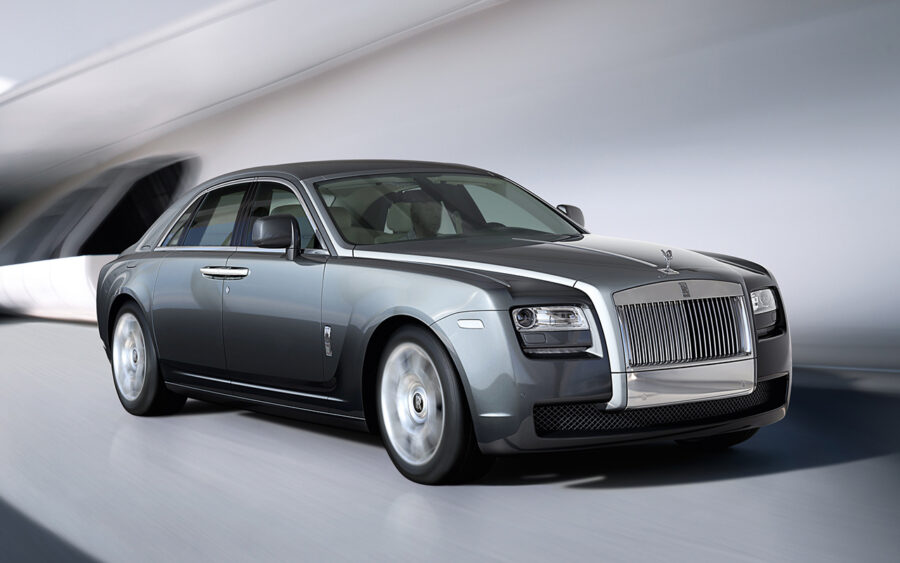
Air spring replacement on a Rolls-Royce Ghost is not comparable to any other vehicle on this list. Genuine Rolls-Royce air springs are proprietary components. Prices for individual air springs can exceed $2,000 per corner at authorized Rolls-Royce dealers. Replacing all four, which is strongly recommended when one fails, can cost $8,000 or more in parts alone.
The compressor system on the Ghost is sophisticated and expensive. When it requires replacement, the cost of parts and the labor time involved at Rolls-Royce service rates creates invoices that few owners anticipate. Many Ghost owners have never personally dealt with repair bills because their vehicles remain under extended warranties or service contracts. The owners who have faced out-of-warranty repairs often describe the experience as genuinely shocking.
Sensor and control module failures on the Ghost trigger dealer-only service requirements. Independent shops cannot access the necessary Rolls-Royce diagnostic platforms. This eliminates cost competition entirely. There is effectively only one service option: the authorized Rolls-Royce network, at Rolls-Royce pricing.
Ghost ownership is obviously a proposition for those with significant financial resources. The vehicle’s list price exceeds $300,000 new. The buyers of new Ghosts do not typically worry about air suspension repair costs within the warranty period. The concern arises in the secondary market, where Ghosts depreciate considerably. A ten-year-old Ghost can be purchased for $100,000 or less. That sounds reasonable against its original price. But an out-of-warranty Ghost requiring full air suspension servicing can generate repair bills that approach or exceed its current market value.
For anyone considering a used Ghost outside of warranty, an extended service plan from an authorized Rolls-Royce dealer is essentially mandatory. Without that financial protection, the Ghost’s air suspension transforms from a marvel of engineering into a genuinely dangerous financial liability.
10. Mercedes-Benz GL-Class (X164, 2007–2012)
The Mercedes-Benz GL-Class was designed to compete directly with the Range Rover and Cadillac Escalade. It offered genuine seven-seat luxury combined with Mercedes-Benz engineering standards. Its AIRMATIC air suspension system was standard across most GL-Class configurations. Over time, that system has proven to be one of the more troublesome aspects of X164 ownership.
The GL-Class AIRMATIC uses air springs at all four corners with adaptive damping. The system maintains ride height automatically and adjusts for load variation. It provides a genuinely comfortable ride quality and contributes meaningfully to the GL’s highway composure. The problems begin as the vehicle ages past the warranty period.
Front air spring failure is the most frequently reported suspension problem on X164 GL models. The front springs are load-bearing components that experience significant stress in a heavy vehicle of this size. Front air spring replacement on the GL-Class at a Mercedes dealer can cost over $1,500 per corner including labor. Many owners report needing both front springs replaced within the same service interval.
The AIRMATIC compressor on X164 GL-Class models is positioned underneath the vehicle in an exposed location. This positioning makes it vulnerable to road debris, moisture, and road salt in northern climates. Compressor failures are common on high-mileage examples. Genuine Mercedes-Benz compressors are expensive, and labor charges for access and replacement add significantly to the total.
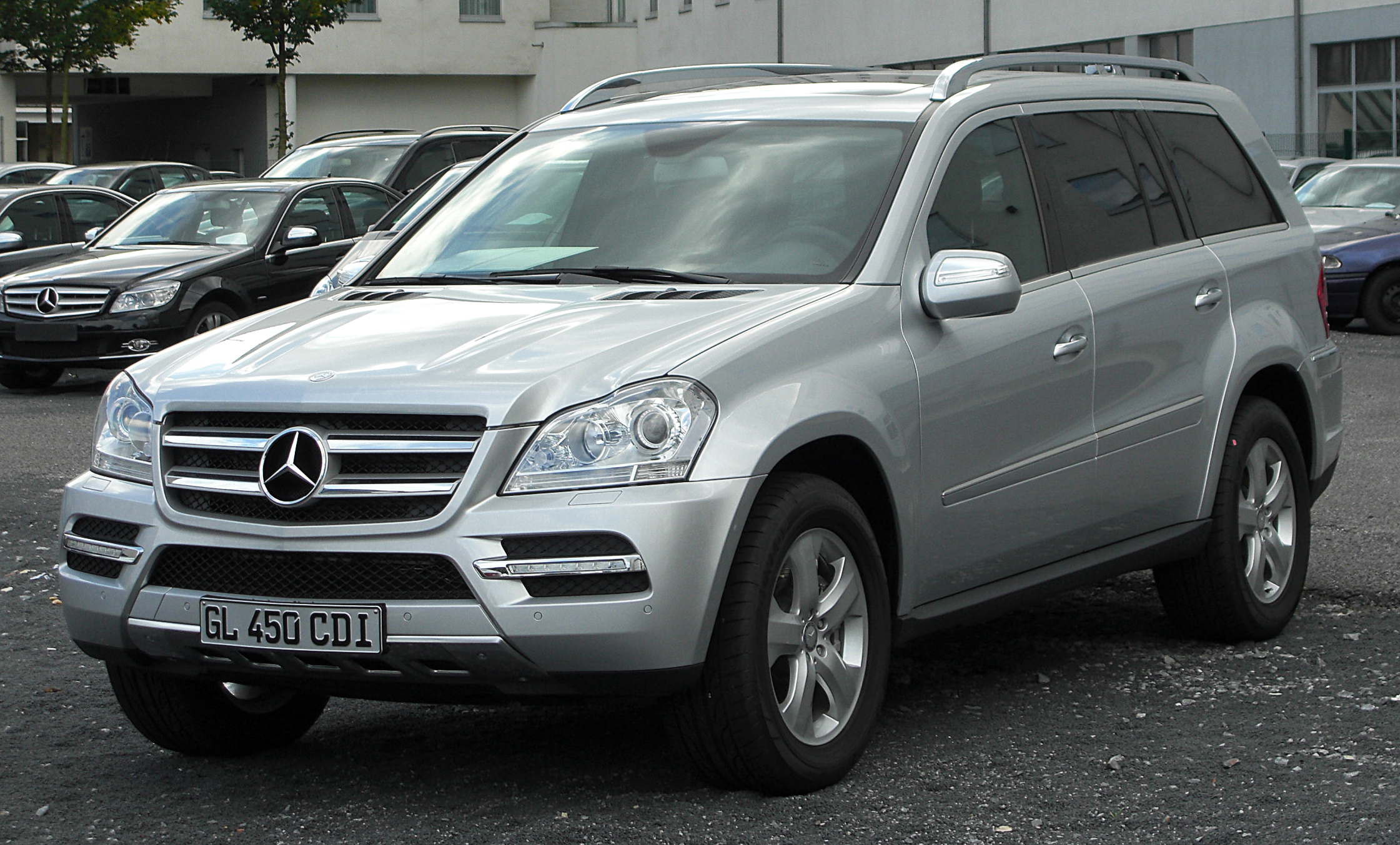
Rear air spring failures, while less frequent than front failures, do occur. The rear system handles load-leveling duties when the GL is carrying passengers and cargo to its considerable maximum capacity. Heavy use accelerates wear on the rear springs. Owners who regularly carry full loads should expect rear spring replacement earlier than those who primarily drive lightly loaded.
Air suspension warning lights on the X164 can be triggered by faulty height sensors, failing springs, compressor issues, or control module problems. Determining the precise cause requires proper Mercedes diagnostic equipment. Shops without XENTRY or DAS software capability cannot reliably diagnose GL-Class air suspension faults. This again pushes owners toward dealership service.
X164 GL-Class examples from 2007 to 2012 are available at appealing prices today. A clean, well-maintained GL450 or GL550 can often be purchased for between $10,000 and $18,000. This represents extraordinary value for the size and equipment level unless the air suspension is on the verge of failure.
Buyers should always request a pre-purchase inspection that specifically includes air suspension pressure testing and compressor output evaluation. The difference between a GL-Class with a healthy air suspension and one with degraded components can mean the difference between a great purchase and a $5,000 repair bill within the first year of ownership.
Also Read: 8 Reasons Why You Should Think Twice Before Buying a Car With a Panoramic Roof
