

There is a brutal truth that every car buyer needs to hear before signing on the dotted line. The moment you drive a brand-new vehicle off the dealership lot, it stops being worth what you just paid for it. That is the cold, hard reality of automotive depreciation, and for some cars, the drop is absolutely staggering.
Depreciation is the single largest cost of car ownership. It is the silent thief that nobody talks about when they are dazzled by chrome trim and a new-car smell. While some vehicles hold their value remarkably well, others nosedive so fast that owners are left financially upside-down almost instantly.
The cars on this list are not necessarily bad vehicles. Some of them are luxurious, powerful, and genuinely impressive machines. The problem is not quality, it is the simple economics of supply, demand, brand prestige, and market perception.
Understanding depreciation before you buy could save you tens of thousands of dollars. It could be the difference between a smart financial decision and a costly mistake that follows you for years. Whether you are a first-time buyer or a seasoned car enthusiast, this information is essential reading.
These ten cars represent the worst offenders when it comes to value retention. Each one bleeds money at an alarming rate, and in many cases, you can lose close to half your investment before you have even made your first loan payment. Read on and decide wisely.
1. BMW 7 Series
The BMW 7 Series is the crown jewel of German automotive engineering. It represents everything that is bold, luxurious, and technologically advanced in the modern car world. Sadly, it is also one of the fastest-depreciating vehicles on the planet.
When you purchase a new BMW 7 Series, you are spending somewhere in the range of $95,000 to well over $110,000 depending on the trim. That is a significant investment for any individual. The problem begins the instant the dealer hands over the keys.
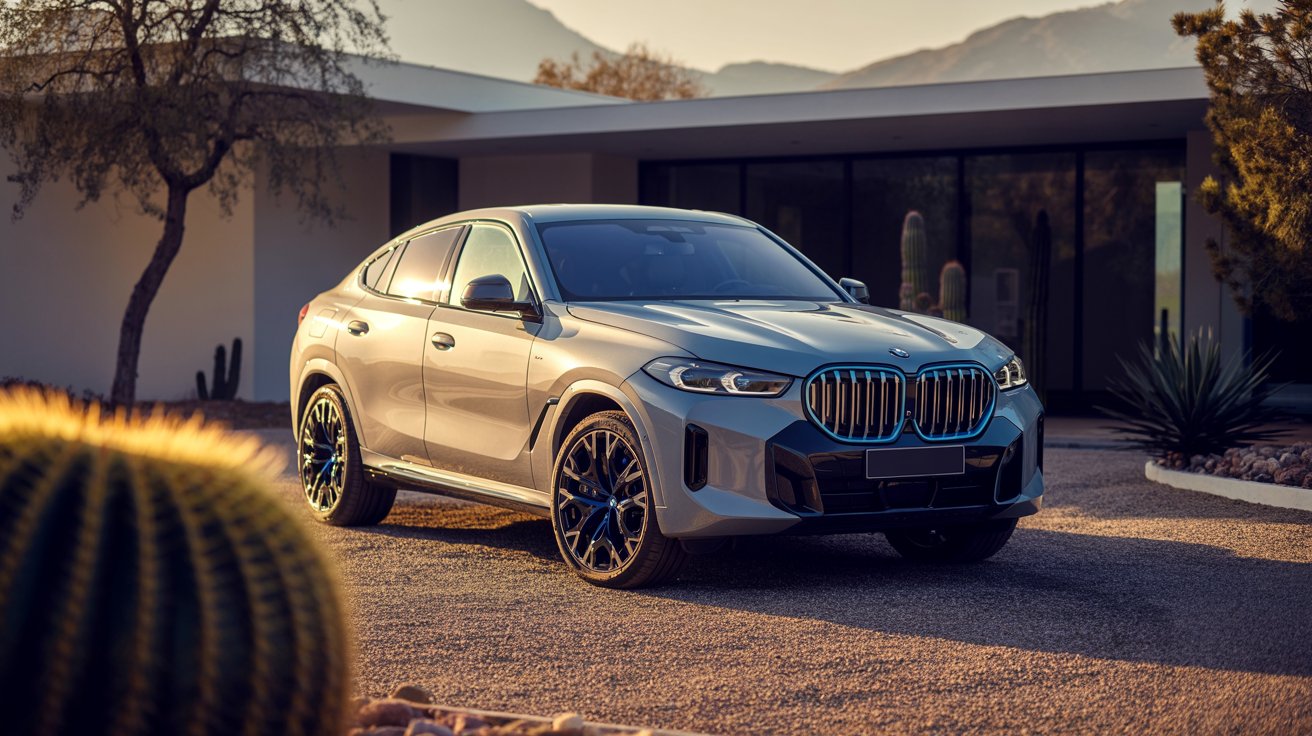
Within the first year alone, the 7 Series can lose somewhere between 25 to 30 percent of its original value. By the time three years have passed, many owners find themselves staring at a car worth barely half of what they originally paid. The depreciation curve is steep, unforgiving, and relentless.
Why does this happen to such an impressive machine? The answer lies in the competitive luxury sedan market. Rivals like the Mercedes-Benz S-Class and Audi A8 constantly push BMW to update its lineup. Each new generation makes the previous one feel outdated almost immediately.
Running costs are another major factor. A used BMW 7 Series may look like a bargain on the used car market. But the moment something goes wrong, the repair bills can be absolutely eye-watering.
Prospective buyers know this going in. They factor in the high maintenance costs and the expensive parts when negotiating the used price. That relentless negotiation from buyers is exactly what drives the resale value down so aggressively.
There is also the matter of technology refresh cycles. BMW loads its flagship sedan with the latest driver assistance systems, infotainment technology, and comfort features. When a new model arrives with even more advanced tech, last year’s version starts looking very pedestrian very quickly.
Insurance premiums are another hidden cost tied to depreciation. As the car loses value, insurers adjust their coverage rates, but the repair costs remain stubbornly high. That combination creates ongoing financial pain well beyond the initial purchase.
The irony of the BMW 7 Series is that it remains a genuinely exceptional automobile throughout its life. It is comfortable, fast, and packed with features. The depreciation is purely a numbers game, not a reflection of the car’s quality.
For the financially savvy buyer, this actually represents an opportunity. Purchasing a two-year-old 7 Series for significantly less than its original price means getting an extraordinary car at a fraction of the cost. But for the person who bought it new, the financial sting is very real.
2. Mercedes-Benz S-Class
Few automobiles command as much attention on the road as the Mercedes-Benz S-Class. It has been the benchmark luxury sedan for decades. Yet despite its legendary status and impeccable build quality, it suffers from devastating depreciation.
A brand-new S-Class can cost anywhere from $115,000 to nearly $230,000 for the most opulent versions. That is a massive sticker price for a car that will lose almost half its value within three years. The depreciation rate is enough to make even the wealthiest buyers pause.
The S-Class depreciation problem is largely structural. Mercedes updates the model regularly, and each new generation brings sweeping design and technology changes. Buyers gravitate toward the newest version, leaving older models scrambling for attention on the used market.
High ownership costs compound the problem further. Mercedes parts and labor are famously expensive. A routine service visit at a Mercedes-Benz dealership can run into the hundreds or even thousands of dollars. That reality is baked into the used car price before any negotiation begins.
There is also a prestige perception issue at work. Part of owning a new S-Class is the statement it makes. A used S-Class from three years ago tells a slightly different story. The social currency of the car diminishes alongside its market value.
The S-Class depreciation problem is largely structural. Mercedes updates the model regularly, and each new generation brings sweeping design and technology changes. Buyers gravitate toward the newest version, leaving older models scrambling for attention on the used market.
High ownership costs compound the problem further. Mercedes parts and labor are famously expensive. A routine service visit at a Mercedes-Benz dealership can run into the hundreds or even thousands of dollars. That reality is baked into the used car price before any negotiation begins.
There is also a prestige perception issue at work. Part of owning a new S-Class is the statement it makes. A used S-Class from three years ago tells a slightly different story. The social currency of the car diminishes alongside its market value.
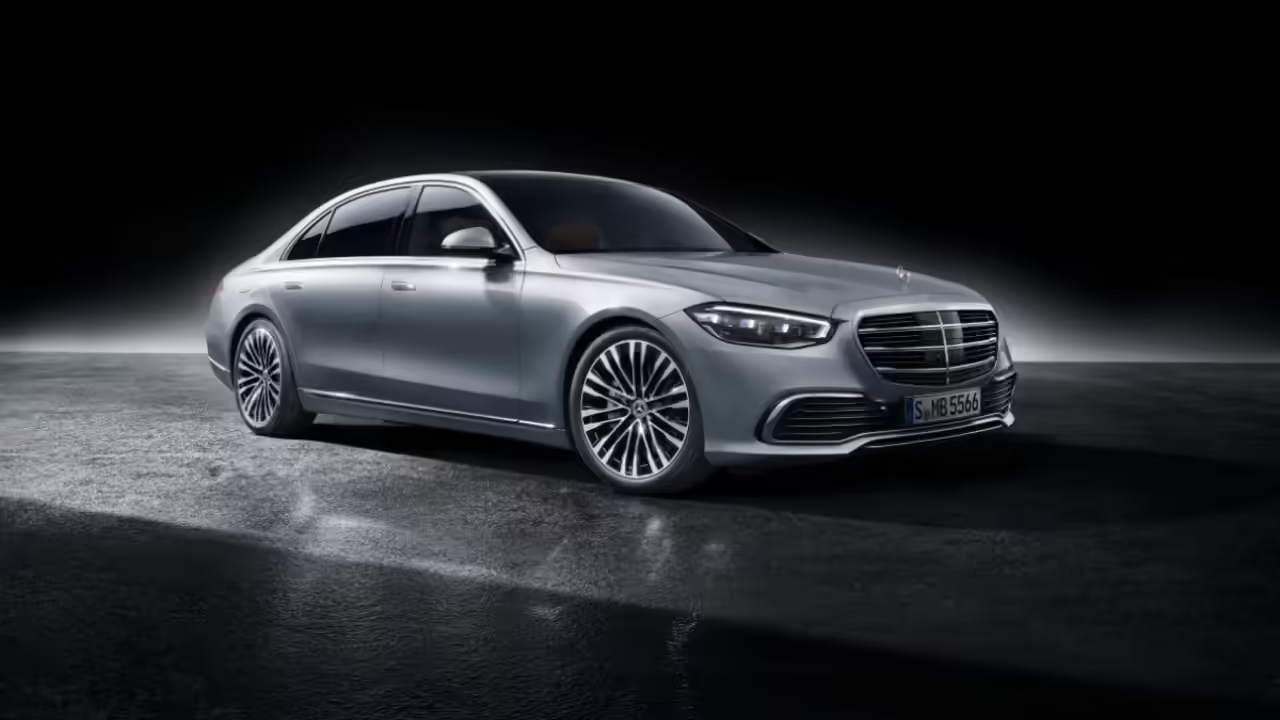
The S550 and higher variants are hit especially hard. Higher-spec models cost more upfront and tend to lose more in absolute dollar terms. It is a painful double blow for buyers who stretch their budgets for the top trim.
Technology is another driver of depreciation in this segment. The S-Class has historically been where Mercedes previews features that later trickle down to other models. Once those features become standard across the lineup, the older S-Class loses its technological edge almost overnight.
Leasing is actually very popular for the S-Class precisely because of the depreciation problem. Many buyers avoid purchasing outright and instead lease for two or three years. This means the used market is frequently flooded with lease returns, which pushes residual values even lower.
For buyers who insist on owning an S-Class, the used market is where the real value lies. A certified pre-owned S-Class from a Mercedes dealership can offer an extraordinary ownership experience for roughly half of the original price. The depreciation loss is entirely the original buyer’s problem at that point.
3. Jaguar XJ
The Jaguar XJ is a car with genuine soul. It has a design language unlike anything else on the road. The long hood, sweeping roofline, and distinctly British character make it a genuinely beautiful automobile. Unfortunately, beauty alone cannot hold back the tide of depreciation.
New XJ prices have historically ranged from around $75,000 to over $120,000 for higher performance variants. That is serious money by any standard. The depreciation, however, is equally serious and considerably less pleasant to think about.
Jaguar as a brand carries a mixed reputation in the reliability conversation. This is arguably the single biggest driver of its depreciation problem. Buyers shopping in the luxury sedan segment are cautious, and even a hint of unreliability sends them toward German or Japanese alternatives.
The XJ faces fierce competition in its price bracket. The BMW 7 Series, Mercedes S-Class, Audi A8, and Lexus LS are all rivals that buyers consider first. Jaguar often ends up as the alternative choice rather than the primary one. That positioning in the buyer’s mind has a direct impact on resale value.
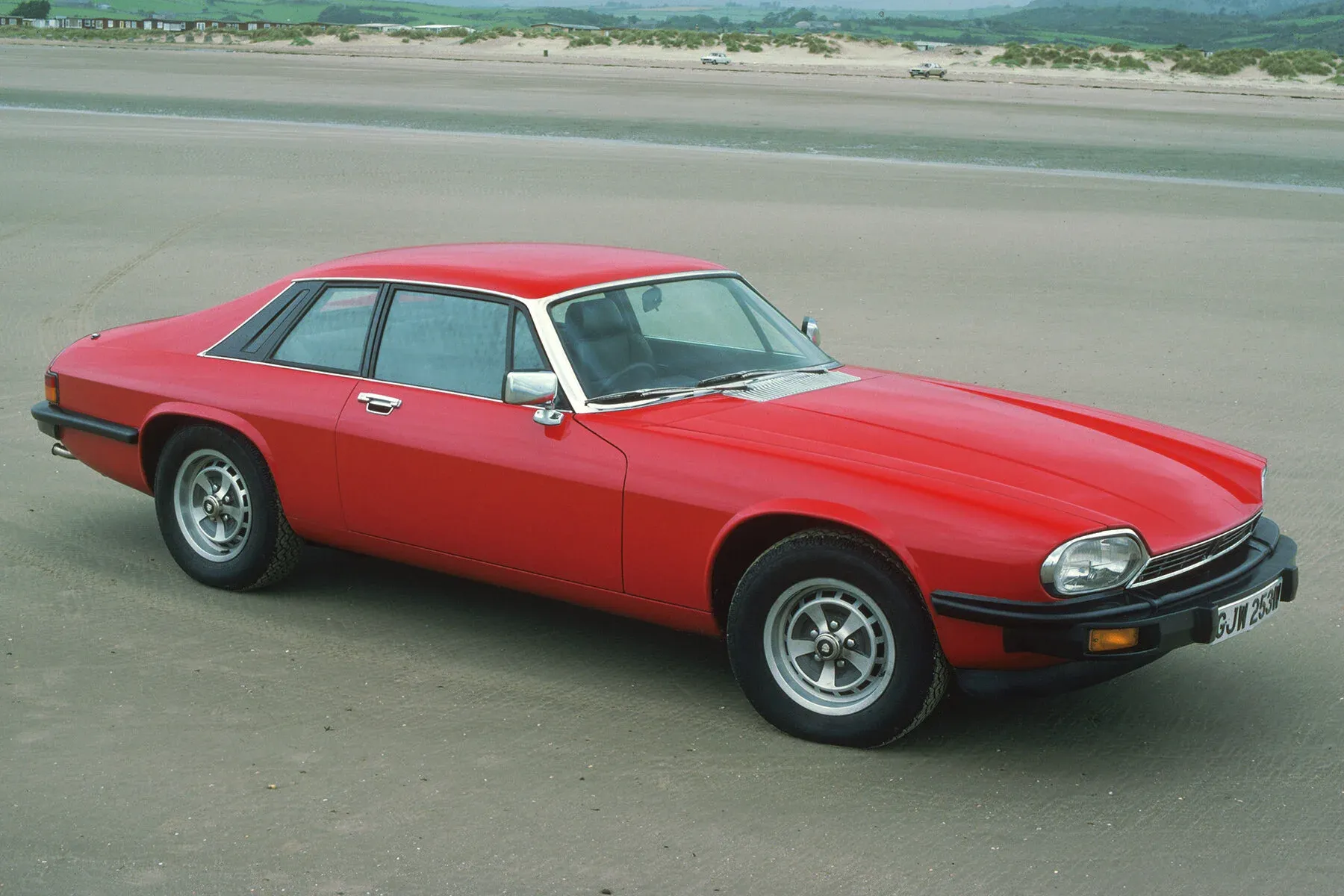
Parts and service costs are another concern. Jaguar dealerships are less common than BMW or Mercedes outlets in many regions. Finding a qualified technician can sometimes be a challenge. That inconvenience is priced into every used XJ on the market.
Despite all of this, the XJ delivers a genuinely compelling driving experience. The supercharged V8 version is devastatingly fast. The ride quality is exceptional, and the interior design is one of the most sophisticated in any luxury sedan. Drivers who own them often love them deeply.
The problem is that love does not translate into resale value. The market is fickle, and perceived reliability matters more than driving feel when it comes to holding value. Jaguar knows this and has worked hard in recent years to improve its reputation. But years of perception are difficult to reverse quickly.
Production of the XJ has actually ended, which creates an interesting dynamic going forward. Classic cars and discontinued models sometimes recover in value over time. Whether the XJ will follow that pattern remains to be seen.
For now, the XJ remains one of the most dramatic examples of luxury car depreciation. Buying one new means accepting a substantial financial loss as part of the ownership experience. The smart money, as always, is on the used market.
4. Cadillac Escalade (Previous Generations)
The Cadillac Escalade is an American icon. It is enormous, opulent, and unmistakably over the top in the best possible way. New Escalade prices have climbed dramatically in recent years, often exceeding $100,000 for fully loaded versions. The depreciation, especially on older generations, is equally dramatic.
For previous generation Escalades, particularly those from the mid-2000s through early 2010s, depreciation was catastrophic. These vehicles would shed value at an alarming pace after just a few years on the road. A $70,000 Escalade could be worth $35,000 or less within three years of purchase.
Fuel economy is a central issue. The Escalade is powered by a large V8 engine and carries a massive body that cares very little about aerodynamics. When fuel prices rise, large SUVs like the Escalade fall sharply out of favor. That market sensitivity shows up immediately in used car values.
Reliability concerns also play a role. While the Escalade is generally a sturdy vehicle, the electronics and comfort features that make it luxurious can also be expensive to repair. Air suspension systems, entertainment screens, and power running boards are just a few potential pain points.
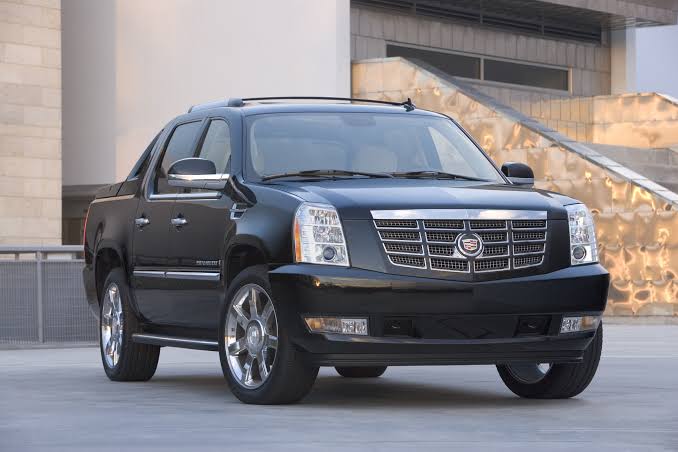
The interior materials in older Escalades aged poorly compared to European rivals. What felt premium when new sometimes looks dated quite quickly. Buyers inspecting used Escalades notice this and factor it into their offers.
Market trends have shifted the Escalade’s position over time. When large SUVs were at the peak of their popularity, the Escalade held value reasonably well. As the market evolved and more efficient alternatives emerged, older versions struggled to retain their worth.
There is a strong cultural identity attached to the Escalade that actually helps newer versions somewhat. The brand retains genuine desirability among certain buyers. The current generation has improved its value retention compared to previous models.
But for buyers who purchased older generation Escalades new, the depreciation story was painful. The gap between what they paid and what they could sell for was often substantial enough to wipe out any equity in the vehicle. For those shopping used, however, these vehicles represent extraordinary value for money.
Also Read: 5 New Safety Laws in 2026 That Will Change How You Drive on the Highway
5. Lincoln MKS / Lincoln Continental
The Lincoln MKS and its successor, the Lincoln Continental, tell a familiar story of American luxury depreciation. Both vehicles launched with genuine ambition and a desire to compete with European and Asian luxury sedans. Neither succeeded in holding their value the way their rivals did.
The Lincoln Continental was relaunched in 2017 with significant fanfare. Prices ranged from around $48,000 to $70,000 depending on the specification. Lincoln positioned it as a genuine competitor to the BMW 5 Series and Mercedes E-Class. The market was skeptical.
Depreciation on the Continental was brutal from the outset. Within the first year, values dropped sharply. By the second and third year, the losses had compounded to a degree that shocked even hardened automotive analysts. The car was losing close to 50 percent of its value within three years of purchase.
Lincoln’s brand perception problem is at the heart of the issue. The company spent many years producing rebadged Ford products that could not justify their luxury price tags. Rebuilding a luxury brand image takes many years and requires consistent product excellence.
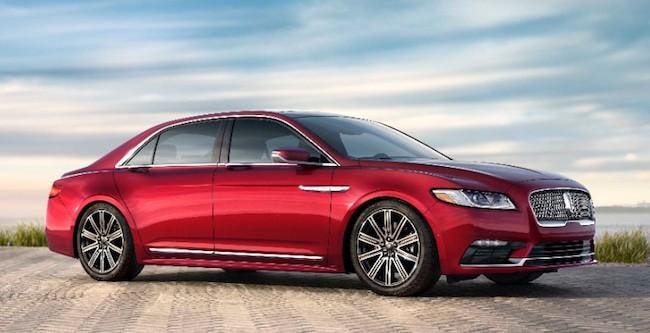
The Continental was actually a decent car on its merits. The ride quality was comfortable. The interior was genuinely luxurious. The 3.0-liter twin-turbocharged V6 offered adequate performance. But decent is not enough when you are asking buyers to pay European luxury prices.
Supply also played a role in the depreciation. Lincoln continued producing and selling the Continental in significant numbers, which meant the used market was well-stocked. More supply and limited demand is a recipe for falling prices.
Ford ultimately discontinued the Continental in 2020, ending a nameplate with significant historical weight. The discontinuation hurt used values further as parts availability and dealer support became concerns for prospective buyers.
The lesson of the Lincoln Continental is sobering. Even when a car genuinely improves, the market’s memory is long. Brand perception drives purchase decisions as much as the product itself. Lincoln paid a heavy price in depreciation for the sins of its past.
6. Volvo S90
The Volvo S90 is a thoughtful, sophisticated luxury sedan that earns genuine praise from automotive journalists and owners alike. It is beautifully designed, technologically advanced, and built with the quality that Volvo is known for. Yet it depreciates at a rate that would make your accountant weep.
New S90 prices typically start around $55,000 and climb into the mid-$70,000 range for higher trims. That puts it squarely in competition with the BMW 5 Series, Mercedes E-Class, and Audi A6. Those German rivals consistently outsell and outperform the S90 in terms of resale value.
The S90’s depreciation problem starts with brand volume. Volvo sells far fewer vehicles than BMW, Mercedes, or Audi. Smaller sales volumes generally mean smaller used car markets. Smaller used car markets tend to mean lower prices because fewer buyers are competing for available stock.
Technology refresh cycles are another challenge. Volvo has been investing heavily in electrification and hybrid technology. New versions of the S90 arrive with significant updates that make older versions seem behind the curve relatively quickly.
The S90 also benefits less from the cultural prestige that lifts competitors’ values. BMW and Mercedes carry decades of aspirational marketing that keeps demand strong even for older models. Volvo’s reputation is built more around safety and practicality than pure prestige. That is a different kind of brand appeal, but it does not translate as well into strong residual values.
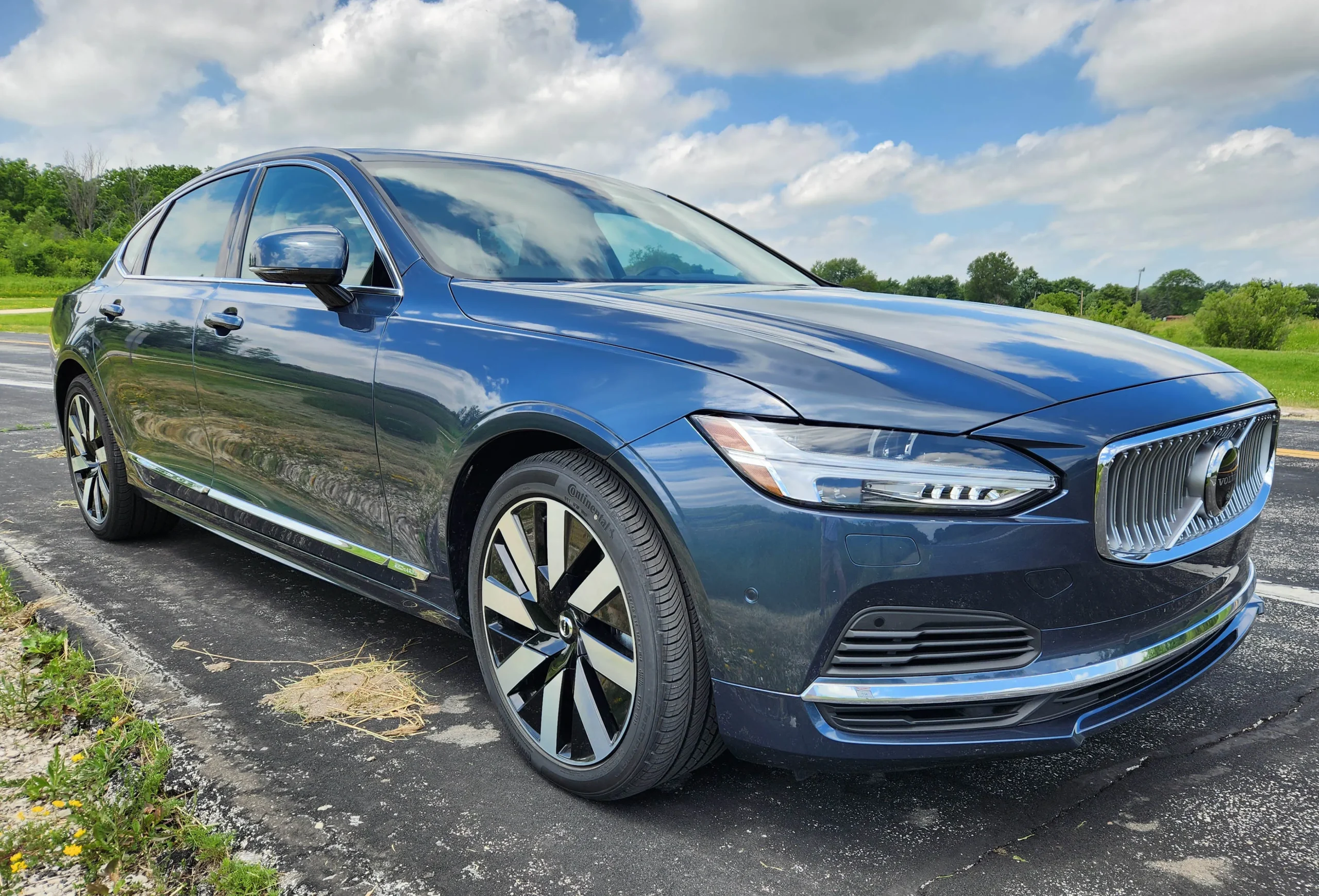
Ownership costs are actually lower for the S90 than for German alternatives in many respects. Service intervals are longer. Parts costs are more reasonable. Insurance rates are generally competitive. This makes the S90 an attractive used car buy, but it also removes one of the arguments for paying full price new.
Plug-in hybrid versions of the S90, known as the T8, suffer from particularly steep depreciation. Battery technology advances quickly, and buyers worry about battery degradation and replacement costs in used PHEVs. That concern hammers the resale price harder than almost any other factor.
The S90 is genuinely one of the automotive world’s best-kept secrets in the used market. Buying a two-year-old example means getting an elegant, refined, and well-equipped luxury sedan for a fraction of its original cost. The depreciation is real, but so is the opportunity it creates for smart second-hand buyers.
7. Maserati Ghibli
Few cars arrive at the dealership carrying as much romantic heritage as the Maserati Ghibli. The Italian brand evokes images of sunlit autostradas, stylish suits, and a life well-lived. The reality of Ghibli ownership, unfortunately, involves a rather different kind of lifestyle one spent watching your investment evaporate.
A new Maserati Ghibli typically costs between $75,000 and $100,000 depending on specification and powertrain. For that money, you get a legitimate piece of Italian automotive culture. You also get one of the most aggressive depreciation curves in the luxury car segment.
The Ghibli can lose 40 to 50 percent of its value within three years of purchase. Some examples fare even worse depending on mileage, condition, and market timing. It is a staggering financial loss on a car that is still genuinely enjoyable to drive.
Reliability perception is Maserati’s single biggest enemy in the depreciation war. The brand has historically struggled with quality control compared to German, Japanese, and even other Italian manufacturers. Buyers shopping in this price bracket are well-aware of this reputation.
The Ghibli uses an engine that was originally developed in partnership with Ferrari. This sounds magnificent in the showroom. But it also means that service and repair costs can be considerably higher than for a comparable BMW or Mercedes. That reality drives experienced buyers toward cheaper negotiating positions.
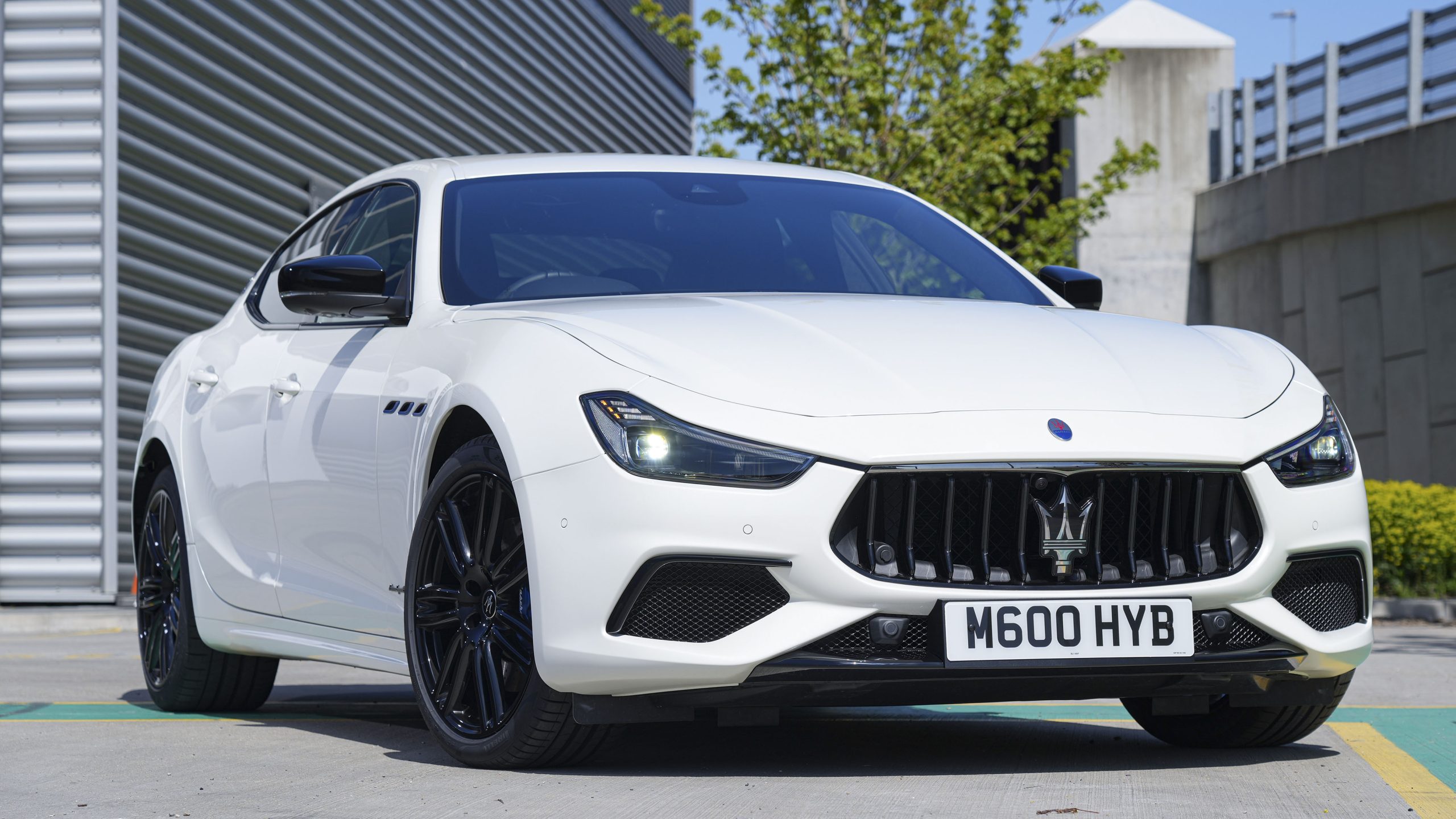
Maserati’s dealer network is significantly smaller than that of German luxury rivals. Finding a qualified technician in many cities requires a longer journey and a longer wait time. Convenience matters enormously to luxury car buyers. When it is absent, it shows up as a deduction in the resale offer.
Interior quality is another area where the Ghibli has faced criticism. Some materials felt below the standard expected at the price point, particularly in earlier production years. Buyers who have also spent time in an Audi A6 or BMW 5 Series notice the difference.
That said, the Ghibli offers something that the Germans simply cannot. The exhaust note, the drama, the sense that you are driving something genuinely special rather than merely expensive these are real and valuable qualities. They just do not translate into resale value the way raw brand prestige does.
For buyers willing to live with the ownership challenges, a used Ghibli offers extraordinary value. The romantic appeal is entirely intact. The depreciation has simply transferred the financial pain from your shoulders to those of the original owner.
8. Chrysler 300
The Chrysler 300 occupies an interesting position in the automotive world. It is an affordable American luxury sedan with genuine presence. The long hood, upright grille, and imposing proportions give it a street credibility that few other vehicles in its price range can match. It is also a vehicle that depreciates with remarkable speed.
New Chrysler 300 prices have historically ranged from approximately $30,000 to $50,000 for higher trim levels. That is a relative bargain compared to European luxury sedans. But the depreciation rate, especially compared to the sticker price, is startling.
Within three years, a Chrysler 300 can lose anywhere between 45 and 55 percent of its original value. That is a loss of $15,000 to $25,000 on a mid-range model. For a car in this price bracket, that represents an enormous percentage of the original investment.
The Chrysler brand itself carries significant depreciation baggage. The company has been through bankruptcy, ownership changes, and extended periods of reliability concerns. Buyers in the used car market are understandably cautious about taking on a Chrysler product without a significant price discount.
Competition in the mid-size and full-size sedan segment has intensified enormously. The Toyota Camry, Honda Accord, and Hyundai Sonata all hold value far better than the Chrysler 300 because of strong brand reputations and consistently high reliability ratings.
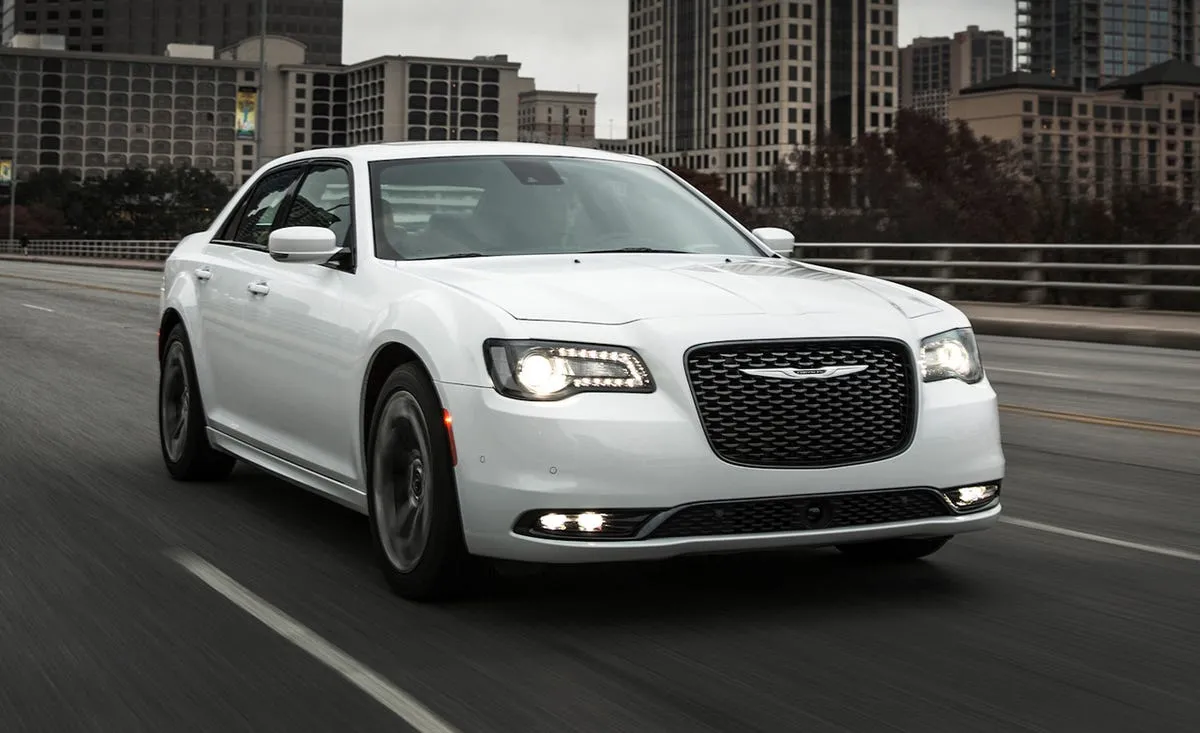
The 300 has also suffered from a prolonged product cycle. The current generation of the car dates back to 2011 with only moderate updates along the way. When buyers can choose between a freshly designed rival and a decade-old platform, they often choose fresh. That preference crushes the residual value of the older design.
Interior design and material quality in the Chrysler 300 has actually improved considerably over the years. The seats are comfortable. The driving position is commanding. The available V8 engine is genuinely satisfying to use. These qualities appeal to buyers shopping the used market at attractive prices.
The 300 also benefits from a strong aftermarket support community. Parts are plentiful and affordable. Many independent mechanics are entirely comfortable working on Chrysler products. That lowers the cost of ownership for used buyers significantly.
The depreciation of the Chrysler 300 is ultimately a story about brand equity and product cycles. Until Chrysler convinces the market that it has solved its reliability reputation and committed to regular product refreshes, the 300 will continue to lose value fast.
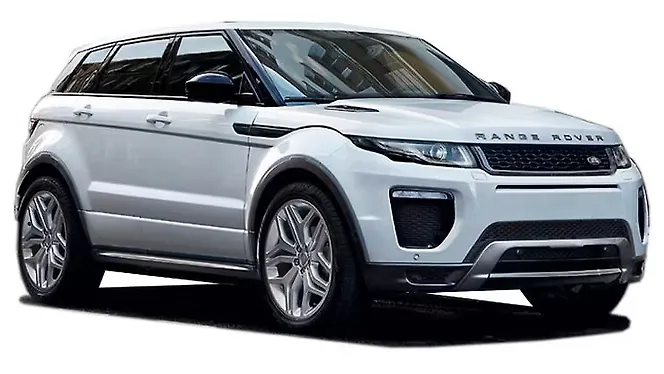
9. Land Rover Range Rover Evoque (First Generation)
The Range Rover Evoque was a genuine sensation when it launched. The compact, stylish SUV brought Range Rover design language to a more accessible price point. Buyers adored it. It won numerous design awards and sold in enormous numbers globally. And then the depreciation arrived.
First-generation Evoques, which were produced from 2011 to 2018, have suffered particularly steep value drops. New prices at launch ranged from approximately $40,000 to $55,000. Within three to four years, many examples were trading for less than half of that figure.
Reliability is, once again, the central issue. Land Rover vehicles have long carried a reputation for electrical gremlins, software issues, and expensive maintenance requirements. The Evoque was no exception. Consumer surveys consistently flagged it as one of the less reliable vehicles in its segment.
The number of competitors the Evoque suddenly faced after launch was another factor. When the Evoque arrived, the compact luxury SUV segment was relatively uncrowded. By the mid-2010s, every major manufacturer had launched a rival. More choice for buyers meant more price pressure on the Evoque.
Infotainment technology moved at an especially rapid pace during the Evoque’s production run. The systems fitted to early models aged very quickly. Buyers inspecting used Evoques found themselves looking at technology that felt several generations behind the current market standard.
Service costs for Land Rover products are famously high. A routine service at a Land Rover dealer can easily cost double what the same work would cost for a comparable Japanese SUV. That ongoing financial burden is reflected in how aggressively used buyers negotiate on price.
The driving experience of the Evoque was also a minor disappointment for some buyers expecting true Range Rover off-road capability. The Evoque was essentially a car-based crossover wearing Range Rover clothes. Serious off-road enthusiasts went elsewhere. That limited the pool of potential buyers and softened demand.
Despite all of this, the Evoque remains a stylish and desirable vehicle. The design has aged gracefully. Used examples at the right price offer genuine luxury for relatively modest money. The depreciation simply means the original buyer subsidized your enjoyment.
10. Nissan Leaf (Early Generations)
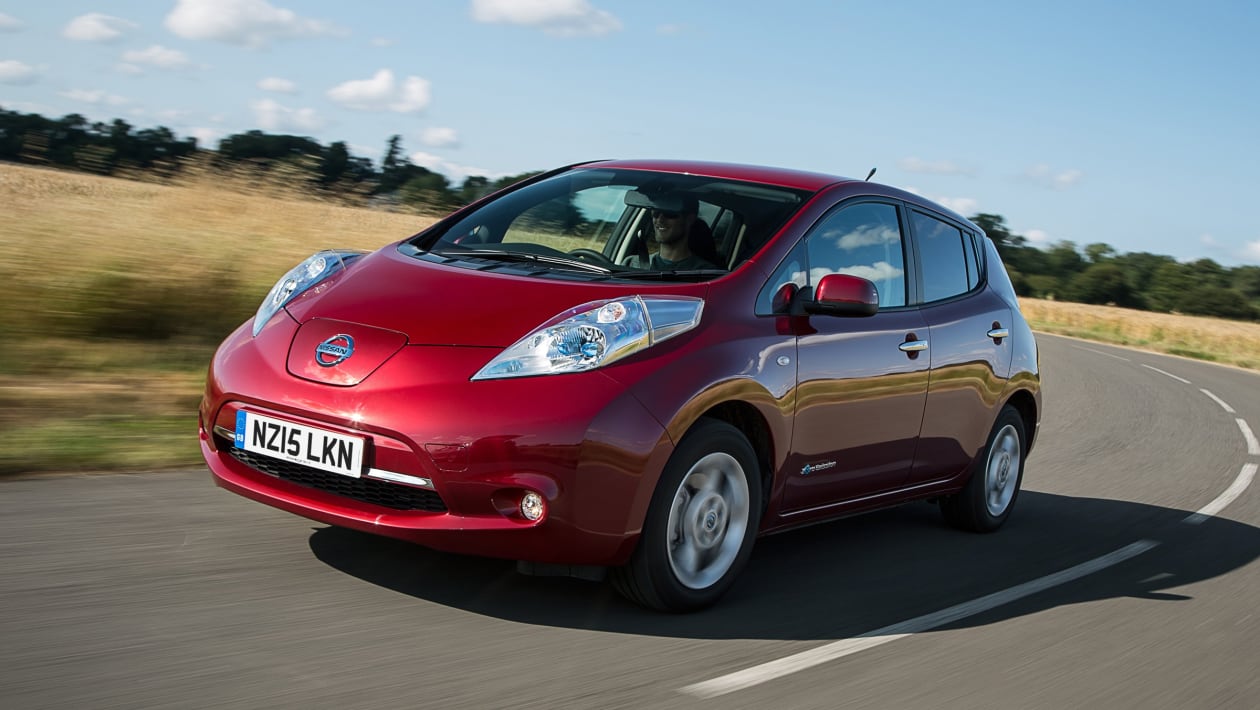
The Nissan Leaf holds a unique and somewhat painful place in automotive history. It was one of the first mass-market electric vehicles, a genuinely pioneering product that helped define an entirely new category of transportation. It also depreciated faster than almost any car ever made.
Early generation Nissan Leafs, particularly the 2011 to 2015 models, lost value with shocking speed. A new Leaf cost approximately $29,000 to $37,000 before government incentives. Within three to four years, many examples were worth between $7,000 and $12,000. That is a depreciation rate that borders on catastrophic.
Battery technology is the core reason. Early Leaf batteries degraded over time in a way that was visible, measurable, and deeply concerning to used car buyers. The battery capacity indicator, a series of bars on the dashboard, would visibly shrink over the years. Buyers could literally see the range reduction before they even test drove the car.
Government incentive structures created another depreciation driver. In many countries, tax credits of $7,500 or more were available for new Leaf purchases. This effectively lowered the real cost of ownership for new buyers. But the used market could not access those incentives, creating an artificial price gap between new and used.
Charging infrastructure anxiety compounded the problem. Early Leaf buyers in regions with limited public charging infrastructure found the car’s limited range increasingly frustrating. As other EVs with longer ranges arrived on the market, the case for buying a used Leaf with a degraded battery became difficult to make.
Nissan’s decision not to include an active thermal management system in early Leaf batteries was a significant misstep. Extreme heat accelerated battery degradation, which was particularly damaging for owners in warmer climates like Arizona or Texas. Horror stories from those regions spread through automotive forums and hurt residual values across the board.
The EV market has moved extraordinarily fast. The Leaf that seemed futuristic in 2011 looked outdated by 2016. The range, charging speed, and technology had all been surpassed by newer competitors. The pace of innovation in the EV segment is relentless, and early adopters paid for it.
The Leaf story is not entirely negative. It pioneered mainstream EV adoption and proved that electric vehicles could work for daily commuting. The later Leaf Plus model, with its improved range and updated battery management, held value considerably better than its predecessors.
But for those early buyers, the financial lesson was stark. Cutting-edge technology in a rapidly evolving segment is one of the fastest paths to depreciation. Being first sometimes means being the one who pays the highest price of all.
Also Read: 10 New Car Features in 2026 That Are Actually Just Gimmicks
