In the collector car market, factory options are not merely accessories, they are value multipliers. While baseline models establish a vehicle’s identity, it is often the optional equipment, specified at the time of order, that determines long-term desirability.
These options can influence performance, aesthetics, rarity, and even historical significance. In many cases, two otherwise identical cars can diverge dramatically in value based solely on how they were optioned from the factory.
During the 1950s through the 1970s, American automakers offered extensive option lists, allowing buyers to tailor vehicles to their preferences. Some of these options were cosmetic, while others introduced meaningful mechanical upgrades.
Over time, certain configurations have become particularly sought after, either due to their rarity, their impact on performance, or their association with iconic models.
This list examines ten of the most desirable factory options that consistently elevate the value of classic cars in today’s market. These are not trends driven by nostalgia alone; they reflect enduring principles of scarcity, usability, and historical importance.
1. High-Performance Engine Packages
High-performance engine packages stand as the most influential factory option in determining the desirability and value of a classic car, particularly during the American muscle car era of the 1960s and early 1970s.
Automakers were engaged in an intense horsepower race, driven by both consumer demand and motorsport influence, leading to the development of increasingly powerful engine options that could be specified directly from the factory.
One of the most emblematic examples is the Chevrolet Chevelle SS 454, which could be ordered with the LS6 454 cubic-inch V8, an engine that represented the peak of factory performance at the time.
These high-performance packages were not limited to larger displacement alone. They typically included a combination of upgraded internal components such as high-lift camshafts, forged pistons, reinforced crankshafts, and high-flow cylinder heads.
Induction systems were also enhanced, often featuring larger carburetors or multiple carb setups, while exhaust systems were optimized for improved airflow.
The result was a cohesive performance upgrade engineered and validated by the manufacturer, rather than an aftermarket modification.
Most of these cars retained a traditional front-engine, rear-wheel-drive layout, paired with either close-ratio manual transmissions or heavy-duty automatics designed to handle increased torque.
From a design perspective, cars equipped with these packages often featured subtle but purposeful visual cues. Functional hood scoops, upgraded cooling systems, and performance-oriented badging signaled the presence of a more potent drivetrain.
However, the true distinction lay beneath the surface. These engines fundamentally transformed the driving experience, delivering acceleration and power levels that redefined expectations for production vehicles of the era.
The historical significance of high-performance engine packages is closely tied to their limited production and the regulatory environment that followed.
Rising insurance costs, emissions standards, and fuel economy concerns in the early 1970s curtailed the availability of such options, making surviving examples particularly valuable today.
Because these engines were factory-installed and documented, they carry a level of authenticity that cannot be replicated through later modifications.
Within the context of this list, high-performance engine packages exemplify the kind of option that directly enhances both desirability and market value. They represent a convergence of engineering ambition, cultural relevance, and scarcity.
For collectors, a car equipped with its original high-performance engine is not just more powerful, it is more historically significant, more authentic, and ultimately more valuable.
2. Four-Speed Manual Transmissions
Transmission choice has a measurable impact on collector value, particularly in performance-oriented vehicles. The four-speed manual transmission is widely regarded as the most desirable option for classic American muscle cars.
Beyond driver engagement, manual transmissions often signal a more performance-focused build.
Many high-output engine packages were paired with four-speed gearboxes, reinforcing their association with enthusiast-oriented configurations. In contrast, automatic transmissions, while more common, are generally perceived as less engaging.
The scarcity of manual-equipped cars further enhances their value. In many cases, a four-speed version of the same model can command significantly higher prices than its automatic counterpart, even when all other factors are equal.
3. Limited-Slip Differentials
Limited-slip differentials represent one of the most technically meaningful yet visually understated factory options that can significantly enhance the value of a classic car.
Widely offered during the 1960s and early 1970s, particularly in American muscle cars and performance-oriented European models, this option addressed a fundamental limitation of conventional open differentials: uneven power distribution.
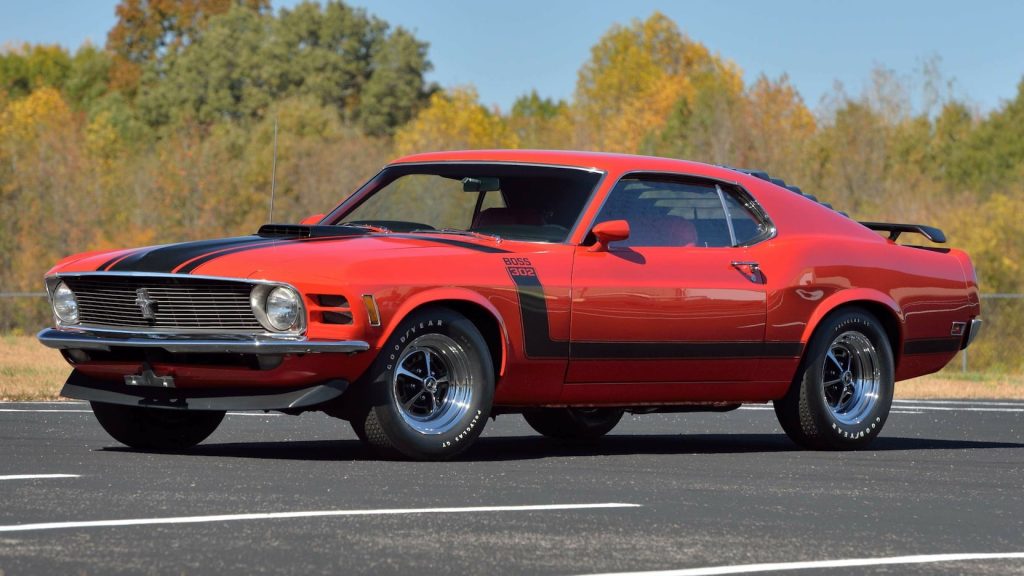
A notable example can be found in cars like the Ford Mustang Boss 302, where a factory-installed limited-slip differential, often branded as “Traction-Lok,” transformed the car’s real-world performance.
From an engineering standpoint, a limited-slip differential operates within a traditional front-engine, rear-wheel-drive layout, positioned in the rear axle assembly.
Unlike an open differential, which sends power to the wheel with the least resistance, a limited-slip unit uses clutch packs, gears, or viscous mechanisms to distribute torque more evenly between both rear wheels.
This ensures that when one wheel begins to lose traction, such as during hard acceleration or on uneven surfaces, the other wheel continues to receive usable power. The result is improved grip, stability, and acceleration efficiency, particularly in high-torque applications.
This option was especially important during the muscle car era, when increasingly powerful V8 engines, often exceeding 300 or even 400 horsepower, could easily overwhelm a standard differential.
Without a limited-slip system, much of that power would be wasted in wheelspin. By integrating this technology at the factory, manufacturers created a more balanced and usable performance package, aligning drivetrain capability with engine output.
In terms of design, limited-slip differentials are largely invisible from the outside, with their presence typically indicated only through documentation or subtle badging. However, their impact on driving dynamics is substantial.
Cars equipped with this option exhibit more controlled acceleration, better corner exit performance, and increased confidence under load. For enthusiasts, this translates into a more engaging and effective driving experience.
Historically, limited-slip differentials reflect a shift toward more sophisticated drivetrain engineering during a period when raw power alone was no longer sufficient. As manufacturers sought to improve performance holistically, options like these became essential components of high-performance packages.
Within the context of this list, limited-slip differentials fit the theme precisely because they add measurable functional value without altering the car’s outward appearance.
They enhance drivability, performance, and authenticity, particularly when factory-installed and properly documented. For collectors, this combination of subtlety and significance makes limited-slip differentials one of the most desirable options a classic car can have.
4. Factory Air Conditioning
Factory air conditioning emerged as one of the most impactful comfort-oriented options in classic American cars, particularly from the late 1950s through the 1970s, when rising consumer expectations and expanding highway travel made cabin climate control increasingly important.
Unlike modern integrated systems, early factory setups were substantial engineering additions, often installed at the assembly line as complete packages.
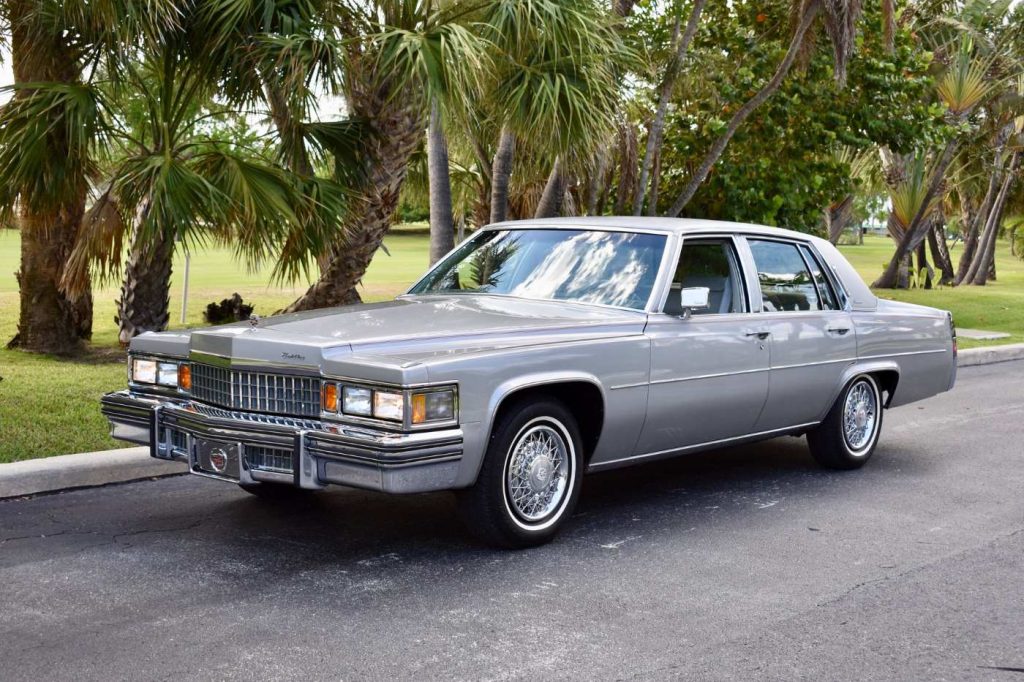
Vehicles like the Cadillac DeVille exemplify how manufacturers incorporated air conditioning into full-size, front-engine, rear-wheel-drive platforms powered by large-displacement V8 engines designed for smooth, long-distance cruising.
From a technical standpoint, factory air conditioning systems of this era relied on engine-driven compressors mounted to the front of the engine block, typically powered by a belt system.
These compressors circulated refrigerant through a condenser and evaporator, cooling air before distributing it through dash-mounted or under-dash vents.
Because these systems were designed alongside the vehicle’s original architecture, they required specific brackets, pulleys, and upgraded electrical components, as well as modified dashboards or ducting layouts.
This integration distinguished factory systems from aftermarket units, which often lacked the same level of refinement and reliability.
The presence of factory air conditioning also influenced other aspects of vehicle design. Engines were often calibrated to accommodate the additional load imposed by the compressor, and cooling systems were upgraded to handle increased thermal demands.
Interiors were adapted to ensure effective airflow distribution, which in turn contributed to a quieter, more comfortable cabin environment. In large American sedans and coupes, where bench seats and expansive interiors were common, these systems played a key role in maintaining passenger comfort over extended journeys.
From a design and usability perspective, factory air conditioning transformed the driving experience, particularly in warmer regions of the United States.
It allowed these vehicles to function as true long-distance cruisers, capable of maintaining consistent comfort regardless of external conditions. At a time when this feature was considered a premium option, relatively few cars were equipped with it, adding an element of rarity to surviving examples.
Historically, factory air conditioning reflects the broader shift toward luxury and convenience in the American automotive market. As manufacturers competed to offer more refined driving experiences, climate control became a defining feature of higher-end models and well-optioned vehicles.
Within the context of this list, factory air conditioning fits the theme because it adds tangible usability and desirability without altering the car’s fundamental character. It enhances comfort, broadens appeal to modern buyers, and, when original and properly documented, contributes directly to a vehicle’s market value.
5. Special Order Paint and Color Combinations
Special order paint and unique color combinations represent one of the most visually impactful factory options that can elevate the desirability and value of a classic car.
During the 1950s through the early 1970s, American manufacturers offered increasingly diverse color palettes, but buyers could sometimes go beyond standard offerings through special order programs.
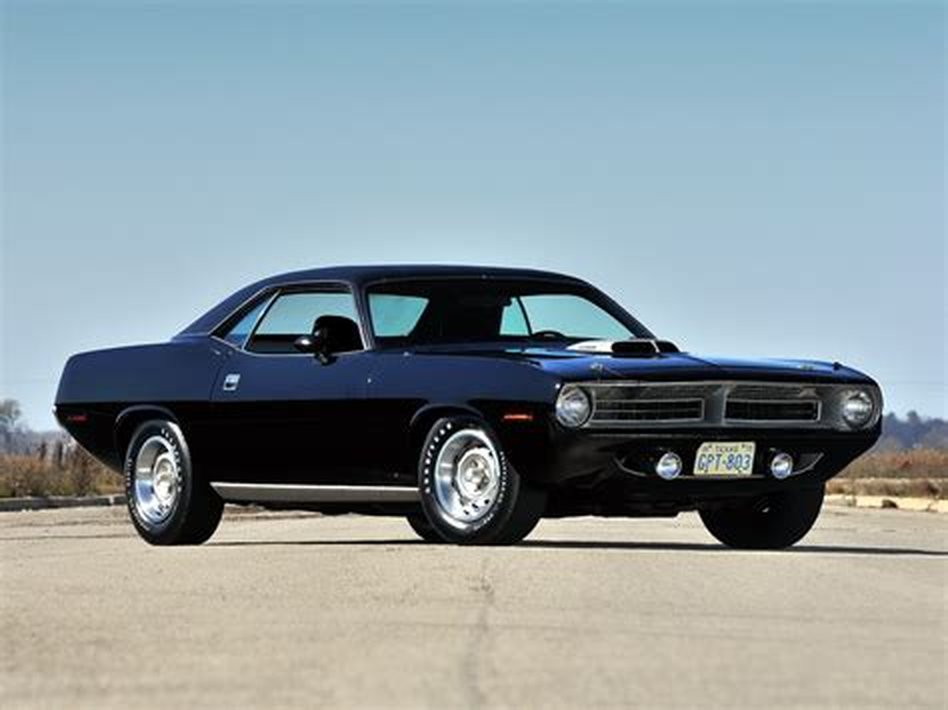
These non-standard finishes, often applied in limited quantities, created vehicles that stood apart even within the same model year. A well-known example is the Plymouth Hemi ‘Cuda, where certain high-impact colors, produced in relatively small numbers, have become central to the car’s collector appeal.
From an engineering standpoint, special order paint did not alter the fundamental mechanical layout of the vehicle, which typically followed a front-engine, rear-wheel-drive configuration powered by inline-six or V8 engines depending on the model.
However, the paint process itself required additional attention at the factory. Non-standard colors often involved unique pigment formulations, additional preparation steps, or deviations from standard production workflows. This made such cars more complex to produce, contributing to their limited numbers.
Design-wise, color played a critical role in defining a car’s identity. High-impact hues, metallic finishes, and unusual combinations of exterior paint and interior trim could dramatically change how a vehicle was perceived.
Bright, saturated colors emphasized the bold styling of muscle cars, while more subtle or rare tones could enhance the elegance of luxury models. In either case, originality is key. A factory-applied special order color carries significantly more value than a later repaint, even if the repaint matches the original specification.
The historical significance of special order paint lies in its intersection of individuality and scarcity. During an era of mass production, these options allowed buyers to personalize their vehicles in ways that were not widely replicated.
Because relatively few customers chose these options, often due to added cost or limited awareness, surviving examples are comparatively rare today.
Within the context of this list, special order paint and color combinations fit the theme because they directly influence both visual appeal and collectibility without modifying the car’s mechanical foundation.
They create differentiation in a market where many vehicles share similar specifications, making a particular example more memorable and desirable.
For collectors, a documented factory color that stands out, especially one produced in low numbers, can significantly enhance a car’s market value, demonstrating how even purely aesthetic options can carry substantial financial and historical weight.
6. Performance Suspension Packages
Performance suspension packages represent a critical yet often underappreciated factory option that significantly enhances both the driving dynamics and long-term value of a classic car.
Widely offered during the 1960s and 1970s, particularly on muscle cars and European sport sedans, these packages were engineered to complement increasing engine output and improve vehicle control.
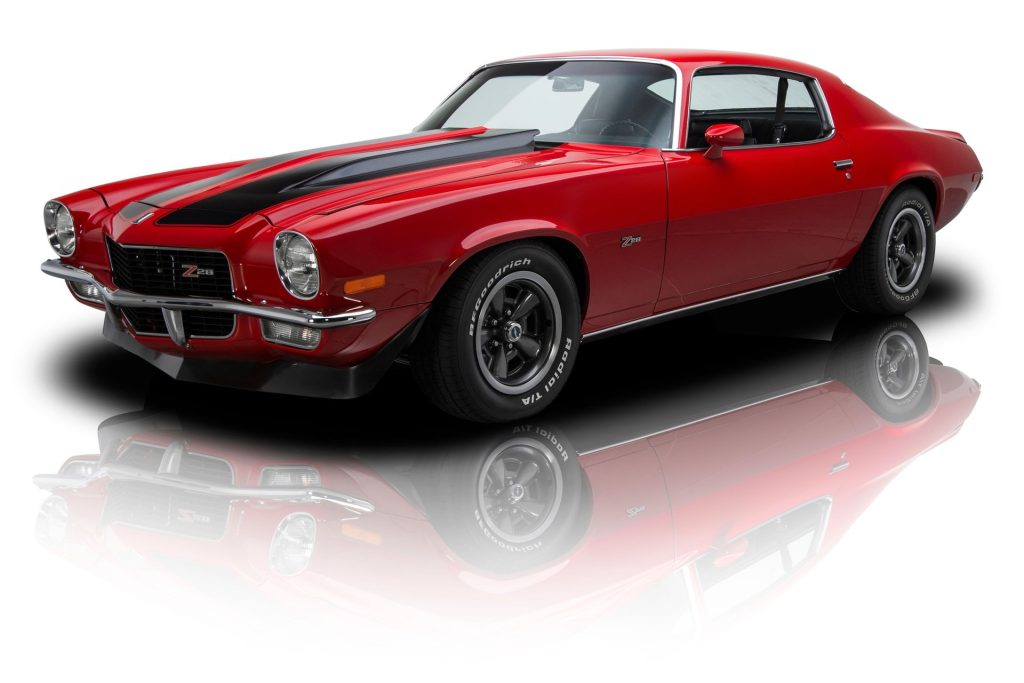
A strong example can be found in cars like the Chevrolet Camaro Z/28, where the factory suspension setup was specifically tuned to handle higher speeds and more aggressive driving conditions.
From an engineering perspective, these packages typically built upon a conventional layout, front-engine, rear-wheel-drive platforms with independent front suspension and solid rear axles in many American cars of the era.
The upgrades included stiffer coil or leaf springs, heavy-duty shock absorbers, thicker anti-roll (sway) bars, and, in some cases, revised steering ratios. Together, these components reduced body roll, improved cornering stability, and enhanced responsiveness.
Unlike aftermarket modifications, factory performance suspension systems were developed as integrated solutions, ensuring compatibility with the car’s weight distribution, chassis rigidity, and drivetrain characteristics.
Design characteristics of these packages were often subtle. While some models featured visual cues such as lowered ride height or performance badging, most of the improvements were not immediately visible.
The difference was felt rather than seen. Vehicles equipped with these options exhibited more controlled handling, better road feedback, and increased confidence during high-speed driving or cornering.
This was particularly important as horsepower figures climbed, requiring corresponding improvements in chassis capability to maintain balance.
Historically, performance suspension packages reflect a shift in automotive engineering priorities. As manufacturers moved beyond straight-line performance, there was growing recognition that handling and stability were equally important.
This was especially evident in homologation specials and track-oriented variants, where suspension tuning became a defining characteristic of the vehicle’s identity.
7. Premium Interior Trim Packages
emium interior trim packages represent one of the most influential factory options in shaping both the perceived quality and long-term desirability of a classic car.
Particularly prominent from the late 1950s through the 1970s, these packages reflected a growing emphasis on comfort, craftsmanship, and in-cabin experience.
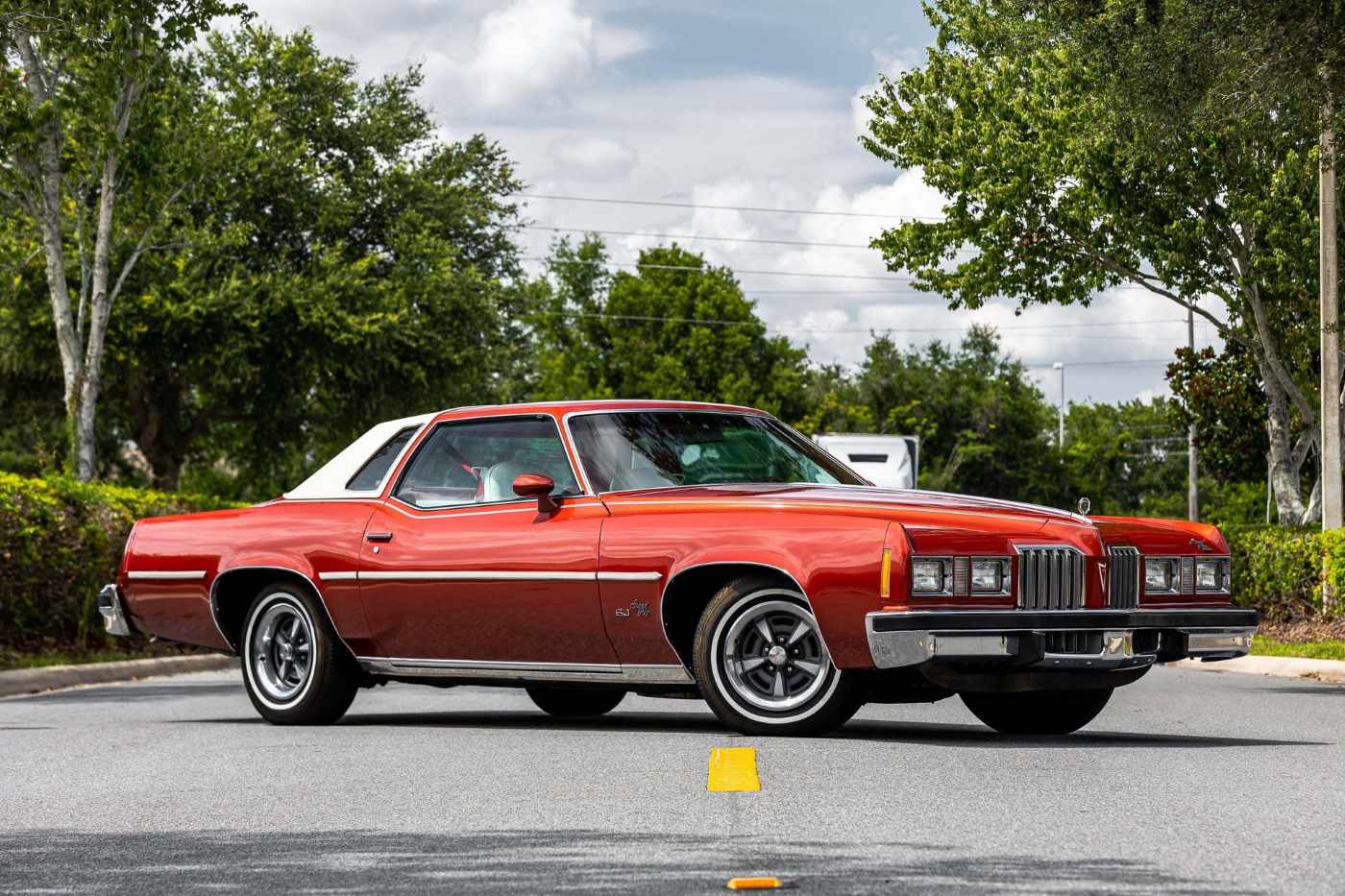
Manufacturers began offering upgraded interiors that transformed otherwise standard models into more refined, luxury-oriented vehicles. A clear example can be seen in cars like the Pontiac Grand Prix, where enhanced interior appointments played a central role in defining the model’s identity.
From an engineering standpoint, premium interior packages did not alter the fundamental drivetrain configuration, typically front-engine, rear-wheel-drive layouts powered by inline-six or V8 engines, but they did require additional manufacturing complexity.
Higher-grade materials such as genuine leather, upgraded vinyl, or velour upholstery were combined with improved seat construction, often incorporating thicker padding and more supportive frames.
Additional sound insulation was frequently included, reducing road and engine noise to create a quieter cabin environment. These enhancements were integrated at the factory, ensuring consistency in fit, finish, and durability.
Design characteristics of these packages were immediately apparent. Interiors featured woodgrain trim, brushed metal accents, upgraded instrumentation, and more elaborate stitching patterns.
Bucket seats with center consoles became a popular option, replacing traditional bench seating and introducing a more driver-focused layout.
8. Convertible Body Style
While not an option in the traditional sense, the choice of a convertible body style often functioned as an upgrade during the ordering process. Convertibles typically command higher values due to their lower production numbers and enhanced driving experience.
The open-top design adds an element of exclusivity and lifestyle appeal that resonates with collectors. However, structural considerations and maintenance requirements mean that condition plays a critical role in valuation.
When combined with other desirable options, convertibles often represent the most valuable configurations within a given model range.
9. Factory Performance Packages (e.g., Track or Handling Packs)
Factory performance packages, often marketed as track, handling, or competition packages, represent one of the most cohesive and desirable factory options available in classic cars.
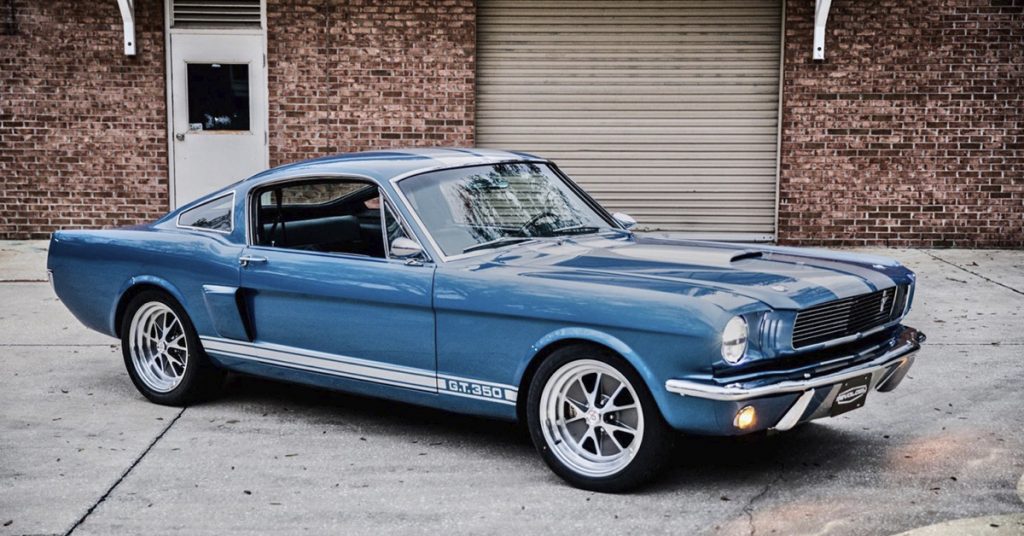
Rather than focusing on a single component, they integrated engine enhancements, suspension tuning, braking improvements, and sometimes aerodynamic or visual elements into a unified system. A defining example is the Ford Mustang GT350, which combined race-inspired engineering with road-going usability.
From a technical standpoint, these packages were built on traditional front-engine, rear-wheel-drive platforms but significantly elevated their capabilities. Engine modifications often included higher-compression ratios, revised camshaft profiles, upgraded carburetion, and improved cooling systems.
Suspension systems were recalibrated with stiffer springs, performance dampers, and reinforced components to improve handling and stability.
Braking systems were frequently upgraded with larger drums or early disc setups to handle increased speeds. The result was a balanced performance profile where each component complemented the others, rather than operating in isolation.
Design characteristics of factory performance packages were typically subtle but purposeful. Visual identifiers such as stripes, badges, or unique wheels distinguished these cars from standard models, while functional elements like hood scoops or improved airflow systems supported performance goals.
However, the true value of these packages lay beneath the surface, in the way they transformed the driving experience into something more precise, responsive, and capable.
Historically, these packages were often developed to meet homologation requirements for motorsport, meaning manufacturers had to produce a certain number of road-going examples to qualify for racing.
This connection to competition added a layer of authenticity and prestige, as the technology and engineering were directly influenced by track performance. Production numbers were typically limited, either intentionally or due to higher costs, contributing to their rarity today.
10. Original Radio and Period-Correct Electronics
While seemingly minor, factory-installed radios and electronics can influence value, particularly when they are rare or well-preserved. Options such as AM/FM radios, 8-track players, or early stereo systems reflect the technological context of the era.
Collectors often value these features for their authenticity and nostalgia. Retaining original electronics, even if they are no longer fully functional, can contribute to a car’s originality score.
In a market where details matter, these small elements can differentiate a high-quality example from an average one.
Factory options are a critical component of classic car valuation, shaping both the functional and emotional appeal of a vehicle. While major upgrades like engines and transmissions have the most obvious impact, smaller details, such as color, interior trim, and documentation, can collectively influence market perception.
What distinguishes the most valuable cars is not just the presence of desirable options, but how those options interact to create a cohesive, well-documented, and authentic example. Collectors are increasingly sophisticated, and their evaluations reflect a deep understanding of these nuances.
Ultimately, the most desirable factory options are those that enhance the car’s identity while remaining true to its original configuration. In a market defined by authenticity and rarity, these details are what separate exceptional cars from merely good ones.