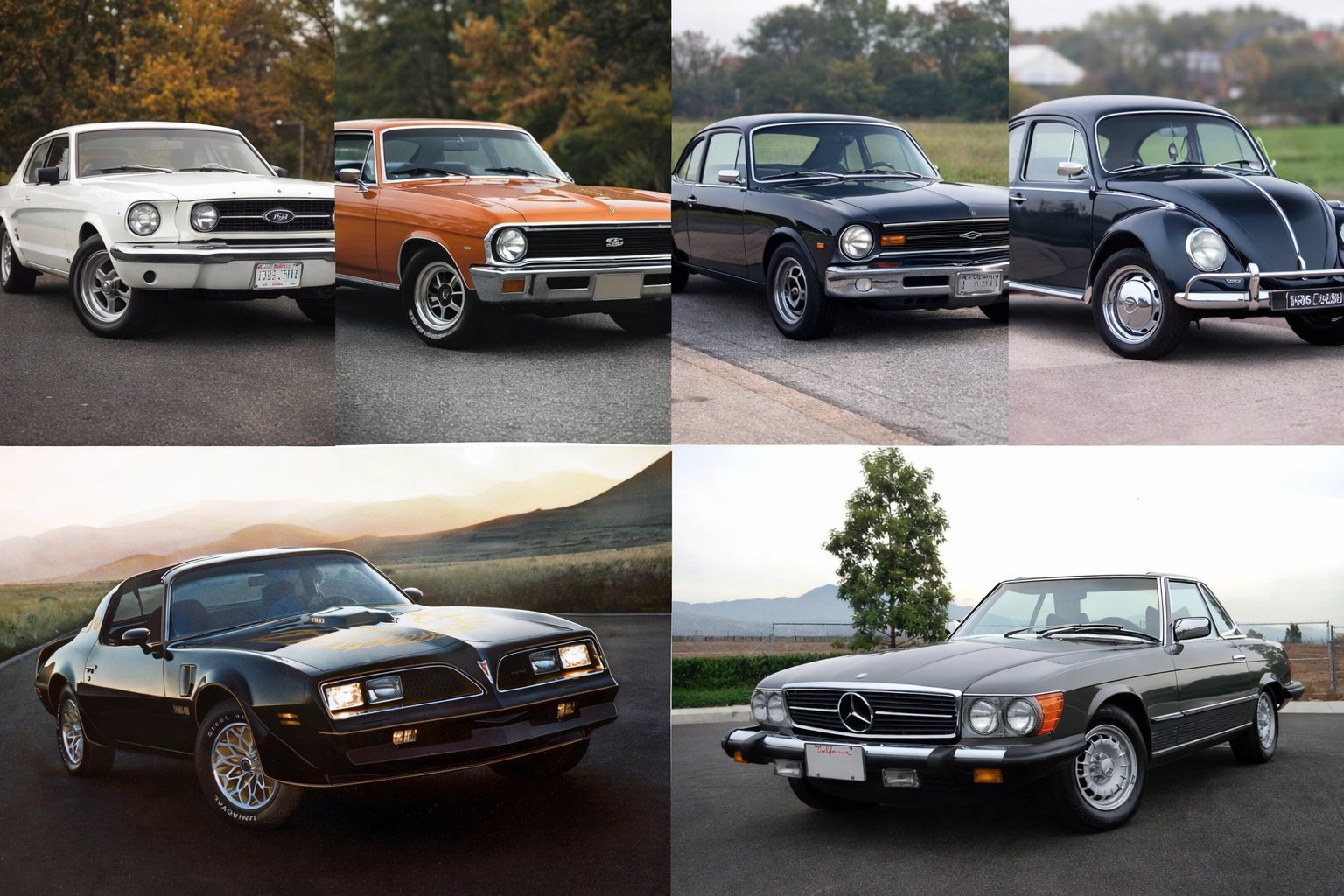
Building a classic car collection is often seen as an expensive hobby reserved for serious investors or seasoned enthusiasts. However, the reality is far more accessible. With the right strategy, patience, and market awareness, it is entirely possible to assemble a meaningful and enjoyable collection without a large budget.
The key lies in understanding how value works in the classic car market. Price is influenced not just by rarity or brand prestige, but by condition, timing, documentation, and buyer perception.
A budget-conscious collector must approach each purchase analytically, focusing on long-term value, minimizing unnecessary costs, and identifying overlooked opportunities.
This guide outlines six practical strategies that can help you build a classic car collection on a budget while still maximizing enjoyment and potential appreciation.
1. Target Overlooked Models and Undervalued Variants
Targeting overlooked models and undervalued variants is one of the most effective strategies for building a classic car collection on a budget. While high-profile vehicles, such as big-block muscle cars or limited-production performance trims, tend to dominate headlines and auction results, they also command significant premiums.
For budget-conscious collectors, the smarter approach is to look beyond these obvious choices and identify cars that share the same platform, design language, or historical context but have been largely ignored by the broader market.
These overlooked models often exist within the same product families as their more desirable counterparts. For example, base trims or lower-spec engine variants may lack outright performance, but they still offer the same styling, chassis, and driving character. In many cases, the differences are incremental rather than fundamental.
This creates an opportunity to acquire a similar ownership experience at a fraction of the cost, particularly when market perception has not yet caught up to the car’s intrinsic value.
Undervalued variants can also include less popular body styles, such as sedans instead of coupes, or wagons instead of performance-oriented trims. These versions were produced in larger numbers but were not preserved to the same extent, as they were often used as daily transportation.
As a result, surviving examples in good condition can be relatively scarce today, even if the model itself was not considered collectible at the time. This dynamic, high original production combined with low survival rates, can create favorable conditions for future appreciation.
Another important factor is timing. Collector markets are cyclical, and attention tends to shift as certain segments become saturated or overpriced. As iconic models become less accessible, enthusiasts and investors begin to look for alternatives.
This often leads to increased demand for previously overlooked vehicles, driving gradual value growth. Identifying these trends early allows collectors to enter the market before prices adjust.
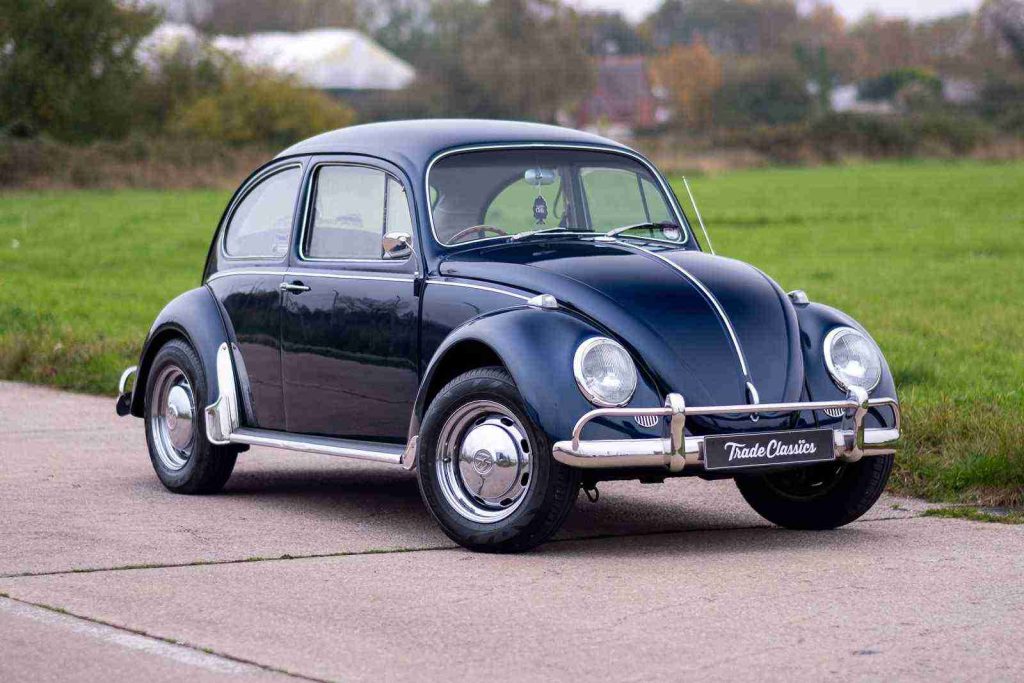
However, success with this strategy requires research and discipline. Buyers must evaluate factors such as parts availability, community support, and long-term desirability.
Not every overlooked car will become valuable, and some may remain niche indefinitely. The goal is to find vehicles that offer a strong combination of affordability, usability, and historical relevance.
Ultimately, targeting overlooked models is about recognizing value where others have not yet looked. For collectors working within a budget, it provides a practical pathway into the market while still offering the potential for meaningful long-term returns.
2. Prioritize Condition Over Rarity
Prioritizing condition over rarity is a foundational principle for building a classic car collection on a budget. While rare models often attract attention and command higher prices, they can also introduce significant financial risk, especially when they require extensive restoration.
For budget-conscious collectors, the smarter approach is to focus on well-maintained, complete vehicles rather than chasing scarce examples in poor condition.
A rare car in deteriorated condition can quickly become a costly liability. Restoration expenses, particularly for bodywork, paint, interior refurbishment, and mechanical rebuilding, can escalate beyond initial estimates.
In many cases, the total investment required to restore a rare vehicle exceeds its eventual market value. This is especially true when parts are difficult to source or require custom fabrication, which adds both time and expense to the project.
In contrast, a common model in good condition offers immediate usability and lower ongoing costs. Vehicles that are mechanically sound, structurally solid, and cosmetically presentable allow collectors to enjoy the ownership experience without committing to a full restoration.
Even if these cars are less rare, their condition makes them more practical and often more desirable to a broader range of buyers.
Condition also plays a critical role in preserving value. Original paint, intact interiors, and matching components contribute to a car’s authenticity, which is increasingly valued in the collector market.
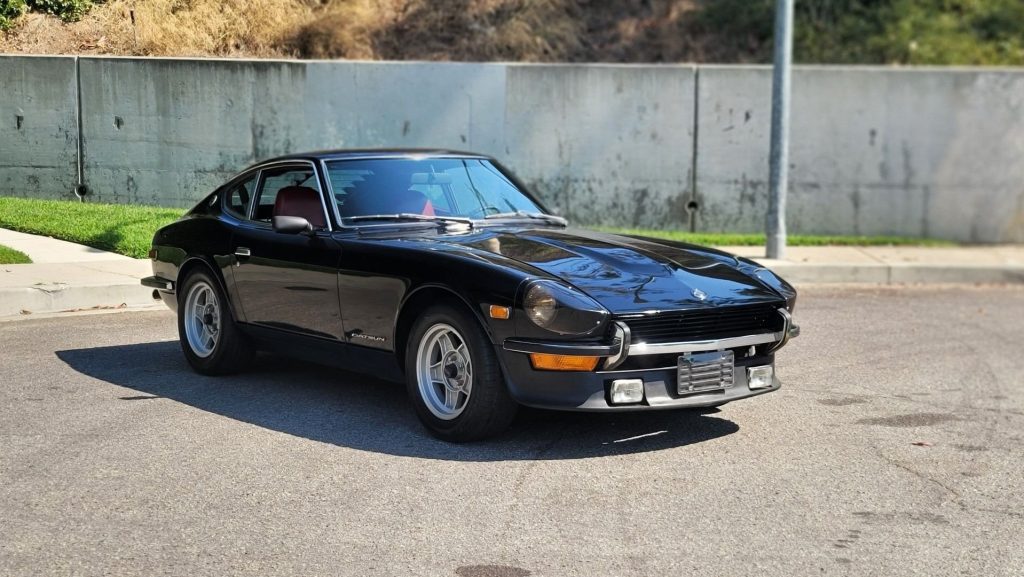
Well-preserved cars often retain more of their historical character than heavily restored examples, and this originality can translate into stronger resale appeal.
Another advantage of prioritizing condition is predictability. A car that has been properly maintained is less likely to present unexpected issues, making ownership more manageable.
For collectors working within a budget, avoiding unforeseen expenses is essential. A solid, well-documented car provides greater confidence and reduces the likelihood of costly surprises.
Additionally, cars in good condition are easier to sell. The market for clean, driver-quality vehicles is typically broader than for incomplete or project cars. This liquidity is important for collectors who may want to upgrade their collection over time by selling and reinvesting in more desirable models.
While rarity can enhance value, it should not come at the expense of condition, especially for budget buyers. A well-maintained, accessible car often delivers a better balance of enjoyment, reliability, and financial stability than a rare but neglected example. By focusing on condition first, collectors can build a more sustainable and rewarding portfolio over time.
3. Choose Driver-Quality Cars Instead of Show Cars
Choosing driver-quality cars instead of show cars is a practical and financially sound strategy for building a classic car collection on a budget. While concours-level vehicles are often presented as the pinnacle of collecting, featuring flawless paint, meticulously restored interiors, and factory-correct details, they come at a significant premium.
For most collectors, especially those working within financial constraints, the added cost does not translate into proportional benefits in usability or enjoyment.
Driver-quality cars, by contrast, strike a more efficient balance between condition and affordability. These vehicles are mechanically sound, structurally solid, and presentable, but they may exhibit minor cosmetic imperfections such as light paint wear, small interior blemishes, or age-related patina.
One of the key advantages of driver-quality cars is usability. Owners can take them on road trips, attend events, and drive them without the constant concern of preserving a near-perfect finish.
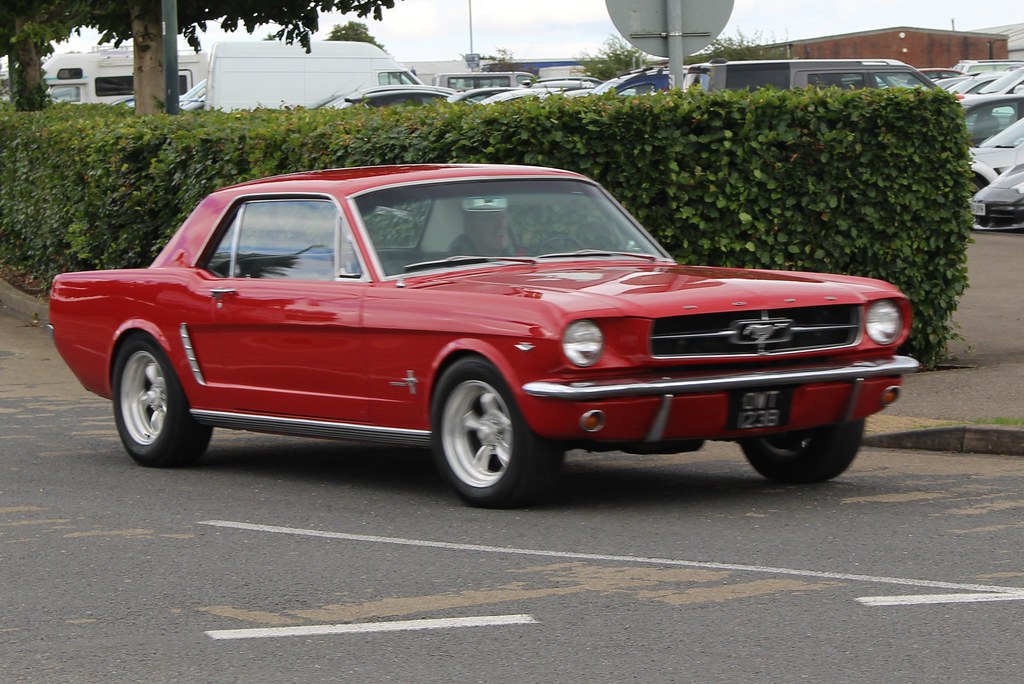
This aligns more closely with the original purpose of most classic cars, to be driven rather than displayed. In contrast, show cars often require careful handling, controlled environments, and limited use to maintain their condition, which can restrict the ownership experience.
From a financial perspective, driver-quality cars also offer greater flexibility. Because they are less expensive to acquire, they allow collectors to allocate resources more efficiently, whether that means purchasing additional vehicles or investing in maintenance and incremental improvements.
Over time, owners can choose to enhance specific areas of the car, spreading costs rather than committing to a large upfront restoration expense.
Another important factor is market behavior. The demand for clean, usable classics is consistently strong, as many buyers prefer cars they can drive immediately.
This broad appeal supports resale liquidity, making it easier to exit or upgrade within a collection. In contrast, the market for high-end show cars is more specialized and can be sensitive to economic fluctuations.
Driver-quality cars also reduce risk. Minor imperfections are already factored into the purchase price, meaning there is less concern about depreciation due to small changes in condition. Owners can enjoy the car without the pressure of maintaining perfection.
Choosing driver-quality cars allows collectors to prioritize experience, practicality, and financial efficiency.
Rather than focusing on flawless presentation, this approach emphasizes real-world usability and long-term sustainability, key factors in building a meaningful and enjoyable classic car collection.
4. Buy Through Enthusiast Communities and Private Sellers
Buying through enthusiast communities and private sellers is one of the most effective ways to acquire classic cars at favorable prices while reducing uncertainty.
Unlike dealerships and auction platforms, which typically reflect retail pricing and include commissions or markups, enthusiast-driven marketplaces often operate on more realistic valuations. Sellers in these spaces are usually owners rather than traders, and transactions are shaped more by shared interest than purely by profit.
Online forums, marque-specific groups, and local car clubs function as informal ecosystems where knowledge and inventory circulate together.
Platforms such as Bring a Trailer and Cars & Bids are well-known, but deeper value is often found in smaller, community-based spaces where cars are not exposed to broad bidding competition. In these environments, pricing tends to be more grounded, and negotiations are more flexible.
One of the primary advantages of buying within enthusiast communities is transparency. Sellers are often deeply familiar with their vehicles and willing to share detailed histories, maintenance records, and known issues.
This level of disclosure reduces information asymmetry, which is a common risk in the classic car market. Buyers can also review past posts, build threads, or ownership discussions, providing additional context that is rarely available in traditional listings.
Another benefit is access to better-maintained cars. Enthusiast-owned vehicles are more likely to have been properly serviced, stored, and documented.
Owners who participate in communities tend to follow recommended maintenance practices and are more attentive to model-specific issues. As a result, the overall quality of available cars is often higher than what is found through general marketplaces.
Community engagement also provides indirect due diligence. Other members can offer opinions on pricing, identify potential issues, or confirm the authenticity of a vehicle.
This collective knowledge base acts as an additional layer of verification, helping buyers make more informed decisions. In some cases, long-standing members have established reputations, further increasing trust in transactions.
Private sales within these networks can also lead to off-market opportunities. Cars are sometimes offered first within communities before being listed publicly, giving members early access to desirable vehicles. This reduces competition and increases the likelihood of securing a good deal.
However, this approach still requires discipline. Buyers should conduct inspections, verify documentation, and avoid relying solely on trust. While communities reduce risk, they do not eliminate it.
Overall, sourcing cars through enthusiast communities and private sellers offers a combination of better pricing, higher-quality vehicles, and improved transparency. For budget-conscious collectors, it represents a strategic advantage that extends beyond the transaction itself, providing access to ongoing support and shared expertise.
5. Focus on Low-Cost Ownership and Parts Availability
Focusing on low-cost ownership and parts availability is a critical strategy when building a classic car collection on a budget. While purchase price often receives the most attention, the long-term cost of owning and maintaining a vehicle can have a far greater impact on overall affordability.
A car that is inexpensive to buy but difficult or costly to maintain can quickly become a financial burden, undermining the goal of building a sustainable collection.
One of the primary considerations is parts availability. Vehicles that were produced in large numbers or share components across multiple models typically benefit from stronger aftermarket support.
This means replacement parts, whether mechanical, electrical, or cosmetic, are easier to source and more competitively priced. In contrast, rare or obscure models may require specialized parts that are scarce, expensive, or only available through custom fabrication, significantly increasing maintenance costs.
Labor and serviceability also play an important role. Simpler vehicles with straightforward mechanical systems are generally easier to repair, both for professionals and for owners who prefer to handle basic maintenance themselves.
Cars with complex or model-specific systems can require specialized knowledge or tools, leading to higher labor costs and longer repair times. For budget-conscious collectors, ease of service directly translates into lower ongoing expenses.
Reliability is another factor closely tied to ownership costs. Some classic cars are known for robust engineering and predictable maintenance needs, while others may have inherent weaknesses that require frequent attention.
Researching common issues and long-term reliability trends helps identify models that are less likely to generate unexpected expenses.
Insurance and storage costs should also be considered. Many classic cars qualify for specialized insurance policies that offer lower premiums, particularly when usage is limited.
Choosing vehicles that fit within these programs can reduce recurring costs. Similarly, cars that do not require highly controlled storage conditions, such as climate-controlled environments, are generally more economical to own.
Fuel efficiency, while not always a primary concern for collectors, can also influence usability. Vehicles with moderate fuel consumption are more practical for regular driving, allowing owners to enjoy them without incurring excessive operating costs.
Ultimately, focusing on low-cost ownership is about evaluating the total cost of the vehicle over time, not just the initial purchase price. Cars that are easy to maintain, supported by a strong parts network, and known for reliability provide a more stable and enjoyable ownership experience.
For collectors working within a budget, this approach ensures that the collection remains manageable, allowing resources to be allocated toward additional acquisitions or incremental improvements rather than ongoing repairs.
6. Build Gradually and Think Long-Term
Building a classic car collection on a budget requires a long-term, incremental approach rather than rapid acquisition.
Unlike high-capital collectors who can purchase multiple vehicles at once, budget-conscious buyers benefit from focusing on one carefully selected car at a time. This method allows for more thorough research, better decision-making, and improved financial control, reducing the likelihood of costly mistakes.
The first advantage of a gradual approach is selectivity. When resources are limited, each purchase must serve a clear purpose within the collection.
This encourages buyers to evaluate factors such as condition, historical relevance, maintenance costs, and future desirability before committing. Over time, this discipline leads to a more cohesive and thoughtfully curated collection rather than a group of impulsive purchases.
A long-term perspective also allows collectors to take advantage of market timing. Classic car values are not static; they fluctuate based on trends, economic conditions, and shifting enthusiast interest.
By remaining patient, buyers can wait for favorable opportunities, such as seasonal price dips or motivated sellers, rather than overpaying during peak demand. This timing advantage can significantly improve overall value across multiple acquisitions.
Another important benefit is the ability to reinvest strategically. As knowledge and experience grow, collectors can sell existing vehicles to upgrade into more desirable models.
This process, often referred to as “trading up,” enables gradual progression without requiring substantial additional capital. Each transaction builds on the previous one, allowing the collection to evolve in both quality and value.
A measured pace also makes ownership more manageable. Maintaining, storing, and insuring multiple classic cars can become expensive and time-consuming.
By expanding slowly, collectors can ensure that each vehicle receives proper attention and care. This helps preserve condition and value, which is essential for long-term success.
Financial stability is another key consideration. Spreading purchases over time reduces immediate financial strain and allows collectors to allocate funds more effectively.
Instead of committing large sums upfront, resources can be distributed across acquisition, maintenance, and incremental improvements. This approach minimizes risk and keeps the hobby sustainable.
Patience is central to this strategy. Many of the best opportunities in the classic car market require waiting, sometimes for months or even years, for the right car at the right price. Rushing into a purchase often leads to compromises in condition or value, which can be difficult to correct later.
Ultimately, building gradually and thinking long-term transforms classic car collecting from a series of transactions into a structured process.
It prioritizes quality over quantity, strategy over impulse, and sustainability over short-term gains. For budget collectors, this approach not only reduces risk but also creates a more rewarding and enduring ownership experience.
Smart Strategy Over Big Spending
Building a classic car collection on a budget is not about limiting ambition,it is about applying discipline, patience, and informed decision-making.
While high-value, headline-grabbing cars often dominate attention, long-term success in the collector market is rarely determined by a single purchase. Instead, it is shaped by a series of calculated choices that balance affordability, usability, and future potential.
The strategies outlined, targeting overlooked models, prioritizing condition, choosing driver-quality examples, leveraging enthusiast networks, managing ownership costs, and building gradually, are all interconnected.
Each one reduces risk while increasing flexibility, allowing collectors to adapt as their knowledge and the market evolve. Together, they form a framework that emphasizes sustainability over short-term gains.
A key advantage of this approach is control. By avoiding overextension and focusing on total cost of ownership rather than just acquisition price, collectors can maintain financial stability while still participating actively in the hobby.
This also creates opportunities to reinvest, upgrade, and refine the collection over time without significant additional capital.
Equally important is the emphasis on enjoyment. Budget-conscious collecting does not diminish the experience it often enhances it.
Driving, maintaining, and improving accessible, well-chosen cars can be more rewarding than owning high-value vehicles that are rarely used. The process becomes more engaging, and each addition to the collection carries a sense of purpose.
Market dynamics also favor informed buyers. As traditional collector segments become saturated and expensive, opportunities increasingly emerge in overlooked areas. Those who approach the market analytically, rather than emotionally, are better positioned to identify value early and benefit from shifting trends.
Ultimately, success in building a classic car collection is not defined by how much money is spent, but by how effectively it is used.
A strategic, long-term mindset allows collectors to create a portfolio that is both enjoyable and financially sustainable. In a market driven by perception and timing, thoughtful decisions will consistently outperform excessive spending.