
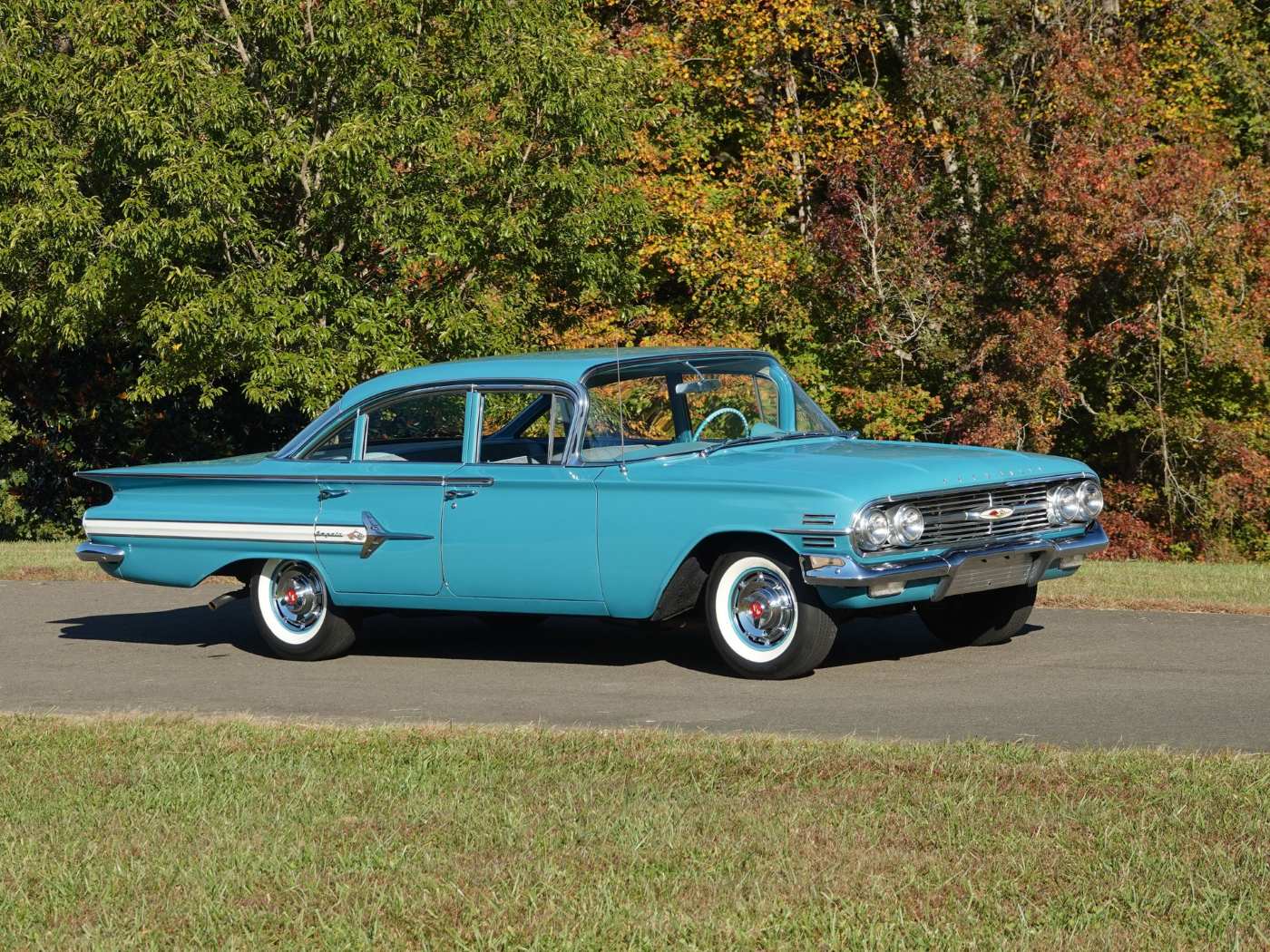
For decades, traditional muscle cars have dominated the collector market. High-horsepower engines, aggressive styling, and strong cultural associations have made them the default choice for enthusiasts and investors alike. However, as prices for iconic muscle cars continue to climb, many buyers are beginning to explore alternative segments that offer better value and long-term potential.
Vintage station wagons represent one such segment. Once viewed primarily as utilitarian family vehicles, they are now gaining recognition for their rarity, practicality, and distinct design. Unlike muscle cars, which were often preserved or restored early on, many wagons were used extensively and discarded, making surviving examples comparatively scarce.
The following five factors explain why vintage wagons can be a compelling investment alternative to traditional muscle cars.
1. Lower Entry Costs With Comparable Upside
In the American automotive landscape of the 1960s and early 1970s, the same engineering programs that produced headline-grabbing muscle cars also underpinned a wide range of family-oriented station wagons.
Full-size platforms from manufacturers like Chevrolet, Ford, and Plymouth were developed with shared chassis architectures, meaning a wagon often carried the same fundamental mechanical package as its high-performance coupe counterpart.
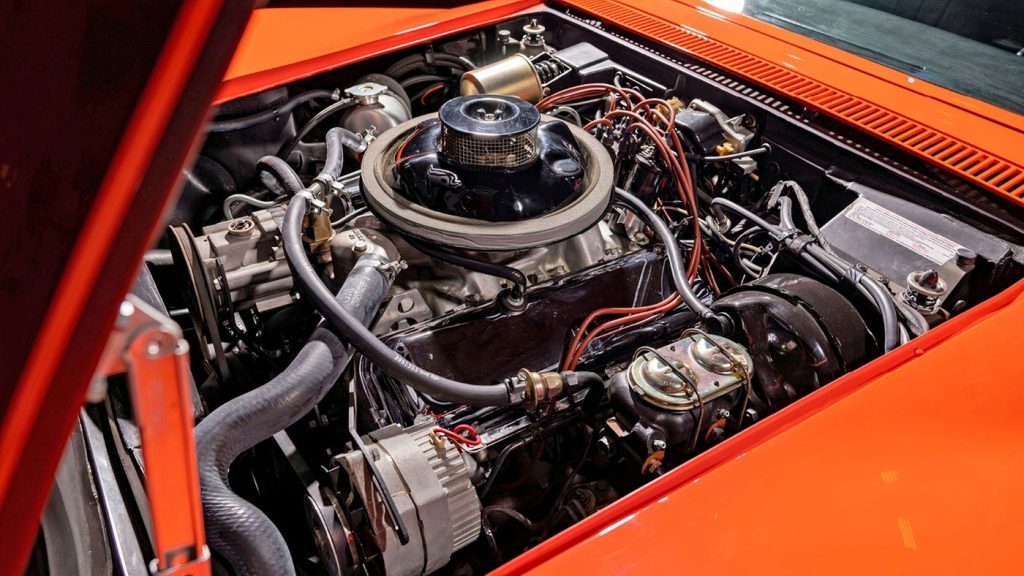
Under the hood, buyers could specify robust small-block or even big-block V8 engines, paired with longitudinal front-engine, rear-wheel-drive layouts and durable automatic transmissions such as the Turbo-Hydramatic or TorqueFlite. The result was a vehicle that, despite its utilitarian image, possessed comparable straight-line performance potential and mechanical credibility.
What distinguishes the vintage wagon in today’s collector market is not a lack of capability, but a historical undervaluation rooted in perception. While muscle cars became icons of performance culture, driven by motorsport influence, aggressive styling, and youth-oriented marketing, wagons were positioned as practical family transport.
Yet they benefited from the same engineering investments: body-on-frame or unibody construction depending on the model, coil-spring or leaf-spring rear suspensions tuned for load capacity, and braking systems identical to those found on sedan and coupe variants. This mechanical parity creates a compelling entry point for investors who understand that desirability can evolve independently of original intent.
Design characteristics further reinforce the value proposition. Vintage wagons feature long rooflines, expansive glass areas, and distinctive rear treatments such as clamshell or tailgate configurations, offering a visual identity that has grown increasingly appreciated in modern collector circles.
Interiors, often trimmed in durable vinyl or cloth, were built to accommodate families but now appeal to enthusiasts seeking authenticity and usability. Importantly, many wagons were produced in lower surviving numbers than their muscle car counterparts, as hard use and utilitarian roles led to higher attrition rates over time.
From an investment standpoint, this combination of shared engineering and lower historical demand translates into reduced acquisition costs with comparable upside potential.
A V8-powered wagon from the same platform as a desirable muscle car can often be purchased at a fraction of the price, yet benefits from the same parts availability, restoration knowledge base, and mechanical robustness. As market tastes broaden and collectors seek alternatives to increasingly expensive coupes, wagons are gaining recognition for their uniqueness and practicality.
Within the context of this list, the vintage wagon exemplifies a strategic opportunity: it delivers much of the performance DNA and historical substance of a traditional muscle car, but enters the market at a lower cost basis, positioning it for potential appreciation as perceptions continue to shift.
2. Greater Rarity Due to Lower Survival Rates
In the American automotive market of the 1960s and 1970s, station wagons occupied a fundamentally different lifecycle than their muscle car counterparts, and that divergence has a direct impact on their rarity today. Built on the same full-size and intermediate platforms as performance coupes, wagons from manufacturers like Oldsmobile, Buick, and Dodge shared core engineering DNA.
Most featured longitudinal front-engine, rear-wheel-drive layouts, with available small-block and big-block V8 engines paired to robust automatic transmissions. Structurally, they utilized either body-on-frame construction in full-size applications or unibody designs in intermediates, with reinforced rear sections to support cargo loads and passenger capacity.
Despite this mechanical parity, wagons were never treated as collectible objects during their prime years. Their development prioritized utility over image, with suspension tuning calibrated for load-bearing stability rather than outright performance.
Leaf-spring rear setups were common, optimized for durability under weight, while braking and steering systems mirrored those of their sedan siblings. Interiors were configured for maximum occupancy, often with rear-facing third-row seating and hard-wearing materials designed to withstand family use. These were vehicles engineered to be used extensively, not preserved.
That intended use is precisely what makes surviving examples significantly rarer today. Unlike muscle cars, which were frequently cherished, modified, or stored as enthusiast vehicles, wagons were driven daily, exposed to heavy wear, and often discarded once their practical lifespan ended.
Rust, high mileage, and general neglect claimed a disproportionate number of these vehicles, particularly in regions with harsh climates. As a result, even though production volumes for wagons were often substantial, survival rates are markedly lower than those of comparable coupes and convertibles.
Design characteristics further contribute to their scarcity. Complex rear mechanisms, such as dual-action tailgates or disappearing clamshell systems, were expensive to repair and prone to failure over time, accelerating the decline of many examples.
Large glass areas and extended rooflines increased vulnerability to structural degradation, especially when maintenance was deferred. These factors compounded the natural attrition associated with utilitarian use.
Historically, this imbalance between production and preservation has created a unique position in today’s collector market. A wagon equipped with the same V8 drivetrain as a desirable muscle car may exist in far smaller numbers simply because fewer were saved.
That rarity is a key investment argument: while muscle cars benefit from established desirability, vintage wagons offer scarcity driven by survival rather than limited production. This distinction positions them as compelling alternatives, where true rarity, combined with shared engineering heritage, can translate into long-term collector interest and value appreciation.
3. Practicality and Usability
In the American automotive boom of the 1960s and early 1970s, station wagons were engineered as multipurpose vehicles, designed to handle the full spectrum of daily life in a way traditional muscle cars never intended.
Built on the same platforms as performance coupes by manufacturers like Chevrolet, Ford, and AMC, vintage wagons combined familiar mechanical robustness with a level of usability that remains highly relevant to modern collectors.
Underneath their extended rooflines, these vehicles typically featured front-engine, rear-wheel-drive layouts, with available inline-six or V8 engines paired to durable automatic transmissions. The engineering was not exotic, but it was proven, serviceable, and shared across a wide range of models.
What set the wagon apart was how that engineering was applied. Long wheelbases and reinforced rear structures allowed for substantial cargo capacity without compromising drivetrain integrity.
Suspension systems, often coil springs up front and leaf springs at the rear, were tuned to handle both passenger loads and heavy hauling, giving wagons a versatility muscle cars simply could not match.
Braking systems and steering components were similarly robust, designed for sustained use rather than occasional spirited driving. This made wagons dependable not just as collector pieces, but as vehicles that could still be driven regularly with confidence.
Design characteristics amplified this practicality. Expansive cargo areas, fold-flat rear seats, and innovative tailgate designs, ranging from two-way swing gates to fully retractable clamshell systems, allowed owners to adapt the vehicle to a variety of needs.
Large glass areas improved visibility, while interiors offered seating for up to eight or nine passengers in some configurations. Materials were chosen for durability, with vinyl and heavy-duty fabrics that could withstand years of use. Muscle cars prioritized style and performance over function, often sacrificing rear seat space, trunk accessibility, and overall comfort in the process.
Historically, this emphasis on usability reflected the American lifestyle of the era, where a single vehicle often needed to serve as family transport, road-trip machine, and utility hauler.
Today, that same versatility gives vintage wagons a unique advantage in the collector market. They are not confined to occasional weekend use; they can participate in events, carry gear, and accommodate passengers without compromise.
Within the context of this list, practicality and usability make a compelling case for investment. A vintage wagon delivers the same underlying mechanical character as a traditional muscle car, but adds real-world functionality that enhances ownership experience.
This dual-purpose nature broadens its appeal, positioning it as both a collectible and a usable classic, an increasingly valuable combination as enthusiasts seek cars they can enjoy beyond static display.
4. Unique Styling and Cultural Appeal
In the American automotive landscape of the 1960s and 1970s, station wagons developed a visual identity and cultural resonance distinct from the aggressive, performance-driven image of traditional muscle cars.
Built alongside coupes and sedans by manufacturers like Pontiac, Mercury, and Chrysler, wagons shared the same underlying engineering, front-engine, rear-wheel-drive layouts, available small-block and big-block V8 engines, and durable automatic transmissions, but expressed these mechanical foundations through a markedly different design language.
Where muscle cars emphasized short decks, long hoods, and overt performance cues, wagons stretched those proportions into elongated rooflines and extended rear quarters, creating silhouettes that were both functional and visually distinctive.
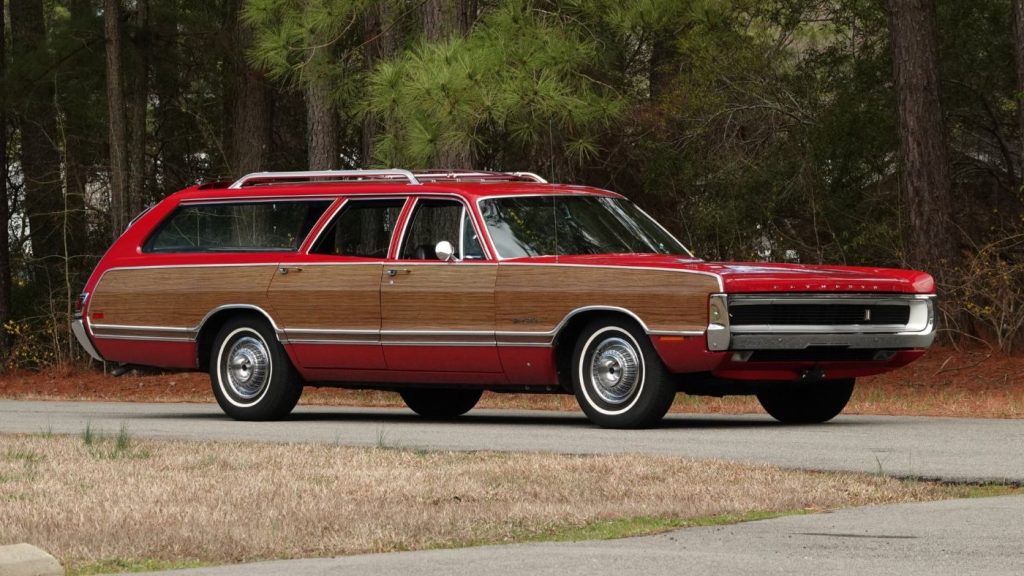
This extended form allowed designers to experiment with elements rarely seen on performance models. Wraparound glass, sculpted tailgates, and signature features like simulated woodgrain paneling gave wagons a recognizable presence that has become increasingly appreciated in modern collector culture.
Roof racks, chrome trim, and expansive side profiles contributed to a sense of scale and purpose, while interiors often echoed exterior themes with coordinated materials and color palettes. Despite their utilitarian role, many wagons carried the same front-end styling as their coupe counterparts, including quad headlights, bold grilles, and period-correct badging, subtly linking them to the performance lineage of the brand.
Culturally, the wagon occupied a different space than the muscle car, one tied to family life, road trips, and the expansion of suburban America. It became an icon of everyday mobility, featured in films, television, and advertising as the vehicle of choice for cross-country travel and communal experiences.
This broad cultural footprint has aged into a form of nostalgia that is arguably more universal than the niche performance appeal of muscle cars. While coupes were often associated with youth and speed, wagons represented continuity, practicality, and shared experience, qualities that resonate strongly with today’s collectors seeking authenticity and storytelling.
From an engineering standpoint, the wagon’s styling was inseparable from its function. Reinforced rear structures, longer wheelbases, and load-capable suspensions shaped the proportions, while the need for accessibility drove innovations in tailgate design and cargo management. Yet these constraints produced a form factor that now stands apart in a sea of more conventional classics.
Within the context of this list, unique styling and cultural appeal position the vintage wagon as a compelling alternative investment. It offers the same mechanical pedigree as a traditional muscle car, but with a design and identity that are less saturated in the market.
That distinctiveness, combined with its deep cultural roots, gives the wagon a different kind of desirability, one that continues to grow as collectors look beyond performance icons toward vehicles that capture a broader slice of automotive history.
5. Growing Enthusiast Interest and Market Diversification
In the evolving collector car landscape, vintage station wagons from the 1960s and 1970s are benefiting from a measurable shift in enthusiast attention, driven by market saturation in traditional muscle cars and a broader reassessment of what constitutes a desirable classic.
Built on the same platforms as their high-performance counterparts by manufacturers like Chevrolet, Ford, and Dodge, these wagons share the core engineering that underpins muscle car appeal.
Front-engine, rear-wheel-drive layouts, widely available small-block and big-block V8 engines, and proven automatic transmissions such as the Turbo-Hydramatic and TorqueFlite provide the same mechanical credibility, but without the inflated entry costs associated with iconic coupes.
During their production era, wagons were developed as extensions of existing model lines rather than standalone halo products. They inherited chassis tuning, braking systems, and drivetrain configurations from sedans and performance variants, often differing primarily in body structure and rear suspension calibration to support increased load capacity.
This meant that, beneath their utilitarian exterior, many wagons offered performance potential comparable to base and mid-level muscle cars. However, because they were marketed toward families rather than enthusiasts, they were largely overlooked during the early decades of collector interest, when muscle cars dominated auctions, media coverage, and restoration culture.
That imbalance is now correcting. As the muscle car market matures, particularly for well-known nameplates where values have plateaued or become inaccessible to new buyers, enthusiasts are turning to overlooked segments with shared mechanical DNA. Wagons, once dismissed as purely functional, are being reevaluated for their uniqueness, rarity, and usability.
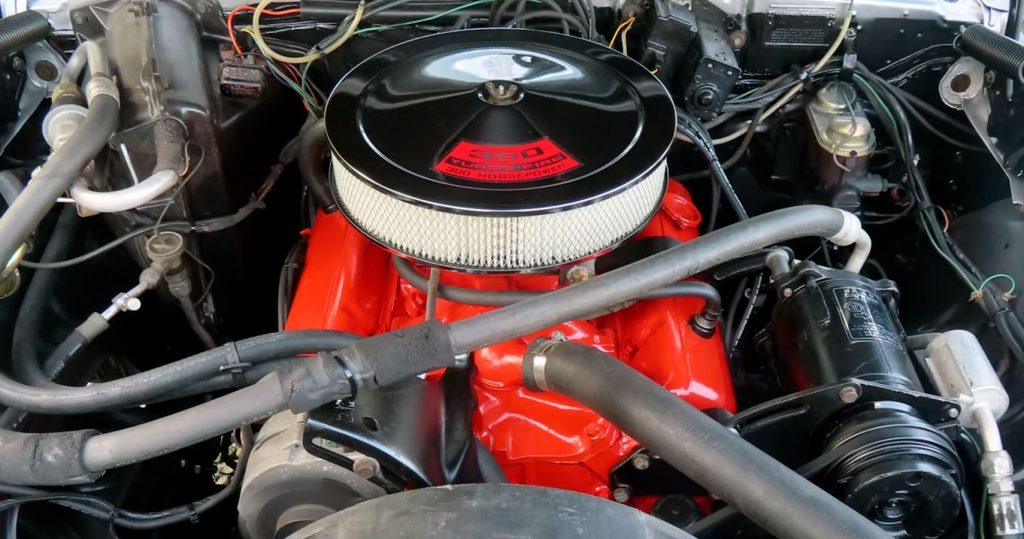
Restoration shops and aftermarket suppliers increasingly support these models, leveraging the vast interchangeability of parts across platforms. This reduces restoration risk and broadens appeal, especially for buyers seeking entry points into classic ownership without compromising on authenticity or performance potential.
Design and cultural factors are also contributing to this shift. The distinctive proportions, period-specific details, and nostalgic associations of vintage wagons differentiate them in a crowded field of coupes and convertibles.
At shows and auctions, they stand out precisely because they were not preserved in large numbers or celebrated in their own time. This growing visibility reinforces demand, creating a feedback loop that gradually elevates their market position.
Within the context of this list, growing enthusiast interest and market diversification underscore a strategic investment advantage. Vintage wagons occupy a space where mechanical familiarity meets emerging demand, offering buyers the opportunity to participate in a segment that is still developing.
As collector preferences continue to expand beyond traditional muscle cars, wagons are positioned to benefit from increased recognition, making them not only distinctive acquisitions but also assets with meaningful upside potential.
Opportunity in the Overlooked
In the American collector car hierarchy of the 1960s and 1970s, station wagons long existed in the shadow of their muscle car counterparts, despite sharing the same engineering foundations.
Developed alongside performance coupes by manufacturers like Buick, Oldsmobile, and Plymouth, these wagons rode on identical or closely related platforms, utilizing front-engine, rear-wheel-drive layouts with longitudinally mounted inline-six or V8 engines.
Automatic transmissions such as the Turbo-Hydramatic and TorqueFlite were common, delivering durability and ease of operation, while suspension systems, coil springs up front and leaf springs in the rear, were engineered to balance ride comfort with load-bearing capability.
What differentiates wagons in today’s market is not a lack of substance, but a historical oversight in perception. During their production years, they were positioned as practical extensions of sedan lineups, designed for families, cargo, and long-distance travel rather than performance image.
As a result, they were rarely preserved with the same care as muscle cars, which were immediately recognized as aspirational and collectible. Yet mechanically, many wagons offered near-identical drivetrains and chassis components, meaning their performance ceiling, particularly in V8-equipped examples, was far closer to muscle cars than their reputation suggests.
Design characteristics further reinforce their status as overlooked assets. Extended rooflines, expansive cargo areas, and distinctive tailgate mechanisms created a form factor that was functional first, but now reads as visually unique in a collector space saturated with coupes.
Interiors, built for durability and capacity, often featured materials and layouts that have aged into authentic representations of mid-century American automotive design. These elements, once considered purely utilitarian, now contribute to a sense of originality that is increasingly valued among collectors seeking alternatives to heavily restored or overexposed models.
This disconnect between capability and perception has created a gap in the market, one that presents a clear opportunity. As muscle car values have risen and availability of well-preserved examples has diminished, attention is shifting toward vehicles that offer comparable engineering with less competition.
Wagons benefit from this shift precisely because they were overlooked; their lower survival rates and limited prior demand have kept prices relatively accessible while preserving upside potential.
Within the context of this list, the vintage wagon exemplifies opportunity in the overlooked. It combines shared mechanical DNA with distinctive design and genuine scarcity, all within a segment that is only now gaining broader recognition.
For investors and enthusiasts alike, this positioning offers a strategic advantage: the ability to acquire a historically significant, mechanically robust vehicle before it fully enters the mainstream of collector demand.
