
Partially restored classic cars occupy an appealing middle ground in the market. They are often priced below fully restored examples, yet presented as being “mostly complete,” suggesting reduced effort and cost for the buyer. On the surface, they appear to offer value, someone else has already done the hard work, leaving only finishing touches.
In practice, however, partially restored cars frequently introduce more risk than either fully restored vehicles or untouched originals. The problem is not simply what has been done, but how it was done and what remains unknown. Incomplete work can conceal poor craftsmanship, missing components, and escalating costs that quickly exceed initial expectations.
The following ten factors explain why buying a partially restored car can often be a costly mistake.
1. Unknown Quality of Previous Work
One of the most persistent risks in purchasing a partially restored classic, whether it’s a big-block-era Chevrolet Chevelle SS or a luxury cruiser like the Cadillac Eldorado, is the unknown quality of the work already completed.
Cars from the 1950s through the 1970s were engineered with relatively straightforward front-engine, rear-wheel-drive layouts, body-on-frame or early unibody construction, and robust but service-sensitive components such as carbureted V8 engines, drum or early disc brakes, and analog electrical systems.
While this mechanical simplicity makes them attractive restoration candidates, it also means that improper work can be difficult to detect without thorough inspection.
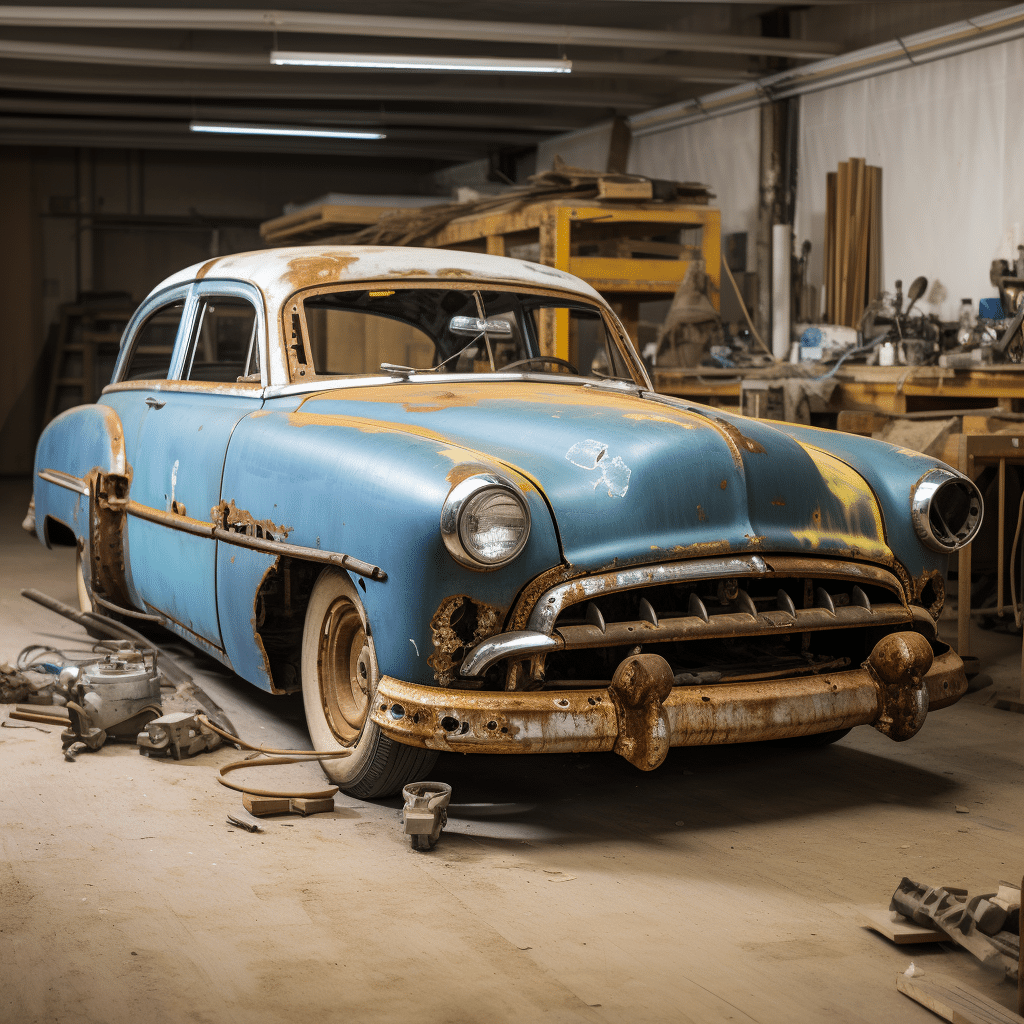
Partially restored cars often present well at first glance. Fresh paint, reupholstered interiors, or rebuilt engines can create the impression that the most difficult and expensive phases are complete. However, these visible upgrades may conceal inconsistent workmanship beneath the surface. Bodywork, in particular, is a common area of concern.
Improper rust repair, excessive filler use, or poorly aligned panels can remain hidden until the car is disassembled again, turning what appeared to be a finished exterior into a costly redo. Drivetrain work, whether on a small-block or big-block V8, may lack proper tolerances, correct fasteners, or period-accurate components, leading to reliability issues that only emerge under sustained use.
Electrical systems represent another frequent weak point. Classic cars rely on relatively simple wiring harnesses, but partial restorations often involve spliced connections, non-original routing, or mismatched components.
These shortcuts can result in intermittent faults that are time-consuming to diagnose and expensive to correct. Suspension and braking systems, though mechanically straightforward, are equally vulnerable to substandard work, particularly when incorrect bushings, worn hardware, or improperly installed components are reused to reduce costs.
The historical significance of these vehicles compounds the problem. Many classics derive their value from authenticity and correctness, not just appearance.
A partially restored car with undocumented or poorly executed work can compromise originality, making it less desirable to serious collectors and more difficult to resell. Unlike a fully unrestored “survivor,” where condition is transparent, or a properly documented restoration, where processes are verifiable, a halfway project sits in an ambiguous middle ground.
2. Hidden Structural and Rust Issues in Car
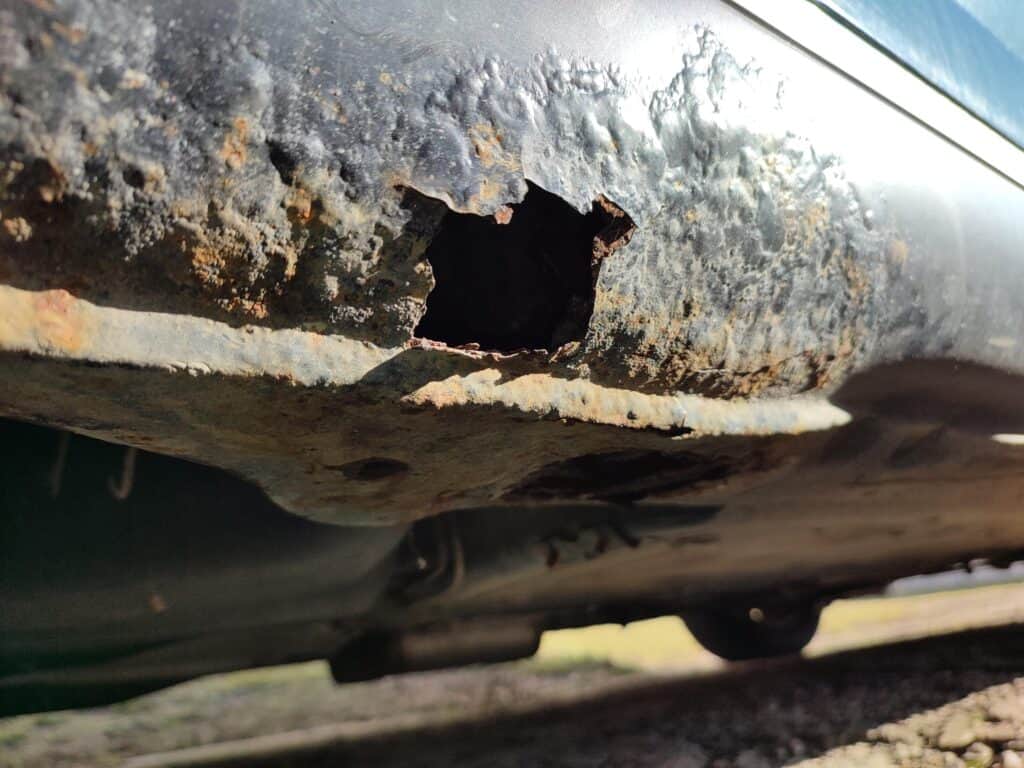
A partially restored classic often hides its most serious liabilities beneath fresh paint and cosmetic updates, and few issues are more consequential than unresolved structural damage and corrosion.
Whether evaluating a mid-size unibody car like the Ford Mustang or a body-on-frame full-size model such as the Chevrolet Impala, the underlying architecture of 1950s–1970s vehicles is highly vulnerable to rust in critical load-bearing areas.
These cars were engineered with front-engine, rear-wheel-drive layouts, steel-intensive construction, and minimal factory corrosion protection by modern standards. As a result, decades of exposure, especially in humid or road-salt environments, often led to deterioration in floors, frame rails, rocker panels, and suspension mounting points.
The risk with partially restored examples is that prior work may have addressed only visible corrosion while ignoring or concealing deeper structural compromise. Cosmetic refinishing can mask poor-quality repairs such as patch panels welded over rusted metal, excessive body filler used to smooth over weakened sections, or undercoating applied to hide corrosion rather than eliminate it.
In unibody cars, where the body itself provides structural integrity, rust in key areas like torque boxes or subframe connectors can significantly affect rigidity and safety. In body-on-frame vehicles, corrosion in the frame rails or crossmembers can compromise alignment and load distribution, issues that are not always apparent during a cursory inspection.
3. Missing or Incorrect Parts
A partially restored classic often arrives with an implicit promise: that the hardest work has already been done. In practice, one of the most disruptive issues is the presence of missing or incorrect parts, a problem that can derail both budget and timeline.
Whether the car in question is a high-volume platform like the Chevrolet Camaro or a full-size cruiser such as the Ford Galaxie, vehicles from the 1950s through the 1970s relied on a vast ecosystem of model-specific components. While their front-engine, rear-wheel-drive layouts and relatively simple mechanical systems suggest interchangeability, the reality is far more nuanced.
During the restoration process, previous owners often source parts based on availability rather than correctness. This can result in mismatched drivetrain components, incorrect carburetors on small-block or big-block V8 engines, non-original intake manifolds, or transmission substitutions that alter drivability and authenticity.
Even when these components function, they may not align with factory specifications, reducing the vehicle’s historical accuracy and, by extension, its collector value. More problematic are cases where critical parts are simply absent: trim pieces, brackets, fasteners, or interior hardware that were removed during disassembly and never replaced.
Body and interior components present their own challenges. Exterior trim, badging, and lighting assemblies are often unique to specific model years or even production batches, making them difficult to source decades later.
Interiors, typically composed of model-specific seat frames, dash components, and switchgear, can be incomplete or assembled from incompatible donor cars. Electrical systems, though simple by modern standards, are particularly vulnerable; missing harness sections or incorrect wiring components can lead to persistent faults that are time-intensive to diagnose and correct.
4. Inconsistent Restoration Standards in Car
A partially restored classic frequently reflects not a single, coherent vision, but a sequence of decisions made by different owners, shops, or budgets, each applying their own standards.
The result is often an uneven restoration where quality varies dramatically from one system to another. Whether the vehicle is a performance icon like the Dodge Charger or a luxury model such as the Lincoln Continental, cars from the 1950s through the 1970s were engineered with integrated mechanical and structural systems that require consistency to function as intended. When restoration work is fragmented, that cohesion is lost.
These vehicles typically feature front-engine, rear-wheel-drive layouts, longitudinally mounted V8 engines, and relatively straightforward suspension systems using control arms, coil springs, and live rear axles. While the architecture is simple compared to modern cars, it is highly sensitive to proper assembly and calibration.
Inconsistent restoration standards often manifest as a mismatch between cosmetic and mechanical work. A car may present with high-quality paint and reupholstered interiors, yet retain poorly rebuilt engines, worn suspension components, or improperly installed braking systems. This imbalance not only affects drivability but also undermines the integrity of the restoration as a whole.
Bodywork is a common area where inconsistencies become evident. One section of the car may exhibit professional-grade panel alignment and finish, while another shows signs of hurried repair, uneven gaps, excessive filler, or incorrect welding techniques.
Ddrivetrain work may vary in quality depending on who performed it; an engine rebuild completed to proper tolerances may be paired with a transmission that was only superficially serviced. Electrical systems, often modified over time, can include a mix of original wiring, aftermarket additions, and improvised fixes, creating reliability issues that are difficult to trace.
Historically, this problem stems from the way many classic cars were restored incrementally rather than as complete projects. Owners would address individual components as time and resources allowed, sometimes prioritizing visible improvements over foundational work.
Within the context of this list, inconsistent restoration standards represent a significant risk. A partially restored car may require redoing previously completed work simply to achieve uniform quality, effectively negating any perceived advantage of buying a project in progress.
5. Electrical System Complications
The original engineering was designed around specific load requirements and component compatibility. Alternators, voltage regulators, ignition systems, and wiring harnesses were calibrated to work as a unified system within a front-engine, rear-wheel-drive platform powered by inline-six or V8 engines.
When restoration work is performed piecemeal, that balance is frequently disrupted. Previous owners may replace sections of wiring with incorrect gauges, splice circuits without proper insulation, or introduce aftermarket components, such as electronic ignitions or auxiliary gauges, without integrating them correctly into the existing system.
One of the primary challenges is that electrical issues are rarely visible. Unlike bodywork or mechanical components, faults in wiring often remain hidden behind dashboards, within engine bays, or under carpeting.
A car may start and run during a brief inspection, yet suffer from intermittent failures: flickering lights, inaccurate gauge readings, or sudden loss of power to critical systems. These issues are typically the result of poor grounding, corroded connectors, or mismatched components introduced during earlier restoration attempts.
Engineering considerations amplify the risk. Charging systems, for example, depend on correct wiring and voltage regulation to maintain battery health and ensure reliable operation of ignition and lighting circuits.
An improperly wired alternator or outdated regulator can lead to overcharging or insufficient output, both of which can damage components over time. Similarly, ignition systems, whether points-based or upgraded, require precise electrical integrity to function consistently, particularly under load.
Historically, many classic cars underwent informal repairs rather than comprehensive rewiring, especially when they were still in daily use. As a result, a partially restored vehicle may contain layers of electrical work spanning decades, with no clear documentation of what has been modified or replaced. Correcting these issues often requires a complete rewiring effort, which can be both time-intensive and costly.
6. Escalating and Unpredictable Costs
One of the most significant risks in purchasing a partially restored classic is the tendency for costs to escalate in ways that are both cumulative and difficult to predict.
Vehicles from the 1950s through the 1970s, whether a performance coupe like the Chevrolet Nova or a full-size luxury model such as the Chrysler New Yorker, were engineered with relatively simple front-engine, rear-wheel-drive layouts, body-on-frame or early unibody construction, and robust V8 drivetrains.
While this mechanical simplicity suggests manageable restoration costs, partially completed projects often conceal layers of incomplete, incorrect, or deteriorated work that only reveal themselves over time.
The financial uncertainty begins with the unknown baseline. A car that appears “mostly done” may still require substantial investment in critical areas such as drivetrain rebuilding, suspension refurbishment, or structural repair.
Engines that have been partially rebuilt may lack proper machining or assembly tolerances, leading to premature failure and the need for a complete teardown. Transmissions, often assumed to be serviceable, may require full overhauls once placed under load. These are not incremental expenses but major cost centers that can quickly exceed initial estimates.
Body and paint work are particularly prone to cost escalation. A fresh exterior finish can mask underlying issues such as poor metalwork, misaligned panels, or unresolved corrosion.
Correcting these problems typically requires stripping the car back to bare metal, effectively undoing prior work and doubling labor costs. Interior restoration, often left incomplete in partial projects, can involve sourcing rare trim pieces, refurbishing seat frames, and reconditioning dashboards, all of which add to the total investment.
7. Lack of Clear Restoration Direction
A partially restored classic often suffers from a more subtle but equally costly problem: the absence of a clear, consistent restoration direction. Cars from the 1950s through the 1970s, whether a performance model like the Ford Torino or a personal luxury coupe such as the Buick Riviera, were engineered as cohesive systems, with design, drivetrain, and trim specifications aligned to a specific factory vision.
When restoration work begins without a defined end goal, that cohesion is quickly lost, leaving the vehicle caught between competing interpretations of what it should be.
These vehicles typically feature front-engine, rear-wheel-drive layouts, longitudinally mounted V8 engines, and platform-specific suspension and braking systems designed to work as an integrated package.
A proper restoration, whether factory-correct, restomod, or period-custom, requires decisions that align across all these systems. In a partially restored car, however, those decisions are often inconsistent.
One owner may begin a factory-correct restoration, sourcing original components and finishes, while a subsequent owner introduces aftermarket upgrades such as modern carburetion, non-original wheels, or modified interiors. The result is a hybrid that satisfies neither objective.
Design characteristics frequently reveal this lack of direction. Exterior finishes may not match original color codes, trim pieces may be incomplete or incorrect for the model year, and interiors may combine factory elements with later modifications. Mechanically, the inconsistencies can be even more problematic.
An engine built for increased performance may be paired with a stock cooling system or outdated braking components, creating imbalance in reliability and drivability. Similarly, suspension upgrades may not align with the intended use of the car, whether for show, cruising, or performance driving.
Historically, this issue arises because partially restored cars often pass through multiple owners, each with different priorities, budgets, and levels of expertise.
Without comprehensive documentation or a guiding plan, the restoration becomes reactive rather than strategic. Buyers inherit not just unfinished work, but a set of conflicting decisions that must be reconciled before progress can continue.
From a financial and practical standpoint, correcting this lack of direction can be as costly as addressing mechanical faults. Returning a car to factory-correct condition may require undoing aftermarket modifications, while completing a restomod build demands reworking original components to meet modern standards. In either case, prior investment is partially lost.
Within the context of this list, the lack of clear restoration direction is a critical drawback. It transforms what should be a linear process into a complex reassessment, forcing the buyer to define and execute a vision from an inconsistent starting point. This added complexity increases both cost and effort, undermining the perceived advantage of purchasing a car that is already underway.
8. Documentation Gaps and Provenance Issues
A partially restored classic often comes with an incomplete paper trail, and that absence of documentation can be as problematic as any mechanical fault. Vehicles from the 1950s through the 1970s, whether a high-demand model like the Chevrolet Corvette or a more understated platform such as the AMC Javelin, derive a significant portion of their value from verifiable history.
These cars were built around front-engine, rear-wheel-drive layouts with identifiable engine codes, trim packages, and factory options, all of which can be documented through build sheets, VIN tags, and period records. When that documentation is missing or incomplete, the car’s authenticity becomes difficult to confirm.
The issue is compounded in partially restored examples because prior work may not be recorded in any meaningful way. Engine rebuilds, transmission replacements, and suspension overhauls, typically involving V8 drivetrains, carbureted fuel systems, and analog components, require detailed records to validate what was done, by whom, and to what standard.
Without receipts, photographs, or restoration logs, buyers are left to assume the quality and scope of the work, increasing uncertainty and risk. Even seemingly minor details, such as whether the engine is numbers-matching or a later replacement, can have a substantial impact on value.
Provenance plays an equally important role. Ownership history, original sales documentation, and period-correct options help establish a car’s identity within the broader collector market. Incomplete provenance can raise questions about originality, especially if the car has passed through multiple owners during its partial restoration.
Modifications made along the way, whether intentional upgrades or incorrect replacements, become harder to trace, making it difficult to determine how closely the vehicle aligns with its factory specification.
Design and engineering factors further complicate verification. Many classic cars shared platforms and components across multiple models and years, meaning that incorrect parts can appear visually plausible.
Without documentation, distinguishing between original and substituted components, whether in the drivetrain, interior, or exterior trim, requires extensive expertise and, in some cases, disassembly. This ambiguity can deter serious collectors, who prioritize transparency and historical accuracy.
Historically, documentation was not always preserved, particularly for cars that were treated as everyday transportation before entering the collector sphere. When restoration began years later, records were often lost or never created, leaving gaps that cannot easily be filled.
Within the context of this list, documentation gaps and provenance issues represent a critical drawback of partially restored cars. They introduce uncertainty into both the restoration process and the vehicle’s long-term value, making it harder to assess authenticity, justify investment, and ensure confidence in the finished product.
9. Reduced Resale Appeal
A partially restored classic often occupies an awkward position in the collector market, and that ambiguity directly impacts its resale appeal.
Vehicles from the 1950s through the 1970s, whether a desirable muscle car like the Plymouth Road Runner or a personal luxury model such as the Cadillac DeVille, derive value from clarity: either they are well-preserved originals with documented history, or comprehensively restored examples with verified workmanship. A partially restored car falls between these categories, making it harder for buyers to assess its true condition and worth.
From an engineering standpoint, these cars were built with straightforward front-engine, rear-wheel-drive layouts, typically powered by inline-six or V8 engines paired with manual or automatic transmissions.
Their relative mechanical simplicity should, in theory, make them easy to evaluate. However, when restoration work is incomplete or inconsistently executed, that simplicity becomes obscured. Prospective buyers must question not only what remains to be done, but also whether previously completed work meets acceptable standards. This uncertainty introduces risk, and risk suppresses demand.
Design and presentation further complicate resale. A partially restored car may feature a mix of finished and unfinished elements, fresh paint alongside incomplete trim, refurbished interiors paired with aging mechanical components, or upgraded systems that do not align with the rest of the build.
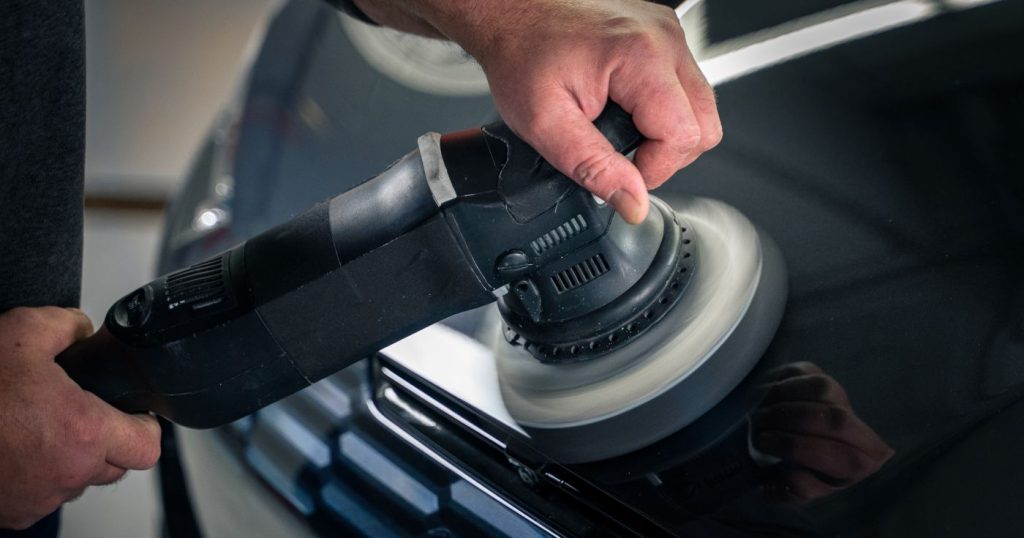
These inconsistencies make it difficult to position the car within the market. It may not appeal to purists seeking factory-correct originality, nor to buyers looking for a fully realized restomod or show-quality restoration. As a result, the pool of interested buyers becomes narrower.
Historically, collector demand has favored vehicles with clear narratives. Muscle cars, in particular, benefit from strong brand recognition, documented options, and established valuation benchmarks.
A partially restored example disrupts that narrative, raising questions about authenticity, completeness, and future investment requirements. Even if the car has desirable attributes, such as a correct V8 drivetrain or rare options, those positives can be overshadowed by the uncertainty surrounding unfinished or undocumented work.
10. Time Investment and Project Fatigue
Restoration projects require significant time and effort, particularly when dealing with incomplete or problematic work. What initially appears to be a manageable project can become a long-term commitment.
Project fatigue is a real concern. Many partially restored cars are sold precisely because the previous owner lost interest or encountered difficulties. Taking on such a project means inheriting those challenges.
Partially restored cars often promise a shortcut to classic car ownership, but in reality, they can introduce more complexity than starting with a complete original or purchasing a finished example. The combination of unknown workmanship, missing components, and unpredictable costs makes them a high-risk proposition.
For buyers with limited experience or resources, these vehicles can quickly become financial and logistical burdens. Even experienced restorers approach them cautiously, recognizing the potential for hidden issues.
In the collector car market, clarity and consistency are key. A well-documented original or a properly restored vehicle offers far more certainty than one that is only partially complete. Understanding these risks is essential for making informed purchasing decisions.
