
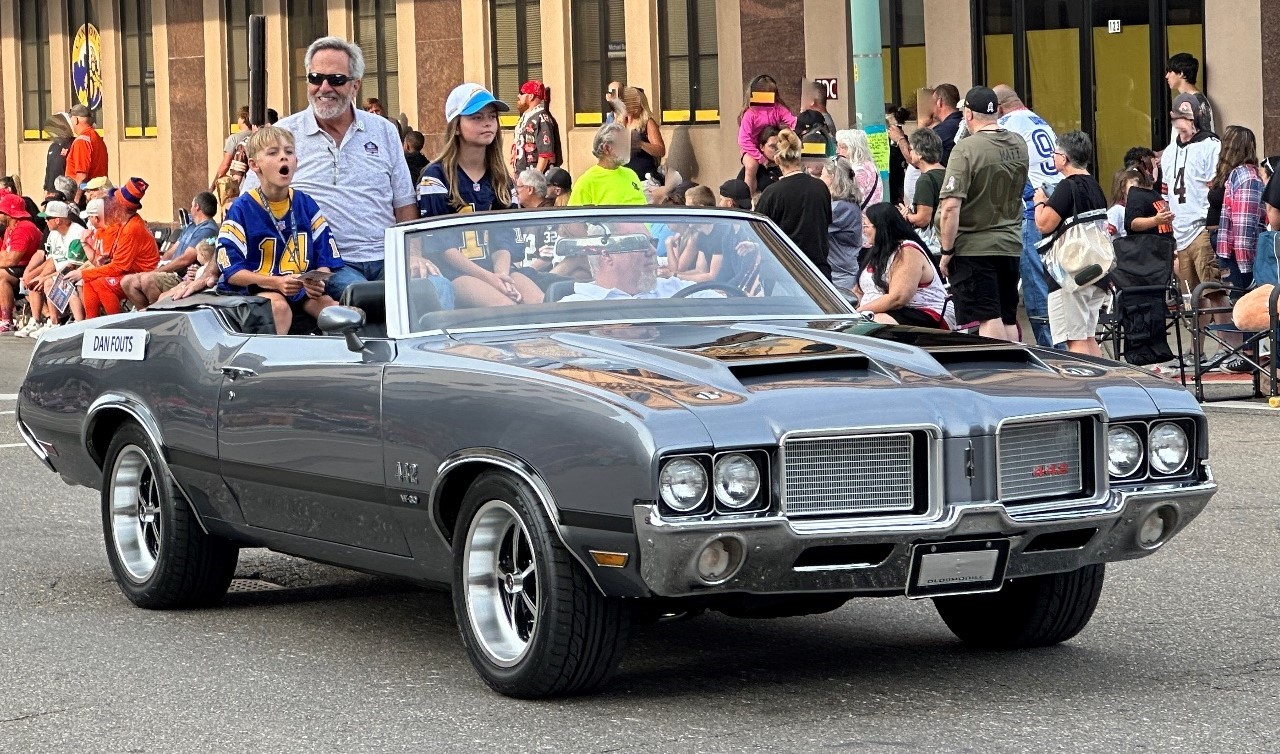
Classic cars have a quiet way of pulling people together across age gaps, interests, and generations. Chrome trim, rounded fenders, hand-stitched interiors, and mechanical layouts you can actually see and understand tend to spark questions in young minds almost instantly. Kids notice things adults often overlook, from unusual hood shapes to dashboards filled with knobs instead of screens. That curiosity creates an opening for shared time that feels natural rather than forced.
Family hobbies work best when they invite participation instead of lectures. The classic car hobby offers countless entry points for children because it blends history, design, problem-solving, and creativity into something tangible. A parked vehicle becomes a classroom. A weekend drive becomes a memory. Even light involvement helps kids feel included rather than sidelined.
Parents do not need a full restoration shop or deep mechanical knowledge to start. Small experiences matter just as much as big projects. Cleaning chrome together, attending a relaxed local car gathering, or letting a child choose interior color samples can build interest without pressure. Each activity becomes a chance to teach patience, responsibility, and appreciation for craftsmanship.
Modern life often pulls families in different directions, making shared interests harder to maintain. Classic cars slow the pace. They invite conversation, questions, and hands-on moments that screens rarely provide. When kids feel trusted around something meaningful, they respond with pride and enthusiasm.
What follows are eight practical, enjoyable ways to bring children into the classic car hobby while keeping the experience fun and age-appropriate. Each idea focuses on connection first and mechanical learning second, allowing interest to grow naturally rather than being pushed.
1. Let Kids Help Choose and Learn a Starter Classic Together
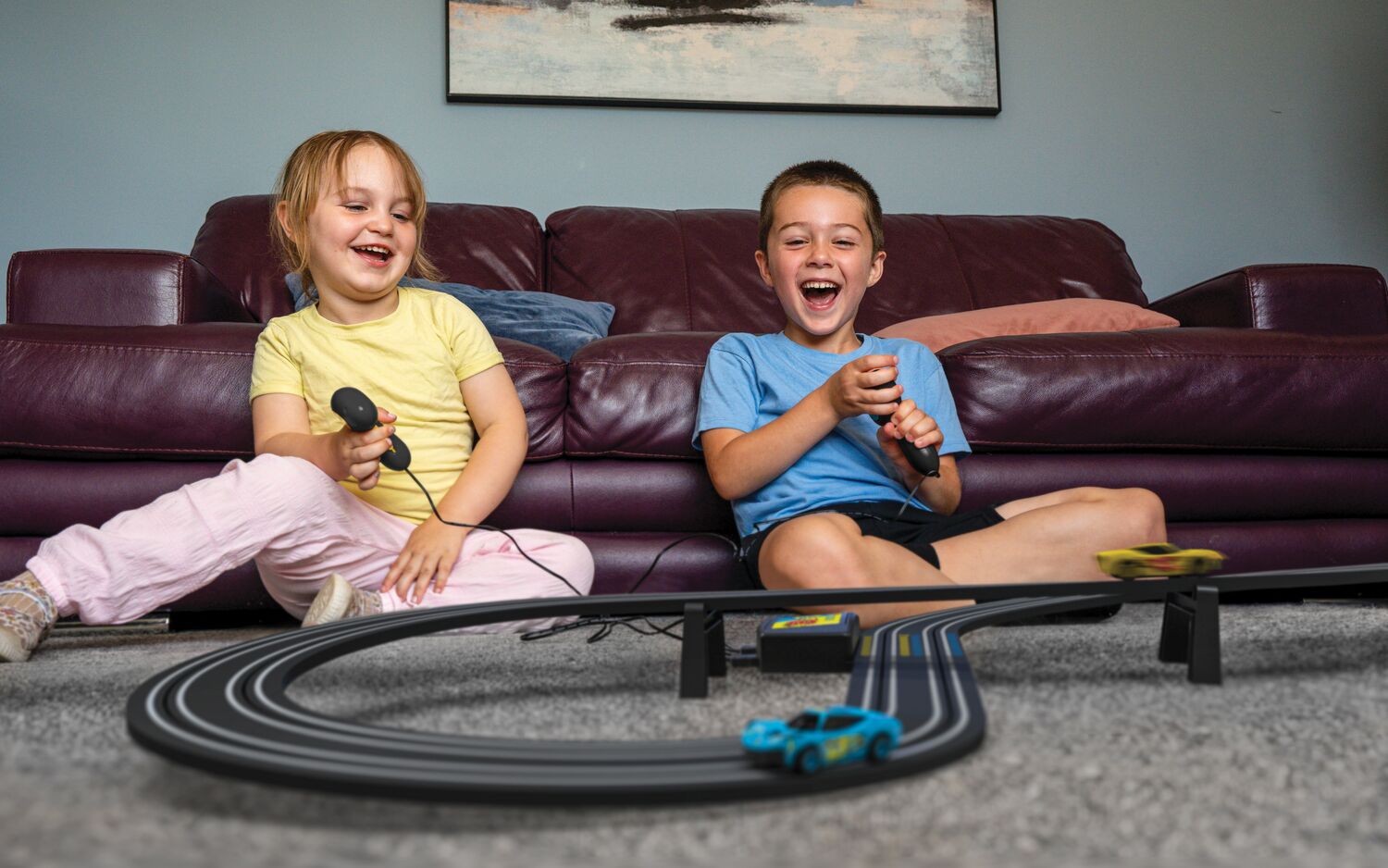
Starting a family classic car project works best when children are included from the first decision. When the choice is shared, children feel respected and valued, which strengthens their interest from the beginning. Selecting a vehicle together turns the process into a collective effort rather than an adult-led purchase.
Looking through photographs, watching age-appropriate videos, and attending public car displays help children see how vehicle design changed across different decades. This method builds understanding naturally, without pressure or academic framing. A suitable introduction can be a model such as the 1965 Ford Mustang Coupe.
This car combines familiar styling with features that clearly reflect an earlier period. Its size is manageable, and information about maintenance and parts is widely available, making it practical for a family project. Children often respond positively because the shape still resembles cars they see today, yet the interior and exterior details feel distinct.
Simple questions about the dashboard layout or engine components create space for calm discussion and learning. The research stage becomes engaging when children are given real input. Comparing exterior colours, trim finishes, and seating styles encourages observation and personal preference.
One child may favour a simple interior design, while another may prefer brighter paintwork. Allowing those views to be expressed teaches respect for differing opinions. Writing a shared wish list helps organise thoughts and introduces planning skills without stress or competition.
Visiting sellers, exhibitions, or organised shows adds practical experience. Children learn how to observe carefully, listen to engine sounds, and notice details such as badges, wheel designs, or upholstery condition. Adults can explain safety points clearly while still allowing children to participate. Small tasks, like holding a torch or checking storage areas, help build confidence and a sense of responsibility.
Discussions about cost can also be handled calmly. Explaining why certain vehicles are priced higher helps children understand value without anxiety. They begin to see how condition, originality, and care influence price. These lessons extend beyond vehicles and support general financial awareness in a gentle way.
Making the selection together establishes shared responsibility from the beginning. Once the car is chosen, it feels like a collective commitment rather than a possession owned by one person. Children are more likely to care about maintenance, cleanliness, and safe use because they were part of the decision.
Beginning this process as a family encourages patience, communication, and respect. The vehicle becomes a shared point of pride, strengthening bonds and creating lasting memories long before the first drive takes place.
2. Turn Cleaning and Care into a Relaxed Weekend Ritual
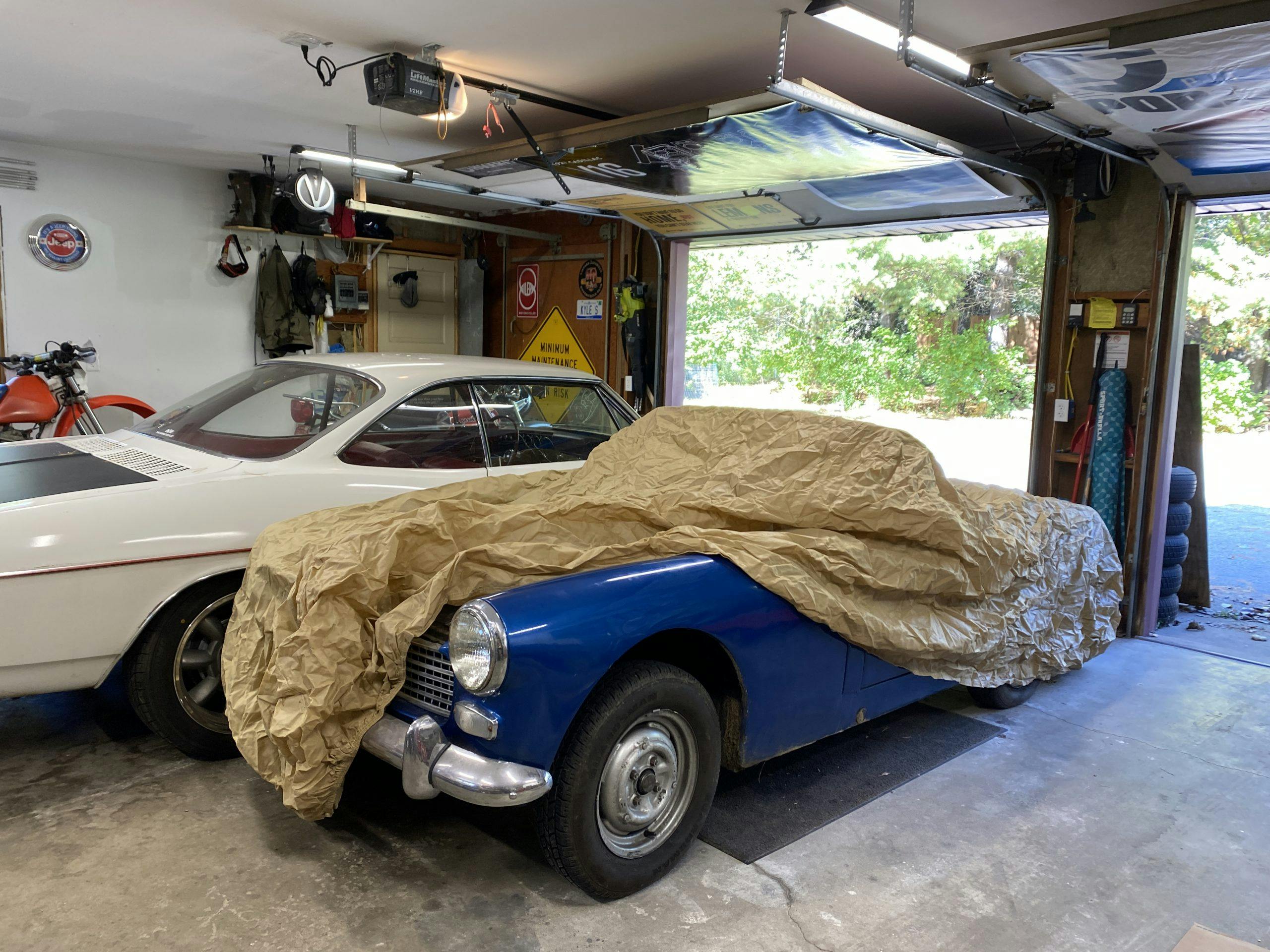
Car maintenance can feel enjoyable when it is presented as shared family time rather than an obligation. When parents approach cleaning with patience and warmth, children respond with curiosity and willingness. A calm weekend morning, light music playing in the background, and basic cleaning tools set the tone for an activity that feels welcoming. This approach removes pressure and allows children to associate car care with comfort and togetherness.
A classic model such as the 1957 Chevrolet Bel Air Sedan fits this setting very well because of its visible design features. The chrome trims, smooth panels, and defined edges give clear visual feedback. Children enjoy seeing dirt removed and surfaces regain shine after gentle wiping. That visible progress helps them feel accomplished, even when performing simple tasks.
Structure matters, especially for younger participants. Assigning age-appropriate duties prevents confusion and keeps attention steady. One child may focus on cleaning windows using a spray bottle, another may wipe door areas with a soft cloth, while an adult handles sections that require closer attention. Explaining the reason behind each product choice introduces basic material awareness without sounding instructional or technical.
Conversation naturally fills the space during these moments. Parents can speak about how vehicles like this were once part of everyday family life, used for celebrations, visits, and long drives. These shared recollections create emotional ties that books or videos rarely achieve. Children tend to remember such spoken moments because they feel personal and relaxed.
The drying stage creates room for careful observation. Children can be encouraged to check for watermarks, missed spots, or reflections in the paintwork. This builds attention to detail while keeping the mood light. Recognition of effort, rather than flawless results, keeps enthusiasm steady and avoids frustration.
Breaks also play an important role. Pausing for snacks or drinks gives everyone time to admire the car together. Taking photographs afterward allows children to document their contribution and share it proudly with friends or relatives. That sense of pride strengthens interest and confidence.
Repeated exposure to this routine teaches patience, care, and respect for shared property. Children learn that gentle handling preserves quality, and that lesson quietly extends into other aspects of daily life. Without lectures or pressure, car care becomes a calm family ritual built on trust and cooperation.
Also Read: Top 10 Classic Cars With the Best Factory Tool Kits Ever Included
3. Use Short Drives to Create Stories Instead of Lessons
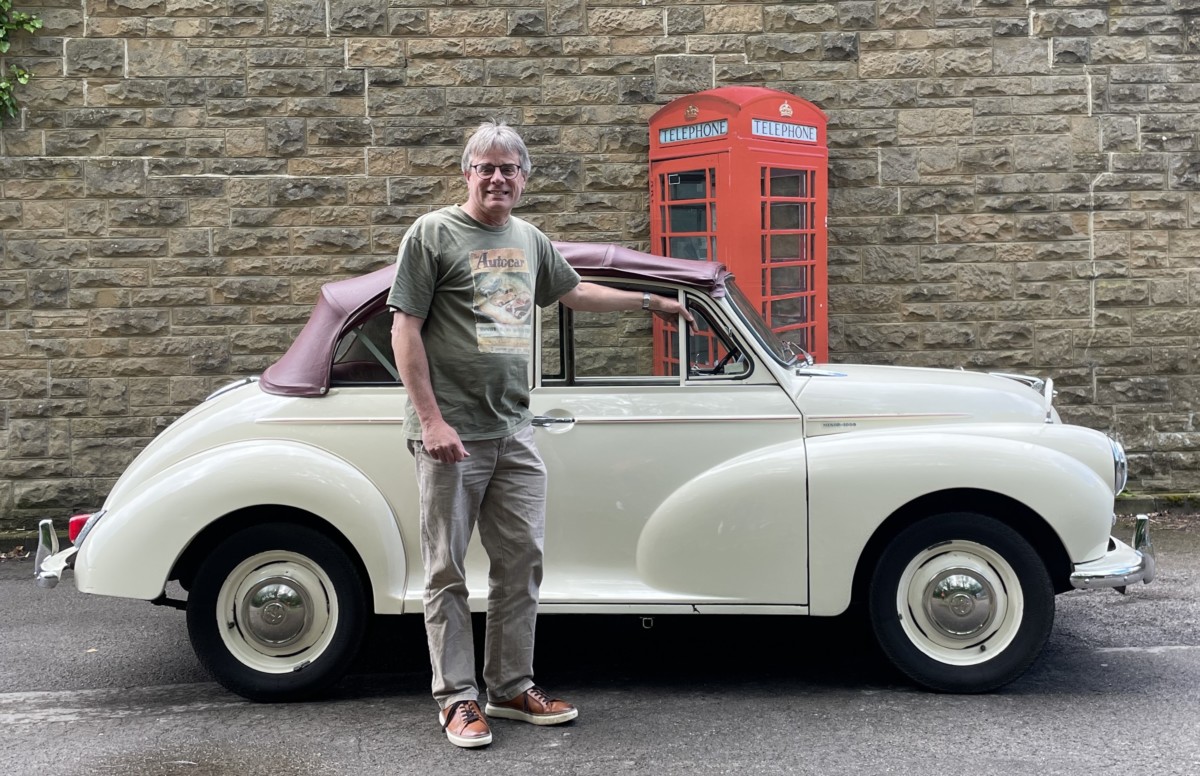
Classic vehicles offer a driving experience that feels distinct from modern transport, and children notice this difference immediately. The sound of the engine, the interior scent, and the way the car moves all stand apart. Treating short drives as shared experiences rather than teaching sessions keeps interest strong while understanding develops naturally.
A model like the 1963 Volkswagen Beetle Sedan works especially well for this purpose. Its friendly shape, compact build, and unique engine sound often draw smiles before the journey begins. The wide windows allow children to see their surroundings clearly, helping them feel involved rather than passive.
Short routes are ideal. A simple drive to a nearby park or café keeps attention focused and avoids restlessness. During the journey, parents may casually mention how the steering feels heavier or how the engine sound changes with speed. Asking children what they notice encourages participation without turning the ride into a lecture.
Imagination adds warmth to the experience. Children may pretend they are travelling to another decade or attending an event from long ago. This playful framing allows learning to happen quietly through curiosity and enjoyment, rather than instruction. Safety discussions remain necessary, yet they can be handled calmly. Parents can explain differences in braking feel or seat belt design in clear terms. When children sense honesty without alarm, they absorb information more willingly.
After the drive, questions often arise on their own. Children may ask about hand-cranked windows, dashboard design, or why the car sounds different at idle. Responding to these questions builds understanding organically, without structured teaching. These short outings also create anticipation.
Children begin asking when the next drive will happen, showing emotional attachment to the experience. That eagerness reflects growing appreciation built through comfort and shared time. By keeping drives brief, relaxed, and purposeful, parents help children connect classic cars with enjoyment and family bonding rather than instruction or pressure.
4. Encourage Creative Projects Inspired by the Car
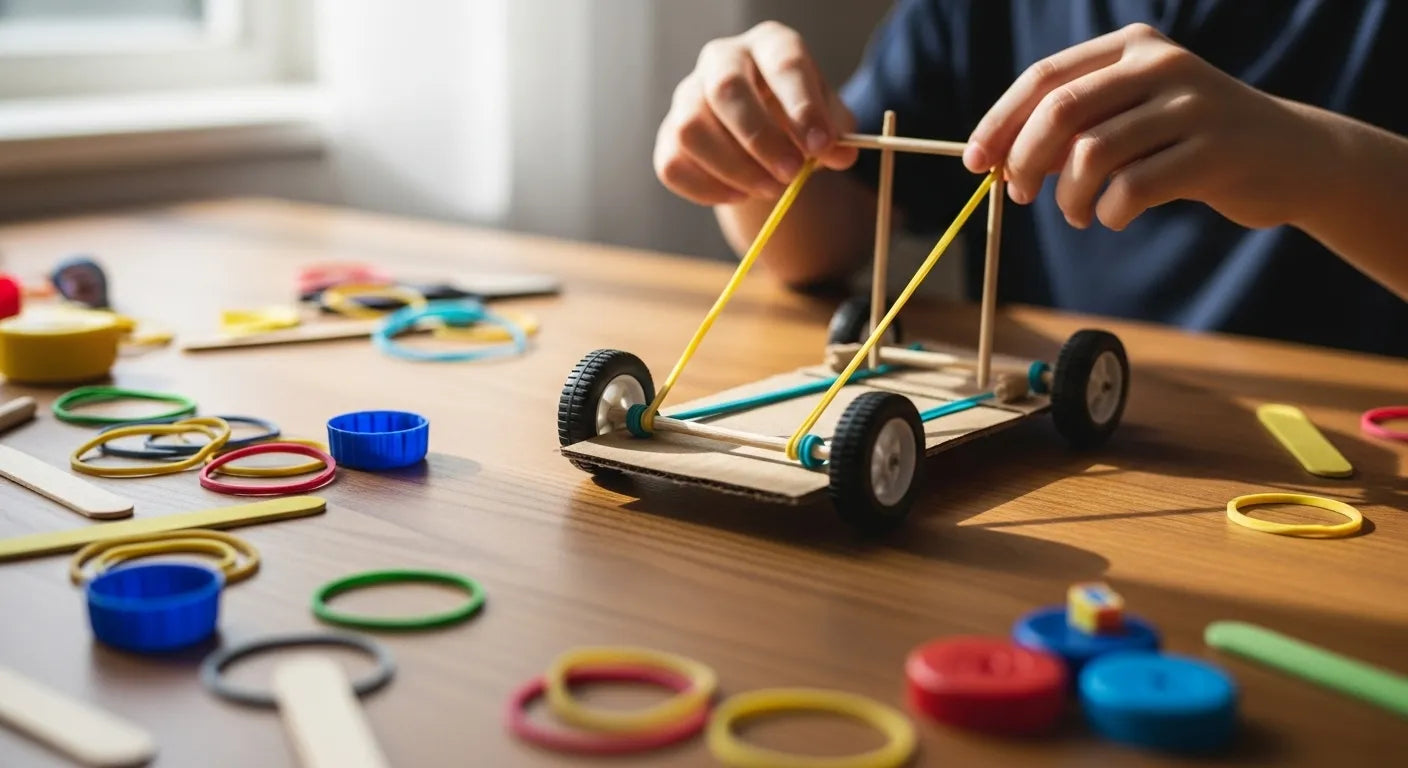
Creativity presents a valuable and frequently underestimated pathway through which children may develop genuine attachment to the classic motor vehicle hobby, particularly for those younger individuals whose initial enthusiasm for mechanical systems remains limited or absent at the outset.
Artistic expression, creative writing, and structured craft activities provide alternative entry points that honour each child’s individual interests and learning temperament without imposing the expectation that mechanical curiosity must precede meaningful engagement with the hobby.
A visually arresting vehicle such as the 1970 Plymouth Barracuda Coupe, with its assertive body lines and historically distinctive factory colour options, presents particularly fertile subject matter for creative interpretation. Children naturally respond to bold visual forms, and the Barracuda’s dramatic proportions lend themselves with considerable ease to drawing exercises, watercolour painting sessions, and scale model assembly projects that simultaneously develop fine motor skills and deepen personal connection to the vehicle.
Providing appropriate materials and creative latitude, rather than prescriptive instructions, consistently yields the most authentic and enthusiastically executed results. Sketch pads, quality colouring implements, and age-appropriate model construction kits give children the freedom to interpret the subject according to their own imagination.
One child may render the vehicle in a residential setting; another may place it within an imagined competitive racing context. Each interpretation deserves equal recognition as a genuine expression of a developing personal connection. Written creative exercises similarly complement visual activities with considerable effectiveness.
Parental participation alongside children, rather than instructional oversight above them, cultivates a collaborative atmosphere in which creative conversation flows with greater ease and authenticity. Creative projects generated within the garage frequently extend naturally into school environments, family social occasions, and community interactions, broadening the hobby’s reach considerably beyond its physical location.
5. Attend Kid-Friendly Car Shows That Encourage Questions and Interaction
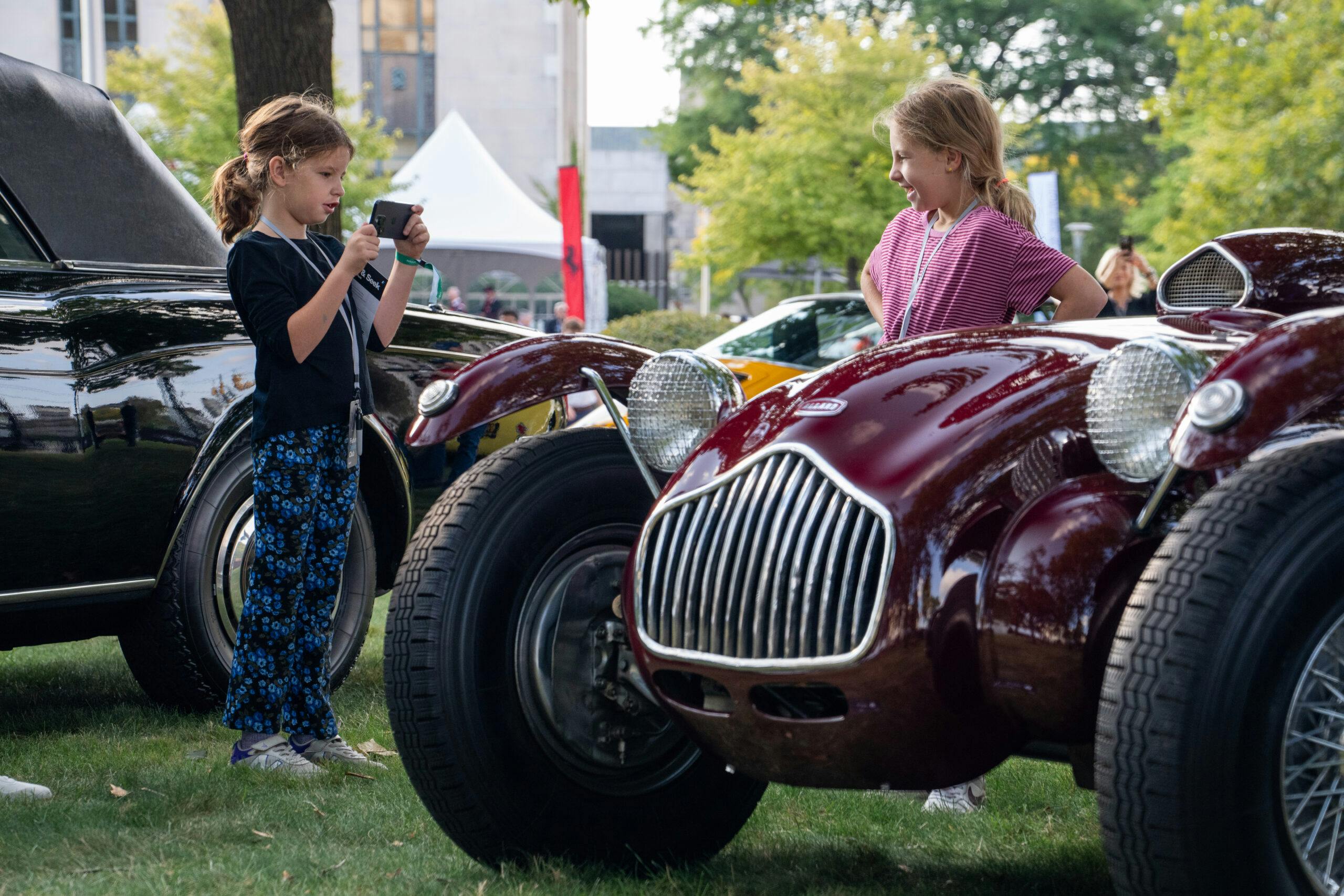
Motor vehicle exhibitions carry the potential to function as genuinely enriching educational experiences for younger attendees, provided that the selecting adult exercises careful judgment in identifying gatherings whose atmosphere actively welcomes children’s curiosity and spontaneous engagement rather than imposing the reverent quietude more appropriate to formal museum settings.
Outdoor community gatherings characterised by relaxed social interaction between vehicle owners and visitors represent the most suitable environment for introducing children to the broader classic car community. A celebrated model such as the 1968 Pontiac Firebird Convertible consistently attracts proprietorial owners whose genuine pride in their vehicles translates readily into warm, accessible conversation with interested young visitors.
Purposeful preparation undertaken before arrival contributes substantially to the quality of the child’s experience throughout the event. Discussing the variety of vehicles likely to be encountered and encouraging children to formulate specific questions in advance builds anticipatory engagement and removes the hesitation that unfamiliar social environments frequently impose upon younger participants.
Granting explicit permission to ask questions empowers children to approach owners with confidence rather than uncertainty. Adopting the child’s natural pace of movement through the exhibition ensures that genuine interests receive adequate attention without the imposition of an adult agenda that may overlook precisely those details that capture young imaginations most effectively.
Directing attention toward observable characteristics such as exterior colour treatments, wheel design variations, and interior appointments cultivates systematic observation habits of lasting educational value. Direct interaction with vehicle owners frequently produces the most memorable and instructive moments of the entire experience.
Knowledgeable enthusiasts who share restoration decisions and personal histories associated with their vehicles demonstrate to children that dedication, patience, and disciplined care produce results worthy of communal admiration, thereby communicating values that extend well beyond the automotive hobby itself.
Periodic intervals of rest and refreshment maintain the child’s physical comfort and emotional receptiveness throughout the event. Subsequent discussion, drawing, or written reflection upon returning home consolidates the day’s impressions and reinforces the connections formed during the visit.
Regular attendance at appropriate gatherings progressively builds the child’s capacity to independently identify vehicle characteristics, a development that generates well-founded confidence and sustains long-term enthusiasm for the hobby.
6. Share Simple Hands-On Tasks That Build Trust and Skills
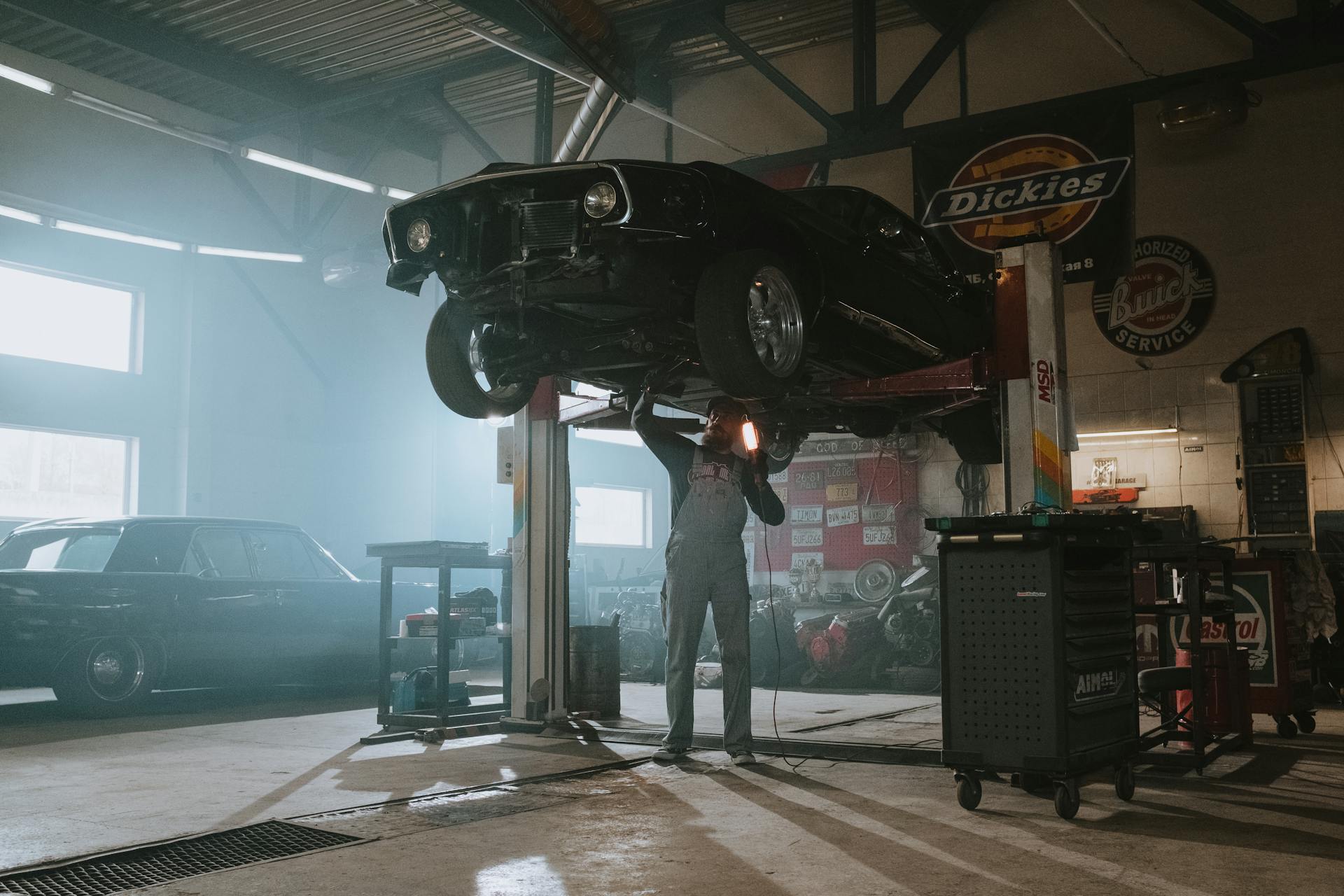
Active participation builds a stronger bond between children and the classic car hobby than passive observation. Allowing children to take part in small, carefully chosen tasks gives them a sense of responsibility and belonging. The 1972 Toyota Land Cruiser FJ40 lends itself well to this approach because of its straightforward mechanical layout and durable construction, which makes basic activities easier to explain and supervise.
Introducing children to very simple duties is an effective starting point. Activities such as checking tyre pressure, holding tools during routine work, or helping to identify parts using labels provide learning opportunities without exposing them to danger.
Each task should be explained patiently, with attention given to why the activity matters. This method encourages understanding rather than blind repetition, helping children develop confidence in their abilities. Order and cleanliness also offer valuable lessons.
Sorting bolts, wiping down tools after use, or arranging shelves in the garage teaches patience and discipline. These responsibilities show children that meaningful contribution does not always involve technical work alone. Supporting roles remain essential to the smooth running of any project, and children gain pride from seeing their efforts make a visible difference.
As familiarity increases, tasks can be adjusted gradually. Cleaning air filters, assisting with light bulb replacement, or helping to check fluid levels introduces new knowledge without overwhelming them. Progress should be steady and encouraging. Praise effort and willingness to learn rather than speed or technical perfection, as this reinforces positive attitudes toward learning.
Clear safety guidance must always accompany participation. Explaining why gloves are necessary, why certain surfaces remain hot after use, or why tools should be handled with care helps children develop awareness and caution. When safety instructions are delivered calmly and consistently, children respond with trust and respect.
Repeated inclusion strengthens commitment. Children who know they will be invited to help again become more enthusiastic and curious. As time goes on, they begin to ask questions and offer suggestions, reflecting growing confidence and a sense of ownership. Shared work sessions also encourage natural conversation, making the garage a space for communication and cooperation rather than formal instruction.
7. Use Road Trips to Teach History Through Experience
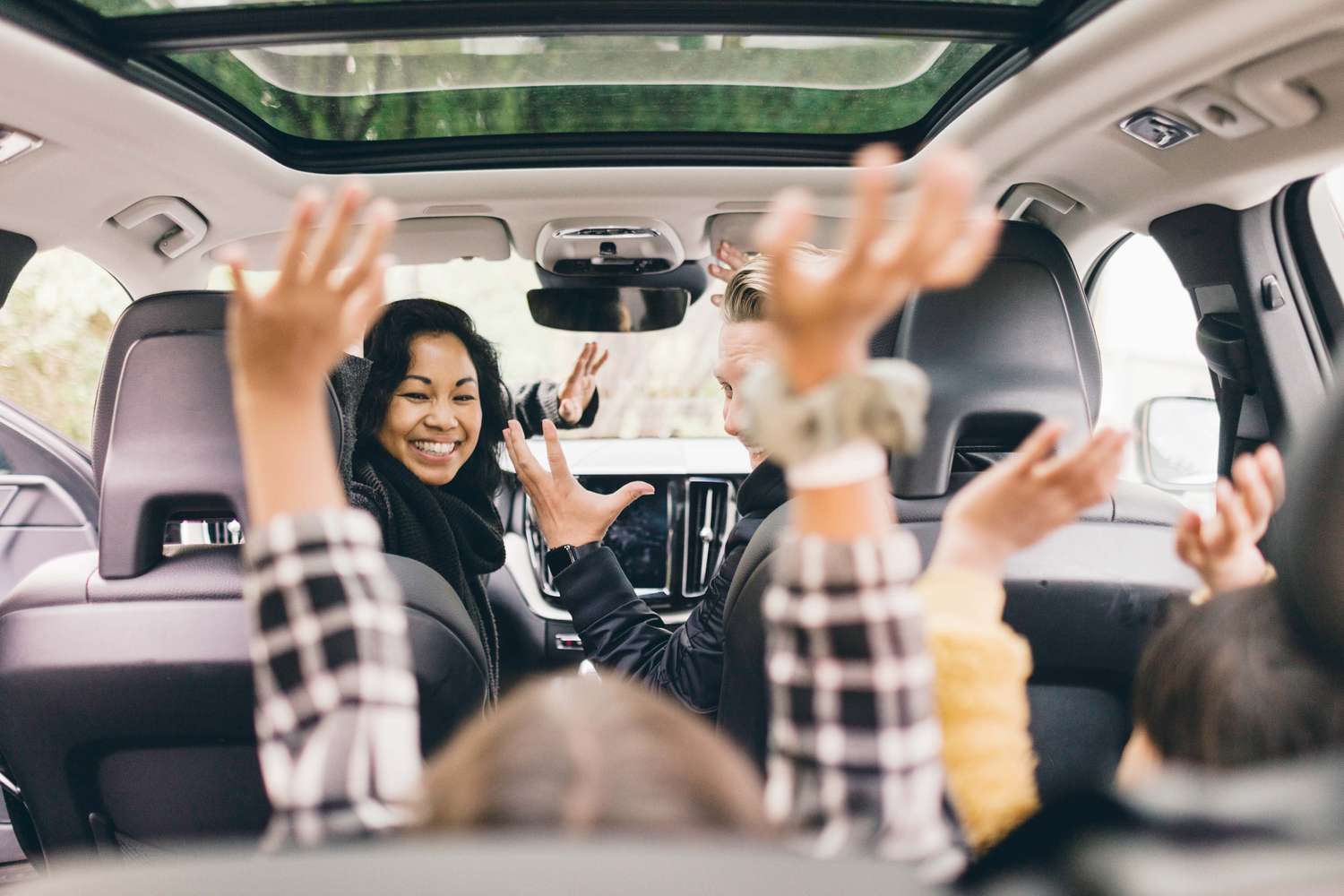
Traveling in a classic vehicle offers children an opportunity to learn through direct experience rather than abstract explanation. Road trips transform lessons about history, design, and social change into lived moments. A vehicle such as the 1961 Studebaker Hawk Gran Turismo brings character to even brief journeys, encouraging children to notice differences between past and present travel experiences.
Preparation plays a central role in shaping the trip. Involving children in choosing destinations, packing snacks, or selecting music gives them a sense of participation before the journey begins. Simple discussions about how families travelled decades ago provide context without turning the experience into a classroom exercise.
During the drive, the surroundings become teaching tools. Pointing out roadside diners, older buildings, or vintage signage connects the car to the period in which it was produced. Asking children to imagine daily life during that time encourages thoughtful reflection and creativity. These conversations remain informal, allowing curiosity to guide discussion.
Breaks along the route contribute meaningfully to the experience. Stops for stretching, refreshments, or photographs offer chances to talk about the journey and appreciate the vehicle’s presence in real conditions. Children learn patience and adaptability while enjoying moments of shared discovery.
After returning home, reflection helps reinforce what was learned. Reviewing photographs, tracing the route on a map, or discussing favourite moments allows children to revisit the experience. Many begin suggesting future destinations, showing continued interest and engagement.
Such journeys nurture curiosity and resilience. When children associate learning with enjoyment and shared family time, knowledge becomes memorable. Classic car road trips create a setting where history feels immediate and personal, shaping understanding through experience rather than instruction alone.
Also Read: 8 Iconic Classic Cars That Were Originally Designed for the Military
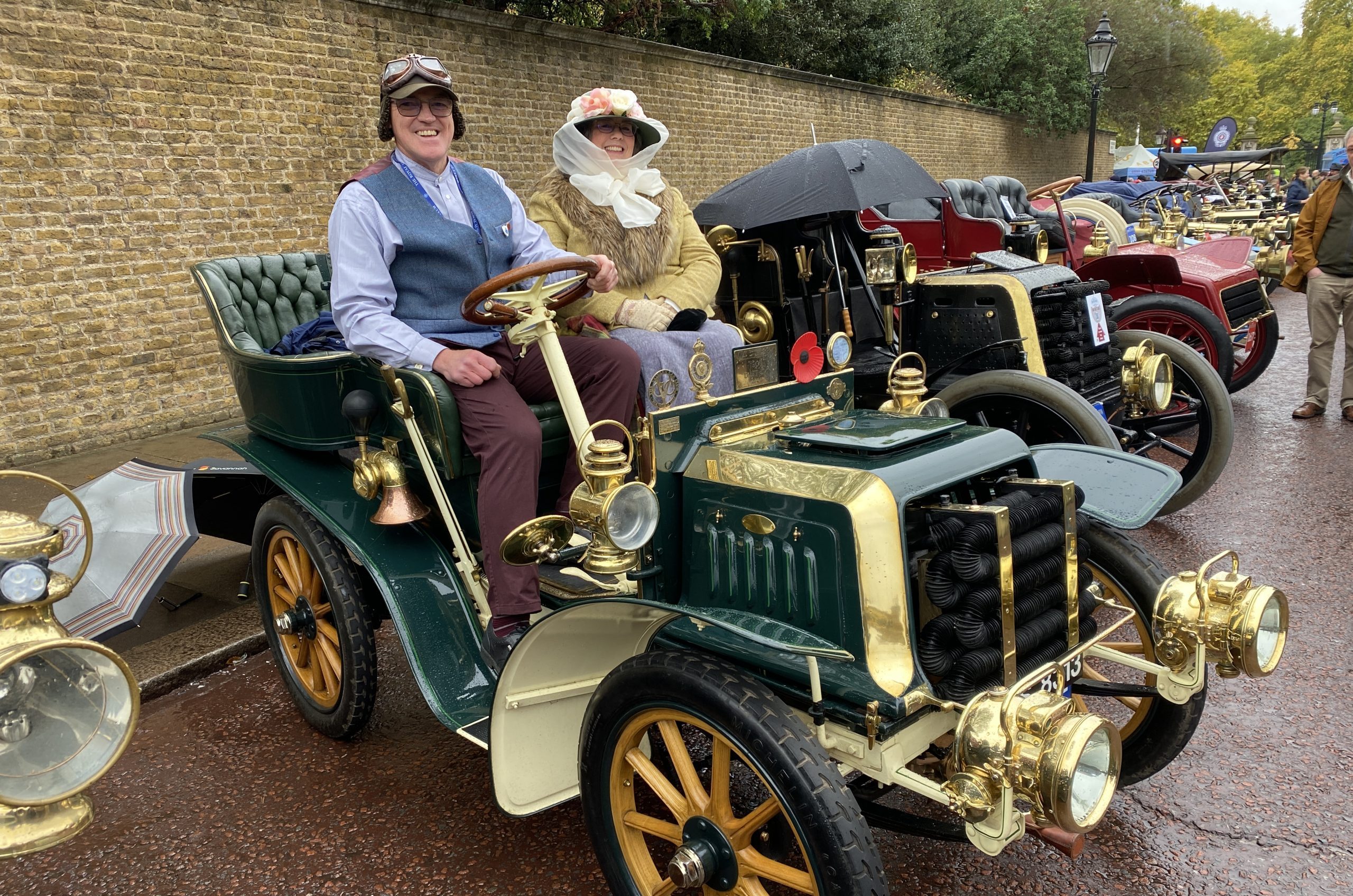
8. Create Long-Term Family Traditions Around the Car
Family traditions provide stability and a sense of continuity, allowing shared interests to develop into enduring parts of daily life. When classic cars are integrated into regular family activities, children begin to regard them as trusted companions rather than passing interests.
A vehicle such as the 1956 Ford Country Squire Station Wagon supports this approach because its design reflects shared travel, space, and togetherness. Its presence naturally encourages group participation rather than individual use. Seasonal routines offer a strong starting point for building tradition.
Planned activities such as yearly photo sessions, festive drives during holidays, or summer day trips create predictable moments that children can look forward to. These repeated events help link the vehicle with warmth, enjoyment, and family unity. Anticipation becomes part of the experience, as children remember past occasions and look ahead to future ones tied to the same routines.
Clear roles within these activities strengthen involvement. One child may be responsible for cleaning windows, another for arranging travel supplies, while an adult oversees preparation and safety. As children mature, their responsibilities can expand in line with their abilities.
This gradual increase reinforces trust and shows that contribution is valued. Each task, no matter how small, teaches accountability and cooperation within a shared effort. Storytelling adds meaning to these practices. Conversations about previous journeys, special occasions, or family milestones connected to the car give it emotional value.
Children learn that the vehicle represents shared memories rather than metal and upholstery alone. These stories help them understand continuity within family life, showing how past experiences remain relevant through remembrance and retelling. Involving extended family members enriches the tradition.
Inviting grandparents, cousins, or close friends on selected outings broadens participation and deepens connection. Children observe how shared interests can bring people together across age groups. These interactions also encourage respect for differing perspectives and strengthen bonds beyond the immediate household.
Consistency plays a central role in sustaining these traditions. Large events are not required. Simple actions repeated regularly create familiarity and comfort. A short drive at the same time each year or a familiar routine before outings can be just as meaningful as elaborate plans. Reliability builds trust and reinforces the sense that these moments matter.
As years pass, such traditions influence how children understand care, patience, and shared responsibility. They learn that meaningful interests require attention and respect. When classic cars form part of family rhythm, appreciation often extends beyond childhood.
This continuity supports a lasting sense of connection grounded in shared experience, cooperation, and mutual regard, ensuring that the tradition remains relevant across generations.
