

Plug-in hybrids are becoming one of the most practical transportation solutions for suburban environments across the United States. While fully electric vehicles receive a large amount of attention, plug-in hybrids offer a unique balance that fits suburban life particularly well.
They combine electric driving for short daily trips with gasoline backup for longer travel, which removes many of the concerns that still prevent some households from switching to full electric mobility.
Suburban life typically involves predictable driving patterns. Daily commutes, grocery trips, school drop-offs, gym visits, and weekend errands usually fall within a limited driving radius. Plug-in hybrids are particularly effective in this environment because many models can complete these short trips entirely on electric power.
This allows drivers to reduce fuel consumption without needing to rely completely on charging infrastructure.
Another reason plug-in hybrids work well in suburban areas is charging convenience. Unlike urban residents who may depend on public charging stations, suburban homeowners often have access to garages or private driveways.
This allows overnight charging using standard home electricity, turning daily charging into a simple routine rather than a logistical challenge.
Cost balance is another important factor. Plug-in hybrids reduce fuel expenses through electric driving while avoiding some of the higher costs associated with large battery electric vehicles. This makes them a practical transition technology for households that want better efficiency without completely changing their driving habits.
Flexibility also plays a major role. Suburban families often need vehicles that can handle both short local driving and unexpected longer trips.
Plug-in hybrids solve this problem by offering electric efficiency during the week and gasoline convenience for longer travel without requiring route planning around charging stops.
Environmental impact also becomes part of the conversation. Many suburban drivers want to reduce emissions but are not ready to commit fully to electric vehicles. Plug-in hybrids allow gradual adoption of cleaner driving without sacrificing familiarity.
This article explains eight important reasons why plug-in hybrids fit suburban transportation needs so effectively, focusing on practicality, efficiency, flexibility, and everyday usability.
Also Read: 8 Vehicles With the Best Nighttime Headlight Clarity in the US
1. Electric Range Perfectly Matches Suburban Daily Driving Patterns
Suburban transportation habits unintentionally create the ideal environment for plug-in hybrid technology to shine.
Most daily routines involve predictable travel distances that rarely exceed the electric-only range offered by modern plug-in hybrids. Because of this, many drivers can complete most weekday travel without using gasoline at all.
Consider the structure of a typical suburban day. Morning commutes often range between 10 and 25 miles. Add errands, school transportation, and evening activities, and total daily driving frequently remains within 30 to 50 miles.
This aligns closely with the electric capability built into many plug-in hybrid systems. Instead of relying on gasoline, these trips can be completed silently on battery power.
This creates a very different ownership experience compared to traditional vehicles. Gas stations become occasional stops rather than weekly routines. For many households, fuel usage drops dramatically because the gasoline engine becomes a backup rather than the primary source of motion.
Another overlooked benefit is consistency. Unlike full electric vehicles that may require route planning for longer travel, plug-in hybrids allow drivers to focus on daily efficiency without worrying about range limitations.
Suburban users can benefit from electric driving during routine travel while knowing longer journeys remain simple.
Energy use also becomes more predictable. Charging overnight allows drivers to begin each day with a full electric range. This predictability fits suburban schedules where routines rarely change dramatically from day to day.
There is also a behavioural shift that often occurs. Drivers begin to think differently about efficiency once they see how many daily miles can be completed without fuel. This often encourages smarter driving habits and more awareness of energy consumption.
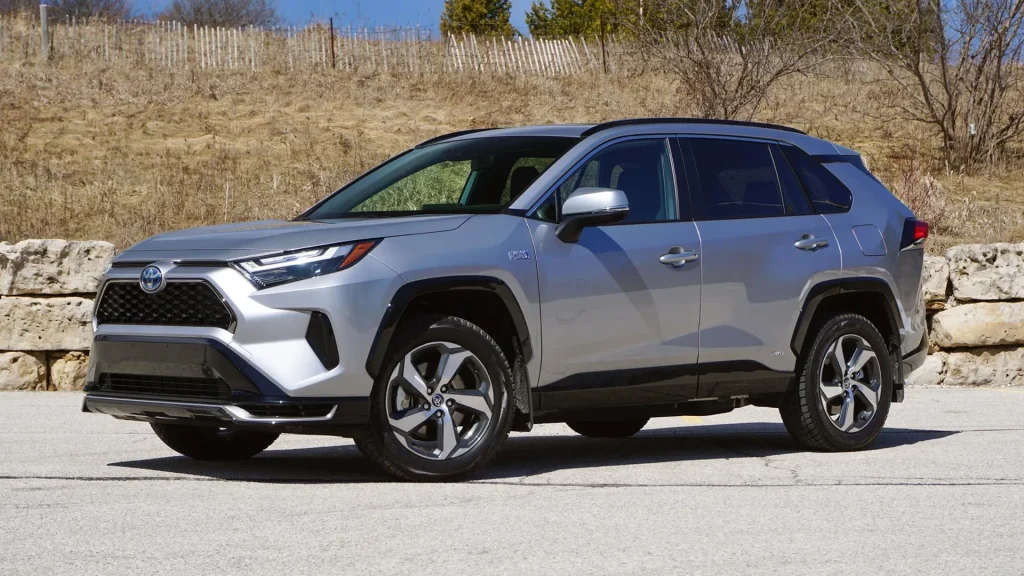
Plug-in hybrids succeed here not because they force lifestyle changes, but because they naturally align with existing suburban routines. Instead of asking drivers to adapt to the technology, the technology adapts to the way suburban transportation already works.
This alignment between real-world use and engineering purpose is one of the strongest arguments for plug-in hybrids in suburban environments.
2. Home Charging Convenience Makes Daily Operation Simple
One of the strongest advantages plug-in hybrids have in suburban environments is the ability to charge at home without complications. Unlike dense urban areas where charging access may depend on shared infrastructure, suburban households often have the physical space needed for simple overnight charging.
This convenience transforms how people think about vehicle energy. Instead of making separate trips to refuel, charging becomes part of the normal daily routine. Plugging in after arriving home becomes as natural as charging a phone overnight.
The simplicity of this process is part of what makes plug-in hybrids especially practical. Most do not require specialised fast charging equipment to remain useful.
Even standard household outlets can restore a meaningful electric range overnight, which fits well with the predictable downtime vehicles experience between daily use.
There is also a time management advantage. Traditional fueling requires dedicated stops, often during busy schedules. Home charging removes that interruption. Energy replenishment happens passively while the household sleeps, allowing the vehicle to be ready each morning without extra effort.
Weather protection adds another practical benefit. Suburban homes with garages allow charging equipment to remain protected from environmental exposure. This improves long term usability and simplifies installation compared to outdoor public infrastructure.
The psychological convenience should not be underestimated either. Knowing that the vehicle begins each day fully charged without requiring planning reduces ownership complexity. This ease of use is a major factor in why plug-in hybrids often integrate smoothly into suburban lifestyles.
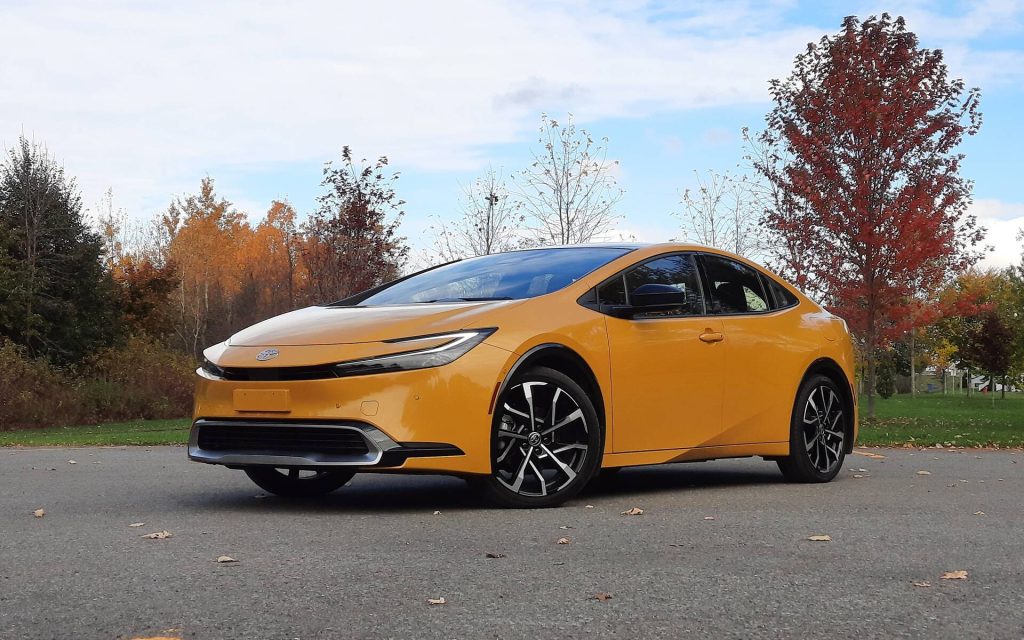
Financial predictability also improves. Charging at home allows owners to better estimate transportation energy costs compared to fluctuating fuel prices.
By turning energy replenishment into a background routine rather than an active task, plug-in hybrids make efficiency feel effortless. That simplicity is a major reason they continue gaining popularity in suburban settings.
3. Reduced Fuel Dependence Without Range Anxiety
For many suburban households, the biggest hesitation about switching to electrified transportation is not efficiency. It is uncertainty. Drivers often worry about what happens when plans suddenly change, when longer trips become necessary, or when charging is not available. Plug-in hybrids address this concern in a very practical way.
Instead of forcing a complete break from gasoline, they reduce dependence on it. This difference is important. Drivers can complete most local travel using electricity while still having a traditional fuel system available when needed. The experience feels like gaining flexibility rather than giving something up.
Weekend travel provides a good example. Suburban residents frequently make spontaneous longer drives for shopping, visiting relatives, or recreation. With a plug-in hybrid, these trips require no special preparation. The gasoline engine automatically provides an extended range, allowing travel to continue normally.
This dual capability also changes how drivers think about efficiency. Rather than worrying about finding chargers, they can simply enjoy the benefits of electric driving when available. The vehicle handles the transition between power sources automatically.
There is also a preparedness advantage. Severe weather, unexpected detours, or schedule changes do not create the same stress that some drivers associate with battery-only transportation. Having two energy sources adds a layer of resilience that suburban families often value.
Another subtle benefit is gradual adoption. Plug-in hybrids allow drivers to become comfortable with electric driving without requiring an immediate full transition. This makes the technology feel approachable rather than disruptive.
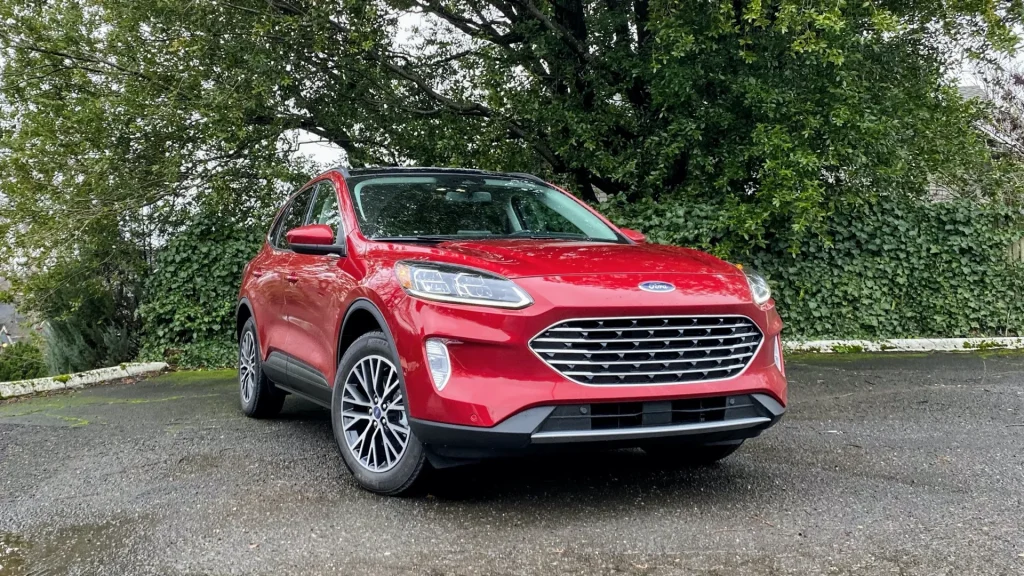
By combining energy independence with familiar convenience, plug-in hybrids remove one of the biggest emotional barriers to electrification. Drivers gain efficiency without sacrificing confidence.
For suburban environments where flexibility is essential, this balance between electric capability and gasoline backup becomes one of the strongest reasons plug-in hybrids make sense.
4. Lower Operating Costs Through Blended Energy Use
Transportation costs in suburban areas often accumulate quietly. Daily commuting, school transportation, shopping trips, and recreational travel can add up to significant monthly fuel expenses. Plug-in hybrids offer a practical way to reduce these costs by allowing drivers to rely on lower-cost electricity for a large portion of their driving.
Electric driving typically costs less per mile than gasoline travel. When most weekday trips fall within electric range, the overall fuel budget can change significantly. Instead of paying for fuel every week, some households may find themselves visiting fuel stations far less often.
This benefit is not limited to fuel alone. Reduced gasoline use often means less engine wear from daily stop-and-go driving. Electric motors handle low-speed operation efficiently, which can reduce mechanical stress associated with cold starts and short trips.
Maintenance patterns may also change. Because electric operation can handle a portion of driving duties, certain engine components may experience less frequent use. This does not eliminate maintenance needs, but it can help spread mechanical wear more evenly over time.
Another advantage involves price stability. Electricity rates tend to fluctuate less dramatically than gasoline prices. This helps households better estimate transportation costs, which is useful for budgeting.
Suburban drivers also benefit from choice. If electricity prices rise or long trips increase, the gasoline system remains available. If fuel prices rise, electric driving can cover more daily travel. This flexibility allows owners to adapt naturally without changing vehicles.

Rather than focusing on a single energy source, plug-in hybrids succeed by blending two systems in a way that allows cost optimisation. This adaptability makes them especially attractive to suburban households trying to manage long-term transportation expenses.
Their advantage is not just efficiency. It is financial flexibility combined with everyday practicality.
5. Ability to Drive in Electric Mode During Quiet Residential Travel
Suburban environments are very different from dense city centres or rural highways. They are defined by residential streets, school zones, community roads, and neighbourhood traffic where low-speed driving dominates. Plug-in hybrids offer a unique advantage here because electric operation is especially effective in exactly these types of conditions.
Electric motors perform best in low-speed situations where gasoline engines tend to be least efficient. Stop-and-go driving, traffic circles, neighbourhood intersections, and short-distance travel can all be handled smoothly using electric power. This allows plug-in hybrids to operate in a way that feels naturally suited to suburban geography.
Another important benefit is noise reduction. Electric driving produces far less sound compared to traditional engines, especially at low speeds.
In residential neighbourhoods where early morning departures or late evening returns are common, quieter operation becomes a meaningful advantage. Reduced vehicle noise contributes to more peaceful surroundings without requiring any change in driving behaviour.
There is also a refinement advantage that many drivers notice quickly. Electric motors provide immediate torque without gear-shifting delays. This creates smooth acceleration from traffic lights and intersections, which is particularly useful in suburban traffic patterns that involve frequent stops.
Energy efficiency also improves because electric systems avoid idling losses. Gasoline engines consume fuel even when stationary, but electric drive systems typically use minimal energy when stopped. Over time, this difference becomes meaningful for drivers making frequent short trips.
Another aspect worth noting is the environmental impact at the local level. Driving electrically in residential areas reduces localised emissions where people live, walk, and spend time outdoors.
While overall environmental discussions often focus on global impact, many suburban households also appreciate improvements in their immediate surroundings.
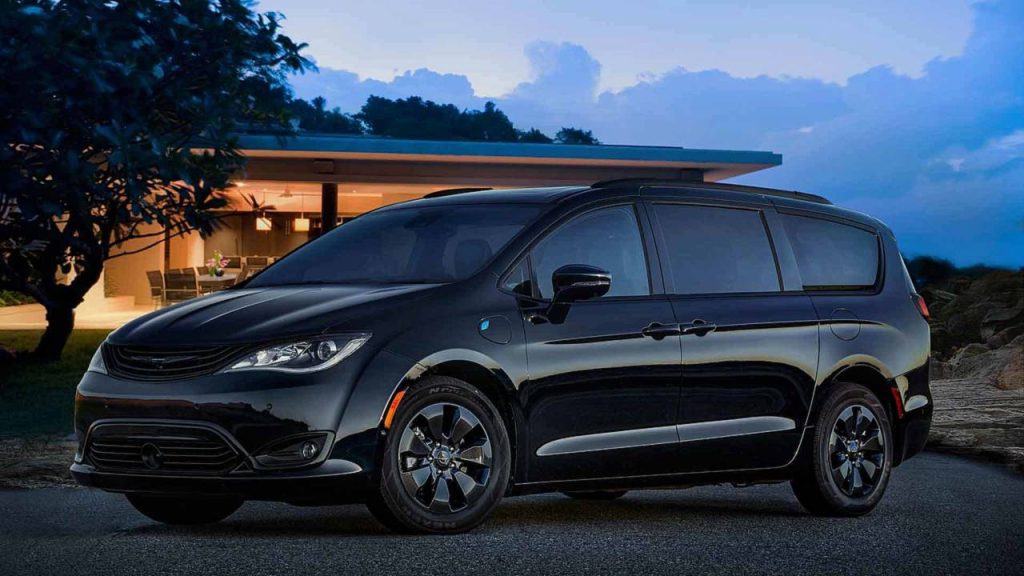
Electric operation also changes the daily driving experience. Instead of feeling like every trip consumes fuel, drivers often begin to see short-distance travel as essentially fuel-free. This changes perceptions of efficiency and encourages more thoughtful energy use.
For suburban streets designed around comfort and predictability rather than speed, electric driving fits naturally. Plug-in hybrids succeed here not because they force a new driving style, but because they enhance the driving patterns that already exist.
This quiet efficiency during everyday local travel is one of the most overlooked advantages of plug-in hybrids in suburban life.
6. Practical Transition Technology Between Gasoline and Full Electric Mobility
Technology transitions rarely happen overnight. Most successful changes happen gradually, allowing people to adapt while maintaining familiarity. Plug-in hybrids represent this kind of transition within personal transportation by allowing drivers to experience electric mobility without abandoning the security of traditional fueling.
For many suburban households, this gradual approach makes adoption easier. Instead of committing fully to charging networks, route planning, and range management, drivers can explore electric driving in a low-pressure way.
The learning curve becomes manageable because the vehicle continues to function like a familiar gasoline-powered model when needed.
This creates a valuable educational effect. Owners naturally begin to understand charging habits, energy consumption patterns, and electric driving benefits through everyday use. Over time, this experience helps people become more comfortable with electrified transportation.
There is also a psychological comfort factor. Sudden technological shifts can feel risky, especially for families that depend on reliable transportation for work, school, and daily obligations. Plug-in hybrids reduce this perceived risk by keeping a familiar backup system available at all times.
Another advantage is infrastructure flexibility. While charging networks continue expanding, plug-in hybrid owners do not depend entirely on them. They can benefit from home charging where available while remaining unaffected by charging limitations in other areas.
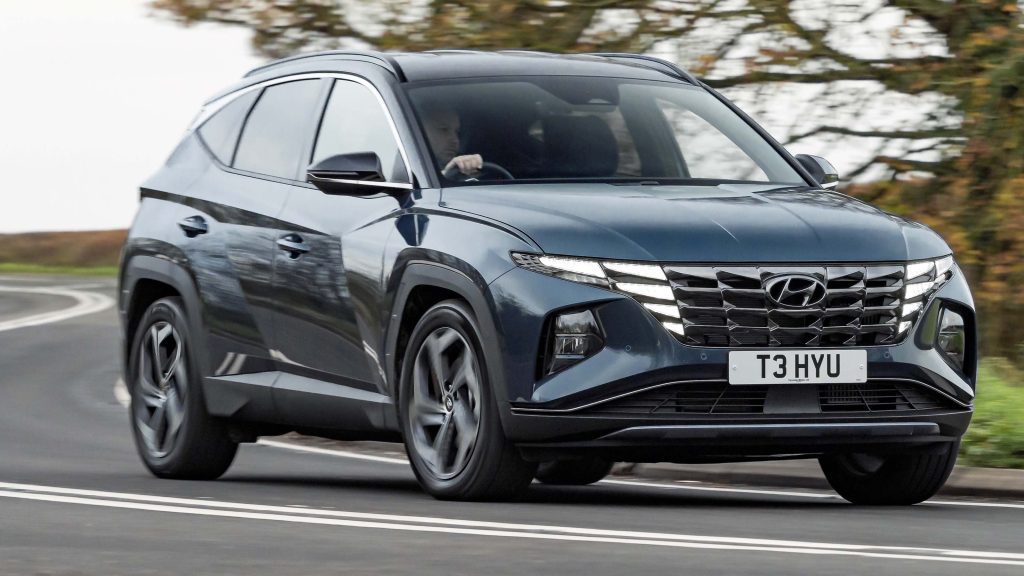
From a market perspective, plug-in hybrids also help bridge consumer expectations. They demonstrate that electrification can improve efficiency without reducing practicality. This helps build confidence in newer transportation technologies.
There is also a resale perspective. Vehicles that combine traditional and electric systems often appeal to a broader range of buyers because they do not require dramatic lifestyle adjustments. This can help maintain long-term ownership value.
Plug-in hybrids also allow households to evaluate whether full electrification would work for their needs in the future. By observing how often they rely on electric driving versus gasoline, owners gain real data about their transportation habits.
As a result, plug-in hybrids serve not just as vehicles but as stepping stones. They allow suburban drivers to move toward electrification at a comfortable pace while maintaining the flexibility they depend on.
7. Greater Energy Independence for Suburban Households
Suburban living often comes with a strong preference for independence. Larger homes, private driveways, and personal space all reflect a lifestyle built around self-sufficiency. Plug-in hybrids naturally support this mindset by giving households more control over how they power their daily transportation.
Traditional gasoline vehicles depend entirely on fuel stations. Every mile driven depends on fuel availability and fluctuating prices. Plug-in hybrids change this relationship by allowing part of that energy to come directly from home electricity. This creates a more balanced and flexible energy model.
The concept may seem simple, but the long-term implications are significant. When a vehicle can operate partially on electricity generated from the local grid, the household becomes less vulnerable to sudden fuel price increases. This diversification of energy sources works as a form of risk management rather than just a technology feature.
Another advantage appears during fuel supply disruptions. Severe weather, supply chain interruptions, or temporary shortages can sometimes affect fuel availability. With a plug-in hybrid, daily local travel can continue on electric power if gasoline access becomes temporarily inconvenient.
Suburban homeowners also have more opportunities to combine plug-in hybrids with emerging home energy technologies.
Some households install solar panels or energy storage systems, which can further increase independence by allowing vehicles to operate on locally generated electricity. This possibility strengthens the long term appeal of plug-in hybrid ownership.
The flexibility also extends to how energy is used throughout the week. Owners can rely heavily on electric driving during routine days and switch naturally to gasoline only when travel distances increase. This removes the need to commit to one energy source.
Another overlooked aspect is planning freedom. Drivers do not need to schedule fuel stops as frequently or monitor range as carefully for short trips. The vehicle becomes more adaptable to unexpected schedule changes.

This independence also affects the mindset. When drivers know they are not fully dependent on one energy system, transportation begins to feel more resilient. That confidence often becomes one of the most appreciated ownership benefits.
Plug-in hybrids succeed here because they provide options rather than restrictions. They allow suburban households to decide how they want to power their travel based on cost, convenience, or circumstance.
This combination of flexibility, preparedness, and long-term adaptability makes them particularly suited for suburban environments where independence is often highly valued.
8. Strong Compatibility With Future Transportation Trends
Suburban transportation continues to evolve as technology improves, infrastructure expands, and energy priorities shift. Plug-in hybrids fit well into this evolving landscape because they are designed to function effectively both in the current transportation environment and in the one that is gradually emerging.
One of their biggest strengths is adaptability. As charging networks expand, plug-in hybrid owners can take advantage of additional charging opportunities without depending on them. As fuel infrastructure remains available, they also retain traditional travel flexibility. This dual compatibility allows the vehicle to remain relevant as transportation systems change.
Another important factor is regulatory direction. Many regions are encouraging lower-emissions vehicles through incentives or infrastructure investments.
Plug-in hybrids align well with these efforts because they reduce fuel consumption while still maintaining broad usability. This makes them practical within both current and future policy environments.
Technological familiarity is another long-term benefit. Drivers who use plug-in hybrids become comfortable with charging behaviour, battery management, and electric driving characteristics. This experience naturally prepares them for future transportation technologies without requiring a sudden transition.
There is also a development advantage related to battery improvement. As battery technology improves over time, plug-in hybrid designs can benefit from these advancements. Improvements in energy density and charging efficiency can gradually increase electric usability without changing the core concept.
Consumer behaviour also suggests that flexible technologies tend to last longer in the market than highly specialised ones. Because plug-in hybrids can function effectively across multiple scenarios, they remain useful even as transportation habits shift.
Suburban growth patterns also support this flexibility. As communities expand and infrastructure develops, having a vehicle capable of adapting to different driving conditions becomes increasingly valuable. Plug-in hybrids can function equally well in established neighbourhoods and newly developed suburban areas.
Another subtle advantage involves risk reduction. Fully committing to one technology path can sometimes create uncertainty if infrastructure changes slowly. Plug-in hybrids reduce this uncertainty by allowing households to benefit from electrification while maintaining traditional capability.
In many ways, plug-in hybrids represent balance. They are not limited by current infrastructure, and they are not made obsolete by future improvements. Instead, they are positioned to remain useful throughout the transition period between transportation eras.
This ability to remain practical today while staying compatible with tomorrow’s developments is one of the strongest long-term arguments for plug-in hybrids in suburban environments.
Plug-in hybrids have emerged as one of the most practical transportation solutions for suburban environments because they align closely with how people actually drive. Most suburban travel consists of short daily trips such as commuting, shopping, school transportation, and local errands.
Plug-in hybrids allow these trips to be completed using electric power, significantly reducing fuel consumption while maintaining the flexibility of a gasoline engine for longer journeys.
One of their biggest strengths is convenience. Suburban homes often provide access to garages or driveways where overnight charging can become part of a normal routine.
Instead of making extra stops for fuel, drivers can begin each day with a usable electric range. This simple habit transforms efficiency into something effortless rather than something that requires planning.
Cost management also becomes more practical. By combining electricity and gasoline, plug-in hybrids allow drivers to reduce fuel expenses while still maintaining the ability to travel long distances without worrying about charging availability.
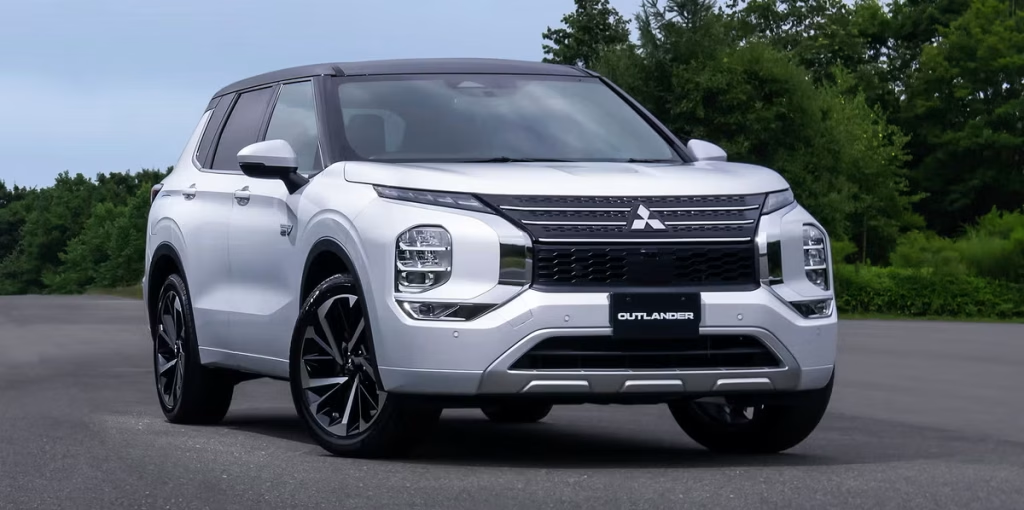
This balance helps households manage transportation costs more predictably while avoiding complete dependence on one energy source.
Flexibility remains one of the most important advantages. Suburban drivers often face unpredictable travel needs, and plug-in hybrids provide the ability to adapt without stress.
Electric driving can handle routine needs while gasoline backup ensures that unexpected trips remain simple. This combination removes many of the concerns associated with fully electric vehicles.
Another important benefit involves driving refinement. Electric operation provides quiet and smooth performance during neighbourhood travel, making daily driving more comfortable. Reduced noise and smoother acceleration improve the overall driving experience, particularly in residential environments.
Plug-in hybrids also support a gradual technological transition. They allow drivers to become familiar with electrified transportation without requiring a complete shift in habits. This makes them an accessible step toward more efficient mobility without forcing immediate lifestyle changes.
Energy independence is another valuable advantage. By allowing part of transportation energy to come from home electricity, plug-in hybrids reduce reliance on fuel stations and provide more control over operating costs. This aligns well with suburban preferences for self-sufficiency.
Finally, plug-in hybrids remain well-positioned for future transportation developments. Their ability to function with both traditional fuel and electric infrastructure ensures long-term usability as technology evolves.
Together, these advantages show why plug-in hybrids represent a balanced, flexible, and practical transportation choice for suburban living.
Also Read: 8 High-End Sedans That Depreciate Fast Worth Buying in 2026
