Electric vehicles have entered a phase where buyers are no longer just impressed by maximum range numbers. Instead, experienced drivers are beginning to care more about how realistic those estimates actually are in everyday driving.
A car that claims very high range but struggles to match it in real conditions can be far more frustrating than one with modest but honest performance.
Realistic range matters because driving conditions are rarely perfect. Temperature changes, highway speeds, passengers, cargo weight, terrain, and driving habits all affect how far an EV can actually travel.
Manufacturers that provide conservative estimates often build more trust because drivers frequently match or even exceed the advertised figures rather than falling short.
Another important factor is battery management software. Some automakers prioritize protecting battery longevity and delivering stable real world performance rather than chasing headline numbers. These vehicles often provide more predictable daily usability, which matters more than laboratory testing results.
Charging behavior also becomes easier to manage when range estimates are accurate. Families and commuters can plan their schedules without constantly worrying about unexpected drops in available miles.
This confidence is especially important for people transitioning from gasoline vehicles who are still adapting to EV ownership patterns.
This list focuses on electric vehicles known for delivering range figures that closely match real world expectations. These models have developed reputations for efficiency consistency, accurate onboard range prediction systems, and battery management that avoids dramatic surprises.
Instead of repeating the same evaluation criteria, each vehicle here is included for a different reason. Some stand out for software accuracy, others for efficiency stability at highway speeds, and a few for how well they handle weather related range variation.
Let us begin with the first two EVs that have earned strong reputations for delivering range numbers drivers can genuinely depend on.
Also Read: 10 Best Cars for People Who Drive 100 Miles of Open Desert Daily
1. Hyundai Ioniq 6
Some electric vehicles attract attention through bold design, while others earn respect through engineering discipline. The Hyundai Ioniq 6 manages to do both, but its strongest technical achievement is how honestly its range estimates translate into everyday driving.
One major reason for this consistency comes from its aerodynamic design. The shape of the car is carefully engineered to reduce drag, which helps preserve battery energy at highway speeds where many EVs see their efficiency drop significantly.
This makes it particularly useful for commuters who spend most of their time on faster roads rather than city streets.
Another strength comes from Hyundai’s energy management software. The range prediction system constantly adjusts based on driving behavior instead of simply displaying an optimistic maximum number. Drivers often notice that the predicted range drops gradually and realistically rather than suddenly correcting itself after a few miles.
Temperature performance is another area where this EV shows maturity. While all EVs lose some range in cold weather, the Ioniq 6 tends to manage this loss predictably. This allows owners to plan charging stops without unpleasant surprises.
Interior design also contributes indirectly to range realism. The cabin focuses on efficiency friendly climate controls and intuitive energy usage displays. Drivers can easily understand how heating, cooling, or aggressive acceleration affects their remaining distance.
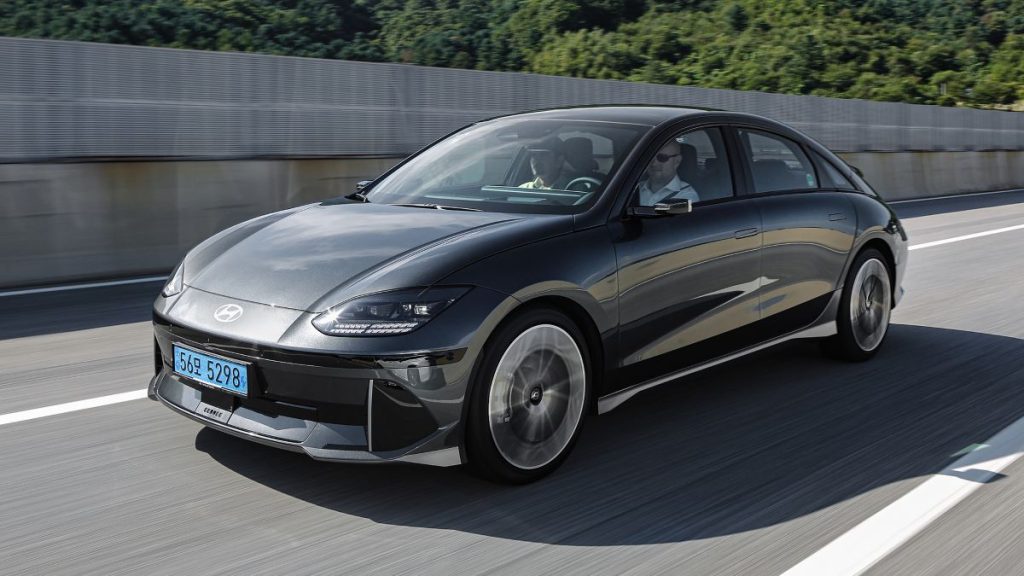
Hyundai also focused on weight management. By carefully balancing battery size with vehicle mass, the car avoids the inefficiency penalties that sometimes affect heavier EVs trying to advertise extreme range numbers.
Real world testing frequently shows the Ioniq 6 delivering results close to its official estimates, especially when driven in mixed conditions. This balance between engineering, software accuracy, and aerodynamic efficiency makes it one of the most honest EVs currently available.
For drivers who value predictable performance rather than marketing claims, the Ioniq 6 sets a strong example of realistic electric vehicle range reporting.
2. Tesla Model 3 (Rear Wheel Drive)
Some EVs became popular because they were first. Others succeeded because they continuously improved through software refinement. The Tesla Model 3 Rear Wheel Drive belongs to the second category because much of its realistic range performance comes from years of efficiency optimization.
Instead of relying only on battery size, Tesla focused heavily on drivetrain efficiency. The single motor rear wheel drive layout reduces energy losses and improves consistency compared to heavier dual motor versions. This simpler configuration often produces range figures that drivers can reproduce in normal conditions.
Software also plays a huge role in its reputation. Tesla continuously updates vehicle energy management through over the air updates. These updates sometimes improve range prediction accuracy, helping the displayed estimates better reflect real driving conditions.
One area where the Model 3 performs particularly well is moderate temperature highway driving. Many owners report achieving numbers close to official ratings when driving at steady speeds. This is partly due to efficient motor design and careful thermal control of the battery.
The navigation system also deserves attention because it factors elevation, traffic speed, and weather into range predictions. This creates a more realistic picture of how far the car can travel instead of relying purely on theoretical maximum distance.
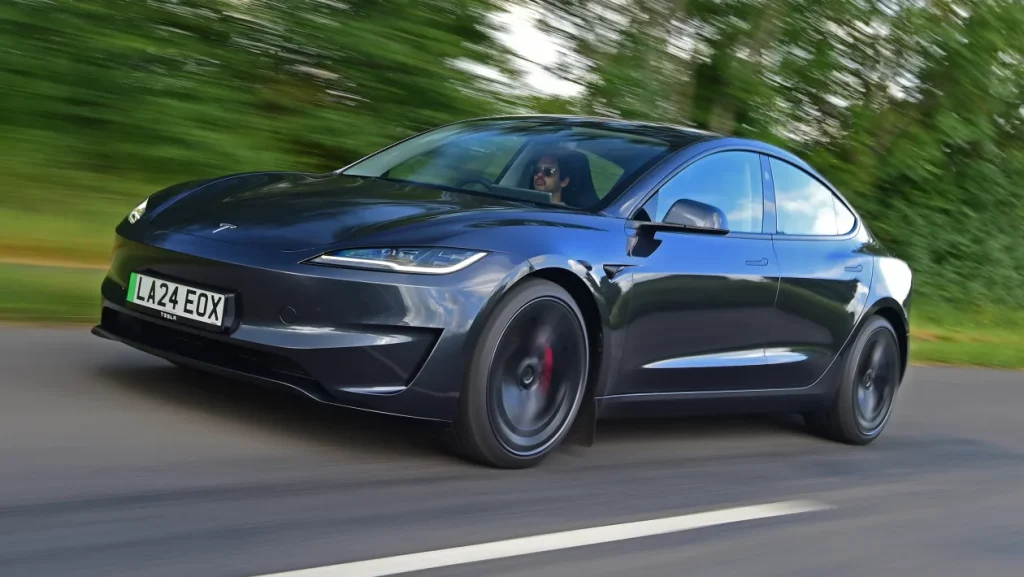
Another advantage comes from Tesla’s charging network integration. Because the vehicle actively plans charging stops based on realistic consumption, drivers rarely find themselves unexpectedly short of range during planned trips.
The minimalist interior also supports efficiency indirectly by reducing unnecessary weight and complexity. Even small efficiency gains contribute to more predictable energy usage patterns.
For drivers looking for an EV that balances efficiency, software intelligence, and realistic daily usability, the Model 3 Rear Wheel Drive remains one of the strongest examples of accurate range expectations.
3. Chevrolet Bolt EUV
Not every electric vehicle needs to be expensive or futuristic to deliver honest range performance. The Chevrolet Bolt EUV proves this by focusing on something many buyers appreciate more than flashy innovation. It focuses on efficiency that stays consistent regardless of how the car is used.
One of the biggest reasons the Bolt EUV delivers realistic range is its straightforward engineering philosophy.
Instead of chasing extreme performance numbers, Chevrolet focused on building a balanced EV with manageable weight and a battery size that matches the vehicle’s real efficiency capabilities. This prevents exaggerated claims that are difficult to achieve.
City driving is where this vehicle feels especially honest. Because of strong regenerative braking tuning, the Bolt EUV often performs very close to its official estimates in stop and go traffic. Families and commuters who spend most of their time in urban environments often find the displayed range surprisingly dependable.
There is also something refreshing about how the Bolt presents information to the driver. Instead of showing one fixed estimate, it often displays a range window based on driving habits. This approach teaches drivers how their behavior affects energy use instead of promising unrealistic maximum figures.
Another factor that helps is tire and wheel sizing. Chevrolet avoided oversized wheels that might hurt efficiency. This decision may seem minor, but it helps maintain predictable energy use across different driving scenarios.
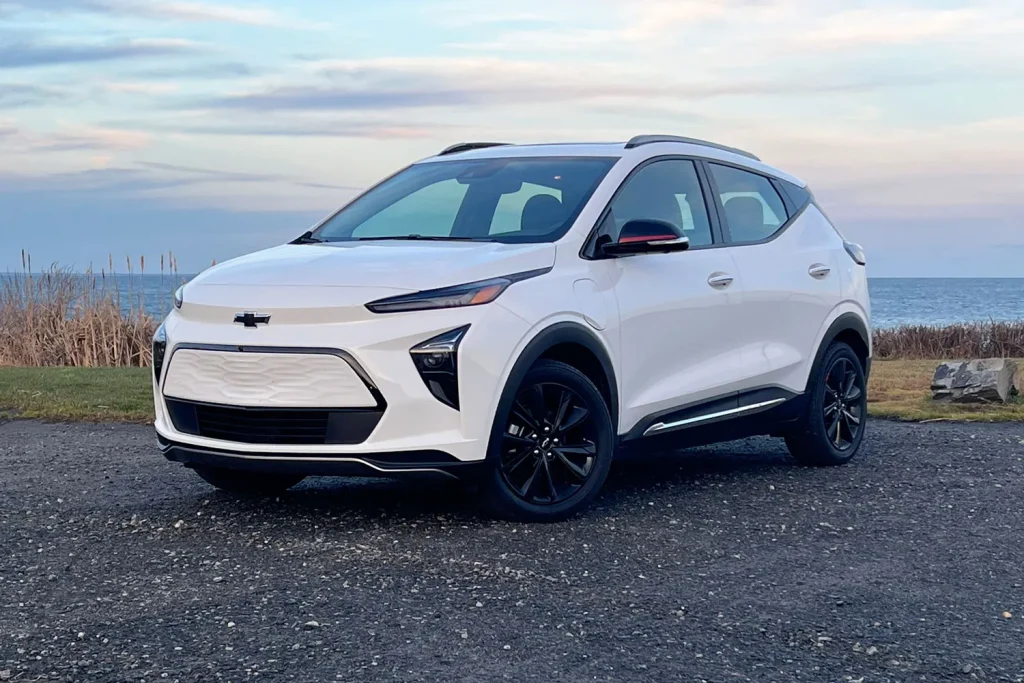
The upright body shape also plays a role. While not extremely aerodynamic, it balances interior comfort and efficiency in a way that avoids the large range swings sometimes seen in performance focused EVs.
Ownership experience also benefits from thermal battery management that focuses on stability rather than aggressive performance. This helps maintain efficiency consistency across seasons rather than delivering strong results only in ideal conditions.
For drivers who want an EV that delivers exactly what it promises without requiring special driving techniques, the Bolt EUV stands out as one of the most straightforward and trustworthy electric vehicles available.
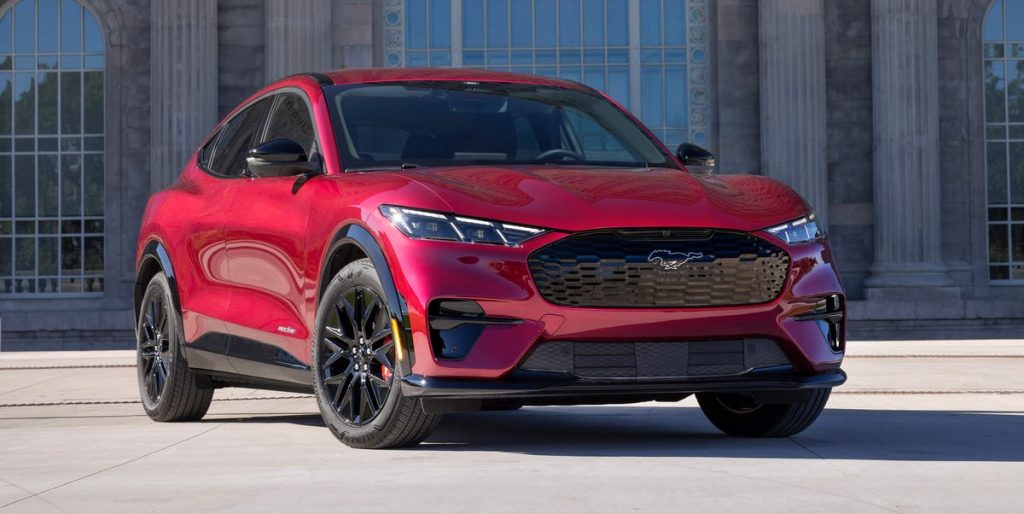
4. Ford Mustang Mach E Select
The Ford Mustang Mach E Select represents a different philosophy when it comes to realistic range. Instead of trying to dominate efficiency charts, Ford focused on creating predictable performance across different types of drivers. This approach makes the entry level Mach E trims particularly trustworthy in range expectations.
What makes this model interesting is how Ford balanced performance and efficiency. Even though the Mach E carries the Mustang name, the Select trim avoids overly aggressive tuning that could compromise range stability. This results in energy consumption that tends to match official expectations more closely.
Driver feedback systems also contribute to this realism. The Mach E provides detailed energy usage feedback after each drive, allowing owners to understand how speed, acceleration, and climate use affected efficiency. Over time this helps drivers naturally adapt to maximize range without effort.
Another strength is how the battery buffer is managed. Some EV manufacturers allow access to nearly the entire battery capacity to advertise large numbers. Ford instead maintains protective buffers that help ensure the usable range remains consistent over time rather than declining quickly with battery wear.
Highway driving behavior also deserves mention. While larger EVs sometimes show major range drops at highway speeds, the Mach E Select manages energy use in a more stable manner when driven at typical commuting speeds. This helps drivers feel confident about longer daily trips.
Cabin climate systems are also designed to balance comfort and efficiency. Smart heating and cooling management prevents dramatic range losses when using climate controls, which is important for realistic daily driving expectations.
Ford also invested heavily in predictive navigation tools that estimate battery percentage on arrival rather than simply distance remaining. This subtle difference often results in more useful planning information.
For buyers who want an EV that delivers a realistic ownership experience rather than exaggerated laboratory numbers, the Mach E Select offers a well balanced and honest interpretation of electric range capability.
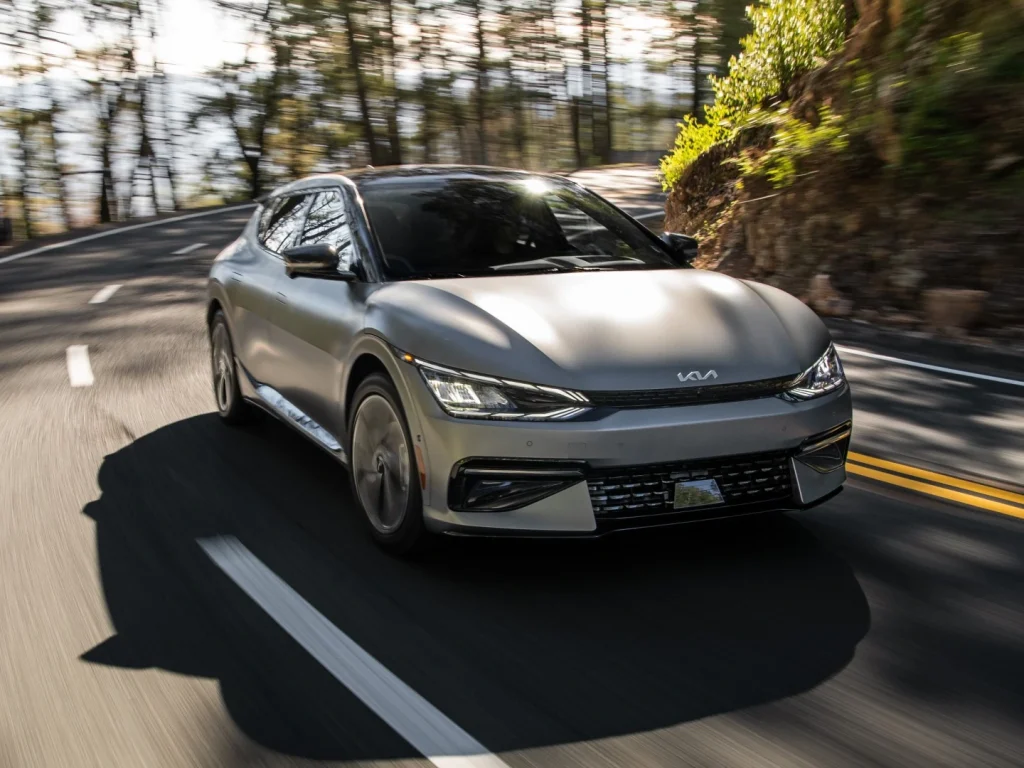
5. Kia EV6 Light Long Range
There is a certain category of electric vehicles that impress people during short test drives but reveal their weaknesses during daily use. The Kia EV6 Light Long Range tends to produce the opposite experience. It may look like a futuristic performance crossover, yet its real strength is consistency over time.
This consistency starts with how Kia engineered the efficiency balance. The Light Long Range version focuses less on aggressive acceleration and more on usable distance. By pairing a single motor setup with a carefully sized battery, the vehicle avoids the large efficiency swings that sometimes affect dual motor variants.
Drivers who track their energy usage often notice something interesting about the EV6. The difference between the claimed range and real world driving results usually remains small when driven normally. This builds trust because the vehicle behaves the way the specifications suggest instead of requiring ideal conditions.
Another aspect that contributes to realistic expectations is how the EV6 handles energy feedback. The vehicle provides detailed efficiency data through its driver displays but does not overwhelm the user with unnecessary complexity. This balance helps drivers make better decisions without needing technical knowledge.
Road trip performance is another strong point worth discussing. Many EVs can deliver their rated range in cities but struggle on highways. The EV6 manages to remain relatively stable when driven at steady speeds, which makes trip planning easier for people who travel frequently.
The charging curve also plays a hidden role in range confidence. Because the EV6 can charge quickly under the right conditions, drivers are less likely to stretch range limits unnecessarily. Instead of worrying about maximizing every mile, owners often find it easier to maintain comfortable charging margins.
Interior comfort also supports long distance usability. Supportive seats, a quiet cabin, and good ride stability make it easier for drivers to maintain steady speeds rather than constantly accelerating and braking. This indirectly improves efficiency consistency.
Weather adaptation is another area where the EV6 performs respectably. While all EVs experience some range variation in extreme temperatures, this model tends to show gradual changes instead of dramatic drops.
For drivers who want an EV that balances modern styling with dependable daily performance, the EV6 Light Long Range demonstrates how thoughtful engineering can produce range numbers that feel realistic instead of theoretical.
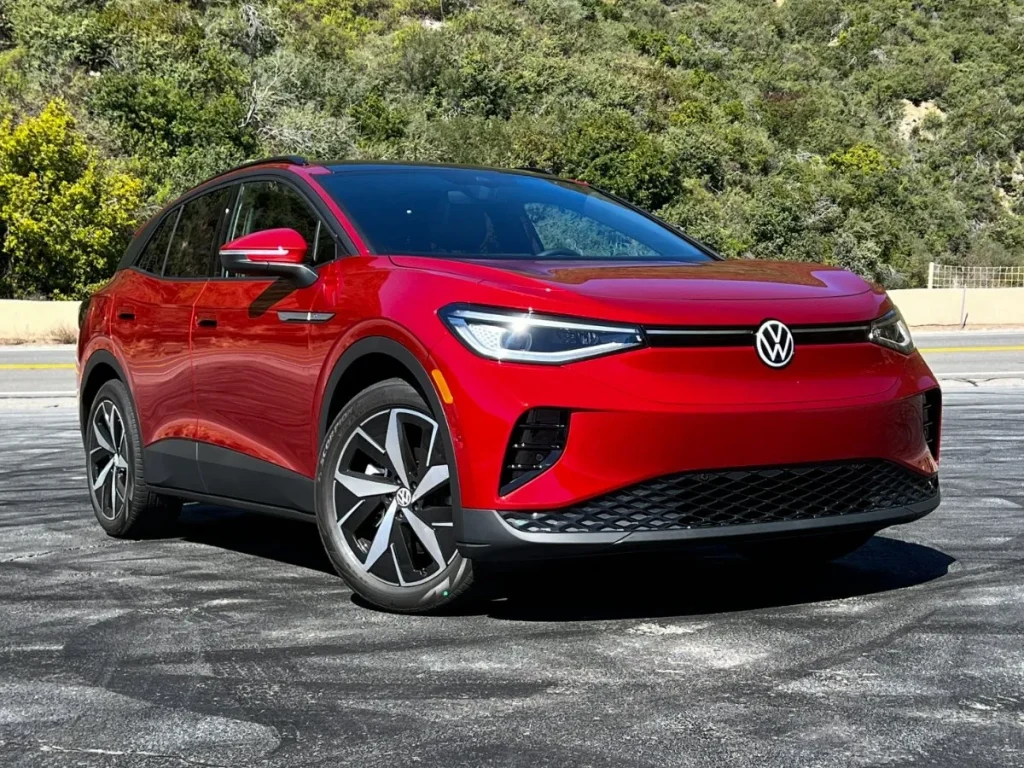
6. Volkswagen ID.4 Pro
Some electric vehicles focus heavily on innovation, while others focus on making the transition from gasoline to electric feel natural. The Volkswagen ID.4 Pro belongs firmly in the second category because it emphasizes familiarity and predictable behavior over dramatic technical statements.
A big part of its realistic range reputation comes from conservative rating strategies. Volkswagen tends to avoid exaggerated claims, which means many drivers report achieving results close to official numbers without needing to drive unusually carefully.
The ID.4 also benefits from smooth power delivery tuning. Instead of sharp acceleration spikes that increase consumption, it delivers gradual and controlled power. This encourages driving patterns that naturally support stable efficiency.
Cabin design contributes to this character as well. The seating position resembles a traditional compact SUV, which helps drivers maintain normal habits rather than experimenting with efficiency focused techniques. This results in range results that mirror everyday behavior rather than special test conditions.
Volkswagen also put effort into energy monitoring tools that explain consumption trends over time. Instead of simply showing remaining miles, the system helps drivers understand patterns such as how frequent short trips or heavy climate use affect efficiency averages.
Suspension tuning also deserves attention. The ID.4 emphasizes comfort and stability rather than aggressive cornering. This encourages smoother driving styles which naturally produce more consistent energy consumption.
Another strength appears in mixed driving situations. Some EVs show strong results either in city or highway driving but not both. The ID.4 tends to produce balanced outcomes across both scenarios, which helps families with varied driving routines.
Battery management strategy is also worth noting. The system protects long term battery health while still allowing usable range close to official figures. This helps maintain realistic expectations even after years of ownership.
For buyers who want an EV that behaves in a calm, predictable way while delivering dependable range results, the ID.4 Pro shows how conservative engineering choices can sometimes produce the most trustworthy real world outcomes.
7. Nissan Ariya Engage
Not every EV earns attention through aggressive marketing or performance headlines. Some quietly build credibility by behaving exactly the way drivers expect them to. The Nissan Ariya Engage fits into that category because its greatest strength is predictability rather than excitement.
One of the main reasons this vehicle delivers realistic range performance comes from Nissan’s long experience with mass market electric cars. Years of learning from earlier EV programs helped the company understand how drivers actually use their vehicles instead of how they behave in laboratory conditions.
The Ariya Engage reflects this learning through careful power calibration. Acceleration feels smooth and progressive instead of sudden. This makes it easier for drivers to maintain efficient driving habits without consciously trying to save energy.
Another interesting detail is how the range estimator behaves. Some EVs show optimistic numbers that quickly fall once driving begins. The Ariya tends to update its estimates more cautiously, which means drivers are less likely to feel misled after a few miles of real use.
Cabin atmosphere also plays an indirect role. The interior emphasizes calm design, clear displays, and reduced distraction. When drivers feel relaxed, they often maintain steadier speeds and smoother inputs, which naturally leads to more stable range results.
Nissan also designed the climate system to avoid sudden efficiency losses. Heating and cooling adjustments tend to have gradual impacts on displayed range rather than dramatic drops. This helps owners feel confident using comfort features without fear of unexpected consumption spikes.
Another factor worth mentioning is its balanced tire selection. Instead of fitting extremely wide tires for appearance, Nissan selected options that maintain efficiency without compromising safety. This helps the vehicle maintain predictable consumption patterns.
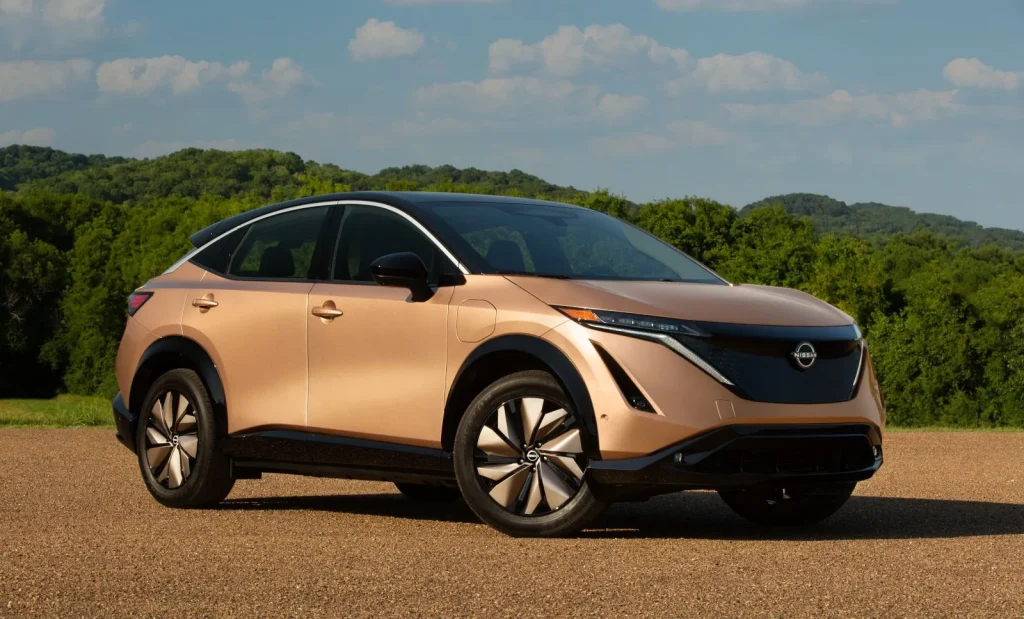
The Ariya Engage shows that range honesty often comes from restraint rather than ambition. By focusing on stable daily usability instead of record breaking claims, it becomes a vehicle that drivers learn to trust over time.
For families or commuters who value calm, dependable electric driving without surprises, the Ariya Engage represents a thoughtful and realistic approach to EV range expectations.
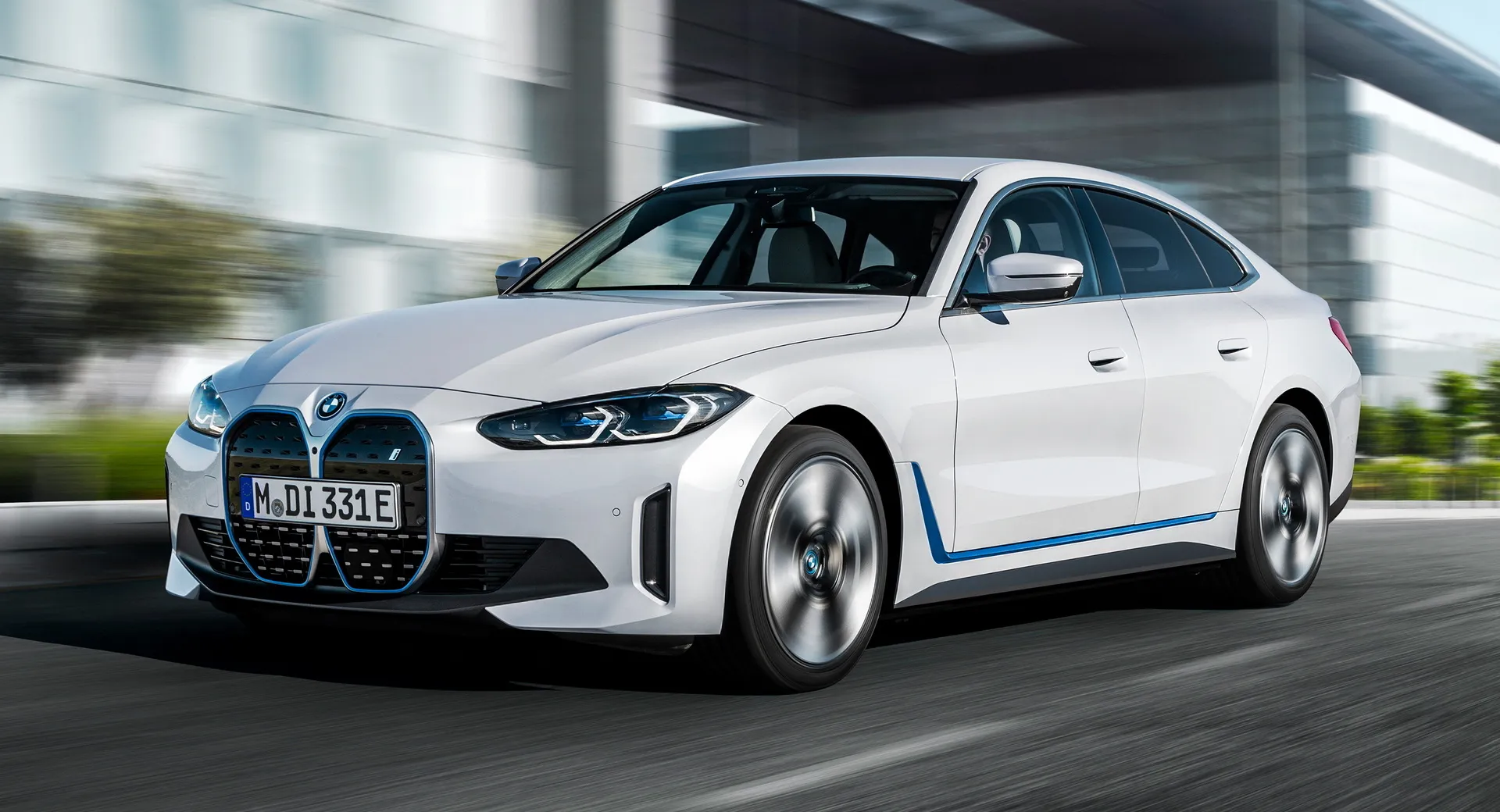
8. BMW i4 eDrive35
Electric vehicles in the luxury segment sometimes struggle with realistic range because performance expectations often conflict with efficiency. The BMW i4 eDrive35 takes a more disciplined approach by focusing on usable daily range instead of chasing the highest performance figures.
What makes this model stand out is how carefully BMW balanced motor output with battery consumption. Instead of tuning the car to feel aggressively fast at all times, this version emphasizes smooth power delivery that supports efficiency during normal driving.
Another key strength is highway efficiency stability. Many performance oriented EV sedans experience noticeable range reduction at higher speeds. The i4 eDrive35 manages this challenge through aerodynamic refinement and careful drivetrain tuning, which helps maintain range closer to official estimates.
Driver information presentation is also handled differently than many competitors. BMW focuses on providing efficiency coaching through subtle feedback rather than constant alerts. Over time this helps drivers naturally adopt smoother driving habits that support realistic range outcomes.
The seating design also supports long distance consistency. Supportive sport comfort seats reduce fatigue, which helps drivers maintain steady speeds rather than making frequent speed corrections. This indirectly supports stable consumption during extended trips.
Thermal management is another area where this vehicle shows maturity. Battery temperature control systems focus on keeping the battery within optimal operating windows, which helps prevent sudden efficiency swings caused by heat or cold.
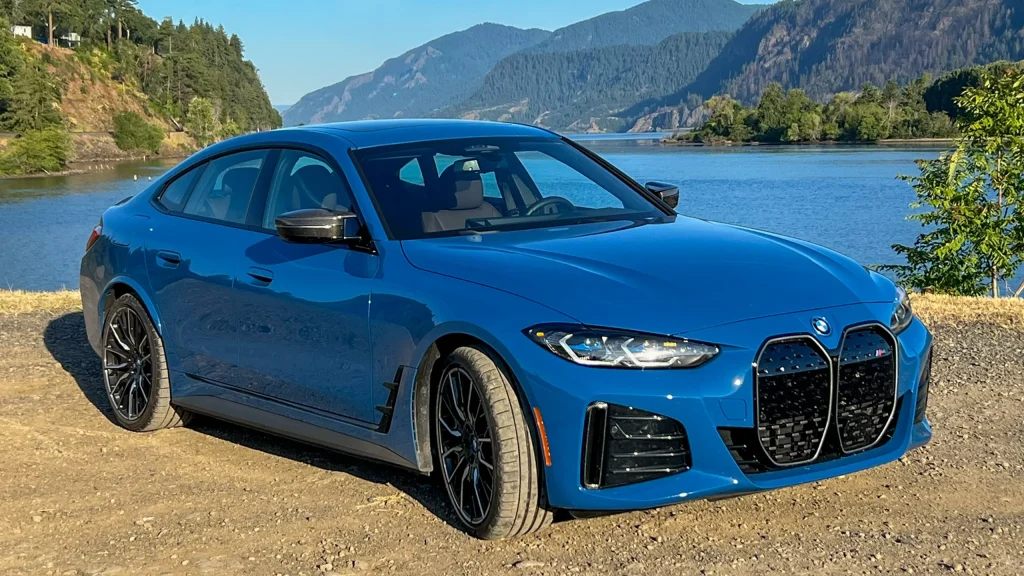
The i4 also benefits from BMW’s experience with efficient gasoline vehicles. Lessons learned from decades of efficiency engineering appear to influence how this EV balances performance expectations with realistic daily usability.
This model demonstrates that luxury EVs do not have to sacrifice honesty for performance reputation. By carefully controlling how energy is used, BMW created an EV that feels premium without making unrealistic promises.
For drivers wanting a refined electric sedan that delivers range figures they can actually plan around, the i4 eDrive35 stands as a strong example of realistic electric mobility.
9. Toyota bZ4X
Toyota took a very different path into the electric vehicle world compared to many competitors. Instead of trying to dominate early EV headlines, the company focused on making sure its first large scale modern EV would deliver predictable ownership results. The Toyota bZ4X reflects this cautious strategy.
What stands out immediately is how conservative the range estimates feel compared to many rivals. Toyota chose to prioritize consistency instead of publishing the most impressive numbers possible. Because of this approach, many drivers find that everyday driving results often stay close to the advertised figures.
This realistic behavior also comes from Toyota’s battery protection philosophy. The company has decades of experience managing hybrid battery longevity, and this knowledge appears in how the bZ4X manages usable battery capacity.
Rather than allowing extreme discharge ranges, the software maintains protective buffers that help stabilize performance.
Efficiency consistency also comes from its moderate power tuning. The vehicle does not attempt to deliver aggressive acceleration in base configurations, which helps prevent large energy spikes. This approach makes the car feel calm and predictable instead of dramatic.
Interior functionality also supports this practical character. Controls are simple, displays focus on useful data, and the interface emphasizes energy awareness without overwhelming the driver. This helps drivers understand their consumption patterns naturally.
Another important factor is Toyota’s focus on real world testing. Instead of optimizing purely for certification procedures, the company emphasized everyday usability conditions. This tends to result in range figures that match mixed driving patterns rather than only ideal scenarios.
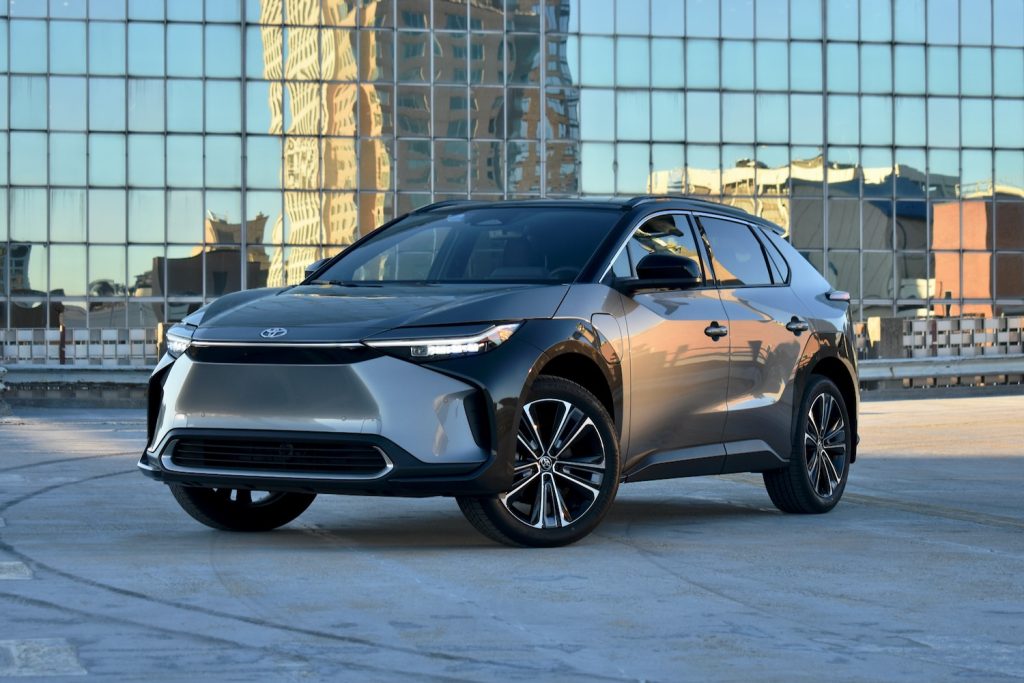
Seasonal performance is also managed through careful battery temperature strategies. While range reductions still occur in extreme weather, the vehicle tends to show gradual changes instead of unpredictable behavior.
The bZ4X shows how a cautious engineering culture can produce realistic expectations. Rather than trying to impress on paper, it focuses on long term ownership confidence.
For drivers who prefer a vehicle that quietly delivers dependable electric performance instead of chasing marketing records, the Toyota bZ4X offers a reassuringly realistic interpretation of EV range capability.
10. Tesla Model Y Long Range
The Tesla Model Y Long Range represents another interpretation of realistic range, but through a completely different method. Instead of conservative claims, Tesla relies heavily on data collection and software refinement to make its estimates more accurate over time.
One of the biggest strengths of this vehicle is how it uses real time driving data. The navigation system constantly calculates consumption based on elevation changes, driving speed, weather, and traffic flow. This allows the vehicle to predict arrival battery percentage with impressive accuracy.
This approach changes how drivers think about range. Instead of focusing only on total miles available, owners begin to trust trip based predictions. This makes the vehicle feel more realistic because it focuses on usable distance rather than theoretical maximum numbers.
Another strength comes from efficiency optimization. Tesla continues to refine motor control software, regenerative braking behavior, and thermal management through updates. These adjustments sometimes improve efficiency without requiring any hardware changes.
Practical usability also helps reinforce its reputation. The Model Y combines SUV practicality with sedan like efficiency, which means families can carry passengers and cargo without experiencing dramatic efficiency losses compared to smaller EVs.
Energy consumption stability also benefits from Tesla’s experience with battery cooling strategies. By maintaining controlled battery temperatures, the vehicle avoids the large efficiency swings that sometimes affect less refined EV systems.
Interior simplicity also contributes indirectly. With fewer physical systems drawing power and a clean interface design, the vehicle minimizes unnecessary electrical loads that could affect efficiency margins.
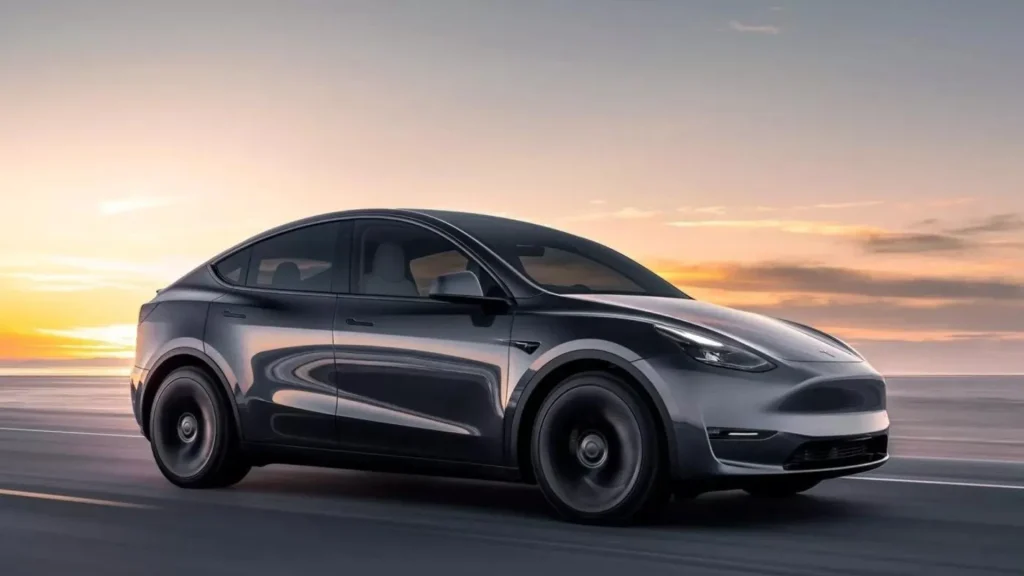
Long distance travel is another area where realistic expectations appear. Because the vehicle actively plans charging stops and suggests optimal speeds, drivers often find that real travel results closely match trip predictions.
The Model Y Long Range shows how software intelligence can be just as important as hardware when it comes to delivering believable range expectations.
For drivers who want a technology driven EV that continuously improves its accuracy through data and updates, the Model Y Long Range remains one of the most convincing examples of realistic electric range planning.
Also Read: 10 Best Used 4x4s That Are Still Rugged and Affordable in 2026