
Hybrid vehicles have changed the conversation about long term reliability, especially when it comes to transmissions. For decades, traditional gasoline vehicles depended on complex automatic transmissions filled with clutches, valve bodies, torque converters, and multiple gear sets.
While many of these systems are durable, they also contain numerous wear components that naturally degrade over time.
Modern hybrids introduced a very different philosophy. Instead of focusing purely on gear changes, many hybrid manufacturers redesigned transmissions to reduce mechanical stress altogether.
Some hybrid systems do not even use traditional gear shifting in the conventional sense. This dramatically reduces friction points and eliminates many of the failure areas found in standard automatics.
One of the most important breakthroughs is the hybrid eCVT design used by several manufacturers. Despite the name, many of these are not belt driven CVTs like those found in some gasoline cars.
Instead, they use planetary gearsets combined with electric motor generators. With fewer friction components and fewer shock loads from gear changes, these systems often last longer than the engines they are paired with.
Another advantage comes from how hybrids distribute workload. Electric motors assist during acceleration, which reduces stress on both the engine and transmission.
In traditional gasoline vehicles, the transmission absorbs the full force of engine torque changes. In hybrids, electric assistance smooths these transitions, reducing wear over time.
Heat management also plays a major role. Conventional transmissions often suffer from heat buildup, especially in stop and go driving. Hybrid transmissions often operate under less strain because electric drive can handle low speed movement. Less heat generally means longer fluid life and less internal degradation.
Regenerative braking adds another benefit. Instead of relying solely on friction brakes and downshifting forces, hybrids use electric motors to slow the vehicle. This reduces the stress cycles normally experienced by traditional transmissions during deceleration.
Another overlooked factor is software control. Hybrid transmissions are often managed by extremely precise electronic control systems that prioritize smoothness. These systems avoid harsh engagement patterns that can shorten transmission life in conventional vehicles.
Some skeptics initially worried that hybrid complexity would reduce durability. However, real world data from early hybrid adopters has often shown the opposite. Many hybrid transmissions have proven capable of extremely high mileage with minimal mechanical issues when properly maintained.
This reliability is not accidental. Manufacturers understand that hybrid buyers often expect lower running costs and long service life. As a result, these systems are often over engineered to ensure durability and customer confidence.
This list focuses on five modern hybrid vehicles known not just for fuel efficiency but for transmission designs that have developed a reputation for exceptional longevity. Each example highlights a different engineering approach, showing how various manufacturers solved the durability challenge in unique ways.
Rather than repeating the same technical explanation, each vehicle demonstrates a different reason why its transmission stands out. Some succeed through mechanical simplicity, others through intelligent load management, and some through years of refinement.
Understanding these vehicles helps explain why hybrid transmissions are increasingly seen not just as efficient alternatives, but as some of the most durable driveline systems available today.
Also Read: 5 Heavy Duty Transmissions Found in Half Ton Trucks vs 5 That Feel Weak
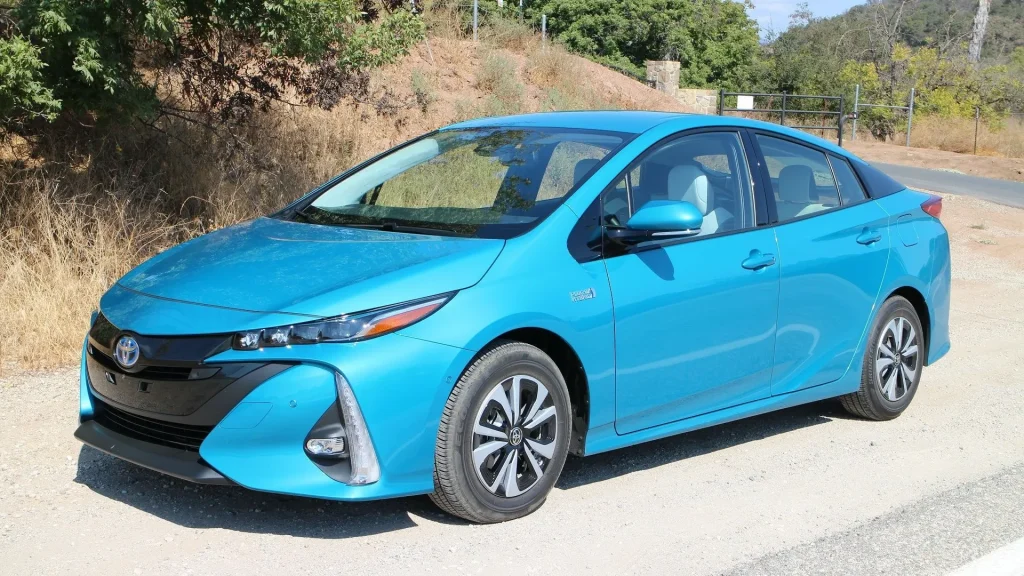
1. Toyota Prius
The Toyota Prius is often the first vehicle mentioned in any discussion about hybrid durability, and much of that reputation comes from its transmission design. Toyota approached the hybrid drivetrain differently from the start, focusing on simplicity rather than complexity.
The Prius uses what Toyota calls a power split device, which functions as an electronically controlled planetary gear system. Unlike a traditional automatic transmission, there are no conventional gear shifts. This eliminates many of the wear points typically associated with clutch packs and shift mechanisms.
One of the biggest advantages of this system is the absence of shift shock. Traditional automatics constantly engage and disengage clutches to change ratios. Each of these events introduces microscopic wear. The Prius system avoids this entirely by smoothly blending power between the engine and electric motors.
Another durability advantage comes from how the electric motors support the drivetrain. During acceleration, the electric motor provides torque assistance, meaning the transmission does not experience sudden torque spikes. Over time, this reduction in stress contributes significantly to longevity.
Thermal stability is another major strength. Because the Prius can operate on electric power at low speeds, the transmission is not constantly subjected to heat from engine driven operation. Lower operating temperatures often correlate with longer fluid life and reduced internal wear.
Toyota also engineered the system with fewer moving parts than a traditional automatic. Fewer moving components generally mean fewer potential failure points. This mechanical simplicity is one of the reasons many Prius taxis around the world have accumulated extremely high mileage.
Another interesting benefit is how regenerative braking reduces driveline stress. In many gasoline vehicles, downshifts during deceleration can place stress on internal components. The Prius instead uses electric regeneration, which reduces these mechanical loads.
Maintenance also plays a role in the Prius transmission story. Although often described as low maintenance, the fluid still benefits from periodic replacement. When owners follow basic service practices, these transmissions often continue operating smoothly for years.
There is also a consistency factor. Because the transmission does not rely on traditional gear changes, performance does not degrade in the same way older automatics sometimes do. Drivers rarely report the slipping or harsh shifting symptoms common in aging gasoline transmissions.
The Prius also benefits from Toyota’s conservative engineering approach. Instead of pushing the system to its limits, Toyota designed it to operate comfortably within its capacity. This margin of safety often translates into longer real world durability.
Another aspect worth noting is how predictable the system feels. Smooth operation is not just a comfort benefit. It also indicates reduced internal stress. Systems that operate smoothly tend to last longer because they avoid sudden mechanical loads.
Even critics who may not prefer the driving feel often acknowledge the engineering strength of the transmission. It may not be designed for sporty behavior, but it excels at consistent and reliable operation.
Over time, the Prius has proven that hybrid transmissions can be more than just efficient. They can also become benchmarks for durability.
Many owners eventually find that the transmission remains trouble free even as other components begin to show age. This example shows how eliminating complexity can sometimes be the best path to longevity.
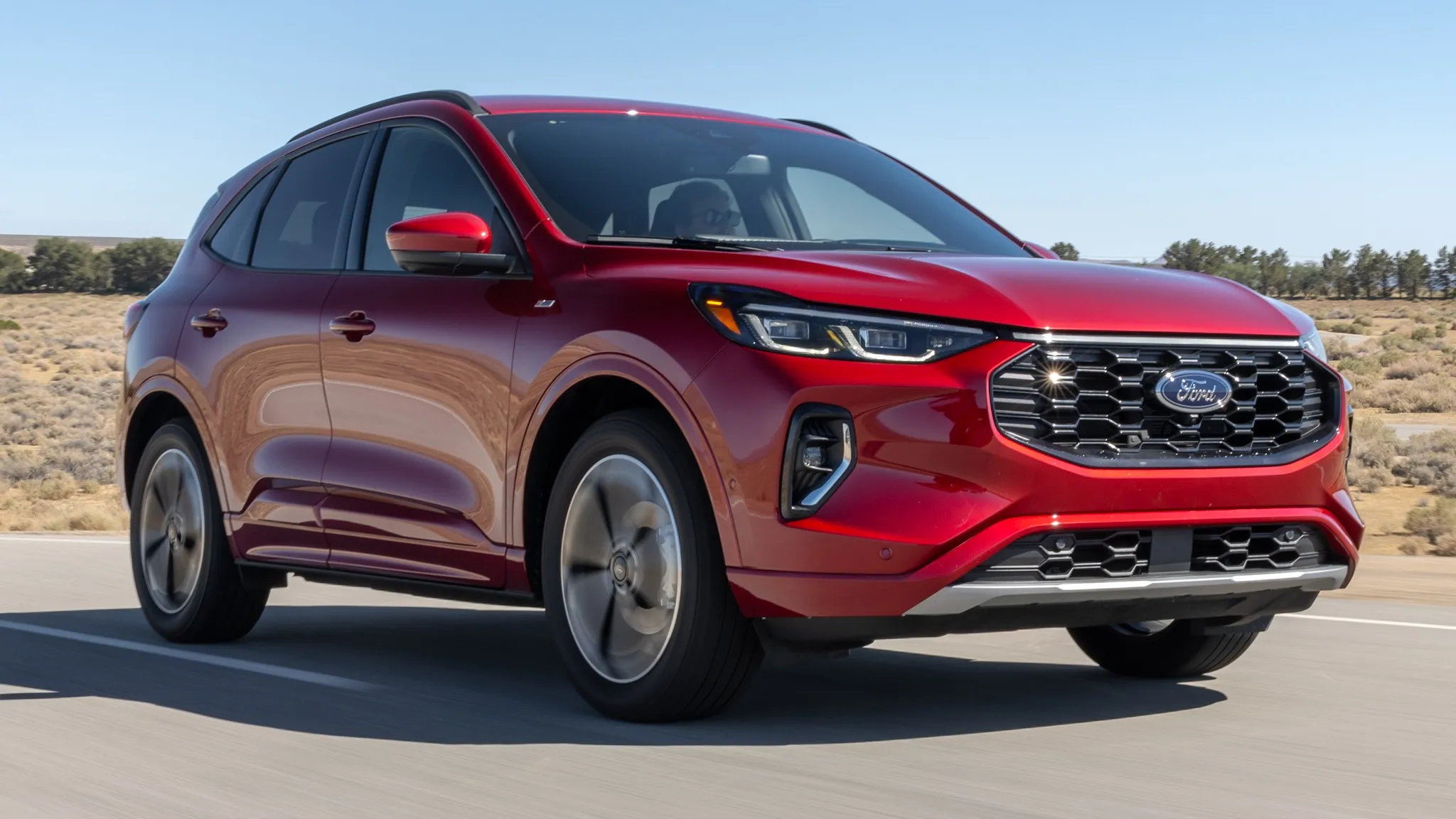
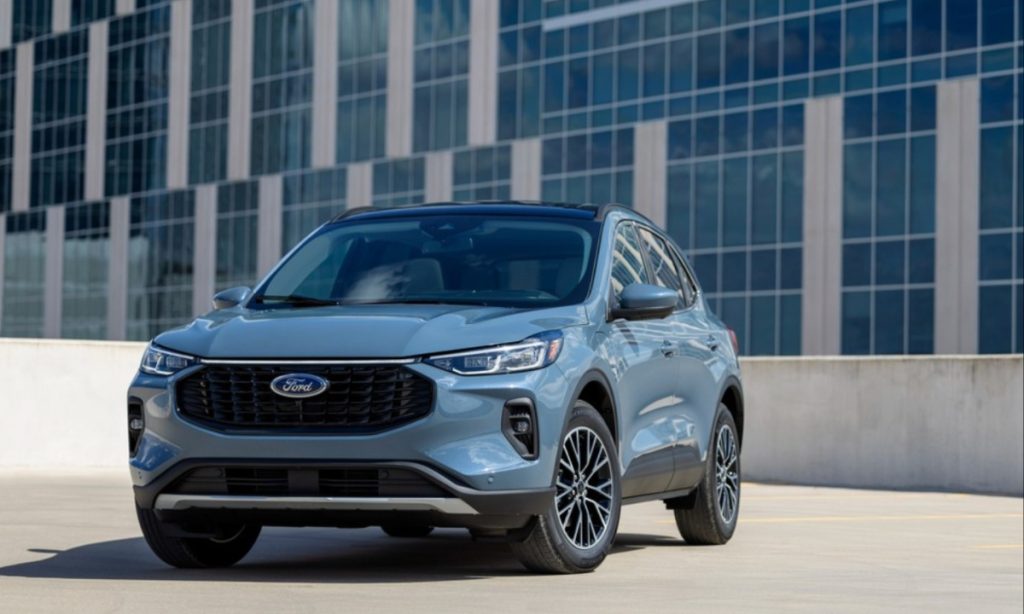
2. Ford Escape Hybrid
While Toyota focused on simplicity, Ford took a collaborative engineering approach when developing the Escape Hybrid transmission.
The company worked on hybrid transmission concepts that combined durability with adaptability for SUV use, creating a system capable of handling varied driving conditions.
The Escape Hybrid uses a planetary gear based hybrid transmission similar in concept to Toyota’s system, but Ford tuned it to handle the additional weight and aerodynamic profile of a compact SUV. This required strengthening certain internal components and refining software controls to manage higher loads.
One interesting aspect of the Escape Hybrid transmission is how it distributes power flow depending on driving conditions. Instead of allowing the gasoline engine to handle most of the work, the system actively balances energy use between electric motors and the engine. This reduces concentrated wear on any single component.
Ford also placed strong emphasis on cooling. Hybrid SUVs can experience different stress patterns compared to sedans due to their size and usage patterns. By improving cooling pathways within the transmission system, Ford improved long term durability.
Another reason this transmission often lasts a long time is its focus on smooth engagement. Rather than prioritizing aggressive response, Ford programmed the system to prioritize gradual torque delivery. This protects internal gears from repeated shock loading.
The Escape Hybrid also benefits from reduced dependence on multi speed gearing. Traditional SUV transmissions often require many ratios to balance power and efficiency. The hybrid system reduces this need, which reduces mechanical complexity.
Durability is also supported by how the hybrid system handles city driving. Electric only operation during slow movement reduces the number of stress cycles experienced by the transmission compared to a gasoline only SUV operating in the same environment.
Software refinement has also played a major role over the years. Ford continuously improved control logic to ensure smoother transitions between electric and gasoline power. These improvements helped reduce mechanical strain.
Another overlooked strength is how the transmission handles torque distribution during climbing or highway merging. Electric assistance helps avoid sudden strain that would otherwise be absorbed by a conventional transmission.
Real world use has shown that these systems often maintain consistent behavior even after years of service. Unlike some traditional transmissions that develop shift irregularities, the Escape Hybrid system tends to maintain its smoothness.
This highlights an important point. Transmission longevity is not just about strong parts. It is also about how intelligently those parts are used. Ford focused on balanced workload distribution rather than brute strength alone.
The Escape Hybrid demonstrates that hybrid technology is not limited to small cars. Even vehicles expected to handle heavier daily use can benefit from the durability advantages of hybrid transmission design.
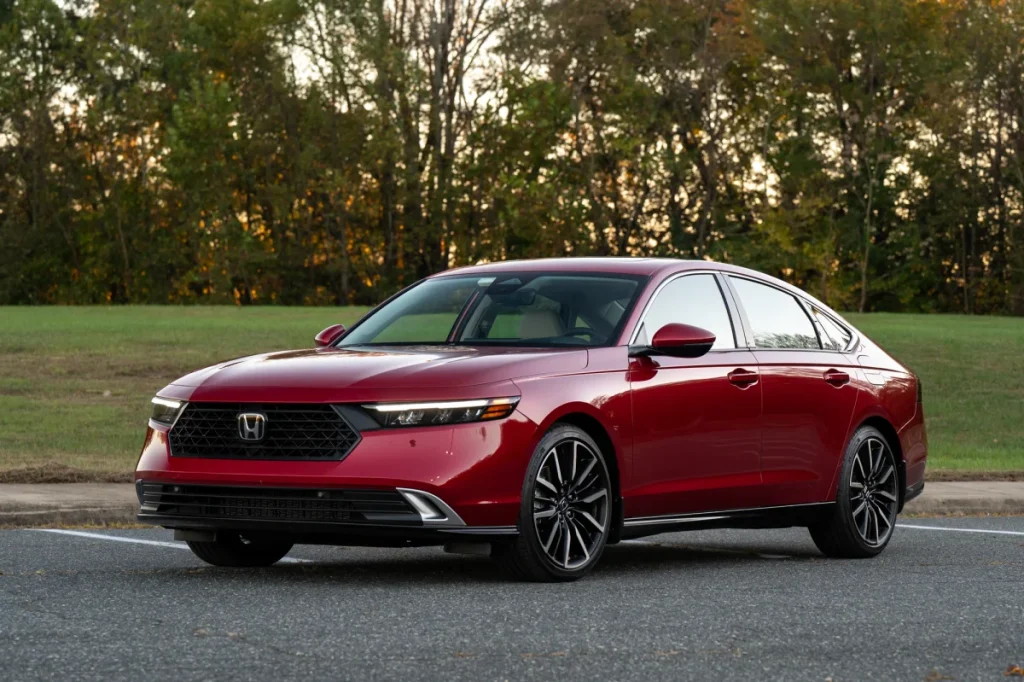
3. Honda Accord Hybrid
The Honda Accord Hybrid represents a completely different way of thinking about transmissions. Instead of improving the traditional gearbox or slightly modifying an existing automatic, Honda practically removed the idea of a conventional transmission altogether.
This unusual approach is exactly why its system has developed a strong reputation for durability.
Honda’s hybrid system works more like an electric vehicle at most speeds. In many driving situations, the gasoline engine does not directly power the wheels.
Instead, it often acts as a generator that produces electricity, which then powers the electric drive motor. Because of this design, the system avoids many of the stress patterns that affect normal transmissions.
At city speeds, the Accord Hybrid is usually driven primarily by the electric motor. This means there are no traditional gear changes happening during the type of driving that normally causes the most wear in gasoline cars.
Stop and go traffic is usually where automatic transmissions suffer the most fatigue. Honda’s design largely avoids this problem.
At higher speeds, a simple lock up clutch allows the gasoline engine to connect directly to the wheels. What makes this interesting is how rarely this connection changes. Instead of constantly shifting between gears like a normal automatic, the system transitions smoothly between electric drive and direct engine drive only when efficiency demands it.
This dramatically reduces the number of engagement cycles compared to a normal transmission. Fewer engagement events generally translate into less long term wear.
Honda also designed the system to avoid unnecessary mechanical complexity. There are fewer gear ratios, fewer clutch packs, and fewer hydraulic control elements than what you would find inside a traditional automatic transmission. This simplicity is a major reason why many of these systems remain reliable over long ownership periods.
Another interesting engineering decision is how Honda manages torque delivery. Electric motors deliver torque smoothly and instantly without spikes. Because of this, the system avoids the sudden loading forces that normally occur when a gasoline engine rapidly increases power through a gearbox.
Heat reduction is another benefit. Since electric operation handles a large portion of low speed driving, the transmission components are not constantly exposed to high thermal stress. Lower temperature cycles often correlate with longer component life.
Honda also benefits from its long history of building efficient drivetrains. The company tends to design components that operate within safe tolerances rather than chasing maximum performance figures. This conservative approach often pays off in long term reliability.
Drivers often report that the Accord Hybrid feels unusually smooth even after years of use. This consistency is often a sign of reduced mechanical fatigue. Traditional transmissions sometimes develop rough shifts as they age, but this system tends to maintain its original behavior.
Another factor that supports longevity is how rarely the system feels strained. Even during highway acceleration, the electric motor assists enough to prevent the system from feeling overworked.
What makes this transmission unique is that it challenges the very definition of what a transmission should be. Instead of constantly changing ratios, it focuses on efficient power delivery with minimal mechanical drama.
This makes the Accord Hybrid an excellent example of how rethinking old engineering assumptions can lead to better durability outcomes. By removing unnecessary complexity and reducing stress cycles, Honda created a system that often ages more gracefully than traditional gearboxes.
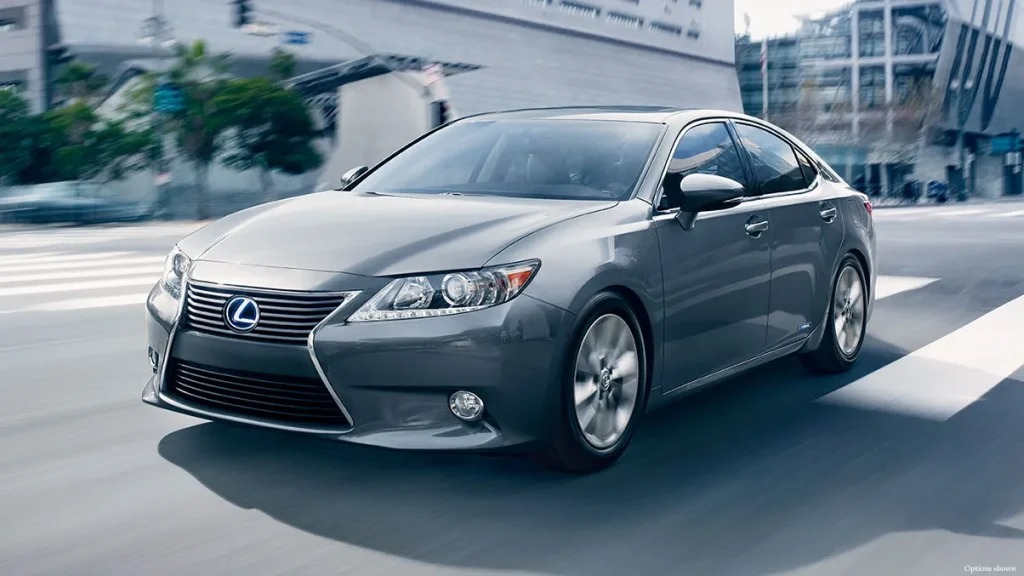
4. Lexus ES 300h
The Lexus ES 300h takes a more refinement focused approach to hybrid transmission durability. While it shares fundamental hybrid technology roots with Toyota, Lexus engineers placed additional emphasis on smoothness and long term consistency.
The transmission in the ES 300h is based on Toyota’s hybrid synergy drive architecture, but it is tuned with a stronger focus on vibration isolation and noise reduction. These refinements are not just about luxury. Reduced vibration often leads to reduced long term mechanical stress.
One of the biggest reasons this system lasts is how gently it operates. The ES 300h is not designed for aggressive driving behavior. Instead, everything from throttle response to power delivery is tuned to prioritize gradual transitions. This protects internal components from sudden loads.
Lexus also focused heavily on component matching. The electric motors, engine output, and transmission capacity are carefully balanced so that no single part is constantly pushed toward its limits. This engineering balance often plays a major role in durability.
Another advantage is how Lexus manages quality control. Components used in Lexus hybrid systems often undergo extremely strict manufacturing standards. Tighter tolerances and careful assembly reduce the chance of early wear patterns developing.
Cooling efficiency is another quiet strength. By maintaining stable operating temperatures, the transmission fluid and internal components avoid the degradation that heat can cause over time.
The ES 300h also benefits from a driving character that encourages longevity. Because the vehicle naturally rewards smooth inputs, drivers often operate it in ways that reduce stress. This indirect factor can significantly influence how long mechanical components last.
There is also a long term consistency advantage. Hybrid transmissions like this tend to maintain their original smooth behavior rather than gradually developing the small irregularities that sometimes appear in aging traditional automatics.
Another overlooked factor is how electric torque fills gaps in engine power delivery. Instead of forcing the transmission to constantly adjust ratios to keep the engine in its power band, the electric motor provides assistance. This reduces the workload placed on the transmission system.
Owners often find that the transmission continues operating quietly and smoothly even after very high mileage. This reinforces the idea that hybrid systems can sometimes outlast the engines they support.
Lexus also benefits from years of hybrid development experience. By the time this system reached production, many earlier lessons about durability had already been incorporated into the design.
The ES 300h shows that transmission longevity does not always come from radical redesign. Sometimes it comes from refining a proven design until it operates with minimal stress and maximum smoothness.
5. Hyundai Sonata Hybrid
The Hyundai Sonata Hybrid shows yet another philosophy in hybrid transmission engineering. Instead of using a planetary power split device like Toyota or a mostly electric drive approach like Honda, Hyundai decided to retain a more familiar six speed automatic structure and then strengthen it to work with hybrid assistance.
This makes it one of the most interesting durability stories because it proves a conventional layout can also benefit from hybrid advantages.
At first glance, using a traditional automatic transmission might sound like a disadvantage compared to specialized hybrid gearsets. However, Hyundai redesigned key internal components to account for hybrid torque characteristics.
By reinforcing clutch materials and optimizing engagement pressures, the company created a system that experiences less wear than typical gasoline only versions.
One of the biggest differences is the addition of an electric motor placed between the engine and transmission. This motor plays a critical role in protecting the gearbox.
During takeoff, instead of relying entirely on the transmission to multiply engine torque, the electric motor helps move the vehicle. This reduces the stress normally experienced by first gear components.
Another advantage comes during gear changes. The electric motor can briefly compensate for torque gaps while shifts occur. This reduces the abrupt loading and unloading cycles that normally happen during gear transitions. Over time, this smoother torque handoff helps protect clutch packs and gear teeth.
Hyundai also focused on improving shift smoothness not just for comfort but for mechanical longevity. Smooth shifts reduce microscopic wear patterns that eventually cause traditional transmissions to degrade. By reducing these small impacts over thousands of miles, the transmission benefits from a longer usable life.
Heat management also improves compared to a gasoline only Sonata. Because the electric motor can handle some driving situations independently, the transmission is not always subjected to full engine load. This reduces fluid temperature spikes, which are one of the major causes of transmission aging.
Another interesting factor is how hybrid calibration reduces aggressive downshifting. In a traditional gasoline sedan, the transmission often needs to downshift frequently to maintain performance. In the Sonata Hybrid, electric assistance reduces the need for these constant ratio changes.
Hyundai also tuned the control software to prioritize durability. Rather than chasing extremely fast shifts, the programming favors controlled engagement speeds. This decision may not attract performance enthusiasts, but it benefits long term reliability.
There is also a structural advantage in using a familiar automatic transmission architecture. Because this design has been used and refined for decades, Hyundai engineers understood where improvements were necessary. This allowed them to strengthen known weak points before problems could develop.
Another benefit is service familiarity. Because the transmission still resembles a conventional automatic in some ways, maintenance procedures are more familiar to technicians. Proper servicing often plays a major role in long term durability outcomes.
The Sonata Hybrid also demonstrates how hybrid assistance can reduce drivetrain fatigue in daily use. For example, during slow traffic movement, electric operation can reduce repeated clutch engagement cycles. This small change can make a large difference over many years of driving.
Owners often report that the transmission maintains its shift quality for long periods. Unlike some traditional automatics that gradually develop hesitation or harshness, the Sonata Hybrid tends to preserve its original character when properly maintained.
This vehicle proves that hybrid durability does not always require abandoning traditional engineering. Sometimes the smartest approach is combining proven mechanical designs with electric assistance to reduce stress.
Hybrid vehicles have changed how engineers think about transmission durability. Instead of relying on complex gear changes and heavy mechanical engagement like traditional gasoline vehicles, many hybrids reduce wear by redesigning how power reaches the wheels. This often results in transmissions that experience less stress and fewer failure points over time.
A major reason hybrid transmissions often last longer is the reduction of mechanical shock. In conventional vehicles, gear shifts constantly create friction and heat. Hybrid systems frequently avoid this through electric assistance or simplified gear arrangements. This reduces internal strain and helps maintain smooth operation even after years of use.
The Toyota Prius stands as one of the best examples of durability through simplicity. Its planetary gear based hybrid transmission avoids traditional shifting entirely.
With fewer moving parts and smoother power transitions, the system reduces wear patterns that normally affect automatic transmissions. This is why many high mileage Prius models still retain their original transmission performance.
The Ford Escape Hybrid shows how hybrid systems can be adapted for heavier vehicles without sacrificing longevity. By distributing power between electric motors and the gasoline engine, the transmission avoids concentrated stress. This balanced workload helps maintain consistent operation even under demanding daily driving conditions.
Honda took a very different direction with the Accord Hybrid by minimizing the role of the transmission itself.
By allowing the electric motor to handle much of the driving work and using a simple direct connection at highway speeds, Honda reduced the number of mechanical engagement events. Fewer engagement cycles usually mean fewer opportunities for wear.
The Lexus ES 300h demonstrates how refinement can also improve durability. By focusing on smoothness, vibration reduction, and careful component matching, Lexus created a system that avoids unnecessary stress. This approach shows that luxury engineering can also contribute to mechanical longevity when smooth operation is a priority.
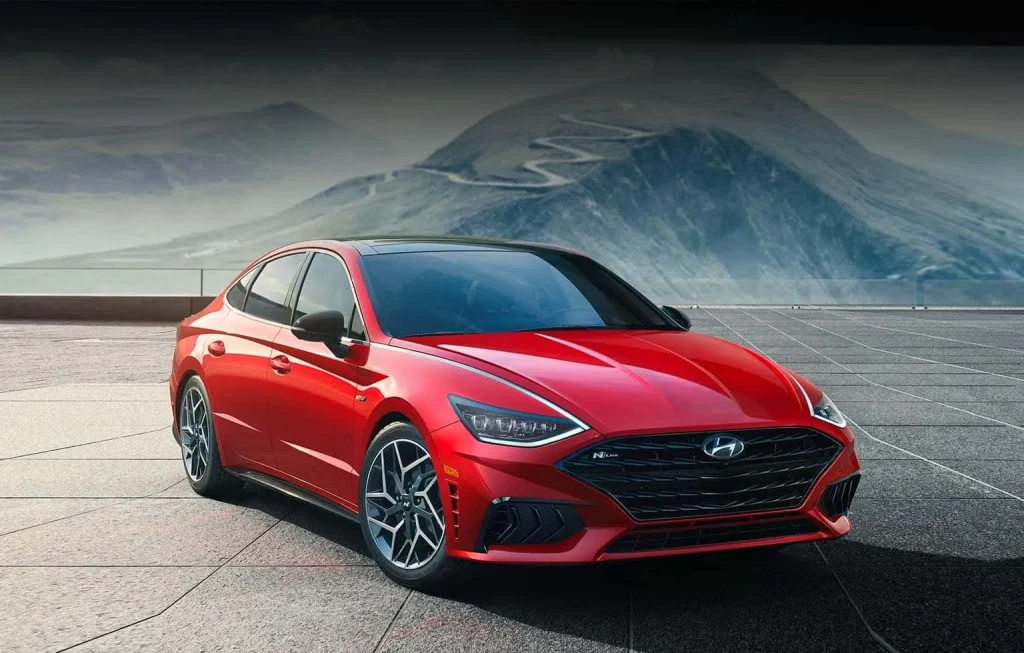
Hyundai’s Sonata Hybrid proves that even familiar transmission designs can benefit from hybrid integration. By adding electric motor assistance to a traditional automatic transmission, Hyundai reduced torque shocks and improved shift smoothness.
This shows that hybrid benefits are not limited to unique transmission designs but can also strengthen conventional layouts.
Another important lesson from these vehicles is the role of heat management. Hybrid systems often run cooler because electric operation reduces constant engine load. Lower operating temperatures help preserve transmission fluid quality and reduce internal wear.
Software also plays an important role. Modern hybrid transmissions are carefully controlled to prioritize smooth engagement and balanced torque delivery. Intelligent programming often prevents the aggressive behavior that can shorten the life of conventional transmissions.
Overall, these examples highlight that hybrid transmissions are not just about efficiency improvements. They also represent a shift toward reducing mechanical fatigue.
By combining electric assistance, simplified mechanical layouts, and careful engineering, hybrids often achieve a level of transmission durability that challenges traditional gasoline vehicles.
For buyers planning long term ownership, this means hybrids can offer more than fuel savings. They may also provide peace of mind through reduced transmission wear and consistent long term performance.
Also Read: 5 Ford EcoBoost Engines Built for the Long Haul vs 5 That Struggle With Heat
