
The used electric vehicle market in the United States is changing quickly as early EV models depreciate and newer models push resale values lower. This has created an important opportunity for buyers who want to enter EV ownership without paying new vehicle prices.
Today, many well known electric cars that once cost over 35,000 dollars can now be found for under 20,000 dollars depending on mileage, condition, and model year.
One of the biggest reasons for this price shift is rapid technology development. As battery technology improves and new models offer longer range, older EVs naturally become more affordable.
This depreciation benefits second owners because EVs often have fewer mechanical parts than gasoline vehicles and may require less maintenance over time.
Another factor helping buyers is increased supply. Lease returns and trade ins have expanded the used EV inventory significantly. As more people upgrade to newer electric vehicles, earlier models become accessible to budget focused buyers looking for value rather than the newest technology.
Buyers should still approach used EV shopping carefully. Battery health is one of the most important factors to check because it directly affects range and long term usability. Experts often recommend reviewing battery diagnostics, checking real world range, and confirming warranty coverage before purchase.
Despite these considerations, the value proposition is becoming very strong. Many used EVs under 20,000 dollars now offer over 200 miles of range, modern safety features, and practical daily usability.
Models such as the Chevrolet Bolt EV and Hyundai Kona Electric have become especially attractive because they combine usable range with affordable pricing.
This list focuses on ten used EVs that can now be found under this price level in the US market. Each vehicle is included for a different reason such as reliability reputation, strong value retention, practical range, or overall usability.
Let us begin with the first two models that currently represent some of the strongest value opportunities in the used EV market.
Also Read: 10 Best 2026 SUVs That Still Offer a Naturally Aspirated Engine
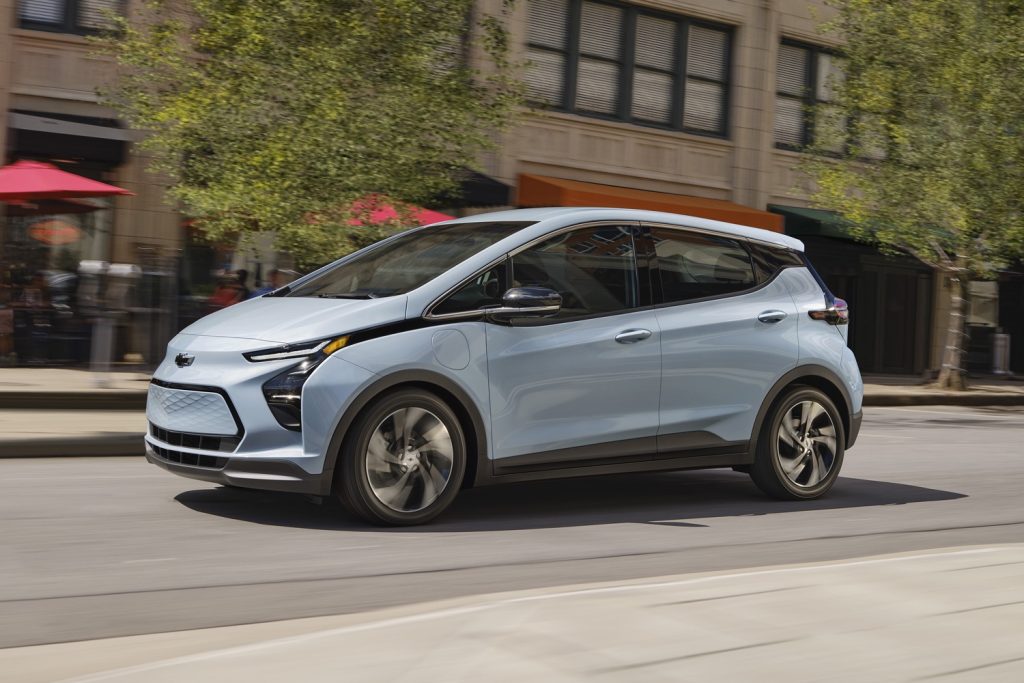
1. Chevrolet Bolt EV
The Chevrolet Bolt EV represents one of the strongest value stories in the used EV market because it combines practical range with a price that has dropped dramatically compared to its original cost. This is largely due to depreciation patterns rather than any fundamental weakness in the vehicle itself.
When new, the Bolt EV competed as an affordable long range EV. Today, used examples often fall well under the 20,000 dollar mark while still offering range figures that remain competitive for daily driving needs.
Many examples from the 2017 to 2022 model years still deliver over 200 miles of range, making them practical commuter vehicles even by modern standards.
One reason the Bolt has become such a strong used value is its straightforward engineering. It focuses on efficiency and practicality rather than luxury branding or extreme performance. This keeps ownership costs relatively manageable and makes it appealing for buyers focused on transportation value rather than image.
Interior space is another advantage often overlooked. The upright hatchback design provides more cargo flexibility than many compact sedans. For buyers using an EV as a daily work vehicle or family commuter, this layout can be surprisingly practical.
The Bolt also benefits from relatively simple ownership requirements. With fewer complex mechanical systems compared to gasoline vehicles, routine maintenance tends to be limited to tires, brakes, and basic inspections.
Another factor helping affordability is market perception. Some buyers moved toward newer EV platforms, which pushed Bolt resale prices downward. For budget buyers, this simply means more capability for less money.
Battery recall programs also resulted in many vehicles receiving updated battery packs, which can actually increase confidence when buying certain used examples if documentation is available.
For someone looking to enter EV ownership with minimal financial risk while still getting modern electric driving capability, the Bolt EV often stands as one of the most logical starting points.
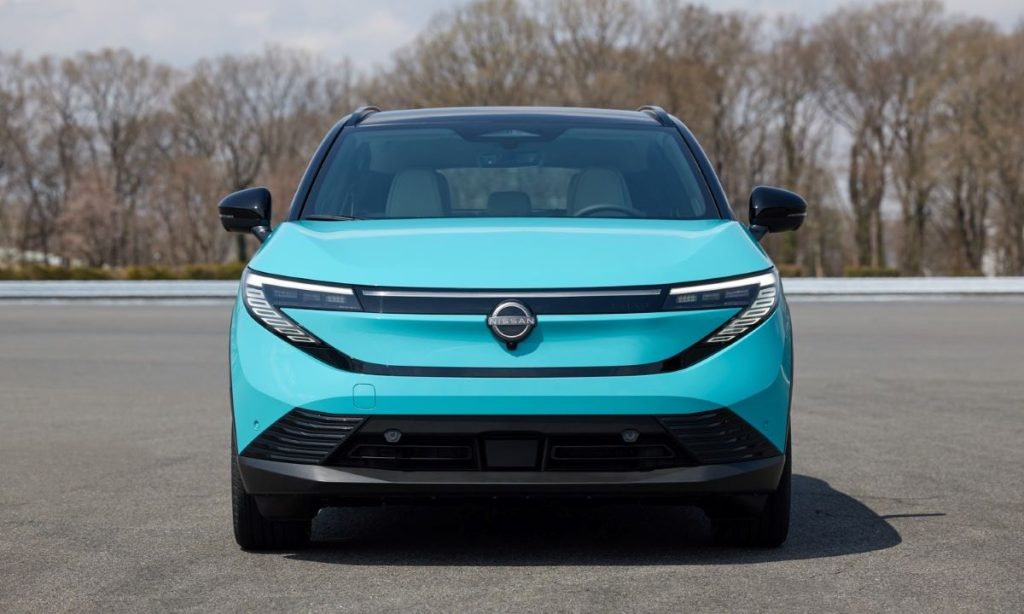
2. Nissan Leaf (Second Generation)
The Nissan Leaf holds a unique place in EV history because it helped bring electric vehicles into the mainstream long before many competitors entered the market. That long production history now benefits used buyers because there is a large supply of affordable examples available.
Second generation Leaf models introduced after 2018 are especially attractive in the under 20,000 dollar category because they improved range, interior quality, and technology compared to earlier versions. Many used examples fall within this price bracket while still offering practical daily usability.
Unlike some newer EVs that focus heavily on performance, the Leaf emphasizes simplicity. Its driving character is smooth, quiet, and predictable. For buyers transitioning from gasoline vehicles, this familiarity can make ownership easier.
The Leaf also benefits from a well understood ownership experience. Because so many units were sold, service knowledge and parts availability are generally strong. This can reduce uncertainty compared to less common EV models.
Another advantage is ease of use. Controls are straightforward, visibility is good, and the car feels unintimidating even for first time EV drivers. This makes it particularly appealing for households adding their first electric vehicle.
One limitation buyers should understand involves thermal battery management. Unlike some newer EVs with advanced cooling systems, earlier Leafs rely more on passive temperature management. This makes checking battery condition especially important before purchase.
However, many buyers accept this tradeoff because of the price advantage. For commuters with predictable daily driving distances, the Leaf often provides more than enough capability.
Resale values have also reached a point where depreciation slows, which can reduce ownership risk for second buyers.
For drivers who want a proven and widely available electric vehicle with an easy learning curve, the Nissan Leaf continues to be one of the most accessible used EV entry points.
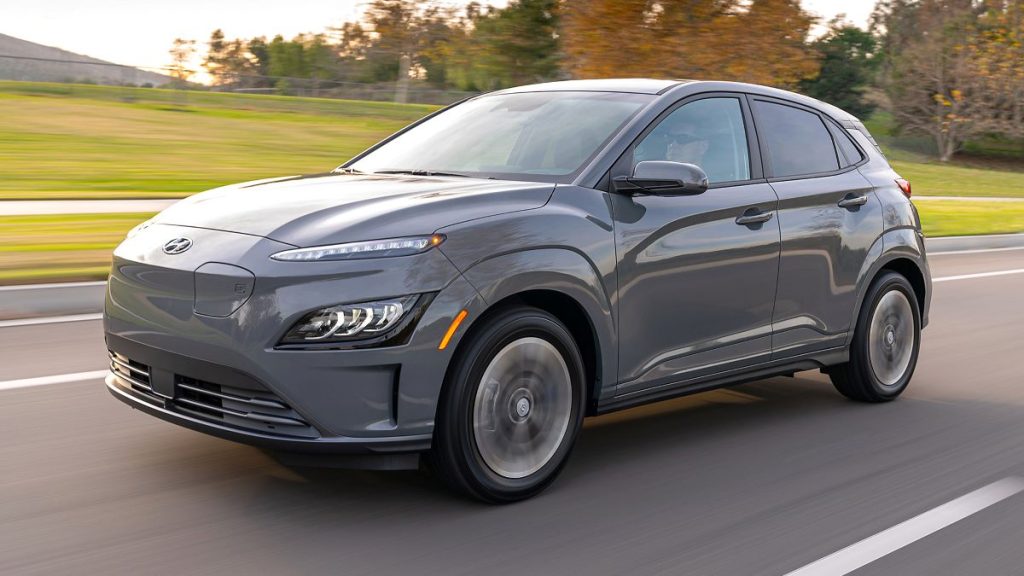
3. Hyundai Kona Electric
Some used EVs become bargains because they are outdated. Others become affordable simply because the market moves faster than their reputation. The Hyundai Kona Electric fits the second category because it still feels modern despite falling into a much lower price bracket than when it first appeared.
What makes the Kona Electric especially appealing is how it combines compact SUV practicality with efficiency that still feels competitive. Many examples from the 2019 to 2021 period now fall under the 20,000 dollar threshold while still offering driving range that can comfortably support daily commuting and moderate road trips.
Instead of focusing purely on price, many buyers are drawn to how complete the Kona Electric feels. The cabin materials often feel more refined than typical entry level EVs, and the seating position offers the higher visibility many drivers prefer when switching from gasoline crossovers.
Another important strength is efficiency stability. The Kona Electric developed a reputation for delivering range numbers that are achievable in real driving rather than just laboratory testing. This matters for used buyers because predictability can be more valuable than maximum range claims.
The vehicle also benefits from Hyundai’s long warranty strategy, which in some cases may still provide remaining battery coverage depending on the vehicle age and mileage. This can provide reassurance compared to buying older EVs without coverage.
Performance is another area where the Kona Electric feels more lively than many affordable EVs. Quick low speed acceleration makes city driving easy and reduces stress when merging into traffic.
Practical ownership also helps its value story. The vehicle does not require dramatic lifestyle changes and works well as a primary daily car rather than a secondary commuter.
Charging speeds are not class leading, but they are sufficient for the price category. Most owners find overnight home charging fully supports their daily use patterns.
For buyers wanting a used EV that still feels current in design and capability without exceeding budget limits, the Kona Electric stands as one of the most balanced choices available today.
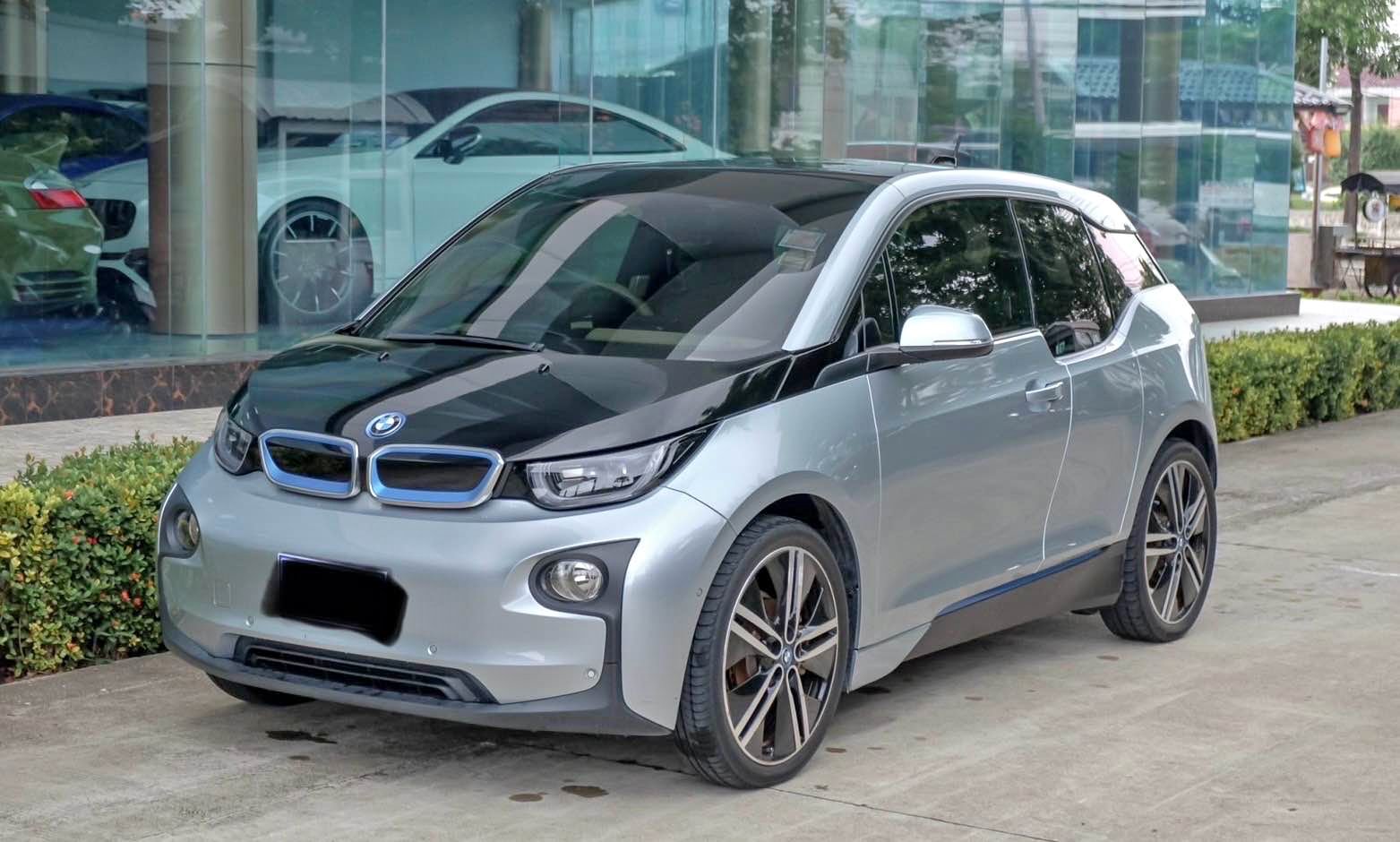
4. BMW i3 (94 Ah and 120 Ah Battery Versions)
The BMW i3 represents a completely different philosophy compared to most affordable used EVs. Instead of competing on traditional specifications, it focused on lightweight engineering, unique materials, and urban mobility efficiency. Today, depreciation has placed it within reach of buyers who may never have considered a BMW product before.
One of the most unusual aspects of the i3 is its construction. The extensive use of carbon fiber reinforced plastic helped reduce weight, which improved efficiency without requiring an extremely large battery. This engineering approach still feels distinctive even years after production began.
Buyers looking at the 94 Ah and later 120 Ah battery versions often find a better balance between price and usability. These versions offer noticeably more range than early models, making them more practical for everyday driving beyond purely city use.
Another reason this EV attracts interest is its interior design. The cabin feels more like modern architecture than traditional automotive design. Sustainable materials, open space, and large windows create a driving environment that still feels futuristic.
The i3 also delivers a very different driving experience. Because of its lightweight structure and instant electric torque, it feels quick and responsive in city conditions. Tight turning ability also makes it very easy to maneuver in urban environments.
Some buyers also appreciate the availability of range extender versions, which included a small gasoline generator. While not necessary for everyone, this option provided flexibility for drivers concerned about charging access.
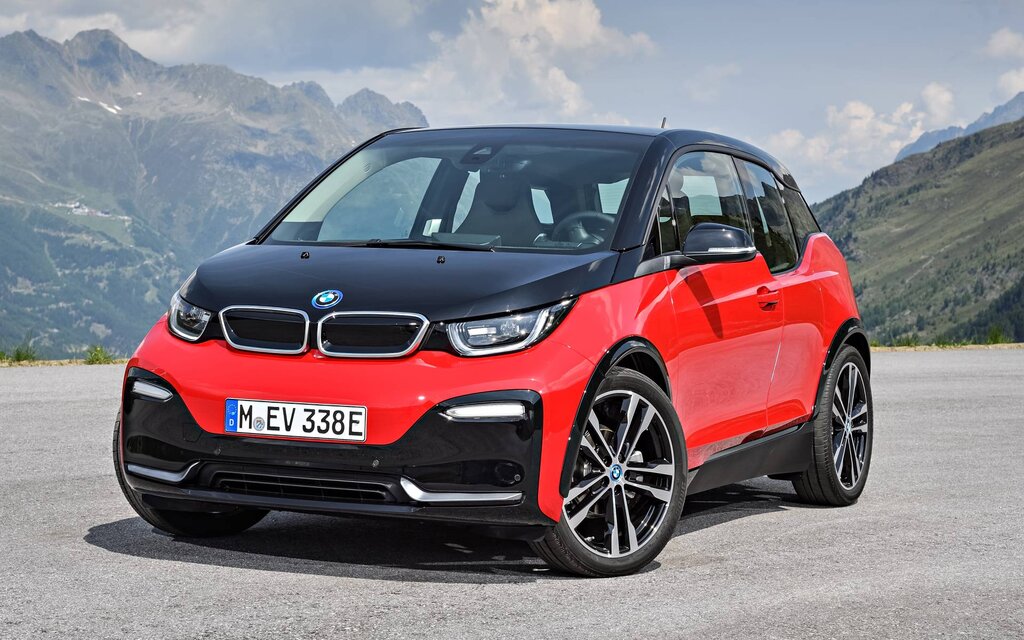
Depreciation has played a major role in its affordability. Luxury branding combined with unconventional styling reduced resale demand compared to mainstream EVs. For used buyers, this often means accessing premium engineering at compact car pricing.
Ownership does require some research, especially regarding tire availability and service familiarity. However, many owners consider these manageable tradeoffs given the unique character of the vehicle.
For buyers wanting something different from typical compact EVs while staying within a modest budget, the BMW i3 offers one of the most distinctive entries in the used electric vehicle market.
5. Tesla Model S (Early Dual Motor and Standard Range Versions)
There was a time when the Tesla Model S represented the future of electric luxury. What makes it fascinating today is how depreciation has transformed some early versions into attainable used EV options for buyers who previously could only consider compact electric cars.
Finding a Model S under 20,000 dollars usually means looking at earlier production years with higher mileage. Despite this, the vehicle still offers characteristics that originally made it famous. Strong highway comfort, large interior space, and advanced software features can still make it feel like a major upgrade compared to entry level EVs.
One of the biggest attractions is how well these cars handle long distance driving compared to many early electric vehicles. Even older versions often provide more highway comfort and stability than smaller budget EVs. For buyers who want a used EV capable of road trip duty, this can be a major advantage.
The large hatchback layout also makes the Model S unusually practical. Folding rear seats create cargo flexibility that rivals some crossovers. This makes it useful not only as a commuter vehicle but also for travel or work purposes.
Software features also play a role in its long term appeal. Tesla continued supporting many older vehicles with updates, which helped maintain usability even as the vehicle aged. This helps older examples avoid feeling technologically outdated.
Buyers should still approach carefully and verify battery condition, charging performance, and suspension wear due to age. However, careful shopping can reveal well maintained examples that still provide strong everyday usability.
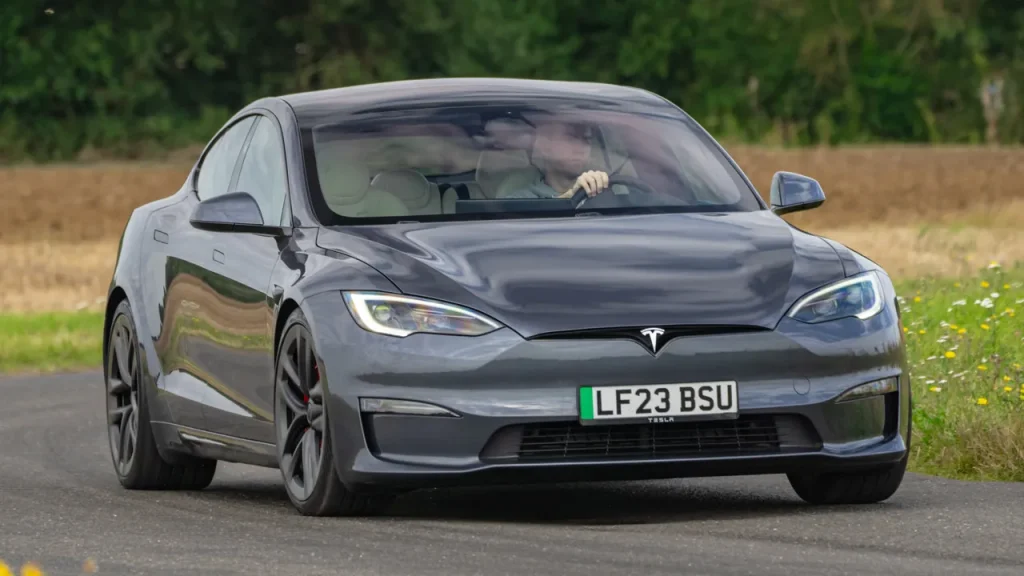
Another interesting factor is how market perception affects pricing. Many buyers prefer newer EV platforms, which pushes early luxury EV pricing downward. This gives budget buyers access to features that originally cost far more.
For someone willing to accept age in exchange for space, comfort, and technology, an early Model S can represent a very unusual opportunity in the affordable EV category.
6. Volkswagen e Golf
The Volkswagen e Golf appeals to a very different type of buyer compared to many used EVs. Instead of trying to stand out visually, it was designed to look and feel almost identical to the gasoline Golf. For many buyers, this familiar character becomes one of its strongest advantages.
Some used EV shoppers prefer not to draw attention to the fact that they are driving electric. The e Golf allows them to transition into EV ownership without adopting futuristic styling or unusual controls. It behaves very much like a traditional compact hatchback.
This familiarity also shows in the driving experience. Steering feel, ride comfort, and cabin layout all feel conventional. For drivers who value predictability over experimentation, this can make daily use very comfortable.
Used pricing has become especially attractive because of its modest battery size compared to newer EVs. While range is lower than more modern models, many commuters find it perfectly adequate for daily work travel.
Interior quality is another reason some buyers specifically seek out the e Golf. Volkswagen’s reputation for solid cabin construction appears clearly in this model. Materials often hold up well over time, which helps used examples remain appealing.
The hatchback design also adds flexibility. Despite compact exterior dimensions, cargo space is practical for groceries, luggage, and everyday needs. Fold down rear seats increase this usefulness.
Another factor helping affordability is limited production numbers compared to mainstream EVs. This reduced market awareness, which indirectly helped prices fall into entry level EV territory.
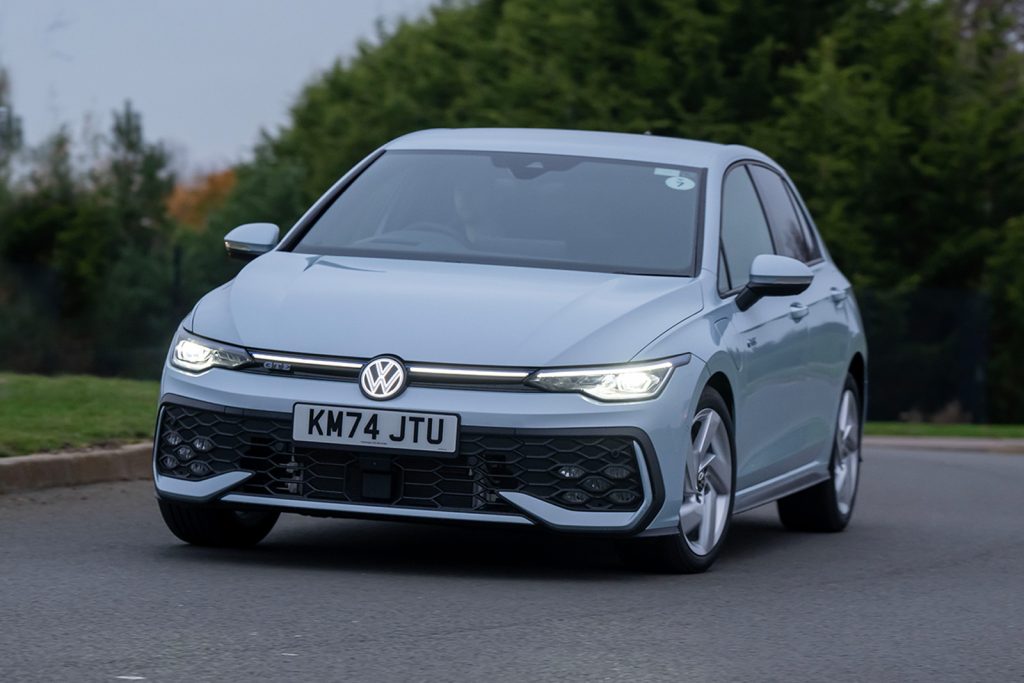
Ownership tends to be straightforward for drivers familiar with Volkswagen vehicles. Service networks already understand the platform, and the learning curve for drivers is minimal.
For buyers who want an electric vehicle that feels completely normal instead of experimental, the e Golf represents one of the most natural transitions from gasoline to electric driving.
7. Kia Niro EV
Some electric vehicles become attractive on the used market because they were underrated when new. The Kia Niro EV fits this description well. It never received the same level of attention as some high profile competitors, yet it quietly developed a reputation as a practical and efficient daily electric crossover.
One of the biggest reasons it now fits comfortably into the under 20,000 dollar category is simple market timing. As newer EVs with faster charging and longer range entered the market, earlier Niro EV models depreciated into a price range that makes them very appealing to value focused buyers.
The design philosophy behind the Niro EV also helps its used appeal. It was built to feel like a normal compact crossover rather than a radical technology showcase. This means controls are easy to understand, visibility is good, and the driving experience feels natural.
Space efficiency is another strength. Despite modest exterior dimensions, the interior packaging allows comfortable seating for families and useful cargo room for daily needs. Buyers often discover it works well as a primary household vehicle rather than just a commuter car.
Another reason it deserves attention is energy efficiency. The Niro EV developed a reputation for delivering solid real world range without requiring careful driving habits. This reliability of performance helps buyers feel confident even when purchasing used.
Ride comfort also contributes to its practicality. Suspension tuning favors stability and everyday usability rather than sporty handling. This makes it well suited to commuting and longer drives.
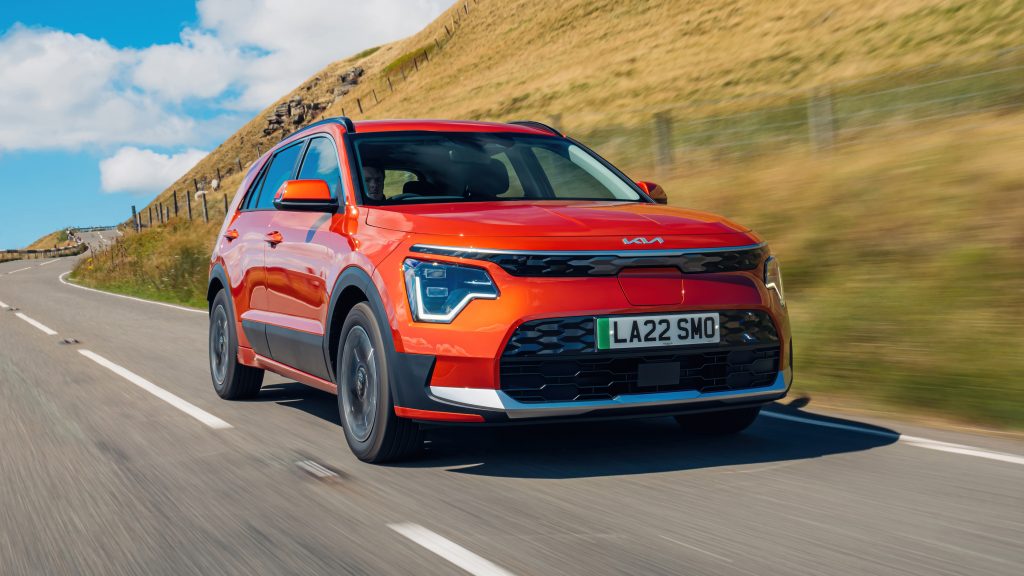
Technology features remain competitive for the price category. Many used examples include driver assistance systems, modern infotainment layouts, and safety technology that keeps the vehicle feeling current.
Because it does not carry a luxury badge or performance image, resale prices often fall faster than capability would suggest. For buyers focused on practical transportation value, this works in their favor.
For someone looking for a used EV that quietly delivers balanced performance, efficiency, and practicality without unnecessary complexity, the Kia Niro EV remains a strong hidden value.
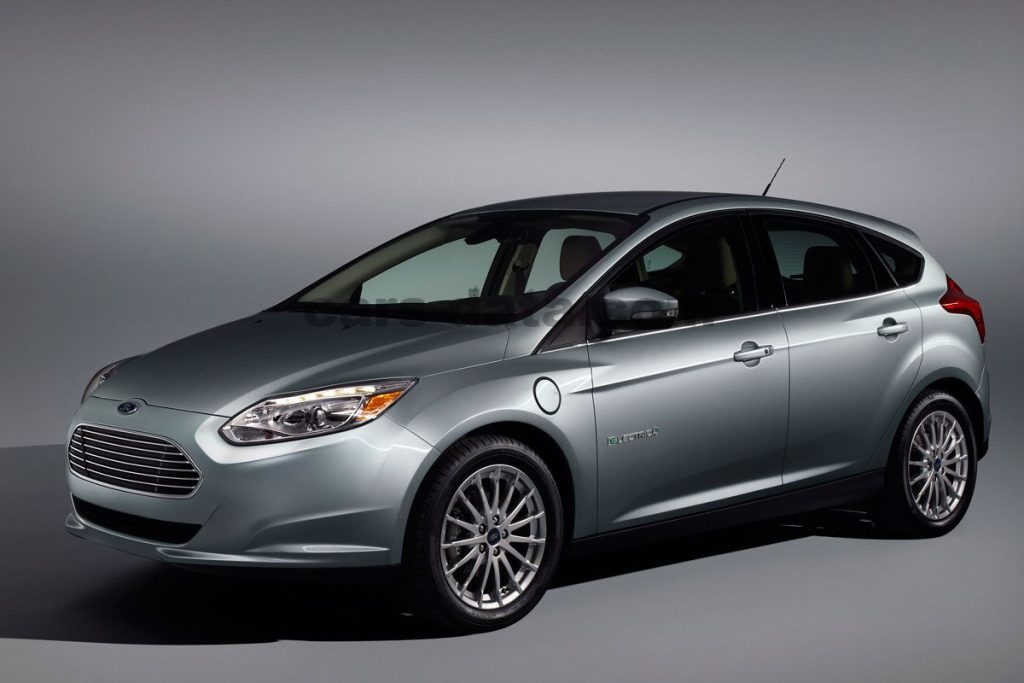
8. Ford Focus Electric
The Ford Focus Electric represents an interesting chapter in early modern EV development. While it never became a mass market success, its limited popularity has actually helped it become one of the more affordable used EV options for buyers with modest budgets.
What makes this car interesting is how little it differs from the gasoline Focus in everyday use. Ford designed it to maintain the familiar feel of its popular compact car rather than creating a completely different experience. This makes it especially easy to adapt to.
Because it entered the EV market during an earlier development stage, its battery range is lower than more recent vehicles. However, for drivers with short commutes or predictable travel patterns, this limitation can be acceptable considering the price advantage.
Handling characteristics also deserve mention. The Focus platform was already known for balanced driving behavior, and the electric version maintains this character. It feels composed on normal roads and easy to control in city environments.
Interior layout remains straightforward. Buttons, displays, and controls are familiar to anyone who has driven a compact Ford vehicle. This simplicity reduces the intimidation factor sometimes associated with EV ownership.
Another reason it now fits into very affordable price ranges is limited production awareness. Many buyers simply do not remember this model existed, which has helped keep resale values low.
Charging capability is basic by modern standards, but many owners rely primarily on home charging, which makes this less of a limitation.
The Focus Electric often appeals most to buyers seeking an inexpensive entry into EV ownership rather than maximum capability. It works best when matched to realistic expectations about daily range needs.
For buyers who want the lowest possible purchase price while still entering the electric vehicle world, the Focus Electric offers a simple and approachable starting point.
9. Hyundai Ioniq Electric
The Hyundai Ioniq Electric often attracts buyers who care more about efficiency than headline range numbers. While it may not offer the longest driving distance in its price class, it developed a reputation for using its available energy very effectively. This efficiency focus is one reason it has become a smart used buy.
Unlike some EVs that rely on large batteries, the Ioniq Electric focused on reducing energy consumption through lightweight construction and aerodynamic shaping. This helped it deliver competitive real world usability despite a smaller battery pack.
Buyers searching in the under 20,000 dollar category often find models from the 2019 to 2021 years particularly appealing. These versions benefited from improved battery capacity and updated technology compared to earlier versions, making them more suitable for daily use.
The driving experience also plays a role in its appeal. Instead of emphasizing aggressive acceleration, the Ioniq Electric focuses on smooth and predictable power delivery. This makes it comfortable for commuting and reduces the learning curve for new EV owners.
Interior design also reflects practical thinking. Controls are logically placed, displays are easy to read, and the cabin feels designed for usability rather than experimentation. This helps the vehicle feel approachable even for drivers new to electric vehicles.
Another advantage is operating cost predictability. Efficient energy use means lower electricity costs compared to less efficient EVs covering the same distance. Over time, this can slightly improve the ownership value equation.
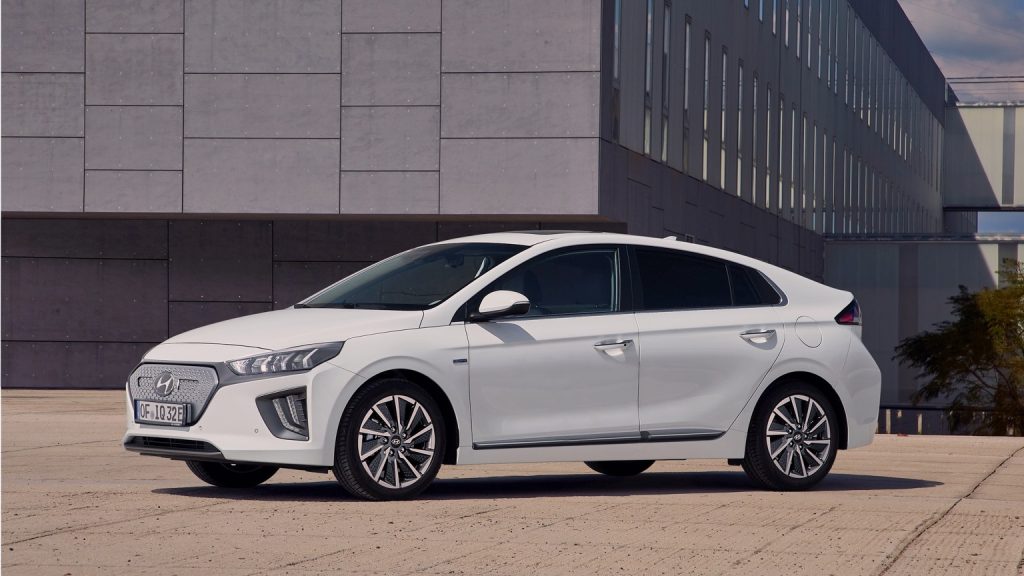
Cargo flexibility is also respectable for a compact hatchback. The rear opening allows practical loading of everyday items, and folding seats expand the available space when needed.
Depreciation has worked strongly in favor of second owners. Because the model was not marketed as aggressively as some competitors, resale values dropped faster than its capability might suggest.
For buyers who want an efficient and practical EV rather than one focused on performance image, the Hyundai Ioniq Electric provides a thoughtful balance of affordability and everyday usefulness.
10. Mini Cooper SE Electric
The Mini Cooper SE Electric takes a very different approach compared to most affordable EVs. Instead of trying to maximize range or practicality, it focuses on driving enjoyment. This unique personality helps it attract buyers who want their electric vehicle to feel engaging rather than purely functional.
One of the main reasons it now appears under the 20,000 dollar threshold is its niche positioning. Because it targets a specific type of buyer, resale demand is narrower than mainstream EVs. This allows second owners to find appealing prices.
The most noticeable strength of the Mini Electric is its driving character. Quick steering response, compact dimensions, and instant torque make it very enjoyable in urban environments. For drivers who spend most of their time in cities, this can make daily commuting more interesting.
Its compact size also makes parking extremely easy. In crowded urban areas, this alone can be a major advantage compared to larger EVs.
The interior reflects the brand’s traditional styling themes. Circular design elements, unique display shapes, and distinctive materials create a cabin that feels different from most EVs. Buyers who value personality often appreciate this approach.
Range is more limited compared to some vehicles on this list, but many owners accept this because the car is intended primarily for short distance use. As a daily commuter or second household vehicle, it can perform its role effectively.
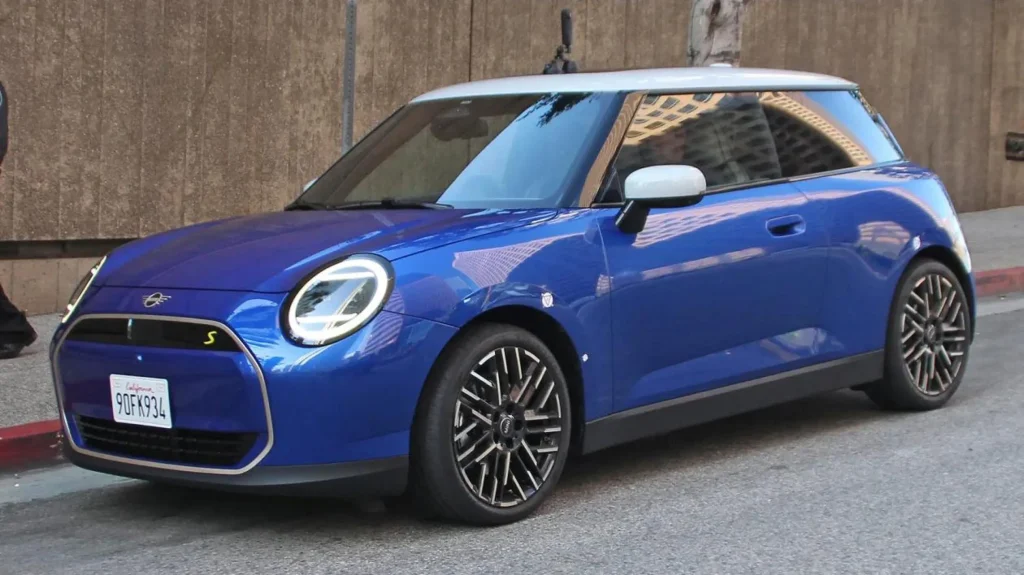
Another benefit is brand character. Mini has always emphasized fun driving experiences, and the electric version maintains that identity. This gives it emotional appeal beyond simple transportation.
Maintenance simplicity also helps. Like other EVs, it avoids many of the service requirements associated with combustion engines.
For buyers who want an EV that feels lively and distinctive rather than purely practical, the Mini Cooper SE Electric provides an affordable entry into electric driving with personality.
Also Read: 10 Vehicles With Cooling Systems Overbuilt for Extreme Summer Heat
