
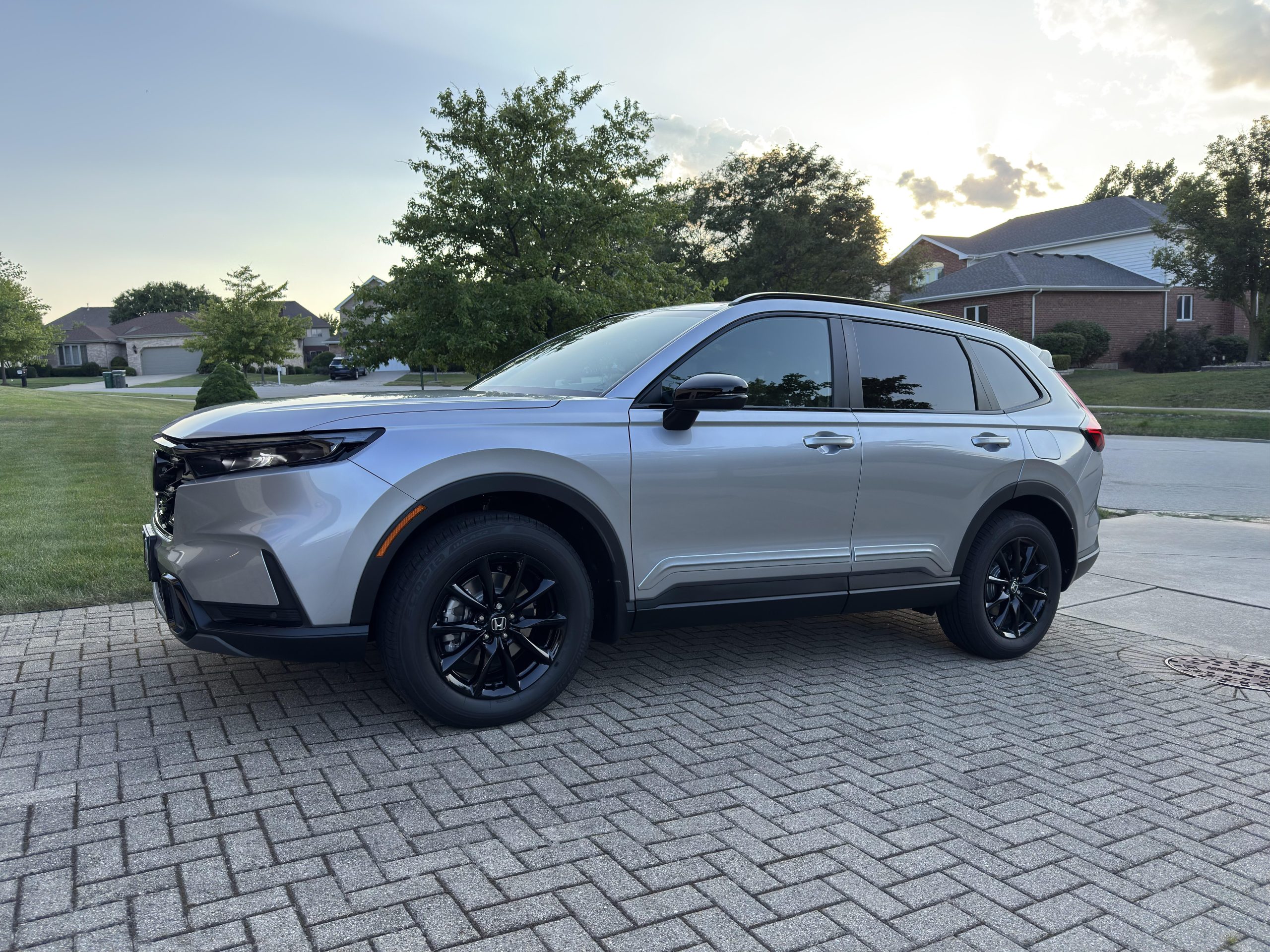
Hybrid SUVs continue to grow in popularity as drivers look for vehicles that combine fuel efficiency, practicality, and modern technology. Automakers are constantly introducing new hybrid systems, updated battery designs, and advanced software features to stay competitive.
While innovation brings exciting improvements, the first model year of any new hybrid SUV often carries risks that many buyers do not fully consider.
Early production vehicles often serve as real world testing platforms even after extensive development. Laboratory testing and controlled road evaluations cannot fully replicate the wide range of conditions that vehicles experience once thousands of customers begin using them.
Because of this, the first production year of a newly designed hybrid system sometimes reveals small problems that only become visible after widespread use.
This does not mean early model year vehicles are poorly engineered. Instead, it reflects the reality that complex machines improve through real world feedback.
Manufacturers often refine software calibration, component durability, and system integration after the first year of sales. Later versions usually benefit from these improvements without significant price differences.
Hybrid SUVs add another layer of complexity because they combine traditional mechanical systems with high voltage electronics and advanced control software.
When new technology is introduced, early production models may experience minor electrical glitches, sensor calibration issues, or unexpected component wear patterns that get corrected in later updates.
Another factor is parts availability. New hybrid systems sometimes use unique components that are not widely stocked during the first production period. If repairs become necessary, early owners may experience longer waiting times compared to buyers of later model years.
For buyers who plan long term ownership, waiting for a more mature production cycle can sometimes provide a better ownership experience. Understanding the risks associated with early production hybrid SUVs helps buyers make more informed decisions.
This article explains eight practical reasons why cautious buyers often avoid first year hybrid SUVs with newly introduced technology. These insights focus on reliability trends, ownership experience, and long term value rather than excitement about new features.
Also Read: 5 Heavy Duty Transmissions Found in Half Ton Trucks vs 5 That Feel Weak
1. First Year Models Often Reveal Unresolved Software Issues
Modern hybrid SUVs depend heavily on software. Battery management, power distribution, regenerative braking, transmission coordination, and even climate control systems are controlled by complex programming. When an all new hybrid platform launches, software calibration is often one of the last areas to reach full maturity.
Early production vehicles sometimes experience small software irregularities that are not immediately visible during testing. These may include inconsistent fuel economy readings, delayed power transitions between electric and gasoline operation, or occasional warning messages that require updates to resolve.
Software complexity continues increasing every year. A hybrid SUV may contain dozens of control modules communicating constantly. Even small communication timing issues can cause unexpected behavior. These are usually not major failures but can affect ownership satisfaction.
Manufacturers typically release software updates during the first few years of production. These updates refine how systems communicate and respond to real driving patterns. Later buyers often receive these improvements already integrated into the vehicle.
Owners of first year models sometimes need multiple dealership visits for updates. While updates usually improve performance, repeated visits can become inconvenient. Later production vehicles often receive these improvements before delivery.
Another factor involves user interface refinement. Early infotainment and hybrid monitoring displays sometimes receive usability improvements after customer feedback. Later model years often feature smoother interfaces and improved data presentation.
Temperature management software also evolves. Hybrid battery cooling strategies sometimes get refined after real world heat exposure data becomes available. These improvements can affect long term battery performance.
Charging behavior in plug in hybrid SUVs also sometimes receives refinement. Early vehicles may receive updates that improve charging speed consistency or battery conditioning behavior.
Manufacturers rarely advertise these small changes as major updates, but they often make ownership smoother. Waiting even one production year can mean receiving a more refined vehicle without paying extra.
Technology adoption always includes a learning curve. Early adopters help manufacturers identify edge cases that cannot be fully simulated. Later buyers benefit from these lessons.
Choosing a later production version often means receiving the same vehicle concept with improved calibration. For buyers prioritizing reliability over novelty, patience can be rewarding.
2. New Hybrid Systems May Have Unproven Long Term Reliability
Every new hybrid system represents engineering progress, but it also represents uncertainty. Even with extensive durability testing, real world usage across thousands of drivers often reveals patterns that testing alone cannot predict.
Durability testing typically simulates years of use in a compressed timeline. However, actual owners introduce unpredictable variables such as climate differences, driving styles, maintenance habits, and road conditions. These factors sometimes expose wear patterns that were not obvious earlier.
Early model year vehicles essentially become the first large scale real world validation group. This does not mean they will fail, but it does mean their long term durability record is not yet established.
Battery chemistry changes are one example. When manufacturers introduce new battery designs, the long term aging behavior may still be developing in real conditions. Later production cycles sometimes include small material improvements based on early data.
Transmission integration is another area. Hybrid SUVs often use complex systems combining electric motors and traditional gear systems. Early refinement sometimes improves how these components interact under heavy load or temperature extremes.
Cooling system design also benefits from real world experience. Engineers may adjust coolant routing or airflow strategies after early production feedback.
Supplier component changes sometimes occur quietly. Manufacturers may upgrade small internal components after observing early wear trends. These improvements usually appear in later builds rather than first year models.
Resale value can also reflect this uncertainty. Vehicles with longer reliability histories often maintain stronger market confidence compared to completely new systems without proven track records.
Warranty coverage does offer protection, but inconvenience still exists if early issues appear. Some buyers prefer avoiding the possibility of unexpected first generation complications.
History shows many successful hybrid systems improved after their introduction year. Waiting allows buyers to benefit from those refinements rather than experiencing early adjustments.
Being cautious with first generation technology is not about avoiding innovation. It is about allowing time for engineering improvements to settle before committing to long term ownership.
3. Replacement Parts Availability Can Be Limited in Early Production Years
One practical concern that many buyers overlook when considering first year hybrid SUVs is parts availability. When a completely new hybrid system enters production, the supply chain is still adjusting. Manufacturers typically prioritize building new vehicles rather than stocking large inventories of replacement components during the early phase.
This situation can create unexpected ownership inconvenience. If a unique component fails or even requires routine replacement, early owners may discover that parts are not immediately available. Instead of quick repairs, they may face waiting periods while parts are shipped from centralized warehouses or even directly from suppliers.
Hybrid SUVs often use specialized components that differ from conventional vehicles. High voltage controllers, battery cooling modules, integrated power electronics, and hybrid transmissions are not always interchangeable with previous models. This uniqueness increases the chance that early supply networks may be limited.
Repair delays do not always mean major failures. Even minor electronic modules can require replacement. The challenge comes when those modules are newly introduced and not widely stocked yet.
Another factor involves technician familiarity. While certified technicians are trained before launch, real world repair experience develops over time. As more vehicles enter service, technicians gain efficiency diagnosing and repairing new systems.
Early owners sometimes experience longer diagnostic times simply because repair familiarity is still developing.
Insurance repair timelines can also be affected. In the case of minor collisions involving hybrid components, body shops may require additional time to source unfamiliar parts. Later model years usually benefit from improved inventory flow.
Supply stability typically improves quickly. Within one or two production years, manufacturers usually expand replacement inventory and streamline logistics. Waiting even a short time can mean faster repair turnaround if needed.
There is also a financial angle. Limited supply sometimes results in higher early part pricing. As production volume increases, component costs often stabilize.
Service campaign updates also benefit from improved parts availability. When manufacturers release improvements, later vehicles may already include updated components.
Buyers planning long term ownership often value repair convenience as much as reliability. Even a dependable vehicle can become frustrating if minor issues take extended time to resolve due to parts delays.
None of this suggests early models are problematic. Instead, it reflects how production ecosystems mature. Parts distribution typically follows vehicle population growth.
Choosing a slightly later model year often means benefiting from a more established support network. For many cautious buyers, this added convenience makes waiting worthwhile.
4. Real World Fuel Economy Often Improves After Early Calibration Updates
Official fuel economy ratings provide useful comparisons, but real world efficiency often improves after the first production cycle of a new hybrid system. Early production vehicles sometimes receive calibration adjustments after manufacturers analyze how customers actually drive their vehicles.
Laboratory testing uses controlled conditions. Real owners introduce variables such as traffic patterns, climate differences, terrain variation, and driving styles. These factors help engineers refine how hybrid systems switch between electric and gasoline operation.
Early model year hybrid SUVs sometimes receive software adjustments that improve energy management. These refinements may change how aggressively the system uses electric power or how it balances charging behavior during highway driving.
Regenerative braking tuning is another area that often evolves. Early systems may be adjusted to improve how smoothly they recover energy without affecting driving feel. These improvements can lead to slightly better real world efficiency.
Engine start stop behavior also gets refined. Manufacturers sometimes improve how quickly and smoothly the gasoline engine engages. These refinements can reduce unnecessary fuel use in certain conditions.
Battery charging strategies may also improve. Early vehicles may receive updates that better manage when the battery accepts or delivers power. These changes can improve both efficiency and battery longevity.
Climate control integration sometimes receives adjustment as well. Hybrid systems must balance cabin comfort with energy consumption. Later calibrations sometimes improve how efficiently heating and cooling interact with hybrid operation.
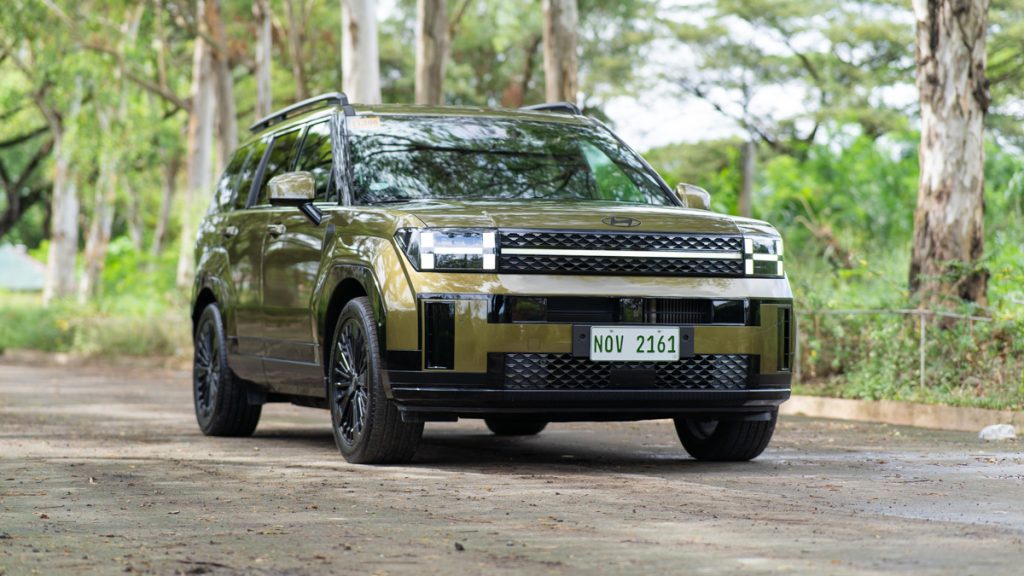
Drivers of later production models often benefit from these changes automatically. Early owners may receive updates through service visits, but later buyers often receive the improved calibration from the start.
Small percentage improvements may seem minor on paper. However, over years of ownership, even small efficiency gains add up to meaningful fuel savings.
This pattern is common across many vehicle technologies. Initial releases focus on safe operation. Later refinements focus on optimization once engineers see how systems behave in large scale real world use.
Waiting for calibration maturity does not mean missing out on technology. It often means receiving a slightly improved version of the same technology.
Buyers focused on maximizing long term efficiency often consider this timing factor. Allowing one production cycle for refinement can sometimes deliver a better balance of performance and economy.
5. Early Production Vehicles Sometimes Have Minor Hardware Revisions Later
Automotive development does not stop when a vehicle launches. In reality, production vehicles often continue evolving quietly after release.
Manufacturers monitor warranty data, service reports, and customer feedback to identify areas where small improvements can be made. These changes are often introduced gradually without major announcements. This process is often called running production improvement.
Early model year hybrid SUVs may include components that later receive subtle upgrades. These could involve improved electrical connectors, better insulation materials, revised cooling ducts, or strengthened mounting brackets. None of these changes usually indicate major flaws, but they do show how engineering continues refining the product.
Hybrid vehicles contain more integration points than traditional vehicles. Electric motors, inverters, battery modules, and cooling systems must all work together precisely. Early production data sometimes reveals small opportunities to improve durability under certain conditions.
Manufacturers often introduce updated suppliers or revised component designs after observing early wear data. These improvements may not be visible to customers but can improve long term durability.
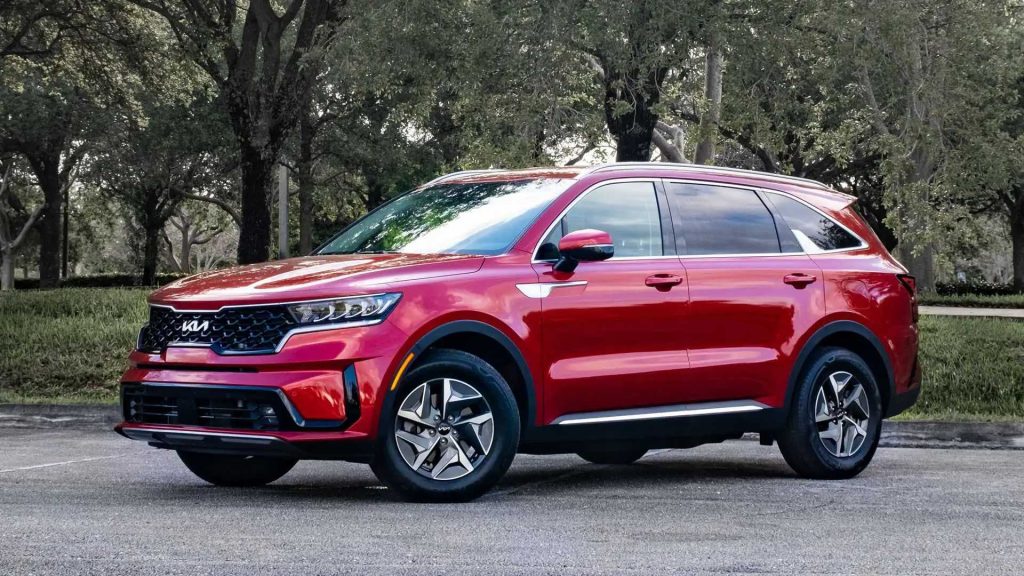
Another example involves vibration management. Early builds sometimes receive revised bushings or mounts after engineers study real world noise and vibration patterns. Later production vehicles may benefit from these small comfort improvements.
Battery packaging may also see refinement. While the battery itself may not change, surrounding hardware such as brackets or airflow guides may be improved to optimize temperature management.
Electrical harness routing is another area that sometimes receives updates. Real world service experience can reveal opportunities to improve protection from heat or movement.
None of these changes mean early vehicles are defective. Instead, they show how manufacturers continuously optimize products. However, buyers who wait often receive the benefit of these refinements automatically.
Documentation of these improvements sometimes appears in technical service bulletins. These are not recalls but rather internal improvements based on production learning.
Another practical advantage of later production is assembly consistency. Manufacturing processes often become more efficient after the first production year. Worker familiarity and process optimization can lead to improved build consistency.
Automotive history shows that even highly successful models often receive dozens of small improvements within their first few years. Most buyers never notice these changes, but they contribute to overall refinement.
For buyers focused on long term reliability rather than early ownership excitement, allowing time for these quiet improvements can be beneficial.
Sometimes the smartest strategy is letting the product mature slightly before buying. This approach often results in receiving a more polished version of the same design.
6. Early Model Years May Experience More Service Campaign Updates
When a completely new hybrid SUV platform enters the market, manufacturers pay close attention to early performance data.
If patterns appear that could benefit from adjustment, companies may issue service campaigns or recommended updates. These are usually preventive actions rather than serious defects, but they still require owner time and attention.
Service campaigns often involve software updates, inspection procedures, or small part replacements intended to improve long term reliability. Early owners are more likely to experience these updates because their vehicles represent the first large customer group using the new system. These updates are normal in modern vehicles.
Technology heavy vehicles often receive refinement actions during their early lifecycle. Hybrid SUVs in particular combine multiple advanced systems, increasing the chances that small adjustments may be recommended after launch.
Owners typically receive notifications asking them to visit service centers. While these visits are usually free under warranty, they still require scheduling time and transportation planning.
Later production vehicles often receive these improvements during assembly. Buyers who purchase after these updates are implemented may never need separate service visits for the same adjustments.
Another factor is update frequency. Early production vehicles may receive several small updates as improvements are introduced. Later buyers often receive all these refinements at once without experiencing multiple visits.
There is also a convenience aspect. Even minor service visits require travel, waiting time, and coordination. Some buyers prefer avoiding this early ownership involvement.
Fleet data also influences these campaigns. As more vehicles accumulate mileage, manufacturers gain better insight into component behavior. This allows targeted improvements that later buyers receive automatically.
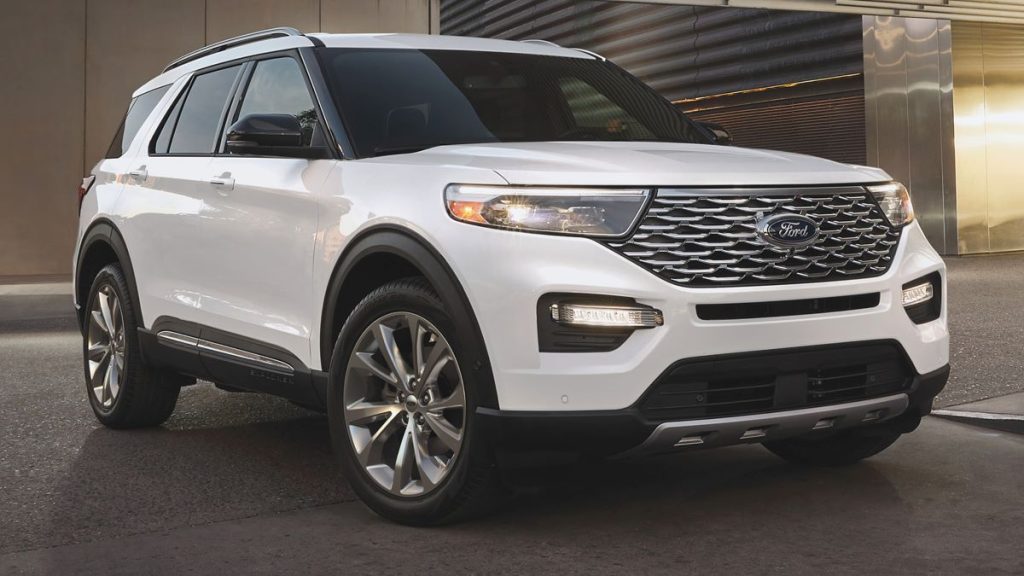
Some updates may involve improvements to charging behavior, battery cooling calibration, or energy management algorithms. These are usually preventive and improve long term durability.
Customer perception also matters. Some owners enjoy being early adopters, while others prefer stability. Buyers who value predictability often choose vehicles after initial update cycles have passed.
Warranty coverage usually protects early buyers, but convenience remains a factor. Later buyers often benefit from improved ownership smoothness.
Technology refinement is a normal part of automotive progress. The difference lies in whether a buyer prefers to experience these updates directly or receive the finished result later.
Waiting one or two model years often means receiving a vehicle that has already passed through this early refinement phase.
7. Early Buyers Often Pay More for Technology That Becomes Cheaper Later
New technology almost always carries an early adopter premium. When a hybrid SUV introduces a new powertrain or advanced electronic features, the initial pricing often reflects development costs and market positioning.
As production increases and competition responds, pricing structures usually become more favorable for later buyers. This pattern has repeated many times in the automotive industry.
Early production vehicles sometimes include expensive optional technology packages that later become standard features. Buyers who wait may receive more equipment for the same price or pay less for the same configuration.
Manufacturing scale also affects pricing. As production volume increases, suppliers reduce component costs. These savings sometimes allow manufacturers to adjust pricing or add additional features without increasing cost.
Competition plays a role as well. When one manufacturer introduces a new hybrid SUV, competitors often respond quickly. This can lead to improved value across the segment within a short period.
Incentives also tend to appear after the first production year. Early vehicles usually sell at full price because demand is strongest at launch. Later model years may benefit from financing offers, rebates, or dealer incentives.
Insurance valuation may also become more predictable. Vehicles with longer market presence allow insurers to better estimate repair costs and reliability trends. This sometimes stabilizes ownership costs.
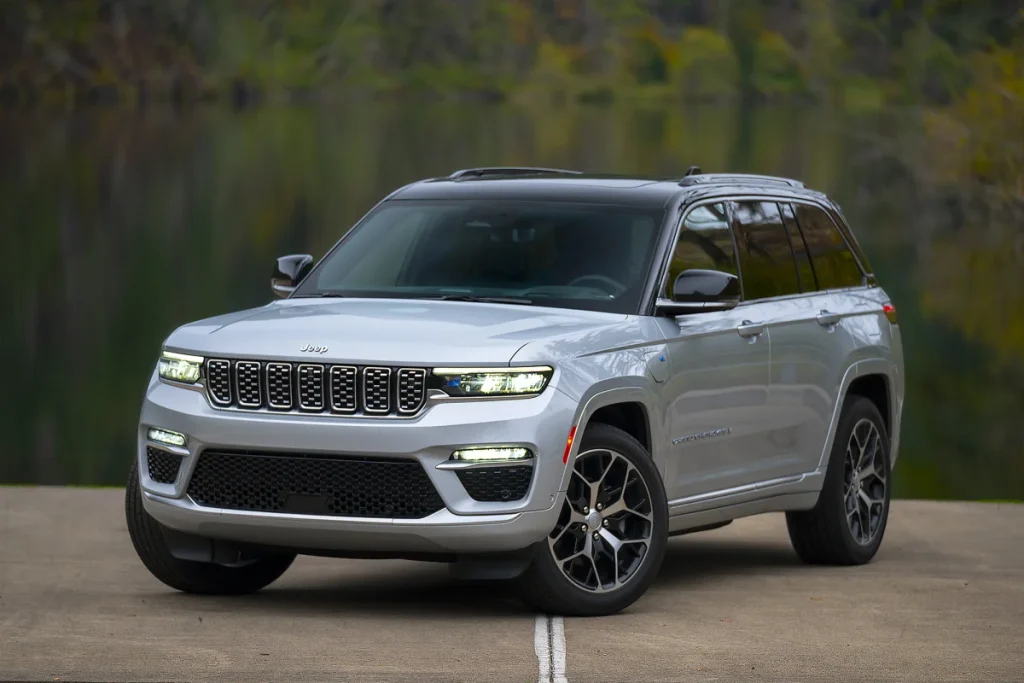
Technology depreciation is another factor. Early buyers may pay a premium for features that become common quickly. Waiting can reduce the cost of accessing similar technology.
Feature packaging also evolves. Manufacturers often adjust trim structures based on early buyer feedback. Later configurations sometimes offer better combinations of features that early buyers could only obtain through expensive options.
Consumer reviews also become more detailed after the first production cycle. Buyers who wait gain access to long term ownership experiences rather than relying only on early impressions.
Financial timing often matters more than technological timing. Waiting does not necessarily mean losing access to innovation. It often means gaining access to the same innovation under more favorable conditions.
Some buyers enjoy being first. Others prefer being smart about value. For buyers focused on long term ownership economics, allowing pricing to stabilize can be a practical decision.
Technology almost always becomes more accessible after its introduction phase. Hybrid SUVs follow this same pattern as earlier vehicle innovations. Choosing timing carefully can sometimes deliver better value without sacrificing capability.
8. Long Term Reliability Ratings Usually Become Clear After Several Model Years
One of the strongest advantages of waiting before buying a newly introduced hybrid SUV is the availability of reliability data.
Long term ownership reports, service records, and durability studies take time to develop. Buyers who wait gain access to this information before making a decision. Reliability trends rarely become clear during the first production year.
It usually takes several years of ownership data to identify patterns related to durability, maintenance needs, and long term operating costs. Early buyers must make decisions based on engineering reputation rather than proven history.
Independent reliability studies typically require large sample sizes. These data sets only become meaningful after thousands of vehicles accumulate real world mileage. Later buyers benefit from this collective experience.
Owner forums and long term reviews also become valuable sources of insight. Early buyers have limited feedback available, while later buyers can study real experiences across different climates and usage patterns.
Maintenance cost trends also become clearer with time. Early estimates may change as real service data becomes available. Buyers who wait can better understand expected ownership costs.
Battery durability patterns are especially important. Hybrid battery systems are designed to last many years, but real world aging behavior becomes clearer after several ownership cycles. This information helps buyers make more confident decisions.
Resale value stability also becomes easier to predict. Vehicles with established reliability records usually maintain stronger market confidence compared to completely new platforms without history.
Another advantage involves recall history clarity. If any design issues appear, they are usually identified within the first few production years. Later buyers can confirm whether concerns were addressed.
Buying decisions improve when information improves. Patience allows more complete evaluation rather than relying on marketing claims or short term testing.
Technology evolves quickly, but durability confidence develops slowly. Buyers who prioritize long term dependability often prefer vehicles with proven records rather than unknown outcomes.
There is nothing wrong with buying early, but there is clear advantage in buying informed. Waiting allows time for the market to reveal how well a new hybrid SUV platform truly performs.
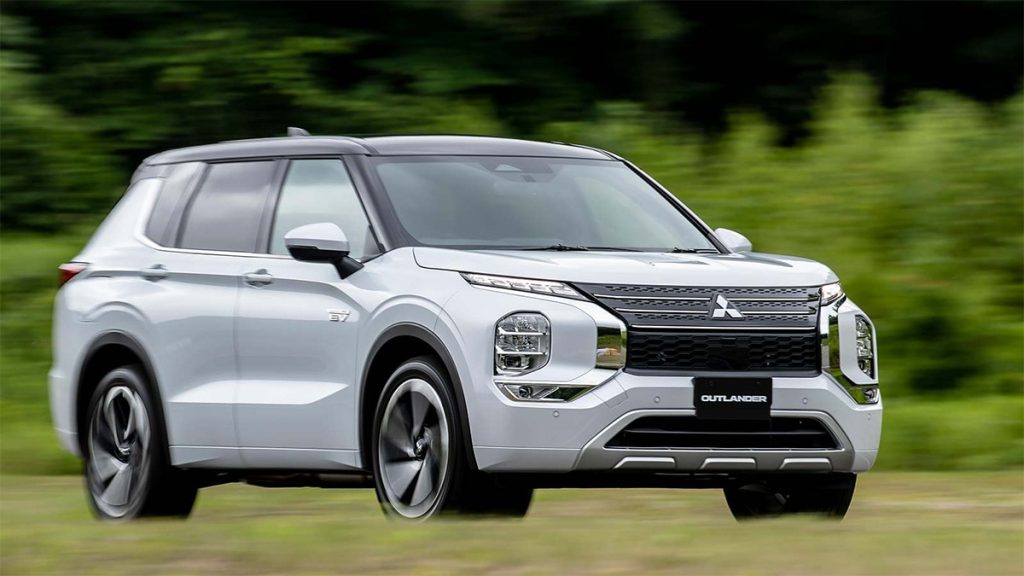
For careful buyers focused on ownership experience rather than novelty, allowing reliability history to develop can be one of the most important decision factors.
Early model year hybrid SUVs often look attractive because they introduce new technology, improved efficiency, and modern features. However, buyers who focus on long term ownership often recognize that waiting can provide important advantages.
First production models frequently receive software refinements, small hardware improvements, and calibration updates after real world use reveals areas for optimization.
Another important consideration is ownership convenience. Later model years usually benefit from better parts availability, fewer service updates, and more stable reliability data. Buyers who wait also gain access to real owner feedback, which helps separate marketing claims from actual long term performance.
Financial factors also matter. Early buyers often pay premium pricing, while later buyers may benefit from better incentives and improved feature packaging. Reliability ratings also become clearer after several years of data.
In many cases, patience results in a more refined vehicle at a similar price. For practical buyers, allowing new hybrid technology to mature slightly often leads to a smoother and more predictable ownership experience.
Also Read: 5 Modern Hybrids With Transmissions That Outlast Traditional Gas Engines
