Modern traffic in 2026 is faster, denser, and more demanding than ever, which makes daily driving a challenge for most older vehicles. However, not all classics are fragile or outdated. Some were engineered with such durability, simplicity, and forward-thinking design that they remain surprisingly capable even today.
“5 Classic Cars You Can Actually Daily Drive in 2026 Traffic” focuses on a select group of vehicles that continue to prove their worth beyond nostalgia. These cars offer the rare combination of reliability, practicality, and engaging driving feel, allowing them to function as genuine daily drivers rather than occasional weekend machines.
From tough, long-lasting sedans to lightweight sports cars and rugged utility vehicles, each model delivers a unique experience while still meeting the needs of modern commuting.
1. Volvo 240 (1974–1993): A Durable and Practical Classic for Modern Daily Driving
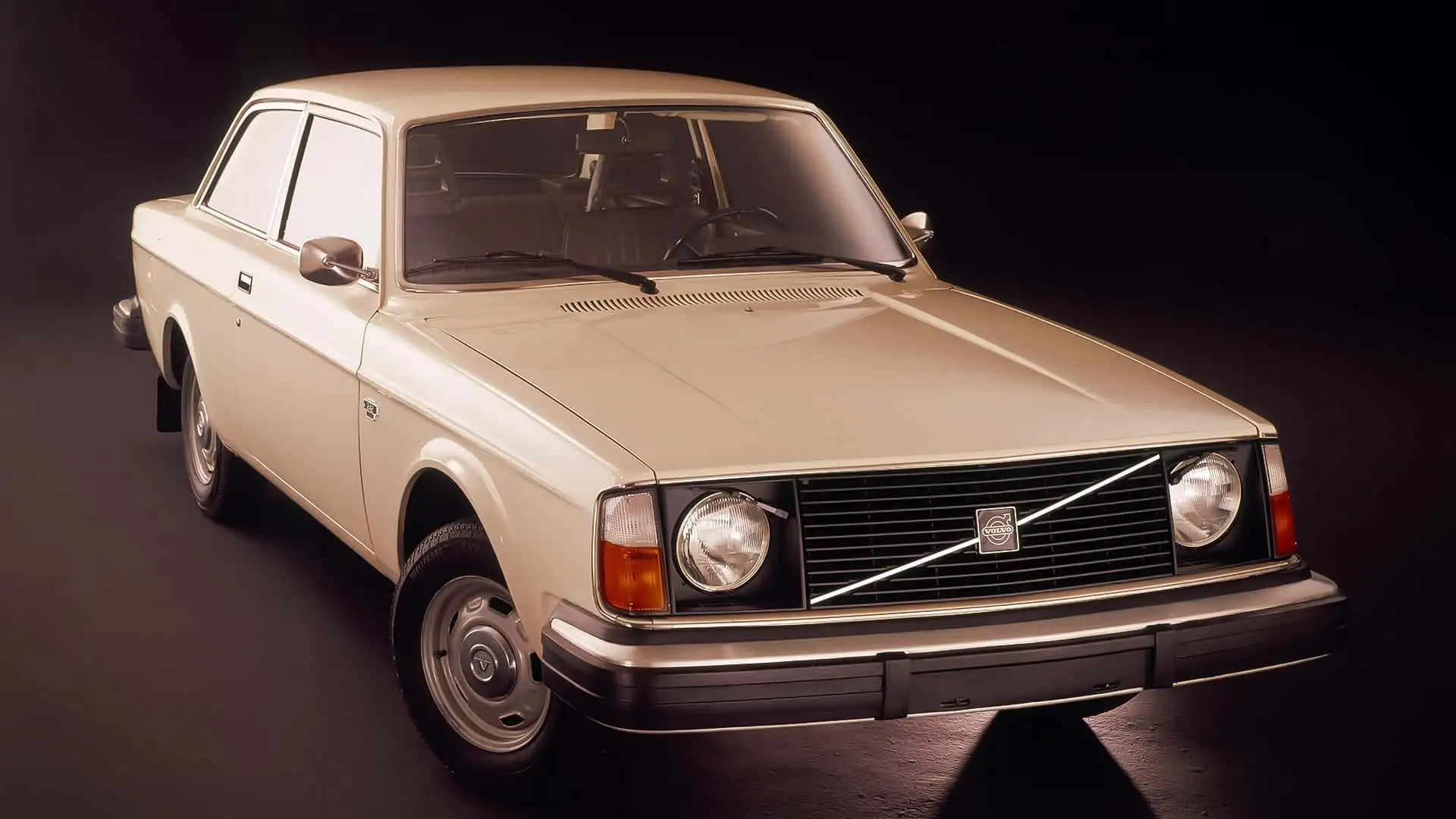
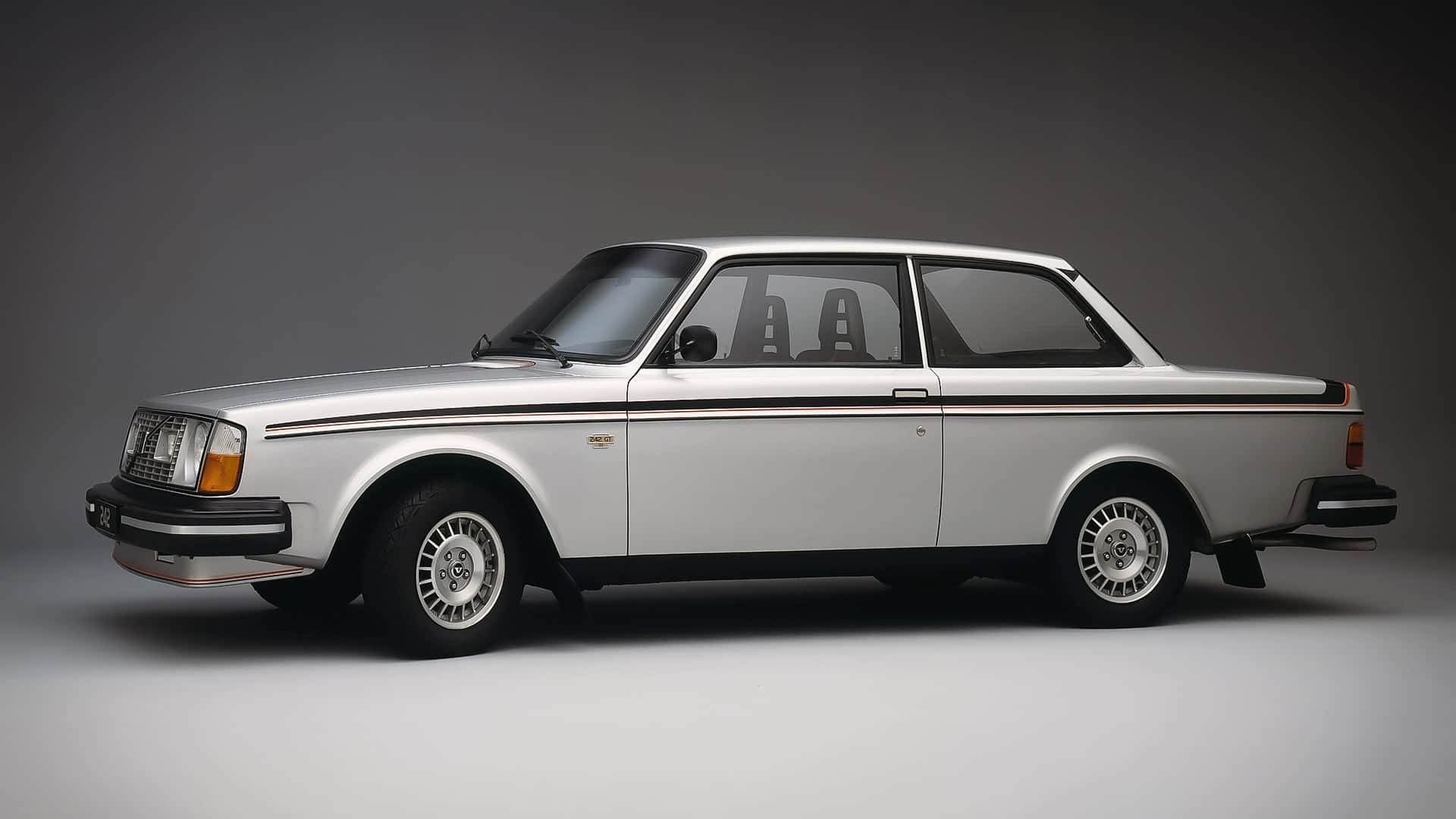
The Volvo 240 remains one of the most respected classic cars for everyday use, even in 2026. Known as “The Brick” due to its boxy and straightforward design, it represents Volvo’s long-standing focus on safety, durability, and function over style.
Unlike many vintage vehicles that require constant upkeep or feel outdated in modern conditions, the 240 offers a rare balance of classic appeal and real-world usability, making it an excellent choice for daily commuting.
A major reason for its enduring popularity is its exceptional reliability. The car is powered by the well-known “Redblock” engine, particularly the 2.3-liter B230F inline-four. This engine has become legendary for its ability to exceed 300,000 miles with only basic maintenance.
Its simple and robust construction also makes it easy to repair, which is ideal for owners who prefer hands-on maintenance or want to avoid expensive service costs. Combined with the car’s overbuilt chassis, the 240 is designed to withstand years of consistent use.
Safety is another area where the Volvo 240 excels. At a time when safety features were still developing, Volvo introduced innovations such as crumple zones, collapsible steering columns, and standard three-point seatbelts. These features helped define the brand’s reputation and made the 240 one of the safest vehicles of its time.
Later models, particularly from 1989 to 1993, even recorded zero driver fatalities in certain studies, reinforcing its reputation as a solid and protective vehicle. While it lacks modern driver-assist technologies, its strong structure still provides reassurance on today’s roads.
The car’s design also makes it highly practical in current traffic conditions. Its upright profile, large windows, and thin pillars provide excellent outward visibility, often described as a “fishbowl” effect.
This allows drivers to easily monitor their surroundings, making tasks like lane changes and parking much simpler compared to many modern vehicles with restricted sightlines. The 240’s predictable handling and manageable size further contribute to its ease of use.
In terms of practicality, the Volvo 240 continues to impress. With nearly 2.9 million units produced, parts are widely available and relatively inexpensive. Both original and aftermarket components are easy to find, and many mechanics are familiar with the car’s design.
The wagon version, in particular, offers generous cargo space, while the interior focuses on comfort and functionality. It is also capable of maintaining highway speeds comfortably, making it suitable for both daily commutes and longer drives.
Fuel economy ranges from about 20 to 32 miles per gallon, which is still acceptable for a vehicle of its age. Many owners choose to upgrade their cars with modern features such as Bluetooth audio systems or improved lighting, helping bridge the gap between classic design and present-day expectations.
Beyond its mechanical strengths, the Volvo 240 has become an automotive icon. Its simple, boxy shape is instantly recognizable and reflects a time when practicality and safety were top priorities. Although Volvo is now largely associated with SUVs, the 240 remains a symbol of the brand’s heritage.
The Volvo 240 stands out as a dependable, safe, and highly usable classic. Its combination of longevity, practicality, and timeless design makes it a stress-free option for anyone seeking a vintage car that can still perform reliably in everyday life.
2. Mercedes-Benz W123 (1976–1985): A Legacy of Engineering and Everyday Reliability
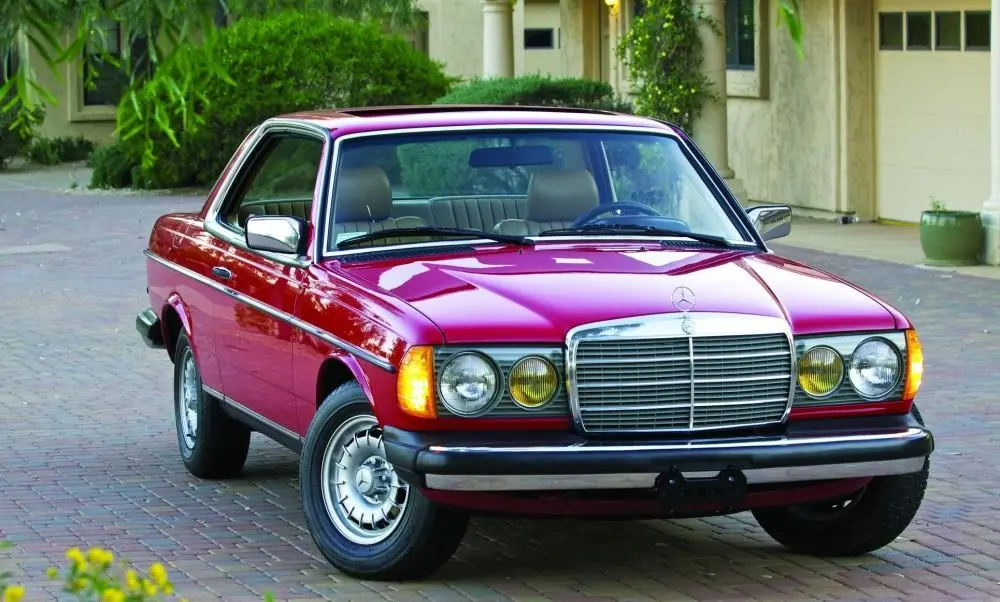
The Mercedes-Benz W123 is widely recognized as one of the most durable and well-engineered vehicles ever produced. Created by Mercedes-Benz during a period when longevity and build quality were top priorities, the W123 continues to stand out as a practical and dependable classic car for daily use in 2026.
Its reputation comes from a combination of solid construction, proven mechanical systems, and a focus on comfort that remains relevant decades later.
One of the W123’s most notable qualities is its exceptional build strength. The car was designed with a heavy, reinforced structure that gives it a solid and reassuring feel on the road.
This sense of durability is complemented by a well-tuned suspension system that absorbs bumps and rough surfaces effectively. As a result, the ride remains smooth and composed even on poorly maintained roads, making it suitable for long commutes and extended periods in traffic.
Engine reliability plays a central role in the W123’s lasting appeal. Diesel models such as the Mercedes-Benz 240D and Mercedes-Benz 300D Turbo are especially well known for their longevity. With proper care, these engines frequently exceed 500,000 kilometers, earning a reputation for extreme durability.
The 240D is slower and requires patience when accelerating, but it is highly dependable. The 300D Turbo provides stronger performance, offering a better balance between reliability and everyday usability. Gasoline variants like the 280E deliver more power, though they typically use more fuel.
The interior reflects Mercedes-Benz’s emphasis on long-term use and comfort. Materials such as MB-Tex upholstery are designed to resist wear, often remaining in good condition even after many years. The seats provide solid support for long drives, while the layout is simple and functional. Large windows and slim pillars contribute to excellent visibility, which helps drivers maintain awareness in busy traffic conditions.
On the road, the W123 prioritizes comfort rather than sporty performance. Its suspension produces a soft and controlled ride, though some body roll is noticeable, and the steering is less precise compared to modern cars. Even so, the vehicle feels stable and predictable, which adds to driver confidence. The automatic transmission is another highlight, known for smooth shifts and long-lasting reliability.
Maintenance is relatively straightforward for a vehicle of this age. The W123’s mechanical design is simple enough for many owners to handle basic repairs themselves, and replacement parts remain widely available through specialists and enthusiast communities.
Still, there are a few common concerns to keep in mind. Rust is the most significant issue, particularly in areas like wheel arches and floor sections. Vacuum-operated systems can develop leaks that may take time to diagnose. Dashboard cracking caused by sun exposure is also a frequent cosmetic problem.
Different versions of the W123 cater to a range of preferences. The 300D and 300TD are well-suited for daily driving thanks to their durable diesel engines. The 280E and 280CE provide more performance for those who want stronger acceleration, while the 230E offers a balanced mix of efficiency and usability. Coupe variants are less common and often appeal to collectors.
The Mercedes-Benz W123 remains a benchmark for durability, comfort, and thoughtful engineering. Its ability to function as both a classic and a reliable daily driver continues to make it highly respected among enthusiasts and practical owners alike.
Also read: 5 Cars With Simple Interiors That Age Well vs 5 With Too Much Fragile Plastic
3. Mazda MX-5 Miata NA (1989–1997): Lightweight Fun with Everyday Reliability
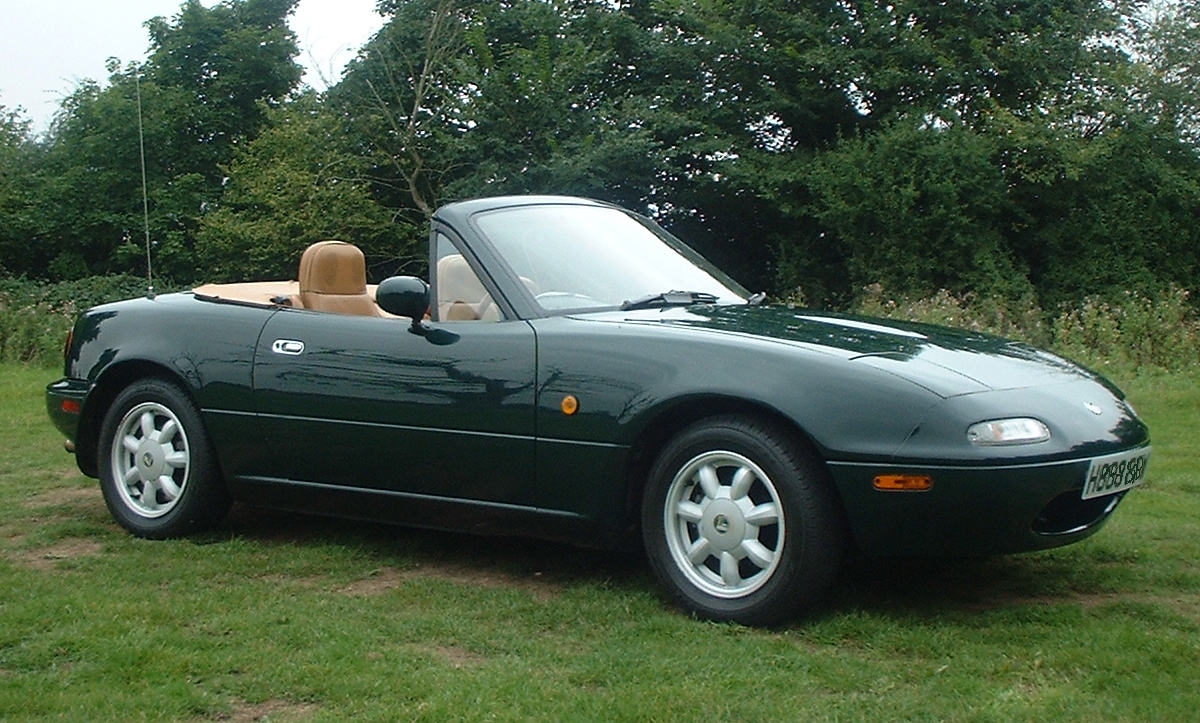
The Mazda MX-5 Miata NA is widely celebrated as one of the most enjoyable and practical classic cars that can still be driven daily in 2026. Inspired by the charm of 1960s roadsters but built with modern Japanese engineering, it delivers a pure driving experience without the reliability issues that often come with older sports cars.
This balance of fun, simplicity, and dependability has made the NA Miata a favorite among enthusiasts and commuters alike.
One of the Miata’s strongest advantages is its legendary reliability. Unlike many vintage sports cars that can be unpredictable, the NA Miata benefits from a straightforward and durable design. Its fuel-injected engines, available in 1.6-liter and 1.8-liter variants, are known for consistent performance and easy starting in all conditions.
With proper maintenance, these engines can exceed 200,000 miles, making the car suitable for regular use rather than occasional weekend drives. This reliability removes much of the stress typically associated with owning a classic vehicle.
The driving experience is where the Miata truly stands out. Weighing around 2,300 pounds, it is extremely lightweight by modern standards. This low weight, combined with a near-perfect 50:50 balance and rear-wheel-drive layout, creates a responsive and agile feel on the road.
The steering is precise, and the manual transmission is widely praised for its smooth and direct action. While it is not particularly fast in terms of straight-line speed, it excels in handling and driver engagement. Many describe the experience as similar to driving a go-kart, where every input feels immediate and connected.
This focus on driver involvement is often summed up by the Japanese concept of Jinba Ittai, which translates to a sense of unity between driver and machine. The Miata delivers this feeling in a way that most modern vehicles, with their layers of electronic assistance, cannot replicate. It allows drivers to enjoy the road at everyday speeds, turning even routine commutes into something engaging and memorable.
Practicality is another area where the NA Miata performs better than expected for a small roadster. Parts are widely available and affordable because the car shares components with other Mazda models.
This keeps maintenance costs low and ensures repairs are straightforward. Fuel efficiency is also reasonable, making it viable for daily use despite its sporty nature. The soft-top roof is easy to operate, allowing drivers to quickly adapt to changing weather conditions.
However, there are some limitations to consider. As a two-seater convertible, the Miata offers very limited cargo space, making it less suitable for carrying large items or multiple passengers. The interior is simple and lacks modern technology, which may feel outdated compared to newer cars. Rust is a known issue, particularly around the sills and rocker panels, so careful inspection and maintenance are important.
Despite these drawbacks, the NA Miata remains an exceptional choice for those who value driving enjoyment and reliability. It combines the charm of a classic sports car with the practicality of a more modern vehicle, offering a unique ownership experience that is both fun and manageable on a daily basis.
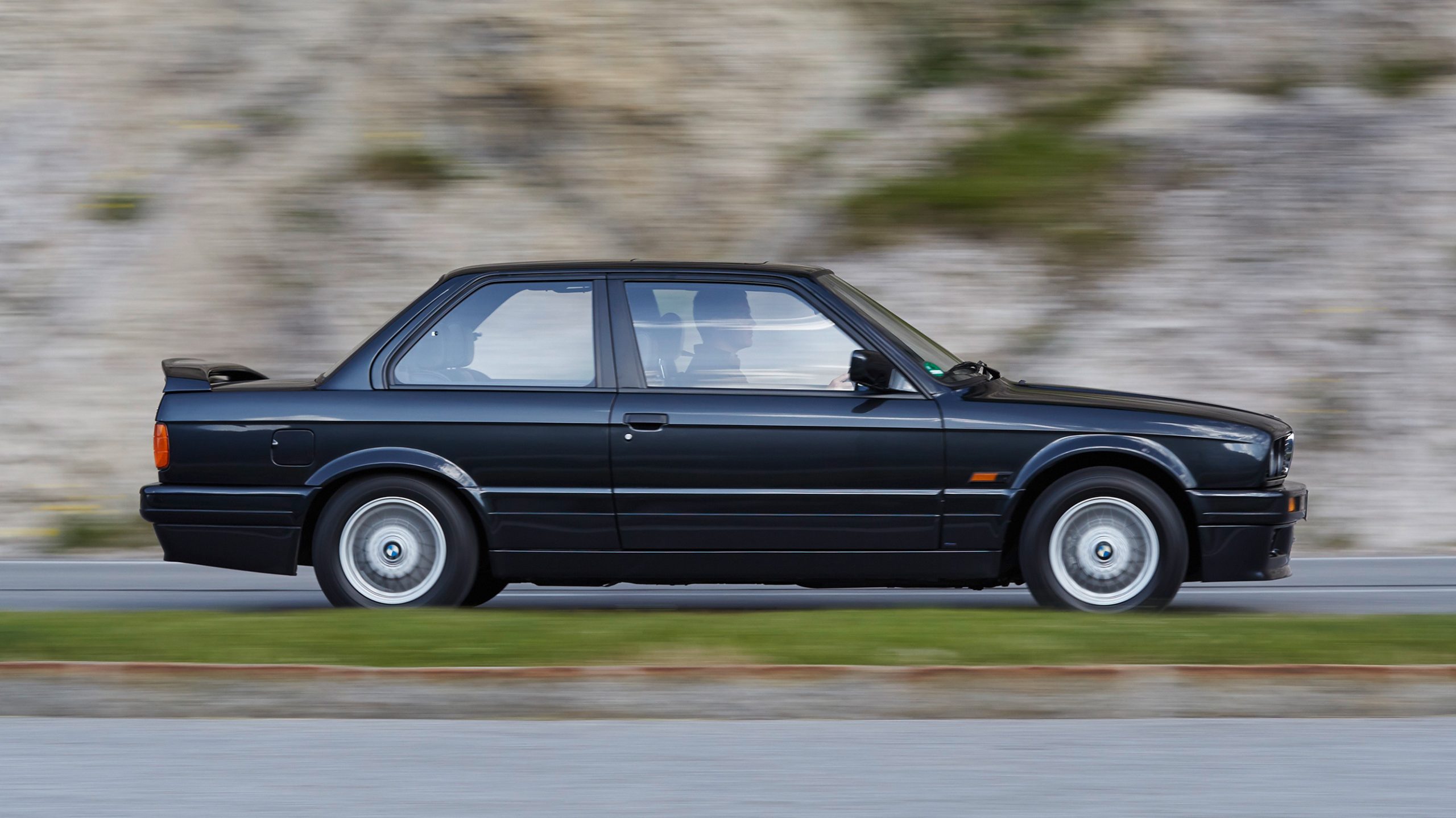
4. BMW 3 Series E30 (1982–1994): The Perfect Balance of Classic Feel and Daily Usability
The BMW 3 Series E30 is often described as the ideal middle ground among classic cars, offering a blend of compact agility, solid engineering, and everyday practicality. Built by BMW during a period known for over-engineering, the E30 has earned a reputation as a dependable and engaging vehicle that can still serve as a daily driver in 2026.
One of the E30’s defining strengths is its size and visibility. Compared to modern vehicles, it is compact and easy to maneuver, which makes it well-suited for crowded urban environments and tight parking spaces.
Its design features slim pillars and large glass areas, providing excellent all-around visibility. This “airy” cabin layout allows drivers to stay aware of their surroundings more easily than in many newer cars with thicker structural elements and larger blind spots.
The driving experience is a major reason for the E30’s enduring appeal. It offers a balance between comfort and sportiness that is rare among classics. Models such as the 318is and 325i provide enough performance to keep up with modern traffic while maintaining a responsive and engaging feel.
The hydraulic steering delivers direct feedback, giving drivers a stronger connection to the road compared to modern electronic systems. This makes even routine drives feel more involved and enjoyable.
Under the hood, the E30 features a range of durable engines. The BMW M20 engine is especially praised for its smoothness and distinctive sound, offering a more refined experience than many modern four-cylinder engines. Four-cylinder options like the M42 also provide reliable performance with good efficiency. With proper maintenance, these engines can last for hundreds of thousands of miles, reinforcing the car’s reputation for longevity.
Inside, the E30 introduced a driver-focused interior layout that still feels intuitive today. The dashboard is angled toward the driver, placing controls within easy reach and emphasizing functionality.
While the cabin may appear dated and lack modern technology, it remains practical and comfortable for everyday use. Front seating space is adequate, though rear seating and cargo capacity are limited compared to larger vehicles.
Ownership is made easier by the E30’s strong enthusiast community and excellent aftermarket support. Replacement parts are widely available, and many components can still be sourced without difficulty.
This level of support is unusual for a car of its age and makes maintenance more manageable. However, as with any older vehicle, some initial work is often required. A thorough service, including fluid changes, cooling system updates, and timing belt replacement for six-cylinder models, is essential to ensure reliability.
There are also a few important considerations. Rust is the most common issue, particularly in areas such as wheel arches, sills, and the underbody. Regular inspection and preventive care are necessary to preserve the car’s condition.
Safety is another factor, as the E30 lacks modern driver-assistance features and advanced airbag systems. It offers a more traditional driving experience that requires greater attention from the driver.
Despite these drawbacks, the E30 remains one of the most well-rounded classic cars available. Its combination of compact design, engaging performance, and strong support network makes it both enjoyable and practical. For those seeking a classic car that can handle daily use while delivering a rewarding driving experience, the BMW E30 continues to stand out as a compelling choice.
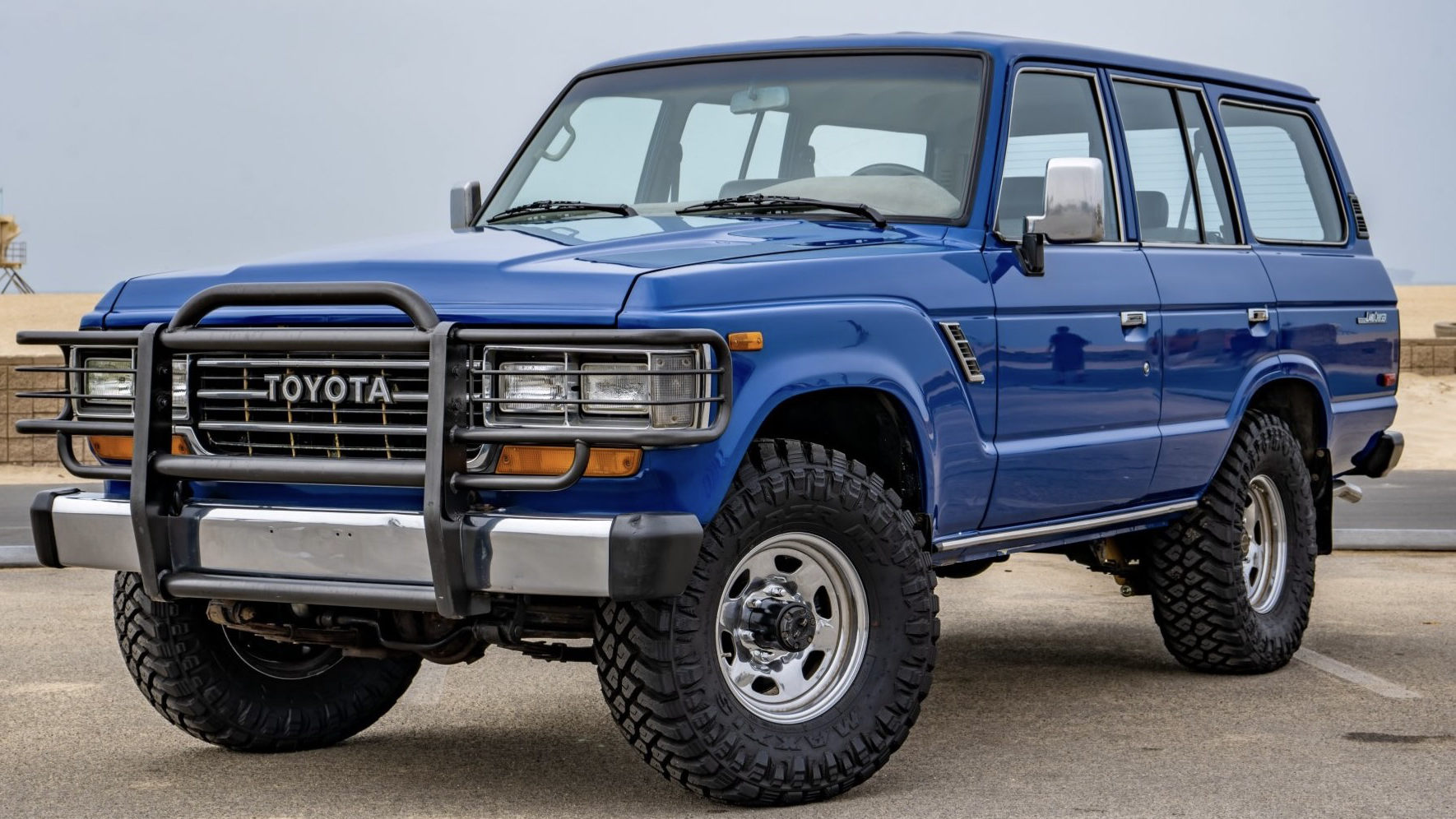
5. Toyota Land Cruiser FJ62 (1988–1990): Rugged Reliability Meets Everyday Usability
The Toyota Land Cruiser FJ62 represents a key moment in the evolution of classic SUVs, blending Toyota’s legendary durability with features that make it far more practical for daily driving. Built by Toyota, the FJ62 is often considered the “sweet spot” in the Land Cruiser lineup. It retains the toughness of earlier models while introducing modern conveniences that make it usable in 2026 traffic and conditions.
One of the most important upgrades in the FJ62 is its introduction of electronic fuel injection. Powered by the 3F-E 4.0-liter inline-six engine, it delivers more consistent performance and reliable starting in all weather conditions compared to the carbureted engines found in earlier versions like the FJ60.
This improvement makes the vehicle far easier to live with on a daily basis, especially in stop-and-go traffic or changing climates. The engine is known for its durability, often lasting well beyond 200,000 miles with basic maintenance, reinforcing its reputation for “tractor-like” reliability.
The FJ62 also stands out for its balance between rugged engineering and everyday comfort. Unlike earlier Land Cruisers that felt more like utility vehicles, this model introduced features such as power windows, power locks, and air conditioning.
Power steering and a 4-speed automatic transmission further improve ease of use, particularly in urban environments where constant shifting or heavy steering can become tiring. These additions transform the FJ62 into a more “civilized” SUV without compromising its core toughness.
On the road, the FJ62 offers a stable and commanding driving experience. Its body-on-frame construction, solid axles, and leaf spring suspension are designed for durability rather than speed. While it is not fast and performs best at moderate cruising speeds, it excels at absorbing rough surfaces and handling challenging conditions.
This makes it especially suitable for drivers who face खराब roads, heavy rain, or occasional off-road situations. The high driving position and large windows provide excellent visibility, giving drivers a clear view of their surroundings and a greater sense of control.
Another key strength of the FJ62 is its practicality as a long-term vehicle. Thanks to a large and dedicated enthusiast community, parts remain widely available, both original and aftermarket. This support network makes maintenance and restoration much more manageable compared to other classic SUVs. Its simple mechanical design also appeals to owners who prefer to perform their own repairs.
However, there are some trade-offs to consider. Fuel economy is one of the biggest drawbacks, with typical figures ranging from about 10 to 12 miles per gallon in city driving.
This makes it less efficient than modern vehicles and more expensive to run daily. Rust is another common issue, particularly in areas such as wheel arches, roof gutters, and the chassis. Careful inspection and regular maintenance are essential to preserve the vehicle’s condition.
Inside, the FJ62 offers a comfortable and functional cabin for its era. The design moves away from the bare, utilitarian feel of earlier models, incorporating softer materials and a more user-friendly layout. While it lacks modern technology, it provides enough comfort for daily use and long drives.
The Toyota Land Cruiser FJ62 stands as a durable, honest, and highly capable classic SUV. Its combination of reliability, practical features, and rugged performance makes it a strong choice for those who need a vehicle that can handle both everyday driving and more demanding conditions.
Driving a classic car every day in 2026 is entirely possible when the right models are chosen. The vehicles featured here stand out because they were built with longevity, usability, and driver focus in mind. Each one brings a different strength to the table, whether it is comfort, durability, agility, or versatility. Together, they show that older cars can still handle daily responsibilities without constant compromise.
Beyond their practicality, these classics offer something modern vehicles often lack: a stronger sense of connection between driver and machine. That added character transforms routine drives into something more meaningful. With proper care and attention, these cars are not just reminders of the past, but capable companions for everyday life on today’s roads.
Also read: 10 Cars With Such High Resale Value You Should Only Buy Them Brand New