
Being a young driver is one of life’s most exciting milestones. But the cost of car insurance can quickly turn that excitement into a financial headache.
Insurance companies classify young drivers as high-risk. This means monthly premiums can be painfully high, especially for drivers under 25. The good news is that the vehicle you choose makes a massive difference. Certain used SUVs carry much lower insurance rates than others, and knowing which ones to target can save you hundreds of dollars every year.
Used SUVs are particularly smart choices for young drivers on a budget. They offer a lower purchase price, slower depreciation, and strong safety ratings that insurance companies genuinely reward.
Safety features are one of the biggest factors insurers look at when calculating your premium. An SUV loaded with airbags, stability control, and collision warning systems is always going to cost less to insure than a stripped-down sports car.
Repair costs also play a huge role in insurance pricing. SUVs with widely available, affordable parts are far cheaper to cover than luxury or imported models.
This article walks you through ten of the best used SUVs that consistently earn the lowest insurance rates for young drivers. Each one balances affordability, reliability, safety, and low running costs everything a new driver truly needs.
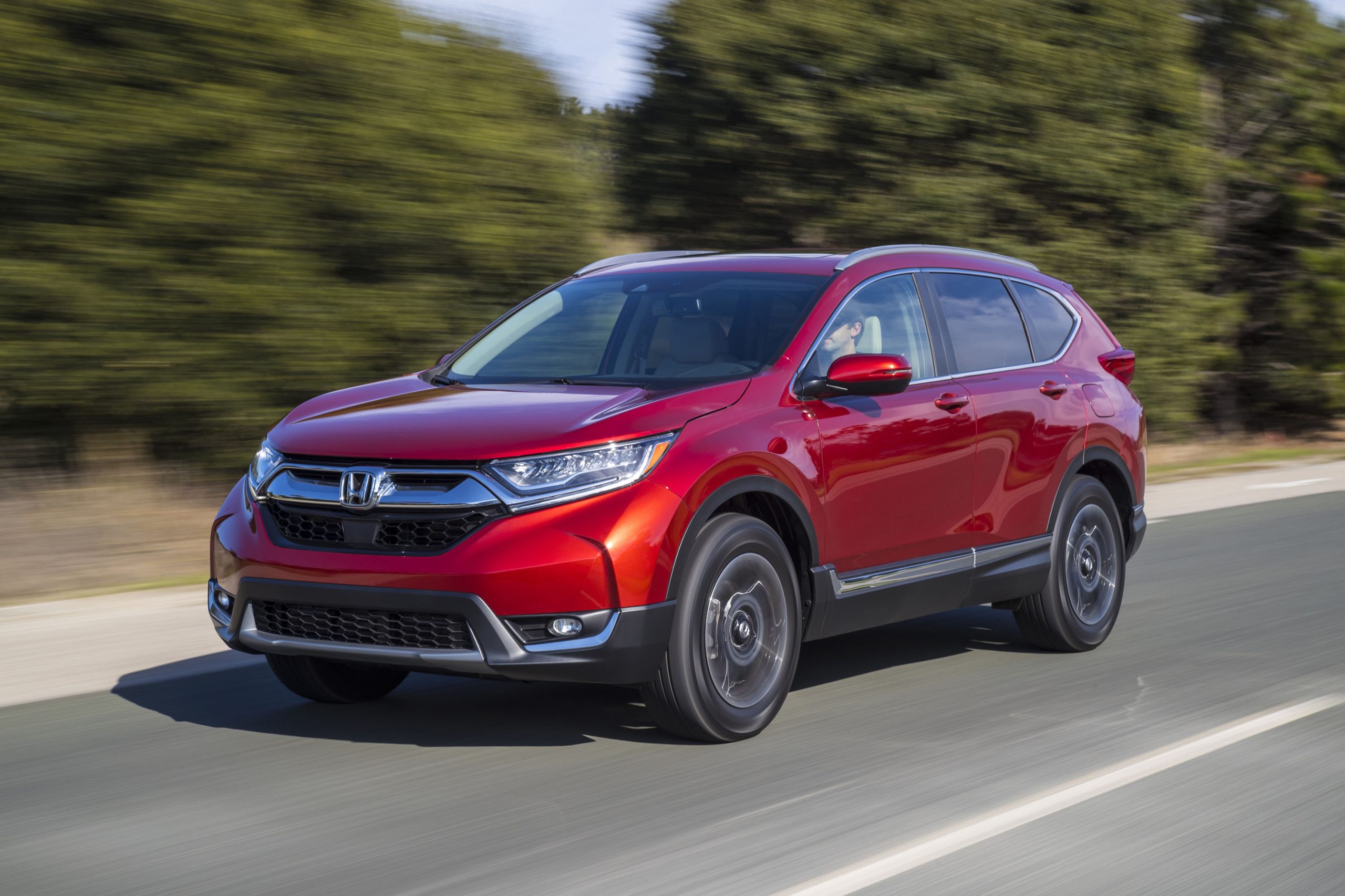
1. Honda CR-V (2016–2020)
The Honda CR-V is one of the most consistently recommended vehicles for young drivers looking to save on insurance. It has earned a strong reputation over decades for being reliable, safe, and incredibly affordable to maintain.
Insurance companies love the CR-V because of its outstanding safety record. The 2017 and newer models earned the IIHS Top Safety Pick+ award, which directly translates into lower premiums for policyholders.
The CR-V is built with a wide range of standard safety technologies. Features like Honda Sensing which includes lane-keeping assist, adaptive cruise control, and collision mitigation braking are available even on base trims, making it a natural favorite for insurers.
Repair costs for the CR-V are remarkably low. Honda parts are widely available at dealerships and independent mechanics across the country, which keeps labor and parts expenses well below the industry average.
The used market for the CR-V is extremely healthy. You can find well-maintained 2016 to 2020 models in the $15,000 to $22,000 range, giving young buyers excellent value without stretching their finances.
Fuel economy is another reason the CR-V makes financial sense. Returning around 28 to 32 miles per gallon combined, it reduces the monthly cost of ownership significantly.
Theft rates for the CR-V are moderate compared to some rivals. Lower theft risk means insurance companies take on less liability, and those savings get passed directly on to you as the policyholder.
The CR-V also holds its resale value exceptionally well. If you ever decide to sell or trade it in, you will recoup a larger portion of your original investment compared to many competing models.
Young drivers who want a vehicle that does everything right without drama should put the Honda CR-V at the very top of their list. It is practical, safe, cheap to insure, and built to last well beyond 200,000 miles.
The bottom line with the CR-V is simple it is one of the most financially sensible used SUVs available today. For a young driver trying to keep total transportation costs under control, it is nearly impossible to beat.
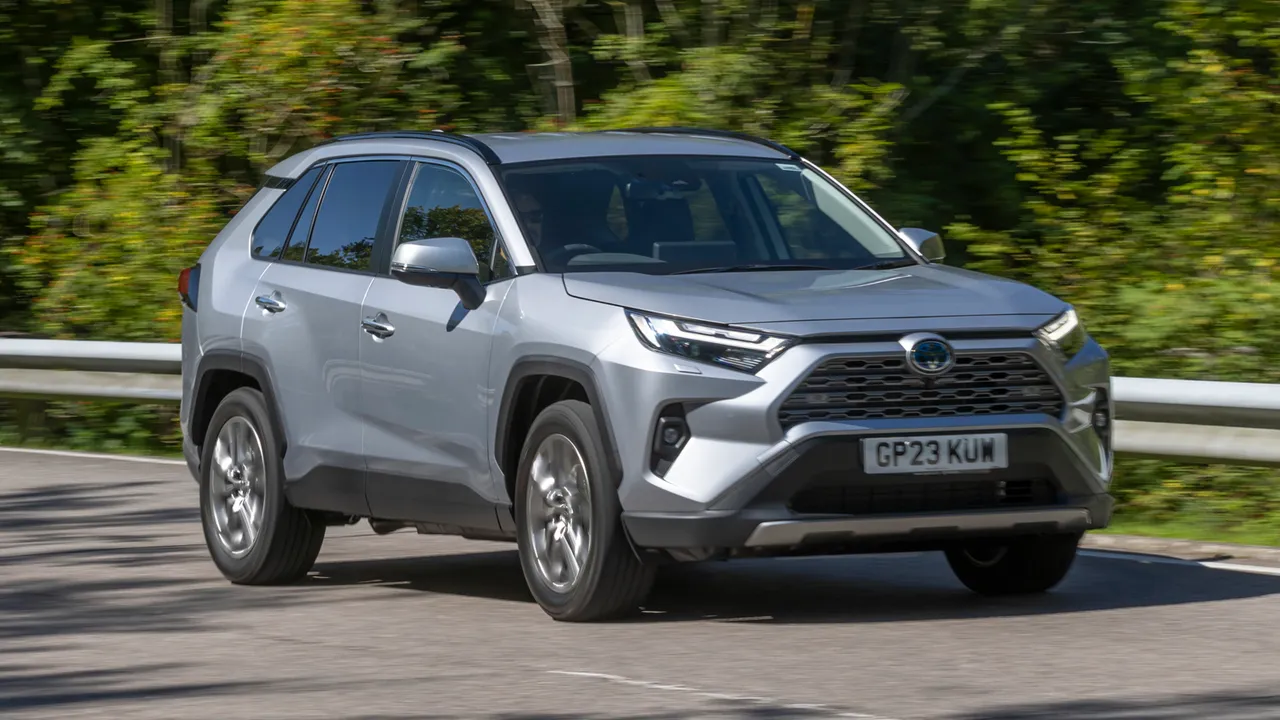
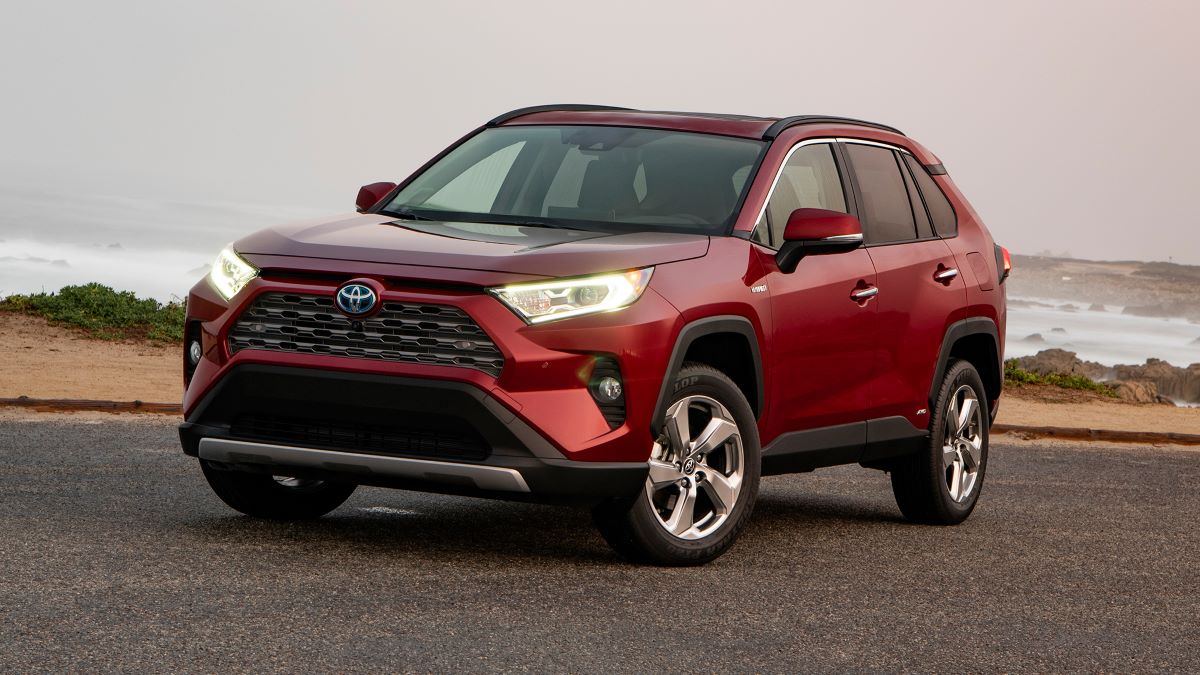
2. Toyota RAV4 (2016–2021)
The Toyota RAV4 is a global bestseller for good reason. It combines bulletproof reliability with excellent safety scores that keep insurance premiums surprisingly affordable for young drivers.
Insurers consistently rate the RAV4 as a low-risk vehicle to cover. Its strong structural integrity, advanced driver assistance systems, and excellent crash test results all contribute to lower annual premium calculations.
Toyota Safety Sense comes standard on most 2018 and newer RAV4 models. This suite includes pre-collision warning, automatic emergency braking, lane departure alert, and automatic high beams all features insurers factor into your rate.
The RAV4 has one of the lowest long-term ownership costs of any SUV on the market. Toyota engines and transmissions are known to run for hundreds of thousands of miles with only basic maintenance.
Repair bills on the RAV4 are consistently below average. Because of the vehicle’s massive popularity, mechanics everywhere are familiar with it and parts are plentiful, inexpensive, and easy to source.
A used RAV4 from the 2016 to 2021 window typically sells for between $18,000 and $26,000. That price range puts it within reach of most young buyers who have saved up a modest down payment.
The RAV4 also scores well on theft prevention. Modern Toyota vehicles come equipped with engine immobilizers and alarm systems that make them harder targets, reducing the comprehensive coverage risk for insurers.
Fuel efficiency on the RAV4 is respectable, with figures around 27 to 30 miles per gallon in combined driving. Hybrid versions push that even further, and some insurers offer small discounts for eco-friendly powertrains.
Young drivers who put a lot of miles on their vehicle will particularly appreciate the RAV4’s durability. It simply does not break down the way many other vehicles at this price point tend to over time.
The Toyota RAV4 is the kind of vehicle that makes financial sense from every angle. Lower insurance costs, minimal repair bills, strong resale value, and legendary reliability make it a near-perfect choice for any young driver entering the market.
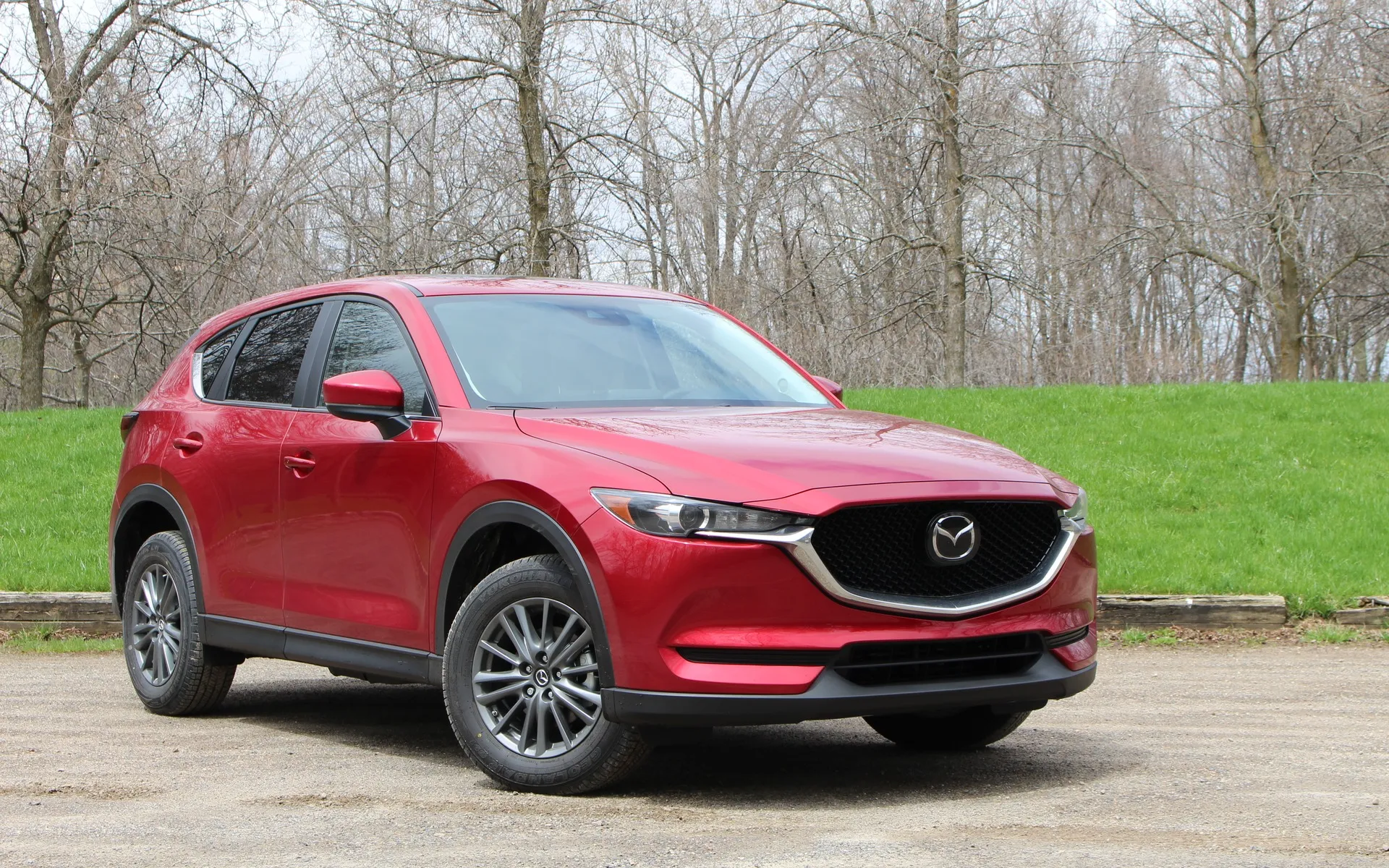
3. Mazda CX-5 (2016–2020)
The Mazda CX-5 is often overlooked by younger buyers, but it consistently earns some of the lowest insurance rates in the compact SUV segment. Insurers view it as one of the safest and most responsibly driven vehicles on the road.
The CX-5 has earned multiple IIHS Top Safety Pick+ awards across multiple model years. Those ratings have a direct and meaningful impact on how insurance companies price coverage for this vehicle.
Mazda’s i-ACTIVSENSE safety technology is available across the CX-5 lineup. This system bundles together radar cruise control, lane departure warning, blind-spot monitoring, and rear cross-traffic alert into an impressive safety package.
The CX-5 also benefits from being seen as a “responsible” choice among drivers. Statistically, CX-5 owners file fewer claims than drivers of sportier or flashier vehicles, which gives insurers confidence in offering better rates.
Build quality on the CX-5 is genuinely premium. The interior and exterior materials feel far more expensive than the price tag suggests, and the vehicle holds up to years of daily driving without showing premature wear.
Used CX-5 models from 2016 to 2020 are available in the $15,000 to $22,000 range. That affordability, combined with low insurance costs, makes it one of the best value propositions in the used SUV market.
Fuel economy is solid, delivering around 25 to 31 miles per gallon depending on the trim. The standard front-wheel-drive configuration keeps running costs lean for drivers who do not need all-wheel drive every day.
Mazda parts and service costs are very reasonable. While Mazda is not as ubiquitous as Toyota or Honda, it has a solid dealer network and third-party repair options that prevent maintenance bills from getting out of control.
The CX-5 also has a low theft rate relative to many of its competitors. Lower theft exposure means lower comprehensive insurance costs, which adds up to real savings when you are reviewing your six-month premium statement.
For young drivers who want something that feels refined and enjoyable to drive without paying luxury insurance prices, the Mazda CX-5 is an outstanding answer. It quietly delivers on every financial and safety metric that matters.
4. Subaru Forester (2015–2019)
The Subaru Forester has built a loyal following among safety-conscious drivers, and insurers have taken notice. Its consistently high safety ratings make it one of the more affordable used SUVs to insure for drivers of any age.
The Forester earned IIHS Top Safety Pick+ recognition for multiple model years in a row. That level of recognition tells insurance companies that this vehicle is engineered to protect its occupants in real-world crash scenarios.
Subaru’s EyeSight Driver Assist Technology is available on many Forester trims. It includes adaptive cruise control, pre-collision braking, lane sway and departure warning a full suite of features that help reduce accident risk and insurance premiums alike.
The Forester is also appreciated for its practical, spacious design. It sits higher off the ground than many competitors and offers generous cargo room, making it useful for young drivers with active lifestyles.
All-wheel drive is standard on every Forester, which might seem like it would raise insurance costs. Interestingly, AWD vehicles tend to file fewer weather-related claims, and some insurers actually reward this with modest discounts.
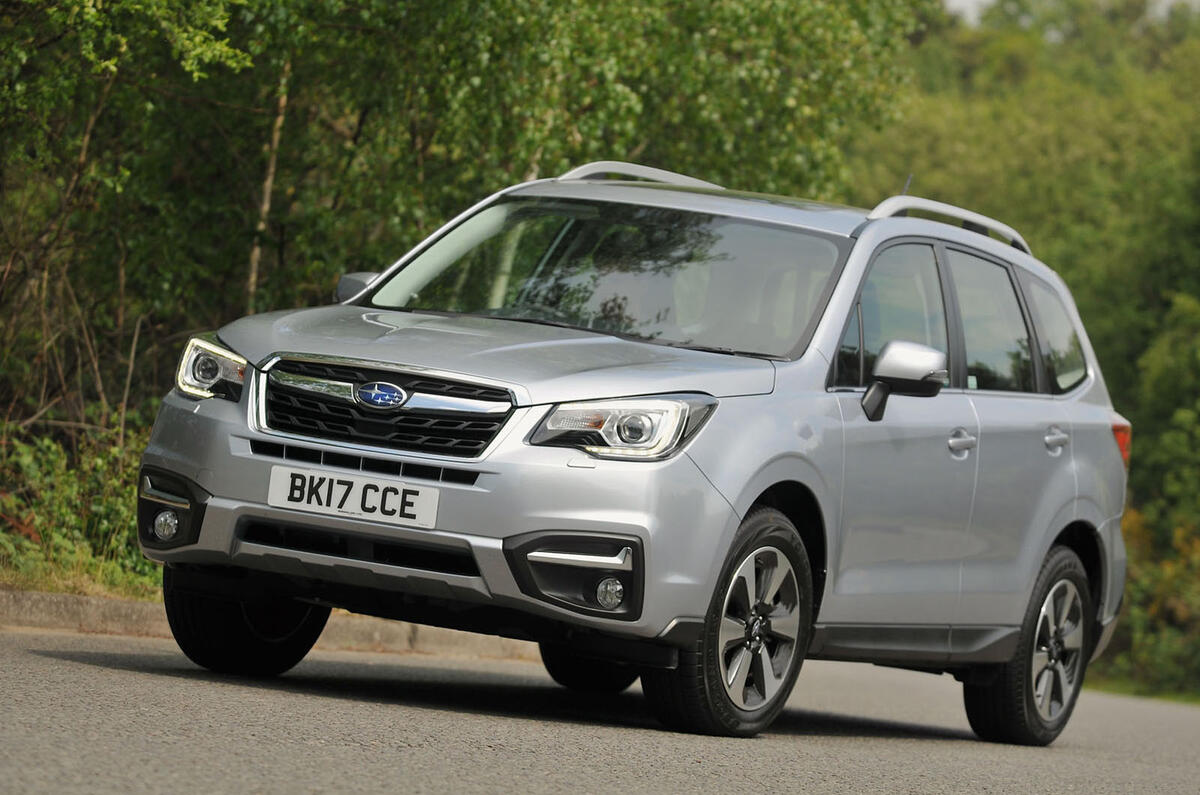
Used Forester models from 2015 to 2019 are widely available in the $12,000 to $19,000 range. That pricing makes it accessible for young buyers who are working within a tight initial budget.
Subaru has a strong and dedicated owner community. This means finding experienced mechanics, affordable parts, and solid used-car advice is much easier than with some lesser-known brands.
The Forester’s engine is simple and well-proven over many years of production. Basic maintenance like oil changes, brake replacements, and tire rotations are all affordable, keeping the total cost of ownership predictably low.
One minor consideration with the Forester is that Subaru engines do have a known history of head gasket issues in older models. Buying a well-documented example from a trusted seller and having a pre-purchase inspection done removes most of that risk.
The Subaru Forester is a smart, safe, and insurance-friendly choice for young drivers. It delivers all-weather capability, genuine safety credentials, and consistently low premium costs in a package that is hard to argue with at its price point.
Also Read: 5 Modern 8 Speed Transmissions That Shift Like New After 150,000 Miles
5. Ford Escape (2017–2020)
The Ford Escape is one of America’s best-selling compact SUVs, and its popularity works directly in your favor when it comes to insurance pricing. High-volume vehicles with widely available parts are always cheaper for insurers to cover after an accident.
The 2017 to 2020 Escape received solid safety scores from both the IIHS and the NHTSA. Those ratings reflect genuine engineering investment by Ford in making the Escape a survivable vehicle in real collision scenarios.
Ford Co-Pilot360 safety features were introduced in the 2019 model year. This package includes automatic emergency braking, blind-spot monitoring, lane-keeping assist, and rear camera all standard at no additional cost on qualifying trims.
Repair costs for the Escape are very manageable. Ford dealerships and independent mechanics are present in virtually every city and town in the country, making service fast, competitive, and affordable.
A well-maintained used Escape from 2017 to 2020 typically sells between $14,000 and $21,000. That purchase price leaves more money in the budget to handle insurance, fuel, and maintenance without financial strain.
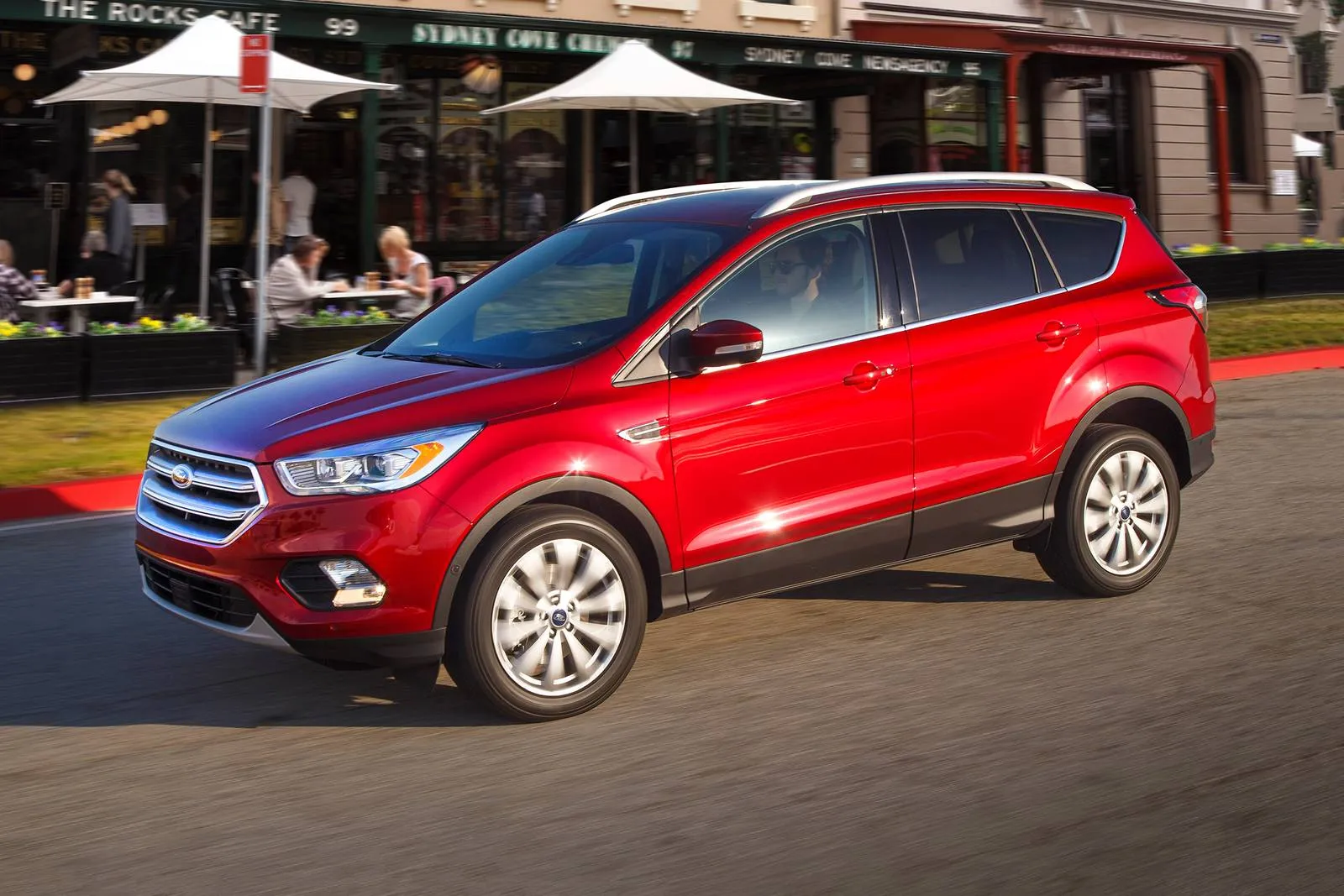
The Escape’s smaller footprint compared to midsize SUVs makes it easier to park and maneuver in urban environments. Young drivers going through the busy city streets will appreciate how practical the Escape is in real daily use.
Fuel economy on the Escape is reasonable, especially on EcoBoost 1.5-liter models that return around 28 to 30 miles per gallon combined. Lower fuel costs free up money that can go toward insurance premiums or savings.
The Escape is not generally targeted by thieves as frequently as some other popular models. A lower theft profile reduces the comprehensive portion of your insurance bill, which can be a meaningful saving over a full policy year.
Young drivers who put function and affordability above all else will find the Ford Escape an honest and capable companion. It does the job every day without drama, and it costs a refreshingly reasonable amount to insure.
The Escape proves that you do not need to spend a lot to get a vehicle that insurance companies treat favorably. Smart buyers who target the 2019 model year and above will enjoy the added benefit of the full Co-Pilot360 suite at no extra charge.
6. Hyundai Tucson (2016–2020)
The Hyundai Tucson is one of the most underrated insurance-friendly SUVs on the used market. Its combination of modern safety technology, affordable repair costs, and low theft rates makes it a genuine bargain for young drivers.
The Tucson earned strong safety ratings from both major U.S. testing organizations. Insurers pay close attention to these scores, and the Tucson’s results reliably support lower-than-average premium calculations for its vehicle class.
Hyundai SmartSense technology began appearing across the Tucson lineup from 2019 onward. This system includes forward collision avoidance assist, lane keeping assist, driver attention warning, and high beam assist a strong safety package at very accessible price points.
One of the Tucson’s biggest advantages is its Hyundai America’s 5-year/60,000-mile new car warranty, which transfers partially to used buyers in some cases. Warranty coverage reduces the financial risk of ownership and keeps costs predictable.
Used Tucson models from 2016 to 2020 are priced very competitively, typically between $12,000 and $19,000. That affordability gives young buyers flexibility to invest more in comprehensive insurance coverage without busting their monthly budget.
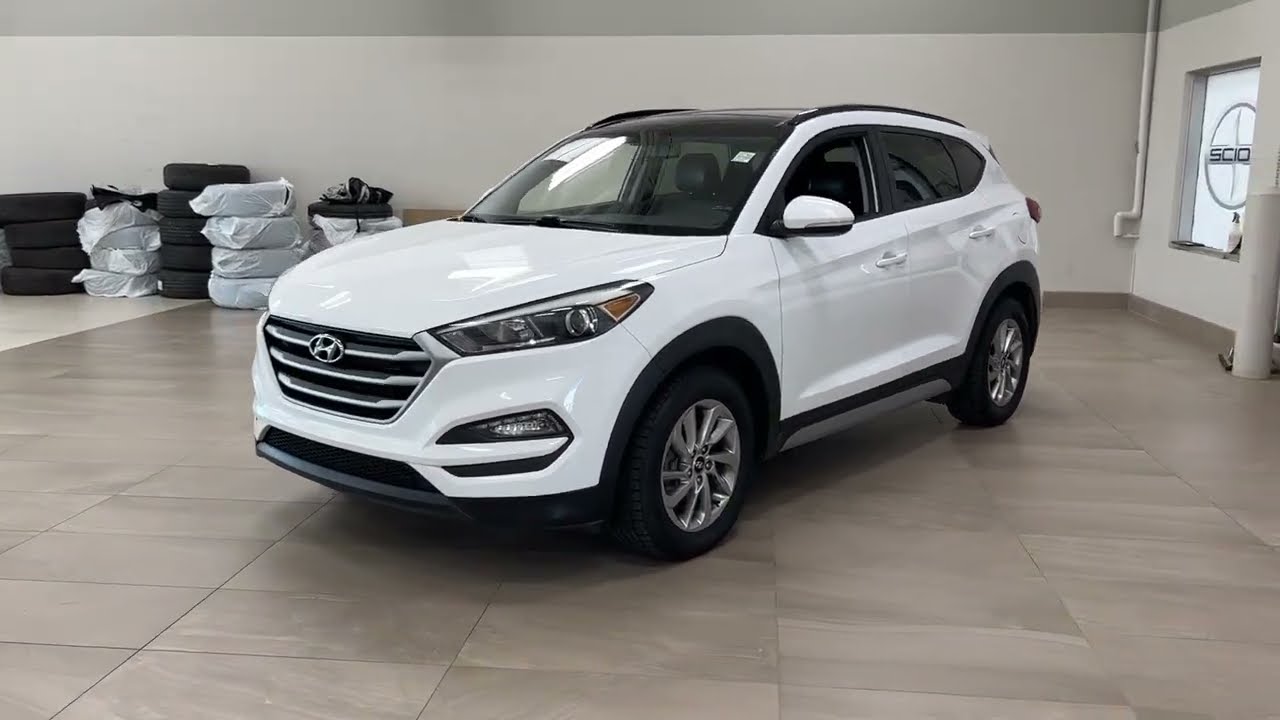
Hyundai parts are widely available and generally less expensive than equivalent components for Japanese or European brands. This keeps collision repair estimates lower, which directly benefits your insurance premium calculation over time.
The Tucson’s interior is practical and well-laid-out for everyday driving. Young drivers will appreciate the user-friendly infotainment system, comfortable seating, and manageable cargo area that handles daily life with ease.
Fuel efficiency on the Tucson is solid, delivering around 26 to 29 miles per gallon in combined conditions depending on trim and drivetrain. Those figures keep monthly fuel expenditure in check alongside already reasonable insurance costs.
Theft rates for the Tucson are notably low compared to the segment average. Insurers factor theft exposure heavily into comprehensive coverage pricing, and the Tucson’s clean record works consistently in the driver’s favor.
The Hyundai Tucson is an excellent choice for any young driver who wants a modern, well-equipped SUV without paying excessive insurance premiums. Its ownership cost profile is one of the most favorable in this entire category.
7. Kia Sportage (2017–2021)
The Kia Sportage shares much of its engineering DNA with the Hyundai Tucson, which means it carries many of the same insurance advantages in a slightly different package. It is a consistently affordable vehicle to own, insure, and maintain over time.
Safety scores for the Sportage are competitive with the best in its class. Multiple model years earned strong IIHS recognition, giving insurance companies good reason to offer favorable rates to Sportage owners across the board.
Kia’s Drive Wise safety suite became more widely available from 2019 onward. Features like forward collision avoidance, lane keeping, and driver attention monitoring contribute directly to fewer accident claims and better insurance pricing.
The Sportage benefits enormously from the Hyundai-Kia parts-sharing arrangement. Shared platforms mean mechanics who know one vehicle often know the other, and parts availability is strong across the entire country.
A used Sportage from 2017 to 2021 is typically available in the $13,000 to $21,000 price range. That accessible entry point makes it realistic for young buyers who are financing their first vehicle purchase.
Kia has dramatically improved its reliability reputation over the past decade. Earlier concerns about build quality have largely been addressed, and more recent Sportage models consistently score well in long-term owner satisfaction surveys.
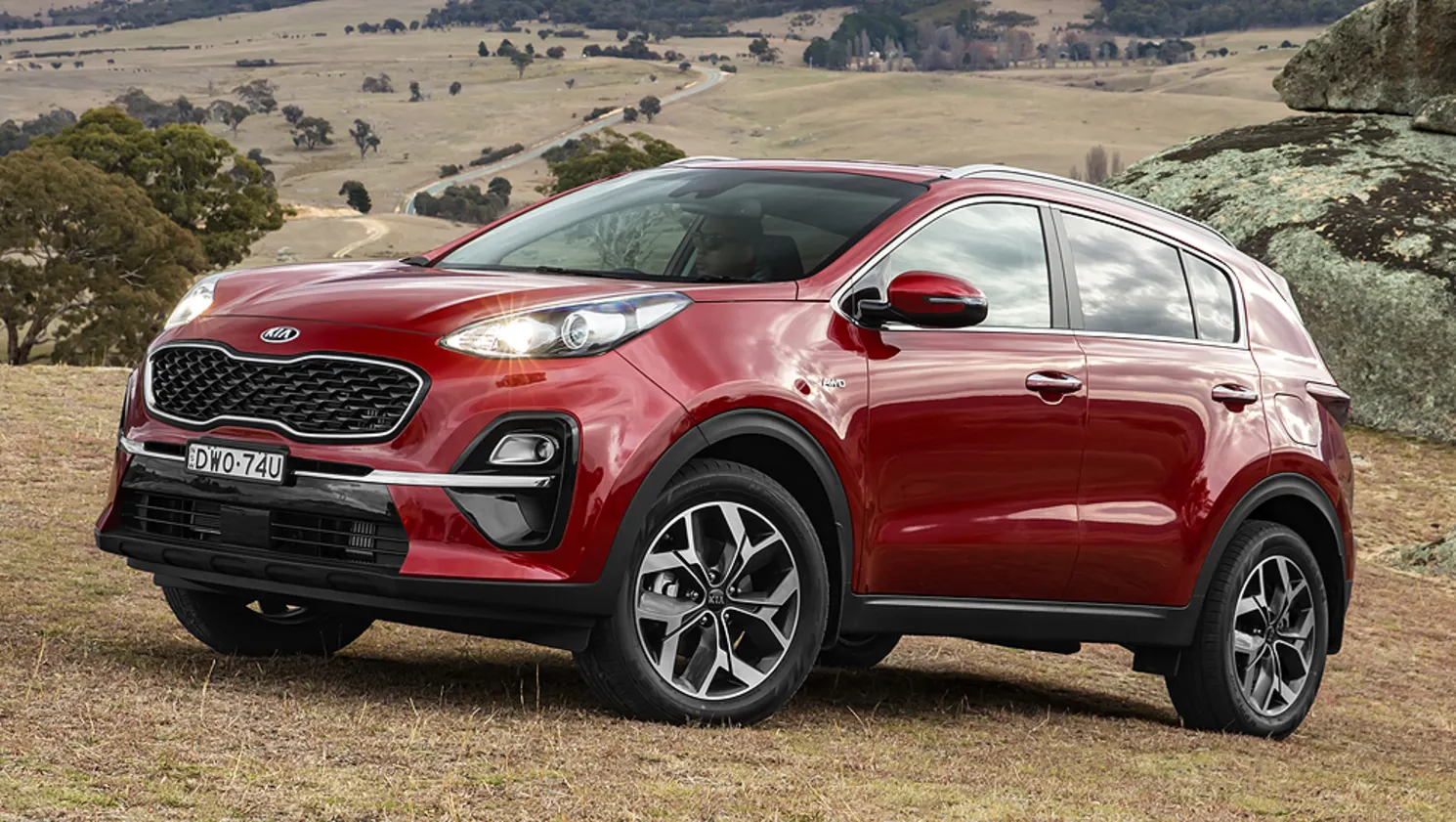
Insurance rates for the Sportage are helped by its relatively low repair cost index. When insurance companies assess how expensive a vehicle is to fix after a collision, the Sportage consistently comes in below the compact SUV average.
The Sportage offers a well-balanced driving experience that does not encourage aggressive behavior behind the wheel. Vehicles statistically associated with calmer driving patterns tend to attract lower insurance premiums over time.
Fuel economy is around 23 to 28 miles per gallon combined depending on whether you choose front-wheel or all-wheel drive. Those numbers are not class-leading but are more than adequate for everyday commuting and weekend driving.
The Kia Sportage is a sensible, well-rounded used SUV that makes life easier for young drivers watching every dollar. Low insurance rates, accessible repair costs, and improved reliability all combine to make it a standout option in the affordable segment.
8. Chevrolet Equinox (2016–2020)
The Chevrolet Equinox is one of the most popular compact SUVs in the United States, and that popularity has a direct benefit for young drivers looking to save on insurance. High production volume means parts are plentiful, cheap, and repairs are completed quickly.
Safety ratings on the Equinox are solid across the 2016 to 2020 model years. The NHTSA awarded the Equinox strong crash test ratings, which contribute meaningfully to the lower-than-average insurance premiums associated with this model.
General Motors introduced a range of active safety technologies on the Equinox in this period. Features like forward collision alert, lane keep assist, and rear park assist are available on many trims and help keep accident rates low.
The Equinox has one of the lowest average insurance premiums in the compact SUV category. Industry data consistently places it among the most affordable SUVs to insure, particularly for drivers who are new to the market.
Used Equinox models from 2016 to 2020 are priced attractively, typically between $12,000 and $19,000. The wide availability of used examples means buyers have plenty of options and negotiating power when shopping.
Chevy’s dealer network is among the largest in the United States. That accessibility means maintenance and repair work is always close, competitive on pricing, and backed by a brand with decades of parts inventory.
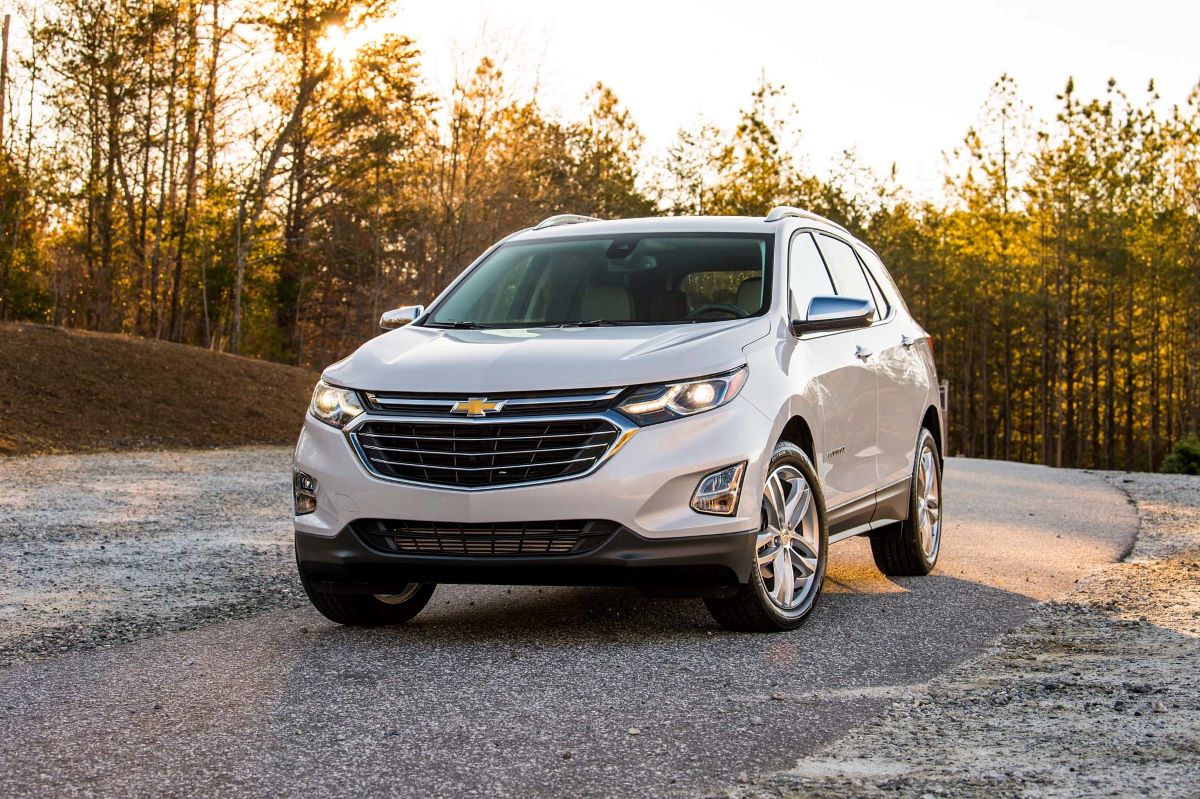
The Equinox is also offered with fuel-efficient turbocharged four-cylinder engines. Models with the 1.5-liter engine return around 26 to 32 miles per gallon combined, which keeps running costs well under control for a budget-minded young driver.
Theft rates for the Equinox are low in comparison to some other popular American-branded vehicles. Lower comprehensive risk means lower policy costs, which compounds the savings the Equinox already delivers in other insurance categories.
The interior of the Equinox is practical, spacious, and comfortable for both driver and passengers. Young drivers who frequently carry friends or family will appreciate how livable the Equinox feels even on longer trips.
The Chevrolet Equinox is a no-nonsense, insurance-friendly SUV that serves young drivers exceptionally well. Its combination of low premiums, affordable upkeep, wide dealer coverage, and solid safety scores makes it one of the smartest picks on this entire list.
9. Nissan Rogue (2017–2020)
The Nissan Rogue has been one of America’s top-selling SUVs for years, and its mainstream appeal translates directly into insurance advantages for young buyers. High sales volume ensures that parts, mechanics, and repair expertise are available virtually everywhere.
Safety scores for the Rogue are strong, particularly in the 2017 to 2020 window. The vehicle earned Top Safety Pick recognition from the IIHS in multiple years, giving insurers a data-backed reason to price coverage competitively.
Nissan Safety Shield 360 technology available on later model years includes automatic emergency braking, blind-spot warning, rear cross-traffic alert, and lane departure warning. Those features reduce the statistical likelihood of a claim and help keep premiums affordable.
The Rogue’s spacious interior is one of its most celebrated qualities. Young drivers who need room for passengers, sports gear, luggage, or everyday cargo will find the Rogue delivers more practical space than most competitors at its price point.
Used Rogue models from 2017 to 2020 are widely available and priced between $14,000 and $22,000. The sheer number of available examples on the used market keeps prices competitive and gives buyers strong negotiating leverage.
Nissan parts are affordable and plentiful thanks to the brand’s strong U.S. market presence. Routine maintenance costs on the Rogue are comfortably below average, making it a predictable and manageable vehicle to own over several years.
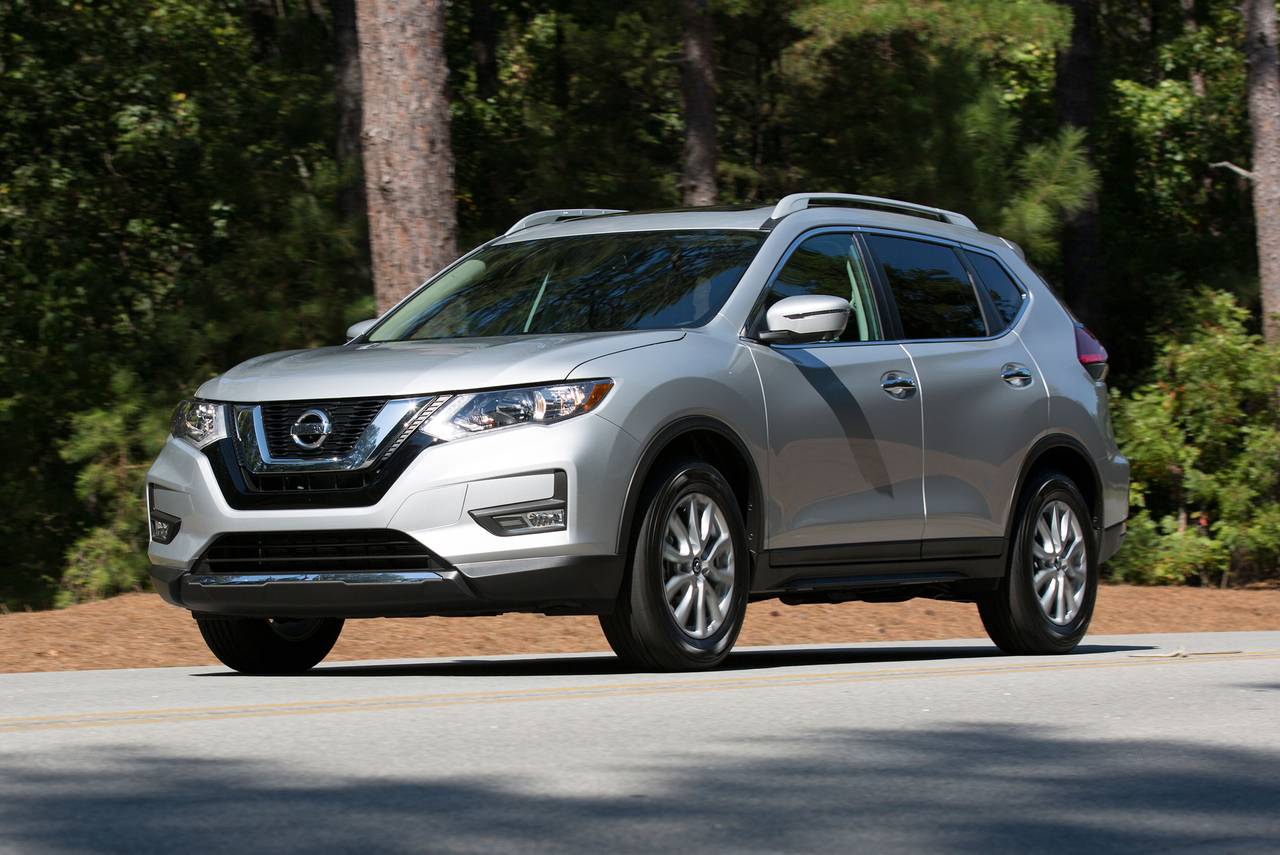
The CVT transmission on the Rogue has been a topic of discussion among owners. Buying a well-maintained example with documented service history and having a mechanic inspect it before purchase eliminates most of the associated risk.
Insurance companies also favor the Rogue because of its relatively low repair cost profile. When a Rogue is involved in a minor collision, the bill to fix it tends to be well below what similar-sized vehicles from European or luxury brands would cost.
The Rogue is also associated with a relatively conservative driving demographic. Statistically lower claim frequencies from this ownership group help keep insurance pricing favorable for younger buyers entering the market.
The Nissan Rogue is a practical, safe, and insurance-friendly choice that checks nearly every box a young driver needs. It is roomy, dependable, affordable to insure, and available in great numbers on the used market a combination that is genuinely hard to beat.
10. Toyota Highlander (2014–2018)
The Toyota Highlander sits at the larger end of the SUV spectrum, but it earns its place on this list because of its exceptional safety record and Toyota’s legendary long-term reliability. Insurance companies consistently view older Highlanders as low-risk vehicles to cover.
Safety ratings for the Highlander have been strong across decades of production. NHTSA and IIHS testing on 2014 to 2018 models reflects well-engineered crash protection and above-average structural integrity that insurers recognize and reward.
Toyota’s Pre-Collision System and Lane Departure Alert were available on many Highlander trims during this period. Even without a full modern safety suite, the Highlander’s strong passive safety credentials help keep insurance pricing favorable.
The Highlander’s three-row seating and large cabin are a practical advantage for young drivers with families or active social lives. More usable space means this vehicle can grow with you through different life stages without needing replacement.
Used Highlanders from 2014 to 2018 can be found in the $18,000 to $28,000 price range. While slightly higher than some others on this list, the vehicle’s renowned durability means you are buying something that could easily last another 150,000 miles.
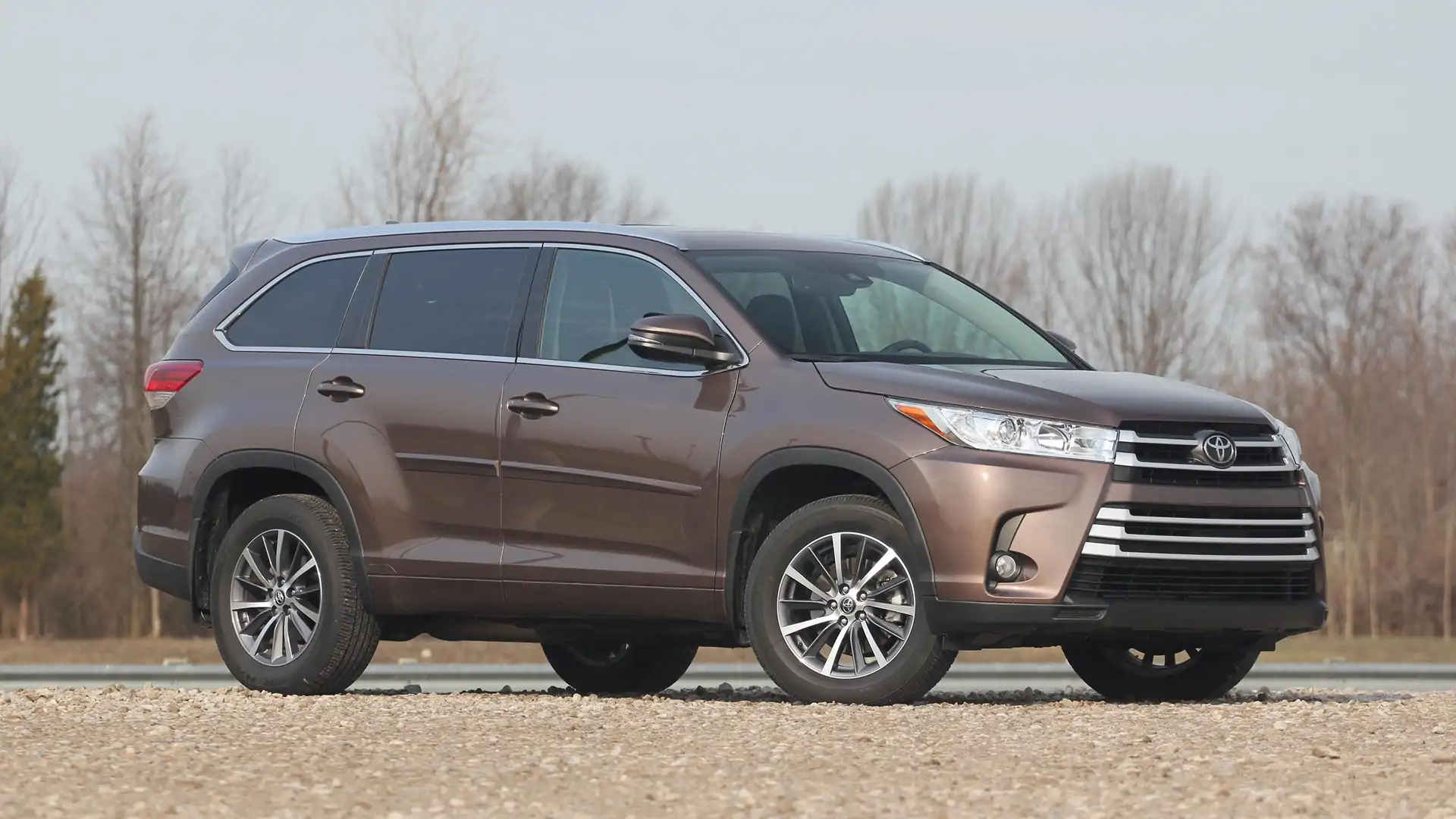
Toyota’s reputation for reliability is arguably unmatched in the automotive industry. A Highlander that has been properly maintained is unlikely to surprise you with major mechanical expenses, which keeps your total cost of transportation predictable.
The Highlander is not a theft magnet despite its size and value. Its engine immobilizer, alarm system, and the general theft profile of this vehicle class all work together to keep comprehensive insurance costs manageable.
Fuel economy is not the Highlander’s strongest suit, coming in around 20 to 24 miles per gallon combined for non-hybrid versions. Hybrid models push that to 27 to 29 miles per gallon and may even qualify for small insurance discounts from certain providers.
Repair costs on the Highlander are well-controlled thanks to Toyota’s massive parts network. Whether you visit a dealership or an independent shop, fixing a Highlander is straightforward and free of the parts scarcity issues that plague less popular models.
The Toyota Highlander is the pick for young drivers who want something larger without paying luxury insurance prices. Its safety record, reliability, and Toyota’s trusted brand reputation all combine to make it a genuinely cost-effective choice for a long-term vehicle relationship.
Also Read: 8 Modern Features That Cost 3000 Dollars to Fix Once the Warranty Ends
