American muscle cars are celebrated not just for their aggressive styling and thrilling performance but also for the engines that powered them. Among the countless V8s and high-performance powerplants produced over the decades, a select few have earned legendary reputations for reliability, durability, and versatility.
From the classic Chevrolet 350 Small-Block V8 to the unconventional Chrysler Slant-Six, these engines were designed to deliver power while standing the test of time. Many featured over-engineered components, robust blocks, and straightforward valvetrains, allowing them to endure decades of use, modifications, and high-stress performance applications.
Whether powering a street cruiser, a track-ready pony car, or even a fleet vehicle, these engines proved that reliability and muscle car excitement could coexist. This list explores ten of the most dependable engines ever fitted to American muscle cars, examining what made them enduring icons and why enthusiasts continue to seek them out today.
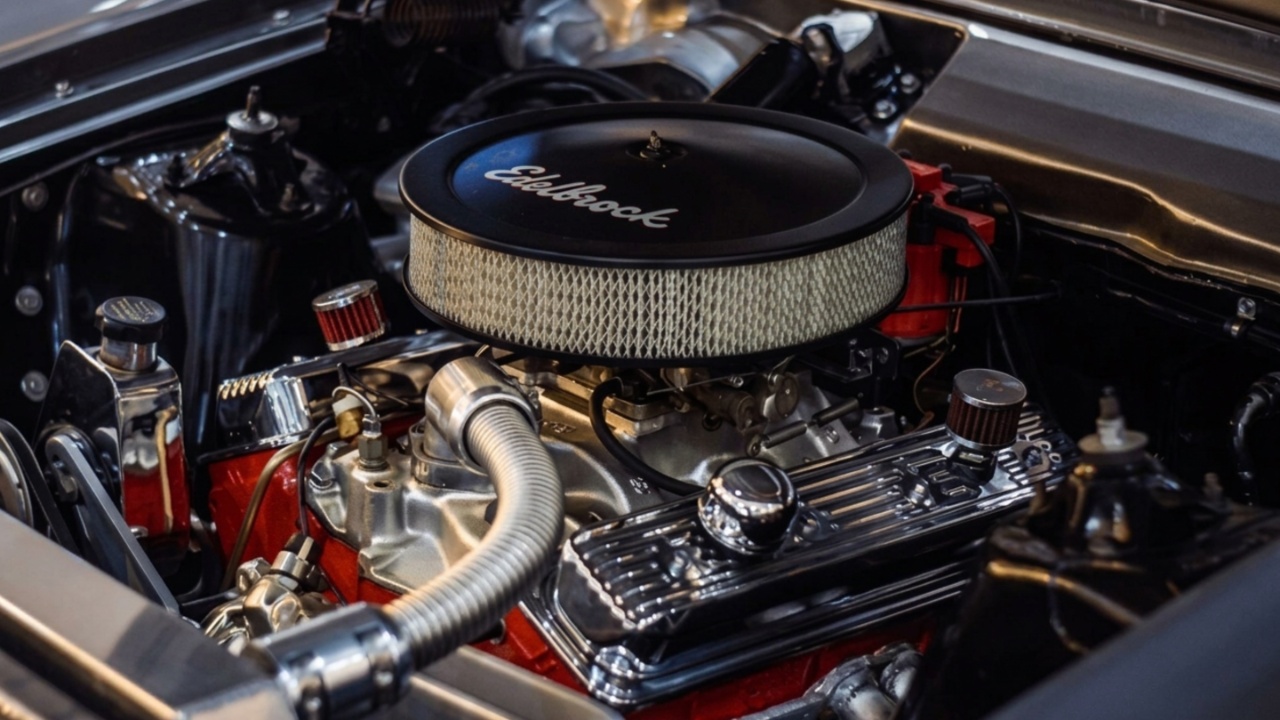
1. Chevrolet 350 Small-Block V8: A Benchmark of Reliability and Versatility
The Chevrolet 350 Small-Block V8 stands as one of the most iconic and dependable engines in automotive history. First introduced in 1967 in the Camaro, it quickly earned a reputation for durability, simplicity, and adaptability.
Built with a traditional pushrod overhead-valve (OHV) design and a rugged cast-iron block, the engine avoids the complexity of modern systems, making it both easy to maintain and highly resistant to failure. This straightforward engineering is a major reason why the 350 remains a favorite among mechanics and enthusiasts alike.
One of the engine’s greatest strengths is its durability. Designed to withstand heavy use, the 350 can reliably reach 200,000 miles or more with only basic maintenance.
Its robust construction allows it to handle high stress, whether in performance cars like the Corvette or in work-focused applications such as trucks and agricultural equipment. Even under demanding conditions, the engine maintains consistent performance, proving its long-term reliability.
Another defining feature is its massive parts availability. Produced in the millions over several decades, the 350 benefits from unmatched aftermarket support. Replacement components are inexpensive, widely accessible, and often interchangeable across different model years. This makes repairs straightforward and cost-effective, further reinforcing its reputation as a practical and user-friendly engine.
Versatility is also central to the 350’s appeal. It has powered a wide range of vehicles, from muscle cars to light-duty trucks, demonstrating its adaptability across different roles. Additionally, it is highly popular in the hot-rodding community due to its ability to handle significant performance upgrades without compromising structural integrity. Whether built for longevity or high output, the engine responds well to modifications.
Despite its strengths, the 350 is not without drawbacks. It generally offers lower fuel efficiency compared to modern engines, and some smog-era versions from the 1970s and 1980s produced less power. Nevertheless, these limitations are often outweighed by its reliability and affordability.
The Chevrolet 350 Small-Block V8 remains a gold standard for durability, ease of repair, and performance potential, securing its legacy as a timeless American engine.
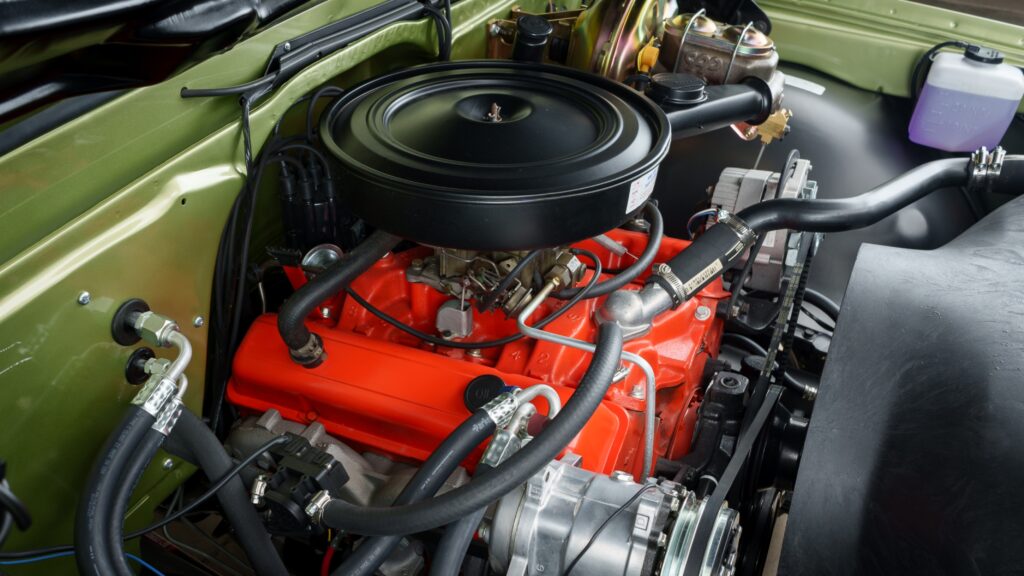
2. Ford 302 Windsor V8 (5.0L): A Durable and Versatile Small-Block Legend
The Ford 302 Windsor V8, widely known as the “5.0,” is one of the most respected and reliable engines in American automotive history. Introduced in 1968 and produced through the early 2000s, it became synonymous with durability, simplicity, and versatility. Most famously associated with the Ford Mustang, the engine powered a wide range of vehicles for over three decades, from performance cars to trucks and SUVs.
A key factor behind the 302’s longevity is its robust construction. Built with a thin-wall cast-iron block containing high nickel content, the engine strikes a balance between strength and weight.
This design allows it to endure high mileage and heavy use, with many examples surpassing hundreds of thousands of miles when properly maintained. Its compact size also makes it ideal for engine swaps and performance builds, contributing to its lasting popularity among enthusiasts.
The 302 Windsor features a traditional overhead-valve (OHV) design, which is mechanically simpler than modern overhead-cam engines. This simplicity reduces the number of potential failure points, making the engine easier to maintain and repair.
In the 1980s, the introduction of the “High Output” (HO) variant brought significant improvements, including roller camshafts and lifters. These upgrades reduced internal friction and wear, further enhancing reliability and efficiency, particularly in Fox-body Mustangs.
Another major strength of the 302 is its balanced performance. Producing moderate horsepower relative to its displacement, the engine operates well within its limits, avoiding excessive stress.
This contributes to its “set it and forget it” reputation, as it can deliver consistent performance over long periods without frequent intervention. At the same time, it offers strong upgrade potential, with aftermarket modifications easily pushing output beyond 400 horsepower.
The engine also benefits from massive aftermarket support. Due to its widespread production, replacement parts are inexpensive and readily available, making maintenance and rebuilding accessible even for beginners. However, it does have limitations, particularly the stock block’s tendency to crack under extreme power levels above 500 horsepower.
The Ford 302 Windsor V8 remains a dependable, adaptable, and enthusiast-friendly engine, celebrated for its durability, ease of use, and enduring performance legacy.
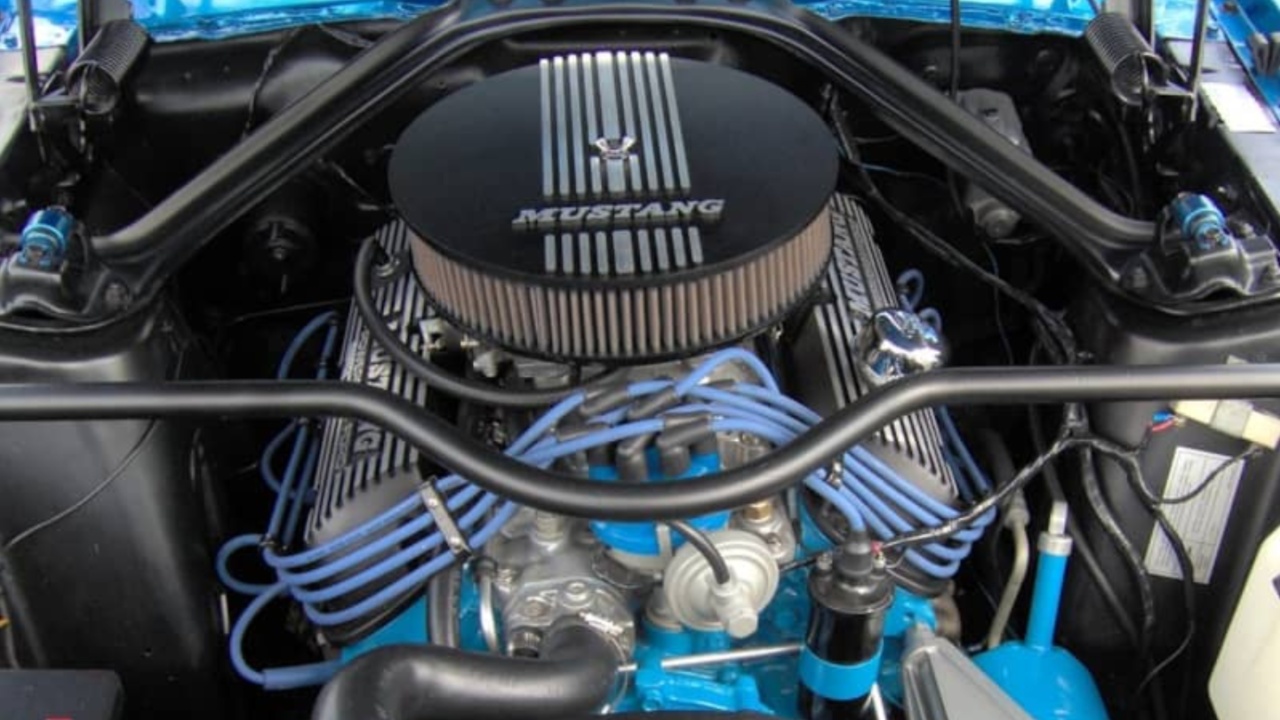
3. Chrysler 426 HEMI: The Legendary “Elephant Engine” of American Muscle
The Chrysler 426 HEMI, famously nicknamed the “Elephant Engine” due to its massive size and weight, is one of the most iconic and reliable American muscle car engines. Introduced in 1964, it was originally developed for NASCAR racing and quickly earned a reputation for unmatched durability and performance.
Its overbuilt construction allowed it to survive the extreme stress of sustained high-speed racing, a quality that made it a formidable street engine in vehicles such as the Dodge Charger, Plymouth Hemi ’Cuda, and Dodge Challenger R/T.
The engine’s durability stems from its race-derived components. The 426 HEMI features a deep-skirt cast-iron block, forged steel crankshaft, and high-strength connecting rods, which provide immense structural integrity. Unlike many lighter engines of its era, it was engineered to handle extreme torque and high-RPM abuse without catastrophic failure.
Its hemispherical combustion chambers allowed for large valves and superior airflow, enabling efficient power delivery while maintaining reliability. The pushrod overhead-valve (OHV) valvetrain kept the design mechanically straightforward, making maintenance manageable despite the engine’s complexity.
Rated conservatively at 425 horsepower and 490 lb-ft of torque, the 426 HEMI often produced even more power in practice, allowing stock vehicles to achieve quarter-mile times in the sub-13-second range, essentially “supercar” performance for its era.
This engine was particularly celebrated for its performance in NASCAR and drag racing, where it consistently outperformed rivals and solidified Chrysler’s reputation in motorsports.
While legendary, the 426 HEMI was not without its challenges. Weighing over 800 pounds, it required reinforced suspension setups and careful handling. Maintenance was demanding, particularly with dual four-barrel carburetors and solid lifters, and fuel consumption was notably high. Despite these considerations, its raw performance and racing pedigree made it a favorite among enthusiasts and collectors alike.
The Chrysler 426 HEMI remains a defining symbol of the muscle car era. Its combination of strength, racing heritage, and incredible power earned it a lasting nickname and reputation as the “King of Racing.” Though demanding to maintain, it continues to be celebrated as one of the most revered V8s in American automotive history.
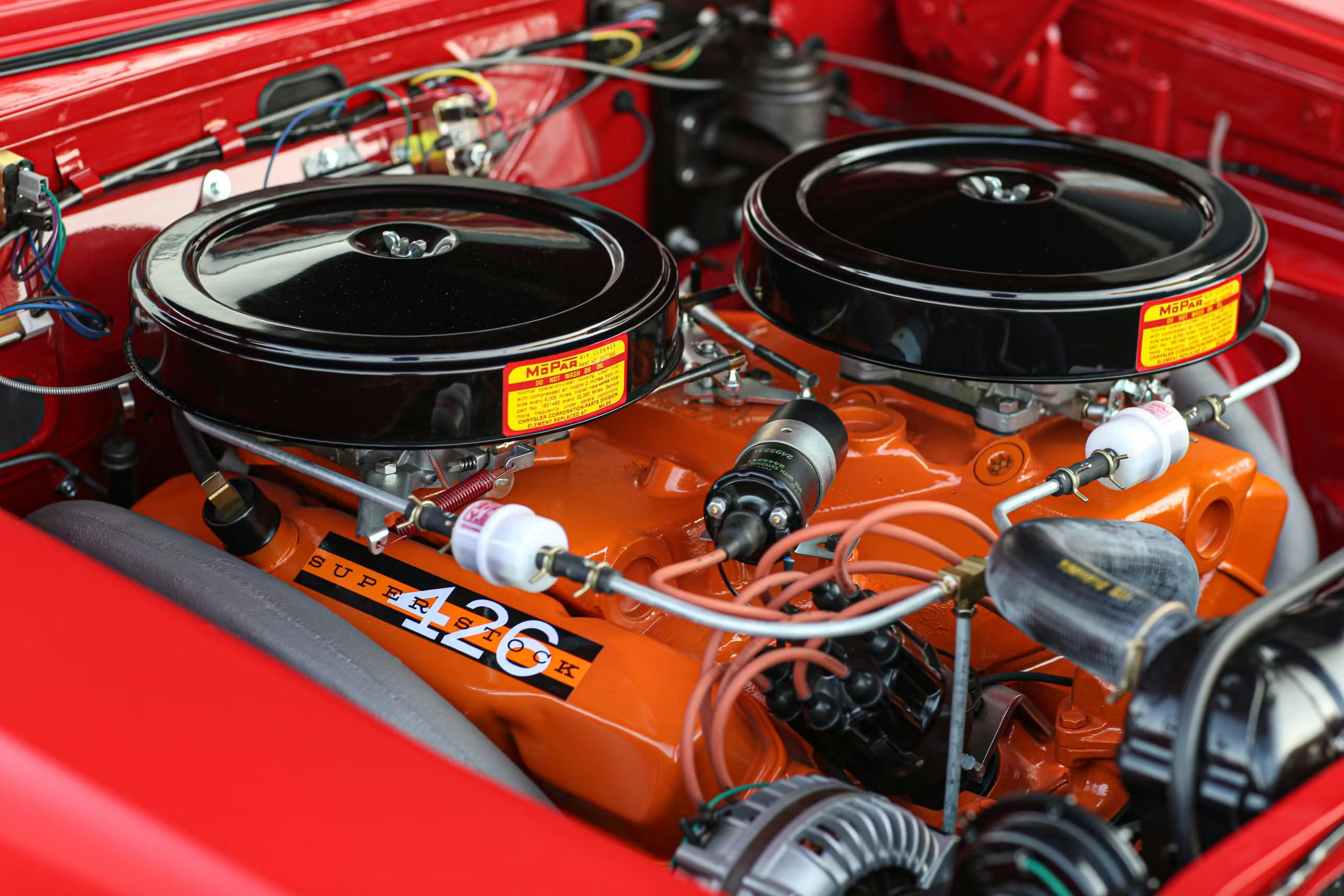
4. Chevrolet LS Series V8: Modern Power with Legendary Durability
The Chevrolet LS Series V8, introduced in 1997 with the C5 Corvette LS1, transformed performance engines by combining modern efficiency with classic small-block toughness.
Known for its “bulletproof” reliability, the LS quickly became a favorite among enthusiasts for daily driving, high-mileage builds, and extreme performance applications. Its rigid architecture, advanced materials, and versatile design make it one of the most celebrated engine platforms in automotive history.
The LS’s reputation stems from its robust construction. It features a deep-skirt aluminum or cast-iron block, six-bolt main bearing caps, and powder-forged connecting rods, providing exceptional strength and longevity.
Its pushrod overhead-valve (OHV) design reduces moving parts compared to dual overhead cam engines, limiting friction and potential failure points. Modern improvements, such as coil-near-plug ignition and advanced fuel injection, ensure reliable starting, consistent performance, and improved thermal efficiency. With proper maintenance, many LS engines surpass 250,000–300,000 miles.
The LS series is highly versatile and responds well to modifications. Stock outputs range from efficient truck engines to high-performance models like the LS3, producing over 430 horsepower, and the supercharged LS9 with 638 horsepower.
The platform frequently handles forced induction or other high-performance upgrades without requiring major internal changes. Compact and relatively lightweight, LS engines are popular for swaps into vehicles ranging from classic hot rods to modern sports cars, delivering impressive power without excessive weight.
Maintenance and aftermarket support contribute to the LS’s enduring appeal. Millions of engines were produced in Corvettes, Camaros, and GM trucks, making parts accessible and affordable.
Extensive knowledge of mechanics allows for easy servicing, tuning, and performance upgrades. While some older LS1 variants can experience oil consumption, lifter issues, or top-end noise, these challenges are minor compared to the engine’s durability and capability.
Popular LS variants include the LS1 (5.7L), LS3 (6.2L), LS7 (7.0L naturally aspirated), LS9 (6.2L supercharged), and the 5.3L Vortec, known for reliability and availability. Although replaced by the LT series in 2014, the LS remains unmatched in budget-friendly performance, modifiability, and aftermarket support, securing its status as a modern V8 legend.
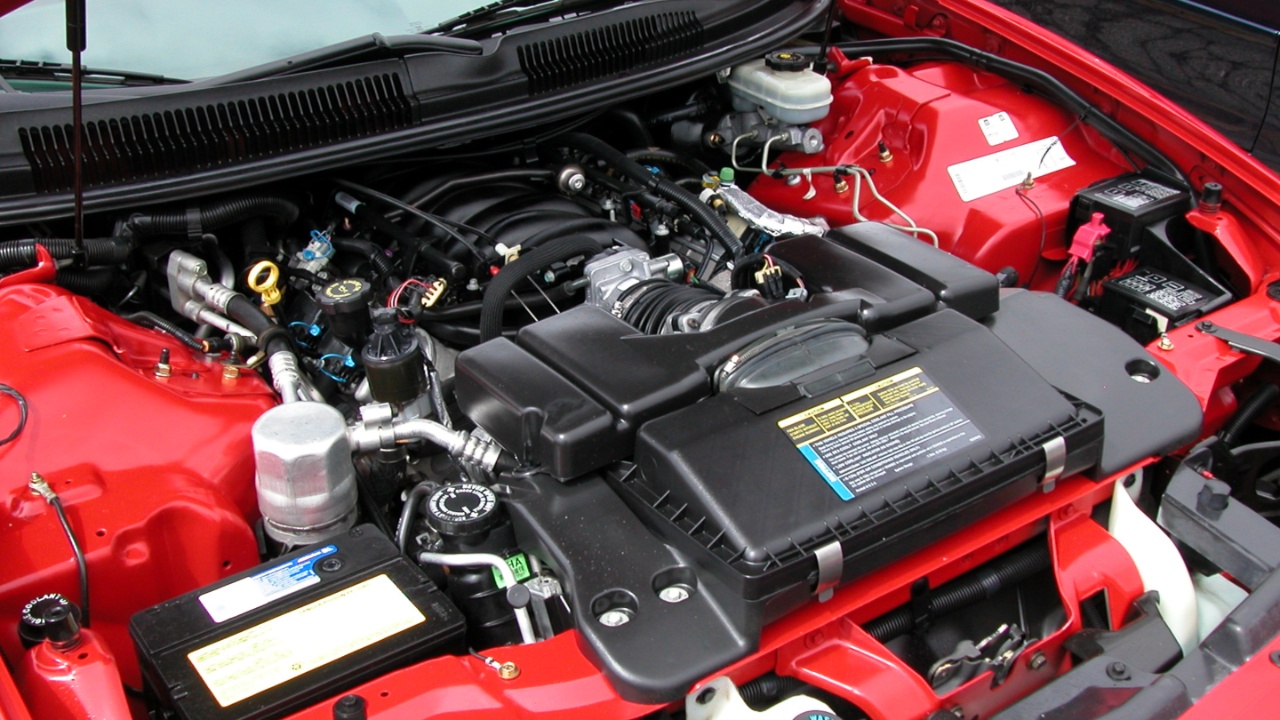
5. Chrysler 440 RB V8: Durable Torque-Driven Muscle
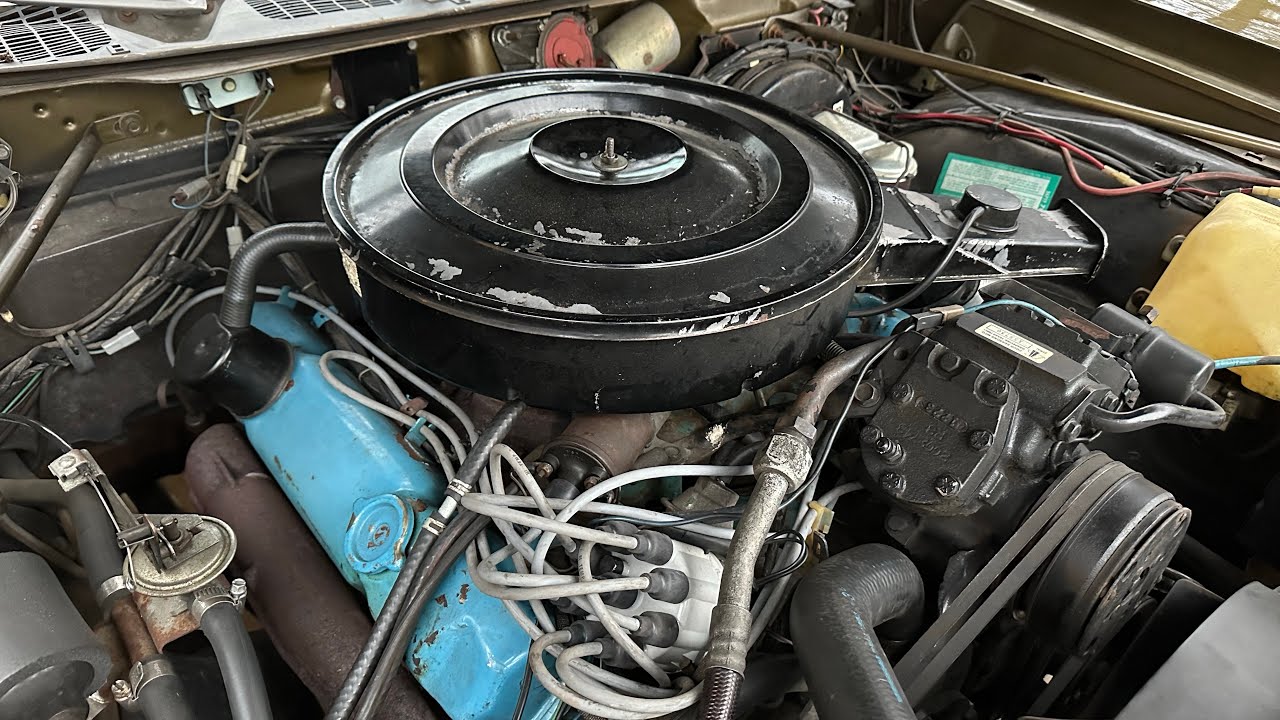
The Chrysler 440 RB (Raised Block) V8, produced from 1966 to 1978, earned a reputation as one of the most reliable American muscle engines. Often overshadowed by the legendary 426 Hemi, the 440 Wedge distinguished itself through simplicity, durability, and massive low-end torque.
Unlike high-strung racing engines, it was engineered for strength and longevity, making it ideal for daily driving, heavy-duty vehicles, and street performance alike. Its robust construction and straightforward design allowed it to power everything from Mopar muscle cars to police interceptors and even motorhomes.
A defining feature of the 440 RB is its over-engineered construction. The deep-skirt cast-iron block extends below the crankshaft centerline, limiting flex and preventing cracks under heavy load. From 1967 to 1973, engines were equipped with forged steel crankshafts and heavy-duty connecting rods, particularly in high-performance Six-Pack configurations.
The “Raised Block” design, with its taller 10.725-inch deck height and 3.75-inch stroke, produces impressive low-end torque without pushing the engine to extreme RPMs, reducing wear and enhancing reliability.
Unlike the race-derived 426 Hemi, the 440 prioritized brute force over high-RPM finesse. Even in high-performance trims like the Magnum or Six-Pack, it employed a mild hydraulic flat-tappet camshaft and reliable stamped steel rocker arms, making it forgiving and street-friendly.
Its simple cylinder heads and valvetrain reduced maintenance requirements while still delivering strong performance, contributing to decades of dependable operation.
The engine’s versatility further reinforced its legendary status. Over 750,000 units were produced, powering a wide range of vehicles, including muscle cars, luxury sedans, heavy-duty police cruisers, and motorhomes.
Its widespread production ensures easy access to affordable parts, while design improvements such as front-mounted oil pumps and distributors simplified maintenance. Post-1969 blocks featured added strengthening ribs to prevent lifter valley cracks, and many examples, particularly in heavy-duty applications, have exceeded 500,000 miles with basic care.
Although some 1970s models were affected by early emissions controls, the core 440 RB mechanicals remain highly reliable. Its combination of torque-driven performance, robust internal components, and ease of serviceability makes the Chrysler 440 RB V8 a favorite among enthusiasts seeking long-lasting muscle with practical street reliability. It is celebrated not just for power, but for decades of dependable, usable performance.
Also read: 10 Cars That Lose 50 Percent of Their Value the Moment You Drive Away
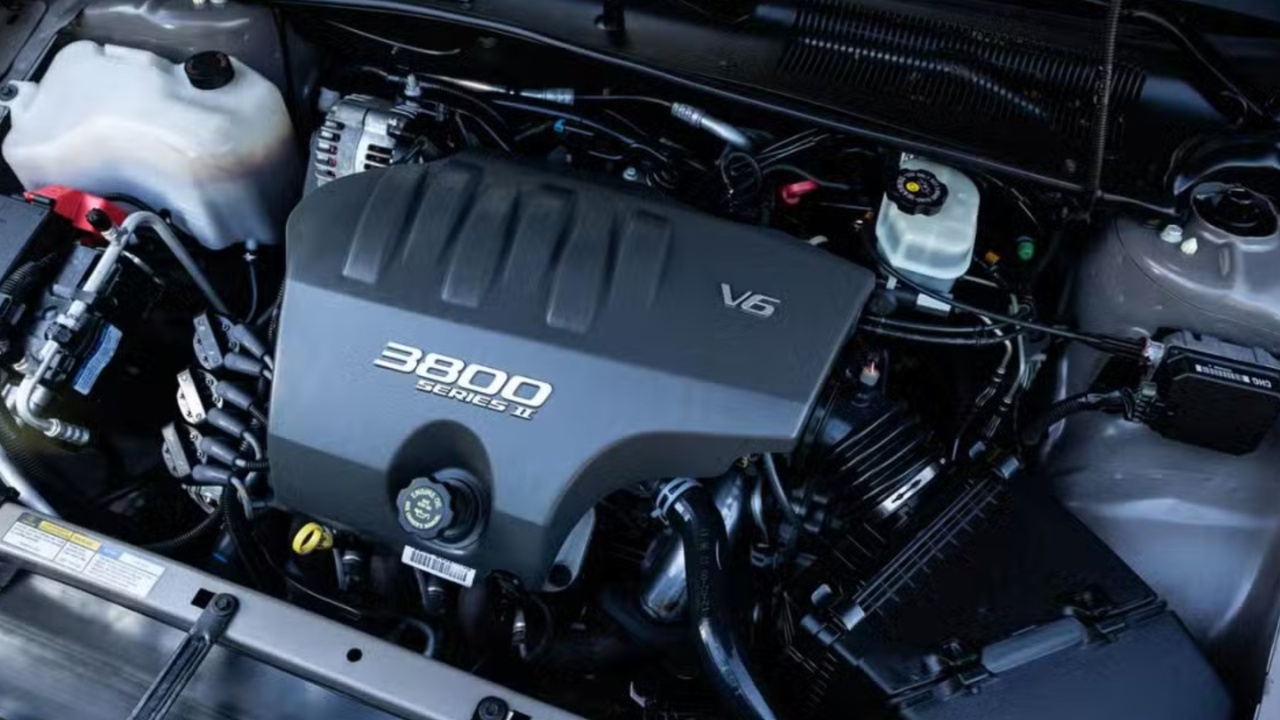
6. Buick 3800 V6: Turbocharged Durability Meets Muscle Car Performance
The Buick 3800 V6, particularly in the turbocharged Grand National and GNX models of the 1980s, is widely regarded as one of the most reliable engines in American automotive history.
Despite being a V6 while most muscle cars relied on V8s, the 3800 combined impressive durability with strong performance. Its cast-iron block, over-engineered internal components, and even-fire design allowed it to handle high boost levels without failure, making it highly dependable for both street driving and racing applications.
The engine is non-interference, meaning a timing chain failure does not damage the valves, which adds to its reputation for longevity.
Robust architecture is central to the 3800’s reliability. Heavy-duty cast-iron blocks and heads provide uniform thermal expansion and resist high cylinder pressures. The simple overhead valve pushrod layout has fewer moving parts than overhead cam designs, reducing potential points of failure.
The Series II and III engines, produced from 1995 onward, introduced stronger crankshafts, redesigned cylinder heads, and upgraded connecting rods, resulting in smoother operation and greater durability. These improvements allowed the engine to maintain its reliability even in supercharged versions like the L67 and L32.
Turbocharged 3800 engines, such as the 1987 GNX, proved that a V6 could outperform larger V8 competitors. The low-compression short block and sequential fuel injection provided precise boost control and reduced stress on the internal components.
Supercharged Series II and III engines delivered 240 to 260 horsepower with immediate torque while remaining extremely durable. The engine’s design also allows for performance modifications without compromising structural integrity.
The 3800 is known for long-term durability and ease of maintenance. Many engines exceed 300,000 miles with basic care, and its wide production ensures parts are inexpensive and readily available. Common minor issues such as lower intake manifold gaskets, coolant elbows, ignition modules, and valve cover leaks are easily fixed, allowing the engine to continue running for hundreds of thousands of miles.
The Buick 3800 V6-powered vehicles include the Buick Regal GNX, Buick Regal T-Type, Pontiac Grand Prix GTP, and Park Avenue Ultra. Its combination of reliable high-output performance and longevity makes it one of the most respected American engines of its era.
7. Ford 5.0L Coyote V8: Modern Muscle Meets Durability
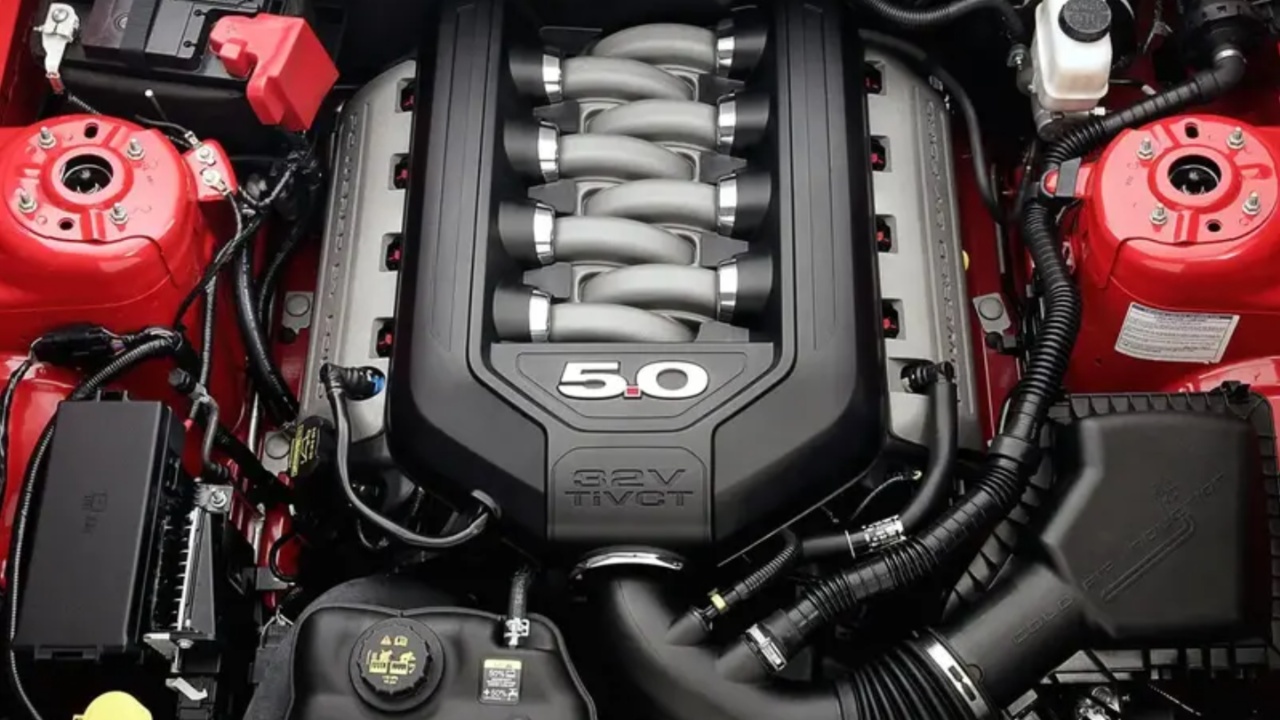
The Ford 5.0L Coyote V8 has redefined modern American muscle with advanced engineering that blends performance, reliability, and usability. Introduced in 2011, the Coyote features dual overhead cams, twin independent variable cam timing, and dual-fuel injection on later generations.
Ford built the engine with a webbed aluminum block and high-pressure die-cast construction, ensuring it can handle high-rev operation and forced induction.
Its robust internal components, including forged steel crankshafts, forged connecting rods, and hypereutectic aluminum pistons, allow the Coyote to generate over 400 horsepower while maintaining long-term durability. With proper maintenance, the engine can reliably deliver 150,000 miles of spirited driving.
The Coyote excels in naturally aspirated performance, producing substantial high-RPM power without excessive thermal stress. Twin Independent Variable Camshaft Timing optimizes torque delivery in the midrange, providing versatility for both daily driving and spirited track use.
Over four generations, Ford has refined the engine, improving fuel injection systems, cam phasing, and reliability. The engine also supports modifications, including superchargers, without compromising structural integrity, contributing to its reputation as a dependable performance powerhouse.
Despite its strengths, the Coyote has some limitations. Its high-revving design provides less low-end torque compared to turbocharged V6 alternatives, which can be noticeable during towing or off-the-line acceleration.
The Active Fuel Management system adds complexity and potential failure points, and trim restrictions in the latest trucks limit the V8 to mid-level configurations, signaling Ford’s gradual shift toward EcoBoost and hybrid options. Additionally, the Coyote carries a higher price point compared with the 3.5L EcoBoost, which may deter some buyers.
The engine’s benefits, however, outweigh these drawbacks. Fuel efficiency is impressive for a naturally aspirated V8, averaging around 20 MPG in full-size trucks. The engine produces a classic V8 sound and delivers an engaging driving experience with a high-RPM range up to 7,500 RPM. Towing capacity reaches 13,000 pounds, rivaling turbocharged alternatives.
Reliability has improved significantly in recent models, with prior issues like oil consumption, cam phaser failures, and head gasket leaks largely addressed. Its simplicity, ability to run on regular gasoline, and balance of performance and durability make the Coyote a practical and thrilling engine for truck enthusiasts.
The Ford 5.0L Coyote V8 remains a compelling choice for those seeking dependable power, strong towing capability, and the traditional V8 driving experience in a modern package.
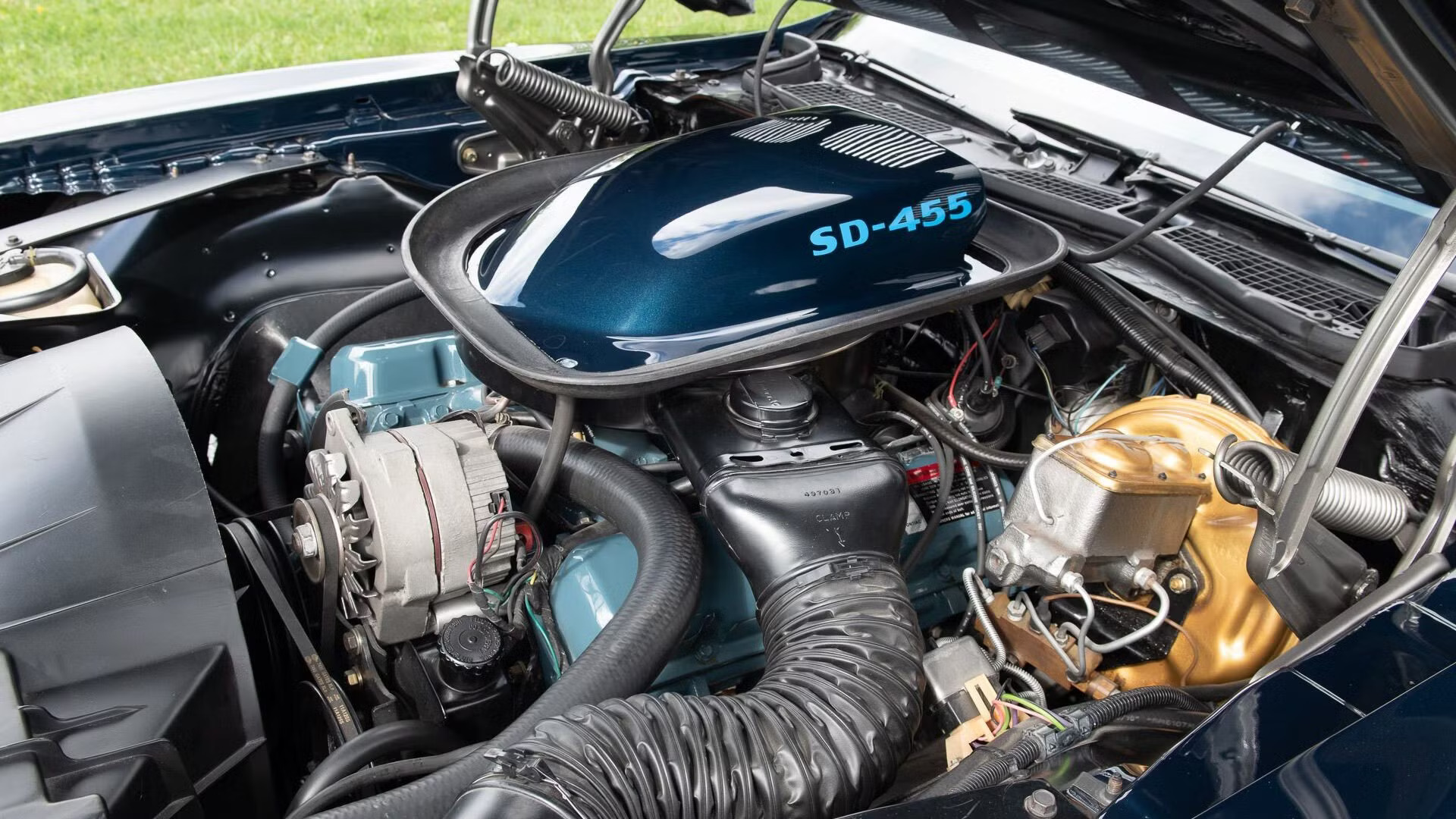
8. Pontiac 400/455 V8: Muscle-Car Torque and Enduring Reliability
The Pontiac 400 and 455 V8 engines were the backbone of classic muscle cars like the GTO and Firebird, earning reputations for reliability and massive low-end torque. Unlike other GM divisions that used multiple block designs, Pontiac standardized a single robust block across most of its V8s.
This approach resulted in exceptionally strong castings, capable of enduring heavy loads and high street performance without frequent rebuilds. Forged steel connecting rods, high-nickel iron blocks, and reinforced components in high-performance variants like the 455 Super Duty (SD) ensured these engines could withstand significant stress, making them long-lasting and dependable.
The 455 V8 is famous for its long 4.21-inch stroke, delivering enormous torque at low RPMs. This design minimized internal stress and allowed heavy cars to accelerate quickly without the wear associated with high-revving engines. It could produce up to 500 lb-ft of torque in factory form, providing effortless street performance and durability.
The 400 V8, in contrast, was better suited for high-RPM applications, particularly in Ram Air III and IV configurations, making it ideal for track use or performance-oriented builds. Both engines shared the same basic architecture, benefiting from decades of gradual refinement rather than constant redesigns, which contributed to their reliability.
High-performance variants, especially the 455 SD, included forged pistons, reinforced blocks, and heavy-duty oiling systems. These components allowed the engines to endure race-level stresses while remaining street-friendly.
Even decades later, many of these engines continue to run reliably, a testament to their over-engineered construction. The 400 offers versatility for high-revving builds, producing stock horsepower from 120 to 360, while the 455 delivers unmatched torque for street cruising, muscle car torque, and even heavy-duty towing applications.
While emissions regulations in the mid-1970s reduced horsepower and compression, these engines remain excellent platforms for modern builds. The 455 can support up to 600 streetable horsepower with proper modifications, while the 400 excels in high-RPM, handling-focused applications such as Trans Am resto-mods.
Choosing between the two depends on your goals: the 400 for high-rev track performance and handling, and the 455 for effortless torque and low-end grunt. Both engines demonstrate the Pontiac philosophy of combining raw power, durability, and simplicity to create enduring muscle-car legends.
9. AMC 390/401 V8: Over-Engineered Muscle with Legendary Durability
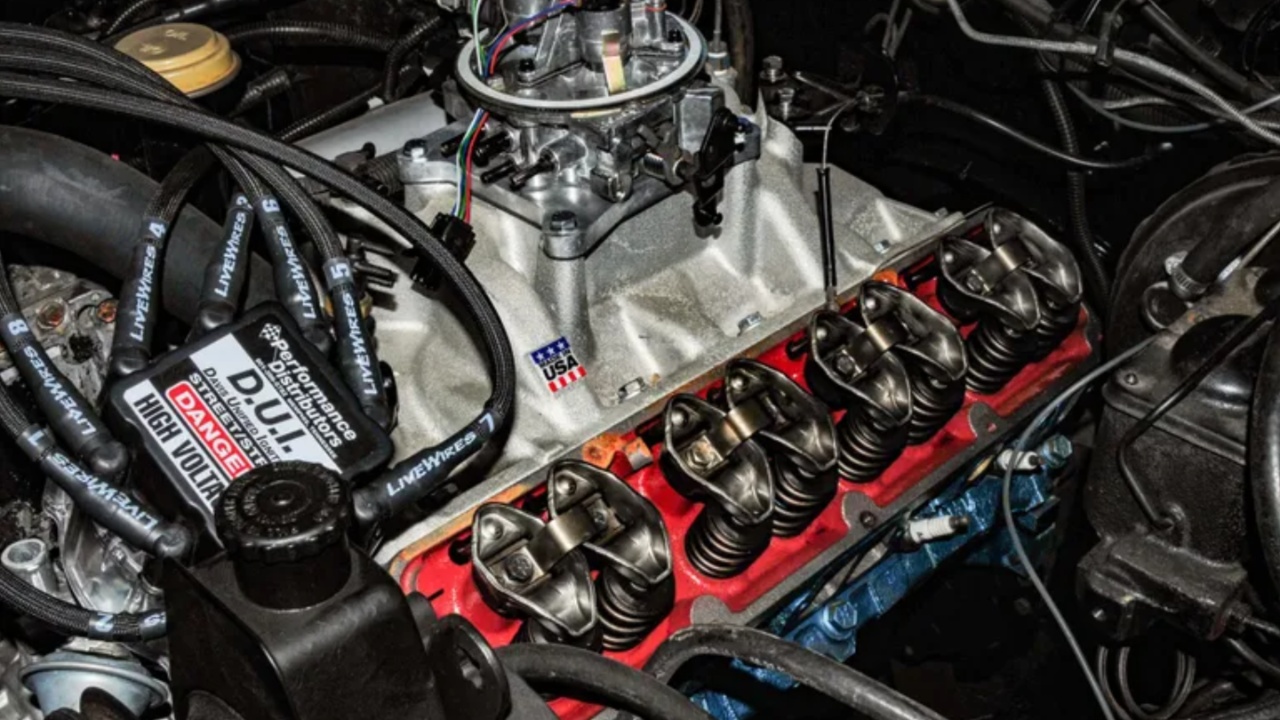
The AMC 390 and 401 V8 engines stand out as some of the most durable and high-performing muscle car engines of their era. Produced between 1970 and 1978, these engines combined advanced engineering with robust construction, making them highly respected by collectors and enthusiasts.
Unlike many competitors, AMC used high-nickel cast-iron blocks that resisted wear and cracking, giving the engines long-term reliability even under high-performance conditions. Forged steel crankshafts and connecting rods were standard, unlike Ford or Chevy engines, where these components were often optional, allowing the 390 and 401 to handle stress and high RPMs with ease.
The 390ci engine, available in 1970, was a high-revving powerhouse designed for lightweight performance cars such as the AMX. It offered strong acceleration, crisp mechanical sound, and reliable high-performance operation thanks to forged internals and a rugged block. The 401ci, produced from 1971 to 1978, became the ultimate AMC V8, known for massive low-end torque and high durability.
With a 4.165-inch bore, 3.68-inch stroke, and reinforced components, the 401 could generate over 430 lb-ft of torque and upwards of 330 horsepower in stock form. Its thick-walled, high-nickel block and efficient cylinder head design allowed it to endure high loads and even be bored out to 420+ cubic inches while maintaining strength.
AMC’s cylinder heads were notable for superior airflow, enabling impressive power without excessive stress. Both engines featured reliable valvetrains and excellent power-to-weight ratios, making them suitable for muscle cars, police vehicles, and later heavy-duty Jeep applications. The 401, in particular, became a “torque monster,” delivering effortless low-RPM acceleration while preserving long-term reliability.
Some challenges exist, including cooling requirements for high-performance swaps, moderate weight at roughly 620 pounds, and slightly limited aftermarket parts compared to Ford or Chevy V8s. Despite these considerations, the 390 and 401 remain highly sought after for street-performance builds, drag racing, and collector projects.
The 401 is often preferred for its greater displacement and beefier stock components, while the 390 is valued for its high-revving agility. Both engines exemplify AMC’s philosophy of over-engineering, providing decades of dependable power and making them enduring icons of the muscle car era.
These engines are proof that careful engineering, heavy-duty materials, and forged internals can produce a muscle car powerplant that excels in both performance and longevity.
10. Chrysler Slant-Six: The “Leaning Tower of Power”
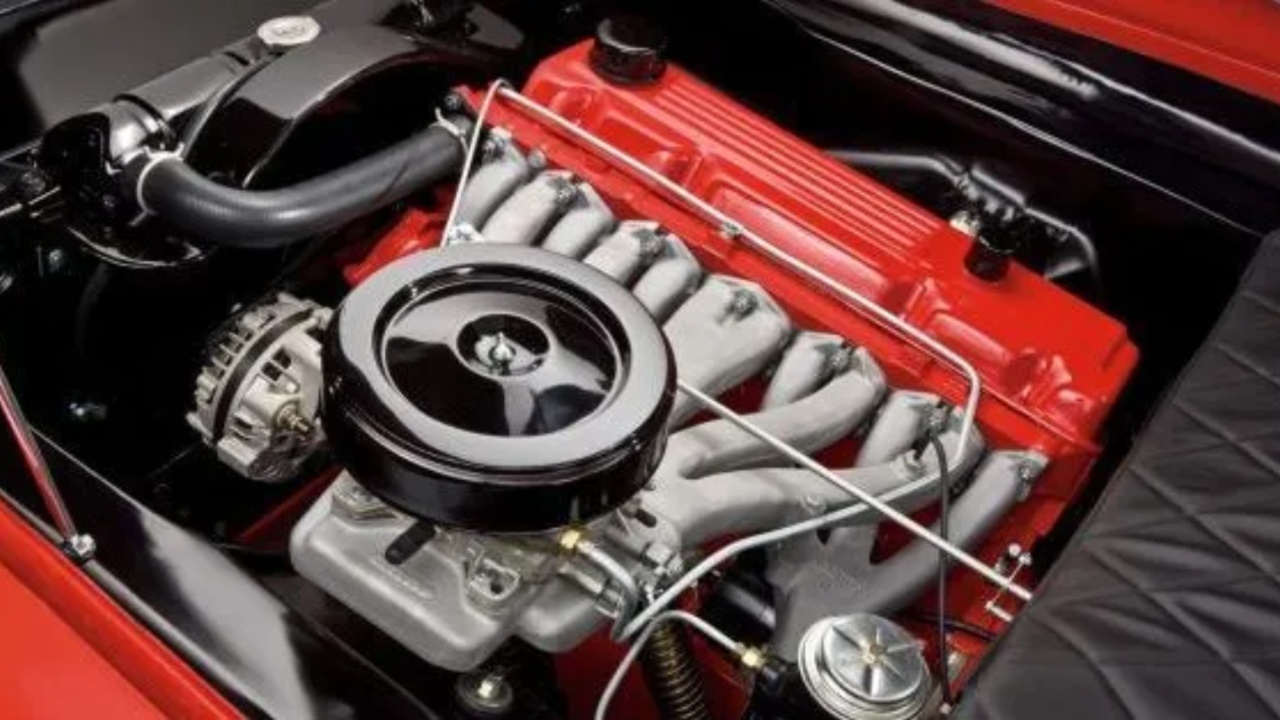
The Chrysler Slant-Six, produced from 1960 to 1991 in 170, 198, and 225 cubic inch versions, earned its nickname, the “Leaning Tower of Power,” for its distinctive 30-degree tilt. While not a high-horsepower engine, it is legendary for durability, simplicity, and longevity.
The tilt allowed for a lower hood line and enabled the use of long-runner intake manifolds, which improved airflow, torque, and efficiency. Its conservative engineering and robust construction made it one of the most dependable engines in American automotive history.
The Slant-Six’s reputation stems from its rugged cast-iron block with thick walls and a deep-skirted design, paired with a forged steel crankshaft. The engine’s rod-to-stroke ratio minimized side loading on the pistons, reducing friction and internal wear.
It employed a simple pushrod valvetrain, with hydraulic lifters introduced in 1981, meaning fewer components were prone to failure. Designed for smooth low-RPM torque rather than high-rev horsepower, the engine was remarkably resistant to fatigue, making it a favorite for daily driving, fleet use, and heavy-duty applications such as taxis and police vehicles.
Despite its simplicity, the Slant-Six could perform in motorsports. The optional “Hyper Pak” intake and carburetor package boosted output to nearly 200 horsepower, allowing the engine to dominate its class in drag racing.
This versatility, coupled with reliability, gave the Slant-Six long-term value in both performance and everyday use. Many examples routinely surpassed 300,000 to 500,000 miles with minimal maintenance, often outlasting contemporary V8s.
Maintenance was straightforward due to its accessible design and durable components, though some issues did appear over time. Common concerns included intake manifold cracks, overheating under extreme loads, and weak oil pump driver gears if neglected. However, these problems were minor compared to the engine’s strengths.
The 225 cubic inch version, in particular, became the most common and longest-lasting model, powering a wide range of Dodge and Plymouth vehicles. Its combination of longevity, torque, and ease of maintenance has made it a favorite for restorers, collectors, and enthusiasts who value engines that stay on the road for decades.
The Chrysler Slant-Six remains an icon of reliability, proving that careful engineering and simplicity can produce an engine capable of enduring generations of use without major repairs. Its tilt, efficiency, and durability make it a timeless example of practical automotive engineering.
Reliability in a muscle car engine is about more than peak horsepower. It is about durability, serviceability, and the ability to perform consistently over time. The engines on this list, from the classic Chevrolet 350 Small-Block to the AMC 401 and Chrysler Slant-Six, achieved that balance through careful engineering, strong internal components, and practical designs.
Many remain capable of topping 300,000 miles with basic maintenance while still offering thrilling performance for modern enthusiasts. These powerplants demonstrate that longevity and muscle can go hand in hand, making them timeless symbols of American automotive engineering.
Collectors, restorers, and drivers continue to value these engines not only for their raw output but also for the confidence they inspire, proving that a well-built engine can endure generations and still deliver the iconic experience that defines muscle cars.
Also read: Top 10 Cars That Changed Name Depending on Which Country They Were In