Finding an SUV that combines spacious interiors with practical access can be a game-changer for families. Installing bulky child seats is often a challenge, particularly when rear door openings are narrow or awkwardly shaped. Parents spend significant time maneuvering seats into vehicles, which can cause frustration and even risk damage to the car or seat.
A vehicle with wide, well-designed rear doors makes this task significantly easier, reducing stress during everyday routines like school runs or long road trips. Families often overlook this detail when shopping for SUVs, focusing instead on style, engine power, or entertainment features. Yet, the practicality of rear door size directly impacts safety and convenience.
The design of rear doors varies significantly across different SUV models. Some manufacturers prioritize aesthetics or sleek lines, which can result in smaller door openings. Others focus on accessibility, particularly in vehicles marketed toward families or individuals with mobility concerns.
The width and height of a door opening, the angle at which it swings, and the position of the door sill can all influence how easily a child seat can be installed. Beyond size, the interior layout matters too, with some SUVs offering sliding or low-profile seats that further enhance usability. Parents who frequently transport children, strollers, or larger equipment know that every inch of opening can make a difference.
Another factor that affects usability is the ease with which the door mechanism operates. Heavy doors, narrow hinges, or poorly designed latch systems can make installation cumbersome. Conversely, wide-opening doors with supportive hinges and clear entry points simplify the process and reduce strain.
Even SUVs with generous rear seating can be difficult to work with if door openings are limited or the vehicle’s structure obstructs the entry space. This is especially true for larger child seats, which require careful positioning and secure attachment. Choosing a model with a combination of wide doors, supportive hinges, and thoughtful interior layout ensures that safety is not compromised in favor of style or other features.
Space and accessibility are particularly critical when dealing with multiple child seats. Parents of twins or siblings close in age often need to install more than one seat simultaneously. In such scenarios, cramped rear doors or high sills can make installation a frustrating experience.
Wide openings allow easier alignment and reduce the need for awkward twisting or forcing of seats into place. For families who prioritize convenience alongside safety, these design elements can transform everyday routines. In addition, wider openings improve the comfort for passengers, providing more room to enter and exit without brushing against door frames or contorting their bodies.
This article will highlight ten SUVs that stand out for their large rear door openings, focusing on models that make installing bulky child seats more manageable. Each selection considers door width, swing angle, sill height, and interior layout, offering parents practical solutions rather than just aesthetic appeal.
Families looking for vehicles that combine style, performance, and family-friendliness will find this guide helpful. By emphasizing accessibility and usability, these SUVs demonstrate that convenience and safety do not have to be compromised for other design priorities. The following sections provide detailed insights into each vehicle, offering parents the information needed to make informed decisions.
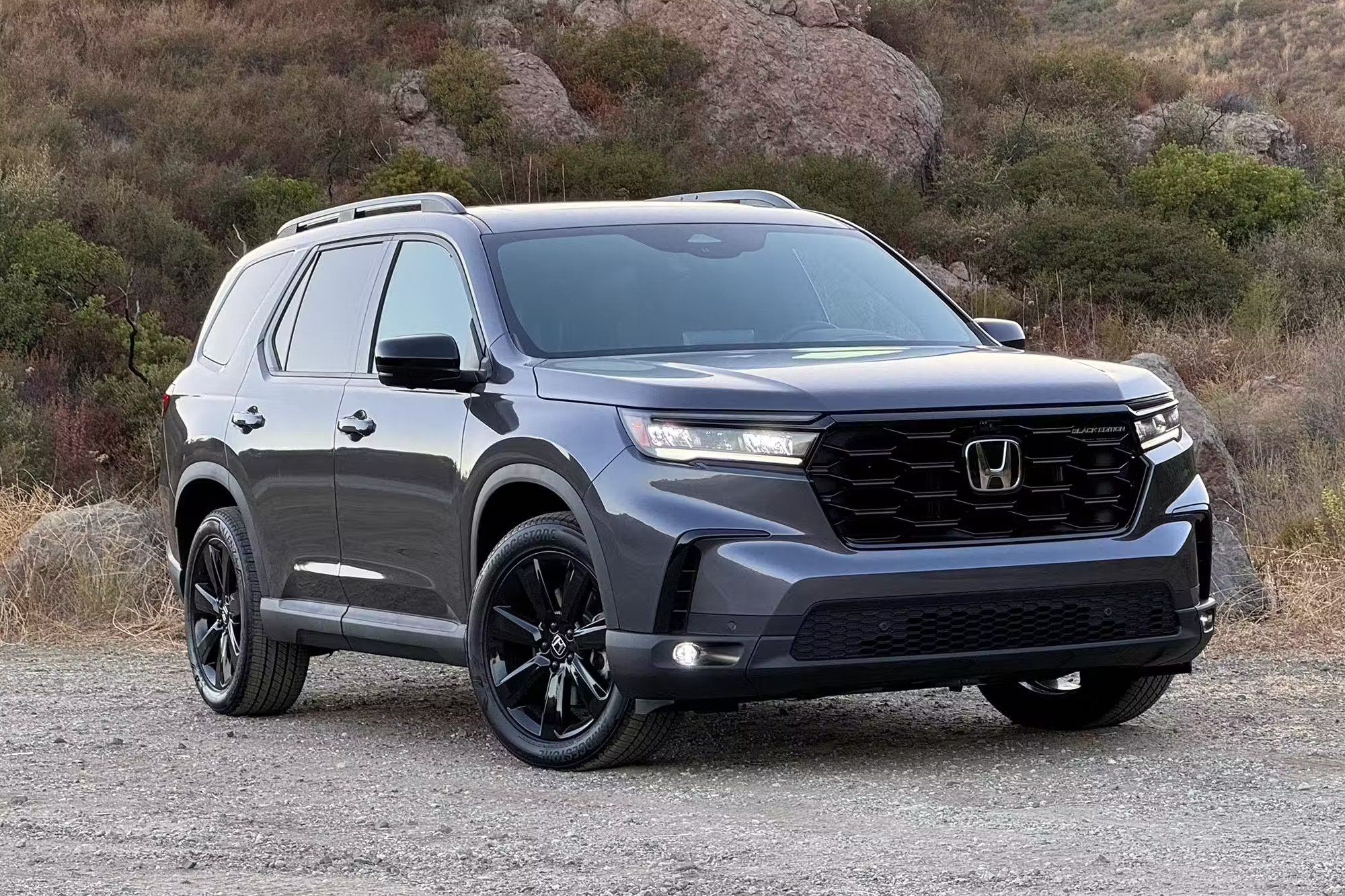
1. Honda Pilot
The Honda Pilot has long been favored by families for its spacious interior and thoughtful design. Its rear doors open wide, providing easy access to the second and third rows. Parents often note that bulky child seats slide in smoothly without awkward twisting. The door opening height is generous, accommodating taller seats with minimal clearance issues.
Beyond size, the Pilot’s interior layout enhances accessibility. The second-row seats can slide and recline, creating additional space for installing child seats. Combined with the wide door angle, this makes daily routines less stressful. Even larger rear-facing seats fit without touching the door frame. The thoughtful hinge placement ensures the door stays open at convenient angles.
Safety is also a highlight in this model. The Pilot includes LATCH anchors that are easy to reach and clearly labeled. Installing seats does not require bending over awkwardly or straining. Parents appreciate the combination of generous door openings and intuitive seat attachment points. It is a practical choice for those who frequently adjust or move seats.
The cabin space complements the rear doors. High ceilings prevent top-heavy seats from hitting the roof while being maneuvered. The floor is flat, which reduces awkward tilting of seats during installation. This is particularly important for larger convertible and booster seats. Families with multiple children will find it straightforward to fit several seats side by side.
In addition, the Honda Pilot offers consistent reliability. Doors remain smooth and durable over years of repeated use. Hinges do not sag, ensuring the wide opening remains functional long-term. The combination of space, accessibility, and safety makes it a strong contender for anyone prioritizing rear-seat convenience.
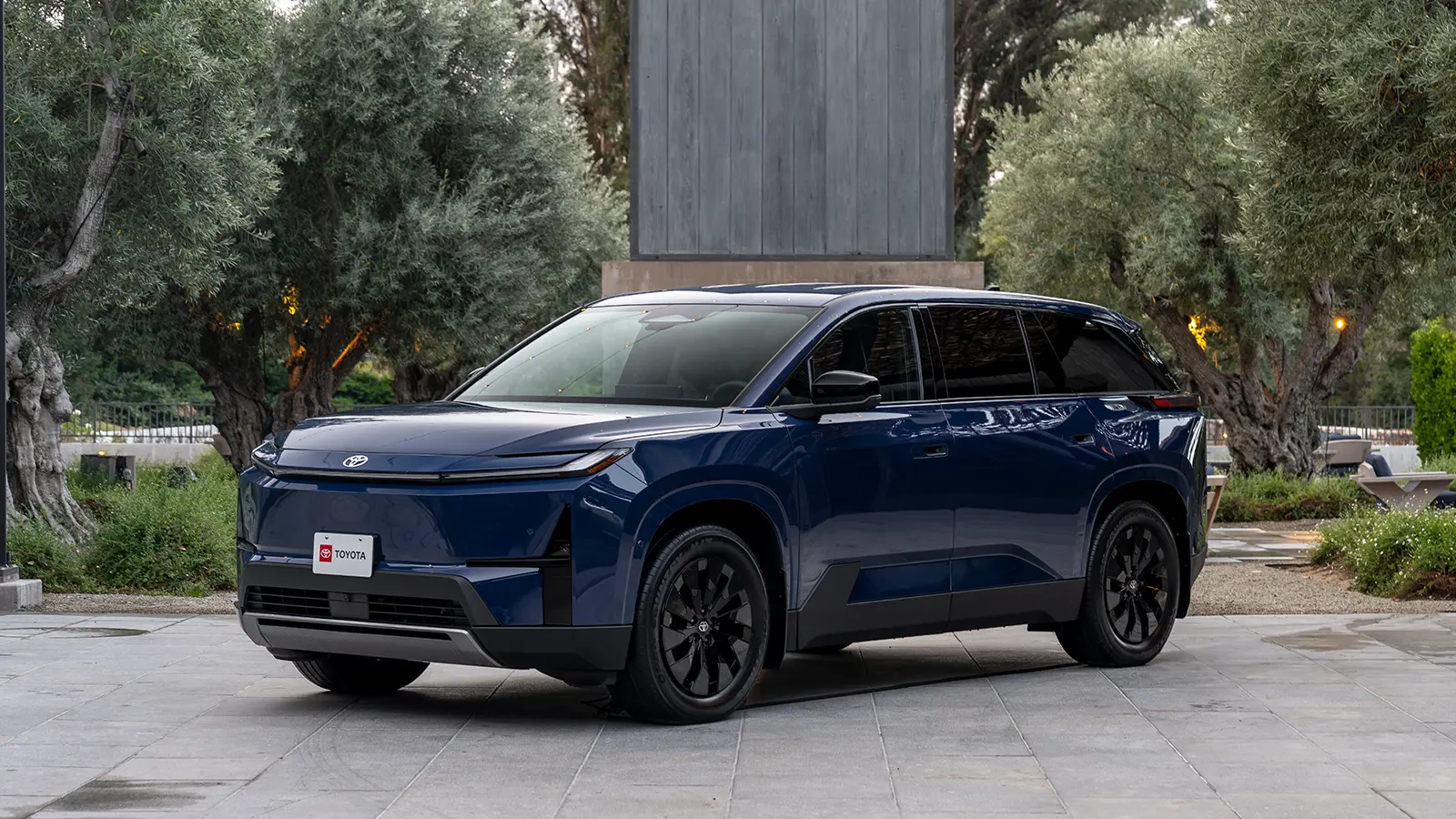
2. Toyota Highlander
The Toyota Highlander offers a spacious and practical rear entry point. Its doors swing wide enough to allow easy installation of large child seats. The design ensures minimal obstruction from the B-pillar, which often causes issues in other SUVs. Parents report that positioning and securing bulky seats is simpler compared to narrower doors.
Highlander’s interior layout further supports usability. Sliding second-row seats create additional space when needed. There is enough clearance to comfortably angle seats for proper LATCH installation. Even taller child seats can fit without tilting uncomfortably. Combined with the wide doors, this reduces time spent adjusting each installation.
Safety features enhance convenience as well. LATCH anchors are easily accessible and reinforced for stability. Parents do not need to wrestle with straps or bend over excessively to secure seats. The combination of accessible anchor points and door width ensures that children remain secure without extra effort.
The flat and wide floor of the Highlander improves entry and exit. Children can be lifted in and out without bumping knees or hitting seats. Door sills are not overly raised, which prevents tripping hazards. Families with toddlers or heavier child seats benefit from this ergonomic approach.
Lastly, Toyota’s attention to long-term usability is evident. Rear doors remain functional after repeated heavy use. Hinges and latches operate smoothly, preventing frustration over time. For families who value consistency and practicality, the Highlander continues to rank high in accessibility and convenience.
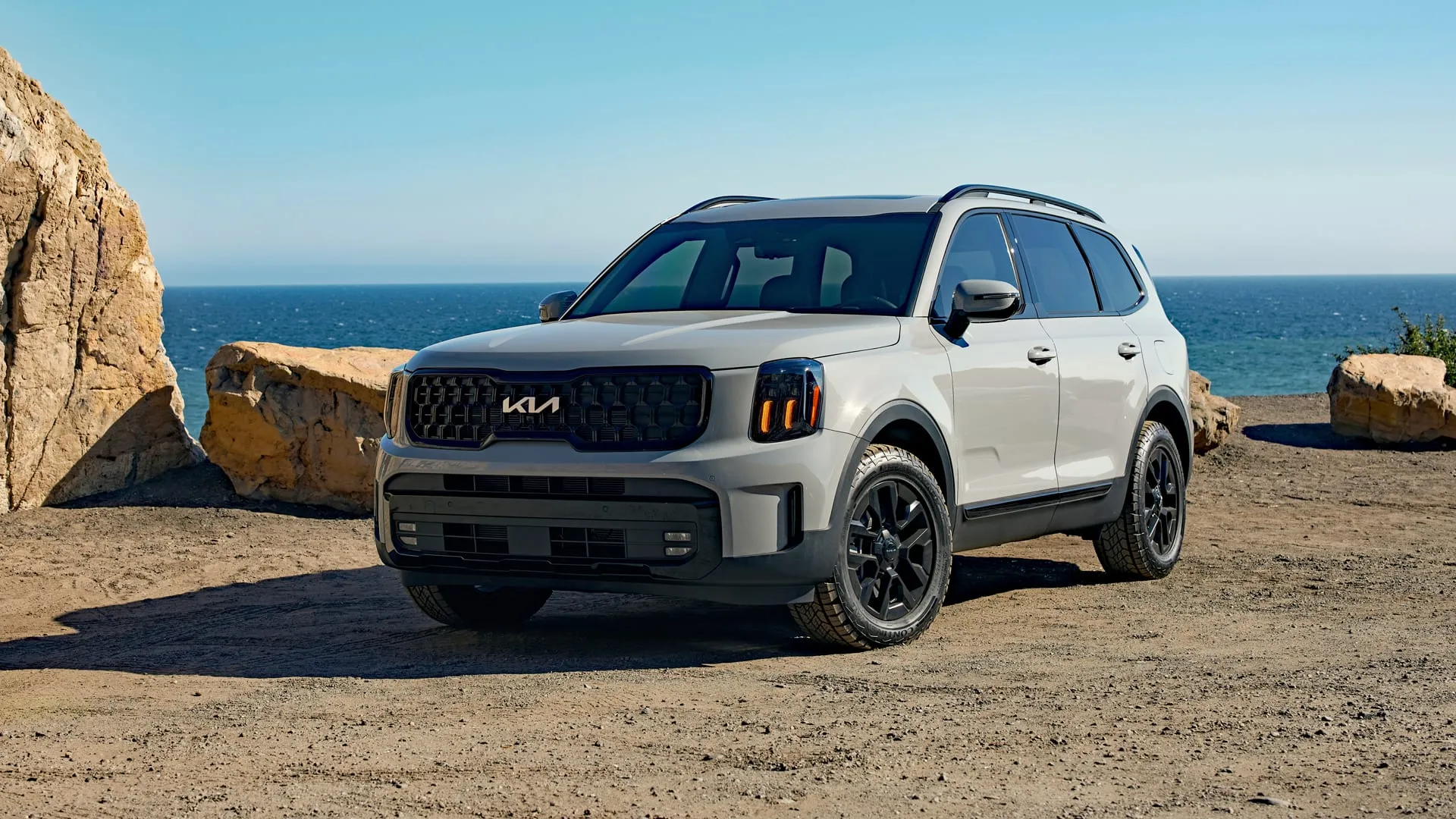
3. Kia Telluride
The Kia Telluride has become a favorite for families seeking both style and usability. Its rear doors open to wide angles, allowing easy passage of bulky child seats. Clearance around the B-pillar and seat track area reduces the need for awkward twisting. Many parents find installation more comfortable than in other midsize SUVs.
Inside, the Telluride offers flexible seating arrangements. Second-row seats slide forward to provide extra working space. Reclining capabilities allow careful alignment of child seats. The combination of door width and interior flexibility simplifies what can otherwise be a strenuous process.
Safety features are well integrated. LATCH anchors are positioned for easy reach and securely attach even heavier seats. Parents can install car seats without excessive bending or repeated adjustments. This makes the Telluride a practical choice for families with multiple children.
The flat floor design enhances comfort when entering or exiting the vehicle. High ceilings allow tall child seats to fit without hitting the roof. Door sills are moderate, reducing strain during lifting. Even larger booster or convertible seats fit with minimal effort.
Durability is a key consideration. Telluride doors remain smooth and easy to operate over time. Wide opening angles are maintained even after repeated use. Families benefit from the combination of reliability, style, and user-friendly rear access.
4. Ford Explorer
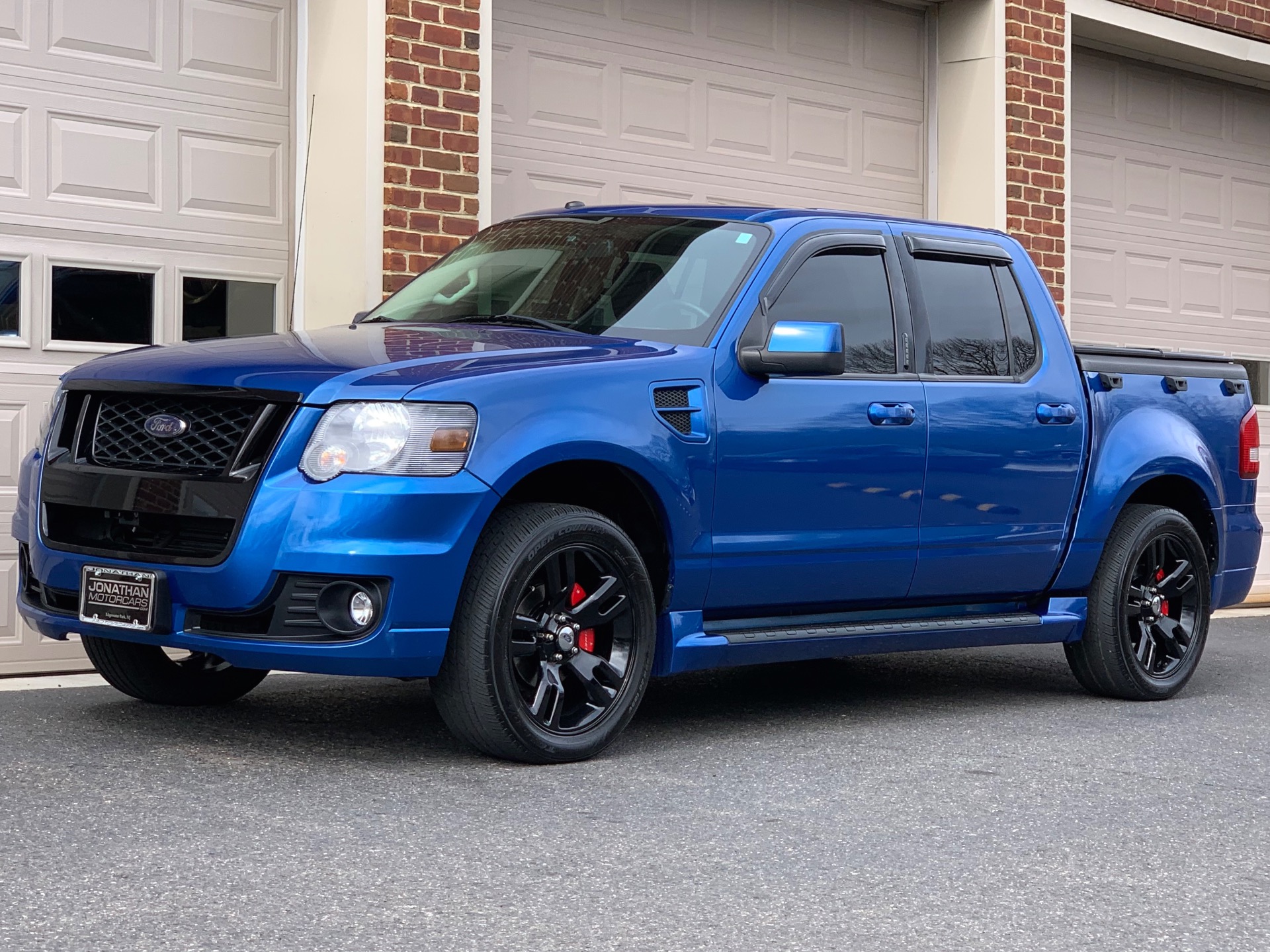
The Ford Explorer provides ample rear door openings for families who need space. Its wide hinge design allows doors to swing open fully. This enables larger child seats to be maneuvered into position without force. Parents frequently note that installation feels less cramped than other full-size SUVs.
Interior design complements accessibility. Seats in the second row can slide and fold to offer additional room. The low step-in height reduces lifting effort for heavier seats. Coupled with the wide doors, these features make the Explorer family-friendly and practical.
Safety and installation convenience are prioritized. LATCH points are easy to locate and sturdy enough for frequent use. Parents can secure multiple seats quickly, which is ideal for busy households. Door width combined with anchor placement reduces installation errors.
The Explorer also provides a flat and spacious cabin floor. This ensures that bulky seats do not tilt or scrape against surrounding surfaces. High ceilings allow children to sit comfortably once secured. Families find this combination particularly valuable for longer trips or daily errands.
Finally, Ford maintains consistent durability in the Explorer. Rear doors are engineered for repeated use without sagging or losing functionality. Wide door openings remain reliable even after years of operation. The Explorer combines practicality, comfort, and reliability for families seeking accessibility.
5. Chevrolet Traverse
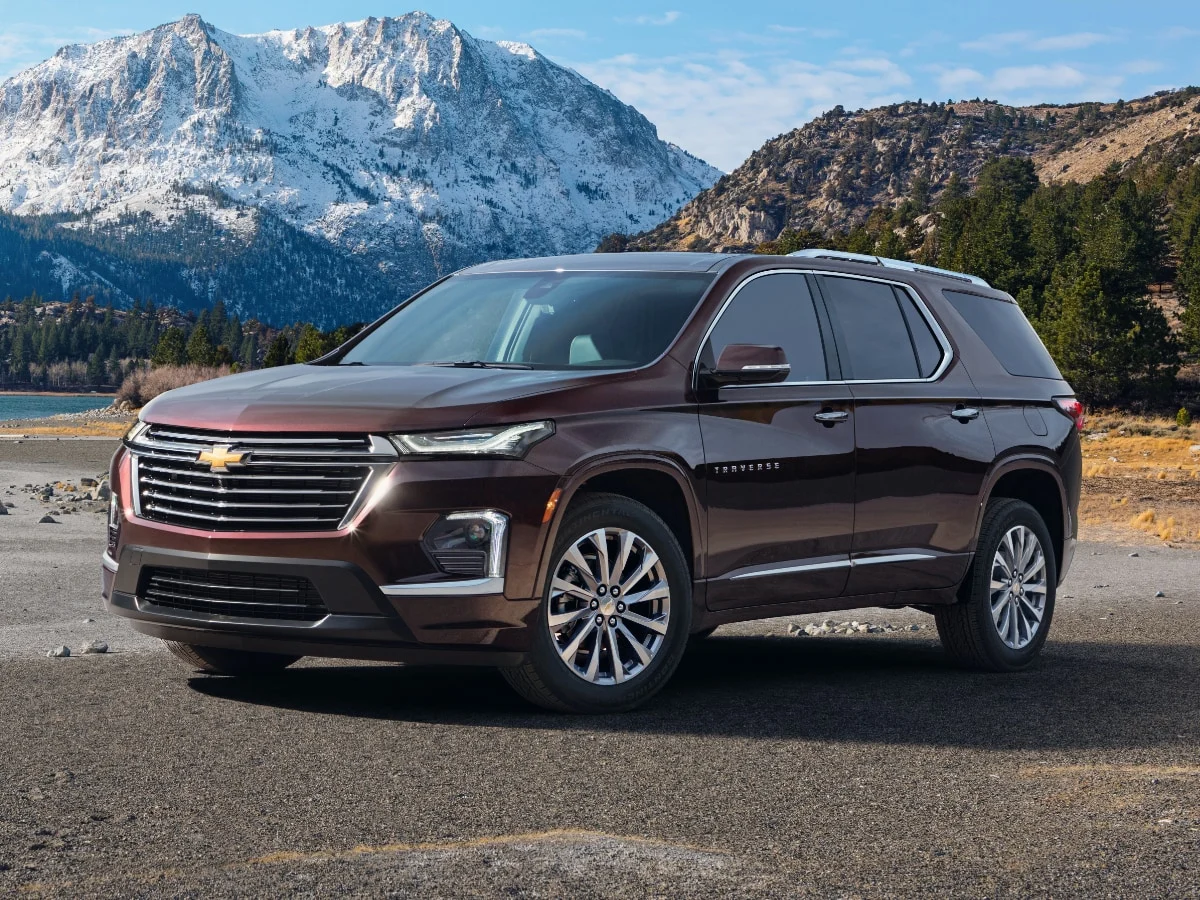
The Chevrolet Traverse features rear doors that accommodate large child seats with ease. Its design prioritizes wide angles and clear entry space. Parents report that positioning bulky seats is straightforward and less stressful. B-pillar placement allows easy access to LATCH points without obstruction.
Inside, the Traverse offers flexible second-row seating. Seats slide and recline to create ample working space. This facilitates proper alignment and secure installation of child seats. The combination of door width and interior design simplifies daily routines for busy families.
Safety anchors are easy to access and reinforced for stability. Even larger or heavier child seats can be installed securely without strain. Parents appreciate the thoughtful design, which reduces the likelihood of incorrect installation.
The flat cabin floor and low door sill enhance comfort during entry and exit. Children can be lifted in and out with minimal effort. Taller child seats fit without striking the ceiling or nearby seats. Families with multiple children will find installation simpler and safer.
Chevrolet emphasizes durability, ensuring doors remain functional over years of heavy use. Hinges and latches operate smoothly, maintaining wide openings over time. The Traverse’s combination of space, safety, and reliability makes it a solid option for parents prioritizing rear-seat accessibility.
6. Hyundai Palisade
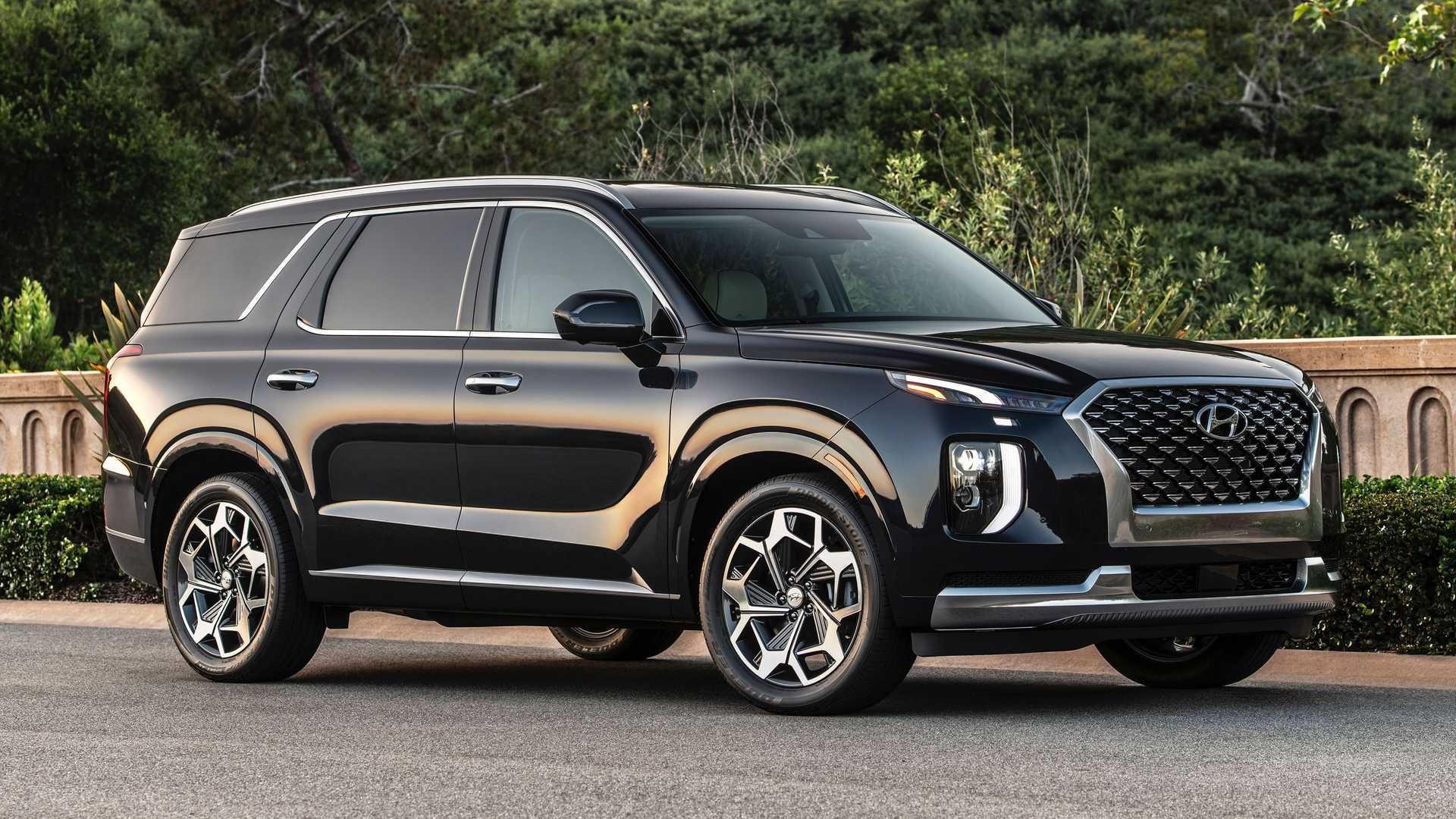
The Hyundai Palisade stands out for its exceptionally wide rear door openings, making it particularly convenient for families with bulky child seats. The doors swing almost fully open, giving parents the space needed to maneuver car seats without contorting their arms or worrying about scraping the vehicle interior.
Unlike some SUVs with sleek designs that compromise door width, the Palisade prioritizes accessibility. The high clearance and smooth hinge mechanism allow parents to position even larger convertible or booster seats with confidence.
Inside, the Palisade’s second-row seats slide and recline effortlessly, providing extra room for installation. The combination of wide doors and flexible seating creates a surprisingly roomy work area for securing child seats. This setup reduces the awkward lifting and twisting often required in tighter vehicles.
Additionally, the flat floor and moderate door sill height make lifting toddlers or heavier car seats more ergonomic. Even families managing multiple children can perform installations efficiently, saving time during busy mornings.
Safety considerations are also integral to the Palisade’s design. LATCH anchors are clearly marked and easy to reach, and their placement allows secure installation without contorting the seat or body. This reduces the chance of improperly installed seats, which is a common concern in SUVs with narrower rear entries. Parents report that repeated use does not degrade the ease of installation, maintaining convenience over years of heavy use.
The Palisade also provides an interior environment that complements the wide rear doors. High ceilings prevent tall seats from hitting the roof during installation, and ample space between the seats allows for proper alignment and strapping. Parents can quickly adjust straps, check recline angles, and ensure the child seat is properly secured. The vehicle’s cabin design ensures that convenience does not compromise safety or comfort.
Durability is another strength of the Palisade. Its rear doors are engineered to remain smooth and functional even after repeated heavy use, maintaining wide-open access without sagging or resistance. This reliability, combined with thoughtful interior design and spacious access, makes the Palisade a highly practical choice for families who frequently install and remove child seats.
7. Subaru Ascent
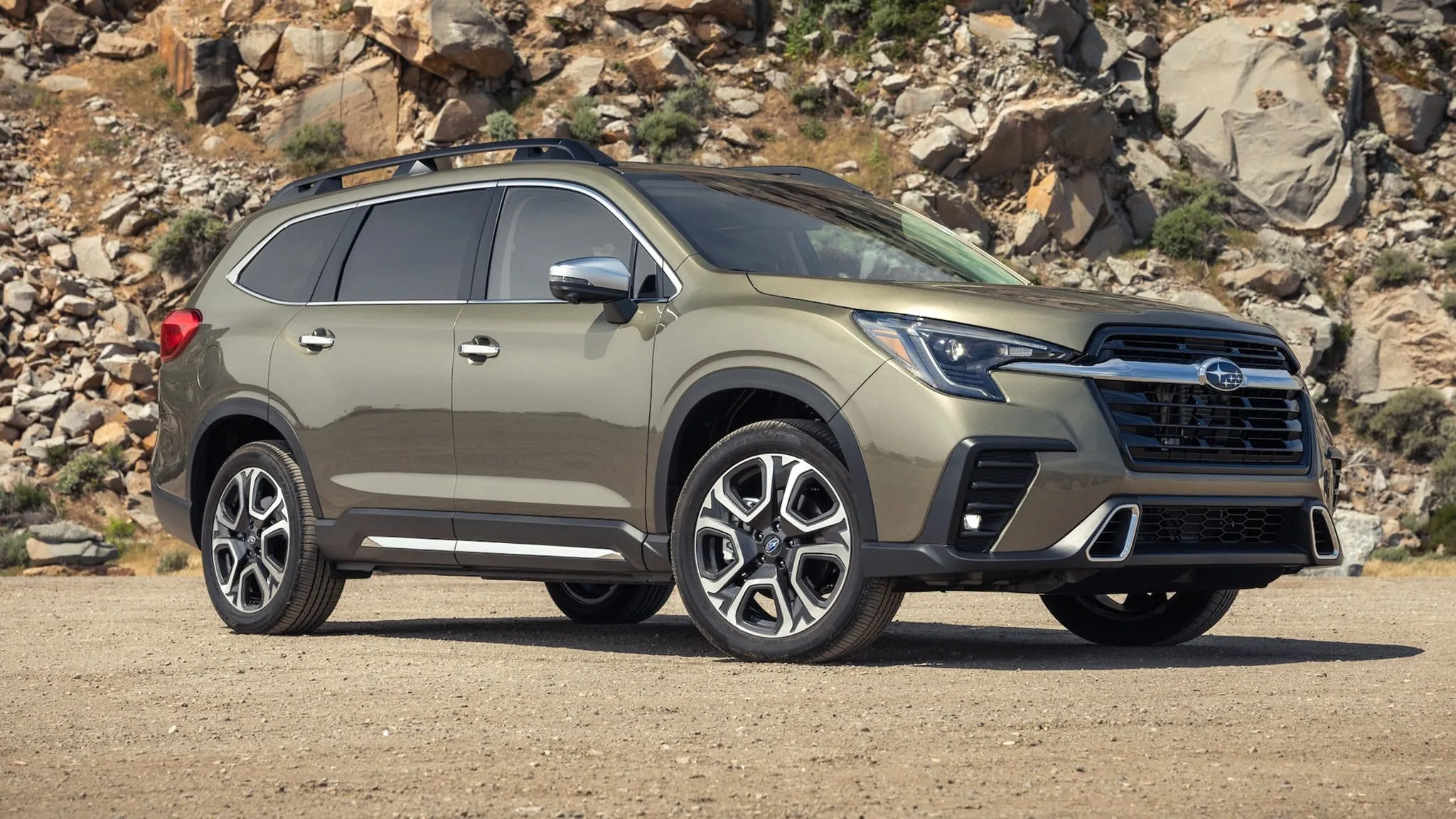
The Subaru Ascent offers a combination of wide rear doors and family-focused design, making it ideal for bulky child seats. Its doors open at a generous angle, allowing parents to position larger seats with minimal struggle. Unlike some SUVs where the B-pillar or door frame restricts movement, the Ascent provides clear entry space and unobstructed access to the second-row seats. Parents report that installation feels natural and intuitive, reducing the time and effort required to secure children safely.
Inside the Ascent, sliding and reclining seats further improve accessibility. The ability to adjust seat positions while working with child seats prevents awkward contortions or repeated adjustments.
This flexibility is particularly valuable for taller seats or combination seating arrangements, allowing parents to maintain proper installation angles. The flat floor, high ceilings, and generous legroom enhance usability, creating an ergonomic environment for both the installer and the child.
Safety remains a primary focus in the Ascent. LATCH anchors are prominently positioned, enabling secure attachment without excessive bending or twisting. The clear labeling and reinforced anchor points ensure that heavy or larger seats can be installed correctly the first time. Parents appreciate that these design choices prevent common mistakes associated with confined SUV interiors, providing both peace of mind and convenience.
Additional interior features complement the wide rear doors. The door sills are low and unobtrusive, and the open space between seats allows room to angle car seats properly. Parents can lift toddlers in or out without bumping their knees or struggling with narrow entryways. This is particularly helpful for families with multiple children who require frequent seat adjustments.
The Subaru Ascent combines practicality with durability. Rear doors remain smooth and reliable even with repeated daily use, preserving wide access over the life of the vehicle. The combination of spacious openings, flexible seating, and secure LATCH placement makes the Ascent a top choice for families seeking convenience, safety, and long-term usability in an SUV.
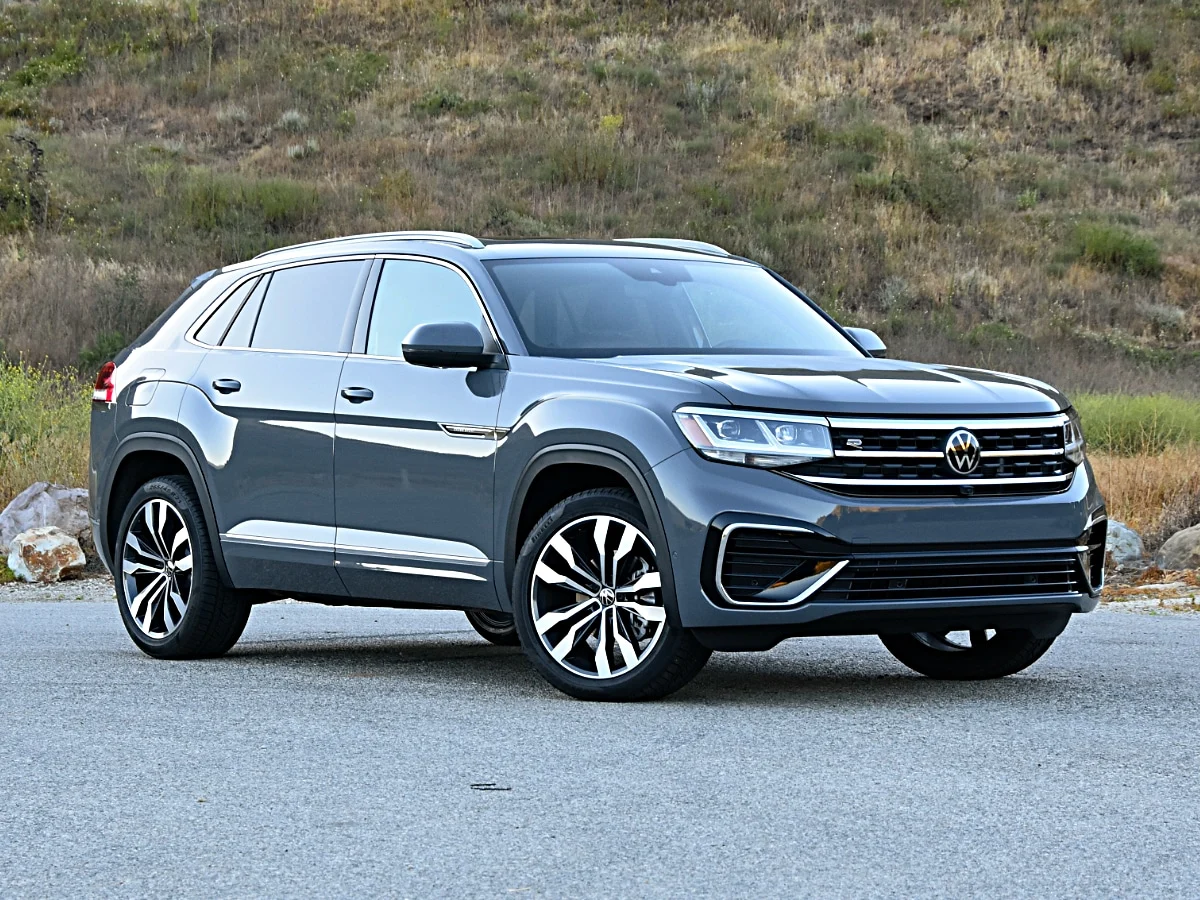
8. Volkswagen Atlas
The Volkswagen Atlas is widely recognized for its roomy rear doors, which allow easy installation of large child seats. The doors open wide and provide ample clearance around the B-pillar, which is often a restriction in other midsize SUVs. This generous opening reduces the need for contorting or angling the seat awkwardly. Parents consistently report that bulky child seats fit more comfortably, and installation is faster and less stressful compared to narrower SUVs.
Interior design further enhances accessibility. The Atlas offers sliding second-row seats that create more room for maneuvering car seats. Reclining options ensure proper alignment and allow parents to secure heavy seats without straining. Combined with wide doors, this makes the Atlas especially convenient for families who regularly install or remove child seats for trips or carpooling.
Safety is built into the design of the Atlas. LATCH anchors are easy to locate, reinforced, and clearly labeled. Parents can quickly secure child seats without wrestling with straps or bending awkwardly. This not only improves convenience but also reduces the risk of incorrect installations, a common issue in vehicles with tighter rear doors.
The cabin floor is flat and the door sills are low, making entry and exit easier for children and parents alike. High ceilings accommodate taller child seats, allowing smooth placement without obstruction. Parents report that these features, combined with the wide openings, make everyday routines like school drop-offs and grocery runs much simpler and less time-consuming.
Durability and consistency are additional strengths. The Atlas rear doors remain functional over years of frequent use, maintaining wide swing angles and smooth operation. Families can rely on the combination of generous openings, flexible seating, and secure anchor points for long-term convenience, making the Volkswagen Atlas a practical choice for parents focused on rear-seat accessibility.
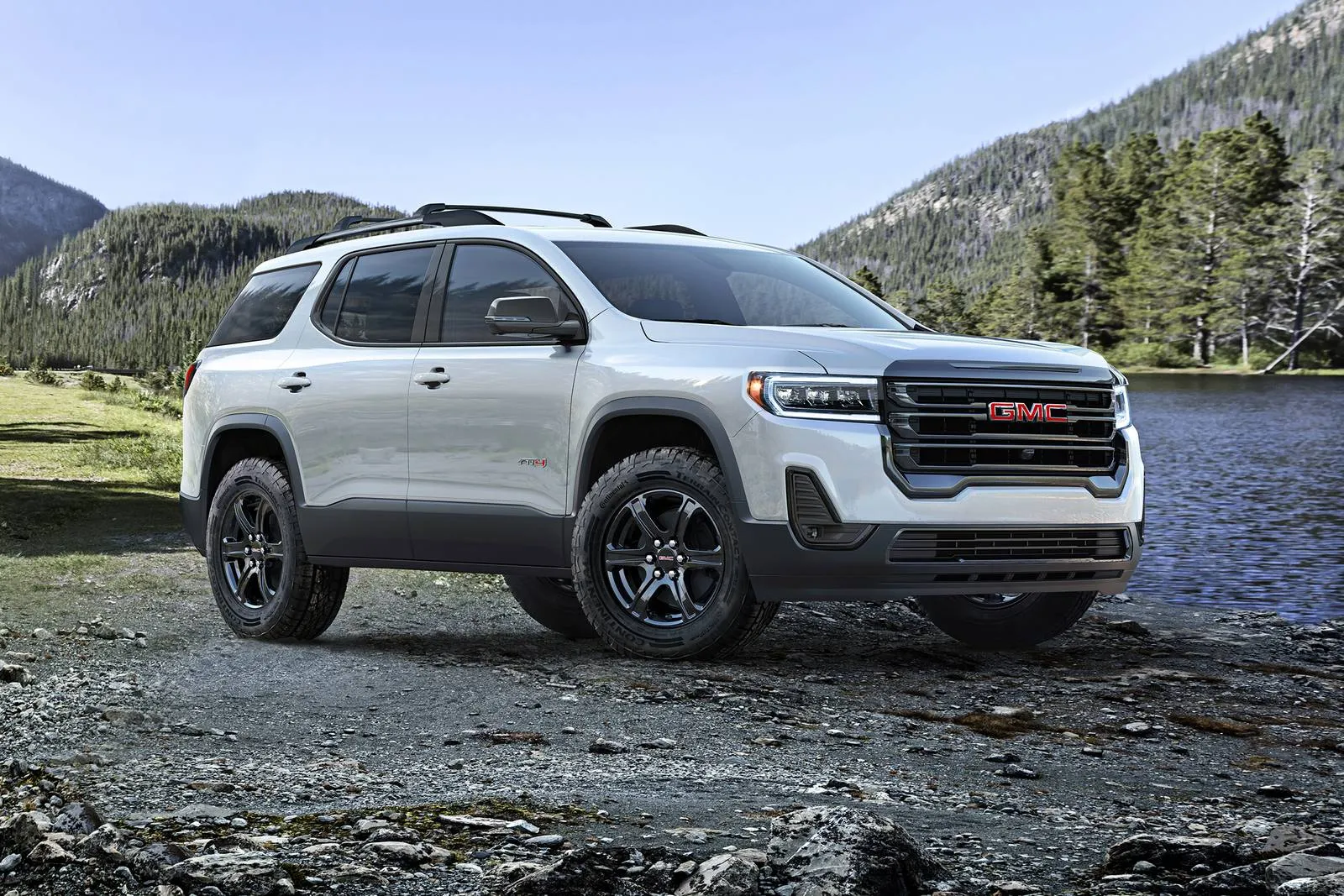
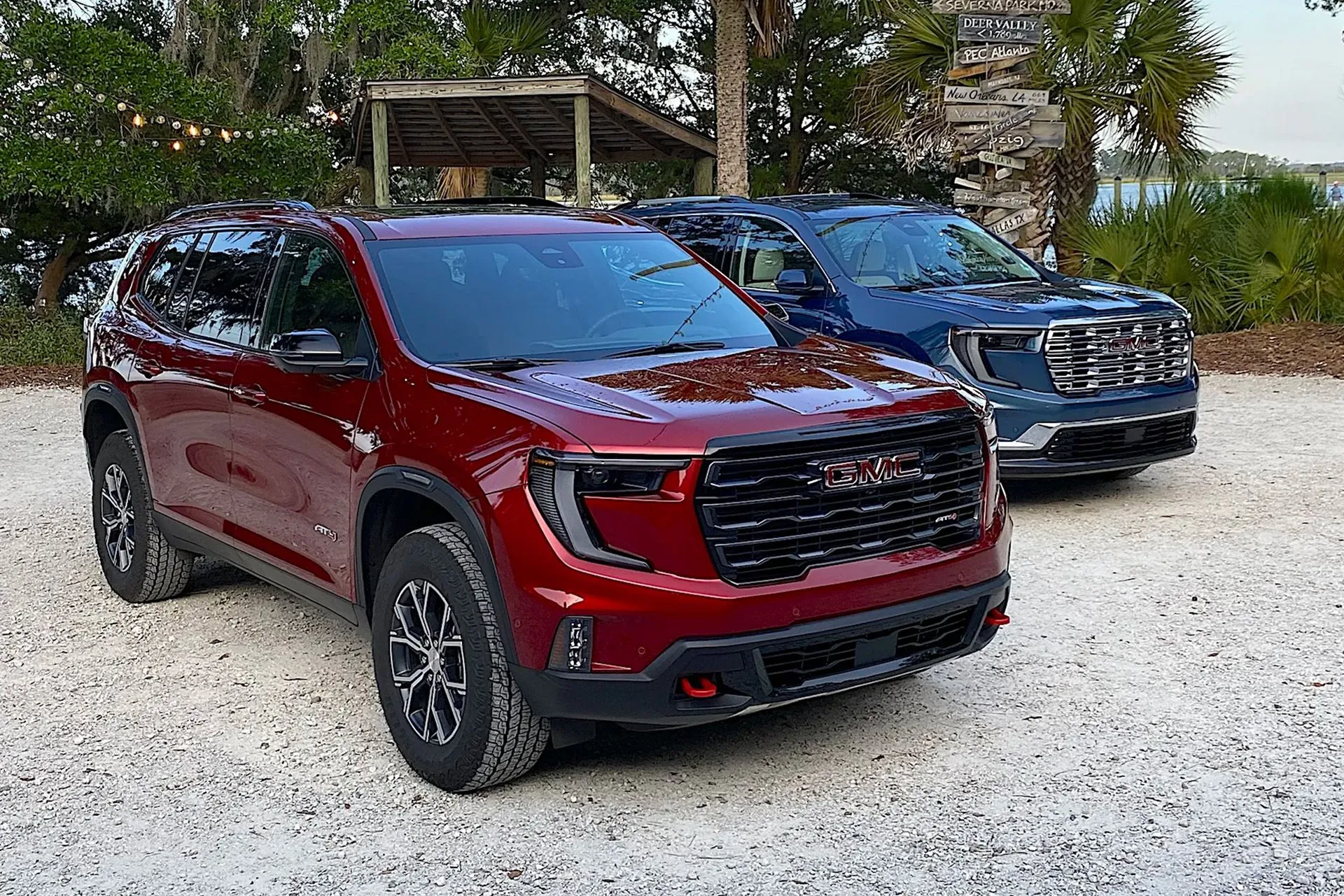
9. GMC Acadia
The GMC Acadia features rear doors that open wide enough to simplify the installation of bulky child seats. The hinge design allows the doors to swing outward without obstruction, giving parents the freedom to position larger seats with minimal effort.
In many other SUVs, the B-pillar or door frame restricts movement, but the Acadia avoids these limitations. This practical approach reduces frustration and helps ensure proper installation.
Inside, the second-row seating system is designed for flexibility. Sliding and reclining seats provide additional space for maneuvering car seats into place. The flat floor and generous legroom make it easier to angle and secure seats properly. Parents can install heavier or taller seats without worrying about scraping against surrounding surfaces.
Safety is another priority. LATCH anchors are clearly marked, easily accessible, and reinforced for stability. The combination of wide doors and convenient anchor placement reduces the likelihood of improper installation. Parents can feel confident that even larger child seats are securely fastened and safe for long trips.
The Acadia’s interior layout also supports practical usability. Low door sills and ample clearance between seats ensure that lifting toddlers or placing heavier seats is straightforward. High ceilings prevent taller seats from contacting the roof. Families with multiple children appreciate the ease of moving between rows and the convenience provided by the design.
Finally, durability enhances the vehicle’s family-friendliness. Rear doors remain smooth and operational after repeated use, maintaining wide openings and reliable hinges. The combination of accessibility, interior flexibility, and safety features makes the GMC Acadia a practical choice for families who frequently install bulky child seats.
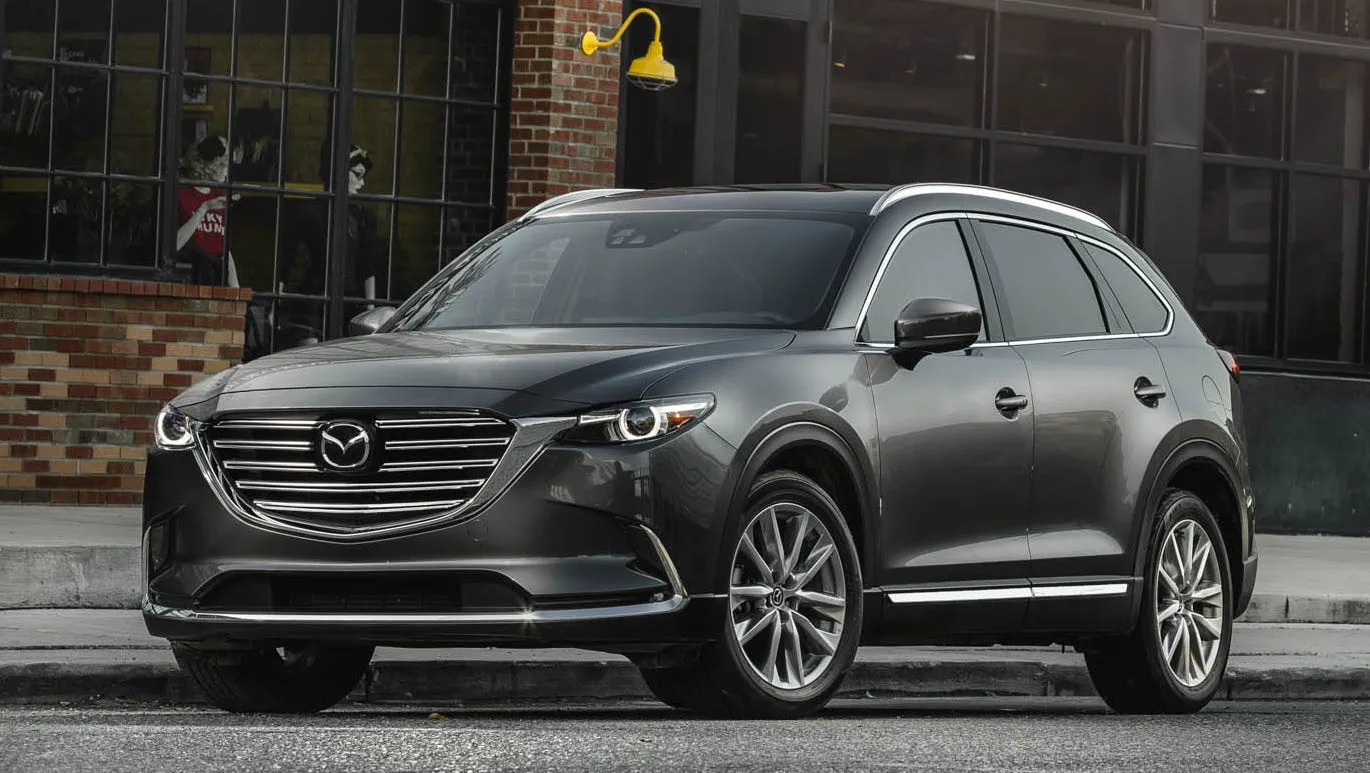
10. Mazda CX-9
The Mazda CX-9 combines style and practicality with rear doors that open wide enough to accommodate larger child seats. The generous swing angle allows easy access to the second and third rows without awkward twisting. Unlike some sleek, compact SUVs, the CX-9 maintains practicality alongside its elegant design. Parents find it easier to maneuver seats and secure children safely without causing stress or discomfort.
Inside, flexible second-row seating enhances accessibility. Seats can slide forward or recline, creating extra space for installing heavy or oversized child seats. The flat cabin floor and low door sills make lifting toddlers or positioning seats more ergonomic. Parents also benefit from ample legroom, which allows proper seat alignment without contorting their bodies.
Safety considerations are integrated into the CX-9 design. LATCH anchors are easy to reach, clearly marked, and reinforced for stability. Parents can quickly secure bulky seats, reducing installation errors and improving peace of mind. This is particularly useful for families who frequently switch between multiple child seats or vehicles.
The cabin layout complements the wide rear doors. High ceilings prevent tall seats from contacting the roof, while spacing between seats ensures smooth installation. Children can enter and exit without bumping knees or squeezing through narrow gaps. Parents benefit from thoughtful ergonomics that reduce strain and make daily routines more manageable.
Mazda emphasizes long-term usability and reliability. The rear doors remain smooth and functional even after years of heavy use, maintaining wide openings and easy operation. The CX-9 balances practicality, safety, and style, making it a reliable choice for families prioritizing rear-seat accessibility for bulky child seats.