For enthusiasts who crave an authentic, hands-on driving experience, modern SUVs often feel over-engineered and disconnected from the road. Electronic aids, complex suspension systems, and computerized power delivery have replaced the raw mechanical feedback that defined classic off-road vehicles.
The “10 Best Vintage SUVs for People Who Want a Pure Mechanical Feel” celebrates machines built with simplicity, durability, and driver engagement at their core. From the rugged Toyota Land Cruiser J40 to the nimble Suzuki Samurai, each vehicle on this list emphasizes mechanical connection, reliability, and analog control.
These SUVs are not about luxury or quiet rides; they are about feeling every bump, working the gears, and understanding how power is delivered to the wheels. For drivers who enjoy mastering their vehicle rather than being guided by electronics, these classics offer a visceral, rewarding experience that modern crossovers cannot replicate.
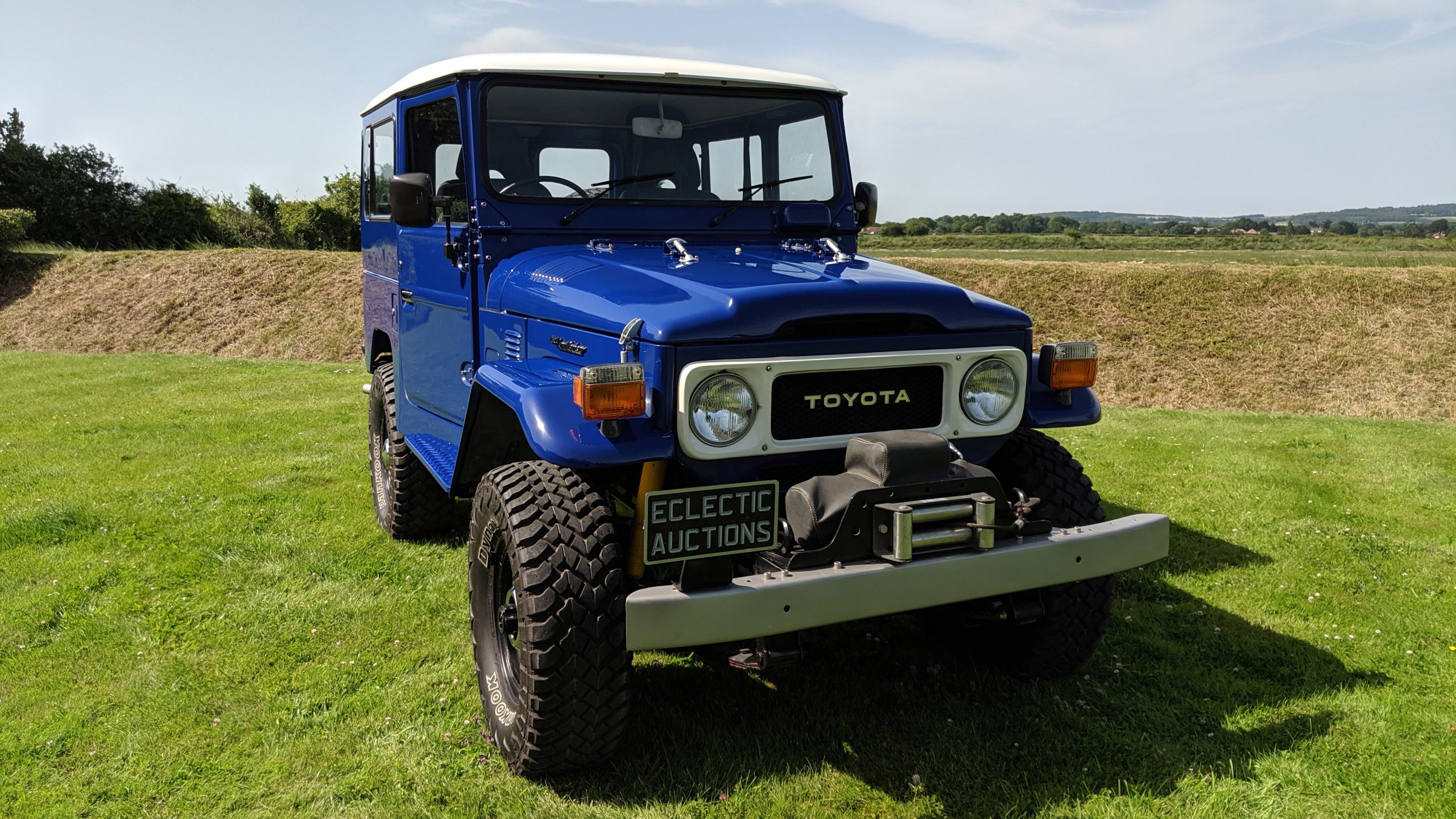
1. Toyota Land Cruiser (J40 Series): A Benchmark of Mechanical Purity
The Toyota Land Cruiser (J40 Series) stands as one of the most iconic and enduring off-road vehicles ever produced, representing a golden era of automotive engineering focused on durability, simplicity, and raw capability. Manufactured by Toyota between 1960 and 1984, the J40 was designed to tackle terrain where roads were nonexistent, earning a global reputation as a rugged and reliable workhorse.
At its core, the J40 exemplifies “mechanical purity.” Its famed F-series inline-six engine delivers strong, tractor-like torque and exceptional longevity, making it ideal for harsh environments.
Built with solid front and rear axles, a robust ladder-frame chassis, and manual transmissions, it offers a direct and highly tactile driving experience. With features like unassisted steering, manual brakes in earlier models, and carbureted engines, every input from the driver translates immediately to the terrain, creating a visceral and engaging connection rarely found in modern vehicles.
The interior reflects its utilitarian philosophy. Instead of comfort-focused materials, drivers are met with exposed painted metal, basic controls, and heavy-duty levers. There is little to no sound insulation, resulting in a noisy but immersive ride. This stripped-down design emphasizes function over form, appealing to enthusiasts who value authenticity and hands-on interaction with their vehicle.
A defining trait of the J40 is its “overbuilt” engineering. Designed to endure decades of use, it is remarkably resilient and easy to maintain, even in remote areas. Its simple mechanical layout allows owners to perform repairs without advanced tools, further enhancing its reputation among off-road purists.
However, this ruggedness comes with trade-offs. By modern standards, the J40 is uncomfortable, inefficient, and lacking in safety features, making it unsuitable as a daily driver. It is also prone to rust due to its age. Despite these drawbacks, it remains highly sought after, often restored or modified, and continues to appreciate in value.
The J40 Land Cruiser is a timeless symbol of reliability and raw driving experience best suited for collectors and enthusiasts who appreciate its uncompromising, analog character.
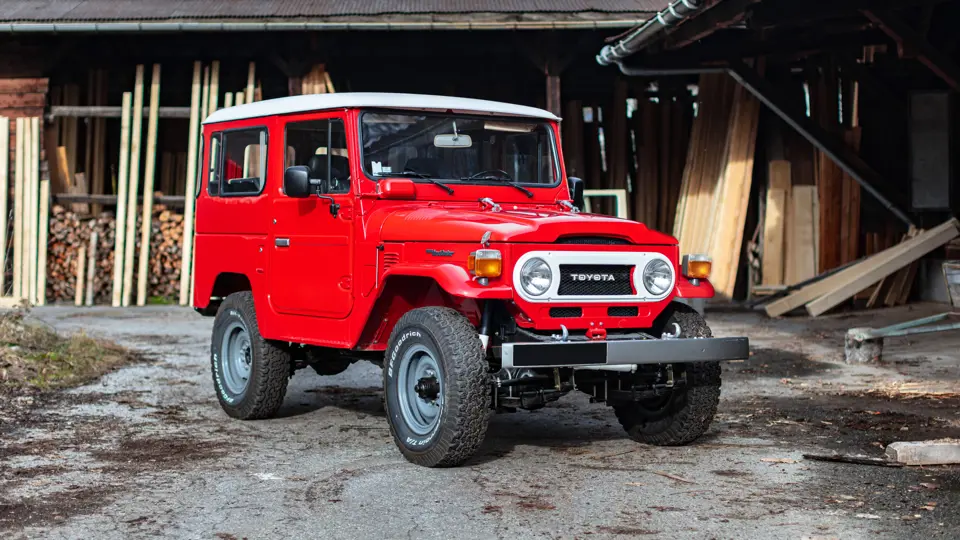
2. Land Rover Series I-III: The Quintessential Mechanical Workhorse
The Land Rover Series I-III is one of the most iconic examples of rugged, utilitarian vehicle design. Produced by Land Rover from 1948 to 1985, it was originally created for agricultural and industrial use. Its simple construction and dependable nature quickly made it a global workhorse, trusted by farmers, explorers, and military forces.
Built with a lightweight aluminum body mounted on a strong steel ladder chassis, the Series I to III models prioritize durability and practicality. Their engines, often diesel-powered, are designed for reliability and long service life, delivering steady torque for low-speed off-road driving rather than high-speed performance.
This makes them exceptionally capable in rough terrain where precision and control matter more than speed.
Driving a Series Land Rover is a demanding but rewarding experience. Early versions lack synchromesh in lower gears, requiring drivers to use double-clutching techniques. The unassisted steering is heavy and requires constant effort, especially at low speeds.
These characteristics create a highly physical driving experience that demands focus and skill. Enthusiasts often describe this as requiring mechanical sympathy, where the driver must understand and work with the vehicle’s limitations.
The interior reflects its purpose-driven design. It is extremely basic, with minimal instrumentation, simple controls, and features such as sliding windows. Comfort is limited, and visibility can be challenging. Some models include rear bench seating to increase passenger capacity, reinforcing its role as a functional transport vehicle rather than a comfortable SUV.
One of the defining strengths of the Series Land Rover is its mechanical simplicity. With no electronic systems and straightforward components, it is easy to maintain and repair. Parts are widely available, and many repairs can be done without specialized tools, even in remote locations. This makes it especially appealing to enthusiasts who enjoy hands-on ownership.
Although it is not practical as a modern daily driver due to its lack of comfort and refinement, the Series I to III remains a celebrated classic. It offers a raw and authentic driving experience that highlights the fundamentals of off-road capability and mechanical design.
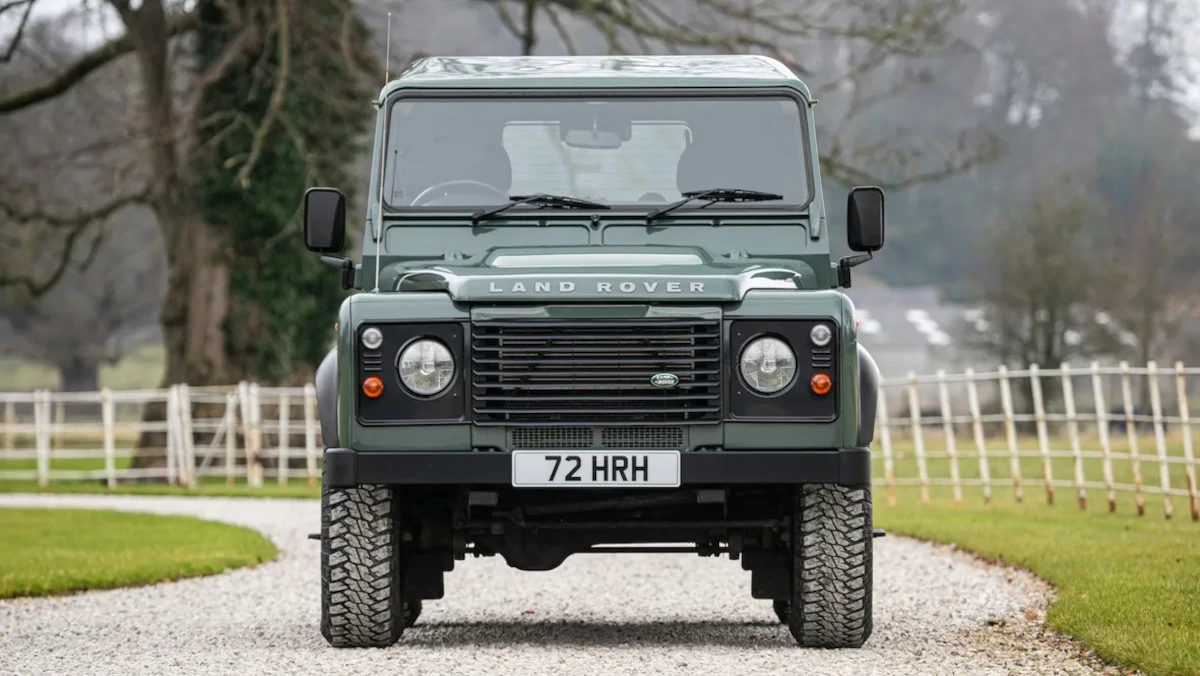
3. Ford Bronco (First Generation): A Raw American Off-Road Icon
The Ford Bronco (First Generation) is a defining symbol of American off-road culture, blending rugged utility with a powerful and engaging driving experience. Introduced by Ford Motor Company in 1966 as a competitor to the Jeep CJ series, the first-generation Bronco quickly established itself as a capable and versatile 4×4. Produced until 1977, it remains one of the most sought-after vintage SUVs today.
Built on a dedicated chassis rather than a modified passenger car platform, the Bronco was engineered for serious off-road use. Its short 92-inch wheelbase, solid axles, and coil-spring front suspension gave it a unique combination of agility and toughness.
This setup allowed it to navigate tight trails with ease while maintaining a stable, truck-like feel. Standard four-wheel drive and a durable transfer case further reinforced its off-road credentials.
One of the Bronco’s defining characteristics is its raw, analog driving experience. With no electronic driver aids, the vehicle relies entirely on mechanical systems. Drivers must depend on throttle control, gear selection, and skill rather than computerized assistance. Many models came equipped with a three-speed manual transmission, including the iconic “three-on-the-tree” setup, which adds to its vintage charm and hands-on feel.
Under the hood, early Broncos featured inline-six engines, but the introduction of small-block V8 options, including the popular 302 cubic-inch engine, transformed the vehicle into a more powerful performer. This combination of compact size and strong engine options gave the Bronco a distinct personality, often described as a mix between a utility vehicle and a muscle car.
The design is equally iconic, with a boxy, minimalist shape and multiple body styles, including wagon, roadster, and pickup variants. Features like removable doors and roofs enhance the open-air driving experience, creating a direct connection between the driver, the environment, and the machine itself.
Despite its strengths, the first-generation Bronco has limitations. It can feel unstable at higher speeds, lacks modern comfort and safety features, and is prone to rust. However, its simplicity makes it easy to maintain and highly customizable, supported by a strong enthusiast community.
Today, the original Bronco is both a collectible classic and a capable off-road machine, best suited for enthusiasts who value its raw character and timeless design.
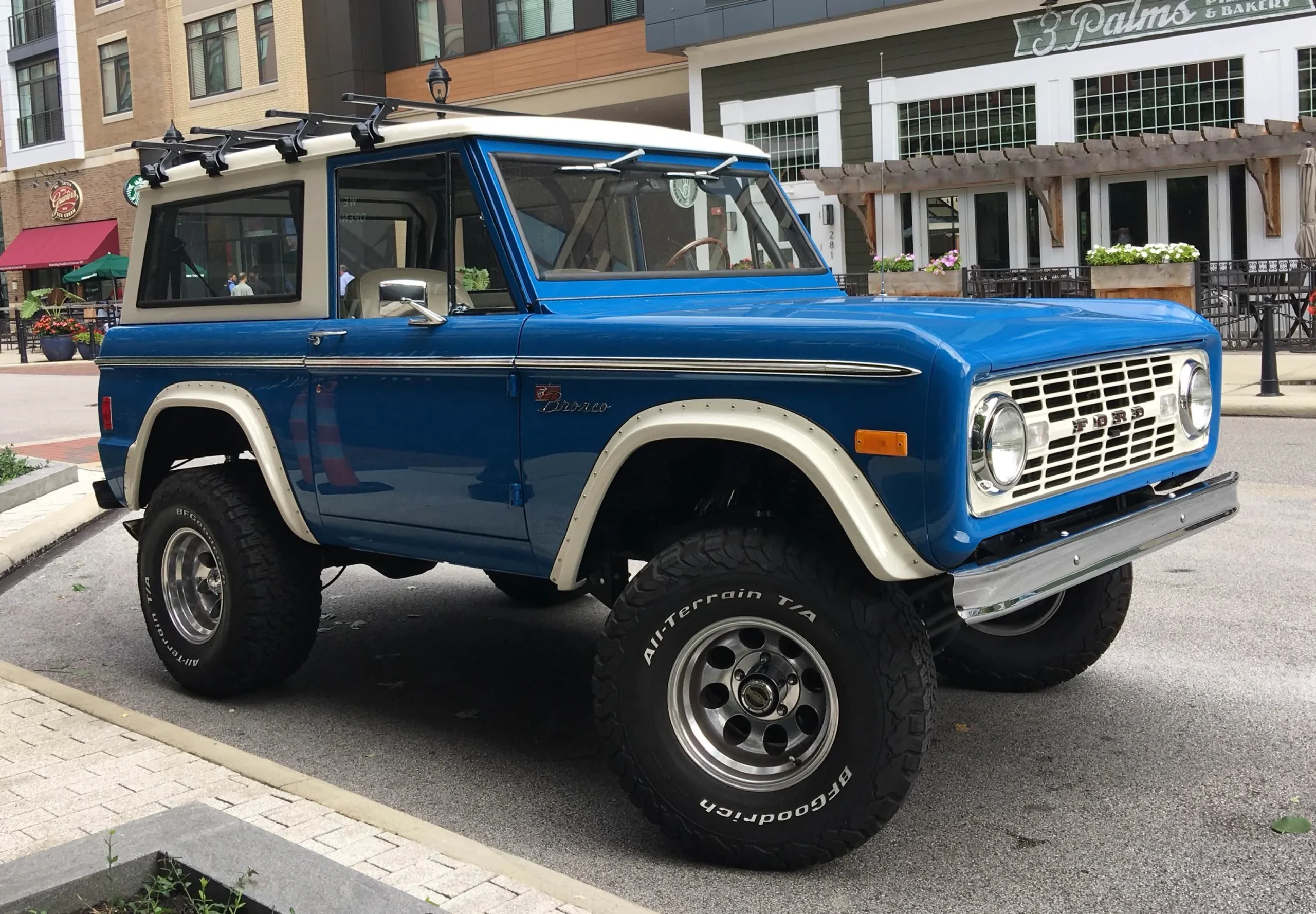
4. Mercedes-Benz G-Class (W460): The Original Military-Grade G-Wagen
The Mercedes-Benz G-Class (W460) represents the raw, utilitarian roots of what would later become one of the most recognizable luxury SUVs in the world. Developed in the late 1970s by Mercedes-Benz, the W460 was originally engineered for military and industrial use, with durability and reliability as its primary goals. Produced from 1979 to 1991, it stands as a benchmark for rugged, analog off-road vehicles.
At its core, the W460 is built on a strong ladder-frame chassis, designed to withstand extreme conditions and heavy use. Its most distinctive mechanical feature is the set of manually locking differentials, controlled by pull-knobs inside the cabin.
Unlike modern systems that rely on electronic assistance, these differentials give the driver full control over traction, making the vehicle exceptionally capable in difficult terrain. This purely mechanical setup ensures reliability and reinforces the driver’s direct connection to the machine.
The driving experience is deliberate and engaging. Gear changes feel heavy and precise, while the steering and suspension reflect its utilitarian purpose. The vehicle provides a commanding driving position, but ride comfort is firm and often described as agricultural by modern standards. Every input requires effort, rewarding drivers who appreciate a hands-on, mechanical approach to driving.
Inside, the W460 is notably spartan. The cabin features simple materials such as plaid cloth seats, manual window controls, and easy-to-clean surfaces. There is little emphasis on comfort or luxury, as the focus remains on functionality and durability. Even small details, like the solid feel of the doors closing, highlight the vehicle’s robust construction.
Powering the W460 is a range of four- and six-cylinder petrol and diesel engines. These engines are known for their reliability and simplicity rather than outright performance, making them well-suited for long-term use in demanding environments.
Despite its strengths, the W460 has drawbacks. It is prone to rust, particularly in the body and undercarriage, and lacks the comfort and refinement expected in modern vehicles. However, its straightforward mechanical design makes it relatively easy to maintain and repair.
Today, the W460 is valued as a true off-road icon, offering an authentic, analog driving experience that reflects its military heritage and enduring engineering excellence.

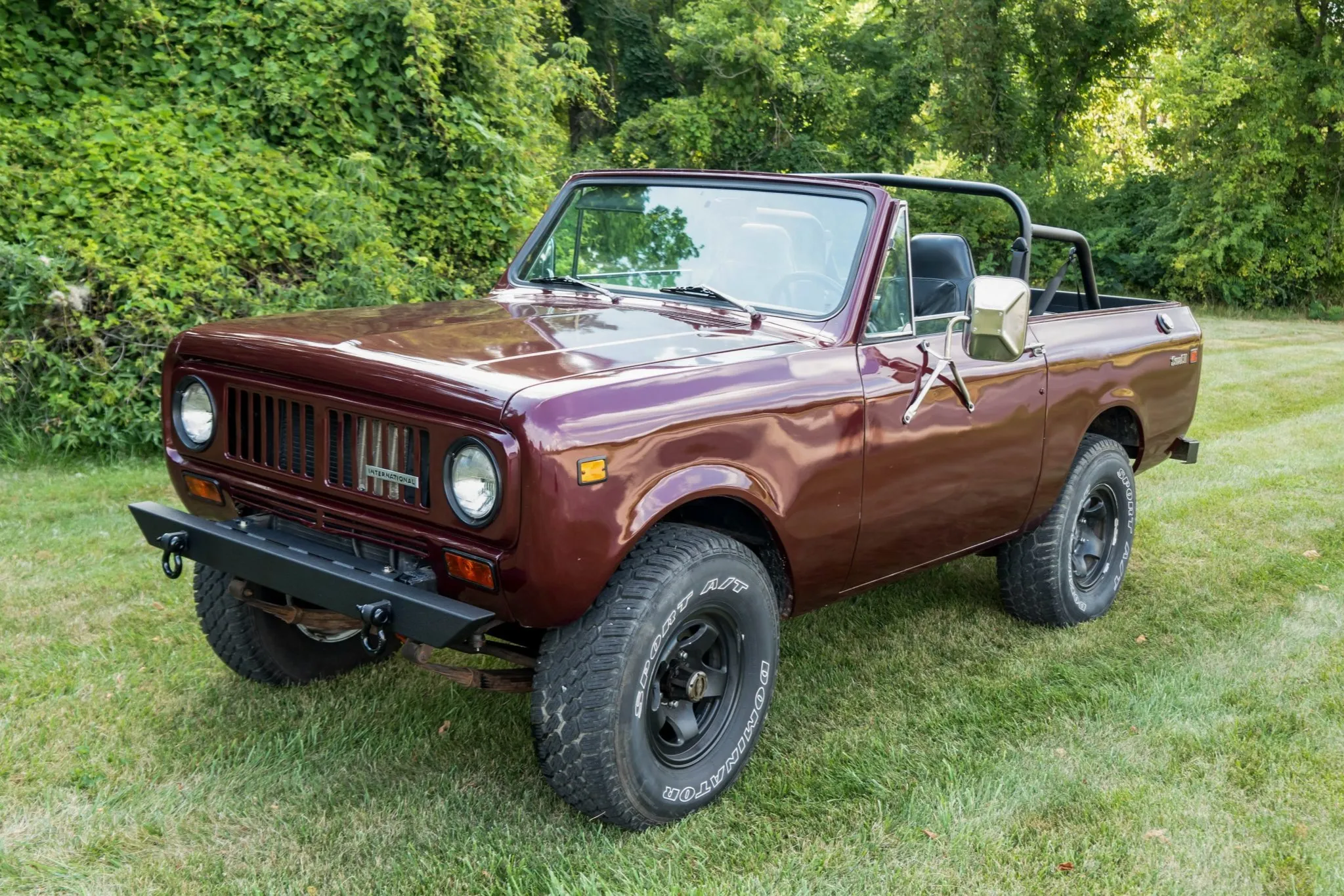
5. International Harvester Scout II: An Agricultural-Grade Off-Road Machine
The International Harvester Scout II is a rugged and uncompromising SUV that reflects its origins in heavy-duty industrial engineering. Built by International Harvester from 1971 to 1980, it was designed more like a piece of farm equipment than a conventional passenger vehicle. This approach gave it a reputation for durability, simplicity, and a distinctly agricultural character.
The Scout II is built on a strong body-on-frame platform with solid front and rear axles, providing excellent strength and off-road capability. Its design draws directly from the company’s experience in tractors and trucks, favoring toughness and reliability over comfort. This makes it highly capable on rough terrain, where its sturdy chassis and straightforward drivetrain perform with confidence.
Engine options include the well-known 304 and 345 cubic-inch V8s, both valued for their strong low-end torque. These engines are well-suited for towing, hauling, and off-road use, even though they are not focused on speed or high performance. Later models also introduced diesel options, reinforcing its identity as a dependable workhorses built for demanding tasks.
The driving experience is raw and physically engaging. Early versions feature manual steering and drum brakes, requiring significant driver input. The leaf-spring suspension produces a firm, bouncy ride that transmits every bump directly into the cabin. Steering can feel slow or loose at times, especially at higher speeds, but this adds to its authentic mechanical feel. Drivers must rely on skill and attention rather than electronic assistance.
Inside, the Scout II is simple and functional. The cabin includes basic gauges, durable materials, and minimal comfort features. Some models offer removable tops, adding versatility and an open-air driving option. The design focuses on practicality, with little emphasis on refinement or luxury.
Despite its strengths, the Scout II has several drawbacks. It is highly prone to rust, consumes a significant amount of fuel, and lacks modern safety features. However, its straightforward construction makes it relatively easy to maintain, and strong aftermarket support helps owners keep these vehicles in good condition.
Today, the Scout II remains a respected classic, appreciated for its toughness, uniqueness, and purely mechanical driving experience.
Also read: 5 Cars With Simple Mechanical Cooling Fans vs 5 With Complex Electric Fan Modules
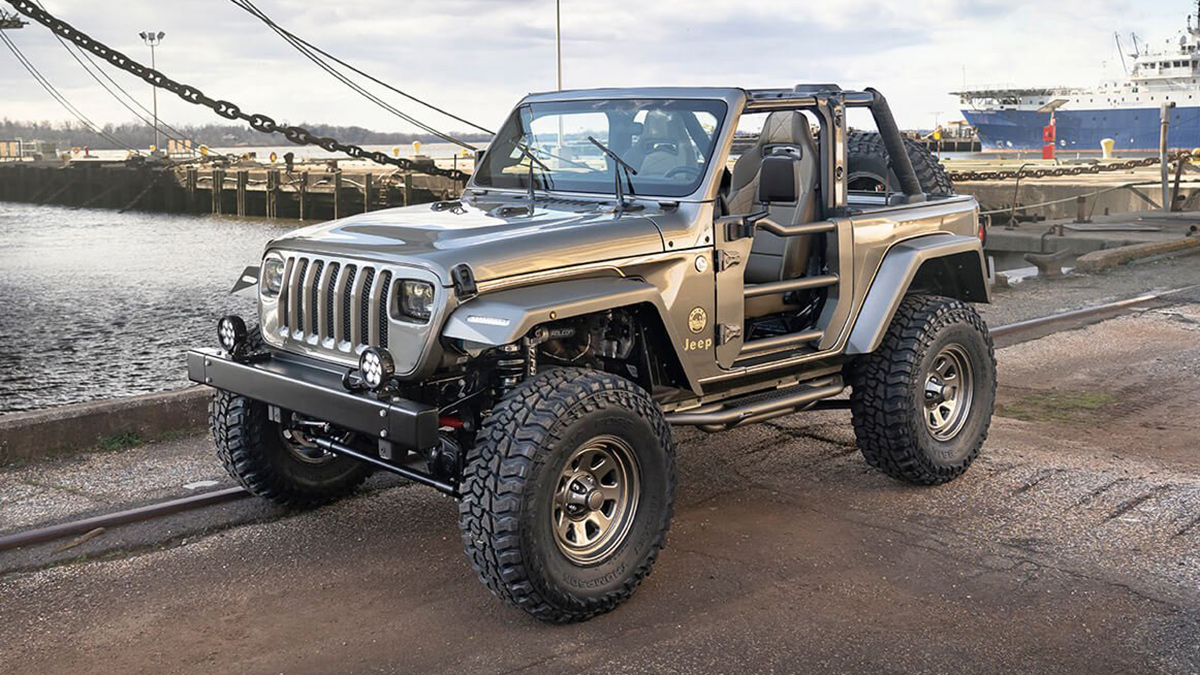
6. Jeep Wrangler (YJ): The Last Leaf-Spring Wrangler
The Jeep Wrangler (YJ) represents a crucial transition in Jeep history, bridging the gap between the rugged CJ models and the more refined Wranglers that followed. Produced by Jeep from 1987 to 1995, the YJ is instantly recognizable for its square headlights, but its true significance lies in its mechanical simplicity and old-school design.
One of the defining features of the YJ is its leaf-spring suspension, making it the last Wrangler to use this traditional setup. This gives the vehicle a stiff, bouncy ride that emphasizes durability and simplicity over comfort. Instead of absorbing bumps smoothly, the suspension transmits much of the terrain directly to the driver, creating a raw and engaging off-road experience that many enthusiasts appreciate.
Under the hood, the YJ is best known for its 4.0-liter inline-six engine, widely regarded as one of the most reliable engines ever produced. Earlier models also featured a 4.2-liter inline-six and a 2.5-liter four-cylinder, all of which are valued for their durability and ease of maintenance. These engines prioritize longevity and consistent performance rather than speed, making them well suited for both trail use and everyday reliability.
The YJ’s construction follows a body-on-frame design with solid axles, reinforcing its off-road capability. Its drivetrain is straightforward, often paired with a manual transmission and a floor-mounted transfer case lever, giving the driver full control over power delivery. With no reliance on advanced electronics, the driving experience is purely mechanical and highly engaging.
Inside, the YJ remains simple and functional. The cabin features basic controls, minimal insulation, and limited comfort features. Removable doors and tops allow for an open-air driving experience, adding to its appeal as a recreational vehicle. This design highlights freedom and versatility rather than luxury.
Despite its strengths, the YJ has some drawbacks. The ride quality can be harsh, especially on long drives, and the vehicle is prone to rust in key areas. It also lacks modern safety features and fuel efficiency. However, it is relatively affordable, easy to repair, and supported by a strong aftermarket community.
Today, the YJ is increasingly appreciated as a classic, offering a genuine analog driving experience that reflects Jeep’s rugged heritage.
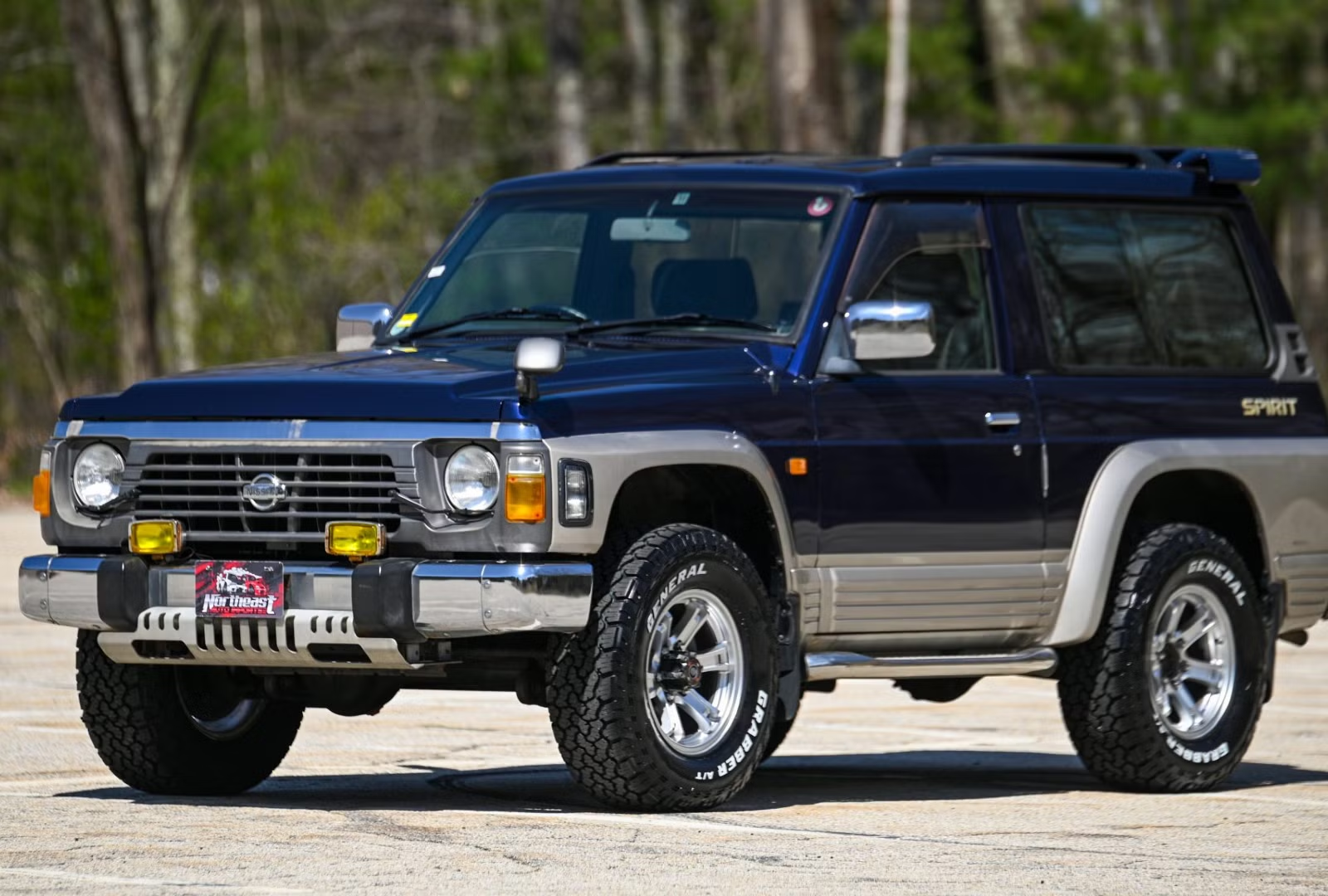
7. Nissan Patrol (Y60/GQ): A Legendary Diesel Workhorse
The Nissan Patrol (Y60/GQ) is widely regarded as one of the toughest and most reliable off-road vehicles ever built. Produced by Nissan from 1987 to 1997, the Y60 earned its reputation in harsh environments such as the Australian Outback and Middle Eastern deserts, where durability and simplicity are essential.
At the heart of the Y60’s legacy is the legendary TD42 4.2-liter inline-six diesel engine. Known for its exceptional longevity, this engine is built for endurance rather than speed, often running for hundreds of thousands of miles with basic maintenance. Its straightforward mechanical design, free from complex electronics, makes it highly dependable and easy to repair, even in remote areas with limited tools.
The Y60 introduced coil-spring suspension on all four corners, improving ride comfort compared to earlier leaf-spring designs while retaining heavy-duty live axles. This combination provides excellent wheel articulation and stability, allowing the vehicle to maintain traction on uneven terrain. The result is a planted, confident feel that reinforces its reputation as a serious off-road machine.
Driving the Y60 is a physical and engaging experience. The weight of the clutch, the feedback through the steering, and the vibration of the diesel engine all contribute to a strong mechanical connection between driver and vehicle. Manual transmissions and a robust four-wheel-drive system place full control in the hands of the driver, emphasizing skill and awareness over electronic assistance.
The interior reflects its utilitarian purpose. It features a simple layout with durable materials, basic controls, and minimal comfort features. While functional and practical, it lacks the refinement and technology found in modern SUVs. This simplicity, however, makes it easier to maintain and repair over time.
Despite its strengths, the Y60 has some drawbacks. It can be underpowered compared to modern vehicles, and fuel consumption is relatively high. Common issues include rust, particularly in roof gutters, as well as potential cooling system concerns in extreme conditions. Ride quality can also feel firm on paved roads.
Today, the Y60 Patrol is a cult classic, valued for its toughness, reliability, and authentic analog driving experience, making it a favorite among off-road enthusiasts and collectors.
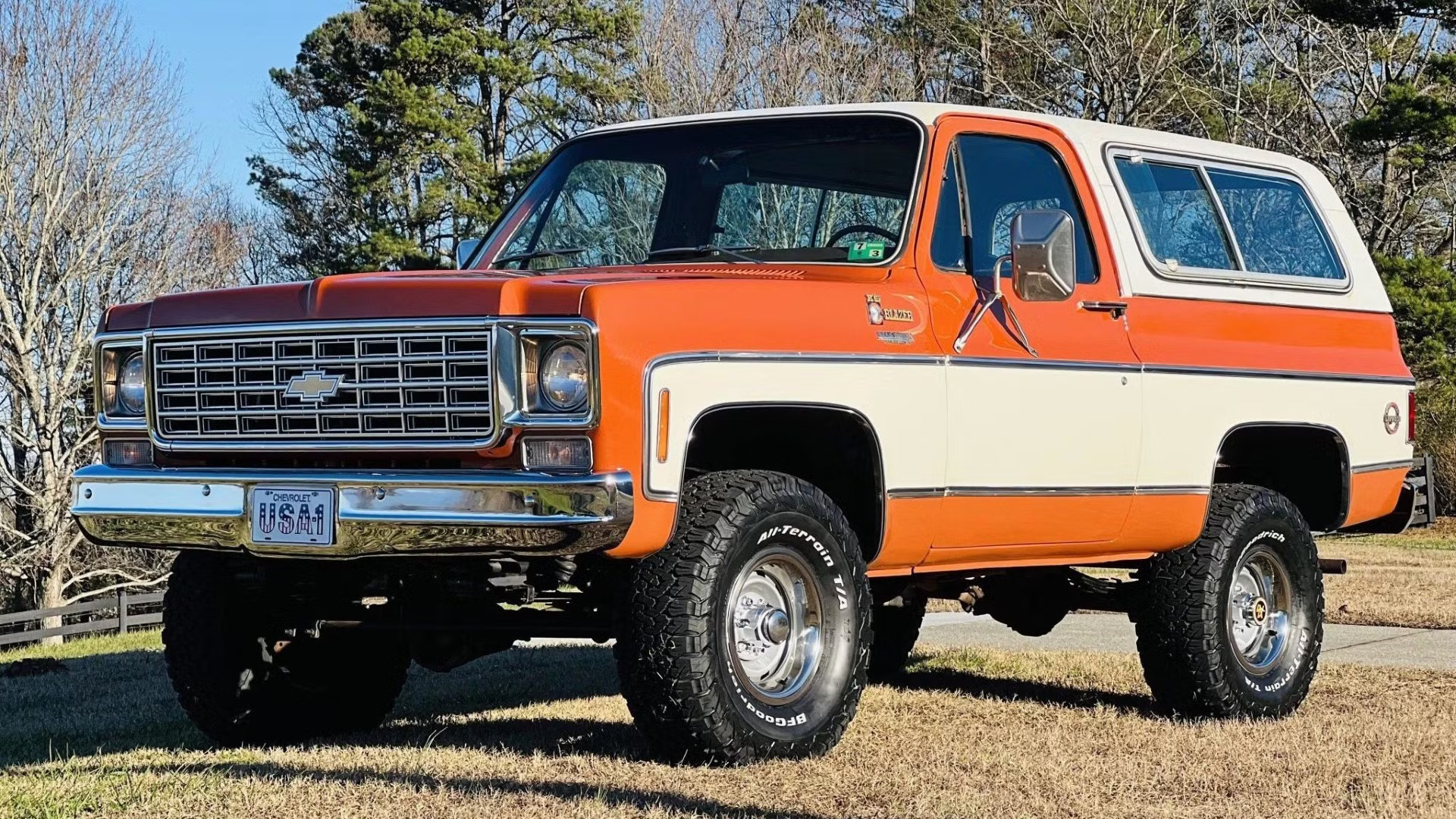
8. Chevrolet K5 Blazer (First Generation): The Original Full-Size Open-Air SUV
The Chevrolet K5 Blazer (First Generation) is a landmark in American SUV history, blending full-size truck durability with a compact, maneuverable package. Produced by Chevrolet from 1969 to 1972, the first-generation K5 Blazer was designed for drivers who wanted a rugged off-roader without sacrificing comfort or utility.
Its standout feature is a fully removable steel roof that extends to the windshield, creating an unmatched open-air experience where the roar of the small-block V8 dominates the cabin.
Built on a shortened K10 pickup chassis, the K5 offers a wide, stable platform with solid front and rear axles and leaf-spring suspension. This truck-based underpinnings provide authentic mechanical feedback and heavy-duty off-road capability. Steering is direct, brakes are hydraulic, and the absence of modern electronic aids like ABS or traction control ensures a raw, engaging connection between driver, engine, and terrain.
Powertrain options were simple and robust, ranging from a 250 cubic-inch inline-six to the popular 307 and 350 cubic-inch small-block V8s.
These engines are easy to maintain and tune, requiring no computer diagnostics, which makes them ideal for enthusiasts who prefer hands-on mechanical work. The combination of solid axles, leaf springs, and carbureted engines creates a tactile and powerful driving experience that emphasizes the vehicle’s truck-like character.
Inside, the K5 Blazer was spacious and practical, offering bucket seats, optional rear seating, and even air conditioning, a rare comfort in early SUVs. The long wheelbase compared to competitors like the Ford Bronco or Jeep CJ-5 improved ride quality, though the experience remained firmly truck-like, with a noticeable bounce over rough terrain.
The K5’s ruggedness and classic styling have made it increasingly collectible, with restomod projects often adding suspension lifts, larger tires, and upgraded axles while preserving the original mechanical charm. Common issues include rust in rocker panels, floor pans, and rear fender wells, along with occasional rear window mechanism problems.
Today, the first-generation Chevrolet K5 Blazer (First Generation) is celebrated as a versatile, iconic classic that combines open-air freedom, powerful V8 performance, and a raw mechanical driving experience. Its strong off-road capability and growing collectible status make it a highly desirable vehicle for enthusiasts and collectors alike.
9. Jeep Cherokee (XJ): The Last Analog Compact SUV
The Jeep Cherokee (XJ) is a standout for enthusiasts seeking a purely mechanical, driver-focused SUV. Produced from 1984 to 2001, the XJ combined rugged durability with everyday usability, bridging the gap between classic analog off-roaders and more modern crossovers.
Its lightweight unibody construction, solid axles, and simple 4×4 systems make it one of the last SUVs to offer a direct, tactile connection between driver, machine, and terrain.
At the heart of the XJ is the legendary AMC-derived 4.0-liter inline-six engine. Renowned for its reliability, torque, and distinctive rumble, the 4.0L can last well beyond 200,000 miles with basic maintenance. Paired with the 5-speed AX-15 manual transmission, it delivers an engaging and raw driving experience.
Without modern electronic interventions like traction control or stability systems, the XJ emphasizes mechanical skill and awareness, allowing drivers to feel every interaction between wheels and trail.
The XJ’s engineering is simple yet durable. Part-time and full-time four-wheel-drive systems are mechanically operated, making them easy to engage and maintain. Solid front and rear axles provide excellent off-road capability, while the unibody design keeps weight low for nimble handling.
The compact footprint enhances maneuverability, yet the interior remains functional, with enough space for passengers and cargo while retaining a classic boxy aesthetic.
Maintenance and modifications are straightforward due to the XJ’s long production run and simple components. Enthusiasts benefit from abundant aftermarket support, low-cost replacement parts, and ease of DIY repairs, whether upgrading suspension, axles, or drivetrains.
Common concerns include rust on rockers, floor pans, and door bottoms, as well as the Dana 35 rear differential and cooling system upkeep. Fuel economy is modest, and ride comfort on paved roads can feel stiff, but these are accepted trade-offs for its raw mechanical charm.
The Jeep Cherokee (XJ) is a genuine classic, offering unmatched analog driving feedback and mechanical simplicity. Its combination of reliable engineering, capable off-road systems, and accessible maintenance makes it a favorite among purists, collectors, and enthusiasts who value a hands-on, no-nonsense SUV that remains fully connected to the driver and the terrain.
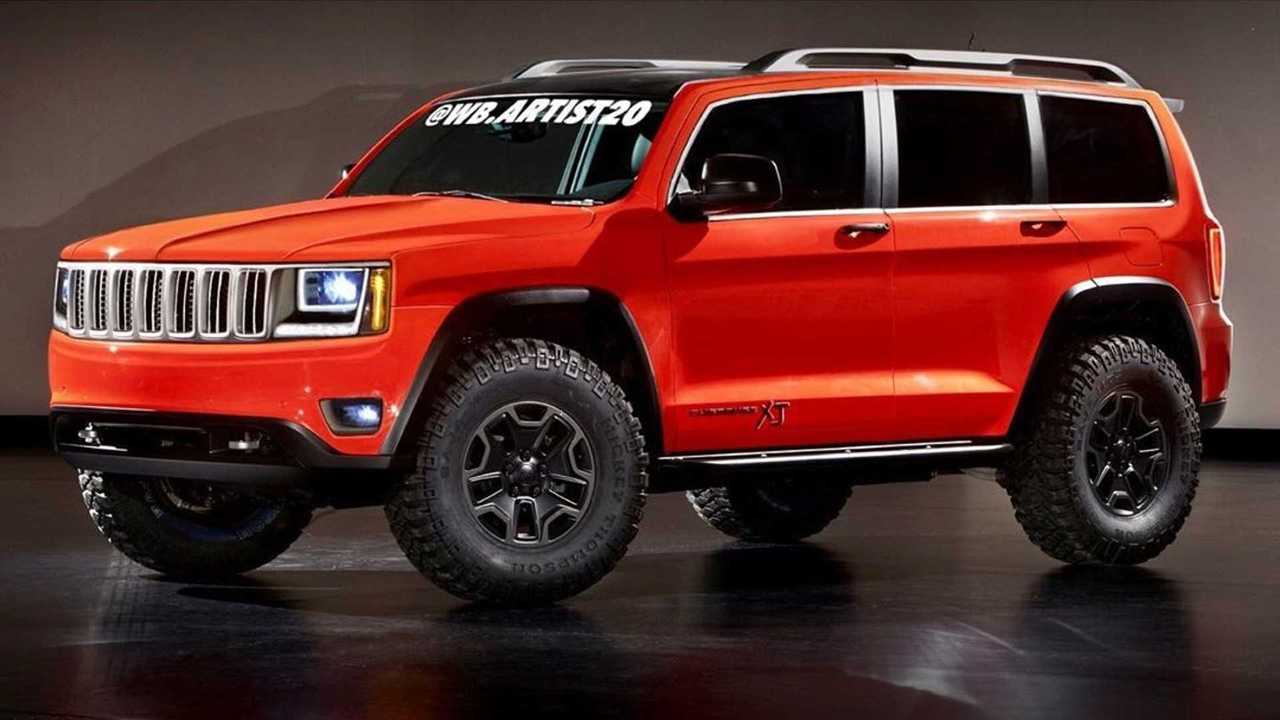
10. Suzuki Samurai (SJ-Series): Lightweight Analog Off-Roader
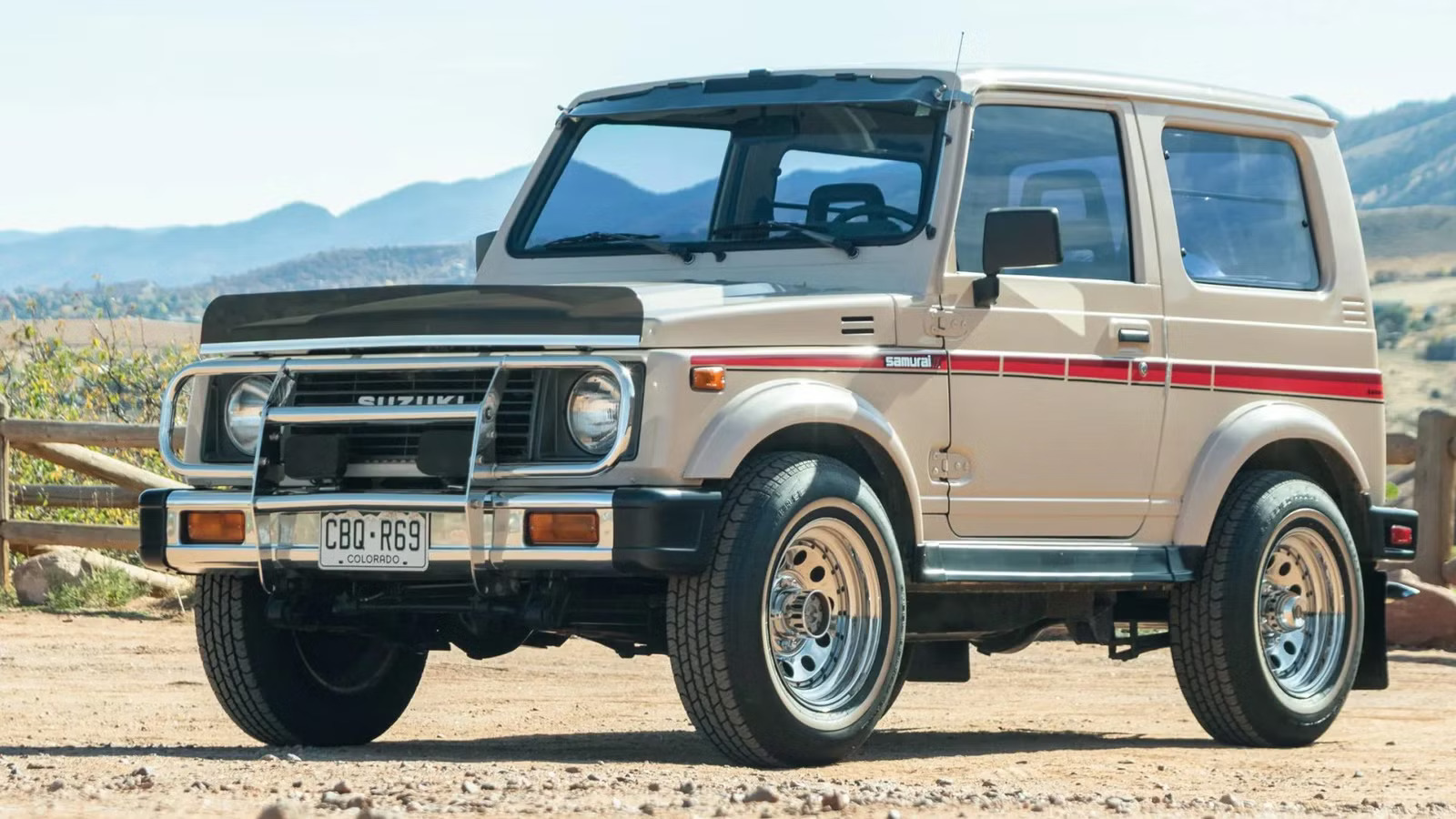
The Suzuki Samurai (SJ-Series) is a classic choice for drivers seeking a purely mechanical, hands-on driving experience. Produced from 1981 to 1997, it combines an ultra-lightweight design with a simple 1.3-liter carbureted engine, 5-speed manual transmission, and robust live axles.
Every input on the steering wheel, pedals, and shifter has an immediate effect, creating a direct connection between the driver and the terrain. Its small size and low weight allow it to tackle obstacles that larger SUVs cannot.
The Samurai is celebrated for simplicity. It uses a lever-operated four-wheel-drive system with manual locking hubs and a sturdy transfer case, giving drivers complete control over off-road performance. The leaf-spring suspension is firm, providing constant feedback from the road or trail.
Its curb weight of around 1,800 to 1,900 pounds enhances agility and responsiveness, earning it the nickname “little mountain goat.” The cabin is minimal, with few comfort features and almost no sound insulation, emphasizing the raw, mechanical feel of the vehicle.
Reliability and ease of maintenance are major advantages. The small engine and straightforward mechanical components make the Samurai easy to repair with basic tools.
This simplicity appeals to enthusiasts who enjoy DIY repairs and low-cost ownership. A strong aftermarket community supports modifications such as lifted suspensions, upgraded tires, and reinforced axles, improving off-road performance without compromising the analog experience.
Despite its strengths, the Samurai has some drawbacks. Ride comfort is harsh, top speed is limited, fuel consumption is higher than expected for the engine size, and rust is common in older models.
Safety features are minimal, reflecting the vehicle’s utilitarian design rather than modern standards. Popular versions include the SJ410, SJ413, and the US-market Samurai, each offering minor improvements in engine performance and durability.
The Suzuki Samurai (SJ-Series) is valued for its engaging driving, light weight, and mechanical simplicity. It is an excellent choice for off-road enthusiasts and collectors who appreciate affordability, maneuverability, and a true analog driving experience.
Each SUV on this list demonstrates the enduring appeal of mechanical purity. Whether it is the overbuilt reliability of the Land Cruiser, the agile, playful nature of the Suzuki Samurai, or the raw, analog power of the first-generation Bronco, these vehicles remind us of an era when driving demanded skill, attention, and connection.
They are simple enough to maintain with basic tools, tough enough to conquer challenging terrain, and honest enough to reward every input from the driver. For collectors, off-road enthusiasts, and purists alike, these vintage SUVs represent the perfect combination of durability, functionality, and pure mechanical joy, offering experiences that modern SUVs can only imitate.
Also read: 10 Cars That Lose 50 Percent of Their Value the Moment You Drive Away