
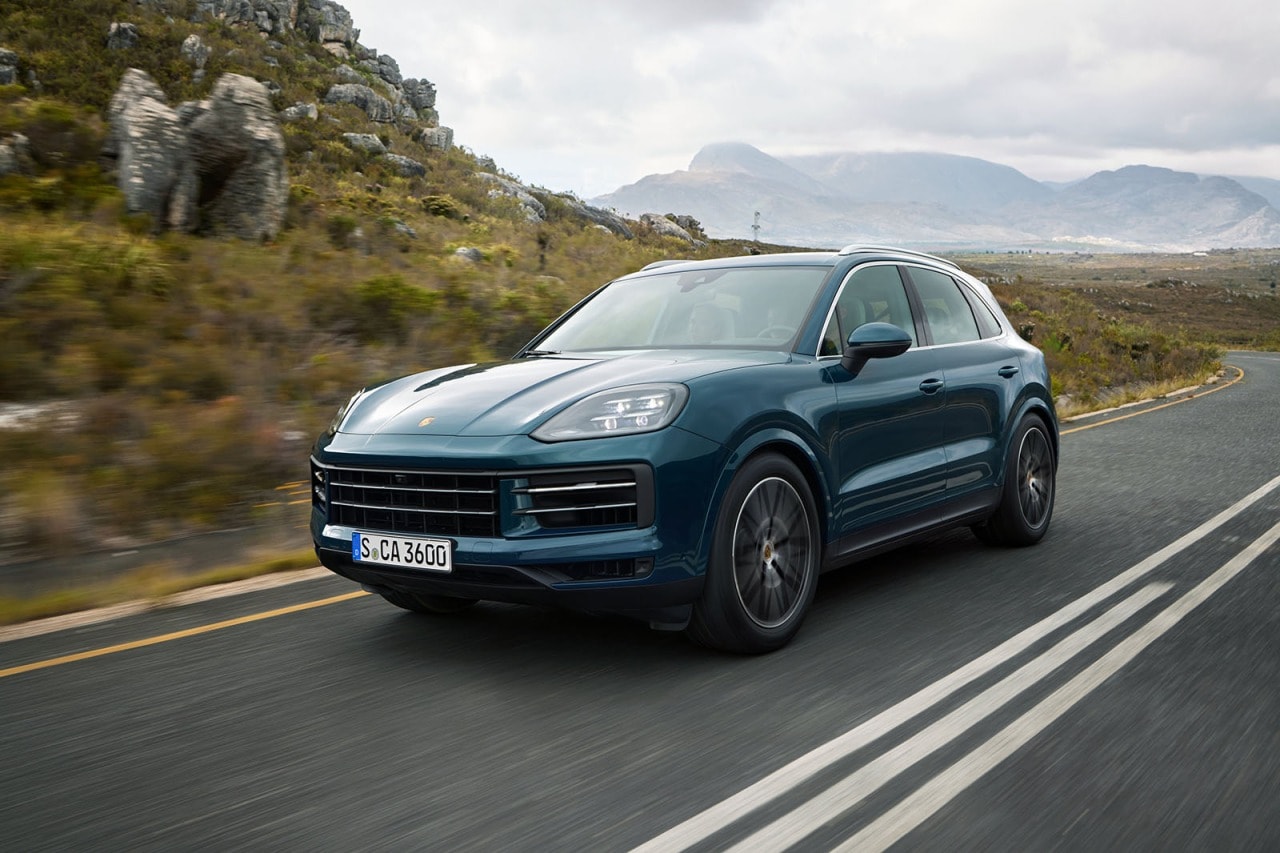
Paint durability is a critical but often underestimated aspect of vehicle ownership. While most buyers focus on performance, fuel economy, and features, the quality of a car’s paint directly affects long-term appearance, maintenance costs, and resale value.
Modern automotive paint systems typically consist of a primer, base coat, and clear coat. The clear coat, in particular, plays a major role in protecting against UV radiation, oxidation, chemical exposure, and physical damage such as scratches or chips.
However, not all paint systems are equal. Differences in material quality, application techniques, and cost-cutting measures can lead to noticeable variations between brands.
Some manufacturers invest heavily in multi-layer finishes and advanced coatings, while others use thinner or less durable paint systems that may degrade faster over time. Below is a detailed comparison of five brands known for strong paint durability and five that have shown recurring issues with peeling, fading, or premature wear.
5 Brands With the Best Paint Durability
The difference often comes down to how manufacturers approach the painting process. Variables such as clear coat thickness, multi-layer application, curing techniques, and quality control standards play a significant role in determining long-term durability.
Brands that invest heavily in advanced paint technologies, such as electrostatic application, robotic precision, and high-temperature curing, tend to produce finishes that resist fading, chipping, and oxidation far better than average.
Environmental regulations have also reshaped the industry, pushing automakers toward water-based paints that are more eco-friendly but sometimes less resilient if not properly engineered. This has created a noticeable gap between brands that simply meet regulatory requirements and those that go further to maintain durability without compromising environmental standards.
In this article, we examine five automotive brands that consistently deliver superior paint durability. These manufacturers stand out for their ability to maintain deep gloss, resist environmental wear, and preserve visual quality over years of ownership, making them strong choices for buyers who value long-term exterior condition as much as performance or features.
Lexus
Lexus has built a reputation for exceptional paint durability, aligning with its broader emphasis on precision manufacturing and long-term ownership quality. As the luxury division of Toyota, Lexus inherits rigorous production standards but elevates them further through advanced paint technologies and stricter quality control processes.
One of the defining strengths of Lexus paint lies in its multi-layer application process. Unlike many mainstream brands that rely on fewer coats to reduce cost, Lexus typically applies multiple base, color, and clearcoat layers.
This not only enhances depth and gloss but also improves resistance to environmental wear such as UV exposure, oxidation, and minor abrasions. Over time, this layered structure helps maintain a consistent finish, reducing fading and dullness even in harsh climates.
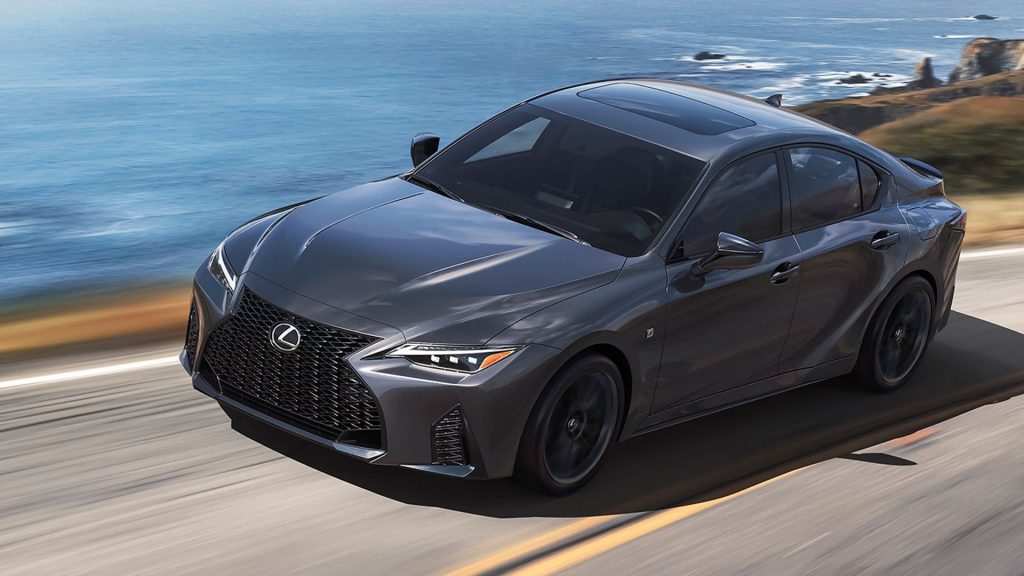
Lexus also utilizes self-healing clearcoat technology on many models. This specialized coating is designed to minimize the appearance of fine scratches and swirl marks.
While not completely eliminating damage, it allows minor imperfections to “relax” over time, especially under heat, helping the paint retain a newer appearance for longer periods. This is particularly valuable for daily-driven vehicles exposed to routine washing and road debris.
Another key factor is the brand’s focus on paint uniformity and inspection. Lexus production facilities are known for meticulous quality checks, including controlled paint environments that limit dust contamination and ensure even application. The result is a smooth, consistent finish with minimal defects straight from the factory, an important baseline for long-term durability.
Porsche
Porsche is widely regarded as one of the industry benchmarks for paint quality and durability, reflecting the brand’s engineering-first philosophy. Unlike many manufacturers that treat paint as a primarily aesthetic layer, Porsche approaches it as a critical component of long-term vehicle integrity and visual precision.
A major factor behind Porsche’s durability is its high-precision paint application process. Vehicles undergo multiple stages of coating, including electrocoating for corrosion resistance, followed by carefully controlled primer, basecoat, and clearcoat layers. Each stage is optimized for thickness consistency and adhesion, ensuring that the paint not only looks flawless but also resists chipping and environmental damage over time.
Porsche is also known for maintaining tighter tolerances in paint thickness than most manufacturers. While many brands vary significantly across panels, Porsche aims for uniformity, which improves both durability and appearance. This consistency reduces weak points where paint may wear prematurely, especially on high-impact areas like the front fascia and hood.
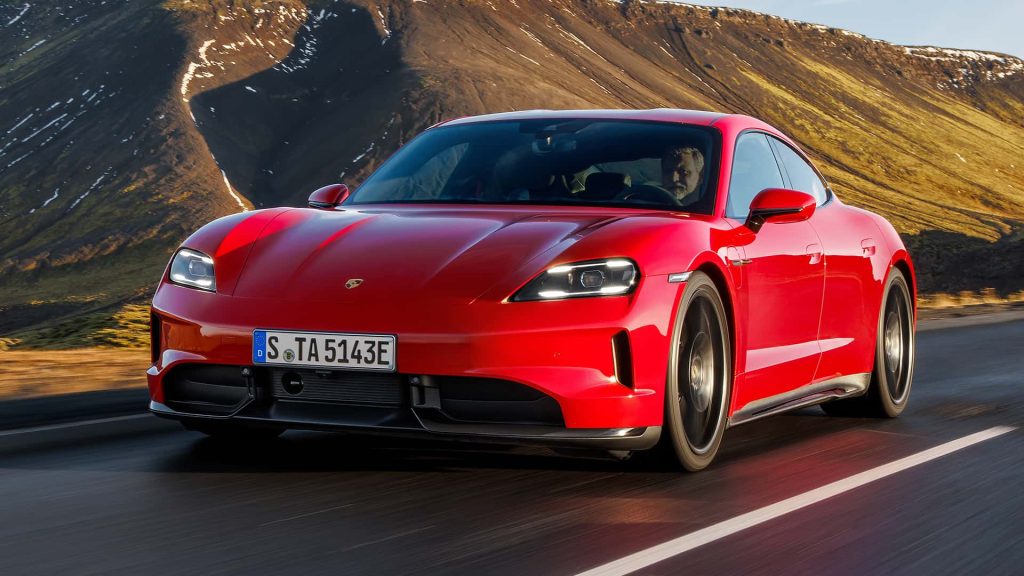
Another distinguishing element is the quality of the clearcoat. Porsche applies a relatively hard and resilient clear layer, which provides strong protection against UV radiation, oxidation, and minor abrasions. Compared to softer clearcoats used by some competitors, Porsche finishes are generally more resistant to swirl marks and micro-scratches, helping the surface retain its gloss with less frequent correction.
The brand’s paint chemistry and color development also contribute to longevity. Porsche offers a wide range of premium finishes, including metallic, pearlescent, and its highly regarded Paint to Sample (PTS) program. These paints are engineered not only for visual depth but also for stability, meaning they are less prone to fading or discoloration under prolonged sun exposure.
Audi
Audi consistently ranks among the top automotive brands for paint durability, largely due to its emphasis on precision manufacturing and advanced surface engineering. As part of the Volkswagen Group, Audi benefits from large-scale research and development, but it distinguishes itself through stricter quality control and premium finishing standards.
A core strength of Audi’s paint durability lies in its electro-deposition (e-coat) process, which provides a uniform anti-corrosion base layer across the entire body, including hard-to-reach areas.
This foundation significantly enhances long-term resistance to rust and environmental degradation. On top of this, Audi applies multiple layers of primer, basecoat, and clearcoat, ensuring both aesthetic depth and structural protection.
Audi is particularly known for its high-quality clearcoat systems. The clear layer is engineered to balance hardness and flexibility, hard enough to resist swirl marks and light scratches, yet not so brittle that it chips easily under impact. This balance is critical for real-world durability, especially in varying climates where temperature fluctuations can stress the paint surface.
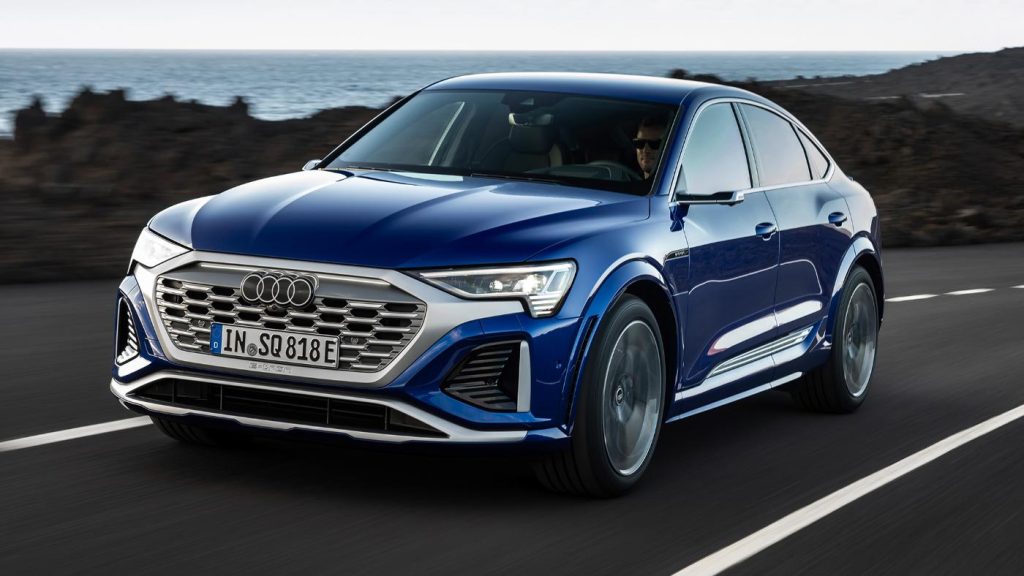
Another distinguishing factor is Audi’s robotic paint application technology. The brand uses highly controlled, automated processes in facilities like its Ingolstadt and Neckarsulm plants, ensuring consistent paint thickness and minimal defects. This level of precision reduces inconsistencies across panels, which is a common issue in lower-tier paint systems.
Audi’s color technology also contributes to durability. Popular finishes such as Daytona Gray, Mythos Black, and Navarra Blue are formulated with stable pigments and metallic particles that resist fading over time. These paints maintain their clarity and depth even after prolonged exposure to sunlight and environmental contaminants.
Mercedes-Benz
Mercedes-Benz is widely recognized for delivering some of the most refined and durable paint finishes in the automotive industry. As a flagship luxury manufacturer, Mercedes-Benz places strong emphasis on surface quality, combining advanced chemistry with meticulous application processes to ensure long-term resilience.
A key factor behind Mercedes-Benz paint durability is its multi-stage coating system. Each vehicle undergoes a comprehensive process that includes electrocoating for corrosion resistance, followed by primer, basecoat, and multiple layers of clearcoat.
This layered structure enhances both visual depth and protection, helping the paint withstand environmental stressors such as UV radiation, moisture, and road contaminants.
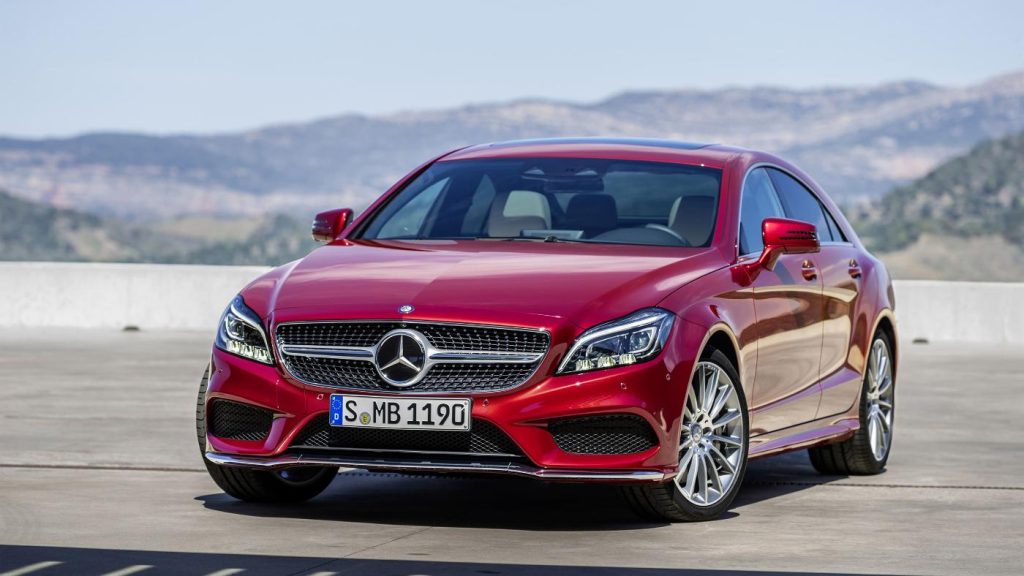
One of the brand’s notable strengths is its high-solids clearcoat technology. Mercedes uses a relatively thick and durable clear layer, which improves resistance to micro-scratches, swirl marks, and oxidation.
This contributes to the signature deep gloss seen on models like the S-Class and E-Class, while also ensuring that the finish retains its clarity over time. Compared to thinner or softer coatings used by some manufacturers, Mercedes paint tends to age more gracefully under normal conditions.
Mazda (Premium Finishes)
Mazda has emerged as one of the most impressive brands in terms of paint quality and durability, particularly with its premium finishes developed under the brand’s “Takuminuri” painting technology. While not traditionally positioned as a luxury manufacturer, Mazda has invested heavily in elevating its exterior finishes to compete with higher-end brands.
At the core of Mazda’s paint excellence is its Takuminuri process, a sophisticated, robot-assisted painting method designed to replicate the craftsmanship of skilled artisans.
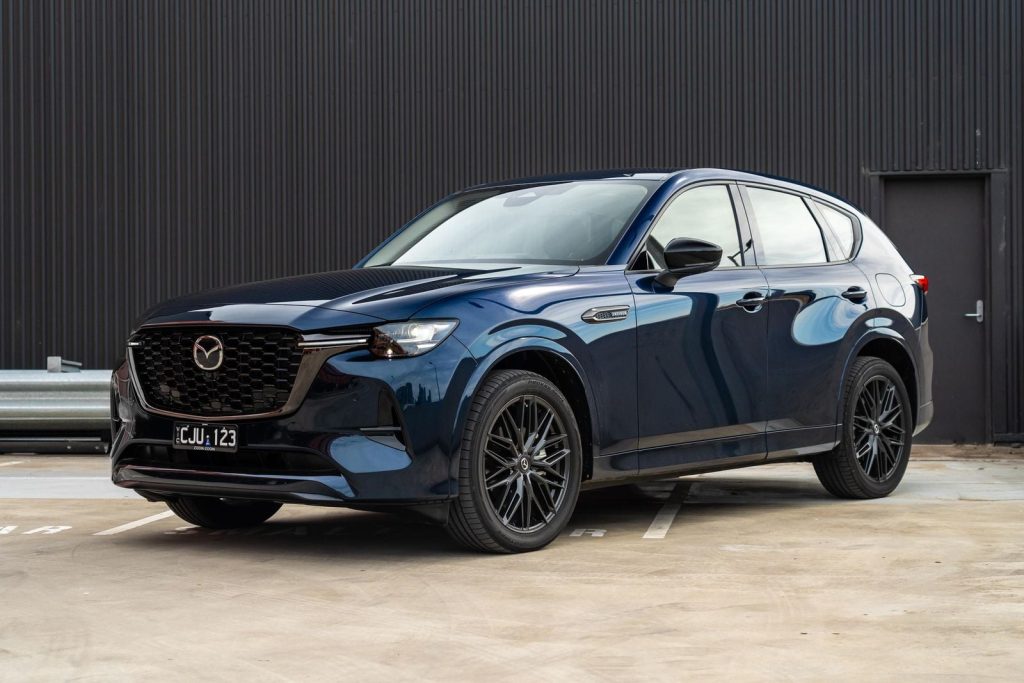
This system allows for extremely precise control over paint thickness, layering, and distribution, resulting in a highly uniform and durable finish. Unlike conventional processes that may sacrifice consistency for efficiency, Mazda’s approach prioritizes both visual depth and structural integrity.
One of the standout aspects of Mazda’s premium finishes is the multi-layer paint structure. Colors like Soul Red Crystal Metallic and Machine Gray Metallic are applied using a three-layer system that enhances both richness and durability.
The layering includes a reflective base, a translucent color layer, and a protective clearcoat, which together create a deep, almost liquid-like appearance while also improving resistance to fading and wear.
5 Brands Prone to Peeling or Paint Issues
Paint problems are often rooted in a combination of factors, including thin clear coat application, poor adhesion during the painting process, or cost-driven compromises in materials.
Environmental regulations have also pushed manufacturers toward water-based paints, which require precise engineering to match the durability of older solvent-based systems. When execution falls short, the result can be widespread issues that only become apparent after a few years of ownership, particularly in regions with intense sun exposure or harsh weather conditions.
In this article, we examine five automotive brands that have shown a higher tendency toward peeling, chipping, or paint degradation. While not every vehicle from these manufacturers is affected, patterns in owner reports and industry observations highlight recurring weaknesses worth noting, especially for buyers who prioritize long-term exterior durability.
Hyundai
Hyundai has made significant progress in paint quality and durability over the past decade, evolving from a value-focused manufacturer into a brand that can compete with more established players in long-term exterior finish performance. Backed by the engineering resources of Hyundai Motor Group, Hyundai has refined its paint processes to deliver improved resilience, consistency, and visual appeal.
A key component of Hyundai’s paint durability is its modern multi-layer coating system. Vehicles undergo electrocoating (e-coat) for corrosion protection, followed by primer, basecoat, and a clearcoat layer.
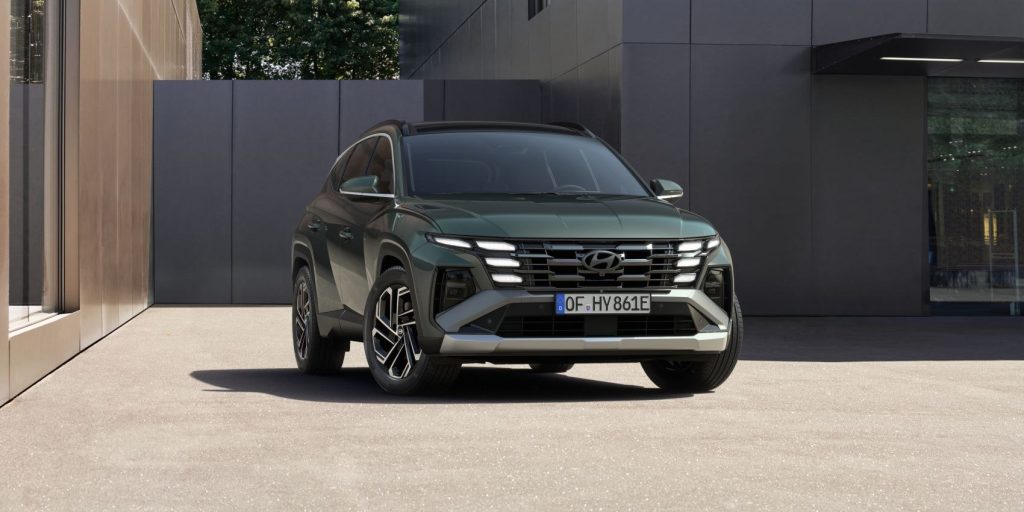
This structure helps protect against rust, UV exposure, and environmental contaminants. Compared to older Hyundai models from the early 2000s, which were sometimes criticized for paint fade, current models show a marked improvement in long-term finish retention.
Hyundai also utilizes advanced robotic paint application in its global manufacturing plants. This ensures consistent coverage and uniform thickness across panels, reducing weak spots that can lead to premature wear. The improved precision has contributed to better resistance against peeling, oxidation, and uneven fading, particularly in regions with strong sunlight.
Toyota (Certain White Paints)
While Toyota is widely known for reliability and strong build quality, it has faced well-documented issues with certain white paint finishes, particularly in models produced during specific years. This places the brand in a more nuanced position when discussing paint durability, generally strong, but with notable exceptions.
The issue primarily affects paints such as Super White (040) and Blizzard Pearl (070), which were used across a wide range of Toyota vehicles, including the Camry, Corolla, RAV4, and Prius. In these cases, owners have reported premature paint peeling, flaking, and loss of adhesion, most commonly on horizontal surfaces like the hood, roof, and trunk.
The root cause is widely understood to be related to paint adhesion failure between layers, particularly involving the primer and basecoat. When this bond weakens, the paint can separate from the body panel, sometimes in large sections. Unlike typical wear such as fading or minor chipping, this type of failure is more severe and often exposes the underlying material.
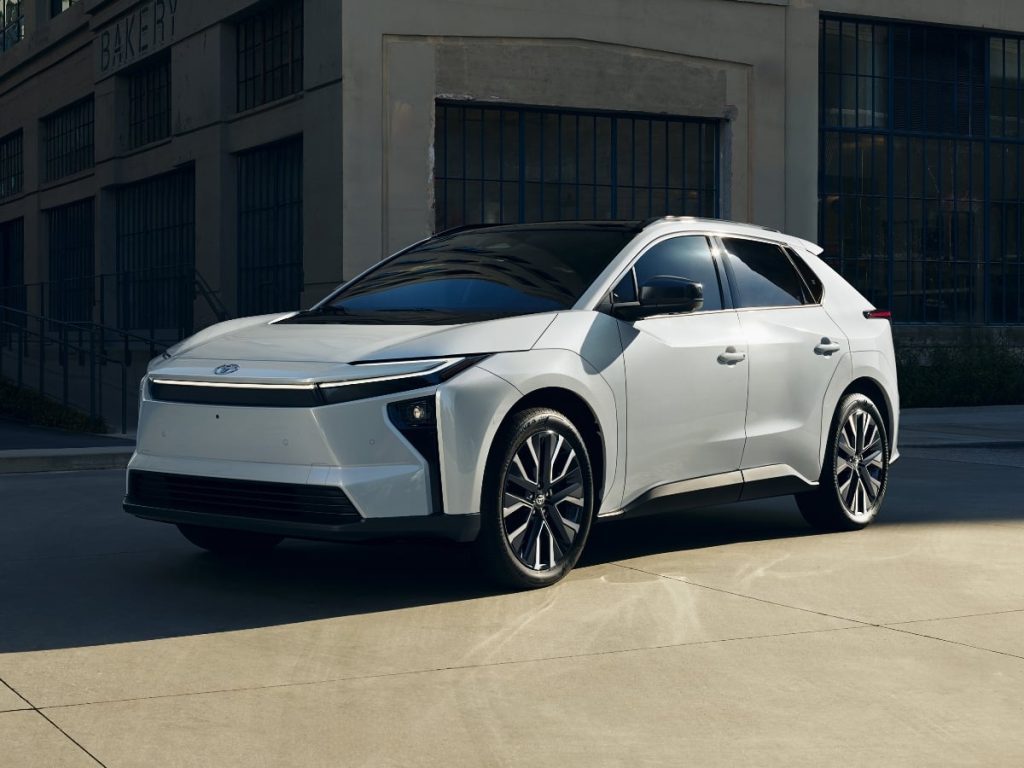
Environmental factors tend to accelerate the issue. Prolonged exposure to intense sunlight, heat, and UV radiation, common in regions like the southern United States or similarly hot climates, can worsen the degradation process. However, the defect has appeared in a variety of climates, indicating that it is primarily a materials or process-related issue rather than purely environmental wear.
Toyota has acknowledged the problem in many markets and, in response, has issued extended warranty programs and customer support initiatives to address affected vehicles. These programs often cover repainting or repairs for eligible models, reflecting the scale and recognition of the issue.
It is important to clarify that this problem is not representative of Toyota’s entire paint lineup. Outside of these specific white finishes and production periods, Toyota vehicles generally exhibit above-average paint durability, with good resistance to fading, oxidation, and everyday wear. Colors outside the affected range, such as metallic grays, silvers, and darker tones, tend to perform much more consistently over time.
Honda
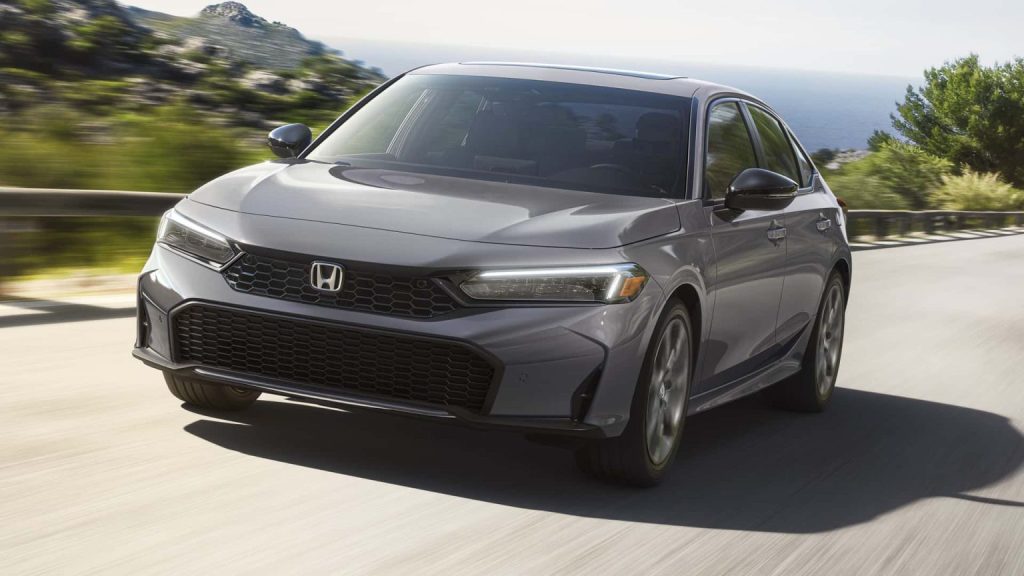
Honda has a mixed but generally improving reputation when it comes to paint durability. As a high-volume manufacturer focused on efficiency and cost balance, Honda has historically prioritized lightweight coatings and environmentally compliant processes, sometimes at the expense of long-term resilience. However, in more recent model years, the brand has made measurable progress.
A key characteristic of Honda’s paint system is its relatively thin application compared to some competitors. Modern Hondas typically use a multi-stage process, electrocoating, primer, basecoat, and clearcoat, but the total thickness is often lower.
This helps reduce weight and emissions during production but can make the finish more susceptible to chips, scratches, and premature wear, especially on high-impact areas like the hood and front bumper.
Earlier Honda models, particularly from the late 2000s to mid-2010s, were sometimes criticized for paint fading, clearcoat degradation, and peeling, especially in darker colors and in regions with strong sun exposure. These issues were often linked to thinner clearcoats and evolving environmental regulations that limited certain paint chemicals.
In response, Honda has refined its processes with improved paint chemistry and better UV-resistant clearcoats. Newer models show noticeably better resistance to oxidation and fading, with finishes that maintain gloss longer under normal conditions. While still not class-leading, the durability gap has narrowed compared to earlier generations.
Honda’s robotic paint application systems also contribute to consistency. Modern facilities ensure more even coverage and fewer defects than in the past, reducing weak points where paint might degrade prematurely. This has improved overall quality control and long-term appearance.
Tesla
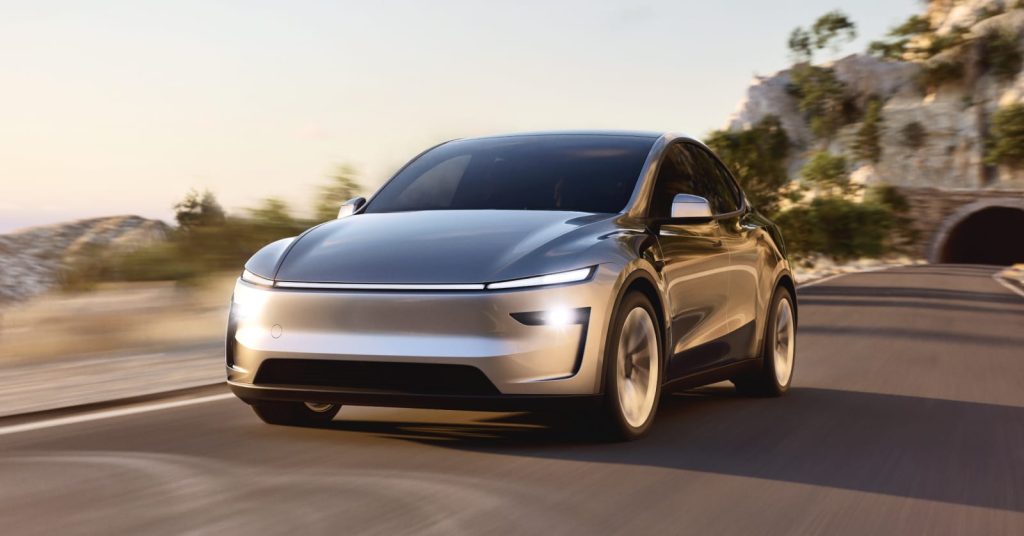
Tesla has developed a reputation for inconsistent paint durability, particularly when compared to established premium and luxury manufacturers. While Tesla leads in electric powertrain technology, its paint quality has often been cited as an area where it lags behind more traditional automakers.
One of the most commonly discussed issues is relatively thin paint application. Tesla vehicles typically use a standard multi-layer process, electrocoating, primer, basecoat, and clearcoat, but the thickness tends to be lower than that of competitors like Lexus or Mercedes-Benz. This thinner coating can make the surface more vulnerable to stone chips, scratches, and road debris, especially on the front end.
Another factor is variability in quality control, particularly in earlier production years. Tesla’s rapid scaling of manufacturing introduced inconsistencies in paint finish, including uneven coverage, visible defects, or premature wear in some cases. While newer factories and updated processes have improved consistency, reports of variability still surface more frequently than with legacy brands.
Tesla has also had to adapt its paint systems to comply with strict environmental regulations, especially at its California-based production facilities.
These regulations influence the types of solvents and coatings that can be used, sometimes resulting in softer clearcoats that are more prone to swirl marks and minor abrasions. Owners often notice that the paint can show imperfections more easily, particularly on darker colors like black and deep blue.
In real-world conditions, Tesla paint tends to exhibit higher susceptibility to chipping and surface wear compared to segment leaders. This has led many owners to invest in protective measures such as paint protection film (PPF) or ceramic coatings shortly after purchase. These solutions help mitigate the inherent limitations of the factory finish.
Subaru
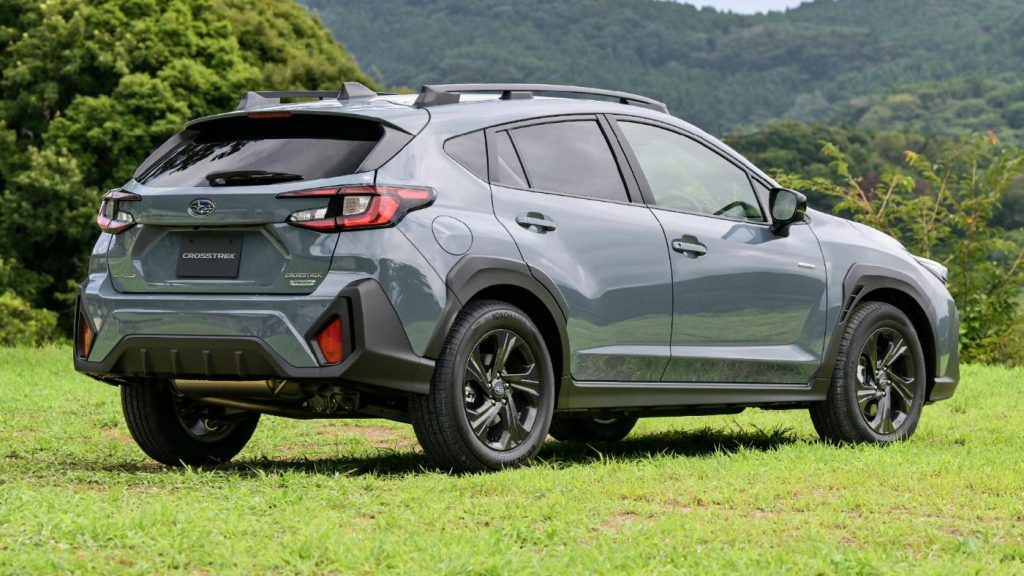
Subaru has a reputation for durability in mechanical terms, but when it comes to paint quality, it generally falls into the below-average to average range compared to the broader automotive market. As a brand under Subaru, the focus has historically been on reliability, safety, and all-weather capability rather than premium exterior finishes.
A commonly cited characteristic of Subaru paint is its relatively thin application. Like many modern manufacturers, Subaru uses an eco-friendly multi-stage process that includes electrocoating, primer, basecoat, and clearcoat. However, the total thickness of these layers tends to be on the lower side, which can reduce long-term resistance to chips and scratches—especially in high-impact areas such as the front bumper, hood, and side mirrors.
The clearcoat formulation is another factor. Subaru’s clear layer is generally softer than those used by many luxury brands, which makes it more prone to swirl marks, light scratches, and visible wear over time. Even routine washing, if not done carefully, can introduce fine imperfections that become noticeable, particularly on darker paint colors.
In real-world conditions, Subaru vehicles often show higher susceptibility to stone chipping and surface marring than competitors like Toyota or Honda. This is especially relevant for Subaru’s typical use case—drivers who frequently travel on rough roads, gravel, or in harsh weather conditions. Ironically, the brand’s adventurous positioning can expose its paint to more demanding environments where its thinner coating becomes a limitation.
There have also been owner reports of premature fading or clearcoat wear on certain older models, particularly in regions with intense sunlight. While Subaru has made incremental improvements in recent years, the paint system still does not rank among the most durable in the industry.
Premium and luxury brands tend to invest more in thicker, higher-quality paint systems that offer better long-term protection. In contrast, some mass-market manufacturers prioritize cost efficiency, which can result in thinner coatings and reduced durability.
It is also important to note that certain colors, especially white, have historically been more prone to peeling due to formulation challenges. Regardless of brand, proper maintenance such as regular washing, waxing, and protective coatings can significantly extend paint life.
For buyers planning long-term ownership, paint quality should be considered alongside mechanical reliability. A durable finish not only preserves the vehicle’s appearance but also protects its value over time.
