
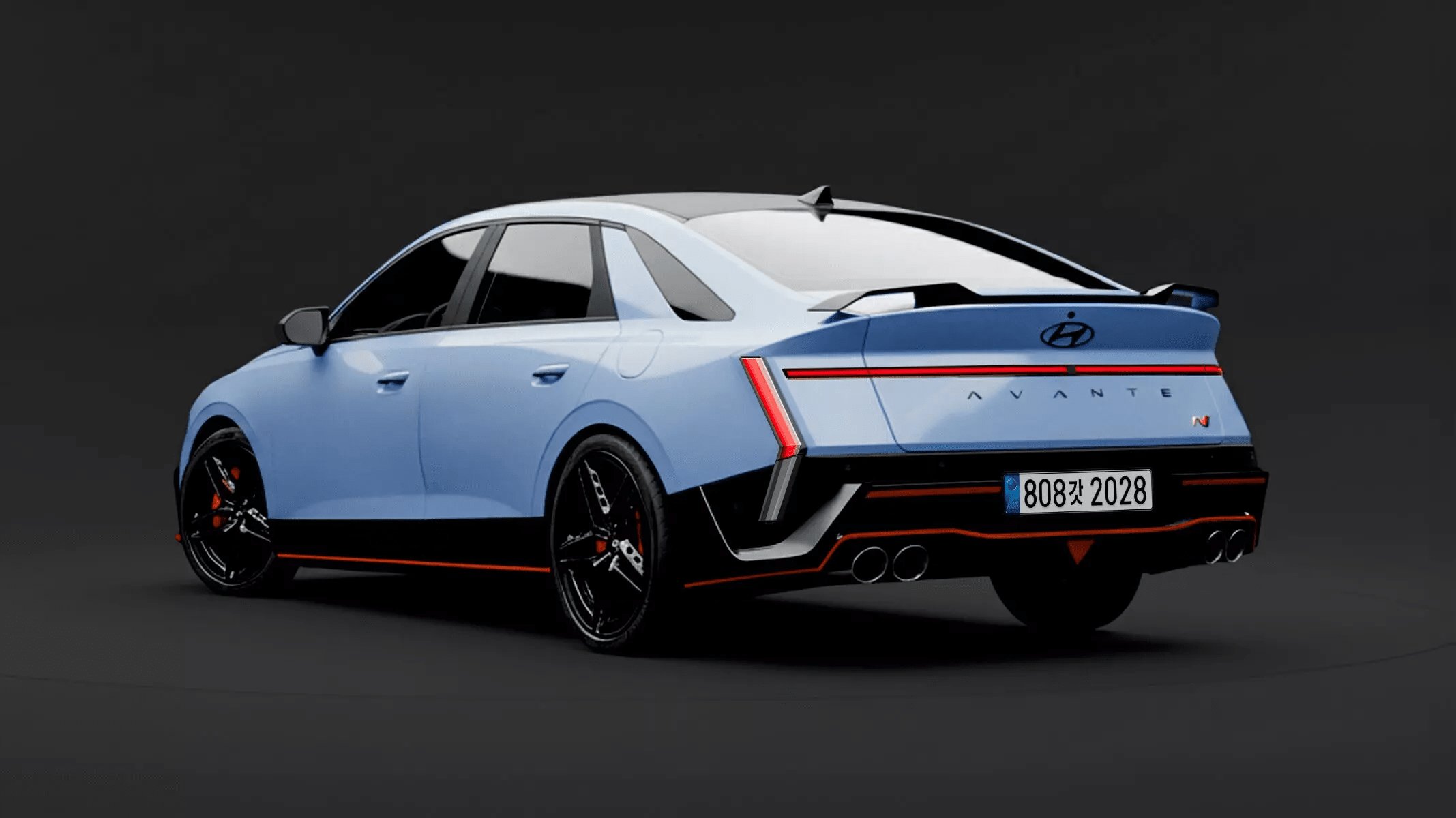
Steering feel plays a critical role in how a vehicle responds to real-world driving conditions across the United States. Whether navigating crowded city streets, maintaining stability on long highway drives, or handling winding backroads, the quality of a vehicle’s steering system directly affects driver confidence and control.
While electric power steering has become the industry standard due to efficiency and compatibility with driver-assistance systems, its execution varies widely.
Some vehicles deliver sharp, accurate, and well-weighted steering that enhances the driving experience, while others feel overly assisted, vague, and disconnected. Understanding this difference helps buyers choose vehicles that align with their driving expectations.
Vehicles With Responsive Steering
Steering feel is one of the most defining, yet often overlooked, qualities of a vehicle. It shapes how connected a driver feels to the road, how confidently corners are taken, and how predictable a car behaves in everyday situations.
While horsepower and acceleration figures dominate spec sheets, steering response is what truly determines whether a vehicle feels engaging or detached behind the wheel.
Responsive steering is characterized by precision, feedback, and immediacy. The moment you turn the wheel, the vehicle reacts without hesitation, translating driver inputs into controlled, predictable motion.
This level of communication not only enhances driving enjoyment but also improves safety, especially during emergency maneuvers or high-speed driving. Modern engineering has made significant strides in refining steering systems, yet not all vehicles deliver the same level of sharpness and feedback.
In today’s market, the shift toward electric power steering (EPS) has brought both benefits and compromises. While EPS improves fuel efficiency and allows for advanced driver-assistance features, it can sometimes mute road feedback, leading to a numb or overly assisted feel.
However, certain manufacturers have managed to strike an ideal balance, engineering systems that retain tactile feedback while offering modern efficiency.
Toyota GR86
The Toyota GR86 stands out as one of the clearest examples of how steering feel can define a car’s character. Unlike many modern vehicles that prioritize isolation, the GR86 is engineered to maximize driver feedback and precision. Its electric power steering system is carefully tuned to deliver immediate response with minimal artificial assistance, allowing the driver to sense subtle changes in grip and road texture through the wheel.
At the core of this responsiveness is the GR86’s lightweight rear-wheel-drive platform. Weighing significantly less than most modern performance cars, it reduces inertia and allows the steering inputs to translate directly into directional changes.
What separates the GR86 from many competitors is its linear steering behavior. There is no vague dead zone at the center, and inputs build progressively as steering angle increases.
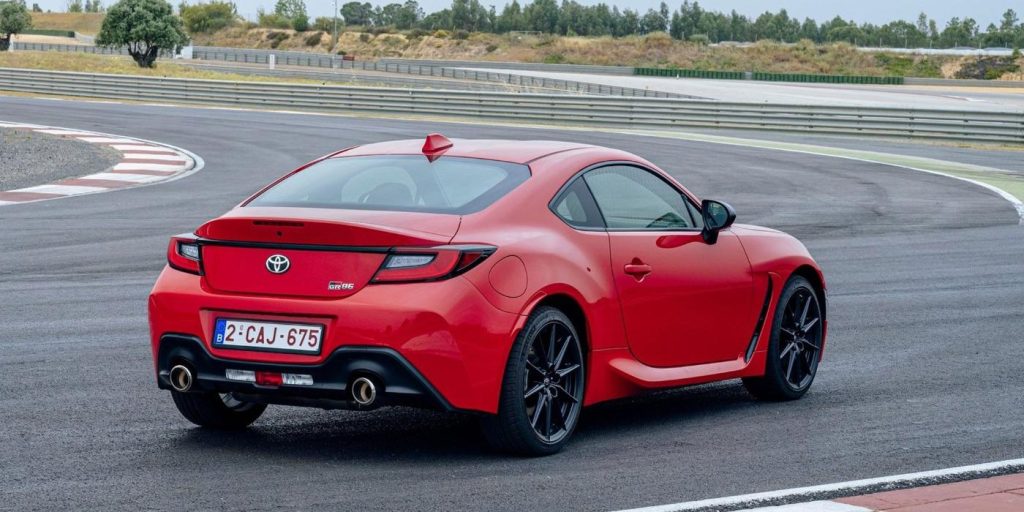
This makes the car especially confidence-inspiring on twisty roads, where precise placement and quick corrections are essential. The relatively quick steering ratio also contributes to its agile nature, requiring smaller inputs to achieve meaningful changes in direction.
Equally important is the chassis balance. The GR86 communicates clearly when approaching its limits, and the steering works in harmony with the suspension to provide consistent feedback. Even at moderate speeds, the driver remains engaged, which is increasingly rare in an era of over-assisted systems.
Overall, the Toyota GR86 delivers a level of steering precision and communication that rivals far more expensive sports cars. It’s a reminder that responsive steering isn’t just about technology, it’s about thoughtful engineering and a commitment to driver involvement.
Alfa Romeo Giulia
The Alfa Romeo Giulia is widely regarded as one of the best-driving sedans in its class, and a major reason is its exceptionally sharp steering. From the moment you turn the wheel, the Giulia responds with immediacy, delivering a level of precision that stands out even among performance-oriented rivals.
Its steering is notably quick, requiring minimal input to initiate direction changes, which gives the car an agile and alert character in both city driving and spirited conditions.
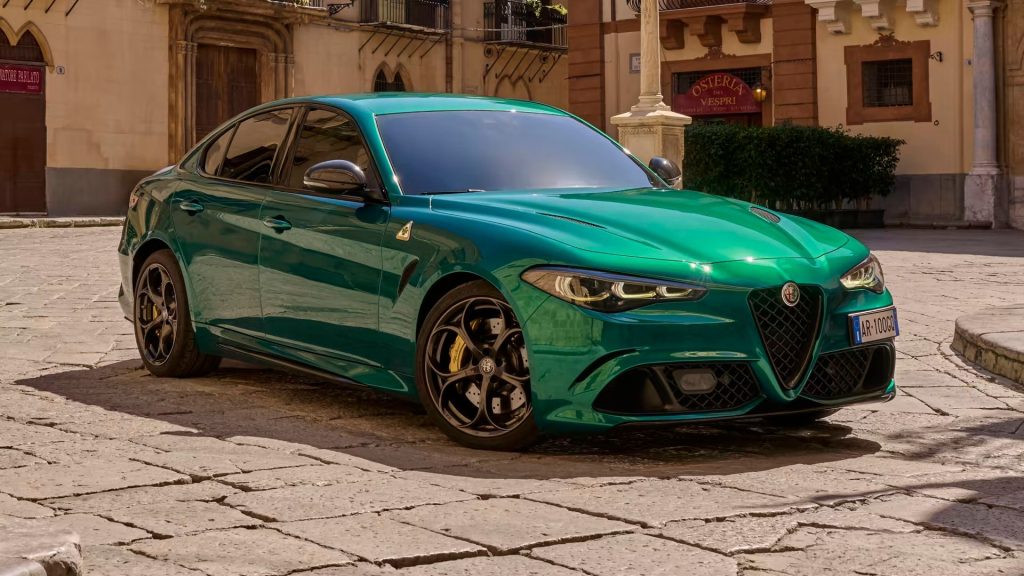
Unlike many modern sedans that isolate the driver, the Giulia maintains a strong sense of connection to the road. The electric power steering is finely calibrated to preserve feedback, allowing the driver to feel grip levels and front-end behavior with surprising clarity. This makes it easier to place the car accurately in corners and inspires confidence when pushing harder on winding roads.
A key factor behind this responsiveness is the Giulia’s lightweight architecture and near-perfect weight distribution. Built on a rear-wheel-drive platform, it avoids the front-heavy feel common in many competitors, which enhances turn-in sharpness and overall balance. The chassis works seamlessly with the steering system, ensuring that inputs feel natural and proportional rather than artificial or over-assisted.
The steering ratio is among the quickest in the segment, which contributes to the Giulia’s dynamic personality. While this can feel slightly sensitive at first, it quickly becomes intuitive, especially for drivers who appreciate a more engaged experience. Small adjustments translate into precise movements, making the car feel alive and responsive at all speeds.
Hyundai Elantra N
The Hyundai Elantra N demonstrates how precise steering tuning can transform a front-wheel-drive sedan into a genuinely engaging performance car. Unlike typical compact sedans that prioritize comfort over feedback, the Elantra N is engineered with a clear focus on responsiveness, delivering sharp turn-in and a direct connection between driver input and vehicle behavior.
Its electric power steering system is one of the most refined in the segment, offering a well-judged balance between assist and feedback. Inputs are immediate, with very little delay or artificial filtering, allowing the driver to sense front-end grip and make quick corrections when needed. This is particularly noticeable during aggressive cornering, where the steering remains consistent and predictable rather than becoming vague under load.
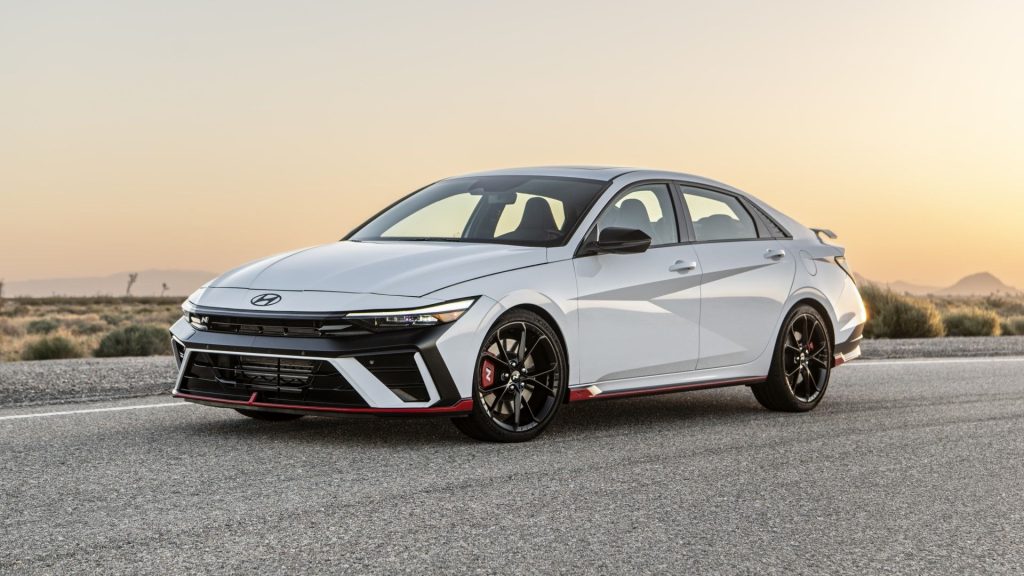
A major contributor to this precision is the car’s chassis and front suspension setup. Hyundai’s N division has tuned the geometry to minimize torque steer and maximize directional accuracy, two areas where front-wheel-drive performance cars often struggle. The result is a steering system that feels composed even under hard acceleration, maintaining stability without sacrificing agility.
The steering ratio is relatively quick, which enhances the car’s responsiveness without making it overly sensitive. Small inputs translate into clean, controlled changes in direction, giving the Elantra N a confident and planted feel on twisty roads. Combined with a stiff chassis and performance-focused tires, the steering works as part of a cohesive system that prioritizes driver engagement.
Cadillac CT5-V
The Cadillac CT5-V blends American performance with a level of steering precision that challenges established European rivals. Unlike older Cadillac models that leaned heavily toward comfort, the CT5-V adopts a far more driver-focused approach, with steering that is quick, controlled, and consistently communicative. It delivers a sense of accuracy that immediately stands out in the midsize performance sedan segment.
Its electric power steering is tuned for responsiveness rather than isolation. Initial turn-in is sharp, with minimal slack around the center, allowing the driver to make precise inputs without hesitation.
As steering angle increases, the weighting builds naturally, giving the driver a clear sense of how much grip is available at the front tires. This progressive feedback is critical for maintaining confidence during high-speed cornering or sudden directional changes.
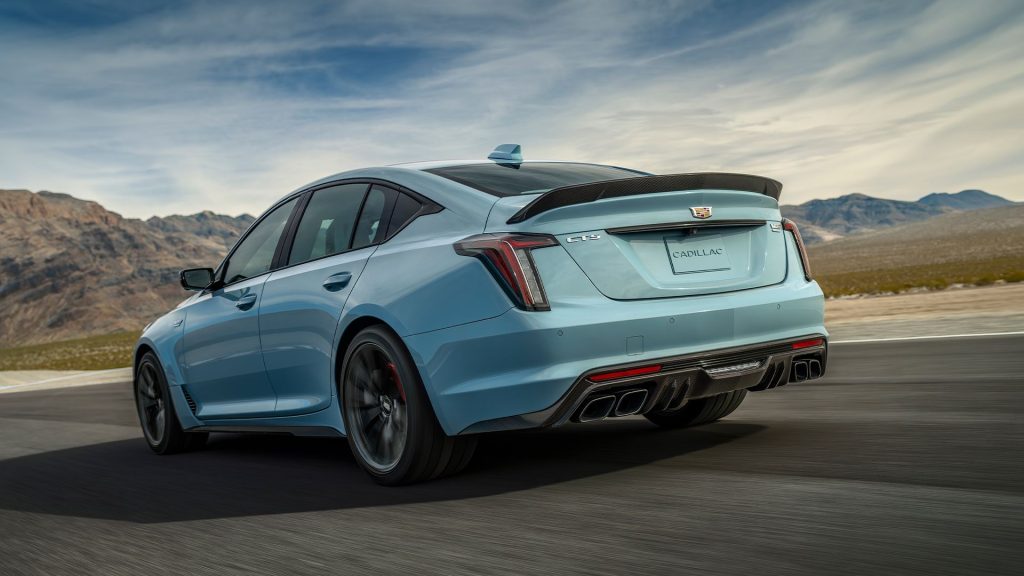
A key factor behind this capability is the CT5-V’s rear-wheel-drive architecture and near-balanced weight distribution. The chassis works in harmony with the steering system, ensuring that inputs translate cleanly into vehicle movement rather than being diluted by body roll or delayed reactions.
The steering ratio strikes a careful balance between agility and stability. It’s quick enough to make the car feel lively in tight corners, yet stable at highway speeds, avoiding the nervousness that can come with overly aggressive tuning. This makes the CT5-V equally comfortable as a daily driver and a spirited back-road machine.
Subaru BRZ
The Subaru BRZ is engineered with a singular focus on driving purity, and its steering is central to that mission. Designed as a lightweight, rear-wheel-drive sports coupe, the BRZ delivers a level of steering clarity that is increasingly rare in modern cars.
Every input at the wheel translates into immediate, predictable movement, making it one of the most communicative vehicles in its segment.
Its electric power steering system is finely calibrated to minimize artificial assistance, preserving genuine road feedback. Unlike many systems that feel filtered or overly boosted, the BRZ maintains a natural weight and directness, allowing the driver to sense subtle variations in grip and surface conditions. This makes it particularly effective in corners, where precise steering inputs are essential for maintaining balance and control.
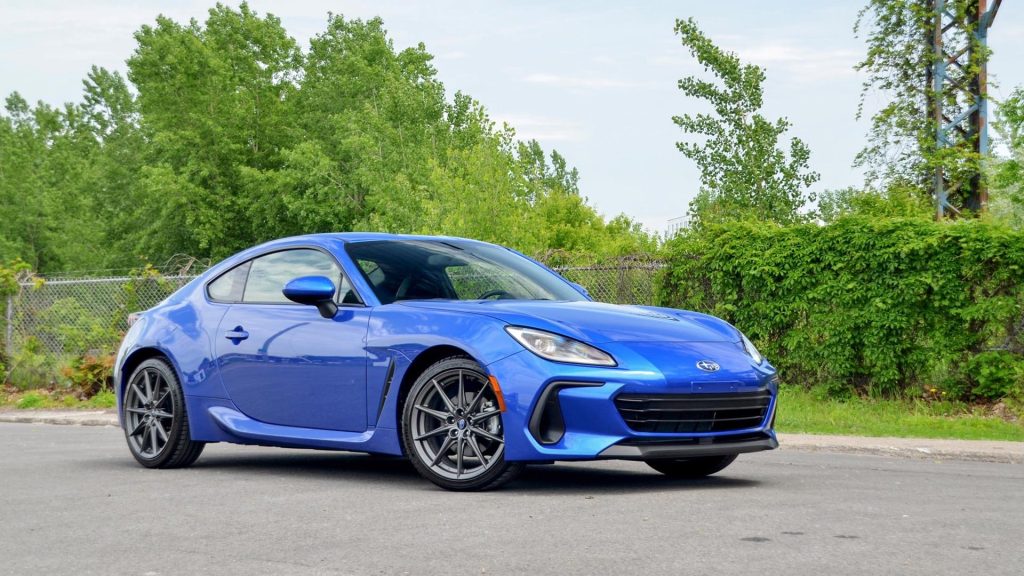
The BRZ’s low center of gravity, achieved through its horizontally opposed (boxer) engine, plays a significant role in enhancing steering response.
By keeping weight low and evenly distributed, the car reduces body roll and sharpens front-end behavior. The result is crisp turn-in and a planted feel that encourages confident, repeatable handling.
Steering linearity is another standout trait. There is virtually no dead zone around center, and the response builds smoothly as more input is applied.
This consistency allows drivers to make fine adjustments mid-corner without unsettling the chassis. Combined with a relatively quick steering ratio, the BRZ feels agile without becoming twitchy, striking a balance that suits both everyday driving and spirited use.
Vehicles That Feel Numb and Sloppy
Beyond tuning, mechanical and electronic shortcomings can further degrade steering quality. Faulty sensors, worn components, or calibration issues in EPS systems may lead to inconsistent assist levels, delayed responses, or even stiffness and unpredictability.
In some cases, design compromises, such as excessive power assist or poor suspension integration, result in excessive body roll and vague directional control, amplifying the feeling of sloppiness.
Certain vehicles have even drawn criticism from reviewers and owners for unresponsive steering paired with weak chassis control, reinforcing how poor steering feel rarely exists in isolation. Instead, it’s often part of a broader dynamic issue involving suspension tuning, weight distribution, and electronic intervention.
This section highlights vehicles that fall short in steering precision, models where feedback is muted, inputs feel delayed, and overall control lacks sharpness. Whether due to over-assisted systems, flawed engineering, or cost-cutting measures, these vehicles demonstrate how critical steering feel is to the driving experience, and how noticeable its absence can be.
Toyota Corolla Cross
The Toyota Corolla Cross is designed with comfort and predictability in mind, and its steering reflects that priority—for better and for worse. While it delivers easy, low-effort operation in daily driving, it lacks the precision and feedback associated with more responsive setups. This results in a steering feel that many drivers would describe as numb or disconnected, particularly when compared to sport-oriented vehicles.
At lower speeds, the light steering effort makes the Corolla Cross effortless to maneuver in urban environments and parking situations. However, this same over-assisted tuning becomes a drawback at higher speeds, where the steering can feel vague and lacking in confidence. There is a noticeable softness around the center, which reduces the sense of direct control and requires more correction to maintain precise lane positioning.
The electric power steering system prioritizes smoothness over communication. Road feedback is heavily filtered, meaning the driver receives very little information about surface conditions or front tire grip. This can make the vehicle feel less engaging and somewhat detached, especially on winding roads where steering precision is more critical.
Additionally, the overall chassis tuning leans toward comfort, with softer suspension settings that allow more body movement during cornering. This further amplifies the impression of sluggish or imprecise steering, as inputs are not matched by immediate, sharp directional changes.
In isolation, the Corolla Cross performs adequately for its intended role as a practical, everyday compact SUV. However, when evaluated specifically for steering responsiveness, it falls short of delivering the sharpness and feedback that define a truly engaging driving experience.
Nissan Rogue
The Nissan Rogue is engineered primarily for comfort, efficiency, and ease of use, and its steering characteristics reflect those priorities. While it performs well in everyday commuting scenarios, it does not emphasize precision or feedback, resulting in a steering feel that can come across as numb and somewhat detached.
At low speeds, the Rogue’s steering is exceptionally light, making it easy to maneuver in tight urban environments and parking situations.
However, this lightness carries over into higher-speed driving, where the lack of resistance can reduce driver confidence. The steering tends to feel vague around the center, requiring small but frequent corrections to maintain a steady line on the highway.
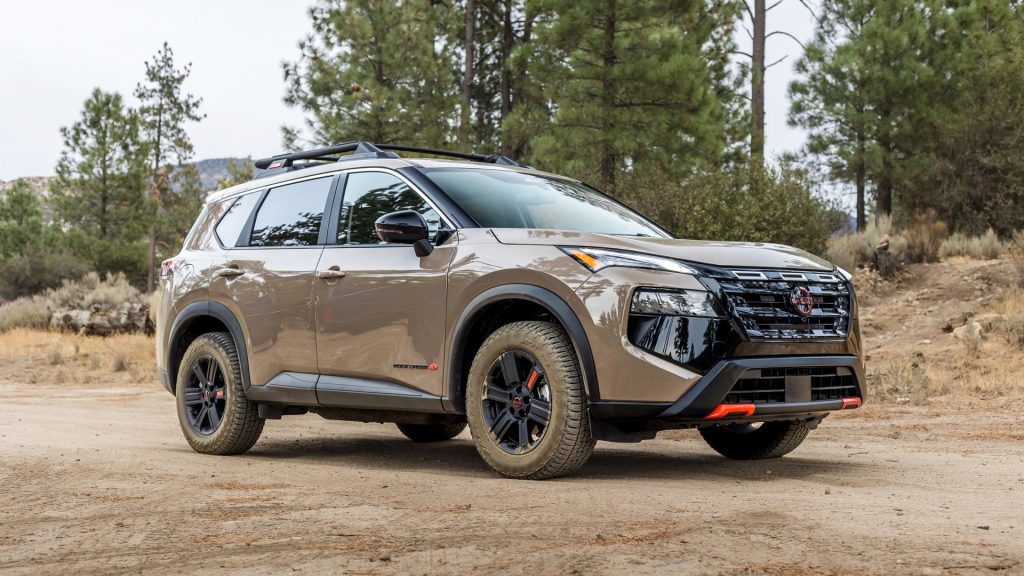
The electric power steering system is tuned to isolate the driver from road imperfections, which enhances ride comfort but significantly limits feedback. As a result, the driver receives minimal information about front-end grip or surface changes. This becomes more noticeable on winding roads, where the steering lacks the sharpness and immediacy needed for precise cornering.
In addition, the Rogue’s suspension setup prioritizes softness, contributing to increased body roll during turns. This further dulls the sense of responsiveness, as steering inputs are not matched by crisp, immediate directional changes. The effect is a driving experience that feels stable but not particularly engaging.
For its intended audience, the Nissan Rogue delivers a smooth and user-friendly experience. However, from a steering perspective, it leans heavily toward comfort over communication, making it less appealing for drivers who value sharp response and road feel.
Volkswagen Taos
The Volkswagen Taos aims to deliver a balanced driving experience, but its steering leans more toward comfort and ease than precision. While it remains composed and predictable in everyday use, it lacks the sharpness and feedback expected from a brand traditionally associated with well-tuned driving dynamics. The result is a steering system that feels competent but ultimately somewhat numb.
At city speeds, the Taos benefits from light steering effort, making it easy to navigate tight streets and parking situations. However, this lightness persists as speeds increase, and the steering does not gain enough weight or resistance to inspire confidence. There is a noticeable softness around the center, which reduces the sense of direct control and can make the vehicle feel less planted on the highway.
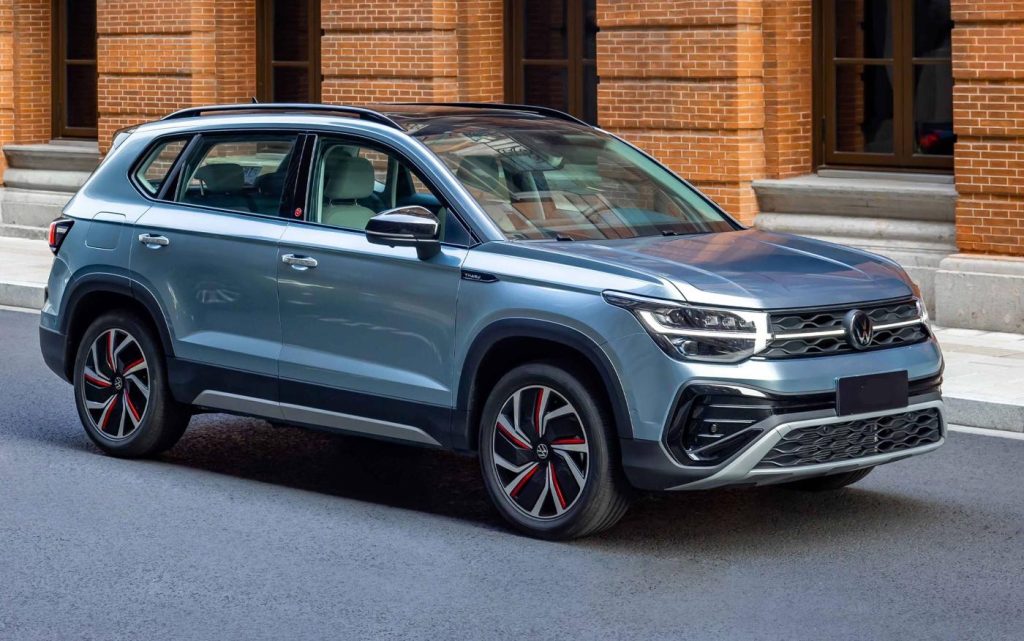
The electric power steering system prioritizes isolation over communication. Road feedback is significantly muted, meaning the driver has limited awareness of front tire grip or surface changes. This becomes more apparent on curving roads, where the steering lacks immediacy and requires more input to achieve the desired direction.
Compounding this is the Taos’s suspension tuning, which favors ride comfort over dynamic sharpness. Body roll during cornering can make the steering feel less precise, as the vehicle’s movements do not align as tightly with driver inputs. While this setup improves daily comfort, it reduces engagement behind the wheel.
Chevrolet Traverse
The Chevrolet Traverse is built to prioritize space, comfort, and family usability, and its steering characteristics reflect those goals rather than outright precision. As a large three-row SUV, it delivers a smooth and easy driving experience, but the steering lacks the sharpness and feedback associated with more responsive vehicles.
At low speeds, the Traverse benefits from very light steering effort, which helps offset its size when maneuvering in parking lots or tight urban spaces. However, this light tuning carries into higher speeds, where the steering can feel overly assisted and somewhat vague. There is limited resistance around the center, which reduces the sense of connection and can require small corrections to maintain a straight path on the highway.
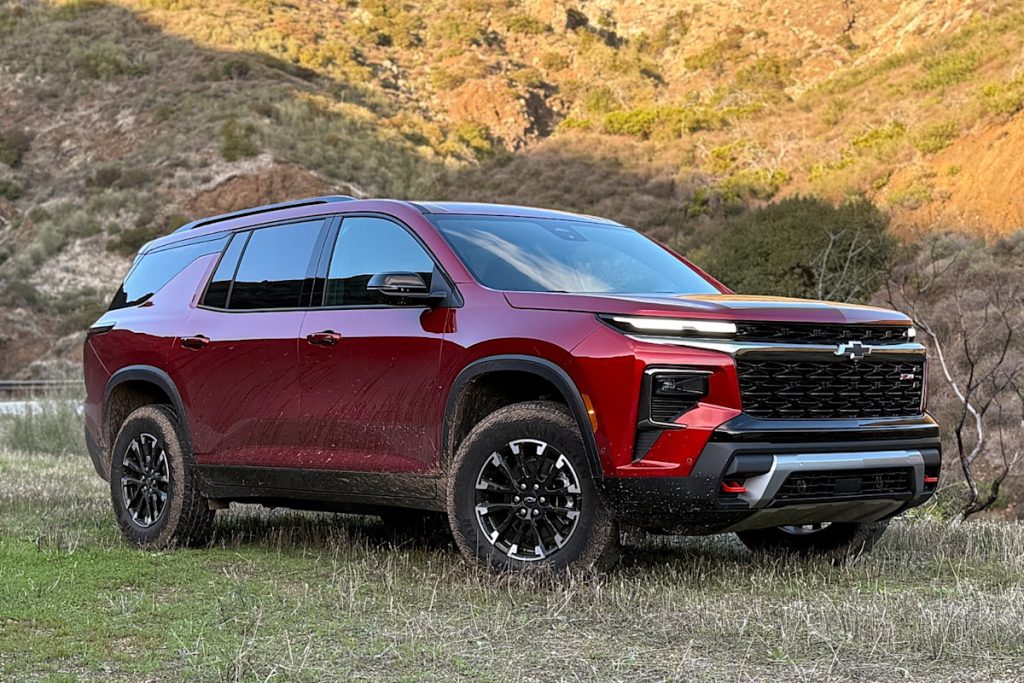
The electric power steering system is designed to filter out road imperfections, enhancing ride comfort but significantly muting feedback.
Additionally, the Traverse’s soft suspension setup and substantial body size introduce noticeable body roll during cornering. This further reduces the sense of precision, as steering inputs are not matched by sharp, controlled movements. Instead, the vehicle prioritizes stability and passenger comfort over dynamic responsiveness.
Ford Escape
The Ford Escape is engineered to deliver a comfortable and approachable driving experience, but its steering prioritizes ease of use over precision. While it performs adequately for daily commuting, the feel is muted, lacking the sharp response and feedback that define more engaging vehicles.
At lower speeds, the Escape’s steering is very light, which makes it easy to maneuver in city traffic and tight parking spaces. However, this lightness carries into highway driving, where the steering does not build sufficient weight or resistance. The result is a somewhat vague on-center feel, requiring minor but frequent corrections to maintain a steady line.
The electric power steering system is tuned to isolate the cabin from road imperfections, which improves comfort but significantly reduces feedback. Drivers receive limited information about front-end grip or surface conditions, making the steering feel disconnected, especially on winding roads where precision matters more.
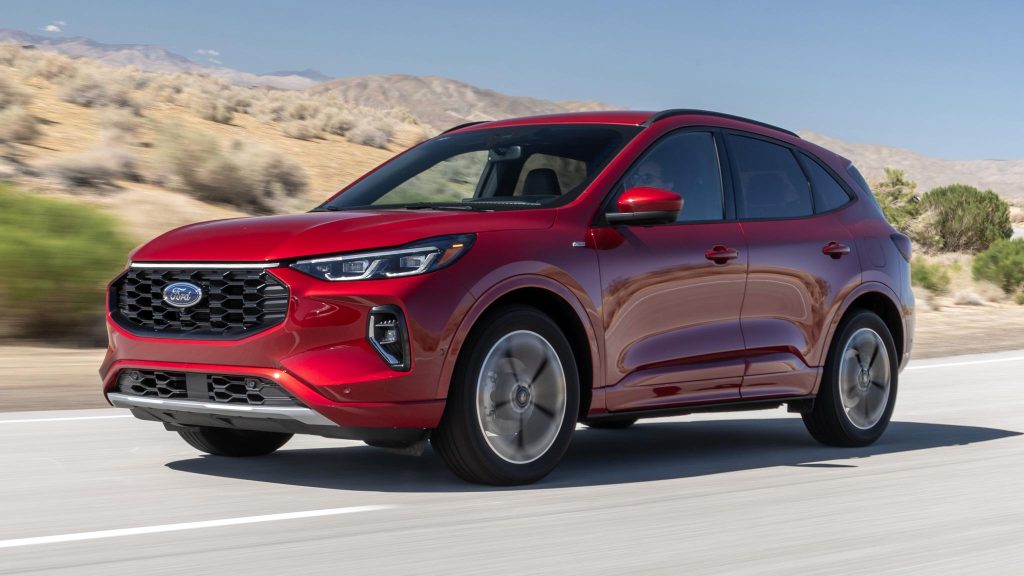
In addition, the Escape’s suspension setup leans toward softness, contributing to noticeable body movement during cornering. This reduces the immediacy of directional changes, as steering inputs are followed by a slight delay in vehicle response. While this tuning benefits ride quality, it further emphasizes the lack of sharpness in the steering.
The Ford Escape delivers a smooth and user-friendly driving experience suited to its target audience. However, when evaluated for steering responsiveness, it falls into the category of vehicles that feel numb and less communicative, prioritizing comfort over driver engagement.
For U.S. buyers, the choice depends on personal preference. Those who value control and engagement should prioritize vehicles with responsive steering systems, while drivers focused on comfort and low-effort operation may find numb steering acceptable for everyday use.
