Not every driver is chasing maximum horsepower or the latest high-tech features. For many, the priority is much simpler: a car that starts every day, drives predictably, and does not come with expensive surprises down the road.
As the industry leans heavily into turbocharged engines and increasingly complex systems, naturally aspirated vehicles continue to stand out for their proven reliability and ease of maintenance. With fewer moving parts and less strain on components, these engines often deliver a more consistent and long-lasting ownership experience.
This list of 10 Best Vehicles With Non-Turbo Engines for People Who Want Simplicity focuses on models that keep things refreshingly straightforward.
Whether it is the dependable Toyota Corolla, the well-rounded Honda Civic, or the versatile Subaru Forester, these vehicles prioritize function over flash. Even options like the Mazda CX-5 and the fun-to-drive Mazda MX-5 Miata prove that simplicity does not mean sacrificing quality or enjoyment.
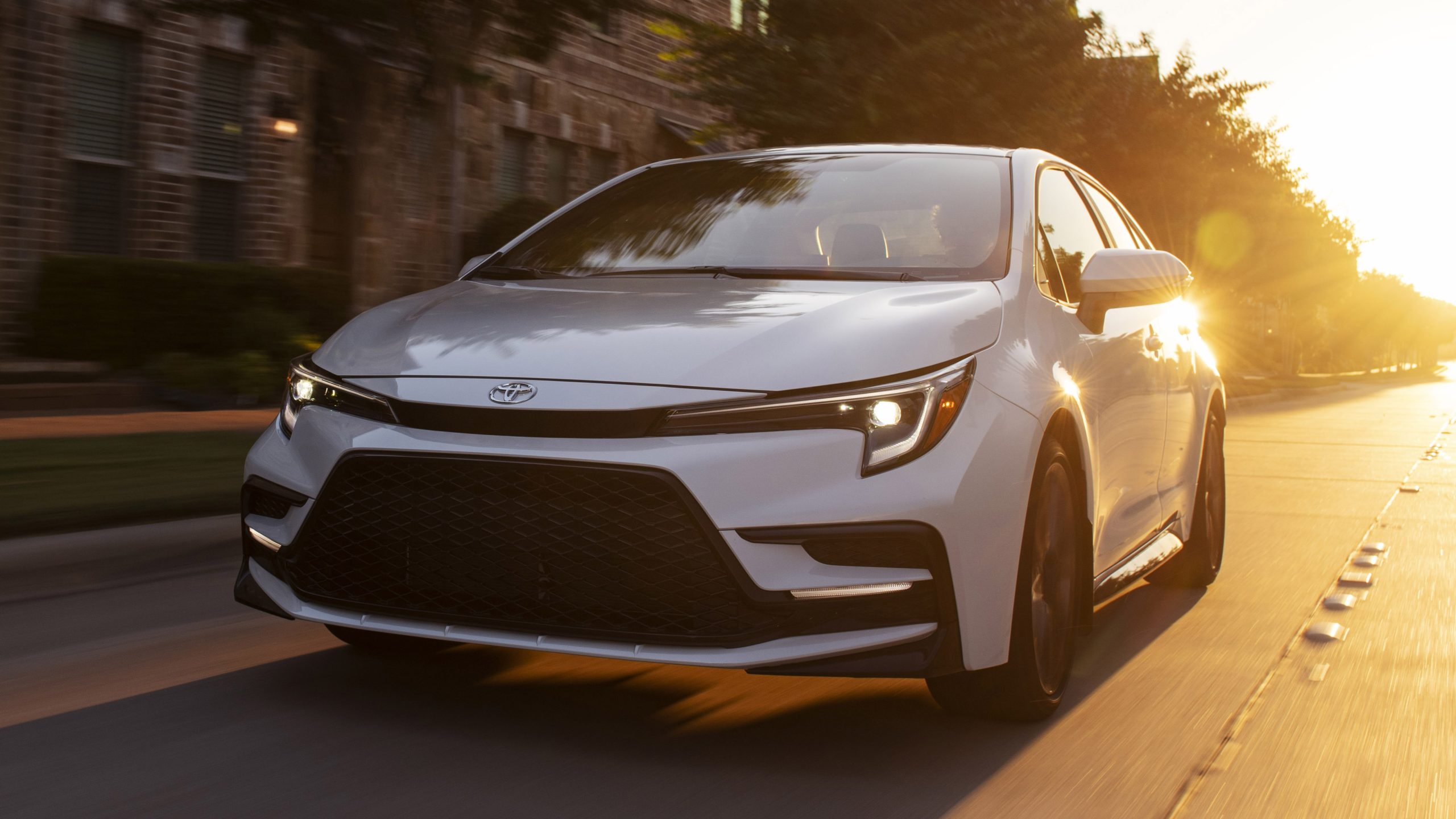
1. Toyota Corolla: Reliable, Simple, and Efficient
The Toyota Corolla continues its legacy as a practical and reliable compact car, emphasizing simplicity and durability over complexity or performance theatrics. Most gasoline models feature a 2.0-liter Dynamic Force naturally aspirated engine producing 169 horsepower. This engine is paired with a Direct Shift-CVT, which uses a physical first gear to reduce the typical “rubber-band” sensation of traditional CVTs. By avoiding turbochargers and complicated forced-induction systems, the Corolla offers smooth, predictable power delivery, superior reliability, and lower maintenance costs, making it ideal for daily commuting and long-term ownership.
Performance is steady but unhurried. The base front-wheel-drive Corolla delivers adequate city and highway performance, while the all-wheel-drive hybrid accelerates to 60 mph in 9 seconds and offers a top speed of 107 mph. Ride quality is comfortable for both sedan and hatchback, with sportier SE and XSE trims providing firmer suspensions and larger wheels for slightly sharper handling. Fuel efficiency is a strong point, with non-hybrid models rated at 32 mpg city and 41 mpg highway, while hybrids achieve as high as 53 mpg city and 46 mpg highway.
Interior design emphasizes straightforward usability and comfort. Both sedan and hatchback feature a clean dashboard with soft-touch materials, passive entry, and push-button start. Cargo space is practical, especially with the hatchback’s Enhanced Cargo Space option that adds six cubic feet by replacing the spare tire. Technology includes an 8-inch touchscreen with Apple CarPlay and Android Auto, optional 10.5-inch screens, a digital gauge cluster, USB-C ports, wireless charging, and an upgraded JBL audio system.
Safety remains a priority with Toyota’s Safety Sense 3.0 suite, including standard automated emergency braking, lane-keeping assist, adaptive cruise control, and road sign assist. Warranty coverage is competitive, offering a three-year/36,000-mile limited warranty, five-year/60,000-mile powertrain warranty, ten-year/150,000-mile hybrid component coverage, and two years or 25,000 miles of complimentary maintenance.
The Corolla balances simplicity, efficiency, and reliability, making it an excellent choice for drivers who value straightforward engineering and low-maintenance ownership. Its naturally aspirated engine, practical interior, fuel efficiency, and advanced safety features make it a dependable and stress-free vehicle for daily driving, long commutes, and family use.
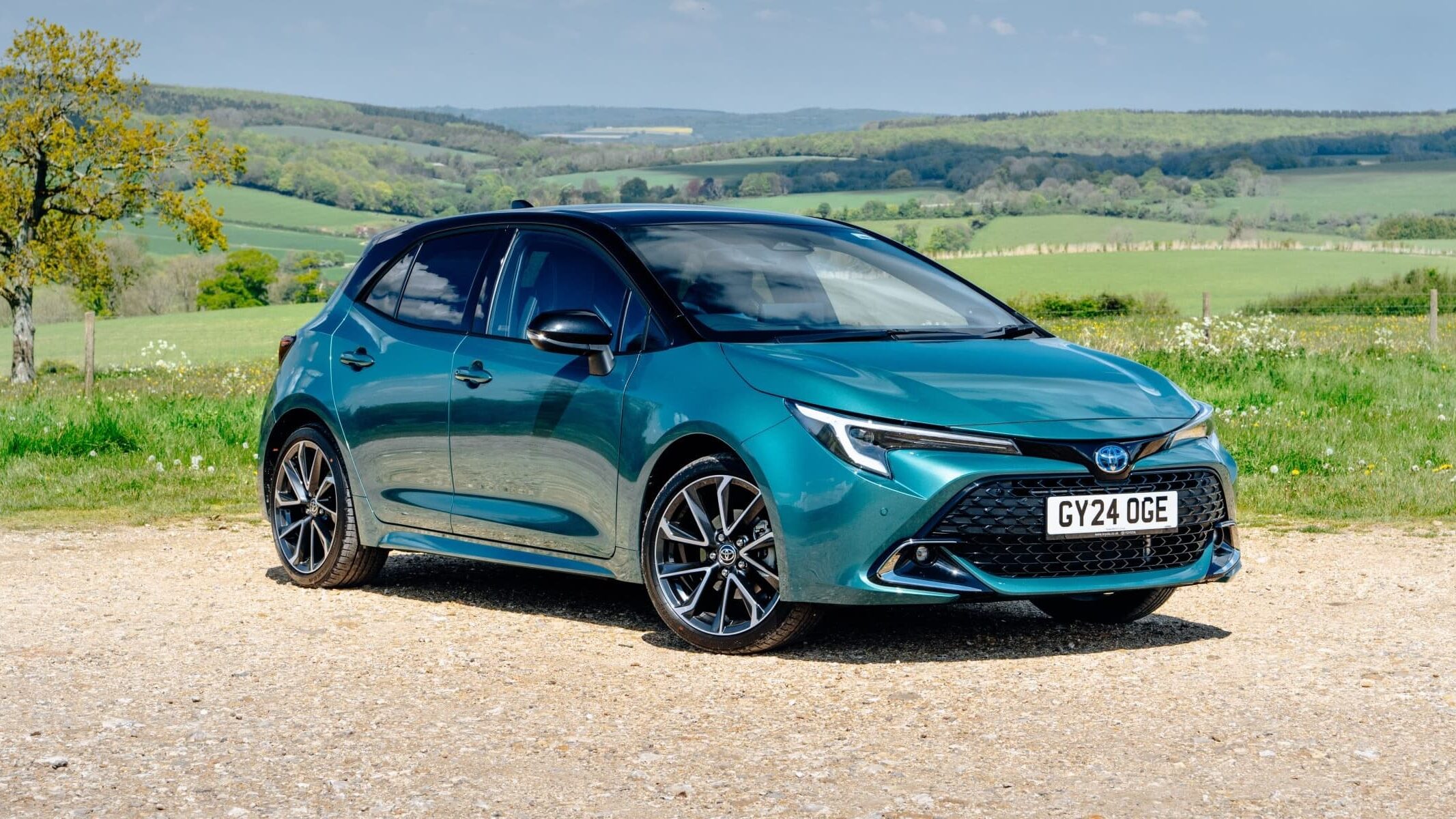
2. Honda Civic LX and Sport: Reliable, Simple, and Practical
The Honda Civic LX and Sport trims continue Honda’s tradition of dependable, straightforward compact cars. Both trims feature a naturally aspirated 2.0-liter four-cylinder engine producing 150 horsepower and 133 lb-ft of torque, paired with a Continuously Variable Transmission (CVT).
By avoiding turbocharging, these Civics maintain a simple, robust powertrain that reduces heat and stress on components, lowers long-term maintenance costs, and ensures predictable, linear acceleration. This makes them ideal for daily commuting and long-term ownership, particularly for drivers who prioritize reliability over sporty performance.
The LX trim focuses on essential value, offering a balanced, comfortable ride and a practical, minimalist interior with soft-touch materials and modern technology. The Sport trim adds a more dynamic aesthetic with larger 18-inch alloy wheels, a black headliner, and slightly stiffer suspension tuning for improved cornering.
Both trims maintain high safety standards, consistently earning top ratings from the IIHS and NHTSA, and come equipped with standard driver-assistance features.
Driving the Civic LX and Sport feels refined and controlled, with steering and suspension tuned for comfort and natural feedback. While the engine is adequate for city and highway driving, it can become noisy under heavy acceleration, but its simplicity ensures long-term durability. Fuel efficiency is strong, supporting its appeal as a cost-effective daily driver.
Inside, the cabin prioritizes functionality and quality, with straightforward controls, a metal honeycomb dash accent, and user-friendly infotainment. Road noise can be noticeable at higher speeds, but seating comfort and ergonomics remain impressive for the segment. Pricing is competitive, making both trims high-value options without unnecessary complexity.
The Honda Civic LX and Sport deliver a winning combination of simplicity, reliability, and practicality. Their naturally aspirated engine, low-maintenance design, predictable performance, and strong safety features make them an excellent choice for commuters and small families seeking a long-lasting, dependable compact car that provides peace of mind and low ownership costs.
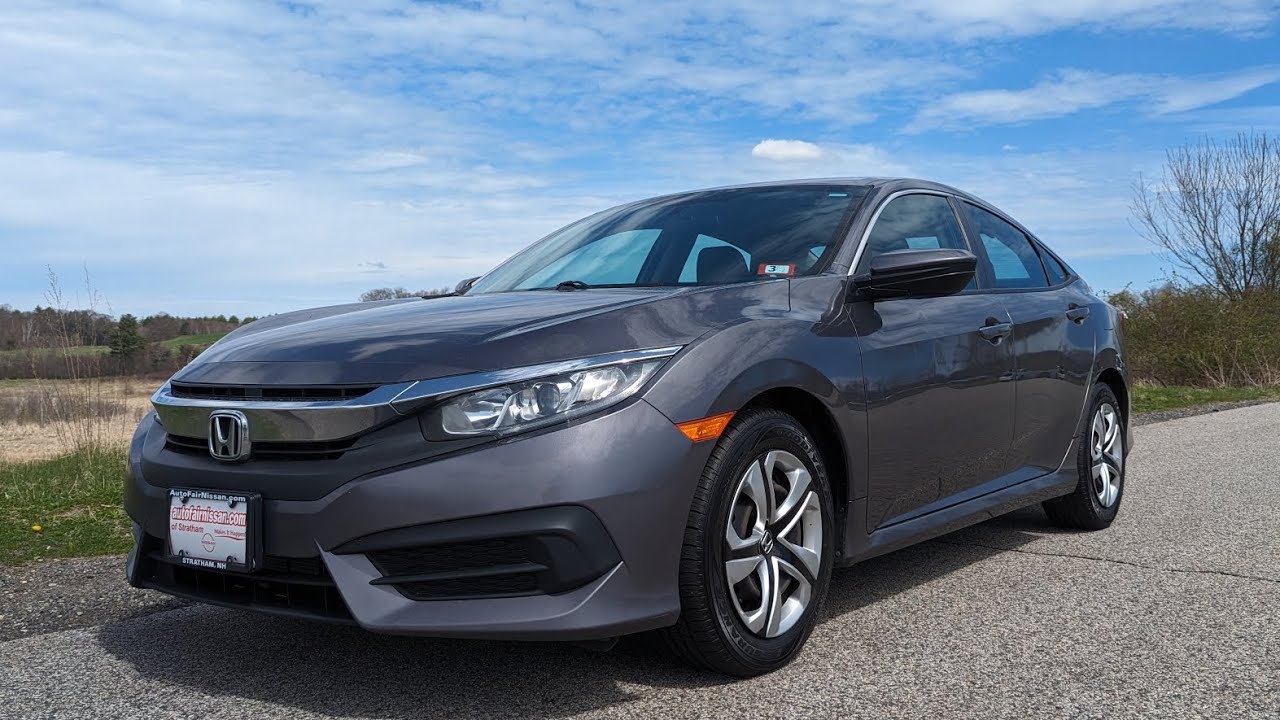
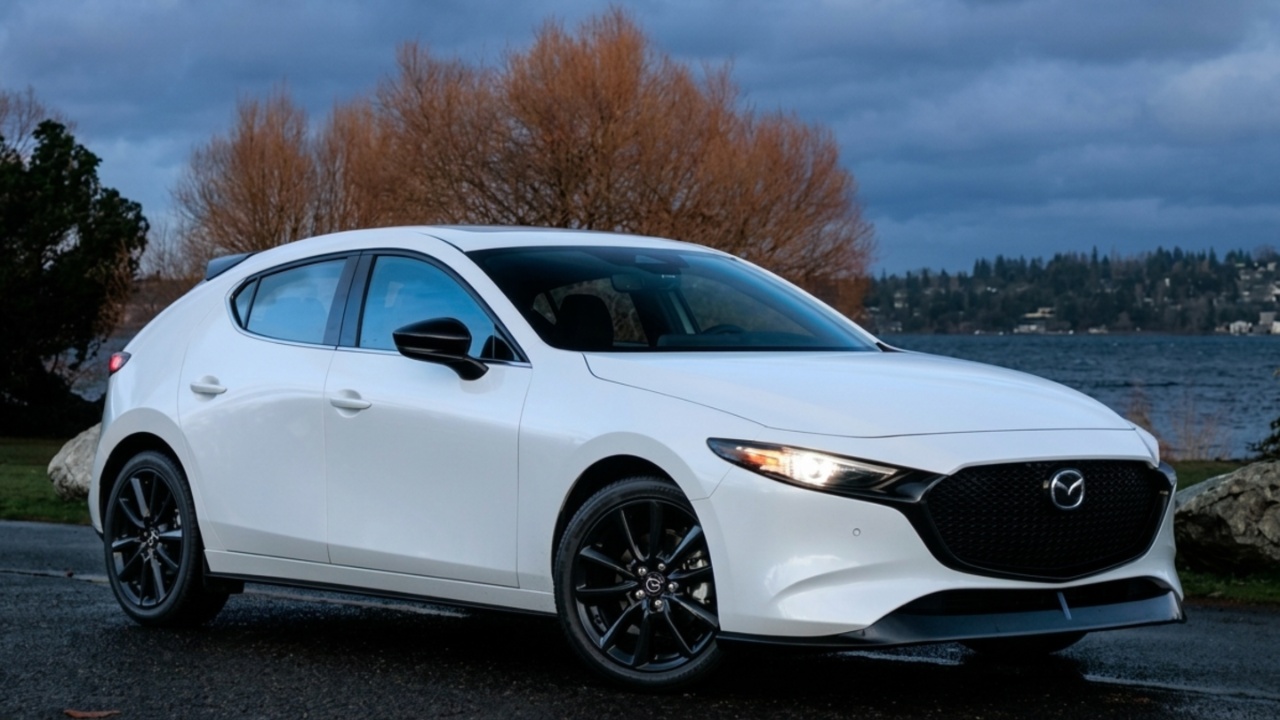
3. Mazda3 2.5 S: Premium Feel with Simple, Driver-Focused Engineering
The Mazda3 2.5 S stands out in the compact car segment by combining simplicity with a premium driving experience. It is powered by a 2.5-liter Skyactiv-G naturally aspirated engine producing around 186 to 191 horsepower, paired with a traditional 6-speed torque-converter automatic transmission.
This setup avoids the complexity of turbochargers and continuously variable transmissions, resulting in fewer components that can fail and lower long-term maintenance costs. The naturally aspirated design also delivers smooth, linear acceleration without turbo lag, making it predictable and easy to control in both city and highway driving.
Performance is one of the Mazda3’s strengths. The 2.5-liter engine provides enough power for confident merging and passing, while maintaining good fuel efficiency for everyday use.
Its responsive handling and well-tuned suspension give it a nimble, “driver’s car” character that feels more engaging than many competitors. Available all-wheel drive adds extra versatility for different driving conditions, setting it apart in the segment.
Inside, the Mazda3 emphasizes a refined, driver-centric cabin. The interior is often regarded as one of the most upscale in its class, featuring high-quality materials and a clean, minimalist design.
Mazda avoids excessive tech clutter by using a console-controlled infotainment system with physical knobs, allowing drivers to stay focused on the road. Standard features include Apple CarPlay and Android Auto, along with intuitive controls that are easy to learn and use.
Practicality has a few compromises. Rear-seat space is tighter than some rivals, and visibility can be limited due to the car’s sleek design. Cargo capacity is adequate but not class-leading. Some drivers also note road and engine noise at higher speeds.
The Mazda3 2.5 S appeals to buyers who want a reliable, easy-to-maintain vehicle without sacrificing driving enjoyment or interior quality. Its combination of a naturally aspirated engine, conventional transmission, engaging dynamics, and upscale cabin makes it an excellent choice for those seeking a compact car that feels refined yet mechanically straightforward.
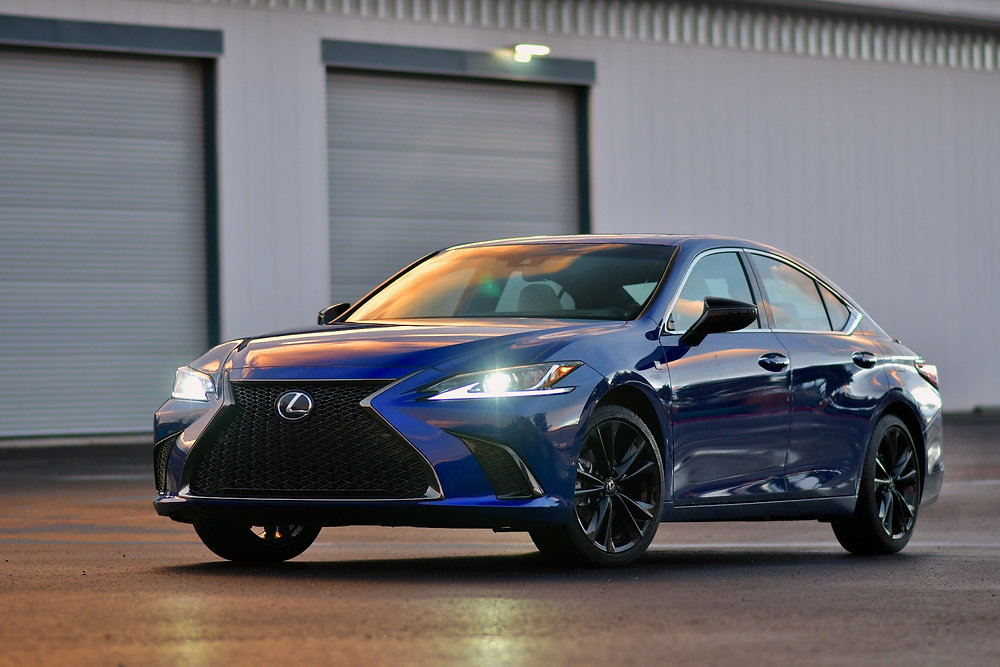
4. Lexus ES 350: Smooth, Durable, and Effortless Luxury
The Lexus ES 350 stands out as a luxury sedan that prioritizes simplicity, durability, and comfort over complexity. At its core is a 3.5-liter naturally aspirated V6 engine, a well-proven powerplant known for smooth performance and long-term reliability.
Unlike many European competitors that rely on smaller turbocharged engines, the ES 350 uses displacement to generate power, avoiding the added heat, stress, and maintenance associated with turbo systems. This results in a quieter, more consistent driving experience and contributes to the model’s strong reputation for longevity, with many examples exceeding 200,000 miles under routine maintenance.
Performance is refined rather than aggressive. The V6 delivers strong, effortless acceleration, paired with a smooth-shifting automatic transmission that suits both city driving and highway cruising.
The suspension is tuned for comfort, absorbing bumps and rough roads with ease, while the cabin remains exceptionally quiet. Although it is not designed as a sporty sedan, it offers enough power for confident overtaking and relaxed long-distance travel.
Inside, the ES 350 emphasizes comfort and usability. The cabin features high-quality materials, supportive seating, and a clean layout with a mix of physical controls and digital interfaces.
Unlike many modern luxury cars that rely heavily on touchscreens, the ES retains tactile buttons for essential functions, making it easier to operate while driving. Rear-seat comfort is a highlight, with generous space and available features such as reclining seats and sunshades, making it a popular choice for chauffeur-driven use.
Technology and safety are well integrated, with modern infotainment, smartphone connectivity, and a full suite of driver-assistance features. The design balances traditional luxury elements with updated styling, offering a more modern appearance while maintaining its understated character.
The Lexus ES 350 appeals to buyers seeking a dependable luxury sedan that delivers comfort, quietness, and long-term reliability. Its naturally aspirated V6 engine, smooth ride quality, and user-friendly interior make it an excellent option for those who want premium features without the high maintenance demands often associated with luxury vehicles.
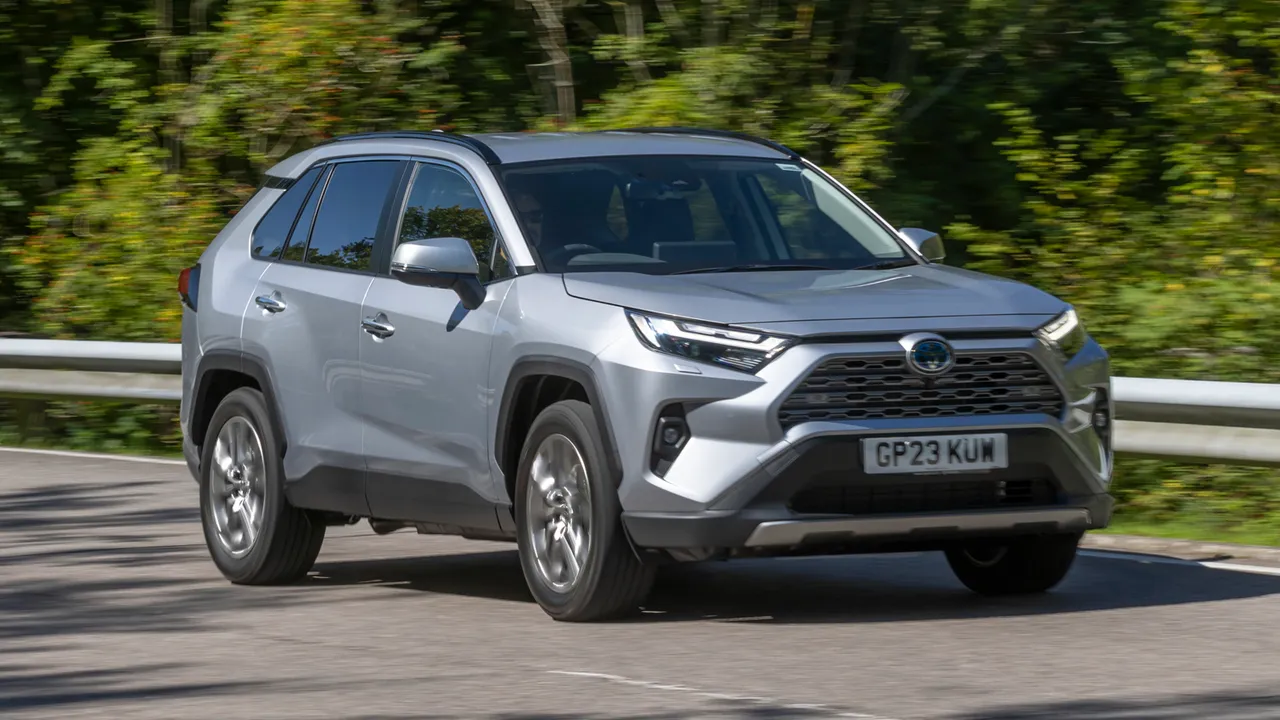
5. Toyota RAV4: Practical, Durable, and Built for Everyday Reliability
The Toyota RAV4 remains one of the most popular compact SUVs globally by focusing on simplicity, durability, and real-world usability. At its core is a 2.5-liter naturally aspirated four-cylinder Dynamic Force engine, designed for long-term reliability rather than outright performance.
Paired with a conventional 8-speed automatic transmission in gas-only models, the RAV4 avoids the added complexity of turbochargers and continuously variable transmissions. This straightforward mechanical setup helps reduce maintenance costs and enhances long-term dependability, making it a strong choice for buyers seeking a stress-free ownership experience.
Performance is adequate and well-suited for daily driving. The gas-powered RAV4 provides steady acceleration for city use and highway cruising, while hybrid and plug-in hybrid variants offer more power and improved efficiency.
Hybrid models produce up to 236 horsepower with all-wheel drive and deliver responsive acceleration, reaching 60 mph in around 7.1 seconds. Plug-in hybrid versions are even quicker, with an estimated 0–60 mph time of about 5.2 seconds. Fuel economy is a strong point, with hybrid models achieving up to 47 mpg in the city and 43 mpg combined, while gas models still offer competitive efficiency for the class.
Inside, the RAV4 emphasizes practicality and comfort. The cabin features a rugged yet functional design with durable materials and a straightforward layout.
There is ample passenger space in both rows, along with generous cargo capacity that can accommodate up to 10 carry-on suitcases behind the rear seats and significantly more with the seats folded. Storage compartments and smart interior design make it well-suited for families and everyday use.
Technology is modern but user-friendly. Standard features include a large infotainment display with wireless Apple CarPlay and Android Auto, along with a digital gauge cluster.
Higher trims offer upgrades such as a larger touchscreen, a JBL sound system, and a head-up display. Safety is a key strength, with Toyota’s suite of driver-assistance features included across the lineup, offering systems like adaptive cruise control, lane-keeping assist, and automated emergency braking.
The Toyota RAV4 delivers a dependable mix of simplicity, practicality, and efficiency. Its naturally aspirated engine, conventional transmission, spacious interior, and proven all-wheel-drive capability make it an excellent choice for families, commuters, and adventurers seeking a reliable and easy-to-maintain SUV.
Also read: 5 Cars With Simple Interiors That Age Well vs 5 With Too Much Fragile Plastic
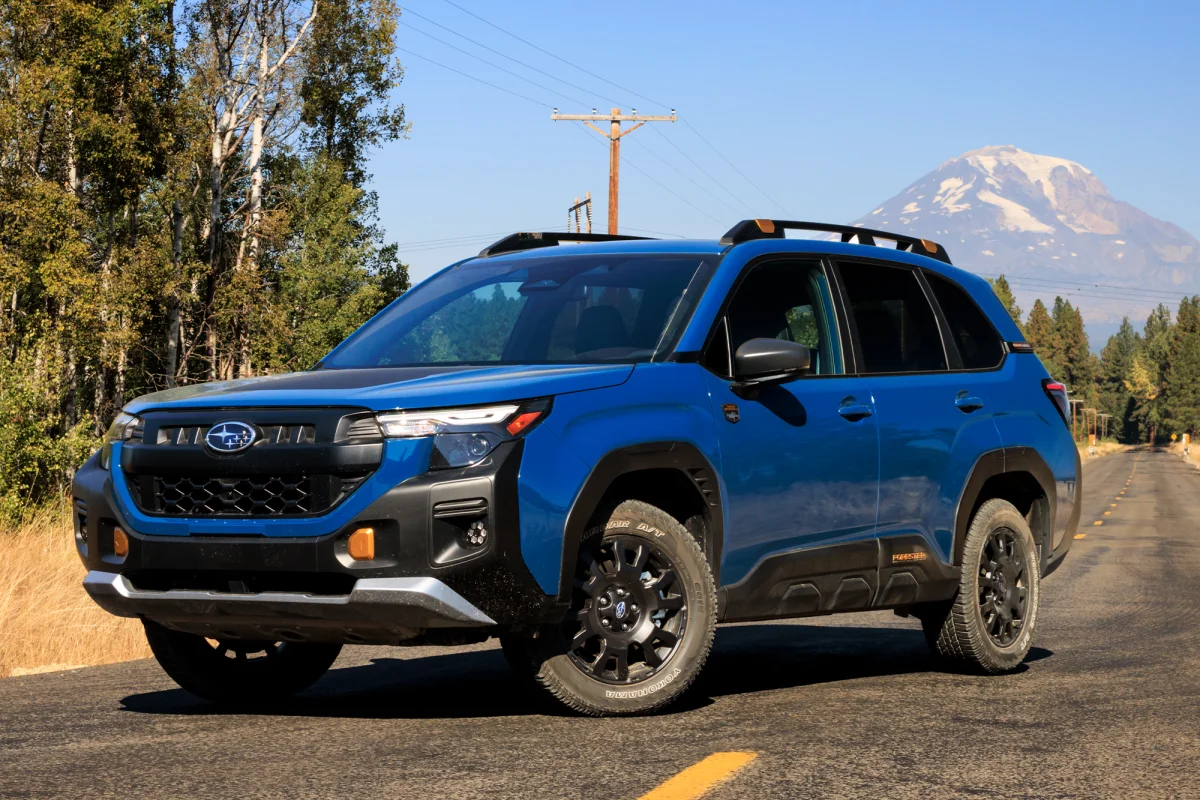
6. Subaru Forester: Balanced, Capable, and Built for Everyday Adventure
The 2025 and 2026 Subaru Forester continues to stand out in the compact SUV segment by focusing on practicality, safety, and mechanical simplicity. At its core is a 2.5-liter naturally aspirated Boxer engine, a unique horizontally opposed design that lowers the vehicle’s center of gravity.
This layout improves stability and balance, giving the Forester a planted and predictable feel on both paved roads and uneven terrain. By avoiding turbocharging, Subaru keeps the engine design simpler, reducing long-term maintenance concerns and making it more accessible for routine servicing.
A defining feature of the Forester is its standard Symmetrical All-Wheel Drive system, which provides consistent traction in a variety of conditions. Whether driving on wet roads, gravel paths, or light off-road trails, the system enhances confidence and control.
The Forester is not built for high-speed performance, but it delivers steady and reliable power that suits daily commuting and outdoor adventures alike. Its focus is on capability and dependability rather than speed or aggressive driving dynamics.
Inside, the Forester emphasizes visibility and functionality. Its boxy design maximizes interior space, offering generous headroom and legroom for passengers in both rows. Large windows and a high seating position provide excellent outward visibility, which contributes to both safety and ease of driving. The cargo area is spacious and flexible, making it well-suited for family use, road trips, and carrying outdoor gear.
Technology and safety are key strengths. Subaru equips the Forester with a comprehensive suite of driver-assistance features, helping it maintain strong safety ratings. The infotainment system is straightforward and user-friendly, avoiding unnecessary complexity while still offering modern connectivity features.
Another advantage is ease of maintenance. The naturally aspirated engine and relatively accessible engine bay make basic servicing tasks, such as oil changes and air filter replacements, more manageable compared to many turbocharged rivals.
The Subaru Forester appeals to drivers who value reliability, practicality, and all-weather capability. Its simple engineering, spacious interior, excellent visibility, and proven all-wheel-drive system make it a dependable choice for families and adventurers seeking a versatile and easy-to-maintain SUV.
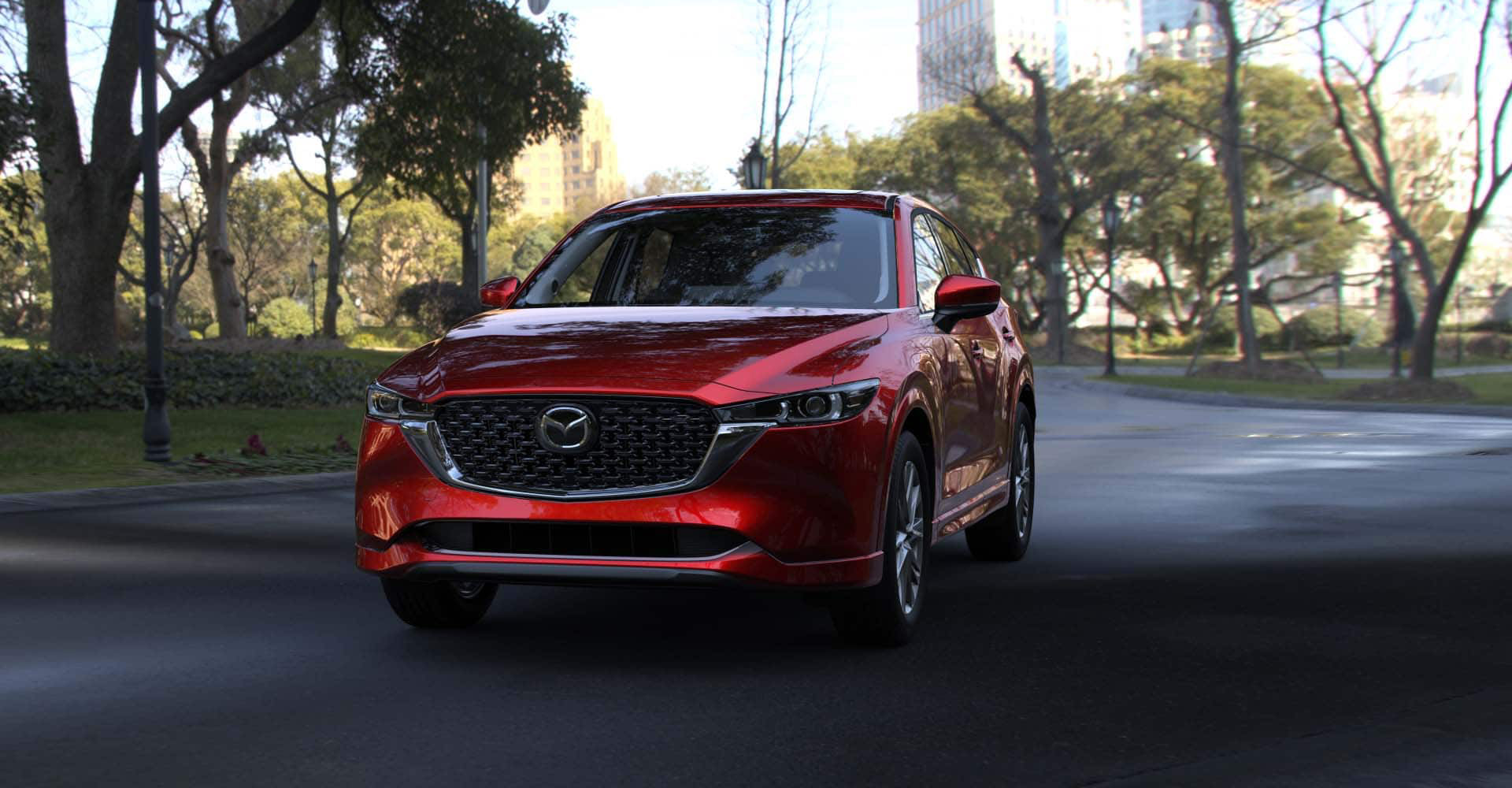
7. Mazda CX-5 2.5 S: Refined, Reliable, and Refreshingly Simple
The Mazda CX-5 2.5 S stands out in the compact SUV segment by embracing a straightforward and proven engineering approach. Powered by a 2.5-liter naturally aspirated Skyactiv-G engine producing around 187 horsepower, it avoids the added complexity of turbochargers.
This engine is paired with a traditional 6-speed automatic transmission, delivering smooth and predictable performance without the quirks often associated with continuously variable transmissions. The result is a durable, low-maintenance powertrain that prioritizes long-term reliability and ease of ownership.
Performance is balanced and well-suited for daily driving. The naturally aspirated engine provides steady acceleration and linear power delivery, making it easy to control in both city traffic and highway cruising. While it may feel less powerful during aggressive acceleration compared to turbocharged rivals, it compensates with consistency and efficiency, achieving around 24 mpg city and 30 mpg highway.
The CX-5 also stands out for its engaging driving dynamics, offering responsive steering and minimal body roll, which give it a more athletic feel than many competitors in its class.
Inside, the CX-5 delivers a near-luxury experience with high-quality materials and a clean, timeless design. The cabin avoids excessive reliance on touchscreens, instead using physical controls and a rotary dial for infotainment, which enhances usability and reduces distraction while driving.
Features such as Apple CarPlay and Android Auto are included, but the interface remains intentionally simple and driver-focused. The quiet cabin and supportive seating further enhance comfort for both short commutes and long trips.
Practicality is solid, though not class-leading. Rear passenger space and cargo capacity are slightly smaller than some rivals, but still adequate for everyday use. Standard all-wheel drive adds confidence in various driving conditions, making the CX-5 a versatile option for different environments.
The Mazda CX-5 2.5 S appeals to drivers who value simplicity, refinement, and driving enjoyment. Its naturally aspirated engine, conventional transmission, upscale interior, and engaging handling make it an excellent choice for those seeking a dependable and easy-to-maintain SUV with a premium feel.
8. Honda HR-V: Simple, Practical, and Easy to Live With
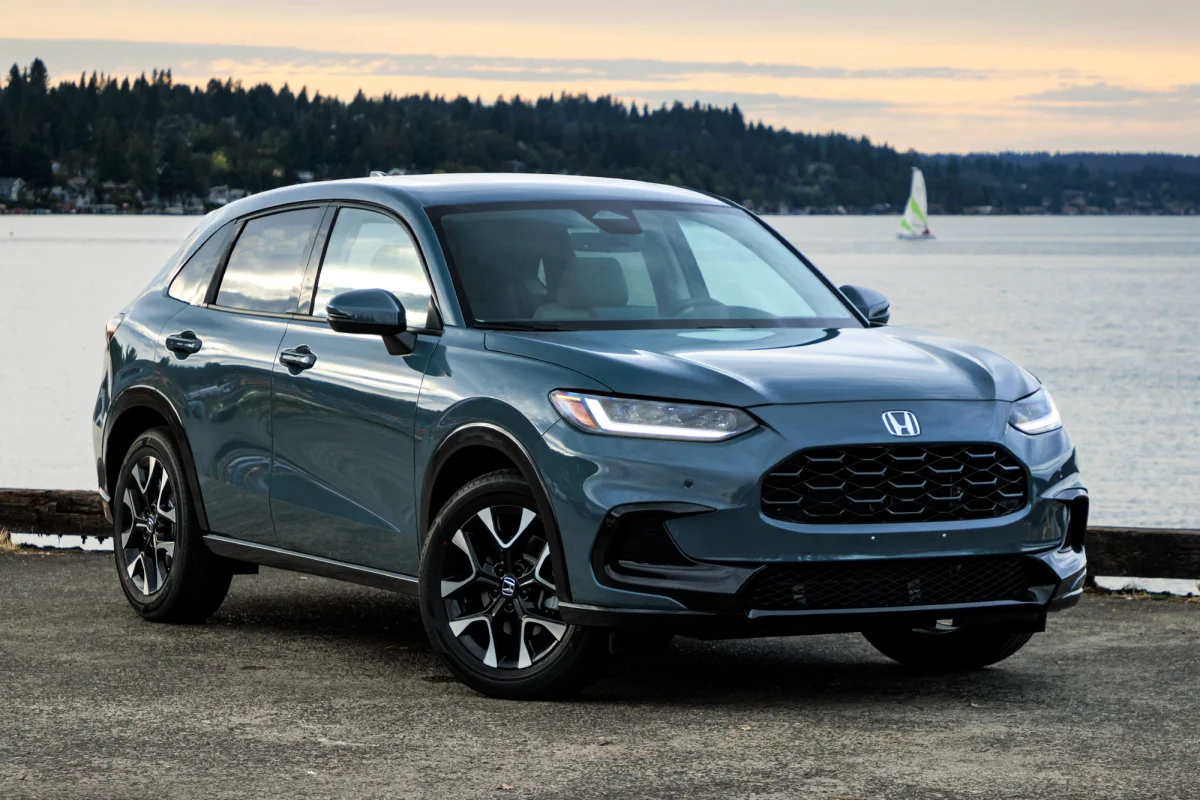
The Honda HR-V is a standout choice for drivers who value simplicity, reliability, and everyday usability. It is powered by a 2.0-liter naturally aspirated four-cylinder engine, shared with the Honda Civic, producing 158 horsepower.
This non-turbo setup keeps the engine design straightforward, reducing long-term maintenance costs and avoiding the added complexity of turbocharged systems. Paired with a continuously variable transmission, the HR-V delivers smooth and efficient performance that is well-suited for city driving and daily commuting.
While not built for speed, the HR-V focuses on ease of use and predictability. Acceleration is modest, with a 0 to 60 mph time of about 9.4 seconds, but it provides a comfortable and controlled driving experience. Fuel economy is competitive, reaching up to 26 mpg in the city and 32 mpg on the highway for front-wheel-drive models. All-wheel drive is available for added confidence in varying road conditions.
Inside, the HR-V emphasizes practicality and user-friendly design. Its cabin features a clean layout with physical climate controls, making it easier to operate compared to touchscreen-heavy competitors. Visibility is excellent thanks to a low dashboard design, and the interior includes thoughtful storage solutions.
The vehicle is also known for its versatile seating system, allowing flexible cargo arrangements that enhance everyday usability. Cargo capacity is solid for its class, accommodating multiple suitcases and expanding significantly with the rear seats folded.
Technology is present but not overwhelming. A 9-inch touchscreen with wireless Apple CarPlay and Android Auto comes standard, along with essential driver-assistance features such as adaptive cruise control, lane-keeping assist, and automatic emergency braking.
The Honda HR-V is an ideal entry-level SUV for buyers seeking dependable transportation with low upkeep. Its simple engineering, practical interior, and comfortable ride make it a smart, no-fuss option for daily life.
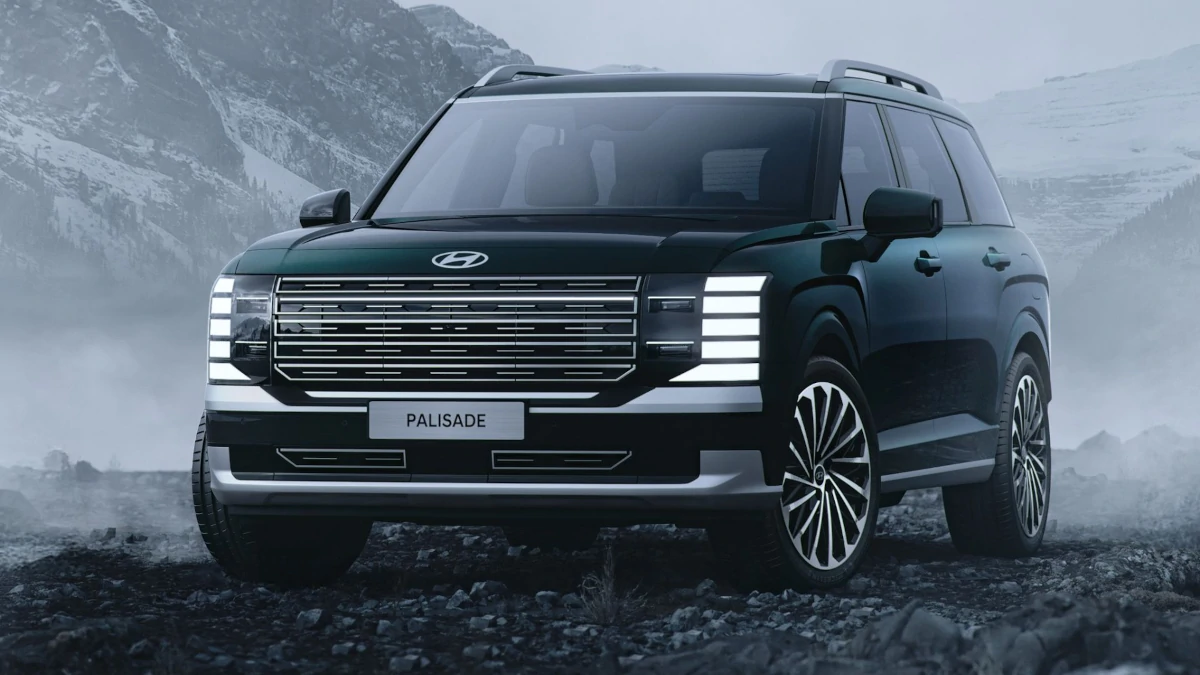
9. Hyundai Palisade: Traditional Power Meets Modern Family Comfort
The Hyundai Palisade stands out in the large SUV segment by retaining a naturally aspirated V6 engine while many competitors shift toward smaller turbocharged units. Its 3.8-liter V6, producing around 287 horsepower, delivers smooth and linear power that feels predictable and easy to manage.
This traditional setup avoids the added complexity of turbochargers, which can reduce long-term maintenance concerns and improve durability. Paired with an 8-speed automatic transmission, the Palisade offers a refined and steady driving experience suited for family use.
Performance is focused on comfort rather than speed. Acceleration to 60 mph takes about 8 seconds, which is modest for the class, but the engine provides sufficient strength for daily driving, highway cruising, and light towing.
With a towing capacity of up to 5,000 pounds, it is capable of handling small trailers or recreational gear. The ride quality is smooth and composed, making it ideal for long trips, while the available all-wheel drive enhances traction in varying conditions.
Inside, the Palisade combines practicality with a premium feel. The three-row cabin can seat up to eight passengers, with spacious seating in the first and second rows and usable space in the third row.
High-quality materials and thoughtful design elements give the interior an upscale atmosphere, especially in higher trims. Cargo space is flexible, expanding significantly when the rear seats are folded, making it suitable for family travel and everyday errands.
Technology is modern but user-friendly. A large curved display integrates dual 12.3-inch screens for infotainment and driver information, while physical controls remain for essential functions. Standard features include wireless Apple CarPlay, Android Auto, and multiple driver-assistance systems such as adaptive cruise control, lane-keeping assist, and automatic emergency braking.
The Hyundai Palisade appeals to buyers seeking a balance of mechanical simplicity and modern comfort. Its naturally aspirated V6, spacious interior, and intuitive features make it a dependable and family-friendly SUV designed for long-term ownership.
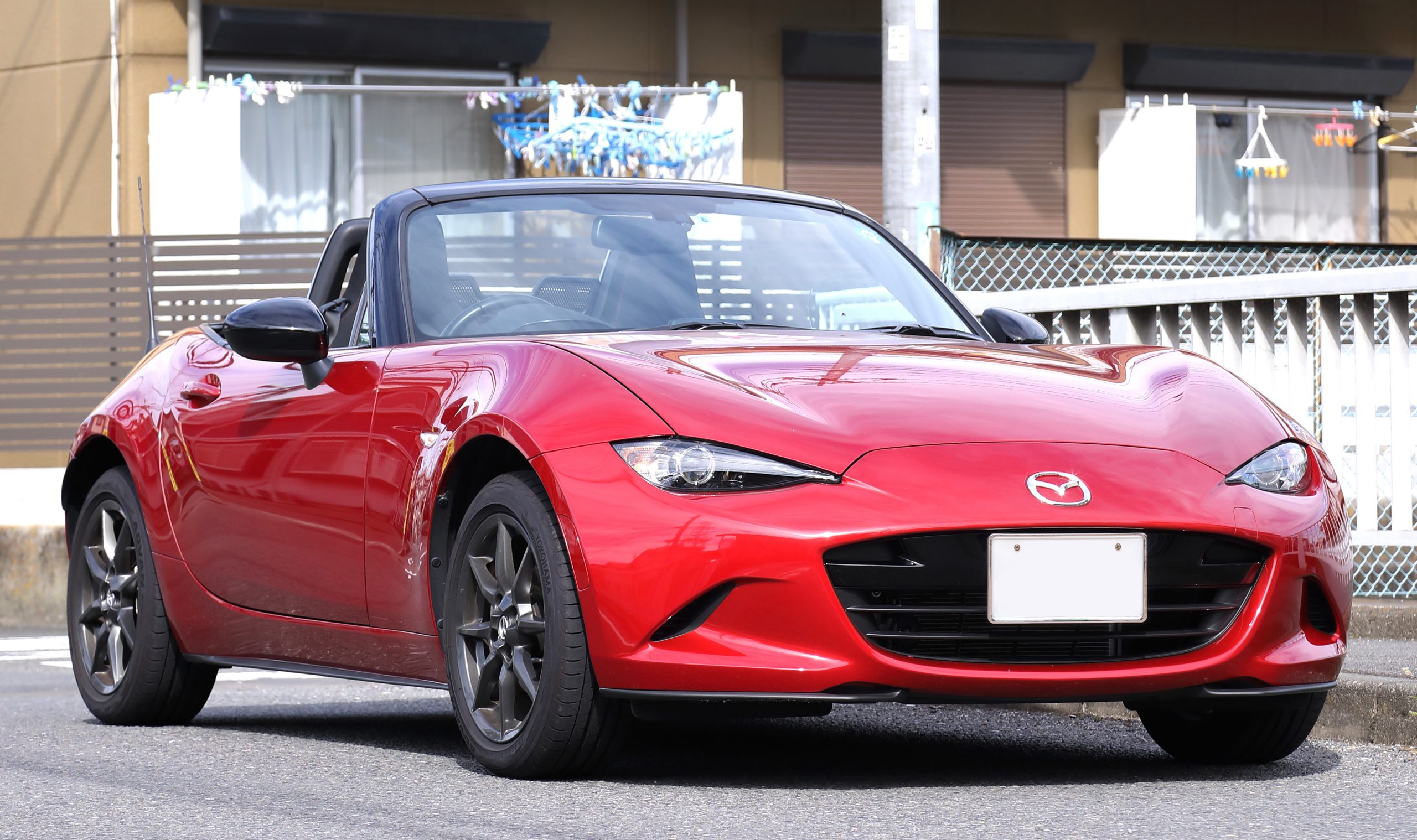
10. Mazda MX-5 Miata: Pure Driving Simplicity and Lightweight Performance
The Mazda MX-5 Miata is widely regarded as one of the purest expressions of simple, driver-focused engineering. Built around Mazda’s philosophy of “Jinba Ittai,” or horse and rider as one, the Miata emphasizes connection, balance, and responsiveness rather than raw power or complex technology.
At its core is a naturally aspirated 2.0-liter four-cylinder engine producing 181 horsepower, paired with either a 6-speed manual or automatic transmission. This setup avoids turbochargers, resulting in fewer components, reduced heat, and improved long-term reliability.
What truly defines the Miata is its lightweight design. Weighing under 2,500 pounds, it achieves exceptional agility without relying on large engines or heavy performance systems. The near 50:50 weight distribution and rear-wheel-drive layout contribute to its sharp handling and playful character.
Acceleration is brisk rather than overwhelming, with a 0 to 60 mph time of about 5.5 seconds, but the real appeal lies in how the car feels rather than outright speed. The manual transmission, in particular, is celebrated for its precise and satisfying shifts, enhancing driver engagement.
Fuel efficiency is another benefit of its minimalist approach. The Miata delivers up to 26 mpg in the city and around 34 to 35 mpg on the highway, impressive figures for a sports car.
Its small size and efficient engine make it both fun and economical to own. Maintenance is straightforward due to its simple mechanical layout, and many examples are known to last well beyond 200,000 miles.
Inside, the cabin is intentionally minimalistic and focused. It seats two passengers and prioritizes essential controls like the steering wheel, pedals, and shifter. While materials are high quality, storage space is limited, and the trunk is small, making it best suited for light travel. Technology is present but restrained, with an 8.8-inch infotainment system, smartphone connectivity, and basic driver-assistance features.
The Mazda MX-5 Miata appeals to enthusiasts who value simplicity, reliability, and driving enjoyment. Its lightweight construction, naturally aspirated engine, and engaging dynamics make it a timeless sports car that delivers fun without unnecessary complexity.
Choosing a vehicle with a non-turbocharged engine is about more than just avoiding complexity. It is about embracing reliability, predictability, and peace of mind. The vehicles on this list demonstrate that you do not need cutting-edge tech or high-strung engines to enjoy a satisfying driving experience.
Models like the Mazda3 and Lexus ES 350 show how simplicity can coexist with refinement, while options like the Hyundai Palisade and Honda HR-V prove that practicality and comfort can go hand in hand.
These vehicles are built for longevity, with fewer parts to maintain and fewer things that can go wrong over time. For daily commuters, families, and enthusiasts alike, they offer a refreshing alternative to increasingly complicated modern cars. If your priority is a stress-free ownership experience with dependable performance, these non-turbo options stand out as some of the best choices available today.
Also read: Top 10 Cars That Look Like They Are From the Future But Are From the 70s