

Summer heat has a way of turning a simple drive into a test of patience, especially when cool air refuses to show up. Pressing the AC button and feeling warm air spill from the vents can feel frustrating, confusing, and expensive all at once. Comfort disappears quickly, windows fog at the worst times, and long drives become something to avoid rather than enjoy.
Yet warm air from a car AC rarely appears without warning signs or clear mechanical causes. Modern vehicle air conditioning systems rely on precise pressure, clean airflow, and properly timed components. When even one part drifts out of proper condition, cold air production drops fast. That does not mean a full system replacement is always required.
In many cases, a focused repair or adjustment restores performance without draining a budget. This guide breaks down ten common reasons car AC systems start blowing warm air and explains how each issue can be addressed. Real vehicle examples are included to make the causes easier to understand and relate to daily driving.
Each reason focuses on a different failure point, from refrigerant problems to electrical issues, so drivers can recognize symptoms early and take action before damage spreads. With the right information, saving a struggling AC system becomes far more achievable than it first appears.
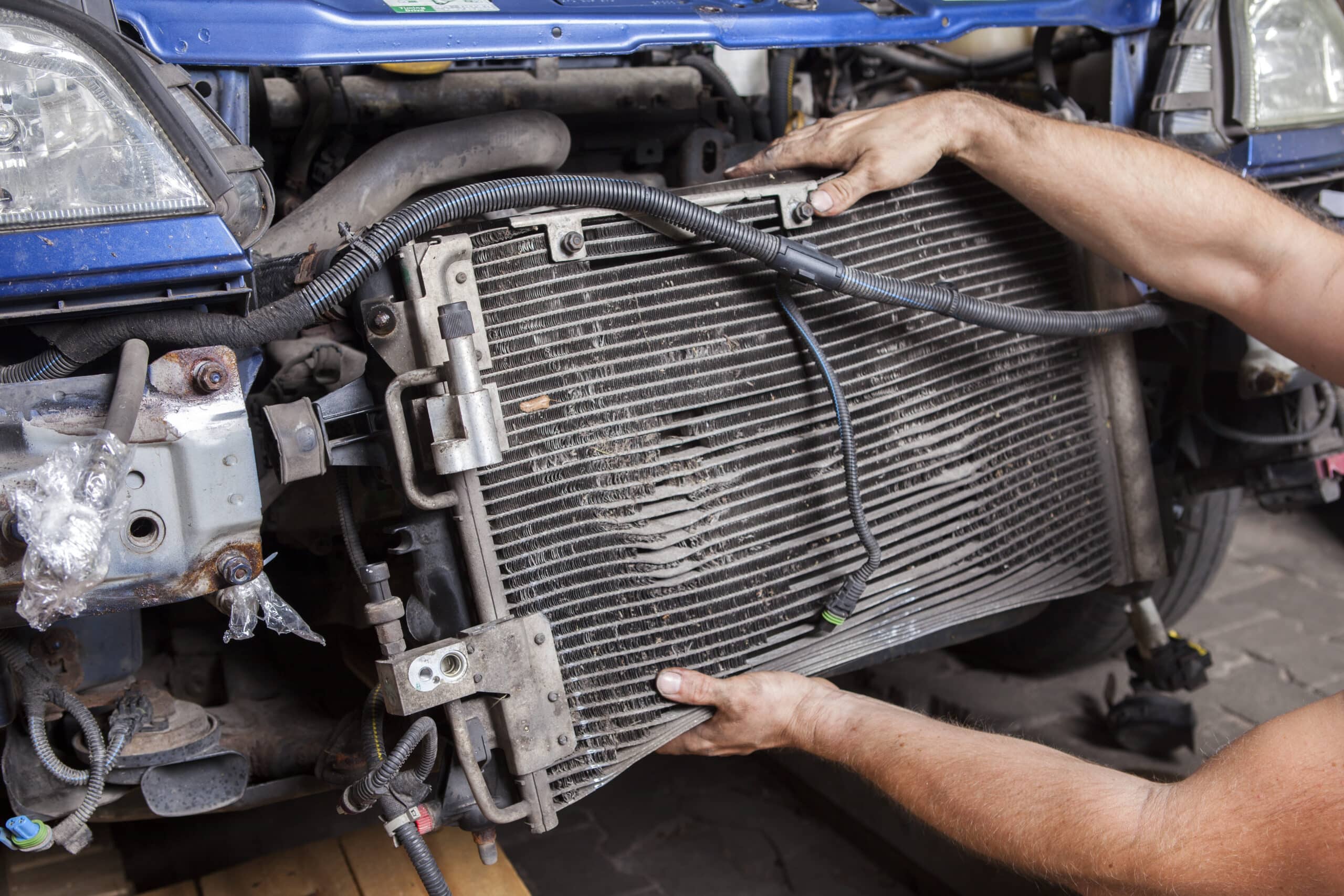
1. Low Refrigerant Levels Caused by Slow Leaks
Warm air emerging from the vents is very often linked to reduced refrigerant quantity, and this condition almost never develops suddenly. Refrigerant is a closed-loop fluid engineered to circulate for many years without replacement. It does not evaporate or degrade through normal use.
When levels fall, the cause is nearly always a leak, even when the leak is so small that it escapes casual observation. Ageing rubber seals, hardened O-rings, hairline fractures in hoses, or weakened metal joints all provide escape paths that allow refrigerant to leave the system gradually.
A vehicle such as the 2014 Toyota Camry LE Sedan demonstrates this problem clearly because its cooling system is designed for smooth, quiet operation. Early warning signs are easy to miss. Cooling may still feel acceptable during short trips or early morning drives, yet performance declines sharply during afternoon heat or extended journeys.
This pattern occurs because refrigerant pressure must remain within a narrow operating range. When pressure drops below that range, the refrigerant cannot absorb and release heat effectively, and the evaporator fails to cool cabin air. Drivers often notice that the AC still turns on, the blower still works, and no warning lights appear.
These signs can be misleading. Reduced pressure limits heat transfer long before the system stops functioning completely. Another common indicator is frequent compressor cycling, where the system turns on and off more often than usual as sensors attempt to protect internal components from damage caused by low-pressure conditions.
Visual checks provide helpful clues. Refrigerant circulates with a small amount of lubricant, so escaping fluid often leaves an oily film around hose connections, compressor seals, or condenser fittings. Professional inspection tools make confirmation easier.
Ultraviolet dye introduced into the system highlights leak paths, while electronic detectors sense escaping refrigerant gas. These methods allow accurate identification of the faulty component rather than guesswork.
Adding refrigerant without sealing the leak only offers temporary comfort. Cooling may improve briefly, then fade again as the system loses charge. Repeated refilling increases operating costs and places strain on the compressor, which depends on refrigerant for lubrication. Prolonged operation under low pressure accelerates internal wear and can lead to complete compressor failure.
Correct repair focuses on replacing the defective seal, hose, or fitting. After repair, the system must be evacuated to remove air and moisture before recharging with the precise refrigerant quantity specified by the manufacturer. This process restores stable pressure, consistent cooling, and long-term reliability.
Addressing leaks early preserves component life, avoids secondary damage, and keeps cabin comfort dependable during the hottest driving conditions.
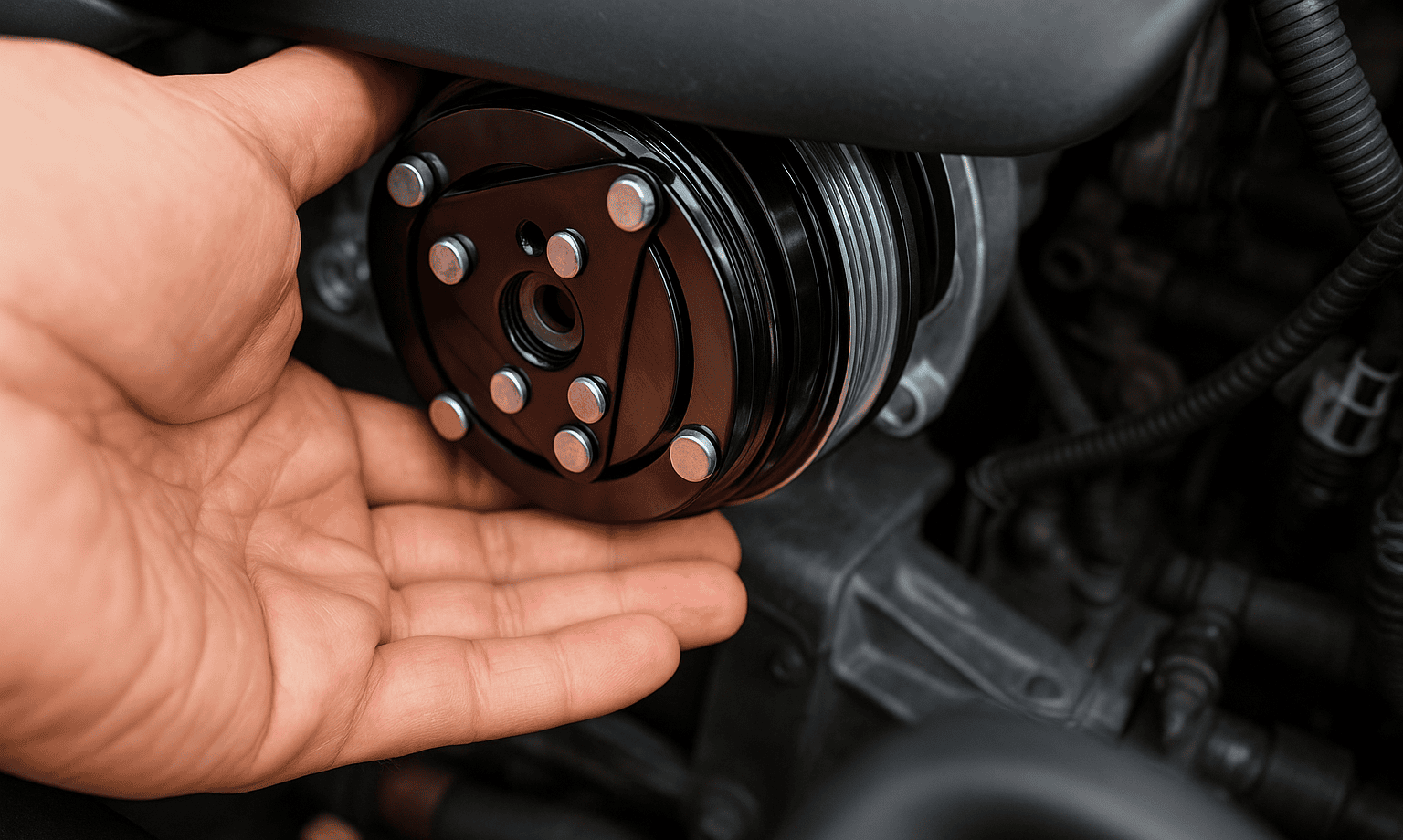
2. A Worn or Failed AC Compressor
Air conditioning compressors function as the heart of the cooling system, and their condition determines whether cold air reaches the cabin. In a vehicle such as the 2016 Honda Accord EX Sedan, compressor problems often begin quietly. Cooling may feel acceptable during short drives, then fade during longer trips or hotter periods.
This pattern confuses many drivers because the system still appears active, yet temperature control feels unreliable. Inside the compressor, pistons or scroll mechanisms create pressure differences that move refrigerant through the system. These internal parts depend on a steady supply of lubrication carried by the refrigerant itself.
When lubrication thins due to age, contamination, or previous low refrigerant conditions, friction increases. Internal seals weaken, pressure generation drops, and heat removal becomes ineffective. At that stage, the system can no longer support proper cooling even if every other component remains intact.
Audible clues often accompany compressor wear. Clicking sounds during engagement, grinding noises, or squealing from the pulley area suggest mechanical strain. Visual inspection may reveal clutch damage or signs of overheating. In some cases, the clutch fails electrically rather than mechanically.
A damaged clutch coil or faulty pressure sensor may prevent engagement even when refrigerant levels remain correct. That creates warm airflow without any visible refrigerant loss. Accurate diagnosis requires checking electrical signals, clutch operation, and pressure readings.
Skipping these steps often leads to unnecessary part replacement. When mechanical failure is confirmed, timely replacement becomes essential. Continued operation with a failing compressor risks internal metal debris entering the refrigerant lines. Once contamination spreads, it damages the condenser, expansion valve, and evaporator.
Protecting the system involves replacing the compressor early, flushing contaminated lines, and installing a new receiver dryer. This approach removes debris and moisture while restoring stable pressure. Though compressor replacement carries a higher cost than minor repairs, addressing it promptly prevents system-wide damage. With proper installation and correct refrigerant charging, cooling performance returns to full strength, delivering reliable comfort during every drive.
Also Read: 8 Tips for Finding a Rust Free Classic Car in the US Southwest
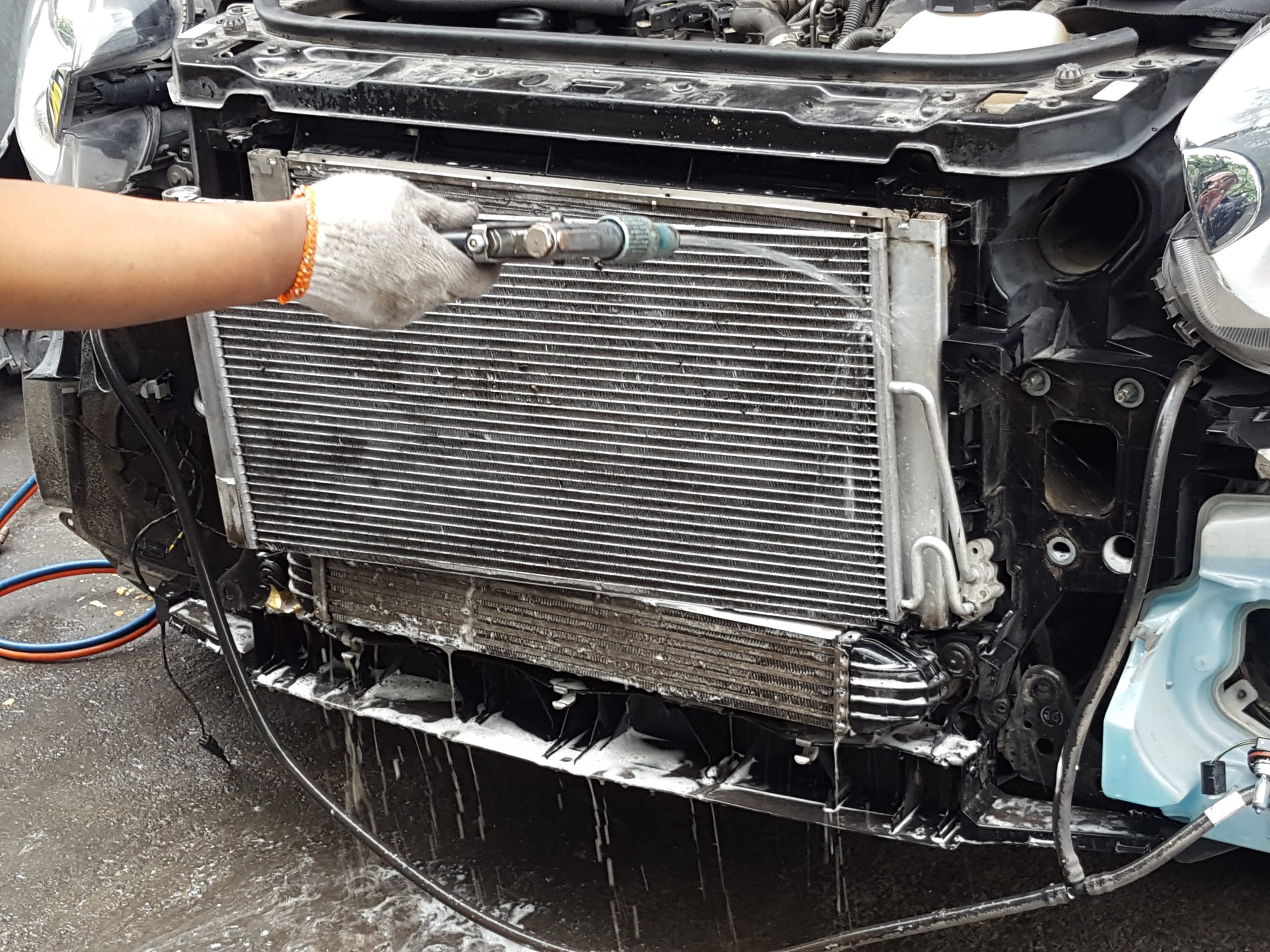
3. Blocked or Dirty Condenser Reducing Heat Release
Heat removal from refrigerant occurs at the condenser, which sits at the front of the vehicle and relies heavily on airflow. In a model like the 2017 Ford Escape SE Compact SUV, the condenser faces constant exposure to road debris. Bugs, dust, leaves, and small stones gradually accumulate, reducing airflow through the thin cooling fins.
When airflow becomes restricted, refrigerant cannot release heat efficiently. Instead of cooling and condensing into a liquid, it remains too warm to absorb cabin heat effectively. Drivers notice that AC output feels weak or warm during idle or city driving, while higher speeds bring temporary improvement due to increased airflow. This pattern often delays proper diagnosis.
Visual inspection reveals bent fins, dirt buildup, or corrosion. Even partial blockage reduces performance sharply because condensers rely on precise heat exchange. Cleaning requires care. High-pressure washing can bend fins further, worsening the issue. Gentle rinsing and soft fin straightening tools restore airflow without damage. In severe cases, corrosion or crushed fins require condenser replacement.
Leaving the condenser blocked increases system pressure, placing strain on the compressor and hoses. High pressure raises operating temperatures and accelerates wear. Addressing airflow issues early keeps pressure stable and protects internal components.
Once airflow is restored, refrigerant cools properly, pressure normalizes, and cabin cooling improves immediately. Simple maintenance here prevents costly failures and keeps the AC system performing as designed.
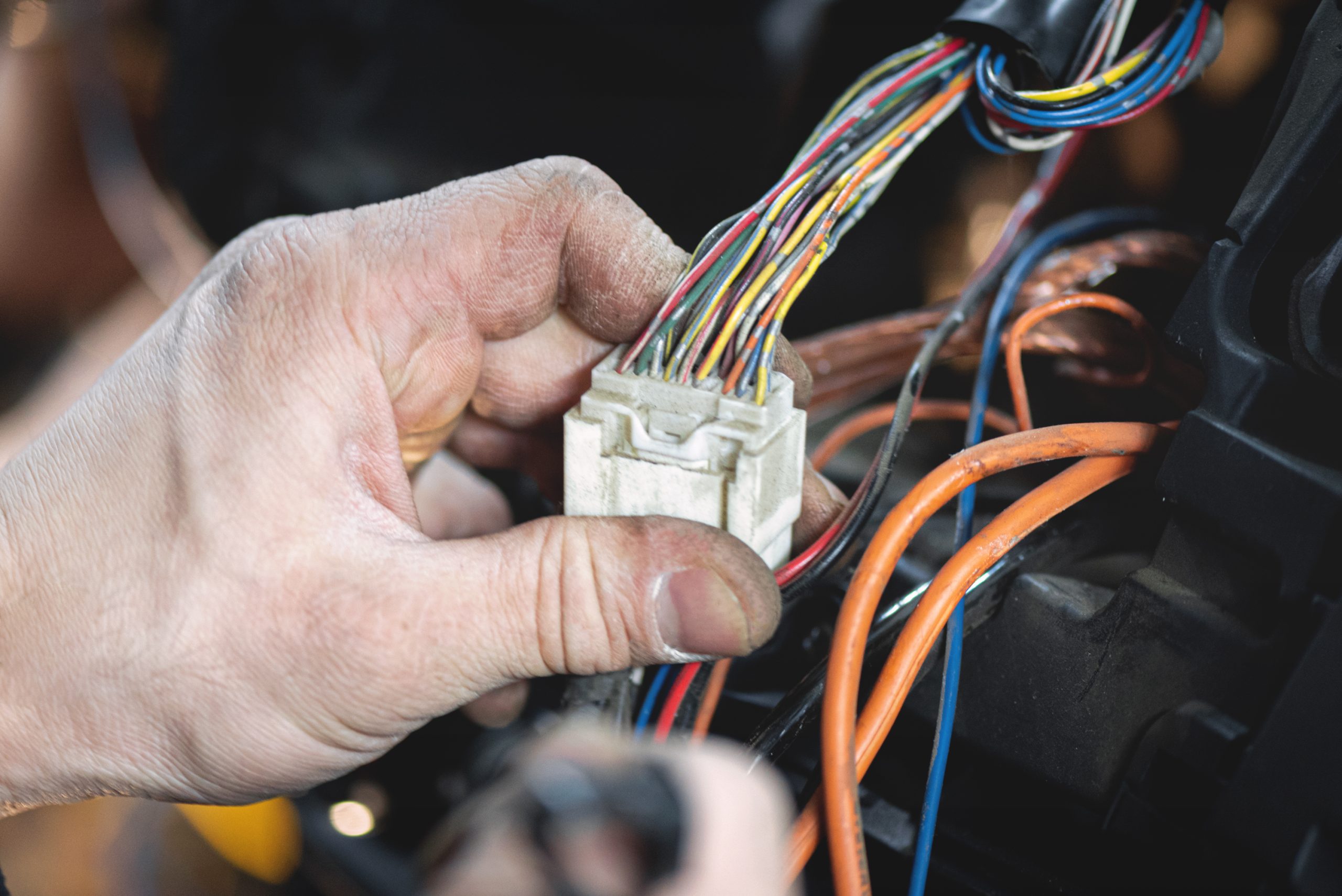
4. Electrical Problems Disrupting AC Operation
Modern air conditioning systems depend on electrical coordination between sensors, relays, switches, and control modules. In the 2018 Chevrolet Malibu LT Sedan, electrical faults frequently cause warm air while the blower motor continues working normally. This situation often leads drivers to suspect refrigerant issues, even when the problem lies entirely within the electrical network.
A single blown fuse, corroded relay, or faulty pressure sensor can prevent compressor engagement. The system appears active, air flows through the vents, yet cooling never begins. Intermittent electrical faults add confusion. Cooling may work one day and fail the next without warning.
Diagnostic scans reveal stored fault codes that point directly to affected circuits. Visual inspection often uncovers moisture intrusion, loose grounds, or heat-damaged connectors. Repair usually involves replacing a relay, sensor, or wiring section rather than mechanical components.
Addressing electrical faults restores proper communication between system parts. Once corrected, compressor engagement stabilizes and cooling returns without invasive service. Quick electrical diagnosis saves time, money, and unnecessary part replacement.
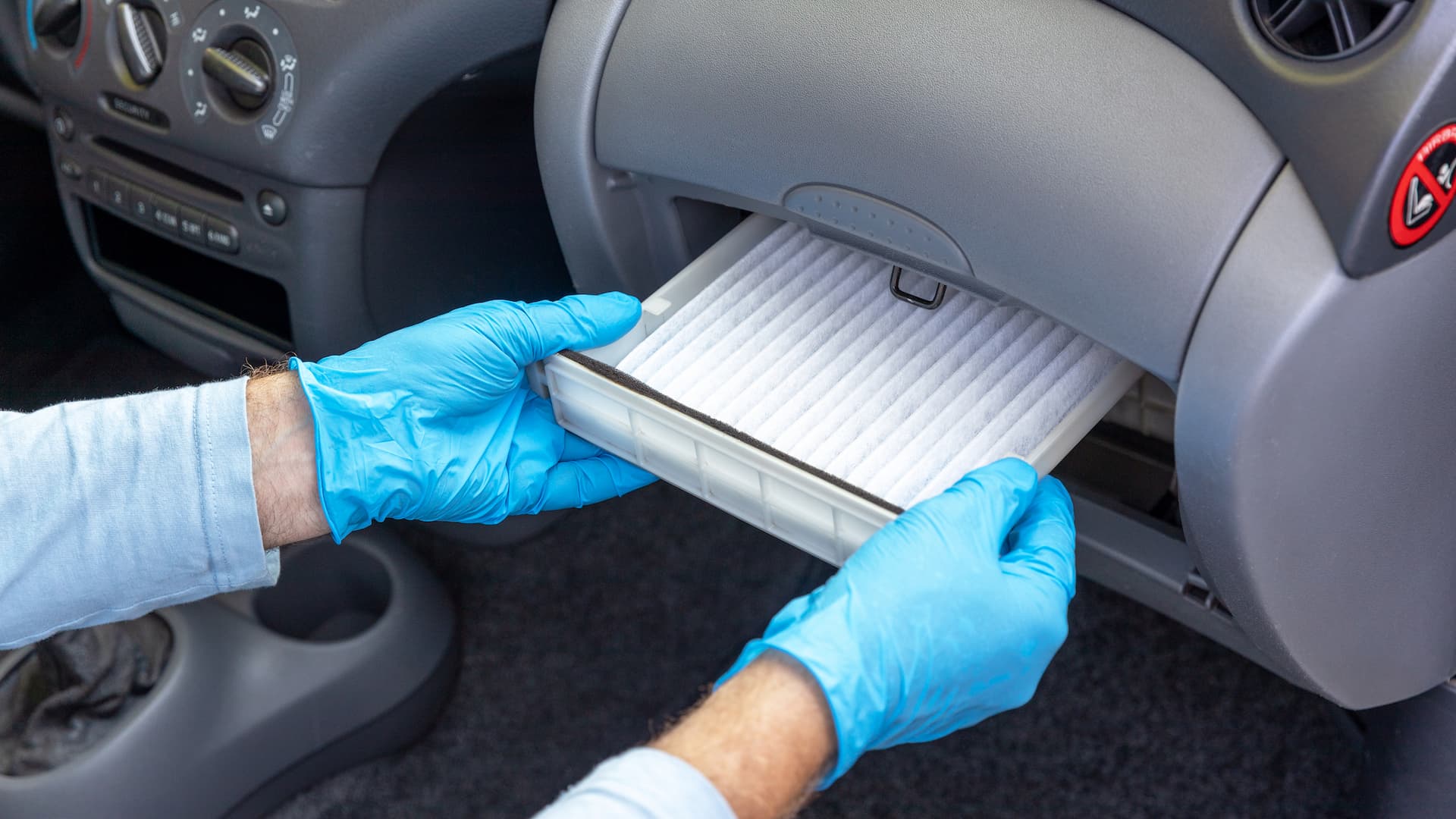
5. Clogged Cabin Air Filter Restricting Airflow
Warm air coming from the vents does not always mean the air conditioning system has lost its cooling ability. In many situations, the issue centers on airflow rather than temperature production. The 2019 Hyundai Elantra SEL Sedan presents a clear example because its HVAC system relies on steady, unrestricted air movement to deliver chilled air effectively. When that airflow becomes restricted, comfort drops even if the AC system is technically working as intended.
The cabin air filter sits between the outside air intake and the evaporator core. Its purpose is to trap dust, pollen, soot, and road debris before air enters the cabin. Over months of use, especially in urban or dusty environments, this filter fills gradually. As the buildup increases, less air passes through the evaporator.
Cold air remains trapped inside the housing, while only a weak stream reaches passengers. The sensation feels like warm air, even though the temperature inside the system may still be low. Drivers often respond by increasing fan speed. This action adds noise and strain but delivers little improvement.
In some cases, airflow becomes so limited that the evaporator surface gets excessively cold, leading to moisture freezing on its fins. That ice blocks airflow even further, compounding the discomfort. Once the system shuts off, the ice melts, and airflow returns briefly, creating an inconsistent cooling experience.
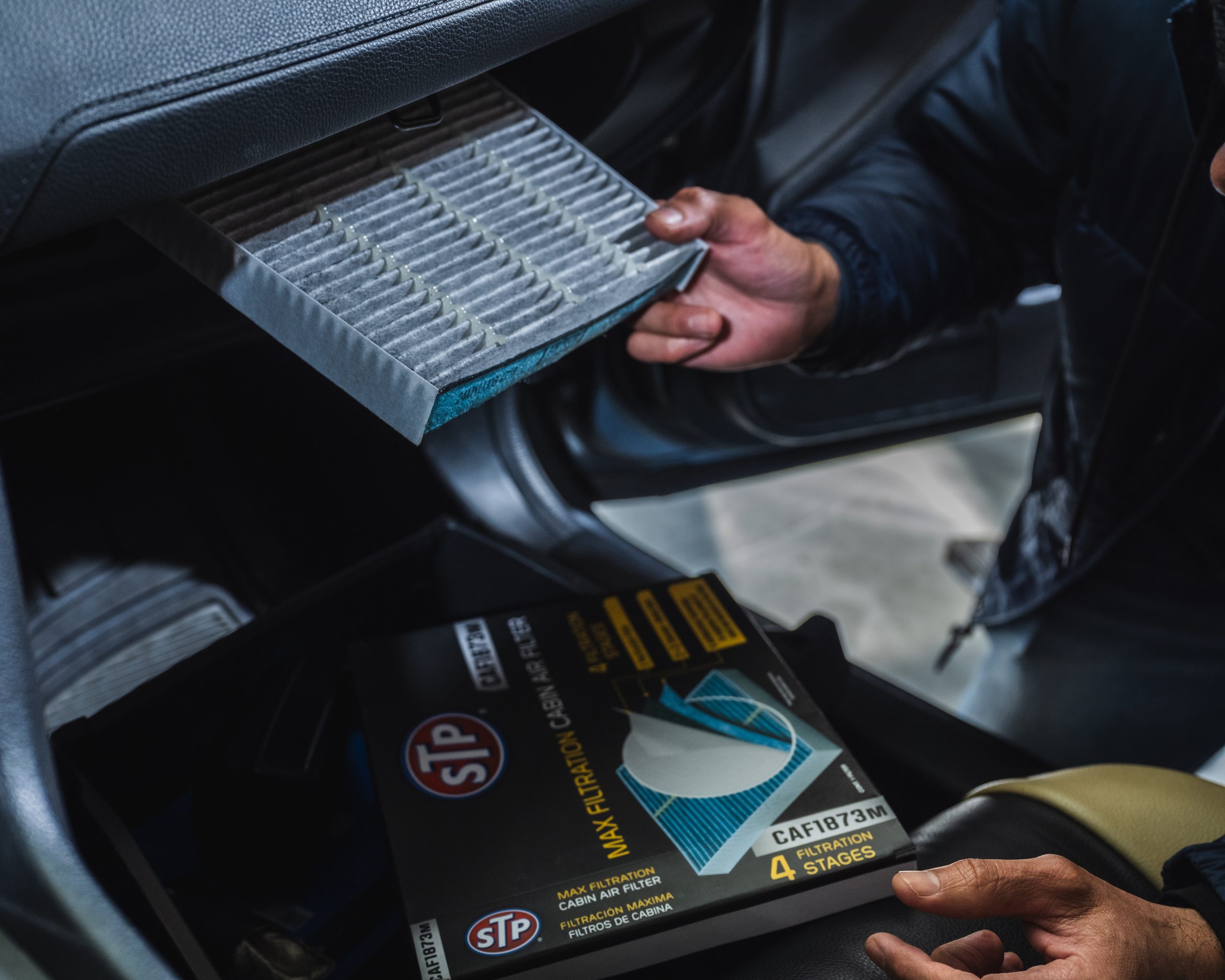
Inspection of the cabin air filter usually takes only a few minutes and requires no specialized tools. In the Elantra, access sits behind the glove compartment, making replacement straightforward. A heavily clogged filter often appears dark, dusty, and deformed. Installing a new filter restores airflow immediately, allowing cold air to move freely through the vents.
Routine replacement protects the blower motor from overworking and keeps evaporator performance stable. Clean airflow also improves interior air quality, reducing allergens and odors. This simple service step delivers fast comfort improvement and prevents unnecessary AC system repairs.
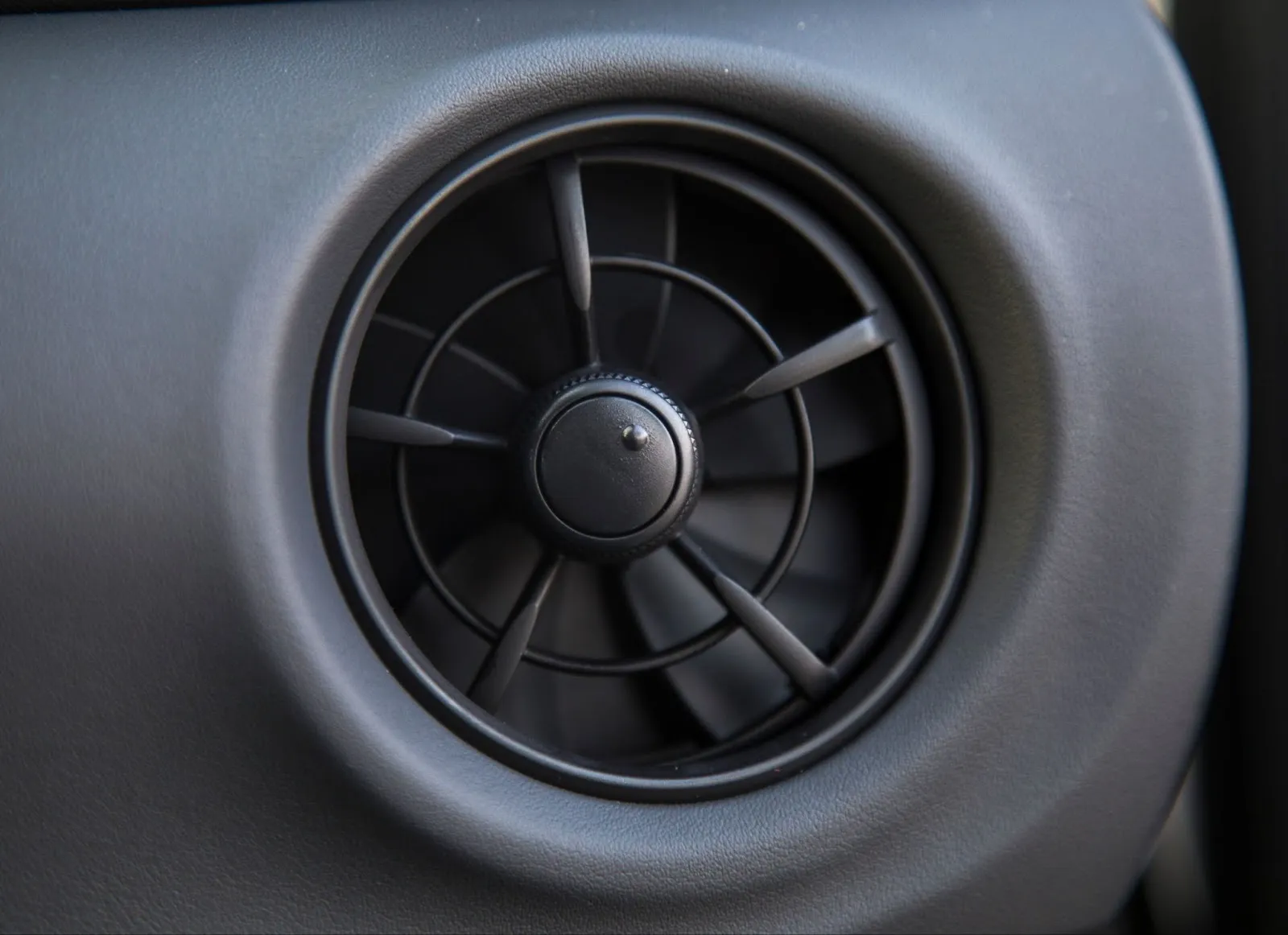
6. Faulty Blend Door Preventing Cold Air Delivery
Air conditioning performance can appear misleading when the airflow direction inside the dashboard becomes incorrect. In the 2015 Nissan Altima SV Sedan, the blend door plays a central role in directing air across either the evaporator for cooling or the heater core for warmth. When this door fails to move as commanded, cabin temperature control becomes unreliable even though cooling components remain functional.
The blend door is controlled by an electric actuator that responds to temperature settings. When operating properly, it adjusts smoothly to regulate how much air passes through each section. Problems arise when the actuator motor wears out, internal gears strip, or the door binds within its housing. In such cases, warm air from the heater core continues mixing with cooled air, preventing the cabin from reaching the desired temperature.
Common symptoms include clicking noises behind the dashboard, temperature changes that fail to respond to control adjustments, or air that stays warm regardless of the setting. Many drivers mistakenly assume refrigerant loss or compressor failure, leading to unnecessary service. Refrigerant recharging does nothing to correct airflow routing problems caused by a stuck blend door.
Diagnosis involves scanning the climate control system for actuator faults and observing door movement during command changes. Some systems allow recalibration, which may restore correct function if alignment drift occurred. When mechanical failure exists, actuator replacement becomes necessary. Though dashboard access may require labor, the repair addresses the root cause directly.
Once airflow routing returns to proper operation, cold air reaches the cabin immediately. Addressing blend door faults prevents wasted expense and restores accurate temperature control without touching the refrigerant circuit.
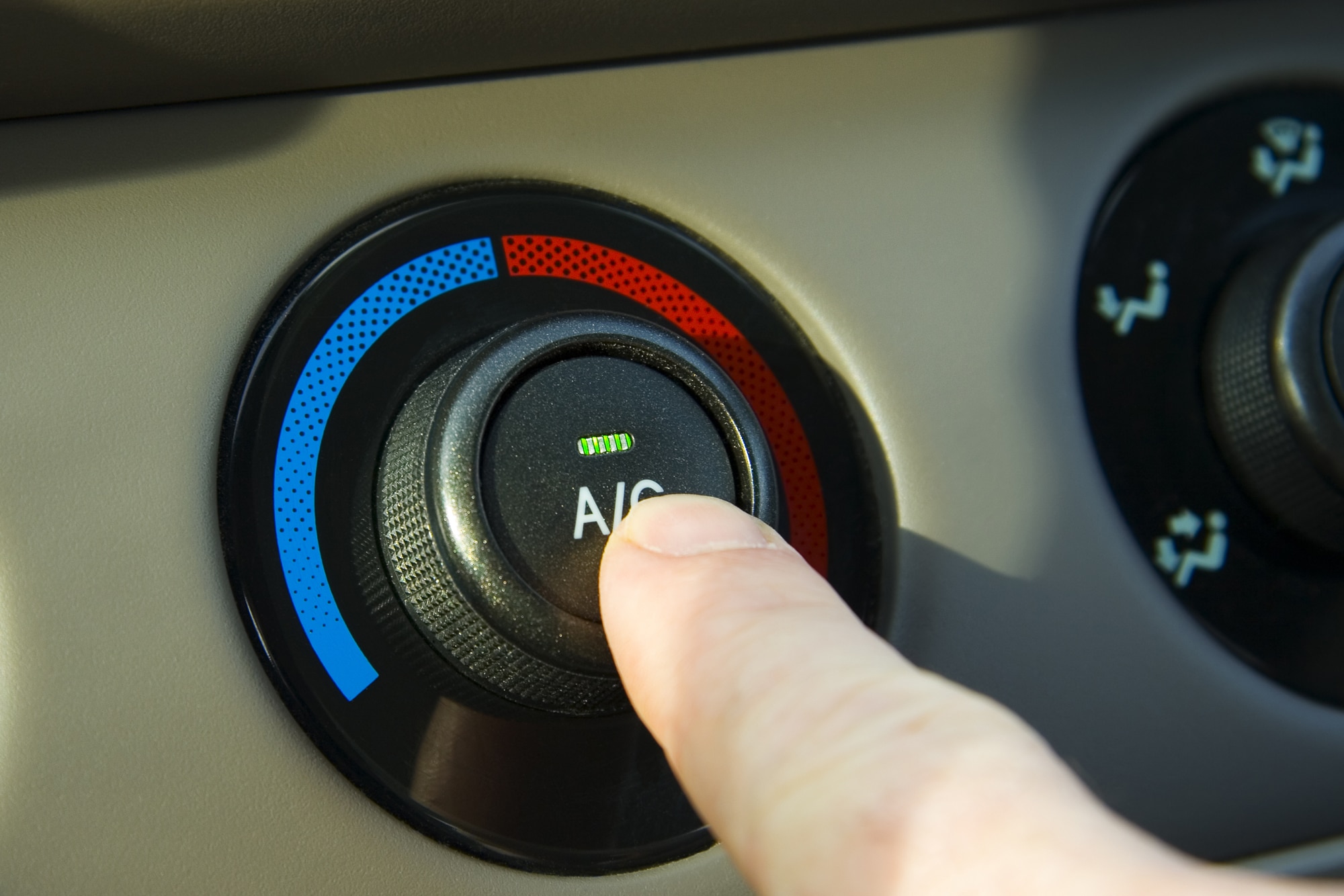
7. Failing AC Pressure Switch Sending Incorrect Signals
Pressure switches perform an important protective duty within a vehicle air conditioning system by monitoring refrigerant pressure and regulating compressor activity. In the 2016 Kia Sorento LX SUV, this component ensures that cooling only operates when internal pressure remains within approved limits.
Once a pressure switch begins to malfunction, the system may behave as though a serious fault exists even when mechanical conditions remain suitable for cooling. A defective pressure switch can transmit inaccurate readings to the vehicle control unit. When this occurs, the system may assume pressure has risen too high or dropped too low and respond by disengaging the compressor.
This action is intended to prevent damage, yet when based on false information, it disrupts normal cooling operation. The blower motor continues pushing air through the vents, which misleads the driver into thinking the system is functioning while warm air circulates inside the cabin.
Intermittent cooling is a common outcome. After switching the engine off and restarting, cooling may return briefly before disappearing again. Long drives or traffic delays often worsen the situation, as temperature changes cause the faulty switch to send fluctuating signals. Such behaviour creates confusion, as symptoms resemble refrigerant loss or compressor failure.
Proper diagnosis requires comparing actual pressure readings with the signals produced by the switch. Technicians connect pressure gauges to observe system conditions while testing electrical output from the sensor. When readings fail to align, the switch becomes the clear source of the fault. Wiring checks also confirm that signal transmission remains uninterrupted.
Replacing the defective pressure switch restores accurate communication within the system. Compressor engagement becomes stable, preventing unnecessary cycling that increases wear. With proper monitoring reinstated, cooling remains dependable under varying driving conditions, protecting both comfort and system durability.
8. Moisture Contamination Inside the AC System
Moisture contamination inside an air conditioning system creates erratic cooling behaviour that often resembles mechanical failure. In the 2014 Volkswagen Jetta SE Sedan, moisture commonly affects the expansion valve area, where precise refrigerant flow regulation is essential. Even small amounts of water can disrupt normal operation once temperatures drop inside the system.
Water entering the AC system may freeze during operation, especially near the expansion valve. When ice forms, refrigerant flow becomes restricted, causing cooling to weaken or disappear entirely. Drivers typically experience strong cooling at startup, followed by warm air as ice develops. Once the system switches off, the ice melts, allowing temporary cooling again. This repeating cycle makes the fault difficult to trace without proper inspection.
Moisture gains access through leaking seals, damaged hoses, or improper servicing that omits full evacuation. The receiver dryer absorbs limited moisture to protect internal components, yet once saturated, it loses effectiveness. Continued operation under these conditions encourages corrosion inside metal components and reduces long-term reliability.
Correct repair involves evacuating the system thoroughly to remove moisture and air. The receiver dryer must be replaced to restore moisture absorption capacity. After evacuation, the system is recharged with clean refrigerant at proper levels. This process restores stable refrigerant flow and consistent cooling performance.
Removing moisture protects internal components from corrosion and ensures dependable operation during extended use. Addressing contamination early prevents repeated cooling loss and preserves system efficiency.
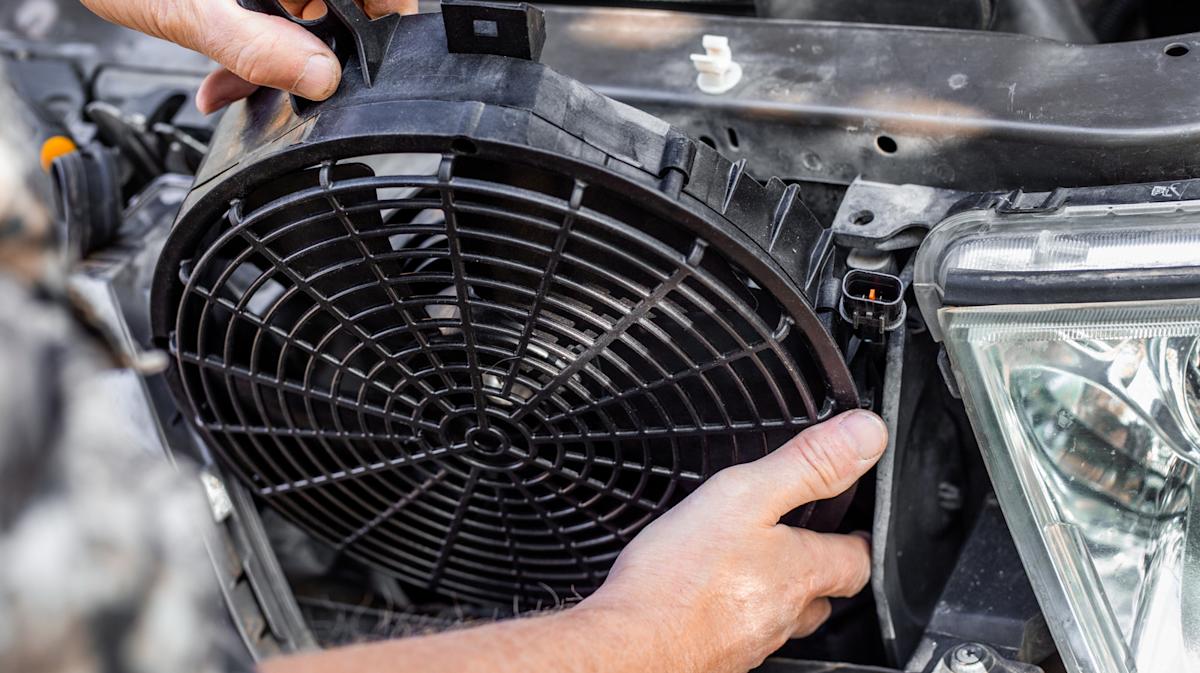
9. Cooling Fan Failure Affecting Condenser Efficiency
Cooling fan failure affecting condenser efficiency creates misleading air conditioning complaints, particularly during low-speed operation. In the 2018 Mazda CX-5 Touring SUV, the condenser relies on electric cooling fans to remove heat when forward motion cannot supply sufficient airflow. These fans activate automatically during idle periods, stop-and-go traffic, and extended stationary running while the air conditioning system remains engaged.
When the cooling fan fails to operate, the condenser retains excessive heat. Refrigerant leaving the compressor cannot release thermal energy, causing pressure levels to rise rapidly. As pressure increases, the system reduces cooling output to protect internal components.
Occupants experience warm air from the vents even though the blower motor continues working and dashboard controls appear normal. This condition frequently presents itself during traffic congestion or when the vehicle remains parked with the engine running.
Once driving speed increases, airflow generated by motion passes across the condenser and temporarily improves cooling performance. This behaviour often leads vehicle owners to misjudge the source of the problem, assuming refrigerant quantity or compressor condition is responsible rather than airflow loss.
Several electrical and mechanical faults may interrupt fan operation. The fan motor may suffer internal wear, preventing rotation. Relays or fuses may fail, cutting the power supply. Control circuits may also malfunction, stopping the fan from receiving activation signals. Visual inspection during air conditioning use provides immediate confirmation. A non-moving fan while the system operates indicates restricted heat removal at the condenser.
Ignoring this condition places the compressor under continuous thermal stress. High-pressure operation forces the compressor to work harder, increasing internal temperatures and accelerating wear. Prolonged exposure may result in seal damage or internal failure, leading to costly repairs beyond simple fan replacement.
Correct repair begins with accurate fault identification. Electrical testing verifies power supply, ground integrity, and control signals. Replacing the defective motor, relay, or wiring restores proper fan engagement. After repair, testing under idle conditions confirms consistent fan operation and stable pressure readings.
With airflow restored, the condenser releases heat efficiently. Refrigerant returns to optimal temperature before entering the expansion device, allowing effective cooling inside the cabin. Stable operation protects the compressor, improves comfort during traffic conditions, and supports long-term reliability of the air conditioning system.
Also Read: 8 Tips for Extending the Life of Your Hybrid Battery Without Specialized Tools
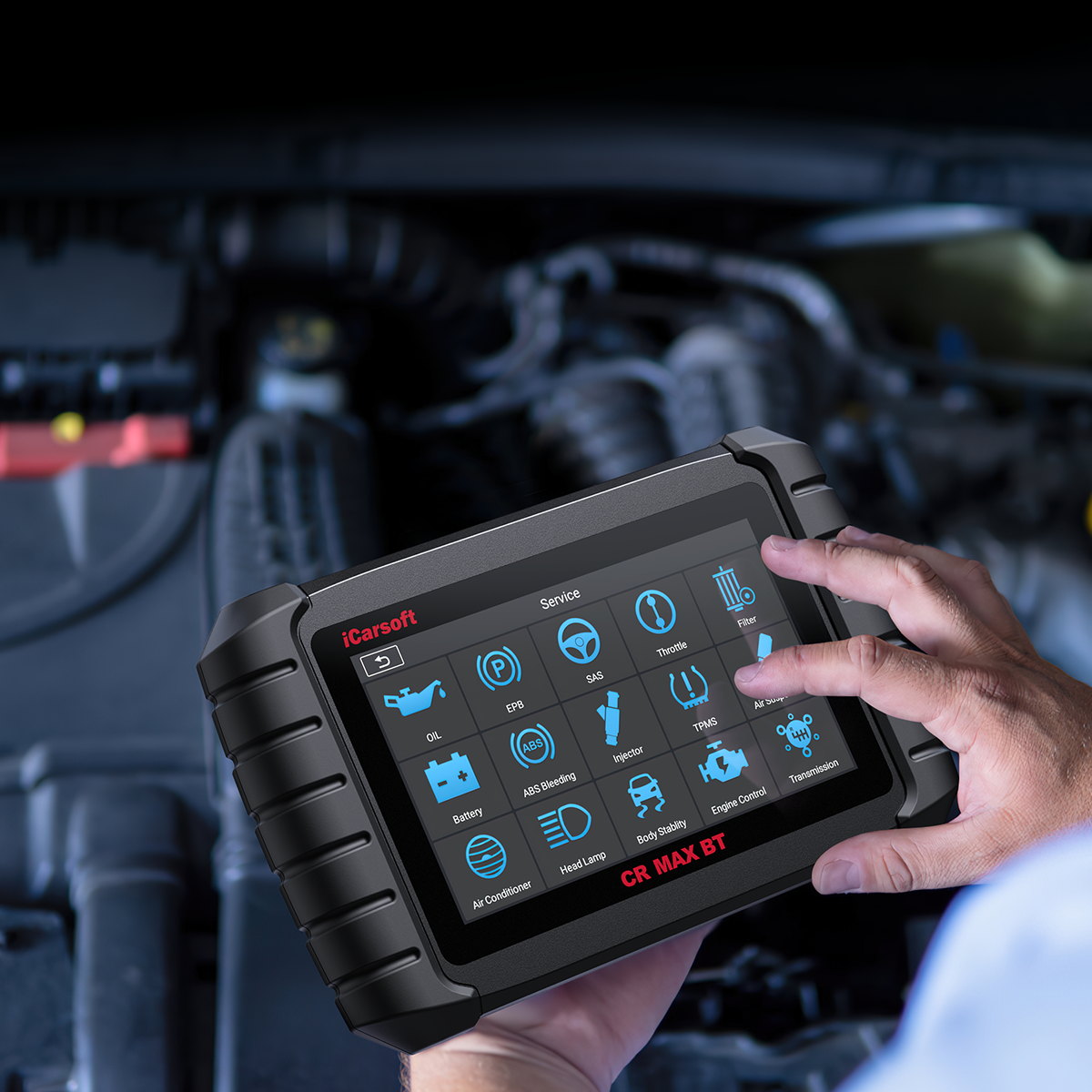
10. Software or Climate Control Module Errors
Software or climate control module errors represent a growing source of air conditioning complaints in modern vehicles. The 2020 Subaru Outback Premium Wagon uses electronically controlled logic to regulate temperature selection, airflow direction, compressor cycling, and sensor interpretation.
When this digital management system develops faults, cooling performance suffers even though mechanical components remain serviceable. The climate control module receives input from interior temperature sensors, ambient sensors, sunload sensors, and pressure switches.
Using programmed algorithms, it determines how the system responds to driver commands. When software corruption occurs, these calculations become inaccurate. The system may misread cabin conditions or ignore selected temperature values, leading to warm air delivery despite low temperature settings.
Such faults often appear after battery disconnection, jump starting, voltage instability, or improper diagnostic procedures. Memory loss or data corruption disrupts learned parameters stored within the module. In some cases, the system enters a default protection mode that limits compressor engagement, reducing cooling output without displaying obvious warning indicators.
Drivers may notice delayed response to control changes, inconsistent vent temperatures, or sudden loss of cooling during normal operation. These symptoms create confusion, as the refrigerant level, compressor function, and airflow components test correctly. Replacing mechanical parts does not resolve the issue because the root cause remains within the electronic control logic.
Accurate diagnosis relies on professional electronic scanning. Stored fault codes reveal communication errors, sensor plausibility faults, or internal module failures. Live data analysis confirms whether sensor readings align with actual cabin conditions. This process distinguishes software-related faults from wiring damage or sensor failure, preventing unnecessary replacement of functioning components.
Corrective action varies depending on fault severity. In many cases, resetting the climate control module restores proper operation by clearing corrupted data. Where available, manufacturer software updates correct programming errors introduced during earlier revisions. Reprogramming aligns control logic with current specifications and restores proper response patterns.
If internal module damage exists, replacement may be required. After installation, calibration procedures ensure accurate sensor recognition and actuator movement. Once programming stabilises, compressor cycling becomes consistent, airflow direction responds correctly, and cabin temperature aligns with selected settings.
Addressing software-related faults protects system efficiency and reduces service costs. Electronic control accuracy ensures balanced operation of all air conditioning components. Reliable temperature management improves driving comfort during varying weather conditions and supports long-term durability of climate control hardware.
