
When shopping for a used sedan, the durability and reliability of everyday components such as power windows and door locks are often overlooked, yet they are essential for long-term satisfaction. Some sedans stand out for their ability to maintain these systems over hundreds of thousands of miles, combining thoughtful engineering, high-quality materials, and robust electrical components.
From practical family cars to luxury sedans, certain models are designed to handle frequent use without failure, giving owners peace of mind and reducing maintenance costs. In this guide, we highlight 10 used sedans known for having the most durable power windows and locks, including vehicles like the Toyota Camry, Lexus ES, Honda Accord, and Mercedes-Benz E-Class.
Each of these models has earned a reputation for mechanical and electronic reliability, proving that longevity does not have to come at the expense of comfort, technology, or driving enjoyment.
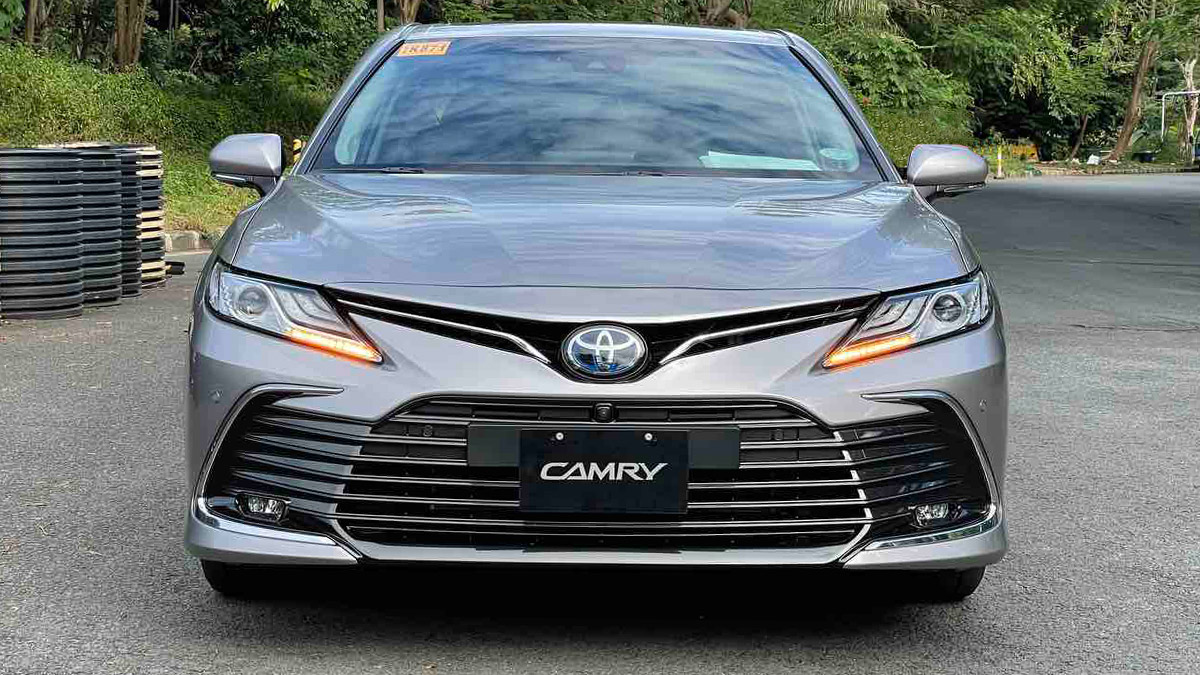
1. Toyota Camry (2016–2022): Reliability and Practical Hybrid Performance
The Toyota Camry (2016–2022) is highly regarded for its reliability, particularly in power window and door lock systems. Toyota’s focus on high-quality electrical components and robust mechanicals ensures that owners rarely experience complete motor failures.
Minor issues such as 30A fuse replacements or master switch wear are uncommon and simple to resolve. High-torque motors maintain consistent performance as the vehicle ages, which has earned the Camry a reputation for long-term durability and worry-free ownership.
From 2016 onward, Toyota refined the Camry’s window mechanisms to address occasional regulator misalignment seen in earlier models. The vehicle uses simple, proven technology rather than fragile electronics, resulting in low maintenance and fewer long-term problems. Owners consistently report high reliability ratings, reflecting the car’s solid construction and dependable performance of interior components.
In the United Kingdom, the Camry initially struggled in the market. Large petrol saloons were less popular than smaller, diesel-powered European cars, leading Toyota to withdraw the model in 2004. The Camry returned in 2019 with a hybrid-only powertrain consisting of a 2.5-litre petrol engine paired with an electric motor.
This configuration met growing demand for self-charging hybrids and provided excellent fuel efficiency. In mixed driving, the Camry can achieve nearly 50 miles per gallon, and the electric motor allows quiet operation in stop-and-go traffic.
The Camry prioritizes comfort and practicality rather than sportiness. Soft suspension smooths road imperfections but can cause body sway at higher speeds. Steering is smooth and predictable, but handling remains relaxed. Inside, the cabin is spacious with generous rear legroom and a large boot.
Hybrid battery placement under the rear seats preserves luggage space, and rear seats fold in a 60/40 configuration. Storage solutions include cup holders, door pockets, and an armrest cubby. The infotainment system is limited, with a small 7.0-inch screen that lacks Apple CarPlay and Android Auto, and it can be slow to respond to commands.
Trim levels offer strong value, with the entry-level Design model including dual-zone climate control, keyless entry, and standard safety aids. The higher Excel trim adds LED fog lights, blind spot monitoring, wireless phone charging, and lane-change assistance.
While the Camry cannot match the driving dynamics or interior refinement of competitors such as the BMW 3 Series or Audi A4, it excels in reliability, comfort, and running costs. Its combination of hybrid efficiency, durability, and spaciousness makes it a practical choice for families, commuters, and long-term ownership.
2. Lexus ES (All Generations): Durable Luxury and Reliable Performance
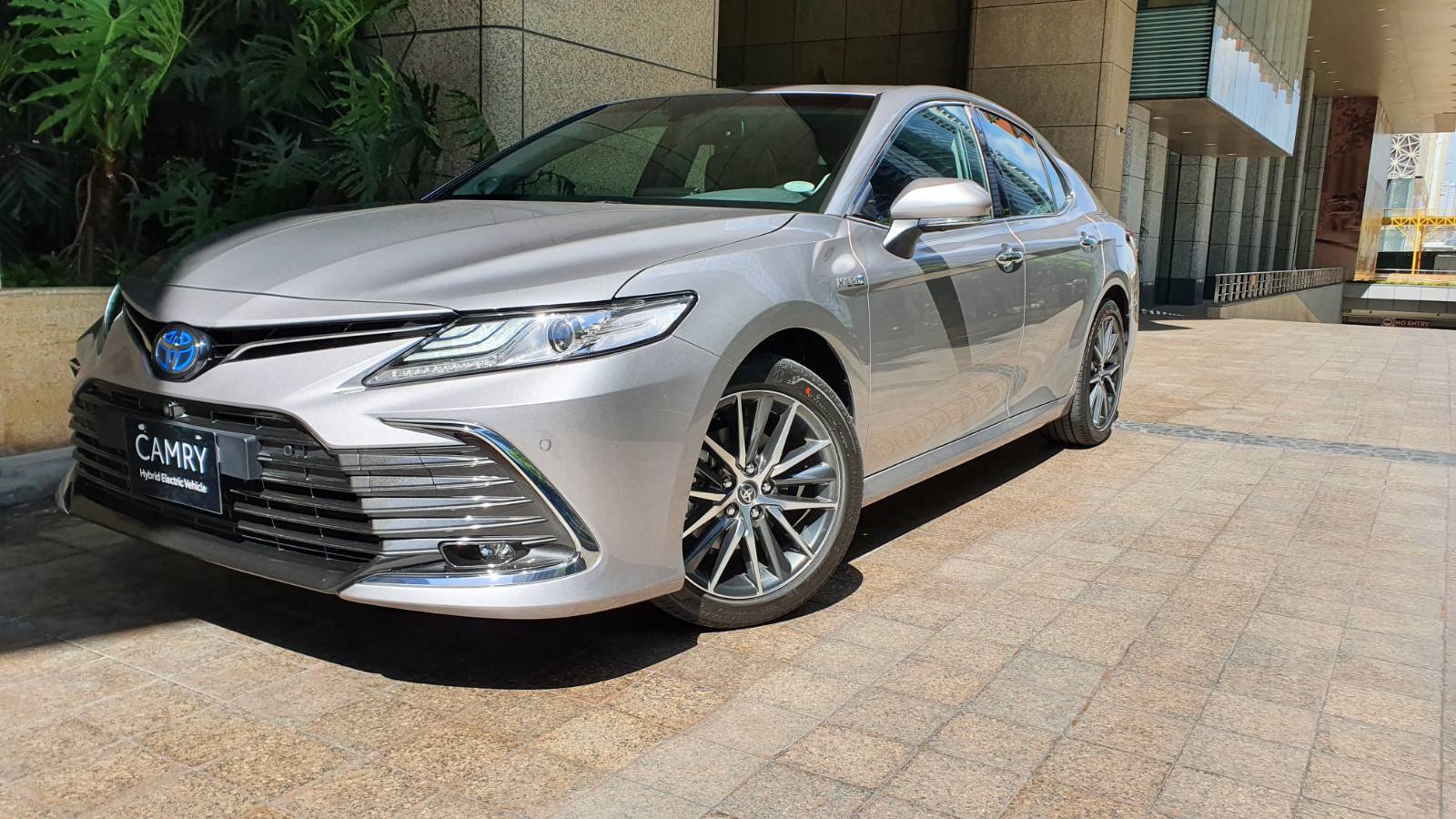
The Lexus ES has long stood as Toyota’s luxury flagship, combining refined comfort with exceptional reliability. Across all generations, the ES is known for durable power windows and door locks, using premium, quiet-running motors and reinforced actuators. Over-engineering, meticulous assembly, and high-quality components ensure these mechanisms endure years of use with minimal failures.
The 2018 Lexus ES earned a near-perfect 90/100 reliability score from J.D. Power, reflecting the brand’s consistent focus on long-term dependability. Even high-mileage models may experience slower window movement due to track debris, but parts are largely interchangeable with the Toyota Camry, keeping repairs straightforward and affordable for local mechanics.
Several factors contribute to the ES’s durability. Strict manufacturing tolerances and quality control prevent premature wear of electrical components, while rigid body structures and improved sound absorption reduce stress on door systems, preserving their longevity.
Well-maintained Lexus ES models can easily reach 220,000 to 250,000 miles with key electrical systems still functioning flawlessly. The vehicle’s combination of quiet cabin, comfortable ride, and high-quality materials makes it an appealing choice for used luxury buyers.
Across generations, the ES continues to impress. The 5th generation (2007–2012) offered strong reliability with a 3.5L V6 and 6-speed automatic. The 6th generation (2013–2018) added hybrid options and modern tech while maintaining dependable performance. The current 7th generation (2019–present) includes a 2.5L four-cylinder hybrid (250h/300h) and a 3.5L V6 (350), paired with an 8-speed automatic.
The hybrid models achieve excellent fuel economy of approximately 44 mpg combined and provide generous cargo space due to under-seat battery placement. Common issues across generations are minor, such as occasional oxygen sensor or ignition coil failures over 100,000 miles and potential engine sludge if oil changes are neglected.
Pros of the Lexus ES include outstanding reliability, luxurious ride comfort, high-quality interiors, strong resale value, and efficient hybrid operation. Cons include less engaging driving dynamics, older infotainment systems that may feel outdated, and slightly limited rear headroom.
For used buyers, the 6th generation offers the best balance of modern styling, technology, and affordability, while 2019+ 300h models provide excellent hybrid efficiency and practical interior space. Buyers should ensure recalls, such as the 2020 fuel pump fix, have been addressed on newer models.
The Lexus ES is a top choice for those seeking a reliable, low-maintenance luxury sedan that combines comfort, efficiency, and long-term value.
3. Honda Accord (2017–2022): Reliable, Durable, and Practical
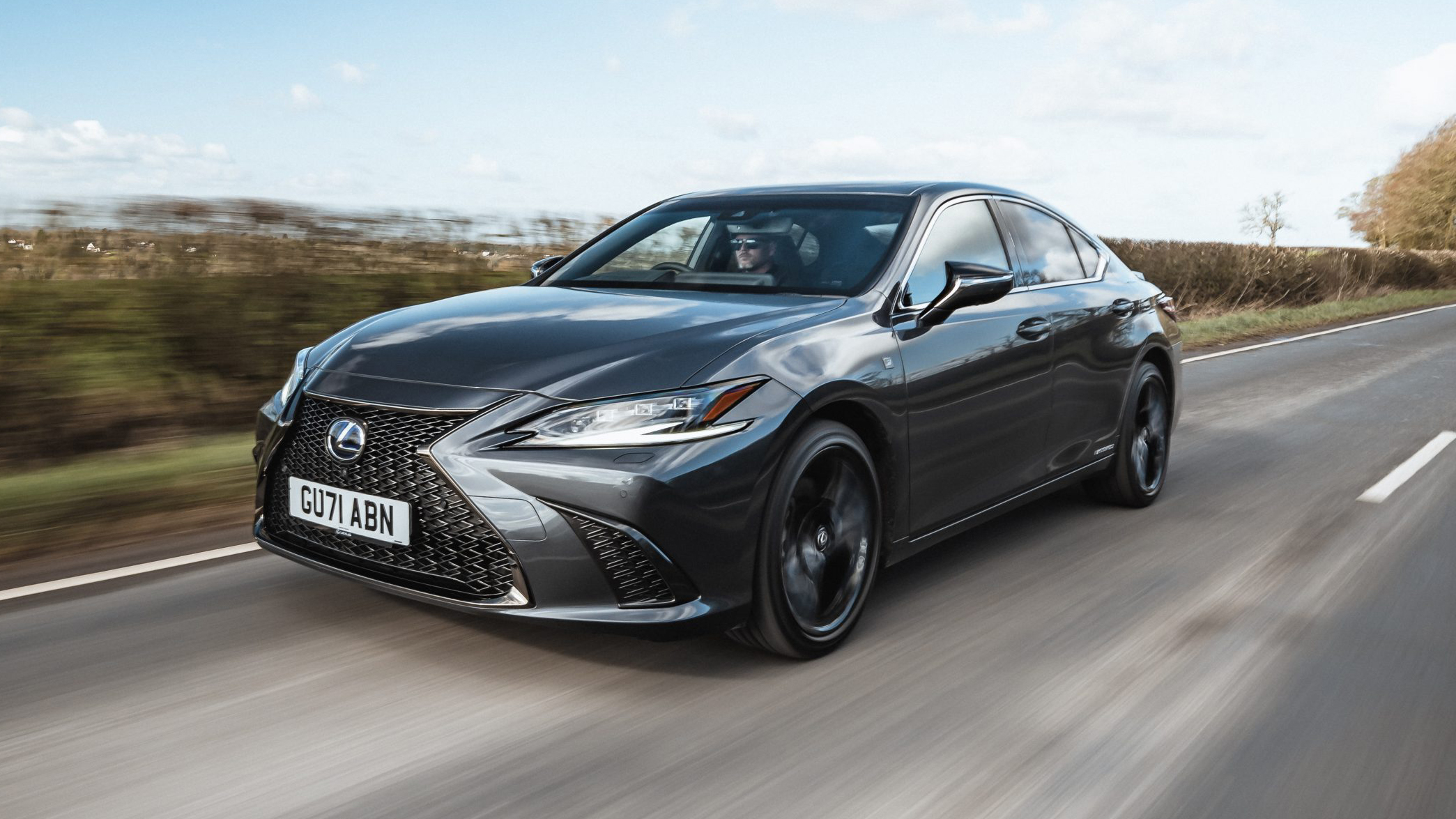
The Honda Accord from 2017 to 2022 is widely recognized as a benchmark for reliability and longevity in the midsize sedan segment. Covering the late 9th generation (2017) and the 10th generation (2018–2022), these models are capable of surpassing 200,000 miles with proper maintenance.
Honda’s emphasis on high-quality manufacturing, durable electronics, and long-lasting powertrain components makes these Accords a popular choice for used car buyers seeking dependable transportation.
The 2017 Accord offered a 185-hp four-cylinder engine or a 3.5L V6, as well as a refreshed hybrid model. In 2018, the 10th-generation models introduced more efficient turbocharged engines: a 1.5L four-cylinder standard and a 2.0L four-cylinder replacing the V6.
These engines improved fuel economy while maintaining a smooth and confident driving experience. Average annual repair costs are relatively low, around $400, reflecting the durability of the mechanical and electronic systems.
Interior quality is strong, with spacious cabins and thoughtful design. Past issues with master switches and “phantom” door locks were addressed in the newer generation through fail-safe electrical systems and improved door lock actuators. Technology and convenience features, such as Apple CarPlay, Android Auto, and Honda Sensing safety systems, became standard by 2018, adding value and enhancing driver confidence.
Maintenance requirements are minimal, typically scheduled every 7,500 miles or 12 months. While some 2017 models reported intermittent power door lock actuator problems, these are minor and do not compromise structural integrity or long-term usability. Components such as window motors, power locks, and other electronics are engineered to withstand frequent use, contributing to the vehicle’s longevity.
The 2017–2022 Honda Accord combines durability, efficiency, and comfort, making it a practical choice for used car buyers. With strong reliability ratings, low maintenance costs, spacious interiors, and advanced safety features, it delivers lasting performance and value. These qualities ensure that the Accord remains a dependable, long-term sedan suitable for daily driving and family use.
4. Toyota Corolla (2016–2021): Dependable, Efficient, and Low-Maintenance
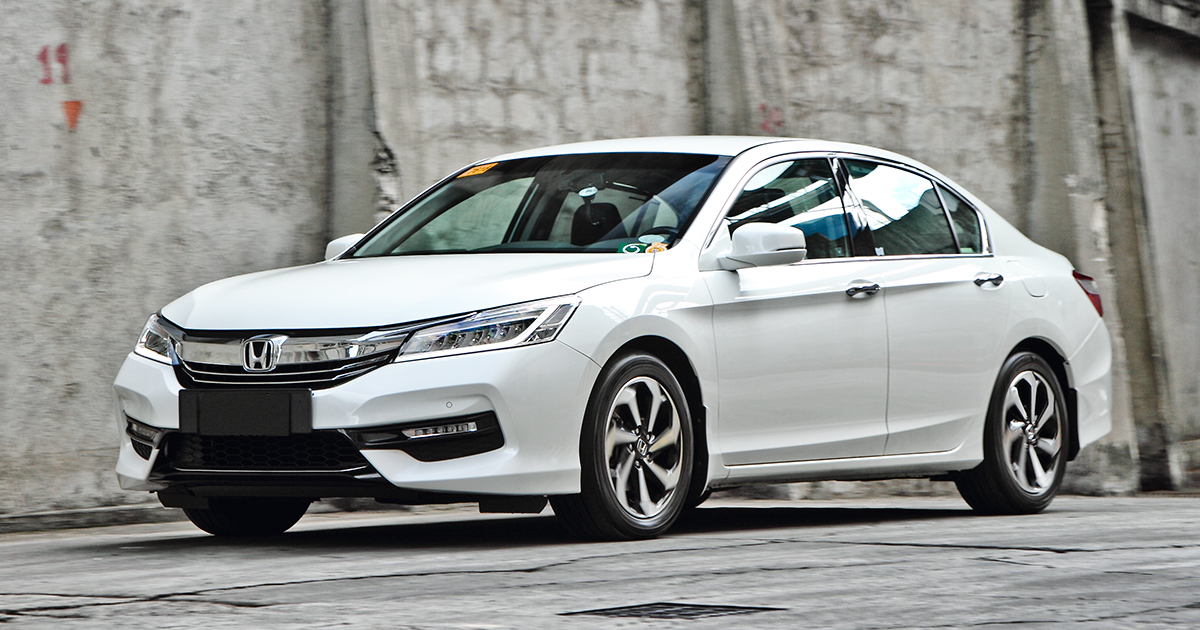
The Toyota Corolla from 2016 to 2021 is widely regarded as one of the most reliable compact cars on the used market. Known for its simplicity and robust engineering, the Corolla avoids overly complex electronic systems, ensuring that mechanical components such as window regulators and door lock linkages remain functional for decades.
This straightforward design, combined with high-quality mass-produced parts, contributes to its reputation for long-lasting durability and low maintenance costs. Many models easily surpass 200,000 miles with proper care.
Engine options during this period include a 1.8-liter or 2.0-liter four-cylinder paired with a CVT automatic transmission. Post-2019 models introduced a more efficient hybrid variant capable of achieving around 62.8 mpg (4.5 L/100km).
While the 1.8-liter engine can feel underpowered and noisy under acceleration, it provides a soft, comfortable ride suited for daily driving rather than sporty performance. The Corolla’s consistent fuel efficiency, low repair costs, and minimal mechanical issues make it a practical choice for commuters and small families.
Interior design emphasizes function and durability. Base models include a 4.2-inch display, while later 12th-generation models (2019–2021) feature improved infotainment with Apple CarPlay and Android Auto. Rear-seat space is somewhat limited, but the cabin is well-built and equipped with Toyota Safety Sense as standard, enhancing safety and convenience.
The Corolla’s electronics are particularly resilient due to engineering simplicity and high-quality components. Window motors, regulators, and door lock actuators are over-engineered to withstand frequent daily use, avoiding the premature failures common in more complex systems. When maintenance is needed, replacement parts are affordable, readily available, and easy to install, keeping long-term ownership costs low.
The 2016–2021 Toyota Corolla combines reliability, efficiency, and practicality in a compact package. Its durable construction, low running costs, strong resale value, and functional design make it a highly sought-after choice for used car buyers seeking a dependable, low-maintenance vehicle capable of serving for many years with minimal issues.
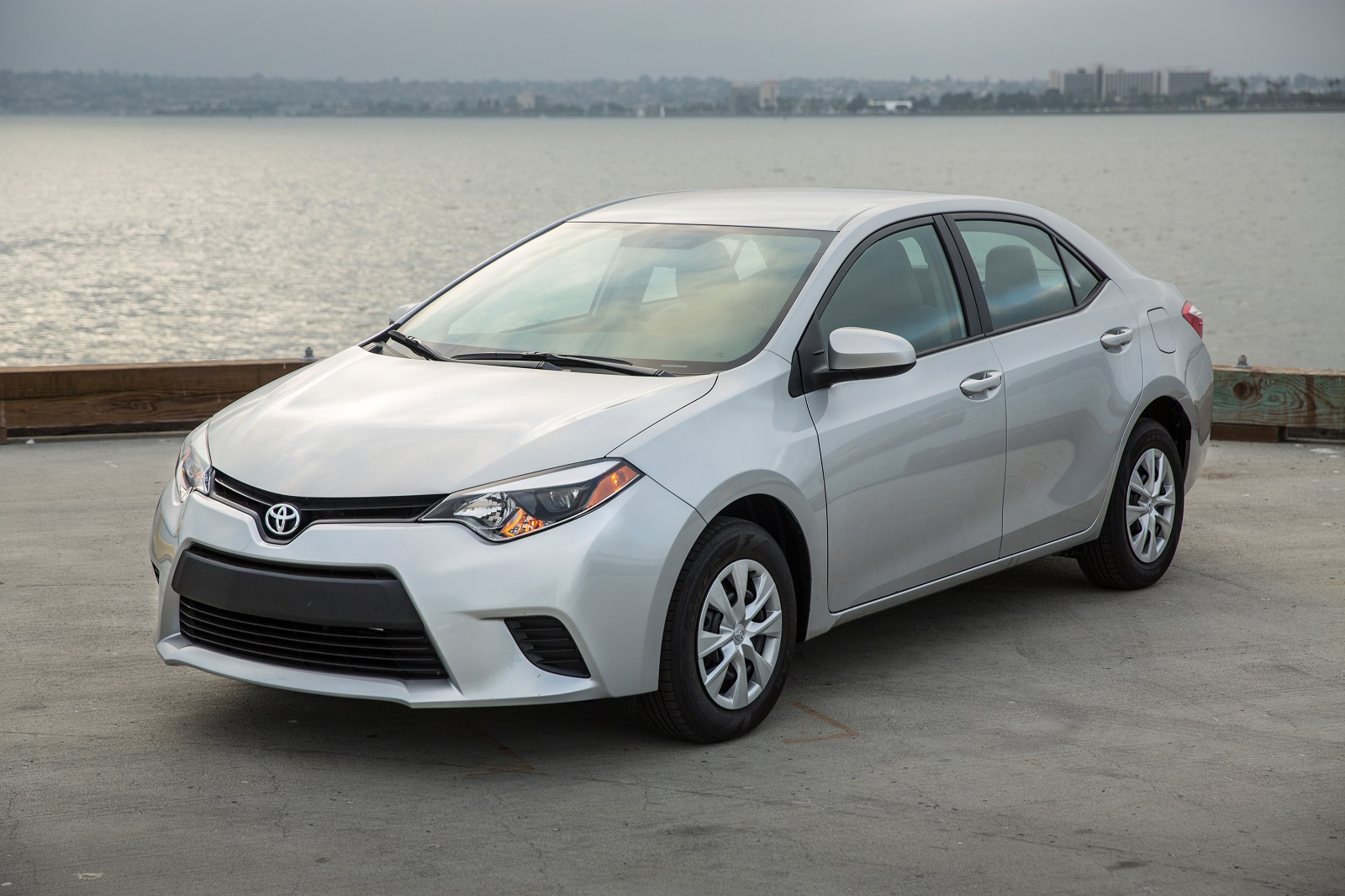
5. Toyota Avalon (2013–2022): Durable, Comfortable, and Near-Luxury
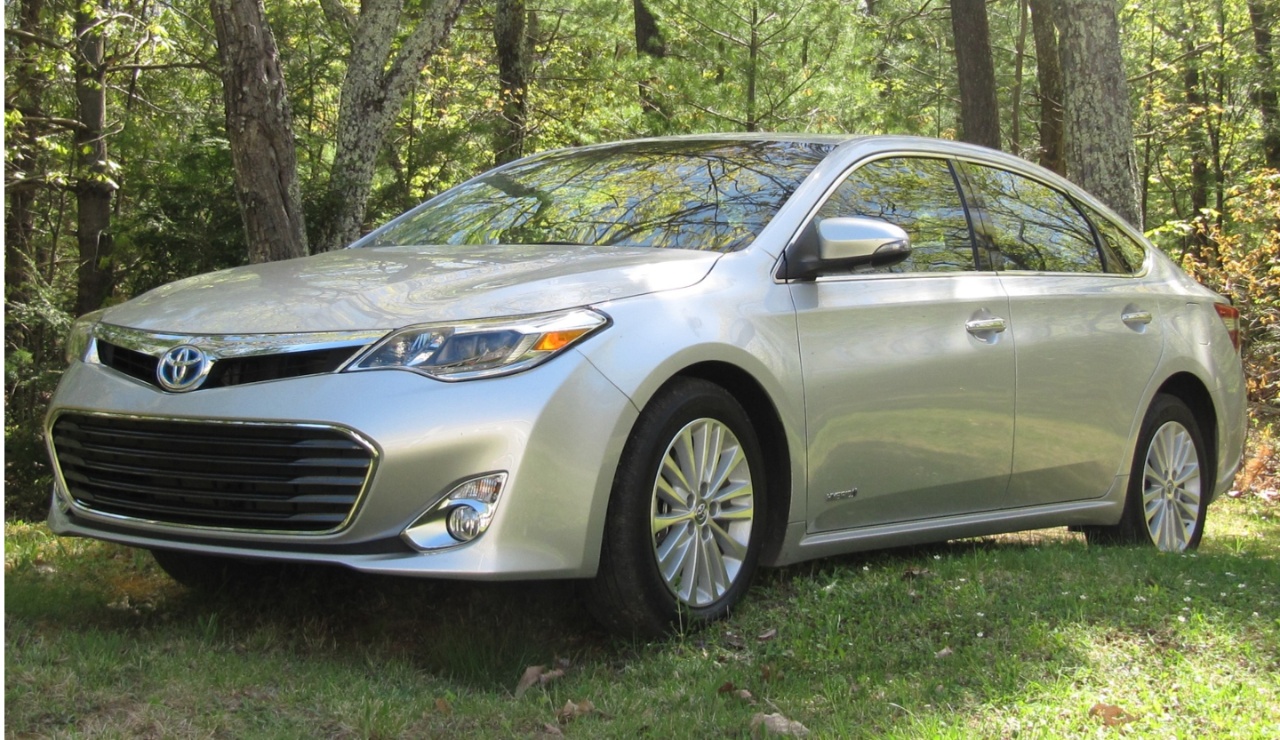
The Toyota Avalon from 2013 to 2022 is celebrated as a full-size sedan that combines comfort, durability, and refined design. Known as Toyota’s flagship sedan, the Avalon offers near-Lexus levels of luxury while benefiting from Toyota’s highly reliable mechanical and electronic systems.
With a 7.3 times higher likelihood of reaching 250,000 miles compared to the average vehicle, it stands out as a long-lasting option for buyers seeking a large, dependable car.
Under the hood, Avalons typically feature a 3.5L V6 engine producing 268–301 hp, delivering responsive acceleration while remaining under-stressed on the highway, which contributes to exceptional longevity.
Hybrid models, introduced throughout this period, provide excellent fuel economy without compromising smoothness or cabin quietness. The Avalon’s suspension and chassis are tuned for comfort, offering a quiet, composed ride and substantial rear legroom, though some owners report a slightly firm feel on models with larger wheels.
The interior emphasizes quality and durability. Premium materials are used throughout, and from 2019 onward, technology was upgraded with modern infotainment, improved displays, and connectivity features. Earlier models (2013–2018) include capacitive touch buttons, which some users find sensitive but are built to last.
The power window regulators and door lock actuators are over-engineered to handle heavy daily use and larger sedan panels, and the Smart Key System incorporates durable sensors designed for long-term reliability. Many electronic components are shared with Lexus models, further ensuring longevity.
Maintenance costs are low, averaging around $463 annually, and routine service helps maintain both the V6 engine and hybrid systems. While earlier models feature a more traditional interior design and later models have sleeker, more aggressive styling, all generations prioritize mechanical and electrical reliability.
Rear visibility can be slightly limited by the sloping roofline, but this is a minor trade-off given the sedan’s size and comfort.
The Toyota Avalon provides exceptional value in the used full-size segment. With durable electronics, high-quality construction, spacious interiors, and refined ride quality, it is ideal for buyers seeking a long-lasting, near-luxury sedan without the premium price tag. Its combination of reliability, comfort, and efficient performance makes it a strong choice for high-mileage ownership.
Also read: 5 Cars With Simple Mechanical Cooling Fans vs 5 With Complex Electric Fan Modules
6. Mercedes-Benz E-Class (W212/W213): Durable Luxury with High-Quality Components
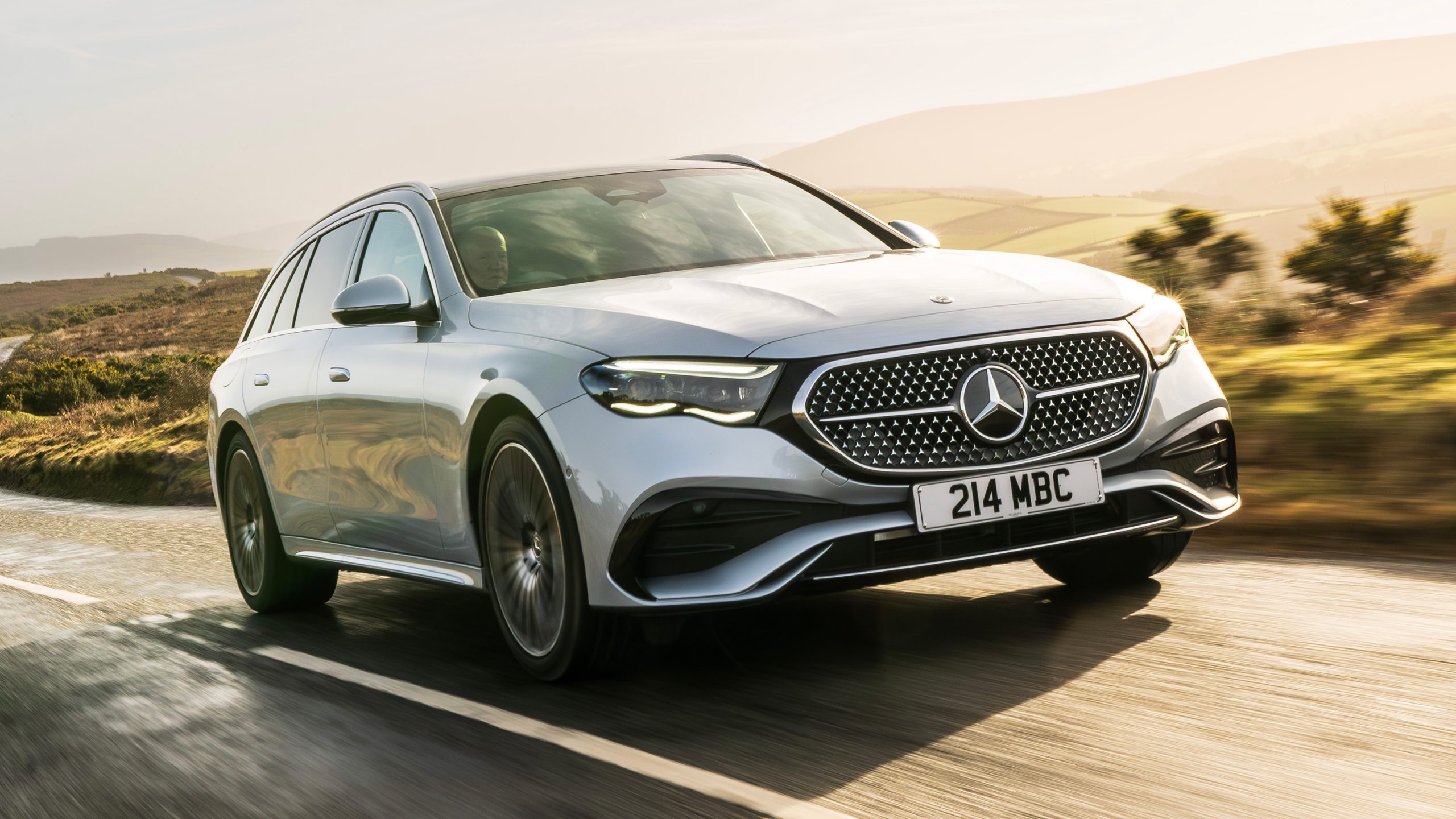
The Mercedes-Benz E-Class, spanning the W212 (2009–2016) and W213 (2016–2023) generations, is renowned for combining luxury, comfort, and durability in the executive sedan segment. Unlike many European competitors, the E-Class is engineered for heavy-duty use, frequently serving as taxis around the world.
This practical design ensures components like door locks and power windows are built to endure thousands of daily operations without premature wear. High-quality wiring harnesses, switches, and locking actuators reduce the risk of frayed wires or motor fatigue, contributing to a strong reliability reputation among used luxury sedans.
The W212 generation, particularly post-facelift models (2013–2016), is praised for its solid ride, refined engines, and durable mechanical and electronic systems. Diesel engines such as the 2.1-liter unit are highly robust, while petrol options provide smooth performance.
Common issues include water pump failures, diesel injector faults, and occasional electrical glitches affecting sensors or infotainment, but these are relatively minor when properly maintained. The 9G-TRONIC automatic transmission is smooth and dependable, though earlier 7-speed units may require inspection for consistent shifting.
The W213 generation introduced modern technology, including advanced driver assistance and an S-Class-inspired interior, while maintaining the E-Class’s reputation for reliability.
Refinements in electronics, infotainment, and efficiency, especially in diesel models like the E220d, make this generation appealing for high-mileage commuting. Hybrid models may experience minor battery or electronic issues, highlighting the importance of a full service history for used examples.
Durable interior components are a hallmark of both generations. Power window motors, door lock actuators, and wiring are over-engineered to handle intensive daily use.
Mercedes prioritizes quiet, refined operation with heavy-duty materials, avoiding the weak plastic components found in lesser sedans. While some high-mileage examples may develop typical electrical issues, these are minor relative to other luxury cars in the same class.
The E-Class’s combination of robust engineering, high-quality components, and attention to detail makes it a compelling option for buyers seeking a used luxury sedan that offers both refinement and long-term reliability. With proper maintenance, these vehicles can deliver decades of dependable service while retaining their premium feel and functional luxury features.
7. Mazda6 (2015–2017): Stylish, Fun, and Reliable
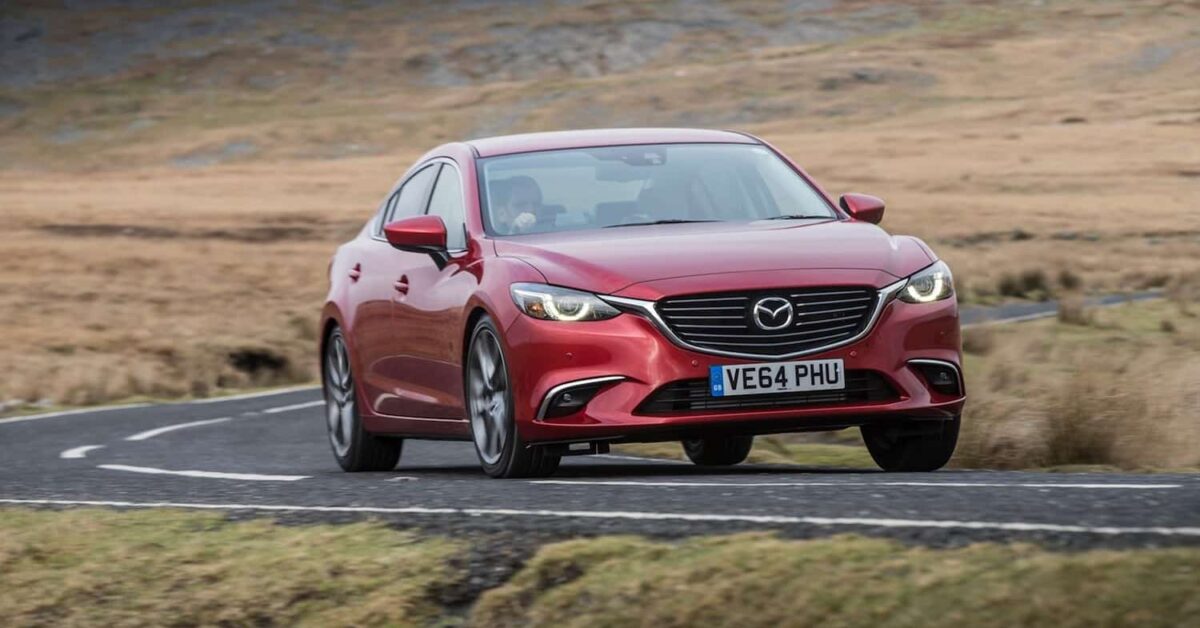
The Mazda6 from 2015 to 2017 is widely regarded as a sportier and more engaging alternative to mainstream sedans like the Honda Accord or Toyota Camry, while maintaining strong build quality and reliability.
Mazda focused on high-end interior materials and durable components, ensuring that power windows, door lock actuators, and other electronics remain functional well into the car’s second decade. Unlike some competitors that rely on flimsy plastic clips, the Mazda6 uses robust mounting points and mature technology to keep windows on track and door mechanisms operating smoothly.
Powered by the 2.5L Skyactiv-G engine, the Mazda6 strikes a balance between performance and efficiency, delivering a responsive driving experience without sacrificing fuel economy. The ride is firm and sporty, appealing to drivers who enjoy precise handling, though some may find it stiff over rough city streets.
Highway cruising is comfortable, and the cabin received significant updates during the 2015 facelift, including a revised dashboard and infotainment system that enhance the premium feel of the interior. Higher trims offer features such as a head-up display and advanced LED headlights.
The interior is stylish and well-crafted, often described as “near-Lexus” quality, though rear headroom is slightly limited for taller passengers, and road and wind noise can be noticeable. Reliability is generally high, with Mazda’s electrical systems, including power windows and locks, being robust and long-lasting.
Owners should watch for common maintenance issues such as brake pad and disc wear, minor infotainment glitches, and, for diesel variants, potential DPF problems. Rust inspection of the rear subframe and rocker panels is also recommended for used buyers.
Average annual maintenance costs are low, around $462, making the Mazda6 an economical choice for long-term ownership. With its combination of stylish design, engaging handling, fuel efficiency, and durable electronics, the 2015–2017 Mazda6 is a compelling option in the used family sedan market.
It provides a refined, reliable, and enjoyable driving experience that often surpasses mainstream competitors, making it a strong choice for buyers who value both performance and long-term dependability.
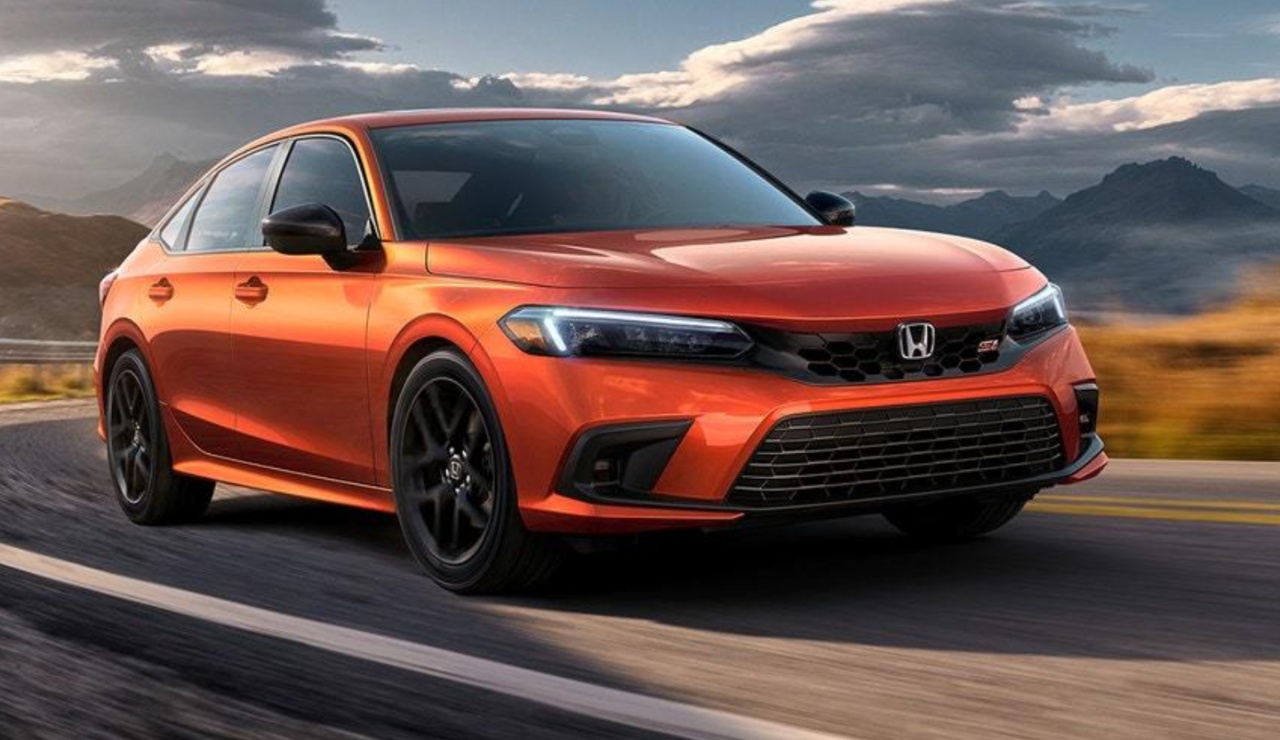
8. Honda Civic (10th & 11th Gen): Durable, Reliable, and Practical
The Honda Civic, across its 10th (2016–2021) and 11th (2022–present) generations, is widely celebrated for durability, reliability, and fuel efficiency. With a 10.9% chance of reaching 250,000 miles, the Civic continues to be a top choice for buyers seeking a long-lasting compact sedan. Its lighter, compact design places less strain on power window motors and regulators, reducing wear over time.
Modernized electrical looms in these generations are well-protected against moisture and vibration, ensuring that power locks and other electronic systems remain responsive, even in challenging climates.
The 10th-generation Civic is recognized for its sporty and aggressive styling, featuring the punchy 1.5L turbocharged engine and responsive handling. While generally reliable, high-mileage models can experience turbocharger issues or carbon build-up, particularly in 1.0L and 1.5L petrol variants.
Owners have occasionally reported minor electrical glitches and air-conditioning concerns. The interior design, while divisive, is durable and offers practical space for daily use.
The 11th generation emphasizes refinement and comfort, presenting a more minimalist and premium interior. Ride quality is smoother, and the infotainment system has been significantly upgraded compared to the 10th generation. Early reports indicate high reliability, with solid build quality and robust electronics contributing to long-term durability.
Both generations feature fuel-efficient engines, including the 1.5L turbo, often paired with CVT transmissions, providing a balance of performance and efficiency suitable for commuting or long drives.
Durable power windows and locks are a hallmark of these Civic generations. Honda uses high-quality materials and robust electronic systems, including long-lasting window motors and locking solenoids, to ensure consistent performance over heavy daily use. Cabin materials are ergonomic and built for longevity, supporting the Civic’s reputation as a reliable, low-maintenance vehicle.
In the used market, the 10th and 11th-generation Civics are prized for their combination of long-term reliability, practical features, and enjoyable driving dynamics. Buyers benefit from low maintenance costs, durable electronics, and a balance of sporty or refined styling depending on the generation.
These qualities make the Civic a dependable, versatile, and enduring choice among compact sedans for daily commuting, family use, or long-term ownership.
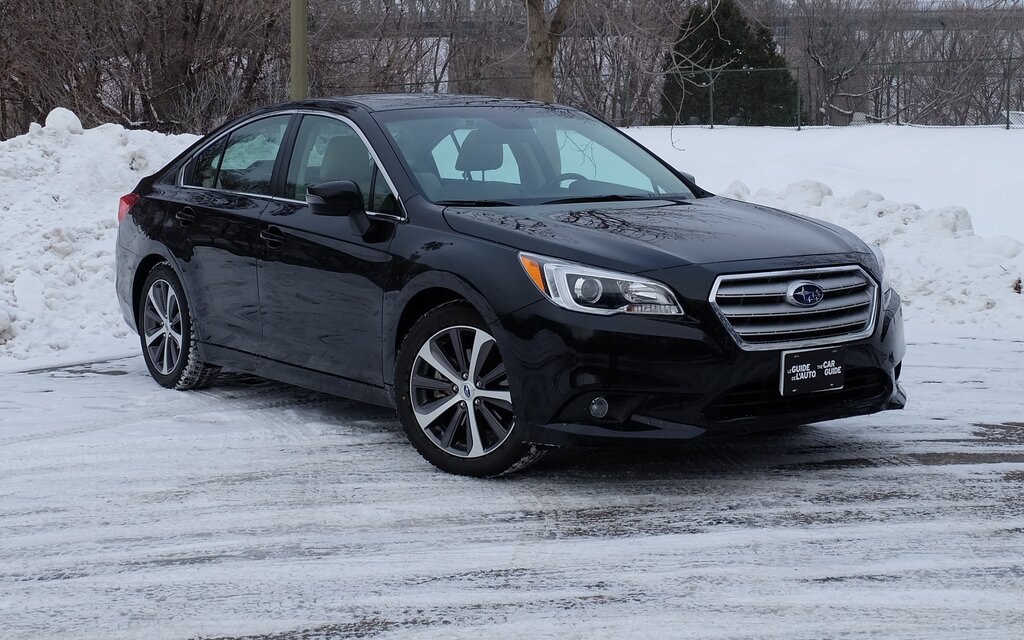
9. Subaru Legacy: Rugged, Reliable, and Long-Lasting
The Subaru Legacy is a midsize sedan and estate recognized for durability, practicality, and exceptional performance in all weather conditions. Designed with a rugged philosophy, it features heavy-duty weather sealing around window tracks, which prevents dirt buildup and protects power window motors from failure.
Interior controls, including window toggles and power lock switches, are engineered for longevity, feeling substantial and resisting breakage even after years of use. These features, combined with Subaru’s robust engineering standards, make the Legacy a dependable option for used-car buyers.
A defining characteristic of the Legacy is its standard Symmetrical All-Wheel Drive (AWD), providing excellent traction and stability in rain, snow, and slippery conditions. The boxer engines are known for their durability, capable of handling high mileage with proper maintenance.
While the 2.0L engine can feel noisy under hard acceleration, turbocharged variants require careful upkeep but deliver strong performance when maintained. The estate (wagon) version adds practicality with a large cargo area, making the Legacy versatile for families or drivers who need extra storage.
The cabin and electronic components are built to last. Power windows, door locks, and other frequently used electronics benefit from Subaru’s focus on high-quality manufacturing and long-term reliability.
Models from 2015–2019 are particularly noted for improved interior materials, upgraded safety features, and a smoother ride compared to earlier generations. Heavy-duty construction and durable materials help the cabin maintain integrity even with high-mileage use.
Used Legacy buyers should watch for certain issues in older models, such as suspension wear, cooling system concerns, and CVT maintenance, as well as head gasket problems on some engines. Maintaining a full service history ensures the AWD system and engine remain in good condition.
Strengths of the Legacy include standard AWD, strong reliability, a spacious and comfortable cabin, and excellent safety ratings. Drawbacks can include higher maintenance costs, fuel consumption slightly above that of some competitors, and a firmer ride on certain models.
With rugged engineering, durable electronics, reliable boxer engines, and versatile AWD capability, the Subaru Legacy remains a highly practical, long-lasting choice for buyers seeking a dependable used sedan or wagon capable of handling a variety of driving conditions while preserving mechanical and interior durability.
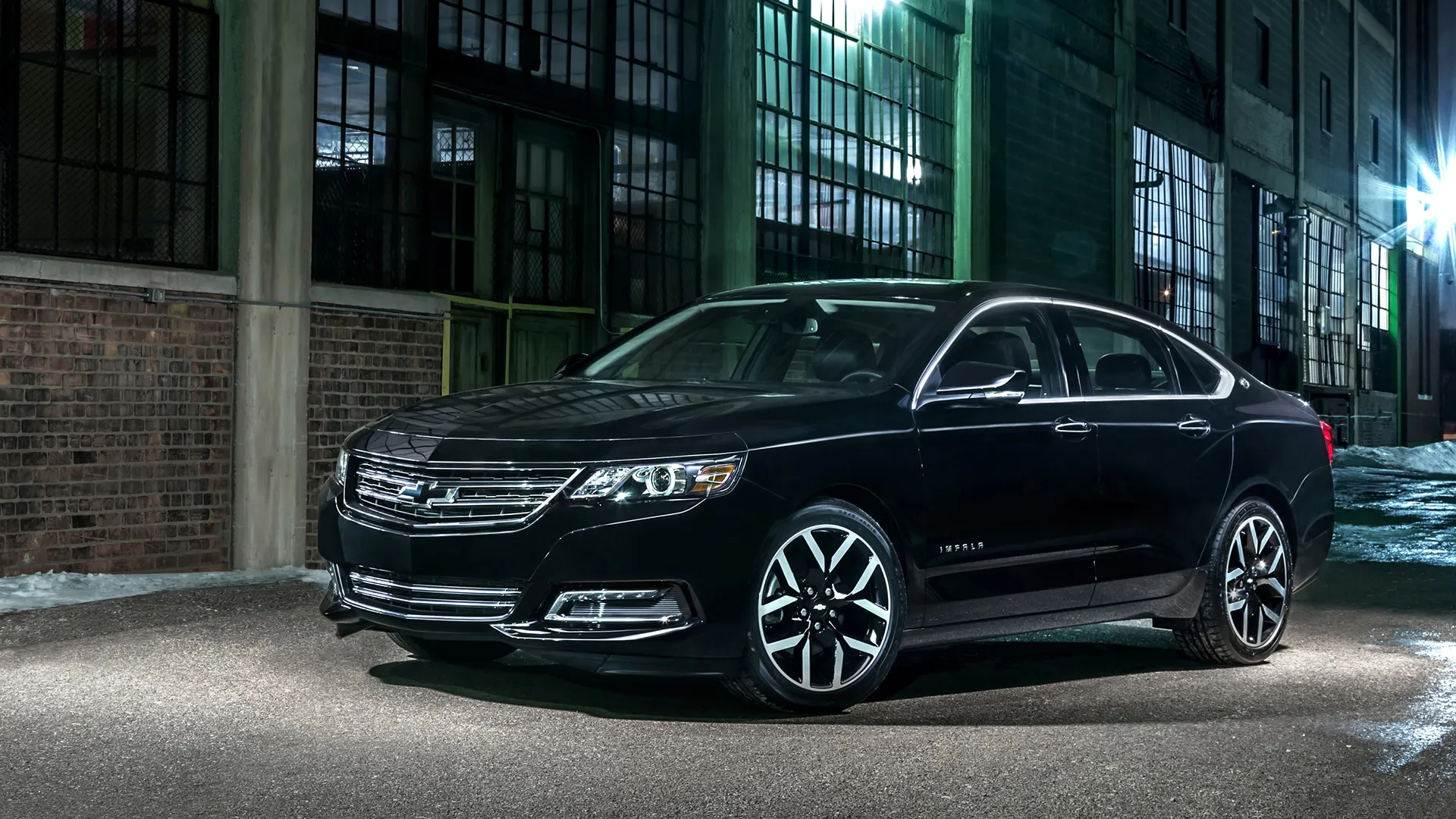
10. Chevrolet Impala (Final Generation): Durable American Full-Size Sedan
The final-generation Chevrolet Impala (2014–2020) is a highly reliable and practical full-size sedan, designed with durability and fleet use in mind. Built to withstand heavy daily use, it features a robust frame and simple, proven GM electrical components that are easy to service.
Unlike modern vehicles with sensitive touch-based electronics, the Impala uses traditional, heavy-duty actuators for power locks and windows, delivering a satisfying, dependable feel and rarely failing even after years of use. These features contribute to its reputation as one of the most dependable American sedans on the used market.
The 2014–2020 Impala benefits from improvements in electrical architecture compared to earlier generations, reducing the risk of glitches and mechanical complaints. Interior components were designed with longevity in mind, using solid materials and quality finishes in the doors, cabin, and trunk area.
Lessons learned from the previous “Impala Limited” fleet models helped inform the design of the final generation, resulting in a car that performs well under high-mileage conditions.
Performance is highlighted by the widely available 3.6L V6 engine producing 305 horsepower, providing smooth and reliable acceleration, while some early models offered a 2.5L four-cylinder option. The Impala’s ride is comfortable, quiet, and stable, making it an excellent choice for highway cruising.
Fuel economy is modest, with EPA ratings around 19 mpg city and 28 mpg highway for the V6. The cabin offers a spacious and well-crafted interior, an intuitive 8-inch infotainment system, and exceptional rear-seat legroom, along with a large trunk.
Used Impalas have strong reliability ratings and low maintenance demands, though minor issues such as Bluetooth glitches, key sticking in the ignition, or trim wear may occur. Some 2014–2015 V6 models might consume oil. Safety is also a strong point, with the 2020 model earning a 5-star NHTSA rating.
The 2017–2020 models represent the peak of refinement, offering the most advanced technology and build quality improvements of the generation. For buyers seeking a spacious, reliable, and comfortable family car or daily driver, the final-generation Chevrolet Impala delivers excellent value, dependable electronics, and long-lasting performance, making it one of the best options in the used full-size American sedan segment.
Choosing a used sedan with durable power windows and locks ensures dependable functionality in one of the most frequently used aspects of a car’s cabin. Vehicles on this list combine strong engineering, quality components, and proven reliability, offering peace of mind for years of daily commuting, family transportation, or long-distance travel.
From compact sedans like the Honda Civic and Toyota Corolla to full-size models like the Chevrolet Impala and Toyota Avalon, these cars demonstrate that long-lasting electronics and interior components are achievable across multiple segments.
Buyers can confidently select from these sedans, knowing that both comfort and convenience will endure, making them excellent options for anyone prioritizing durability, low maintenance costs, and practical, worry-free ownership.
Also read: 10 Cars With the Most Intuitive Physical Controls for Distraction Free Driving
