Truck buyers tend to focus heavily on engine power, towing capacity, and off road capability, but one of the most important components often receives far less attention.
The transmission is the mechanical backbone that converts engine strength into usable work. A strong engine paired with a weak transmission can quickly turn a capable truck into an expensive liability.
Modern trucks face much tougher expectations than older generations. Many are expected to tow heavy trailers, carry construction equipment, survive extreme weather, and still function as daily transportation.
This combination of workloads creates enormous stress on transmission systems. Heat becomes the biggest enemy because excessive temperature slowly destroys fluid effectiveness, damages seals, and accelerates internal wear.
Some manufacturers have built reputations for transmissions that seem almost impossible to destroy under normal use.
These trucks often use overbuilt components, generous cooling systems, and conservative tuning that prioritizes survival over marketing numbers. Owners of such trucks often report hundreds of thousands of miles with only routine maintenance.
At the same time, not every truck achieves this level of durability. Some transmissions struggle with heat management when towing or climbing grades.
Others are tuned aggressively for fuel economy or smoothness, which sometimes results in overheating when pushed beyond light duty use. These weaknesses may not appear during a short test drive but become obvious during real work conditions.
This comparison highlights both sides of the story. The first group shows trucks known for exceptionally durable transmissions that can tolerate hard use. The second group identifies trucks where overheating complaints or thermal limitations appear earlier than buyers might expect.
Understanding this difference is critical because transmission replacement remains one of the most expensive repairs any truck owner can face.
Choosing wisely can mean years of dependable service. Choosing poorly can mean unexpected downtime and repair costs that cancel out the benefits of owning a capable truck.
Also Read: 5 Used Cars With Bulletproof Electrical Systems vs 5 Prone to Gremlins
5 Trucks With Indestructible Transmissions
Transmission durability in trucks rarely happens by accident. The most dependable designs usually come from manufacturers that expect their vehicles to be used for real work rather than occasional hauling.
These companies often design transmissions with large safety margins, meaning the components can handle more torque than the engine normally produces.
Cooling design also plays a major role. Trucks known for strong transmissions often include large transmission coolers, intelligent temperature monitoring, and programming that prevents destructive heat buildup.
These features may not appear in advertisements, but they are often the reason certain trucks earn long term respect among mechanics.
Another important factor is how power is delivered. Smooth torque application and well spaced gear ratios reduce internal shock loads. Some of the strongest truck transmissions succeed not because they are the most advanced, but because they are carefully matched to the engine’s characteristics.
The five trucks listed here are included because they have developed reputations for long term survival under demanding conditions. Some are favorites among contractors. Others are known in towing communities. A few earned their status simply by proving themselves over many production years.
Each example shows a different philosophy of durability. Some rely on heavy duty traditional automatic designs. Others benefit from smart electronic management. All demonstrate that when durability becomes the main goal, transmissions can become one of the strongest parts of a truck instead of a weak point.
1. Ford F-150 (10 Speed Automatic)
The Ford F 150 earns its place because of how seriously Ford approached transmission strength when developing the 10 speed automatic with heavy duty usage in mind. Instead of simply increasing the number of gears for efficiency, the company focused on spreading torque loads across multiple ratios to reduce internal stress concentration.
One strength that often goes unnoticed is adaptive learning software. The transmission constantly monitors driving style, load conditions, and temperature patterns. It then adjusts shift timing to reduce unnecessary friction.
This type of smart management helps prevent the kind of cumulative wear that leads to early failure in less sophisticated systems.
Another reason this truck appears here is the scale of real world testing it has undergone. The F 150 is one of the most heavily used trucks in commercial fleets. When a transmission survives years of contractor use, trailer hauling, and rural duty cycles, it builds credibility that laboratory testing cannot fully replicate.
Heat control is also part of the story. Ford engineered strong fluid circulation and effective cooling integration with the truck’s towing packages. Trucks equipped for towing receive additional thermal protection, which helps prevent the overheating cycles that shorten transmission life.
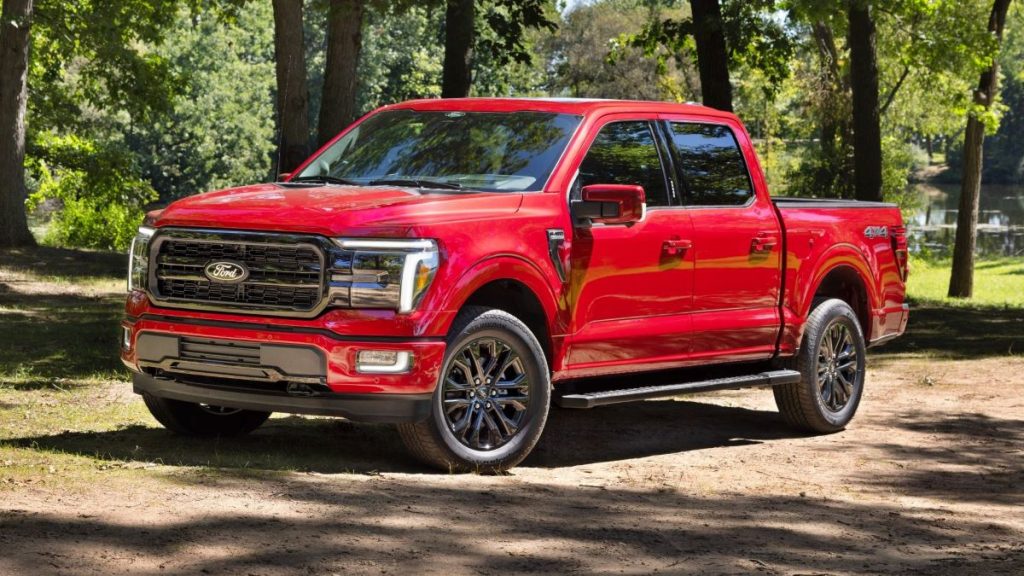
This truck is included because it represents how modern technology can improve durability instead of hurting it. While some buyers fear complexity, this example shows that complexity can actually increase lifespan when used intelligently.
It also deserves mention because it demonstrates balance. The transmission supports both fuel efficiency and heavy duty use without leaning too far toward either extreme. That balance is one of the main reasons it has earned a reputation for strength.
2. Toyota Tundra (6 Speed Automatic Proven Units)
The Toyota Tundra stands here for a completely different reason than the Ford. Where Ford used advanced gear count and software, Toyota relied on simplicity and proven mechanical strength. The earlier 6 speed automatic used in the Tundra became known for surviving abuse that would damage more delicate transmissions.
Toyota’s philosophy here focused on overengineering. Instead of designing a transmission that just meets torque ratings, Toyota built one that could comfortably exceed normal operating demands. This approach often results in slightly lower efficiency but significantly higher durability margins.
Another reason the Tundra transmission built its reputation is predictability. Shifts are firm but consistent. This may feel less refined compared to luxury trucks, yet consistent engagement reduces clutch slip and heat generation. Over time, this contributes to longevity.
Many long term owners report extremely high mileage without internal transmission repairs. This kind of ownership feedback matters because it reflects real use rather than controlled testing environments. Trucks that repeatedly prove themselves in construction and towing environments earn respect for a reason.
This Tundra is included because it represents old school durability thinking. It proves that sometimes the strongest component is the one designed without chasing every possible efficiency gain.
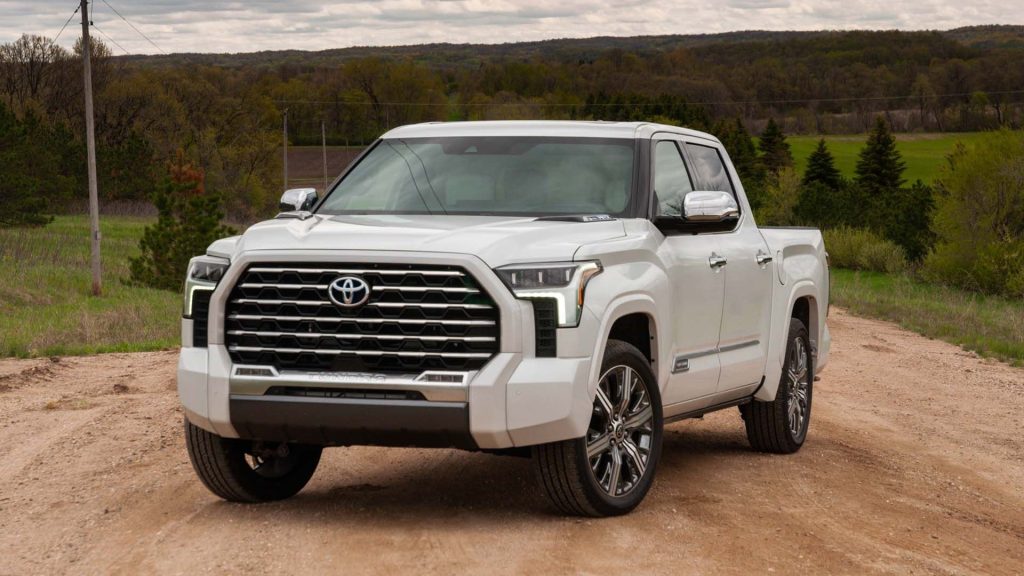
It also shows that transmission reputation often follows brand philosophy. Toyota’s focus on long term dependability shows clearly in how this transmission behaves even after years of heavy use.
3. Chevrolet Silverado 2500 HD (Allison Automatic)
There is a reason the name Allison carries weight in the heavy machinery world. This is a company known for building transmissions for buses, military vehicles, and industrial equipment.
When that engineering philosophy finds its way into a heavy duty pickup, the result is a transmission designed with survival as the first priority.
The Silverado 2500 HD benefits from this mindset. Instead of focusing on making shifts feel invisible, the transmission focuses on managing torque in a way that prevents internal shock. When towing, gear changes happen with a deliberate firmness that reflects strength rather than softness.
Something else that separates this transmission is how it handles heat before it becomes dangerous. Instead of reacting after temperatures spike, the system anticipates load conditions.
When the truck detects towing or steep climbs, it adjusts shift behavior to prevent unnecessary heat buildup. This proactive strategy matters more than people realize.
Another reason this truck appears here is because of how it performs under repeated stress rather than occasional heavy use. Many transmissions can survive one difficult towing trip. Fewer can handle years of it. The Allison unit built its reputation because it was designed for continuous demand rather than occasional extremes.
This is also a case where size helps durability. Larger internal components mean lower stress per part compared to lighter duty designs operating closer to their limits. That mechanical margin is one of the hidden reasons heavy duty transmissions often last longer than expected.
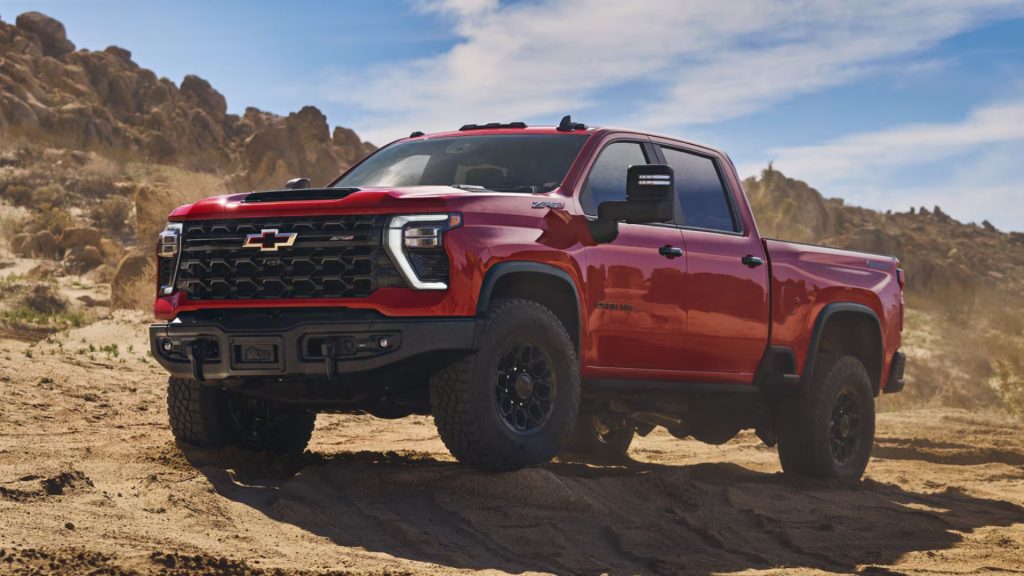
This Silverado earns its place because it shows what happens when a truck transmission is designed with industrial thinking instead of passenger car compromises. It is built to work first and impress second.
4. Ram 2500 (68RFE Heavy Duty Automatic)
Strength sometimes comes from refinement rather than reinvention. The Ram 2500 transmission earns recognition not because it is the newest design, but because it has been gradually strengthened through years of updates. This type of evolutionary improvement often produces better durability than completely new experiments.
The 68RFE transmission shows how calibration plays a major role in survival. Ram engineers tuned the shift strategy to reduce unnecessary gear hunting under load. Fewer unnecessary shifts mean less clutch cycling, which directly improves long term wear patterns.
What makes this truck interesting is how it balances diesel torque delivery. Diesel engines produce massive low RPM torque, which can destroy poorly matched transmissions. This unit manages that torque with controlled engagement strategies that avoid sudden load spikes.
Owners who use these trucks for hauling equipment often mention something very simple. The transmission feels calm even when the truck is working hard. That calm behavior usually indicates internal loads are being managed properly rather than pushed to extremes.
This Ram appears here because it demonstrates how durability often comes from respecting mechanical limits. Instead of chasing aggressive shift speeds, the focus remained on controlled engagement and temperature stability.
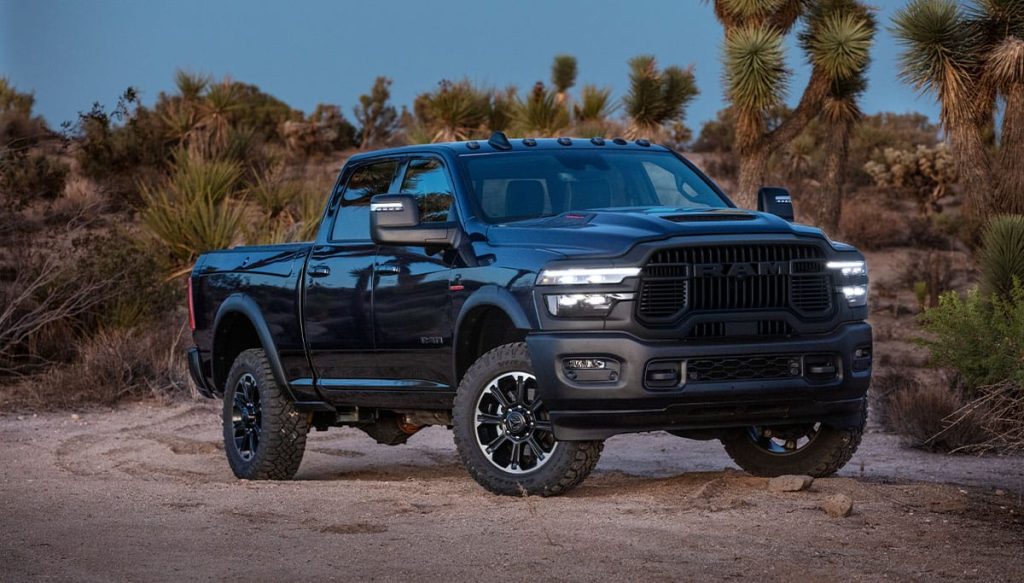
There is also an important practical reason to include it. The aftermarket support network for this transmission is extensive. When a transmission is well understood by technicians, maintenance and upgrades become easier. That ecosystem contributes to long term survivability.
This example proves that toughness is not always about dramatic engineering headlines. Sometimes it comes from years of small improvements that quietly remove weak points.
5. Honda Ridgeline (9 Speed Automatic)
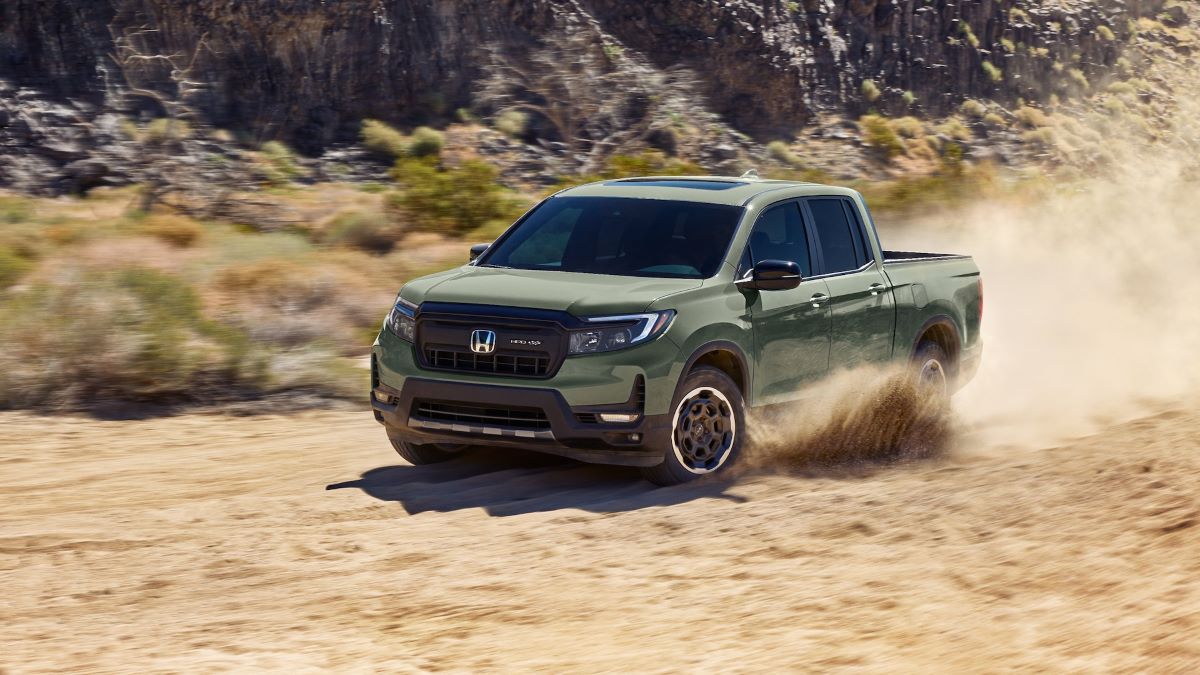
The Honda Ridgeline takes a very different path to transmission durability compared to heavy duty body on frame trucks. Instead of brute strength, its reliability comes from intelligent limitation. Honda never tried to make the Ridgeline compete in extreme towing categories, and that decision helped protect the transmission from operating near failure thresholds.
This approach deserves attention because many transmission problems begin when marketing demands exceed engineering comfort zones. By keeping towing ratings realistic and matching the transmission carefully to the V6 power delivery, Honda created a system that rarely feels overstressed during normal use.
Another interesting strength is how smoothly torque is introduced during acceleration. Instead of aggressive launches, the Ridgeline favors progressive power delivery. This reduces internal shock loads and helps maintain clutch integrity over long periods. This is not something most drivers notice, but mechanics certainly do.
The thermal strategy also contributes to its place on this list. The transmission rarely experiences dramatic temperature swings because the truck is tuned for balanced everyday use rather than extreme work cycles. Stability often matters more than peak strength in determining lifespan.
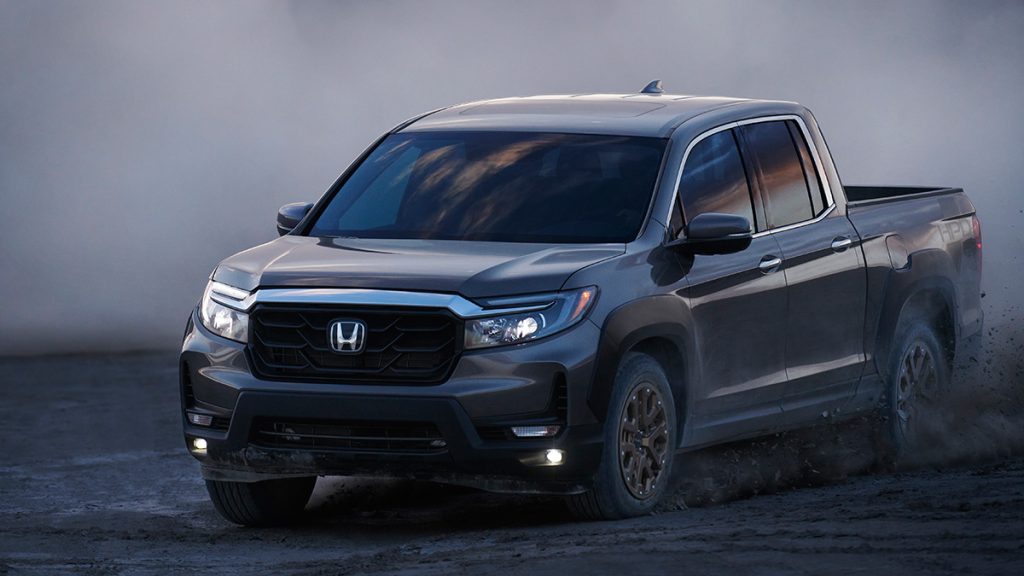
This truck is included because it demonstrates a different lesson about durability. Not every strong transmission comes from heavy duty design. Some come from realistic expectations and careful matching of capability to intended use.
It also deserves mention because it proves that reliability can come from discipline. By refusing to overpromise capability, Honda avoided the stress patterns that often damage transmissions in more aggressively marketed trucks.
5 Trucks That Overheat Early
Transmission overheating rarely happens suddenly. It usually develops from a chain of small design compromises that only become obvious under stress.
Limited cooling capacity, aggressive fuel economy programming, undersized components, or mismatched torque curves can all contribute to rising temperatures during towing or demanding driving.
One common pattern among trucks that struggle with heat is optimistic capability ratings. Some models advertise strong towing numbers but lack the thermal reserves needed for repeated heavy use. This gap between advertised capability and sustained durability is where overheating complaints usually begin.
Another factor is transmission tuning. Programming that constantly hunts for the highest gear to improve fuel economy can create excess friction when the truck should remain in a lower gear. This creates unnecessary heat that slowly reduces fluid effectiveness.
The trucks listed here are not automatically poor vehicles. Some are comfortable daily drivers and perform well under light use. They appear here because reports of temperature related transmission stress appear sooner than expected when the trucks are used near their advertised limits.
This list exists to help buyers understand that capability numbers do not always tell the full story. Sustained durability matters more than short bursts of performance.
1. Ford Ranger (10 Speed Automatic Early Calibration Issues)
The Ford Ranger appears here because of how early versions of its 10 speed calibration behaved under moderate towing conditions. While the hardware itself is capable, early programming sometimes caused frequent shifting under load. Constant shifting increases friction cycles, which in turn increases heat generation.
Drivers reported situations where the transmission would repeatedly search for the ideal gear while climbing grades. Instead of holding a stable ratio, it sometimes moved between gears too often. This behavior may improve fuel economy testing numbers, but it can raise operating temperatures during real work.
Another reason this truck deserves mention is expectation mismatch. Buyers often assumed midsize capability would match larger trucks in durability. When used conservatively the Ranger performs well, but repeated heavy towing can expose its smaller thermal margins.
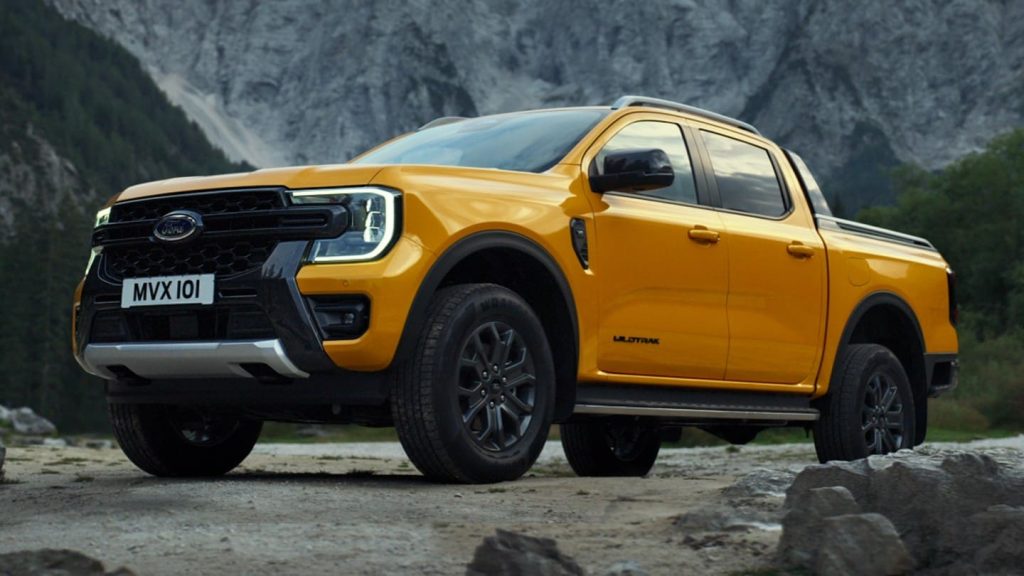
This truck is included because it highlights how software decisions can influence durability just as much as mechanical strength. A strong transmission can still face problems if calibration creates unnecessary stress cycles.
It also demonstrates how updates matter. Later software revisions improved behavior, but many earlier models remain on the road. That makes awareness important for used buyers.
2. Nissan Frontier (Earlier Automatic Transmission Behavior)
The Nissan Frontier earns a place for a more traditional reason. Earlier automatic versions sometimes showed temperature sensitivity when pushed beyond moderate hauling duty. While reliable for basic use, extended strain sometimes revealed limited cooling reserve compared to newer designs.
One issue often discussed is how the transmission reacts during slow off road climbs or loaded driving in hot environments. Situations with limited airflow reduce cooling efficiency. When cooling margins are small, temperature can rise faster than expected.
This truck is included because it shows how durability depends on use case. As a light duty pickup it performs adequately. When treated like a heavy duty work truck, the limitations become more noticeable.
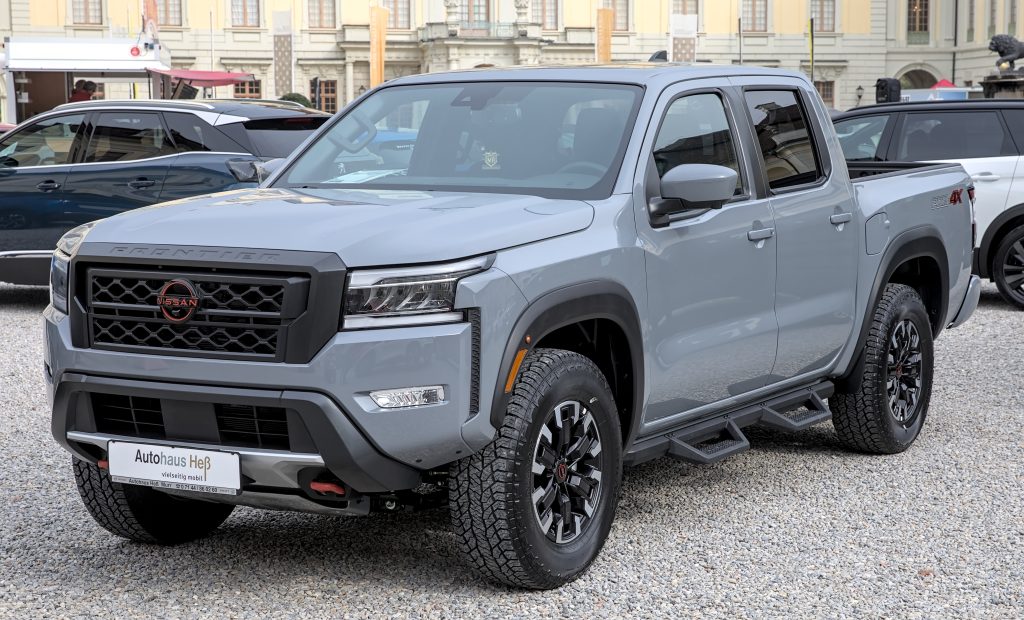
It also serves as a reminder that older transmission designs may lack the adaptive thermal management found in newer competitors. That difference can matter when comparing long term ownership expectations.
3. Chevrolet Colorado (8 Speed Automatic Early Models)
Some trucks enter this kind of discussion not because of widespread failure but because of patterns that appear under specific conditions. The Chevrolet Colorado fits into this category due to reports from owners who noticed rising transmission temperatures during highway towing combined with elevation changes.
One pattern often described involves long uphill drives where the transmission attempts to balance power delivery with fuel efficiency. Instead of remaining locked into a lower gear, early calibrations sometimes allowed frequent ratio adjustments. Each adjustment may seem minor, yet the cumulative effect can gradually increase internal temperature.
There is also the matter of fluid behavior. Some early versions used fluid specifications that later received updates from the manufacturer. When fluid characteristics change through technical service updates, it usually indicates that engineers identified temperature or friction behavior that could be improved.
This truck appears here because it demonstrates how a transmission can be mechanically sound but still need refinement in how it manages sustained work. The difference between short term strength and long duration endurance often comes down to calibration and cooling.
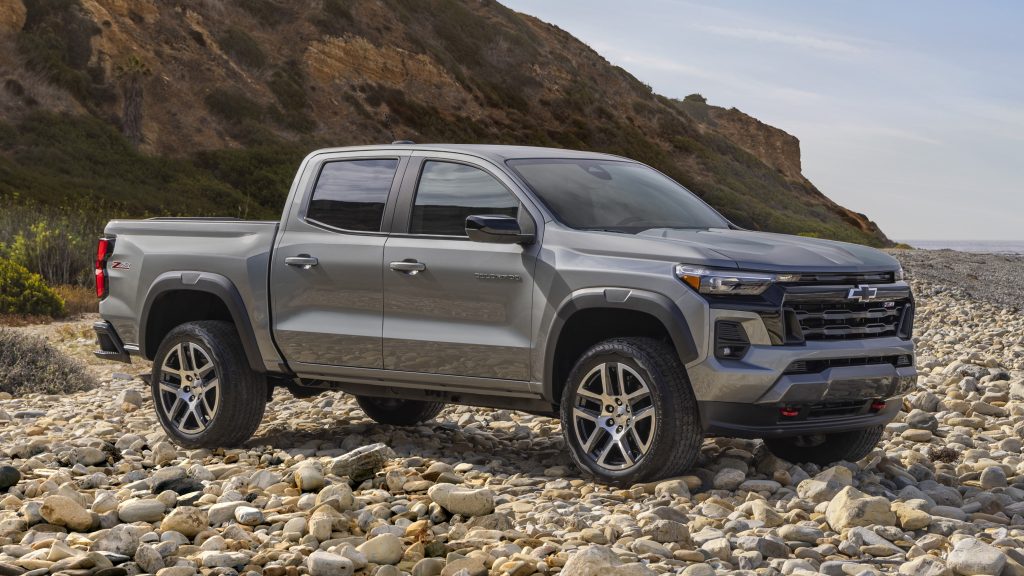
Another reason to mention this model comes from owner education. Many overheating complaints came from situations where towing approached the upper limits of the truck’s rating. This highlights how operating near maximum capacity leaves little margin for thermal recovery.
Including this Colorado helps illustrate that overheating risk is not always about defects. Sometimes it is about how close a design operates to its limits when used exactly as advertised.
4. Ram 1500 (Early 8 Speed Cooling Complaints in Heavy Use)
The Ram 1500 presents an interesting case because its 8 speed automatic is widely praised for smoothness and efficiency.
Yet smoothness and strength do not always mean identical things. Some early ownership reports showed temperature increases when the truck was repeatedly used for towing in hot environments without the optional towing packages.
This example is important because it shows how equipment configuration matters. Trucks without auxiliary cooling equipment naturally have less heat tolerance. Buyers who selected base configurations sometimes discovered this only after using the truck for demanding work.
Another discussion point involves how shift smoothness can sometimes allow slight clutch slip to maintain comfort. While this improves driving feel, even small amounts of repeated slip can generate heat when loads increase. Balancing comfort and durability is always a compromise.
This Ram is included because it teaches a practical lesson rather than pointing to a major engineering failure. The transmission performs very well when properly equipped. Without the right cooling support, its limits appear sooner.
There is also a broader buying lesson here. Specification sheets often list maximum capability based on properly equipped models. Real world durability depends heavily on whether the specific truck has those supporting features.
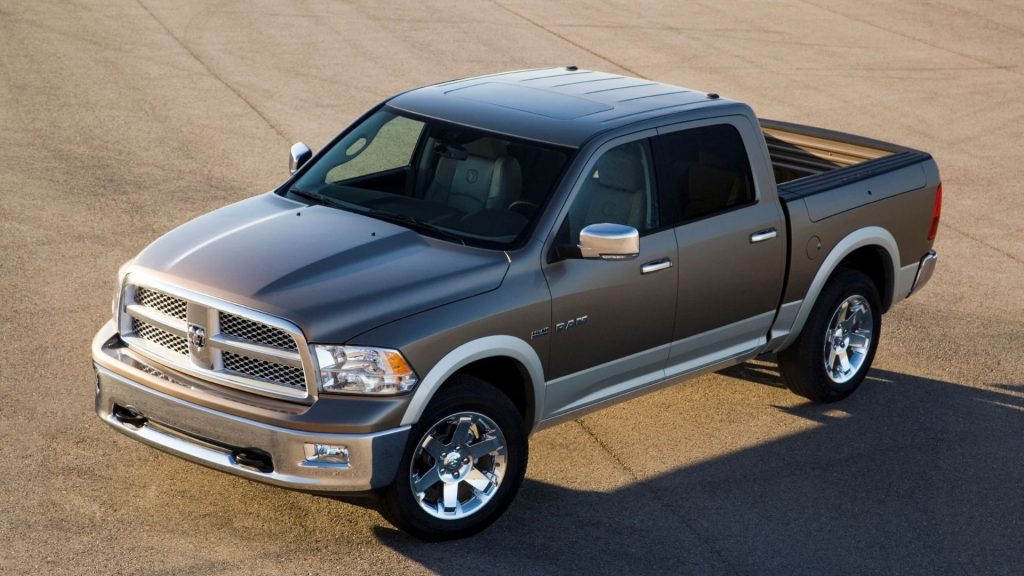
This example reinforces the importance of matching truck configuration to intended workload rather than assuming all versions perform equally.
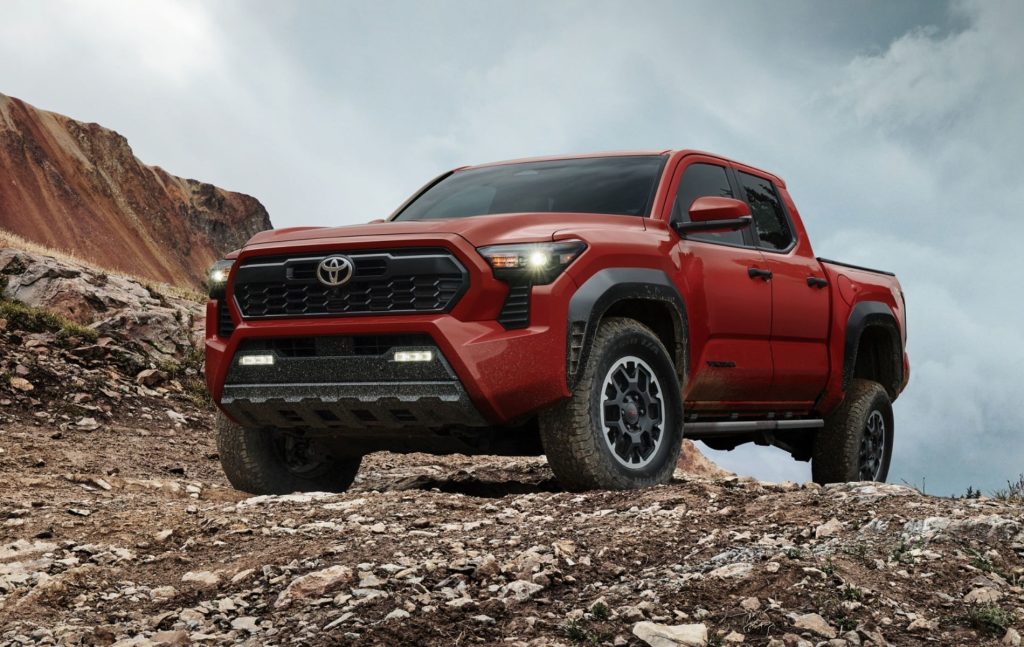
5. Toyota Tacoma (Earlier 6 Speed Automatic Under Heavy Load Conditions)
The Toyota Tacoma has a strong reputation for overall durability, which is exactly why its transmission behavior under certain conditions deserves careful discussion. This is not a case of frequent breakdowns. Instead, it is a story about how a generally reliable truck can still show thermal limitations when pushed consistently beyond light and moderate duty expectations.
One commonly discussed behavior involves how the transmission reacts during long distance towing. Some drivers noticed that the gearbox tends to hesitate between gear choices on inclines.
Rather than committing early to a lower gear, it sometimes tries to maintain higher gears for efficiency. That delay can create additional load stress and rising fluid temperatures when climbing grades.
Another point worth examining is how the Tacoma was engineered primarily as a durability focused midsize truck rather than a heavy towing platform. While it can tow respectable numbers for its class, the transmission cooling capacity reflects its intended role as a versatile off road and daily use vehicle rather than a constant towing machine.
Off road driving presents another interesting situation. Low speed crawling combined with high ambient temperatures can reduce airflow through the cooling system. Under these conditions, heat dissipation becomes more difficult. When combined with automatic torque multiplication, temperatures may rise faster than some drivers expect.
This truck is included because it highlights the difference between general reliability and situational limitations.
A truck can be extremely dependable overall while still having boundaries where thermal performance becomes a concern. Understanding that distinction helps buyers choose vehicles based on realistic usage rather than brand reputation alone.
There is also an educational reason for including the Tacoma. It shows how transmission behavior is often influenced by programming decisions aimed at fuel economy compliance. When efficiency and durability compete, small compromises sometimes appear in extreme use cases.
This example finishes the list because it reinforces the idea that buyers should evaluate how they plan to use a truck rather than relying only on reliability history. Even very dependable trucks can show stress when used outside their ideal operating profile.
Truck transmissions have evolved significantly, but the basic truth has not changed. Durability comes from engineering margin, effective cooling, and realistic capability targets.
The strongest transmissions tend to belong to trucks designed with work as the primary mission. When manufacturers expect hard use, they usually build the transmission accordingly.
The trucks identified with extremely durable transmissions demonstrate different ways to achieve longevity. Some rely on heavy duty component sizing. Others succeed through intelligent programming that prevents unnecessary stress.
A few achieve durability simply by matching performance expectations with realistic operating limits. These approaches show that there is no single formula for strength, but there is always a clear engineering intention behind it.
On the other side, the trucks noted for earlier overheating behavior demonstrate how small compromises can become visible during demanding use. In many cases, the issue is not failure but reduced thermal margin. That difference matters because heat is the silent factor that determines how long any transmission will survive.
Another clear lesson is that configuration matters as much as design. Optional cooling packages, towing equipment, and software updates can make a major difference in long term durability. Buyers who carefully match truck specification to workload often avoid the problems others experience.
The most important takeaway is simple. No transmission is truly indestructible, but some are clearly built with larger safety margins. Understanding which trucks prioritize durability and which prioritize efficiency helps buyers avoid expensive mistakes.
In the end, the smartest truck purchase comes from understanding not just how strong a vehicle is, but how well its transmission matches the work it will actually be asked to do.
Also Read: 5 Trucks With the Most Reliable Transfer Cases vs 5 Known for Leaks