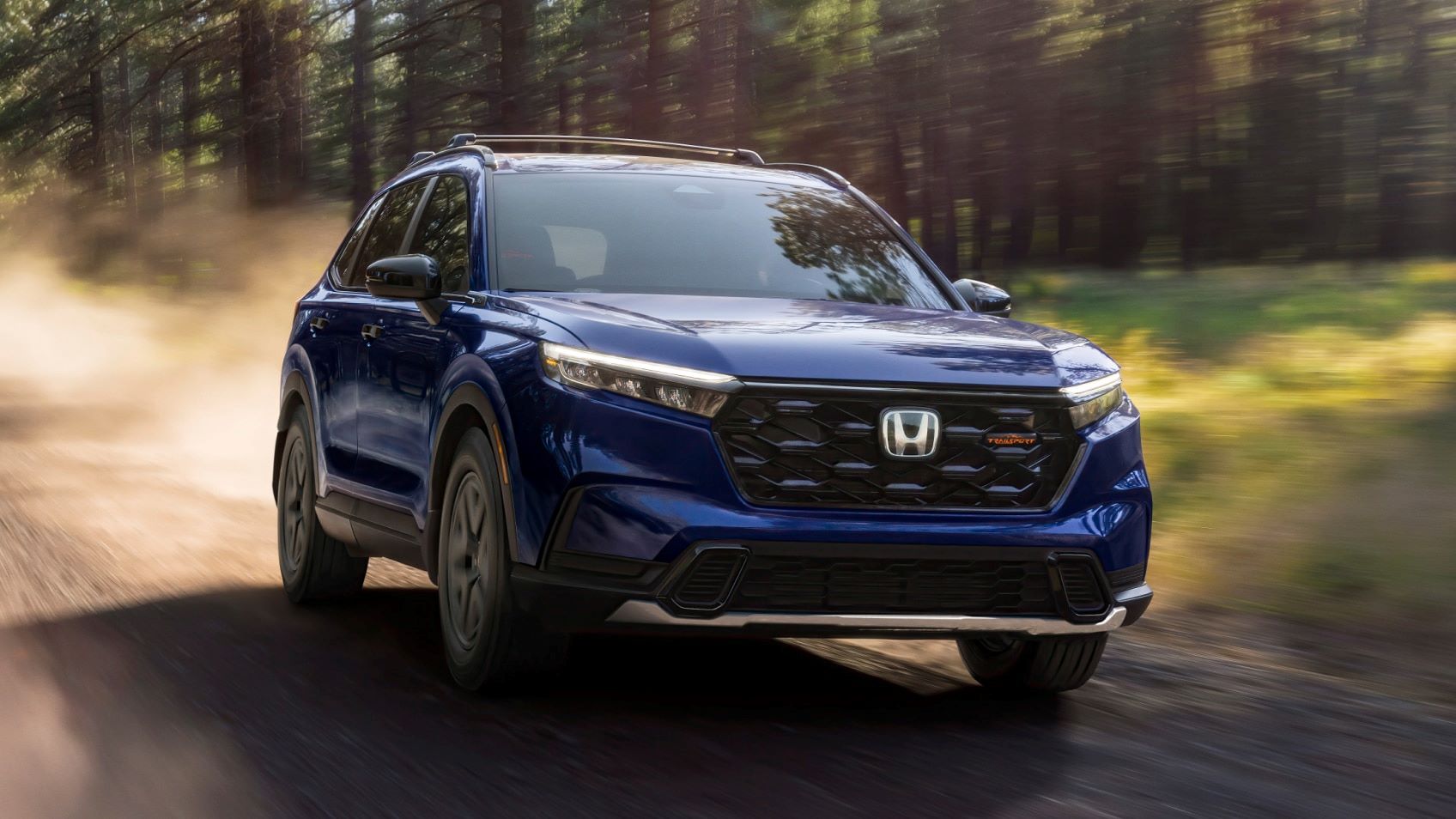
When people shop for SUVs, they usually focus on power, safety ratings, fuel economy, and technology features. However, one factor that becomes extremely important with age is something far more practical: how easy it is to get in and out of the vehicle.
Entry height can make the difference between daily comfort and daily frustration, especially for seniors or anyone with knee, hip, or back concerns.
An ideal SUV should not require climbing up like a truck or dropping down like a sports sedan. The best designs allow a person to slide into the seat naturally with minimal effort. This balance point is often called the “hip point” by engineers, and it determines whether entering the vehicle feels natural or physically demanding.
Manufacturers rarely advertise this detail directly, yet it plays a huge role in long term ownership satisfaction. A vehicle that feels comfortable during a test drive may become tiring after months of use if the step in height is awkward. Seniors especially benefit from SUVs that offer a chair like seating position rather than a climb or a drop.
At the same time, some SUVs have become taller in the pursuit of aggressive styling and off road image. While this may look appealing, it can create practical challenges.
High ground clearance often means higher door sills and taller step in heights. Without running boards or air suspension, these vehicles can become difficult to access for older drivers.
This comparison highlights two important categories. First are SUVs that achieve an ideal balance between height and accessibility. These models make daily use easier and reduce physical strain. Second are SUVs that may be excellent in other ways but sit too high for comfortable entry without extra assistance.
Understanding this difference helps buyers choose vehicles based not just on specifications but on real life usability. Comfort is not just about seats and suspension. Sometimes it starts before the engine even turns on.
Also Read: 5 Cars With Simple Mechanical Cooling vs 5 With Fragile Electric Fans
5 SUVs With Perfect Entry Height for Seniors
Accessibility is often overlooked in vehicle design discussions, yet it is one of the most important real world usability factors. SUVs that are easy to enter usually share a few important design traits.
These include moderate ground clearance, wide door openings, supportive seat height, and door sills that do not require awkward stepping motions.
Another overlooked factor is seat cushion positioning. A well designed SUV places the seat at a height similar to a dining chair. This allows occupants to slide in sideways instead of stepping up or lowering themselves down. That simple motion can significantly reduce joint stress.
Door geometry also plays a role. Doors that open wide and do not force the driver to bend excessively make a surprising difference. Combined with grab handles and stable door frames, these details can transform daily usability.
The five SUVs listed here were selected because they demonstrate thoughtful accessibility. Some achieve this through compact crossover proportions. Others succeed because of clever interior packaging. All show how good design can improve everyday comfort.
Each example represents a slightly different reason for inclusion. Some stand out for seat positioning. Others for door design. A few simply get the overall height balance exactly right.
These vehicles deserve recognition because they show that SUV practicality is not just about cargo space or horsepower. True practicality also means making sure drivers of all ages can use the vehicle comfortably every single day.
1. Subaru Forester
The Subaru Forester earns recognition because it achieves something many SUVs struggle with. It feels elevated enough to provide confidence and visibility, yet it avoids the climbing sensation common in taller utility vehicles. The seat height allows most people to enter with a simple sideways motion rather than a step up.
One design choice that helps the Forester stand out is its large door openings. The doors open wide and the roofline remains relatively upright, which means occupants do not have to duck excessively. This matters more than people expect because awkward bending motions often cause more discomfort than stepping height.
Another strength is visibility during entry. Large windows and thin pillars make it easier for drivers to judge their position while sitting down. This reduces the small balance adjustments that sometimes make entry uncomfortable for older drivers.
This SUV appears here because Subaru clearly prioritized ergonomics. The brand is known for practical thinking, and this model shows how usability can be improved through careful dimension planning rather than complicated technology.
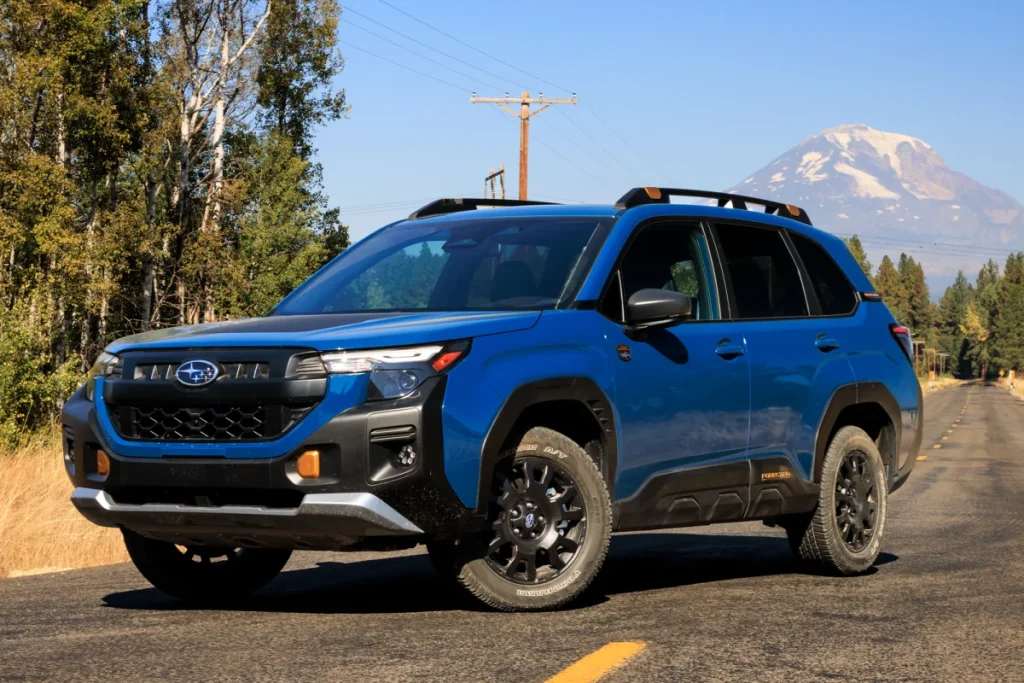
There is also a daily comfort reason for its inclusion. The seating position allows drivers to exit just as easily as they enter. Instead of pushing themselves upward, many drivers can simply place their feet down and stand naturally.
The Forester deserves mention because it shows how thoughtful proportions can make an SUV feel welcoming instead of physically demanding.
2. Honda CR V
The Honda CR V demonstrates accessibility through balance rather than any single dramatic feature. Its step in height sits in a range that feels natural for a wide range of drivers. This makes it particularly appealing to buyers thinking about long term usability rather than short term style.
One interesting detail is how the floor height aligns with the seat base. This reduces the vertical distance between standing and sitting positions. Instead of dropping into the seat, occupants transition smoothly into position.
The CR V also benefits from well placed grab points. The door frame and interior handle positions allow stable support during entry. These small details rarely appear in brochures, yet they make daily use noticeably easier.
This vehicle is included because it reflects Honda’s long history of human centered design. The company often focuses on how drivers interact with vehicles rather than simply how vehicles perform on paper.
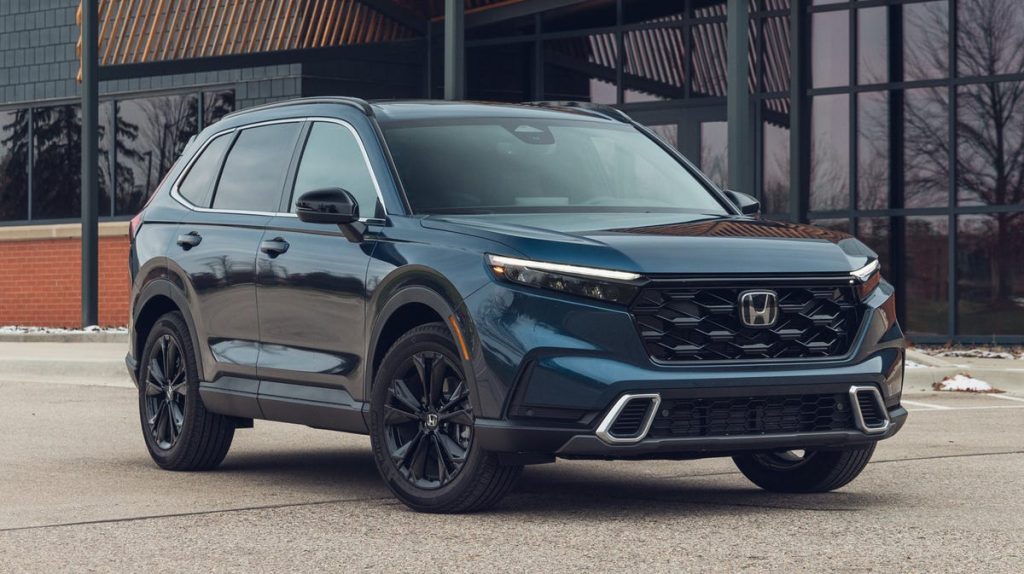
Another reason it earns a place here is consistency. Whether entering from the driver or passenger side, the experience remains equally manageable. That symmetry shows careful packaging rather than accidental convenience.
The CR V belongs on this list because it proves accessibility does not require special gimmicks. It simply requires good design decisions applied consistently.
3. Toyota RAV4
Some SUVs feel comfortable only after you sit inside them. The Toyota RAV4 is different because the comfort begins at the moment you open the door. The height relationship between the ground, the door sill, and the seat cushion creates a natural transition that feels closer to sitting on a firm chair than climbing into a utility vehicle.
What makes the RAV4 particularly suitable for seniors is how predictable the movement feels. There is no need to adjust balance or search for footing. The step across motion feels short and controlled, which can be very important for drivers who value stability more than anything else.
Instead of focusing only on measurements, Toyota clearly focused on how the movement sequence works. Feet step in, hips rotate, and the body settles without strain. This sequence matters because comfort often comes from motion flow rather than raw numbers.
Another factor worth mentioning is how the suspension height remains practical without becoming excessive. Many SUVs attempt to look tougher by increasing ride height. The RAV4 avoids this trap by keeping proportions realistic for daily usability.
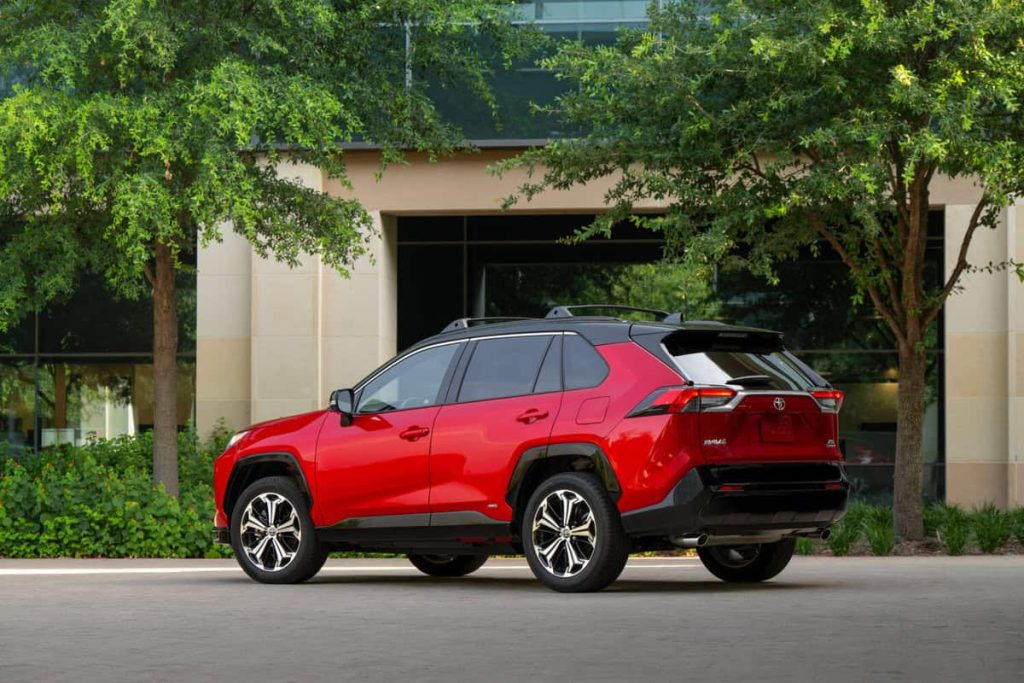
This vehicle appears here because it shows how mass market SUVs can still prioritize accessibility without sacrificing style. It manages to look rugged while still being easy to use, which is not always easy to achieve.
There is also something to be said about long term ownership comfort. An entry height that feels easy today will likely remain easy years later. That makes the RAV4 a smart consideration for buyers planning to keep their vehicle for a long time.
The reason this model deserves discussion is simple. It demonstrates how the best accessible SUVs are not always marketed as accessibility focused vehicles. Sometimes they are simply well balanced designs that happen to work extremely well for seniors.
4. Kia Sportage
The Kia Sportage earns its place through clever interior packaging rather than traditional SUV proportions. Its design focuses heavily on maximizing interior space without unnecessarily raising the body. This results in a vehicle that feels substantial without feeling tall.
A different way to understand the Sportage is to look at how little effort it takes to enter after a long day. Some SUVs feel fine during the first entry but become tiring after repeated stops. The Sportage keeps the step motion minimal enough that repeated entry does not feel like a physical task.
The door sill height plays a quiet but important role. Because it does not sit excessively high, drivers do not have to lift their legs sharply. This reduces hip strain, something many buyers only realize after extended ownership.
This SUV is included because it shows how newer crossover platforms are improving accessibility compared to older SUV architectures. Modern designs often place the cabin lower within the body, which helps reduce the entry barrier.
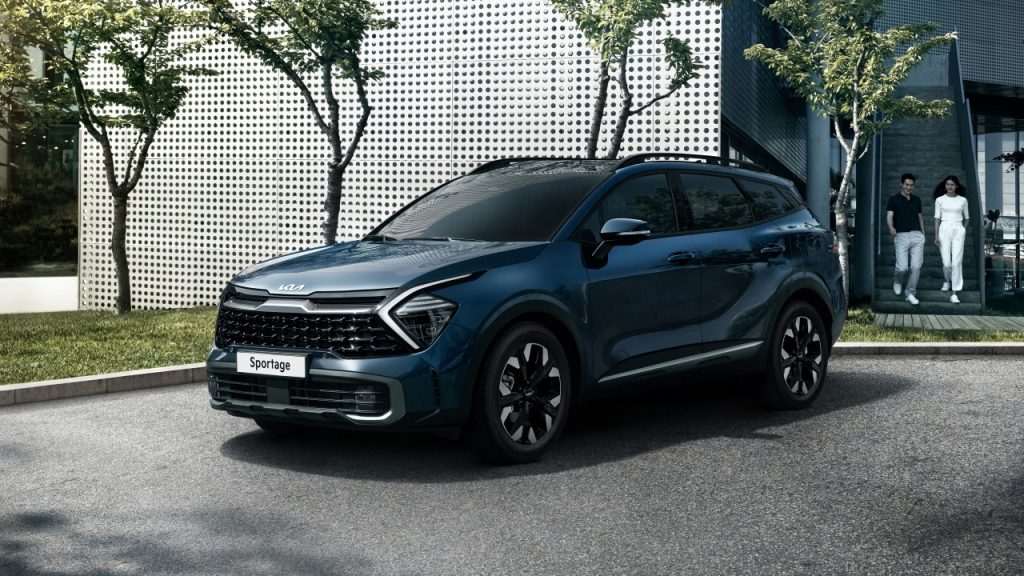
Another important observation is how the seat support helps the process. The cushions are firm enough to support weight transfer without excessive sinking. That stability helps drivers stand back up without extra effort.
The Sportage belongs here because it represents the new generation of practical SUVs. It shows that accessibility is becoming part of mainstream design rather than a niche requirement.
This example highlights a simple truth. A vehicle does not need to advertise accessibility features to be accessible. Sometimes the smartest engineering decisions are the ones drivers notice only through daily comfort.
5. Hyundai Tucson
The Hyundai Tucson completes this list because it represents how careful dimension planning can make a vehicle feel unintimidating even before the driver sits down. The height is positioned in a way that avoids both extremes. It does not require climbing effort and it does not force a downward drop. Instead, the entry motion feels neutral and controlled.
A useful way to describe the Tucson is that it behaves more like a raised sedan than a traditional tall SUV when entering. This subtle difference changes the entire ownership experience. Seniors especially tend to appreciate vehicles where entry does not feel like a physical maneuver that needs planning.
Another strength comes from how the lower body contour is shaped. The side sill is not excessively thick, which means the step across distance remains manageable. A wide sill can sometimes force awkward leg movement, but the Tucson avoids this through smart body shaping.
This model deserves its place because Hyundai has clearly paid attention to comfort in ways that are not always obvious in specifications. The company has gradually improved cabin accessibility across recent generations, and the Tucson shows how that effort translates into real usability.
There is also a lifestyle reason this vehicle belongs here. Many owners use compact SUVs for frequent short trips such as shopping, appointments, and social visits. Vehicles that reduce effort during repeated entry cycles become more valuable over time.
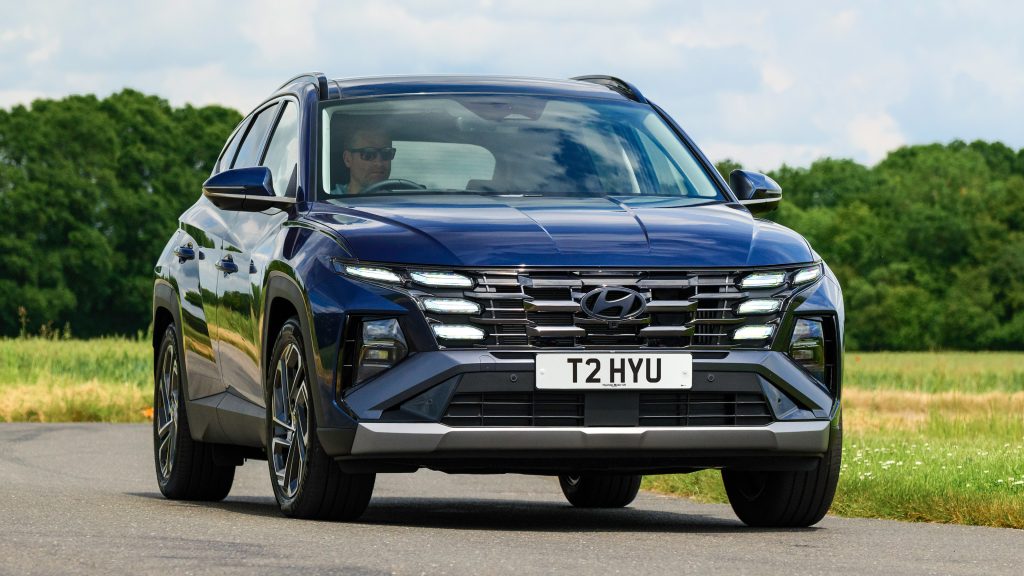
The Tucson is included because it proves accessibility is not only about physical dimensions but also about how those dimensions work together. When seat height, door opening, and floor level align correctly, the result feels effortless.
This SUV completes the accessible group because it reflects the growing awareness that comfort begins the moment someone opens the door, not just after they start driving.
5 That Are Too High
SUV height has increased steadily over the past decade as manufacturers compete to offer stronger visual presence and better off road capability. While this trend improves ground clearance and approach angles, it can create unintended usability challenges.
Entry height becomes a real concern when styling priorities push vehicles higher than everyday comfort requires.
A tall SUV is not automatically a bad choice. Many buyers specifically want higher seating positions for visibility and capability. Problems appear when height is not supported by accessibility features such as running boards, air suspension lowering modes, or well positioned grab handles.
Another important factor is step geometry. A vehicle may have acceptable ground clearance but still feel difficult to enter if the floor sits too high relative to the door opening. When the driver must both step up and pull themselves inward, the motion becomes physically demanding.
The following SUVs are included not because they are poor vehicles. Many are excellent for capability, towing, or off road performance. They appear here because their entry height may feel challenging for seniors or anyone seeking easy daily access.
Understanding this category helps buyers match vehicle design to personal comfort needs. Capability is valuable, but usability should never be ignored.
1. Toyota 4Runner
The Toyota 4Runner has built a legendary reputation for durability and off road strength. However, that same rugged design creates one of the highest step in heights among midsize SUVs. Built on a traditional truck based platform, it naturally sits higher than most crossover based competitors.
Entering a 4Runner often requires a clear upward step rather than a sideways slide. For younger buyers this may not matter. For seniors, repeated climbing motions can become tiring, especially without side steps installed.
Another important factor is the floor height relative to the frame. Because the vehicle uses a body on frame construction, the cabin sits above structural components. This adds to the vertical distance between the ground and the seat.
This SUV is included because it shows how design purpose influences accessibility. The 4Runner was engineered for trails and durability, not primarily for easy entry. That mission explains its height but does not change the usability reality.
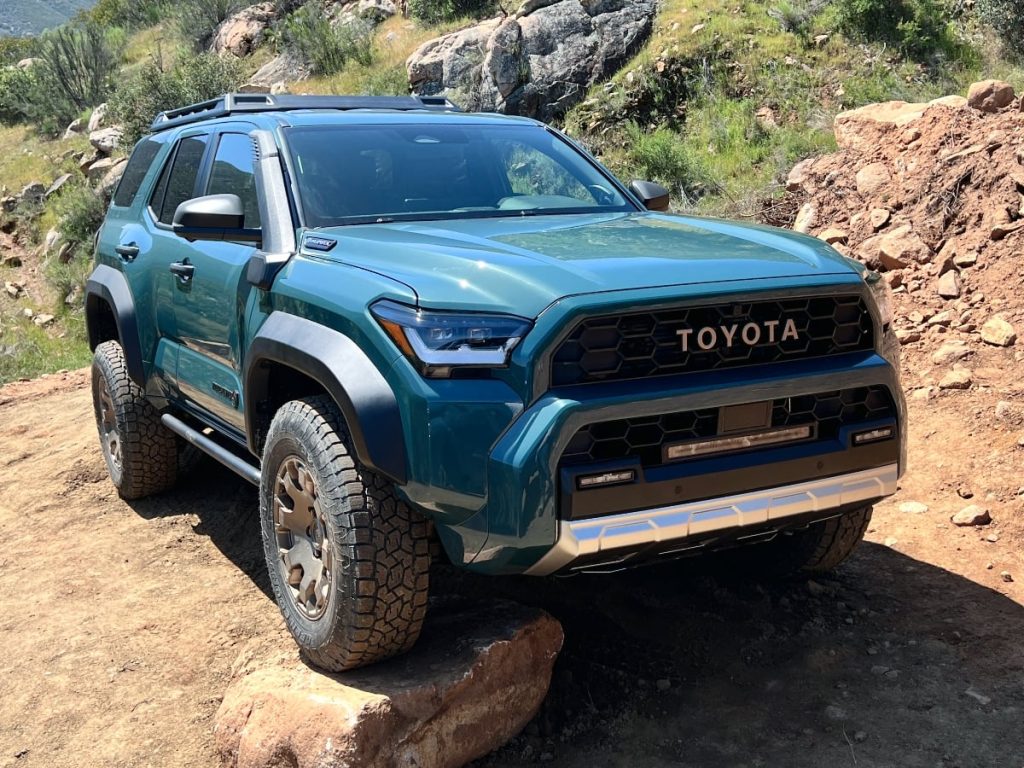
It also belongs here because many buyers are drawn to its reliability reputation without considering daily comfort implications. Awareness helps buyers decide whether capability tradeoffs match their needs.
The 4Runner represents a classic example of strength taking priority over accessibility.
2. Jeep Wrangler Unlimited
If the 4Runner feels tall, the Jeep Wrangler Unlimited takes that sensation even further due to its off road first design. High ground clearance, solid axles, and large tire options all contribute to a vehicle that requires a deliberate climb to enter.
Unlike crossovers that hide their height through clever packaging, the Wrangler makes no attempt to disguise its vertical stance. The door opening is also narrower compared to many family SUVs, which can make entry feel more like stepping into a utility machine than a passenger vehicle.
This model appears here because it represents a pure purpose built off road machine. Ease of entry was never the primary design goal. Trail clearance and articulation took priority, and the height reflects that mission.
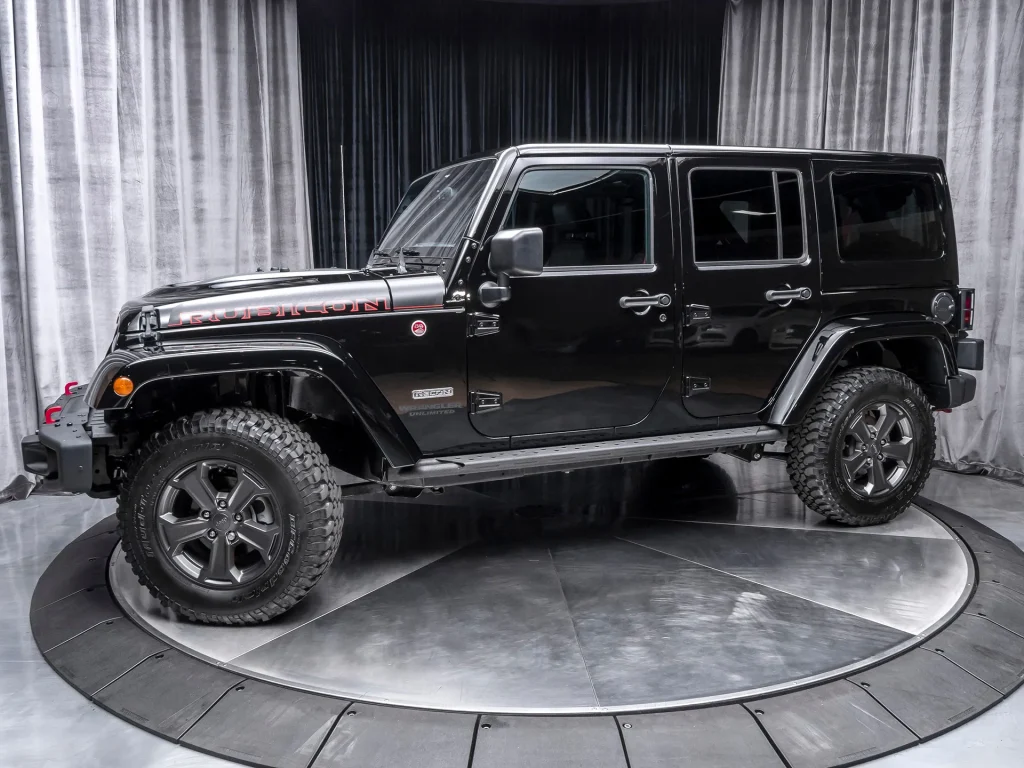
Another reason it is worth mentioning is the removable door design. While this is a fun feature, the exposed step height becomes very noticeable when doors are removed, making entry even more deliberate.
The Wrangler is included because it highlights the difference between recreational capability and everyday usability. For adventure focused buyers it makes perfect sense. For seniors prioritizing comfort, it may feel unnecessarily demanding.
3. Ford Expedition
Space and presence define the Ford Expedition. It is built to carry large families, tow heavy trailers, and dominate highway travel. Yet that same full size construction creates a noticeable challenge when it comes to entry height.
This is not a vehicle you simply step into. For many people, it becomes a two stage movement involving stepping up and then settling inward.
The height comes from its heavy duty ladder frame and long suspension travel. These are valuable traits for towing stability and durability, but they naturally raise the cabin floor. Even with factory side steps, the first step can feel high for seniors who prefer a more natural seating transition.
There is also the matter of scale. Large doors can sometimes help accessibility, but they can also require wider movements when entering. In the Expedition, the combination of height and size can make the process feel more like boarding than sitting.
This SUV is included because it shows how size and accessibility often move in opposite directions. Vehicles designed to carry more weight usually sit higher, and that tradeoff becomes obvious during daily use.
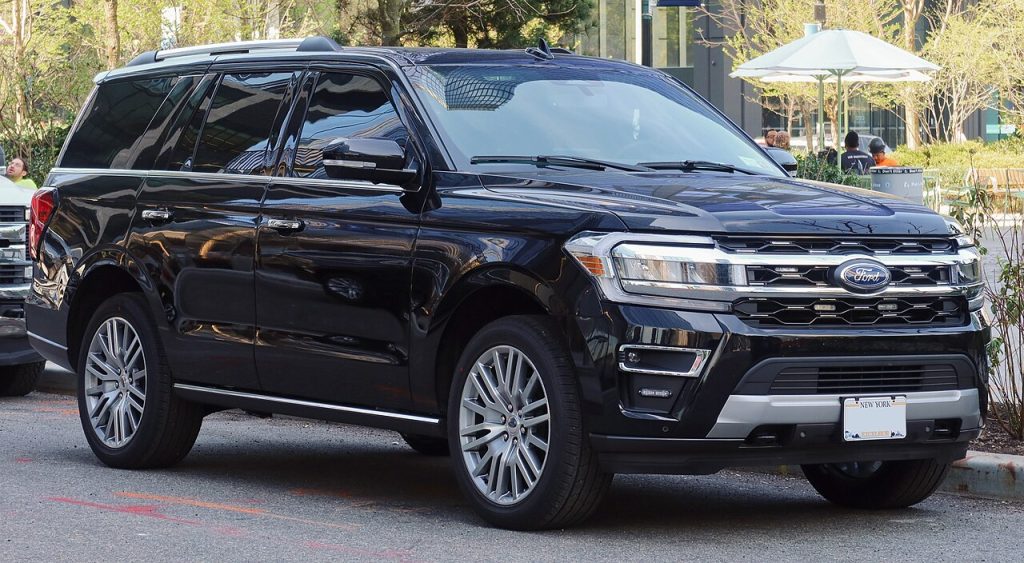
Another practical reason for its inclusion involves real ownership patterns. Many buyers choose full size SUVs for comfort and safety, but comfort should also include how easy it is to enter the vehicle several times a day. That daily interaction matters just as much as ride quality.
The Expedition earns its place here because it demonstrates how capability focused design can unintentionally make everyday usability harder for certain drivers. It remains an excellent vehicle for its purpose, but easy access is not its strongest advantage.
4. Chevrolet Tahoe
The Chevrolet Tahoe tells a similar story but in a slightly different way. Where some SUVs feel tall because of suspension height, the Tahoe feels tall because everything about it is scaled upward. The frame, body, tires, and seating position all combine to create a commanding driving position that also requires a noticeable upward movement to reach.
One way to understand the Tahoe is to watch how people enter it. Most drivers naturally grab the steering wheel or pillar for leverage. That instinctive movement usually indicates the step height requires extra support rather than a simple sitting motion.
This model appears here because it reflects the traditional American full size SUV formula. Strength, towing ability, and road presence were clearly the priorities. Ease of entry, while acceptable with running boards, still requires more effort than midsize crossovers.
Another observation worth noting is how ground clearance varies depending on trim levels and wheel sizes. Larger wheel packages can slightly increase step in difficulty, which is something many buyers do not consider during purchase decisions.
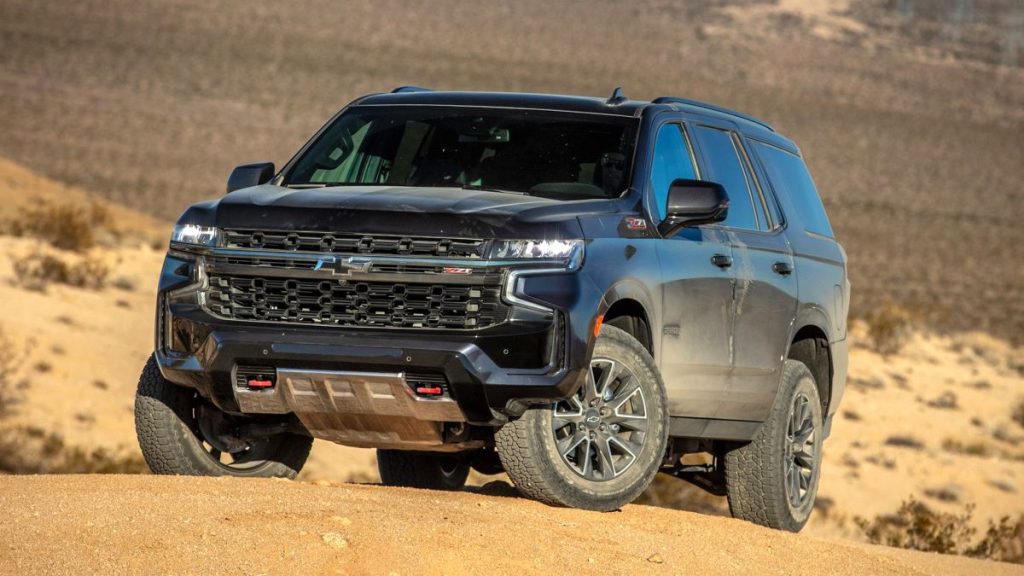
The Tahoe belongs here because it highlights how comfort is multi dimensional. A vehicle can be extremely comfortable once inside but still require more physical effort to access.
Including this SUV helps complete the picture that buyers should think about how they interact with their vehicle before the drive even begins.
5. Land Rover Defender
The Land Rover Defender stands as a symbol of strength and adventure engineering. It is designed to cross rivers, climb rocks, and survive environments where normal SUVs would struggle to continue.
Unfortunately, the same characteristics that make it exceptional off road can make it physically demanding to enter for seniors or anyone wanting simple daily comfort.
The first thing many people notice is the vertical step required just to reach the cabin. Even with side steps, the Defender maintains a significant distance between the ground and the seat base. This is intentional because serious off road vehicles require high clearance to avoid obstacles. Practical for adventure, but less friendly for easy access.
There is also a structural reason behind its height. The Defender uses strong underbody protection and heavy suspension components. These features increase durability but also raise the entire cabin. Unlike crossovers that integrate the floor lower into the structure, this type of SUV keeps everything elevated for protection.
Another detail that affects entry is the upright body shape. While this improves interior headroom and visibility, it also means the seating position remains higher from the ground compared to urban focused SUVs. The result is a vehicle that feels strong and secure once inside but requires effort to reach that position.
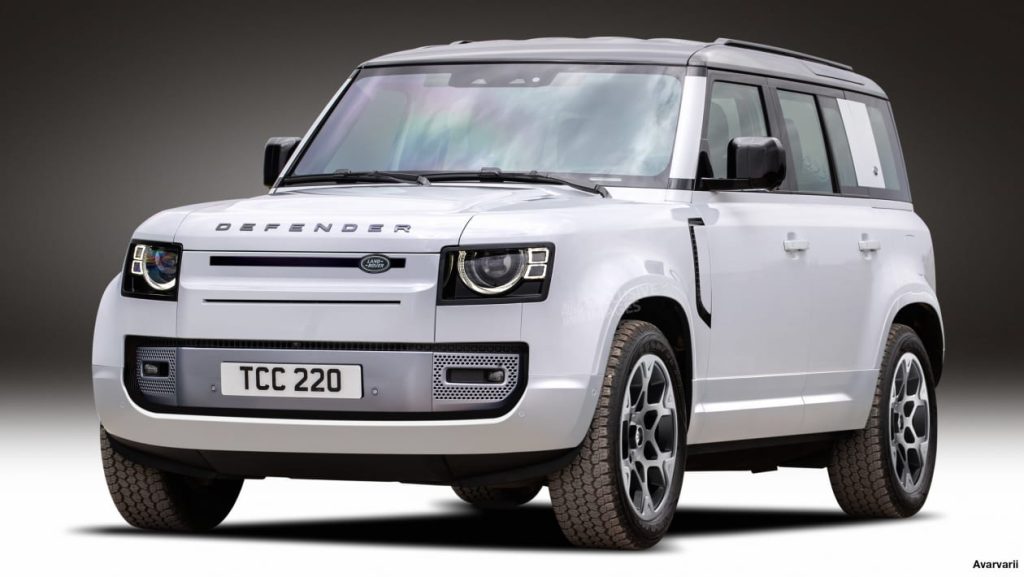
This SUV is included because it represents the extreme end of capability versus comfort tradeoffs. It shows how engineering priorities shape everyday usability. Land Rover built this vehicle to survive harsh terrain, not to optimize senior accessibility.
There is also a buying lesson here. Many SUVs look similar in photos, but their entry experience can be completely different. Buyers sometimes focus on luxury features and forget to evaluate the physical interaction they will have with the vehicle every day.
The Defender completes this list because it clearly shows how purpose built machines sometimes sacrifice ease of use for strength. It remains a remarkable SUV, but not the easiest one to live with if simple entry and exit comfort is the priority.
Choosing an SUV is often seen as a decision about power, features, or brand reputation. Yet one of the most important factors is something people rarely measure until it is too late. How easy it feels to get in and out of the vehicle can shape the entire ownership experience, especially for seniors.
The SUVs with ideal entry height show how thoughtful design can quietly improve everyday life. Vehicles like the Forester, CR V, RAV4, Sportage, and Tucson succeed because they respect how people actually use their vehicles.
They make entry feel natural, reduce strain, and support independence. These qualities may not appear in advertisements, but they matter deeply over years of ownership.
On the other side are SUVs that prioritize strength, size, or off road capability. The 4Runner, Wrangler, Expedition, Tahoe, and Defender are all impressive machines in their own way. They offer durability, presence, and capability. Yet their height can become a daily reminder that not every vehicle is designed with accessibility in mind.
There is something slightly disappointing about realizing that a dream SUV may not fit practical needs. Many buyers fall in love with design, reputation, or capability only to discover that daily usability tells a different story. That realization can feel frustrating because it forces a choice between desire and comfort.
The real lesson is not that tall SUVs are bad. It is that the right SUV depends on the person using it. The best vehicle is not the most capable one. It is the one that fits comfortably into everyday life.
In the end, true comfort begins before the drive starts. It begins with a simple, effortless entry that makes every trip feel easy rather than demanding.
Also Read: 5 Used Luxury Wagons Worth the Risk vs 5 That Are Wallet Drains