When people compare car brands, they usually focus on reliability, performance, or resale value. However, one of the most important ownership factors often gets less attention until something breaks.
The cost of replacement parts can dramatically change the long term cost of owning a vehicle. Two cars with similar purchase prices can have very different maintenance expenses depending on how their manufacturers price components.
Replacement part pricing depends on several factors. Some brands design vehicles with shared components across multiple models, which increases parts availability and reduces cost.
Others produce lower volumes or use specialized engineering that naturally leads to higher replacement prices. Supply chain strategy plays just as much a role as engineering.
Another important factor is aftermarket support. Brands with large global sales often benefit from a competitive aftermarket parts industry. When multiple manufacturers produce compatible parts, prices tend to stay reasonable.
In contrast, brands with smaller production numbers may rely more heavily on original manufacturer parts, which usually cost more.
Labor costs can also be indirectly affected by parts pricing. Vehicles designed with easy service access often require less time for repairs, which keeps ownership costs manageable. Brands that design cars with complicated packaging may increase both parts and labor expenses.
This comparison looks at two very different ownership experiences. First are brands known for affordable replacement parts and strong parts availability. These brands often appeal to practical buyers who value predictable maintenance costs.
Second are brands where replacement components often carry premium pricing, either because of brand positioning, engineering complexity, or limited supply.
Understanding this difference helps buyers make smarter long term decisions. The true cost of a vehicle is not just the purchase price. It is also the cost of keeping that vehicle running year after year.
Also Read: 5 Brands That Still Use Traditional Power Steering for Better Reliability
5 Brands With Cheap Replacement Parts
Affordable replacement parts usually come from a combination of smart manufacturing strategy and high production volume. Brands that sell millions of vehicles globally often benefit from economies of scale. This allows them to produce parts in large quantities and keep prices reasonable.
Another major factor is parts interchangeability. Some manufacturers design multiple models around shared platforms. This allows components such as sensors, suspension parts, and brake systems to be used across several vehicles. As a result, supply remains strong and prices stay competitive.
Independent aftermarket support also plays a role. Brands with large ownership bases tend to attract third party suppliers. Competition among suppliers helps reduce prices and gives owners more options beyond dealership parts.
The following five brands stand out because they consistently offer affordable replacement components compared to industry averages. These are not necessarily the cheapest cars to buy initially. They are included because they tend to remain financially manageable to maintain.
Each brand shows a different reason for affordability. Some succeed through scale. Others through simplicity. A few through strong aftermarket ecosystems.
These brands deserve attention because predictable maintenance cost is one of the most valuable but overlooked aspects of vehicle ownership.
1. Toyota
Toyota has built a global reputation not only for reliability but also for manageable maintenance costs. One reason replacement parts remain affordable is the company’s emphasis on platform sharing. Many components are used across multiple Toyota models, which keeps production volumes high and prices controlled.
Another factor is the brand’s conservative engineering philosophy. Toyota often prefers proven mechanical designs rather than constant experimentation. This results in parts that remain in production longer and are widely available even years after a model is discontinued.
There is also the matter of global presence. Because Toyota vehicles are sold in huge numbers worldwide, independent parts manufacturers have strong incentives to produce compatible components. This creates competition that helps keep pricing reasonable for owners.
Toyota appears here because it represents the idea that reliability and affordability can exist together. While some brands focus only on reducing failure rates, Toyota also ensures that when parts are needed, they are not excessively expensive.
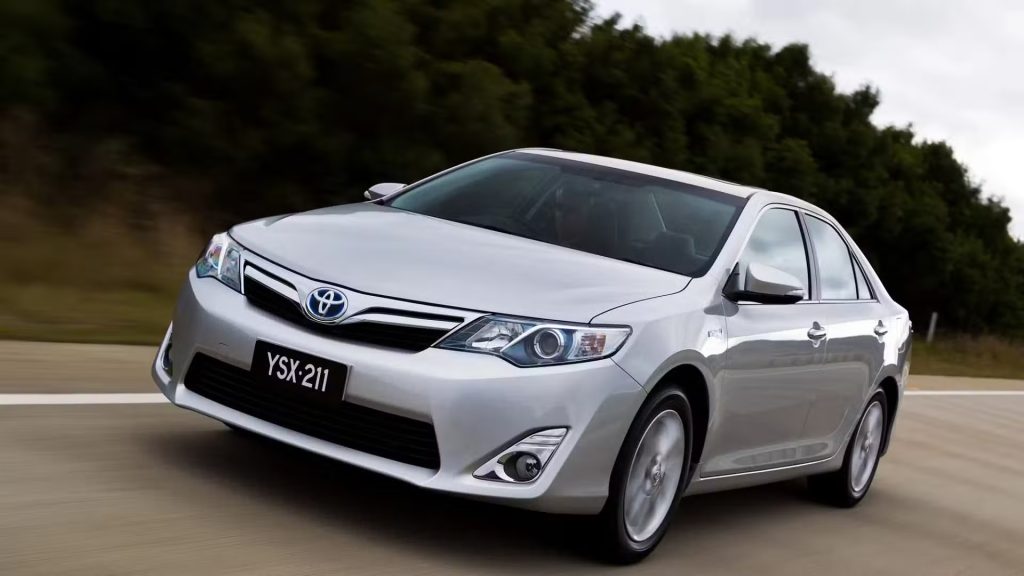
Another reason for inclusion is service familiarity. Mechanics around the world are familiar with Toyota systems. This familiarity reduces diagnostic time and helps avoid unnecessary parts replacement, indirectly lowering ownership cost.
This brand is included because it demonstrates how thoughtful manufacturing scale can benefit customers long after the purchase.
2. Honda
Honda follows a slightly different path to affordable parts. While also benefiting from high production numbers, Honda places strong emphasis on engineering efficiency. Many of its engines and components are designed with straightforward layouts that simplify maintenance and replacement.
A useful way to understand Honda’s advantage is to look at how often its parts remain compatible across generations. This continuity allows suppliers to keep producing components longer, which helps maintain availability and reasonable pricing.
Another reason Honda earns a place here is its balance between innovation and consistency. While the company introduces new technology, it often avoids unnecessary complexity in basic mechanical systems. This helps keep replacement part design relatively straightforward.
This brand belongs here because it shows how engineering discipline can reduce ownership cost. Simpler service access and logical component placement often reduce both parts and labor expenses.
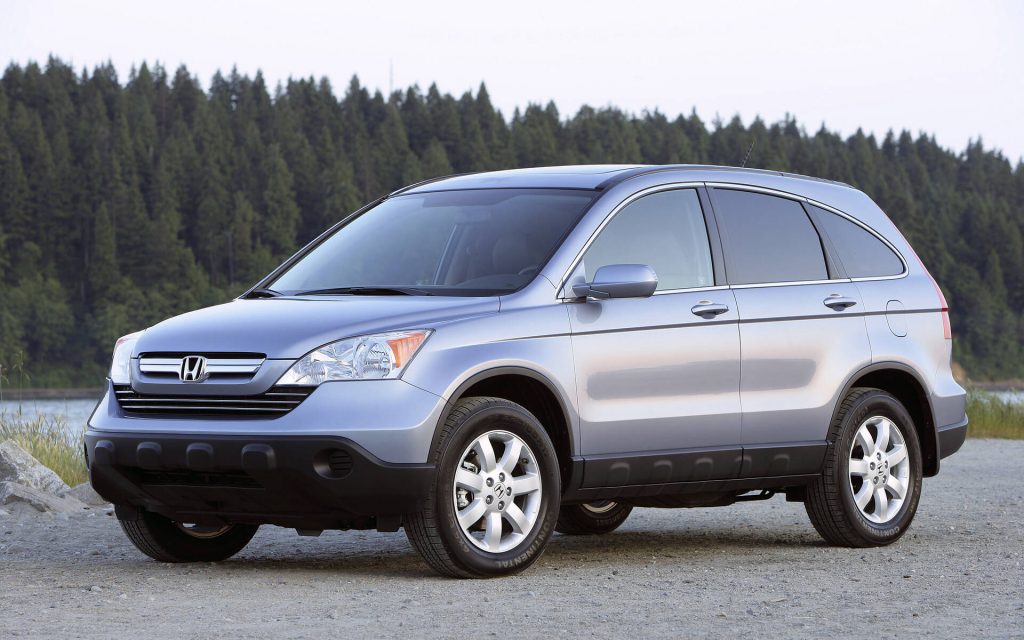
There is also a reputation factor involved. Because Honda vehicles are widely trusted for durability, a strong used parts market also exists. Salvage components and refurbished parts provide additional affordability options.
Honda deserves recognition because it demonstrates how intelligent engineering decisions can benefit owners financially long after the vehicle leaves the showroom.
3. Hyundai
Hyundai’s place in this discussion comes from a business strategy that focuses heavily on ownership value rather than just purchase appeal.
Over the past decade, the company has worked to improve both quality perception and maintenance affordability. Replacement parts pricing reflects this effort to position the brand as financially practical over the long term.
One important factor is how Hyundai uses shared supplier networks. Many components are produced through large scale supplier agreements, which helps maintain steady inventory and reasonable pricing. When parts are produced in high quantities, cost per unit naturally drops, and that benefit often reaches owners.
There is also a competitive factor involved. Hyundai operates in one of the most price sensitive market segments. To remain attractive, the company must keep maintenance costs predictable. Affordable parts help maintain resale value and ownership confidence, which in turn strengthens the brand’s reputation.
This brand is included because it represents how newer global players have learned from established Japanese manufacturers. Hyundai recognized early that long term ownership cost plays a major role in customer loyalty. Making parts accessible was part of that strategy.
Another practical reason Hyundai belongs here involves warranty culture. Because the brand offers long warranties in many markets, it must maintain strong parts supply chains to support repairs. That infrastructure later benefits owners even after warranty periods end.
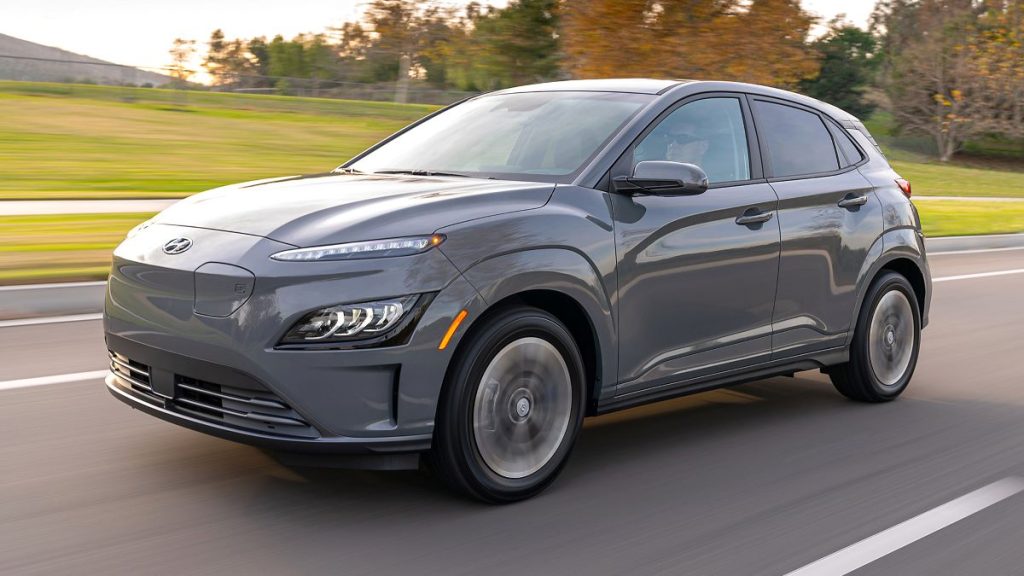
Hyundai also benefits from growing aftermarket support. As global sales have increased, more independent parts manufacturers now produce compatible components. This has helped reduce the cost difference between original and aftermarket options.
This brand earns its place because it shows how strategic growth can improve affordability. Hyundai did not simply improve styling and technology. It also invested in making ownership financially manageable.
4. Ford
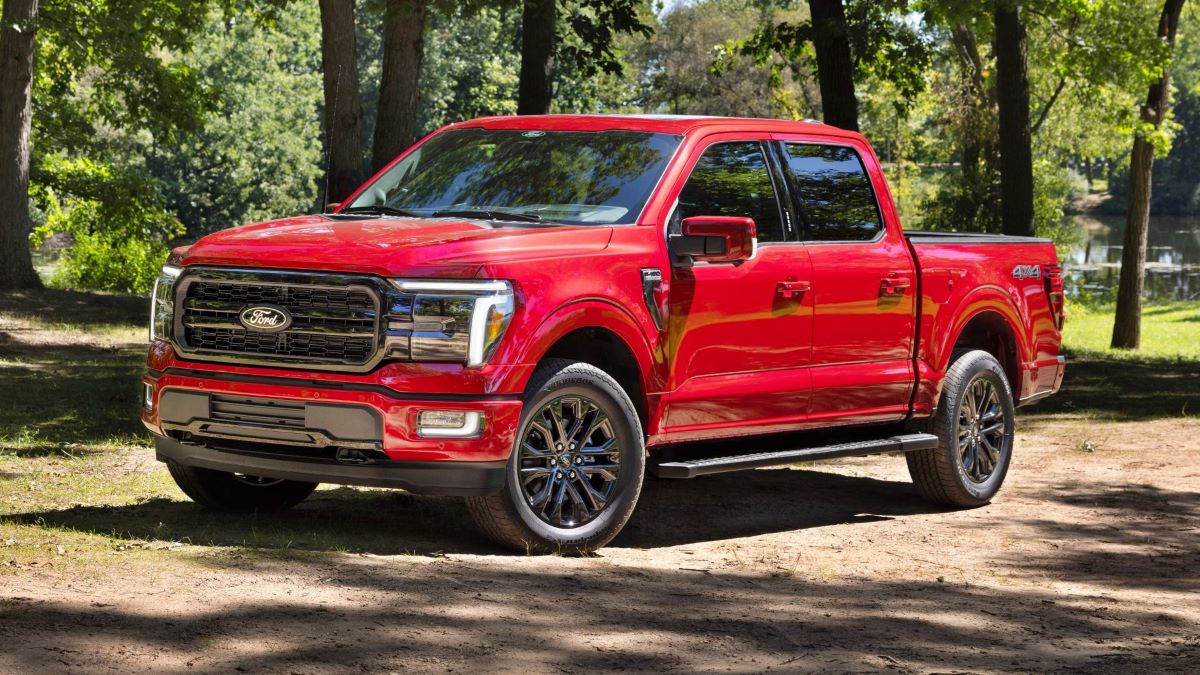
Ford’s advantage in affordable replacement parts comes largely from its enormous production scale and long manufacturing history. Few brands have produced as many vehicles across as many markets. This volume naturally creates strong parts availability and competitive pricing.
A different way to understand Ford’s affordability is to look at how widely its vehicles are used in commercial environments. Fleet vehicles require cost effective maintenance to remain profitable. Ford’s strong presence in fleet markets encourages the company to keep parts reasonably priced and widely distributed.
Another reason Ford appears here is its extensive independent repair network. Because Ford vehicles are so common, nearly every repair shop has experience working on them. This familiarity often prevents unnecessary parts replacement and allows mechanics to source affordable alternatives when appropriate.
This brand belongs in this list because it reflects how scale benefits customers. Parts that are produced in large numbers rarely remain expensive for long because supply remains strong and alternatives exist.
There is also a historical factor involved. Ford has maintained parts support for older vehicles longer than many competitors. This helps keep aging vehicles on the road without forcing owners into expensive specialty sourcing.
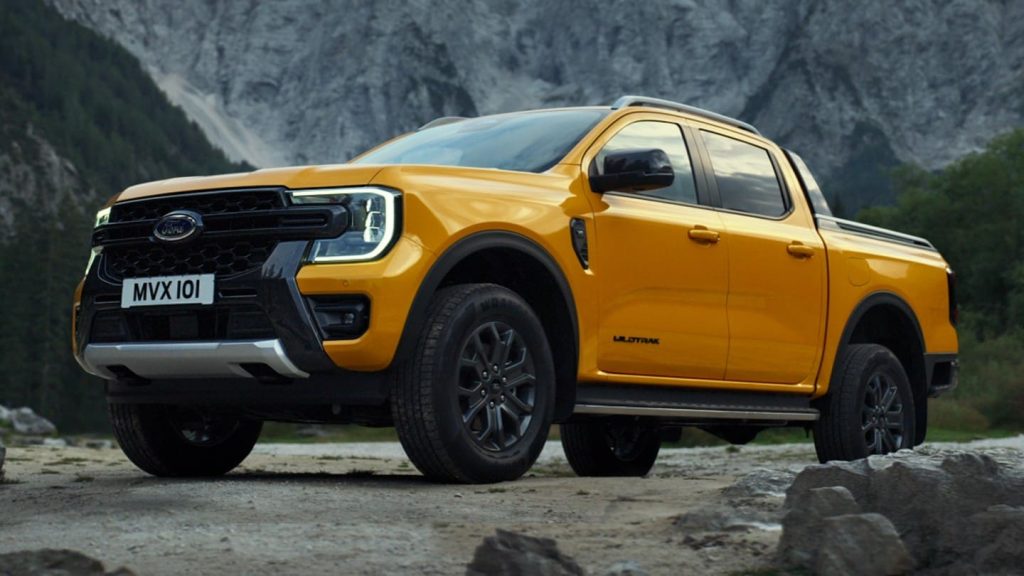
Ford earns recognition because it demonstrates how mass production can lower long term ownership costs. When millions of vehicles share similar components, affordability becomes a natural outcome.
This example highlights a simple ownership truth. Popular vehicles are often cheaper to maintain because parts are everywhere. Ford’s long global presence makes it one of the clearest examples of this advantage.
5. Chevrolet
Chevrolet completes this category because it represents how a brand can maintain affordable ownership through scale, shared engineering, and a massive aftermarket ecosystem. As one of the most widely sold American brands for decades, Chevrolet benefits from a parts supply chain that is both deep and highly competitive.
One major reason Chevrolet parts tend to remain affordable is platform sharing within General Motors. Many mechanical components are shared across Chevrolet, GMC, and sometimes even Buick models. This means parts production happens in very large quantities, which naturally lowers replacement cost over time.
Another advantage comes from the strong presence of third party manufacturers. Because Chevrolet vehicles are so common in North America and many global markets, aftermarket suppliers aggressively produce compatible parts. Owners often have multiple pricing options instead of being forced to rely only on dealership components.
Chevrolet belongs in this list because it shows how popularity helps affordability. When a brand sells in high numbers, the repair ecosystem becomes competitive. Competition almost always reduces costs for the owner.
There is also a service culture factor. Independent repair shops are extremely familiar with Chevrolet vehicles. That familiarity often results in faster diagnostics and fewer unnecessary part replacements. Lower diagnostic uncertainty often translates into lower repair bills.
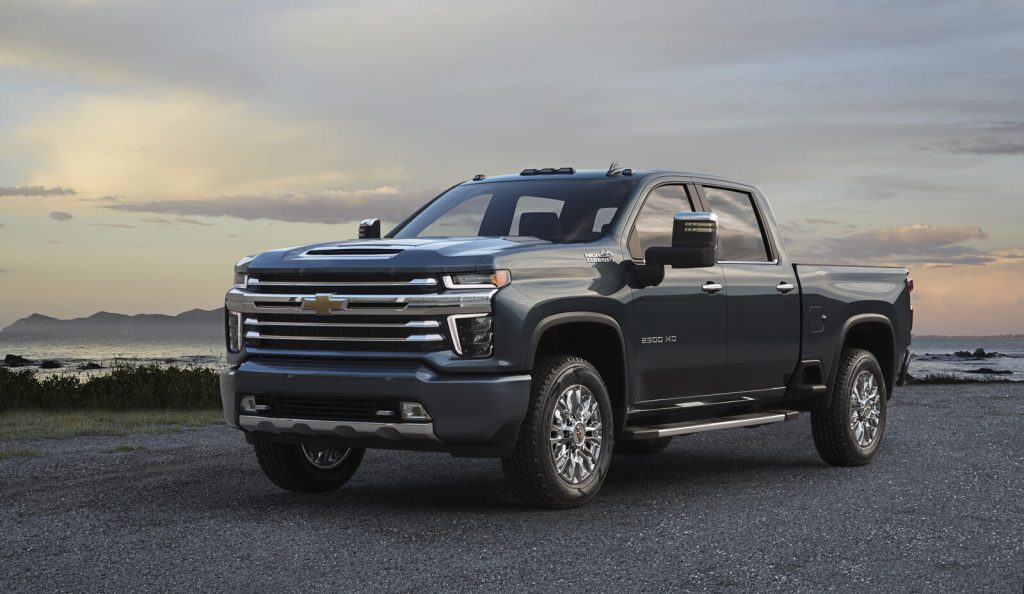
This brand deserves inclusion because it reflects a practical ownership philosophy. Chevrolet vehicles are often purchased as everyday transportation, work trucks, or fleet vehicles. Keeping parts affordable supports that mission and helps maintain customer loyalty.
Another reason Chevrolet stands out is long term support. Even older models often have strong parts availability because the installed vehicle base is so large. This allows owners to maintain vehicles longer without facing rare part shortages.
Chevrolet completes this category because it demonstrates how strong market presence can turn into real financial advantages for owners.
5 Brands That Charge a Premium
Not every car brand focuses on keeping replacement parts inexpensive. Some manufacturers operate in segments where engineering complexity, brand image, or limited production numbers naturally result in higher component costs. In these cases, the higher price is often part of the ownership experience rather than an accident.
Luxury brands often fall into this category because they use specialized materials, advanced electronics, and unique engineering solutions. These components may improve performance or comfort, but they also tend to increase replacement cost. Limited production volumes also reduce economies of scale.
Another important factor is brand positioning. Some manufacturers intentionally maintain premium parts pricing because it supports their image as exclusive products. Owners often accept higher maintenance costs as part of owning a luxury or performance vehicle.
The following five brands are included not because they are poor choices, but because buyers should understand the financial commitment involved. These brands often deliver exceptional performance, comfort, or prestige. Higher parts cost is simply part of that package.
Understanding this category helps buyers avoid surprises. Premium vehicles often deliver premium experiences, but they also require premium maintenance budgets.
1. BMW
BMW stands as one of the clearest examples of a brand where replacement parts often cost more than mainstream competitors.
This comes from a combination of engineering philosophy and brand positioning. BMW focuses heavily on performance, driving precision, and advanced electronics, which naturally leads to more complex components.
One important factor behind higher parts pricing is specialization. Many BMW components are designed specifically for individual models rather than shared broadly across the lineup. This improves performance tuning but reduces production scale, which increases cost.
Another reason BMW appears here involves technology density. Modern BMW vehicles often include advanced driver assistance systems, adaptive suspensions, and sophisticated infotainment hardware. When these parts require replacement, the cost reflects the technology involved.
This brand is included because it shows how engineering ambition can increase ownership cost. BMW does not build vehicles primarily to minimize maintenance expense. It builds them to deliver a particular driving experience.
There is also a supply factor involved. While aftermarket support exists, many BMW owners prefer original components to maintain performance and resale value. Original parts often carry higher pricing compared to mass market brands.

BMW belongs in this category because it demonstrates the financial reality of premium engineering. Buyers receive advanced performance and refinement, but they must also accept higher parts pricing as part of that experience.
This example highlights an important ownership truth. Premium engineering rarely comes with budget maintenance. Understanding that relationship helps buyers enter ownership with realistic expectations.
2. Mercedes Benz
Mercedes Benz represents another clear case where replacement parts often come at a higher cost due to engineering philosophy and brand expectations. The company has long positioned itself as a leader in comfort, safety innovation, and advanced materials. These priorities often result in components that are more expensive to produce and replace.
One of the reasons parts pricing remains high is the level of integration found in many Mercedes systems. Components often work together within complex electronic networks. When one part fails, replacement may involve recalibration or programming, increasing both parts and service cost.
Another factor is material quality. Mercedes frequently uses specialized alloys, sound insulation components, and precision interior materials. These features improve the ownership experience but also increase replacement cost compared to simpler alternatives.
This brand appears here because it shows how luxury engineering affects long term expenses. Mercedes vehicles often introduce new technologies early. Early adoption usually means higher replacement cost until those technologies become more common.
There is also a brand expectation factor. Owners who choose Mercedes often expect factory level repair quality. This frequently leads to preference for original parts instead of cheaper alternatives, maintaining higher average repair costs.

Mercedes belongs here because it represents the classic premium ownership model. The vehicles deliver comfort, prestige, and advanced engineering. Higher parts pricing becomes part of the long term financial picture.
3. Audi
Audi occupies an interesting position in the premium automotive world because its vehicles often combine luxury with highly sophisticated engineering solutions.
This engineering depth is one of the main reasons replacement parts can become expensive compared to mainstream brands. Many Audi components are designed for precision performance rather than cost efficiency.
One major contributor to higher parts pricing is the brand’s heavy use of advanced electronic systems. Modern Audi vehicles often rely on multiple control modules, sensors, and integrated driver assistance features. When one component fails, it is often part of a larger interconnected system, which increases replacement cost.
Another important reason Audi appears in this category is its use of specialized drivetrain technology. The Quattro all wheel drive system, for example, adds mechanical complexity compared to simpler front wheel drive layouts. More components naturally mean more potential replacement expense over time.
This brand is included because it demonstrates how performance oriented engineering can influence maintenance costs. Audi builds vehicles with a strong focus on driving stability and refinement. Achieving those qualities often requires more specialized parts.
There is also a production scale factor involved. While Audi sells globally, its volumes are still much lower than mass market brands. Lower production numbers usually translate into higher per part manufacturing cost, which eventually affects replacement pricing.
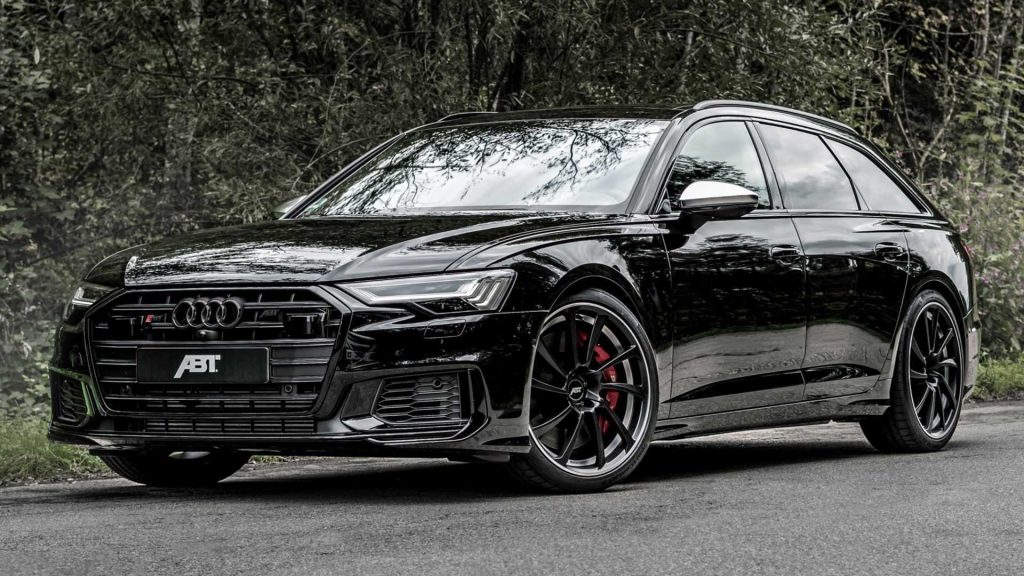
Audi belongs here because it reflects how premium technology often carries premium service expectations. Buyers are not just purchasing transportation. They are purchasing a technical product with advanced systems that require specialized care.
This example highlights a clear ownership lesson. Advanced engineering improves driving experience but also increases the financial responsibility that comes with maintaining that experience.
4. Land Rover
Land Rover represents a different type of premium parts pricing story. While luxury and technology contribute, the primary factor often comes from specialized off road engineering. Vehicles designed for extreme terrain usually require heavy duty components that cost more to manufacture and replace.
One important reason parts pricing tends to be high involves suspension complexity. Many Land Rover vehicles use advanced air suspension systems that allow height adjustment for different terrains. These systems improve capability and comfort but involve expensive components such as compressors, sensors, and control modules.
Another factor is production volume. Compared to mainstream brands, Land Rover produces fewer vehicles. Smaller production runs reduce economies of scale, which keeps parts pricing relatively high.
This brand is included because it shows how capability engineering affects maintenance cost. Building vehicles capable of handling extreme conditions requires stronger materials and more sophisticated systems. Those advantages come with financial tradeoffs.
There is also a logistical aspect. Some Land Rover parts must be sourced through specialized supply chains, which can increase availability cost compared to widely distributed mass market components.
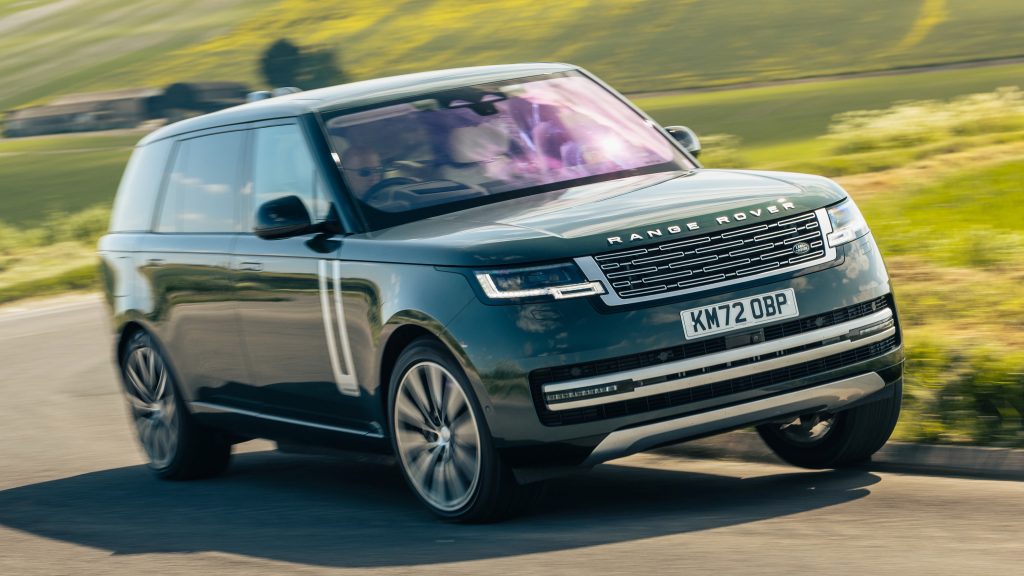
Land Rover earns its place because it demonstrates how unique engineering goals shape ownership experience. These vehicles deliver strong off road performance and luxury appeal, but maintaining those qualities often requires accepting higher parts pricing.
This example reinforces an important buying lesson. Vehicles designed to do exceptional things often require exceptional maintenance budgets.
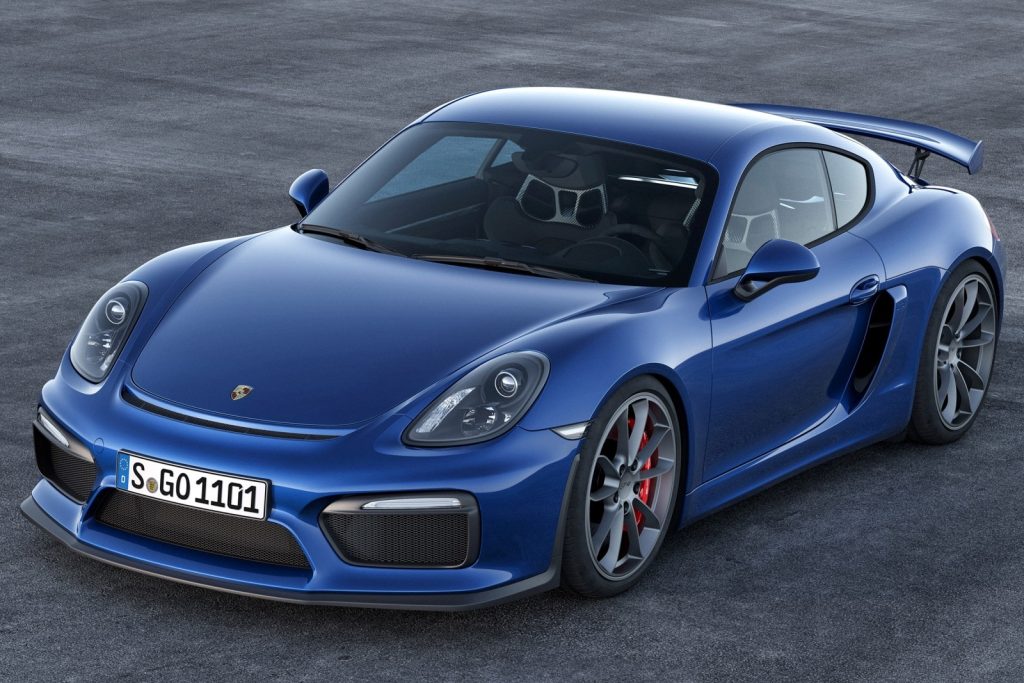
5. Porsche
Porsche completes this list because it represents the extreme end of engineering precision where performance, brand heritage, and specialized manufacturing combine to create some of the highest replacement part costs in the automotive world.
This is not simply about luxury. It is about the cost of maintaining machines built with very specific performance intentions.
One of the biggest reasons Porsche parts are expensive comes from production philosophy. Unlike mass market brands that focus on volume, Porsche builds vehicles in relatively limited numbers.
Lower production volume means fewer shared components and less opportunity for large scale cost reduction. As a result, even routine replacement components can cost more than expected.
Another factor comes from the materials used. Porsche often uses lightweight alloys, high performance braking materials, and specialized cooling components designed to tolerate extreme driving conditions. These materials improve performance and durability under stress but also raise replacement cost compared to conventional parts.
This brand belongs here because it shows how performance engineering influences ownership expenses. Porsche does not build vehicles to meet average expectations. It builds them to exceed performance benchmarks. Maintaining that level of engineering naturally requires higher quality components.
There is also a precision factor involved. Many Porsche parts must meet very strict tolerances to maintain driving characteristics. This precision manufacturing increases production cost, which eventually affects the price owners pay when replacement becomes necessary.
Another important reason Porsche appears here is owner expectation. Buyers who choose this brand often want factory correct parts to maintain performance integrity and resale value. This reduces the demand for cheaper aftermarket alternatives, which keeps average parts pricing high.
Porsche deserves inclusion because it represents the reality that high performance ownership requires financial commitment beyond the purchase price. It is a brand where the driving experience remains exceptional, but the cost of maintaining that experience reflects the same level of engineering dedication.
The difference between affordable and expensive replacement parts often comes down to how a brand approaches engineering, production scale, and market positioning.
Some manufacturers focus on accessibility and long term ownership practicality. Others focus on performance, exclusivity, or technological leadership. Both approaches serve different types of buyers.
Brands such as Toyota, Honda, Hyundai, Ford, and Chevrolet show how scale and smart design can keep maintenance costs reasonable.
Their advantage comes from shared components, large supply chains, and strong aftermarket competition. These brands often appeal to buyers who want predictable long term expenses and easy service access.
On the other hand, brands like BMW, Mercedes Benz, Audi, Land Rover, and Porsche demonstrate how premium engineering often brings higher replacement costs.
These vehicles frequently include specialized materials, complex electronics, and lower production volumes. The result is an ownership experience that offers higher performance or luxury but also requires a higher maintenance budget.
The most important lesson is that neither category is automatically better. The right choice depends on what the buyer values most. Some drivers prioritize low running cost and simplicity. Others are willing to accept higher expenses in exchange for performance, comfort, or prestige.
Understanding replacement part pricing before buying a vehicle can prevent long term frustration. Many ownership complaints do not come from reliability problems but from unexpected maintenance cost. Awareness allows buyers to match their financial expectations with the brand they choose.
In the end, smart ownership begins with understanding the full cost of a vehicle, not just the purchase price. Knowing how different brands approach parts pricing helps buyers make decisions that fit both their driving needs and their long term financial comfort.
Also Read: 5 Brands With Honest Service Centers vs 5 Known for Upselling