Continuously Variable Transmissions, commonly known as CVTs, have had a complicated reputation over the past two decades. When they first became widely used, automakers promoted them as the future of smooth and efficient driving.
The idea was simple. Instead of traditional gears, CVTs use pulleys and belts to provide seamless acceleration without shift shocks. On paper, this promised better fuel economy and fewer mechanical parts.
Reality, however, was not always so positive. Many early CVTs suffered from overheating, premature belt wear, delayed throttle response, and expensive repair costs.
Brands that rushed the technology into mass production often created distrust among buyers, especially in the used car market. Owners reported hesitation, droning noises, and in some cases complete transmission failures before expected mileage intervals.
Fortunately, the story has started to change. By 2026, several manufacturers have significantly improved CVT durability through stronger belt materials, better cooling systems, improved software calibration, and simulated gear steps to reduce stress.
Some modern CVTs are now proving they can last well beyond 150,000 miles with proper maintenance. This progress shows that the technology itself was never the problem. Poor early execution was.
At the same time, not every CVT has reached this level of maturity. Some models still show warning signs such as inconsistent reliability records, costly replacement procedures, or designs that prioritize efficiency over longevity.
Buyers who assume all modern CVTs are now safe may still face expensive surprises if they choose the wrong vehicle.
This comparison exists to separate the transmissions that finally deliver dependable performance from those that still raise concerns. Understanding which CVTs have improved and which still struggle helps buyers avoid costly ownership mistakes.
It also highlights how engineering improvements can transform a once criticized technology into something genuinely dependable when manufacturers invest in long term durability instead of short term efficiency gains.
Also Read: 5 Used Luxury Wagons Worth the Risk vs 5 That Are Wallet Drains
5 Modern CVTs That Are Finally Reliable
Modern CVT development has entered a much more mature phase compared to the experimental period of the early 2000s. Automakers that stayed committed to the technology learned valuable lessons from early failures.
Instead of abandoning CVTs, they redesigned internal components, introduced stronger chains instead of weaker belts in some cases, and improved thermal management systems that previously allowed damaging heat buildup.
Another major improvement came from software. Earlier CVTs often kept engines at constant high RPM ranges, which increased wear and created unpleasant driving experiences.
New calibration strategies now simulate stepped gear changes, distribute torque more carefully, and reduce internal stress during acceleration. These changes not only improved driving feel but also helped extend transmission lifespan.
Maintenance awareness has also improved. Manufacturers now specify more precise fluid change intervals and improved transmission fluids designed specifically for CVT friction requirements.
When paired with better engineering, this has helped certain models build a track record of reliability that would have been difficult to imagine ten years ago.
The five vehicles listed here stand out because they demonstrate how far CVT engineering has progressed. These are not included simply because they are popular cars. They are included because they show consistent owner satisfaction, improved durability records, and thoughtful engineering decisions that addressed earlier weaknesses.
Each example represents a different approach to making CVTs dependable. Some focus on conservative tuning. Others rely on hybrid integration to reduce stress.
A few succeed because manufacturers limited torque loads rather than chasing performance numbers. What they all share is evidence that careful engineering can make CVTs trustworthy when durability becomes a design priority.
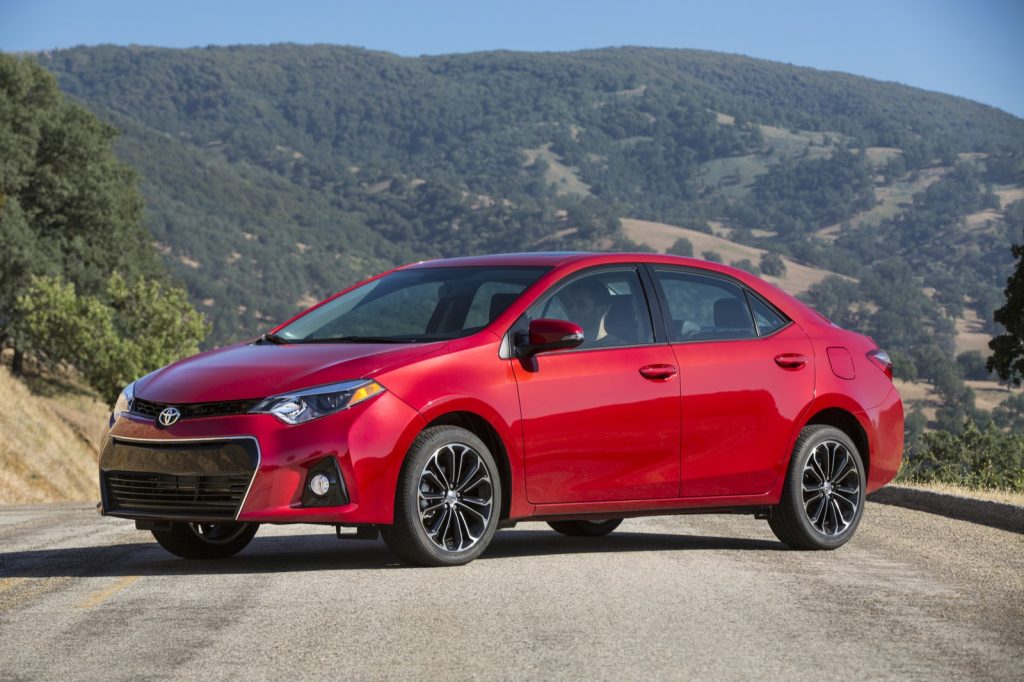
1. Toyota Corolla
Toyota approached CVT reliability with its usual conservative engineering philosophy. Rather than chasing aggressive performance gains, the company focused on reducing stress loads inside the transmission.
One of the most interesting solutions was the introduction of a physical launch gear in newer Corolla CVTs. This small first gear handles initial acceleration before the belt system takes over.
This design decision matters more than it might seem. Initial movement from a stop is where maximum strain occurs in a CVT.
By removing this stress point from the belt and pulley system, Toyota reduced one of the most common causes of early CVT wear. It is a practical engineering solution instead of a marketing feature.
Another reason this CVT earns a place here is Toyota’s cautious torque management. The transmission is rarely pushed to its limits because the engine tuning prioritizes balance over excitement. While some drivers may call the experience predictable, that predictability is exactly what contributes to long term survival.
Long term ownership data also supports this reputation. Mechanics frequently note that Corolla CVTs rarely appear with catastrophic failures compared to earlier industry examples. When issues do appear, they are often related to neglected fluid service rather than flawed mechanical design.
This car is included because it represents how restraint can produce reliability. Instead of trying to prove CVTs could be sporty, Toyota proved they could be durable. That shift in priorities deserves attention because it demonstrates how the technology matured.
For buyers who want a CVT but remain skeptical because of past horror stories, the Corolla represents a turning point example. It shows how small but intelligent mechanical changes can dramatically improve long term dependability when the goal is ownership confidence rather than engineering experimentation.
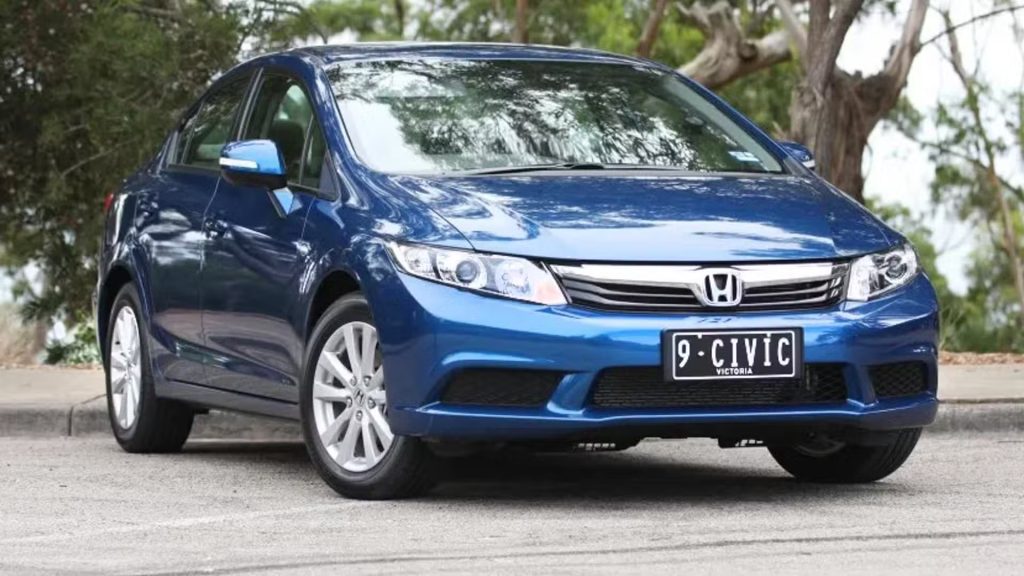
2. Honda Civic
Honda took a slightly different route toward CVT dependability. Instead of adding mechanical complexity, the company refined material quality and control programming. The Civic CVT benefits from extremely precise throttle mapping that prevents sudden torque spikes, which historically have been damaging to CVT systems.
One detail that rarely gets discussed is how Honda tuned driver inputs to protect the transmission. Rapid throttle application does not immediately translate into maximum pulley pressure changes. Instead, the system smooths the response curve. This protects internal components without the driver necessarily realizing it is happening.
Heat management is another reason this CVT deserves recognition. Honda invested heavily in improving fluid circulation and cooling pathways. Transmission heat is often the silent killer of CVTs, and reducing temperature swings significantly improves long term durability.
These improvements are not flashy features, but they are the type of changes that matter after years of ownership.
The Civic also benefits from Honda’s long experience with small displacement engines. Because the company understands how to extract efficiency without overloading components, the transmission rarely operates in conditions that accelerate internal fatigue. It is a good example of system level engineering rather than focusing on one component.
This vehicle appears on this list because it shows how refinement can be just as important as redesign. Honda did not reinvent the CVT formula. Instead, it polished the weaknesses out of an already competent design.
The result is a transmission that does not try to impress during a short test drive but instead earns trust gradually through consistent daily use. That is exactly the type of improvement that matters most in real world ownership.
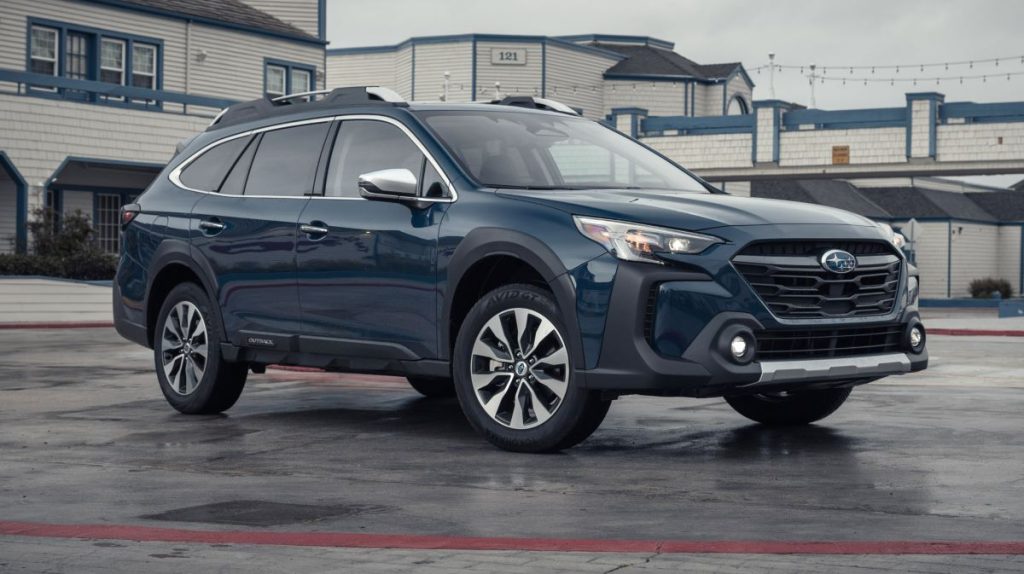
3. Subaru Outback
Subaru had more at stake than most companies when refining CVT reliability because the brand uses the transmission across almost its entire lineup.
This meant failure was not just a model specific risk but a brand reputation risk. Because of this, Subaru invested heavily in strengthening its Lineartronic CVT rather than treating it as a disposable efficiency solution.
One major difference is how Subaru engineered the transmission to work with its symmetrical all wheel drive system. Sending power to four wheels places different stresses on a transmission compared to front wheel drive layouts.
Subaru responded by reinforcing internal chains and improving torque distribution programming so the CVT would not experience sudden shock loads during traction changes.
Another interesting reason this transmission stands out is how Subaru tuned it for real world usage instead of laboratory efficiency numbers. Many CVTs fail because they constantly try to keep RPM at the lowest possible level. Subaru allowed slightly higher RPM ranges under load, which reduces strain and prevents lugging stress that can shorten transmission life.
Owner feedback over time has also shown something important. While early Subaru CVTs had mixed reactions, later versions have shown much better durability patterns.
Reports of high mileage examples crossing 200,000 miles without major transmission work are becoming more common, especially when fluid service schedules are followed properly.
This Outback is included here because it shows how commitment to improvement matters. Subaru did not abandon CVTs when problems appeared. Instead, the company kept refining the design generation after generation until reliability improved.
It also deserves attention because it proves CVTs can survive in vehicles expected to handle rough weather, long highway drives, and light off road duty. That is a tougher environment than small commuter cars, making its improvement story worth highlighting.
4. Toyota Camry (CVT Hybrid)
The Camry Hybrid deserves a place on this list for a very different reason than most vehicles. Its CVT operates under completely different conditions compared to traditional gasoline only setups. Because the hybrid system allows electric motors to assist during acceleration, the transmission often experiences less direct strain.
This creates a reliability advantage that is sometimes overlooked. When electric torque helps move the vehicle from a stop, the transmission does not absorb the full force of initial acceleration. That reduction in stress contributes significantly to long term durability.
Another strength comes from Toyota’s planetary gear based eCVT design. Unlike belt driven CVTs that rely on friction surfaces, this system uses a power split device with fewer wear prone parts. The design behaves differently from conventional CVTs and has shown exceptional durability in taxi fleets and high mileage commuter vehicles.
What makes this worth discussing is how it changes the narrative around CVTs. Many buyers still associate the term with fragile belt driven systems. The Camry Hybrid demonstrates that not all CVTs share the same architecture, and some designs are inherently more robust.
This car is included because it highlights how hybrid technology can indirectly improve transmission life. By sharing workload between electric motors and combustion engines, the system avoids the stress patterns that damaged early CVTs.
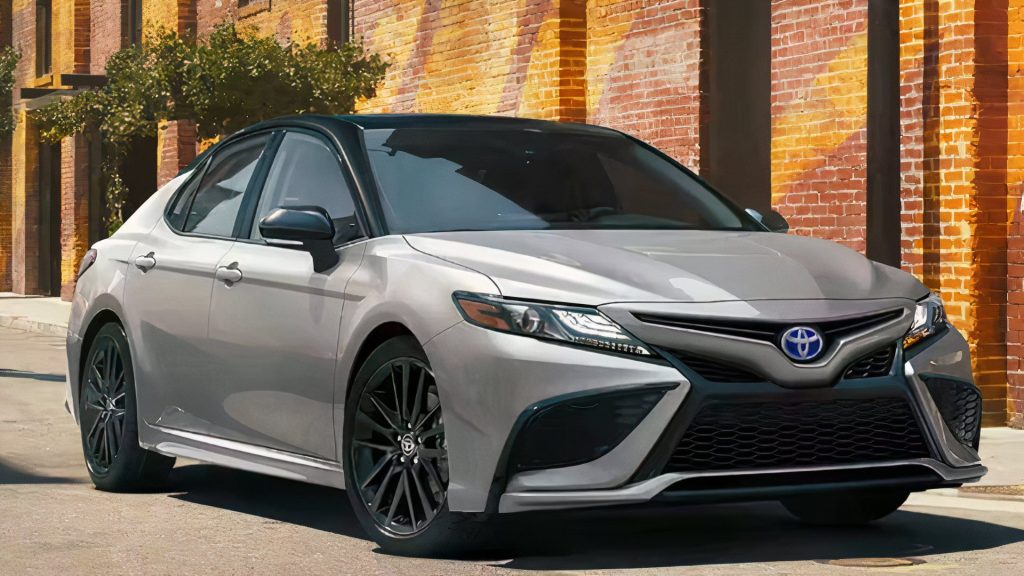
It also shows that sometimes reliability improvements do not come from making one component stronger. Instead, they come from redesigning how the entire drivetrain shares responsibility. That systems thinking approach is why this CVT deserves recognition.
5. Nissan Rogue (Latest Generation)
Nissan’s presence in the reliable category may surprise some readers because the company was once the biggest source of CVT criticism. Earlier Nissan models faced widespread complaints related to premature failures and expensive replacements.
However, the latest Rogue represents how a manufacturer can recover when it seriously addresses engineering mistakes.
One of the most important improvements came from supplier collaboration. Nissan worked closely with Jatco to redesign internal lubrication paths and reduce friction hotspots that previously caused overheating. Improving lubrication sounds minor, but poor lubrication was one of the hidden causes of earlier CVT failures.
Another improvement comes from updated control logic. Earlier Nissan CVTs often allowed the transmission to hunt for ratios under moderate throttle, which increased wear. The new programming focuses on stability instead. Ratio changes now happen in a more controlled and predictable way, reducing unnecessary internal movement.
What makes the Rogue worth mentioning is not perfection but progress. This is included because it demonstrates measurable improvement compared to earlier Nissan CVTs rather than claiming absolute class leadership. Buyers often assume brands never improve, but this example shows that manufacturers can learn from costly mistakes.
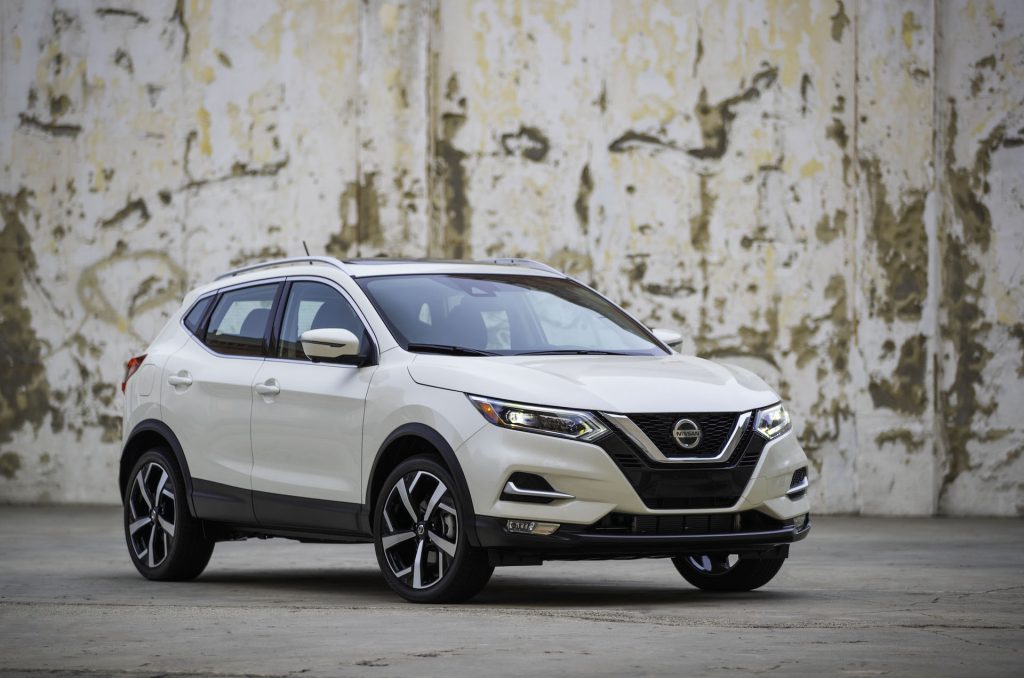
Durability improvements also came from better cooling capacity. Nissan increased fluid capacity and improved heat dissipation, which helps prevent thermal breakdown of transmission fluid. Since fluid degradation often starts the chain reaction that leads to failure, this improvement directly supports longer lifespan expectations.
This Rogue earns its place because it represents a redemption story. It shows how a company known for CVT problems took steps to rebuild trust through engineering updates rather than marketing claims.
For shoppers considering modern CVTs, this example serves as proof that it is important to judge current designs instead of relying only on decade old reputations.
5 CVTs to Still Avoid in 2026
While many CVTs have improved, not every manufacturer has achieved the same level of consistency. Some transmissions still raise concerns because of unresolved design weaknesses, expensive replacement costs, or reliability records that remain inconsistent even in newer model years.
Buyers who assume all modern CVTs are now dependable may still end up choosing vehicles with questionable long term durability.
One important factor is how aggressively some companies tune their CVTs for fuel economy targets. When efficiency becomes the main objective, durability sometimes becomes secondary. Extremely low RPM cruising and aggressive ratio changes can increase internal wear if not properly managed.
Another issue is cost driven engineering. Some CVTs remain expensive to repair because they are designed as sealed units where individual components cannot easily be serviced. This means even minor internal damage may require full replacement instead of affordable repair.
The vehicles listed here are not necessarily terrible cars overall. Some offer good comfort, technology, or styling. They appear here because their CVTs still show warning signs that careful buyers should consider before making a purchase decision.
This list is written to help buyers avoid expensive long term ownership risks. A smooth test drive does not always reveal long term durability. Looking at reliability patterns, service costs, and engineering limitations provides a clearer picture.
Understanding which CVTs still raise questions is just as important as knowing which have improved. Making the wrong choice in this category can turn a fuel efficient purchase into an expensive lesson in transmission replacement costs.
1. Nissan Altima (Earlier CVT Generations Still in Market)
The Nissan Altima appears here because large numbers of older models are still circulating in the used car market, and many still carry the earlier CVT designs that built Nissan’s negative reputation. While newer designs improved, these earlier versions remain a financial risk for second or third owners.
One reason this transmission continues to raise concern is heat sensitivity. Earlier Altima CVTs often lacked sufficient cooling capacity, especially in hot climates or heavy traffic conditions. Heat buildup would gradually reduce fluid effectiveness, which then accelerated internal wear.
Another reason it deserves mention is repair economics. Many transmission specialists report that rebuilding these units is often not cost effective compared to replacement. This means a failure can quickly exceed the remaining value of the vehicle, making ownership financially risky.
What also makes this important is the volume of these cars still being sold. Because Altimas are widely available at attractive prices, buyers sometimes overlook the potential transmission risk. Lower purchase price can sometimes hide higher long term ownership cost.
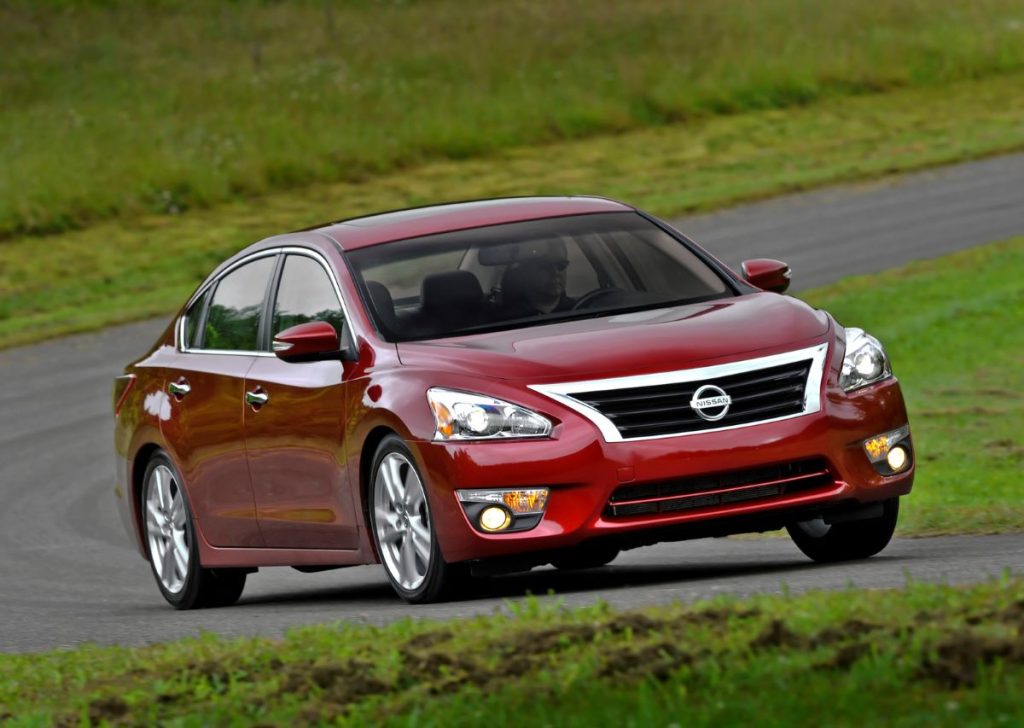
This car is included not because every unit will fail, but because the probability of expensive problems remains higher than many competitors. That risk alone is worth understanding before purchase.
It also highlights an important lesson. Transmission reputation can take many years to recover even after improvements are made. Earlier engineering decisions can affect used market perception long after new models improve.
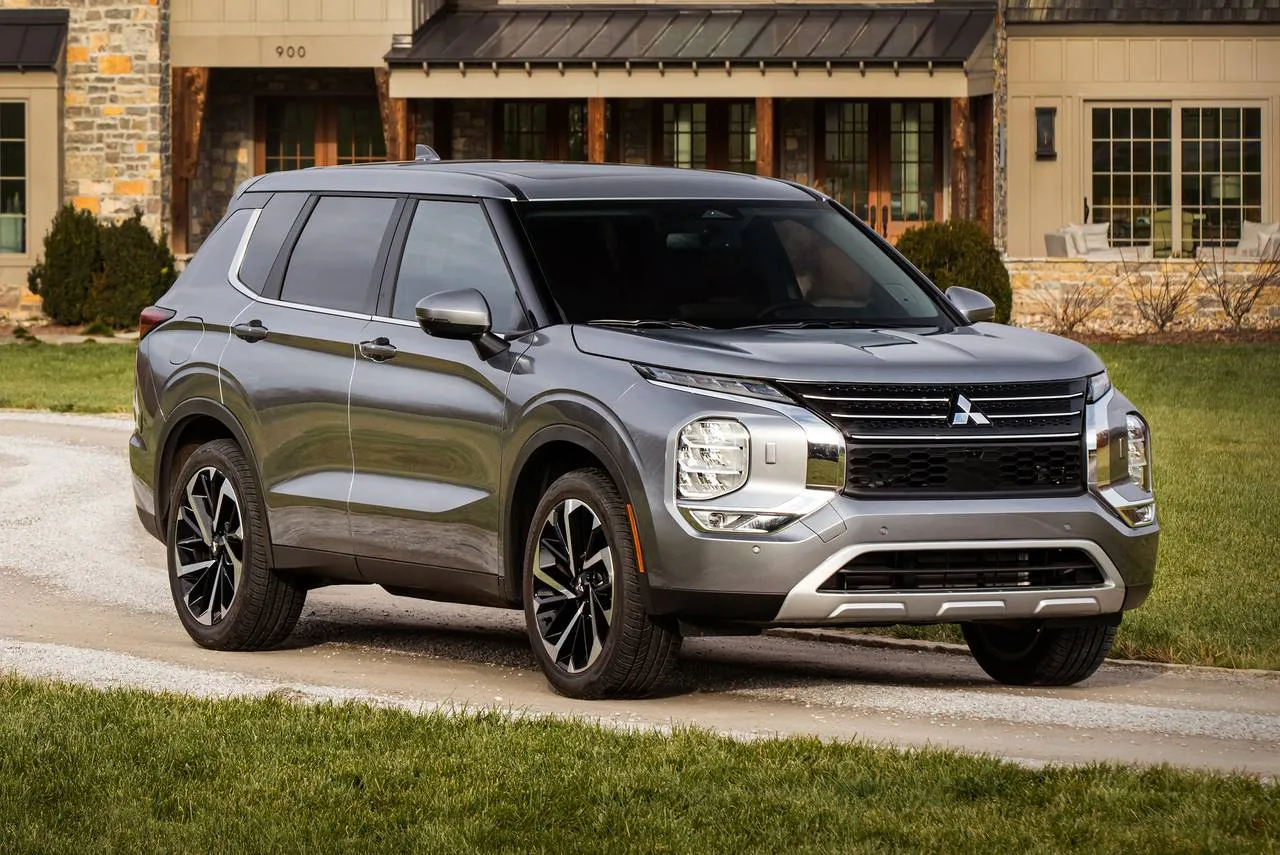
2. Mitsubishi Outlander (Pre Redesign CVT Models)
The Mitsubishi Outlander earns a place in this discussion for reasons that are slightly different from the typical CVT criticism. Instead of one major design flaw, the concern comes from a combination of factors that together create ownership uncertainty.
These include inconsistent long term durability reports, limited specialist repair networks, and transmission tuning that sometimes feels overworked in heavier models.
One issue often mentioned by technicians is how the CVT behaves under load. When the vehicle is fully loaded with passengers or cargo, the transmission can hold high RPM for extended periods.
While this may be normal behavior for CVTs, extended strain without robust cooling margins can gradually reduce longevity if maintenance is not perfectly followed.
Service accessibility is another factor worth discussing. Unlike brands with massive global service networks, Mitsubishi has fewer dedicated CVT specialists in many regions.
That means diagnosing and repairing issues can become more complicated compared to more common competitors. This is not a mechanical flaw by itself, but it increases ownership risk.
This Outlander is included because it shows how reliability is not just about engineering strength. It is also about support infrastructure. A reasonably designed transmission can still become a problem if repairs are complex or expensive due to limited expertise.
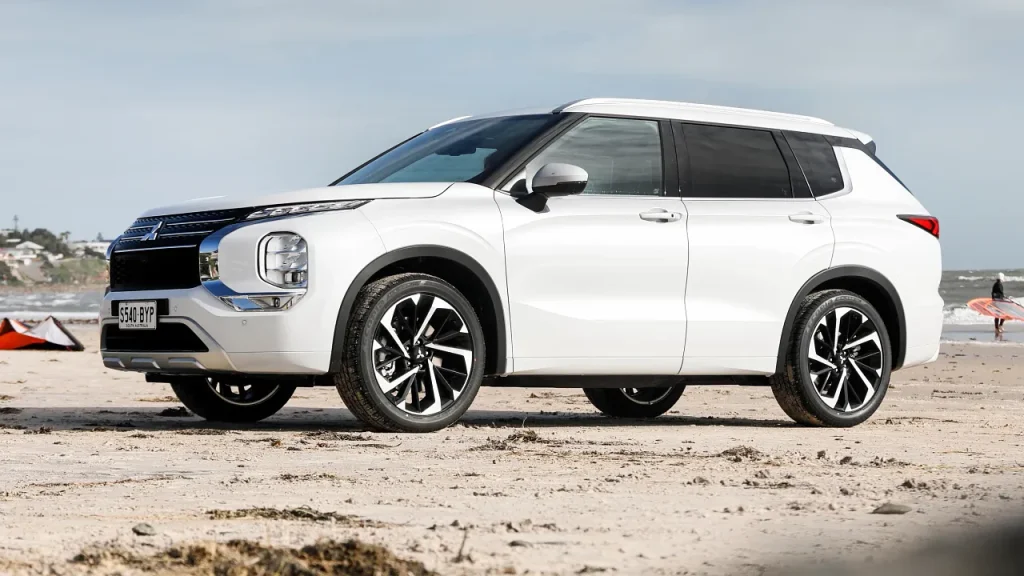
Another reason it appears here is because Mitsubishi historically relied heavily on supplier CVT designs rather than developing fully unique systems. This sometimes resulted in conservative but not class leading durability improvements compared to brands investing more heavily in continuous redesign.
This example serves as a reminder that buyers should consider the entire ownership ecosystem. Parts availability, technician familiarity, and repair cost trends matter just as much as design theory.
3. Jeep Compass
The Jeep Compass represents a different type of CVT concern. Here the issue is not only the transmission itself but how it interacts with the vehicle’s intended purpose. Jeep markets the Compass with rugged styling and light adventure capability, yet CVTs are generally not ideal for repeated torque shocks that can occur during rough terrain driving.
The mismatch between brand image and transmission behavior is one reason it appears here. Buyers expecting traditional Jeep toughness may unknowingly subject the CVT to driving conditions that accelerate wear. Even moderate trail use can create stress patterns very different from city commuting.
Another factor is calibration. Some Compass CVTs have been criticized for hesitation during low speed maneuvers. While not always a failure indicator, this behavior suggests aggressive efficiency programming that may prioritize fuel numbers over mechanical comfort margins.
This vehicle is included because it highlights how application matters as much as design. A CVT may perform well in a sedan but face very different durability expectations in a crossover marketed for versatility. That difference makes long term outcomes harder to predict.
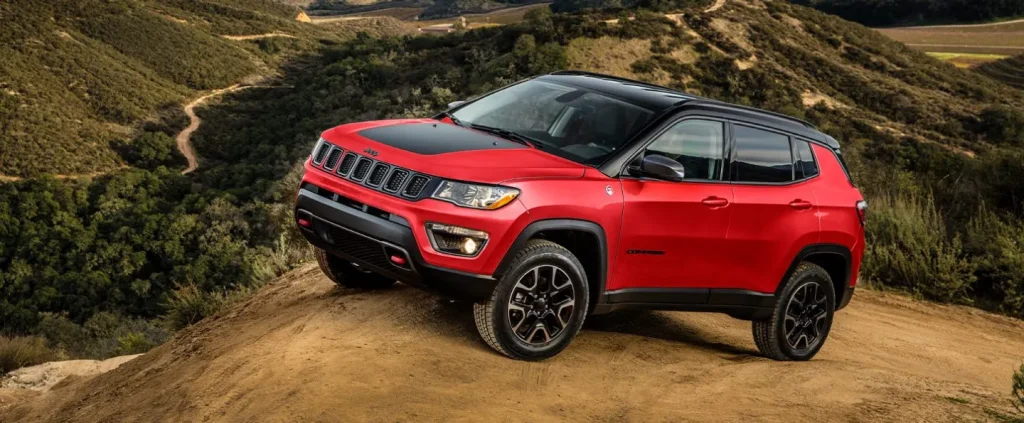
Cost trends also play a role in its inclusion. Replacement costs relative to vehicle resale value can make failures financially painful. This risk becomes more noticeable as these vehicles age and warranties expire.
This example demonstrates an important buying lesson. Transmission choice should match vehicle purpose. When those priorities do not perfectly align, long term durability confidence may be lower than expected.
4. Chevrolet Malibu (CVT Models)
The Chevrolet Malibu enters this discussion because it represents a case where a transmission is not widely known for catastrophic failure, yet still raises enough long term questions to deserve caution. Sometimes the biggest risk is not frequent breakdowns but uncertainty about durability beyond average ownership periods.
One of the main reasons this CVT draws attention is how quietly it operates while potentially masking strain. Some owners have reported subtle shudder behavior developing gradually rather than obvious warning signs. This makes early detection difficult compared to transmissions that show clear symptoms before failure.
Another point worth discussing is how General Motors approached the CVT mainly from an efficiency compliance perspective. The focus was clearly on meeting fuel economy targets and emissions standards.
While this is understandable, it sometimes resulted in conservative hardware that was not necessarily designed for extremely long ownership cycles compared to more proven automatic transmissions.
This Malibu is included because it shows a different kind of risk category. Not every questionable CVT has a scandal attached to it. Some simply lack the long track record needed to confidently predict 10 to 15 year durability outcomes.
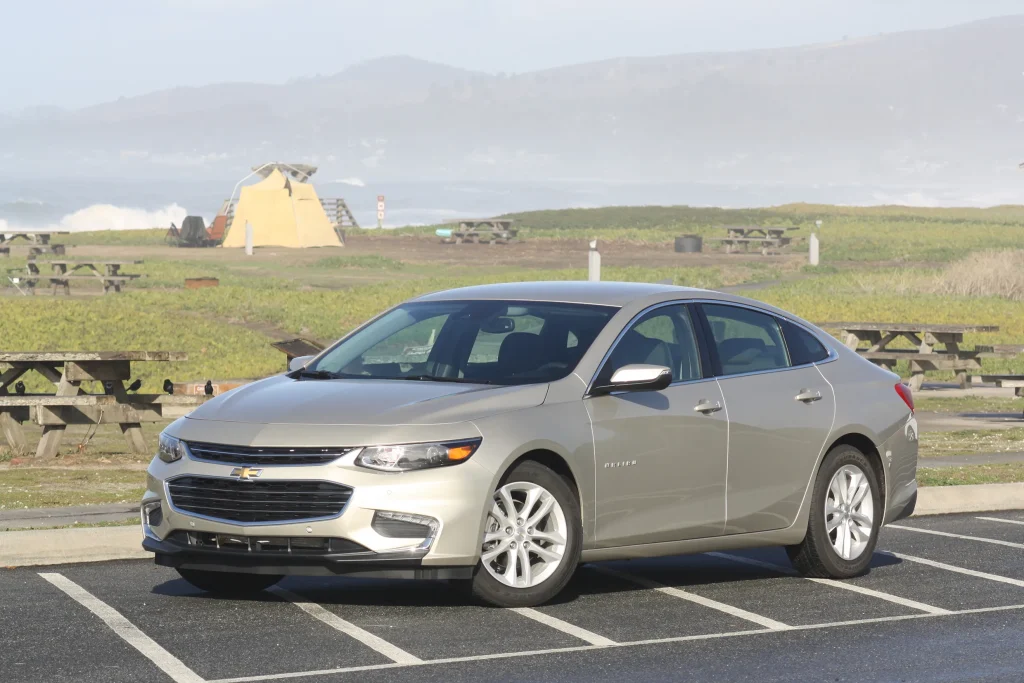
There is also the matter of resale behavior. Vehicles with uncertain transmission perception sometimes depreciate faster once warranties expire. That financial impact can matter just as much as mechanical reliability when evaluating total ownership cost.
It deserves mention because it reminds buyers that reliability is partly about confidence. When long term data is limited or mixed, caution becomes reasonable even without widespread failure reports.
5. Ford EcoSport
The Ford EcoSport closes this list because it illustrates how transmission choice can feel outdated even if it is not fundamentally defective. The concern here is less about dramatic failure rates and more about refinement gaps and durability perception compared to newer competitors.
One reason it appears here is how the CVT can feel strained when paired with a relatively modest engine trying to move a tall crossover body. When a powertrain operates close to its limits during everyday driving, long term mechanical fatigue becomes a realistic concern even if no immediate issues appear.
Another factor involves market evolution. As newer CVTs introduced better simulation programming and smoother ratio transitions, older designs like this began to feel less sophisticated. That does not automatically mean failure, but it can mean less optimized stress management compared to newer engineering.
This vehicle is included because it highlights how quickly transmission technology evolves. What was considered acceptable a few years ago may now feel behind the curve in both smoothness and expected lifespan margins.
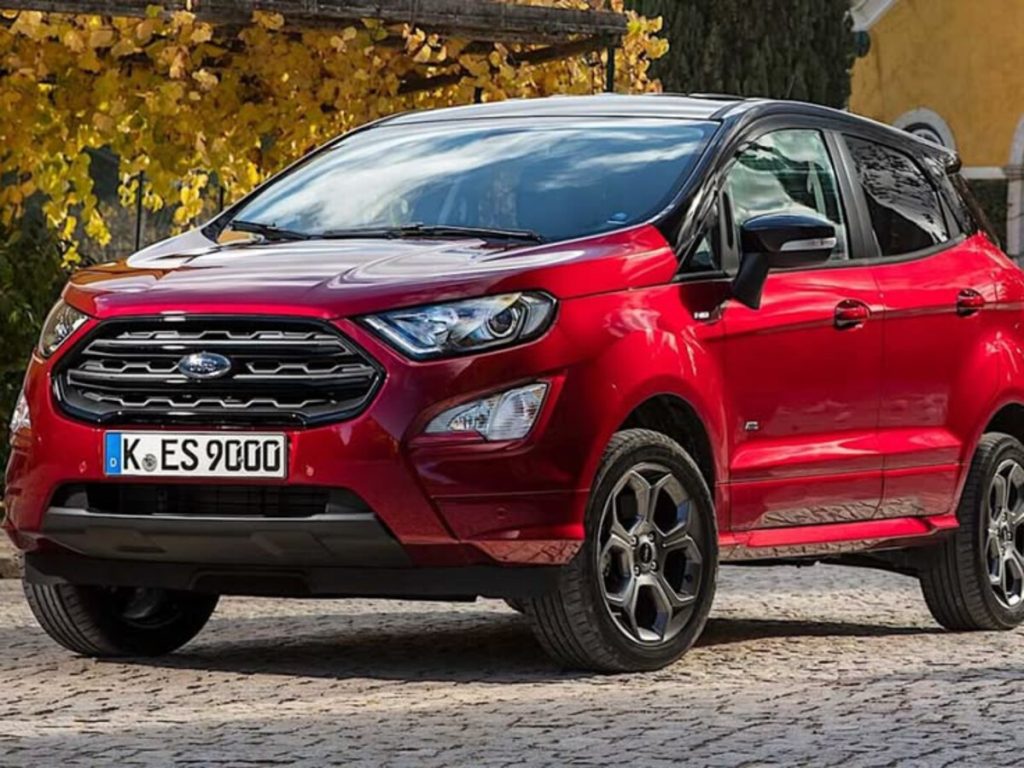
Parts pricing also plays a role. As the model has been discontinued in several markets, long term parts sourcing could become more complicated. That kind of uncertainty adds another layer of ownership consideration beyond basic reliability.
This example finishes the list because it reinforces a final important message. Avoiding risk is not only about avoiding known failures. It is also about recognizing when a design has been surpassed by better engineered alternatives.
Also Read: 5 SUVs With Clear Blind Spot Visibility vs 5 With Dangerous Sightlines