
In the northern parts of the United States and Canada, winter brings more than just cold temperatures and snowstorms. It also brings road salt, a chemical necessity that helps keep highways safe but quietly destroys thousands of vehicles every year.
This region, often called the Salt Belt, includes states like Michigan, Ohio, Pennsylvania, and New York, where corrosion is not just possible but almost guaranteed if vehicles are not built to withstand it.
Automakers understand this challenge, but not all vehicles are engineered the same way. Some manufacturers invest heavily in rust prevention through galvanization, improved undercoating, corrosion resistant fasteners, and better drainage design.
Others cut costs in areas buyers cannot easily see, which can lead to expensive structural damage years later.
What makes this topic important is that rust is not just cosmetic. Surface rust may look harmless, but deep corrosion can weaken suspension mounting points, brake lines, fuel lines, and even structural frames. Once this kind of damage begins, repair costs often exceed the value of the vehicle.
This comparison exists because some vehicles have proven they can survive brutal winters with minimal corrosion even after a decade of use, while others develop rust problems far earlier than owners expect. Knowing which models hold up can save buyers thousands of dollars and prevent dangerous structural failures.
This article looks at both sides. First, we examine five vehicles known for exceptional durability in salt heavy regions. These vehicles have earned reputations through owner reports, mechanic feedback, and long term reliability data.
After that, we will look at five vehicles known for developing rust issues faster than expected, often surprising owners with repair costs.
Understanding these differences helps buyers make smarter used car decisions, especially in regions where winter road treatment is unavoidable.
Also Read: 5 Vehicles With Intuitive Physical Knobs vs 5 With Distracting Screens
5 Vehicles Built to Survive the Salt Belt
Not every vehicle that survives harsh winters does so by accident. The best performers tend to share engineering philosophies focused on longevity rather than short term cost savings.
This includes extensive use of galvanized steel, better seam sealing techniques, plastic shielding for vulnerable components, and careful routing of lines and wiring away from moisture traps.
Another major factor is how manufacturers design drainage. Water that gets trapped inside doors, tailgates, or frame channels accelerates corrosion dramatically. Vehicles that last longest often have smarter drainage paths and fewer hidden pockets where salty water can sit.
This section focuses on vehicles that repeatedly show strong resistance to rust even after years in difficult climates. The goal is not to claim these vehicles never rust, because every vehicle eventually can, but rather to highlight those that delay corrosion far longer than average when properly maintained.
I am writing about these vehicles because many used car buyers focus only on mileage and engine reliability while ignoring body durability. A mechanically reliable vehicle can still become worthless if rust destroys the structure. Rust resistance should be considered just as important as engine longevity.
These vehicles also show how good engineering decisions pay off long term. Owners often keep these models longer because the bodies remain solid even when mileage climbs. That changes the ownership experience completely compared to vehicles that begin showing corrosion within a few winters.
The five vehicles below earned their place because of consistent durability reports, strong owner satisfaction in winter states, and design features that actively reduce corrosion risks rather than simply reacting to them.
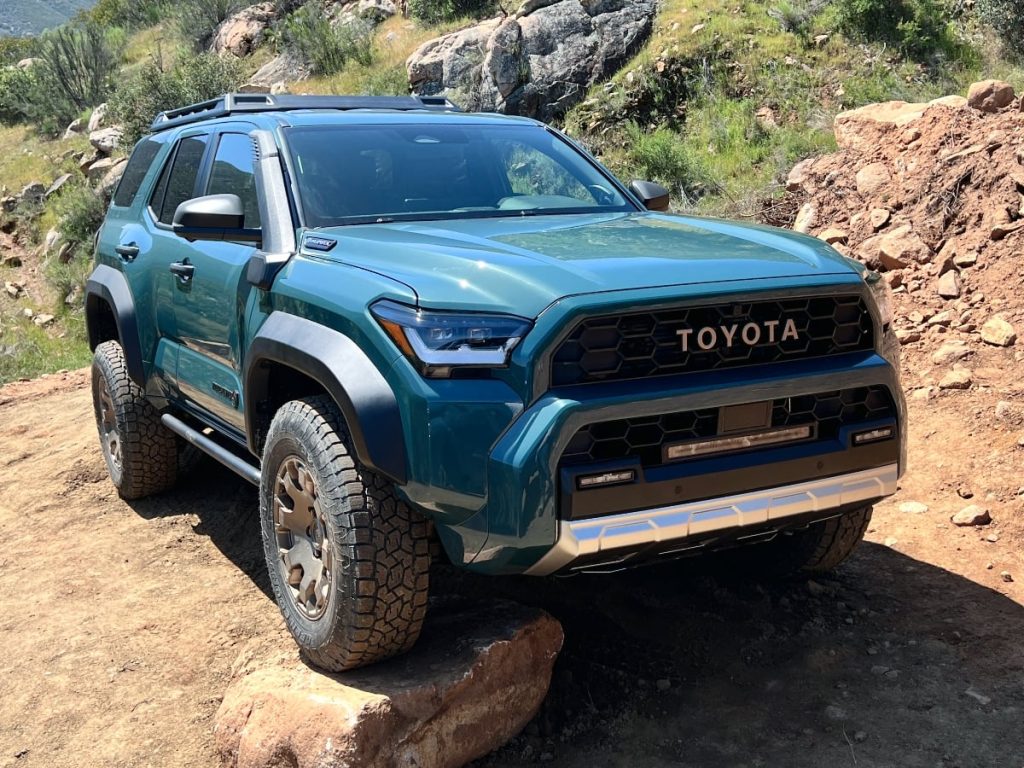
1. Toyota 4Runner
The Toyota 4Runner has built a reputation not just as an off road SUV but as a long term durability champion in regions where winter destroys lesser vehicles. Its body on frame construction plays a major role in this. Unlike many crossovers, the 4Runner uses a thick steel frame that receives substantial factory corrosion protection.
Toyota also invested heavily in protective coatings underneath the vehicle. Owners often notice thick factory undercoating and well protected suspension components. Brake and fuel lines are routed in ways that reduce exposure to salt spray, which is something mechanics often praise when comparing it to competitors.
I am including the 4Runner because it represents a rare example of an SUV designed with long ownership in mind rather than short lease cycles. Many examples in northern states remain structurally solid after fifteen years, something that cannot be said for many modern SUVs.
Another reason this vehicle stands out is its simple design philosophy. Fewer complex body seams mean fewer rust starting points. The vehicle also sits high off the ground, which reduces constant exposure to slush compared to low sedans.
Long term owner behavior also supports its inclusion. Many 4Runner buyers are enthusiasts who maintain their vehicles carefully, applying rust protection and washing underbodies frequently. This culture of maintenance reinforces its already strong engineering.
Mechanics often mention how rarely they see catastrophic rust on newer generation 4Runners compared to similarly aged competitors. While older Toyota trucks from the early 2000s had frame rust issues, later improvements significantly changed that narrative.
This SUV belongs on this list because it demonstrates how strong structural engineering, conservative design, and attention to corrosion protection can dramatically extend vehicle life in harsh climates.
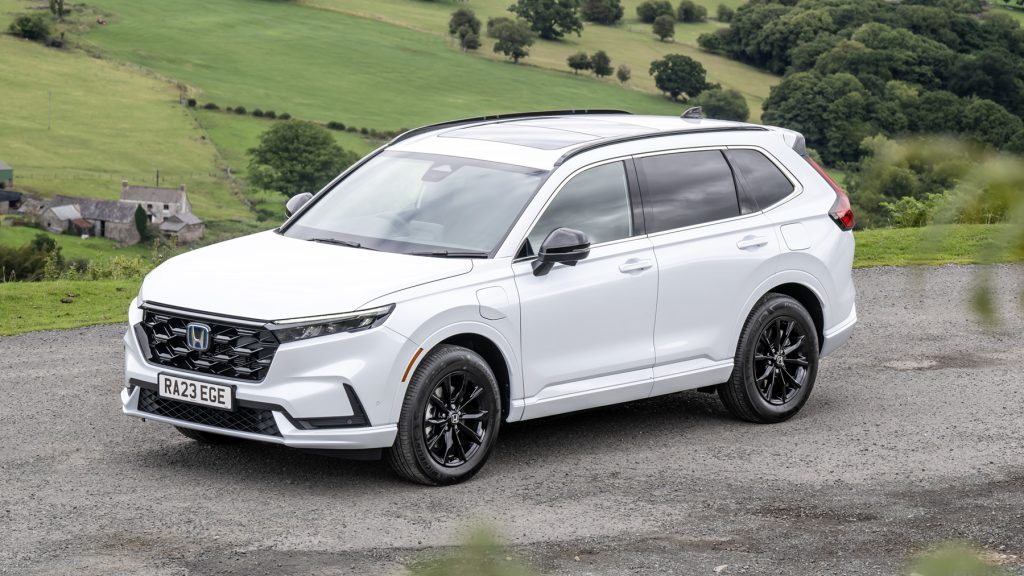
2. Honda CR V
The Honda CR V earns its place differently than a truck based SUV. Instead of relying on heavy frame construction, Honda focused on corrosion prevention through material treatment and body design improvements.
Honda gradually improved rust resistance through the 2010s by increasing the use of galvanized steel and improving paint quality. Owners in snowy climates frequently report that the CR V holds up better than many compact SUV rivals in the same price range.
This vehicle is included because it represents something important for practical buyers. Not everyone wants a truck based SUV. Many people want fuel efficiency and comfort but still need winter durability. The CR V proves that a unibody crossover can still survive harsh climates when engineered correctly.
One interesting advantage comes from its aerodynamic shaping. Smooth body contours reduce areas where slush collects. Honda also improved wheel well liners and splash guards, which protect critical metal surfaces from constant salt spray.
I am writing about the CR V because it shows how incremental engineering improvements matter. It did not become rust resistant through one major redesign. Instead, Honda refined materials, coatings, and assembly techniques over multiple generations.
Owners also report that door bottoms and tailgates tend to resist corrosion longer than expected if basic washing is maintained. This indicates proper internal sealing and drainage design.
This SUV deserves recognition because it demonstrates that durability does not always require heavy duty construction. Sometimes careful attention to materials and corrosion pathways can achieve similar long term results.
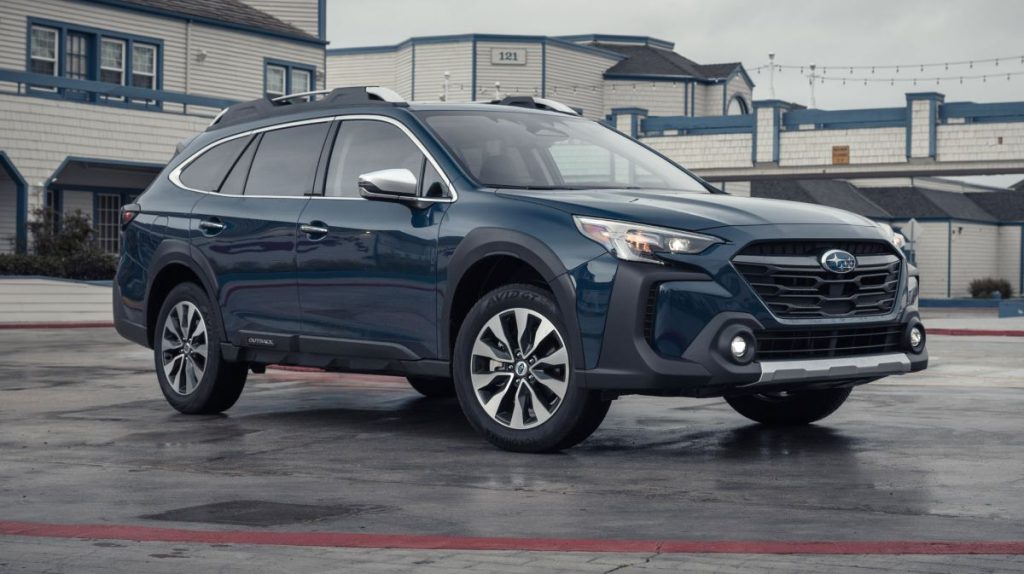
3. Subaru Outback
The Subaru Outback enters this discussion from a completely different angle. Instead of focusing on heavy construction or luxury grade coatings, Subaru built its reputation in cold weather regions by understanding how its customers actually use their vehicles.
Many Outbacks live in mountain states and snow heavy areas, which forced Subaru to prioritize winter durability earlier than many competitors.
One detail that often goes unnoticed is Subaru’s extensive use of protective cladding. The plastic body trim that some people view as styling actually serves a defensive purpose. These panels protect lower body metal from direct salt impact, especially around wheel arches where corrosion usually begins first.
This vehicle is included because it shows how smart exterior protection can slow rust formation without adding major cost. The Outback uses sacrificial design thinking. Instead of allowing painted metal to take damage, replaceable trim absorbs abuse.
Another factor that deserves attention is Subaru’s symmetrical all wheel drive layout. Because the drivetrain is balanced and compact, engineers had more flexibility in routing exhaust components and fuel lines away from common corrosion zones. This reduces long term exposure risks.
I am writing about the Outback because it reflects how climate focused engineering can shape a vehicle’s durability story. Subaru did not accidentally create a winter survivor. They built a vehicle specifically for buyers who deal with snow for months each year.
Owner experiences also reveal something interesting. Many Outbacks remain cosmetically clean even when they reach high mileage. While mechanical wear is expected, widespread structural rust complaints are less common compared to some competing wagons and crossovers.
Subaru also improved paint chemistry and seam sealing in later generations, especially after seeing how earlier models aged in Vermont and Colorado. This willingness to refine corrosion resistance shows a feedback driven development approach.
The Outback deserves its position here because it proves that understanding customer environments can lead to vehicles that naturally resist the worst effects of the Salt Belt.
4. Ford F-150 (Aluminum Body Generations)
The Ford F 150 deserves discussion not because it prevents rust in the traditional sense, but because Ford changed the game entirely by reducing the amount of steel exposed to corrosion. When Ford introduced the aluminum body F 150, many people questioned repair costs, but fewer talked about the hidden corrosion advantage.
Aluminum does not rust like steel. While it can corrode, it does not form the destructive flaking oxidation that eats through structural panels in traditional truck bodies. This alone gives newer F 150 models a major advantage in salt heavy environments.
This truck appears on this list because it represents a radical engineering solution rather than an incremental improvement. Instead of simply adding thicker coatings, Ford reduced the amount of vulnerable material.
Another reason for its inclusion comes from fleet data. Work trucks often experience the harshest winter exposure because they cannot avoid bad weather. Many fleet operators reported better body condition over time compared to older steel body trucks.
I am highlighting this truck because it shows how material science can change durability outcomes more dramatically than coatings alone. Even if the steel frame underneath still requires protection, eliminating steel body panels removes many traditional rust hotspots like door skins and bed sides.
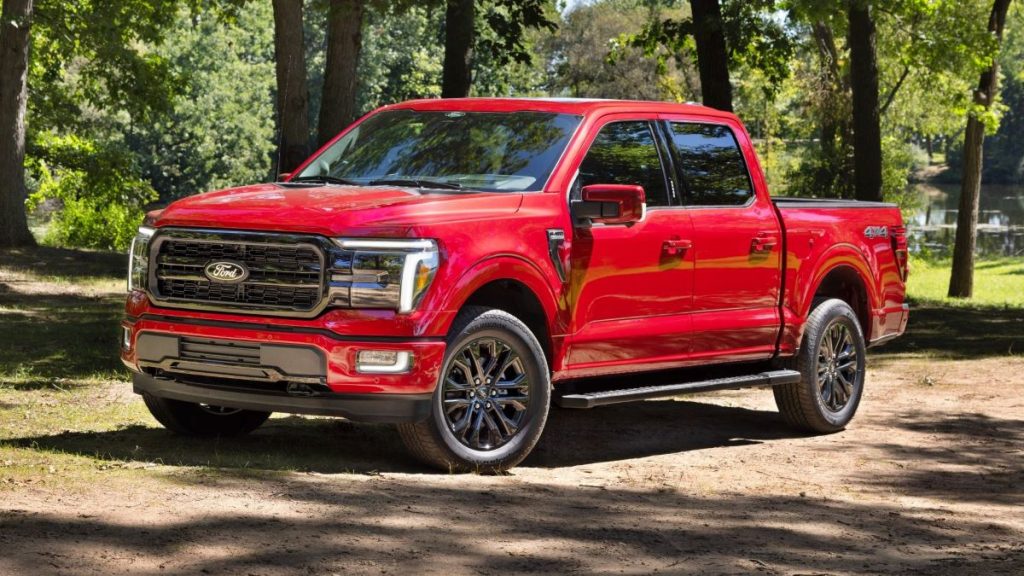
The change also influenced the industry. After Ford proved aluminum could work at scale, other manufacturers began reconsidering how materials affect long term ownership costs.
Interestingly, the F 150 also benefits from modern factory rust proofing processes applied to the remaining steel components. This combination of new materials and improved coatings creates a layered defense strategy.
This truck belongs here because it shows that sometimes the best rust prevention strategy is rethinking what the vehicle is made from in the first place.
5. Lexus GX 460
Some vehicles earn their place on durability lists not because they are common, but because they quietly demonstrate what happens when a manufacturer refuses to compromise on long term build quality. The Lexus GX 460 fits this description perfectly.
While it is often discussed as a luxury SUV, its true strength comes from its truck derived engineering and extremely conservative design philosophy.
Unlike many luxury SUVs that prioritize weight savings, Lexus stayed with proven body on frame construction derived from global Land Cruiser platforms. This matters because the structural components are designed for global markets where road conditions can be far worse than North American winters.
This SUV appears here because it represents a philosophy where durability comes before trend chasing. Lexus did not redesign this vehicle frequently, which allowed engineers to refine corrosion protection over time instead of constantly reinventing parts.
The paint quality also deserves attention. Lexus has long been known for multi stage paint processes that provide better long term protection than average coatings. Owners frequently report that even after years in snow states, paint maintains its integrity, which delays rust formation significantly.
Another detail that often gets overlooked is hardware quality. Fasteners, brackets, and connectors on the GX tend to use higher grade materials than typical mass market SUVs. This reduces the small corrosion failures that often spread into larger problems.
I am writing about this vehicle because it highlights something many buyers overlook. Luxury sometimes means better longevity, not just better interiors. When manufacturers build vehicles expecting long ownership cycles, corrosion resistance usually improves as a side effect.
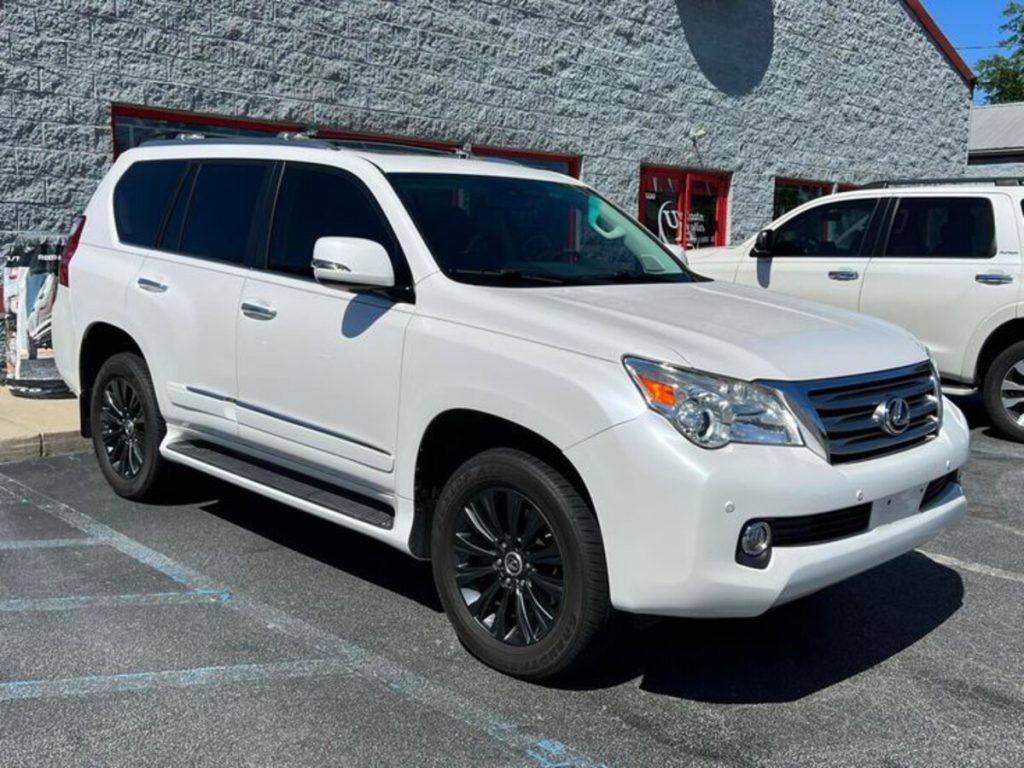
Mechanics often comment that the GX ages like a commercial vehicle disguised as a luxury SUV. Underneath the leather and technology is a structure designed to last decades rather than warranty periods.
The GX 460 earns its place because it shows how conservative engineering, premium materials, and global durability standards can produce a vehicle that holds together exceptionally well even in the harshest winter environments.
5 That Rust Quickly
Just as some vehicles build reputations for surviving harsh winters, others become cautionary examples of what happens when corrosion protection is not a priority. In many cases, these vehicles are not mechanically unreliable. Engines and transmissions may perform well, but body deterioration becomes the reason owners are forced to sell or scrap them.
Rust problems usually do not come from one single flaw. Instead, they come from a combination of cost cutting decisions. Thin paint, poor drainage design, exposed weld seams, and minimal underbody protection all contribute. When these weaknesses combine with heavy salt exposure, corrosion accelerates rapidly.
I am writing this section because buyers often assume modern vehicles no longer rust like older cars did. Unfortunately, that is not always true. While technology has improved, some models still develop corrosion earlier than expected, especially if they are not washed frequently in winter.
Another reason this topic matters is resale value. Two vehicles with identical mileage can have dramatically different values if one has rust damage. Structural corrosion scares buyers and increases inspection failures.
This list focuses on vehicles that developed reputations for premature rust complaints from owners and technicians. That does not mean every example will rust quickly, but these models show higher risk compared to segment averages.
Understanding these vehicles helps buyers inspect used examples more carefully and helps current owners take preventive action earlier.
1. Nissan Rogue (Early to Mid 2010s Models)
The Nissan Rogue became extremely popular due to affordability and fuel economy, but durability in harsh winter regions was not always one of its strengths. Owners in northern climates frequently reported early corrosion around subframes and suspension mounting areas.
One of the main reasons this vehicle appears here involves underbody protection. Compared to some rivals, protective coatings on certain components appeared thinner, allowing salt exposure to begin affecting metal sooner.
This crossover is included because it demonstrates how popularity does not always equal durability. High sales numbers sometimes hide long term issues that only appear after vehicles age outside warranty coverage.
Another commonly discussed issue involved rear liftgate corrosion in some model years. Water management and seam protection appeared less robust than competitors, allowing rust to begin from inside seams where it was not visible until bubbling appeared.
I am highlighting the Rogue because it teaches an important lesson about used car inspections. Buyers should not assume a newer looking vehicle is structurally healthier. Corrosion underneath can progress even while exterior paint still shines.
Technicians in salt heavy states sometimes note that careful rust proofing treatments significantly help these vehicles, suggesting the base design needed more protection than provided from the factory.
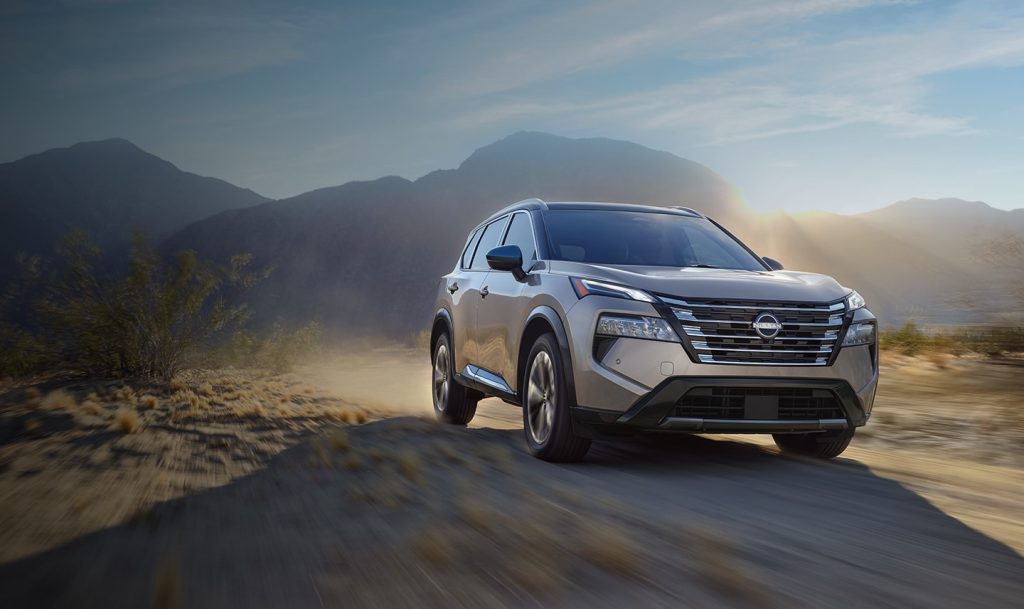
The Rogue makes this list not to criticize the entire vehicle, but to emphasize how corrosion protection differences between competitors can change long term ownership costs dramatically.
2. Chevrolet Equinox (Pre 2018 Generations)
The Chevrolet Equinox tells a different story. Instead of one widely discussed rust point, complaints tended to involve multiple smaller corrosion areas that collectively affected ownership satisfaction.
Some owners reported corrosion forming along door bottoms and rocker panels earlier than expected, particularly in regions with aggressive winter road treatment programs. These areas are especially vulnerable because they constantly receive spray from the front tires.
This SUV is included because it shows how design details influence durability. Drainage holes that clog easily or seams that trap debris can quietly accelerate rust formation without owners noticing until damage spreads.
I am writing about the Equinox because it reflects a common problem in mass market vehicles built to meet competitive price points. When manufacturers try to balance cost and features, corrosion protection sometimes receives less attention than visible technology.
Another factor sometimes mentioned involves brake line corrosion in older examples. While not unique to this model, exposure routing plays a role in how quickly such components deteriorate in salt environments.
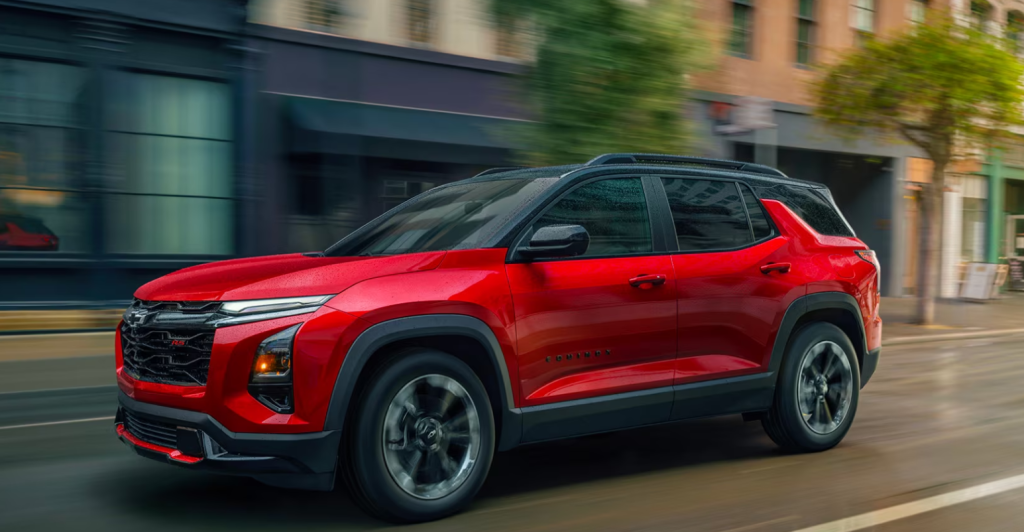
Despite these concerns, many Equinox vehicles remain reliable mechanically, which makes corrosion even more frustrating for owners. When powertrains last but bodies deteriorate, the ownership experience becomes disappointing.
The Equinox appears here because it demonstrates how small engineering compromises can accumulate into noticeable long term durability differences.
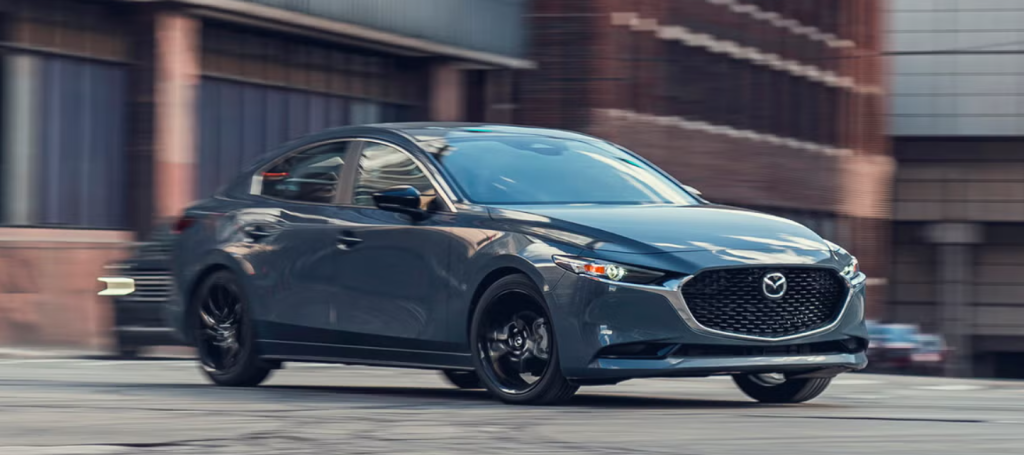
3. Mazda 3 (2010 to 2016 Generation)
The Mazda 3 built a strong reputation for driving enjoyment, sharp styling, and excellent fuel economy, but in salt heavy regions its long term corrosion resistance did not always match its dynamic strengths.
Owners in northern climates often discovered that the car aged beautifully mechanically while the body sometimes told a different story after several winters.
What makes this car particularly important to include is Mazda’s historical struggle with rust protection in the late 2000s and early 2010s. While improvements came later, this specific generation still appears frequently in discussions about premature corrosion, especially around rear wheel arches and lower door edges.
Unlike trucks where rust often begins underneath, the Mazda 3 sometimes showed visible body panel corrosion earlier than expected. This changes the ownership experience because cosmetic deterioration affects resale value even when the vehicle remains reliable.
There is also a lesson here about design tradeoffs. Mazda focused heavily on weight reduction and sporty engineering during this period. While that improved performance and efficiency, thinner material usage combined with less aggressive corrosion coatings created vulnerability in harsh climates.
I am writing about this car because it represents how engineering priorities influence durability outcomes. When manufacturers chase driving dynamics and efficiency, other areas sometimes receive less focus. That does not make the vehicle bad, but it does create different ownership risks depending on climate.
Owners who applied aftermarket rust protection often reported much better outcomes, which suggests the platform itself was not fatally flawed but simply under protected from the factory for severe winter use.
This vehicle belongs on this list because it reminds buyers that a fun and reliable car can still suffer from environmental durability weaknesses. Climate suitability matters just as much as mechanical reliability when choosing a used vehicle.
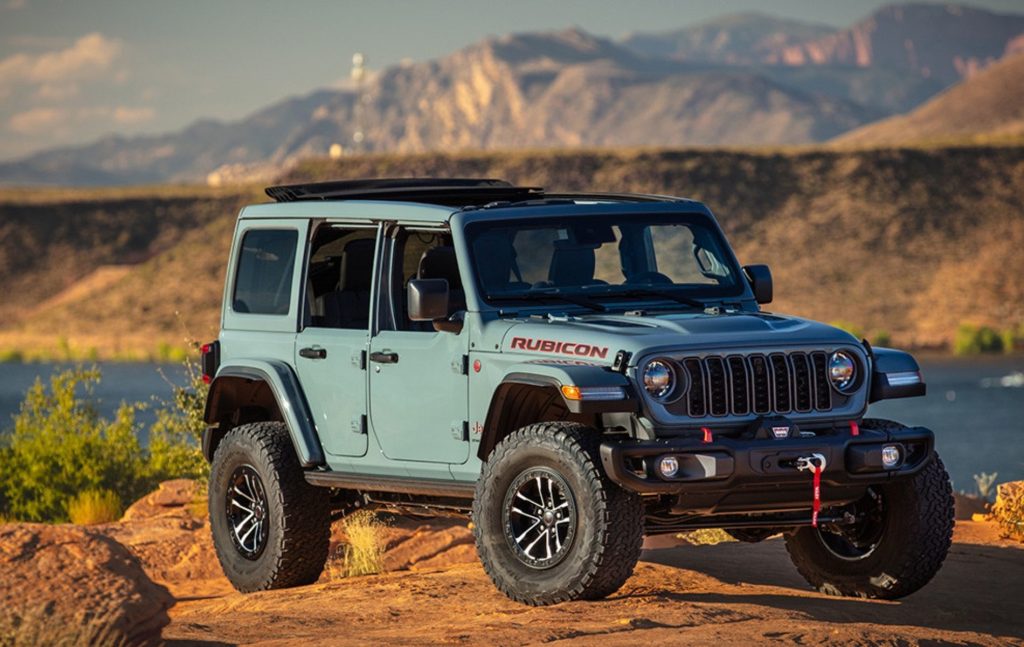
4. Jeep Wrangler (JK Generation)
The Jeep Wrangler JK presents a completely different corrosion story. Unlike sedans where rust may start subtly, Wrangler corrosion often appears in very visible places. Hinges, door edges, hood seams, and frame sections sometimes show oxidation that stands out clearly against the vehicle’s rugged image.
What makes this surprising is the Wrangler’s reputation for toughness. Buyers often assume a vehicle designed for off road use must automatically resist environmental damage. In reality, off road durability and corrosion resistance are separate engineering challenges.
This vehicle is included because it highlights how design style can unintentionally create rust opportunities. Exposed hinges, removable doors, external fasteners, and modular body panels all introduce additional seams where moisture can enter.
Another important point involves usage patterns. Many Wranglers see year round outdoor exposure because owners treat them as recreational vehicles. Constant exposure to snow, mud, and salt without frequent cleaning increases corrosion risk compared to typical commuter vehicles.
I am including the Wrangler JK because it demonstrates how lifestyle vehicles sometimes prioritize character over longevity details. The same design elements that make it iconic also create more corrosion starting points.
Frame rust discussions also appear frequently in owner communities, particularly in regions with aggressive winter road treatment. This shows how even traditional body on frame construction needs strong protective treatment to survive the Salt Belt.
The Wrangler JK makes this list because it teaches an important reality. Image and durability reputation do not always guarantee resistance to environmental wear. Buyers must separate off road strength from corrosion resistance when evaluating long term ownership expectations.
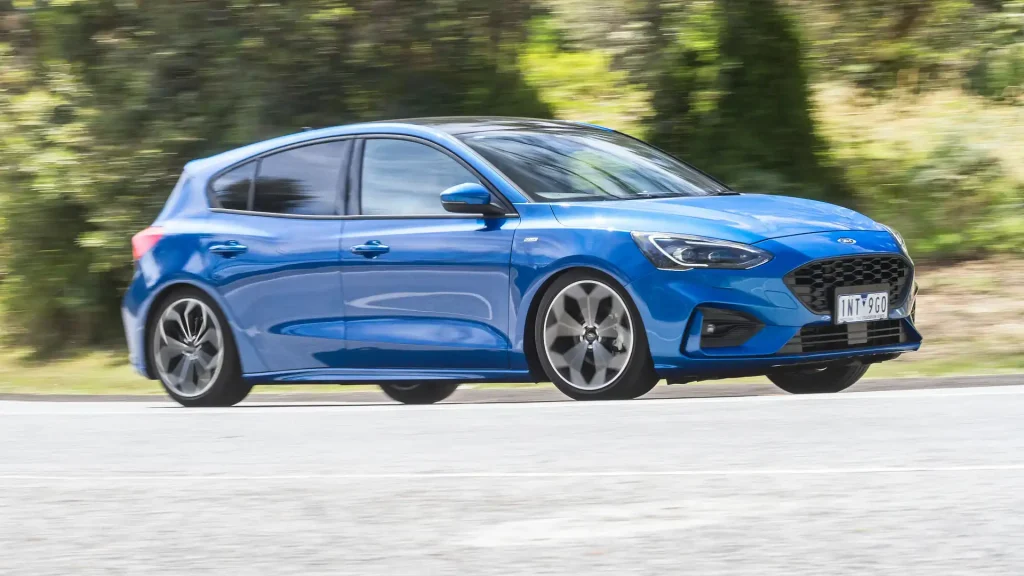
5. Ford Focus (2012 to 2018 Models)
The Ford Focus from the mid 2010s represents a case where a globally popular compact car showed mixed long term durability depending on where it was driven. In mild climates these cars often age normally, but in heavy winter regions corrosion sometimes becomes one of the reasons owners move on from them earlier than expected.
What makes this car worth discussing is how rust tends to appear gradually rather than dramatically. Instead of one major failure point, deterioration can develop quietly along rocker panels, lower fender edges, and underneath mounting points where protective coatings wear away.
This pattern matters because gradual corrosion is easy to ignore in early stages. Small paint bubbles or minor surface oxidation often do not alarm owners. By the time the damage becomes obvious, repairs can already be expensive relative to the value of a compact car.
The Focus appears in this discussion because it reflects how economy cars often face the toughest cost balancing decisions. Manufacturers must keep prices competitive, and sometimes that means corrosion protection is designed to meet average conditions rather than worst case environments like the Salt Belt.
Another interesting aspect comes from ownership cycles. Many compact cars change hands frequently, and later owners may not maintain rust prevention practices as carefully. This accelerates deterioration compared to vehicles owned long term by a single careful owner.
I am writing about this vehicle because it illustrates a practical reality of used car shopping. Buyers looking for affordable transportation often focus only on price and mileage. However, structural condition may determine whether the car remains usable longer than a few winters.
The Focus earns its place here because it demonstrates how environmental durability should be considered part of reliability. A dependable engine means little if corrosion slowly removes the structural integrity of the vehicle.
Also Read: 5 Cars With Simple Oil Change Procedures vs 5 That Are Nightmares
