

Modern vehicles rely on electrical systems more than ever before. From ignition timing and fuel delivery to safety systems and infotainment controls, almost every function depends on sensors, wiring networks, and electronic control modules.
While this technology improves performance and efficiency, it also introduces complexity that can either enhance reliability or create frustrating ownership experiences.
What separates a good used car from a problematic one is often not just engine reliability but how well its electrical architecture holds up over time.
A vehicle with a dependable powertrain can still become a nightmare if it suffers from random warning lights, failing sensors, malfunctioning power accessories, or communication errors between control modules.
This is why electrical reliability deserves more attention when evaluating used vehicles. Mechanical repairs are often predictable and widely understood. Electrical issues are different. They can be intermittent, difficult to diagnose, and expensive because troubleshooting often requires significant labor time rather than simple parts replacement.
Some manufacturers have built reputations for conservative electrical design. They tend to introduce technology gradually, use proven components, and avoid unnecessary complexity. These vehicles often develop loyal followings because they continue working without drama even after years of ownership.
On the other hand, some vehicles become known for electrical gremlins. These may include failing infotainment systems, weak wiring insulation, sensor failures, or software glitches that appear as vehicles age. These problems rarely make headlines when the cars are new but become common discussion topics in owner communities years later.
I am writing this comparison because many used car buyers underestimate how much electrical reliability affects daily ownership. A car that always starts, never shows random warning lights, and has consistently functioning electronics provides peace of mind that is difficult to measure on a spec sheet.
This article first highlights five used cars known for strong electrical reliability before examining five that developed reputations for frustrating electrical problems.
Also Read: 5 Vehicles With Intuitive Physical Knobs vs 5 With Distracting Screens
5 Used Cars With Bulletproof Electrical Systems
Electrical durability rarely gets advertised in car brochures, yet it often determines how stress free ownership feels after the warranty expires. The best electrical systems are usually the least noticeable because they simply work year after year without requiring attention.
Vehicles that perform well in this area often share certain design philosophies. These include simplified wiring layouts, proven sensor technology, limited over dependence on experimental electronics, and gradual integration of new features rather than sudden technological leaps.
I am focusing on these vehicles because many buyers shopping for used cars want dependability above all else. A car that avoids electrical surprises can save both money and time, especially since diagnosing electrical faults often costs more than replacing mechanical parts.
Another reason this topic matters is that electrical reliability often reflects engineering discipline. Manufacturers that test electronic components extensively and avoid unnecessary complexity usually produce vehicles that age more gracefully.
The following five cars have developed strong reputations among mechanics and long term owners for avoiding the kinds of mysterious electrical problems that often plague aging vehicles.
1. Toyota Corolla (2010 to 2018)
The Toyota Corolla stands as one of the clearest examples of how conservative engineering leads to long term electrical stability. Toyota did not rush to introduce overly complex electronic features in this generation. Instead, the company focused on using proven systems that had already demonstrated reliability in previous models.
One reason this car earns recognition is its straightforward wiring architecture. The harness layout is relatively simple compared to more technology heavy competitors. Fewer complicated modules mean fewer communication failures as the vehicle ages.
This car deserves inclusion because it demonstrates how restraint can be a strength. While some rivals added experimental infotainment interfaces and complex driver aids, the Corolla prioritized consistency. That decision resulted in fewer electronic complaints years later.
Another important factor is component sourcing. Toyota tends to work with long established suppliers that emphasize durability. Sensors and switches in these cars often continue working long after similar components fail in competing compact cars.
I am writing about the Corolla because it shows how reliability is often the result of thousands of small decisions rather than one big innovation. Connector quality, grounding points, and protective routing all contribute to long term stability.
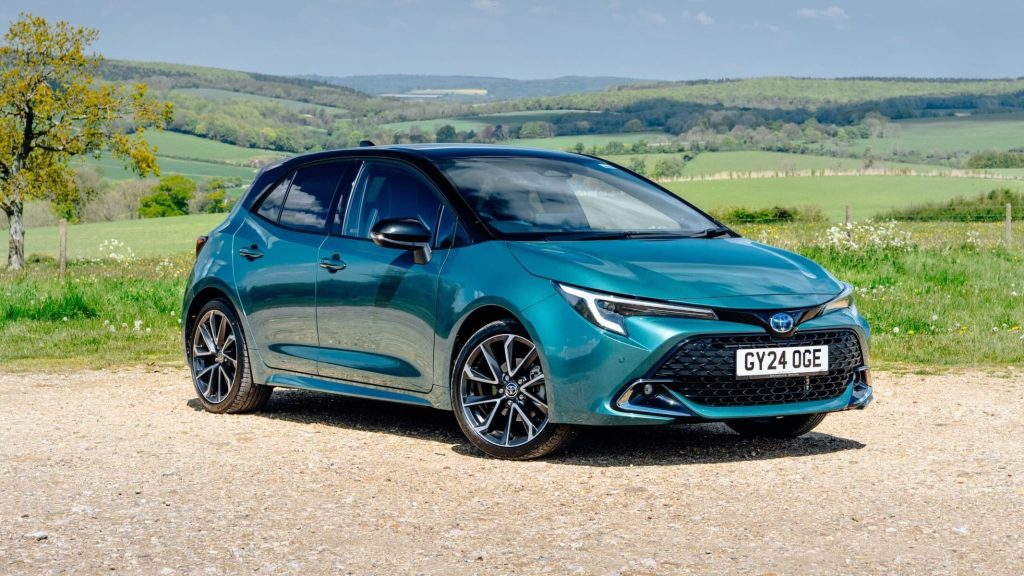
Owners frequently report that basic electrical components such as power windows, instrument clusters, and climate controls continue functioning without major issues even with high mileage. This reinforces its reputation as dependable transportation rather than a technology experiment.
This car belongs here because it shows that sometimes the most reliable electrical system is the one designed to avoid unnecessary complexity.
2. Honda Accord (2013 to 2017)
If the Corolla represents simplicity, the Honda Accord represents balance. Honda managed to include modern features while maintaining a reputation for electrical dependability, which is not always easy as technology increases.
This generation of Accord handled the transition into more connected vehicle technology carefully. Instead of radically changing system architecture, Honda built upon previous designs. That continuity reduced unexpected compatibility issues between components.
This sedan appears here because it shows how careful evolution works better than rapid innovation when reliability is the goal. Honda introduced touchscreen systems and driver assistance features, but they remained relatively intuitive and stable compared to some competitors.
I chose this vehicle because it reflects something many buyers want. A car that feels modern without becoming unpredictable. The Accord manages to provide comfort and technology while still behaving like a traditional reliable sedan.
Another detail worth noting involves electrical redundancy. Honda often builds safeguards into systems so that a failure in one sensor does not cascade into multiple warning lights. This reduces the snowball effect seen in some vehicles where one fault triggers many alerts.
Technicians often mention that diagnosing electrical problems in the Accord tends to be straightforward when they do occur. Clear system logic and accessible components make repairs less frustrating.
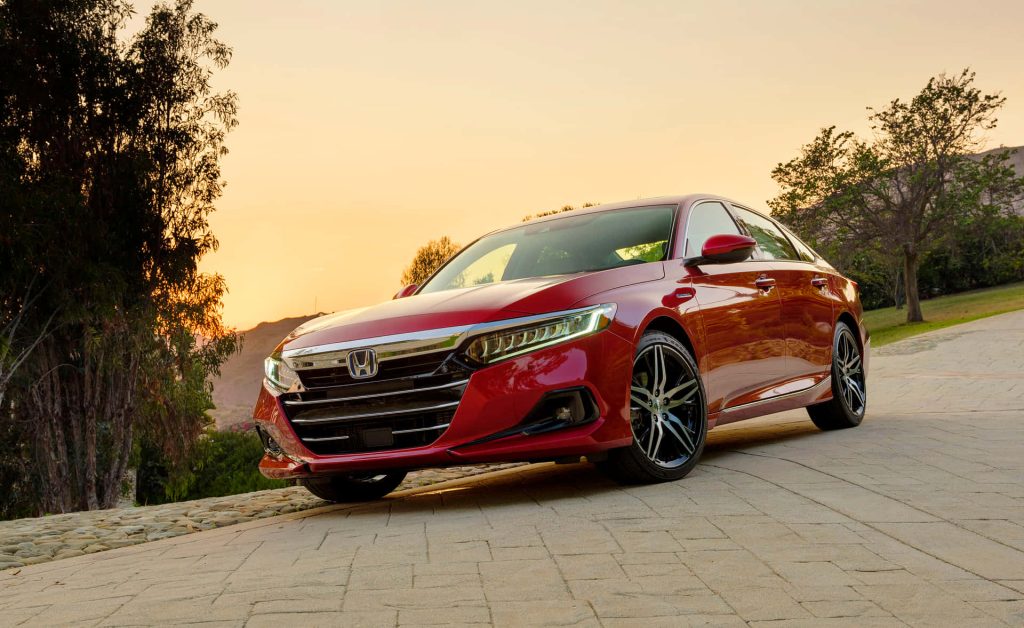
The Accord earns its position because it proves that adding technology does not automatically mean sacrificing reliability if it is introduced with discipline.
3. Lexus ES 350 (2010 to 2018)
There is a certain type of reliability that does not come from simplicity alone but from obsessive refinement.
The Lexus ES 350 fits into that category. It benefits not only from Toyota engineering but also from Lexus quality control standards, which often involve stricter testing of electronic components before production approval.
To understand why this car belongs here, it helps to look at how luxury reliability can differ from mainstream durability. Some luxury brands chase innovation aggressively, but Lexus traditionally focused on making technology dependable before making it impressive. This approach shows clearly in the ES 350.
Instead of pushing cutting edge electronic experiments, Lexus focused on making sure features such as memory seats, climate automation, navigation systems, and keyless entry systems continued functioning long after the novelty period ended.
I am including this car because it represents how reliability can be a luxury feature. Owners often expect refinement and comfort, but what they remember most is that nothing stops working unexpectedly. That kind of consistency builds trust.
The ES also benefits from shared architecture with high volume Toyota models. This allows Lexus to use electrical components that have already proven themselves in millions of vehicles rather than relying on untested designs.
Another interesting strength comes from build consistency. Wiring insulation quality, connector sealing, and moisture protection tend to be above average. These details rarely appear in advertisements but play a major role in preventing age related failures.
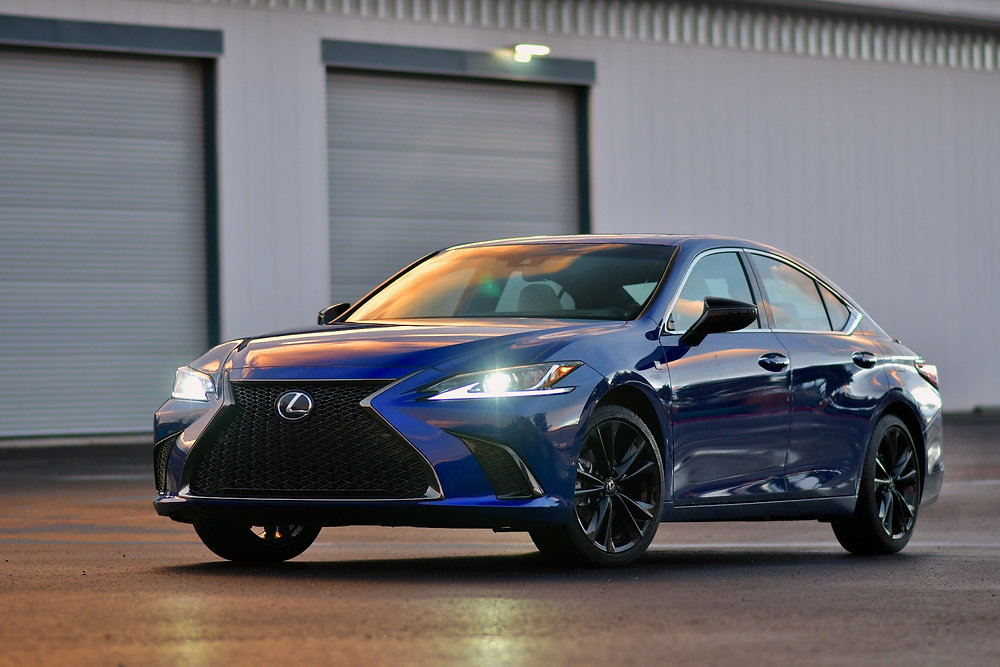
Mechanics sometimes describe the ES as predictable in the best possible way. Failures are rare, and when they do occur they tend to be related to normal wear rather than design flaws.
This car earns its position because it shows how careful refinement, supplier quality, and conservative engineering decisions can produce electrical systems that remain dependable well into high mileage ownership.
4. Mazda MX 5 Miata (2009 to 2015)
The Mazda MX 5 Miata enters this list from a completely different direction. Unlike large sedans filled with features, the Miata achieves electrical reliability through minimalism and focused purpose. It was never designed to be overloaded with electronics. Its mission was to deliver a pure driving experience.
This simplicity becomes a long term advantage. Fewer motors, fewer complex modules, and fewer automated systems mean fewer potential failure points. In many ways, the Miata reflects an older philosophy of automotive design where driving enjoyment mattered more than technological layering.
This car is included because it demonstrates a different path to electrical durability. Instead of making electronics stronger, Mazda simply limited how many were necessary. This naturally reduces aging related electrical surprises.
I am writing about the Miata because it reminds buyers that sometimes the best reliability strategy is choosing a vehicle with fewer complicated features. A simple design often ages better than an ambitious one filled with experimental systems.
Another factor working in its favor is enthusiast ownership. Many Miatas are owned by drivers who maintain their cars carefully and address small issues early. Preventive care often keeps electrical systems healthier over time.
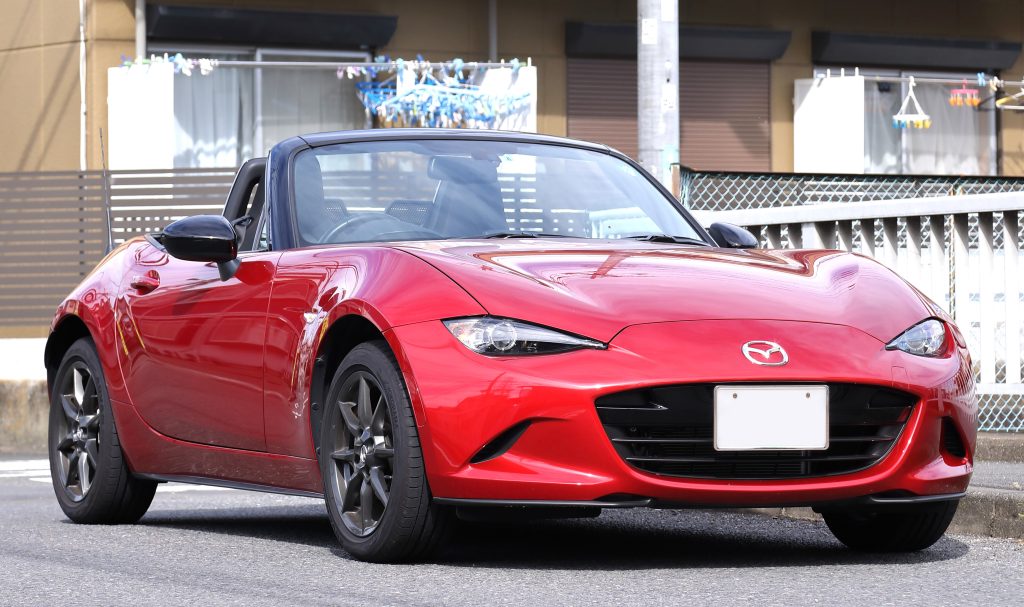
Weather sealing also deserves mention. Convertibles face unique challenges due to potential moisture exposure. Mazda’s attention to sealing connectors and routing wiring away from water intrusion points helped prevent the kinds of electrical problems that sometimes affect aging convertibles.
The Miata belongs here because it proves that durability can come from clarity of purpose. When a car focuses on doing a few things well instead of many things adequately, reliability often improves as a natural result.
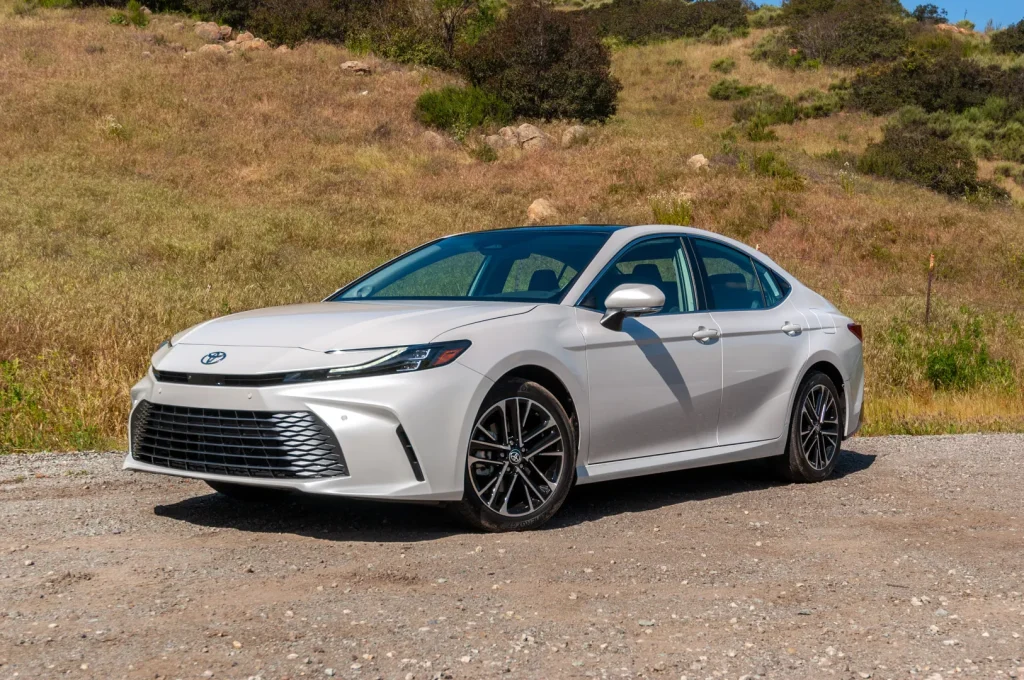
5. Toyota Camry (2012 to 2017)
Some cars earn reputations for reliability through performance, others through comfort, but the Toyota Camry earns its place through consistency.
It rarely surprises owners, and that predictability extends strongly into its electrical systems. While many competitors experimented with new electronic interfaces during this period, Toyota continued refining proven architectures.
A look at owner experiences tells the real story. Many Camry drivers report years of uneventful ownership where electrical components simply continue functioning as expected. No random dashboard warnings, no unexplained battery drains, and very few failures in everyday electronics such as lighting controls or power accessories.
This sedan appears on this list because it represents the value of disciplined engineering. Toyota avoided introducing complex multi layer infotainment integrations that caused trouble in some competing midsize cars. Instead, systems remained modular and easier to isolate if a problem ever developed.
I chose this vehicle because it demonstrates something practical. Used car buyers often want transportation that behaves predictably every day. The Camry became a default recommendation among mechanics partly because its electrical systems rarely created diagnostic mysteries.
Another strength comes from Toyota’s long term supplier relationships. Electrical modules tend to be sourced from companies with proven durability records. This consistency reduces variability in component quality, which is often a hidden cause of electrical failures in some vehicles.
From a design perspective, grounding strategies also play a role. Stable electrical grounding reduces strange intermittent faults, and Toyota has historically invested heavily in this area. These are invisible decisions that pay off years later.
The Camry earns its place because it shows how thoughtful engineering and conservative technology adoption can produce a vehicle where electrical reliability becomes almost taken for granted.
5 Prone to Electrical Gremlins
Electrical problems rarely appear on day one of ownership. They tend to emerge slowly as vehicles age, wiring insulation hardens, connectors experience heat cycles, and software begins interacting with aging hardware. This is why some vehicles develop reputations for electrical frustration only after several years on the road.
The term electrical gremlins does not usually refer to total system failures. Instead, it describes the small but persistent problems that frustrate owners. Random warning lights, failing infotainment screens, malfunctioning sensors, and intermittent starting issues all fall into this category.
I am writing this section because these issues can be more frustrating than major mechanical failures. An engine repair is at least clear and definable. Electrical problems can take multiple diagnostic visits before a root cause is found, which increases ownership stress.
Many vehicles that appear here were ambitious for their time. They introduced advanced features earlier than competitors, but early adoption sometimes meant dealing with immature technology. As these vehicles aged, those early systems sometimes became sources of complaints.
Another reason for this list is to help buyers understand risk rather than avoid specific cars entirely. Many of these vehicles remain good purchases if properly maintained. Awareness simply allows buyers to inspect known trouble areas more carefully.
The following vehicles developed reputations for electrical annoyances reported by owners and technicians over time.
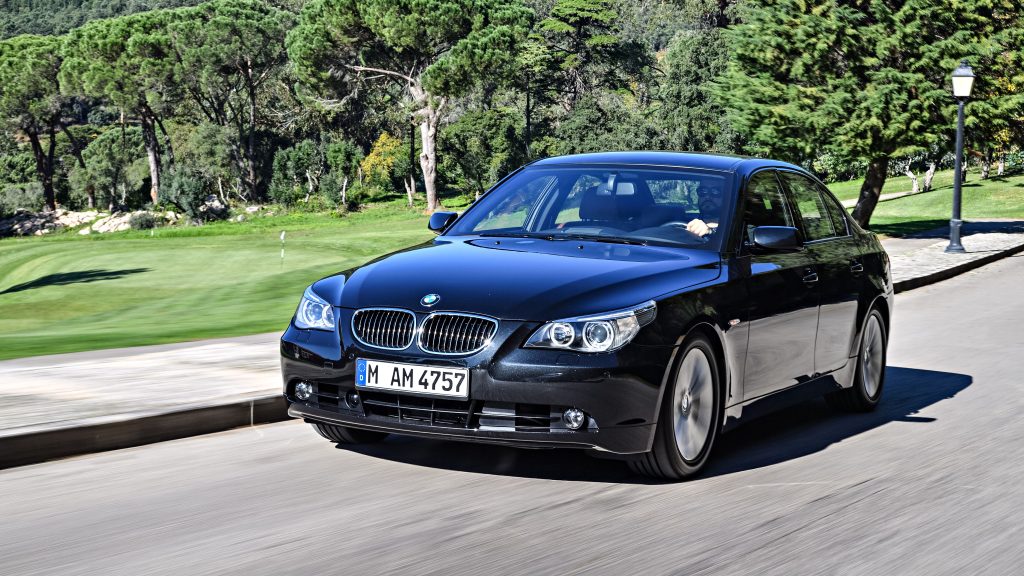
1. BMW 5 Series (2004 to 2010 E60)
The BMW 5 Series from this era represents both technological ambition and the risks that come with it. BMW pushed hard to redefine how drivers interacted with vehicles through early versions of the iDrive system, extensive electronic integration, and advanced driver convenience features.
At the time, this technology felt revolutionary. Years later, it sometimes feels complicated. Early infotainment control modules, complex wiring networks, and multiple interconnected control units created situations where small faults could trigger multiple warning messages.
This car is included because it shows how being ahead of the technology curve can sometimes create aging challenges. Systems that were impressive when new can become difficult to maintain as parts age and replacement costs rise.
I am highlighting this vehicle because it represents an important lesson about complexity. Luxury vehicles often introduce new technology first, which means used buyers sometimes inherit the long term reliability questions.
Battery management systems in this generation also required careful maintenance. Weak batteries sometimes triggered cascading electrical warnings, something owners unfamiliar with the system often found confusing.
Technicians frequently mention that solving electrical issues in this car sometimes requires specialized diagnostic tools and patience. This does not make the vehicle bad, but it does change ownership expectations compared to simpler sedans.
The E60 5 Series appears here because it demonstrates how innovation can sometimes outpace long term simplicity.
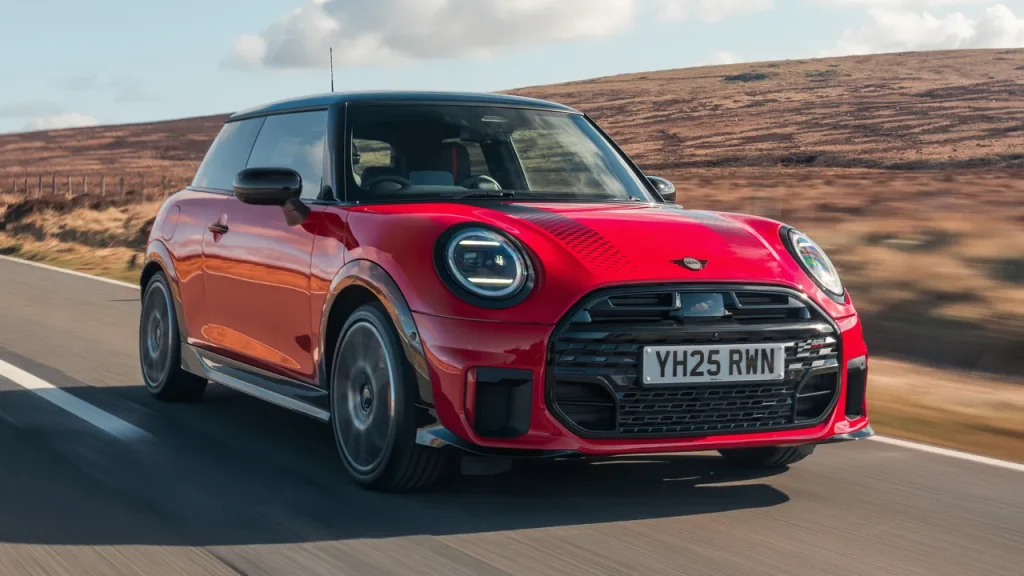
2. Mini Cooper (2007 to 2013)
The Mini Cooper built its appeal on personality and driving character, but electrical reliability was not always part of that charm. Owners sometimes report issues involving sensor warnings, lighting faults, and occasional module failures as the cars age.
What makes this car interesting is how packaging plays a role. The compact design leaves little room for wiring and components, which can expose electrical parts to higher heat concentrations. Heat is one of the most common long term enemies of electronics.
This car is included because it shows how design constraints can affect reliability. Building a small premium car with many features means components are often tightly packed, which can accelerate wear.
I am writing about the Mini because it highlights how style driven vehicles sometimes accept compromises that are not obvious during initial ownership. Buyers are attracted to design and handling, but long term durability depends on less visible decisions.
Another commonly discussed issue involves window regulators and control switches aging earlier than expected. While not catastrophic, these types of failures contribute to the gremlin reputation.
The Mini Cooper earns its place because it illustrates how uniqueness sometimes comes with tradeoffs. Character and charm may be strong, but electrical aging patterns are something buyers should understand before purchase.
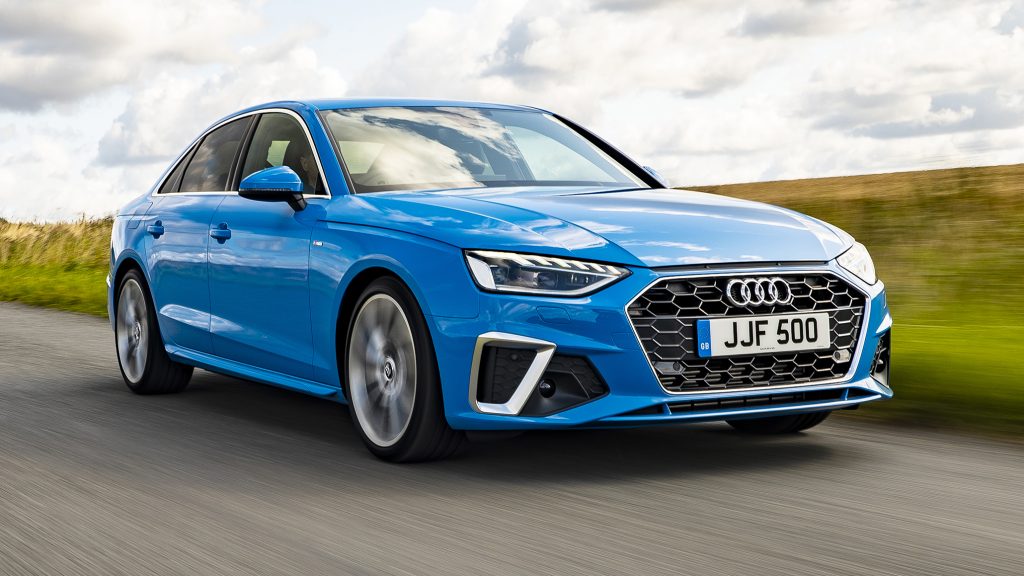
3. Audi A4 (2009 to 2015)
The Audi A4 represents a different kind of electrical risk. Unlike vehicles where problems come from simplicity, this sedan reflects the challenges of managing a highly networked electrical environment.
Audi packed this generation with advanced comfort features, digital displays, electronic driver aids, and complex control integration that felt premium when new but sometimes created ownership challenges later.
Start with the ownership experience often described in forums and repair shops. An owner may first notice a minor inconvenience such as a malfunctioning parking sensor.
Weeks later, an unrelated warning may appear involving lighting or communication errors. Individually these issues may be small, but collectively they shape the car’s electrical reputation.
This car appears on this list because it shows how interconnected electronics can magnify small failures. Modern luxury vehicles often rely on communication networks where modules constantly exchange information. When one sensor fails, it can affect multiple systems instead of staying isolated.
I am including the A4 because it demonstrates how technological density changes aging behavior. The more electronics a car contains, the more potential aging points exist. That does not mean failure is guaranteed, but probability increases compared to simpler vehicles.
Moisture sensitivity has also been discussed by technicians. Some control modules located in vulnerable areas can be affected by water intrusion if drainage systems clog. This reinforces how environmental exposure and electronic complexity often intersect.
Another factor worth mentioning involves repair expectations. Diagnosing electrical concerns in this vehicle sometimes requires specialized knowledge of European diagnostic software, which may not be as accessible in all repair environments.
The Audi A4 belongs here because it highlights how premium engineering sometimes introduces long term complexity. Buyers attracted to refinement should also understand the maintenance discipline required to keep such systems functioning smoothly.
4. Dodge Grand Caravan (2011 to 2019)
If the Audi represents complexity through luxury technology, the Dodge Grand Caravan represents a completely different type of electrical challenge.
As a family focused vehicle packed with convenience features such as power sliding doors, entertainment systems, and multiple control switches, it carried an unusually high number of daily use electrical components.
Minivans experience a unique type of wear. Doors open and close constantly, buttons are pressed thousands of times, and interior electronics are used heavily. Over time, this high usage environment can expose weaknesses in switches, wiring flex points, and small electric motors.
This vehicle is included because it shows how usage patterns influence electrical reliability just as much as engineering design. Even well designed systems can experience stress when used far more frequently than those in typical sedans.
I am writing about the Grand Caravan because it demonstrates something practical about used family vehicles. A minivan with perfect service records can still have worn electrical accessories simply due to how often they are used.
Another commonly discussed topic involves the Totally Integrated Power Module, often called the TIPM. This module controls multiple electrical functions, and failures sometimes resulted in unpredictable behavior such as fuel pump relay issues or accessory malfunctions.
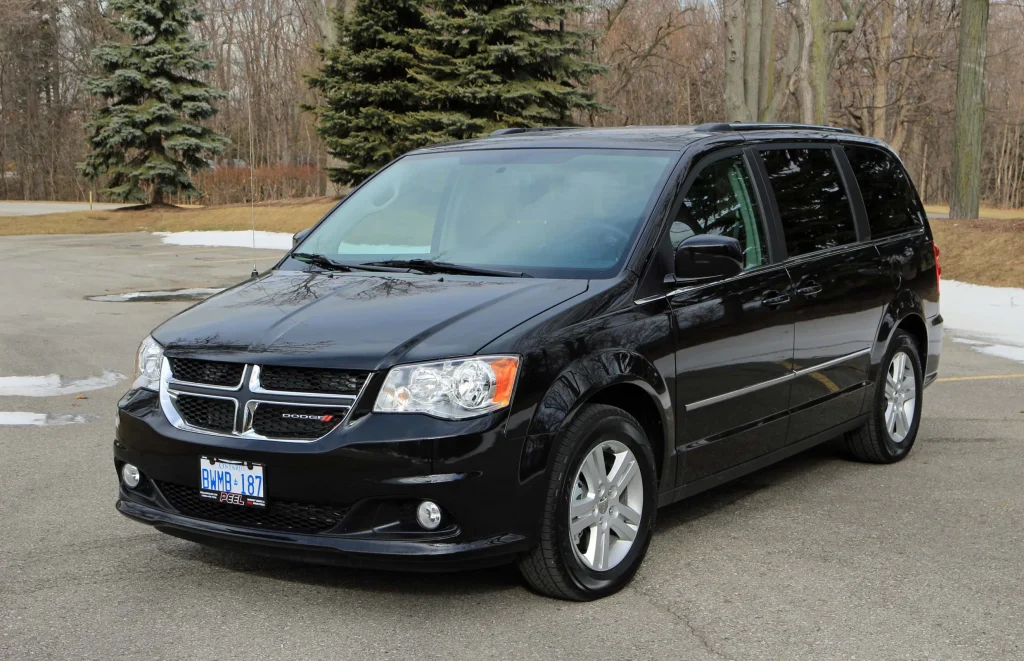
What makes this example important is how centralized electronics can become single points of failure. When many functions depend on one module, even a minor internal fault can create multiple symptoms.
The Grand Caravan earns its place because it teaches an ownership reality. Vehicles designed for heavy daily use must be evaluated not just for engine durability but also for how well their convenience electronics survive constant operation.
5. Volkswagen Passat (2012 to 2018)
The Volkswagen Passat closes this list with a case that sits somewhere between engineering ambition and cost control compromises. This generation was designed to be more affordable for the North American market, but in the process some owners experienced electrical inconsistencies that gradually shaped its long term reputation.
Rather than one defining failure, the Passat developed a pattern of scattered electrical complaints. Some involved infotainment freezing, others involved intermittent warning lights, while a few related to sensor communication errors. None of these alone defined the car, but together they formed a pattern that used buyers should understand.
Think about how electrical aging usually begins. A connector loses perfect contact. A sensor begins sending slightly inconsistent data. A control module experiences voltage variation. In cars with highly sensitive monitoring systems, these small irregularities can trigger warning messages even when the vehicle remains mechanically healthy.
This is one reason I am including the Passat. It illustrates how software sensitivity can influence ownership perception. Vehicles with aggressive monitoring sometimes report faults earlier, even when problems are minor.
Another angle worth considering involves ownership transitions. Many midsize sedans enter second and third ownership quickly. Electrical maintenance such as battery quality, proper replacement parts, and correct diagnostic practices can vary widely between owners, affecting reliability outcomes.
I chose this car because it demonstrates how electrical reliability is not just about hardware but also about ecosystem support. Vehicles requiring brand specific diagnostic procedures may suffer when maintenance shortcuts occur.
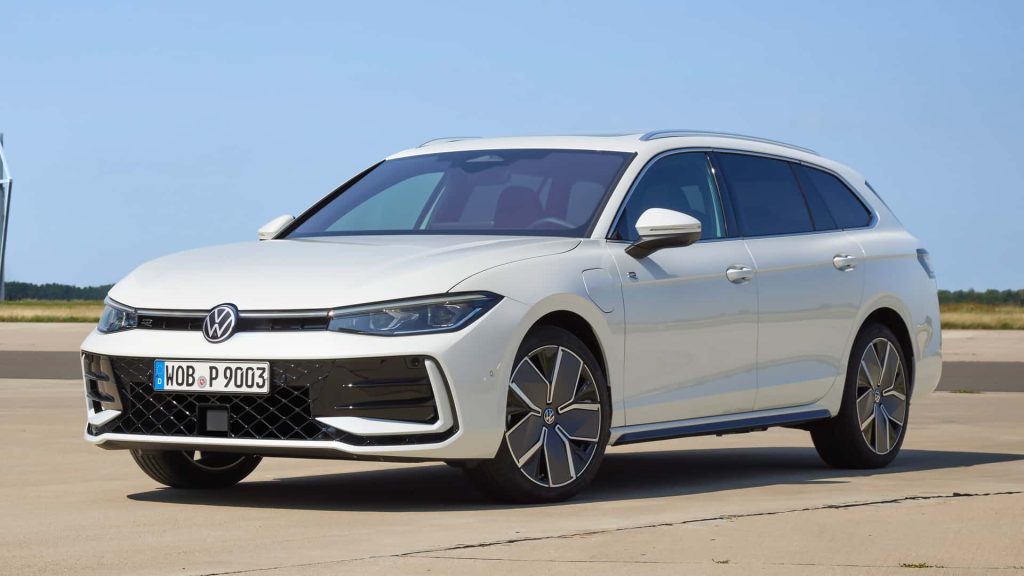
Technicians sometimes point out that when maintained carefully with correct parts, many Passats perform well. However, inconsistent maintenance histories contribute to the electrical gremlin discussions surrounding them.
The Passat earns its place because it represents how small inconsistencies across multiple systems can influence a vehicle’s long term electrical reputation even when no single defect defines it.
Electrical reliability often defines whether a used car feels dependable or exhausting. Mechanical strength may determine how long a vehicle can run, but electrical stability often determines how pleasant that journey feels day after day.
The strongest performers on this list show clear patterns. Conservative design, proven components, controlled feature expansion, and careful supplier selection all contribute to electrical systems that age gracefully. These vehicles often feel predictable even after many years.
Meanwhile, the vehicles prone to gremlins usually reveal how complexity, early technology adoption, heavy usage demands, or maintenance sensitivity can influence long term behavior. These are not necessarily bad cars, but they require more informed ownership.
I wrote this comparison because electrical problems are often underestimated during used car shopping. Buyers naturally ask about engines and transmissions, yet repeated electrical repairs can quietly cost just as much over time.
The most valuable lesson is awareness. Understanding which vehicles have stronger electrical track records helps buyers choose with confidence. Recognizing which ones require closer inspection helps prevent surprises.
In the end, the best used vehicle is not simply the one that runs, but the one that continues working without constant troubleshooting. Electrical dependability may not be the most exciting feature, but for long term ownership it is often one of the most valuable.
Also Read: 5 Cars With Simple Oil Change Procedures vs 5 That Are Nightmares
