
Pickup trucks have evolved far beyond their original purpose as simple work vehicles. What was once a category defined purely by durability and hauling ability has now become one of the most diverse segments in the automotive world.
Today, some trucks are designed to feel almost like luxury SUVs on the highway, while others still proudly maintain their industrial character and work focused stiffness.
Ride quality has become one of the biggest dividing lines between different truck philosophies. Some manufacturers now tune their suspension systems to prioritize comfort, using coil spring rear suspensions, adaptive dampers, and carefully tuned chassis geometry to reduce vibration and road harshness.
These trucks are built for people who spend long hours commuting or traveling on highways and want capability without sacrificing comfort.
At the same time, there are trucks that continue to feel intentionally tough. These models often use heavy duty leaf spring setups designed for payload stability rather than comfort.
While this can create a rougher ride when the truck is empty, it also means these vehicles perform extremely well when loaded with cargo or towing heavy trailers. In these cases, stiffness is not a flaw but part of the engineering purpose.
This contrast creates two very different ownership experiences. Some drivers want their truck to feel smooth and controlled during daily driving. Others prefer the feeling of mechanical strength, even if that means accepting a firmer and more truck like driving experience.
I am writing this comparison because many buyers choose trucks without realizing how different ride tuning can be between models. Two trucks may look similar on paper but feel completely different on the road.
Understanding which trucks prioritize comfort and which prioritize work toughness helps buyers avoid disappointment and choose a vehicle that actually matches their daily needs rather than just their expectations.
Also Read: 5 Used Luxury Wagons Worth the Risk vs 5 That Are Wallet Drains
5 Trucks With Soft Highway Rides
The idea that trucks must ride harshly is becoming outdated. Over the past decade, manufacturers have invested heavily in improving ride comfort because many truck buyers now use their vehicles as daily transportation rather than purely as work tools.
Several design changes made this possible. Some trucks now use coil spring rear suspensions instead of traditional leaf springs. Others use advanced shock tuning or lightweight body construction to reduce vibration. Even frame rigidity improvements have played a role in reducing cabin shake on rough pavement.
Another important factor is buyer expectation. Modern truck buyers often cross shop with SUVs, which means ride comfort matters more than ever. Manufacturers responded by creating trucks that can handle highway driving with surprising smoothness.
I am highlighting these trucks because they show how far the segment has progressed. These vehicles prove that capability and comfort do not have to be opposites. A well engineered truck can still tow and haul while providing a relaxed driving experience.
These examples also help buyers who prioritize long distance travel, commuting, or family use. Choosing the right truck can dramatically reduce fatigue during long drives.
The following trucks stand out because they consistently receive praise for ride comfort rather than just capability numbers.
1. Ram 1500
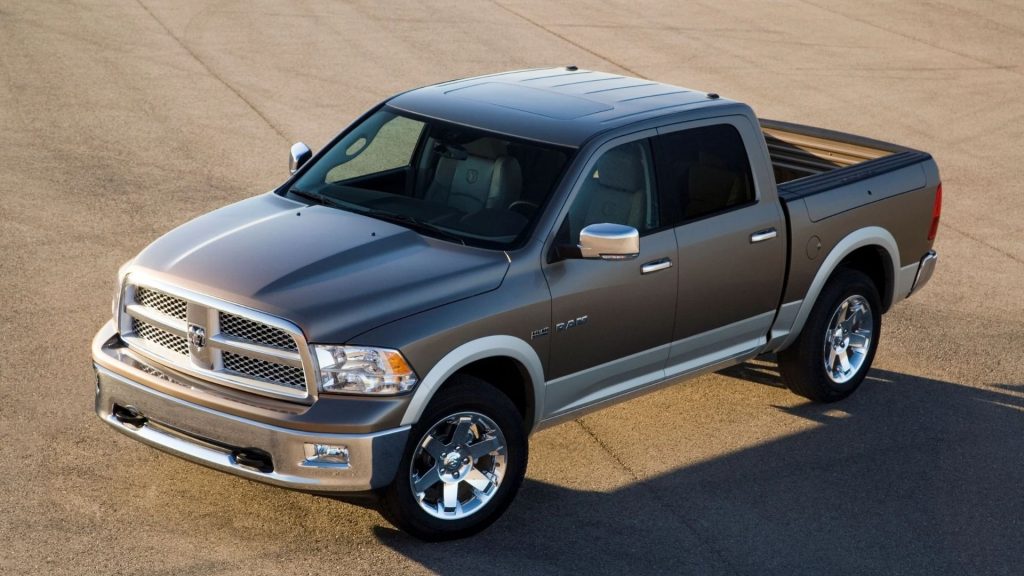
The Ram 1500 changed expectations when it introduced its rear coil spring suspension design. While most competitors stayed with traditional leaf springs, Ram chose a setup that behaves more like an SUV suspension. This decision significantly improved ride smoothness, especially on highways where small bumps can cause constant vibration in stiffer trucks.
A useful way to understand the Ram 1500 is to think about how it behaves over expansion joints and uneven pavement. Instead of bouncing or transmitting sharp impacts into the cabin, the suspension absorbs these imperfections with a more controlled motion.
This creates a calmer driving experience that many owners notice immediately during long trips.
Another reason this truck deserves attention is its interior isolation. Engineers focused on reducing noise and vibration transfer into the cabin. Combined with the suspension tuning, this makes the truck feel less like a traditional pickup and more like a large touring vehicle.
I am including this truck because it represents a turning point in truck design philosophy. It showed competitors that comfort could become a selling advantage instead of just a secondary consideration.
This truck also appeals to a different type of buyer than older pickups did. Many owners rarely use maximum payload capacity and instead value everyday comfort. The Ram 1500 demonstrates how truck design has adapted to that reality.
For drivers who spend hours on highways, this truck often feels less tiring than more traditional designs. That makes it an important example of how suspension engineering can directly affect real world usability.
2. Ford F 150 (14th Generation)
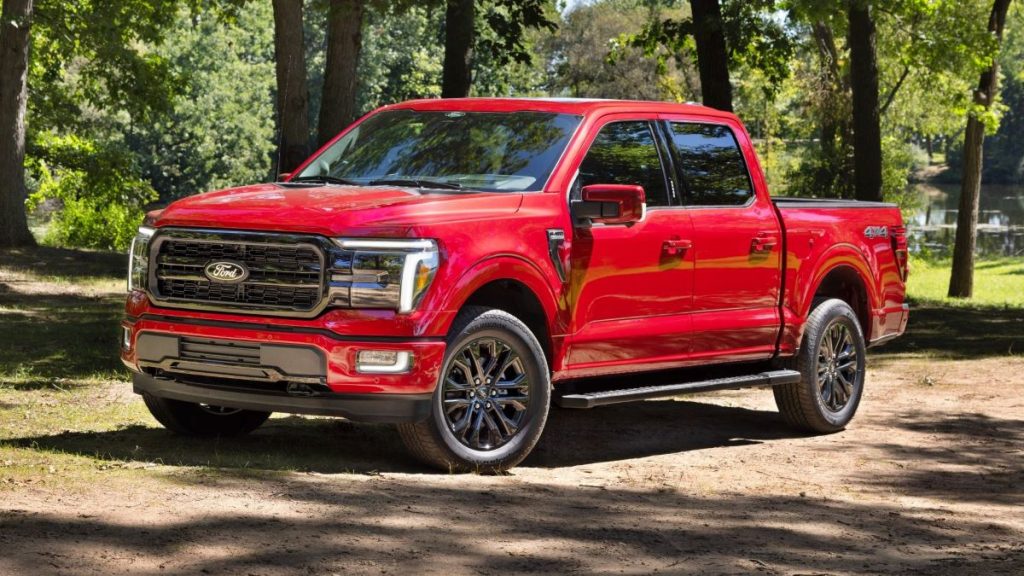
Instead of completely redesigning suspension philosophy, Ford improved ride quality through structural refinement. The aluminum body construction reduced weight, allowing engineers to fine tune suspension response without sacrificing capability. The result is a truck that feels more controlled and less bouncy than many older F 150 generations.
What stands out most is how the truck behaves at highway speed. Stability improvements make it feel planted rather than floaty. This gives drivers more confidence during lane changes and long distance cruising.
There is also a balance story here. Ford did not abandon traditional truck engineering. Instead, it refined it. The rear suspension still supports serious work use, but careful shock tuning reduces harsh reactions when the truck is unloaded.
I chose this truck because it demonstrates how evolution can sometimes be more effective than radical redesign. By improving materials and tuning rather than abandoning proven architecture, Ford created a truck that satisfies both traditional buyers and comfort focused drivers.
Another reason it belongs here is versatility. Some trucks ride comfortably only in luxury trims, but the F 150 shows noticeable ride improvements across multiple configurations.
This example helps show that comfort improvements in trucks are not limited to one engineering strategy. Some achieve it through suspension redesign, others through weight reduction and tuning refinement.
3. Chevrolet Silverado 1500 (GMT T1 Platform)
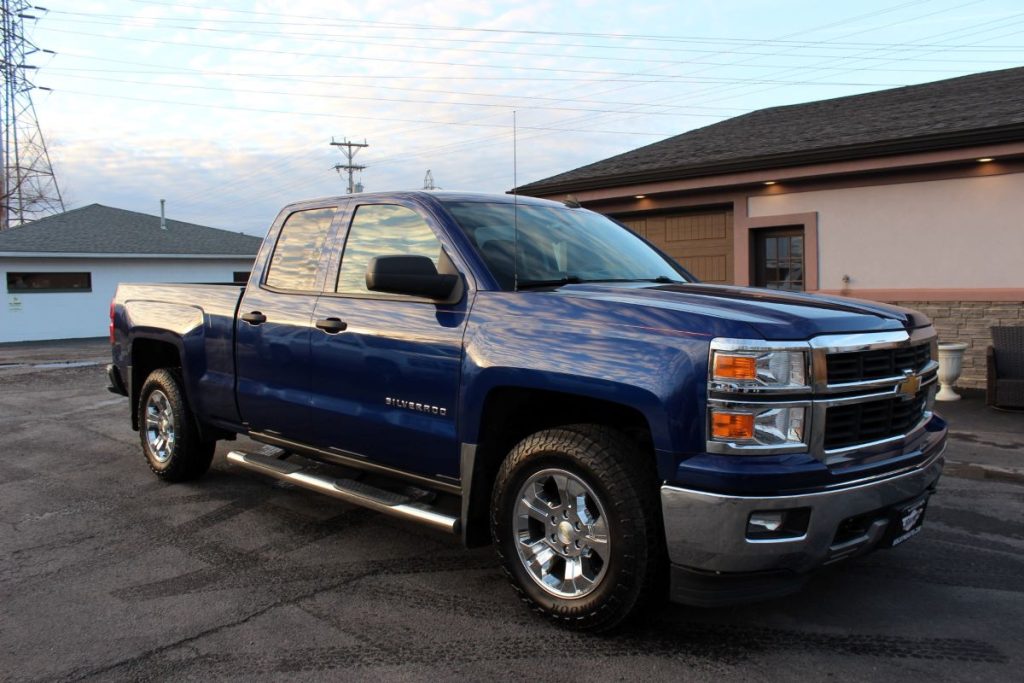
Comfort in a truck does not always come from radical suspension changes. Sometimes it comes from careful tuning that most drivers never notice on a spec sheet. The Chevrolet Silverado 1500 built on the GMT T1 platform is a good example of this quieter engineering approach.
This generation focused heavily on chassis refinement. Engineers increased frame stiffness while also improving body mount design. The result is a truck that filters out vibration more effectively than earlier Silverado models. Instead of feeling jittery over imperfect highways, it tends to glide with a more settled character.
An interesting observation comes from drivers who switch from older Silverado generations. Many report that the newer model feels less nervous on uneven pavement. This is not because it became softer in a traditional sense but because the suspension responds more progressively instead of reacting sharply.
There is also a damping story here. Chevrolet invested effort into shock calibration to reduce the secondary bounce that often affects body on frame vehicles. That small detail plays a big role in highway comfort because it prevents the constant up and down motion that causes fatigue during long drives.
I am including this truck because it shows that improvement does not always require abandoning traditional engineering. Sometimes refinement within an existing design can produce meaningful comfort gains.
This truck also deserves discussion because it represents what many mainstream buyers actually choose. Not everyone buys luxury trims, and this model proves that ride improvements can exist in widely sold configurations.
For readers trying to understand truck comfort differences, the Silverado provides an example of incremental engineering progress that produces noticeable real world benefits without dramatic marketing claims.
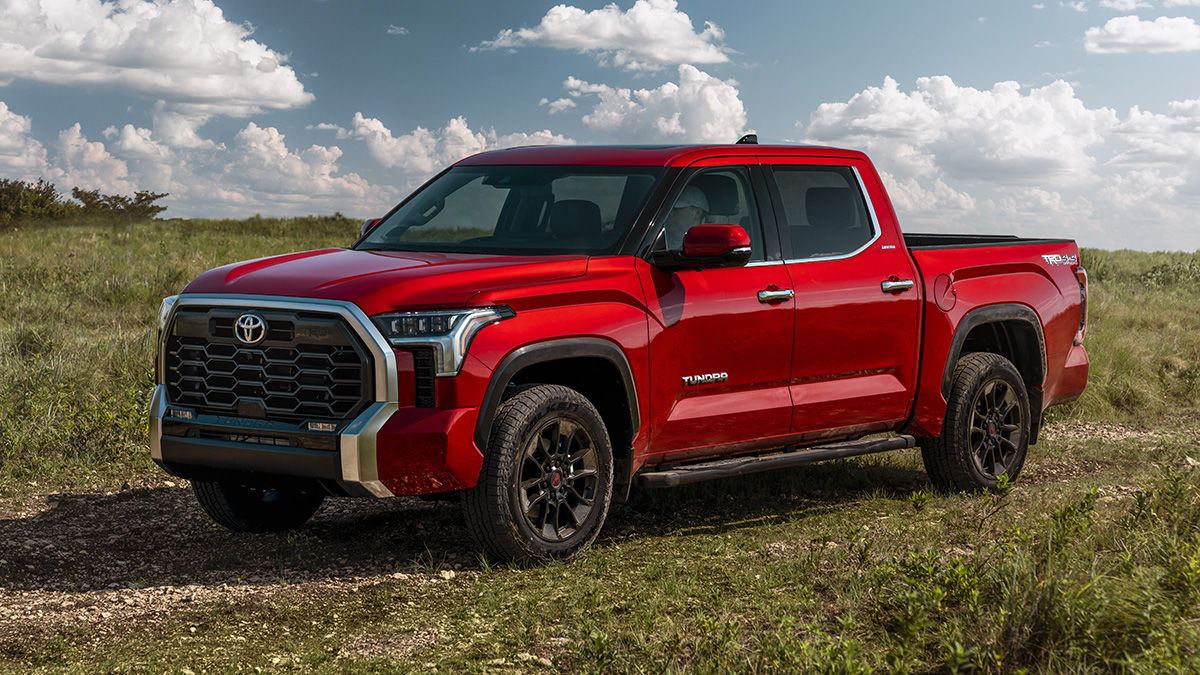
4. Toyota Tundra (2022 Redesign)
Toyota approached the latest Tundra with a very different mindset compared to its predecessor. The previous generation was respected for durability but often criticized for ride stiffness. The redesign addressed this by introducing a new rear suspension layout that significantly changed how the truck behaves on the road.
Instead of relying purely on traditional leaf spring behavior, the newer suspension tuning focuses on balancing load capability with daily driving comfort. The difference becomes obvious when driving over patched highway surfaces where older trucks might transmit sharp impacts.
A different way to understand this truck is by observing how it handles repeated small bumps. Rather than reacting to every surface imperfection individually, the suspension tends to smooth these inputs into more controlled movements. This creates a more relaxed cabin environment during long distance travel.
The reason this truck belongs on this list is because it shows how manufacturers respond to customer feedback. Toyota recognized that modern truck buyers wanted more comfort and responded with a major redesign rather than minor adjustments.
Another reason to highlight this model is expectation management. Many buyers associate Toyota trucks purely with toughness. This redesign shows that durability and ride comfort can develop together rather than compete.
I am also discussing this truck because it reflects how competition in the truck market benefits buyers. As rivals improved comfort, Toyota had to respond. That competitive pressure ultimately created a better riding truck.
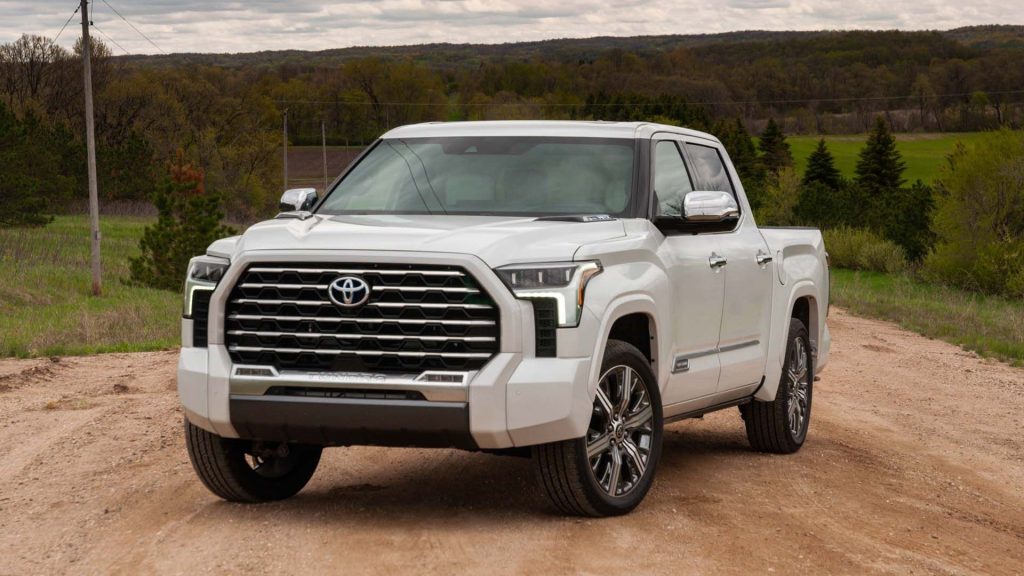
This example helps readers understand how quickly truck ride quality can change between generations, which is why research should always focus on specific model years rather than just brand reputation.
5. Nissan Titan
The Nissan Titan rarely dominates sales charts, yet it quietly developed a reputation among some owners for delivering a surprisingly comfortable highway ride. While it does not always receive the same level of attention as competitors, its suspension tuning often feels more relaxed than many traditional work focused trucks.
One way to understand the Titan is through how it behaves during uninterrupted highway cruising. At steady speeds, the truck settles into a predictable rhythm instead of constantly reacting to minor road texture. This gives the driver a sense of stability rather than constant correction.
Unlike trucks that try to impress with extreme off road stiffness or maximum payload bragging rights, the Titan seems tuned for balanced everyday usability. The suspension absorbs imperfections without feeling disconnected, which is important for drivers who want a natural steering and ride feel rather than a floating sensation.
Another interesting point comes from long distance drivers. Some Titan owners report that fatigue levels feel lower compared to stiffer competitors because the truck does not constantly transmit small road shocks into the seat structure. That kind of real world comfort rarely appears in marketing brochures but becomes obvious during extended use.
I am including this truck because it represents an alternative choice. Buyers often focus only on the most popular trucks, but sometimes less discussed models offer ride characteristics that better match daily driving needs.
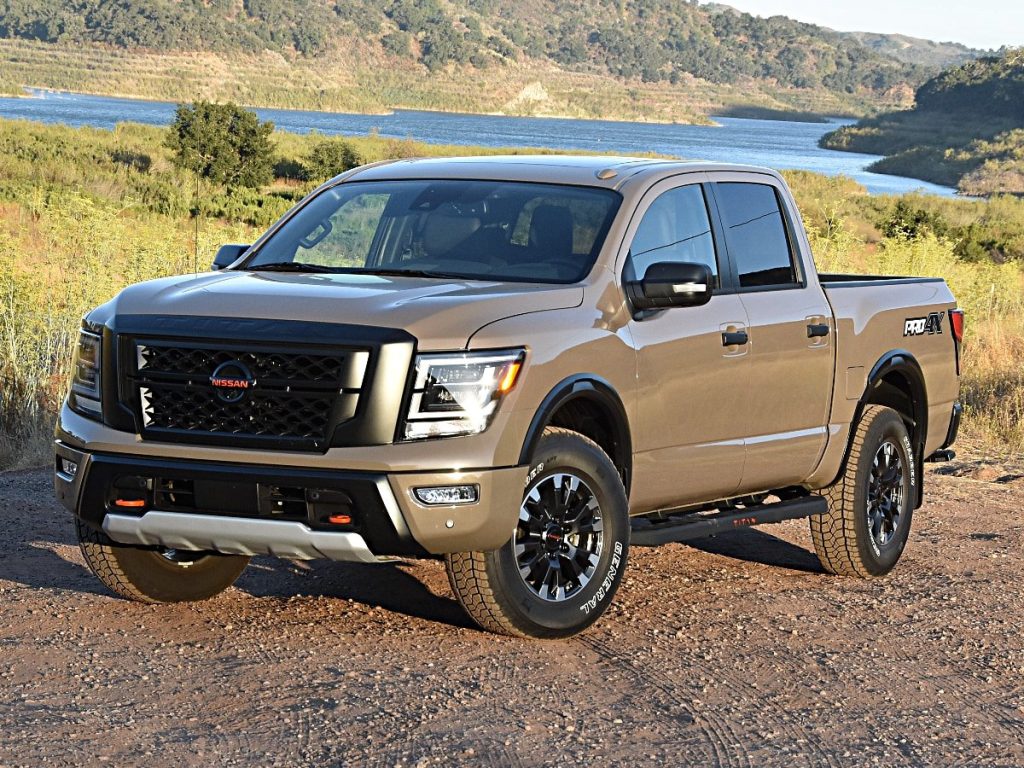
There is also value in recognizing trucks that aim for balance instead of extremes. The Titan may not lead in every specification category, but its ride character shows how tuning decisions can prioritize driver comfort without eliminating capability.
This truck deserves attention because it reminds readers that comfort can sometimes be found outside the obvious choices. Careful comparison often reveals options that better match personal driving habits.
5 That Feel Like Heavy Machinery
Not every truck is designed to feel soft or relaxed. Some are intentionally built to feel solid, stiff, and ready for serious work. These trucks often prioritize payload ratings, towing stability, and durability under heavy loads. When driven empty, that same engineering focus can make them feel more like industrial equipment than daily commuters.
The reason this happens is simple physics. Heavy duty leaf springs must be stiff enough to support thousands of pounds without sagging. Frames are reinforced to prevent flex under extreme stress. Shock absorbers are tuned to control heavy loads instead of maximizing comfort when the bed is empty.
To some buyers, this firmness is actually desirable. A stiff truck can feel extremely stable when towing or hauling because the suspension does not compress excessively. Contractors and fleet operators often prefer this feeling because it reflects the truck’s intended purpose.
I am writing about these trucks because expectations often cause disappointment. Someone expecting SUV like comfort may be surprised by how firm a heavy duty truck feels. On the other hand, a buyer needing maximum durability may appreciate that same stiffness.
These trucks are not uncomfortable by accident. They feel this way because they were engineered to perform difficult tasks reliably. Understanding that purpose helps explain why they drive differently from comfort tuned pickups.
Discussing these examples helps buyers understand that ride feel is not simply good or bad. It is usually the direct result of engineering priorities.
The following trucks stand out because they clearly maintain a work first personality that some drivers describe as feeling closer to operating equipment than driving a passenger vehicle.
1. Ford F 250 Super Duty
Driving a Ford F 250 Super Duty without any cargo in the bed can be an eye opening experience for someone coming from a lighter pickup. The suspension immediately communicates that this is a machine designed for serious tasks rather than daily commuting comfort.
Instead of absorbing bumps with soft movement, the truck often reacts with a firm vertical motion. This is not poor design but rather a side effect of heavy duty leaf springs engineered to support large payloads. When those springs are not compressed by weight, they operate at their stiffest range.
A practical way to understand this truck is to compare how it behaves loaded versus unloaded. Add significant cargo or a trailer, and the suspension begins to operate closer to its intended range. The ride often becomes more controlled because the springs are finally working within their design window.
I am including the F 250 because it perfectly illustrates how purpose defines ride feel. This truck is built for construction work, towing large trailers, and handling demanding environments. Comfort while empty is simply not the primary mission.
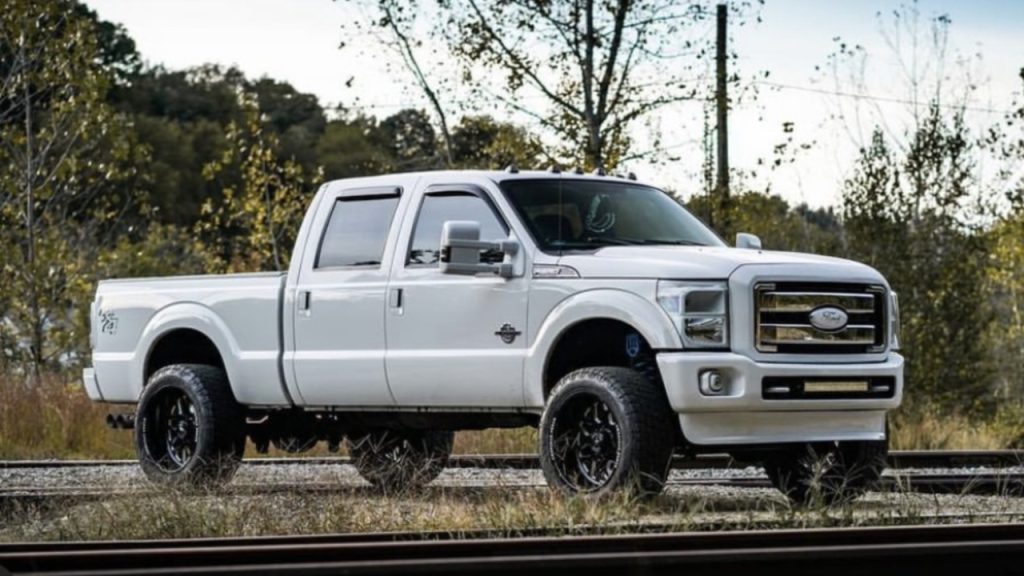
Another reason to discuss this truck is expectation alignment. Many buyers purchase heavy duty trucks for image reasons without needing their capability. Understanding how they ride may help buyers choose more appropriate models.
This example shows how engineering honesty sometimes results in a vehicle that feels exactly like what it is: a serious work tool first and a passenger vehicle second.
2. Ram 2500 (Heavy Duty Configuration)
There is a certain honesty in how a Ram 2500 drives. From the first few miles, it becomes clear that the suspension is not trying to disguise its purpose. The truck communicates firmness through the seat, steering column, and even through how it responds to bridge joints and rough pavement.
Rather than describing this truck as harsh, it may be more accurate to describe it as disciplined. The suspension limits excessive movement because uncontrolled motion would be unacceptable when carrying heavy loads. That discipline can translate into a rigid feel during empty driving.
What makes this truck interesting is how differently it behaves depending on configuration. Some trims with rear coil setups ride better, but heavy duty work versions maintain the more traditional stiff character expected from a serious hauling platform.
I chose this truck because it shows how engineering tradeoffs are unavoidable. You cannot design a truck to carry extreme weight while also making it float like a luxury sedan. Something must take priority, and in this case capability clearly comes first.
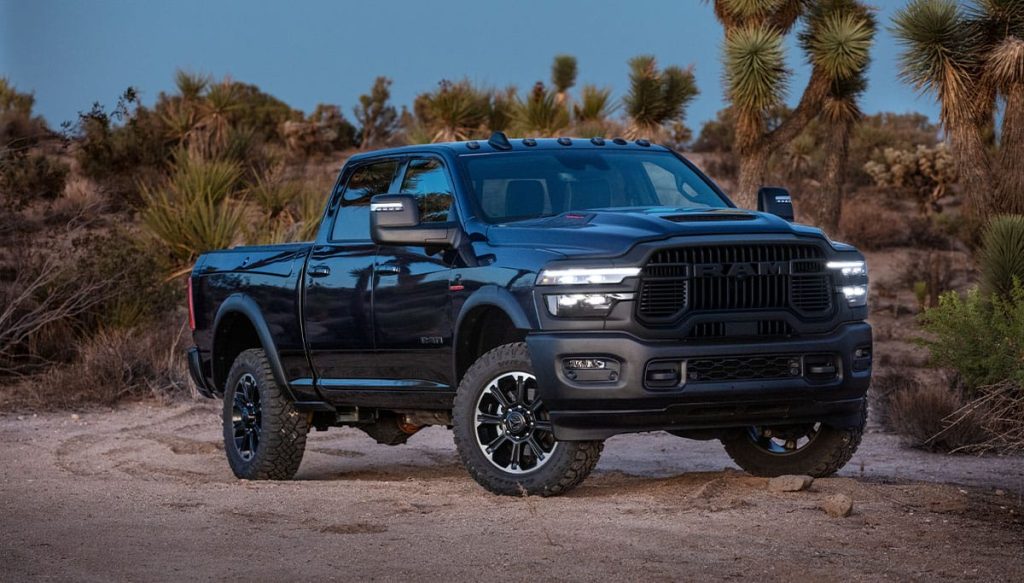
There is also an educational reason for including it. Many first time heavy duty truck buyers do not realize how different these vehicles feel compared to half ton pickups. Understanding that difference can prevent buying regret.
This truck belongs here because it represents a category where strength defines the driving experience. For the right owner, that strength is exactly the point.
3. Chevrolet Silverado 2500HD
Some trucks make their purpose clear before they even start moving. The Silverado 2500HD is one of them. The tall stance, reinforced frame presence, and heavy duty suspension setup all signal that this vehicle was designed with workload expectations rather than comfort priorities.
The first few miles usually reveal the personality of this truck. Small surface imperfections that softer trucks might absorb can sometimes be felt more directly. This creates a mechanical driving sensation that reminds the driver they are operating a tool built for strength.
There is a structural explanation behind this behavior. The reinforced chassis and heavy duty rear leaf springs are calibrated to prevent sagging when hauling equipment or pulling large trailers. When those loads are absent, the suspension operates in a range that feels firm because it is waiting for weight that is not there.
A different perspective comes from job site users. Many contractors actually appreciate this firm unloaded feel because it reflects how stable the truck becomes when fully loaded. To them, the stiffness is reassurance rather than a drawback.
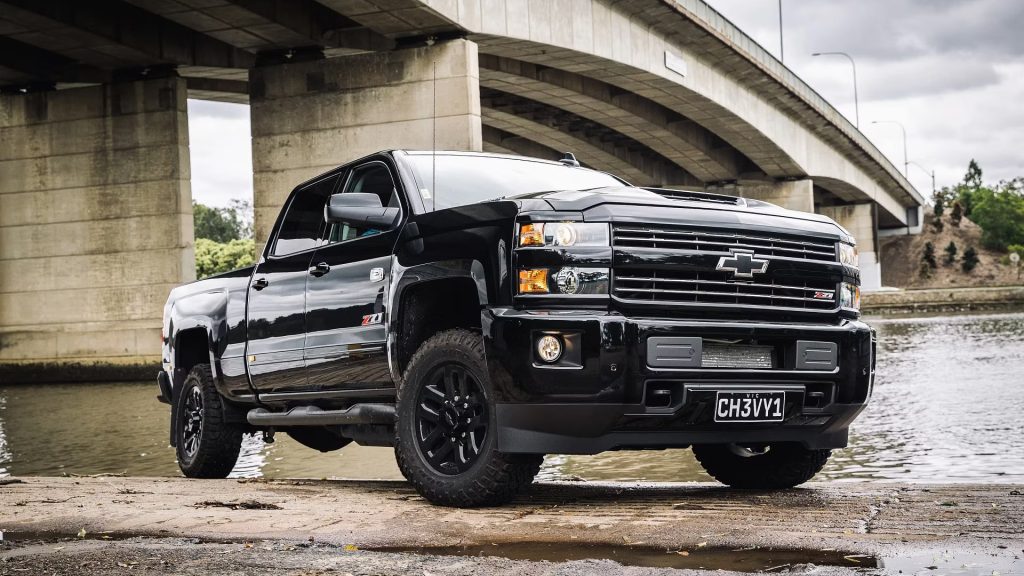
I am writing about this truck because it represents an important reality about heavy duty vehicles. Ride comfort is sometimes intentionally sacrificed to guarantee durability under stress. That tradeoff is part of honest engineering rather than a flaw.
Another reason to include this example is to help separate marketing language from physical reality. Terms like heavy duty and work ready have real mechanical consequences that buyers should understand before choosing these trucks for daily use.
This truck demonstrates that some vehicles are built primarily to perform difficult tasks consistently. The ride experience simply reflects that commitment.
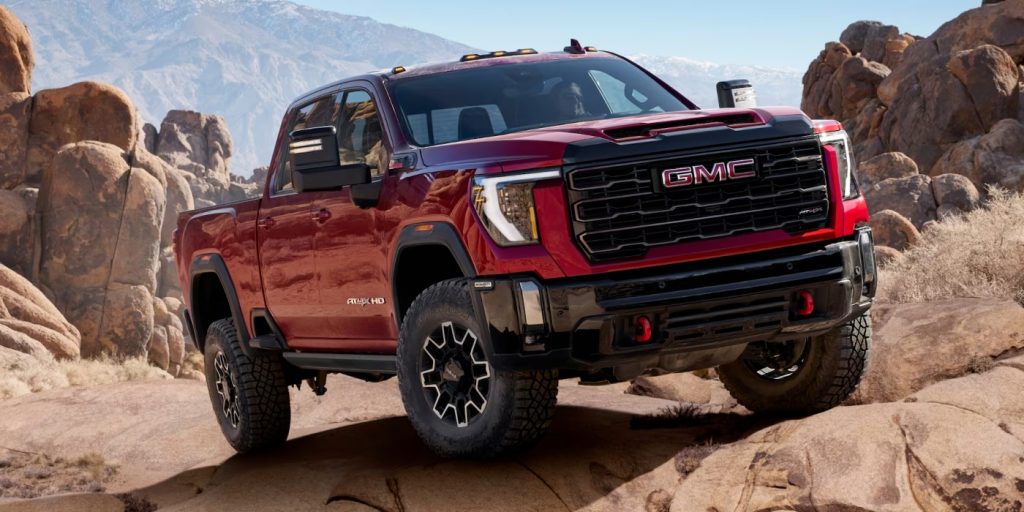
4. GMC Sierra 2500HD AT4
The Sierra 2500HD AT4 adds an off road dimension to the heavy duty truck formula, but it does not abandon its industrial character. Even with off road shocks and specialized tuning, the truck maintains a firm and substantial feel that reflects its three quarter ton foundation.
One way to understand this truck is by observing how it reacts to broken pavement. Instead of smoothing every bump, it often drives through imperfections with a sense of authority. This can feel reassuring to drivers who want a truck that feels indestructible rather than delicate.
The off road oriented suspension actually adds another layer to the ride discussion. While it improves control on dirt and uneven terrain, the heavy duty spring rates still dominate the on road experience. This creates a driving character that feels more like operating equipment than commuting transportation.
I included this truck because it shows how adding adventure features does not completely change the underlying nature of a heavy duty platform. No matter how advanced the shocks become, the core mission of the truck still shapes how it behaves.
There is also a psychological aspect worth mentioning. Some buyers specifically want a truck that feels substantial and serious. The Sierra 2500HD AT4 delivers that sensation in a very clear way.
Another important reason for discussing this truck is buyer awareness. Off road branding sometimes suggests a softer or more flexible ride, but in heavy duty applications, capability requirements still dominate comfort tuning.
This example reinforces the main theme of this section. When a truck is engineered for extreme durability, the ride often reflects that strength first.
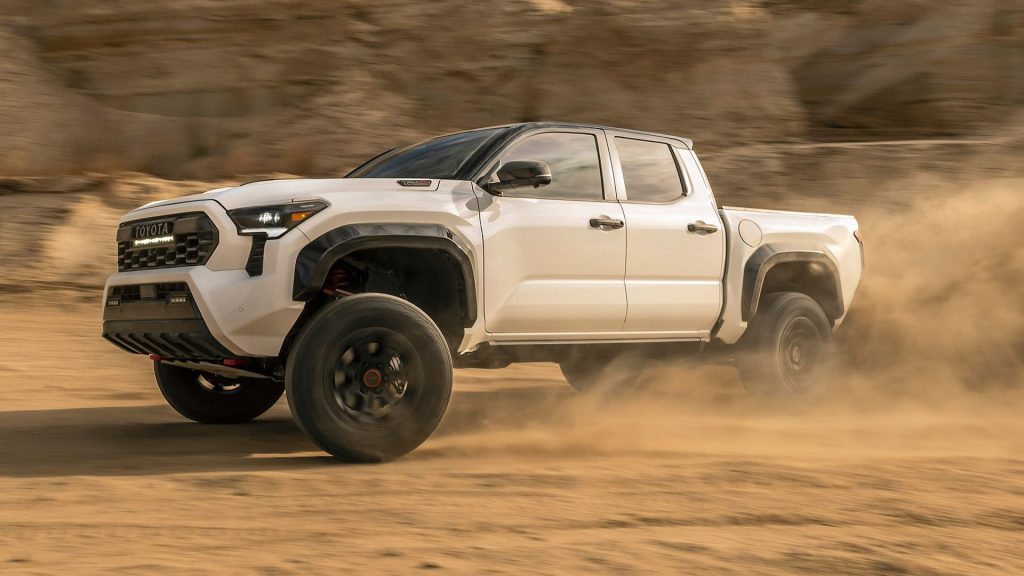
5. Toyota Tacoma (TRD Pro and Off Road Focused Models)
The Toyota Tacoma occupies an interesting position in the truck world. It is not a heavy duty three quarter ton truck like the others in this section, yet certain versions, especially TRD Pro and off road oriented trims, can feel surprisingly stiff during normal highway driving.
This comes from a very different engineering decision compared to heavy duty trucks. Instead of tuning the suspension primarily for towing weight, Toyota tuned these versions for durability on rough terrain.
That means firmer shocks, aggressive damping, and suspension travel characteristics meant to handle rocks and trails rather than smooth pavement.
A useful way to understand this behavior is to think about how off road suspension works. When designed for trail impacts and uneven surfaces, the suspension must resist bottoming out. This often results in firmer responses during normal driving because the system is prepared for harsher conditions.
Drivers sometimes notice this most on broken city roads. Instead of gently floating over imperfections, the truck can feel tightly controlled, almost rigid in how it reacts. For off road enthusiasts this feels reassuring. For commuters it can feel more mechanical than expected.
I am including the Tacoma because it shows that a truck does not need to be extremely large to feel purpose built. Even midsize trucks can develop a heavy mechanical personality when engineered for durability rather than comfort.
Another reason this truck belongs here is expectation management. Toyota’s reliability reputation sometimes leads buyers to assume universal comfort, but this example shows how specialization changes driving character.
This final example helps demonstrate the central lesson of this article. Ride quality is rarely accidental. It is usually the direct result of what the truck was designed to accomplish.
Truck ride quality tells a story about engineering priorities. Some trucks are now designed to behave like long distance cruisers, offering soft suspension responses, controlled damping, and reduced vibration for drivers who spend most of their time on highways.
Models like the Ram 1500, Ford F 150, Chevrolet Silverado 1500, Toyota Tundra, and Nissan Titan show how far comfort engineering has progressed in modern pickups.
At the same time, other trucks continue to reflect traditional work values. The Ford F 250, Ram 2500, Silverado 2500HD, Sierra 2500HD, and Toyota Tacoma off road variants demonstrate how durability and load capability often require firmer suspension behavior.
These trucks feel the way they do because they are built to handle stress, not just transportation.
The key lesson is that ride quality should always be evaluated in the context of purpose. A soft riding truck is not automatically better, and a stiff truck is not automatically worse. Each reflects the job it was designed to perform.
For buyers, the most important step is honesty about usage. A daily commuter may benefit more from a comfort tuned half ton truck. A contractor or heavy trailer owner may find confidence in a stiffer heavy duty model.
Understanding these differences prevents the most common mistake in truck buying: choosing based on image instead of function.
When buyers match engineering purpose with personal needs, the result is not just satisfaction but also a better long term ownership experience.
Also Read: 5 Best Vehicles Built to Survive the Salt Belt vs 5 That Rust Quickly
