
Sedans are often judged by performance, fuel efficiency, design, and technology, but one practical factor that quietly affects ownership satisfaction is trunk space.
For many buyers, cargo capacity becomes important only after purchase, when daily life begins to test how much a car can actually carry. Groceries, luggage, office equipment, travel bags, and even unexpected airport runs quickly reveal whether a sedan was designed with real world practicality in mind.
What makes this topic interesting is how unpredictable trunk space can be. Some sedans that appear modest from the outside offer surprisingly large cargo areas thanks to smart interior packaging.
At the same time, some expensive or large looking sedans sacrifice trunk usability due to design choices, suspension layout, or battery packaging in newer hybrid and electric models.
This difference usually comes down to engineering priorities. Some manufacturers prioritize passenger space and cargo flexibility, while others focus more on styling proportions or performance balance. Sloping rear designs, structural reinforcements, and even audio system placement can all reduce usable trunk volume.
I am writing about this comparison because trunk space is one of the least discussed but most frequently used aspects of a car. A buyer may only use maximum horsepower occasionally, but cargo space gets used constantly.
Understanding which sedans offer excellent cargo practicality and which fall short can help buyers avoid surprises. It can also help people match their vehicle choice to their lifestyle rather than focusing only on appearance or brand reputation.
By comparing both extremes, this article highlights how two sedans in the same general category can deliver completely different ownership experiences when it comes to everyday usability.
Also Read: 5 Cars That Are Easy to Park in Cities vs 5 With Huge Turning Radii
5 Sedans With Massive Trunk Space
Cargo capacity in sedans is often overlooked because SUVs dominate practicality discussions. However, several sedans quietly offer trunk space that rivals small crossovers. These vehicles often benefit from longer rear overhangs, clever hinge placement, and wide trunk openings that improve usability rather than just volume numbers.
The most practical sedans usually share a few characteristics. They tend to have boxier rear shapes, deeper cargo floors, and minimal intrusion from suspension towers. Some also include wide opening trunk lids that make it easier to load bulky items.
I am highlighting these sedans because they demonstrate that practicality still exists in traditional car designs. For buyers who prefer lower ride height, better fuel economy, and smoother driving dynamics compared to SUVs, these cars prove that choosing a sedan does not necessarily mean sacrificing cargo flexibility.
Another reason for this discussion is value awareness. Some of these vehicles provide excellent cargo capacity without being expensive luxury models. This makes them especially attractive for families, ride share drivers, and business users who regularly carry equipment.
These examples show how thoughtful engineering can make a sedan far more useful than many people expect.
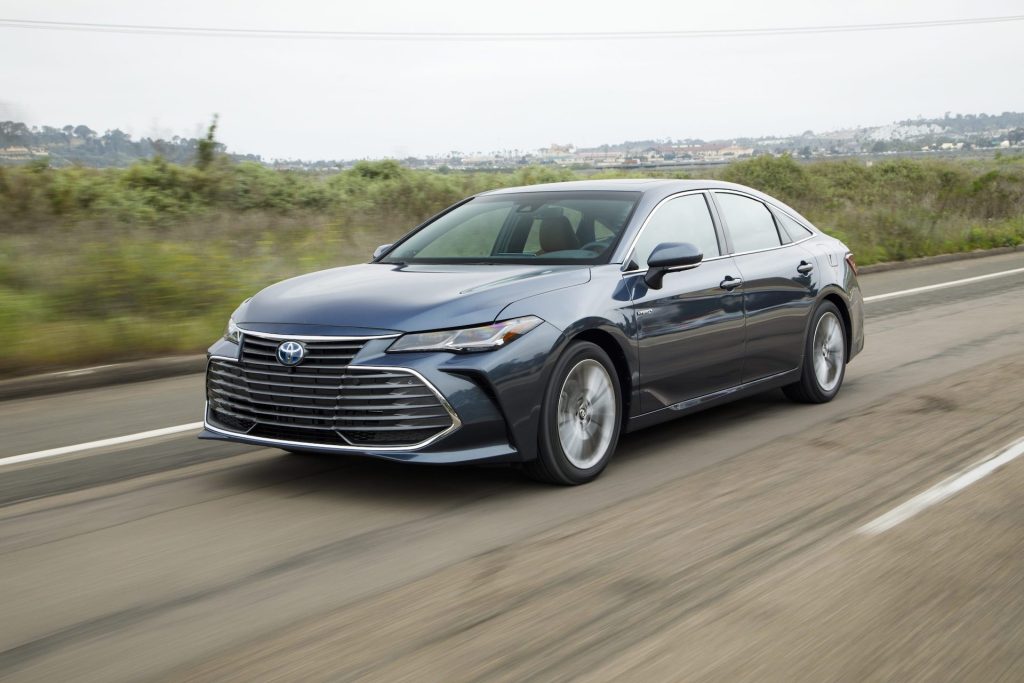
1. Toyota Avalon
The Toyota Avalon was always designed as a comfortable long distance sedan, but one of its hidden strengths has been its trunk capacity. Because the car was engineered with a long body and wide rear structure, it benefits from a cargo area that feels unusually generous for a sedan.
What makes the Avalon particularly practical is not just volume but usability. The trunk opening is wide and the floor is relatively flat, which allows luggage to be arranged efficiently instead of stacked awkwardly. This becomes especially useful during airport trips or family travel situations.
Another detail worth noting is hinge design. Some sedans lose usable space because trunk hinges swing downward into the cargo area. The Avalon uses a hinge arrangement that minimizes this intrusion, allowing the full width of the trunk to remain usable.
I am including this sedan because it shows how traditional large sedans often excel in practical areas that modern buyers sometimes forget. While crossovers dominate discussions, vehicles like this continue to offer excellent real world functionality.
This car also deserves attention because it represents a disappearing category. As large sedans become less common, many buyers may not realize how practical they can be.
Discussing the Avalon helps highlight how thoughtful packaging decisions can turn a comfortable cruiser into a highly useful everyday vehicle.
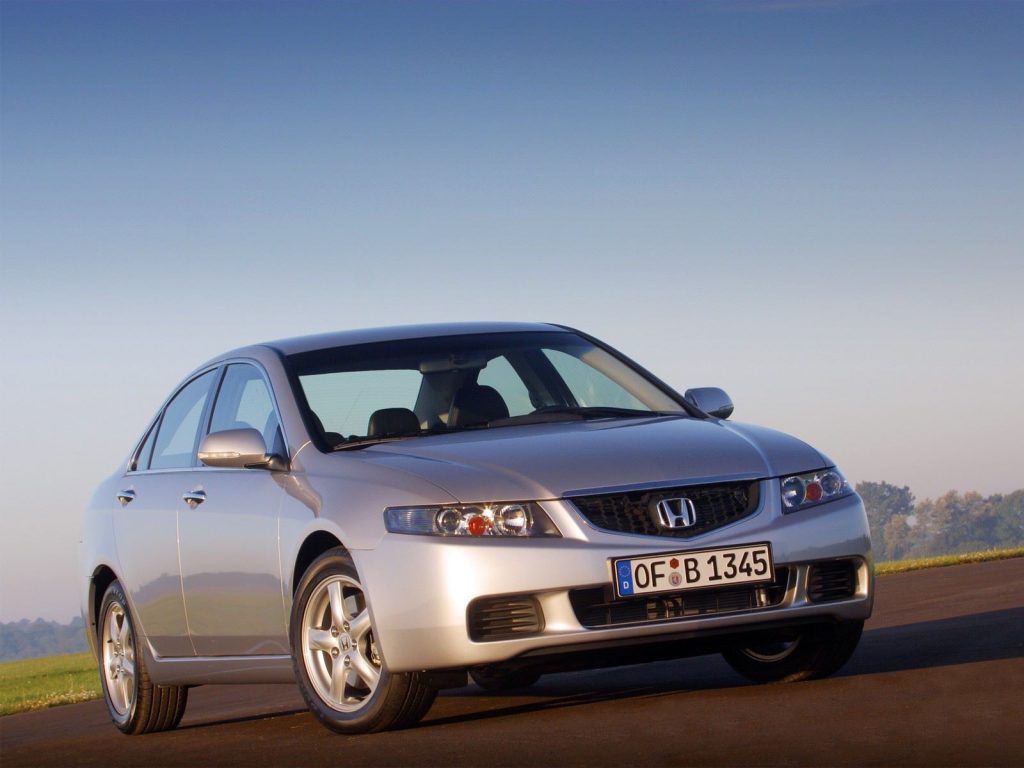
2. Honda Accord
The Honda Accord has built its reputation on balance, but cargo space is one of its most underrated advantages. Despite being classified as a midsize sedan, it consistently offers trunk capacity that competes with some larger vehicles.
A different way to understand the Accord is through how efficiently its interior is packaged. Honda engineers are known for maximizing usable space, and this shows clearly in how the trunk is shaped. The cargo area is deep, wide, and easy to access.
Another strength is how the rear seats fold. This allows longer items to pass through into the cabin, expanding the car’s flexibility beyond basic trunk measurements. This feature is particularly valuable for owners who occasionally transport large boxes or equipment.
I chose to include the Accord because it represents intelligent design rather than simple size advantage. It shows how careful engineering can produce excellent cargo results without increasing exterior dimensions dramatically.
There is also a reliability factor in discussing this vehicle. Many people keep Accords for many years, and trunk usability becomes increasingly important over long ownership periods.
This example reinforces the idea that practicality is not limited to SUVs. Some sedans continue to deliver strong everyday usability through smart design decisions.
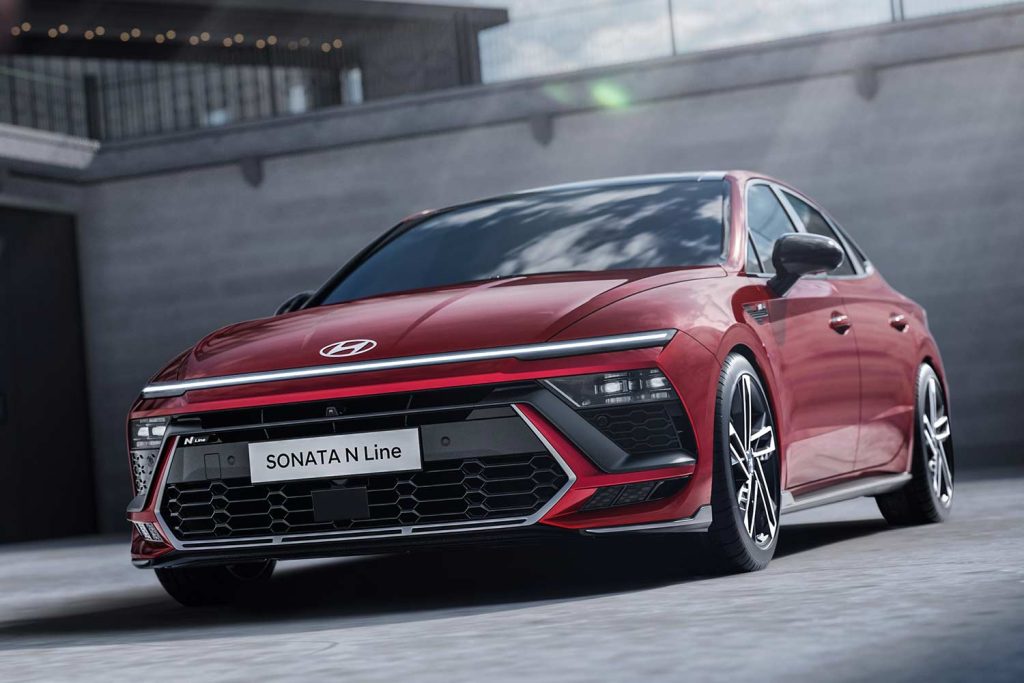
3. Hyundai Sonata
Space efficiency sometimes comes from quiet engineering rather than obvious size increases. The Hyundai Sonata demonstrates this particularly well. At first glance, it appears to follow a sleek design direction, yet it still manages to offer a trunk that competes strongly within the midsize sedan category.
What makes the Sonata interesting is how Hyundai balanced style with usability. Many cars with fastback inspired shapes lose cargo height due to aggressive rear slopes. In this case, careful internal shaping allows the trunk to remain deep enough to carry large suitcases without forcing awkward positioning.
There is also a usability story hidden in the opening dimensions. The trunk mouth is wide enough to allow easier loading of bulky items. This might sound like a minor detail, but in daily life it often matters more than raw volume numbers. A large trunk that is difficult to access is far less useful than one designed with loading in mind.
I am writing about the Sonata because it reflects how modern sedans are evolving. Buyers now expect both design appeal and practicality. This car shows that manufacturers can still deliver both when interior planning receives enough attention.
Another reason to include it comes from ownership versatility. The Sonata often attracts commuters and small families. For these users, trunk space becomes part of everyday convenience rather than occasional use. Having extra room reduces the need to carefully plan cargo placement.
This vehicle also represents how competition between manufacturers benefits consumers. As rivals improved practicality, Hyundai responded with better packaging efficiency, creating a sedan that feels more useful than its exterior shape might suggest.
This example helps demonstrate that sometimes the most practical cars are not the largest ones. Instead, they are the ones designed with real usage patterns in mind.
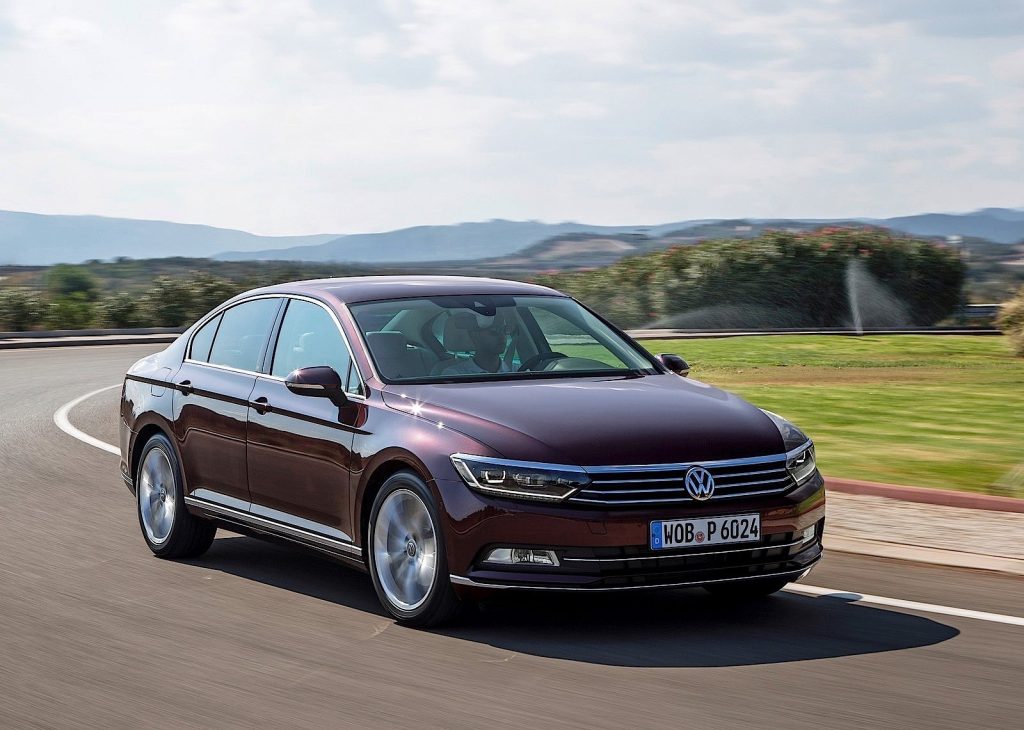
4. Volkswagen Passat
The Volkswagen Passat built much of its reputation around comfort and long distance usability, but cargo capacity became one of its strongest hidden advantages. With a focus on interior roominess, the Passat benefits from a trunk that feels closer to full size sedan practicality than typical midsize expectations.
One way to evaluate this car is by examining how the trunk depth works in practice. The space extends far enough to allow multiple large travel bags to fit without forcing stacking. This type of layout is especially useful for business travelers or families making extended trips.
Another interesting factor is how the trunk shape remains consistent across its width. Some sedans narrow significantly near the rear wheel arches, reducing practical space. The Passat manages this area well, preserving usable room instead of just advertising volume figures.
I chose this sedan because it highlights how European design sometimes prioritizes long distance practicality. The Passat was often marketed as a highway comfort car, and cargo usability naturally complements that mission.
There is also an educational value in discussing this vehicle. Many buyers focus heavily on technology and styling comparisons while ignoring cargo flexibility. Cars like the Passat remind readers that practical design still matters.
This car also belongs here because it represents how understated vehicles sometimes deliver the most functional benefits. It may not always receive attention for innovation headlines, but its real world usability speaks for itself.
By including this sedan, it becomes easier to see how thoughtful interior proportions can transform a conventional sedan into a genuinely practical everyday tool.
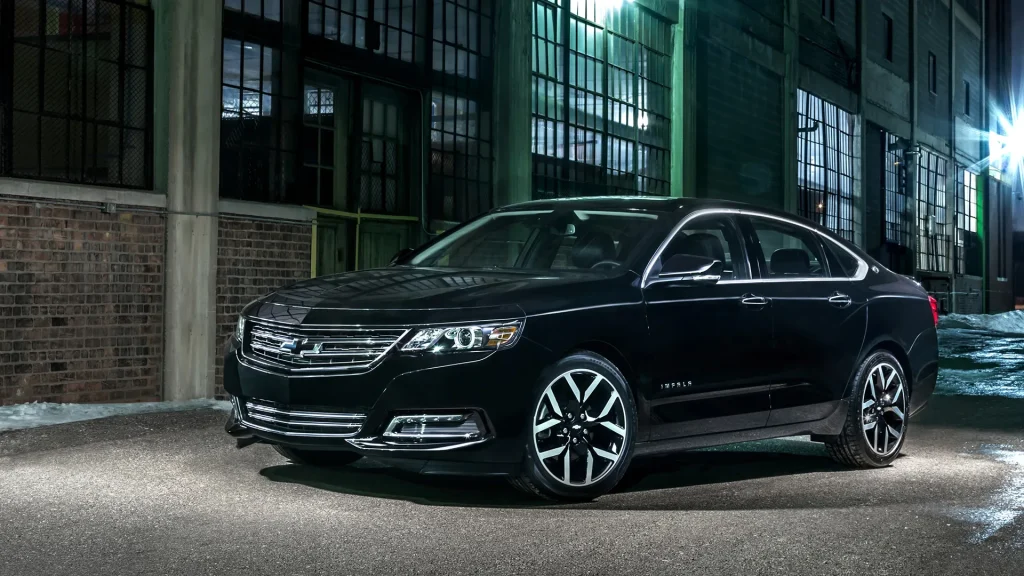
5. Chevrolet Impala
The Chevrolet Impala represents a type of sedan that is slowly disappearing from the market. Large, comfortable, and designed with long distance travel in mind, it also happens to offer one of the most generous trunk spaces ever found in a mainstream sedan.
This was not accidental. The car was developed during a time when full size sedans still competed heavily on passenger and cargo practicality.
What makes the Impala stand out is how naturally large items fit into the cargo area. Instead of requiring careful arrangement, the trunk allows luggage to be placed with minimal effort. The depth of the cargo floor combined with the wide opening makes loading feel straightforward instead of strategic.
Another overlooked advantage comes from how the trunk lid opens high enough to avoid interfering with loading. This might sound like a small ergonomic decision, but it becomes noticeable when repeatedly loading heavy suitcases or large boxes.
I am including the Impala because it reflects an era when sedans were often expected to serve as primary family vehicles rather than secondary commuter cars. As a result, cargo space received serious attention from engineers.
There is also a value lesson here. As SUVs replaced large sedans in popularity, some buyers forgot how much practicality these cars offered. For used car buyers especially, vehicles like the Impala can provide impressive cargo capacity at reasonable prices.
Another reason for highlighting this model is balance. It shows how ride comfort, interior room, and cargo flexibility can all exist together when a vehicle is designed with broad usability in mind.
This final example completes the picture of what a truly practical sedan trunk can offer. It demonstrates that when manufacturers prioritize everyday usability, a sedan can remain extremely functional even in an SUV dominated market.
5 That Are Surprisingly Small
Not every sedan with premium pricing or sporty design delivers strong cargo practicality. In fact, some vehicles that appear large from the outside offer surprisingly limited trunk space due to design priorities that focus more on styling, performance balance, or technology packaging.
One of the most common reasons for reduced trunk capacity is exterior design. Sloping rooflines and short rear decks can significantly limit cargo height and depth. While these proportions may create a more dynamic appearance, they often reduce everyday usefulness.
Another growing factor is hybrid and electric technology integration. Batteries and electronic components sometimes occupy space that would traditionally belong to the trunk. This is especially noticeable in vehicles where electrification was added to an existing platform rather than designed from the beginning.
I am writing about these sedans not to criticize them, but to provide realistic expectations. Many of these cars excel in driving performance, luxury, or efficiency. Their smaller trunks simply reflect different engineering priorities.
This comparison also helps buyers understand that exterior size alone does not guarantee cargo space. Two cars with similar dimensions can offer very different trunk usability depending on internal packaging choices.
The following examples highlight sedans that remain excellent vehicles overall but may surprise buyers with less cargo capacity than expected.
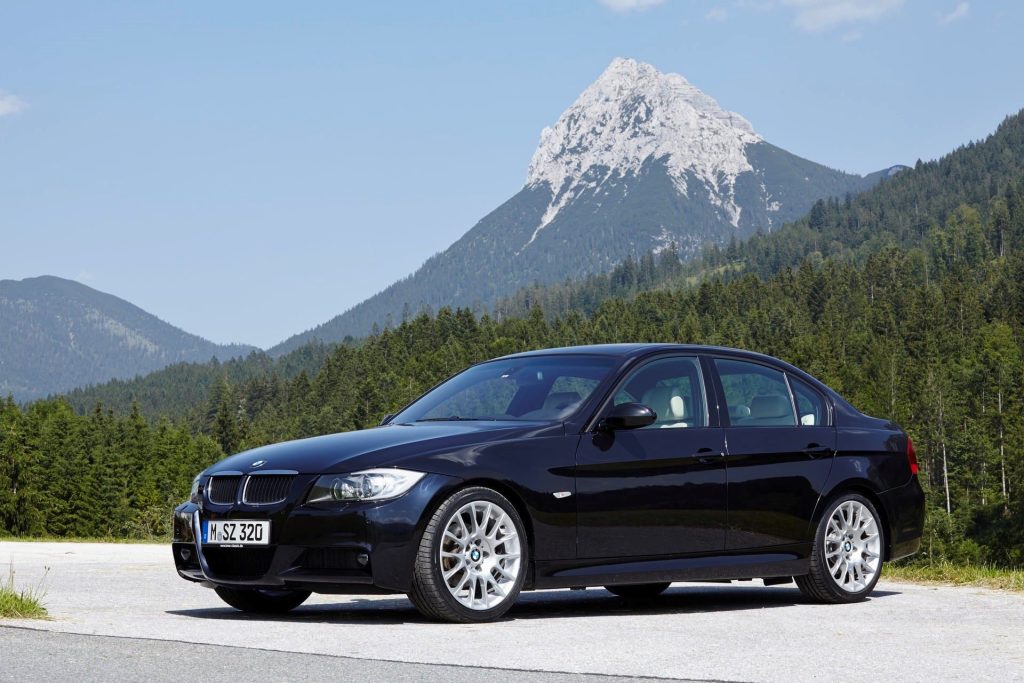
1. BMW 3 Series
The BMW 3 Series has always focused on delivering a balanced driving experience, and this focus inevitably shapes how interior space is allocated. Engineers prioritized weight distribution, suspension geometry, and structural rigidity, which leaves less freedom for maximizing trunk volume.
A useful way to understand this car is by looking at how performance priorities influence packaging. Rear suspension components designed for precise handling occupy space that might otherwise increase cargo depth. This reflects the car’s mission as a driver’s sedan rather than a cargo carrier.
Another observation comes from the trunk opening itself. While well finished, the access area is not as wide as some more practically focused sedans. This can make loading large rectangular items slightly more challenging.
I am including the 3 Series because it demonstrates how engineering focus shapes outcomes. BMW did not intend this vehicle to compete on cargo capacity. Instead, it was designed to deliver engaging road behavior.
There is also an expectation lesson here. Some buyers assume premium brands automatically provide advantages in every category. This example shows that specialization often means tradeoffs.
Discussing this car helps reinforce the importance of matching vehicle strengths with buyer needs. For someone prioritizing driving enjoyment, the smaller trunk may not matter. For someone needing cargo flexibility, it could become noticeable.
This example shows how purpose driven design often leads to compromises in areas outside the main mission.
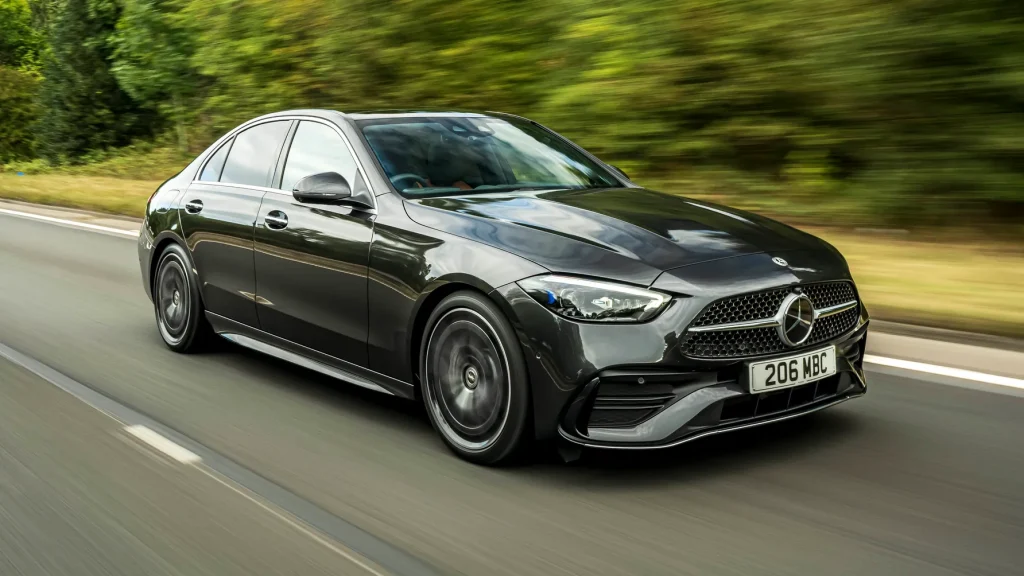
2. Mercedes-Benz C-Class
The Mercedes C Class follows a similar path but arrives there through luxury priorities rather than pure sport focus. Interior refinement, material quality, and ride isolation receive major attention during development. These goals can influence how much structural space remains for cargo.
One factor affecting trunk size is the emphasis on rear passenger comfort. By optimizing rear seat structure and insulation, some available space shifts away from the cargo compartment.
Another reason for its smaller than expected trunk comes from design proportion choices. Mercedes designers often aim for elegant rear styling, which sometimes reduces cargo height compared to more upright sedans.
I chose this vehicle because it shows how luxury engineering can also involve compromise. Achieving quietness and structural solidity sometimes requires thicker materials that occupy interior space.
There is also a buying awareness message here. Buyers comparing sedans purely by exterior size may not expect meaningful cargo differences. Vehicles like the C Class show why examining specifications and real world usability matters.
This example reinforces the broader lesson that every vehicle reflects priorities. In this case, refinement and brand identity took precedence over maximum cargo flexibility.
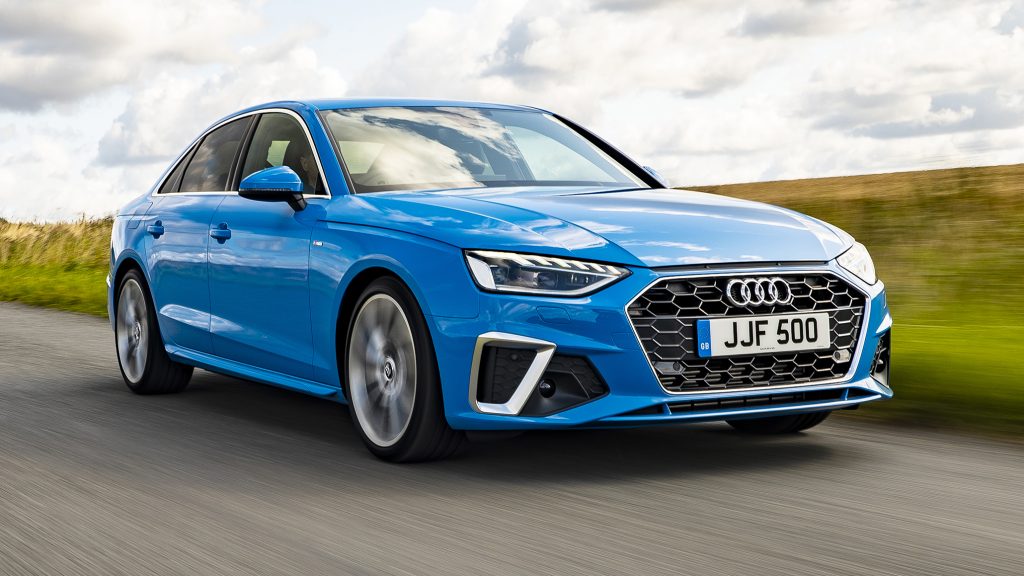
3. Audi A4
The Audi A4 is a sedan that wins attention through precision, interior quality, and balanced road manners. However, when the discussion shifts to trunk practicality, the story becomes more nuanced. While the space is well finished and neatly organized, the overall cargo capacity often feels modest compared to some similarly sized competitors.
This limitation partly comes from Audi’s structural philosophy. Quattro all wheel drive packaging, even in versions where it is optional, influences the rear floor layout. The placement of drivetrain components and suspension geometry can slightly raise the trunk floor, reducing vertical cargo stacking ability.
Another aspect worth examining is opening shape. The trunk lid design favors clean exterior styling rather than maximum opening width. This means that while smaller bags fit easily, bulkier objects may require more careful positioning compared to sedans designed with cargo flexibility as a higher priority.
I am including the A4 because it shows how engineering precision sometimes favors balance over maximum capacity. Audi aimed to create a sedan that feels solid, quiet, and confident at speed. Those strengths required structural decisions that inevitably affected cargo packaging.
There is also a design philosophy lesson here. German sport sedans often prioritize driving feel and structural stiffness. Cargo space becomes a secondary consideration rather than a leading development target.
Another important reason to highlight this car is expectation management. The A4 looks substantial from the outside, and many buyers naturally assume interior utility will match that impression. The reality shows how exterior proportions do not always translate into cargo advantage.
This example contributes to the main message of this section. A sedan can be extremely well engineered and still offer less trunk flexibility if its core mission focuses elsewhere.
Understanding this helps buyers evaluate whether a car’s strengths align with their actual daily needs rather than assuming every midsize luxury sedan offers the same practicality.
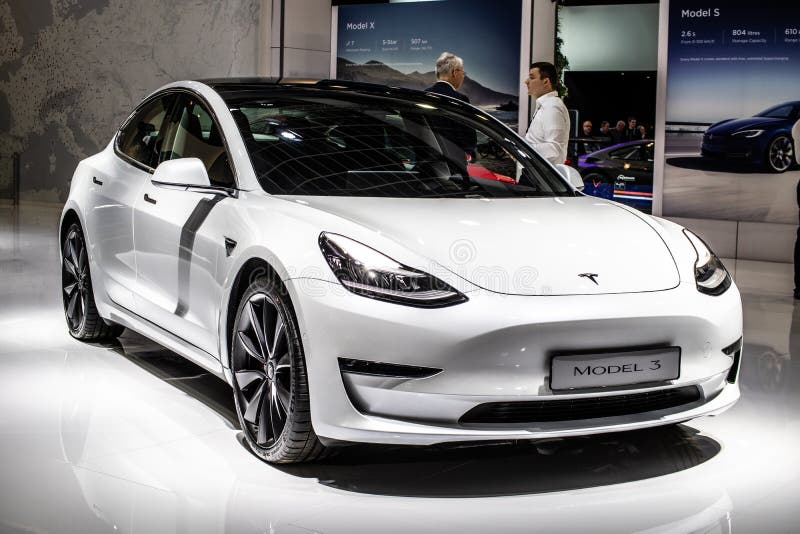
4. Tesla Model 3
The Tesla Model 3 presents a very different case compared to traditional sedans because its packaging challenges come from electrification rather than sport or luxury priorities alone. Electric vehicles often distribute components differently, and this can lead to unexpected cargo compromises despite creative design solutions.
At first glance, the Model 3 appears to offer strong cargo potential because it includes both a rear trunk and a small front storage area.
However, the rear trunk opening itself reveals a practical limitation. Because the car maintains a sedan style rear glass instead of a hatchback design, the access point can restrict how easily larger objects fit inside.
Another point worth discussing is battery placement. While the battery pack improves handling stability by lowering the center of gravity, it also defines floor height and cargo depth. This packaging reality shapes what the trunk can realistically accommodate.
I am writing about the Model 3 because it illustrates how new technology brings different compromises. Electric vehicle buyers often gain efficiency and performance benefits, but traditional cargo layouts sometimes change as a result.
There is also an educational reason for including this example. Many buyers assume electric platforms automatically improve practicality. In reality, results vary depending on body design choices.
Another interesting observation is how expectations affect perception. Because Tesla emphasizes innovation, some buyers expect category leading practicality in every area. The trunk design shows how even advanced vehicles must balance competing design requirements.
This example strengthens the overall comparison by showing that smaller trunk outcomes can come from many different causes. Performance focus, luxury priorities, and new technology integration can all lead to similar practical results for very different reasons.
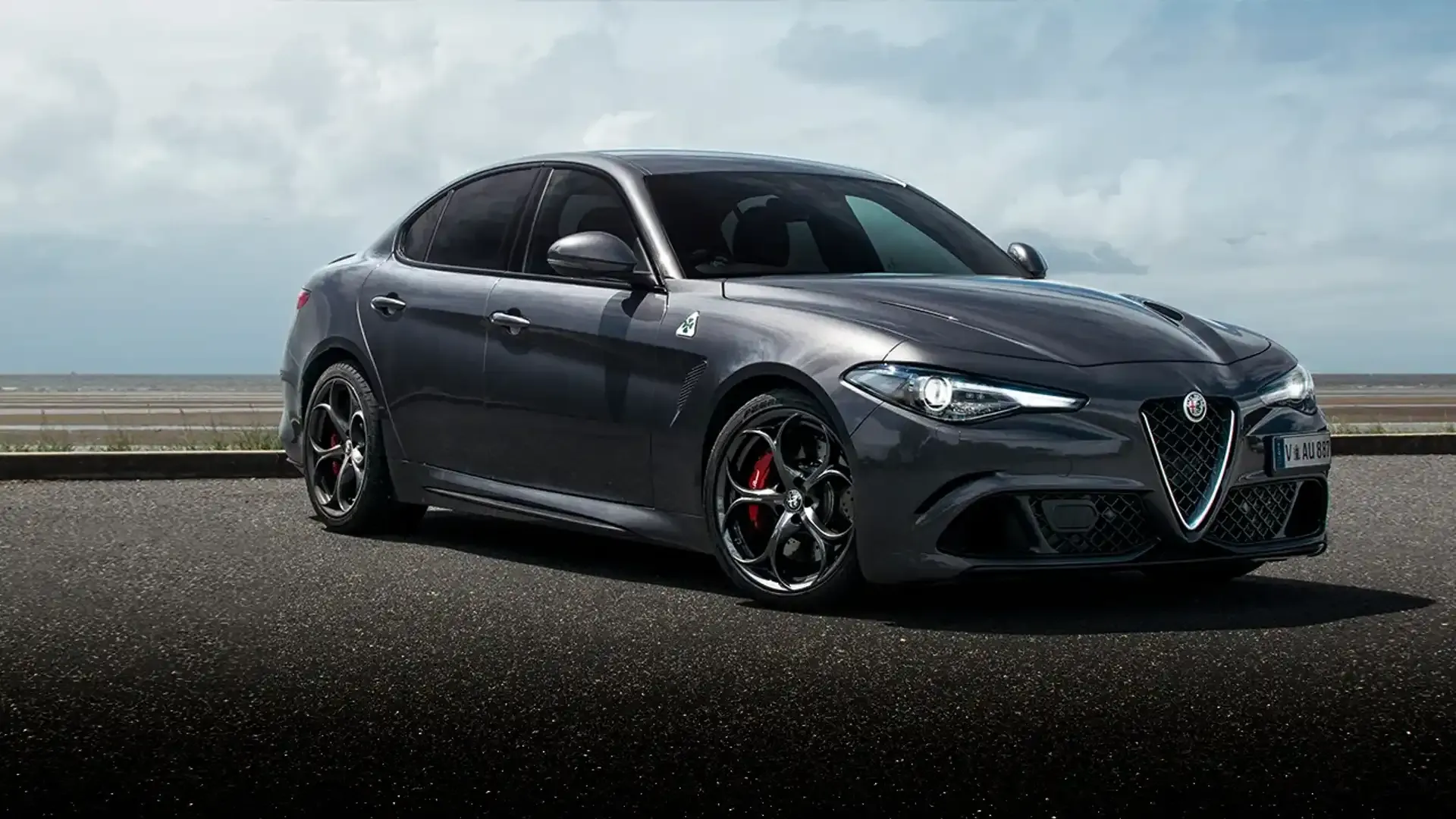
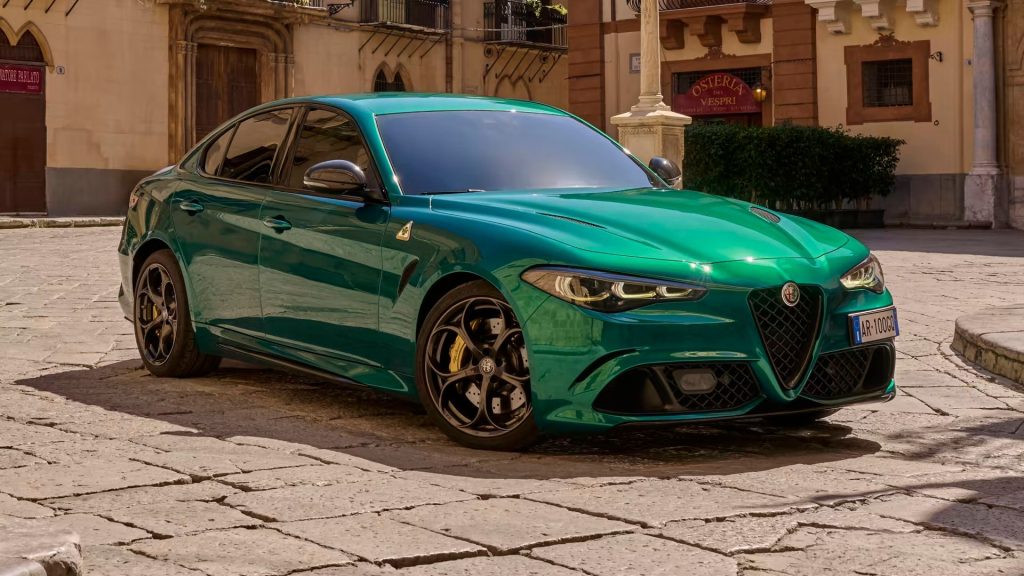
5. Alfa Romeo Giulia
The Alfa Romeo Giulia approaches the sedan formula from a very different direction compared to most cars discussed here. Its development focused heavily on driving engagement, chassis balance, and emotional appeal rather than everyday cargo practicality.
This philosophy is immediately reflected in how the trunk space compares with more utility focused competitors.
The first thing that becomes noticeable is how the trunk depth feels more limited than expected for a sedan of this size.
This is partly due to the rear wheel drive performance platform, which requires space for suspension components designed to support precise handling. Performance engineering often consumes packaging room that could otherwise expand cargo volume.
Another factor involves proportion decisions. The Giulia uses a short rear deck to maintain sporty visual balance. While this improves appearance and aerodynamics, it reduces the available cargo length compared to more traditional family sedans.
I am including the Giulia because it clearly shows how passion driven engineering produces different results from practicality driven engineering. Alfa Romeo built this car to compete emotionally with sports sedans rather than practically with family haulers.
There is also a buyer awareness reason for including it. Some shoppers drawn to its styling may assume it offers the same daily flexibility as other midsize sedans. Understanding the cargo compromise helps set realistic ownership expectations.
An additional observation involves access shape. The trunk opening favors clean exterior lines rather than maximum width. This can make loading wide suitcases or large boxes slightly less convenient compared to more function focused designs.
This final example completes the discussion by showing how design identity sometimes outweighs utility considerations. The Giulia succeeds in delivering character and driving enjoyment, but cargo flexibility was clearly not the primary objective.
Sedans continue to prove that practicality is not determined by vehicle category alone but by engineering priorities. As we have seen, some sedans still deliver impressive trunk capacity that makes them highly practical for daily life.
Models such as the Toyota Avalon, Honda Accord, Hyundai Sonata, Volkswagen Passat, and Chevrolet Impala demonstrate how thoughtful design can turn a traditional sedan into a highly usable cargo carrier.
At the same time, other sedans remind us that every design involves compromise. The BMW 3 Series, Mercedes C Class, Audi A4, Tesla Model 3, and Alfa Romeo Giulia all succeed strongly in their intended missions, whether that involves driving dynamics, luxury refinement, or technological innovation. Their smaller trunks simply reflect different development priorities.
The most important lesson from this comparison is that buyers should look beyond exterior size or brand perception when evaluating practicality. Cargo space depends on packaging efficiency, suspension layout, design philosophy, and sometimes new technology integration.
This comparison also shows that there is no universal definition of better. A large trunk may be essential for one owner and irrelevant for another. Understanding personal needs remains more important than simply choosing the largest available space.
For buyers who regularly travel, transport equipment, or manage family responsibilities, trunk size can have a real impact on satisfaction. For those focused on driving feel or luxury experience, smaller cargo space may be an acceptable compromise.
When buyers understand these tradeoffs, they are far more likely to choose a sedan that truly fits their lifestyle rather than just their initial impressions.
Also Read: 5 Trucks With Durable Tailgate Hinges vs 5 That Fail Under Heavy Use
