
Routine maintenance plays a major role in determining how long a vehicle lasts and how reliably it performs over time. Among all maintenance tasks, oil changes remain one of the most important because engine oil directly affects lubrication, cooling, and internal component protection.
Despite this universal importance, not all vehicles are designed with the same level of service friendliness. Some cars make this routine task surprisingly easy, while others turn a simple procedure into a frustrating and time consuming process.
From a design perspective, ease of maintenance often reflects how much a manufacturer considers long term ownership. Vehicles with accessible drain plugs, easy to reach oil filters, and clear underbody layouts tend to reduce labor time and cost.
This benefits both professional mechanics and owners who prefer to perform their own maintenance. In contrast, some vehicles place filters in cramped engine bays or require removal of panels, braces, or covers just to complete a basic oil change.
This difference becomes even more important as vehicles become more complex. Turbochargers, skid plates, aerodynamic covers, and tightly packed engine compartments sometimes complicate what used to be a straightforward task.
While these additions may improve performance or efficiency, they can also increase maintenance difficulty if not carefully integrated.
This comparison looks at vehicles that stand out for their simple oil change procedures as well as those known for creating unnecessary challenges.
The goal is not to criticize innovation but to highlight how engineering decisions affect ownership experience beyond the showroom. A vehicle that is easy to maintain often becomes more affordable and less stressful to own in the long run.
By examining both ends of the spectrum, this article shows how thoughtful design can either simplify routine service or unintentionally make it more complicated than necessary.
Also Read: 10 Best Trucks for Using V2L to Power Your Home During Grid Outages
5 Cars With Simple Oil Change Procedures
Ease of maintenance is rarely the main feature highlighted in car advertisements, yet it is one of the most appreciated qualities during ownership. Some vehicles clearly show that their engineers considered the needs of mechanics and owners who perform basic service tasks.
These cars often feature smart component placement, logical access points, and minimal obstruction around service areas.
Cars with simple oil change procedures often share a few key characteristics. The oil filter is usually positioned where it can be reached from above or without removing multiple parts. The drain plug is easy to access without removing complicated shields. Even small details such as clear labeling and good ground clearance can make a noticeable difference.
Another reason these vehicles deserve attention is the long term financial benefit they offer. When routine maintenance takes less time, labor costs decrease. For owners who handle maintenance themselves, the process becomes less intimidating and more practical. This encourages proper service intervals, which ultimately improves reliability.
I selected the following vehicles because they represent different categories but share one common advantage. They show how thoughtful engineering can make routine maintenance straightforward instead of frustrating. Each one demonstrates that making service easier does not require sacrificing performance or modern features.
1. Toyota Corolla
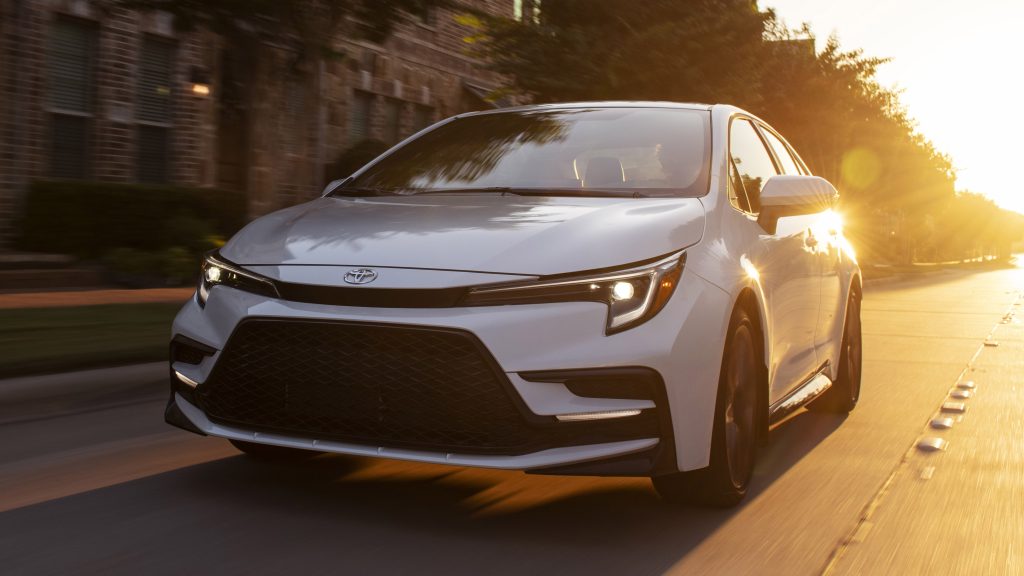
The Toyota Corolla earns recognition in this category because it reflects a long standing philosophy centered on practicality and ease of ownership.
For decades, Toyota has built a reputation for designing vehicles that are not only reliable but also easy to service. The Corolla continues this tradition by keeping routine maintenance tasks straightforward and predictable.
One of the main reasons this car deserves mention is the accessibility of its oil filter and drain plug. In many Corolla model years, the oil filter is positioned where it can be accessed without navigating around multiple components. This reduces the chances of accidental spills and makes the process more comfortable even for beginners learning basic vehicle maintenance.
Another strength comes from the car’s sensible engine bay layout. There is usually enough space around the engine to allow tools to be used without awkward positioning. This may seem like a small detail, but anyone who has worked in a cramped engine bay understands how much difference a few extra centimeters can make.
I am writing about the Corolla because it represents a vehicle designed with real ownership costs in mind. It does not just aim to perform well when new. It is designed to remain manageable throughout years of regular service.
That mindset explains why it is often recommended to first time car owners and people looking for predictable maintenance.
This car shows that ease of maintenance is not accidental. It comes from deliberate planning. By making the oil change process simple, Toyota reinforces the idea that reliability is not only about parts lasting long but also about making sure routine care is easy enough that owners actually keep up with it.
2. Honda Civic
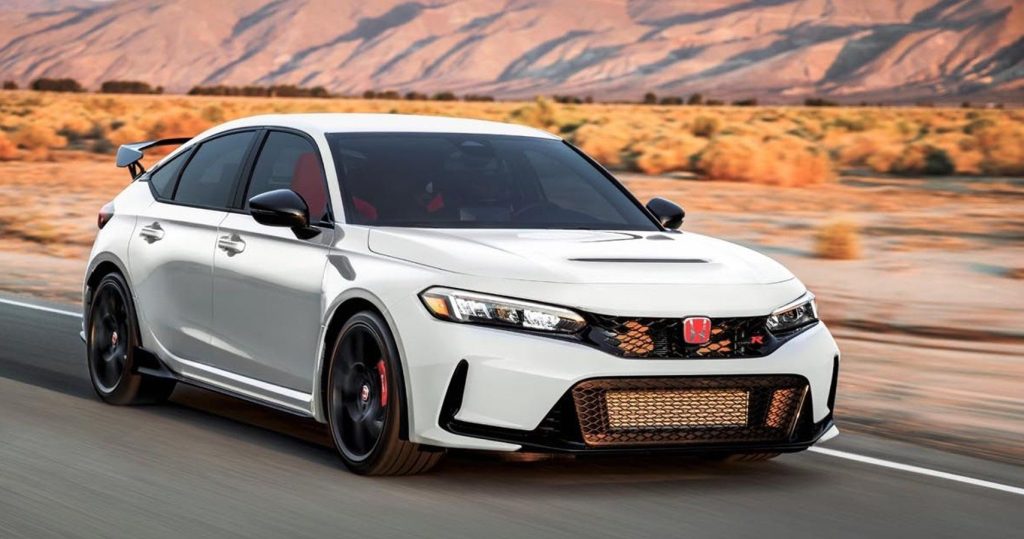
The Honda Civic is included here because it demonstrates how a popular compact car can balance modern engineering with service simplicity. Honda has long understood that many Civic owners either perform their own maintenance or keep their vehicles for many years.
Because of this, the company has historically tried to avoid unnecessary complications in basic service procedures.
One detail that makes the Civic stand out is how clearly service points are arranged. The drain bolt is typically easy to reach, and the oil filter placement in many versions avoids major obstructions.
This creates a workflow that feels logical rather than frustrating. Instead of requiring unusual tool angles or extra disassembly, the process follows a natural sequence.
There is also something worth noting about the Civic’s design consistency. Across multiple generations, Honda has tried to maintain a familiar service layout. This means mechanics who have worked on older Civics often find newer ones similarly approachable. That continuity reflects a deeper understanding of how vehicles are maintained in the real world.
This car appears in this list because it highlights the value of predictability. Owners should not have to research complicated procedures for one of the most basic maintenance tasks.
The Civic shows that even as vehicles evolve with new engines and efficiency technologies, manufacturers can still respect the importance of keeping routine maintenance manageable.
Writing about the Civic is important because it represents a practical success story. It proves that ease of maintenance can coexist with strong fuel economy, good performance, and modern safety technology. That balance makes it a strong example of thoughtful everyday engineering.
3. Subaru Outback
The Subaru Outback deserves attention in this discussion because it shows how a vehicle designed for adventure can still remain practical when it comes to basic maintenance.
Subaru has always marketed the Outback toward people who enjoy road trips, outdoor travel, and long distance reliability. A vehicle built for that kind of lifestyle benefits greatly from service procedures that do not require excessive effort.
What makes the Outback particularly interesting from a maintenance perspective is its horizontally opposed engine design. At first, a boxer engine might seem like it would complicate service access.
Surprisingly, Subaru often manages to keep oil service points reasonably accessible. The oil filter in several Outback generations is positioned in a way that allows access from above the engine, which helps reduce mess and simplifies removal.
There is also a practical ownership story behind why this car belongs on this list. Many Outback owners live in rural or cold regions where dealership visits may not always be convenient.
A vehicle that allows relatively straightforward oil changes becomes valuable in these situations. Subaru appears to recognize this by keeping routine service tasks manageable.
Another reason I am including the Outback is because it represents thoughtful compromise. While the vehicle includes all wheel drive hardware and rugged engineering, Subaru still makes an effort to avoid turning routine service into a complicated process. This shows a clear attempt to balance capability with everyday usability.

This vehicle earns its place here because it demonstrates that even vehicles with unique engineering layouts can still be designed with maintenance in mind. Subaru shows that unusual engine configurations do not automatically mean complicated service if engineers prioritize access during development.
The Outback stands as an example of how understanding the customer lifestyle can influence engineering decisions. By keeping maintenance approachable, Subaru helps ensure that owners can keep their vehicles in good condition regardless of where they travel.
4. Ford F-150
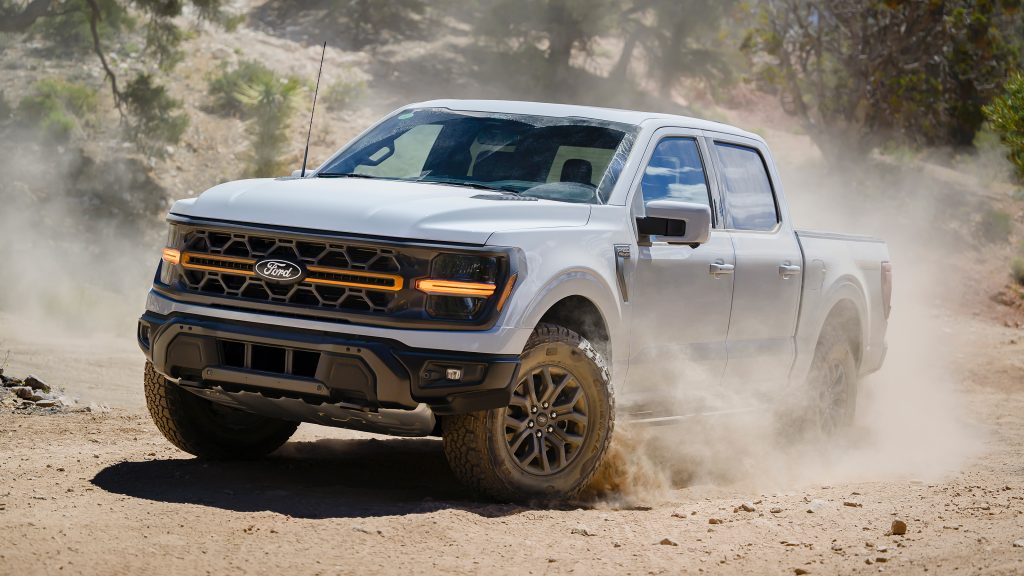
The Ford F-150 enters this conversation from a completely different angle compared to compact cars and crossovers.
As one of the most popular pickup trucks ever built, it has long been associated with work environments where downtime directly affects productivity. Because of this, Ford has traditionally tried to make routine maintenance as efficient as possible.
One of the biggest advantages the F-150 offers is physical space. The larger engine bay typical of full size trucks often allows better access to service components.
In many F-150 configurations, both the oil filter and drain plug can be reached without navigating tight clearances. This makes the process feel more mechanical and straightforward rather than delicate and restrictive.
Another factor that makes this truck worth discussing is how it reflects the needs of commercial users. Contractors and fleet operators often perform frequent oil changes due to heavy usage.
A truck that allows fast service can save both time and labor costs. Ford appears to understand this reality, which explains why the F-150 generally avoids overly complicated service barriers.
I am writing about the F-150 because it highlights how vehicle purpose can influence maintenance design. A work truck that is difficult to service would quickly frustrate the very customers it depends on. By keeping routine service accessible, Ford helps reinforce the F-150’s reputation as a practical tool rather than just transportation.
This example shows that sometimes simplicity comes from scale. With more room to work and fewer packaging compromises, trucks like the F-150 can remind us how much easier maintenance becomes when engineers are not forced to compress everything into the smallest possible space.
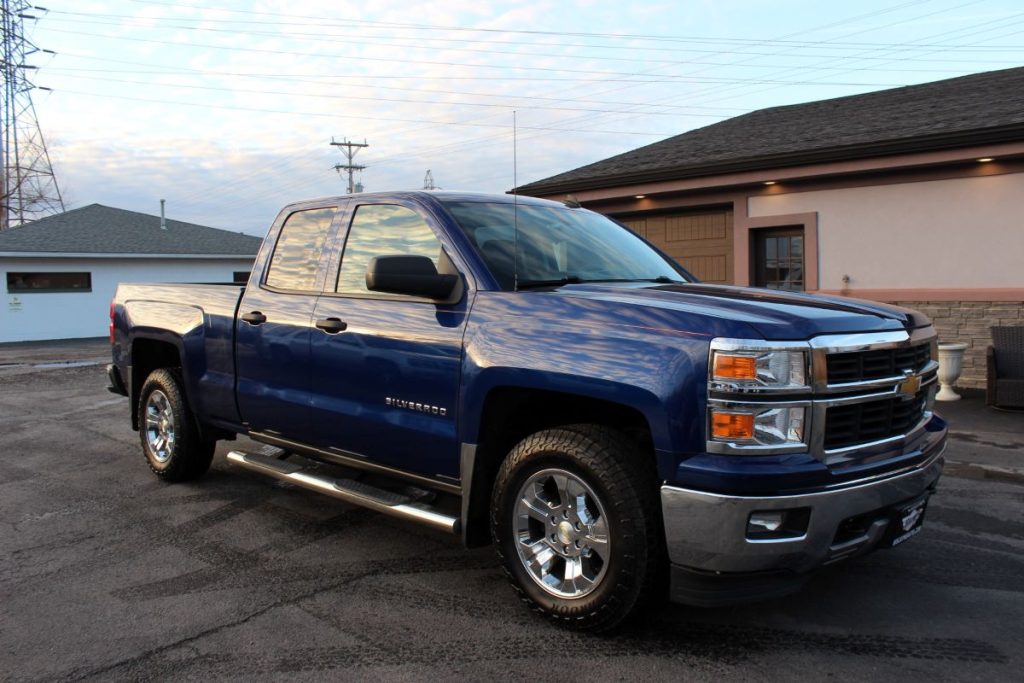
5. Chevrolet Silverado 1500
The Chevrolet Silverado 1500 belongs in this category because it represents another example of how a vehicle designed for demanding use can still respect the importance of straightforward maintenance.
Chevrolet has long understood that truck buyers often value mechanical accessibility just as much as horsepower or towing ratings. This philosophy shows itself clearly in how routine service points are arranged.
Instead of hiding critical components behind excessive covers, the Silverado generally keeps oil service areas open and reachable. The drain plug is usually positioned in a way that allows clean access from underneath without complex panel removal.
The oil filter location in many engine options is also placed where it can be reached without excessive hand contortions or specialized tools. This kind of layout shows practical thinking rather than purely aesthetic priorities.
There is another reason this truck deserves mention, and it comes from the ownership patterns of pickup buyers. Many Silverado owners perform their own maintenance because trucks often develop loyal long term owners.
A vehicle that supports do it yourself servicing builds trust. Chevrolet seems to acknowledge this by keeping basic procedures manageable for people with moderate mechanical experience.
This truck also deserves recognition because it shows that modern vehicles do not have to become harder to maintain as they become more advanced.
Even with newer engine technologies, improved fuel management systems, and emissions equipment, the Silverado still maintains a sense of mechanical accessibility that reflects traditional truck values.
I am including this vehicle because it highlights a simple but important idea. When manufacturers remember that maintenance is part of ownership, they often build stronger long term reputations.
The Silverado shows that a vehicle can be modern and capable while still respecting the importance of making basic service tasks realistic for everyday owners.
5 Cars That Are Nightmares
While some vehicles make oil changes simple through thoughtful engineering, others demonstrate how packaging constraints and design priorities can turn a basic maintenance task into a complicated process.
These vehicles are not necessarily unreliable or poorly built. In many cases they perform very well. The challenge comes specifically from how routine service procedures were considered during design.
A difficult oil change procedure can come from several factors. Tight engine compartments, multiple protective panels, unusual filter placements, or requirements to remove structural braces can all increase labor time. In some cases, service steps that appear minor on paper can become frustrating in practice due to poor accessibility.
Another reason this topic deserves attention is the cost impact. When an oil change takes significantly longer, labor charges increase.
Owners who prefer to do their own maintenance may also feel discouraged when basic service requires advanced tools or awkward disassembly. Over time, this can influence ownership satisfaction even if the vehicle performs well otherwise.
The following vehicles were selected because they illustrate how complex engineering can sometimes overlook service convenience. Each example shows a different reason why oil changes can become more difficult than expected. These cases highlight the importance of balancing innovation with maintainability.
1. BMW 7 Series
The BMW 7 Series is included in this category because it shows how luxury engineering can sometimes create unexpected service challenges. This flagship sedan is packed with advanced technology, sound insulation, and tightly packaged components.
While these features improve comfort and performance, they can also make routine maintenance more complicated than in simpler vehicles.
One factor that makes this car stand out is the way components are layered within the engine bay. Luxury vehicles often prioritize noise reduction and thermal management, which can result in covers and structural elements that must be navigated before reaching service points.
Even when the oil filter itself is not extremely difficult to access, the surrounding layout can slow the process.
There is also an important lesson here about engineering priorities. In a vehicle like the 7 Series, the primary focus is refinement, performance balance, and technological integration. Ease of maintenance may not always rank as highly during development.
This does not make the vehicle flawed, but it does illustrate how different priorities can shape ownership experience.

I am writing about this car because it represents how complexity can quietly affect routine ownership tasks. Buyers often focus on horsepower, interior features, and ride quality, but they may not consider how much effort basic maintenance could require.
The 7 Series serves as a reminder that engineering sophistication sometimes comes with service trade offs.
This example is valuable because it helps explain why maintenance difficulty does not always correlate with vehicle quality. A car can be exceptionally well engineered yet still present service challenges simply because it was optimized for different goals.
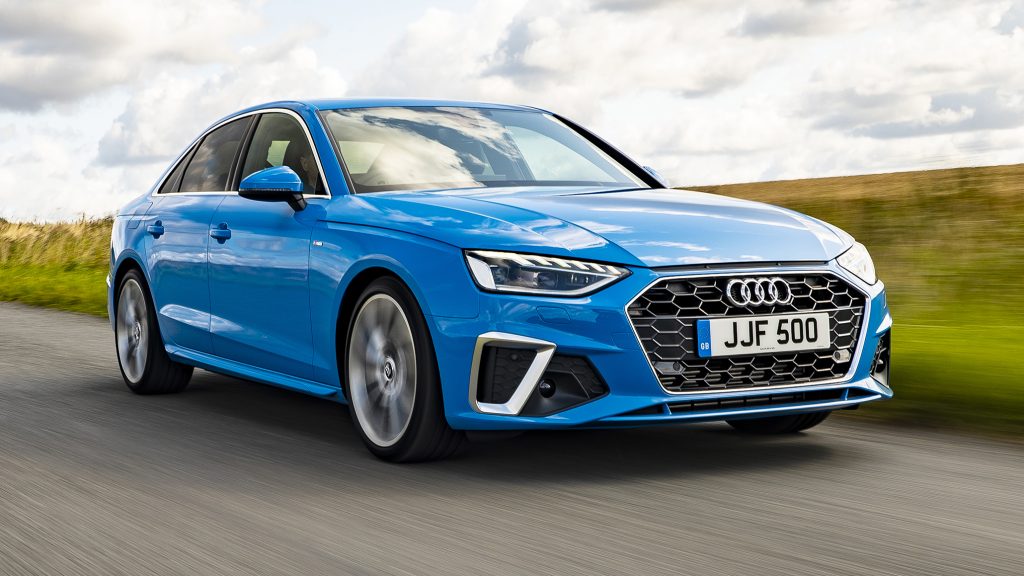
2. Audi A4
The Audi A4 earns its place in this discussion because it demonstrates how compact luxury packaging can complicate what would otherwise be a simple oil change.
Audi is well known for building refined interiors and balanced driving dynamics, but the tight packaging often required to achieve these qualities can sometimes make service access less convenient.
One issue that appears in some A4 configurations is the density of components surrounding the engine. Turbocharging hardware, emissions components, and protective covers can reduce working space. While professional technicians may handle this routinely, the process can feel intimidating for owners used to more accessible designs.
Another reason this vehicle is worth discussing comes from the evolution of modern German engineering. Manufacturers like Audi often push for efficient use of space and improved aerodynamics.
While this can improve performance and efficiency, it may also mean that maintenance tasks require more careful planning and sometimes partial disassembly of surrounding parts.
I chose to include the A4 because it represents a broader pattern rather than a single example.
Many compact luxury sedans face similar challenges because they try to combine performance, safety, and premium refinement within limited space. This often leads to compromises that are not immediately visible during purchase decisions.
Discussing the A4 helps highlight an important ownership reality. A vehicle can feel perfectly designed from a driver’s seat perspective while presenting a very different experience from a maintenance standpoint. Understanding that contrast is exactly why comparisons like this are useful.
3. Mini Cooper (Turbo Models)
The Mini Cooper, particularly the turbocharged variants, provides a very different kind of maintenance challenge compared to large luxury sedans. The difficulty here does not come from excessive luxury layering but from extreme space efficiency.
Mini vehicles are designed to be compact on the outside while still delivering strong performance, and that combination often results in very tightly packed engine compartments.
What makes this car especially notable is how little free space exists around the engine. Turbo plumbing, intake routing, heat shielding, and compact structural design all compete for the same limited area.
As a result, even reaching the oil filter can require patience and careful hand positioning. This is not the kind of layout that encourages quick driveway maintenance.
Another interesting reason to include this vehicle comes from the brand’s performance character. Mini promotes a fun to drive personality, and the turbo engines play a big role in that experience.
However, squeezing performance hardware into such a small footprint sometimes means maintenance convenience becomes secondary. This illustrates how performance packaging can influence service complexity.

I am writing about the Mini Cooper because it shows how design identity can shape engineering decisions. The brand focuses heavily on driving feel and compact proportions. Those goals are successfully achieved, but they also create trade offs in service accessibility that owners may only discover later.
This example is important because it highlights how size alone can affect maintenance. Even a relatively simple oil change can become challenging when engineers must prioritize fitting everything into a very small structure. The Mini Cooper demonstrates how clever packaging can sometimes come at the cost of service simplicity.
4. Land Rover Range Rover (Modern Models)
The modern Range Rover represents a different type of maintenance difficulty, one that comes from combining luxury, off road capability, and advanced electronics into a single platform.
These vehicles are technological showcases, but the same sophistication that makes them impressive can also make routine maintenance less straightforward than expected.
One factor that makes oil service more demanding in some Range Rover models is the extensive use of underbody protection.
Skid plates and aerodynamic shields help protect components and improve efficiency, but they may also require removal before reaching the drain plug. This adds extra steps to what would otherwise be a quick procedure.
There is also a broader ownership context that explains why this vehicle belongs here. Range Rovers are often filled with advanced suspension systems, terrain management electronics, and tightly integrated luxury components.
These features require careful packaging. That packaging sometimes leaves limited direct access to basic service points.
I chose to write about this vehicle because it illustrates how multi purpose engineering can increase complexity. When a vehicle is expected to perform as a luxury cruiser, a technology platform, and a serious off road machine, compromises inevitably appear. Maintenance accessibility sometimes becomes one of those compromises.

This example helps complete the picture by showing that service difficulty can come from ambition.
The Range Rover tries to do many things at once, and it succeeds in many areas. However, it also shows that when engineering goals expand, routine maintenance can become more involved than many owners initially expect.
5. Nissan GT-R
The Nissan GT-R completes this list because it shows how high performance engineering can turn even basic maintenance into a much more technical process. This is a car developed with track capability and precision performance as its primary goals. Because of that focus, service accessibility was never intended to be its strongest selling point.
One of the main reasons the GT-R appears in this discussion is the way its performance layout affects routine service. The engine bay is densely packed with performance components, cooling systems, and structural bracing designed to maintain rigidity at high speeds.
This makes reaching certain service points more time consuming than in a typical road car designed primarily for convenience.
Another important factor is the ownership profile of this vehicle. GT-R buyers often expect specialized service because the car is engineered to very tight tolerances.
Oil changes are not always treated as simple drain and refill procedures. They are often approached as part of a broader inspection routine because of the stresses performance driving places on the engine.
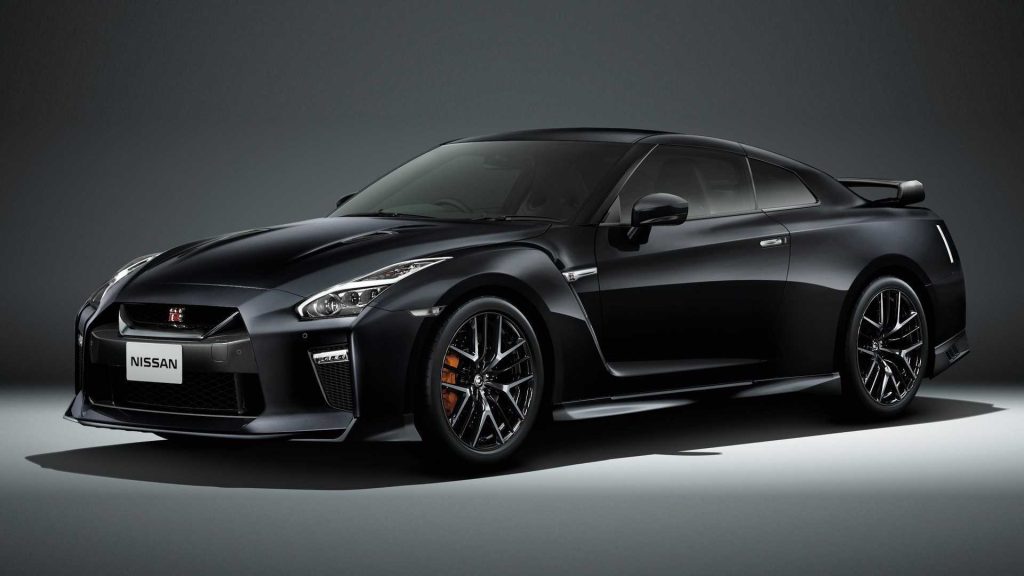
I am including the GT-R because it highlights an important contrast. A vehicle designed for maximum performance often accepts maintenance complexity as part of the trade off. This does not mean the design is flawed. It simply reflects a different set of priorities compared to commuter cars built around ease of ownership.
This example helps show that difficulty in maintenance is not always negative. Sometimes it simply reflects a vehicle built for a very specific purpose. The GT-R demonstrates how engineering for speed, durability under stress, and mechanical precision can naturally result in more involved service procedures.
Looking across these ten vehicles, a clear pattern begins to emerge. Maintenance simplicity usually comes from intentional design decisions rather than accident.
Vehicles such as the Toyota Corolla, Honda Civic, Subaru Outback, Ford F-150, and Chevrolet Silverado show how thoughtful engineering can make routine service approachable. These vehicles demonstrate that when manufacturers consider long term ownership, they often create stronger relationships with customers.
At the opposite end, vehicles like the BMW 7 Series, Audi A4, Mini Cooper, Range Rover, and Nissan GT-R illustrate how complexity can influence even the most basic service tasks.
These cars often prioritize performance, packaging efficiency, luxury integration, or technological advancement. In doing so, they sometimes accept that maintenance will require more time or expertise.
What makes this comparison valuable is the reminder that ownership experience extends beyond driving feel and specifications. Maintenance effort plays a quiet but important role in how satisfied owners remain over time. A vehicle that is slightly easier to service every year may save significant time and cost over a decade.
This discussion also shows that there is no universal right or wrong approach. Some buyers willingly accept maintenance complexity in exchange for performance or luxury benefits. Others prioritize simplicity because they value predictability and lower running costs.
In the end, the most important lesson is awareness. Understanding how engineering decisions affect maintenance can help buyers choose vehicles that match their expectations. Whether someone prefers simplicity or accepts complexity, knowing the difference helps create a more informed and satisfying ownership experience.
Also Read: 5 Engines With Robust Water Pumps vs 5 That Are Prone to Seizing
